
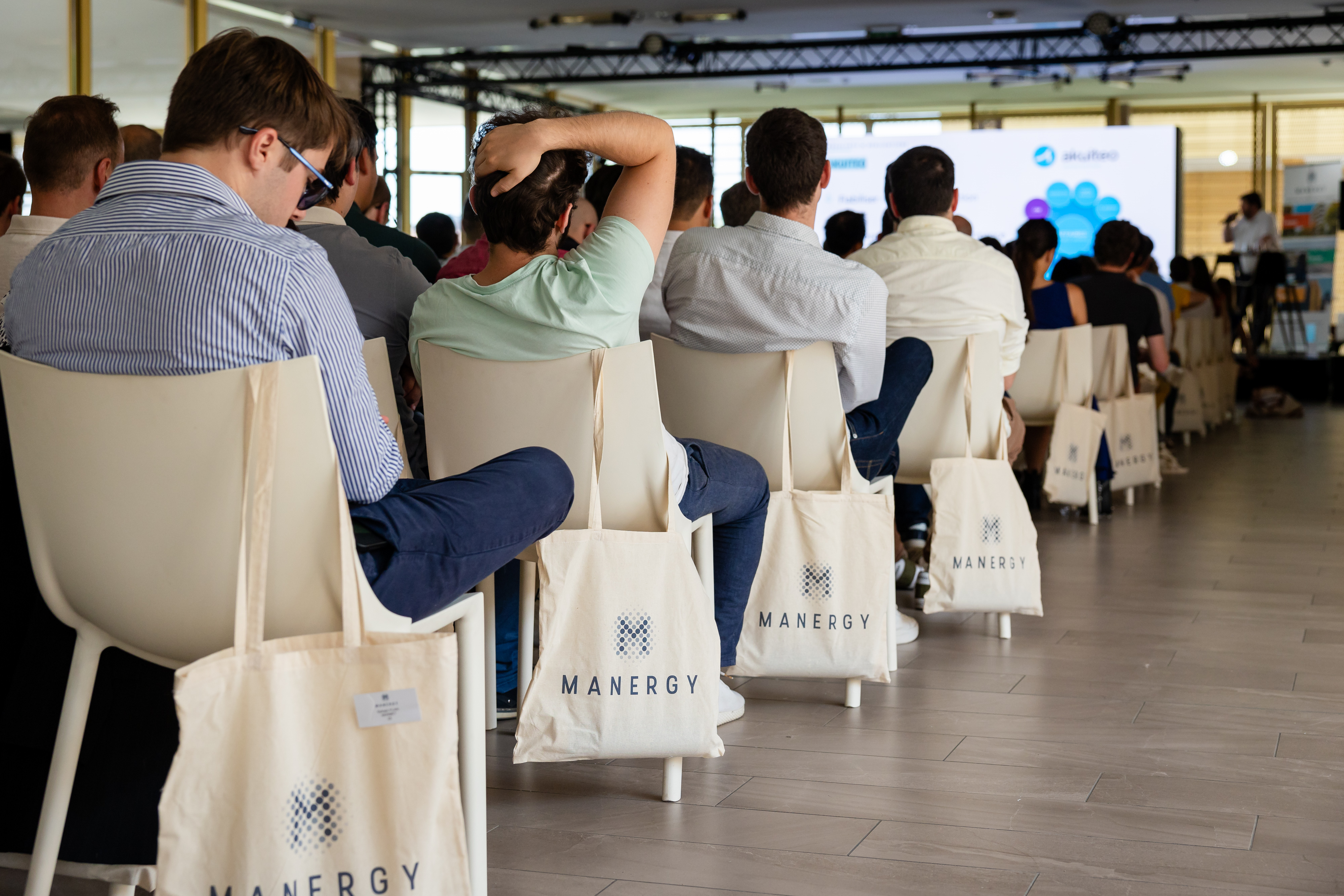
Promotional Merchandise in Laval that your teams actually use
INNOV'events supports executives, HR, and communications teams with Promotional Merchandise projects in Laval, from selection and branding to delivery and on-site distribution. Typical rollouts range from 50 to 5,000 units, aligned with your event calendar, onboarding cycles, or employer-brand campaigns. We handle supplier vetting, proofing, compliance checks, logistics, and contingency planning so your internal teams stay focused on message and people.
Sommaire
In a corporate event, merchandise is not “nice-to-have”: it’s a physical extension of your brand, a retention tool for key messages, and a lever to structure the attendee journey (welcome, milestones, recognition). Done right, it reduces friction on event day and increases post-event recall because people keep and use what you give them.
Organizations in Laval expect operational reliability: accurate quantities, bilingual details when required, clean branding, and delivery that matches tight schedules (shift changes, multi-site distribution, last-minute headcount changes). They also expect procurement-grade discipline: clear unit pricing, proofs approved on time, and realistic lead times.
From our Montréal base, we work on the ground across Laval—industrial parks, head offices, and venues—coordinating suppliers, couriers, and on-site teams. Our approach is field-driven: we plan for constraints you only see when you’ve done it (loading docks, storage, badge pick-up flow, replenishment, and “what if the CEO asks for 30 extra kits?”).
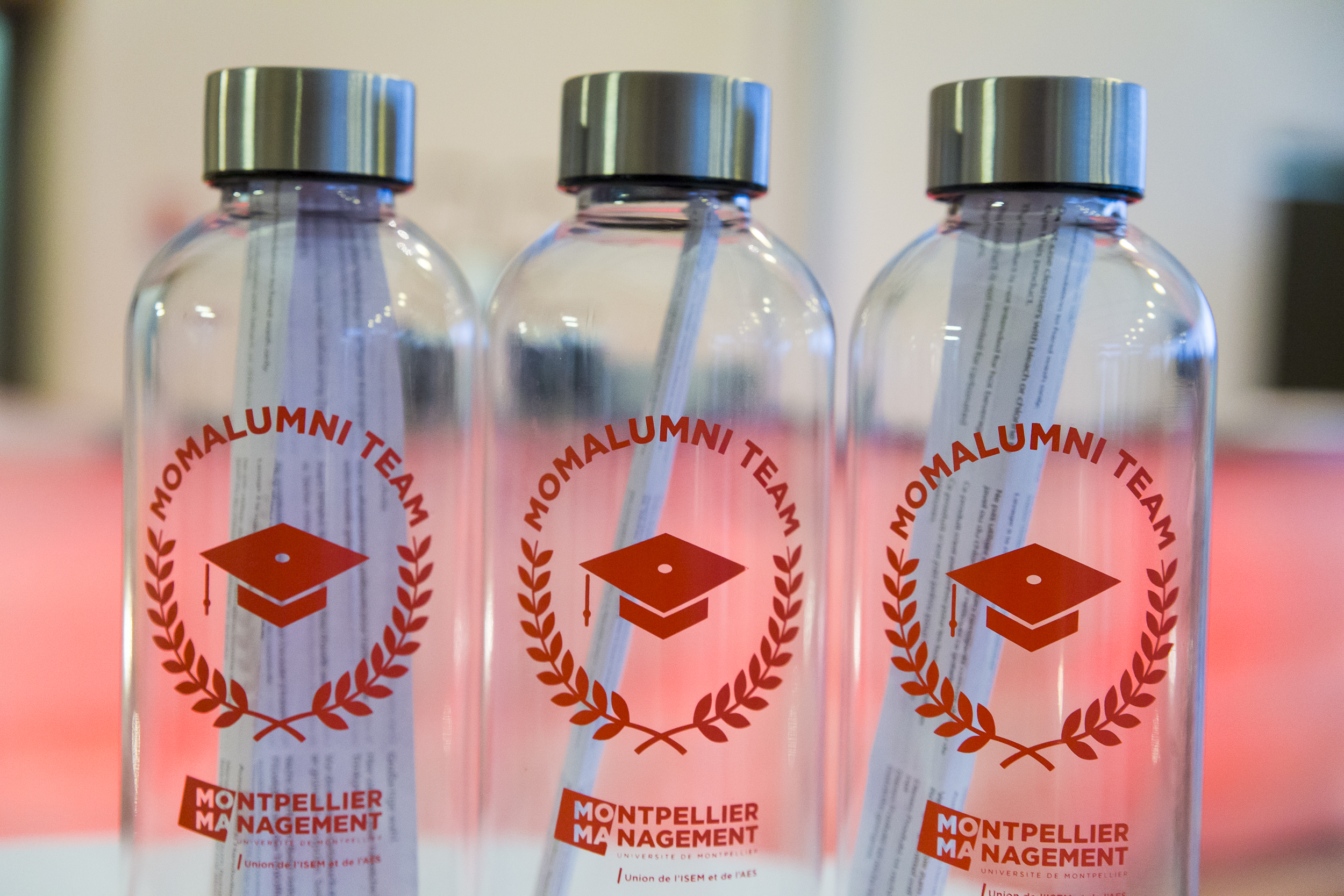
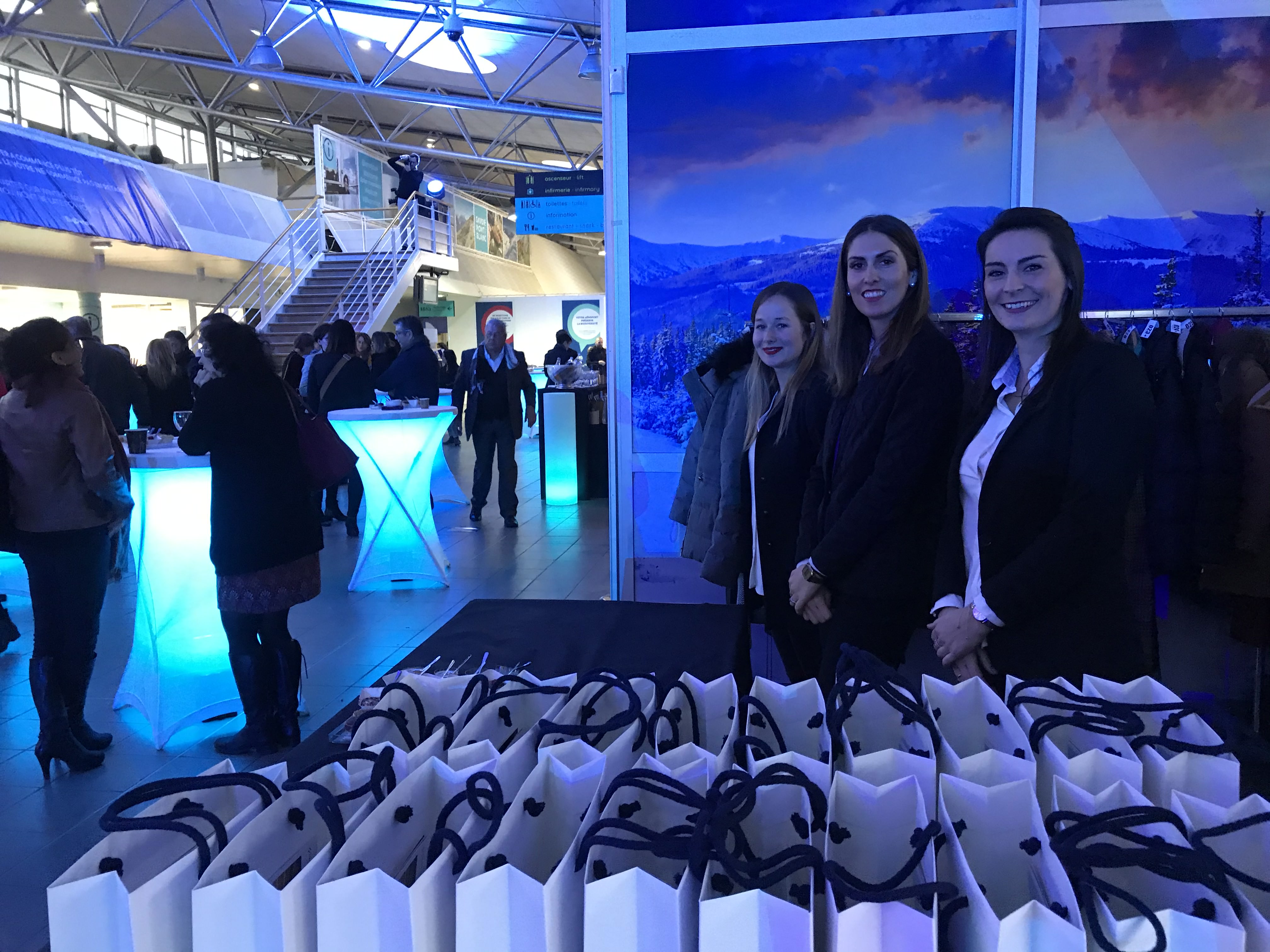
INNOV'events performance indicators in Quebec
10+ years coordinating corporate activations and merchandise rollouts across Greater Montréal, including Laval.
250+ corporate projects delivered (events, recognition programs, employer branding toolkits, and multi-site distributions).
500 to 25,000 units managed annually through our supplier network (textiles, print, packaging, and specialty items).
2-step proofing system (brand + production) to reduce print and sizing errors before mass production.
Who we support in Laval and why they renew
We regularly support organizations operating in Laval—from head offices to multi-shift sites—where merchandise has to be practical, brand-correct, and delivered with zero drama. Many of our clients come back year after year because they’ve seen what happens when a supplier misses a delivery window or when a “simple” logo placement becomes a production issue. In our mandate, we treat Promotional Merchandise in Laval as an operational project: quantities validated against real attendee lists, packaging designed for distribution, and timelines built backward from your event date.
If you want references, we can share comparable case examples (industry, volume, and constraints) during a call—especially useful when you’re benchmarking agencies and need to assess risk management as much as creative capability.
 Besoin d’un devis rapide ?
Nous vous envoyons une première proposition sous 24h.
Why invest in Promotional Merchandise for Laval teams
For executives and HR leaders, merchandise is not a cost line—it’s a controlled touchpoint. It can support culture, recognition, onboarding, and communications in a way emails can’t. The key is to treat it as a program with objectives, not as a last-minute order.
Employer brand reinforcement on the floor: in manufacturing and logistics environments common in Laval, usable items (quality hoodie, insulated bottle, work-compatible bag) are seen daily and become part of the culture.
More disciplined onboarding: a structured welcome kit reduces first-week friction (badge lanyard, notebook, safety-compatible apparel when applicable, bilingual quick guide). It also standardizes how new hires perceive the organization.
Recognition with real impact: anniversary or performance kits that look “procurement-grade” (consistent packaging, clear message card, quality control) feel credible—especially for long-tenure employees.
Event flow control: distributing items at specific moments (check-in, workshop entry, closing) helps manage movement and keeps engagement high without forcing “activities” that don’t fit your culture.
Message retention for communications teams: when an item includes a subtle cue (campaign tagline, QR to internal hub, value statement), it prolongs the campaign beyond the event day.
Laval is built on pragmatic execution—industrial performance, service efficiency, and strong community networks. Merchandise that respects that reality (useful, durable, correctly branded, delivered on time) earns trust faster than anything overly flashy.
What decision-makers in Laval expect from a merchandise partner
In Laval, many organizations operate in multi-site or multi-shift contexts. That changes everything: distribution windows are narrow, storage is limited, and a “one-size approach” creates immediate dissatisfaction (especially for apparel sizing). We often see HR teams asked to “just order something” for a town hall or hiring push—then they inherit the operational consequences: missing sizes, unclear pickup rules, no extras for late registrations, and inconsistent branding across batches.
Local expectations are also shaped by procurement realities: you may need two quotes, clear incoterms, and a vendor who can issue documentation quickly (proof approvals, production timelines, and item specifications). Communication teams expect brand integrity: correct color matching, consistent logo clear space, and a final product that photographs well for internal and external posts. Executives expect predictability: no surprises at delivery, no excuse-based explanations, and a clear contingency plan if a supplier falls short.
Finally, there’s the bilingual factor. Even when not legally required for every item, many organizations in Laval prefer bilingual packaging inserts or cards—especially for onboarding kits and corporate events—because it avoids internal friction and supports inclusion.
Which merchandise activations work best in Laval corporate events
Merchandise becomes significantly more effective when it’s integrated into an experience instead of handed out randomly. The goal is not to “entertain” for the sake of it; it’s to create a moment where people understand the meaning of the item and want to keep it. In Laval, we prioritize activations that are fast, operationally simple, and compatible with corporate environments.
Interactive animations in Laval
Live personalization station: on-site heat transfer for names/roles on caps or hoodies, or laser engraving for drinkware. Works well for leadership summits and recognition events; plan for throughput (e.g., 25–40 units/hour per station depending on complexity).
Pick-your-kit kiosks: attendees choose between 2–3 curated bundles (e.g., commuter kit vs. desk kit). This reduces waste and increases perceived value while controlling inventory.
Team challenge with practical rewards: instead of generic prizes, we allocate “useful wins” (premium notebook + pen set, insulated lunch bag). We design it so winners can claim quickly without creating lineups.
Art animations in Laval
Brand illustration corner: a local illustrator creates quick portraits or themed illustrations printed as postcards with your internal campaign message. Good for culture events where you want keepsakes without high per-unit cost.
Calligraphy or typography on cards: adds a premium feel to recognition notes placed inside kits—especially effective for executive thank-you messages.
Innovative animations in Laval
Local edible add-ons: Québec-made treats paired with a durable item (mug, thermos). Important: plan shelf life and storage; avoid chocolate if staging near heat sources or under spotlights.
Coffee bar + reusable cup program: align sustainability goals with a concrete item people keep. We coordinate cup sizing, lid compatibility, and bar workflow so it doesn’t slow down check-in.
Gourmand animations in Laval
QR-coded merchandise tracking: for multi-site Laval distribution, we can add QR codes on packaging to confirm pickup and manage leftovers by location (useful for HR reporting and avoiding duplicate claims).
Sustainable sourcing with real documentation: items with verified certifications (recycled content, traceable cotton) and clear spec sheets—important when your ESG report is reviewed by leadership and external partners.
Whatever the concept, it must fit your brand image and your organizational culture. A tech firm and a manufacturing site will not value the same objects, and the wrong choice creates silent reputational damage. Our role is to recommend items and activations that match how your people actually work in Laval—and to execute them with the same rigor as event production.
Where to stage a merchandise rollout in Laval
The venue or distribution point changes how your merchandise is perceived. A well-organized pickup area with clear signage and staged kits feels professional; a table with open boxes feels improvised. In Laval, we often plan distribution around access, parking, and loading constraints so delivery and setup don’t disrupt operations.
| Venue type | For which objective? | Main strengths | Possible constraints |
|---|---|---|---|
| On-site headquarters lobby or cafeteria (Laval) | Town hall distribution, recognition kits, quick pickup | High attendance capture, minimal extra travel, easier coordination with internal teams | Needs storage space and a clear flow plan; may require staggered pickup to avoid lineups |
| Hotel or conference venue in Laval | Leadership offsite, client event, sales meeting | Professional staging, controlled environment, AV and branding opportunities | Loading dock schedules, union or venue handling rules, limited setup windows |
| Industrial site / warehouse break area (53) | Shift-based appreciation, safety-aligned kits, multi-shift engagement | Reaches operational teams, high credibility when items are truly usable | Requires strict timing, PPE compatibility, and robust packaging to withstand handling |
| Off-site pickup point with courier routing (Laval) | Multi-site distribution across the city | Centralized inventory control, predictable dispatch, easier tracking | Requires accurate address lists and recipient communication; risk of returns if info is wrong |
We strongly recommend a short site visit (or at minimum a walkthrough with photos and dock details) before finalizing quantities and staging. In Laval, small constraints—like a freight elevator schedule or a narrow corridor—can dictate whether distribution feels smooth or chaotic.
How to budget Promotional Merchandise in Laval (53)
Pricing depends on the item category, branding method, quantities, lead times, and logistics. The fastest way to control budget is to decide what you’re optimizing for: perceived value, durability, sustainability credentials, or speed. We build quotes with clear line items so you can defend the spend internally.
Quantity tiers: unit cost drops meaningfully at common thresholds (e.g., 50 / 100 / 250 / 500 / 1,000+). We advise ordering based on realistic uptake plus a controlled overage.
Branding method: screen print is cost-effective at volume; embroidery increases perceived value on apparel; laser engraving is premium for drinkware; full-color digital works for complex logos but may be less durable on some materials.
Lead time: rush production can add 10–40% depending on supplier and seasonality (end-of-year and spring event peaks). For Laval events, we also account for local courier capacity during peak weeks.
Packaging and kitting: individual packaging, bilingual inserts, and assembling multi-item kits add labor cost—but dramatically improve distribution speed and brand perception.
Delivery and handling: dock appointments, multi-site drops, inside delivery, and staging support can be material. We clarify these early so there’s no “surprise logistics” invoice.
Quality control and reprint risk: we include proofing steps and, when needed, pre-production samples to reduce the cost of mistakes (a reprint can exceed the cost of doing it right upfront).
The ROI lens: if your merchandise supports retention, onboarding, or a key client moment, the right item can outperform a larger spend on short-lived tactics. We’ll help you choose what delivers value for your Laval audience—and what to avoid.
Why choose an event partner connected to Laval suppliers
With merchandise, the risk is rarely the idea—it’s the execution. A partner who works regularly in Laval understands delivery realities, venue constraints, and the local supplier ecosystem. That translates into fewer delays, better contingency options, and faster decisions when something shifts 48 hours before your event.
INNOV'events coordinates merchandise as part of a broader event plan when needed. If your project includes staging, hosting, or a corporate rollout, it’s often more efficient to keep the same production team accountable for the whole chain. If you’re evaluating options, you can also review our local capabilities here: event agency in Laval.
- Faster troubleshooting: if a box arrives damaged or quantities are short, local coordination helps recover quickly (replacement runs, re-routing, on-site adjustments).
- Better realism on timelines: we quote lead times that include proofing, production slots, and delivery buffers—not just “best-case” promises.
- On-site distribution planning: we design the pickup flow, signage, staffing, and replenishment plan so your HR/Comms team isn’t stuck managing boxes.
- Consistency across campaigns: we keep brand specs and references so your items remain consistent across quarters (colors, logo usage, packaging style).
The ROI lens: if your merchandise supports retention, onboarding, or a key client moment, the right item can outperform a larger spend on short-lived tactics. We’ll help you choose what delivers value for your Laval audience—and what to avoid.






What we deliver for Laval organizations (examples of mandates)
Our merchandise mandates range from simple, high-volume distribution to executive-grade kits that must reflect brand positioning. In Laval, we frequently support:
- Town halls and quarterly updates: check-in kits (badge accessories, notebooks, drinkware) staged for fast pickup, with controlled overage for late registrations.
- Onboarding programs: standardized welcome boxes with bilingual inserts, managed inventory, and replenishment planning so HR isn’t reordering every month in panic mode.
- Recognition and service milestones: premium items selected for durability (apparel weight, hardware quality), with packaging that matches the seriousness of the message.
- Recruitment and job fairs: items that survive transport and provide real utility (tote that doesn’t tear, pen that writes, QR card to careers page), while keeping unit costs aligned to expected lead volume.
- Client and partner events: branded gifts with a “procurement clean” look—no cheap finishes, no misaligned logos, no items that feel like leftovers.
Across these scenarios, our differentiator is operational discipline: the proofing process, the logistics plan, and the on-site distribution mechanics that protect your brand under event-day pressure.
Common mistakes with Promotional Merchandise in Laval
Ordering without validating audience data: headcount, role mix, and sizing distribution matter. We often see apparel orders skewed toward M/L while the actual workforce needs more XL/2XL—creating dissatisfaction and waste.
Approving artwork without a production-minded check: thin lines, gradients, and small text can fail on textured fabric or curved surfaces. We review for real-world constraints, not just brand guidelines.
Underestimating lead times during peak periods: end-of-year, spring, and back-to-work seasons can bottleneck production. A “rush” may mean compromises on quality or unexpected surcharges.
No distribution plan: a box arriving at a Laval site is not a rollout. Without staging, signage, staffing, and pickup rules, your internal team ends up firefighting.
Choosing items that don’t fit work reality: glossy notebooks in a warehouse environment, fragile drinkware for field teams, or apparel that doesn’t layer well with workwear.
Ignoring leftovers and re-use strategy: without a plan, surplus sits in storage and becomes obsolete. We plan how leftovers can serve onboarding or future events.
Our role is to prevent these risks before they become visible to your employees or clients. In merchandise, the brand impact is immediate: people judge quality in seconds, and operational glitches are remembered longer than the speech.
Why Laval clients stay with INNOV'events year after year
Repeat business in merchandise is earned through consistency. Teams come back when they can predict outcomes: correct items, correct branding, correct quantities, delivered at the right time—with documentation that makes internal approvals easier.
Multi-wave planning: many clients run 2–4 drops/year (town hall + onboarding + recognition + client moments). We build a calendar so you’re not starting from zero each time.
Inventory logic: when it makes sense, we recommend keeping a controlled buffer stock (especially for onboarding) and reordering only what’s needed.
Standardized brand files: we maintain approved placements, colors, and packaging formats to avoid “version drift” over time.

Loyalty is a practical indicator: it means fewer escalations, fewer surprises, and better internal confidence for HR and communications teams in Laval.
Our process for Promotional Merchandise in Laval, from brief to rollout
👉 Step 1 — Clarify objectives and constraints in Laval
We start with a short working session: audience profile (employees, clients, candidates), quantities, distribution method (on-site pickup, multi-site drop, shipping), brand constraints, and event date. We confirm non-negotiables: bilingual needs, sustainability requirements, and any procurement rules in your Laval organization.
👉 Step 2 — Curate 2–3 item directions with transparent pricing
We propose a short list of items with clear trade-offs (cost vs. durability vs. perceived value). Each option includes unit pricing at relevant tiers, branding method, lead time, and what’s included (packaging, inserts, kitting). This makes executive decision-making faster and reduces back-and-forth.
👉 Step 3 — Proofing that prevents production mistakes
We run a two-layer approval: brand approval (placement, colors, readability) and production approval (tech specs, imprint method, sizing, tolerances). When risk is high (new supplier, premium item, strict color match), we recommend a pre-production sample before full run.
👉 Step 4 — Production follow-up and timeline control
We reserve production slots, track milestones, and validate transit plans to Laval. If a supplier flags a delay, we escalate immediately with alternatives (partial shipment, substitute item, local pickup, or adjusted distribution plan).
👉 Step 5 — Kitting, packaging, and labeling for fast distribution
We assemble kits (if applicable), add bilingual cards or campaign inserts, and label cartons by site/department/shift to reduce on-site handling. This is where many projects gain or lose credibility—good packaging signals professionalism before anyone opens the box.
👉 Step 6 — Delivery, staging, and on-site support when required
We coordinate dock appointments, inside delivery, and staging layout. For events, we can staff the distribution zone, manage replenishment, and keep an accurate count of what was handed out vs. what remains—useful for HR reporting and future planning in Laval.
👉 Step 7 — Post-rollout review and next-cycle planning
After the rollout, we document what worked (uptake rates, sizing issues, leftover volumes) and propose improvements for the next cycle. This turns a one-off merchandise order into a controlled program that gets easier—and more cost-efficient—over time.
FAQ sur l'organisation Promotional Merchandise à Laval
What lead time should we plan in Laval?
Plan 3–6 weeks for most branded items (proofing + production + delivery). Premium apparel, custom packaging, or peak periods can require 6–10 weeks. Rush is possible, but it may add 10–40% and reduce item choices.
What quantities make sense for a Laval town hall?
Use your registration list plus a controlled buffer: typically 5–10% extra. If attendance is uncertain (open invitation, multi-shift site), we may recommend 10–15% depending on the item and whether leftovers can be reused for onboarding.
How do you avoid wrong sizes for Laval apparel orders?
We request a size forecast (past data or quick internal survey), validate supplier sizing charts, and order a balanced run. For large groups, we set up exchanges with a small reserve stock. For high-stakes events, we can offer pre-selection or on-site sizing samples to reduce dissatisfaction.
Can you handle multi-site delivery across Laval?
Yes. We plan carton labeling by site/department, schedule drops, and can add pickup tracking when needed. Most multi-site projects require clear recipient lists and a delivery window per location; we typically confirm everything 7–10 days before dispatch.
What budget range is typical in Laval merchandise projects?
For corporate needs, a practical range is $8–$25 per person for usable single items (bottles, caps, notebooks) and $25–$85 per person for curated kits (apparel + drinkware + packaging). Final pricing depends on quantity, branding method, and logistics.
Request a quote for Promotional Merchandise in Laval
If you’re comparing agencies, we suggest starting with three concrete inputs: your event or rollout date, estimated quantities (and whether apparel is involved), and your distribution reality in Laval (single site vs. multi-site). From there, INNOV'events can propose item directions with transparent pricing, realistic lead times, and an execution plan that protects your brand on delivery day.
Send us your brief and constraints. We’ll come back with options you can actually present internally—clear, defensible, and built for operational reality.
INNOV'events Laval Agency
Thierry GRAMMER is the manager of the INNOV'events Laval office. Reach out directly by email at canada@innov-events.ca or via the contact form.
Contact the Laval agencyToutes nos prestations & animations Laval, Quebec
Découvrez nos prestations événementielles
Découvrez nos animations événementielles disponibles au Quebec
- Event Hostess in Laval
- Escape Game in Laval
- MasterChef-Style Cooking Workshop in Laval
- Corporate Magician in Laval
- Tent Rental in Laval
- Color Analysis Workshop in Laval
- Inflatable Games in Laval
- Valet Service in Laval
- Soccer Simulator in Laval
- LED Furniture Rental in Laval
- LED Branding Activation in Laval
- Immersive Culinary Experience in Laval
- Light Painting Activity in Laval
- Immersive Mystery Night in Laval
- Promotional Contest in Laval
- Promotional Materials (POS) in Laval
- Virtual Reality Experience in Laval
- Molecular Gastronomy Workshop in Laval
- Halloween Event in Laval
- Fireworks Show in Laval
- Sports Challenge – Giant Games in Laval
- Professional Event Host in Laval
- Photo Booth Animation in Laval
- Santa Claus Appearance in Laval
- Kids Entertainment in Laval
- Guided Tour in Laval
- Urban Rally in Laval
- Ball Pit Activity in Laval
- Flight Simulator in Laval
- Food Truck Rental in Laval
- World Record Attempt in Laval
- Surf Simulator in Laval
- Soccer Simulator in Laval
- Wine Casino in Laval
- Makeover Workshop in Laval
- Perfume Creation Workshop in Laval
- Acting Workshop in Laval
- CSR Activities in Laval
- Archery Activity in Laval
- Event Security Guard in Laval
- Wine Tasting Workshop in Laval
- Mime Performance in Laval
- TV Game Show Animation in Laval
- Funfair Event in Laval
- Crisis Management Workshop in Laval
- Crisis Negotiation Workshop in Laval
- Arcade Games in Laval
- Indoor Skydiving Simulator in Laval
- Ski Simulator in Laval
- Racetrack Driving Experience in Laval
- Introductory Flight Experience in Laval
- Tasting Experience in Laval
- Build Your Own Foosball Workshop in Laval
- 2CV Rally in Laval
- LEGO Challenge in Laval
- Casino Night in Laval
- Interpreter / Translator in Laval
- Promotional Merchandise in Laval
- Shuttle / Transportation Service in Laval