
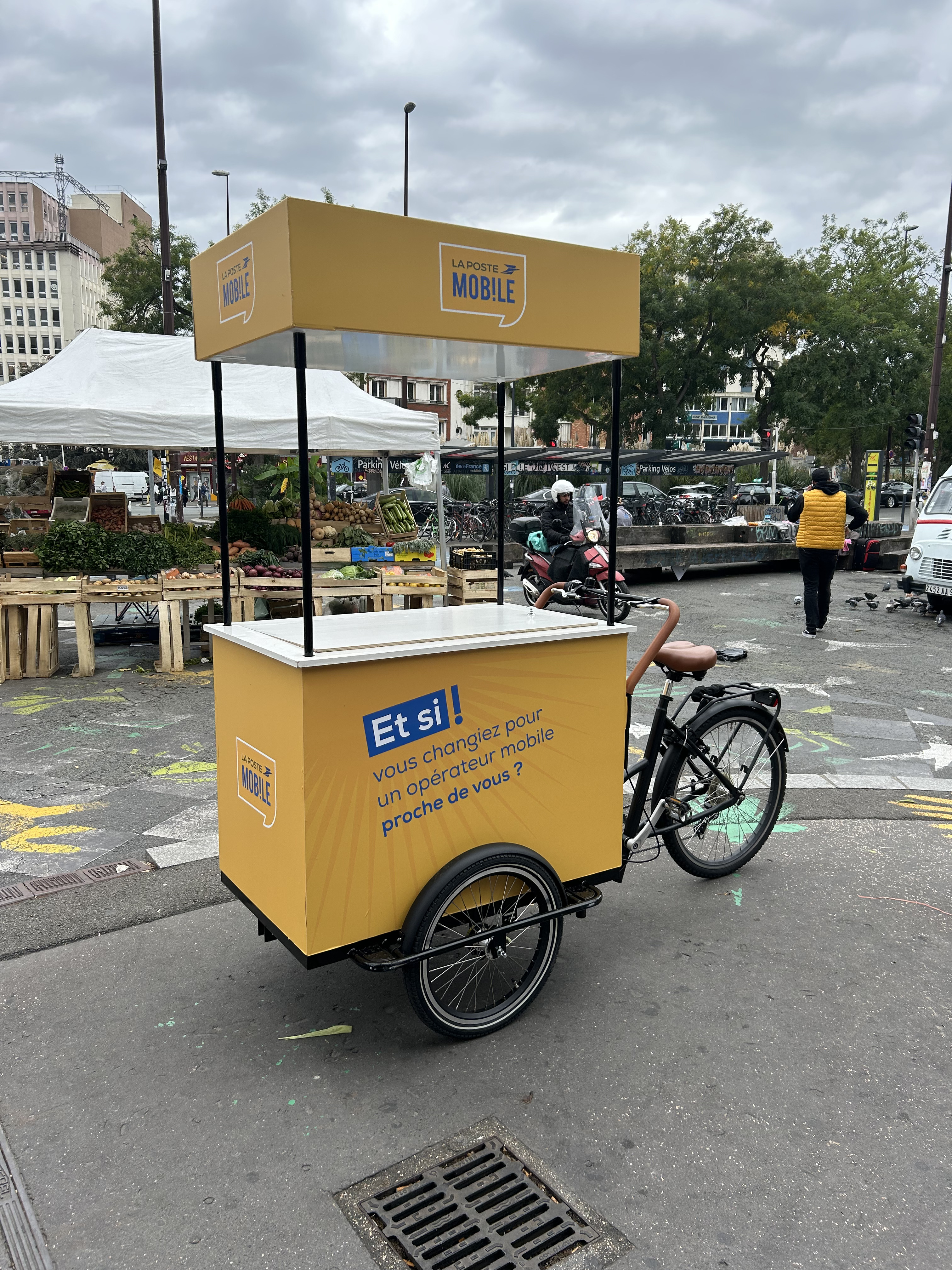
Promotional Materials (POS) in Laval that protect your brand on event day
INNOV'events supports executives, HR and communications teams with Promotional Materials (POS) for corporate events in Laval, from concept to on-site installation. Typical formats: 30 to 2,000 attendees, internal or client-facing activations, multi-site rollouts. We manage production, logistics, compliance, and the last 5% that usually breaks timelines.
Sommaire
At a corporate event, Promotional Materials (POS) are not “decor”: they are what makes the experience readable and controlled—entry flow, brand hierarchy, product messaging, sponsor visibility, and the professionalism stakeholders judge in the first 30 seconds.
In Laval, organizations expect fast turnaround, bilingual accuracy, and flawless execution in venues with tight dock schedules and strict rules. Your leadership team also expects predictable costs, zero surprises, and a partner who can make decisions on-site without escalating every detail.
From our Montréal base, we deploy weekly across Laval (industrial parks, shopping centres, hotels, arenas, office hubs). Our team handles design adaptation, preflight, production, transport, installation, dismantle, and post-event reporting—so your internal team stays focused on guests and business outcomes.
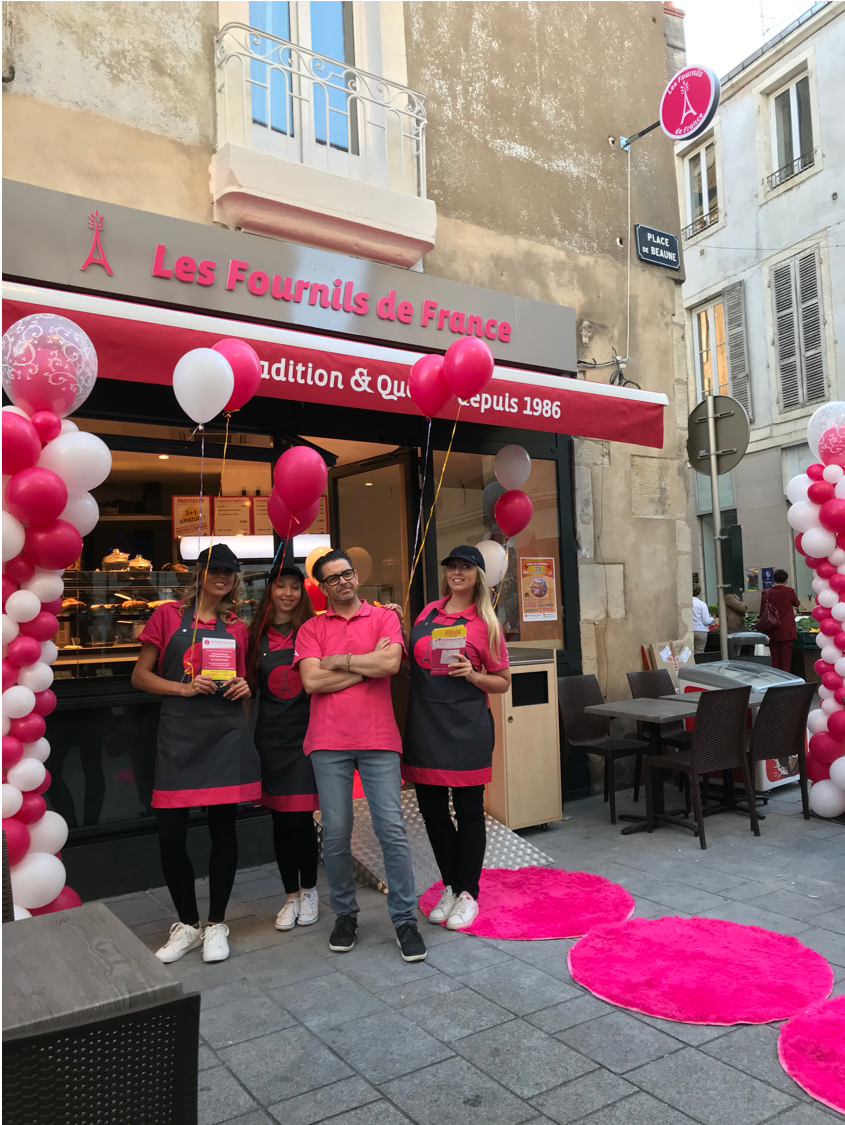
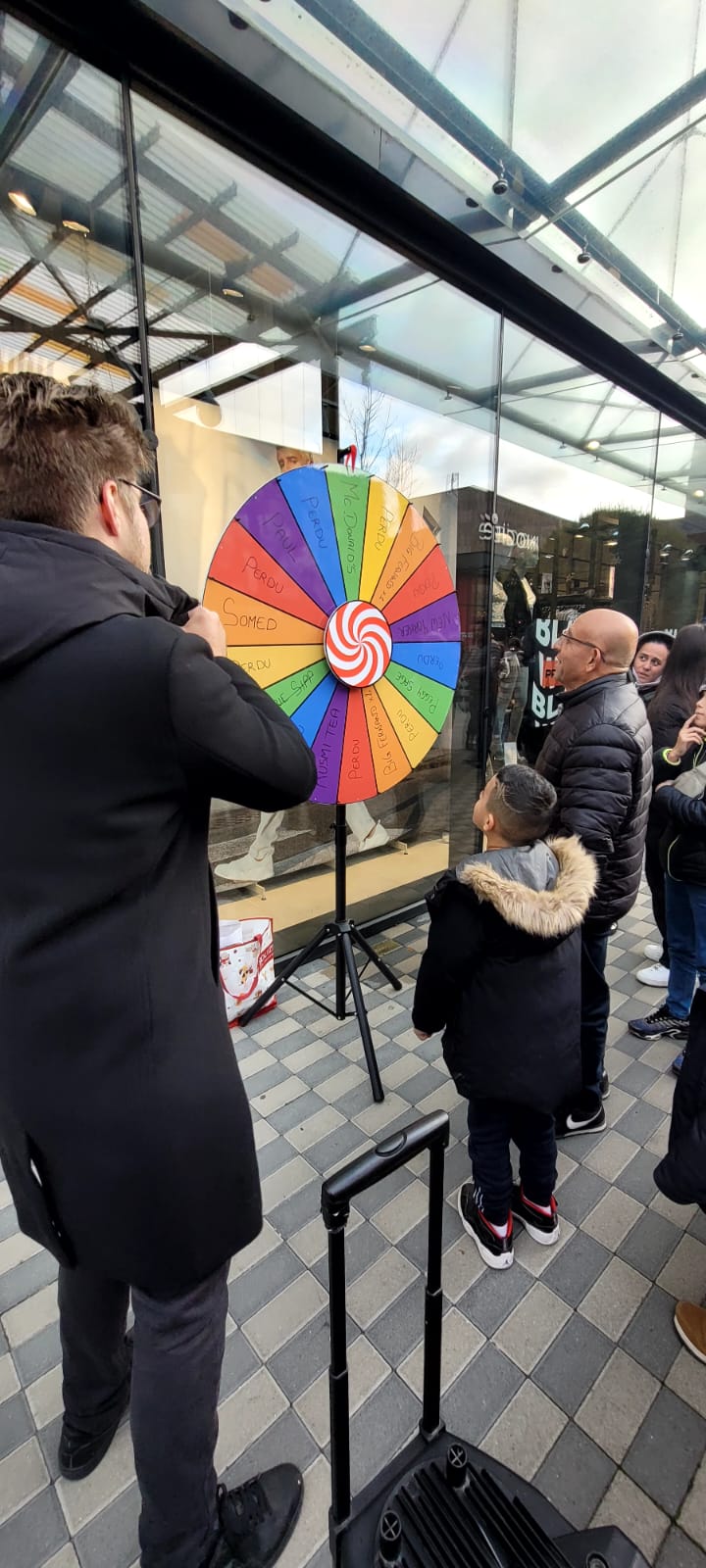
Operational benchmarks we bring to Laval projects
10+ years supporting corporate activations across Greater Montréal, including Laval and the North Shore.
300+ projects/year managed within our partner network (printing, fabrication, AV, install crews), allowing redundancy when deadlines are tight.
48–72h typical turnaround for urgent reprints of core items (roll-ups, foamcore, vinyl) when files are approved and venue constraints are clear.
2-step quality control: pre-production proofing (content, dimensions, bleed, bilingual) + on-site checklist (placement, lighting, safety, adhesion).
Single point of contact for executives and comms leads, with an install lead on-site empowered to solve issues in real time.
Laval references and recurring collaborations
We support organizations working throughout Laval—from service companies with frequent internal communications needs to industrial players who require robust, safety-compliant signage and clear visitor routing. Many of our clients come back year after year because they want the same certainty: the right files, the right materials, the right installation team, and a calm event day.
You mentioned providing company names as references; we can integrate them here exactly as you prefer (public mention, sector-only mention, or “available on request”). In practice, we often operate under brand confidentiality, especially for product launches, HR announcements, or union-sensitive environments. What we can always share upfront: concrete examples of deliverables, production specs, and timelines we used in similar Laval contexts.
For example, we regularly handle multi-deliverable packages for Laval events: entrance signage, directional wayfinding, stage backdrops, sponsor walls, table-top POS, and last-minute changes due to agenda shifts or speaker updates. The recurring point: reliability is not a promise; it’s a process.
 Besoin d’un devis rapide ?
Nous vous envoyons une première proposition sous 24h.
What Promotional Materials (POS) change for your Laval event outcomes
Promotional Materials (POS) are the most underestimated lever in corporate events: they shape how your message is understood, how people move, and how leadership perception forms. When your team invests in content, speakers, and logistics, POS is what turns that investment into clarity on the floor.
Protect executive messaging: a consistent visual hierarchy prevents “competing messages” (HR, brand, sponsors, sales) and keeps your narrative intact.
Reduce operational friction: clear check-in and wayfinding signage reduces bottlenecks, prevents late arrivals, and limits staff being pulled away to answer basic questions.
Increase sponsor and partner satisfaction: measured visibility (backwalls, step-and-repeat, directional callouts) supports renewals—without overloading the environment.
Strengthen employer brand: for HR events (town halls, recognition nights, hiring fairs), professional POS supports credibility—especially when employees compare your internal experience to what they see externally.
Standardize multi-site execution: if you’re running the same activation across Laval and nearby sites, POS templates allow rapid rollouts with controlled quality.
Enable measurable outcomes: QR codes, lead capture prompts, and product callouts can be integrated into POS for trackable engagement—without turning the event into a sales pitch.
Laval is pragmatic and fast-moving: industrial corridors, retail hubs, and headquarters environments coexist. Strong POS ensures your event reads as structured, credible, and aligned with the local business culture—especially when senior stakeholders and partners are present.
What Laval venues and stakeholders require from POS execution
Delivering Promotional Materials (POS) in Laval means working with real constraints, not ideal conditions. We plan for loading docks with short windows, freight elevator access that must be reserved, parking limitations for cube vans, and venue rules around wall adhesion, fire ratings, and rigging points.
On the stakeholder side, communication and HR teams in Laval typically want bilingual content that is not “translated,” but adapted—especially for safety statements, HR policy language, and compliance notices. Executives want the event to look controlled and intentional: no curling vinyl, no mismatched blacks, no last-minute tape fixes in front of guests.
We also see a strong expectation for speed: agendas shift, speakers change, and brand teams update key messages late in the cycle. That’s why we set file cutoffs, identify what can be reprinted in 24–72 hours, and pre-approve backup solutions (modular panels, interchangeable inserts, neutral signage that can be updated on site).
Finally, there’s the reality of mixed audiences: employees, customers, suppliers, and sometimes municipal or community partners. POS must remain professional, inclusive, and readable from a distance—especially in large Laval rooms where lighting and ceiling height change how signage performs.
How POS supports corporate event engagement in Laval
Executives often separate “content” from “experience.” In reality, Promotional Materials (POS) are what make engagement possible: they guide people to the right touchpoints, clarify what to do, and turn passive attendance into structured participation. In Laval, where corporate events often include mixed agendas (business updates + recognition + networking), POS is the tool that keeps the room coherent.
Interactive animations in Laval
QR-led journeys: signage that turns a venue into a guided experience (survey, quiz, scavenger-style learning). We design it to work even with uneven cellular coverage by using short links and offline-friendly landing pages.
Live polling boards: physical panels or foamcore walls where participants vote with stickers, then results are captured for internal reporting. Simple, but effective for town halls and HR sessions.
Wayfinding for breakouts: color-coded tracks (e.g., leadership, operations, sales) so attendees self-navigate without constant staff intervention.
Art animations in Laval
Brand backwalls with purpose: not just a photo wall—built with correct lighting angles, camera distance, and logo legibility so communications teams can actually use the images.
Stage dressing that reads on camera: podium wraps, lectern panels, and backdrop elements scaled for wide shots and close-ups, useful when your Laval event is streamed or recorded.
Innovative animations in Laval
F&B labeling that prevents confusion: bilingual dietary cards, allergen notices, and station naming that reduce service friction and protect your duty of care.
Branded menu moments: table tents or counter POS that connects culinary stations to your theme or corporate messaging without overwhelming the dining experience.
Gourmand animations in Laval
Modular POS systems: reusable frames with interchangeable inserts to reduce waste and speed up future Laval deployments. Ideal for organizations with quarterly events.
Hybrid-ready signage: on-site POS aligned with digital overlays (lower thirds, holding slides, virtual lobby visuals) so the brand looks consistent for both in-room and remote audiences.
The key is alignment: POS should reinforce your brand standards and the tone leadership wants to project—innovative, rigorous, people-first, premium, or operationally grounded. If the visuals contradict the message, the room feels “off,” and your communications team pays the price afterward.
Which Laval venue types work best for POS-heavy corporate setups
The venue dictates what you can install, how early you can access the room, and what materials will hold. In Laval, we often see constraints around loading, ceiling height, and wall surfaces. Choosing the right venue type early prevents expensive last-minute workarounds (additional rigging, freestanding structures, reprints due to size limits).
| Venue type | For which objective? | Main strengths | Possible constraints |
|---|---|---|---|
Hotel ballroom / conference floor in Laval | Town halls, recognition nights, partner updates with a formal flow | Existing staging, controlled lighting, staff support, predictable guest circulation | Strict install windows, restrictions on wall adhesion, union/vendor rules, storage limitations |
Industrial or warehouse space (converted) in Laval | Product demos, innovation showcases, large-format branding and equipment displays | High-impact visuals, flexible layout, vehicle access for big items | Power distribution, heating/cooling, safety signage needs, dust/noise, insurance requirements |
Office campus / HQ common areas in Laval | Employee engagement, HR activations, leadership comms with minimal travel time | Brand control, easy stakeholder access, lower venue costs, fast setup | Limited ceiling height, public access considerations, protecting surfaces, noise constraints during business hours |
Arena or large multi-purpose hall in Laval | Large attendance events, multi-zone experiences, sponsor visibility | Capacity, strong infrastructure, wide circulation paths | Long walking distances, complex wayfinding, rigging rules, access schedules tied to other events |
We strongly recommend a site visit (or a detailed venue tech pack review) before locking POS quantities and formats. A 2 cm misread on a column wrap or a wrong assumption about wall surfaces can cascade into reprints and overtime on install day.
How to budget Promotional Materials (POS) in Laval with realistic ranges
Pricing for Promotional Materials (POS) in Laval depends on design readiness, production complexity, quantities, and installation constraints. To keep budgets predictable, we separate costs into clear lines: creative adaptation, print/fabrication, logistics, installation/dismantle, and contingency for late changes.
Quantity and format mix: 5 high-impact elements (stage backdrop, entrance arch, step-and-repeat, directional, sponsor wall) can cost more than 30 smaller signs depending on materials and finishing.
Materials and durability: foamcore vs. PVC vs. fabric tension frames vs. aluminum composite. If the event is multi-day or multi-site in Laval, durability matters.
Finishing requirements: lamination, anti-glare finishes, grommets, hemming, silicone edges for lightboxes, contour cutting, and color matching to brand standards.
Bilingual proofing and compliance language: time for validation, stakeholder approvals, and controlled versioning (especially for HR and safety-related messaging).
Venue constraints: limited access windows, dock reservations, freight elevator use, and rules requiring freestanding solutions can add labor and hardware costs.
Installation complexity: ceiling height, rigging points, wall surfaces, and the need for lifts or additional crew in larger Laval spaces.
Timeline: rush production and weekend installs can increase costs; early planning often reduces total spend by avoiding expedited shipping and overtime.
We frame POS spending as risk management and brand protection: the ROI is fewer operational interruptions, clearer messaging, and content your communications team can reuse (photos, videos, internal recap). When leadership asks “what did we get for this budget,” you can point to tangible assets and measurable flow improvements.
Why choosing a Laval partner reduces POS risk on event day
Working with a team that operates regularly in Laval changes the outcome in practical ways: faster site access, realistic installation planning, and a crew that understands venue operations. For executives, the value is not proximity as a slogan—it’s fewer unknowns and faster decision cycles when something changes.
We often step in when an internal team has already ordered materials online and discovers late issues: wrong scale, unreadable contrast in the room lighting, missing bilingual lines, or installation methods not allowed by the venue. A local team anticipates these pitfalls and can mobilize quickly for reprints or alternative mounting solutions.
If you need broader event support beyond POS, our Laval service integrates naturally with our operations as an event agency in Laval—same project management discipline, same on-site accountability, one coordination point.
- Shorter response times for site checks, last-minute pickups, and on-site adjustments.
- Installer accountability with a named lead and documented checklists.
- Local vendor redundancy: if one production route fails, we activate alternatives without resetting your timeline.
- Better venue alignment: we plan around real access windows and operational rules, not assumptions.
We frame POS spending as risk management and brand protection: the ROI is fewer operational interruptions, clearer messaging, and content your communications team can reuse (photos, videos, internal recap). When leadership asks “what did we get for this budget,” you can point to tangible assets and measurable flow improvements.





What we actually deliver for Laval POS mandates
Our Promotional Materials (POS) work in Laval ranges from simple, high-control kits to complex, multi-zone deployments. A typical corporate package may include: exterior arrival signage, parking and entrance wayfinding, check-in counters with branded wraps, badge and lanyard cues, sponsor recognition, stage and screen dressing, directional signage for breakouts, and photo-ready brand moments.
On the more operational side, we frequently produce safety and compliance signage for industrial or warehouse environments: PPE requirements, restricted zones, visitor routes, and bilingual notices designed to be immediately understood. These deliverables don’t just “look good”—they reduce liability and prevent the event team from being pulled into constant micro-guidance.
We also manage refresh cycles: when a company in Laval has quarterly town halls, we build modular elements (frames, fabric structures, reusable bases) and rotate inserts. This keeps visual quality high while reducing waste and reprint costs over time.
Across all formats, our focus remains the same: readable hierarchy, accurate brand reproduction, and installation that looks intentional—not improvised.
Common POS mistakes we prevent in Laval deployments
Printing before confirming venue rules: adhesives not allowed, rigging prohibited, or freestanding-only requirements discovered too late.
Wrong scale for the room: signage that is readable at 2 meters but useless at 10 meters, especially in larger Laval venues.
Bilingual issues: inconsistent terminology, missing accents, or layout changes that break alignment and readability.
Color mismatch: “brand black” turning charcoal under warm lighting, or reds shifting because files were not correctly converted and proofed.
Overloading the environment: too many messages competing, making the event feel chaotic and reducing comprehension.
Underestimating installation time: no buffer for venue access delays, elevator waits, or last-minute layout changes.
No contingency plan: no backup check-in signage, missing hardware, or no plan for damaged prints during transport.
Our role is to remove these risks before they show up on the floor—through preflight, venue alignment, and a disciplined install plan. That’s what keeps your executives and your communications team out of crisis mode on the day of the event.
Why Laval clients keep the same POS partner year after year
Loyalty in event operations is rarely emotional—it’s practical. Teams come back when they know the partner will protect timelines, handle pressure calmly, and document what matters for the next edition. In Laval, where many organizations run recurring cycles (sales kickoffs, plant milestones, HR programs), consistency is a major operational advantage.
Most recurring mandates include a reusable core kit (entrance, stage, directional) + variable inserts for each edition, reducing rework and approval time.
Typical planning window for recurring events: 4–8 weeks, with controlled “late change” pathways that don’t disrupt production.
Post-event debrief delivered within 5 business days when requested: what worked, what to adjust, updated inventory list for storage.

When clients renew, it’s because the event looked consistent, the site ran smoothly, and internal stakeholders felt supported. That operational confidence is the most reliable indicator of quality.
Our POS delivery process for Laval, from brief to dismantle
👉 1) Laval brief alignment and stakeholder map
We start with a working session: objectives, audience, message hierarchy, bilingual requirements, brand constraints, and who approves what (exec, HR, comms, brand). We also define the non-negotiables: check-in clarity, stage visibility, sponsor requirements, and any compliance signage needed.
👉 2) POS plan and installation mapping for the venue
We propose a deliverables list with sizes, materials, finishes, and an installation map. We validate guest flow: arrival, registration, main room, breakouts, washrooms, food zones, exits. For Laval venues, we confirm loading access, install windows, and surface restrictions early.
👉 3) Creative adaptation and file preflight
We adapt existing brand assets to real formats (not just “scaled up”), ensuring readable typography, correct margins, and bilingual layout integrity. Preflight includes resolution checks, bleed, cut paths, color profiles, and version control so you can approve confidently.
👉 4) Production, proofing, and contingency preparation
We manage printing/fabrication with the right material choices (durability, glare control, fire ratings where required). For critical elements, we plan backups (alternate formats, spare hardware, rapid reprint options) to protect the event timeline.
👉 5) Logistics, install, and on-site quality control in Laval
We coordinate transport, dock timing, and install crews. On-site, our lead verifies placement, visibility, and safety, and adjusts for real-world conditions (lighting, reflections, crowd flow). We stay available through opening moments for rapid fixes.
👉 6) Dismantle, storage, and post-event documentation
After the event, we dismantle cleanly, respect venue requirements, and manage waste responsibly. If you plan to reuse elements, we inventory and store them, and provide a recap of what should be updated next time.
FAQ sur l'organisation Promotional Materials (POS) à Laval
How far in advance should we plan POS in Laval?
For a standard corporate event in Laval, plan 3–6 weeks to cover approvals, production, and venue coordination. If you need custom fabrication (lightboxes, modular walls, large structures), plan 6–10 weeks. Rush options exist, but they increase cost and reduce your margin for change.
What is a realistic POS budget range for Laval events?
For Promotional Materials (POS) in Laval, many corporate events fall between $2,500 and $15,000 depending on scope. A small kit (roll-ups, check-in signs, table tents) may sit around $2,500–$5,000. A branded multi-zone setup with backwalls, wayfinding, and stage elements often lands around $8,000–$15,000+, especially if installation is complex.
Can you handle bilingual POS compliance for Laval stakeholders?
Yes. We manage bilingual layouts with controlled versioning and proofing. We confirm who validates terminology (HR, legal, EHS), then we lock a final bilingual master before production. This prevents last-minute “text swaps” that break spacing and readability.
Do Laval venues allow tape or wall adhesives for signage?
It depends. Many Laval venues restrict adhesives on painted walls, wood panels, or premium finishes. We plan alternatives: freestanding sign stands, weighted bases, tension frames, or venue-approved low-tack solutions. We confirm the approved method in writing before printing anything that assumes wall mounting.
What do you need to quote POS work in Laval quickly?
Send us: (1) event date and venue (or shortlist), (2) attendee count and agenda zones, (3) brand guidelines or past assets, (4) bilingual requirements, and (5) what you already have vs. what must be produced. With that, we can usually return a structured quote within 2–4 business days, faster for urgent mandates.
Get a Laval POS plan that is install-ready and budget-clear
If you’re comparing agencies, we suggest a practical next step: a 30-minute working call to confirm your venue constraints, messaging hierarchy, and what must be visible on camera vs. in-room. We’ll then propose a concise Promotional Materials (POS) plan with recommended formats, materials, production timelines, and an installation approach adapted to Laval.
The earlier we align on deliverables and approvals, the less you spend on rush fees and reprints—and the more control your leadership team has on event day. Contact INNOV'events to request a quote and a first draft POS map.
INNOV'events Laval Agency
Thierry GRAMMER is the manager of the INNOV'events Laval office. Reach out directly by email at canada@innov-events.ca or via the contact form.
Contact the Laval agencyToutes nos prestations & animations Laval, Quebec
Découvrez nos prestations événementielles
Découvrez nos animations événementielles disponibles au Quebec
- Event Hostess in Laval
- Escape Game in Laval
- MasterChef-Style Cooking Workshop in Laval
- Corporate Magician in Laval
- Tent Rental in Laval
- Color Analysis Workshop in Laval
- Inflatable Games in Laval
- Valet Service in Laval
- Soccer Simulator in Laval
- LED Furniture Rental in Laval
- LED Branding Activation in Laval
- Immersive Culinary Experience in Laval
- Light Painting Activity in Laval
- Immersive Mystery Night in Laval
- Promotional Contest in Laval
- Promotional Materials (POS) in Laval
- Virtual Reality Experience in Laval
- Molecular Gastronomy Workshop in Laval
- Halloween Event in Laval
- Fireworks Show in Laval
- Sports Challenge – Giant Games in Laval
- Professional Event Host in Laval
- Photo Booth Animation in Laval
- Santa Claus Appearance in Laval
- Kids Entertainment in Laval
- Guided Tour in Laval
- Urban Rally in Laval
- Ball Pit Activity in Laval
- Flight Simulator in Laval
- Food Truck Rental in Laval
- World Record Attempt in Laval
- Surf Simulator in Laval
- Soccer Simulator in Laval
- Wine Casino in Laval
- Makeover Workshop in Laval
- Perfume Creation Workshop in Laval
- Acting Workshop in Laval
- CSR Activities in Laval
- Archery Activity in Laval
- Event Security Guard in Laval
- Wine Tasting Workshop in Laval
- Mime Performance in Laval
- TV Game Show Animation in Laval
- Funfair Event in Laval
- Crisis Management Workshop in Laval
- Crisis Negotiation Workshop in Laval
- Arcade Games in Laval
- Indoor Skydiving Simulator in Laval
- Ski Simulator in Laval
- Racetrack Driving Experience in Laval
- Introductory Flight Experience in Laval
- Tasting Experience in Laval
- Build Your Own Foosball Workshop in Laval
- 2CV Rally in Laval
- LEGO Challenge in Laval
- Casino Night in Laval
- Interpreter / Translator in Laval
- Promotional Merchandise in Laval
- Shuttle / Transportation Service in Laval