
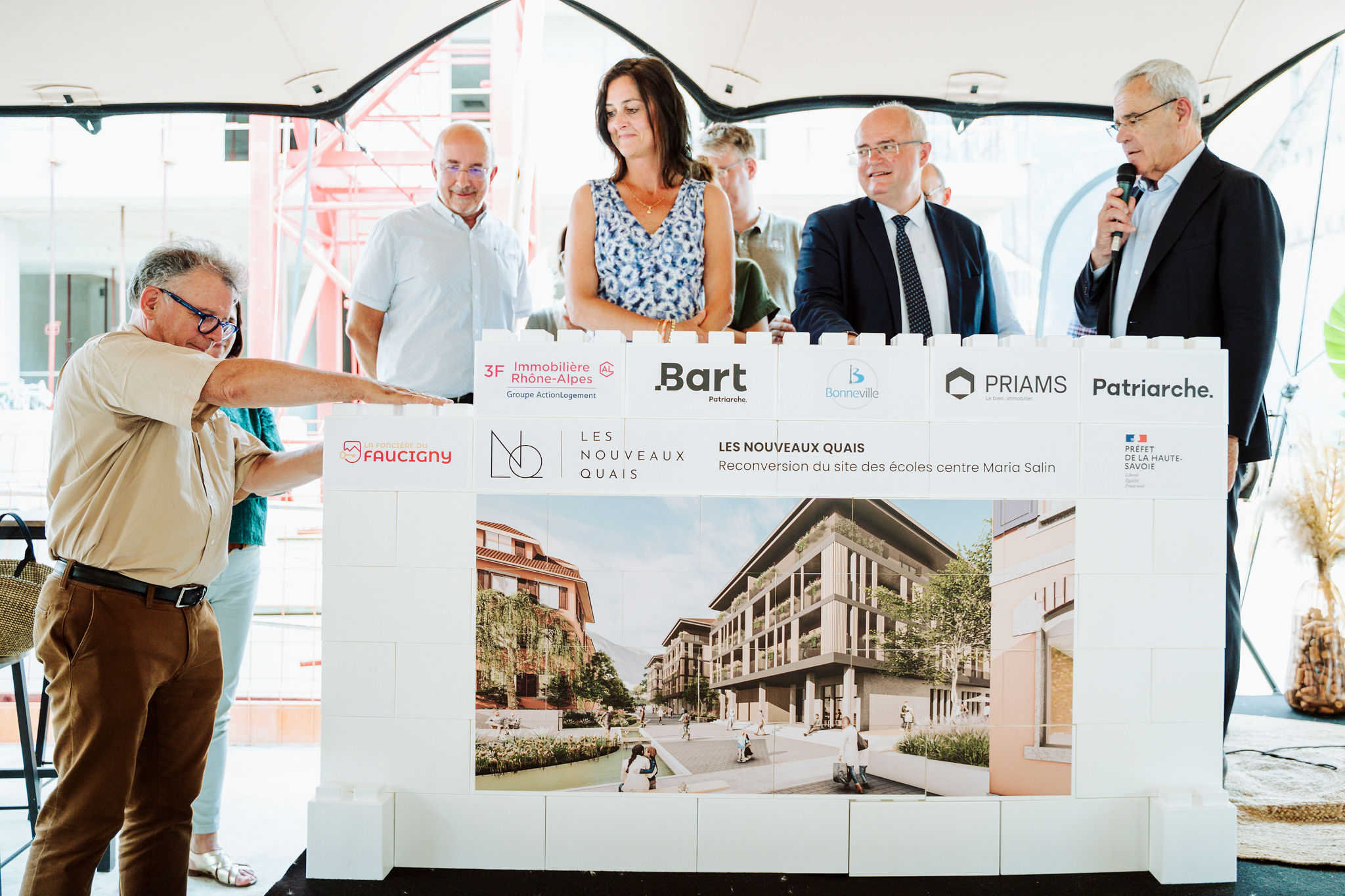
Event Marketing & Communications in Laval that leadership can actually measure
INNOV'events supports executive teams, HR and communications in Laval for corporate events from 40 to 2,500+ attendees. We manage the full chain: positioning, invitations, run-of-show, supplier coordination, on-site production, and post-event reporting. You get a structured plan, tight execution, and a message that lands with your people and stakeholders.
Table of contents
In a corporate context, “entertainment” is never just a nice-to-have: it’s a lever to carry a message, keep attention, and protect your employer brand in front of employees, partners, and sometimes the media. When it’s planned strategically, it supports your narrative (growth, transformation, recognition) and reduces drop-off during key moments like leadership updates or awards.
Organizations in Laval expect professionalism, speed, and cost control: clear approvals, a realistic run-of-show, bilingual communications when required, and suppliers who can deliver under time pressure without disrupting operations the next morning. The bar is high because people have seen “good enough” events—and they compare.
From our Montréal base, we work on Laval events weekly: site visits, vendor briefings, AV tests, and last-minute operational calls. Our team’s strength is field execution—tight schedules, predictable budgets, and communications assets that align with your internal realities (HR constraints, unionized environments, production windows, and brand governance).
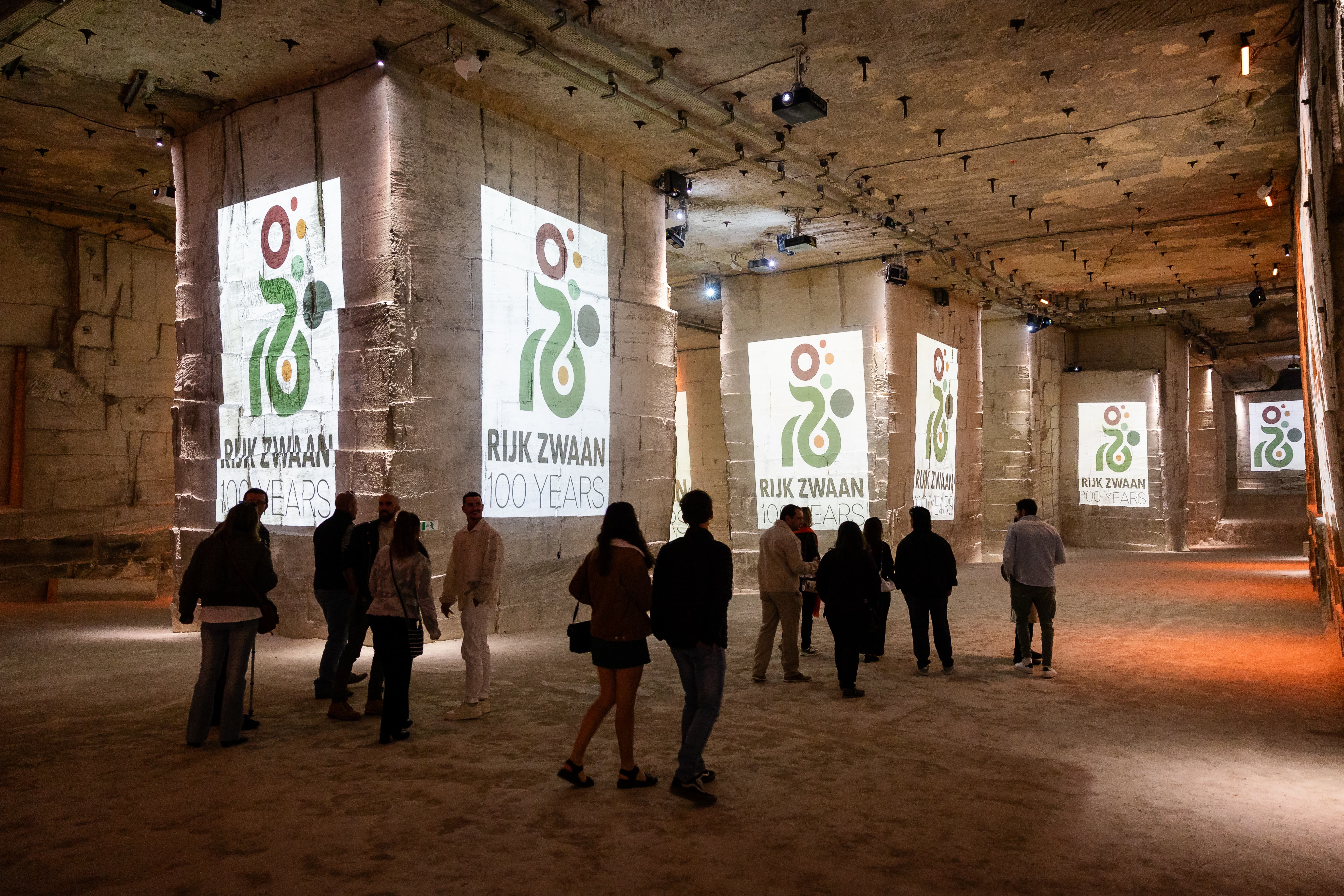
INNOV'events performance benchmarks used by Laval decision-makers
10+ years producing corporate events across Québec and Canada, with repeat mandates in HR and communications portfolios.
Operational capacity from 40 to 2,500+ attendees, including multi-room agendas, hybrid set-ups, and high-stakes leadership moments.
200+ vetted suppliers in our working network (AV, staging, furniture, talent, catering, security) to secure availability and control quality.
Planning rhythm built for executives: typical delivery timeline of 6–12 weeks for standard corporate events, and 12–20 weeks for large-scale or multi-day programs.
Process discipline: run-of-show, show-calls, stakeholder approvals, and post-event reporting with actionable recommendations—not just “photos and a thank-you.”
How to organize a professional event in Laval?
- Define the objective (cohesion, announcement, fidelity, performance).
- Set date, format and size (20–1 000 people).
- Secure the venue and accommodation according to seasonality.
- Lock down technical, suppliers and logistics.
- Drive the day J (timing, scene, entrance, flow).
Laval references: how we work with teams who renew year after year
We support organizations in Laval and throughout the North Shore that need consistent delivery: industrial employers, service companies, professional firms, and growth-stage businesses with a strong employer brand focus. Many of our mandates become recurring—annual kick-offs, recognition evenings, leadership town halls, client appreciation events—because internal teams value predictability and low risk.
If you want us to reference specific local clients (by name) on this page, send us your approved list and what you’re comfortable sharing (industry, event type, audience size, objectives). In Québec, brand and legal approvals matter; we always respect NDA and internal governance. What we can always share immediately is our working method, budget ranges, and the operational decisions that protect your event day.
Our Laval work typically involves tight coordination with HR and communications: aligning the message, validating tone, ensuring bilingual touchpoints when needed, and building a production plan that does not overload your internal team. That’s usually where an agency earns trust: not on a flashy concept, but on calm execution and clear accountability.
We send you a first proposal within 24h.
Why run Event Marketing & Communications in Laval right now?
For executives, HR leaders, and communication directors, an event is one of the few moments where you control the environment end-to-end: message, staging, narrative order, and the emotional curve of the audience. Done properly, Event Marketing & Communications turns a corporate priority into something employees and stakeholders can repeat accurately afterwards.
Accelerate alignment after change: mergers, reorgs, system rollouts, and new leadership land better when people hear the same story at the same time, with a structured Q&A and an on-site support plan.
Strengthen retention and recognition: recognition formats that are well-paced and fair (clear criteria, credible presenters, balanced spotlight) reduce cynicism and increase participation the following year.
Protect your brand under real-world conditions: your brand isn’t a PDF; it’s how your employees experience the event—signage, stage visuals, sound quality, time management, and how issues are handled live.
Improve internal communications reach: a well-built event produces reusable assets (CEO soundbites, photography guidelines, recap video, key slides, FAQs) that keep value circulating for weeks.
Support sales and partnerships: client events with intentional networking architecture (seating logic, facilitation, content pacing) convert better than open-ended cocktail formats.
Reduce operational burden on your team: when an agency runs vendor calls, show documents, and day-of coordination, your HR/Comms team stays focused on stakeholders—not micromanaging load-in times.
Laval has a pragmatic business culture: leaders want an event that respects time, delivers a clear message, and stays within a defendable budget. That’s exactly where disciplined event communications and production planning make the difference.
What Laval organizations expect from an event partner
In Laval, we see a mix of head offices, industrial sites, and fast-growing employers who need events that work with operational constraints. A common reality: your best people can’t disappear for two weeks to plan an event, and your production window may be limited by shift schedules, site access rules, or union agreements. That changes how we build timelines and how we brief suppliers.
Another recurring expectation is transportation and accessibility. Laval audiences often include people coming from Montréal, the North Shore, and sometimes the Laurentians. Venue selection, parking capacity, clear arrival signage, and realistic start times impact attendance more than most teams anticipate. We also plan for winter realities—coat check flow, safe outdoor transitions, and contingency for weather-related delays.
Finally, local teams are sensitive to “corporate theatre.” If the goal is engagement, we design formats that feel respectful: short, well-prepared executive segments; questions handled credibly; and networking that’s facilitated rather than forced. This is where Event Marketing & Communications in Laval is less about grand gestures and more about operational polish and a message that people trust.
Which corporate event entertainment works best in Laval settings?
Corporate event entertainment in Laval is effective when it serves a purpose: guiding attention, encouraging interaction, or supporting recognition. We select animation formats based on your audience profile (tenure mix, management layers, client vs. employee ratio), your message (growth, safety, customer focus), and the room dynamics (seated dinner, cocktail, theatre, multi-zone).
Interactive animations in Laval
Live polling and moderated Q&A: ideal for town halls and strategy updates. We design the question flow, moderation rules, and anonymity settings to encourage participation without losing control of timing.
Guided networking formats: structured rotations, topic tables, or “hosted introductions” that help new hires and cross-functional teams connect without awkwardness.
Team-based challenges tied to your message: for example, a safety-themed scenario game for industrial teams, or a customer-journey challenge for service organizations—short, fast, and aligned to business reality.
Art animations in Laval
Emcee with corporate discipline: not a comedian doing a generic set, but a host who can carry transitions, respect executive moments, and keep the room on schedule.
Music formats adapted to your agenda: jazz trio during networking, then a DJ set after formal segments. The key is sound zoning and volume management so conversations remain possible.
Short “feature moments”: a 5–8 minute artistic segment placed strategically (post-dinner slump, before awards) to reset attention without hijacking the event’s purpose.
Innovative animations in Laval
Tasting stations with throughput planning: food is an activation only if lines are managed. We calculate service rate, station count, and circulation to avoid 20-minute waits.
Non-alcoholic mixology bar: increasingly requested for inclusive events and safety-first cultures; works well for lunch events and team celebrations.
Local product integrations: rather than vague “local flavours,” we plan branded moments (supplier story cards, pairing notes, service choreography) so it supports your communications objectives.
Gourmand animations in Laval
On-site content studio: a small, controlled set where leadership, award winners, or clients record short clips. You leave with usable content for internal channels within 48–72 hours.
Hybrid-ready show design: not just streaming a camera feed—designing graphics, speaker cues, and remote audience touchpoints so online viewers stay engaged.
Data-backed engagement: registration source tracking, attendance validation, and post-event surveys structured for decisions (what to keep, what to cut, and what to invest in next time).
The best entertainment choice is the one that fits your brand behaviour. If your culture values precision and humility, we avoid over-produced theatrics and focus on clarity, pacing, and high-quality facilitation. If your brand is client-facing and relationship-driven, we build networking and hospitality as the centrepiece—supported by strong Event Marketing & Communications that people notice for the right reasons.
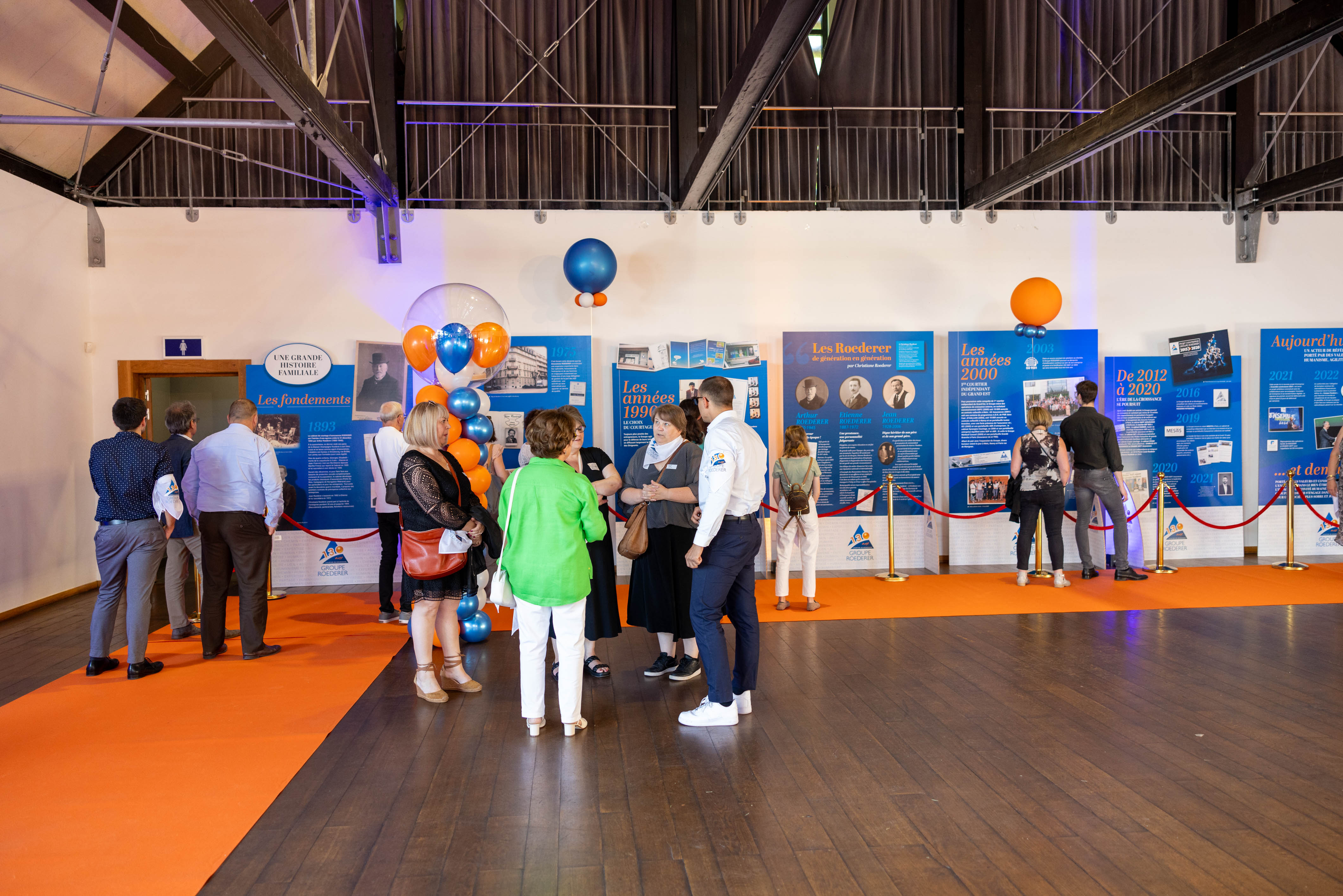
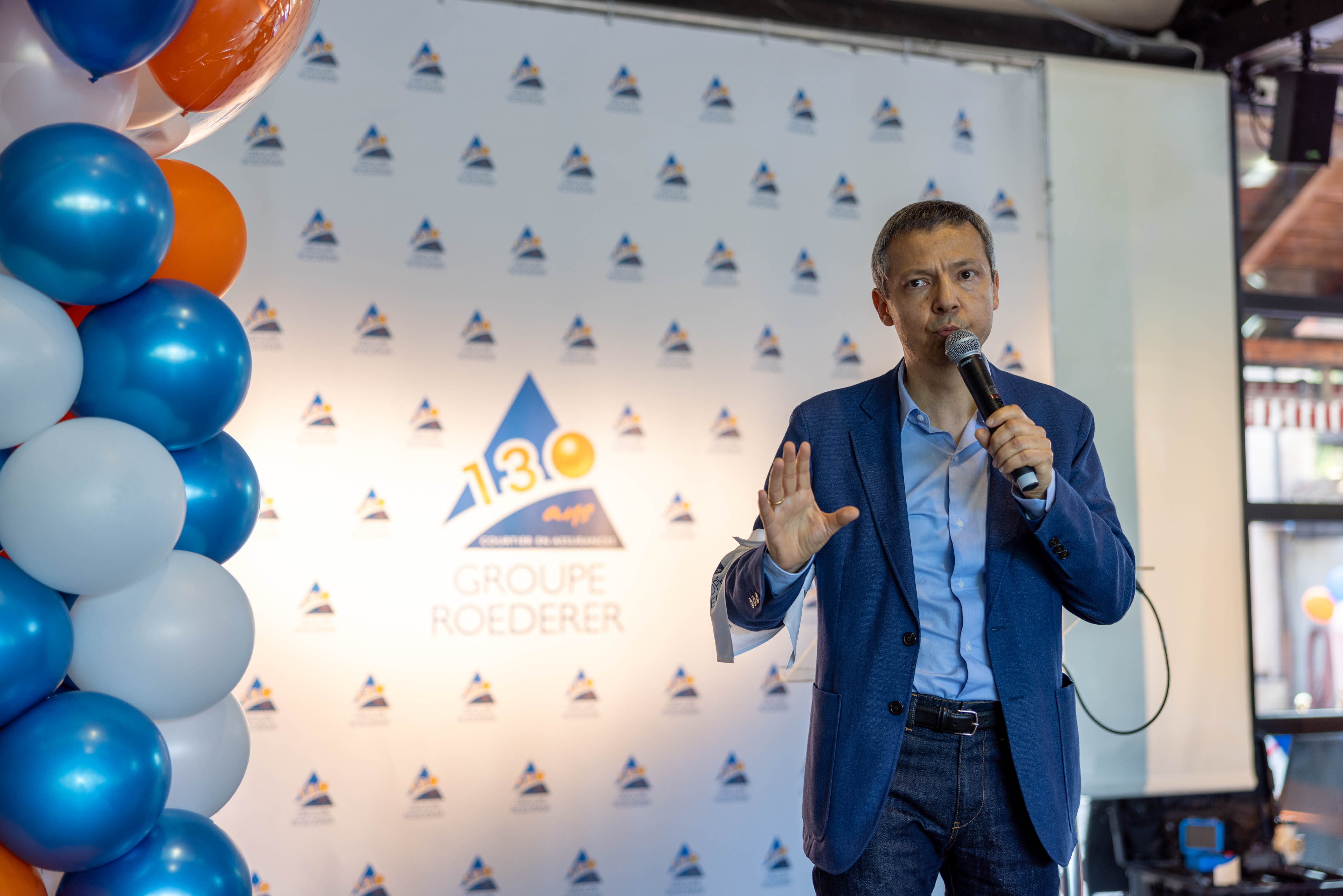
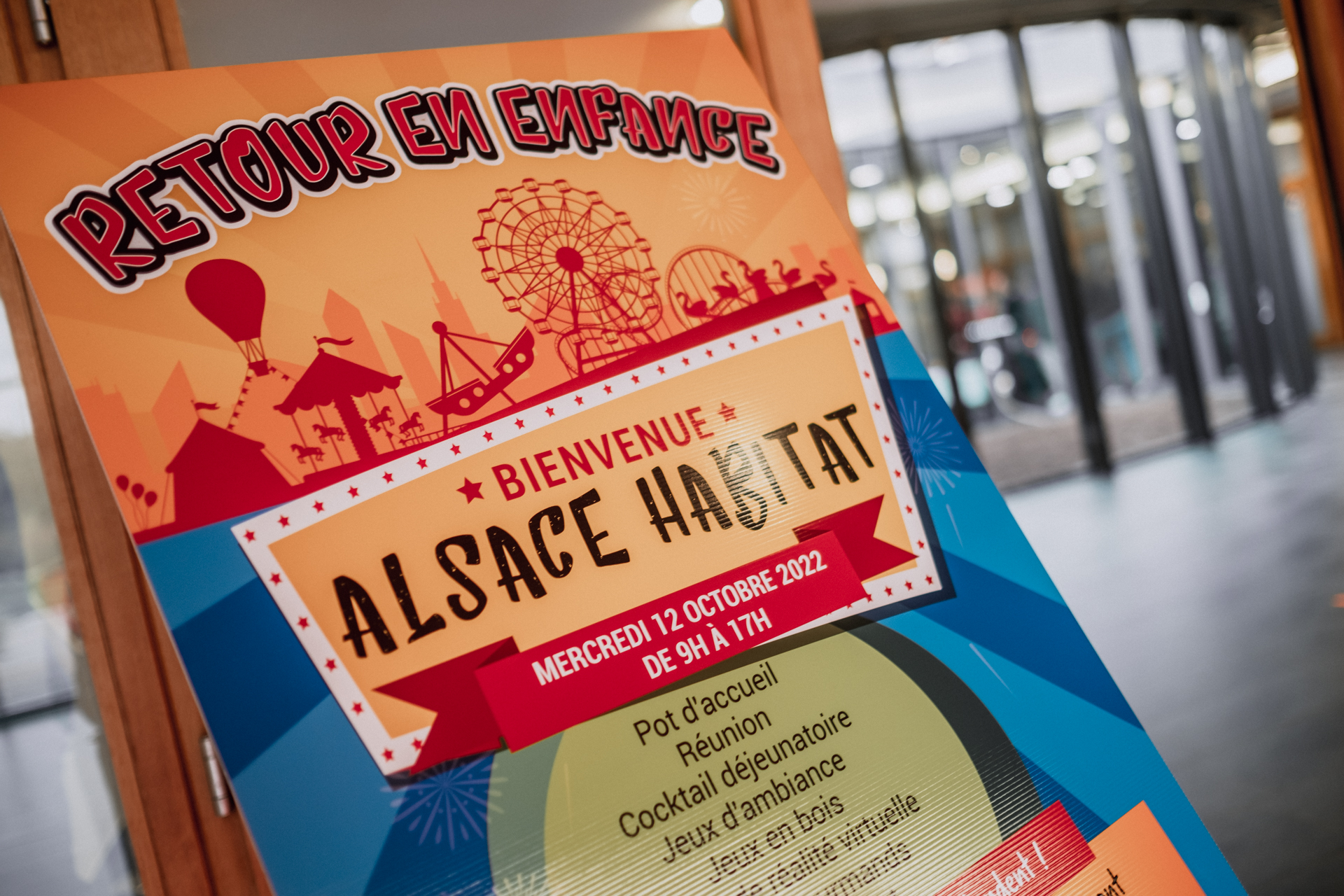
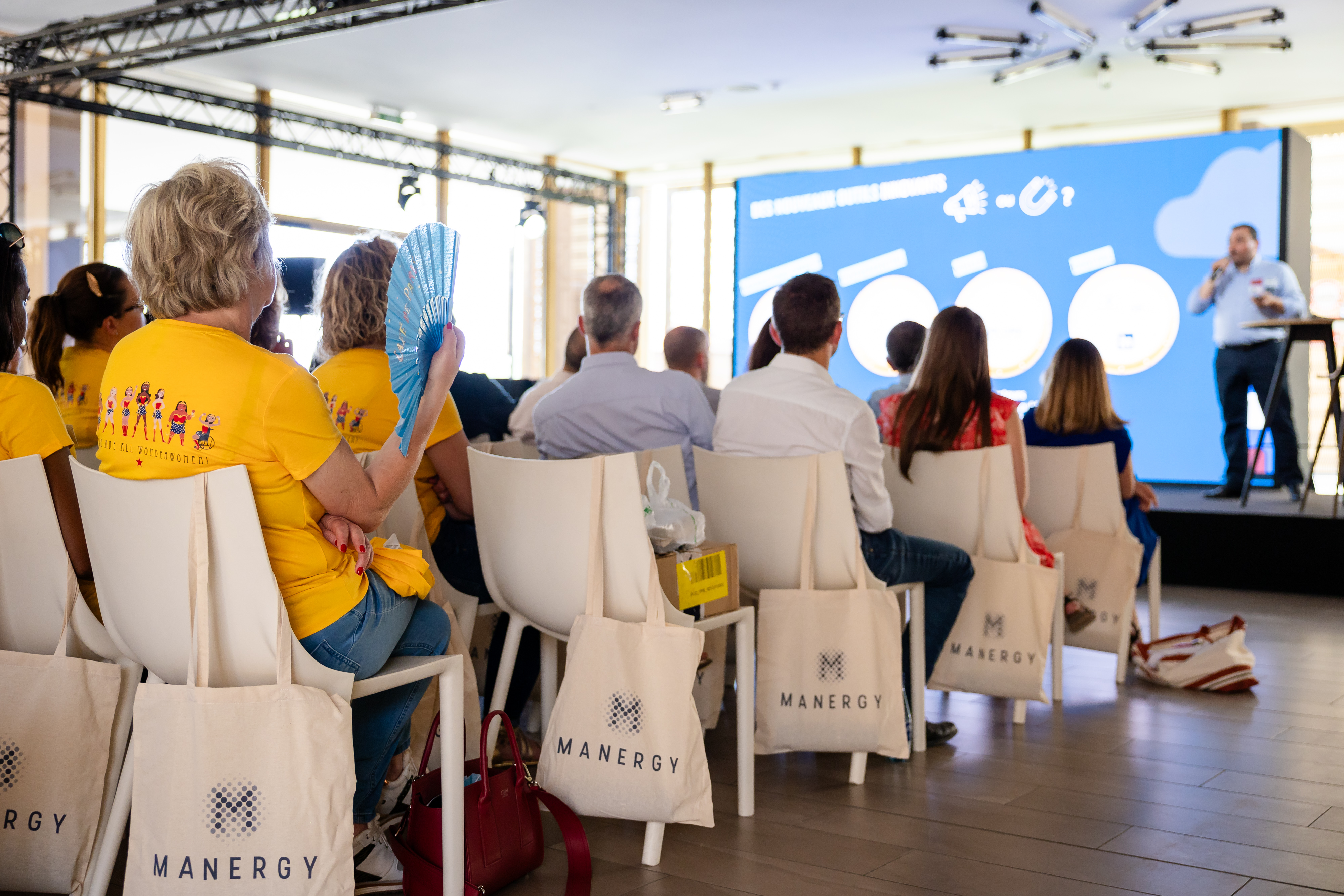
How to choose a Laval venue that supports your communications goals
The venue is not just a backdrop; it changes how your message is received. A leadership update in a room with poor acoustics undermines credibility. A client event in a space that feels crowded or hard to access reduces conversation quality. For Event Marketing & Communications in Laval, we evaluate venues with a production lens: load-in rules, AV rigging capacity, ceiling height, backstage access, power distribution, and the practical realities of guest flow.
| Venue type | For which objective? | Main strengths | Possible constraints |
|---|---|---|---|
Hotel ballroom / conference centre | Town halls, recognition evenings, sales kick-offs (150–800) | Integrated services, predictable logistics, good contingency options | Décor may feel standard; AV upgrades can add cost |
Industrial-chic event space / loft | Employer branding events, client receptions (80–400) | Modern look, strong photo/video, flexible layouts | Often tighter load-in, limited backstage, sound management required |
Company site / warehouse / HQ cafeteria | All-hands, milestone celebrations, safety-driven messaging | High authenticity, easier participation for shift teams | Permits, security, power, heating/cooling, and noise constraints |
Restaurant buyout with private rooms | Executive dinners, client relationship building (20–120) | Hospitality quality, low production complexity, strong experience per guest | Limited branding/AV; speeches need careful sound planning |
We always recommend a site visit before locking the concept. In practice, the visit is where we catch the issues that blow up budgets: restricted elevator access, limited rigging points, a load-in path through guest areas, or a room divider that leaks sound. Those details are invisible in a PDF—and they matter on event day.
What does Event Marketing & Communications cost in Laval?
Budgets for Event Marketing & Communications in Laval depend on audience size, format, production level, and the risk profile you’re willing to accept. The cost difference between a smooth event and a stressful one often sits in planning and technical safeguards: proper AV, rehearsals, and enough staffing to keep the run-of-show intact.
Audience size and service model: a 200-person cocktail is not the same operational load as a 200-person seated dinner with stage program and awards.
AV and staging: sound reinforcement, projection/LED, lighting, scenic elements, and labour. This is where under-budgeting shows immediately to guests.
Content and communications: registration system, invitation design, copywriting, bilingual adaptations, speaker support, and on-site signage.
Entertainment and facilitation: emcee, musicians/DJ, interactive activations. We price based on set duration, technical riders, and rehearsal time.
Venue and catering: room rental, minimum spends, service fees, staffing ratios, bar format, and timing constraints.
Risk and contingency: backup equipment, additional technicians, weather plan, security, and insurance requirements.
From an ROI perspective, leadership teams typically measure outcomes such as attendance rate, participation (Q&A, polling, networking), and post-event clarity (“I understand the direction and my role”). We can structure the event to produce that data—so next year’s budget conversation is based on results, not opinions.
Why choose an event agency in Laval for faster execution
When timelines are tight, proximity is operational leverage. Working with a team that is frequently on the ground in Laval reduces friction: faster site visits, quicker supplier replacements, and realistic planning based on local venue rules. It also improves the quality of vendor coordination—because relationships and response times matter when a truck is late or a stage element needs a same-day adjustment.
As part of our Laval practice, we routinely coordinate venue walkthroughs, AV pre-production, and day-of logistics with local partners. If you want to compare options, you can also review our dedicated page for an event agency in Laval and see how we structure mandates in the area.
Local does not mean small. It means you get a team that understands the pace of Québec business, the realities of bilingual communication, and the pressure executives face when an event is tied to transformation, retention, or client trust.
- Shorter decision loops: in-person approvals, quick mock-ups, and faster troubleshooting on-site.
- Better cost control: fewer travel costs, more accurate labour estimates, and realistic load-in scheduling.
- Lower operational risk: access to backup suppliers and technicians who can intervene quickly in Laval.
- Stronger stakeholder comfort: HR and comms teams appreciate having a partner who can attend internal meetings and adapt to governance requirements.
From an ROI perspective, leadership teams typically measure outcomes such as attendance rate, participation (Q&A, polling, networking), and post-event clarity (“I understand the direction and my role”). We can structure the event to produce that data—so next year’s budget conversation is based on results, not opinions.









What we deliver in Laval mandates: real scenarios, not theory
Our projects range from structured leadership town halls to recognition evenings and client relationship events. One common Laval scenario: a company needs a year-end event that celebrates results while also addressing operational strain. We design a program where recognition is credible (criteria, fairness, pacing), the executive message is concise and supported by visuals that work in the room, and the evening still feels like a reward—not a meeting in disguise.
Another scenario we see often: HR needs a recruitment and retention push, but the internal brand is fragmented across departments. We use the event as a unifying communications platform—consistent look and tone across invitations, on-site signage, and stage visuals—and we build a content capture plan (photo/video guidelines, interview questions, approvals) so the investment continues to pay off on LinkedIn and internal channels.
We also manage high-pressure variables: late speaker changes, a sponsor who needs visibility without overstepping, or a venue constraint that forces a last-minute layout revision. The value of an experienced team is not avoiding change—it’s absorbing it without the audience noticing.
Mistakes that cost teams in Laval—and how we prevent them
Underestimating AV: weak sound, unreadable screens, and no rehearsal time. Prevention: technical rider review, room acoustics check, and a timed rehearsal with presenters.
Building a program that runs long: executives speak longer than planned; awards take twice the time. Prevention: run-of-show with time gates, stage manager cues, and a realistic script for the host.
Registration and arrivals chaos: long lines, unclear coat check flow, missing badges. Prevention: staffing ratios, signage plan, QR check-in, and a staggered arrival strategy.
Brand misalignment: décor and messaging that conflict with culture or current internal climate. Prevention: early alignment workshop and approval checkpoints with HR/Comms.
No contingency for real life: weather delays, supplier issues, last-minute VIP changes. Prevention: backup plans, escalation matrix, and buffer time in load-in and program.
Forgetting post-event value: no usable content, no feedback data, no next steps. Prevention: capture plan, survey design, and a short debrief with recommendations.
Our role is to anticipate these risks early and manage them quietly. When your CEO is on stage or your clients are in the room, you don’t want “creative improvisation”—you want a plan that holds.
Why Laval clients keep INNOV'events on their shortlist
Client loyalty in corporate events is rarely about novelty. It’s about confidence: knowing the agency will protect your internal team, respect approvals, and deliver a clean event under pressure. In Laval, where teams are often lean, that reliability is what makes planning sustainable year after year.
Recurring mandates: many clients book us for annual rhythms (kick-off + recognition + client event) because the planning assets and supplier learnings compound each year.
Reduced internal workload: HR and communications teams typically reclaim 30–60% of their time compared to fully internal planning, because we handle vendor coordination, show documents, and production management.
Faster ramp-up: once we’ve learned your governance (brand approvals, legal, procurement), timelines become more predictable and decisions move faster.

In our experience, loyalty is the most honest indicator of quality in this industry. When clients return, it’s because the event day was calm, the message landed, and the internal team didn’t pay for it in overtime and stress.
Our working process for Event Marketing & Communications in Laval
👉 Laval discovery and constraints mapping
We start with a focused working session with executives/HR/Comms to define objective, audience, risk level, and success metrics. We map constraints that impact delivery (timelines, union or site rules, bilingual requirements, brand governance, procurement steps) and confirm what “done” means: attendance targets, engagement metrics, content outputs, or stakeholder satisfaction.
👉 Concept, messaging, and communications plan
We translate objectives into a practical event structure: agenda flow, tone, key messages, and activation choices. Then we build the communications plan: invitation strategy, registration logic, reminder cadence, and stakeholder messaging. We also define speaker needs early (slides, scripts, rehearsal dates) so leadership content doesn’t become a last-minute risk.
👉 Budget build and supplier sourcing
We present a transparent budget with options (good/better/best) tied to outcomes—especially AV and staffing. We source and brief suppliers with clear scopes, validate technical compatibility, and lock critical-path items first (venue, AV, catering). This is where we protect your timeline and avoid costly changes later.
👉 Production plan and approvals
We produce the documents that keep events professional: floor plans, signage plan, cue sheets, run-of-show, and an escalation matrix. We run structured approval checkpoints so internal stakeholders are aligned and no one is surprised on event day.
👉 On-site execution in Laval
Our team manages load-in, technical rehearsals, vendor coordination, and guest flow. We stage-manage speakers, keep timing tight, and solve issues discreetly. The goal is simple: your leaders focus on people and message, while we handle operations.
👉 Post-event reporting and next-step recommendations
Within agreed timelines, we deliver a recap package: attendance and engagement data, survey results, and a short debrief on what to keep, adjust, or cut. If content capture is included, we deliver ready-to-use assets aligned with your brand standards.
FAQ sur l'organisation Event Marketing & Communications à Laval
How far in advance should we book in Laval?
For 80–300 attendees, plan 6–10 weeks if the venue is straightforward. For 300–1,000+ or multi-room/hybrid formats, plan 12–20 weeks. Peak periods (November–December and May–June) book earlier, especially for AV crews and prime venues in Laval.
What budget range is typical for Laval corporate events?
As a practical range: a professionally produced 150–250 person event often lands between $25,000 and $90,000 depending on venue, catering level, AV, and programming. Leadership town halls with strong AV and content capture can fall in a similar range even without a meal. We scope it based on objectives and risk tolerance.
Can you manage bilingual communications in Laval?
Yes. We plan bilingual touchpoints based on audience reality: invitations, on-site signage, stage visuals, and emcee scripting. We also align terminology with your internal lexicon (HR policies, safety language, corporate values) so the French and English versions feel consistent—not like a rushed translation.
What delivers the biggest impact in Laval event communications?
Three items usually move the needle: (1) a clear message architecture (what you want people to repeat), (2) disciplined AV so the room can hear and see everything, and (3) a run-of-show that respects time. When those are solid, entertainment and activations amplify rather than distract.
Who handles vendors and day-of coordination in Laval?
We do. INNOV'events coordinates venue, AV, staging, catering, entertainment, and on-site staffing. Your internal team stays on stakeholder management and content approvals while we manage production calls, schedules, load-in, rehearsals, and real-time issue resolution.
Plan your Laval event with a clear scope and a defensible budget
If you’re comparing agencies, we can start with a practical scoping call: objectives, audience, constraints, and the level of production you need to protect your brand. We’ll come back with a clear recommended format, a realistic timeline, and budget options tied to outcomes—so you can make an informed decision quickly.
For Event Marketing & Communications projects in Laval, earlier planning improves venue choice, supplier availability, and cost control. Send us your date range, estimated headcount, and goal (HR, leadership alignment, client development), and we’ll propose next steps.
INNOV'events Laval Agency
Thierry GRAMMER is the manager of the INNOV'events Laval office. Reach out directly by email at canada@innov-events.ca or via the contact form.
Contact the Laval agencyAll our services & entertainment Laval, Quebec
Discover our event services
Discover our event entertainment available in the Quebec
- Event Hostess in Laval
- Escape Game in Laval
- MasterChef-Style Cooking Workshop in Laval
- Corporate Magician in Laval
- Tent Rental in Laval
- Color Analysis Workshop in Laval
- Inflatable Games in Laval
- Valet Service in Laval
- Soccer Simulator in Laval
- LED Furniture Rental in Laval
- LED Branding Activation in Laval
- Immersive Culinary Experience in Laval
- Light Painting Activity in Laval
- Immersive Mystery Night in Laval
- Promotional Contest in Laval
- Promotional Materials (POS) in Laval
- Virtual Reality Experience in Laval
- Molecular Gastronomy Workshop in Laval
- Halloween Event in Laval
- Fireworks Show in Laval
- Sports Challenge – Giant Games in Laval
- Professional Event Host in Laval
- Photo Booth Animation in Laval
- Santa Claus Appearance in Laval
- Kids Entertainment in Laval
- Guided Tour in Laval
- Urban Rally in Laval
- Ball Pit Activity in Laval
- Flight Simulator in Laval
- Food Truck Rental in Laval
- World Record Attempt in Laval
- Surf Simulator in Laval
- Soccer Simulator in Laval
- Wine Casino in Laval
- Makeover Workshop in Laval
- Perfume Creation Workshop in Laval
- Acting Workshop in Laval
- CSR Activities in Laval
- Archery Activity in Laval
- Event Security Guard in Laval
- Wine Tasting Workshop in Laval
- Mime Performance in Laval
- TV Game Show Animation in Laval
- Funfair Event in Laval
- Crisis Management Workshop in Laval
- Crisis Negotiation Workshop in Laval
- Arcade Games in Laval
- Indoor Skydiving Simulator in Laval
- Ski Simulator in Laval
- Racetrack Driving Experience in Laval
- Introductory Flight Experience in Laval
- Tasting Experience in Laval
- Build Your Own Foosball Workshop in Laval
- 2CV Rally in Laval
- LEGO Challenge in Laval
- Casino Night in Laval
- Interpreter / Translator in Laval
- Promotional Merchandise in Laval
- Shuttle / Transportation Service in Laval