
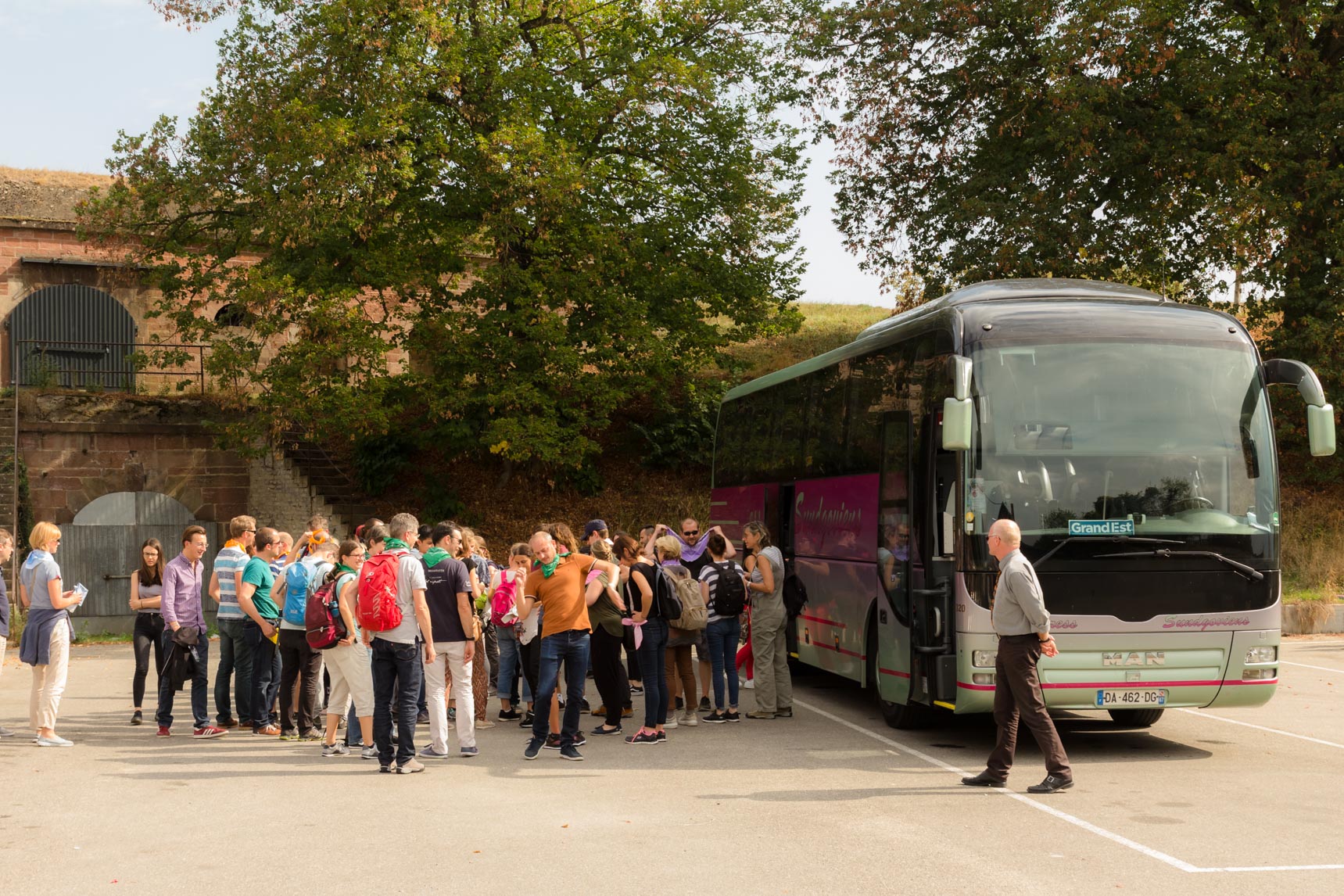
Shuttle / Transportation Service in Laval that keeps your event on schedule
Sommaire
Transportation is not a “nice-to-have” add-on: it is the first operational touchpoint of your event. If transfers slip, your agenda slips—keynotes start late, meals get cold, and your leadership team ends up handling crowd issues instead of relationships.
In Laval, organizations expect practical execution: predictable pickup times, clear meeting points, bilingual driver communication when needed, and the ability to scale quickly when attendance changes 48 hours before the event.
From our Montréal base, INNOV'events delivers Shuttle / Transportation Service with real field coordination across Laval: routing, contingency planning, vendor supervision, and day-of dispatch so your internal teams stay focused on business outcomes.
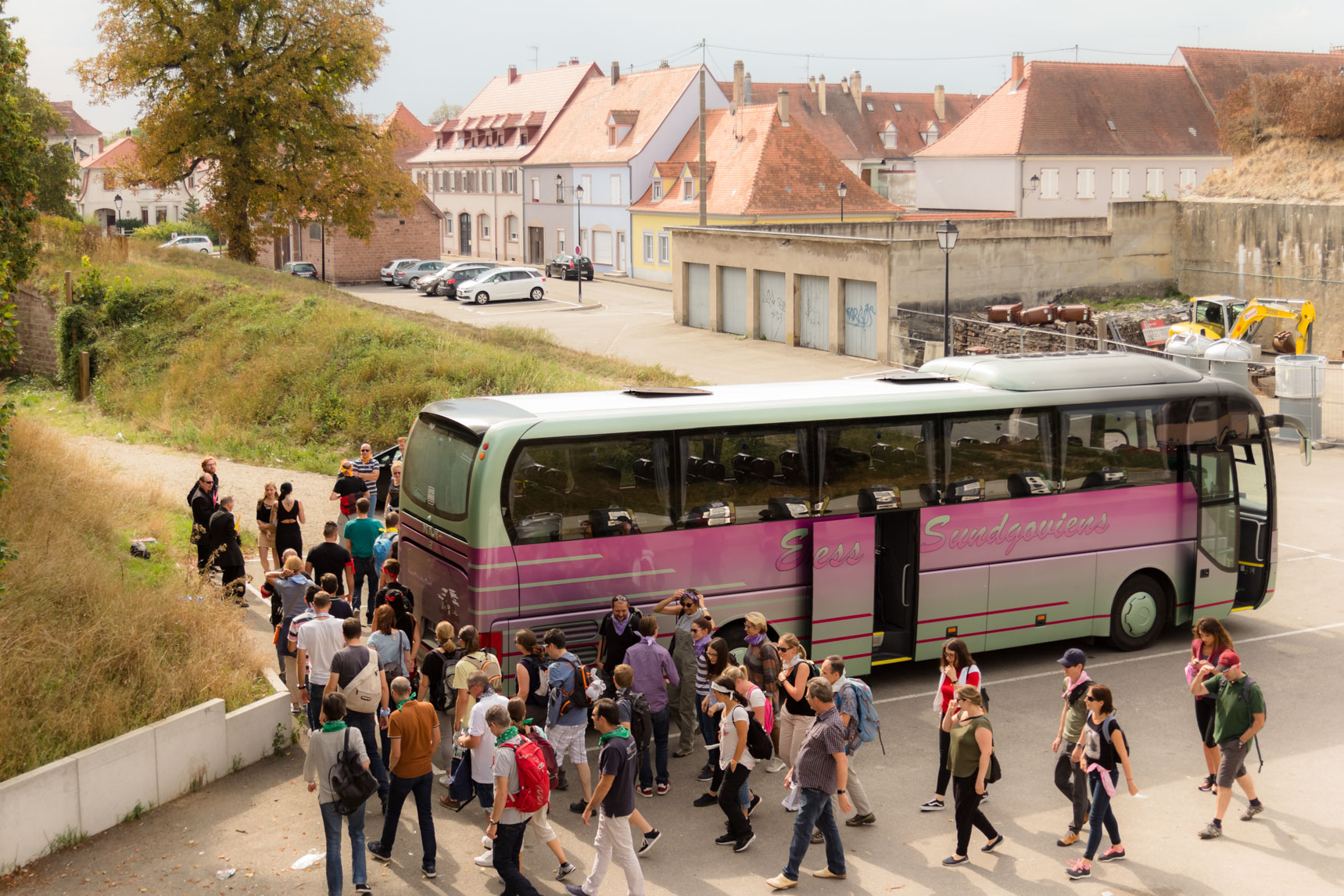
Operational benchmarks we apply in Laval
10–15 minutes recommended buffer per shuttle loop to protect start times, based on real traffic patterns (Autoroute 15/440/13 corridors).
1 on-site coordinator per 150–250 passengers during peak arrival windows to prevent bottlenecks at pickup points and venue doors.
24–72 hours typical lead time to lock final manifests, signage and dispatch plan once attendance is confirmed.
2 communication layers we standardize: a single decision-maker channel (HR/Comms) + an operations channel (drivers/dispatch/venue).
Who we support year after year in Laval
We regularly support corporate teams operating in Laval and the North Shore who need transportation to work like clockwork: head office offsites, plant visits, sales kickoffs, town halls, holiday parties, and multi-site meetings where punctuality is non-negotiable.
Many of our mandates come back annually because the pain points don’t change: last-minute attendee changes, VIPs who cannot wait in line, multiple pickup locations (office, hotel, transit hubs), and venues with limited curb space. Our value is the same each time—predictability, clear accountability, and a crew that knows what “event day pressure” really means.
If you need references aligned with your sector (manufacturing, professional services, retail, tech), we can share comparable case contexts during the quote phase, including operational constraints, passenger volumes, and the risk controls we put in place.
 Besoin d’un devis rapide ?
Nous vous envoyons une première proposition sous 24h.
Why invest in corporate shuttles in Laval instead of leaving it to chance?
Executives rarely remember the brand of the bus—but they always remember the consequences of a bad transfer plan. A structured Shuttle / Transportation Service in Laval protects your agenda, your internal credibility, and the attendee experience from the moment people leave their car or hotel.
Agenda protection for leadership: when arrivals are staggered and controlled, your keynote starts on time, your AV cues line up, and your CEO isn’t asked to “wait five minutes” three times in a row.
Better HR experience: employees arrive together, less stressed, and less likely to skip parts of the program due to parking or navigation issues—especially for evening events where driving after drinks is a concern.
Stronger compliance and safety posture: shuttles reduce impaired driving risk, simplify incident response, and provide a clear plan for accessibility needs (mobility limitations, pregnant employees, fatigue management after long shifts).
Brand and employer image control: signage, greeting staff, and a clean flow at pickup points make the event feel organized. That impression is particularly important when partners, candidates, or board members are present.
Operational simplicity: one routing plan beats 200 individual arrivals. You reduce parking pressure, avoid venue conflicts, and keep security teams focused on access control, not traffic management.
In Laval, where teams often commute from Montréal, the North Shore, and across industrial zones, transportation is part of the economic reality. Planning it properly is less about luxury and more about respecting people’s time.
What corporate teams in Laval typically require from transportation
Most corporate events we support in Laval have a few recurring constraints that must be handled proactively—not improvised on the day-of.
Multiple departure points are the norm. One group leaves from a head office, another from a hotel block, another from a secondary site (warehouse, lab, or satellite office). We design loops and time windows to avoid mixing arrivals in a way that clogs the venue entrance.
Traffic is predictable—until it isn’t. Peak-hour congestion around Autoroute 15/440/13, bridge approaches, and major retail corridors can compress your buffer. We build schedules with realistic loading times, not “Google Maps best case,” and we plan alternative drop zones when curb access is limited.
Bilingual, on-site clarity. For mixed groups (HQ, regional staff, international visitors), you need clear instructions: where to stand, what time the shuttle closes, and who to call if someone is late. We provide simple rider instructions and a single escalation path so your HR team doesn’t become a call centre.
Venue logistics can make or break the plan. Some sites have tight turning radiuses, limited staging lanes, or restrictions on idling. We confirm bus size compatibility, staging areas, and arrival cadence with the venue before we lock the vendor.
How transportation in Laval supports corporate event engagement
Shuttles aren’t “entertainment,” but they strongly influence participation and energy. When arrivals are calm, coordinated, and on time, your audience is receptive. When arrivals are chaotic, every engagement tactic you planned starts on the back foot. We treat transport as part of the experience design—without turning it into gimmicks.
Interactive animations in Laval
Timed arrivals for programmed moments: stagger groups so key teams arrive 10–15 minutes earlier for networking, sponsor moments, or executive greetings—without creating a backlog at coat check.
Mobile check-in alignment: if you use QR badges or app check-in, we synchronize shuttle drop-off cadence with check-in capacity so lines don’t spike.
On-bus briefing: a short, practical “what to expect” message (agenda, safety, meeting points) reduces late arrivals after breaks and minimizes repetitive questions to staff.
Art animations in Laval
VIP transport protocols: separate routing for speakers or board members, with discreet arrival points and pre-arranged escort timing—useful when leadership needs to move without crowd friction.
Arrival choreography: for award nights or formal evenings, we coordinate drop-off sequences so the entrance remains controlled and photo-ready, not a traffic jam.
Innovative animations in Laval
Food timing protection: transportation delays are a major cause of banquet service issues. We coordinate with catering on “doors open” and buffer windows so meals are served at the right temperature and service remains consistent.
Hydration and comfort planning: in warm months, we plan for water availability at staging points if wait times exceed 10 minutes, especially for outdoor pickup zones.
Gourmand animations in Laval
Live dispatch tracking for stakeholders: a simple, controlled view for HR/Comms showing shuttle status (departed/arrived/next loop) reduces internal noise and lets decision-makers focus on the program.
Accessibility-first planning: reserved seating, lift-equipped vehicles when required, and staff training on respectful assistance—handled upfront instead of last-minute scrambling.
Whatever your event format, transportation must align with brand image: discreet and executive for leadership gatherings, warm and welcoming for employee celebrations, and precise and secure for high-visibility corporate moments in Laval.
Which pickup and drop-off setups work best in Laval venues?
The venue impacts transportation more than most teams expect: curb space, traffic flow, indoor waiting areas, elevator access, and proximity to highways all affect your schedule. We select shuttle setups based on how people physically move through the site—not just on a map.
| Venue type | For which objective? | Main strengths | Possible constraints |
|---|---|---|---|
| Hotel with dedicated porte-cochère | Corporate meetings, multi-day offsites, groups with out-of-town attendees | Covered loading zone, lobby waiting space, front desk coordination, easy wayfinding | Limited staging space for multiple buses; strict idling rules; competing arrivals (taxis, deliveries) |
| Conference/banquet venue with large parking lots | Town halls, holiday parties, awards nights with high attendance | Room for bus turns and staging; flexible drop zones; easier signage placement | Longer walking distances; winter snow management; lighting needed for late-night departures |
| Industrial site or plant entrance | Operational tours, leadership site visits, safety-driven programs | Controlled access; security alignment; direct routing between sites | Security clearance time; PPE requirements; narrow gates/turn radiuses; strict timing windows |
| Downtown-style restaurant clusters or entertainment districts | Client dinners, executive evenings, smaller VIP groups | Central location; strong perception and hospitality | Curbside restrictions; limited bus access; need for precise micro-timing and alternate drop points |
We strongly recommend a site visit (or at minimum a photo/video walkthrough) before finalizing vehicle size and meeting points. In Laval, the difference between a smooth drop-off and a 25-minute jam is often one driveway or one loading zone rule.
What does a corporate shuttle service cost in Laval (53)?
Budgeting for Shuttle / Transportation Service in Laval is straightforward once the operational variables are defined. Pricing is mainly driven by vehicle type, hours on duty, distance, number of loops, and staffing/coordination requirements.
Passenger volume and peaks: 200 passengers arriving in one 30-minute window costs more than the same 200 spread over 90 minutes because you need more vehicles at the same time.
Vehicle mix: 24-passenger minibuses, 40–56 seat coaches, accessible vehicles, and executive sprinters have different cost structures and availability constraints.
Hours and standby time: shuttles priced on a minimum block (often 4–5 hours) can become inefficient if you have long idle periods; we optimize by consolidating loops or adjusting call times.
Number of pickup points: each additional location adds loading time, wayfinding needs, and risk. Sometimes it’s cheaper to create one consolidated hub with clear instructions.
Evening and late-night returns: return waves after speeches or awards require extra coordination because departures are less predictable. We plan “soft close” times and last-call protocols.
On-site staffing: adding coordinators, signage, radios/phones, and a dispatch lead is an investment that prevents bigger losses (delays, safety issues, reputational damage).
Contingency coverage: for high-stakes programs, we may recommend a spare vehicle or rapid replacement plan—particularly when agendas cannot shift.
From an ROI standpoint, transportation is insurance for your agenda and your internal credibility. Saving a small amount on shuttles can cost far more in lost program time, overtime charges, reduced participation, and leadership frustration—especially when your event is visible in Laval.
Why choose a local event partner for shuttles in Laval?
Transportation is one of the few event components where “good enough” is not acceptable: if it fails, everyone feels it immediately. Working with a partner who operates regularly in Laval reduces risk because the planning reflects local realities—access routes, venue rules, curb constraints, and the true time needed to load a corporate group.
As an agency, we don’t just book vehicles—we manage the operational chain: vendor selection, routing, staffing, signage, stakeholder communications, and day-of decisions. If something changes at 6:30 AM, you need a team that can act, not just email a dispatcher.
If you are comparing providers, we encourage you to ask who will be physically on site, what the contingency plan is, and how escalation works. You can also review our broader Laval capabilities here: event agency in Laval.
- Faster on-the-ground response when attendance, weather, or venue access changes.
- Local vendor intelligence: which fleets are reliable for punctual corporate work, and which are better suited to low-stakes transfers.
- Stakeholder alignment: we speak the language of HR, Comms, and executives—clear decisions, clear owners, clear timing.
- Operational consistency: documented plans, briefing notes, and roles so your internal team isn’t improvising.
From an ROI standpoint, transportation is insurance for your agenda and your internal credibility. Saving a small amount on shuttles can cost far more in lost program time, overtime charges, reduced participation, and leadership frustration—especially when your event is visible in Laval.













Examples of shuttle scenarios we deliver around Laval
Our transportation mandates vary because corporate realities vary. We’ve managed multi-pickup employee events where HR needed predictable return waves to respect family schedules; executive offsites where confidentiality and punctuality mattered more than volume; and hybrid programs where some attendees arrived by shuttle while others arrived independently and needed aligned check-in timing.
Common patterns we solve in Laval include: (1) synchronizing hotel blocks with venue arrival windows, (2) reducing parking and traffic pressure at sites with limited curb space, (3) planning safe late-night returns after alcohol service, and (4) managing mixed groups—frontline staff, managers, leadership—without creating perceived “two-tier” confusion.
What stays constant is our operational approach: confirm constraints early, build a plan that can be executed by strangers (drivers and temporary staff), and assign a single accountable lead who can make decisions in real time.
Transportation mistakes we prevent in Laval corporate events
Underestimating loading time: the schedule looks fine until 60 people try to board through one door with winter coats and badges.
No defined meeting point owner: when nobody “owns” pickup points, attendees scatter, buses wait, and the next loop collapses.
Overcomplicating routes: too many stops can feel equitable but often increases total delays and frustration for everyone.
Insufficient return planning: departures after speeches are rarely on time; without a plan, you get long lines, overcrowding, and security issues.
Ignoring accessibility early: last-minute accessible vehicle requests are harder to source and can force expensive changes.
Weak comms: if instructions are buried in a long email, people will miss them; we use short, repeated, practical messages.
Our role is to remove these risks before they reach your leadership team on event day. In Laval, where teams often come from different directions and arrive in waves, prevention is always cheaper than crisis management.
Why Laval clients keep INNOV'events as their transportation lead
Client loyalty in corporate events is rarely about creativity—it’s about trust under pressure. When the agenda is fixed, executives are present, and the venue clock is unforgiving, our clients come back because we deliver predictable execution and clear accountability.
Single point of contact from planning to day-of: fewer handoffs, fewer misunderstandings, faster decisions.
Documented operations: routing sheets, contact trees, and staffing roles that your internal team can review in advance.
Post-event debrief within 5–10 business days when requested: what worked, what to change, and budget impact.

When a client renews, it’s because the shuttle plan protected their agenda and their credibility. That’s the standard we apply for every Shuttle / Transportation Service in Laval mandate.
Our step-by-step shuttle planning method for Laval
👉 Step 1 (Laval): Define the operational scope and constraints
We start with the non-negotiables: event start/end times, venue access rules, passenger estimates by pickup point, VIP requirements, accessibility needs, alcohol service considerations, and internal stakeholders who must be kept informed. We also confirm whether your priority is punctuality, budget control, employee safety, or all three—because that affects the design.
👉 Step 2 (53): Build routing, vehicle mix, and staffing plan
We propose a routing model (loops, hubs, or dedicated transfers), select the right vehicle types, and size the fleet to your arrival peaks. We also define staffing at pickup points and at the venue, including the number of coordinators needed to keep flow smooth and instructions consistent.
👉 Step 3 (Laval): Lock communications and rider instructions
We deliver practical attendee instructions: where to meet, when to arrive, what happens if they miss the shuttle, and who to contact. For HR/Comms, we provide a concise operations memo and a day-of contact tree so escalations don’t land on the wrong person.
👉 Step 4 (53): Coordinate with venue, security, and suppliers
We confirm drop zones, staging lanes, indoor waiting options, signage placement, and any restrictions (idling, noise, access times). If the venue has security screening or badge control, we align shuttle cadence to avoid lines that spill into traffic lanes.
👉 Step 5 (Laval): Execute on-site with real-time dispatch
On event day, we manage arrivals and departures, adjust loops when attendance shifts, and keep stakeholders updated with short, decision-useful messages. If conditions change (traffic incident, late speakers, weather), we apply the pre-approved contingency logic so your agenda stays intact.
👉 Step 6 (53): Debrief and improve for next cycle
We consolidate key numbers (actual passenger volumes by wave, peak wait times, incidents, and improvement opportunities). For recurring events, this becomes your baseline, making each subsequent edition smoother and often more cost-efficient.
FAQ sur l'organisation Shuttle / Transportation Service à Laval
How many shuttles do I need for 300 people in Laval?
It depends on your arrival window. As a planning baseline, 300 attendees in 45 minutes typically requires 6–8 coach-equivalents (or a mix of coaches and minibuses) to avoid long queues. If you can spread arrivals over 90 minutes, you can often reduce fleet size by 20–35%. We confirm with pickup points, loading time, and venue access constraints.
What buffer time should we plan for Laval traffic?
For corporate event transfers in Laval, we usually build a 10–15 minute buffer per critical leg, plus additional margin during rush hour or winter conditions. The key is to protect fixed moments (doors open, keynote start, meal service) rather than relying on optimistic drive-time estimates.
Can you handle VIP transportation separately in Laval?
Yes. We commonly run a separate VIP plan (executive sprinter or dedicated car service) with discreet pickup/drop-off, fixed timing, and an escalation contact. This avoids VIPs waiting at public meeting points and keeps their schedule aligned with rehearsals, media, or private meetings.
How do you manage late-night returns after events in Laval?
We plan return waves with clear “first departure” and “last departure” times, typically in 30–45 minute spans, and we coordinate last-call messaging with your program. For events with alcohol, we prioritize safe departures and reduce uncertainty by keeping on-site coordinators at the loading zone until the final wave leaves.
How far in advance should we book shuttles in Laval (53)?
For 100–300 attendees, book ideally 4–8 weeks out, especially in peak seasons (holiday events, spring galas). For 500+ attendees or multi-site logistics, 8–12 weeks is safer to secure the right vehicle mix and on-site staffing.
Request a Laval shuttle quote with a real operations plan
If you want transportation that protects your agenda—not just a vehicle booking—send us your event date, estimated headcount, pickup points, and start/end times. We’ll come back with a clear routing proposal, fleet sizing, staffing needs, and a realistic budget for Shuttle / Transportation Service in Laval. The earlier we lock the plan, the more options we can secure and the fewer compromises you’ll face close to event day.
INNOV'events Laval Agency
Thierry GRAMMER is the manager of the INNOV'events Laval office. Reach out directly by email at canada@innov-events.ca or via the contact form.
Contact the Laval agencyToutes nos prestations & animations Laval, Quebec
Découvrez nos prestations événementielles
Découvrez nos animations événementielles disponibles au Quebec
- Event Hostess in Laval
- Escape Game in Laval
- MasterChef-Style Cooking Workshop in Laval
- Corporate Magician in Laval
- Tent Rental in Laval
- Color Analysis Workshop in Laval
- Inflatable Games in Laval
- Valet Service in Laval
- Soccer Simulator in Laval
- LED Furniture Rental in Laval
- LED Branding Activation in Laval
- Immersive Culinary Experience in Laval
- Light Painting Activity in Laval
- Immersive Mystery Night in Laval
- Promotional Contest in Laval
- Promotional Materials (POS) in Laval
- Virtual Reality Experience in Laval
- Molecular Gastronomy Workshop in Laval
- Halloween Event in Laval
- Fireworks Show in Laval
- Sports Challenge – Giant Games in Laval
- Professional Event Host in Laval
- Photo Booth Animation in Laval
- Santa Claus Appearance in Laval
- Kids Entertainment in Laval
- Guided Tour in Laval
- Urban Rally in Laval
- Ball Pit Activity in Laval
- Flight Simulator in Laval
- Food Truck Rental in Laval
- World Record Attempt in Laval
- Surf Simulator in Laval
- Soccer Simulator in Laval
- Wine Casino in Laval
- Makeover Workshop in Laval
- Perfume Creation Workshop in Laval
- Acting Workshop in Laval
- CSR Activities in Laval
- Archery Activity in Laval
- Event Security Guard in Laval
- Wine Tasting Workshop in Laval
- Mime Performance in Laval
- TV Game Show Animation in Laval
- Funfair Event in Laval
- Crisis Management Workshop in Laval
- Crisis Negotiation Workshop in Laval
- Arcade Games in Laval
- Indoor Skydiving Simulator in Laval
- Ski Simulator in Laval
- Racetrack Driving Experience in Laval
- Introductory Flight Experience in Laval
- Tasting Experience in Laval
- Build Your Own Foosball Workshop in Laval
- 2CV Rally in Laval
- LEGO Challenge in Laval
- Casino Night in Laval
- Interpreter / Translator in Laval
- Promotional Merchandise in Laval
- Shuttle / Transportation Service in Laval