
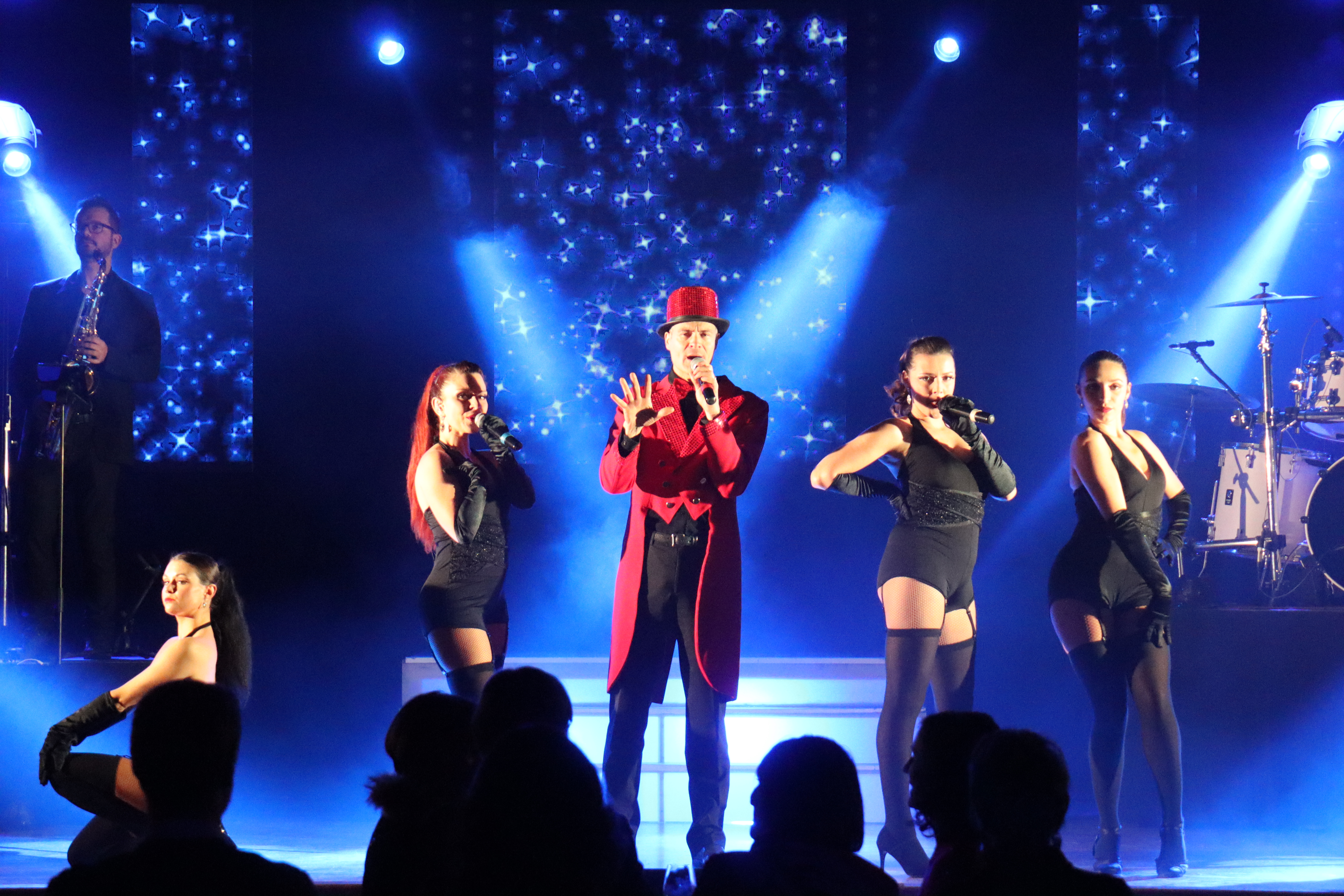
Corporate Show in Laval that stays on time, on brand, and under control
Table of contents
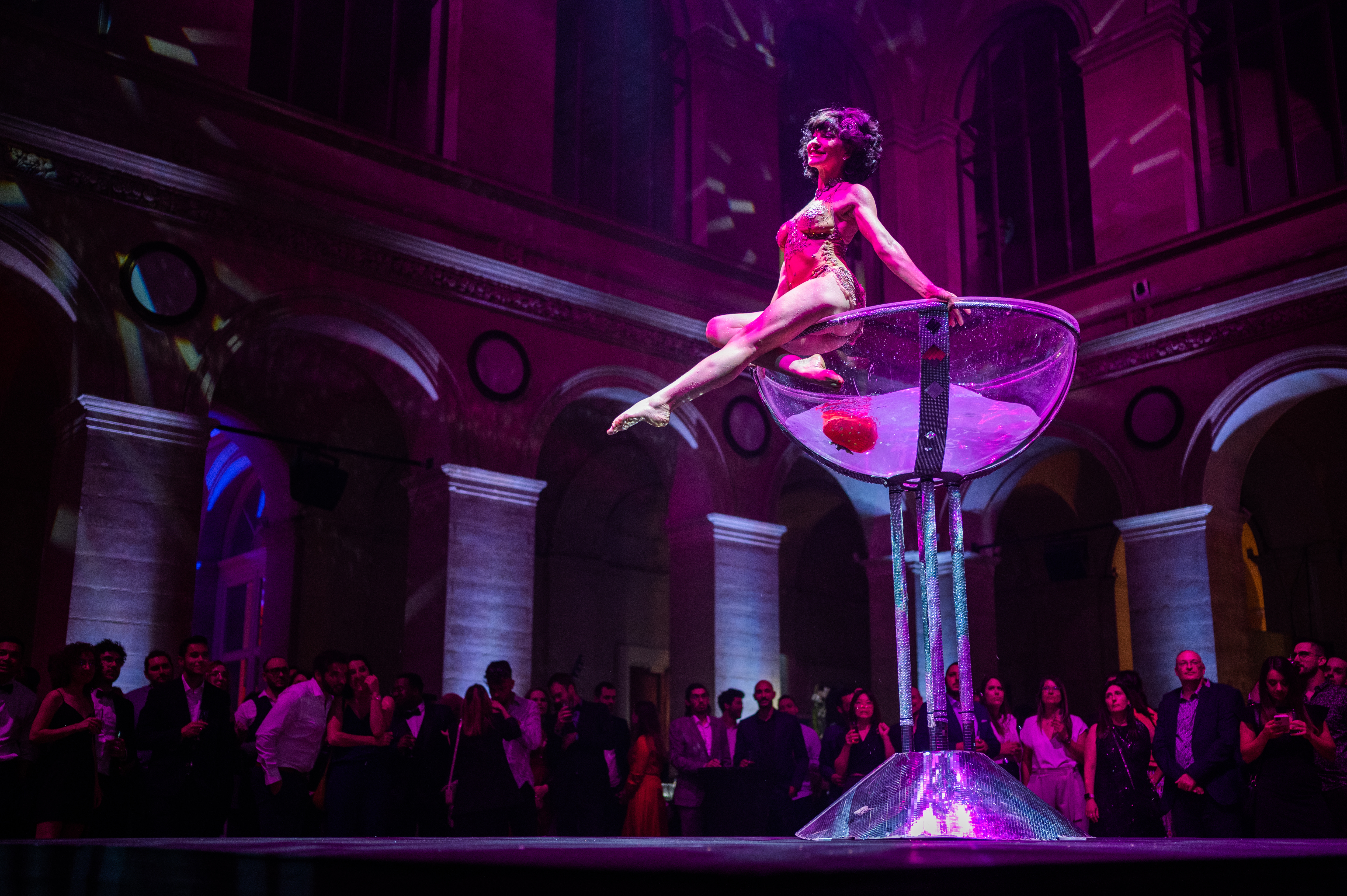
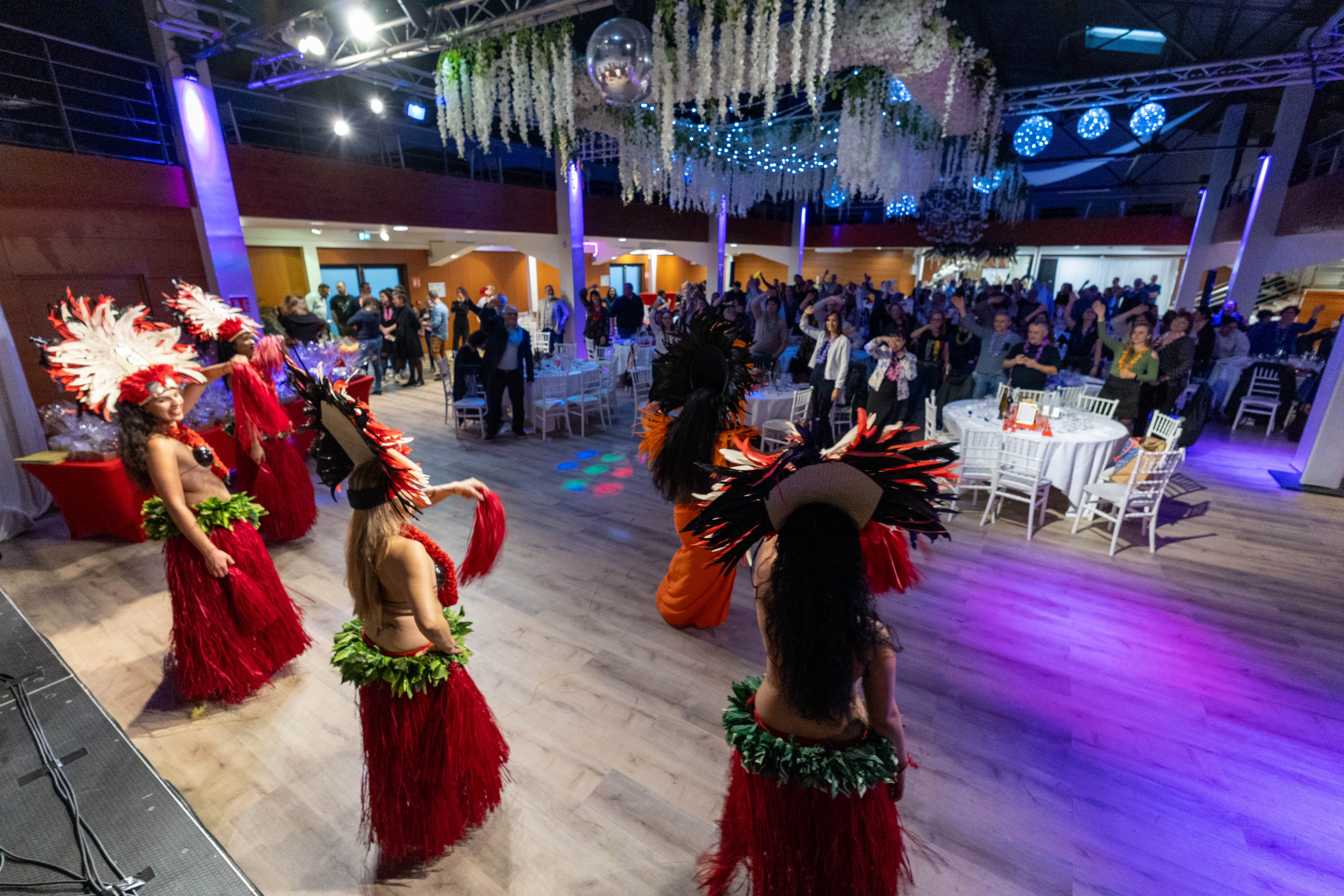
What our Québec clients use to validate INNOV'events
10+ years delivering corporate entertainment and event production across Québec, with repeat mandates from HR and communications teams.
300+ corporate events produced (galas, leadership offsites, recognition nights, product moments, holiday parties), with documented run-of-show and on-site direction.
20–60 suppliers coordinated annually (AV, staging, rigging, décor, catering interfaces, talent), allowing us to scale from a board-level cocktail to a multi-act Corporate Show.
1 point of accountability: one production lead who owns scope, schedule, vendor alignment, and risk mitigation from first brief to load-out.
How to organize a professional event in Laval?
- Define the objective (cohesion, announcement, fidelity, performance).
- Set date, format and size (20–1 000 people).
- Secure the venue and accommodation according to seasonality.
- Lock down technical, suppliers and logistics.
- Drive the day J (timing, scene, entrance, flow).
Who we support across Laval and the 450 territory
We support organisations across Laval and the broader 450 corridor where operational realities are very similar: distributed teams, multi-site operations, and events that must work for both frontline and office employees. Many of our mandates are annual (holiday, recognition, sales kick-offs) because internal stakeholders want consistency: the same agency that already understands security constraints, brand approvals, and the internal “dos and don’ts.”
If you have internal references to validate (vendors you prefer, venues you already use, or a procurement process to follow), we integrate that early—so your team isn’t stuck re-explaining requirements each year. We also plan around local conditions that impact execution in Laval: load-in windows, parking access for trucks, sound restrictions, and realistic rehearsal time so the show looks professional, not rushed.
We send you a first proposal within 24h.
Why plan a Corporate Show in Laval for real business outcomes
A Corporate Show in Laval works when it supports a business objective you can defend internally: retention, recognition, culture alignment, or a strategic message that needs emotional impact. Executives don’t need “more entertainment”—they need a format that creates attention, delivers a message clearly, and protects the organisation’s reputation.
Increase message retention without extending speeches: we design the show arc (opening, peak, close) to carry executive messaging in short, high-attention moments rather than long-stage monologues that lose the room.
Strengthen employer brand with observable behaviours: recognition segments, team spotlights, and on-stage rituals create social proof—especially useful after reorganisations, rapid hiring, or hard operational periods.
Improve cross-team cohesion: interactive sequences (structured, not chaotic) help people from different sites or departments connect quickly, which is valuable for distributed Laval operations.
De-risk high-visibility moments: a well-produced Corporate Show includes stage management, technical cues, rehearsals, and contingency plans so the CEO, HR, and comms team are not troubleshooting audio or timing on-site.
Support client/partner relationships: when external guests attend, a controlled production signals maturity and stability—important for procurement-driven industries.
Better cost predictability: planning reduces last-minute rentals, overtime, and “urgent” supplier fees that often inflate budgets in the final two weeks.
Laval has a pragmatic business culture: leaders value efficiency, measurable outcomes, and smooth operations. A strong show fits that reality when it is built like a production plan—not like a party concept.
What decision-makers in the 450 expect from corporate entertainment
In the 450 market, many corporate events bring together a mix of office teams, operational staff, and external stakeholders. That mix changes everything: the entertainment must be accessible, paced, and technically clean—without relying on inside jokes or niche references that exclude part of the room. We often see HR teams in Laval balancing three pressures at once: (1) recognition that feels fair, (2) communications that stay aligned to brand and values, and (3) a production level that matches what employees see elsewhere (concerts, festivals, and high-quality digital content).
Operationally, local constraints matter. A “good idea” can fail if it ignores load-in realities, room acoustics, ceiling heights, or union/venue policies. We build around those realities early: we confirm stage dimensions, rigging points, sound limits, and the real time needed for artist soundchecks. On the stakeholder side, we plan for bilingual segments when required, and we design a run-of-show that respects executive availability (tight arrival windows, VIP protocols, and the need to protect senior leaders from last-minute script changes).
Finally, organisations in Laval increasingly ask for inclusive formats: activities that work for different ages, mobility considerations, and a tone that stays professional even when it is festive. We treat that as a production constraint, not a slogan—by choosing artists, scripts, and interactive moments that can be delivered cleanly to a diverse room.
Which Corporate Show formats work best in Laval venues
Entertainment creates engagement when it is designed as a sequence of moments that match your audience and your venue constraints—not as a list of acts. For a Corporate Show, we focus on pacing, visibility, sound intelligibility, and content alignment so the show supports your message and doesn’t compete with it.
Interactive animations in Laval
Hosted recognition segments with real cueing: a professional MC guides awards while we manage walk-up music, lighting hits, and photo timing so recognition feels organised, not awkward.
Live polling integrated into the show: short, controlled audience interactions (2–4 questions) that feed directly into the next segment—useful for culture topics, safety themes, or strategy alignment.
Team challenges designed for mixed mobility: stage-based or table-based formats that avoid making participation uncomfortable; we build clear rules, timing, and facilitation so it stays tight.
Executive Q&A with production support: moderated Q&A with roving mics, timekeeping, and pre-screened themes; ideal when leadership wants transparency without losing control of timing and tone.
Art animations in Laval
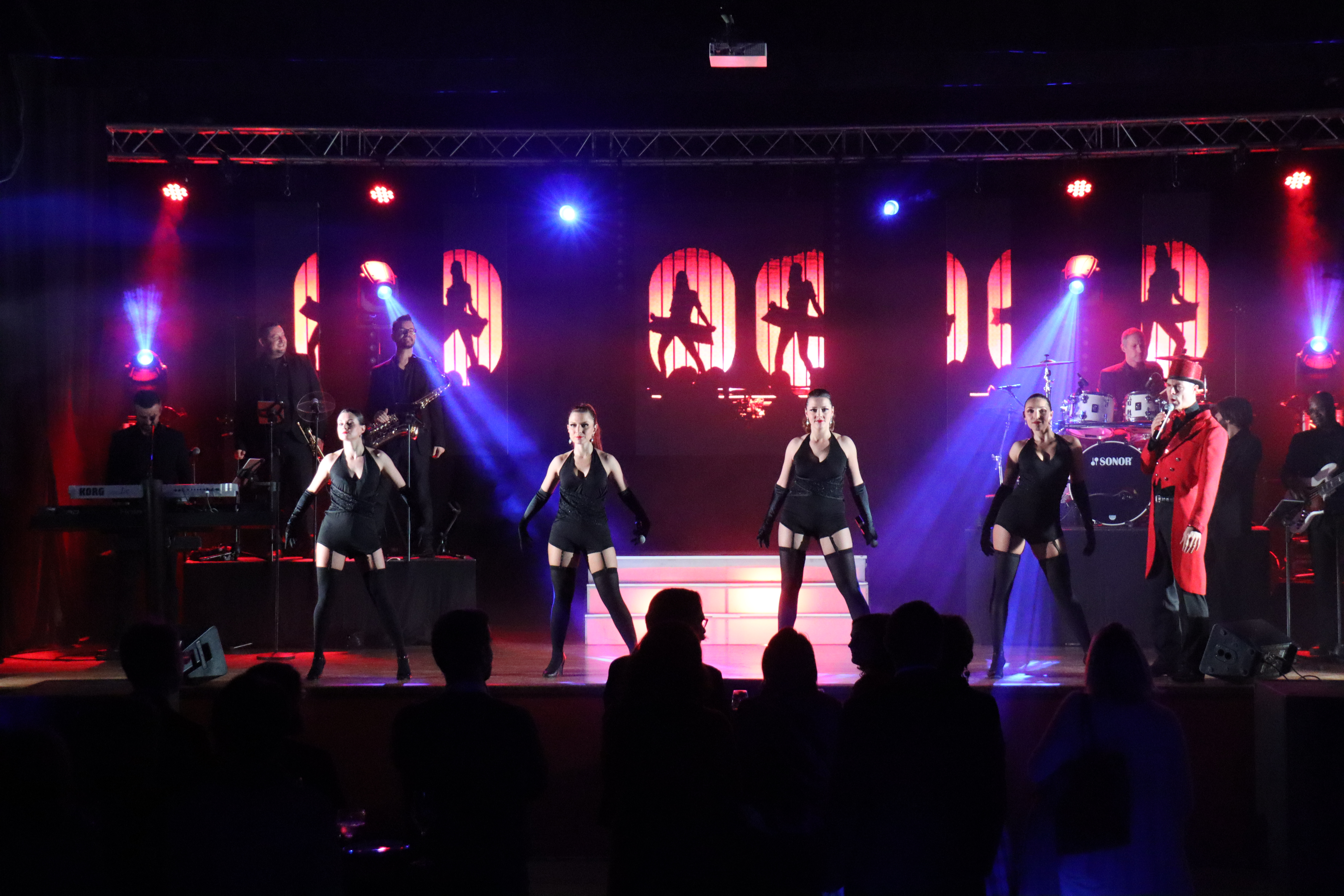
Contemporary music sets (solo to full band): calibrated to room size and sound limits; we confirm backline, monitor needs, and changeover times so dinner service and speeches are not disrupted.
Comedy with corporate-safe scripting: we validate content boundaries, internal sensitivities, and language expectations; we also plan audience warm-up to avoid a flat first five minutes.
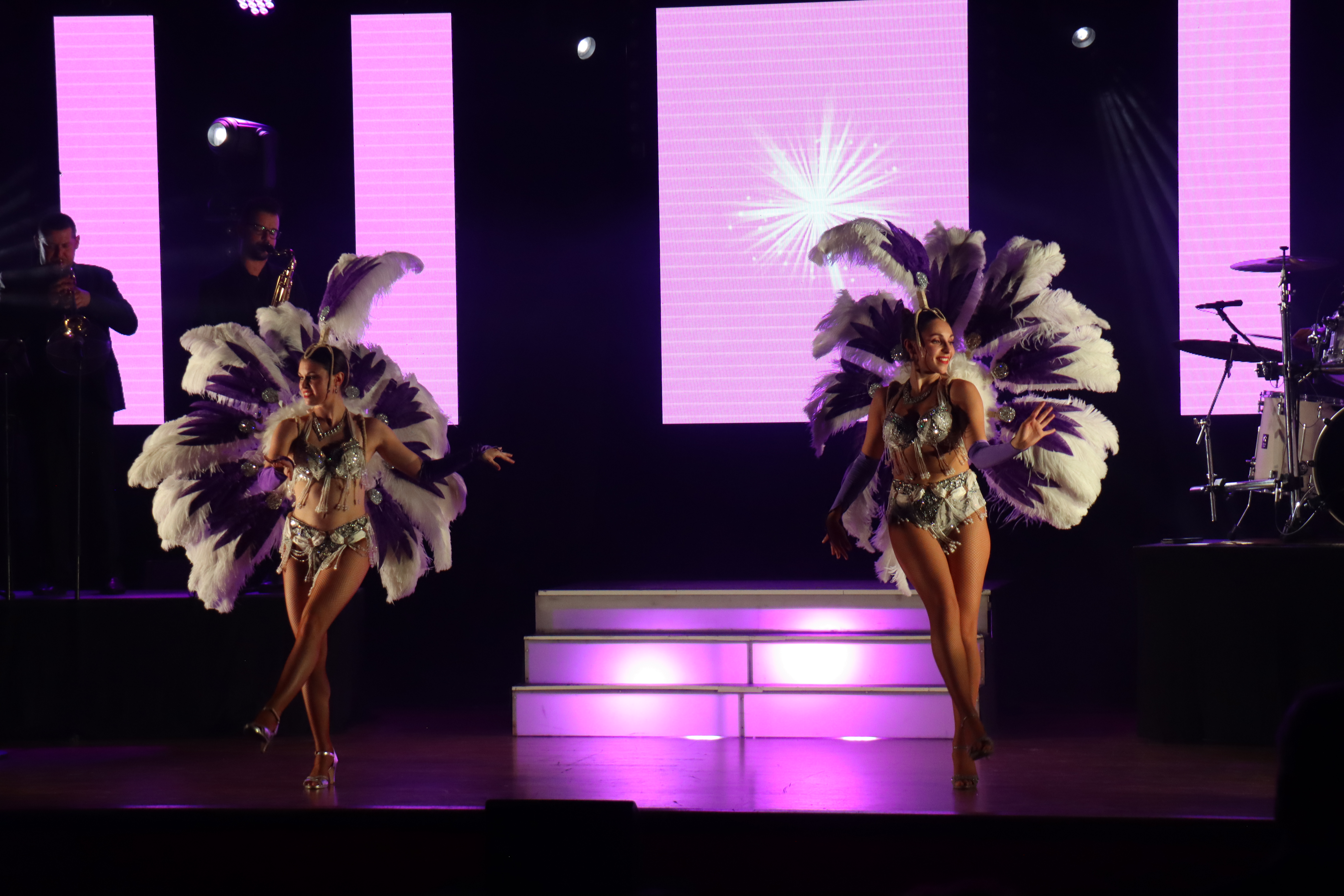
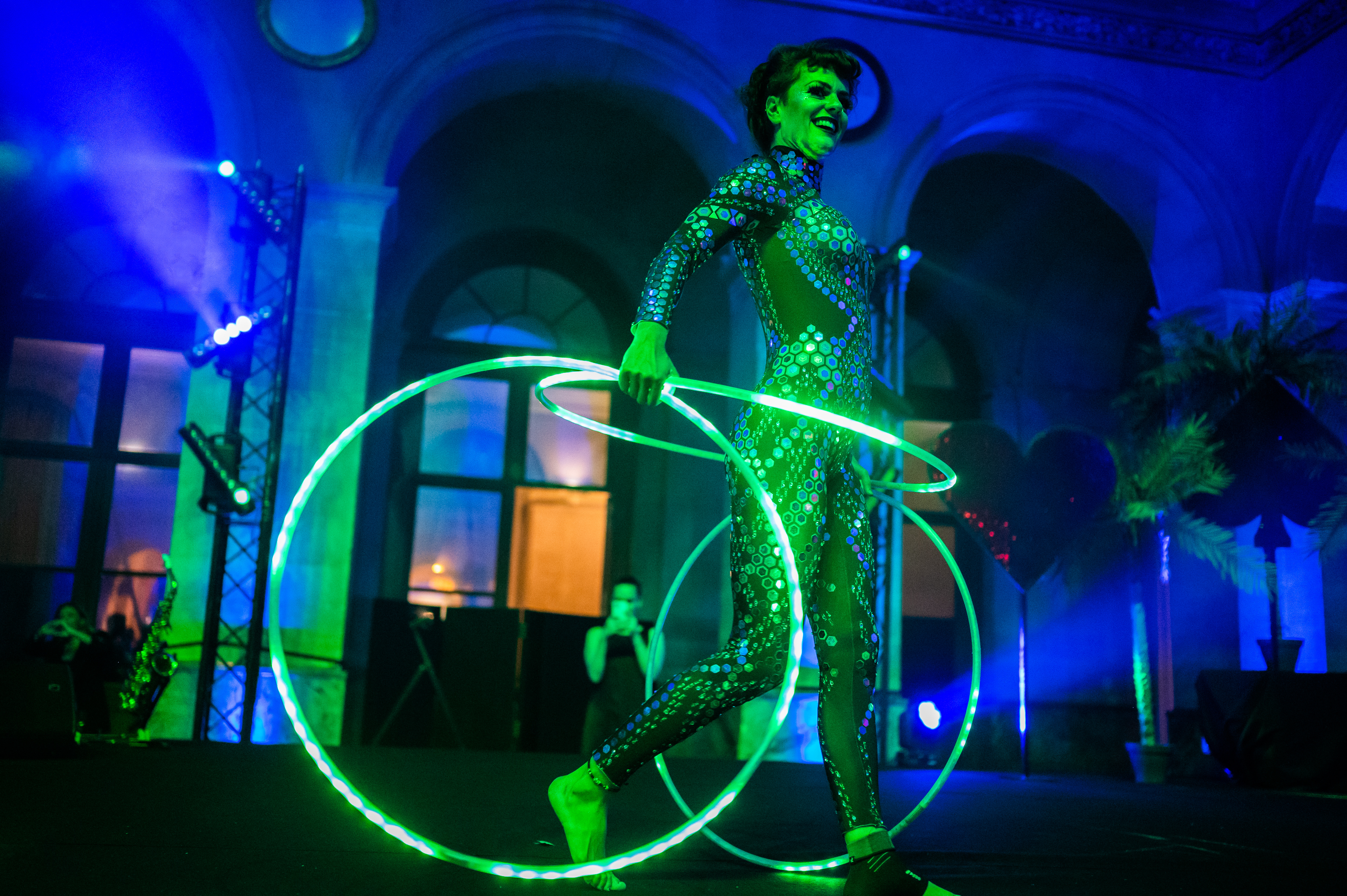
Acrobatic or dance visuals adapted to ceiling height: when a venue allows it, we confirm rigging feasibility and safety protocols; if not, we propose ground-based alternatives that still read well.
Branded opening number: a short, high-impact opener that integrates your message (values, milestones, strategic priorities) without turning into a marketing video.
Innovative animations in Laval
Chef-led tasting moments: short stage or station-based experiences that can be scheduled around speeches; we coordinate timing with catering so service stays smooth.
Zero-proof and cocktail bars with throughput planning: we size the bar based on attendance to avoid 20-minute lineups; practical for employee appreciation evenings.
Local product showcases: curated Québec products with clear labelling and dietary considerations; works well for partner events and internal celebrations.
Gourmand animations in Laval
LED and content-driven staging: screens used with intention (agenda cues, speaker IDs, branded transitions) rather than generic visuals; reduces confusion and improves timing.
Hybrid-ready show design: if you must include remote sites, we plan audio capture, clean feeds, latency buffers, and a dedicated technical operator so the room experience stays strong.
Sound zoning for multi-use spaces: when networking and show moments share a space, we design audio coverage to keep speech intelligible without blasting the full room.
Photo/video capture planned as deliverables: we build camera positions and cue moments (awards, reactions, leadership shots) so internal comms gets usable content within 24–72 hours.
The best choice is the format that protects your brand: the right tone, the right technical level, and a show flow that respects your leadership message. We align every entertainment element to your corporate image, your internal culture, and the expectations of a Corporate Show in Laval audience.
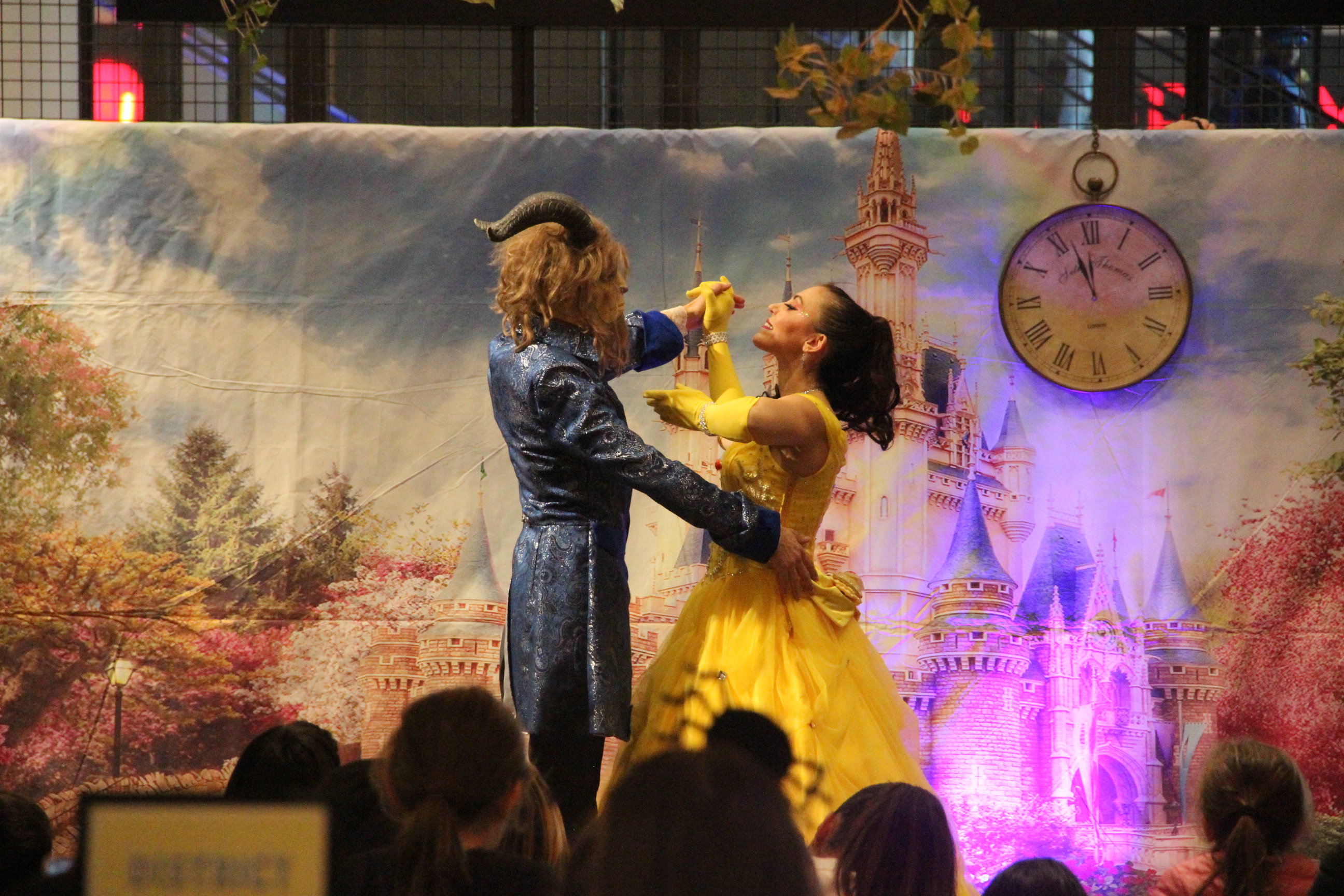
How to choose a venue in Laval for a Corporate Show
The venue is not just a backdrop—it dictates what is technically possible, how professional the show will look, and how smoothly the schedule can run. Ceiling height, rigging points, backstage access, sound bleed, and load-in logistics directly affect the quality of a Corporate Show. In Laval, we often see strong venues on paper that become complicated in practice because of limited truck access, strict load-in windows, or insufficient backstage space for artists.
| Venue type | For which objective? | Main strengths | Possible constraints |
|---|---|---|---|
Hotel ballroom in Laval | Recognition night, holiday party, leadership town hall with dinner | Integrated catering, predictable guest flow, easier guest logistics, often built-in AV options | Rigging limits, sound restrictions, limited backstage, décor constraints, potential vendor exclusivities |
Performing arts venue / theatre (450 area) | High-impact show with strong sightlines and professional stage conditions | Proper stage, lighting positions, audience seating, strong acoustics, established FOH workflows | Fixed seating reduces networking, union rules may apply, limited branding in some spaces, strict schedule |
Industrial-chic event space / converted warehouse in Laval | Brand-forward evenings, product moments, modern entertainment formats | Flexible layouts, strong visual identity, room for staging creativity | May require full AV build, temperature/acoustics management, more production labour, permitting constraints |
We strongly recommend a site visit before finalising entertainment. In a 30–60 minute walkthrough, we can validate sightlines, acoustics, stage placement, power distribution, and load-in routes—avoiding expensive last-minute changes and ensuring your Corporate Show reads as polished in Laval as it does in the concept deck.
What a Corporate Show budget looks like in Laval
The price of a Corporate Show in Laval depends on production scope more than on the “idea.” Two events can look similar to guests and still have very different cost structures based on technical requirements, rehearsal time, and the level of risk control you need. We build budgets that are readable for executives: clear line items, assumptions, and options.
Attendance and room format: theatre seating vs banquet vs cocktail affects staging, audio coverage, and staffing.
Talent type and technical rider: a comedian with a handheld mic is not the same as a band with in-ears, backline, and changeovers.
AV and staging level: basic podium + wash lighting vs LED walls, timecoded cues, scenic elements, and multi-camera.
Rehearsal and tech time: one of the biggest budget drivers; a solid show often needs 4–8 hours on site including soundchecks and cue-to-cue.
Labour and scheduling: load-in windows, overtime risk, and whether you need a dedicated stage manager, show caller, or additional technicians.
Content creation: scripted segments, custom videos, motion graphics, and bilingual copy approvals.
Risk and compliance: insurance certificates, safety plans for acrobatic elements, security coordination, and venue requirements.
When leadership asks, “What’s the ROI?”, we frame it in operational terms: reduced event-day risk, stronger message uptake, and usable internal content for weeks after. A controlled production also prevents hidden costs—rush fees, overtime, and technical patching—that frequently exceed the cost of planning properly from the start.
Why working with an event agency in Laval reduces operational risk
Choosing a partner that knows Laval is not about geography—it’s about execution reliability. When an agency understands the local venue ecosystem, supplier response times, and the real constraints of the territory, you get fewer surprises and faster problem resolution. For directors comparing agencies, the question is simple: who can protect the show under pressure?
As a Montréal agency that delivers frequently on the North Shore, we operate with local reflexes: realistic call times, supplier coordination that accounts for traffic patterns and access points, and contingency options when a technical piece fails or a delivery is delayed. If you want a partner that can coordinate end-to-end while remaining accountable, see our local page for event agency in Laval support.
- Faster on-site escalation: the right technicians and replacement options can be mobilised quickly when issues arise.
- Venue-specific production knowledge: knowing what a room can realistically support (rigging, power, acoustics) avoids expensive rework.
- Better schedule control: local load-in realism reduces overtime and protects your run-of-show.
- Aligned vendor network: AV, staging, décor, and talent coordination becomes a managed system rather than separate conversations.
When leadership asks, “What’s the ROI?”, we frame it in operational terms: reduced event-day risk, stronger message uptake, and usable internal content for weeks after. A controlled production also prevents hidden costs—rush fees, overtime, and technical patching—that frequently exceed the cost of planning properly from the start.











Examples of Corporate Show mandates delivered in the 450
Our mandates range from compact leadership evenings to multi-segment productions with awards, live entertainment, and content moments. A common scenario: an HR team wants recognition and celebration, while communications needs message discipline and brand compliance. We structure the evening so both goals are met—without extending the schedule.
For example, we’ve built run-of-show frameworks where the CEO has a 7–10 minute opening that lands cleanly, followed by a paced sequence of awards and short entertainment interludes that keep energy consistent through dinner service. We’ve also handled higher-complexity shows with multiple acts, bilingual hosting, and tight changeovers—where the critical success factor is stage management and cue discipline, not “bigger ideas.”
Across these projects, the pattern is the same: we confirm constraints early, we keep decision-making simple for leadership (options with trade-offs), and we run the show on-site with a clear chain of command. That is what makes a Corporate Show feel effortless to the audience in Laval—even when it isn’t behind the scenes.
Common Corporate Show mistakes we prevent in Laval
Underestimating technical rehearsal time: skipping a cue-to-cue leads to missed entrances, feedback issues, and awkward dead air. We schedule rehearsals based on the actual complexity of the show.
Choosing acts without validating the room: performances that require rigging, specific stage depth, or controlled lighting often fail in unsuitable spaces. We validate feasibility before booking.
Run-of-show built around catering instead of the audience: if service timing dictates everything, the show becomes fragmented. We coordinate with catering but protect narrative flow and key message moments.
Mic and audio coverage planned too late: roving mics, backup mics, and intelligibility for speeches are non-negotiable. We design a microphone plan and confirm frequency coordination early.
Last-minute content approvals: executives changing scripts or slides on the event day increases risk. We build an approval calendar and lock critical content.
No contingency planning: illness, delayed deliveries, or technical failures happen. We plan backups (playback, spare equipment, alternate transitions) so the audience never feels the disruption.
Our role is to remove avoidable risk before you get on site, and to manage the remaining risk quietly during the event—so your leadership team can focus on people, not production.
Why clients in Laval renew with the same agency
Repeat business in corporate events is rarely about creativity alone—it’s about trust under pressure. When a director or HR lead puts their name on an event, they need a partner who protects timelines, manages stakeholders, and keeps the show professional even when priorities shift.
Annual cycles supported: holiday parties, recognition nights, and sales kick-offs planned as repeatable formats with refreshed content, not reinvented from zero each year.
Reduced internal workload: we provide run-of-show documents, vendor coordination, and on-site direction so internal teams are not acting as producers.
Consistency for leadership: speakers and executives appreciate predictable prep, clear stage protocols, and tech checks that respect their limited time.

Loyalty is earned when the event day feels controlled and the post-event feedback is clean: leadership is satisfied, employees feel recognised, and the brand looks strong. That’s the standard we maintain for Corporate Show production across Laval.
Our process for a Corporate Show in Laval from brief to load-out
👉 Step 1: Laval project brief and stakeholder alignment
We start with a working session with HR, communications, and the executive sponsor. We clarify objectives, success criteria, sensitive topics to avoid, language requirements, audience profile, and timing constraints. You receive a written recap that becomes the decision reference, preventing scope creep and last-minute surprises.
👉 Step 2: Show architecture and run-of-show draft
We propose a show structure: opening, transitions, content moments, entertainment blocks, and closing. We define timing down to the minute and identify dependencies (catering, awards, video, executive availability). This is where we decide what the audience will actually experience—not just what looks good in a concept.
👉 Step 3: Talent sourcing and contracting
We present options with clear trade-offs (cost, technical requirements, tone, audience fit). We manage contracting, hospitality requirements, and schedule coordination. For higher-profile acts, we confirm technical riders early and avoid overpromising on what the venue can support.
👉 Step 4: Technical design and supplier coordination
We finalise stage plot, audio plan, lighting looks, playback needs, and cue structure. We coordinate AV, staging, and any scenic elements with the venue and other suppliers. If the event is in Laval, we validate access, loading, parking, and real setup time to protect the schedule and reduce overtime risk.
👉 Step 5: Content production and approvals
We support scripts, speaker transitions, awards sequencing, and video or slide content. We set an approval calendar, so executive changes happen before rehearsals. This step is critical when communications teams must protect brand tone and legal sensitivities.
👉 Step 6: Rehearsal, show calling, and event-day execution
On site, we run soundchecks, cue-to-cue rehearsal, and speaker tech checks. During the show, a show caller manages cues while stage management controls entrances and timing. We keep a contingency plan ready (backup playback, spare mics, alternate transitions) so the audience experience remains smooth even if something shifts.
👉 Step 7: Post-event wrap-up and lessons learned
After load-out, we provide a wrap-up: what worked, what to improve, supplier notes, and recommendations for the next cycle. If content was captured, we coordinate delivery timelines (often 24–72 hours for selects) to support internal communications.
FAQ sur l'organisation Corporate Show à Laval
How far ahead should we book a Corporate Show in Laval?
For a mid-size event (150–400 people), plan 8–12 weeks ahead for strong talent availability and proper technical prep. For peak season (late November to mid-December), aim for 4–6 months. If you’re within 2–4 weeks, we can still help, but options narrow and costs can rise due to rush labour and limited rehearsal windows.
What budget range is realistic in the 450 for a show?
For a professional Corporate Show component, many organisations land between $7,500 and $35,000 depending on talent, AV/staging level, and rehearsal time. Larger formats with multiple acts, higher-end staging, or extensive content can go beyond $50,000. We build options so you can choose the right production level without guesswork.
Can you manage bilingual hosting for Laval audiences?
Yes. We can provide bilingual MCs and structure the run-of-show to avoid repetition fatigue. In practice, we often use: bilingual transitions, English or French segments depending on content, and visual support on screens to keep everyone oriented—without doubling the event length.
Do we need a rehearsal for a Corporate Show in Laval?
If your show includes multiple cues (videos, awards walk-ups, live music, lighting hits), a rehearsal is strongly recommended. A typical cue-to-cue is 60–120 minutes, plus soundchecks. For complex shows, plan 3–6 hours on site. This is what prevents awkward pauses and technical issues in front of executives and guests.
How do you reduce event-day risk at Laval venues?
We reduce risk through documented production: confirmed load-in schedules, a microphone and backup plan, cue sheets, stage management, and a clear escalation chain. We also validate venue constraints early (rigging, power, sound limits, access routes) and keep contingency transitions ready so the show stays on track even if a segment changes.
Request a Corporate Show quote for Laval and lock your date
If you’re comparing agencies, we can provide a clear proposal with scope, timelines, and production assumptions—so you can validate the plan internally and avoid surprises later. Share your date, estimated attendance, venue (if known), and the objective of the evening (recognition, strategy, client event, holiday). We’ll come back with practical options for a Corporate Show in Laval, including the technical level required to deliver it professionally and on schedule.
INNOV'events Laval Agency
Thierry GRAMMER is the manager of the INNOV'events Laval office. Reach out directly by email at canada@innov-events.ca or via the contact form.
Contact the Laval agencyAll our services & entertainment Laval, Quebec
Discover our event services
Discover our event entertainment available in the Quebec
- Event Hostess in Laval
- Escape Game in Laval
- MasterChef-Style Cooking Workshop in Laval
- Corporate Magician in Laval
- Tent Rental in Laval
- Color Analysis Workshop in Laval
- Inflatable Games in Laval
- Valet Service in Laval
- Soccer Simulator in Laval
- LED Furniture Rental in Laval
- LED Branding Activation in Laval
- Immersive Culinary Experience in Laval
- Light Painting Activity in Laval
- Immersive Mystery Night in Laval
- Promotional Contest in Laval
- Promotional Materials (POS) in Laval
- Virtual Reality Experience in Laval
- Molecular Gastronomy Workshop in Laval
- Halloween Event in Laval
- Fireworks Show in Laval
- Sports Challenge – Giant Games in Laval
- Professional Event Host in Laval
- Photo Booth Animation in Laval
- Santa Claus Appearance in Laval
- Kids Entertainment in Laval
- Guided Tour in Laval
- Urban Rally in Laval
- Ball Pit Activity in Laval
- Flight Simulator in Laval
- Food Truck Rental in Laval
- World Record Attempt in Laval
- Surf Simulator in Laval
- Soccer Simulator in Laval
- Wine Casino in Laval
- Makeover Workshop in Laval
- Perfume Creation Workshop in Laval
- Acting Workshop in Laval
- CSR Activities in Laval
- Archery Activity in Laval
- Event Security Guard in Laval
- Wine Tasting Workshop in Laval
- Mime Performance in Laval
- TV Game Show Animation in Laval
- Funfair Event in Laval
- Crisis Management Workshop in Laval
- Crisis Negotiation Workshop in Laval
- Arcade Games in Laval
- Indoor Skydiving Simulator in Laval
- Ski Simulator in Laval
- Racetrack Driving Experience in Laval
- Introductory Flight Experience in Laval
- Tasting Experience in Laval
- Build Your Own Foosball Workshop in Laval
- 2CV Rally in Laval
- LEGO Challenge in Laval
- Casino Night in Laval
- Interpreter / Translator in Laval
- Promotional Merchandise in Laval
- Shuttle / Transportation Service in Laval