
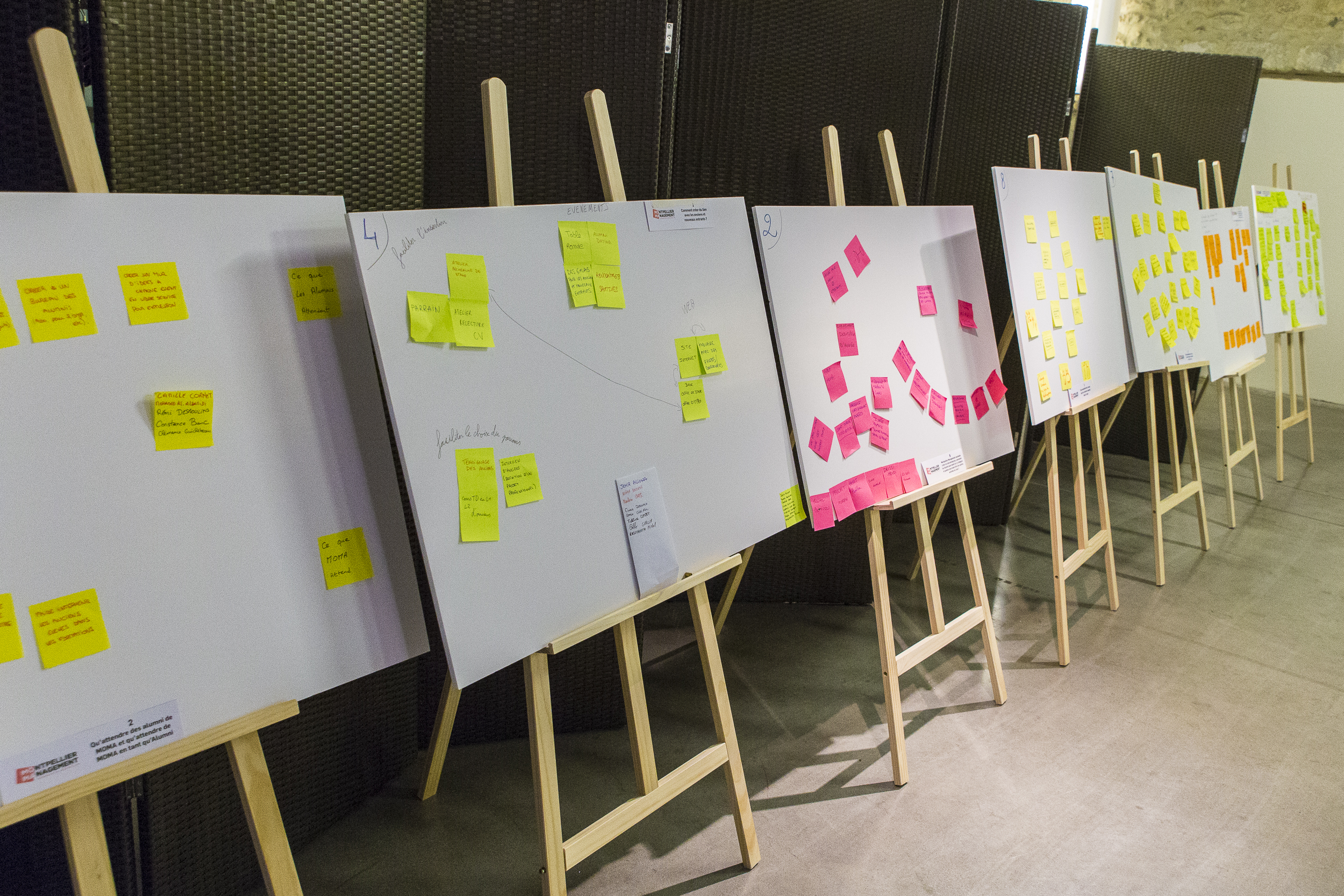
Crisis Management Workshop in Laval to train leaders under real pressure
INNOV'events designs and runs a Crisis Management Workshop in Laval for executive teams, HR, and communications—typically 8 to 60 participants, from a tight crisis cell format to cross-department simulations.
We handle scenario design, facilitation, role players, timing, room setup, comms injects, and the after-action review so your leaders leave with a workable playbook—not just takeaways.
Sommaire
In a local organization, a crisis isn’t only operational—it’s a trust and talent issue. A well-run Crisis Management Workshop lets leaders practice decisions, communication, and escalation before the first real call from a journalist or regulator.
Teams in Laval expect pragmatic training: fast pace, credible scenarios, and direct links to your policies (HR, IT, EHS, legal). They want to test who decides what, in what order, with what message, and with what proof.
Based in Greater Montréal, our team works week-in/week-out on corporate training events and executive simulations. We know the realities of doing this in Laval: travel times, venue constraints, bilingual communications, and the pace expected by senior leaders.
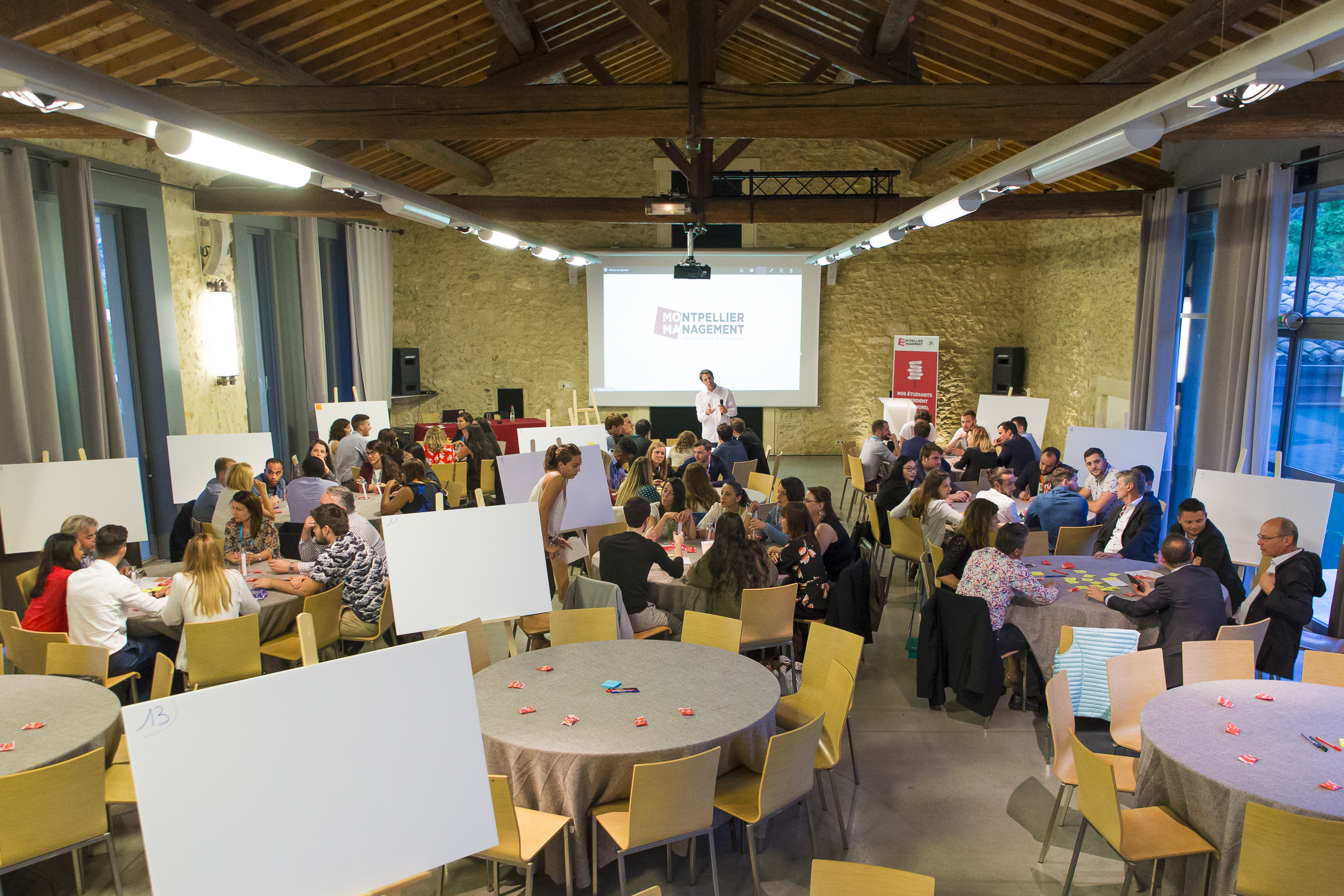
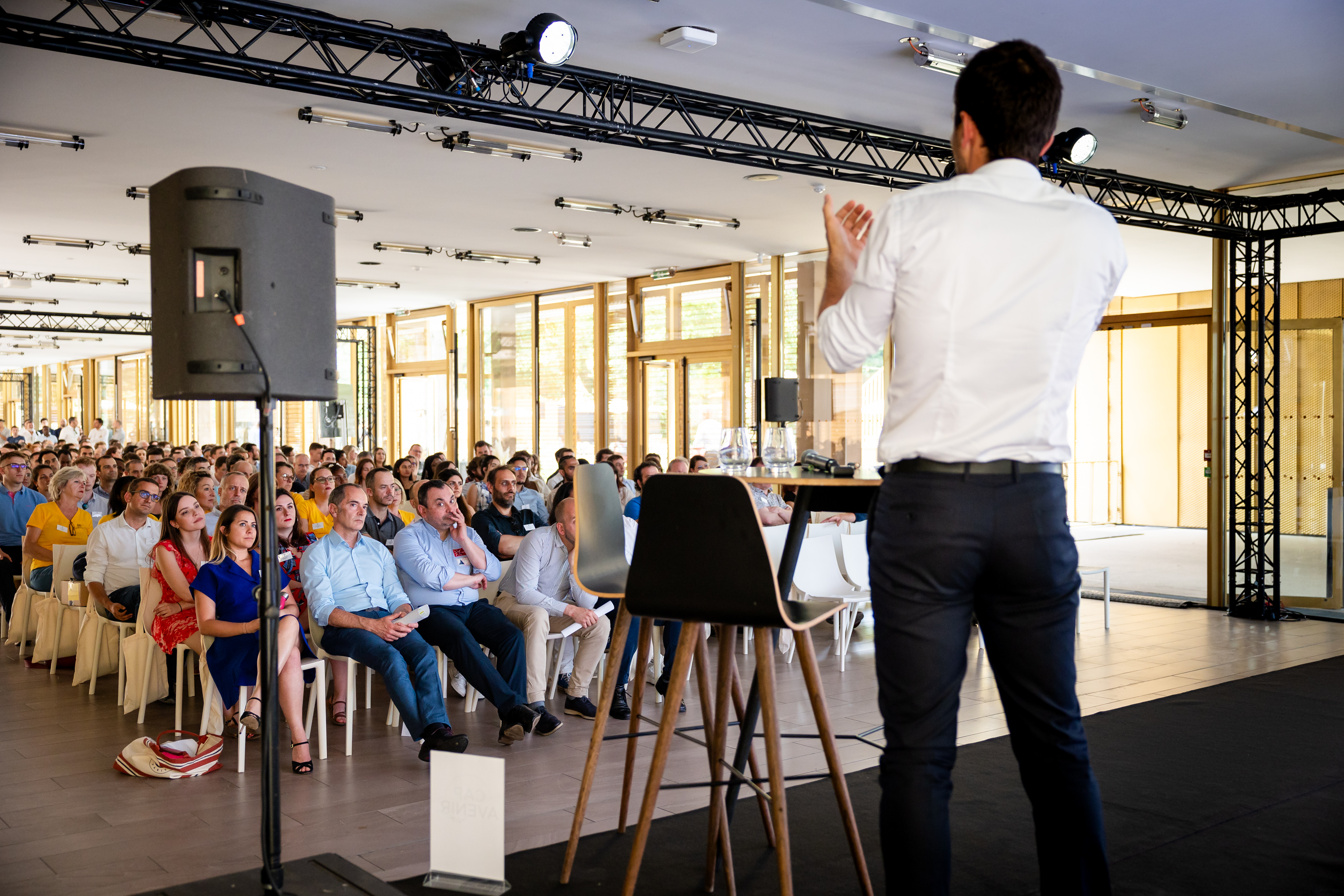
Operational benchmarks clients expect in Laval
10+ years coordinating corporate training formats (workshops, simulations, executive offsites) in Québec.
150+ corporate events delivered across the province through our Montréal network (facilitators, AV, venues, security).
Typical workshop cadence: 2 to 4 hours for a tabletop, 4 to 8 hours for a full simulation with injects and media pressure.
On-site staffing: 1 lead facilitator + 1–3 controllers + optional role players (journalist, client, regulator, union rep) depending on risk level.
Who we support around Laval throughout the year
We regularly support organizations that operate in and around Laval—from multi-site employers and manufacturers to professional services and public-facing teams. Many clients rebook because crisis readiness is not a one-time activity: leadership changes, new systems roll out, and supplier chains evolve.
We collaborate with HR, Communications, Operations, and executive assistants to make the workshop efficient for senior calendars: clear pre-work, sharp timing, and deliverables that integrate with your existing crisis plan and business continuity documents.
If you share the company names you want referenced, we can integrate them cleanly in this section (with your approval and the right wording). We keep references factual and professional—no exaggerated claims—because credibility matters most when your brand is on the line in Laval.
 Besoin d’un devis rapide ?
Nous vous envoyons une première proposition sous 24h.
What a Crisis Management Workshop changes for Laval leadership teams
Most organizations don’t fail during a crisis because they “lack a plan.” They fail because the plan is not operational: roles overlap, approvals stall, and communication lags behind reality. A Crisis Management Workshop in Laval is a controlled stress test that exposes friction points while the stakes are still manageable.
For executives, HR, and communications, the value is practical: you validate decision authority, rehearse external messaging, and align on evidence and documentation. For the business, it reduces downtime, reputational harm, and employee churn during high-pressure events.
Clarify decision authority: who declares an incident, who leads the crisis cell, and which decisions require CEO/legal sign-off versus operational autonomy.
Reduce response time by mapping the first 30/60/120 minutes actions (containment, safety, stakeholder comms, evidence preservation).
Train leaders to communicate under uncertainty: what to say when facts are incomplete, how to avoid speculation, and how to document decisions for later scrutiny.
Align HR and Communications on employee messaging (absences, psychological safety, internal rumors, union considerations) while protecting the brand externally.
Test escalation paths across sites and shifts—especially relevant for multi-location employers in Laval where operational teams may be on different schedules.
Validate your vendor ecosystem: IT managed services, security, legal counsel, insurance, and PR support—who is called, in what order, and what information they need.
Identify “silent risks” (single points of failure, outdated contact lists, unclear spokesperson, missing templates) that typically surface only during real incidents.
Laval’s economic culture is pragmatic: fast operations, tight service levels, and reputations built on reliability. A workshop that produces concrete improvements—scripts, checklists, and decision maps—fits that reality and respects executive time.
What organizations in Laval expect from a serious crisis simulation
In Laval, we often see organizations balancing head office expectations with on-the-ground realities: facilities teams, customer-facing staff, and IT operations moving at different speeds. A crisis workshop must reflect that complexity instead of treating the company as a single room of people.
Executives want a session that feels realistic without becoming chaotic. That means the scenario has to match your sector and risk profile: a production halt due to supplier contamination, a data breach with extortion pressure, a workplace incident that triggers CNESST reporting, or a public complaint that spreads quickly on local social channels.
HR and communications teams here typically ask for two things: (1) clear guardrails on what can and cannot be said, and (2) a way to practice coordination with leadership when approvals are slow. We build injects that force trade-offs: “Do we notify customers now or after verification?”, “Do we close a site or keep operating?”, “Who speaks to employees on a night shift?”
Finally, there’s the reality of bilingual operations. Even if your internal language is English, you may need French-ready statements, signage, or employee messaging in a Laval context. We can integrate that into the exercise without turning it into a language class—only the operational pieces that matter.
Which workshop formats work best in Laval for executive crisis readiness
Engagement in a crisis workshop doesn’t come from “fun.” It comes from realism, pace, and consequences. The right formats create safe pressure: enough stress to reveal gaps, without humiliating participants. In Laval, where teams are often action-oriented, we prioritize formats that produce decisions, messages, and a clearer operating rhythm.
Interactive animations in Laval
Tabletop simulation (TTX) with timed injects: participants receive new information every 5–10 minutes (client complaint, internal incident report, social post, regulator inquiry). We force explicit decisions and document them in a live decision log.
Role-based breakouts: HR drafts employee messaging and manager talking points; Communications prepares holding statements and Q&A; Operations defines containment steps; Leadership validates risk appetite and approvals. We reunite every 20–30 minutes to synchronize.
Red team challenge: a facilitator plays the adversary—journalist, activist, customer, union rep—testing inconsistencies. This is especially useful when the organization has experienced “message drift” between internal and external channels.
Stakeholder mapping sprint: in 15 minutes, the team maps who must be informed first (employees, clients, suppliers, landlord, insurer, CNESST, police, municipality), then validates contact methods and owners.
Art animations in Laval
Professional role players for media pressure: we can bring a trained interviewer to simulate a hostile call, a live stand-up, or a radio-style rapid Q&A. The point is not performance—it’s controlling message, tone, and legal risk.
Executive presence coaching during the debrief: targeted feedback on clarity, empathy, and accountability language—useful when senior leaders must face customers and employees in Laval after an incident.
Innovative animations in Laval
Working lunch with structured prompts: instead of a “break,” we run a focused session on reputational trade-offs and employee impact. This format works well for half-day sessions when executives cannot block a full day in Laval.
Briefing-style catering: short service windows that do not break momentum; we plan it so the team can keep the crisis cell running while people rotate.
Gourmand animations in Laval
Simulated social media feed: we display evolving posts, comments, and screenshots, forcing the comms team to choose whether to respond, correct, or stay silent—and how to coordinate with legal.
Cyber + operations hybrid scenario: common in mid-to-large organizations: ransomware disrupts production, data exposure triggers notification requirements, and customer service is flooded. We design injects that test IT/Comms/HR alignment.
Metrics-driven debrief: we score response speed (first statement time), decision clarity (who owned what), and stakeholder coverage (who was missed). Leaders in Laval often appreciate measurable improvement targets.
Whatever the format, we align the workshop with your brand risk posture: how transparent you want to be, what you can legally say, and what your employees and customers in Laval will consider credible.
Where to host a crisis workshop in Laval for maximum focus
The venue influences how seriously participants take the exercise. For a Crisis Management Workshop in Laval, you need privacy, strong AV, reliable connectivity, and a layout that supports a real crisis cell: a main room plus breakouts for HR, communications, and leadership sidebars.
| Venue type | For which objective? | Main strengths | Possible constraints |
|---|---|---|---|
On-site boardroom at your Laval office | Test your real escalation path and tools (Teams, phones, call trees) | High realism; quick access to internal documents; easier to involve on-call operational staff | Interruptions from daily operations; confidentiality risks if space is not controlled |
Offsite hotel meeting room in Laval | Build focus and enforce “crisis cell mode” without office noise | Neutral space; predictable AV; catering logistics are simple | Less realism for internal systems unless planned; costs for room rental and minimum spends |
Training centre with breakout rooms | Run multi-team simulations (HR, Comms, Ops) with regroup cycles | Breakouts + plenary; good for 20–60 participants; supports parallel workstreams | Need strict timekeeping; must ensure secure Wi‑Fi and privacy for sensitive discussions |
We strongly recommend a short site visit (or a technical walkthrough) before the workshop: we verify acoustics, sightlines, internet stability, and where sensitive documents can be handled discreetly in Laval.
What a Crisis Management Workshop costs in Laval
Pricing is driven by realism and staffing, not by “packages.” A short tabletop for a small crisis cell costs less than a full-day simulation with role players, custom injects, and deliverables. We quote based on scope, risk level, and how much you want to produce at the end.
In Laval, most organizations choose between two practical formats: a half-day executive tabletop to validate governance and messaging, or a full-day simulation to stress-test cross-functional execution.
Scenario customization depth: adapting to your sector, stakeholders, and internal policies versus a generic scenario.
Number of participants and teams: a single crisis cell (8–12) vs. multiple parallel groups (20–60) with regroup cycles.
Facilitation staffing: lead facilitator, controllers, note-takers, and optional professional role players (media, regulator, customer).
Deliverables: decision log, gaps list, updated call tree, spokesperson rules, draft holding statement, Q&A bank, and a 30-day action plan.
Venue and AV: on-site vs. offsite rental, microphones, screens, recording (if appropriate), and secure connectivity.
Bilingual requirements: if you need French-ready statements or bilingual injects for Laval stakeholders.
We frame ROI in operational terms: fewer hours of downtime, faster stakeholder notification, reduced reputational fallout, and less internal confusion. For executives, the return is also governance: clearer authority and fewer “approval bottlenecks” when minutes matter.
Why choose a local partner for Laval crisis training
Running a crisis simulation is a live operational exercise. Small issues—AV failure, room layout, timing drift, late arrivals—undermine credibility fast with executives. Working with a local team reduces friction because we can verify venues, bring reliable technicians, and adjust quickly if the situation changes.
As an event agency in Laval, we also understand the local realities around accessibility, travel time between sites, and the expectation for bilingual, culturally appropriate stakeholder communication. That translates into smoother execution and fewer surprises.
Most importantly, local doesn’t mean “small.” It means accountable: if you need a follow-up session, a second scenario, or a quick update after an organizational change, we can respond without rebuilding everything from zero.
- Faster on-site readiness: earlier technical checks, room testing, and contingency planning in Laval.
- Reliable vendor coordination: AV, catering, security, and printing that meet corporate standards.
- Better realism: scenarios anchored in how organizations operate locally (media ecosystem, workforce realities, stakeholder expectations).
- Post-workshop follow-through: action plans that turn into updates, not shelf documents.
We frame ROI in operational terms: fewer hours of downtime, faster stakeholder notification, reduced reputational fallout, and less internal confusion. For executives, the return is also governance: clearer authority and fewer “approval bottlenecks” when minutes matter.







Examples of crisis scenarios we run in Laval environments
Our workshops are built from situations leaders actually face—often combinations of operational disruption and reputational exposure. Here are examples of scenarios we regularly design for organizations operating in Laval:
- Cyber incident with operational shutdown: encryption spreads, production or service delivery stops, a vendor is implicated, and customers demand timelines. The workshop tests IT-to-Exec escalation and the first external statement.
- Workplace incident and regulatory reporting: a serious injury triggers immediate safety actions, internal communication to staff, and external stakeholder pressure. The workshop forces clear roles between operations, HR, and communications.
- Product/service failure with viral complaint: a customer posts a video; comments escalate; an elected official tags your brand. The workshop tests response speed, empathy language, and evidence-based messaging.
- Executive misconduct allegation: HR, legal, and communications must coordinate without compromising the investigation, while maintaining employee trust and protecting the organization’s integrity.
- Facility disruption: fire alarm, water damage, or landlord issue impacts availability. The workshop focuses on continuity, customer notification, and internal coordination across sites in Laval.
In every case, we build the simulation so it produces tangible outputs: draft statements, an updated call tree, decision thresholds, and an action backlog with owners and deadlines.
Common mistakes we prevent in Laval crisis workshops
Turning the session into a debate instead of a decision exercise. We time-box discussions and require explicit decisions with owners.
Unclear spokesperson rules, resulting in mixed messages between leadership, HR, and communications.
Skipping employee communication: focusing only on “PR” while internal rumors grow and managers lack talking points.
Over-reliance on a single expert (IT, legal, or one executive) creating bottlenecks when that person is unavailable.
No evidence discipline: teams make statements without verifying facts, increasing legal and reputational exposure.
Outdated contact lists and vendor roles: the insurer, PR support, or IT provider is called too late—or not at all.
Weak debrief: lessons are discussed but not converted into a 30-day improvement plan.
Our role is to design pressure safely, keep the exercise disciplined, and leave you with improvements you can implement immediately—so the next real incident in Laval is managed with speed and consistency.
Why teams in Laval repeat the exercise with us
Organizations come back because crisis readiness evolves. A new VP changes decision dynamics; a system migration changes IT dependencies; a merger creates new stakeholder risks. Repeat workshops let you keep governance current and build muscle memory—especially for leaders who rarely face real crises until it’s too late.
Many clients schedule refresh cycles every 12–18 months for the crisis cell, and shorter check-ins after major changes (reorg, new plant, new product line).
We commonly see 2 workshops as the best first-year sequence: one executive tabletop to validate governance, then a broader simulation to test cross-functional execution.

Loyalty is not about comfort—it’s about measurable progress. When the next workshop in Laval starts with updated playbooks and clearer roles, it’s proof the previous session produced real operational value.
Our delivery process for Laval workshops
👉 Alignment call with executive sponsor in Laval
We start with a 30–45 minute call to confirm objectives, risk appetite, and constraints (time, participants, confidentiality). We identify the crisis types you actually worry about and what “success” means: faster notification, clearer spokesperson rules, better HR coordination, or governance validation.
👉 Document review and stakeholder map
We review what you already have: crisis plan, BCP, call trees, templates, policies, and escalation charts. We build a stakeholder map specific to your operations in Laval (employees, clients, suppliers, regulators, municipal stakeholders, landlords, insurers).
👉 Scenario design and inject planning
We write a scenario with a clear timeline and injects that force decisions. Each inject has a purpose (test authority, test communication, test evidence, test coordination). We also design “curveballs” that reflect reality: partial information, conflicting reports, and reputational pressure.
👉 Logistics and room setup
We confirm venue, AV, connectivity, seating plan, and breakout needs. We set up a decision log, action tracker, and a visible timeline. If the workshop is hosted in Laval, we plan arrival buffers and run-of-show timing so senior leaders are not kept waiting.
👉 Live facilitation and controlled pressure
We facilitate with discipline: time-boxing, prompting decisions, capturing owners, and ensuring HR/Comms/Operations stay synchronized. If role players are used, we manage them so they add realism without derailing the exercise.
👉 After-action review and 30-day action plan
We debrief the same day while memory is fresh. You receive a concise report: key decisions, strengths, gaps, and a prioritized improvement plan with owners and deadlines. If needed, we can run a follow-up session in Laval to validate that changes were implemented.
FAQ sur l'organisation Crisis Management Workshop à Laval
How long should a crisis workshop last in Laval?
Most organizations choose 2–4 hours for a leadership tabletop or 4–8 hours for a full simulation with injects and breakouts. If you want measurable improvement plus updated tools (templates, call tree), plan at least half a day.
How many participants for a Crisis Management Workshop in Laval?
For a true crisis cell, 8–12 is ideal (CEO/GM, Ops, HR, Comms, IT, Legal/Finance). For cross-functional testing across departments, 20–60 works with breakout groups and a strict facilitation rhythm.
Can we include media training in a Laval crisis simulation?
Yes. We can integrate a simulated journalist call, a rapid Q&A, or a press scrum segment. The goal is to test holding statements, spokesperson discipline, and message consistency—especially when facts are still evolving.
What deliverables do you provide after the Laval workshop?
Typically: a decision log, a prioritized gaps list, an updated stakeholder/contact map, draft holding statements and Q&A, and a 30-day action plan with owners. If you want, we can also provide revised internal templates for employee updates and manager talking points.
How far ahead should we book a workshop in Laval?
For a standard tabletop, book 3–6 weeks ahead to allow scenario alignment and participant scheduling. For a full simulation with role players and venue coordination in Laval, 6–10 weeks is safer—especially during peak corporate periods.
Plan your Crisis Management Workshop in Laval with a clear scope
If you’re comparing agencies, we recommend starting with a short scoping call: participants, top risks, and what you want to validate (governance, communications, cross-functional execution). We’ll come back with a concrete workshop outline, staffing plan, and a transparent budget range.
To protect confidentiality, we can sign an NDA before discussing scenarios. The earlier we align with your executive sponsor, HR, and communications leads, the more realistic—and operationally useful—your Crisis Management Workshop in Laval will be.
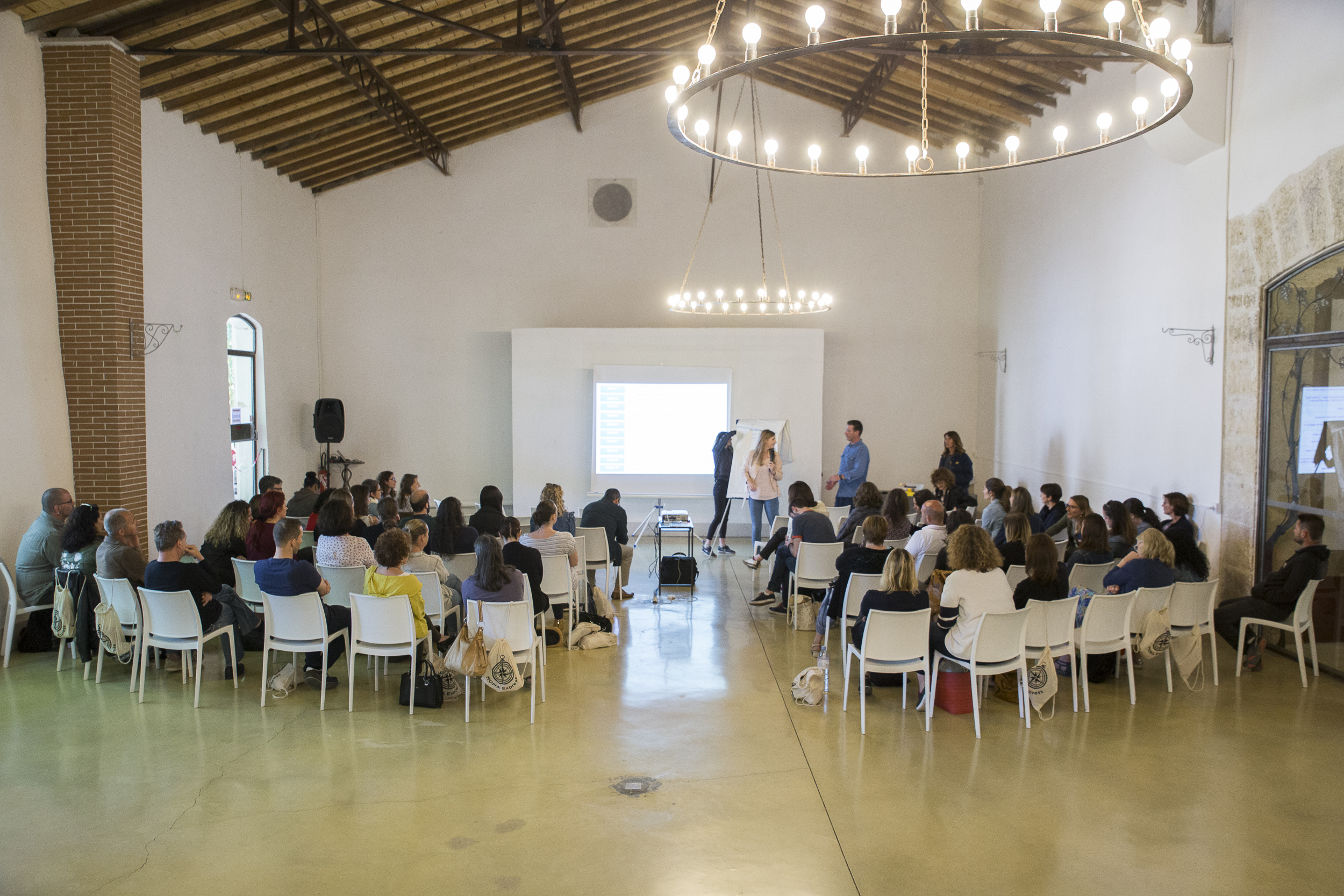
INNOV'events Laval Agency
Thierry GRAMMER is the manager of the INNOV'events Laval office. Reach out directly by email at canada@innov-events.ca or via the contact form.
Contact the Laval agencyToutes nos prestations & animations Laval, Quebec
Découvrez nos prestations événementielles
Découvrez nos animations événementielles disponibles au Quebec
- Event Hostess in Laval
- Escape Game in Laval
- MasterChef-Style Cooking Workshop in Laval
- Corporate Magician in Laval
- Tent Rental in Laval
- Color Analysis Workshop in Laval
- Inflatable Games in Laval
- Valet Service in Laval
- Soccer Simulator in Laval
- LED Furniture Rental in Laval
- LED Branding Activation in Laval
- Immersive Culinary Experience in Laval
- Light Painting Activity in Laval
- Immersive Mystery Night in Laval
- Promotional Contest in Laval
- Promotional Materials (POS) in Laval
- Virtual Reality Experience in Laval
- Molecular Gastronomy Workshop in Laval
- Halloween Event in Laval
- Fireworks Show in Laval
- Sports Challenge – Giant Games in Laval
- Professional Event Host in Laval
- Photo Booth Animation in Laval
- Santa Claus Appearance in Laval
- Kids Entertainment in Laval
- Guided Tour in Laval
- Urban Rally in Laval
- Ball Pit Activity in Laval
- Flight Simulator in Laval
- Food Truck Rental in Laval
- World Record Attempt in Laval
- Surf Simulator in Laval
- Soccer Simulator in Laval
- Wine Casino in Laval
- Makeover Workshop in Laval
- Perfume Creation Workshop in Laval
- Acting Workshop in Laval
- CSR Activities in Laval
- Archery Activity in Laval
- Event Security Guard in Laval
- Wine Tasting Workshop in Laval
- Mime Performance in Laval
- TV Game Show Animation in Laval
- Funfair Event in Laval
- Crisis Management Workshop in Laval
- Crisis Negotiation Workshop in Laval
- Arcade Games in Laval
- Indoor Skydiving Simulator in Laval
- Ski Simulator in Laval
- Racetrack Driving Experience in Laval
- Introductory Flight Experience in Laval
- Tasting Experience in Laval
- Build Your Own Foosball Workshop in Laval
- 2CV Rally in Laval
- LEGO Challenge in Laval
- Casino Night in Laval
- Interpreter / Translator in Laval
- Promotional Merchandise in Laval
- Shuttle / Transportation Service in Laval