
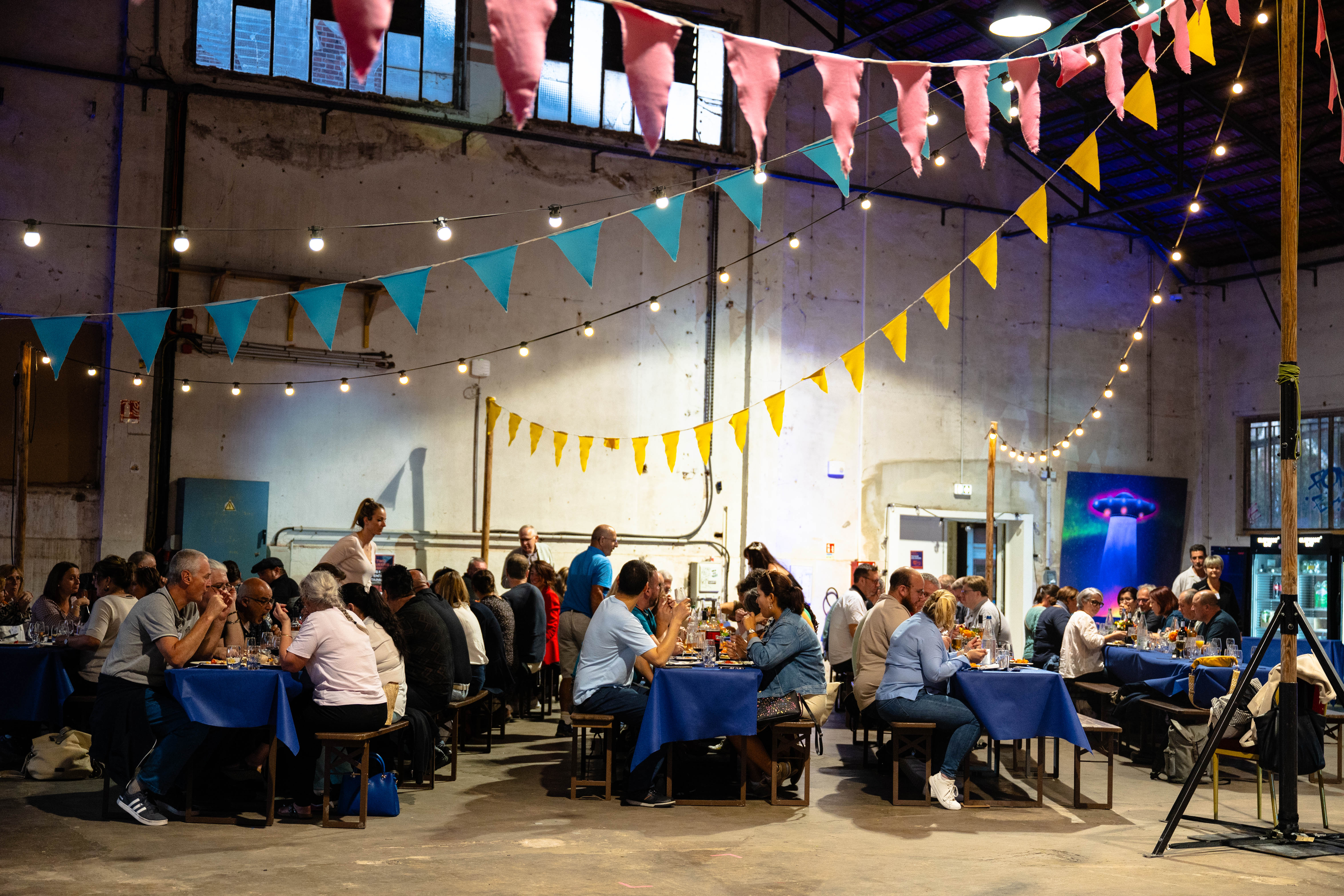
Team Dinner in Laval that keeps leaders confident and teams engaged
INNOV'events plans and delivers corporate Team Dinner programs in Laval, typically for 20 to 400+ attendees. We manage venue selection, F&B, entertainment pacing, AV needs, guest flow, and on-site coordination so your leaders can host—without firefighting.
Whether your goal is retention, cross-team alignment, or celebrating a milestone, we build a dinner format that fits your culture, your constraints, and your risk profile (timing, safety, budget control, brand image).
Table of contents
Entertainment at a corporate dinner is not “extra”; it’s a strategic lever. In a Team Dinner, the right format protects leadership time, avoids awkward dead air, and turns a meal into a structured moment that reinforces values, recognition, and internal communication.
Organizations in Laval expect operational rigour: fast access, reliable parking or shuttle options, bilingual hosting when needed, and an agenda that respects early starts the next day. They also expect discretion—especially when executives and key clients are present.
INNOV'events is a Montréal-based team that works weekly on the North Shore, with suppliers and venues we know in real conditions (load-in, acoustics, service speed, neighbourhood constraints). We plan like producers: clear run-of-show, vendor checks, and contingency plans.
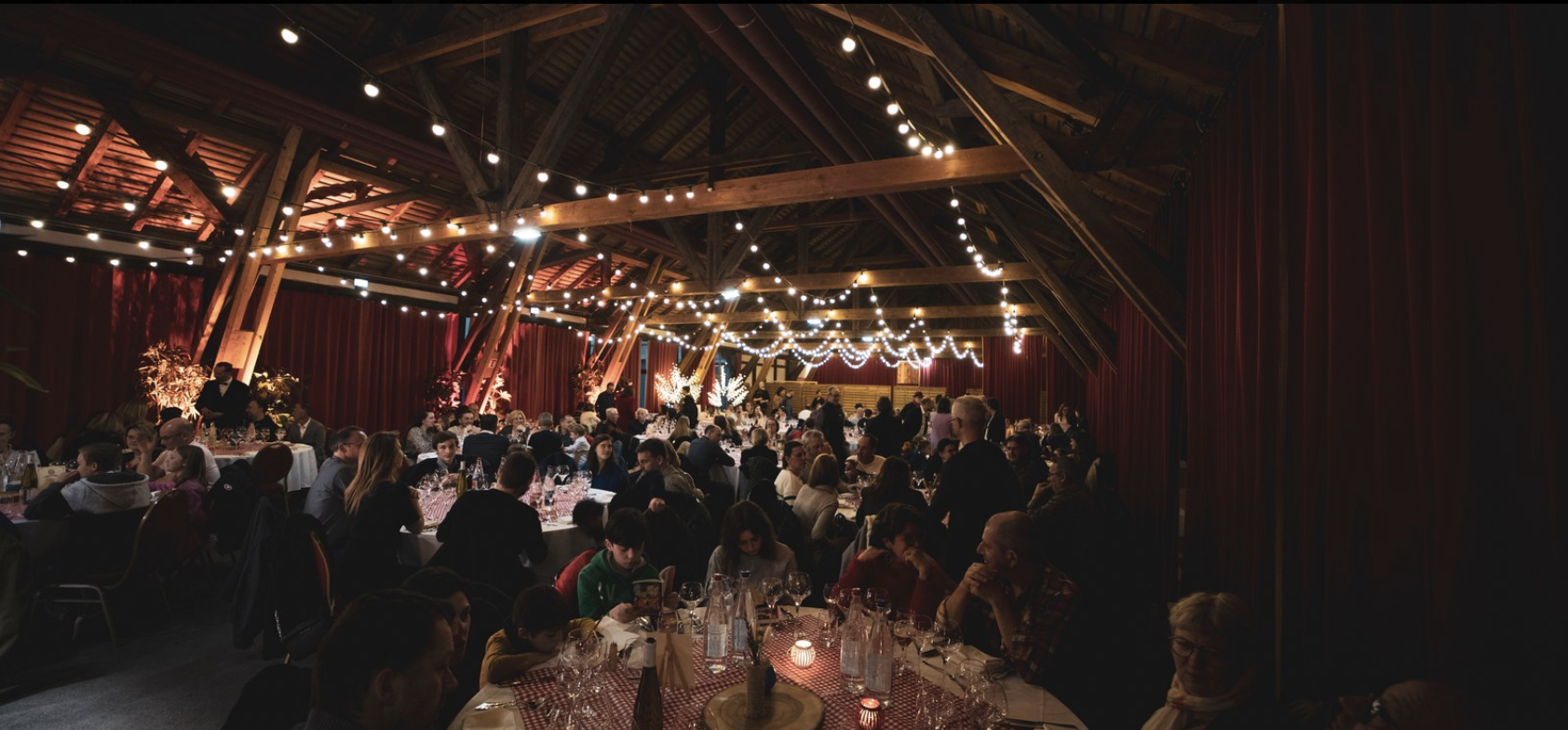
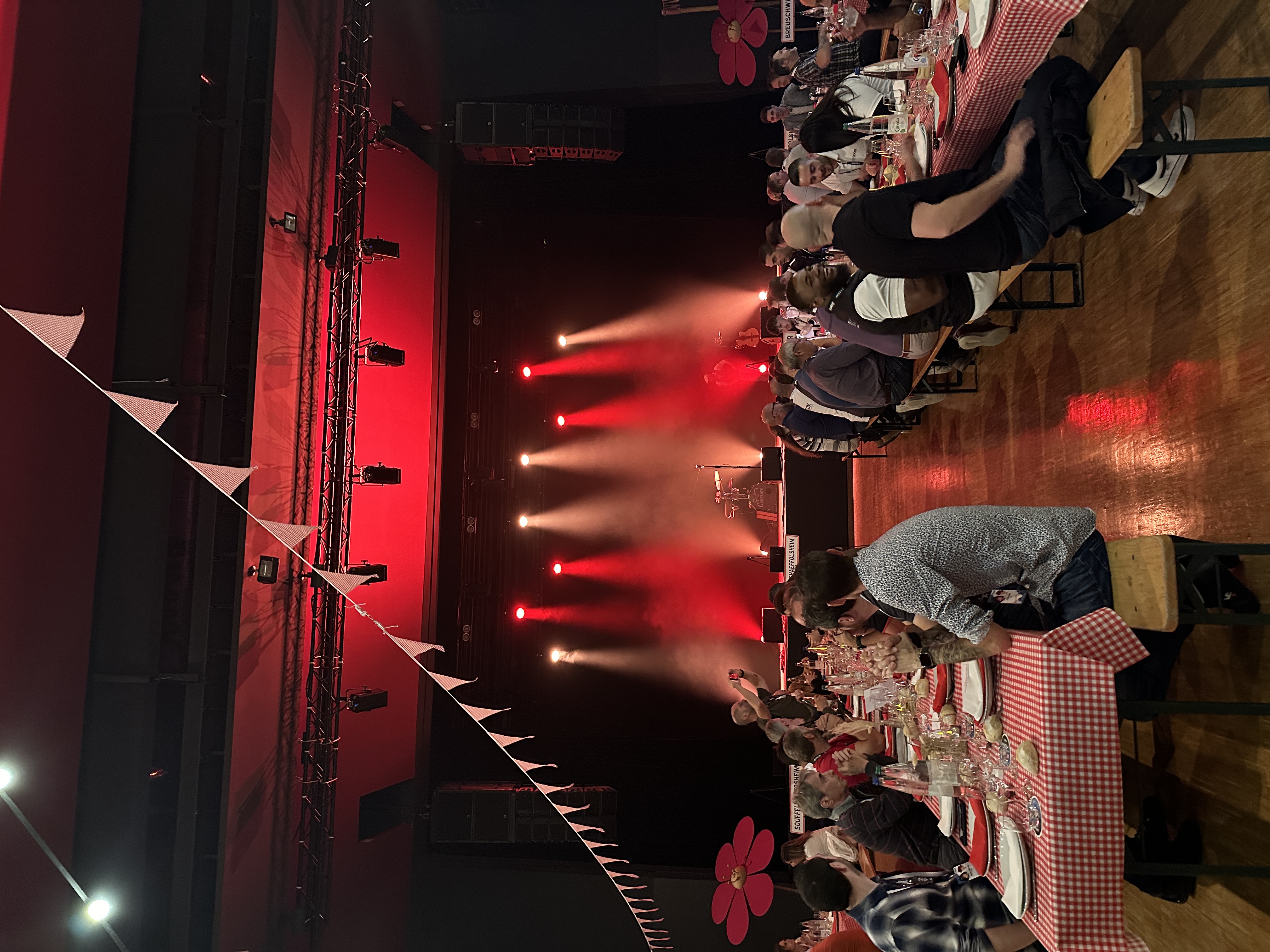
INNOV'events numbers executives use to assess risk in Laval
10+ years supporting corporate events across Québec, including repeated mandates on the North Shore corridor.
150+ corporate events/year coordinated through our core team and vetted partner network (venues, AV, hosts, performers, transportation).
24–72 hours to deliver a first short-list of venues and a preliminary budget range once objectives and headcount are confirmed.
1 single point of contact (producer) from brief to on-site, with a documented run-of-show and responsibility matrix shared with your internal stakeholders.
How to organize a professional event in Laval?
- Define the objective (cohesion, announcement, fidelity, performance).
- Set date, format and size (20–1 000 people).
- Secure the venue and accommodation according to seasonality.
- Lock down technical, suppliers and logistics.
- Drive the day J (timing, scene, entrance, flow).
Laval anchors: how we work with local teams year after year
We support companies operating in Laval and the surrounding industrial and commercial zones (Chomedey, Duvernay, Saint-Vincent-de-Paul, Laval-des-Rapides, and the Autoroute 440/15 axis). Many clients come back annually because the dinner becomes part of their internal rhythm: year-end recognition, quarterly leadership touchpoints, project close-outs, or post-peak-season team resets.
To keep this page accurate and compliant, we do not publish client names without written authorization. In practice, our recurring mandates in the territory include mid-size manufacturing groups, professional services firms with multiple offices, and retail/operations organizations managing shift-based teams—each with different constraints (arrival waves, dietary requirements, alcohol policy, and unionized schedules).
If you share the company names you want referenced, we can integrate them in a way that respects brand guidelines and internal approvals, including what can be stated publicly (scope, objectives, headcount ranges) and what must remain confidential.
We send you a first proposal within 24h.
Why plan a Team Dinner in Laval for real managerial outcomes
A well-designed Team Dinner in Laval is a management tool, not a perk. Executives and HR teams use it to influence behaviours: recognition, collaboration, safety culture, customer obsession, or simply reducing friction after a high-pressure period. The dinner format is particularly effective when your organization needs a “shared moment” that doesn’t feel like a meeting—but still delivers structure and meaning.
Retention and recognition: done properly, recognition is specific and credible (results, behaviours, peer impact). We help you translate performance into short, well-timed moments that don’t embarrass people and don’t drag the schedule.
Cross-team alignment: for organizations spread across sites (warehouse, office, field), the dinner is a rare chance to reconnect. We build seating plans and interaction formats that mix teams intentionally—without forcing “networking.”
Employer brand in practice: employees judge authenticity through details: dietary handling, accessibility, respectful speeches, and the way leadership shows up. We design the guest experience so what you say matches what people feel.
Change management support: during reorganizations, new leadership arrivals, or post-merger phases, a dinner can soften transitions. We shape the narrative: what gets said, what doesn’t, and how to handle sensitive Q&A without hijacking the evening.
Operational culture reinforcement: for safety-driven or compliance-heavy sectors, we integrate brief, non-intrusive reminders (e.g., “why it matters”) and recognition for frontline discipline—without turning the dinner into training.
Executive time protection: leaders often want to be present but not manage logistics. We create a predictable flow: arrival, cocktail, seated service, moments on mic, and closing—so leadership can focus on people, not problems.
Laval is built on fast-moving operational realities—logistics, manufacturing, retail, and multi-site services. A dinner that respects schedules, commutes, and diverse teams lands better here than a showy format that ignores practical constraints.
What Laval decision-makers expect from a corporate Team Dinner supplier
In Laval, the operational baseline is high: people are used to efficient service and pragmatic choices. Your guests will notice quickly if the venue is hard to access, if the bar line blocks the entrance, or if the audio makes speeches unintelligible. We plan around common local realities: winter arrivals with coats and boots, mixed groups arriving from Montréal and the North Shore, and parking capacity that can make or break on-time seating.
We also see recurring expectations from HR and Communications teams in the territory:
- Clear timing: a start that respects shift end-times and traffic, and a closing that doesn’t jeopardize the next morning’s operations.
- Controlled alcohol service: many policies require drink tickets, limited spirits, or defined cut-off times. We coordinate with the venue and bar staff so enforcement is consistent and discreet.
- Food that works for diverse groups: allergies, halal/vegetarian requirements, and “late arrivals” who still need a proper meal. We plan counts, labels, and backup portions.
- Bilingual touchpoints: not every dinner needs two languages on mic, but many do. We help you choose where bilingualism adds value (welcome, awards, safety notes) and where it can stay informal to keep pacing tight.
- Brand image without overproduction: Laval audiences respond to competence. A clean staging, good audio, and a well-run program will outperform expensive gimmicks that disrupt conversation.
Finally, corporate groups here often include a mix of tenure levels—new hires, long-time employees, and supervisors. We design interactions that are respectful and inclusive so nobody feels like an outsider at their own company dinner.
Which corporate event entertainment works best in Laval dinners
Corporate event entertainment in Laval works when it protects conversation and creates shared reference points. Most teams don’t want constant stimulation; they want a dinner that feels relaxed but purposeful. We design entertainment as a sequence—short interventions at the right time—rather than a single “big act” that takes over the room.
Interactive animations in Laval
Facilitated table challenges: 10–12 minutes between courses, built around your business context (values, customer stories, safety wins). We provide printed prompts or QR-based voting, plus a host who keeps it moving without forcing participation.
Structured networking that doesn’t feel forced: for multi-site organizations, we use a light “two-question rotation” during cocktail (3–4 minutes per round). It helps new hires meet leadership and reduces silo effects.
Recognition formats with peer input: we gather short peer nominations in advance and curate them into respectful, specific shout-outs. This is especially effective for shift-based teams often under-recognized.
Art animations in Laval
Acoustic duo during cocktail: controlled volume, professional setlist, and the option to shift to background instrumentals during speeches. Ideal when you want energy without sacrificing conversation.
Short stand-up or improv with boundaries: we brief performers with clear “no-go” topics (HR-sensitive, politics, internal incidents) and require a corporate-friendly rehearsal outline. Timing is usually 12–20 minutes.
Live illustration or graphic recording: an artist captures key themes from leadership messages and team stories. It creates a visual deliverable you can reuse internally (town halls, intranet, onboarding).
Innovative animations in Laval
Chef’s station or tasting corner: adds a focal point during cocktail while keeping lines manageable. We plan service capacity (people/minute) so it doesn’t create bottlenecks.
Guided pairing (non-alcoholic included): structured tasting that respects corporate policies. Useful for groups where alcohol needs to be present but controlled.
Dessert reveal with a timing purpose: we use dessert as a program pivot—closing remarks, awards, or a short video—so it supports flow rather than arriving randomly.
Gourmand animations in Laval
Micro-content video booth: instead of a classic photo booth, we capture 15–20 second “thank-you” messages or team wins. We edit a recap within 5–10 business days for internal communications.
Interactive quiz with live leaderboards: built from your organization’s real milestones, client stories, or safety moments. Keeps attention high for 8–15 minutes without taking over the evening.
Quiet zones + energy zones: we design the room so introverted guests have space to talk while others can enjoy music. This is a practical inclusion tool, not a trend.
The best entertainment choice is the one aligned with your employer brand and risk tolerance. If your culture values humility and operational excellence, we’ll prioritize pacing, clarity, and inclusiveness over spectacle—because employees will judge the evening by how it felt to be hosted by their leaders.
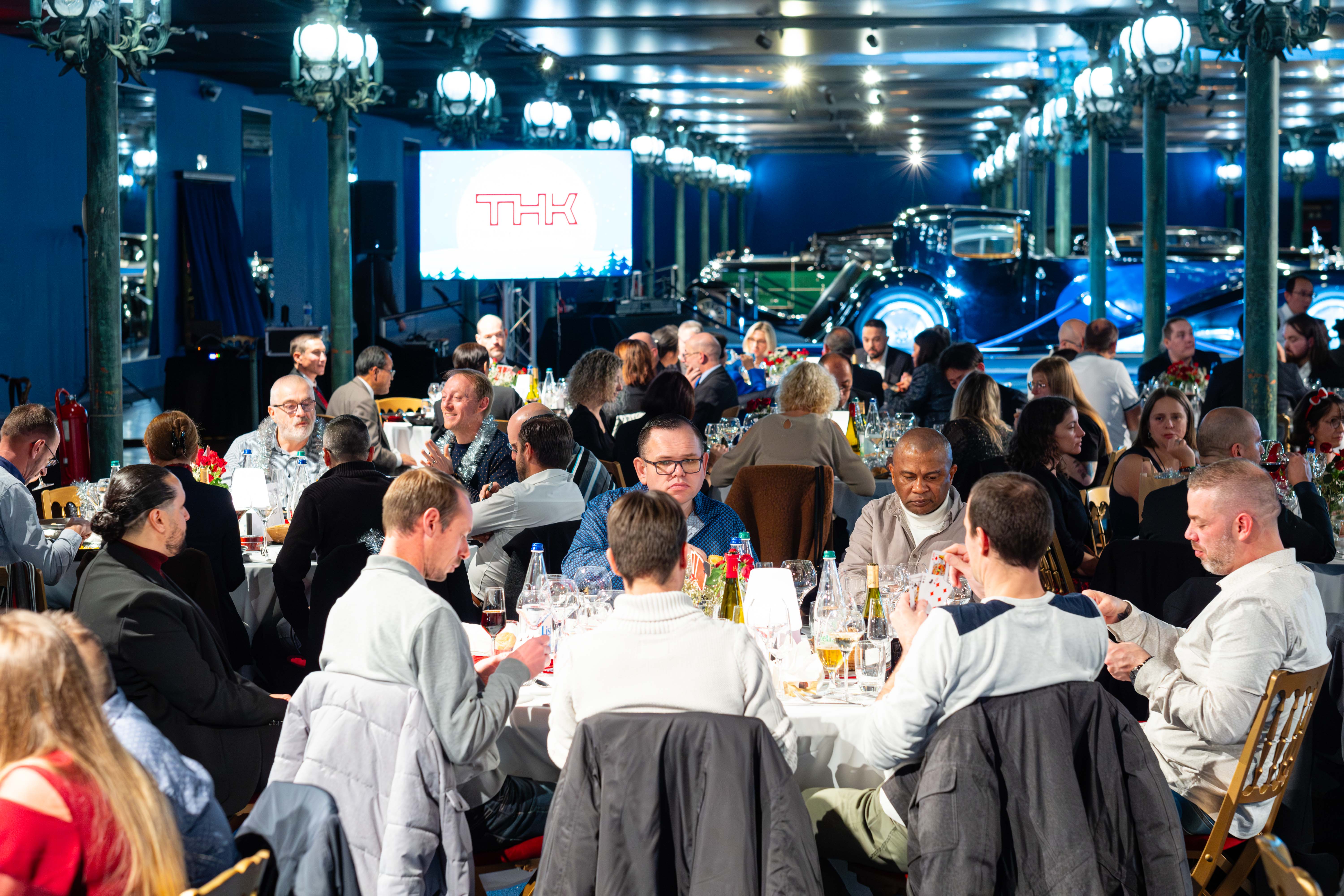
How to choose a venue in Laval that supports your Team Dinner
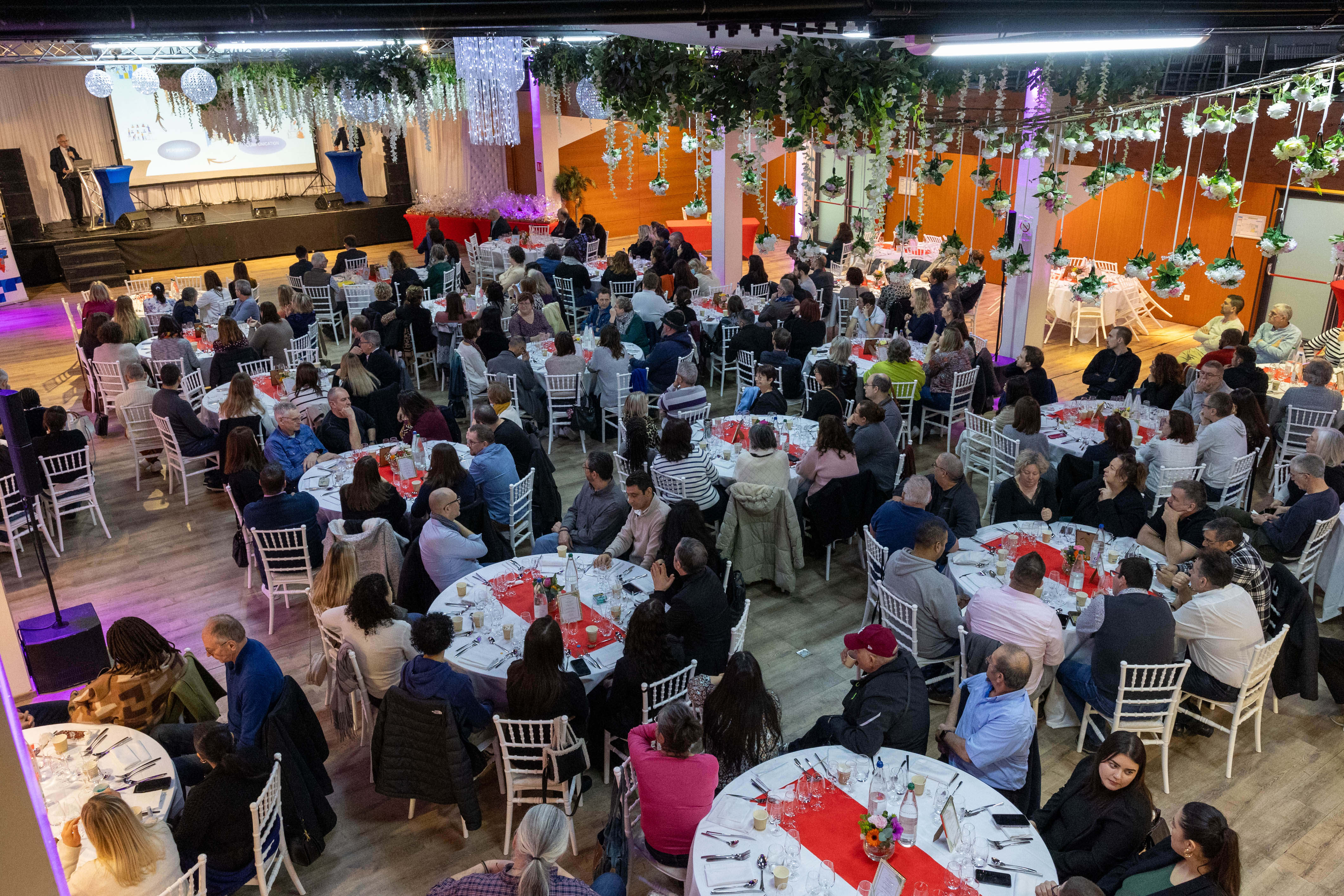
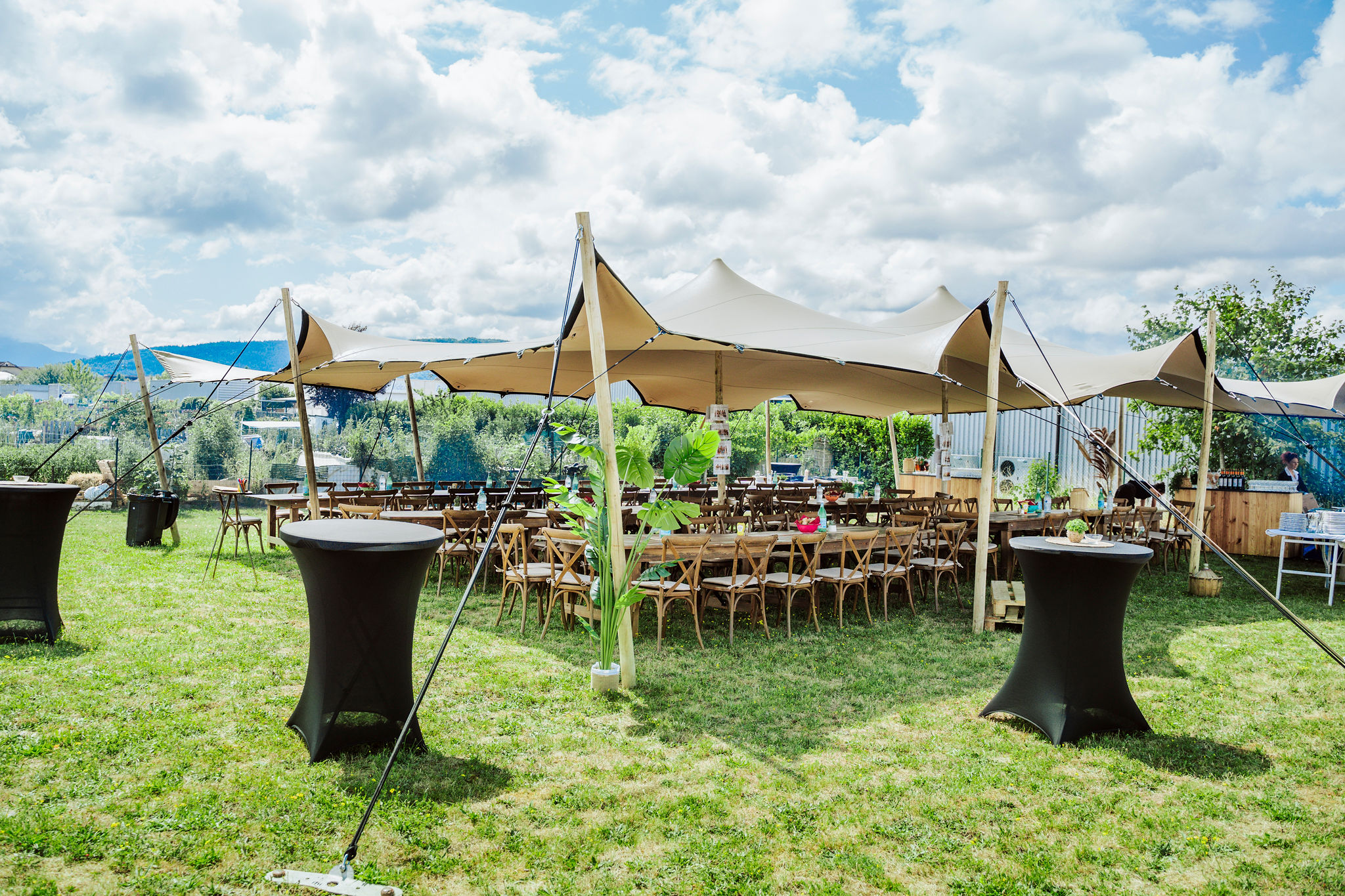
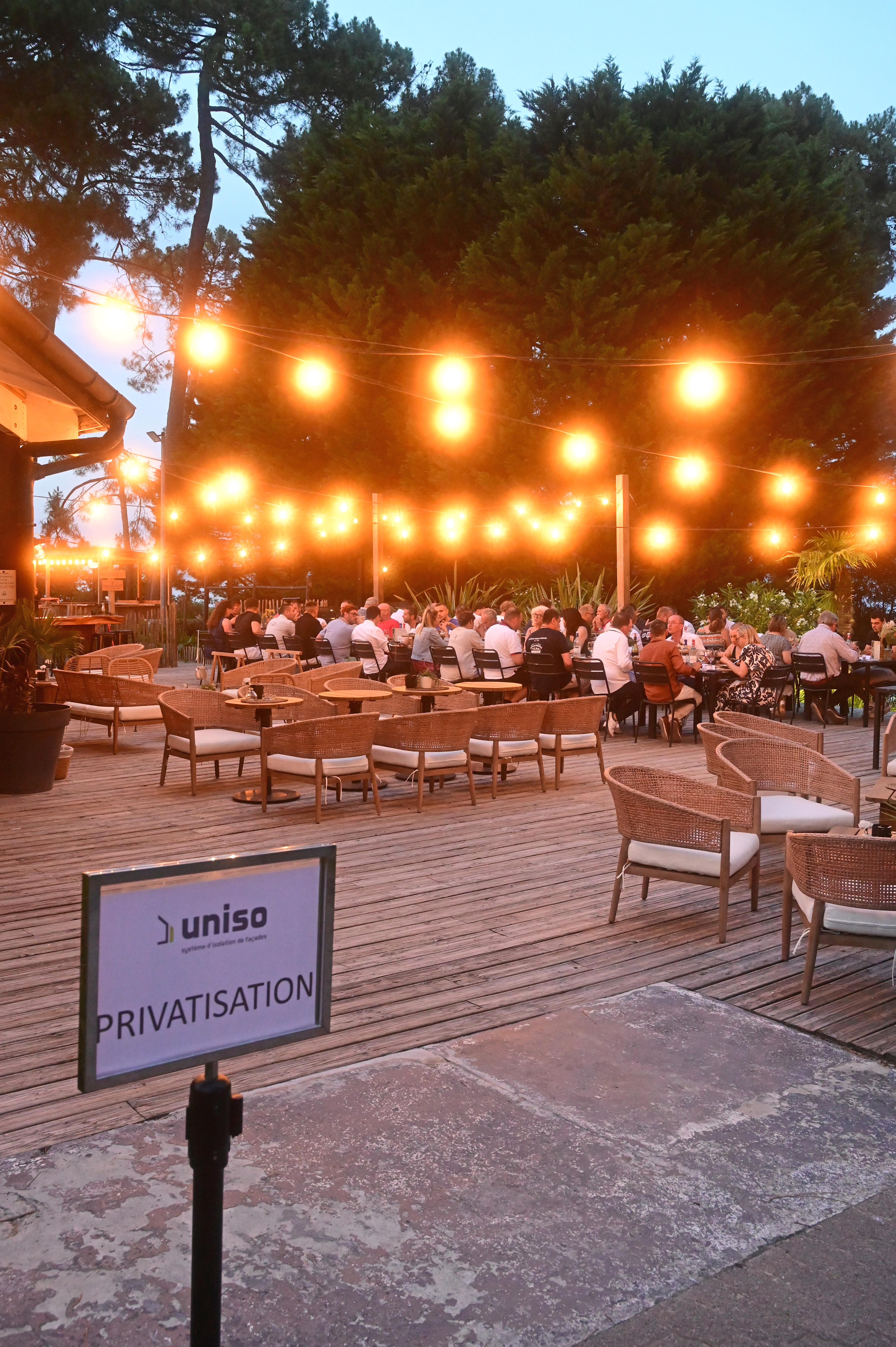
The venue sets the tone before anyone speaks. In Laval, a venue that is easy to access and professionally staffed will elevate leadership credibility more than a “trendy” location that struggles with service speed or acoustics. We evaluate venues as operational systems: parking and arrivals, coat check capacity, kitchen output, room shape (sightlines), and restrictions (music end time, supplier exclusivity, load-in).
| Venue type | For which objective? | Main strengths | Possible constraints |
|---|---|---|---|
Hotel ballroom or conference venue | Formal recognition, executive messages, large groups (120–400+) | Reliable service cadence, built-in AV options, staff used to corporate timelines | Less “boutique” feel; menu flexibility can be limited; minimum spends may apply |
Private dining room in a reputable restaurant | Leadership dinners, high-trust team building (20–80) | Strong culinary experience, natural conversation atmosphere, easier program (short speeches) | Acoustics can be challenging; limited stage/AV; room layout may restrict movement |
Event hall / reception space | End-of-year celebrations, mixed-format evenings (cocktail + seated + DJ) (80–250) | Flexible layouts, space for zones (quiet + dance), easier branding opportunities | Often requires external AV and décor; load-in rules; staffing quality varies by provider |
We strongly recommend a site visit before confirming. A 30-minute walk-through in Laval often reveals the real decision factors: where lines will form, whether speeches will be audible, how late arrivals enter, and whether the room can handle your program without constant resets.
What a Team Dinner budget looks like in department 53
Budget for a Team Dinner in Laval depends on choices that affect both experience and risk: headcount, service style, venue rules, entertainment needs, and the level of technical production. We build budgets with transparent line items so executives can validate spend and HR/Comms can defend the rationale internally.
Headcount and seating format: plated vs. buffet vs. cocktail stations changes staffing and timing. For many corporate groups, plated service provides the best control for speeches and awards.
Food and beverage baseline: quality level, number of courses, bar policy (open bar vs. tickets), and non-alcoholic offerings. We plan realistic consumption to avoid waste and policy issues.
Venue minimum spend and inclusions: some spaces include basic AV and furniture; others require renting everything. We map what’s included so there are no surprises.
Audio-visual and lighting: at minimum, you need clear speech audio. If you add video, we plan screens, playback redundancy, and technician time. Lighting can improve mood and branding without high cost.
Entertainment and hosting: a professional host can be the best “insurance” for pacing. Artist costs vary by format and duration; we recommend short, well-placed sets over long blocks.
Transportation and parking solutions: for groups coming from multiple sites, a shuttle can increase attendance and reduce late arrivals. In winter, this becomes a reliability tool.
Agency production and on-site management: includes planning, supplier contracting, schedules, rehearsals, and day-of coordination. This is what prevents internal teams from being pulled away from guests.
From an ROI standpoint, leadership usually evaluates impact through attendance rate, qualitative feedback, and retention signals over the next quarter. Our job is to help you invest where it reduces risk and improves engagement—rather than spending on elements that don’t move the needle.
When hiring an agency in Laval reduces event-day risk
Local execution matters because most issues are solved in the last kilometre: traffic patterns, last-minute staffing changes, venue rules, and supplier coordination. Working with a team that is frequently on the ground in Laval means faster response, more accurate venue advice, and fewer assumptions.
When you work with INNOV'events, you also benefit from our established local footprint and our ability to coordinate quickly with venues and vendors. If you’re comparing partners, here is what we recommend validating: who is on-site, who approves changes, how rehearsal is handled, and how supplier contracts protect you.
For a deeper look at our local coverage, see our page for event agency in Laval and how we structure mandates on the North Shore.
- Faster venue filtering: we can rule out spaces that look good online but fail in service speed, acoustics, or accessibility.
- Supplier reliability: we prioritize vendors with consistent corporate performance—punctuality, dress code, communication discipline, and contingency habits.
- On-site decision-making: when something shifts (late arrivals, a delayed course, a mic failure), we adjust the run-of-show without escalating every detail to your executives.
- Better alignment with local expectations: pacing, language, and formality levels that fit how teams in the territory actually work.
From an ROI standpoint, leadership usually evaluates impact through attendance rate, qualitative feedback, and retention signals over the next quarter. Our job is to help you invest where it reduces risk and improves engagement—rather than spending on elements that don’t move the needle.









Examples of Team Dinner formats delivered around Laval
Our mandates range from straightforward leadership dinners to multi-component evenings with structured recognition and technical production. In practice, what changes is not the “creativity”; it’s the operational design around your constraints.
Examples of formats we deliver frequently for organizations connected to Laval:
- Quarterly leadership dinner (30–60 people): private dining room, short executive update (7–10 minutes), curated peer recognition, and one structured interaction to connect managers across sites.
- Year-end Team Dinner (120–250 people): cocktail with background music, seated dinner, awards with tight scripting, and a controlled DJ set after dessert with an alcohol policy and clear closing time.
- Post-project close-out (60–140 people): dinner plus “project story” content (2–3 short videos), supplier acknowledgments, and a leadership message focused on next-phase priorities.
Across these scenarios, the common thread is production discipline: clear responsibilities, realistic timelines, and guest experience choices that match the organization’s identity rather than copying a template.
Common Team Dinner mistakes we prevent in Laval
Underestimating arrivals: when parking or check-in is slow, the entire schedule slips. We plan arrival windows, staffing, signage, and a buffer that doesn’t feel like waiting.
Speeches that go long: we structure speaking order, provide timing cues, and build transitions so leaders can be concise without feeling rushed.
Entertainment that conflicts with culture: we brief talent with corporate boundaries and ensure the tone fits your workforce realities (multi-generational teams, diverse backgrounds, HR sensitivities).
Ignoring acoustics: many rooms look great but fail when 150 people are talking. We assess sound needs early and test with real voice levels.
Menu choices that slow service: too many last-minute options can delay plating. We help you balance choice with kitchen throughput, including allergy-safe workflows.
No plan for late arrivals: shift workers, traffic, and winter weather happen. We coordinate with the kitchen so late guests are served without disrupting the room.
Unclear responsibilities: when HR, Comms, and Operations all “own” parts of the evening, decisions get stuck. We establish a simple approval chain and on-site decision rules.
Our role is to absorb these risks before they reach your executives or your guests. That’s what “professional event delivery” means on the day of the Team Dinner: fewer surprises, faster fixes, and a controlled experience.
Why Laval clients renew their Team Dinner mandate with INNOV'events
Repeat business in corporate events is rarely about “fun.” It’s about predictability, governance, and trust under pressure. Clients come back when they know the evening will run on time, suppliers will show up prepared, and leadership will be supported without being micromanaged.
Recurring annual cycles: many teams use a stable dinner framework year after year (same period, similar objectives), and we improve it with measured adjustments rather than reinventing it.
Lower internal workload: HR and Communications teams often tell us the biggest win is reclaiming their time during the event—no more coordinating vendors while trying to host.
Fewer escalations on-site: a well-run evening means fewer “urgent” decisions for directors and VPs, which protects leadership presence and credibility.

Loyalty is the simplest proof of quality in our industry: if a client in Laval entrusts us with their people year after year, it’s because execution matched expectations—on budget, on time, and on brand.
Our planning process for a Team Dinner in department 53
👉 Step 1 (53): Clarify objectives, constraints, and approval rules
We start with a 30–60 minute working session with HR, Communications, and an executive sponsor. We confirm the purpose (recognition, retention, alignment), the audience profile (sites, roles, languages), and non-negotiables (alcohol policy, accessibility, budget ceiling, brand guidelines). We also define who approves what, and by when, to avoid last-minute decision paralysis.
👉 Step 2 (Laval): Venue and supplier short-list with operational notes
We provide a short-list based on real constraints: parking capacity, public transit proximity, load-in practicality, acoustics, and service speed. For each venue, we document what’s included (AV, furniture, staff), what is restricted (end time, exclusivity), and the risk points. Suppliers (host, musicians, AV) are proposed only once we understand room limitations and agenda needs.
👉 Step 3 (53): Build the run-of-show and guest experience plan
We design the evening as a sequence that matches attention curves: arrival and cocktail, seating transition, service pacing, leadership moments, recognition, and closing. We plan seating logic, signage, coat check flow, and the “quiet” operational pieces guests notice (washroom access, line management, late-arrival protocol).
👉 Step 4 (Laval): Production readiness—scripts, tech, and confirmations
We finalize speaking notes, timing, and transitions, then lock the technical plan (mic types, speaker placement, video playback, lighting cues). We confirm staffing, arrival times, and load-in with every supplier. If needed, we schedule a brief rehearsal or mic run-through for executive speakers to ensure clarity and comfort.
👉 Step 5 (53): On-site coordination and post-event debrief
On the day, we manage vendor arrivals, room setup, sound checks, and program cues while your team hosts. After the event, we provide a debrief: what worked, what to adjust, and practical recommendations for the next edition (timing, menu choices, room layout, engagement formats).
FAQ sur l'organisation Team Dinner à Laval
How far in advance should we book a Team Dinner in Laval?
For 40–120 people, plan 6–10 weeks ahead for good venue choice. For 150–400+ during peak periods (November–December), plan 3–6 months. If your date is fixed, earlier is better because venue minimum spends and room availability tighten quickly.
What is a realistic budget per person in Laval (53)?
For a corporate Team Dinner with venue, meal, and basic service, many groups land between $120 and $220 per person before tax and gratuities, depending on menu and bar policy. Adding hosting, AV, and structured entertainment often brings the total to $180 to $350 per person. We confirm ranges after headcount, day of week, and format are set.
Can you manage bilingual hosting for a Laval corporate dinner?
Yes. We plan where bilingualism is operationally useful (welcome, safety notes, awards) and keep the rest natural to maintain pacing. If needed, we provide a bilingual host and review executive remarks so the message stays consistent in both languages.
How do you control timing so dinner service stays on schedule in Laval?
We build the run-of-show around the kitchen’s cadence, not the other way around. Concretely: we lock speech durations, place “on mic” moments between courses, confirm plating timelines with the chef, and keep a buffer of 10–20 minutes to absorb late arrivals without delaying the entire room.
Do you handle alcohol policy and risk management in Laval venues?
Yes. We align your internal policy with venue practices: drink tickets, bar cut-off times, non-alcoholic options, and clear messaging. When needed, we coordinate transportation options (pre-booked taxis or shuttle) and ensure the service team applies rules consistently and discreetly.
Ready to secure your Laval date and a controlled Team Dinner plan?
If you’re comparing agencies, we can move fast and concretely: share your target date, estimated headcount, preferred neighbourhood in Laval, and any policies (alcohol, bilingual needs, accessibility). We’ll respond with a practical venue short-list, a proposed evening structure, and a budget range you can bring to leadership for approval.
To protect availability—especially in peak season—contact INNOV'events early. A strong Team Dinner is planned once; it should run smoothly once.
INNOV'events Laval Agency
Thierry GRAMMER is the manager of the INNOV'events Laval office. Reach out directly by email at canada@innov-events.ca or via the contact form.
Contact the Laval agencyAll our services & entertainment Laval, Quebec
Discover our event services
Discover our event entertainment available in the Quebec
- Event Hostess in Laval
- Escape Game in Laval
- MasterChef-Style Cooking Workshop in Laval
- Corporate Magician in Laval
- Tent Rental in Laval
- Color Analysis Workshop in Laval
- Inflatable Games in Laval
- Valet Service in Laval
- Soccer Simulator in Laval
- LED Furniture Rental in Laval
- LED Branding Activation in Laval
- Immersive Culinary Experience in Laval
- Light Painting Activity in Laval
- Immersive Mystery Night in Laval
- Promotional Contest in Laval
- Promotional Materials (POS) in Laval
- Virtual Reality Experience in Laval
- Molecular Gastronomy Workshop in Laval
- Halloween Event in Laval
- Fireworks Show in Laval
- Sports Challenge – Giant Games in Laval
- Professional Event Host in Laval
- Photo Booth Animation in Laval
- Santa Claus Appearance in Laval
- Kids Entertainment in Laval
- Guided Tour in Laval
- Urban Rally in Laval
- Ball Pit Activity in Laval
- Flight Simulator in Laval
- Food Truck Rental in Laval
- World Record Attempt in Laval
- Surf Simulator in Laval
- Soccer Simulator in Laval
- Wine Casino in Laval
- Makeover Workshop in Laval
- Perfume Creation Workshop in Laval
- Acting Workshop in Laval
- CSR Activities in Laval
- Archery Activity in Laval
- Event Security Guard in Laval
- Wine Tasting Workshop in Laval
- Mime Performance in Laval
- TV Game Show Animation in Laval
- Funfair Event in Laval
- Crisis Management Workshop in Laval
- Crisis Negotiation Workshop in Laval
- Arcade Games in Laval
- Indoor Skydiving Simulator in Laval
- Ski Simulator in Laval
- Racetrack Driving Experience in Laval
- Introductory Flight Experience in Laval
- Tasting Experience in Laval
- Build Your Own Foosball Workshop in Laval
- 2CV Rally in Laval
- LEGO Challenge in Laval
- Casino Night in Laval
- Interpreter / Translator in Laval
- Promotional Merchandise in Laval
- Shuttle / Transportation Service in Laval