
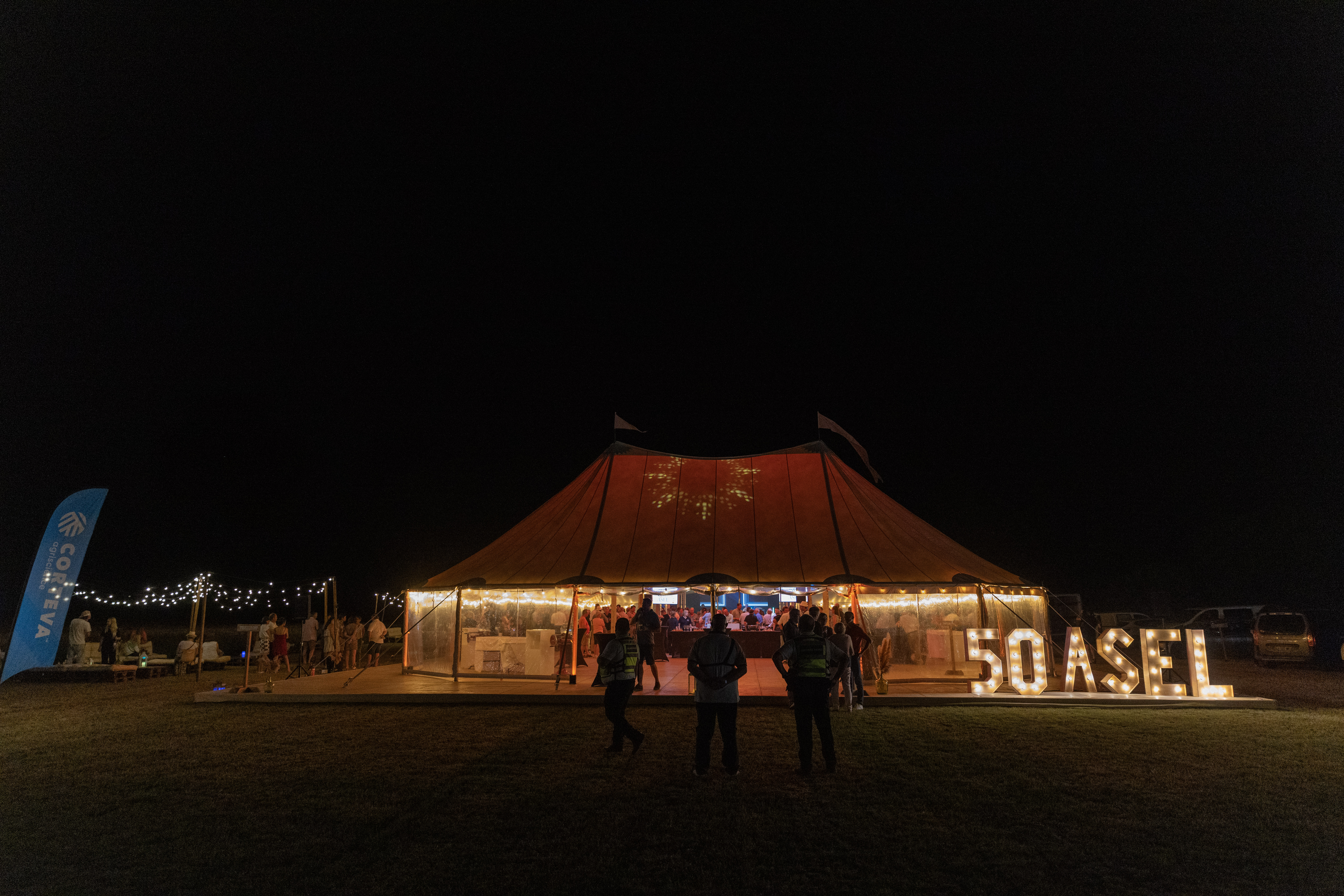
Tent Rental in Laval for corporate events that must run on schedule
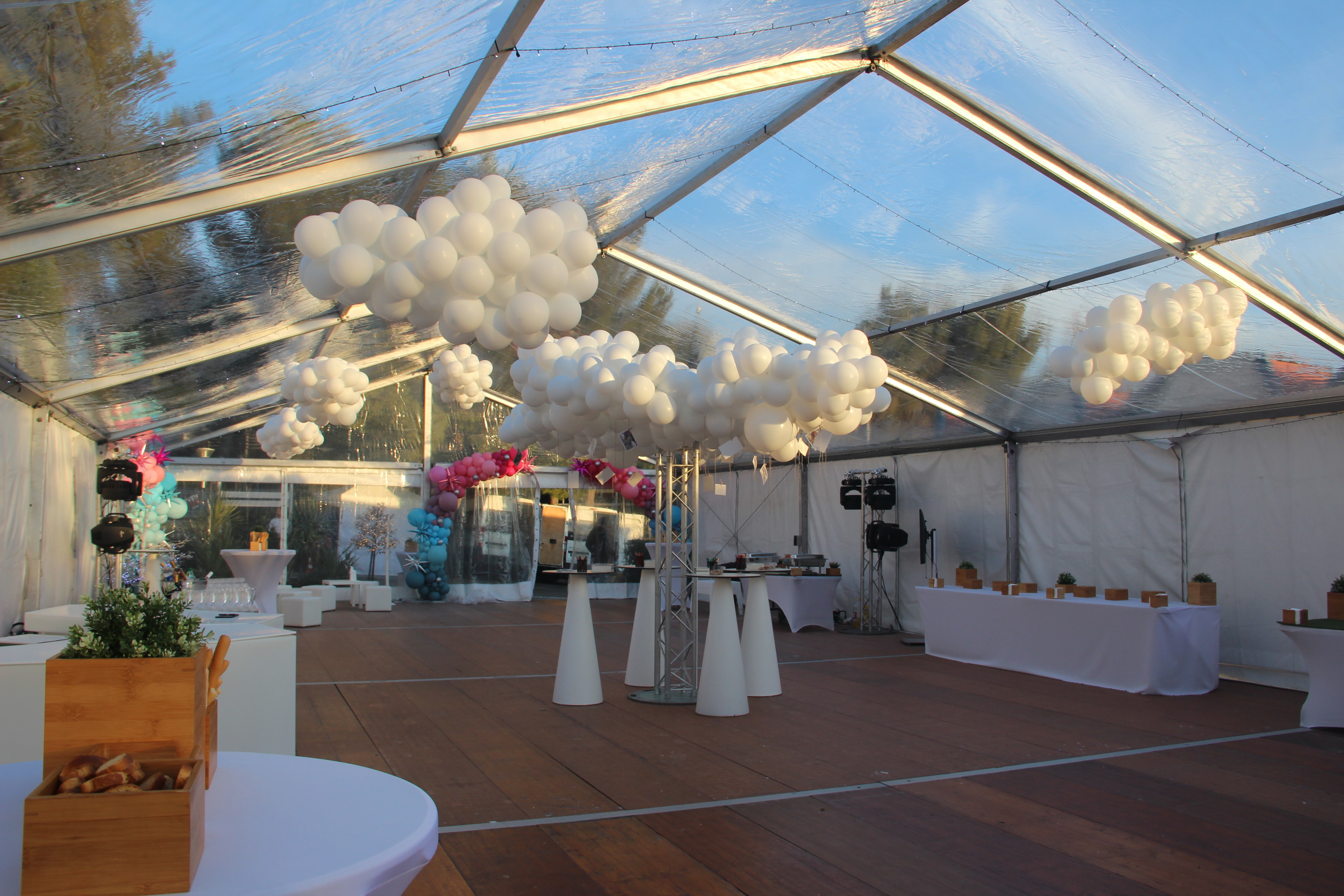
INNOV'events supports executives, HR and communications teams with Tent Rental for corporate events in Laval, from 50 to 2,000+ guests. We manage the tent plan, safety clearances, delivery windows, installation, weather contingencies, and the on-site run so your team stays focused on stakeholders—not logistics.
Whether it’s an employee BBQ on your parking lot, a product reveal, a client evening, or a site milestone, we deliver a tent setup that looks intentional, meets compliance, and protects your schedule.
Sommaire
In a corporate context, a tent is not “just a cover”: it’s your event room. It influences guest flow, sound quality, branding visibility, VIP comfort, and—most importantly—your ability to keep the agenda on time despite weather.
Organizations in Laval expect professional-grade installation, precise delivery windows (often outside business hours), clean finishes, and clear accountability when multiple vendors share the site (catering, AV, security, facilities).
INNOV'events is a Montréal-based team active weekly on the North Shore, with operational habits built for Laval realities: municipal constraints, tight access, commercial zones, and fast turnaround between install and event day.
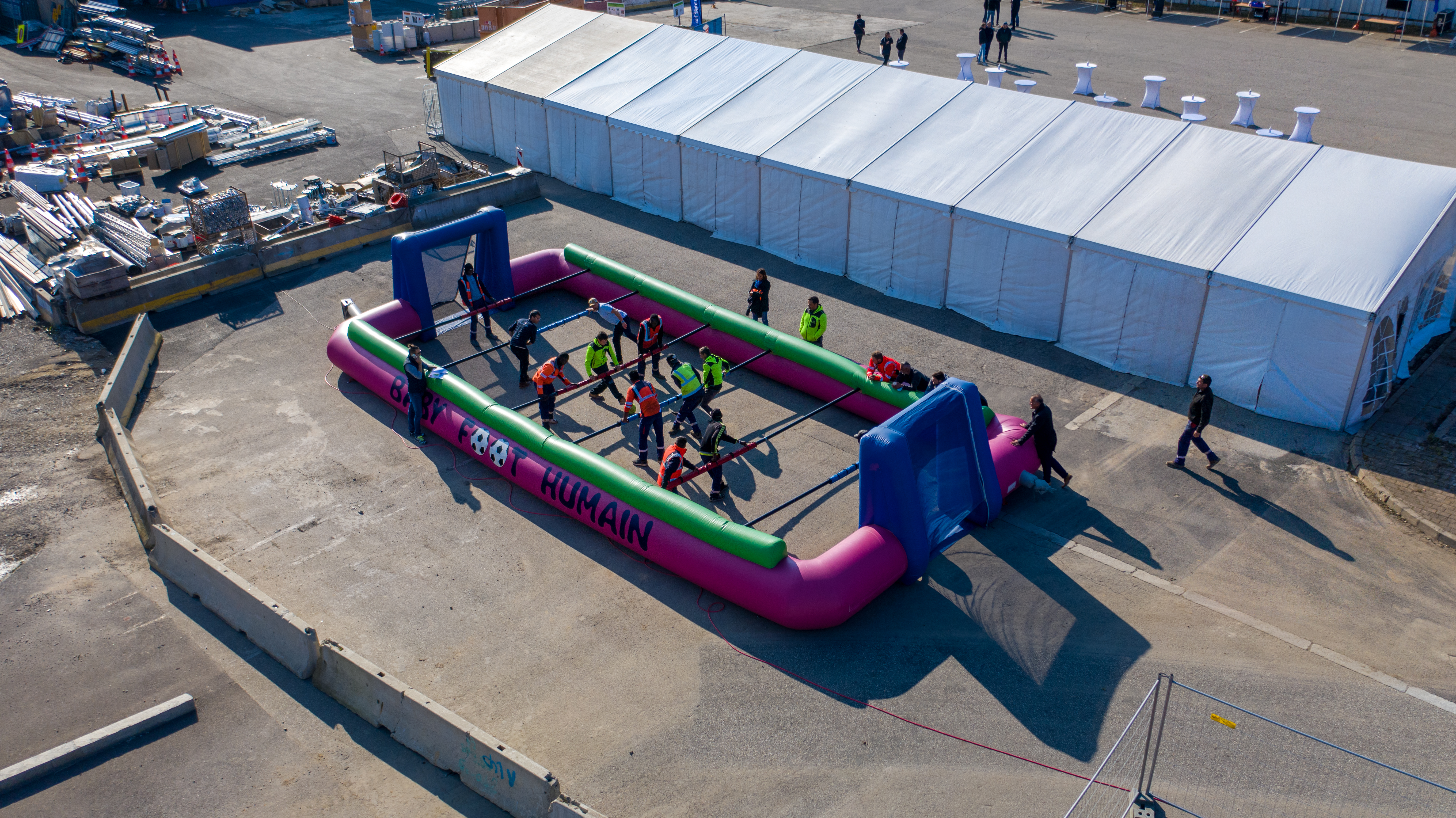
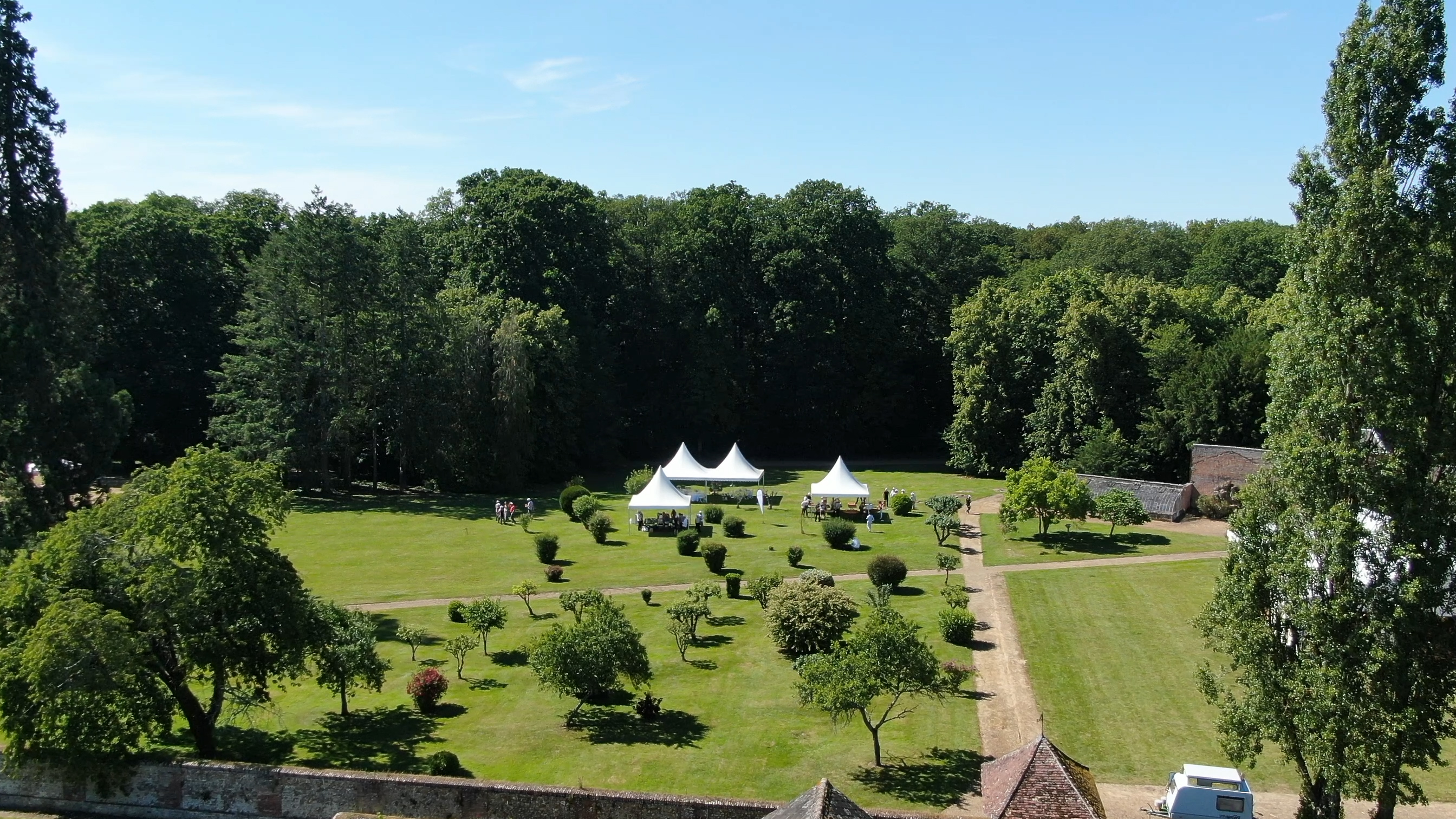
What our teams deliver across Quebec and in Laval
10+ years coordinating corporate events and complex vendor ecosystems in Quebec.
150+ corporate activations/year supported through our partner network (tents, flooring, power, AV, catering, security).
24–72 hours typical turnaround for a first budget range and technical questions when the scope is clear (guest count, date, site photos, program).
1 single point of contact from quote to teardown, with an event-day coordinator available when required.
Who we support on the Laval territory
We work with organizations that need predictable execution in Laval: multi-site employers, industrial and logistics players, professional services, and public-facing brands. Many clients come back year after year because their internal teams don’t want to “relearn” vendors and site constraints each season.
If you share a few reference names you want us to mention (clients, venues, business parks, institutions), we’ll integrate them properly and respectfully. In the meantime, what we can confirm is our typical operating reality in Laval: coordination with facilities managers for loading zones, keeping emergency exits clear, protecting asphalt and landscaping, and aligning with internal risk management requirements.
 Besoin d’un devis rapide ?
Nous vous envoyons une première proposition sous 24h.
Why tenting your Laval corporate event is a managerial decision
A tented event is often chosen because it’s operationally efficient: you control the environment without competing for venues, you keep people on-site, and you reduce time lost in transport—while still creating a clear “moment” that justifies leadership presence and internal communications.
Schedule protection: a tent plan built around arrivals, speeches, meal service and departures reduces delays and avoids the “crowd bottleneck” that HR and communications teams dread.
Risk control: wind/rain planning, anchored structures, defined evacuation routes, and weather-proof power distribution reduce last-minute decisions that expose leadership.
Brand discipline: controlled sightlines for logos, stage backdrop placement, and lighting temperature that keeps photos consistent for internal comms and employer branding.
Employee experience with real constraints: shade/ventilation in heat waves, heating and sidewalls in shoulder seasons, and flooring that prevents heels sinking or mobility issues.
Better vendor orchestration: clear zones for caterer prep, bar service, waste, and AV—so you don’t end up with visible “back-of-house” in guest areas.
Budget clarity: tenting costs are modular; you can scale comfort level (flooring, glazing, HVAC, lighting) without changing the overall event concept.
Laval is built around active business parks, industrial sites, and headquarters campuses. Tenting fits that economic culture: pragmatic, on-site, efficient—while still meeting executive expectations for safety, image and professionalism.
What Laval organizations expect from Tent Rental vendors
In Laval, the most common constraint is not creativity—it’s access and compliance. We regularly see tight truck maneuvering around loading docks, limited staging space, and the need to keep operations running during installation (shipping, manufacturing, retail traffic). That changes how we plan delivery windows, crew size, and installation sequence.
Another recurring expectation is cleanliness and finish. Decision-makers don’t want a “festival look” unless it’s intentional. That means clean white tops, straight wall lines, properly tensioned roofs, hidden ballast when possible, cable management, and a flooring plan that avoids trip hazards at thresholds.
Finally, Laval clients usually require clear documentation: liability insurance, vendor health & safety practices, and a written plan for weather scenarios. When HR is accountable for employee safety and the communications team is accountable for optics, they want more than a price—they want a method.
Which corporate event activations work best in Laval under a tent
Entertainment under a tent works when it supports your objective: retention, recognition, employer brand, client relationship, or cross-team alignment. The tent gives you control over sound, lighting, and circulation—so activation design becomes measurable (participation rate, dwell time, content capture) instead of “nice to have.”
Interactive animations in Laval
Host + structured moments: a strong MC with a tight run-of-show keeps energy up and avoids the common Laval-site issue: people drifting back to operations or parking areas between segments.
Team challenges built for mixed profiles: short-format stations (5–8 minutes each) work well for manufacturing/office mixed groups where shift schedules limit time. We plan staffing and reset time so lines don’t form.
Photo and content zones: instead of a generic backdrop, we design a branded corner with correct lighting temperature (so skin tones look good) and a queue plan that doesn’t block the bar or buffet.
Art animations in Laval
Acoustic-to-DJ progression: start with low-volume live music during arrivals, then transition to DJ after speeches. Under a tent, we plan speaker placement to avoid “hot spots” and keep conversation zones workable.
Short performances with clear tech riders: when you book a band or act, we coordinate stage size, backline needs, and power draw early—avoiding last-minute AV rentals and overtime.
Innovative animations in Laval
BBQ + service lines designed for speed: we map buffet length, plate pickup, and exit paths to prevent 20-minute waits. With Tent Rental, the tent opening positions matter as much as the menu.
Local tasting bars: mocktail/coffee stations and dessert counters increase circulation and keep non-drinkers engaged—useful for HR-led events where inclusivity is scrutinized.
Gourmand animations in Laval
Silent conference audio: for sites with noise constraints or nearby residences, silent audio headsets can keep presentations crisp without pushing decibels—especially relevant in dense Laval zones.
Micro-content capture: we plan short interview moments (2–3 minutes) with leadership and employees, with a controlled background and lighting. Comms teams leave with usable assets the same day.
Whatever the activation, alignment with your brand image is practical—not abstract: it affects stage positioning, signage standards, dress code guidance, lighting choices, and how “back-of-house” is hidden. In Laval, where many events happen on operational sites, that alignment is what makes the setup look like a deliberate corporate environment rather than a temporary workaround.
Where to install a corporate tent in Laval without operational surprises
The venue choice determines your logistics cost, noise tolerance, guest experience, and the risk profile of the day. In Laval, the most common tent locations are company parking lots, green spaces on campus, and adjacent leased lots. Each option changes anchoring, flooring, and how we protect your property.
| Venue type | For which objective? | Main strengths | Possible constraints |
|---|---|---|---|
Company parking lot (on-site) | Employee BBQ, milestone celebration, internal town hall | Minimal transport, strong attendance, easier security control, access to washrooms and building power | Asphalt protection, access lanes to keep open, anchoring limits (no staking), requires ballast and cable management |
Campus green space / lawn | Family day, summer recognition event, brand-friendly atmosphere | Better aesthetics, cooler feel in heat, easier to create a “destination” inside the site | Ground leveling, rain sensitivity, staking restrictions near irrigation/underground utilities, flooring often required |
Industrial yard / compacted gravel area | Operational teams celebration, site inauguration, logistics-friendly events | Truck access, easier vendor load-in, less disruption to visitor parking | Dust control, leveling, higher need for solid flooring/ramps, sound reflections depending on nearby buildings |
A site visit (or at minimum a detailed photo/video walk-through) is rarely optional if you want a clean result. It’s how we confirm truck access, height restrictions, drainage patterns, and the safest guest route from parking to entrance—details that directly impact both budget and event-day stress.
What Tent Rental costs in Laval and what drives the quote
Tent Rental in Laval is priced based on structure type, size, anchoring method, and the level of comfort and finish you need. A quick “per person” estimate is often misleading; two events with the same guest count can have very different requirements depending on flooring, HVAC, power, and install constraints.
Tent type and span: frame tents vs. clearspan structures; clearspan is preferred when you want no center poles for seating plans, stages, and clean sightlines.
Footprint and layout: seated dinner, cocktail, or mixed zones (stage + buffet + lounge) change square footage needs. We plan circulation so you don’t pay for dead space but still avoid crowding.
Flooring and accessibility: from basic leveling to rigid flooring with ramps for mobility compliance; this is often a major line item on grass or uneven ground.
Anchoring and engineering: asphalt sites frequently require ballast; some installs require engineered drawings depending on size and conditions.
Weather readiness: sidewalls, clear walls, doors, heating (propane/electric), ventilation or portable cooling depending on season and time of day.
Lighting and power distribution: functional lighting for safety vs. production lighting for brand impact; plus panels, cabling, and often a generator when building power isn’t sufficient or accessible.
Install schedule constraints: nighttime or weekend installs, tight delivery windows, and limited staging space can increase labor and trucking coordination.
From an executive perspective, the ROI is about risk reduction and productivity: fewer cancellations, fewer last-minute vendor issues, better attendance, stronger internal communications assets, and a leadership presence that looks controlled. A well-scoped tent plan usually costs less than the cumulative impact of delays, weather damage, or a compromised program.
Why choosing an event agency near Laval changes execution
When the tent is your venue, coordination is the project. Working with a team that is routinely on the North Shore reduces friction: faster site checks, better realism about delivery routes and municipal constraints, and the ability to respond quickly when something changes (weather, access, last-minute attendee increases).
At INNOV'events, we don’t just “order a tent.” We coordinate the full chain: tent partner, flooring, power, AV, catering interface, signage, and on-site timing. If you want a broader scope beyond tenting, our page for event agency in Laval explains how we structure corporate projects locally.
- Faster decisions: on-site verification and practical options instead of assumptions that lead to change orders.
- Vendor accountability: one coordinator managing load-in, safety zones, and schedule alignment between trades.
- Operational empathy: we plan installs that keep your business running (shipping, customer parking, staff access).
- Event-day responsiveness: rapid adjustments for wind, rain, temperature drops, or program changes.
From an executive perspective, the ROI is about risk reduction and productivity: fewer cancellations, fewer last-minute vendor issues, better attendance, stronger internal communications assets, and a leadership presence that looks controlled. A well-scoped tent plan usually costs less than the cumulative impact of delays, weather damage, or a compromised program.









What we have delivered in Laval-style corporate contexts
Our tent projects range from straightforward employee gatherings to multi-zone corporate environments with stage, lounge, bar, and branded content capture. We regularly build layouts that separate “noisy” zones (DJ, stage, games) from conversation areas—because in real companies, you’ll have mixed audiences: leadership hosting clients, HR recognizing teams, and employees wanting to socialize.
We’ve also supported events where the tent is only one part of the operational puzzle: restricted access for heavy vehicles, shared lots with tenants, and install windows that can’t disrupt production. In those cases, the real success is invisible: no blocked doors, no safety incidents, no wet entrance mat chaos, and a teardown that restores the site on schedule.
When communications teams need results beyond the day itself, we integrate practical deliverables: clean sightlines for photo/video, controlled lighting for speeches, and a clear branding hierarchy (entrance, stage, sponsor/partner signage) that looks consistent in internal channels.
Common Tent Rental mistakes we prevent in Laval projects
Under-sizing the tent: the classic issue is planning for guest count but forgetting buffet length, bar queue, stage depth, and circulation. We map flow so you don’t pay twice—once in rental and again in problems.
Ignoring anchoring realities: asphalt and underground utilities can limit staking. We validate ballast needs early to avoid unsafe installs or rushed changes.
No weather threshold plan: “we’ll see” is not a plan. We set clear triggers for sidewalls, heating, or program adjustments based on forecast and wind conditions.
Power assumptions: plugging into a building outlet rarely supports catering + AV + lighting. We confirm amperage, panel locations, cable routes, and backup options.
Late integration of AV and décor: tent poles, openings, and ceiling height affect screens, speaker hangs, and drape. We coordinate early so you don’t lose sightlines.
Access and safety oversights: emergency exits, fire lanes, ramp needs, and trip hazards at thresholds. These are the details that create real corporate liability.
Our role is to keep these risks off your plate with a clear plan, documented decisions, and a coordinator who manages trades and timing—so leadership can focus on people, not problems.
Why Laval clients renew with the same tent partner year after year
Repeat business in corporate events is rarely about “creativity.” It’s about predictable execution, transparent budgeting, and a team that remembers your site constraints, your internal approval process, and what your leadership expects on event day.
High renewal patterns: many corporate clients keep the same tent footprint year over year and adjust only the interior experience (layout, lighting, activation), which stabilizes budget and reduces internal workload.
Fewer change orders: when the site is properly assessed and the scope is written clearly (flooring, sidewalls, doors, ballast, power), budget surprises drop significantly.
Lower internal effort: facilities, HR and communications teams spend less time on vendor follow-ups when roles and schedules are standardized.

Loyalty is proof of quality because it means the day went well when it mattered: on schedule, safe, clean, and aligned with the company’s image.
Our Tent Rental process for Laval corporate projects
👉 Scope alignment for Laval: objectives, guest count, and program
We start with what executives care about: why you’re gathering, who must be present, and what must happen at specific times (speeches, awards, product moment, client networking). We confirm guest count ranges (committed vs. probable), event duration, alcohol service, and whether you need seated dining. This avoids designing a tent that looks good on paper but fails operationally.
👉 Site validation in Laval: access, ground, and constraints
We collect a site plan or do a walk-through: truck route, turning radius, loading zone, overhead clearances, underground utilities, drainage, and where guests will enter. We also identify what cannot be blocked (fire lanes, dock doors, customer access). This step is where most budget accuracy comes from.
👉 Tent concept: footprint, layout, and comfort level
We propose the right structure type (frame or clearspan), size, and openings. We define zones: reception, bar, buffet, stage, lounge, back-of-house. We recommend flooring type, sidewalls strategy, doors, and HVAC based on season and time of day in Laval.
👉 Technical coordination: power, lighting, and safety
We coordinate power distribution (building tie-in or generator), lighting (functional and/or production), and cable routing. We confirm anchoring/ballast requirements and ensure walkways, ramps, and exits are planned. If needed, we align with your internal HSE requirements and documentation.
👉 Installation schedule and vendor load-in management
We lock an installation plan that respects your operations: best delivery window, crew access, and sequencing (tent first, then floor, then power/lighting, then furniture and décor). We provide a load-in schedule for caterers and AV so the site stays controlled instead of chaotic.
👉 Event-day execution and teardown
Depending on scope, an INNOV'events coordinator is on-site to manage final checks, vendor arrivals, and real-time adjustments (weather, timeline shifts, guest flow). After the event, teardown is scheduled to restore your site quickly and safely—especially important for businesses resuming operations the next morning.
FAQ sur l'organisation Tent Rental à Laval
How far in advance should we book Tent Rental in Laval?
For peak season (June to September), aim for 8–16 weeks. For May/October shoulder season, 4–10 weeks is often workable. If your event is within 2–3 weeks, it can still be possible, but tent choice and finish options may be limited and install windows become more constrained.
What tent size do we need for 200 guests in Laval?
As a planning range: for a standing cocktail, plan roughly 10–15 sq ft/person; for seated dining, 15–20 sq ft/person. Then add space for stage, buffet, bar, and circulation. In practice, a “200-guest” corporate tent often lands between 2,500 and 4,500 sq ft depending on the program.
Can a tent be installed on asphalt at our Laval offices?
Yes. On asphalt, staking is often restricted, so we plan for ballast anchoring and confirm where weight can be placed without blocking exits or access lanes. We also plan surface protection and cable routing to reduce trip hazards and protect the pavement.
Do we need heating or sidewalls for Laval spring and fall?
Often, yes. For evening events in May or October, temperature can drop quickly; sidewalls reduce wind chill and heating stabilizes comfort. A typical approach is solid or clear sidewalls plus heating sized to the tent volume. We confirm needs based on start time, forecast, and whether guests are seated (seated guests feel cold faster).
What is included in a corporate Tent Rental quote in Laval?
At minimum: tent structure, installation and teardown. Corporate-ready quotes often also include or clearly itemize: flooring, sidewalls/doors, anchoring/ballast, lighting, power distribution or generator, rain management at entrances, and delivery constraints. We recommend requesting a line-by-line scope to avoid gaps between vendors.
Request a Laval Tent Rental quote with a clear scope
If you’re comparing agencies, we can make your decision easier with a structured quote: tent footprint recommendation, layout logic, anchoring approach, comfort options (flooring/HVAC), and a realistic install schedule for your site in Laval.
Send us your date, estimated guest count, address, a few site photos (or a short video walk-through), and your program outline. We’ll respond with concrete options and budget ranges so you can validate internally and lock availability early—before peak-season inventory tightens.
INNOV'events Laval Agency
Thierry GRAMMER is the manager of the INNOV'events Laval office. Reach out directly by email at canada@innov-events.ca or via the contact form.
Contact the Laval agencyToutes nos prestations & animations Laval, Quebec
Découvrez nos prestations événementielles
Découvrez nos animations événementielles disponibles au Quebec
- Event Hostess in Laval
- Escape Game in Laval
- MasterChef-Style Cooking Workshop in Laval
- Corporate Magician in Laval
- Tent Rental in Laval
- Color Analysis Workshop in Laval
- Inflatable Games in Laval
- Valet Service in Laval
- Soccer Simulator in Laval
- LED Furniture Rental in Laval
- LED Branding Activation in Laval
- Immersive Culinary Experience in Laval
- Light Painting Activity in Laval
- Immersive Mystery Night in Laval
- Promotional Contest in Laval
- Promotional Materials (POS) in Laval
- Virtual Reality Experience in Laval
- Molecular Gastronomy Workshop in Laval
- Halloween Event in Laval
- Fireworks Show in Laval
- Sports Challenge – Giant Games in Laval
- Professional Event Host in Laval
- Photo Booth Animation in Laval
- Santa Claus Appearance in Laval
- Kids Entertainment in Laval
- Guided Tour in Laval
- Urban Rally in Laval
- Ball Pit Activity in Laval
- Flight Simulator in Laval
- Food Truck Rental in Laval
- World Record Attempt in Laval
- Surf Simulator in Laval
- Soccer Simulator in Laval
- Wine Casino in Laval
- Makeover Workshop in Laval
- Perfume Creation Workshop in Laval
- Acting Workshop in Laval
- CSR Activities in Laval
- Archery Activity in Laval
- Event Security Guard in Laval
- Wine Tasting Workshop in Laval
- Mime Performance in Laval
- TV Game Show Animation in Laval
- Funfair Event in Laval
- Crisis Management Workshop in Laval
- Crisis Negotiation Workshop in Laval
- Arcade Games in Laval
- Indoor Skydiving Simulator in Laval
- Ski Simulator in Laval
- Racetrack Driving Experience in Laval
- Introductory Flight Experience in Laval
- Tasting Experience in Laval
- Build Your Own Foosball Workshop in Laval
- 2CV Rally in Laval
- LEGO Challenge in Laval
- Casino Night in Laval
- Interpreter / Translator in Laval
- Promotional Merchandise in Laval
- Shuttle / Transportation Service in Laval