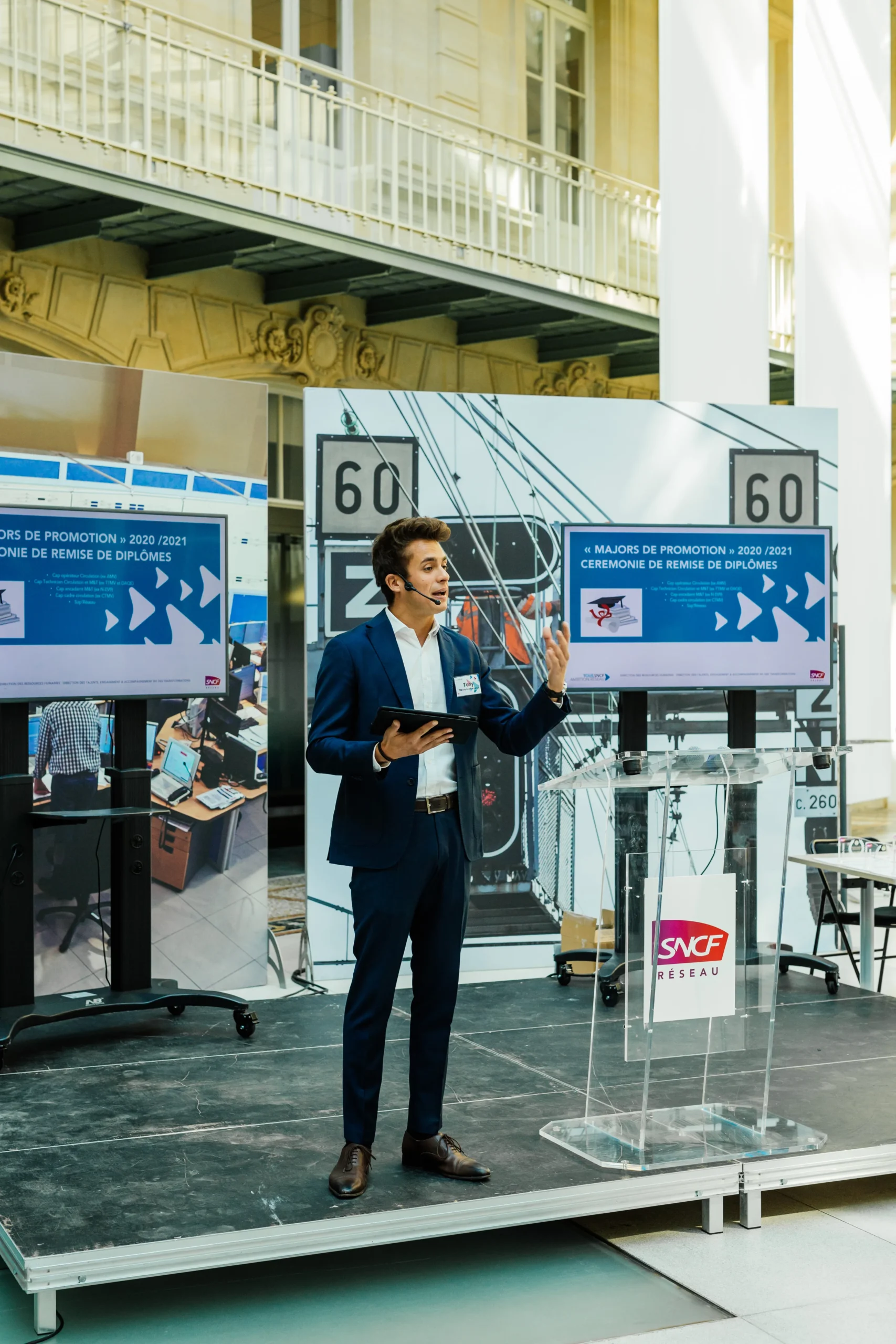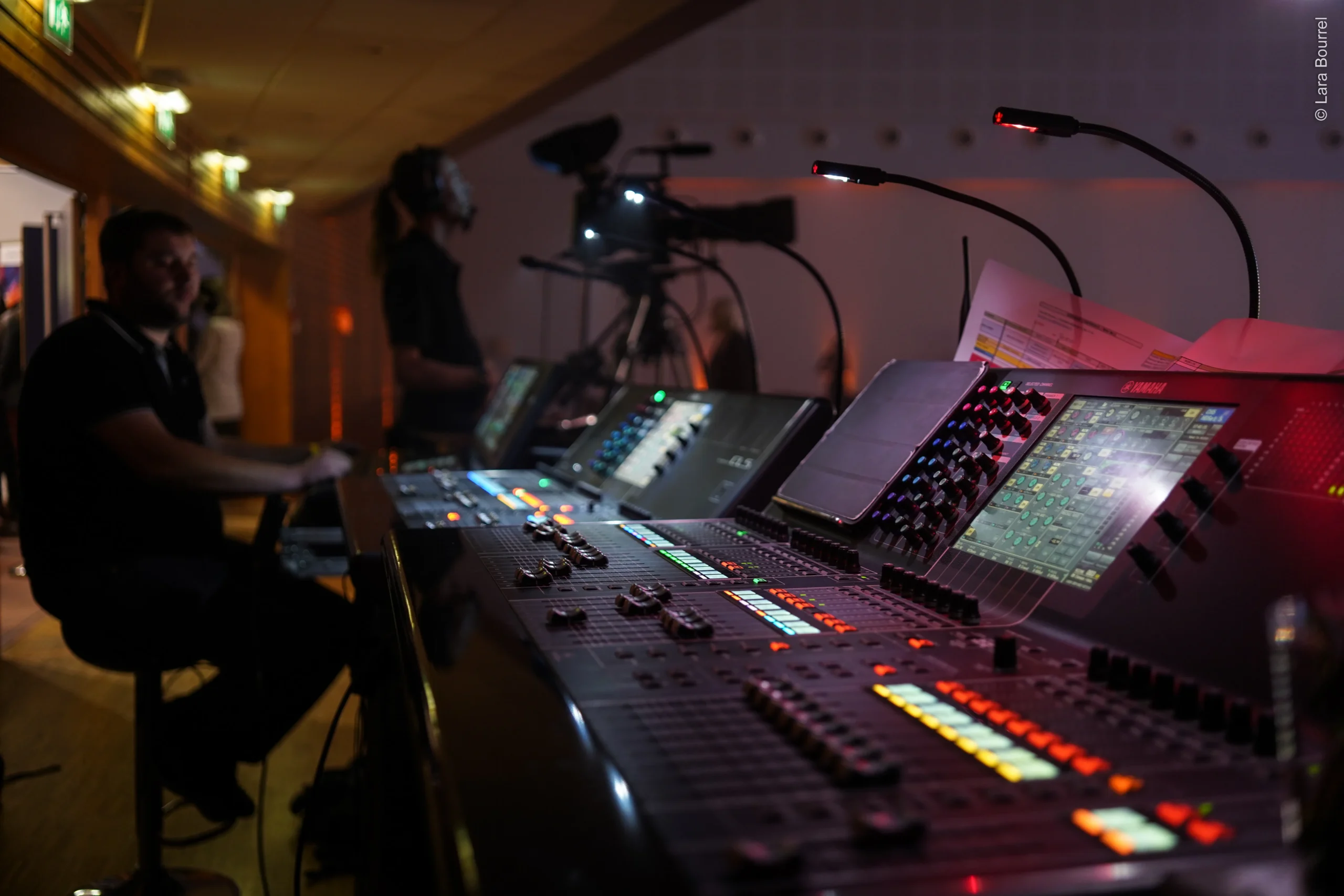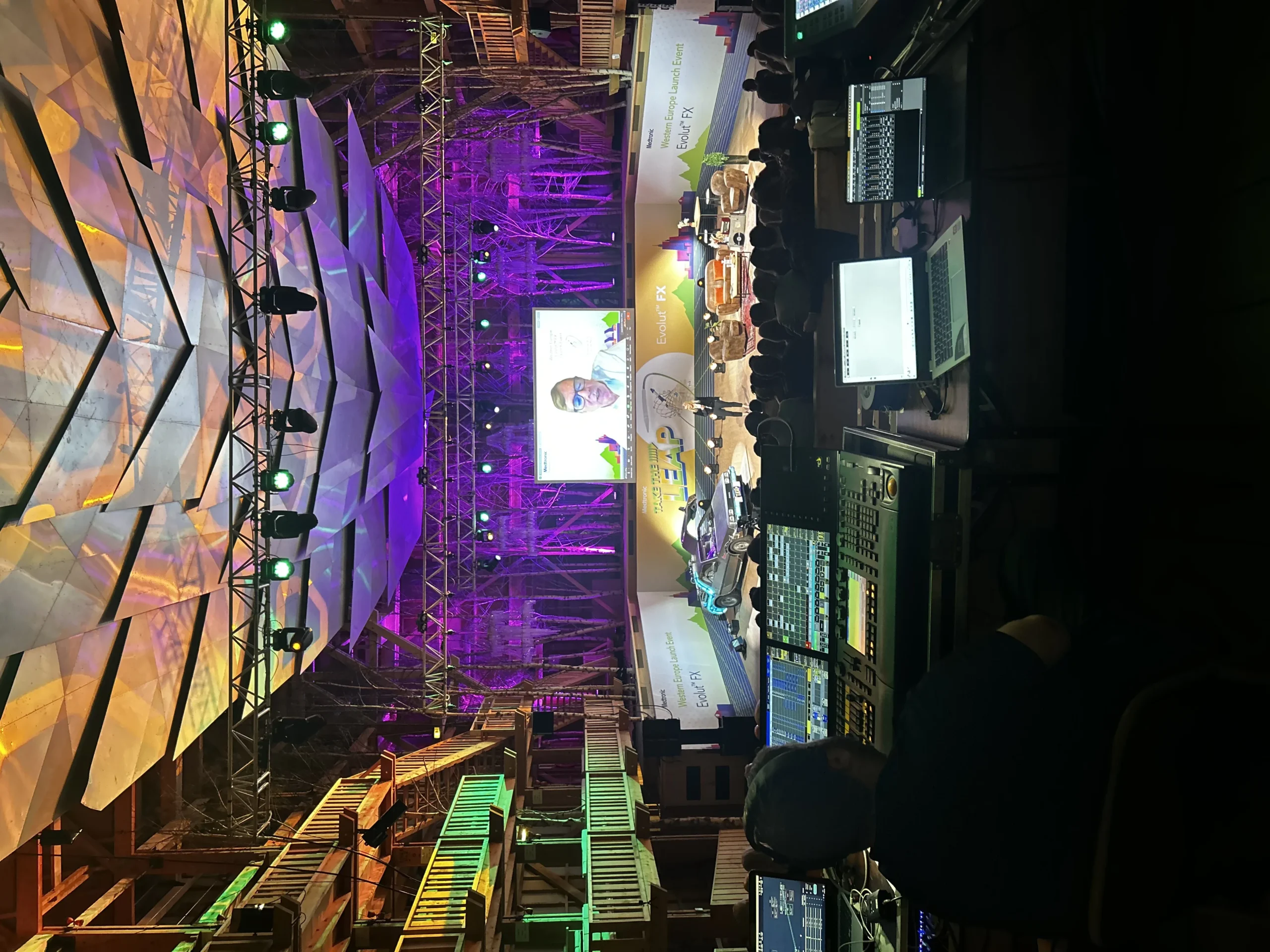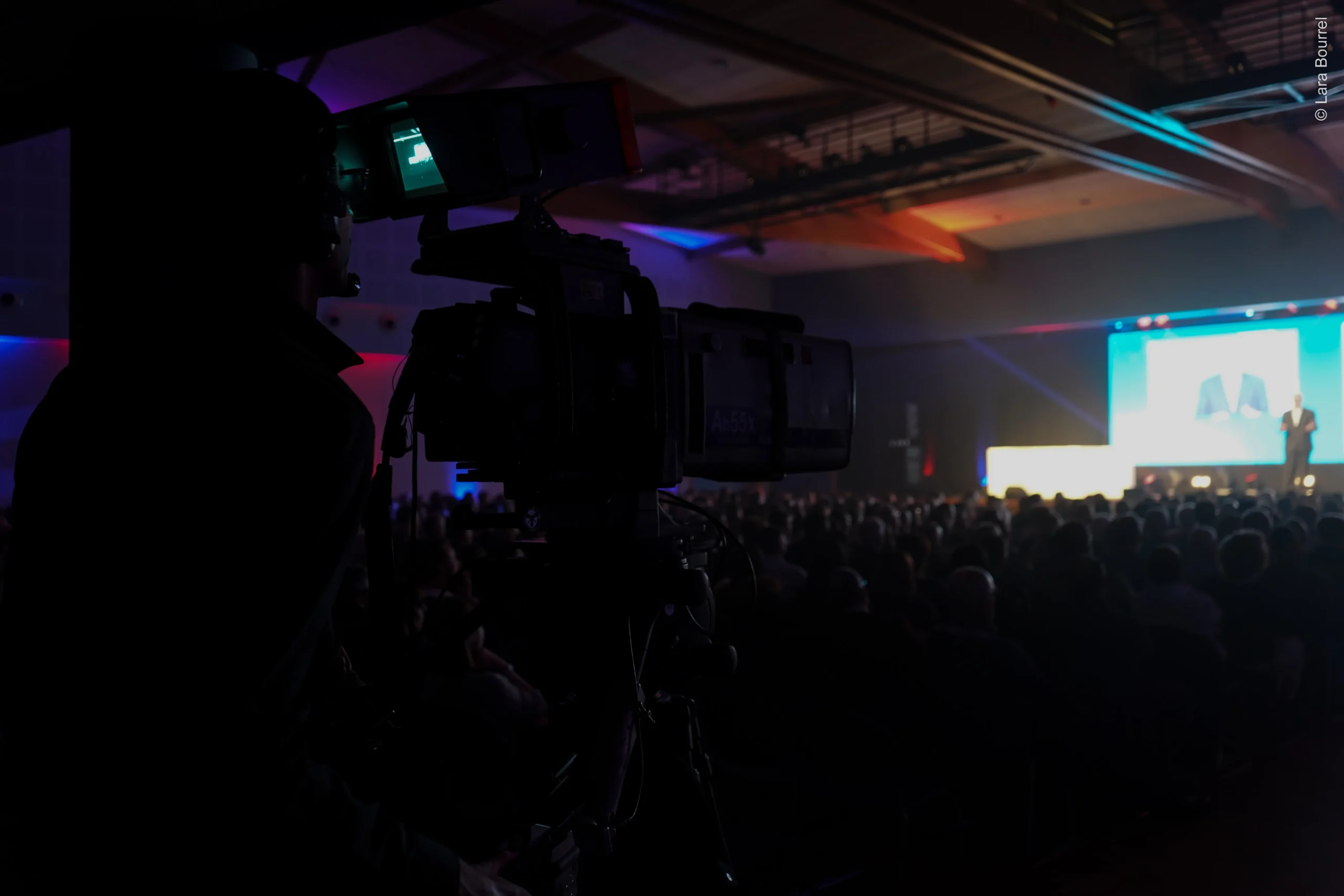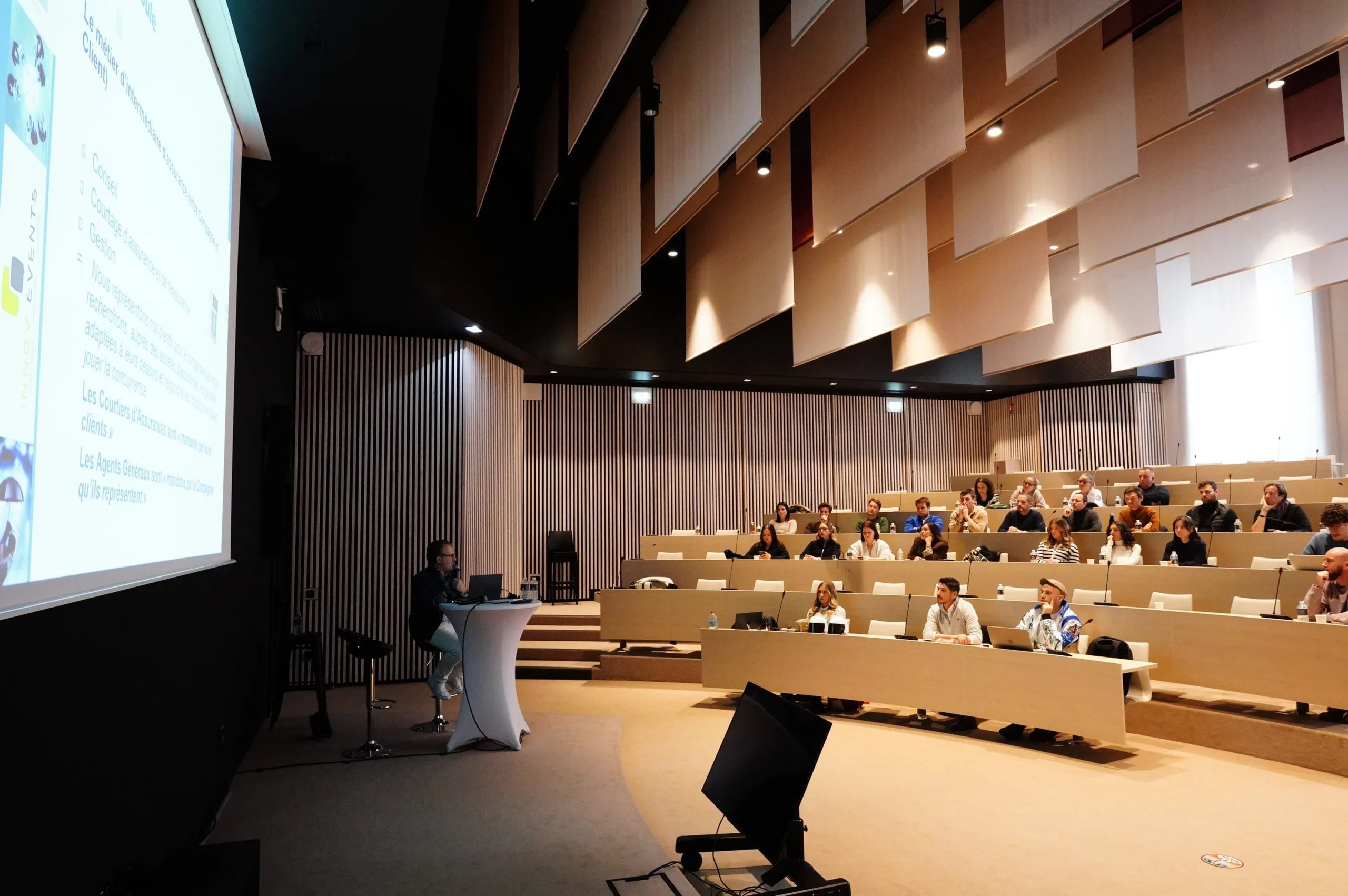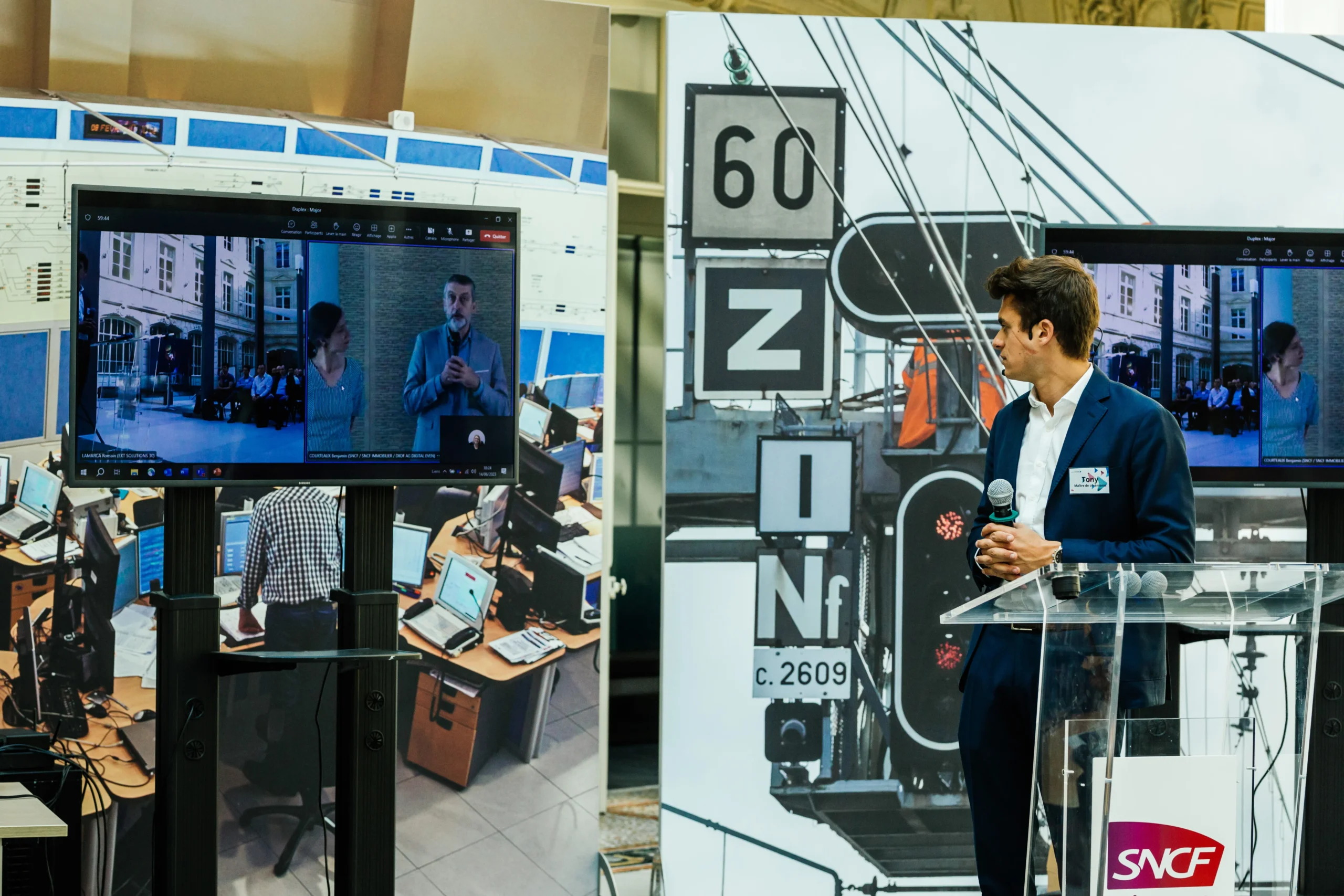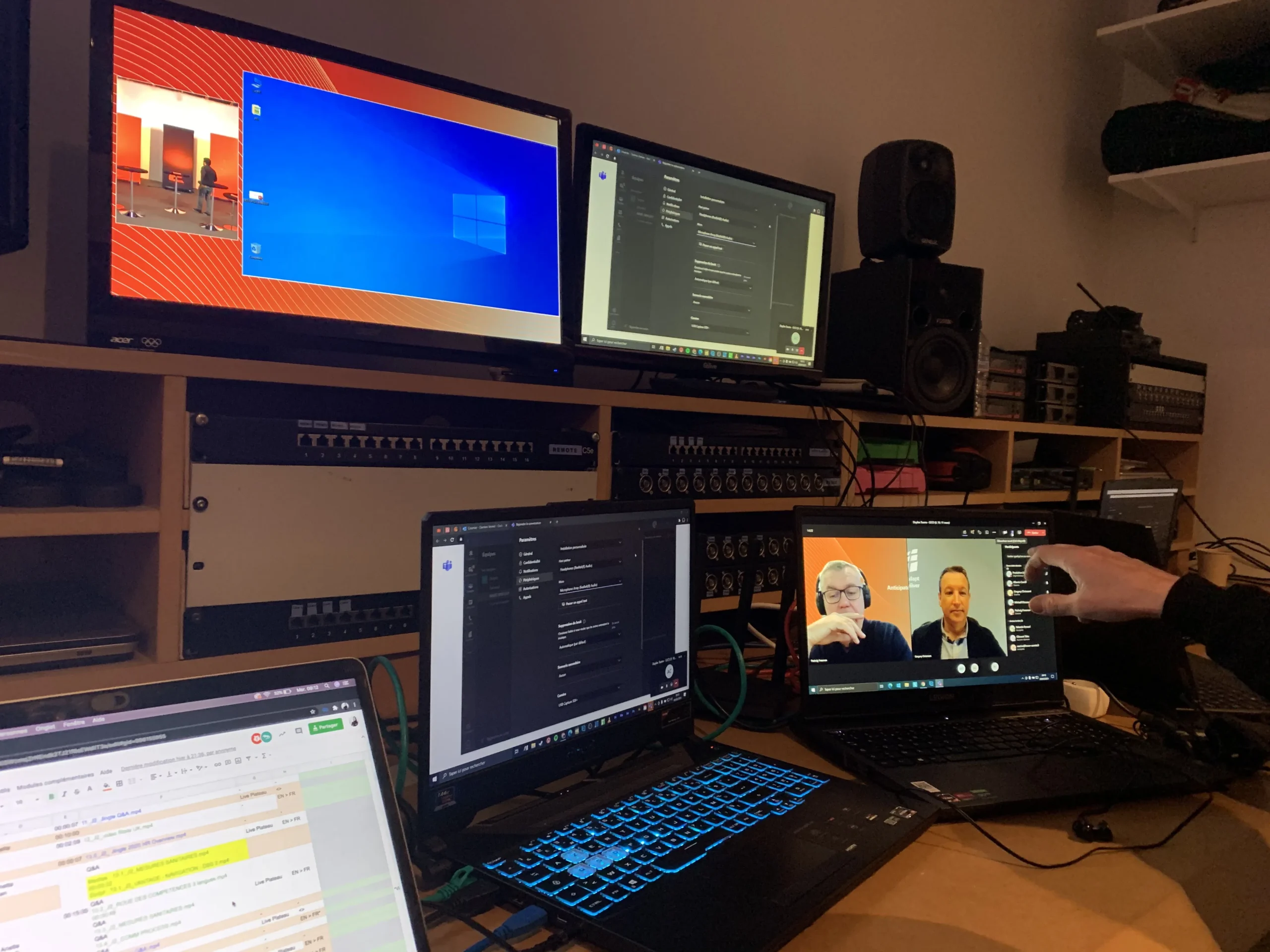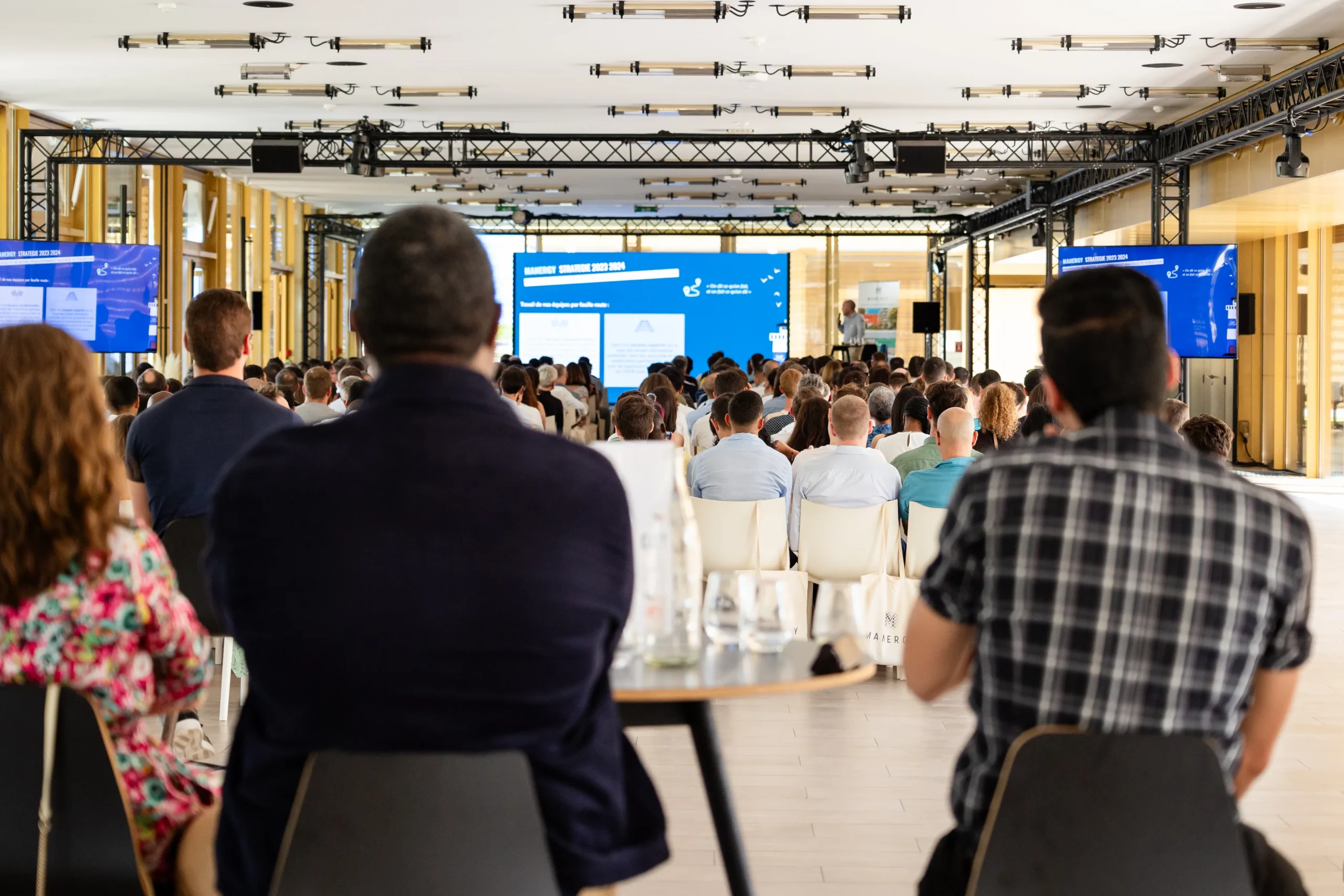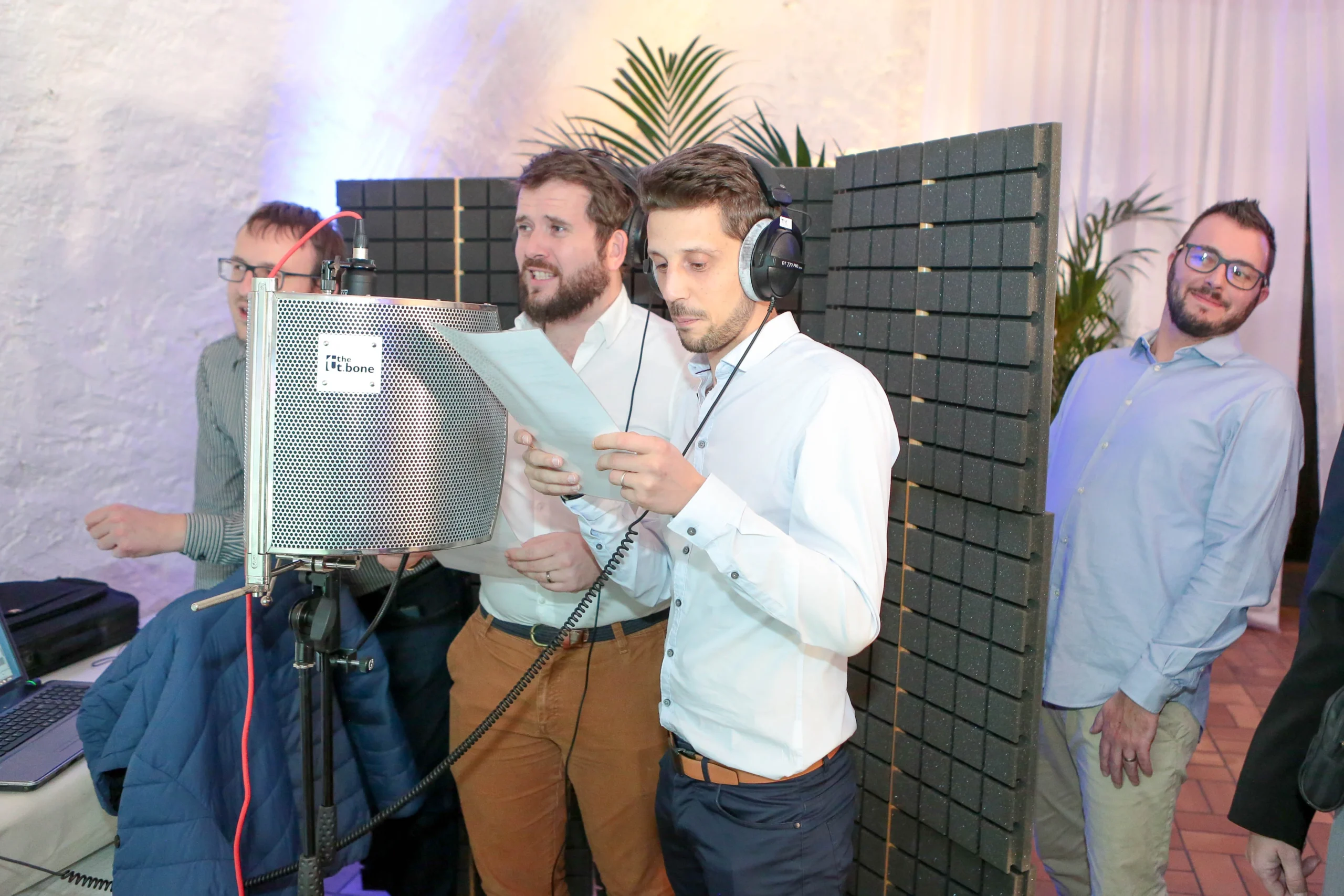
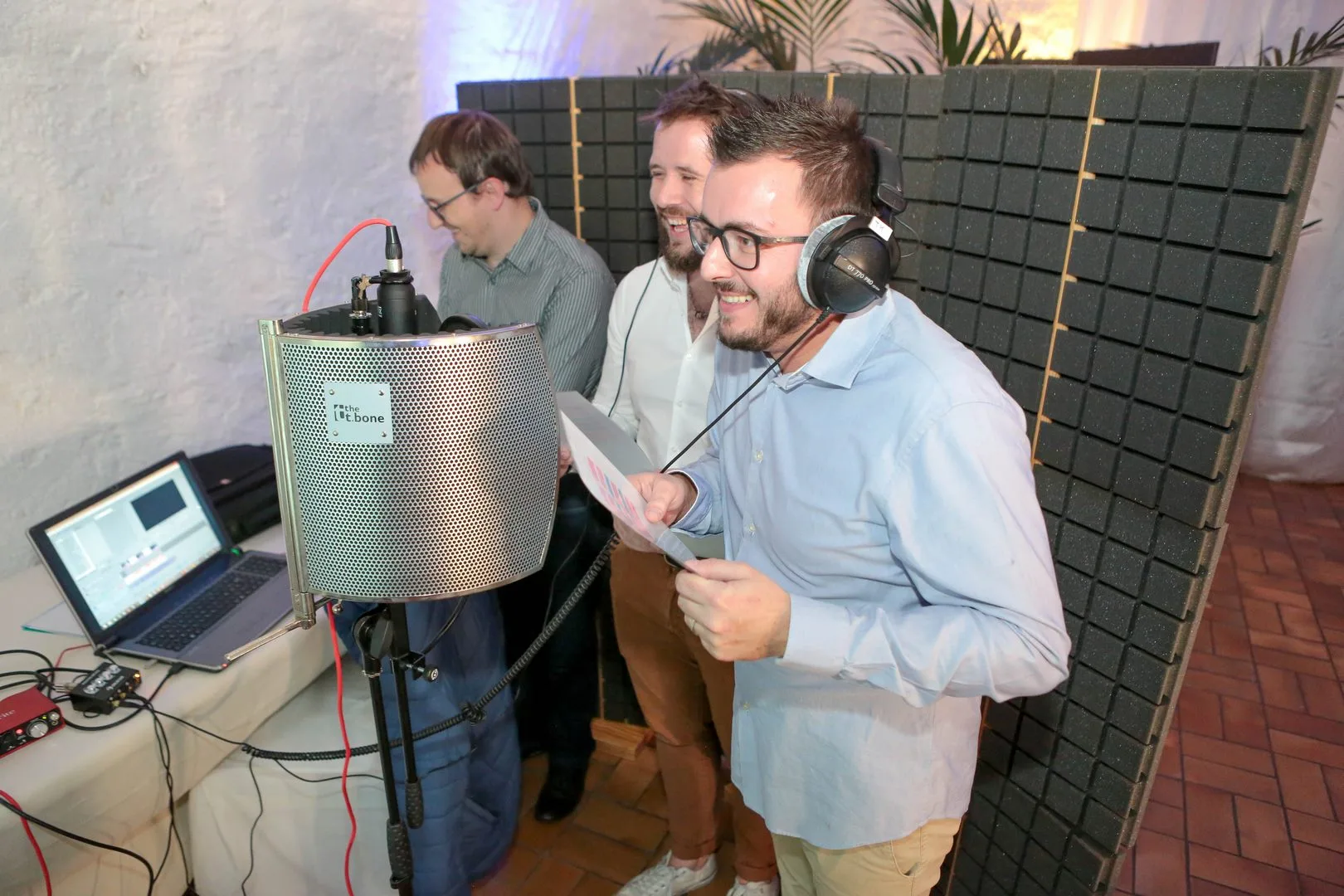
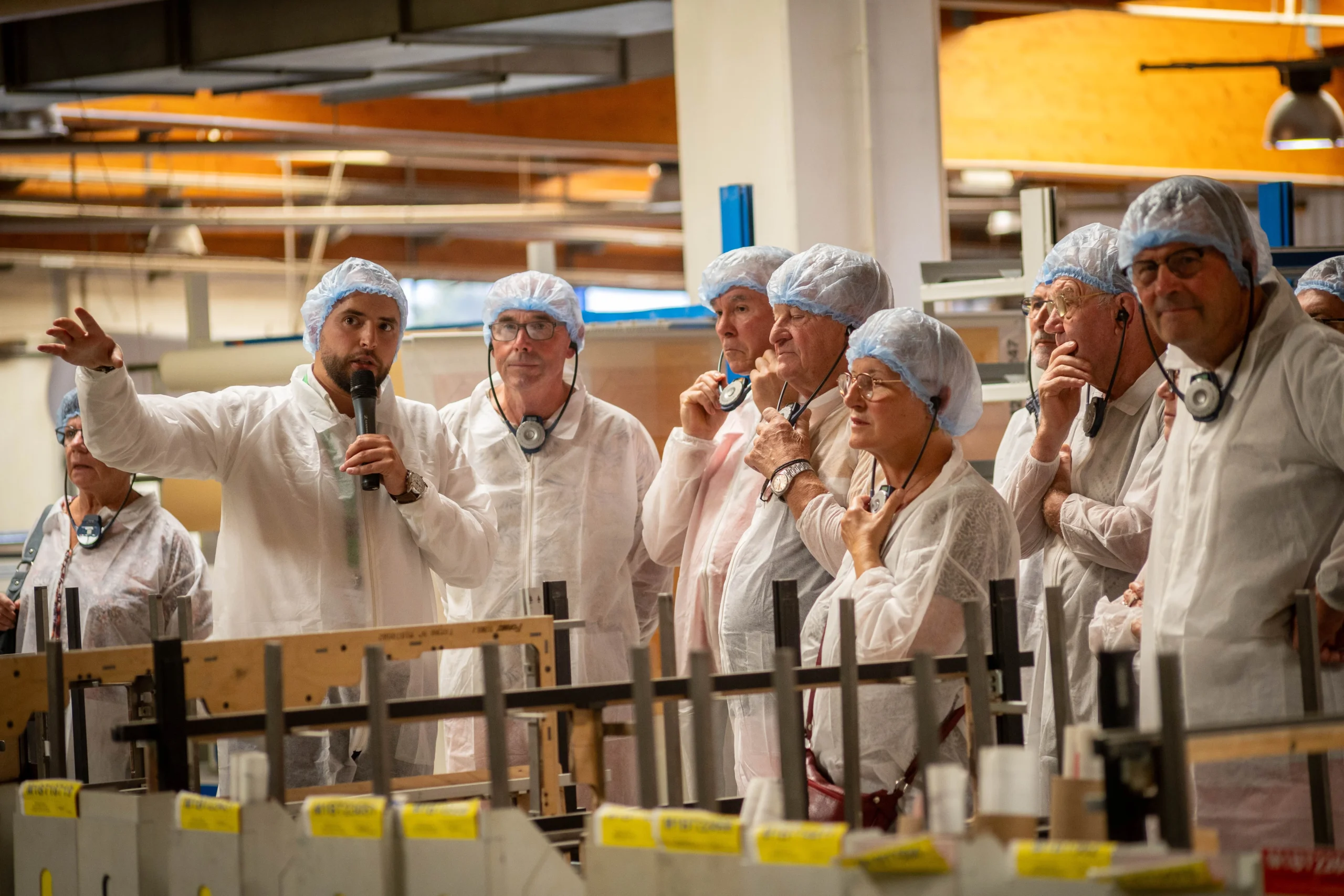
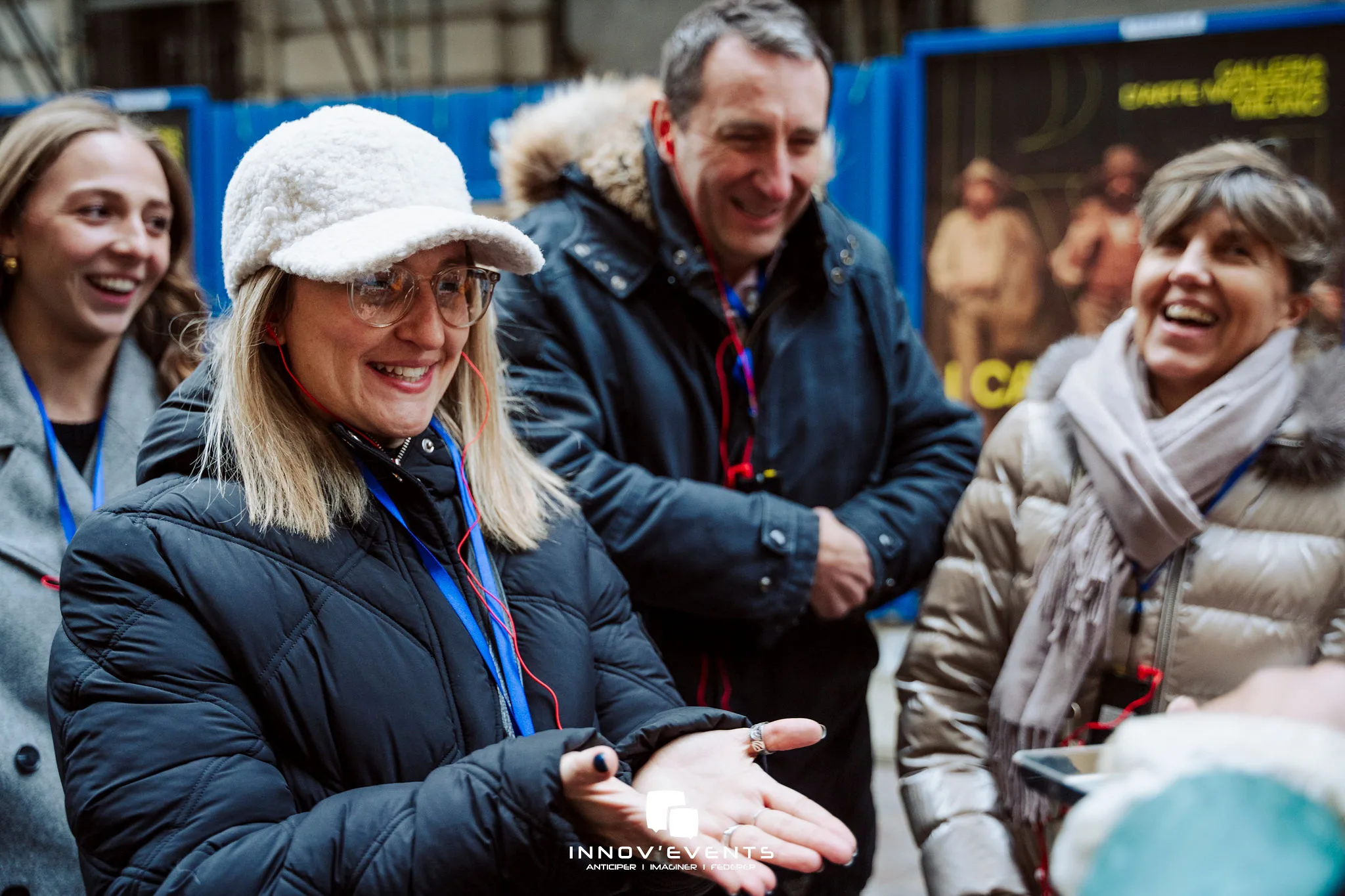
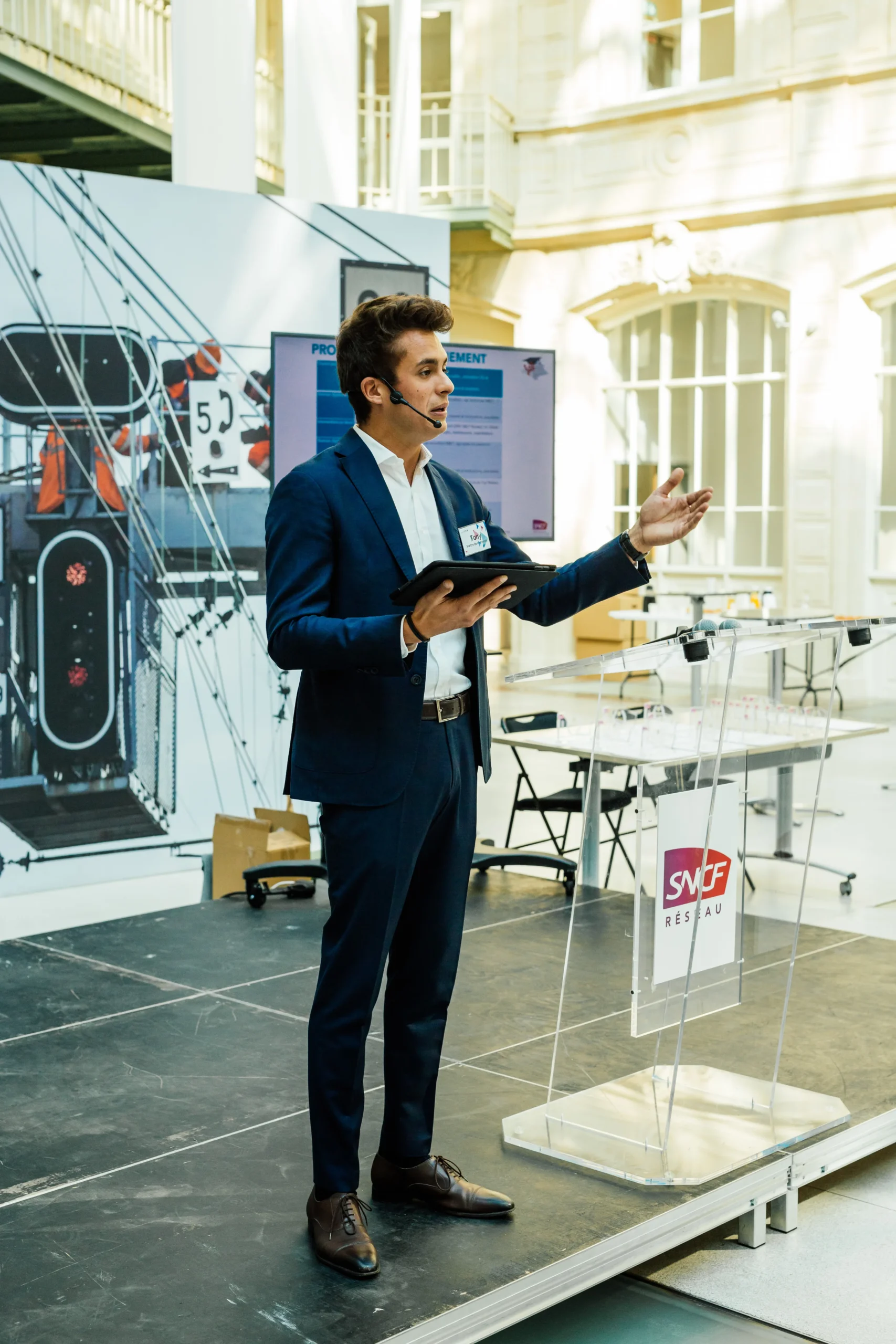
In a corporate event, language is not a “nice to have”: it’s a risk factor. A single misunderstanding on a KPI, a safety directive or a policy announcement can create employee friction, legal exposure and reputational damage—especially when leaders are on stage and the event is recorded.
Organizations in Laval typically expect bilingual execution that feels natural: clear timing, consistent terminology, respect for unionized environments, and a smooth attendee experience (no long queues for headsets, no audio surprises, no awkward pauses on stage).
As a Montréal-based agency working weekly on the North Shore, INNOV'events brings field-tested coordination for Interpreter / Translator in Laval mandates: the right professionals, the right equipment, and the right process—aligned with your brand voice and your operational realities.
10+ years delivering corporate events across Greater Montréal, including recurring mandates in Laval (town halls, leadership offsites, plant meetings, training days).
Access to a vetted pool of 50+ language professionals (simultaneous interpreters, consecutive interpreters, conference translators, bilingual MC support) depending on sector and availability.
Operational coverage from 20 to 2,000+ participants, with bilingual run-of-show and production coordination (audio, stage, recording, streaming, captioning).
Proven ability to turn around bilingual deliverables in 48–72 hours for urgent internal communications (when feasible), with a structured terminology validation process.
We regularly support organizations that operate in and around Laval: head offices in industrial parks, distribution centers near Autoroute 13/15/440, professional services firms, and public-facing organizations where bilingual clarity is under constant scrutiny. A portion of our clients renew year after year because once a bilingual event workflow is set—glossaries, speaker coaching, cueing, tech routing—execution becomes repeatable and safer.
If you want, we can share relevant, comparable case examples during a call (industry, format, headcount, constraints) and explain exactly what was done: interpreter staffing model, equipment specs, rehearsal approach, and how we protected timing on stage.
Nous vous envoyons une première proposition sous 24h.
When leadership speaks in one language and employees, partners or stakeholders listen in two, your event becomes a translation project under pressure. The strategic question is simple: do you want that pressure handled by a controlled process—or improvised in real time?
Protect executive credibility: when interpretation is clean, leaders sound precise, confident and consistent. When it’s shaky, the room loses trust—even if the content is strong.
Reduce HR risk: policy changes, benefits updates, performance expectations and code-of-conduct messages require exact wording. Professional interpreting helps avoid “I didn’t understand” disputes.
Maintain timing and stage rhythm: a bilingual agenda often fails because interpretation wasn’t integrated into the run-of-show. We plan cueing, speaker pace, Q&A flow, and transitions.
Improve engagement and retention: employees participate more when they can ask questions in their language without feeling exposed. This matters in town halls, safety days and training.
Enable multi-site alignment: for organizations with operations in Montréal, Laval, and beyond, a bilingual live stream with interpretation or captions makes the message consistent across locations.
Control the recording: if your event is filmed, interpretation quality lives forever. We plan the audio routing so the replay is usable for onboarding, compliance and internal comms.
Laval has a pragmatic business culture: operations-driven, metrics-focused, and sensitive to execution gaps. A professional interpretation setup is less about “polish” and more about protecting clarity, pace and accountability.
In Laval, we often see bilingual requirements shaped by three very concrete realities. First: mixed-language audiences where leadership wants one shared message, not two parallel experiences. Second: operational environments (logistics, manufacturing, field teams) where people cannot “decode” corporate language on the fly—messages must be immediately actionable. Third: tight schedules; events are squeezed between shifts, quarter-end cycles, and customer commitments.
That translates into clear expectations: interpreters who understand business vocabulary (budget, EBITDA, productivity, safety KPIs), a process that respects confidentiality, and technical execution that does not distract from the message. The basics matter more than the show: headset distribution that doesn’t bottleneck, proper mic technique coaching, stable audio feeds, and an MC or stage manager who knows how to keep bilingual Q&A moving.
We also plan for the common friction points: executives speaking too fast when nervous, last-minute slide changes, and bilingual acronyms that vary by department. Our job is to anticipate these issues and build a workflow where your communications team stays in control.
Interpretation is not “entertainment” in the traditional sense, but it directly affects engagement. When language access is planned, people participate; when it’s an afterthought, they disengage. Below are practical ways we see Laval companies increase interaction while keeping the event professional and on time.
Bilingual moderated Q&A: we set a microphone flow and a moderator script so questions can be asked in either language, then interpreted cleanly. This prevents the common executive fear: losing control of the room.
Live polling with bilingual prompts: we prepare FR/EN versions of questions and on-screen instructions, then sequence them so the audience doesn’t guess which language to follow. Works well for culture surveys and strategy alignment.
Breakout workshops with language zoning: for training days, we can assign interpreters by room or by table clusters (depending on numbers) so discussions stay natural without excluding participants.
Bilingual hosting (MC): for awards nights or client events, a bilingual MC reduces friction between segments and protects brand tone. We brief the MC with the same glossary to keep naming consistent.
Voice-of-brand scripting: when leadership wants a stronger narrative (without sounding corporate), we adapt scripts in both languages and align register, humor level and key messages so neither audience gets a “discount version.”
Networking formats with language facilitation: simple structured prompts (two languages) and a light facilitation can significantly improve cross-team mixing—especially when Montréal and Laval teams don’t work together daily.
Menu and signage translation that prevents awkward moments: for client-facing receptions, we translate dietary labels and service signage accurately (allergens, ingredients) to reduce risk and improve guest confidence.
Real-time captions (CART) and translated subtitles: ideal for accessibility, noisy venues, or recorded content. We plan screen placement and legibility, and we confirm whether captions are verbatim or “clean read.”
Hybrid events with dual-language streams: when you have remote participants, we can deliver separate audio channels or separate stream outputs. This avoids the common complaint: remote attendees can’t find the right language feed.
Terminology governance for recurring events: for quarterly town halls, we maintain your glossary versioning so every new interpreter team stays aligned with your preferred wording.
The point is alignment: your corporate event entertainment in Laval should never compete with the message. It should support comprehension, participation and brand consistency—especially when executives are accountable for what is said and how it is perceived.
The venue determines whether interpretation will feel seamless or stressful. Ceiling height, room acoustics, backstage access, power availability, loading constraints, and sightlines for interpreters all affect quality. In Laval, we plan early because many spaces have fixed AV packages or strict in-house rules.
| Venue type | For which objective? | Main strengths | Possible constraints |
|---|---|---|---|
| Hotel ballroom or conference center in Laval (450) | Town hall, annual meeting, awards night with bilingual stage content | Built-in AV options, controlled lighting, easier headset distribution and security | In-house AV exclusivity, limited booth placement options, union or venue rules |
| Corporate HQ or training room in Laval | Leadership offsite, HR update, training day, policy rollout | Brand control, easier confidentiality, minimal travel for employees | Often underpowered audio, limited acoustics treatment, needs careful mic/speaker placement |
| Industrial site / warehouse space in Laval | Operations briefing, safety day, plant milestones | Highly relevant context, strong employee participation | Noise floor, safety PPE requirements, challenging Wi-Fi for hybrid, higher need for portable interpretation systems |
We strongly recommend a site visit (or at least a detailed AV walk-through) before confirming interpreters and equipment. A 30-minute technical validation can prevent hours of event-day troubleshooting.
Pricing depends on the interpretation mode, duration, number of languages, and the technical ecosystem (in-room, hybrid, recording). For directors comparing vendors, the key is to separate professional fees from production costs—and to understand what is included (prep time, glossary, rehearsal, overtime, travel).
Interpretation type: simultaneous (requires equipment and typically a team rotation), consecutive (less equipment but impacts agenda time), or whisper interpreting for small groups.
Duration and schedule: half-day vs full-day; early call times; evening events; split shifts. Interpreter fatigue management is real—quality drops when rotation is ignored.
Number of interpreters: for simultaneous interpretation, common staffing is 2 interpreters per language direction for sessions beyond 60–90 minutes, depending on intensity and breaks.
Equipment: booth or portable system, receivers/headsets (plan for 60–90% uptake depending on audience profile), spare batteries, sanitation, distribution staffing.
Hybrid/streaming requirements: separate audio channels, platform compatibility, monitoring, redundancy plans, and recording deliverables.
Content complexity: legal/HR policy, technical manufacturing vocabulary, financial results, or M&A communications require more preparation and sometimes specialized interpreter profiles.
From an ROI standpoint, interpretation is often a small percentage of the overall event budget, yet it directly protects comprehension, alignment and leadership credibility. The cost of re-communicating a misunderstood message—or managing fallout—typically exceeds the delta between “basic” and properly managed bilingual delivery.
Even if interpreters are the visible part, the risk usually lives in coordination: schedules, room constraints, equipment, and the run-of-show. Working with a team that knows Laval venues, traffic patterns, supplier lead times, and on-site realities reduces the chances of a preventable failure on event day.
INNOV'events can act as your single point of accountability—linking your internal stakeholders (HR, Comms, IT, Legal), the interpreters, and the AV team. When questions come up at 7:15 a.m. during load-in—channel assignment, headset counts, stage audio bleed—you want someone who has solved it before and can decide fast.
When relevant, we also integrate interpretation into broader event operations through our event agency in Laval coordination so language access is not treated as a separate “add-on” but as part of the production system.
From an ROI standpoint, interpretation is often a small percentage of the overall event budget, yet it directly protects comprehension, alignment and leadership credibility. The cost of re-communicating a misunderstood message—or managing fallout—typically exceeds the delta between “basic” and properly managed bilingual delivery.
Our Interpreter / Translator mandates in Laval are rarely “just translation.” They are operational projects with constraints. Examples of common scenarios we execute:
In each case, we document decisions (glossary version, channel plan, mic list, headset count, staffing) so the event is reproducible and defensible internally.
Booking interpreters without validating the technical chain: interpreters arrive, but there’s no clean audio feed, no monitoring, or no place for a booth—quality collapses.
Underestimating headset logistics: not enough receivers, no plan for distribution/collection, no sanitation process, and no buffer for late arrivals.
No glossary or terminology owner: internal program names get translated three different ways; employees lose confidence and Comms loses message control.
Agenda designed as if it were unilingual: no pauses for interpretation, speakers talk over each other, Q&A becomes chaotic, and timing slips.
Choosing the wrong mode: simultaneous used for a small boardroom where consecutive would be clearer; or consecutive used for a large audience where it kills pace.
Ignoring recording/streaming requirements: the room experience is fine, but the replay has unusable audio—or remote participants can’t access the correct language channel.
Our role is to eliminate these risks before they show up on stage. That means asking the uncomfortable questions early (who approves terminology, who owns the run-of-show, what happens if the CEO rewrites the speech at midnight) and building a practical plan around them.
When interpretation is done right, it becomes invisible—and that is exactly why clients renew. They don’t want to “re-learn” bilingual event delivery every quarter, rebuild glossaries, or re-explain how leadership communicates.
Repeat-event readiness: we keep structured files (glossary, run-of-show templates, tech routing notes) so your next event starts with a proven baseline instead of a blank page.
Fewer stakeholder escalations: Comms and HR see fewer last-minute surprises because decision points are clarified early (language priorities, Q&A rules, recording outputs).
Continuity with interpreters: when possible, we rebook the same interpreter teams for your organization, which improves terminology consistency and reduces prep time.
Loyalty is not about habit; it’s about risk reduction. For directors in Laval, a bilingual event that runs on time and protects the message is a measurable outcome—and a strong reason to stick with a partner who delivers it consistently.
We start with a short working call focused on decision-making: who speaks, to whom, in what format, and what can go wrong. We confirm whether the objective is alignment (town hall), compliance (policy/safety), persuasion (client event), or training. Then we map the language profile of attendees and identify where precision is non-negotiable (numbers, legal terms, HR commitments).
We match interpreter profiles to your subject matter and event tone. A financial-results town hall is not staffed the same way as a culture workshop. We confirm availability, rotation plan, confidentiality requirements, and whether any speaker has a strong accent or technical vocabulary that requires extra prep.
We collect decks, speaking notes, internal program names, and any prior bilingual materials. We produce a concise glossary and validate it with one owner on your side. If there are sensitive passages (discipline, restructuring, safety incidents), we recommend a brief wording review so interpretation stays faithful without creating unnecessary employee anxiety.
We define the interpretation mode and equipment: booth vs portable, receiver counts, channel labeling, spare units, and distribution staffing. We coordinate audio routing with the AV team (stage mics, interpreter feed, recording feed, streaming feed) and we schedule a technical test if hybrid. This step is where most failures are prevented.
We run a targeted rehearsal: mic technique, pacing, where to pause, how to handle bilingual jokes or idioms, and how to manage Q&A. If time is limited, we prioritize the opening statement and any section with numbers or policy commitments.
On site, we manage headset logistics, interpreter positioning, audio checks, and stage cueing. We keep a short contingency plan ready: extra receivers, battery swaps, backup mic, and a clear escalation path if the agenda shifts. Post-event, we can provide debrief notes and recommendations for the next edition.
For simultaneous interpretation, plan 2 interpreters per language direction for sessions longer than 60–90 minutes (they rotate to maintain accuracy). For shorter segments, it may be possible with fewer resources, but we validate intensity, breaks and Q&A complexity first.
Simultaneous is best for 100+ attendees, conferences and town halls because it preserves timing and energy. Consecutive works well for smaller executive briefings or sensitive HR announcements where you want controlled pacing, but it can add 30–80% time to speaking segments.
Not always. A booth is recommended for larger rooms and long sessions because it isolates interpreters from ambient noise and improves sound quality. For smaller spaces, a high-quality portable system can work. The deciding factors are room acoustics, audience size, and whether the event is recorded or streamed.
For standard corporate events, aim for 3–6 weeks. For peak periods (fall conferences, year-end meetings) or specialized vocabulary, 6–10 weeks is safer. Rush bookings are possible, but availability and preparation time become the limiting factors.
Minimum: the latest slide deck, speaker notes (even rough), agenda with timings, list of internal acronyms/program names, and names/titles of executives. Ideal: any prior bilingual materials and a short “what not to translate literally” note (brand phrases, program names). Sending assets 5–10 business days ahead materially improves accuracy.
If you’re planning a town hall, leadership meeting, training day or client event in Laval, we can propose the right interpretation model (simultaneous, consecutive, captions), staffing plan, and technical setup—with clear assumptions and a realistic schedule.
Share your date(s), estimated headcount, venue (or shortlist), languages required, and whether you need recording/streaming. We’ll come back with a structured proposal and the operational details directors care about: roles, equipment, timeline, and risk controls.
Thierry GRAMMER is the manager of the INNOV'events Laval office. Reach out directly by email at canada@innov-events.ca or via the contact form.
Contact the Laval agency