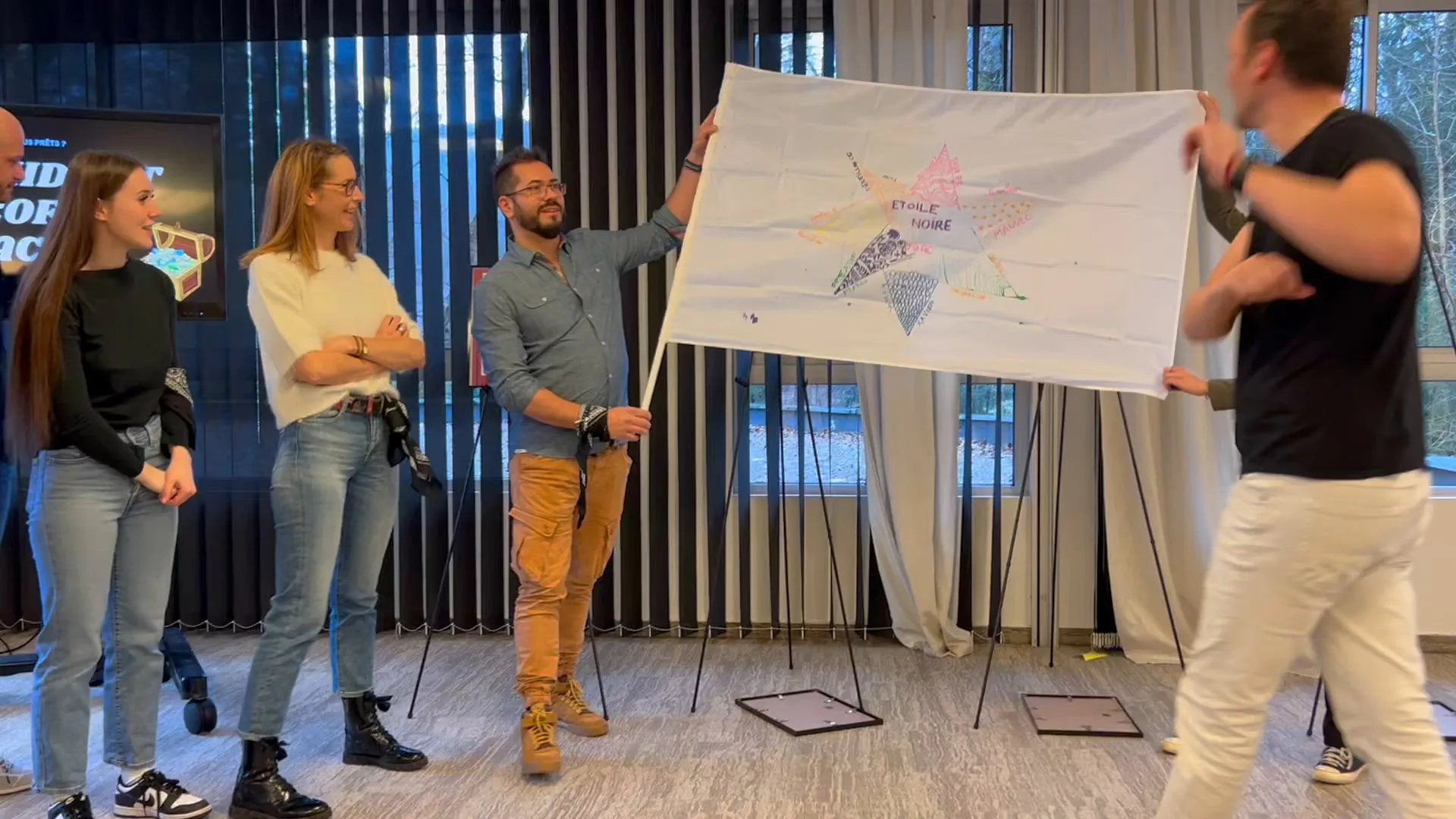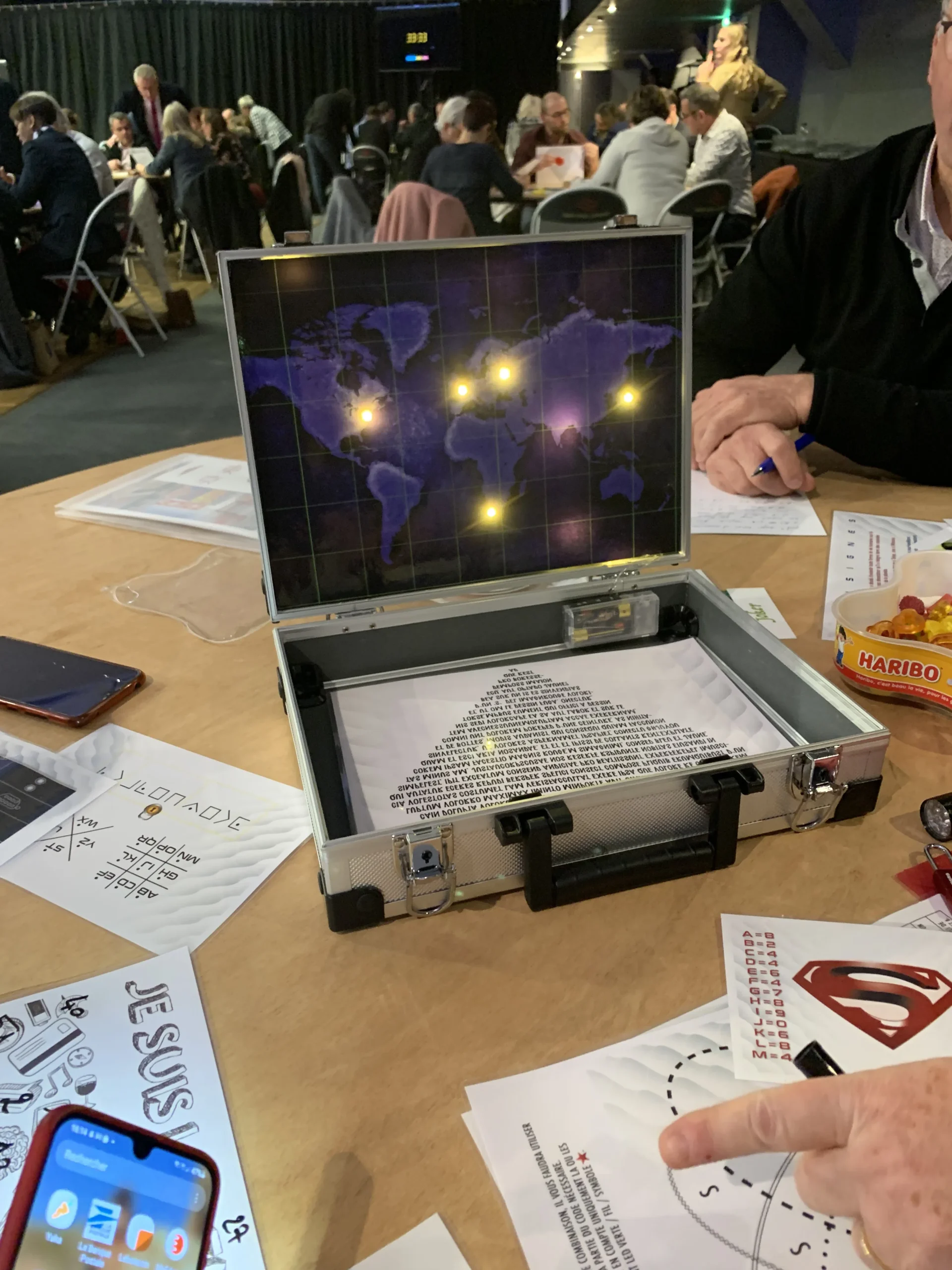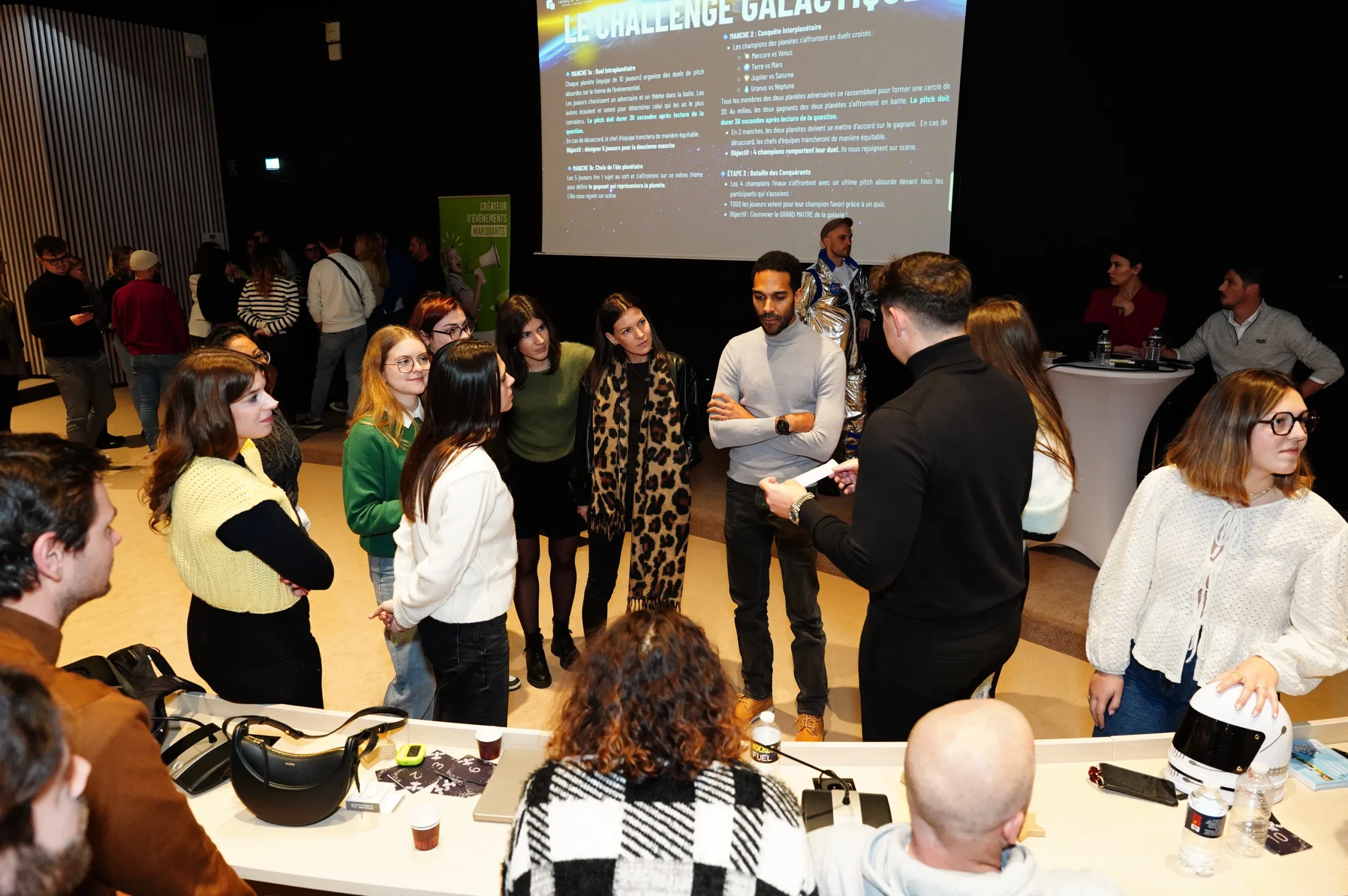
Crisis Negotiation Workshop in Laval to protect decisions, people, and reputation
location_on Crisis Negotiation Workshop · Laval

Crisis Negotiation Workshop in Laval to protect decisions, people, and reputation

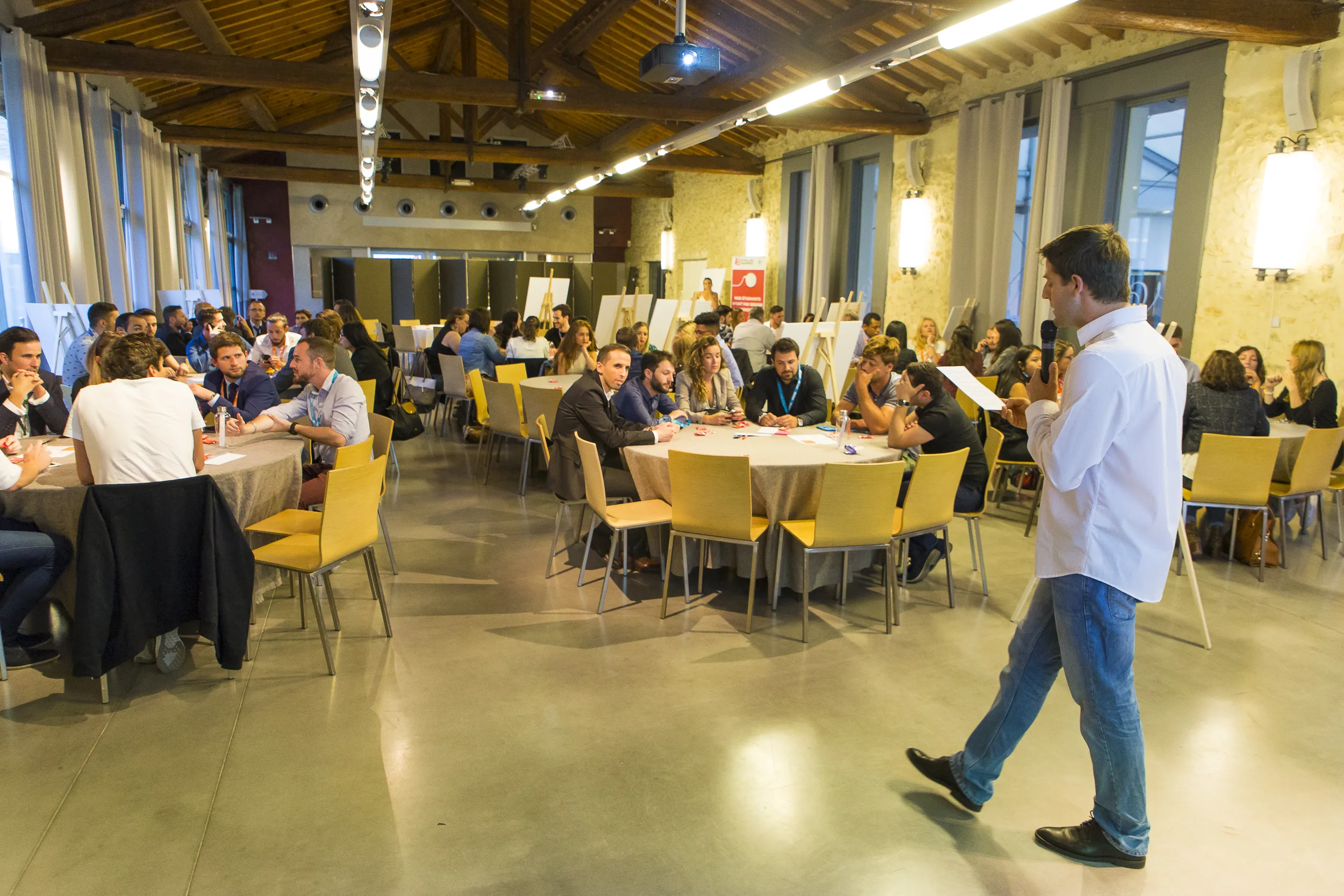
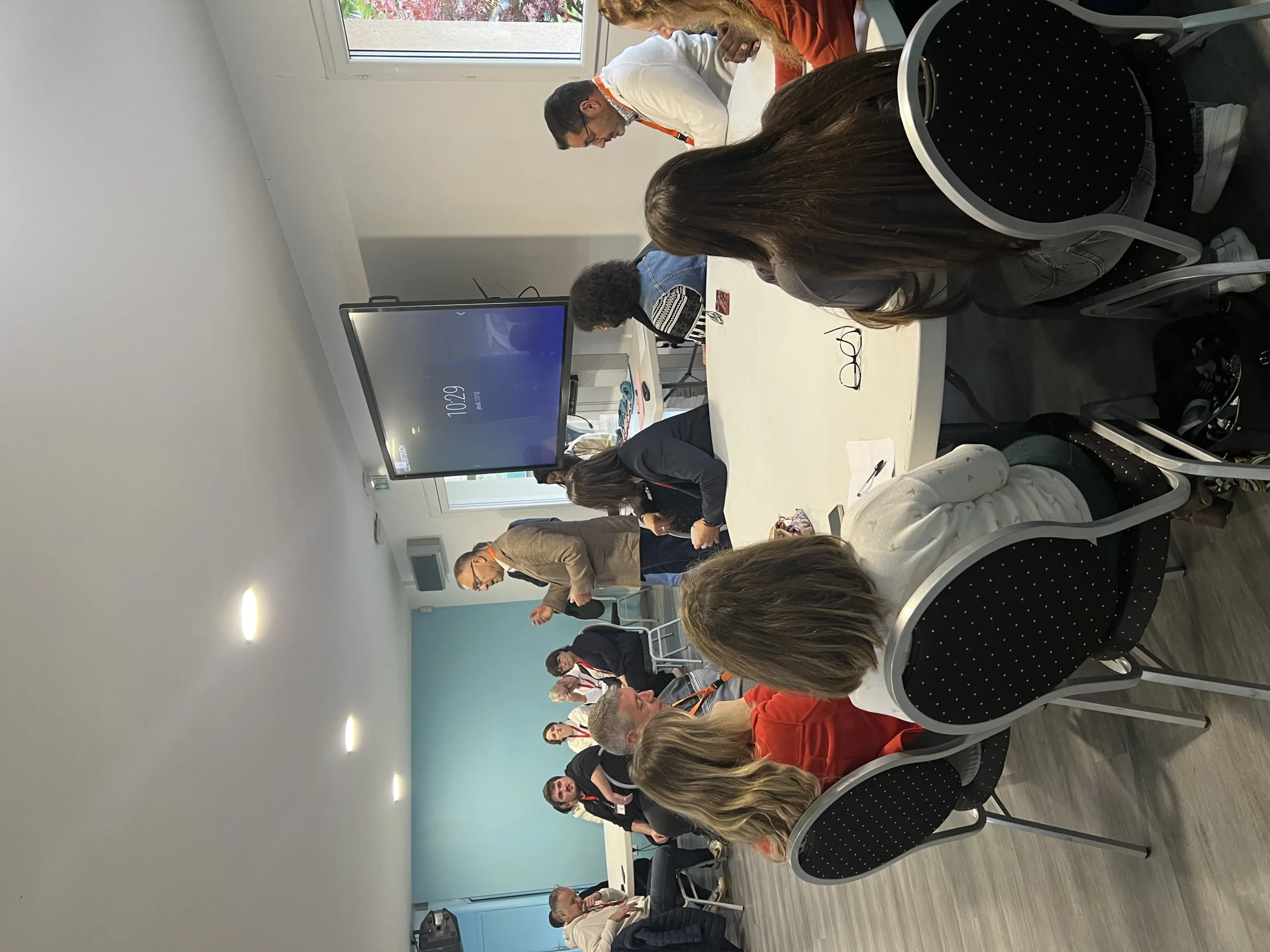
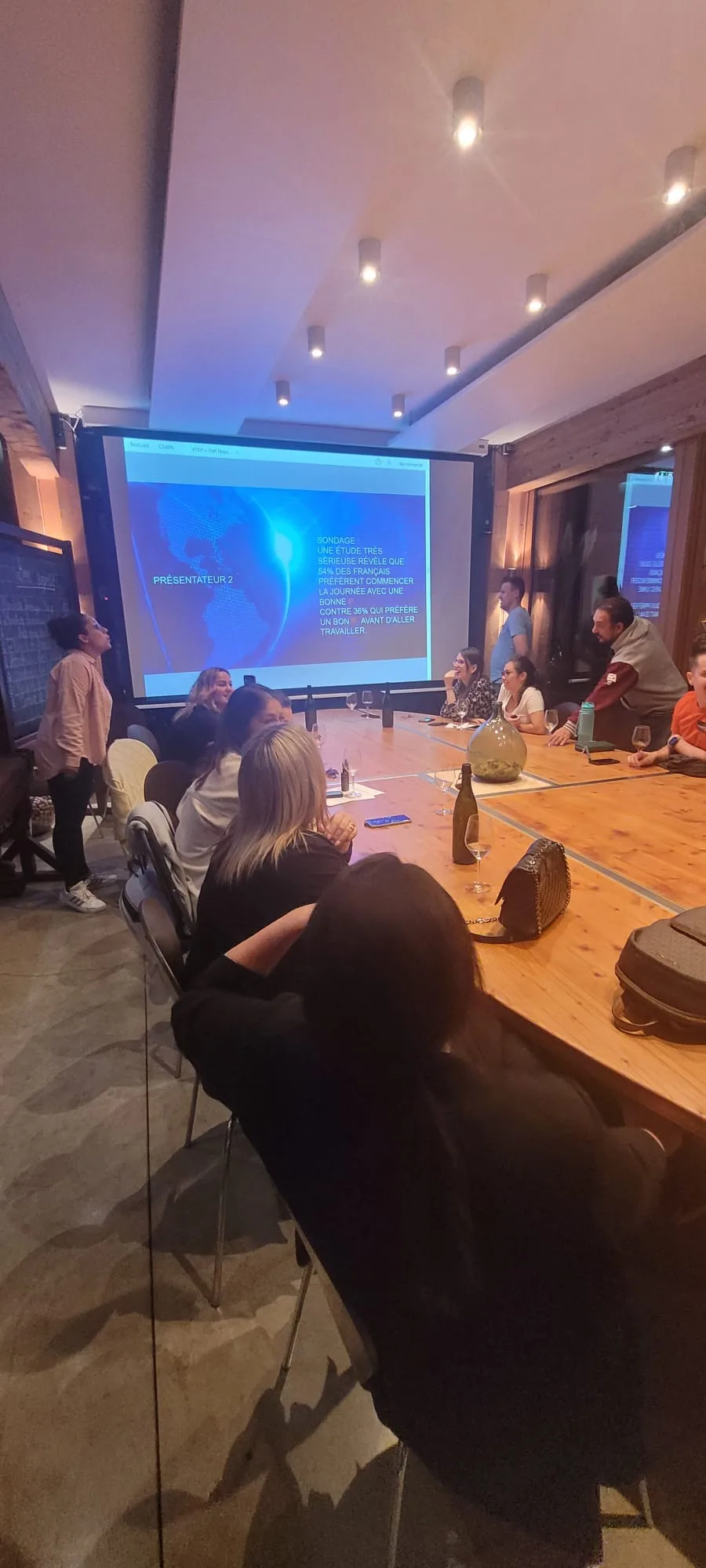
INNOV'events delivers a Crisis Negotiation Workshop in Laval designed for executives, HR leaders, and communication teams who must manage high-stakes conversations under pressure. Typical groups range from 12 to 40 participants, with an option for parallel breakout simulations for larger cohorts.

We handle the full run-of-show: scenario design aligned to your risk profile, facilitator staffing, role-player casting, observation grids, and a structured debrief that converts learning into usable playbooks.

10+ Ans d'exp.
500+ Événements réalisés
4.9 / 5 Note clients
updateMis à jour le 24/04/2026 par Thierry GRAMMER.
Sommaire expand_more

In a corporate crisis, “entertainment” is not a nice-to-have; it is a controlled way to create stress, friction, and uncertainty so leaders can practice negotiation behaviors before a real incident forces improvisation. A well-run workshop lets you observe decision-making, escalation discipline, and message alignment in conditions that feel real but remain safe.

Organizations in Laval expect training that respects operational constraints: short time windows, mixed leadership availability, and a need to protect confidentiality. They also expect practical outcomes—clear phrases to use, who calls whom, how to document decisions—rather than abstract theory.

As an INNOV'events team based in Greater Montréal, we work regularly on the North Shore and know the logistics, venues, and on-site realities in Laval. Our facilitators come from crisis communications, HR/labour relations, and security-adjacent backgrounds, with a strong focus on what is defensible, repeatable, and usable the next morning.

Organiser Crisis Negotiation Workshop in Laval to protect decisions, people, and reputation
Crisis Negotiation Workshop https://innov-events.ca/en/event-agency-in-laval/

Operational credibility for teams in Laval

10+ years delivering corporate workshops and leadership simulations across Québec and Canada, including crisis communication and negotiation formats.

Programs delivered for 12–250 participants through modular facilitation (multiple rooms, rotating roles, staggered debriefs) without losing quality of observation.

48–72 hours minimum recommended lead time for a simple scenario; 2–4 weeks for a fully customized scenario with role briefs, legal/HR alignment, and stakeholder mapping.

0 tolerance for “winging it”: every workshop includes a written run sheet, escalation rules, and a documented debrief output shared with your sponsor.

Who we support year after year in Laval

In Laval, we frequently support organizations that operate with real-world constraints: multi-site teams, unionized environments, public-facing services, and leadership groups that need to align quickly. Many clients renew because the value is measurable—faster internal coordination, fewer message inconsistencies, and clearer boundaries between HR, operations, legal, and communications.

You mentioned you had specific company names to use as references; we can integrate those directly once provided. In the meantime, our local approach remains the same: we keep scenarios close to your reality (customer escalation, employee conflict, media pressure, safety incident, cyber disruption), we protect confidentiality through anonymized briefs, and we ensure the sponsor receives a practical deliverable: decision points, recommended scripts, and an escalation map tailored to your org chart.

Our work in Laval often involves repeat cycles: a first workshop for the executive/leadership team, then a second iteration for managers and HR business partners, and a third for front-line supervisors—each with adjusted complexity and decision rights. This is how organizations move from “a good session” to a sustainable crisis capability.

⚡ Besoin d’un devis rapide ?

Nous vous envoyons une première proposition sous 24h.

Votre devis sous 24h

Why run a crisis negotiation workshop in Laval now

When a crisis hits, negotiation happens whether you call it that or not: with employees, with families, with regulators, with the media, with unions, with customers, and internally between departments. The question is whether your leadership team negotiates with a shared method and a disciplined message—or through ad hoc reactions that create avoidable risk.

A Crisis Negotiation Workshop in Laval is a controlled rehearsal. It surfaces weak signals (unclear authority, conflicting priorities, lack of documentation, leadership “shadow channels”) before those gaps become reputational damage or legal exposure.

  • Executive alignment under pressure: practice who owns the final decision, what must be escalated, and what can be delegated—then capture those rules in writing.

  • HR and communications coordination: reduce the classic friction where HR focuses on employee fairness while comms focuses on external perception. In the workshop, teams learn how to craft statements that are both empathetic and defensible.

  • De-escalation language that works in the field: participants leave with tested phrases (what to say, what to avoid), plus a structure for “acknowledge–clarify–set boundaries–offer options–close.”

  • Realistic stakeholder mapping: identify who actually has leverage (union rep, key client, municipal contact, landlord, platform provider) and what each party needs to move forward.

  • Reduction of reputational and legal missteps: practice documentation, timing of communications, and decision rationales so you can later show that choices were reasonable and consistent.

  • Leadership bench strength: observe how managers perform when facts are incomplete. This is invaluable for succession planning and targeted coaching.

Laval combines industrial, service, and public-facing economic activity. That mix increases the likelihood of complex crises where a single incident touches safety, labour relations, customer confidence, and public opinion at the same time. A workshop is the most efficient way to build a shared response culture without disrupting operations.

What executives in Laval expect from a serious workshop

Leaders in Laval are pragmatic. They want training that respects business continuity and produces tangible outputs. In practice, we see five expectations again and again.

1) Short format, high impact. Many leadership groups can only free up half a day. We therefore design sessions with a fast ramp-up: a 10–15 minute briefing, two to three scenario “injects,” and a debrief that prioritizes the 6–10 decisions that truly matter.

2) Confidentiality and reputational protection. Teams do not want their internal weaknesses exposed. We run closed-room facilitation, use anonymized scenario elements when needed, and agree in advance what gets documented, how it’s stored, and who receives it.

3) Cross-functional realism. A crisis is never only comms or only HR. We include friction on purpose: HR receives an employee allegation; operations receives a safety constraint; comms receives a media request; executives face time pressure. This is how you test alignment—not by running a polite tabletop.

4) Bilingual and stakeholder-sensitive communication. Many organizations must operate in French with the ability to respond in English depending on audiences. We can run the workshop in English while still testing French-language realities (employee relations, local media tone, public expectations) and ensuring message consistency.

5) A defensible outcome. After the session, sponsors want a usable artifact: escalation ladder, contact tree, “first 60 minutes” checklist, and a set of approved negotiation boundaries (what can be offered, by whom, with what approvals).

Organize your corporate event with INNOV\'events!

Which workshop formats work best in Laval leadership teams

In this context, “animation” means facilitation mechanics that create engagement and stress in a controlled way. The right format keeps executives involved, gives HR and comms room to operate, and produces observable behaviors you can improve.

Interactive animations in Laval

Timed negotiation sprints: 12–15 minute rounds where teams must reach a decision and craft a response before the next inject. This exposes decision bottlenecks and unclear approval chains.

Split-room negotiation: one room handles stakeholder contact (employee/union/customer), another handles internal alignment (exec/HR/comms). The friction between the two mirrors real crisis conditions.

Hot-seat spokesperson drills: executives rotate through a “spokesperson chair” with live follow-up questions. We focus on message discipline and avoiding over-commitments.

Escalation ladder exercise: participants physically map who must be contacted at each severity level (Level 1–4), then we stress-test it with scenario twists (unavailable leader, after-hours, conflicting information).

gesture

Art animations in Laval

Professional role-play performance: not theatre for fun—performance to simulate emotional intensity (anger, fear, manipulation, urgency) while staying within ethical boundaries. This is crucial for practicing de-escalation and empathy.

Voice and presence coaching: brief, practical work on pace, silence, and tone under pressure—especially useful for leaders who rarely handle direct conflict but become default spokespeople in a crisis.

palette

Innovative animations in Laval

Working lunch with structured prompts: if your schedule requires a lunch format, we keep it productive with scripted discussion prompts (what we concede, what we never concede, what approvals are non-negotiable). In Laval, this often suits leadership teams who must return to operations quickly.

Break design to reduce cognitive fatigue: short breaks timed after high-stress injects improve performance and realism. We plan coffee/water placement to avoid disruptions during negotiation rounds.

lunch_dining

Gourmand animations in Laval

Red-team messaging: a separate group actively tries to break the proposed statements (legal risk, HR fairness, reputational backlash). This strengthens final messaging and reduces blind spots.

Simulated digital pressure: participants receive “screenshots” of social posts, internal chat leaks, or media emails. The team must negotiate both the content and the timing of response.

Decision log under time pressure: we force a minimal documentation standard (who decided what, when, why). This is a practical habit that protects executives later.

tips_and_updates

Regardless of the format, we align the workshop with your brand posture: how you communicate empathy, accountability, and boundaries. For organizations in Laval, that alignment matters because stakeholders often overlap—employees are also customers, families are connected, and community perception travels fast.

Where to host a crisis workshop in Laval for maximum focus

The venue influences confidentiality, attention, and the realism of the exercise. For a negotiation workshop, you need privacy, multiple spaces, and reliable AV—more than you need a “wow” factor.

Venue typeFor which objective?Main strengthsPossible constraints

Private meeting rooms in a Laval business hotel

Executive half-day or full-day simulation with breakout rooms

Confidential setting, on-site catering, predictable AV, easy access for North Shore leadership

Room availability during peak periods; ensure sound isolation for sensitive role-play

Company training room (on-site in Laval)

Operationally convenient session for managers and HRBPs

Minimal travel, easier attendance, real-world context for internal escalation

Harder to protect confidentiality if colleagues pass by; interruptions must be controlled

Off-site conference center on the North Shore

Multi-team exercise with parallel negotiations and observers

Space for multiple rooms, better separation between “internal” and “external” teams, strong logistics

Requires stricter scheduling, signage, and participant flow management to avoid cross-talk

We strongly recommend a brief site visit (or at least a photo/video walkthrough) before confirming. In negotiation simulations, small details—door placement, hallway noise, shared walls—can compromise realism and confidentiality. As your local partner, we can coordinate a quick venue check in Laval and adjust the facilitation plan accordingly.

What a Crisis Negotiation Workshop costs in Laval

Pricing for a Crisis Negotiation Workshop in Laval depends less on “show” elements and more on design effort, staffing intensity, and the level of customization needed to match your risk reality.

Group size and format: a focused executive session for 12–18 people is different from a 40+ participant program requiring multiple facilitators and rooms.

Customization depth: adapting a proven scenario framework is faster than building a scenario around your exact stakeholder landscape, policies, and escalation structure.

Role-player staffing: realistic negotiation often requires 2–4 role profiles (employee/union, media, regulator, key client) plus a lead facilitator and observers.

Deliverables: a short debrief summary is not the same as a full output pack (decision log template, first-60-minutes checklist, holding statements, escalation ladder, and training recommendations).

Language and documentation requirements: bilingual deliverables or alignment with internal policy language can add production time.

Venue and logistics: on-site vs. off-site, AV needs, room divisions, and privacy requirements affect coordination.

From an ROI perspective, leaders typically justify this workshop the same way they justify other risk controls: one avoided escalation, one consistent internal narrative, or one well-documented decision path can protect far more value than the workshop cost. The key is to scope the right level of realism—enough pressure to reveal gaps, without turning the session into a disruptive production.

Why choose an agency in Laval for this workshop

Crisis negotiation training is sensitive and operational. A local partner reduces friction: faster on-site checks, better venue coordination, and a realistic understanding of how organizations on the North Shore operate (commute realities, mixed bilingual audiences, union presence in certain sectors, and the need to keep business running).

As INNOV'events, we can also leverage our local network when you need complementary resources—additional facilitators, role-players, or a venue that provides true privacy. If you want to compare options, you can review our presence as an event agency in Laval and see how we structure corporate delivery locally.

  • Quicker operational response: easier pre-briefs, room checks, and last-minute adjustments without adding travel complexity.
  • Better confidentiality control: local logistics planning helps avoid shared spaces and reduces the risk of unplanned exposure.
  • Stakeholder realism: scenarios can reflect real constraints seen in Laval organizations (multi-site operations, public visibility, labour relations dynamics, supply constraints).
  • Accountability on deliverables: local delivery makes follow-up easier—what matters is what you implement after the workshop.

From an ROI perspective, leaders typically justify this workshop the same way they justify other risk controls: one avoided escalation, one consistent internal narrative, or one well-documented decision path can protect far more value than the workshop cost. The key is to scope the right level of realism—enough pressure to reveal gaps, without turning the session into a disruptive production.

+3000 clients referencesThey trust us

Examples of crisis scenarios we run for Laval organizations

We do not reuse generic scripts. We reuse proven structures and adapt the details to your environment, because credibility in a negotiation workshop comes from realism: the names of roles, the decision chain, the communication channels, and the trade-offs leaders actually face.

Employee allegation with reputational spillover. HR receives a formal complaint alleging harassment by a supervisor; within 30 minutes, comms receives an inquiry referencing screenshots and “internal sources.” Executives must negotiate boundaries: what can be said publicly, what must remain confidential, what immediate protective measures are taken, and how to speak to employees without prejudging outcomes. We observe how leaders balance empathy, fairness, and legal defensibility.

Labour relations escalation. A union representative demands a same-day response to a safety-related grievance, threatening a work refusal. Operations wants continuity; HR wants process; comms anticipates external attention. The negotiation tests how leaders offer options without conceding beyond authority and how they document commitments.

Critical incident affecting customers. A service disruption impacts clients; a key account threatens penalties and wants executive involvement. Negotiation skills matter: acknowledging impact, offering credible remediation, and setting boundaries on compensation. We also test message consistency across account management, leadership, and public statements.

Threatening behavior or violent risk signals. A disgruntled individual posts a threat referencing your site. The workshop focuses on de-escalation, coordination with security/police protocols, and internal communication to reduce panic while staying accurate. This scenario is handled with care and clear ethical guardrails.

Across all scenarios, we tailor inject timing to your pace. Some organizations prefer “slow burn” realism; others need a compressed sequence to fit a half-day format in Laval.

Organize your corporate event with INNOV\'events!

Common mistakes we prevent in crisis workshops in Laval

close

Confusing negotiation with persuasion: leaders talk more than they listen, miss leverage points, and escalate tensions. We coach structured listening and calibrated questions.

close

Unclear authority boundaries: participants make commitments they cannot deliver, then scramble. We force explicit decision rights and escalation triggers.

close

HR and comms working in parallel: conflicting messages emerge (internally vs. externally). We design tasks that require joint sign-off under time pressure.

close

Over-documenting or under-documenting: either nothing is captured, or everything is recorded in a risky way. We use a minimal, defensible decision log.

close

Role-play that turns into theatre: too soft, too comedic, or too aggressive. We set boundaries, objectives, and safe-words so the pressure is realistic and respectful.

close

No implementation path: a great session ends with no change. We end with owners, deadlines, and concrete updates to templates and escalation maps.

Our role is to manage these risks so your leaders can focus on the real objective: making better decisions faster, with less internal friction, and with messages that protect trust in Laval and beyond.

Why Laval clients rebook INNOV'events for leadership simulations

Repeat work is rarely about creativity; it’s about reliability and usefulness. Organizations come back when the workshop improves how their leaders operate—not just how they feel at the end of the day.

1

3 concrete outputs included in most mandates: a decision log template, an updated escalation ladder, and a set of negotiation boundary guidelines.

2

1 sponsor debrief within 5 business days to validate what is shared internally and what requires confidential handling.

3

2 levels of facilitation available: executive-level ambiguity (strategy and messaging) and manager-level practicality (scripts and procedures).

INNOV'events Quebec, Crisis Negotiation Workshop in Laval to protect decisions, people, and reputation

Loyalty is the simplest proof: when teams in Laval face another high-stakes change, they return to a partner who already understands their decision structure, their sensitivities, and their operational constraints.

Our delivery process for Laval workshops

👉 Sponsor alignment call in Laval context

We start with a focused alignment call (typically 45–60 minutes) with the executive sponsor, HR, and communications. We confirm: objectives, risk theme, participant mix, internal constraints (union, legal review, ongoing cases), and what “success” means (faster escalation, better scripts, clearer authority, improved spokesperson confidence).

👉 Scenario build and stakeholder mapping for Laval realities

We design a scenario that mirrors your operating reality in Laval: who the stakeholders are, what they care about, and what leverage they hold. We create injects with decision points and prepare role briefs (what each role wants, what they can reveal, and how they escalate). If needed, we align with internal policies so the exercise pressures the right constraints.

👉 Workshop facilitation and controlled pressure

On the day, we run a disciplined schedule: briefing, negotiation rounds, inject delivery, observation, and structured debrief. We manage time tightly and keep the pressure realistic but respectful. Executives and HR/comms receive targeted coaching in the moment when it improves outcomes (e.g., reframing demands, setting boundaries, using silence, or documenting decisions).

👉 Debrief outputs and implementation plan

Within the agreed timeline, we deliver a concise output pack: what worked, what failed, top risks observed, and actionable changes. We finish with an implementation plan: owners, timelines, and what should be tested next (e.g., a second workshop, a media drill, a manager cohort, or an after-hours escalation test).

FAQ sur l'organisation Crisis Negotiation Workshop à Laval

How long is a Crisis Negotiation Workshop in Laval?

Most organizations choose 3.5 to 7 hours. For executives, a half-day is often enough to test decision rights and messaging; a full day allows deeper negotiation rounds, more role profiles, and a stronger implementation plan.

How many participants can you handle in Laval?

Best learning happens with 12–18 participants in one room. We can scale to 40–80 by running parallel negotiations (multiple rooms, additional facilitators, structured observation) while keeping the debrief disciplined and usable.

Can you tailor the scenario to our Laval business risks?

Yes. We adapt to your reality: labour relations pressure, customer-impact incidents, leadership succession gaps, cyber extortion communications, or public-facing crises. We confirm boundaries in advance (what cannot be simulated, what must be anonymized) to protect confidentiality and ongoing files.

Do you include HR and communications in the same session?

We recommend it. The workshop is specifically designed to surface misalignment between HR, operations, legal constraints, and external communications. If needed, we split parts of the session into focused breakouts, then reconverge to test alignment under time pressure.

What should we prepare before the Laval workshop?

We ask for: your current escalation/contact tree (even if incomplete), any existing holding statements, and a high-level view of decision rights. If you have union or legal constraints, we confirm them upfront. Expect 30–60 minutes of sponsor preparation plus optional participant pre-reading (5–10 minutes) to accelerate the start.

question_mark

Plan your Crisis Negotiation Workshop in Laval with a clear scope

If you are comparing agencies, we suggest a practical next step: a short scoping call to confirm your objective, your participant mix, and the level of scenario customization you need. We will tell you directly what is feasible in your timeframe and what will produce the most useful outputs.

Contact INNOV'events to schedule your Crisis Negotiation Workshop in Laval. The earlier we align on stakeholders, decision rights, and deliverables, the more realistic—and operationally valuable—the simulation will be.

Event agency Laval
4.80
2,688 reviews
At INNOV'events Laval, every moment matters, every smile does too.

INNOV'events Laval Agency

Thierry GRAMMER is the manager of the INNOV'events Laval office. Reach out directly by email at canada@innov-events.ca or via the contact form.

mailContact the Laval agency

Toutes nos prestations & animations Laval, Quebec

celebrationAnimez votre événement !

Découvrez nos animations événementielles disponibles au Quebec