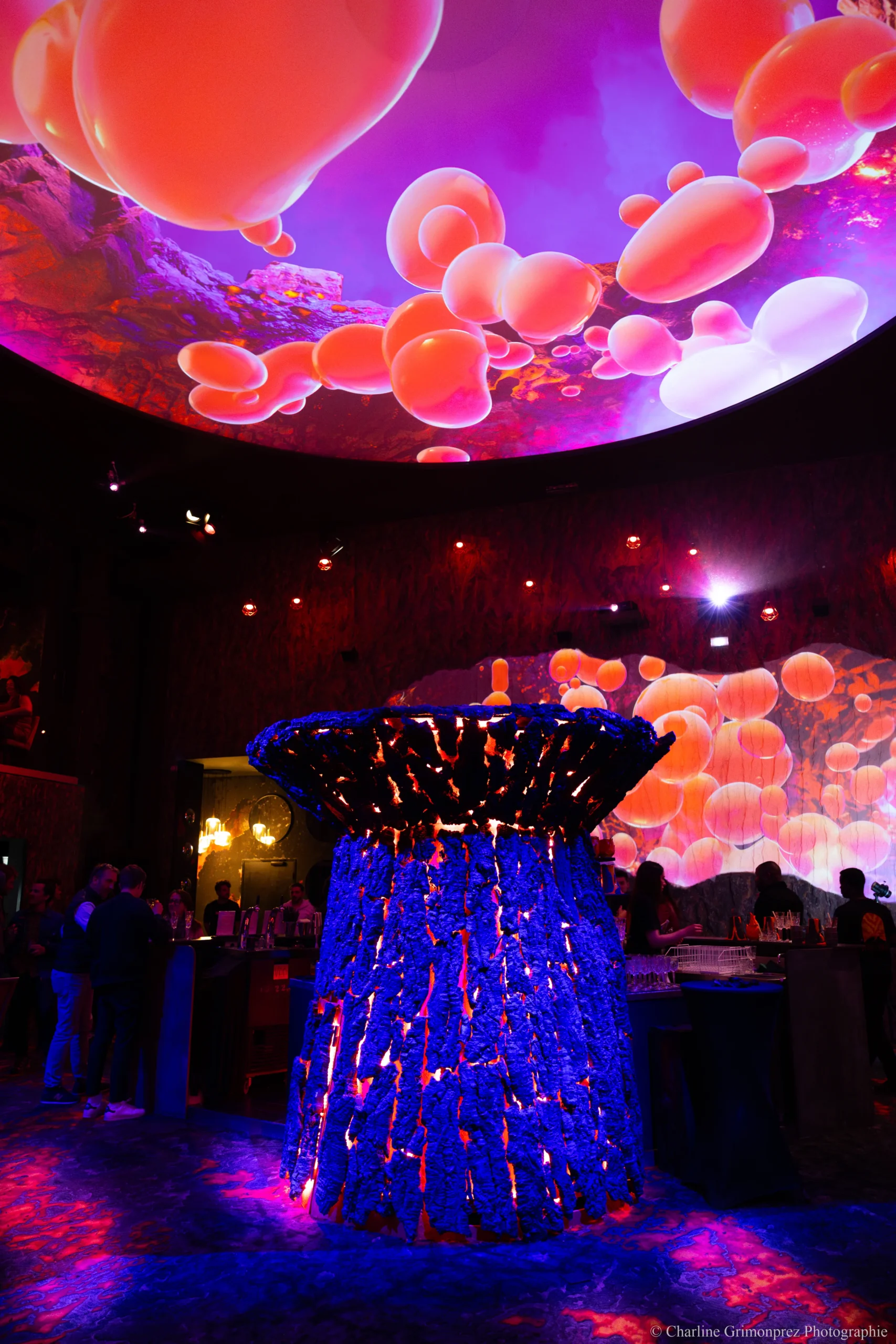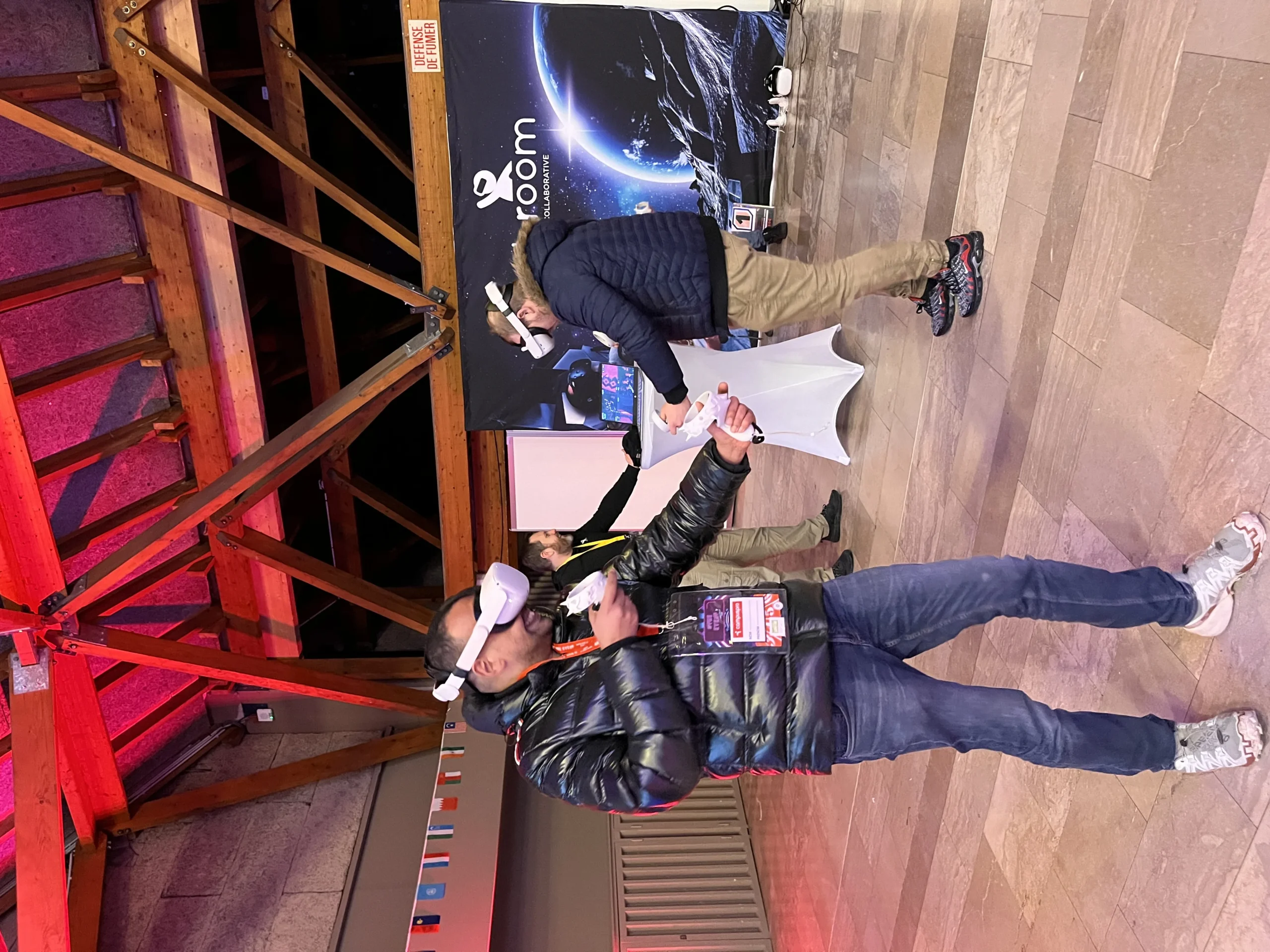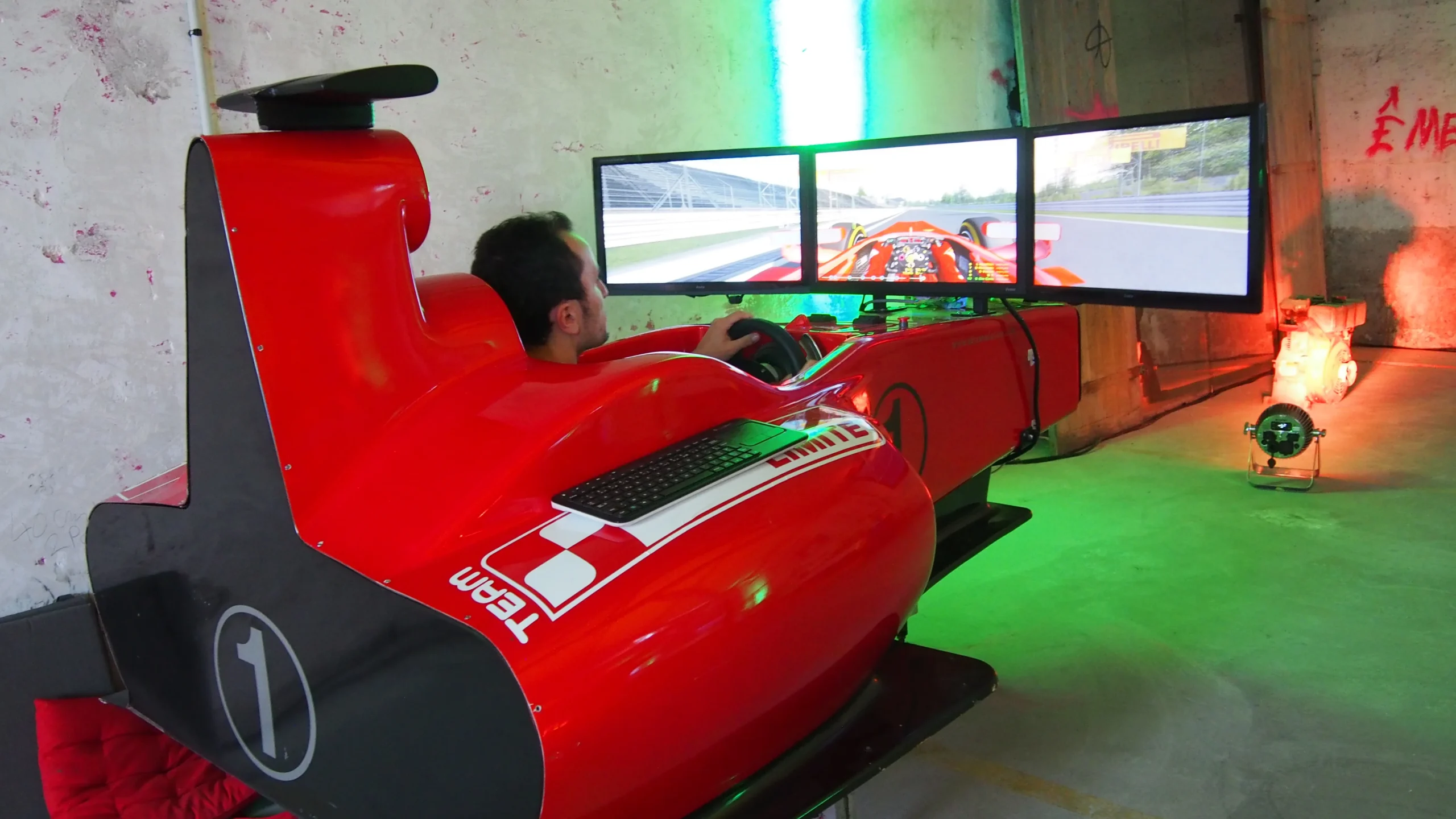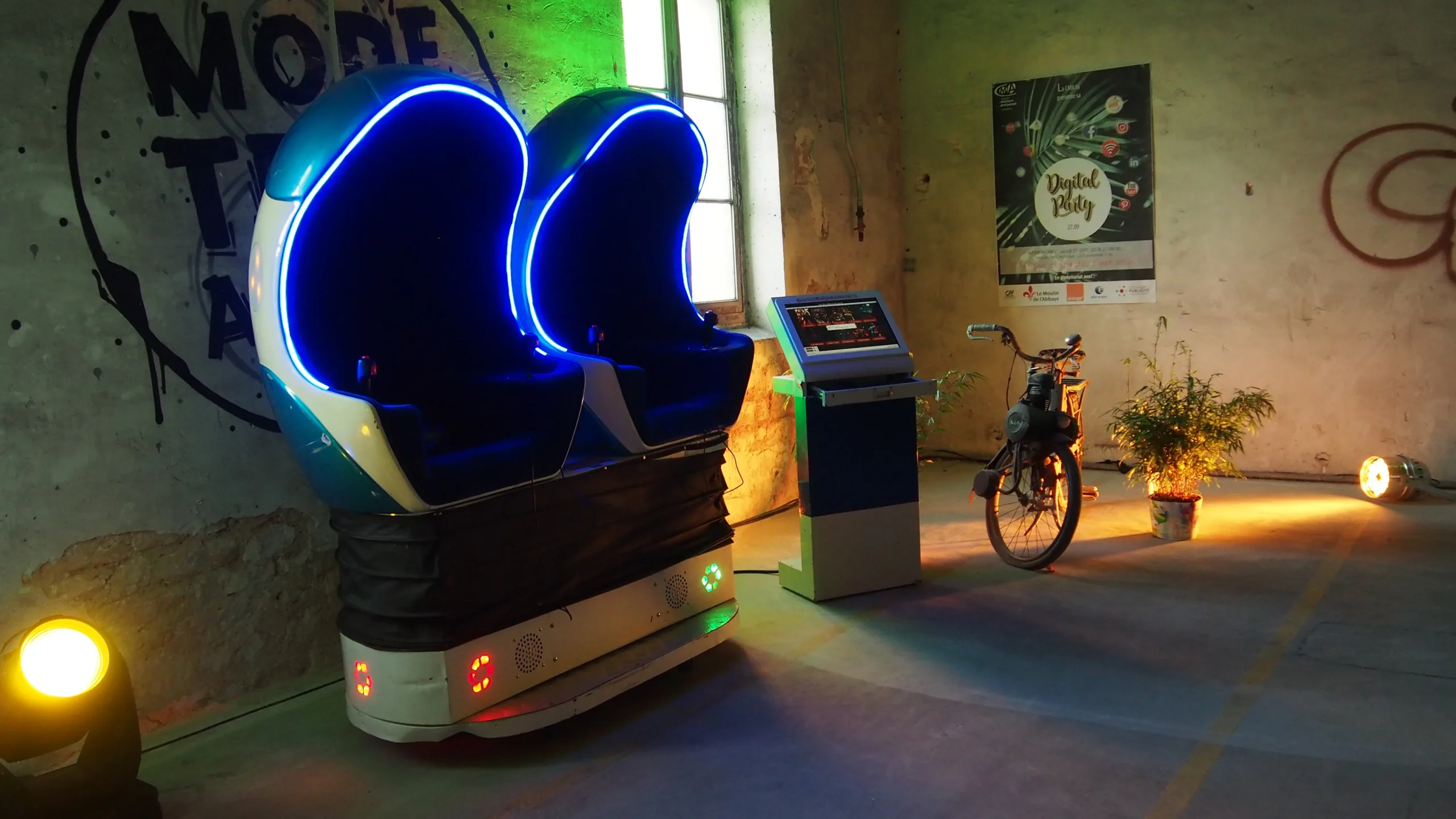
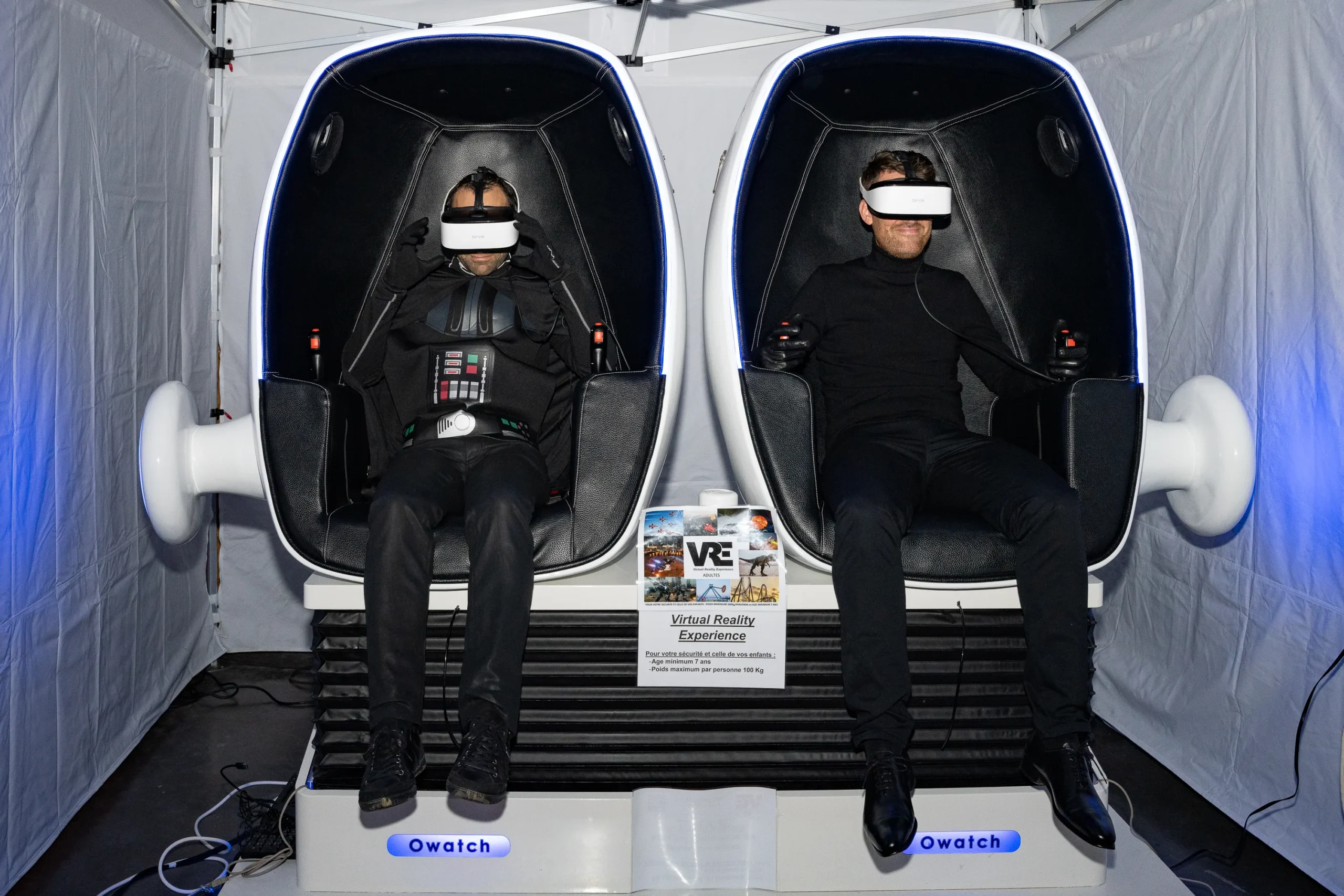
At INNOV'events, we deploy a Flight Simulator as a structured corporate activation: timed rotations, branded experience, and on-site supervision. Typical formats range from 30 to 500 attendees, from HR team-building to client receptions and trade events. We manage logistics, installation, staffing, safety briefings, and guest flow so your team can focus on hosting—not troubleshooting.
In a corporate event, entertainment is not “extra”; it’s a tool to support business outcomes—retention, employer brand, customer loyalty, or internal change adoption. A Flight Simulator creates a shared challenge, a clear conversation starter, and measurable participation (number of flights, average wait time, completion rate), which helps executives justify the spend.
Organizations in Laval expect professionalism first: predictable schedules, short line-ups, bilingual facilitation, and a setup that looks corporate—not like a public fair. HR and communications teams also need the activation to fit brand guidelines, venue rules, and the reality of mixed audiences (employees, management, partners, and sometimes families).
INNOV'events operates from the Montréal–Laval corridor with crews who know local venues, loading docks, union/house rules, and peak-hour constraints around Autoroutes 13/15/440. Our approach is field-driven: we plan the footprint, power, staffing, and rotation cadence in advance so event day stays calm and controlled.
10+ years supporting corporate events across Greater Montréal and Quebec, with repeat clients in HR, internal communications, and sales enablement.
On average, we design run-of-show plans that keep waiting times under 10–15 minutes for most guests by using timed slots, queue management, and realistic throughput calculations.
Teams available in English and French on site, with pre-approved briefing scripts (safety + brand tone) to ensure consistent facilitation across multiple hosts.
Scalable production: from a single Flight Simulator station to multi-activity zones with registration, emcee cues, A/V, and sponsor integrations.
We regularly support organizations operating in Laval and the North Shore, including teams that run annual calendars (holiday parties, recognition nights, leadership offsites, product launches). Many of these collaborations renew year after year because the expectation is clear: the activation must work on the floor, with real guests, real constraints, and zero tolerance for improvisation.
If you have internal reference requirements (procurement, insurance, CNESST-related policies, venue compliance), we can provide documentation and past project summaries under NDA. Our role is to make it easy for HR and communications to defend the choice of a Flight Simulator in Laval with concrete operational proof: plans, staffing model, safety briefings, and a predictable guest experience.
Nous vous envoyons une première proposition sous 24h.
When leaders invest in an activation, they are buying outcomes: participation, cohesion, brand perception, and time well spent. A Flight Simulator is effective because it delivers a structured challenge that feels premium, is easy to explain, and works across departments—without requiring athletic ability or prior knowledge.
Employee engagement you can see: participation is natural because the activity is self-explanatory. With a clear rotation plan, you avoid the “small group having fun while others drift” problem often seen with less structured entertainment.
Cross-team interaction without forced icebreakers: we see it often in Laval-based organizations with multi-site teams—people talk to colleagues they rarely meet because the simulator creates a common topic (best landing, turbulence challenge, mission mode).
Employer brand and recruitment optics: for open-house formats or events where you invite candidates/partners, a well-branded corporate event entertainment in Laval zone signals investment in people and operational maturity.
Client and partner hosting: in a sales context, the simulator gives account teams a clean moment to connect—before and after a flight—without relying on loud music or alcohol to create energy.
Change management and internal communications: for transformation programs, we can align the briefing and on-screen messaging with themes like “navigation,” “decision-making,” or “crew coordination,” while keeping the tone professional and not cheesy.
Laval has a pragmatic business culture: manufacturing, distribution, professional services, and fast-growing tech all share the same requirement—activities must be efficient, well managed, and respectful of time. A simulator activation works when it’s run like an operation, not a spectacle.
In Laval, many corporate events happen in hybrid realities: a head office plus satellite sites, shift workers, or teams coming in from the North Shore and Montréal. That affects timing, arrivals, and how you design an activity so it doesn’t punish latecomers or create bottlenecks at peak moments.
Executives and HR teams usually ask the same practical questions early: How long is one flight? How many people per hour? What happens if someone gets motion discomfort? Who enforces rules? Where does the line go? What if the venue’s power is limited? Those questions are not “details”—they determine whether the activation supports the event or becomes the event’s problem.
We plan for local constraints that often show up in Laval venues: limited access windows for load-in, strict rules on tape/rigging, noise considerations if there are speeches nearby, and the need for bilingual guest management. We also account for traffic patterns around major arteries; a late truck can cascade into delayed soundchecks, delayed registration, and an uncomfortable first hour. Our planning starts with a realistic production schedule and a contingency buffer.
A Flight Simulator works even better when it’s part of an activity ecosystem. The objective is not to overload the program, but to create multiple entry points: some guests want competitive play, others prefer social interaction, and executives often want concise, high-quality touchpoints.
Simulator challenge ladder: short missions (takeoff + landing) with a live leaderboard. We keep scoring simple (time, landing smoothness, or mission completion) to avoid disputes and keep the queue moving.
Team time slots: for HR-driven team-building, we schedule departments or project teams in blocks and add a facilitator who connects the experience to collaboration (brief debrief prompts, not therapy).
Executive “express flights”: a dedicated 10–15 minute window for leadership and VIPs to ensure participation without disrupting hosting responsibilities.
MC + stage cues: when you want energy without chaos, an emcee can call out top scores and invite teams at the right moments. We align mic use and music levels so it stays corporate-appropriate.
Brand-aligned visual zone: clean backdrops, lighting accents in brand colors, and a photo angle that doesn’t show cables or storage. This is often what communications teams care about most for internal channels.
Timed cocktail pairing: if the simulator is a feature during a reception, we place it near (but not inside) the bar flow and avoid cross-traffic. We can also design “flight windows” around passed appetizers to prevent congestion.
Non-alcoholic premium station: useful for mixed audiences and for organizations with strict policies. It keeps participation high and reduces the risk of poor judgement at the controls.
Data capture without friction: for partner events or trade formats, we can connect participation to a simple opt-in lead capture (QR + consent), then provide a post-event report (number of flights, peak hours, engagement rate).
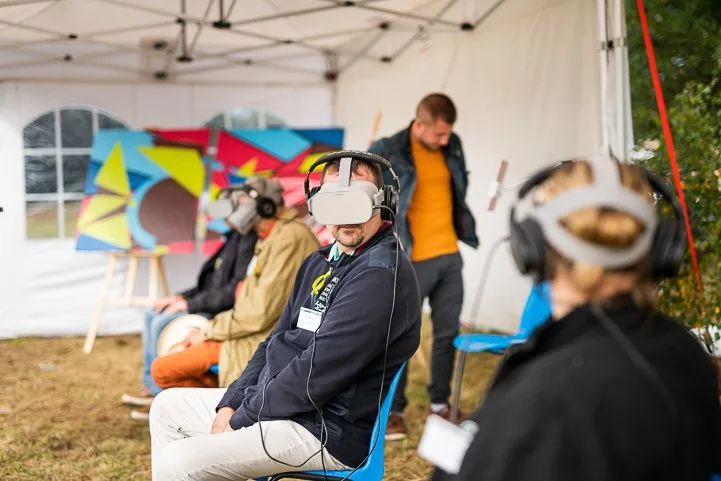
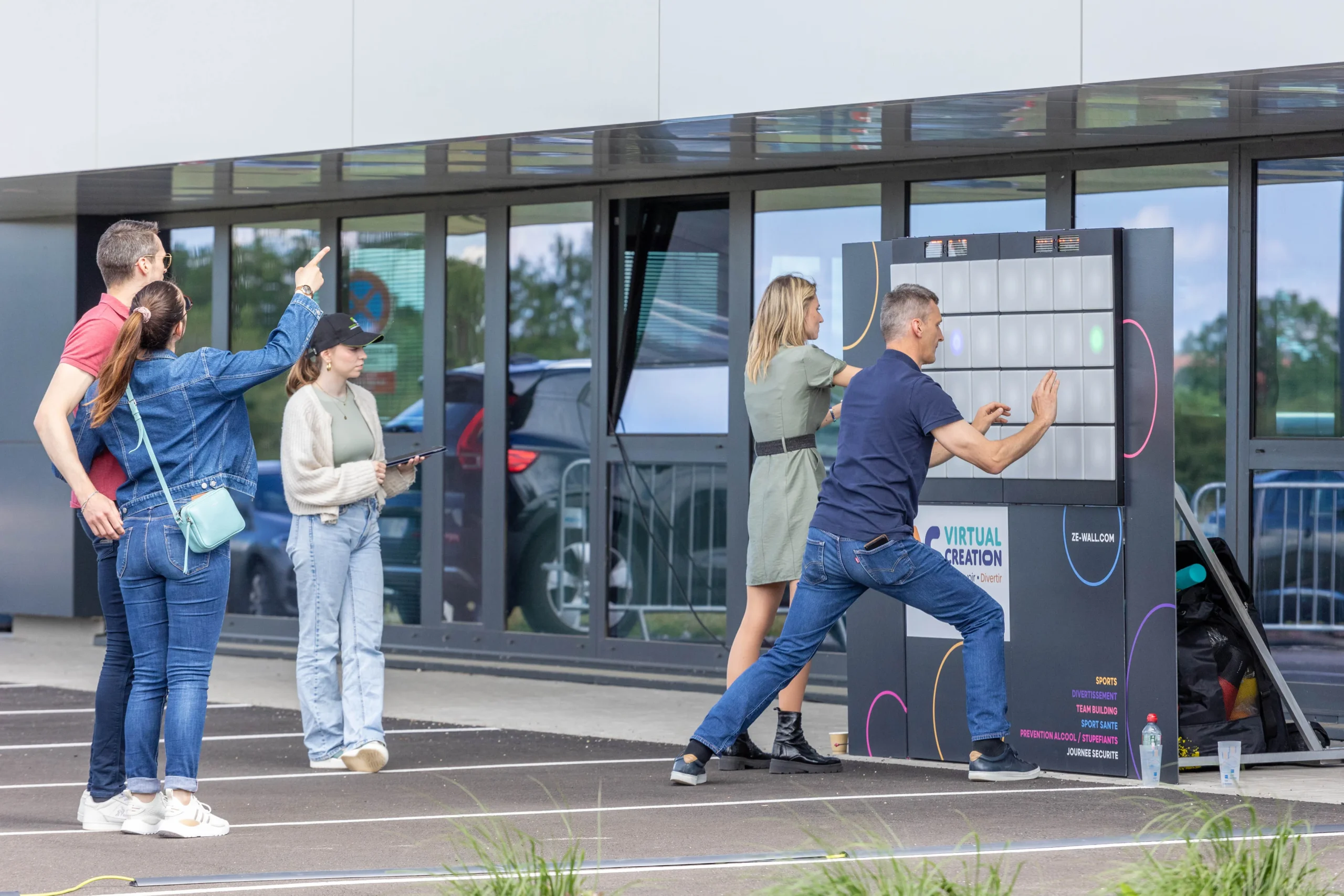
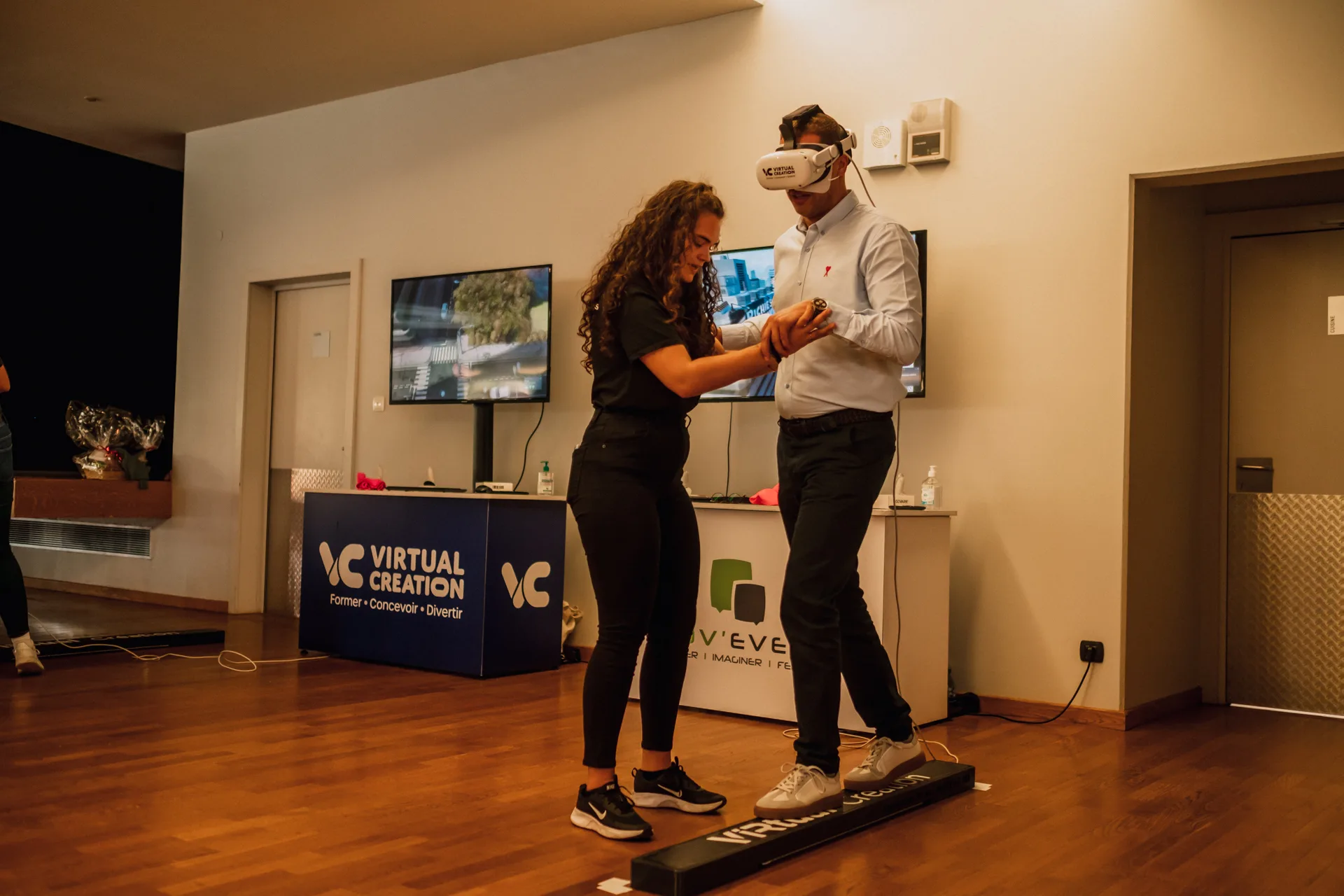
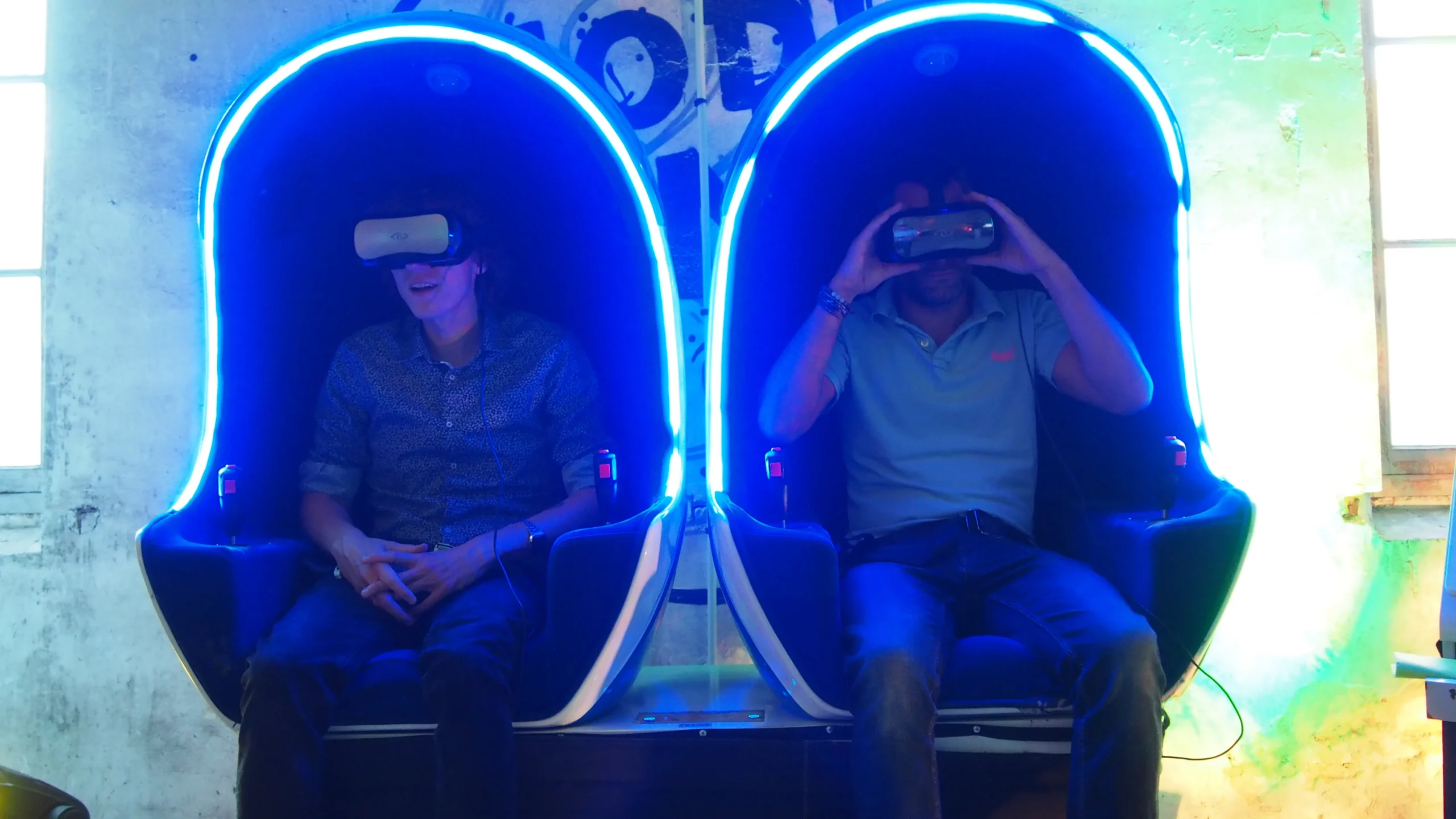
Multi-station concept: when attendance is high, we combine the Flight Simulator with complementary stations (reaction wall, VR micro-experiences, or a precision challenge). This prevents one lineup from becoming the event’s visual problem.
The best results come when the entertainment matches your internal culture and brand posture. A conservative financial services team in Laval won’t use the same tone as a fast-scaling tech employer—so we calibrate scripts, visuals, music levels, and competitiveness accordingly.
The venue determines everything: load-in time, ceiling height, noise bleed, power distribution, and how the activation looks in photos. For a Flight Simulator in Laval, we prioritize a location that supports a controlled queue, clear sightlines for onlookers, and minimal interference with speeches or service staff.
| Venue type | For which objective? | Main strengths | Possible constraints |
|---|---|---|---|
Hotel ballroom / conference center in Laval | Holiday party, awards night, leadership town hall | Professional A/V, known staffing patterns, reliable power, easy integration with stage program | Load-in windows can be tight; rigging/tape rules; simulator noise must be managed near speeches |
Corporate office / headquarters (on-site) | Employer brand, internal campaign launch, recognition week | High convenience, strong internal participation, easy to align with leadership presence | Elevators/door widths, floor protection, and power capacity must be validated; visitor flow can disrupt operations |
Exhibition hall / large event space (trade format) | Client acquisition, partner showcase, public-facing corporate presence | Room for queue + viewing, high visibility, scalable to multiple stations | Acoustics can be harsh; internet/power drops require planning; staffing must be stronger to maintain brand standards |
We strongly recommend a site visit (or at minimum a detailed tech call with photos and measurements). In Laval, small access constraints—one tight corridor, a restricted dock, a shared freight elevator—can change the entire setup plan and timeline.
Pricing for a Flight Simulator activation depends on operational parameters more than on the “wow factor.” Two events with the same simulator can have very different costs based on duration, staffing, logistics, and how strict the venue is.
Duration on site: a 2–3 hour activation during a cocktail is not priced like a full-day program with load-in, testing, and teardown. Expect costs to increase with longer operation windows and after-hours requirements.
Throughput requirement: if you need 150–300 flights in one evening, we may add staff for onboarding, queue control, and faster resets, or propose a second complementary activity to distribute demand.
Venue constraints in Laval: limited dock access, long pushes from parking, or strict protection requirements can add labor time and material (floor protection, stanchions, signage).
Branding and reporting: custom signage, branded scoreboards, photo integration, or post-event engagement reporting add production steps but help communications teams prove impact.
Risk and compliance: insurance requirements, safety documentation, and bilingual scripts are standard in our approach; if your venue or industry requires additional compliance, we scope it upfront.
From an ROI standpoint, leaders usually evaluate this against participation and perception: if the activation increases attendance, keeps people on site longer, and supports HR or client objectives, it becomes easier to justify than a passive expense. We can propose options at different levels and explain what changes operationally between them—so you’re not comparing quotes that hide compromises.
With experiential entertainment, proximity is not a comfort—it’s risk control. A local team reduces the probability of day-of surprises: late arrival, missing adapters, venue miscommunication, or a setup that blocks a fire exit and triggers a last-minute move.
When you work with INNOV'events, you’re working with a team that understands how events actually run in Laval: loading dock etiquette, the reality of peak traffic, and the operational expectations of local corporate clients. If you need a partner that can coordinate with your venue, security, and internal stakeholders without constant back-and-forth, local presence matters.
Learn more about our local approach as an event agency in Laval and how we structure productions for corporate standards.
From an ROI standpoint, leaders usually evaluate this against participation and perception: if the activation increases attendance, keeps people on site longer, and supports HR or client objectives, it becomes easier to justify than a passive expense. We can propose options at different levels and explain what changes operationally between them—so you’re not comparing quotes that hide compromises.
Our projects vary because objectives vary. For HR-driven events, we often build a structured participation plan: departmental time blocks, a simple scoring mechanic, and a closing recognition moment that feels professional (not childish). In one common scenario, a Laval-based organization runs a holiday party with mixed attendance—office staff, operations, and leadership. Without timed rotations, the simulator can become a source of frustration. We solve this with clear tickets, a visible schedule, and a host who keeps the tone light while enforcing fairness.
For client receptions, the approach is different: the simulator becomes a premium touchpoint. We reduce friction (short flights, express briefings), keep the physical setup clean for photos, and position the station so account teams can host conversations without shouting. When communications teams need content, we plan angles and lighting so images look like a corporate campaign rather than a backstage snapshot.
For larger attendance (300+), we treat the simulator as one pillar in a broader engagement zone. The goal is to protect the guest experience: no 40-minute lineups, no confusion, and no “dead corners.” We design the layout, signage, and staffing to keep flow predictable and to maintain brand standards throughout the evening.
Underestimating throughput: booking one simulator for a large crowd without a rotation plan leads to long waits and low participation. We calculate realistic capacity and propose solutions (timed tickets, shorter missions, or complementary stations).
Poor placement in the room: setting the simulator near the stage, the buffet line, or a main corridor creates cross-traffic and noise conflicts. We map guest flow before choosing the location.
No clear briefing or safety ownership: when no one “owns” the rules, the station becomes risky and inconsistent. We assign trained staff and use a standard briefing script.
Ignoring venue technical constraints: power availability, floor protection, ceiling height, and access routes are often discovered too late. We validate specs early and document them.
Brand mismatch: overly playful visuals or aggressive competition can feel off-brand for certain corporate cultures in Laval. We align tone, design, and messaging to your audience.
Our job is to prevent these risks before they show up on the floor. When directors are hosting executives or employees, they should be present—not solving queue issues or negotiating last-minute changes with the venue.
Repeat business doesn’t come from promises—it comes from predictable execution. Teams come back when the run-of-show is respected, the setup looks clean, and internal stakeholders feel supported from planning to teardown.
Recurring annual calendars: many clients rebook for year-end events, recognition programs, and client receptions because the operational model is documented and easy to reproduce.
Lower internal workload: HR and communications teams value that we deliver ready-to-use documents (timeline, floor plan notes, staffing plan, briefing script) that reduce internal coordination time.
Consistency across venues: we adapt the same activation to different Laval locations while maintaining brand and guest experience standards.
Loyalty is a measurable signal: when procurement and leadership approve the same partner again, it’s because the risk was managed and the event objectives were met without drama.
We start with your non-negotiables: event purpose, audience mix, schedule, venue short-list, branding rules, and internal policies (alcohol, accessibility, safety). We also clarify success metrics: target participation, desired perception, and any communications deliverables. This prevents the classic problem of choosing an activation before understanding what the room and timeline can support.
We define flight duration, onboarding time, reset time, and the queue model (open line, timed tickets, team blocks, VIP windows). We validate whether you need one station or a multi-activity zone to protect wait times. For leadership-heavy events, we also plan “quiet windows” aligned with speeches and awards.
We confirm access routes, loading schedule, power distribution, noise constraints, floor protection requirements, and exact footprint. When needed, we produce a simple layout note for the venue and your internal team, reducing last-minute negotiations on event day.
We align signage, host script, scoreboard visuals, and any sponsor visibility with your brand standards. For communications teams, we can plan photo angles and key moments (first flight, leadership participation, top-score announcement) so you leave with usable internal content.
We arrive with a clear run sheet: load-in, testing, opening briefing, operating rhythm, pause cues, and teardown. Staff manage briefing, queue, and guest comfort. If something changes (delayed meal service, extended speech, unexpected crowding), we adjust the rotation plan in real time and keep you informed—without making it your problem.
When relevant, we provide a short recap: participation estimate, peak periods, what worked, and what to adjust for next time (additional station, different rotation length, better placement). For recurring programs in Laval, this is how we make each edition smoother and more efficient.
Most corporate setups handle about 8–12 participants per hour per simulator with a structured rotation (briefing + 4–6 minute flight + reset). If you need higher throughput, we shorten missions, add dedicated queue staff, or build a multi-activity zone to distribute demand.
Plan a clean footprint that includes the simulator plus circulation and queue. As a practical baseline, we usually reserve 10' x 10' to 12' x 12' for the station, plus additional space for a line that doesn’t block service corridors. We confirm exact dimensions after understanding the model and your venue.
Yes, when it’s supervised and briefed properly. We run a standard safety briefing, manage seating/controls, and maintain a clear opt-out option. We also recommend shorter missions for mixed audiences and avoid pairing the simulator with excessive alcohol service near the station.
Yes. We staff in English and French and prepare a consistent bilingual script (welcome, instructions, safety, queue rules). This is especially useful when departments or partners include both anglophone and francophone guests.
For best availability and venue coordination, we recommend 4–8 weeks for standard corporate receptions and 8–12 weeks for peak periods (November–December) or large-format events. Shorter timelines are possible, but options on staffing and production windows can be tighter.
If you’re comparing options, we can make the decision straightforward: share your date, venue (or short-list), estimated attendance, and the role of the activation in your program (cocktail feature, team-building block, client hosting). We’ll come back with a clear recommendation: number of stations, realistic throughput, staffing plan, footprint, and a transparent budget range.
For Flight Simulator in Laval projects, earlier planning usually saves money and stress—because we can choose the right placement, secure the right access window, and build a rotation plan that protects the guest experience. Contact INNOV'events to lock the production details before they become last-minute problems.
Thierry GRAMMER is the manager of the INNOV'events Laval office. Reach out directly by email at canada@innov-events.ca or via the contact form.
Contact the Laval agency