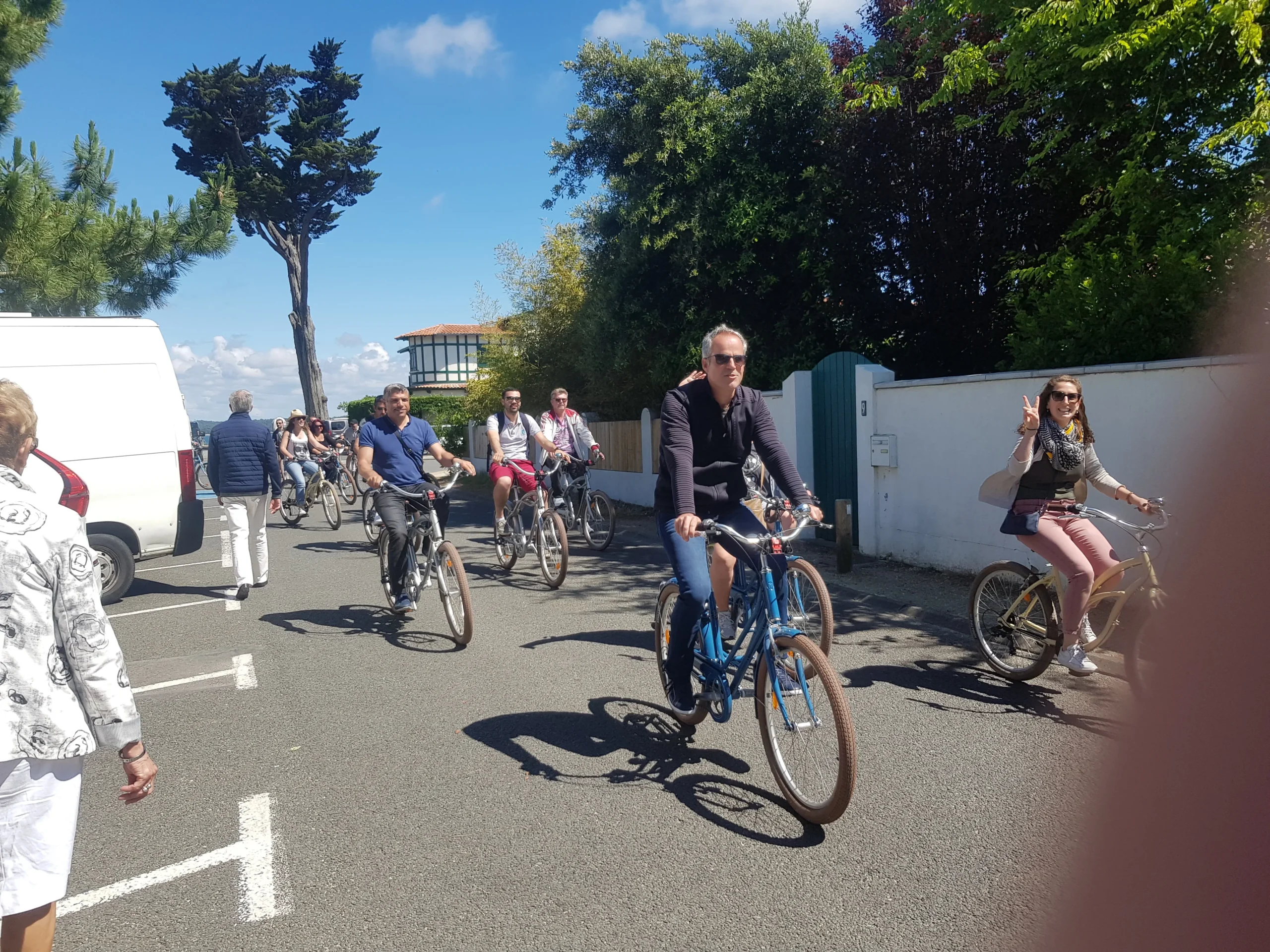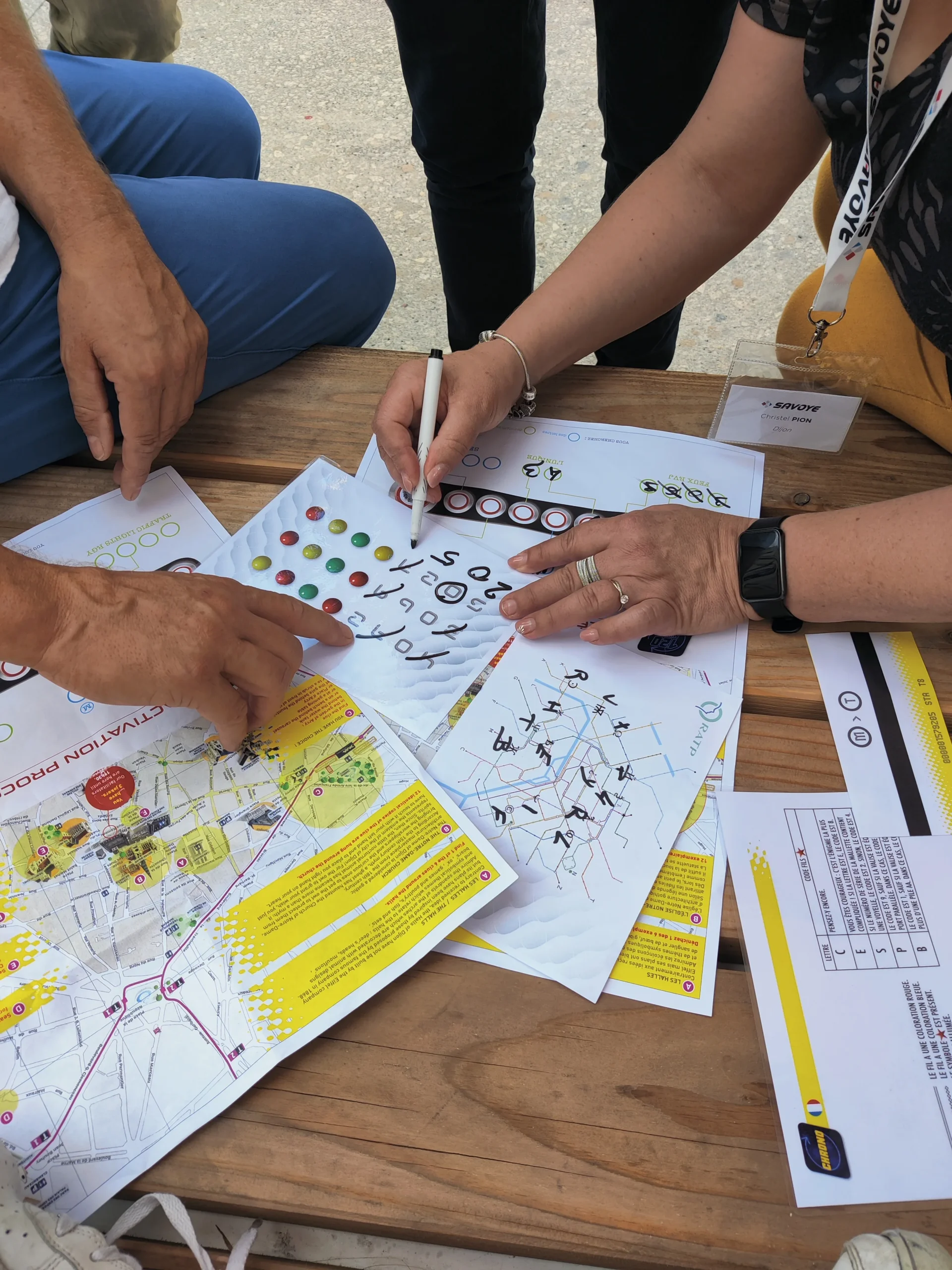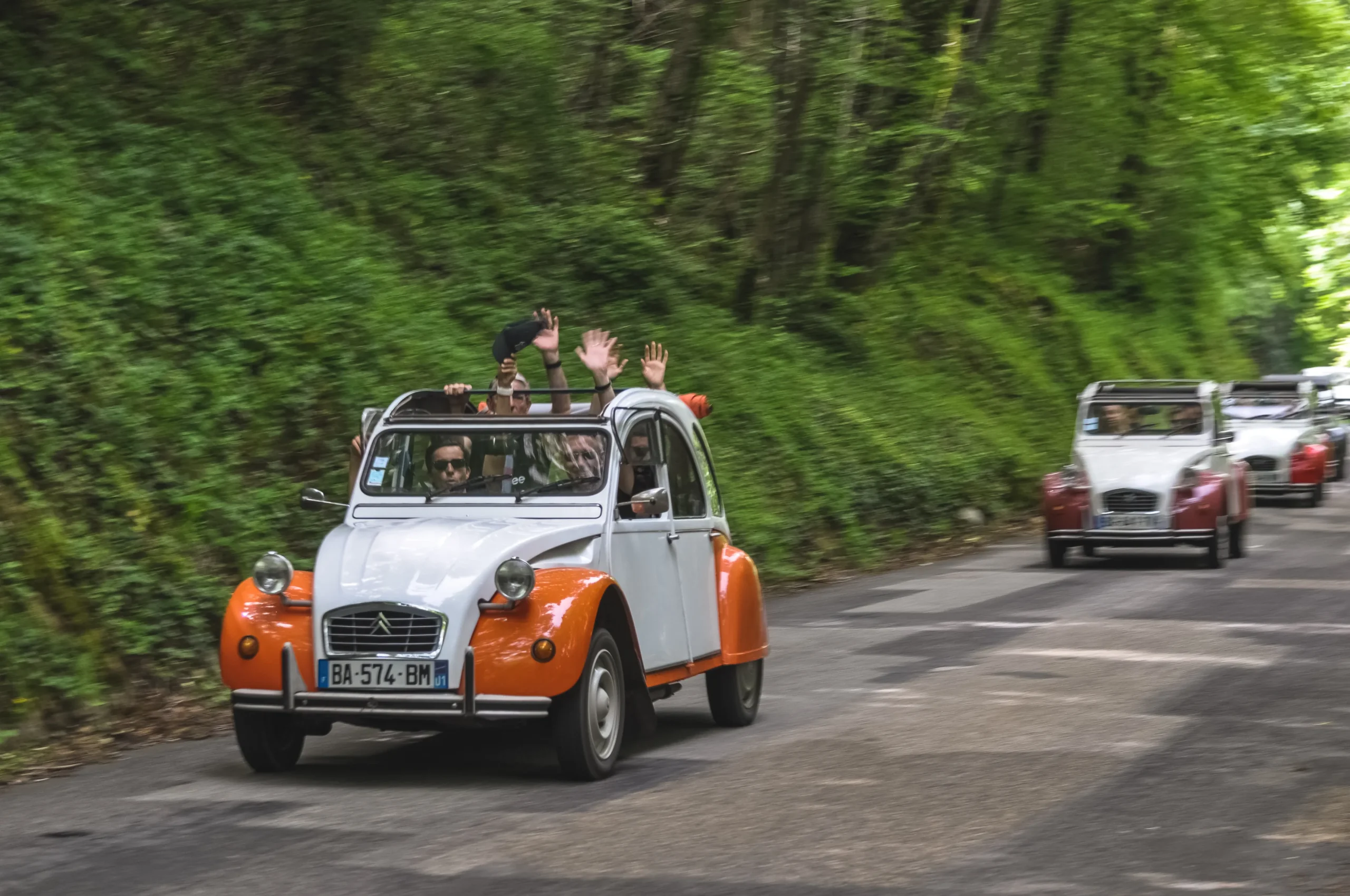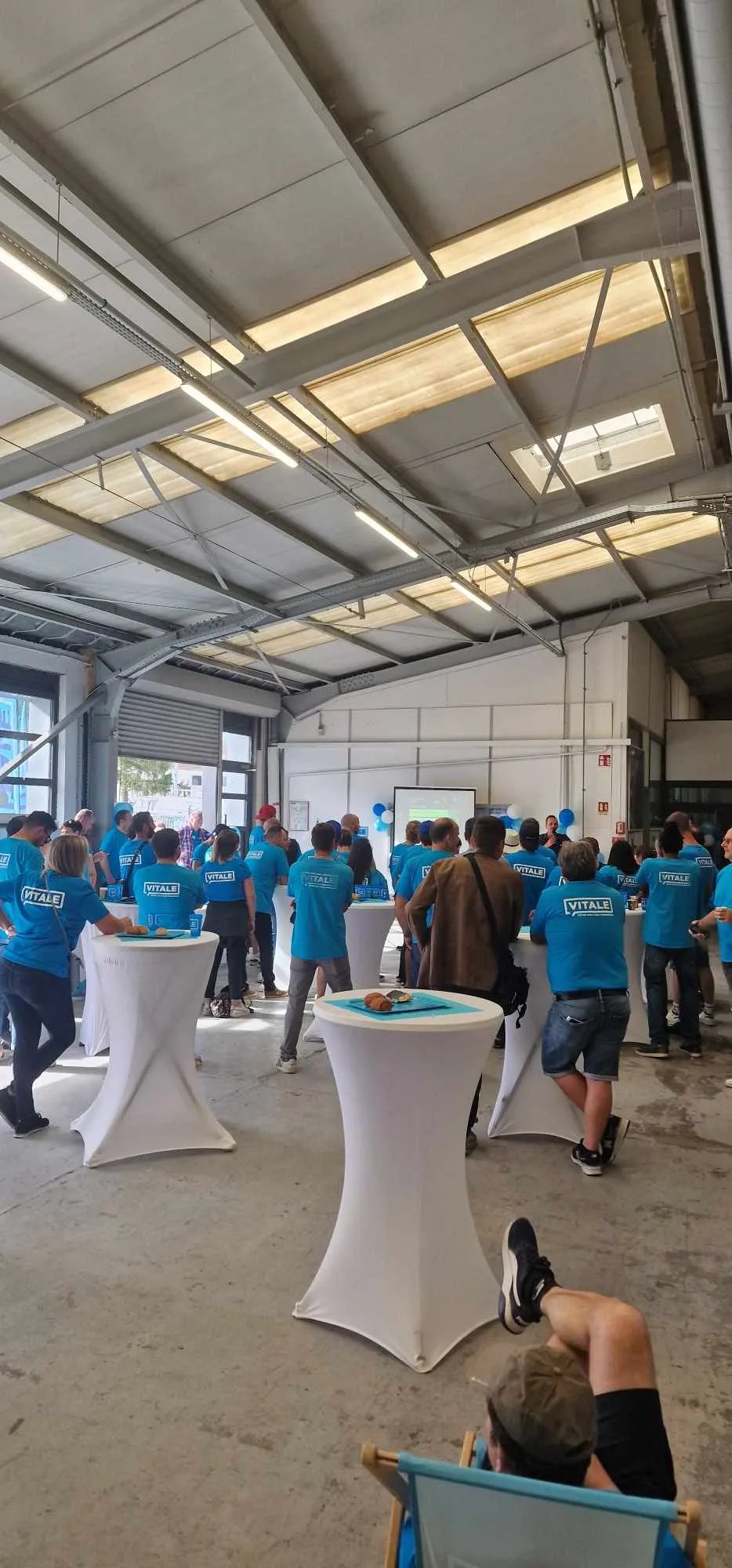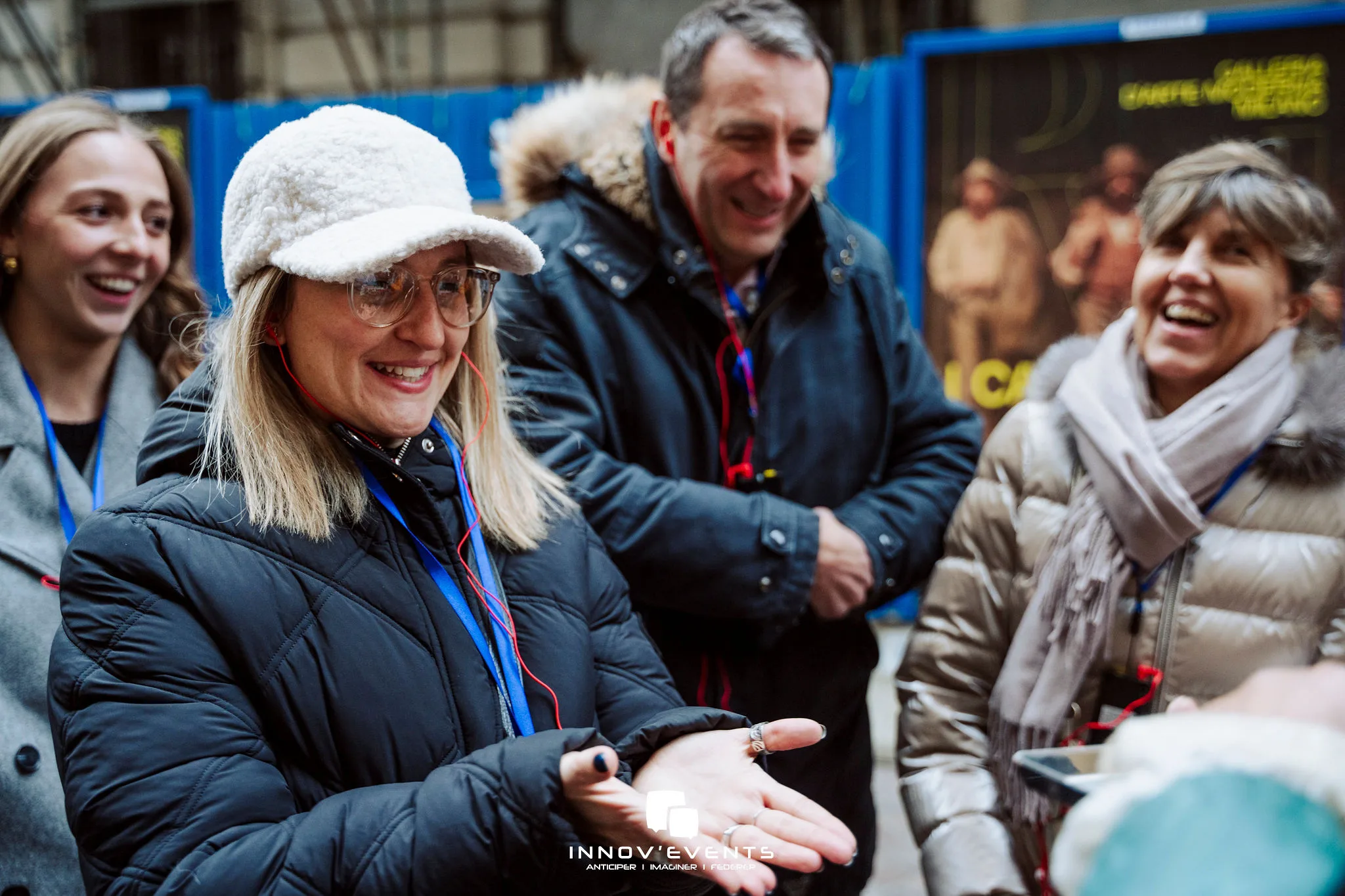
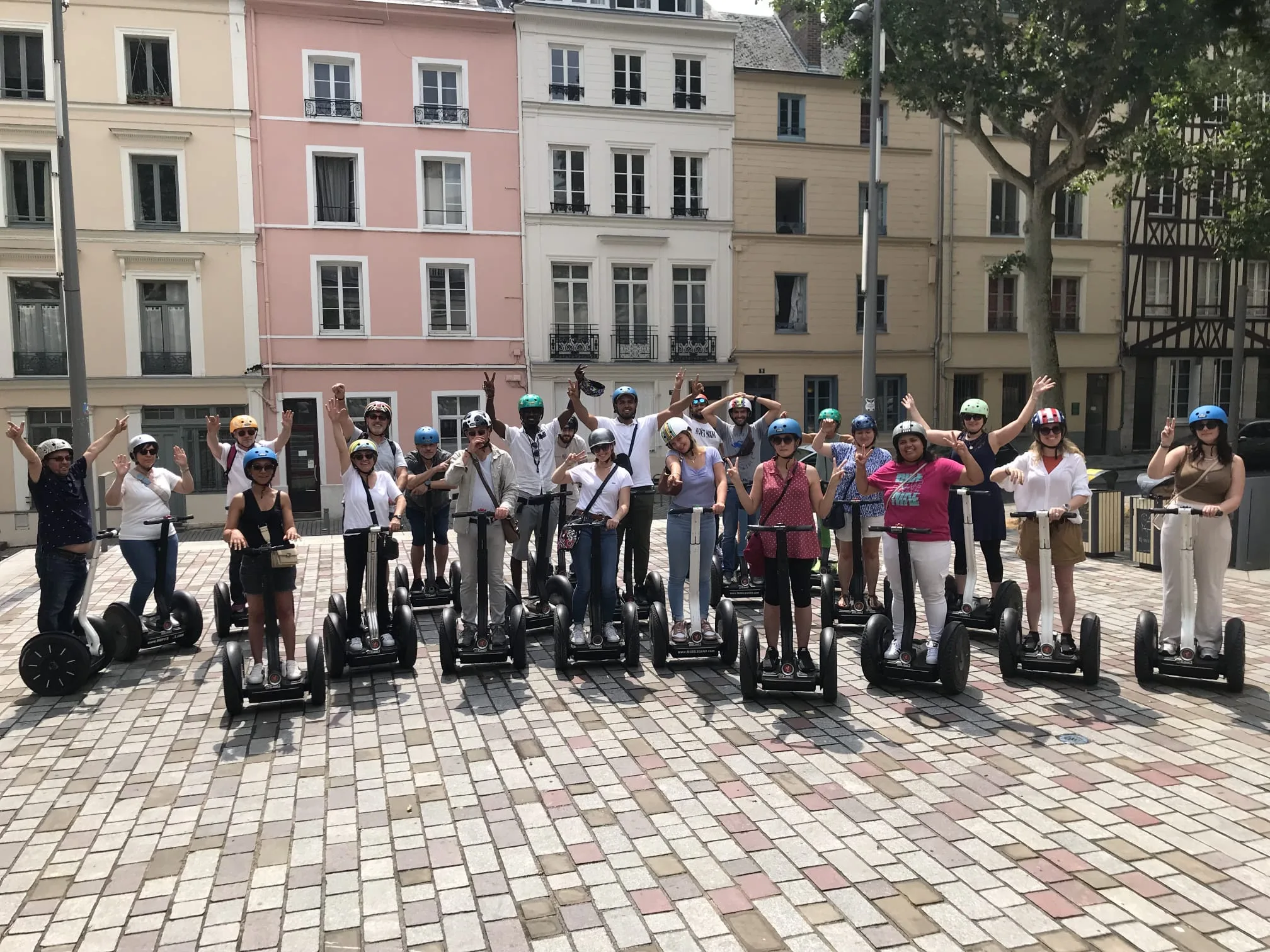
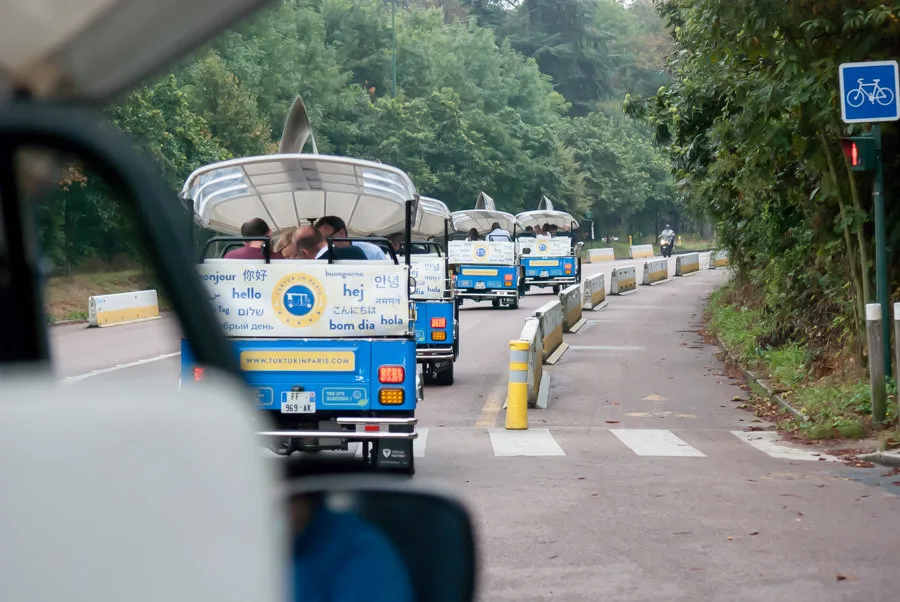
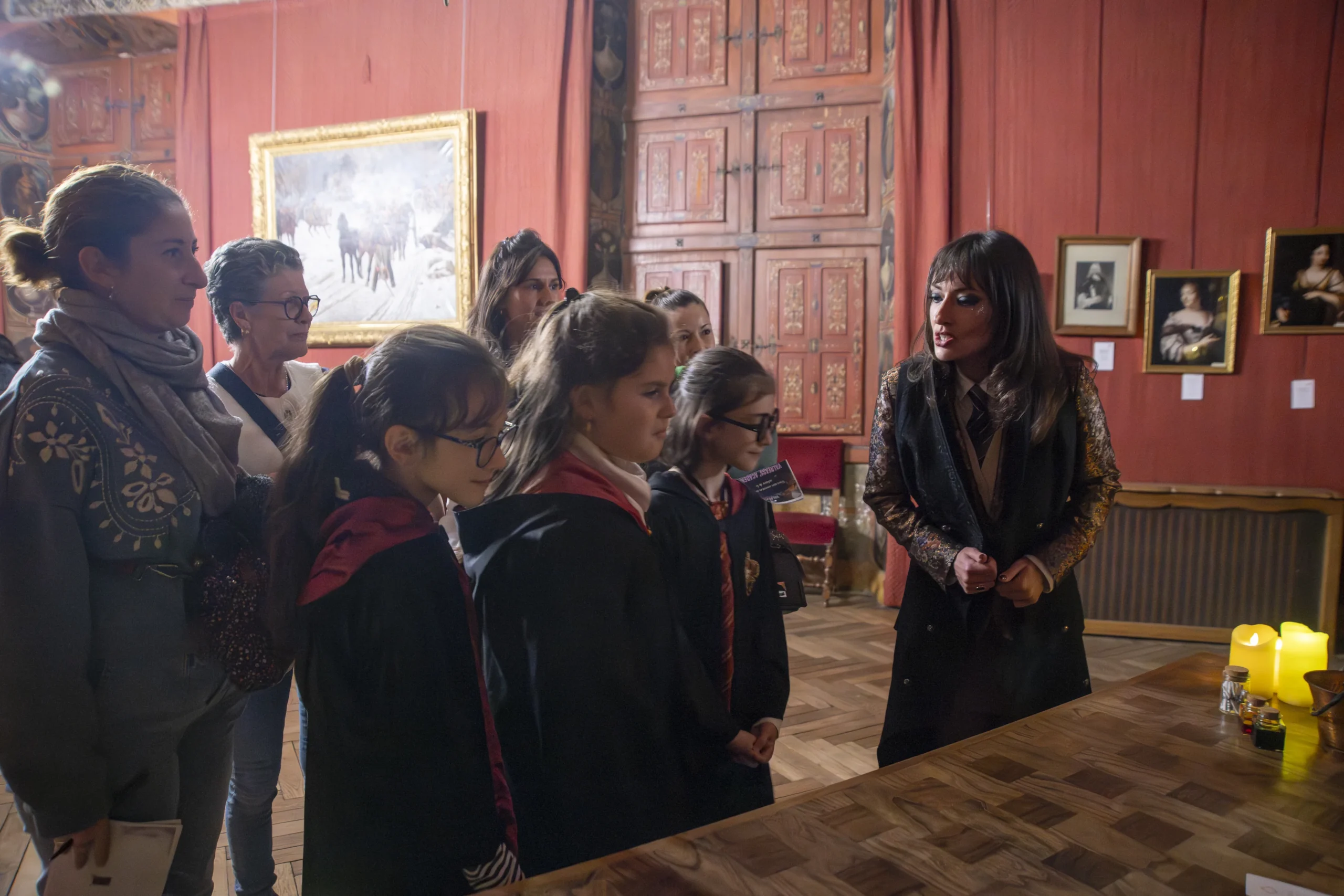
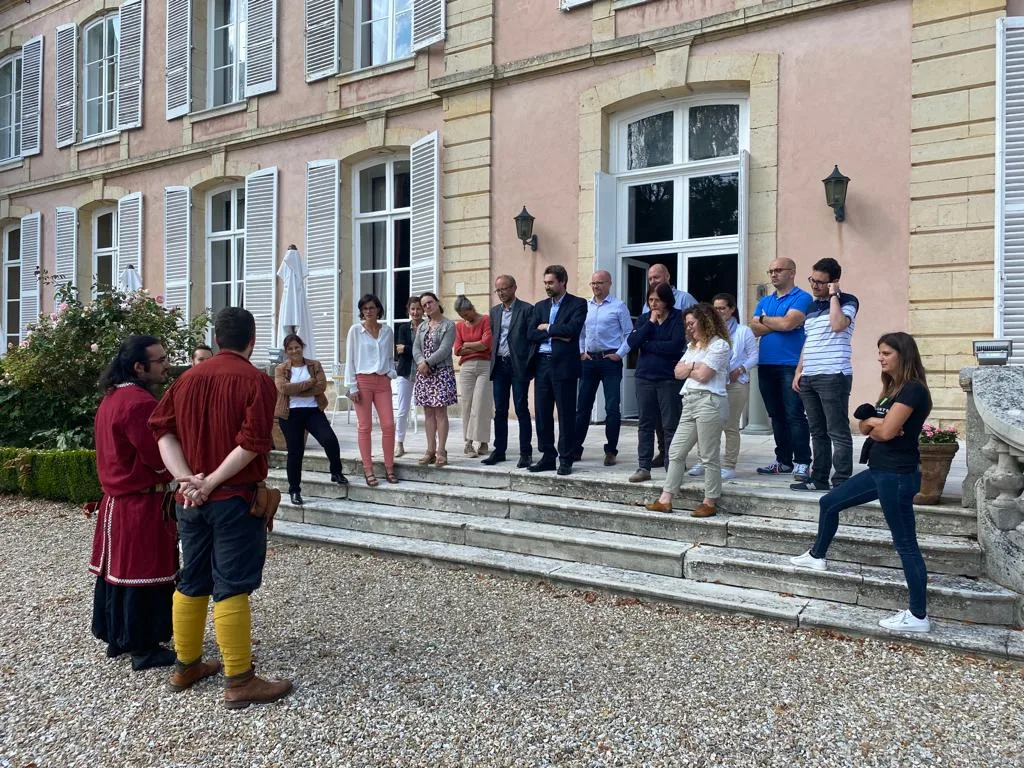
INNOV'events plans and delivers Guided Tour formats in Laval for executive teams, HR and communications—typically from 15 to 300+ attendees. We manage the complete operational chain: route design, permits, guides, timing, accessibility, on-site coordination, and contingency planning. Your teams stay focused on people and messages; we protect the schedule and the brand image.
In a corporate context, entertainment is rarely “extra.” A Guided Tour becomes a controlled environment to reinforce culture, integrate new hires, support change management, or simply create cross-department connections without forcing a team-building gimmick.
Organizations in Laval expect professional pacing, bilingual facilitation when needed, and logistics that respect shift schedules, union constraints, and real travel times between sites like Centropolis, Carrefour Laval, and industrial corridors.
Based in Greater Montréal, INNOV'events operates weekly on the North Shore. Our value is operational: we anticipate constraints (parking, weather, accessibility, security rules) and deliver a Guided Tour in Laval that runs on time, with clear roles and measurable outcomes.
10+ years designing and managing corporate experiences and on-site operations (logistics, run-of-show, vendor coordination).
Hundreds of corporate events delivered across the Montréal–Laval axis and beyond, with repeat clients in HR, internal communications and leadership teams.
Operational capacity to coordinate 15 to 300+ participants on city routes, multi-stop itineraries, or parallel groups with synchronized schedules.
Structured delivery: written run-of-show, safety brief, guide scripts, contingency plans, and post-event recap with attendance and learnings.
We regularly deliver corporate activations and Guided Tour in Laval projects with local venues, transport providers, and tourism/cultural stakeholders. Many organizations come back year after year because they need a partner who can reproduce quality while adjusting the format: new executives joining, a different business cycle, a message shift, or a tighter schedule.
If you share the company names you want us to cite as references, we can integrate them in this section in a compliant way (what we did, approximate scope, and outcomes) without disclosing sensitive details.
In Laval, the recurring expectation is consistency: same brand standards, same level of facilitation, and a predictable participant experience even when you’re mixing departments, multiple languages, or various seniority levels.
Nous vous envoyons une première proposition sous 24h.
A Guided Tour is a practical corporate tool when you want engagement without losing control. For executives, it’s a way to host stakeholders, recognize teams, or anchor a strategy in a concrete environment. For HR and communications, it’s a format that creates conversation naturally—people walk, observe, ask questions, and remember.
Onboarding and retention: we build a route and narrative that helps new hires understand “how things work here,” especially after mergers, restructures, or rapid hiring cycles.
Internal communication without a stage: a moving format reduces the ‘town hall fatigue’ effect; managers can deliver key messages in smaller, more human moments.
Cross-silo networking: by structuring groups intentionally (mixed departments, mixed seniority), you create useful connections instead of leaving networking to chance.
Client/partner hosting: for sales and account teams, a Guided Tour in Laval can showcase innovation, local roots, and operational excellence without overselling.
Health and safety by design: outdoor or semi-outdoor routes reduce risk during flu seasons, and we can control density and flow better than in a cocktail-only setup.
Measurable outcomes: we can add a lightweight feedback layer (QR check-ins, short pulse survey) to capture satisfaction, learnings, and action points.
Laval has a pragmatic business culture: results, efficiency, and respect for people’s time. A well-managed Guided Tour aligns with that reality—structured, useful, and easy to justify internally.
In our Laval projects, the first constraint is almost always timing. Your audience may be coming from manufacturing shifts, healthcare schedules, or multi-site operations. A Guided Tour that starts late, drifts, or ends with unclear next steps creates friction you’ll feel on Monday morning. We plan backwards from your non-negotiables: leadership speech time, meal service windows, bus departures, and any union/shift handover realities.
Second: mobility and access. Laval’s layout is vehicle-oriented, and participants often arrive from multiple directions (Montréal, North Shore, West Island via A-13). That means clear parking plans, realistic walking distances, and alternatives for reduced mobility. We design routes with “opt-in” walking segments, rest points, washroom access, and a firm weather plan (heat, rain, winter surfaces).
Third: bilingual delivery. Many Laval companies operate in French daily but host clients or corporate teams in English. We plan guide staffing, scripts, signage, and Q&A moments to avoid awkward switching mid-sentence. If your brand tone is regulated (healthcare, finance, public sector), we also validate what guides can and can’t say, and we provide a message map for consistency.
Finally: brand perception. Communications teams care about what’s photographed and what’s repeated. We identify “photo-safe” moments, avoid sensitive operational zones, and ensure that anything shared externally matches your positioning. A corporate Guided Tour in Laval should look as controlled as it feels.
Engagement doesn’t come from “fun”; it comes from relevance and rhythm. We use the Guided Tour structure to create interaction at the right moments: quick context, a prompt to observe, a short exchange, then movement. This keeps energy up while protecting your schedule.
Executive-led micro-stops: brief, controlled interventions (3–5 minutes) by leaders at specific points, supported by a script and a clear handoff back to the guide.
Observation challenges with business intent: small prompts tied to your culture or strategy (e.g., “identify a process improvement” or “spot a customer experience detail”), followed by a structured debrief.
Mobile Q&A capture: participants submit questions via QR; we cluster themes and feed the most relevant ones to executives for a clean, non-chaotic exchange.
Parallel routes for large groups: 2–6 groups running the same itinerary with synchronized timing, designed to reconverge for a keynote or meal without bottlenecks.
Story-driven guide scripting: we write and rehearse a narrative arc so the tour feels coherent and professional, especially for stakeholder hosting.
Local cultural integration: when appropriate, we involve a Laval historian/mediator or a cultural partner to add depth—without turning the event into a lecture.
Sound management: discreet audio solutions for noisy zones (industrial areas, busy streets) to keep the group together and protect comprehension.
Tasting stop with timing discipline: a pre-ordered, fast service format (e.g., 10–15 minutes) to keep the tour on schedule while offering a real hospitality moment.
Corporate-friendly dietary planning: we collect restrictions in advance, label clearly, and avoid service styles that create long lines or uncertainty.
Closing reception near the finish point: reduces transfers and keeps executives available for conversations with clients or teams.
Augmented tour content: QR-based micro-content (short videos, archived images, leadership clips) that participants can consult during or after the route—useful for internal comms reuse.
Data-light gamification: a simple scoring model that encourages participation without turning the event into a childish competition; ideal for mixed seniority groups.
Photo governance: defined photo zones + a lightweight sharing protocol for internal comms, protecting confidentiality and brand standards.
The strongest results come when the Guided Tour in Laval is aligned with your brand image and internal narrative: tone of voice, level of formality, and what you want people to repeat afterwards. We design the experience so your message travels as well as your group does.
The venue is not just a meeting point; it sets expectations. In Laval, the choice between an urban walk, a campus-style environment, or a mixed indoor/outdoor itinerary changes everything: pacing, accessibility, sound, and the quality of conversations. We select the setting based on your objective (recognition, strategy alignment, client hosting) and your participant profile (mobility, language, attention span).
| Venue type | For which objective? | Main strengths | Possible constraints |
|---|---|---|---|
Urban district route (commercial + public spaces) | Culture, networking, stakeholder hosting | Easy access, strong “city energy,” good photo opportunities, flexible stops | Traffic noise, weather exposure, permit considerations, pacing must be strict |
Private site + curated indoor/outdoor path (campus, large facility) | Showcase operations, employer brand, onboarding | Controlled environment, easier sound management, confidentiality rules can be enforced | Security approvals, restricted zones, requires strong pre-brief and escort planning |
Cultural or institutional anchor + nearby walking loop | Leadership retreat, client experience, team recognition | Structured storytelling, reliable indoor fallback, strong facilitation conditions | Fixed schedules, group size limits, needs early reservation |
We strongly recommend a site visit (or a full route walkthrough) before finalizing. In Laval, small operational details—construction zones, parking flow, or a noisy intersection—can change the experience. A walkthrough lets us lock timing, confirm accessibility, and prevent day-of improvisation.
The cost of a Guided Tour in Laval depends on operational complexity more than on “entertainment.” A short, single-route tour for one group is not priced like a multi-group, bilingual, shuttle-based itinerary with a tasting stop and branded content. We build budgets that reflect the true drivers so you can arbitrate with clarity.
Group size and number of parallel groups: often planned at 15–25 participants per guide. More groups means more guides, more staff coordination, and tighter synchronization.
Duration and number of stops: common corporate formats are 60–120 minutes with 2–5 stops. Each stop requires timing, space management, and content.
Bilingual staffing and scripts: impacts guide recruitment, rehearsal time, and printed/digital materials.
Route complexity: urban vs private site, indoor/outdoor mix, accessibility needs, and weather contingencies.
Transportation: shuttle buses, staggered departures, parking management, and drop-off safety.
Hospitality elements: tasting stop, cocktail, meal logistics, dietary management, and service speed requirements.
Branding and comms: signage, briefing notes, photo governance, and optional post-event content package for internal communications.
Risk management: permits, insurance considerations, security rules, and contingency staffing.
For executives, the ROI is rarely “fun per dollar.” It’s risk reduction and outcomes: a schedule that holds, a message that lands, and a participant experience that reflects leadership standards. A well-produced Guided Tour reduces the hidden costs of confusion, delays, and reputational exposure.
When your event is happening in Laval, local execution is not a comfort—it’s a performance factor. Traffic patterns, construction cycles, parking realities, and venue operating rules are the difference between a tour that flows and a tour that feels improvised. Our team plans with realistic buffers and local vendor availability, and we can do rapid site checks when something changes.
As an agency, we also speak the language of corporate stakeholders: HR wants inclusion and engagement without risk, communications wants brand control, and executives want a schedule they can trust. Local presence helps us coordinate these expectations on the ground with fewer intermediaries. If you need broader support for other formats (meetings, galas, team activities), you can also rely on our event agency in Laval coverage for cohesive planning.
For executives, the ROI is rarely “fun per dollar.” It’s risk reduction and outcomes: a schedule that holds, a message that lands, and a participant experience that reflects leadership standards. A well-produced Guided Tour reduces the hidden costs of confusion, delays, and reputational exposure.
Our projects vary because corporate needs vary. We deliver leadership-oriented tours where the goal is to reinforce a strategic narrative (growth, service quality, transformation), and we also deliver people-focused tours designed to connect teams after rapid hiring or reorganization.
A common scenario: a company brings together managers from multiple sites for a half-day program. They need a Guided Tour that creates conversation early, then transitions cleanly into a working session. In these cases, we schedule the tour as the “social ignition,” with 2–3 stops, a structured debrief, and a controlled arrival into the meeting space. Another frequent case: client hosting, where the tour is not about volume of information but about perception—professional pacing, confident guides, and a narrative that supports the sales relationship without feeling like a pitch.
We also handle large employee days where parallel groups rotate through the same route, requiring synchronized timing, clear signage, and staff positioned at key decision points (crossings, entrances, regroup zones). This is where event-grade coordination matters: the best content fails if the group loses time at bottlenecks or if leaders are unsure when to speak.
Underestimating travel and regroup time: a 90-minute plan becomes 120 minutes when check-in and movement are not engineered.
Too-large groups per guide: beyond 25–30, people stop hearing, disengage, and the tour becomes a “crowd move” instead of a corporate experience.
No weather plan: not just rain—heat, icy sidewalks, wind, and daylight constraints in winter affect safety and timing.
Weak message control: guides improvising on sensitive topics can create brand or legal exposure; we use scripts and message maps.
Accessibility overlooked: steep segments, long distances, or lack of rest points can exclude participants and create HR issues.
Unclear handoffs: when the tour ends, participants need a clean next step (where to go, who to follow, what time) to avoid friction.
Our role is to remove uncertainty: we design a controlled experience, then manage execution so your team doesn’t have to “save the day” on site. In Laval, that means planning for real conditions, not ideal ones.
In corporate events, trust is built when an agency is consistent under pressure. Repeat clients come back because we document what worked, we improve what didn’t, and we protect internal teams from last-minute chaos. We operate like a long-term extension of HR and communications: structured, accountable, and easy to collaborate with.
Recurring annual mandates for internal events, leadership moments, and client hosting—because stakeholders want predictability.
Standardized deliverables (run-of-show, scripts, staffing plan, contingency) that make approvals faster for executives and procurement.
Post-event debriefs that translate feedback into operational adjustments for the next edition.
Loyalty is a practical indicator: teams return when the event runs on time, the experience matches the brand, and internal workload stays manageable. That’s the standard we maintain for Guided Tour in Laval mandates.
We clarify the objective, success criteria, audience constraints, and the approval path (HR, communications, security, legal). We also identify non-negotiables: start/end times, leadership presence, confidentiality boundaries, and accessibility requirements.
We propose 1–2 route concepts with timing, stop purposes, and a recommended group model. We validate feasibility: permits, private site approvals, sound conditions, washrooms, rest points, and safe crossings. We draft the contingency plan (weather, delays, reduced mobility alternatives).
We produce the operational documents: run-of-show, maps, staffing plan, guide scripts, message map, and participant instructions. For bilingual groups, we ensure parallel scripts and consistent terminology aligned with your internal vocabulary.
We confirm guide staffing, transportation, hospitality, and any AV/audio needs. We run a route walkthrough and rehearsal where required, including leadership cues (who speaks when, where they stand, how we transition back to movement).
We manage check-in, group assignment, timing, and on-site communications between staff. After the tour, we deliver a recap: attendance, what to keep, what to adjust, and optional feedback results for HR/communications reporting.
Most corporate formats in Laval work best at 60–120 minutes. Under 60 minutes, you often lose narrative impact; beyond 2 hours, attention drops and schedules become fragile. If you have a meal or keynote after, we usually plan 75–90 minutes to protect transitions.
For a corporate Guided Tour in Laval, plan 15–25 participants per guide for good audibility and interaction. You can push to 30 in quiet, controlled areas, but engagement typically decreases and timing becomes harder to manage.
It depends on the route and activities. Public-space walking often doesn’t require a permit, but reserved areas, amplified sound, or special access may. If the itinerary includes private sites or institutional venues, approvals are almost always required. We validate requirements early and manage the request process when applicable.
Yes. We staff bilingual guides and prepare scripts so terminology stays consistent with your corporate language. For mixed groups, the cleanest approach is often separate English/French groups with synchronized timing; it avoids constant switching and protects message clarity.
Budget varies by group count, duration, transport, and whether you add hospitality or branded content. As a planning range, corporate programs often land between CAD $2,500 and $15,000+. A single small group with one guide is at the low end; multi-group, bilingual, shuttle-based tours with a tasting stop and coordination staff move to the higher end.
If you’re comparing agencies, we suggest starting with three elements: your target outcome (culture, onboarding, client hosting), your time window, and your expected headcount. From there, we can propose a realistic route, group model, and budget scenario that respects your operational constraints in Laval.
Contact INNOV'events to schedule a short planning call. The earlier we lock the route and approvals, the easier it is to secure the right guides, align internal stakeholders, and deliver a Guided Tour that runs on time and reflects your leadership standards.
Thierry GRAMMER is the manager of the INNOV'events Laval office. Reach out directly by email at canada@innov-events.ca or via the contact form.
Contact the Laval agency