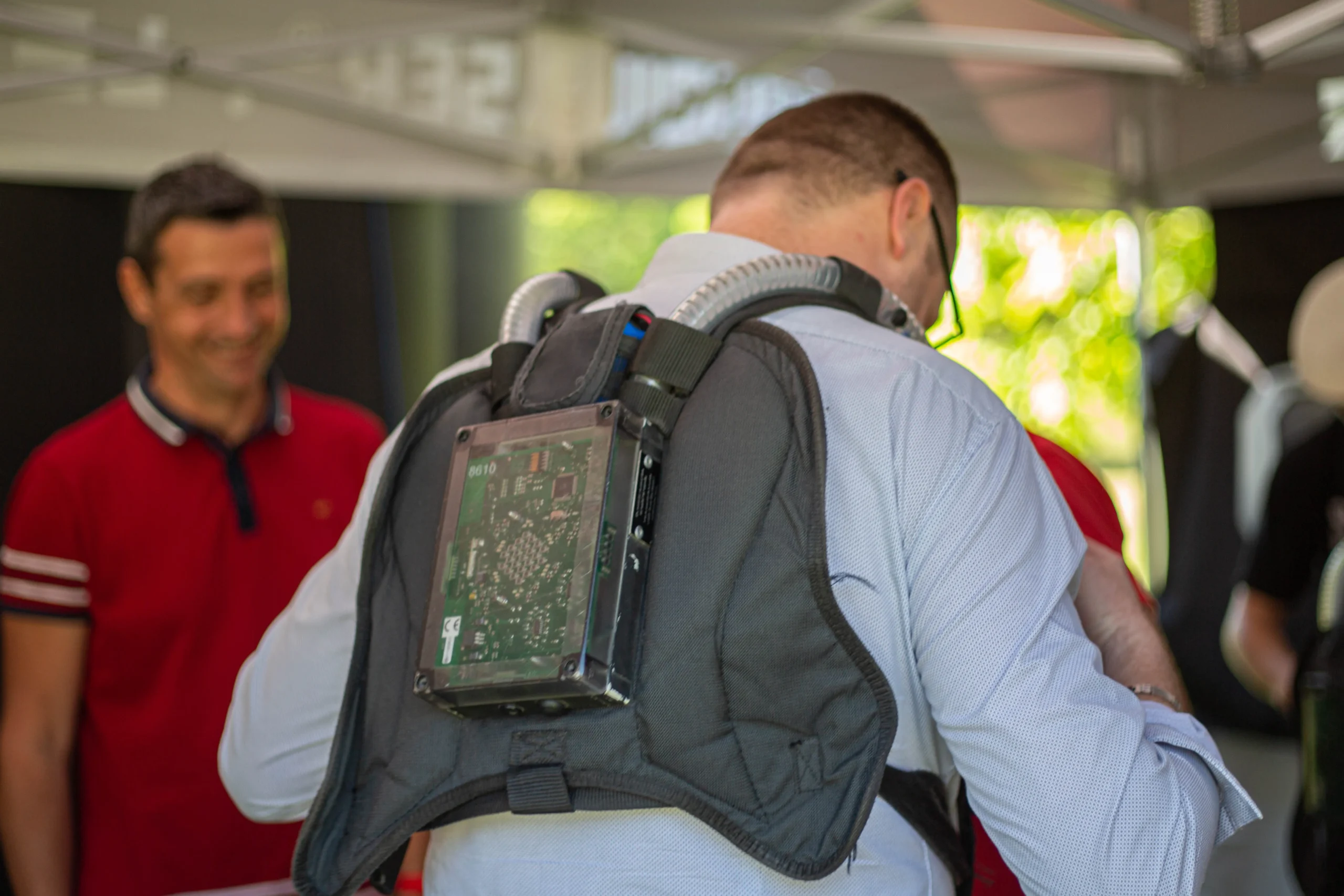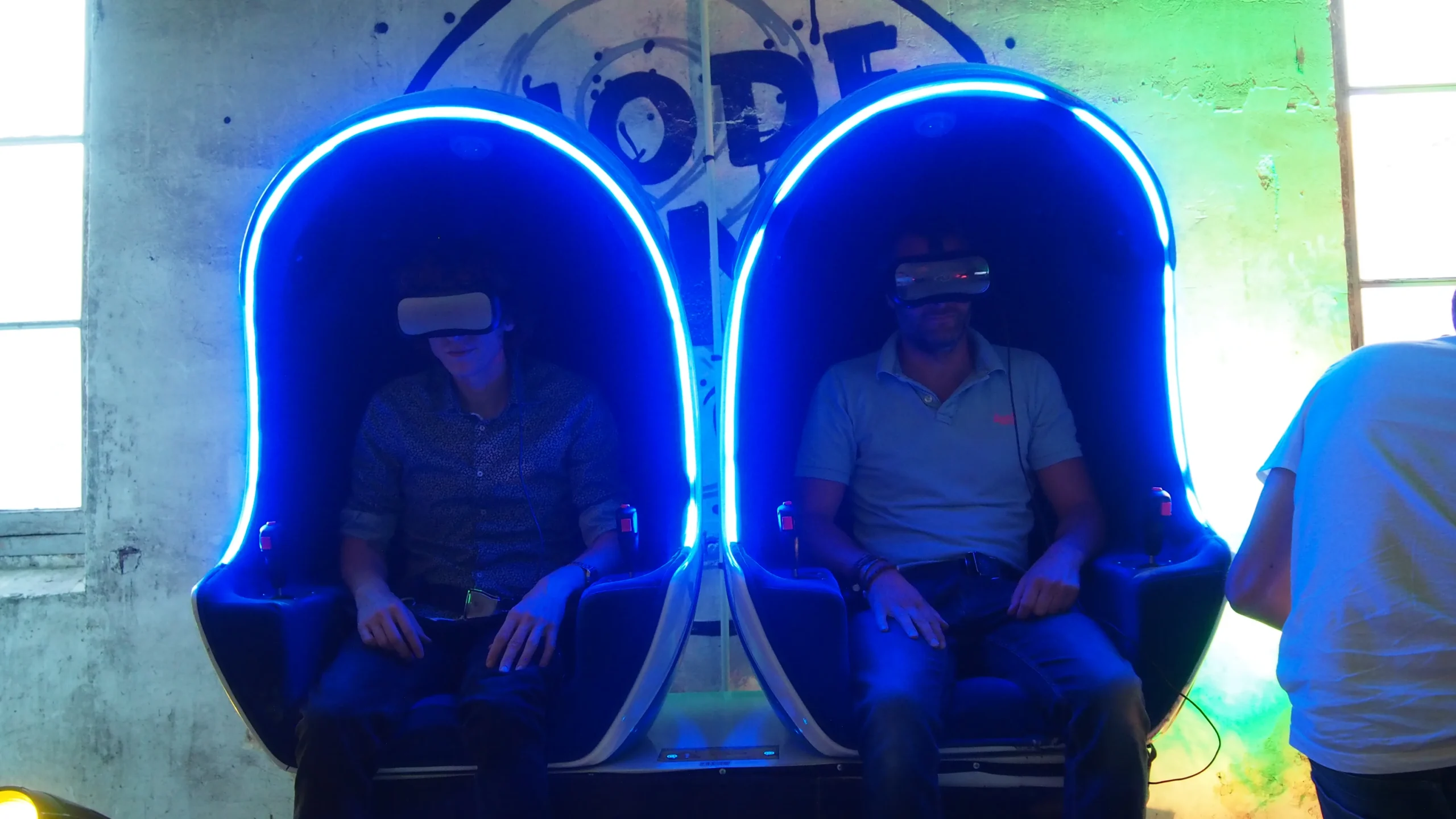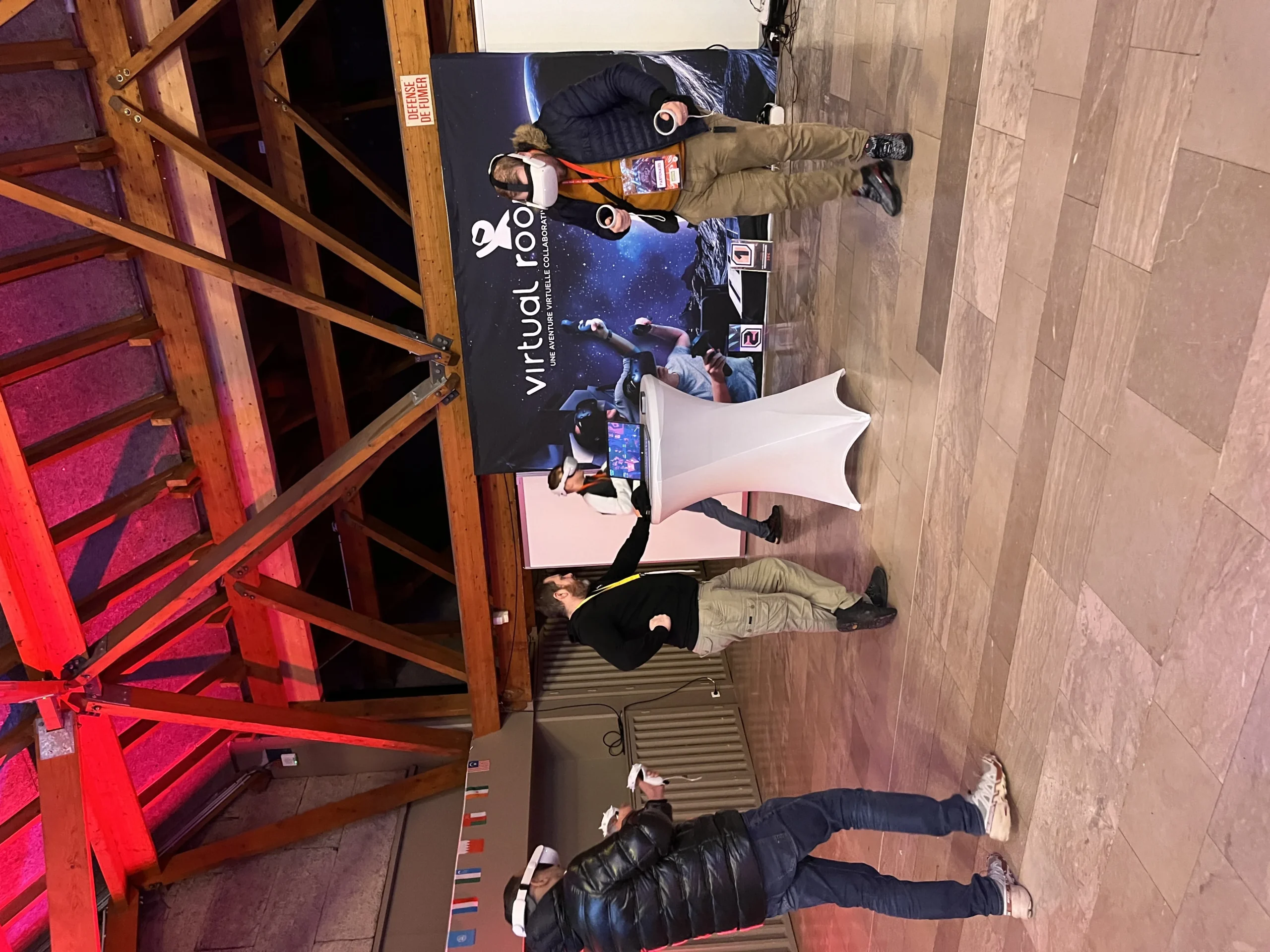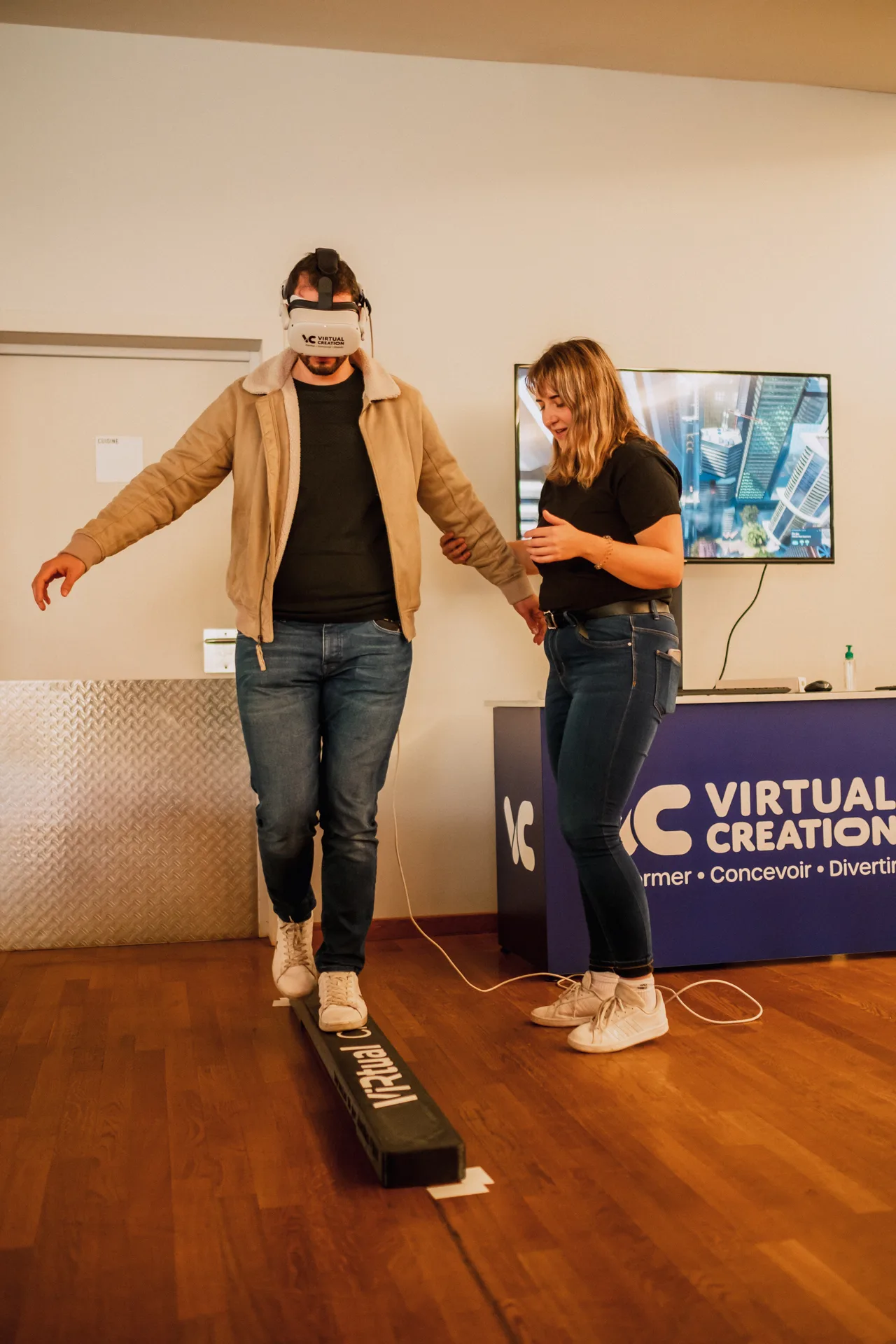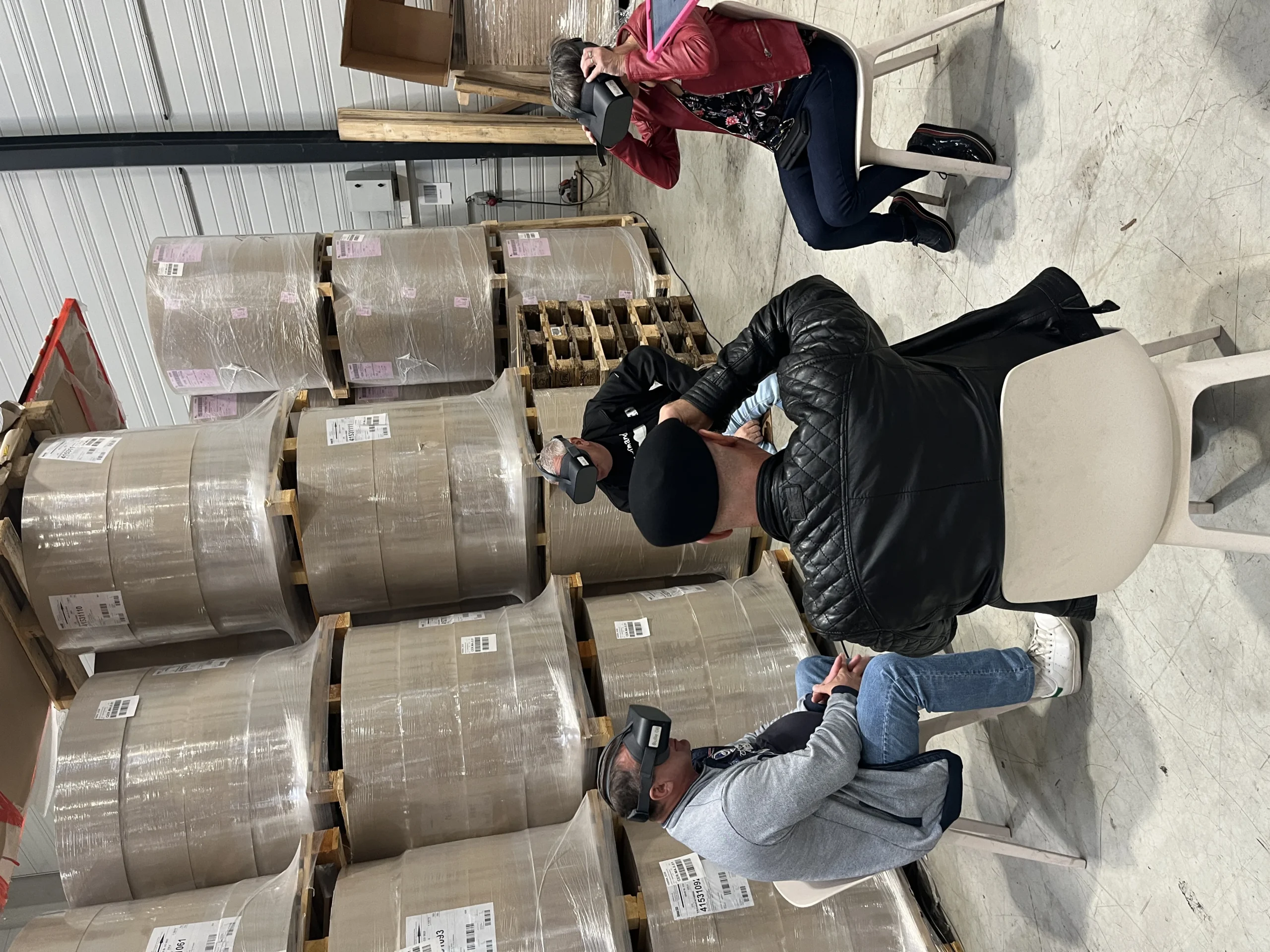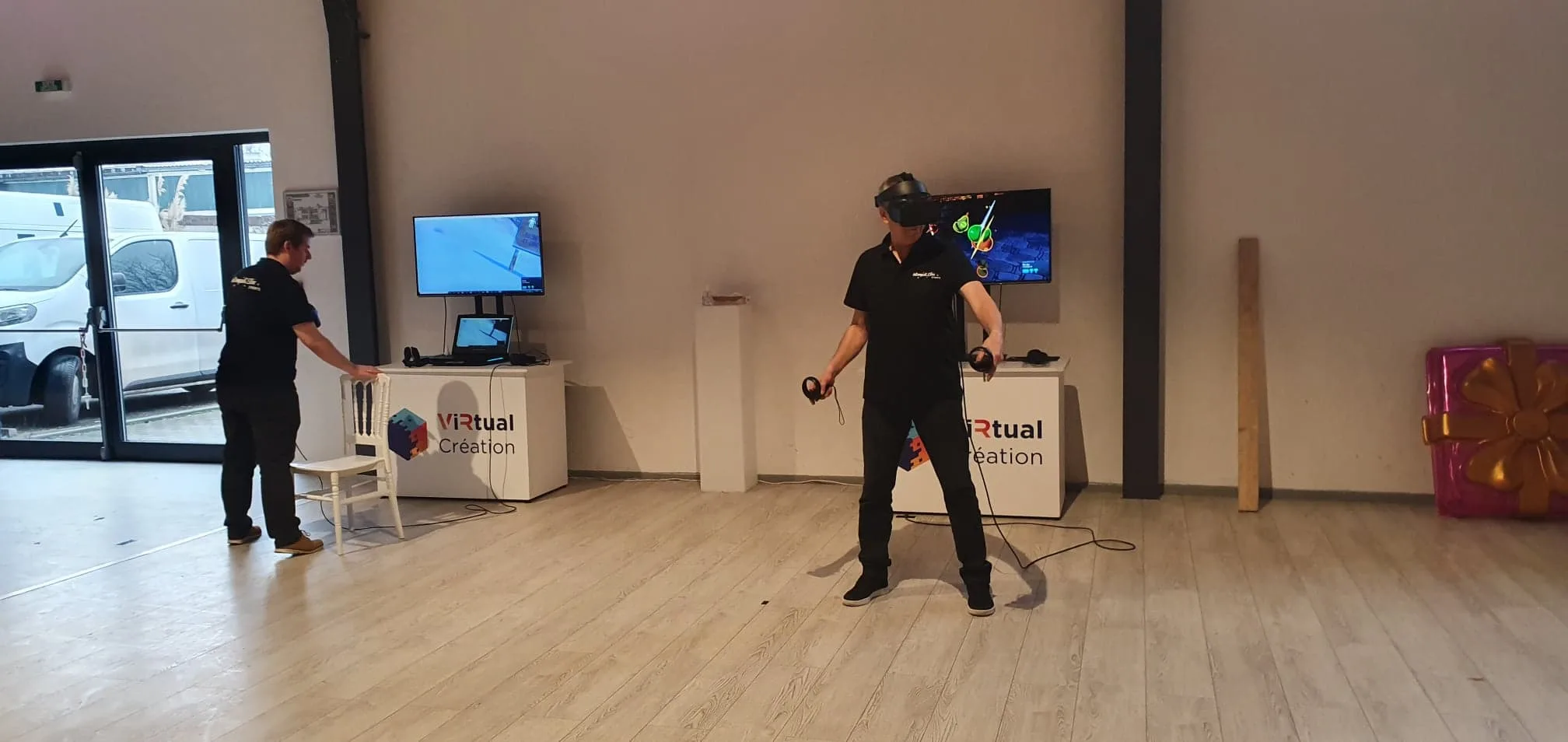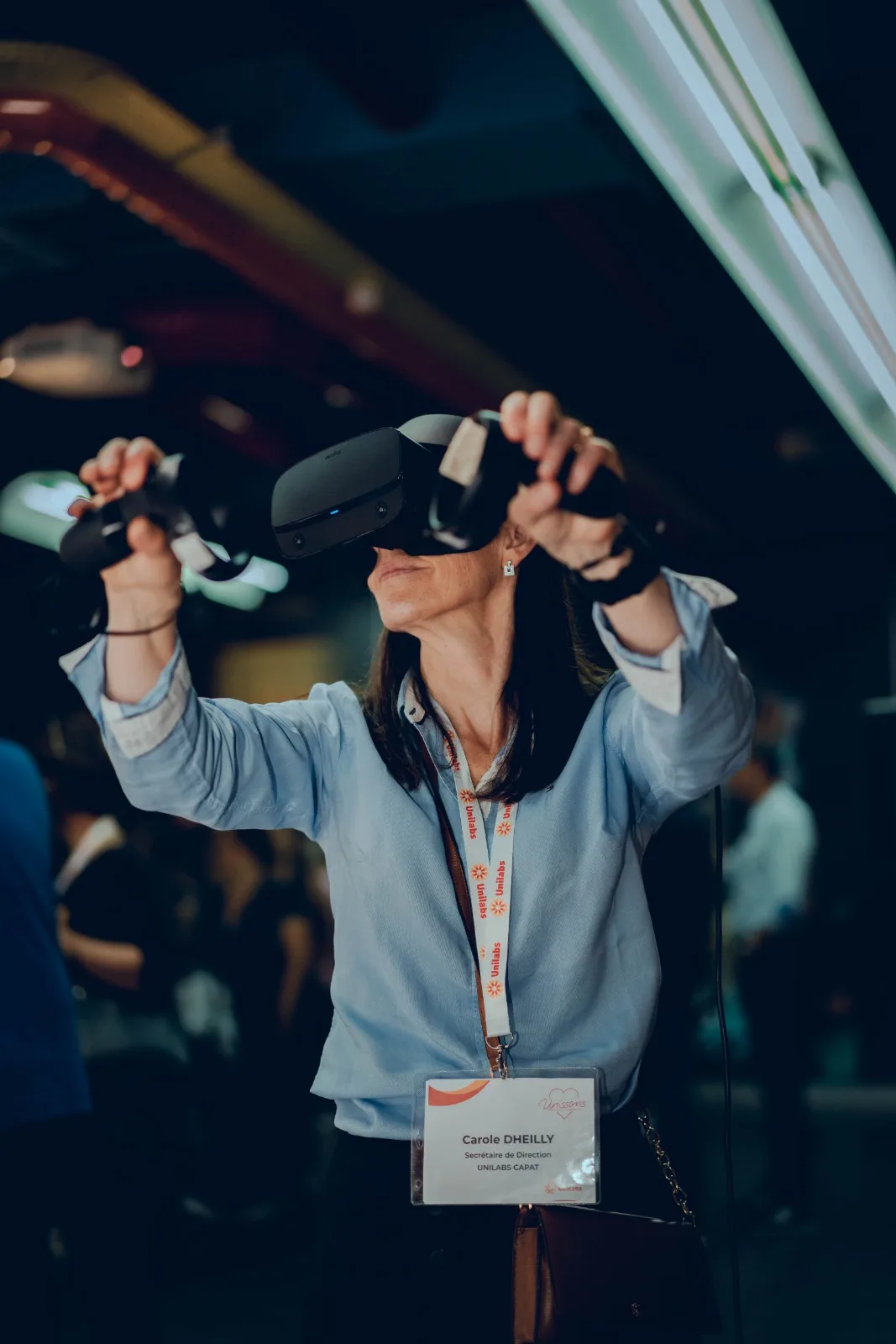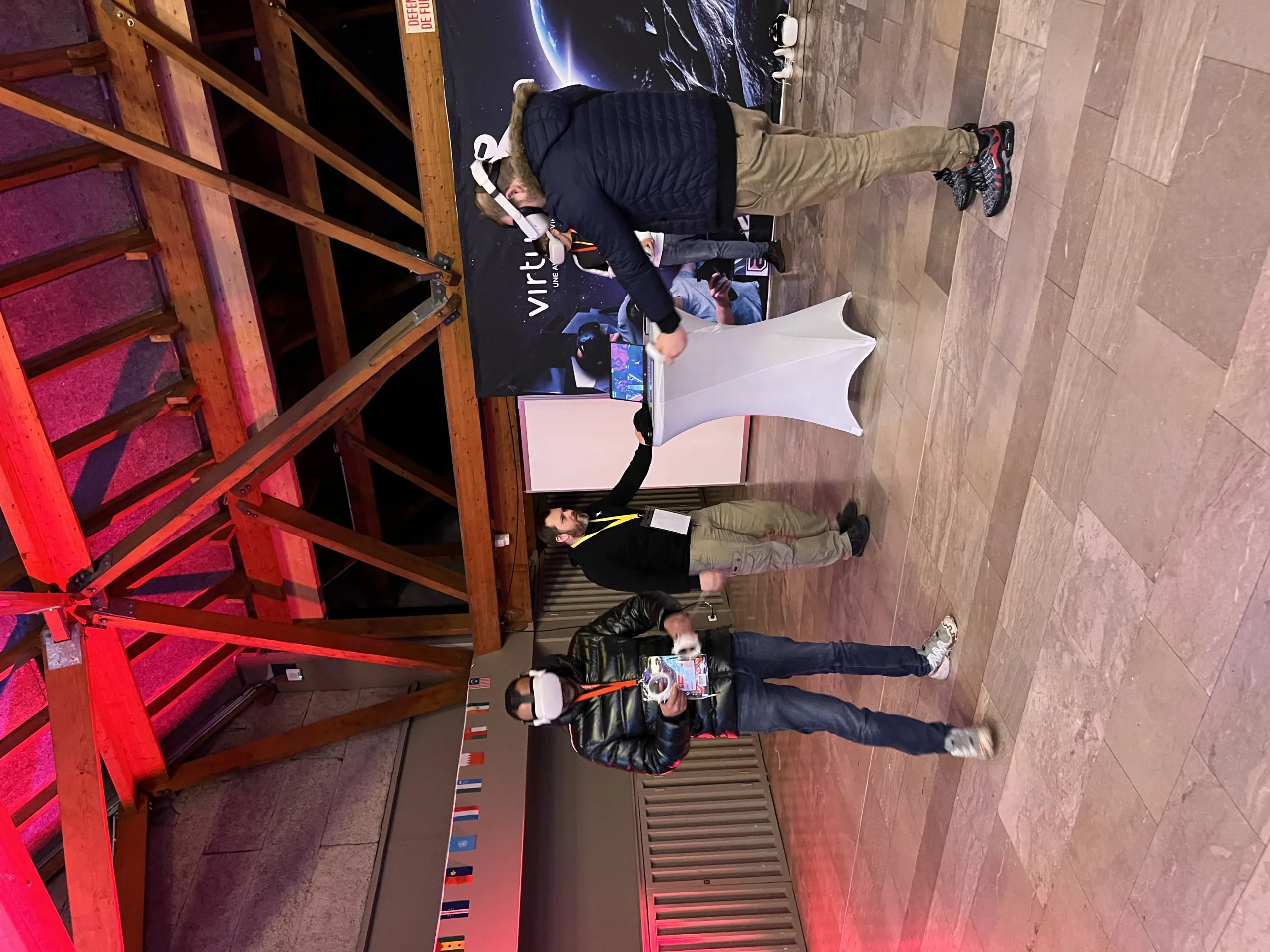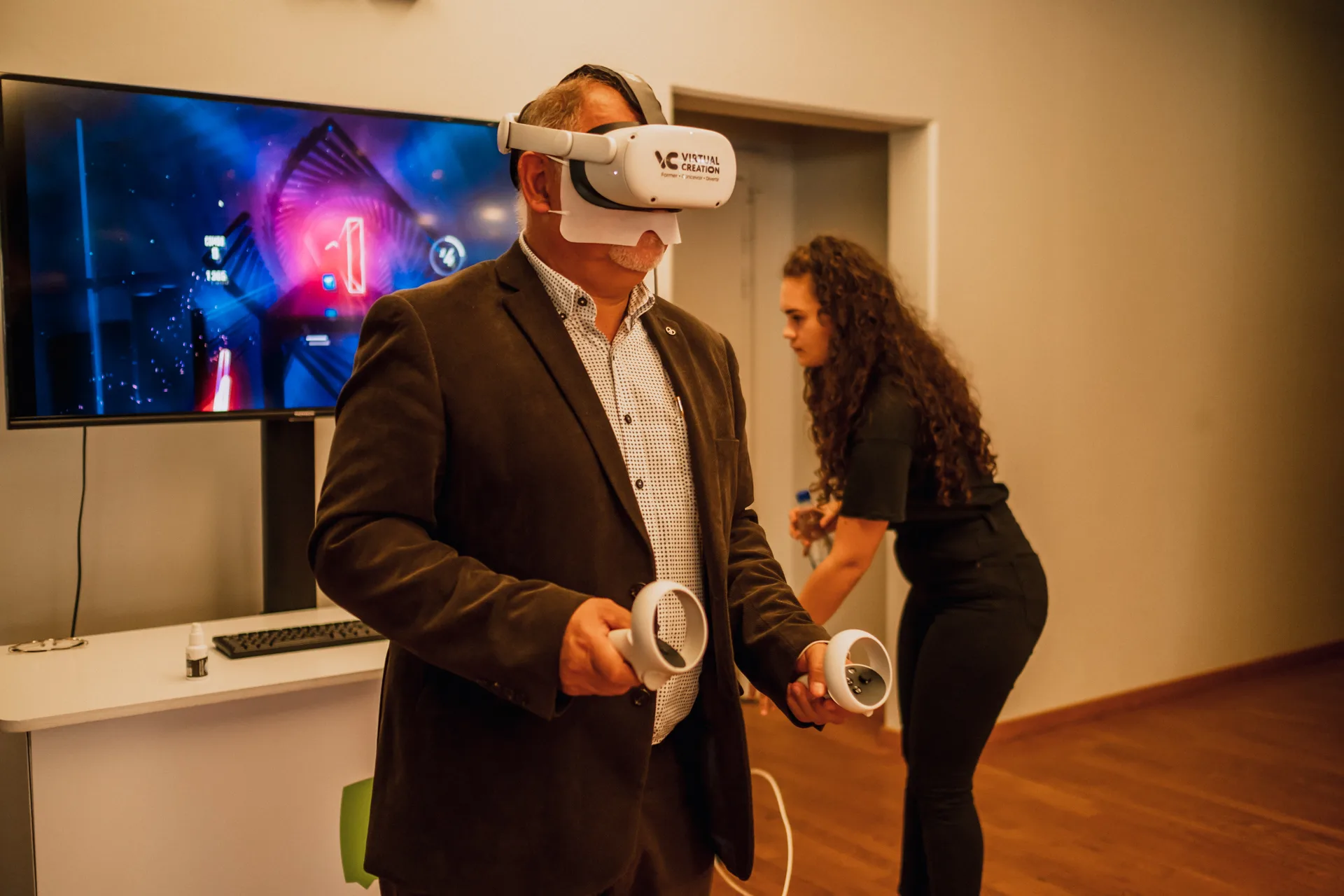
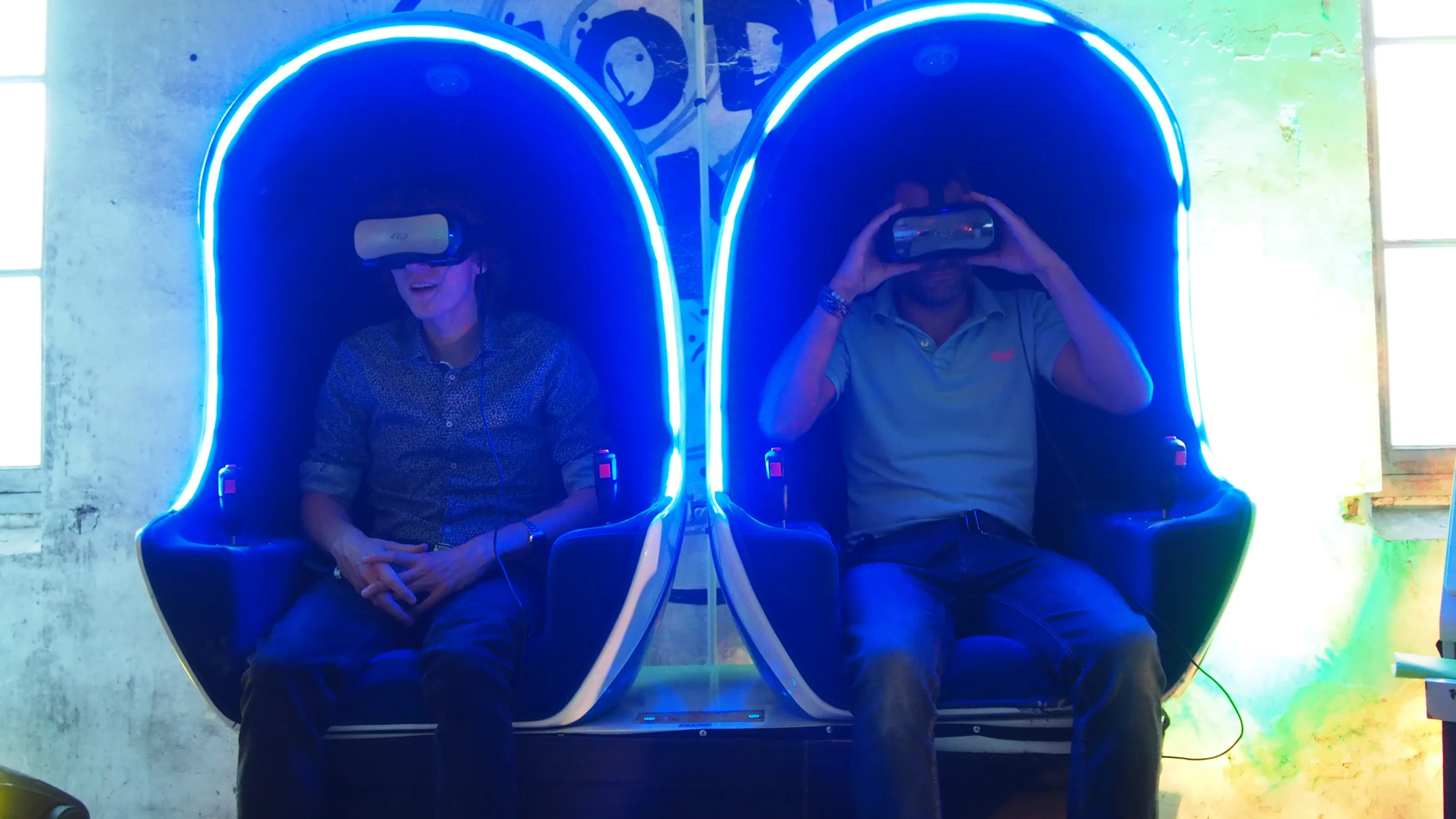
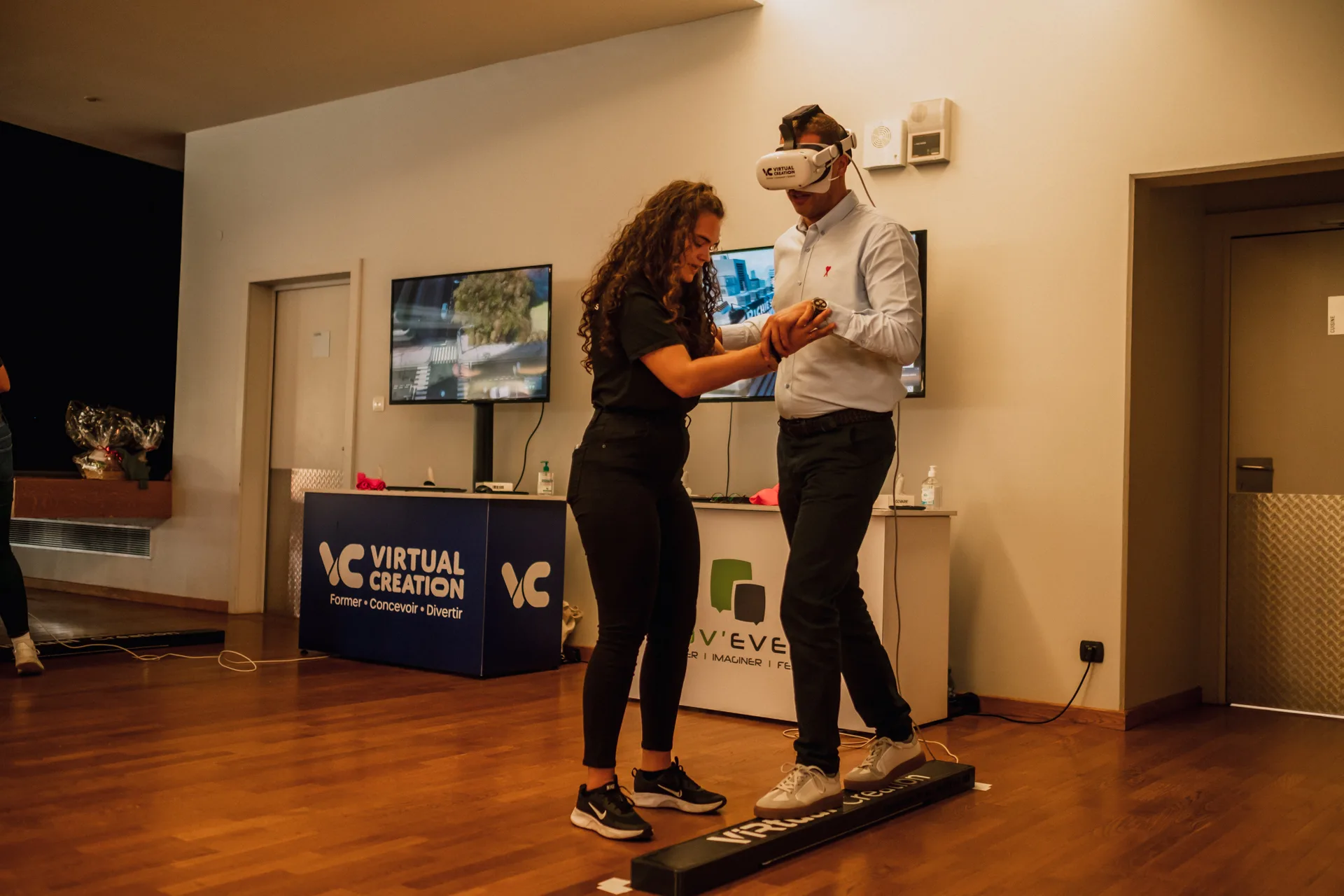
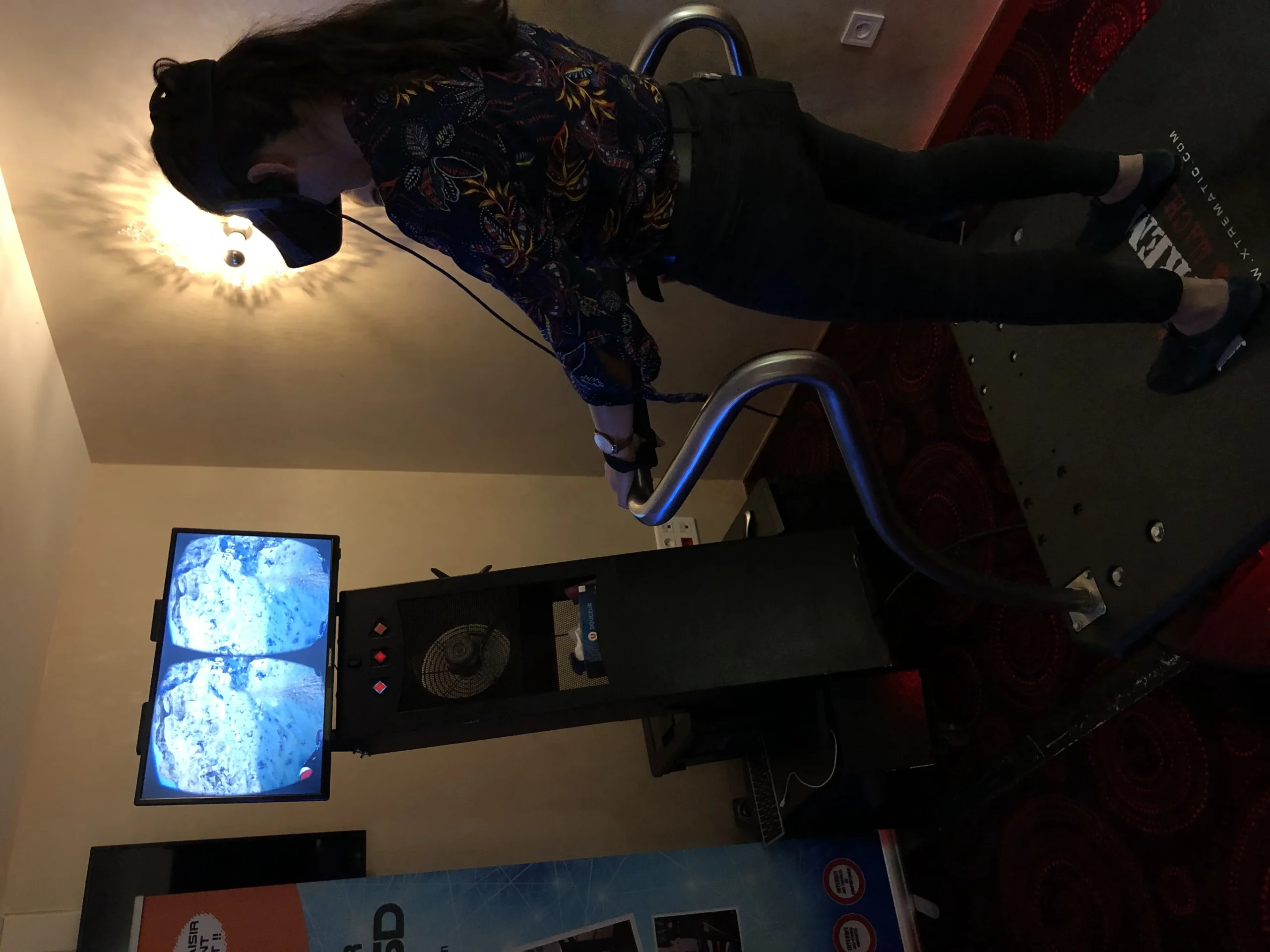
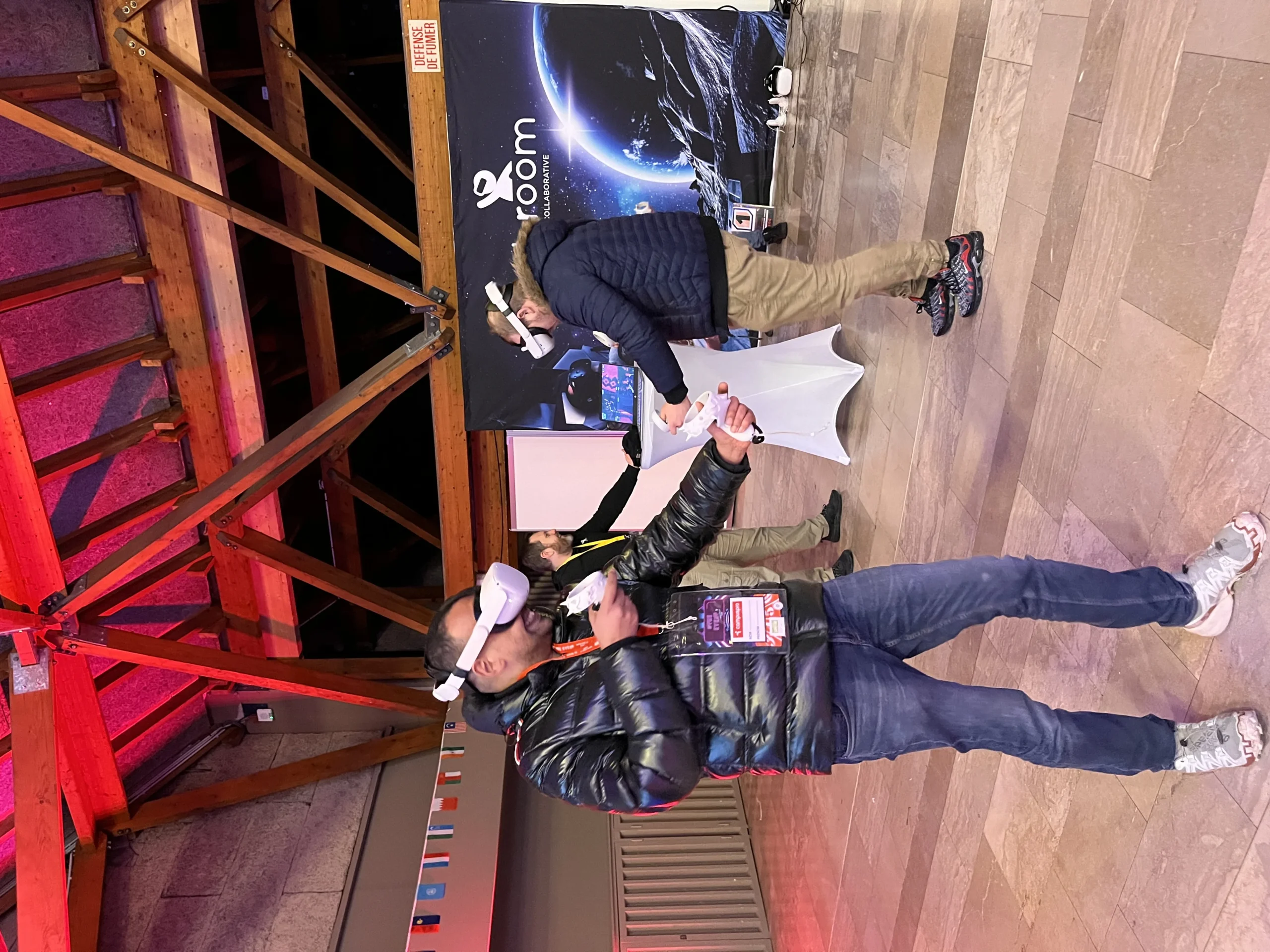
INNOV'events delivers Virtual Reality Experience activations for corporate events in Laval, from 20 to 500+ attendees. We manage the operational reality: equipment, staffing, flow, safety, bilingual facilitation, and on-site contingency—so your event team isn’t improvising on the day-of.
In a corporate event, entertainment is not a “nice-to-have”: it’s a lever to support participation, reinforce culture, and create a shared reference point teams can talk about on Monday. A well-designed Virtual Reality Experience also gives you a controlled way to energize a cocktail, an offsite, or a town hall without disrupting the schedule.
Organizations in Laval typically expect three things: predictable timing (no delays that impact speeches and service), professional conduct on the floor (especially with executives and clients present), and an experience that respects brand image and health & safety constraints. VR works when the flow is planned like an operation, not treated like a gadget.
Based in the Montréal area and active across Laval, INNOV'events brings field-tested logistics: quick access to venues, vendor coordination, and onsite leadership. We plan your VR zone with the same rigor as a production—because the pressure is real when a director is watching the schedule minute by minute.
10+ years delivering corporate event entertainment across Greater Montréal and Laval.
200+ corporate events/year executed through our partner network (AV, venues, catering, staffing).
20–500+ participants commonly supported on VR activations via multi-station setups and managed rotations.
2 languages (EN/FR) available for facilitation and on-floor client-facing operations.
1 onsite lead dedicated to schedule, safety, and stakeholder communication—so your internal team is not troubleshooting.
We support organizations operating in Laval and on the North Shore that run recurring cycles: quarterly meetings, annual celebrations, recruitment events, client appreciation evenings, and internal culture initiatives. Many teams come back year after year because they want the same thing: a partner who remembers how their floor plan works, how their approval chain behaves under pressure, and what “no surprises” truly means on event day.
We often collaborate with multi-site employers, headquarters teams, and HR/communications departments that need consistent delivery across different venues in Laval—from hotel ballrooms to office atriums. In practice, this means we document what worked (participant flow, signage, staffing ratios, technical constraints) and we reuse that operational baseline, rather than restarting from scratch each time.
If you share your venue, guest profile, and agenda structure, we will propose a VR concept that fits your reality in Laval, including a clear plan for installation timing, safety boundaries, and a rotation model that protects the rest of the program.
Nous vous envoyons une première proposition sous 24h.
A Virtual Reality Experience in Laval is strategic when it solves a real event problem: low participation, fragmented teams, awkward networking, or an agenda that feels too “corporate.” Executives and HR leaders don’t need an attraction; they need a tool that improves engagement while keeping control over time, safety, and brand perception.
Higher participation without forcing it: VR creates a natural queue and a “what did you try?” conversation starter, which is useful when you have new hires, cross-department teams, or merged groups in the room.
Better schedule control than many performances: sessions can be timed (e.g., 4–7 minutes per participant) and rotated, making it easier to protect speeches, awards, or leadership messages.
Inclusive engagement across roles: with the right game selection and facilitation, you avoid the common split where only a few people participate and everyone else watches from afar.
Brand-safe innovation: compared to “surprise” entertainment, VR can be curated (visuals, themes, tone) to align with a conservative brand environment—especially with clients or elected officials present.
Recruitment and employer brand value: for HR in Laval, VR can support career fairs and open houses by increasing dwell time and creating a modern, organized impression.
Measurable operational outcomes: we can track throughput (participants/hour), peak times, and adoption rate—useful for post-event reporting to leadership.
Laval has a pragmatic business culture: people appreciate innovation when it’s well-managed and respectful of time. A VR activation that runs cleanly—and doesn’t hijack the agenda—reads as competence, not gimmick.
In Laval, many corporate events happen in environments where logistics are not negotiable: limited load-in windows, shared spaces with hotel operations, strict fire-code pathways, and rooms that must flip quickly between conference and cocktail mode. A VR zone has to respect circulation, acoustics, and sightlines—especially when executives want to keep an eye on the room.
We also see a strong expectation for professionalism on the floor. If your guests include clients, board members, or union representatives, the facilitation style matters: no shouting over the music, no chaotic crowding, and clear bilingual instructions. We plan the participant journey from “first look” to “headset off,” including where coats and handbags go, where observers stand, and how we reset between sessions without creating downtime.
Finally, local organizations often require quick internal approvals. We provide practical documents that help: a simple floor plan with dimensions, electrical needs (standard circuits vs dedicated), staffing plan, and a risk-control summary (cleaning protocol, boundary management, motion-sickness guidance). That’s what allows HR and communications teams in Laval to get a fast “yes” from leadership and building management.
Entertainment creates engagement when it is designed around how adults actually behave at business events: they want to participate quickly, look competent in front of peers, and avoid anything that feels childish or risky. The right Virtual Reality Experience in Laval balances novelty with structure—short sessions, clear instructions, and a “watchable” component so the rest of the room stays involved.
Timed VR challenges (4–6 minutes): ideal for cocktail networking or pre-dinner. We run a scoreboard that rewards participation without putting people on the spot. Works well for departments competing (Sales vs Ops) while keeping it friendly.
Team-based VR rotation: small groups rotate through a VR station, a light quiz kiosk, and a photo moment. This avoids long queues and helps HR include non-VR participants who prefer to observe.
Safety-first VR onboarding: a “2-minute briefing + demo” station reduces dropout rates and prevents the classic issue where a guest refuses after wearing the headset once incorrectly.
VR art gallery / immersive storytelling: calmer experiences that suit executive audiences and client receptions in Laval. Less motion, more narrative—good for premium brand environments.
Immersive soundscape corner: paired with a curated ambient audio experience (headphones). This is effective when the main room has speeches and you want a quiet activation that doesn’t compete with the program.
VR + tasting pairing: short VR “destination” scenes followed by a themed bite or mocktail. Operationally, we synchronize rotations with catering service so the activation supports, rather than disrupts, the food flow.
Interactive bar queue management: place VR stations near (not inside) the bar zone so guests have something to do while waiting. This reduces perceived wait time—an often-overlooked satisfaction driver.
Brand or product demo in VR: useful for internal launches, training days, or client showcases. We help you choose content that communicates one message clearly—rather than overwhelming guests with a long simulation.
Mixed reality spectator screen: we mirror the participant’s view onto a screen so observers stay engaged. This is especially important in Laval venues where you need the activation to “read” visually from across the room.
VR as a structured icebreaker: we integrate prompts and facilitation cues (“Ask the person next to you what mission they tried”). This turns a standalone activity into a networking tool.
The key is alignment with your brand image: a financial services audience won’t respond the same way as a manufacturing leadership team or a recruitment crowd. We recommend VR formats that respect your tone, your risk tolerance, and the impression you want to leave in Laval.
The venue impacts perception immediately: a VR zone that is cramped, noisy, or blocking service corridors reads as disorganized—even if the technology is impressive. In Laval, we select spaces that allow clear boundaries, stable power access, and a guest flow that doesn’t collide with registration, bars, or keynote seating.
| Venue type | For which objective? | Main strengths | Possible constraints |
|---|---|---|---|
| Hotel ballroom or conference center in Laval | Town hall, annual meeting, awards night with a controlled agenda | Professional infrastructure, clear load-in rules, easy to scale to 200–500+ guests | Strict schedules for setup/teardown; noise control required during speeches |
| Corporate office atrium / large common area (Laval headquarters) | Employee appreciation, internal launch, recruitment open house | High brand control, easier stakeholder access, strong employer-brand impact | Power and space limitations; must protect everyday circulation and security rules |
| Industrial or warehouse-style event space (Laval and North Shore) | Innovation day, product showcase, team-building with multiple stations | Large footprints for multi-station VR, strong “tech” aesthetic, flexible layouts | Acoustics and temperature management; additional AV and drape may be needed |
We strongly recommend a site visit (or at minimum a detailed venue plan) to validate ceiling height, ambient light, power distribution, and guest circulation. A Virtual Reality Experience in Laval succeeds when the room supports it—not when we force it into a space that can’t breathe.
Pricing for a Virtual Reality Experience depends less on “VR” and more on operational parameters: how many guests you want to serve, how fast you need them processed, and what level of staffing and technical redundancy you require. For executives and HR, the real risk is under-scoping—because the cost of an activation that jams, delays the agenda, or frustrates guests is reputational.
Number of stations and throughput target: a single station may serve roughly 8–12 participants/hour depending on content and onboarding. Multi-station setups scale, but require more staffing and space.
Duration on site: a 2-hour cocktail is not the same as a full afternoon conference with multiple peaks (arrival, break, post-dinner).
Staffing ratio: for corporate environments, plan at least 1 facilitator per 1–2 stations plus an onsite lead when the event is high visibility or multi-activity.
Experience type and comfort level: high-motion games increase the need for screening, guidance, and resets; calmer experiences can improve adoption among executives and mixed-age groups.
Venue logistics in Laval: loading access, elevator distances, setup windows, and union/venue rules can affect labor time.
AV integration: spectator screens, audio management, and branding elements (signage, queue barriers) impact cost but also perceived professionalism.
Sanitation and headset management: we plan cleaning materials and turnaround time so hygiene doesn’t slow the line—especially important when you want high participation.
From an ROI perspective, the best budget is the one that protects your agenda and brand image while reaching your engagement goal. If your objective is participation, we will scope stations and rotations so you can confidently report outcomes (e.g., 120–200 participants engaged during a cocktail) rather than guessing after the fact.
Local execution is not a slogan—it’s operational leverage. When your event is in Laval, being close means we can do real site checks, confirm load-in constraints, and coordinate quickly with venue teams and suppliers without turning everything into a remote guessing game. It also means faster response when something changes: a room flip that moves up by 30 minutes, a last-minute VIP request, or a power location that isn’t where the plan said it would be.
As an event agency in Laval, we’re used to the local realities: traffic patterns between Montréal and the North Shore, venue access rules, and the expectation that corporate entertainment must remain discreet and controlled. Our role is to make your internal stakeholders look good—by preventing the small operational failures that directors notice immediately.
From an ROI perspective, the best budget is the one that protects your agenda and brand image while reaching your engagement goal. If your objective is participation, we will scope stations and rotations so you can confidently report outcomes (e.g., 120–200 participants engaged during a cocktail) rather than guessing after the fact.
Our VR deployments cover different levels of formality and different stakeholder pressures. For leadership offsites, we prioritize comfort, calm content, and fast onboarding so executives aren’t stuck in a long queue between sessions. For employee celebrations, we focus on throughput, visibility (spectator screens), and facilitation that keeps energy up without becoming loud or chaotic.
We’ve also supported events where communications teams needed the activation to fit strict brand guidelines: clean signage, controlled visuals, and a guest journey that looks premium in photos. In those cases, we plan the VR area like a branded “experience zone,” with clear boundaries, lighting considerations, and a layout that keeps the background tidy for internal content capture.
When HR objectives are central—such as onboarding days or recruitment in Laval—we integrate VR into a larger pathway: check-in, welcome message, VR rotation, and a structured debrief moment (what you learned, who to meet next). The difference is tangible: you reduce the “wandering around” effect and you help participants feel guided rather than left alone.
Across these scenarios, our value is adaptability under constraints: smaller rooms than expected, last-minute agenda shifts, mixed audiences (employees + clients), and the constant requirement to keep the experience safe, inclusive, and on time.
Underestimating throughput: planning for 200 guests with a single station creates long waits and disengagement. We calculate realistic capacity and propose a rotation model that fits your agenda.
Ignoring sightlines and flow: placing VR near registration, buffet lines, or emergency exits creates congestion and looks messy. We map the guest journey and protect circulation.
Overly complex experiences: a 12-minute simulation may be impressive, but it kills participation. For corporate audiences, short, repeatable sessions usually outperform long demos.
No spectator engagement: if only the headset user is entertained, others drift away. We add spectator screens or a facilitator-driven “watchable” element.
Weak safety and comfort protocol: no briefing, no boundary management, no plan for motion sensitivity. We standardize onboarding and ensure the setup is compliant with venue rules.
Last-minute integration with AV: sound bleed into speeches and unstable screen mirroring create stress. We coordinate early with the AV provider and test during setup.
Our job is to reduce these risks before they show up in front of your leadership team. A Virtual Reality Experience in Laval should feel controlled, intentional, and professionally integrated into the event—not like a side booth that “kind of works.”
Repeat business in corporate events is earned through consistency: clear planning, honest scoping, and calm execution when the room is full and the schedule is tight. Clients return because they don’t want to re-explain their constraints every year, and they want a partner who improves the process each time.
Recurring annual cycles: many of our corporate clients schedule at least 1–3 events/year and expect continuity in delivery standards.
Documented playbooks: we keep operational notes (flow, timing, staffing, venue specifics) to reduce risk on the next deployment in Laval.
Stakeholder-ready reporting: after the event, we can share participation estimates, peak times, and recommendations—useful for HR and communications wrap-ups.
Loyalty is the most concrete proof we can offer: when teams invite us back, it’s because the event day felt under control and their leadership noticed the professionalism.
We start with a short working session with HR/communications and the event owner: audience profile, agenda timing, venue type, and success metrics (participation, networking, brand impact). We confirm practical constraints specific to Laval: load-in times, room flip requirements, noise limits during speeches, and bilingual facilitation needs.
We recommend experiences based on your audience and risk tolerance (seated vs standing, low-motion vs high-motion). Then we model throughput: number of stations, session length, onboarding time, and queue design. The deliverable is a clear plan you can validate internally—no surprises.
We coordinate with the venue and AV team: power, lighting, spectator screens, and placement to protect circulation. We prepare a simplified floor plan and a setup schedule that matches venue access windows in Laval. When possible, we test critical elements (screen mirroring, sound management) during setup to avoid live troubleshooting.
On event day, our onsite lead runs the checklist: installation, safety boundaries, signage, and staff briefing. Facilitators manage onboarding, hygiene turnaround, and queue flow. We adapt in real time to peaks (post-speech rush, post-dinner surge) while protecting the rest of the program.
We close with a debrief: what participation looked like, what peaked, what slowed down, and what to adjust for next time in Laval. This is particularly valuable for recurring events where you want measurable improvement year over year.
For 150 guests over a 90–120 minute window, plan 2–4 stations depending on session length. With short formats (4–6 minutes) and solid onboarding, you can typically serve 60–180 participants. If leadership expects “most people will try it,” we scope higher station counts to protect throughput.
Most corporate VR setups need 8'×8' to 10'×10' per station, plus a queue and briefing area. In practice, we often plan 200–500 sq. ft. for a small activation and 600–1,200 sq. ft. for multi-station deployments with spectator screens and clean circulation.
Yes, but it must be designed for it. We typically pause gameplay during keynotes or switch to a quieter mode with sound contained (headphones) and a facilitator who manages voice level. If the venue acoustics are sensitive, we recommend scheduling VR during breaks/cocktail to avoid competing with leadership messages.
It can be, if you choose the right content and apply a clear protocol. We prioritize low-motion or seated options, provide a 2-minute briefing, and allow opt-out without pressure. We also plan for comfort: clear boundaries, supervised movement, and a simple process for anyone who feels dizziness to stop immediately.
For best results, plan 3–6 weeks ahead for standard events and 8–12 weeks for high-attendance or multi-activity productions. This allows time for venue coordination, AV integration, and throughput planning—especially if your Laval venue has strict load-in or scheduling rules.
If you’re comparing agencies, we suggest starting with three inputs: your guest count, your agenda timing, and your venue or shortlist in Laval. INNOV'events will respond with a practical recommendation—number of stations, staffing, space needs, and a throughput estimate—so you can decide with confidence.
Contact us early to secure the right resources and avoid under-scoping. A Virtual Reality Experience in Laval works best when it is planned like an operation, not treated like a last-minute add-on.
Thierry GRAMMER is the manager of the INNOV'events Laval office. Reach out directly by email at canada@innov-events.ca or via the contact form.
Contact the Laval agency