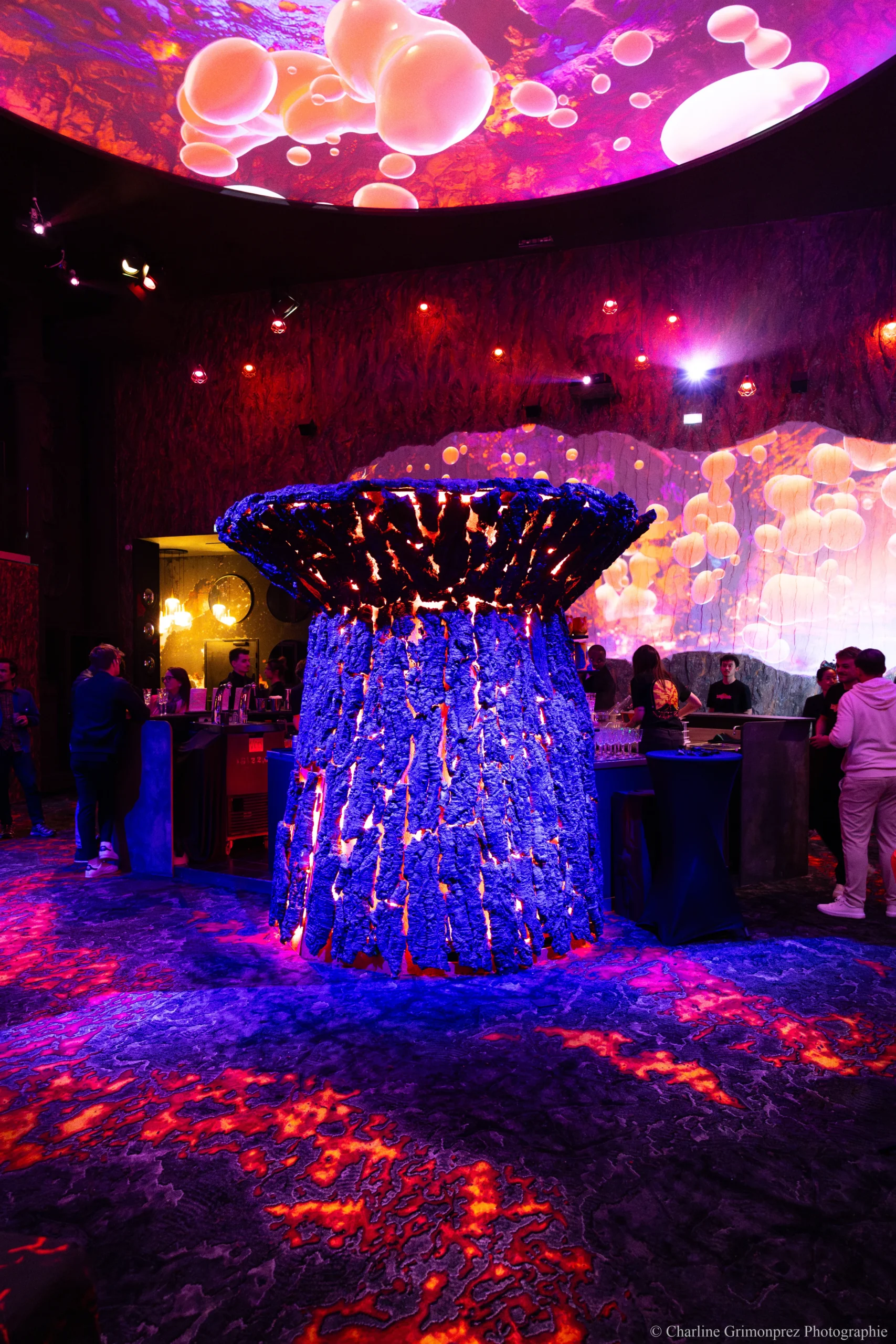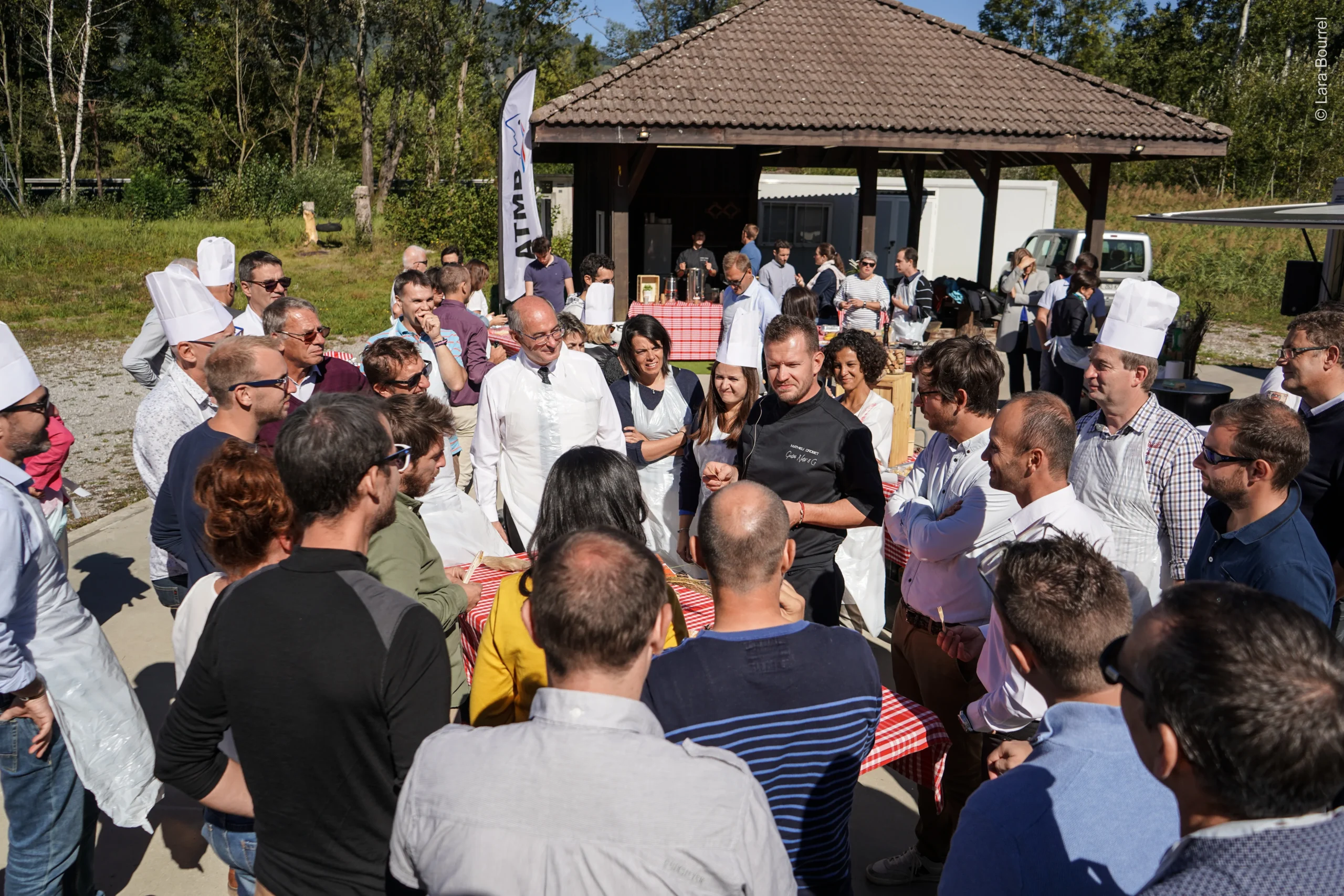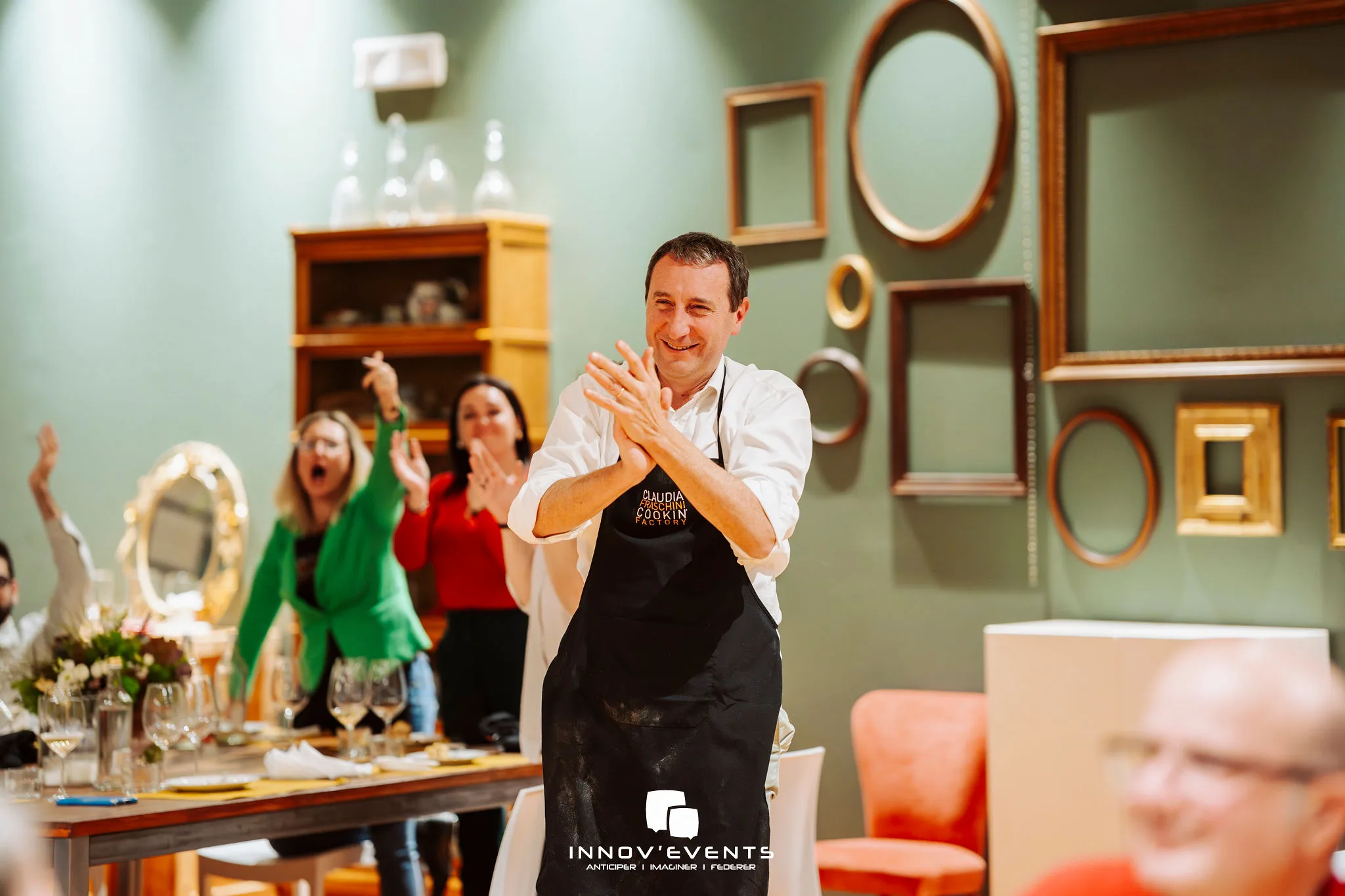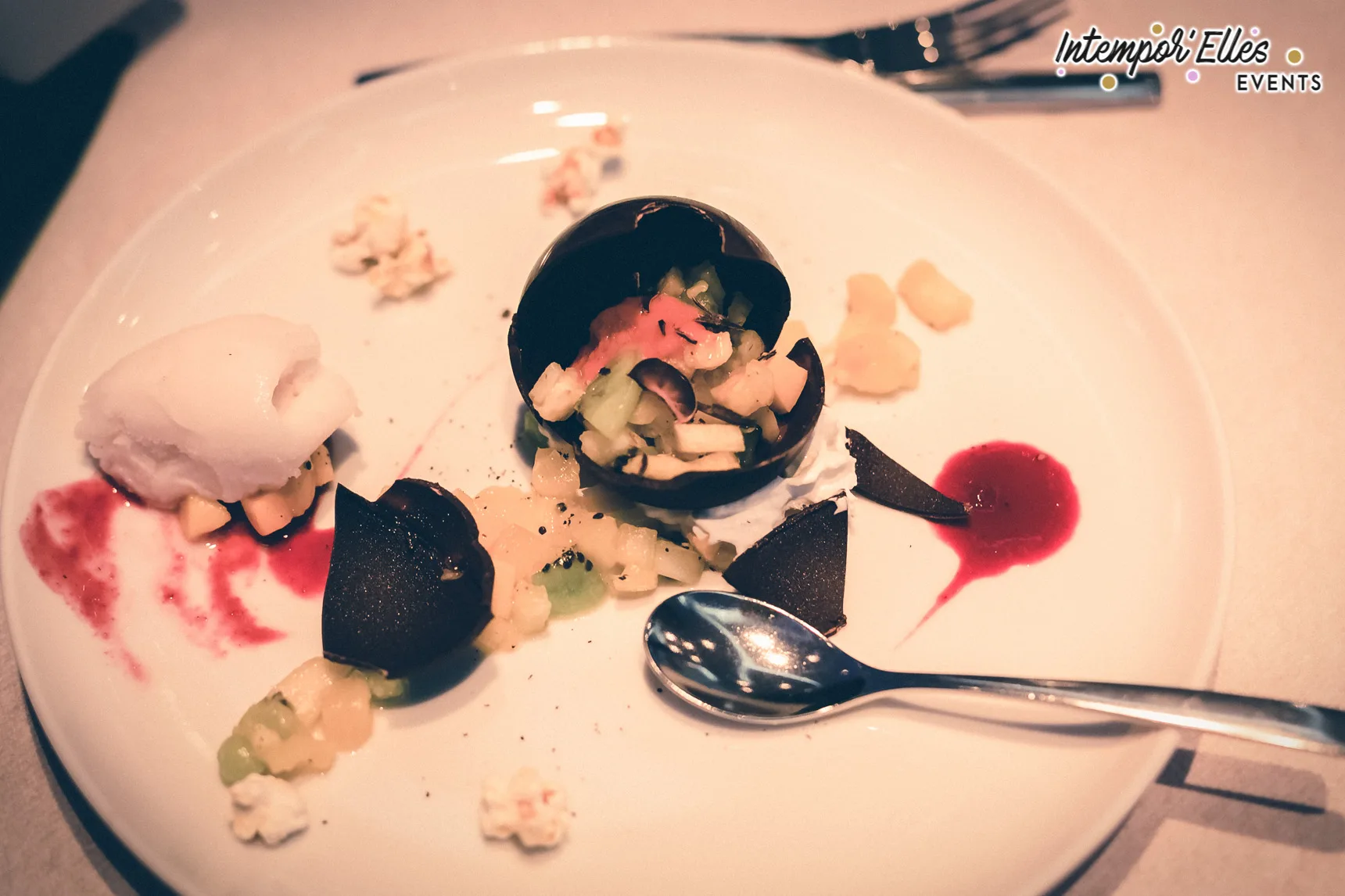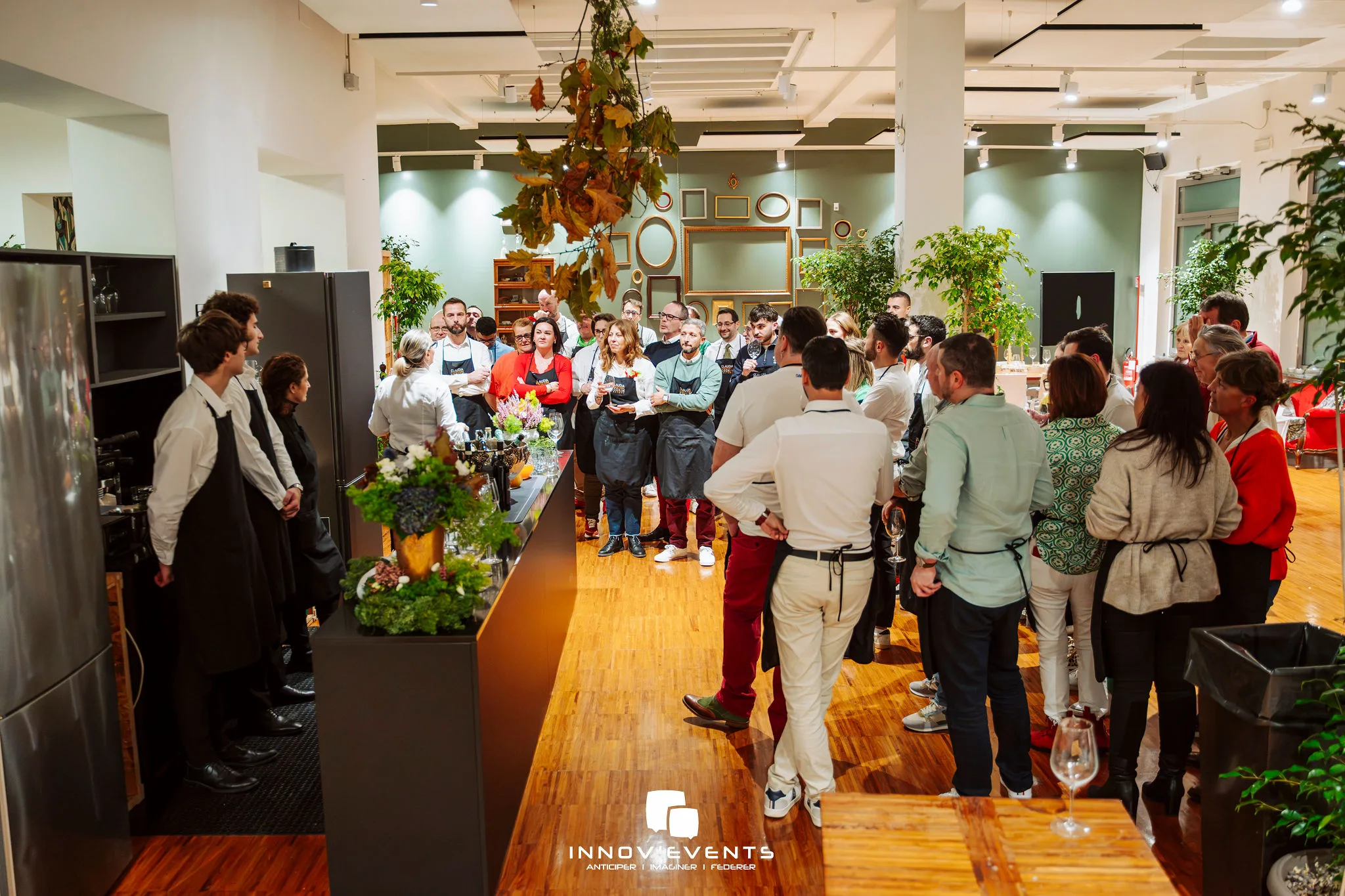
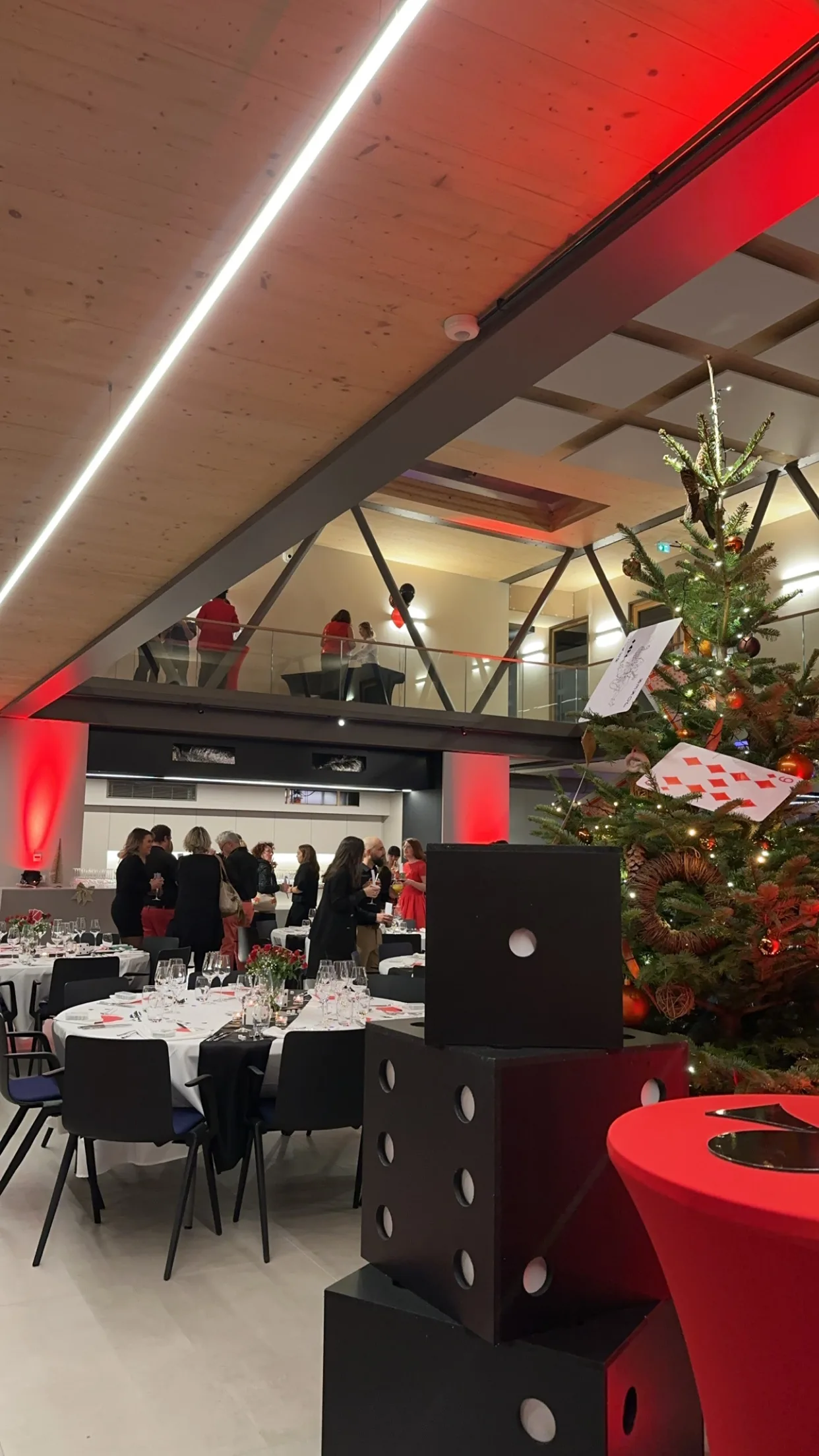
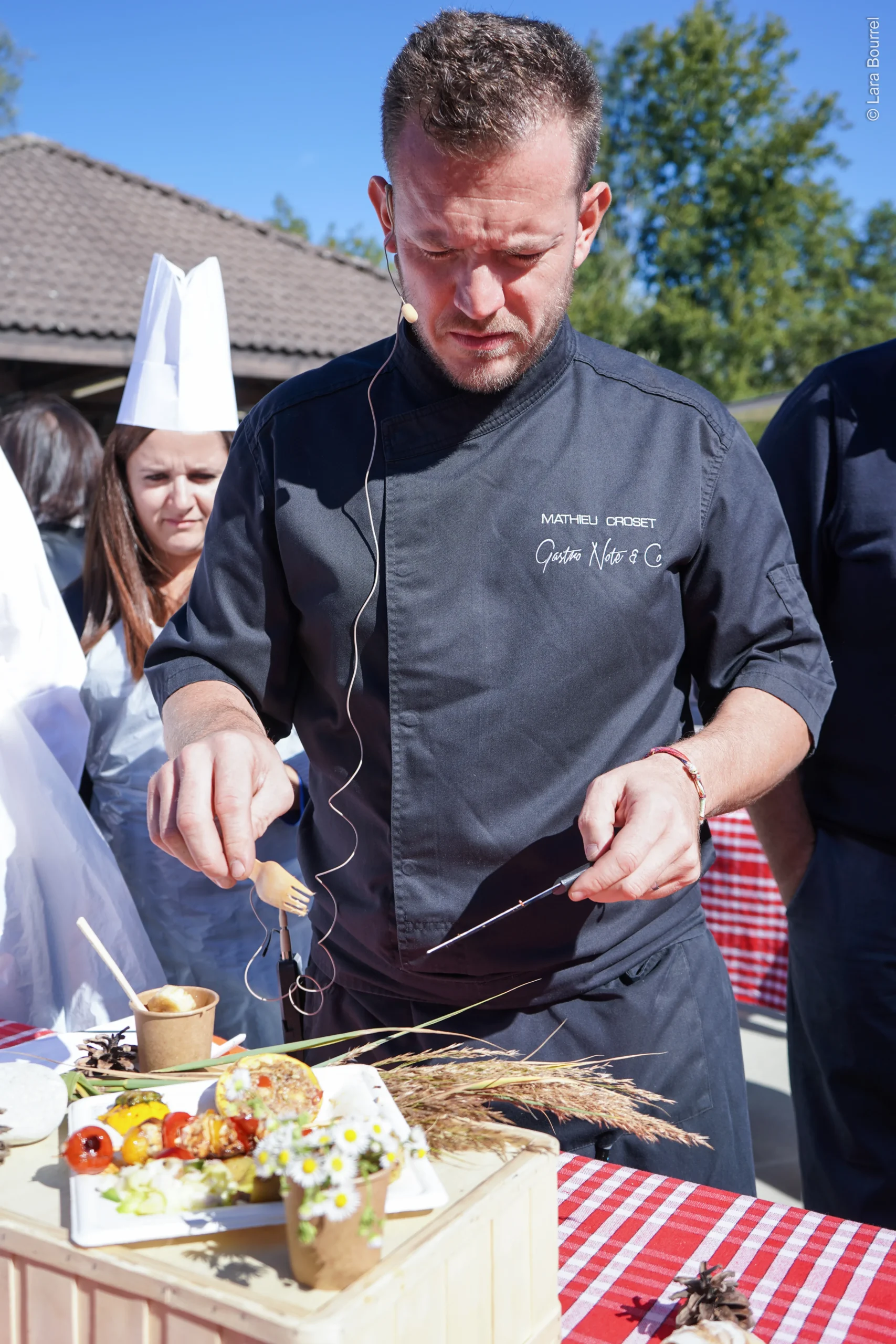
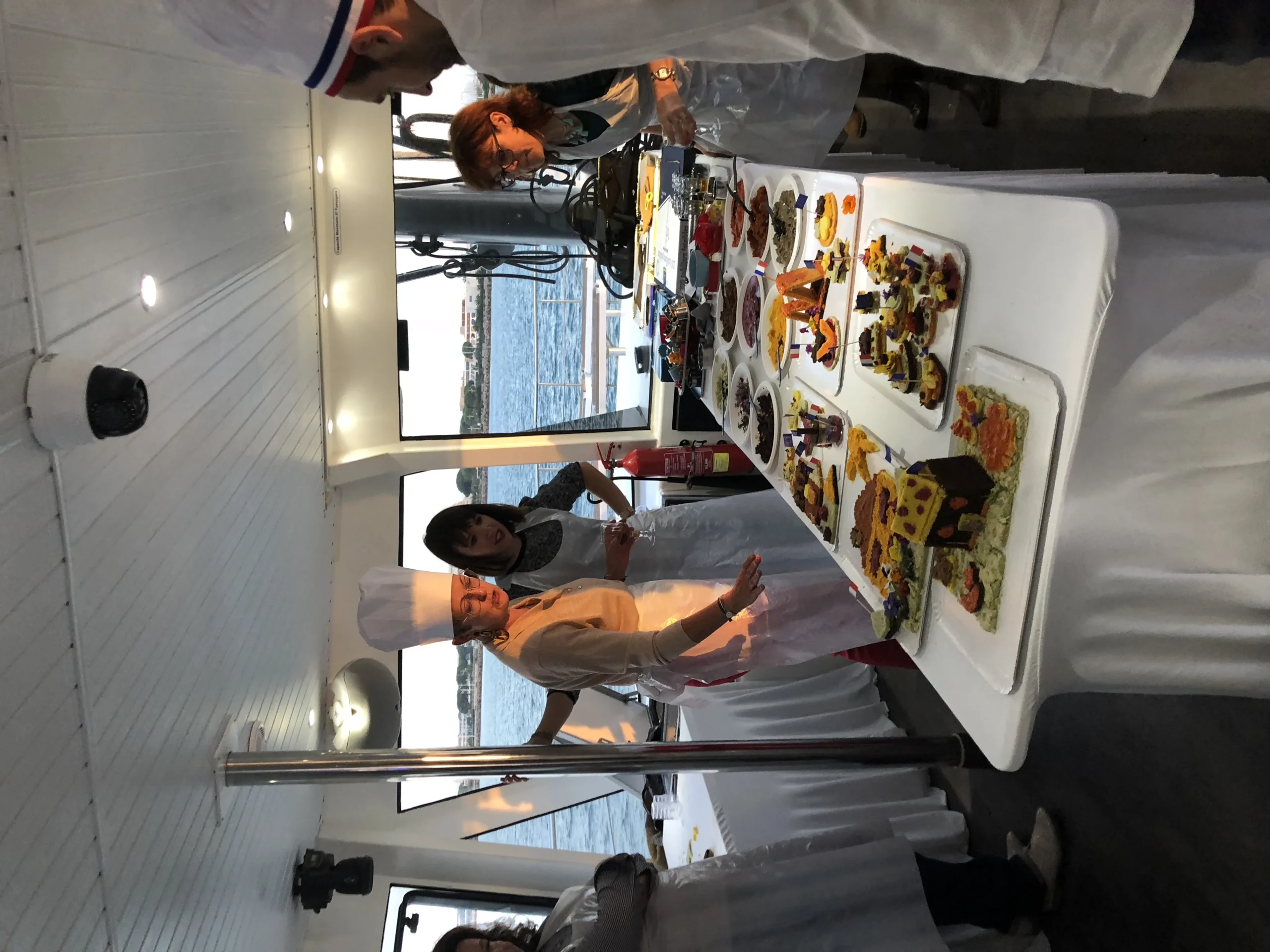
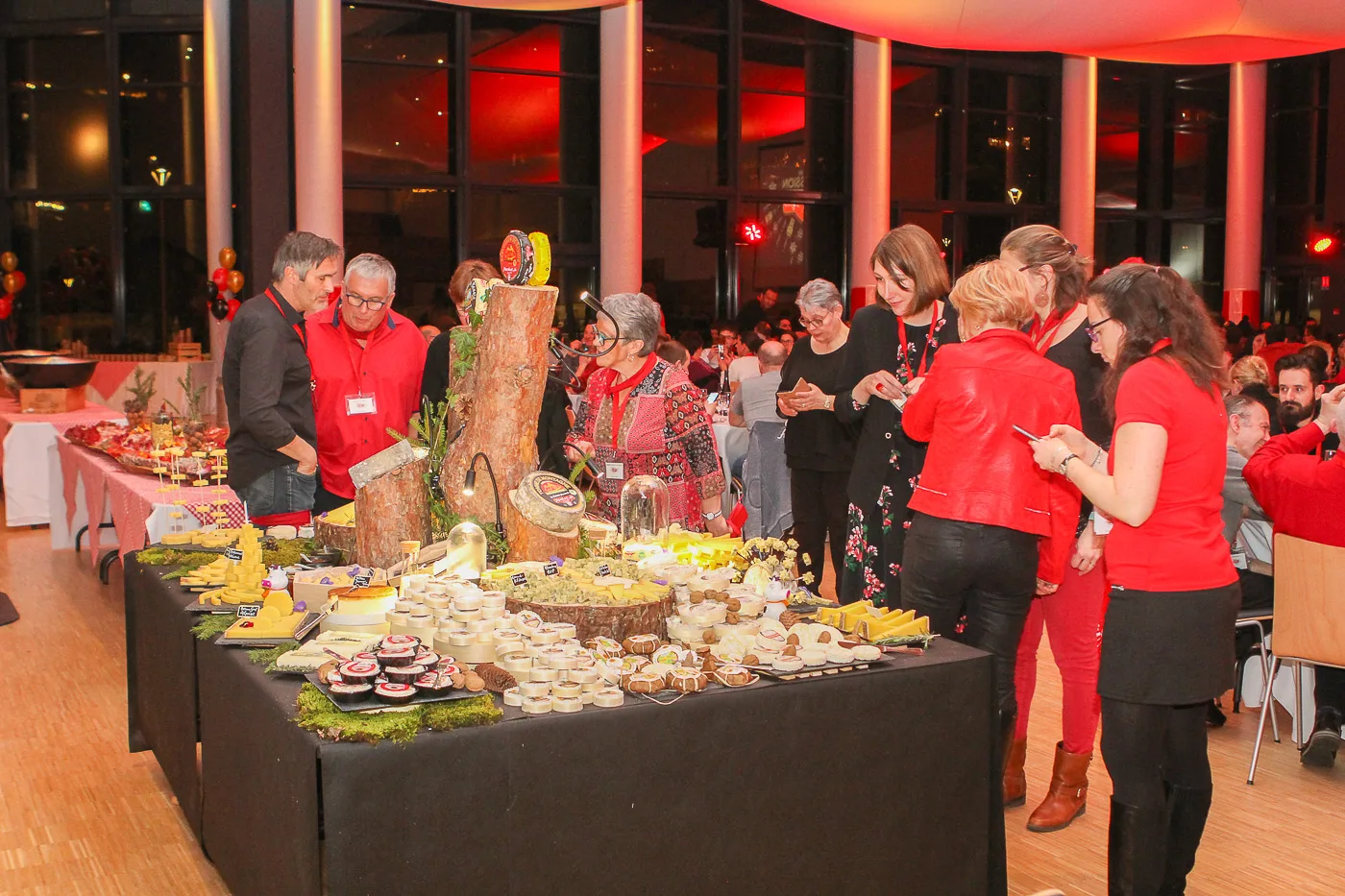
INNOV’events designs and runs Immersive Culinary Experience formats in Laval for leadership teams, HR and communications—typically 30 to 300 attendees. We handle the full operational chain: concept, venue coordination, culinary partners, staffing, guest flow, and on-site production so your internal teams stay focused on stakeholders, not logistics.
Whether your priority is retention, cross-department alignment, or executive visibility, we build a program that fits your timing, your brand guidelines, and your risk constraints (allergies, alcohol service, food safety, union rules, load-in, noise limits).
In a corporate event, entertainment is not “extra”; it’s where attention is won or lost. A well-executed culinary immersion gives you controlled conversation moments (between leaders and teams, or clients and sales) while keeping people engaged without forcing networking.
Organizations in Laval expect efficiency: a schedule that starts on time, bilingual facilitation when needed, clear dietary handling, and an experience that respects workplace culture—from manufacturing teams to head-office professionals.
Our producers are on the ground across the 450 corridor. We plan with local venues, chefs, and technical crews we already know, which reduces surprises on event day and speeds up approvals with your HR, HSE, and communications stakeholders.
10+ years delivering corporate events in Quebec with repeat clients across multiple business units.
Capacity to manage 30 to 1,000+ attendees through a scalable producer + floor manager + culinary captain model.
Standardized planning tools: run-of-show, floor plans, staffing grids, risk registers, and post-event debrief templates used on every mandate.
Network coverage across the Montreal region and the 450 area with vetted culinary and production partners for consistent quality control.
We regularly support organizations operating in Laval and the wider 450 market—head offices, distribution centers, and hybrid teams that gather a few times per year. Many of our mandates repeat because internal teams want the same reliability: predictable load-in, calm execution, and an experience that looks good in photos without becoming a “show for show’s sake.”
You mentioned providing company names as references. To keep this page accurate and compliant, we only publish client logos and names once we have written approval (many HR and comms teams require this). In the meantime, we can share case summaries during a call—industry, headcount, objectives, constraints (allergies, alcohol policy, union venue rules), and what we delivered—so you can compare us fairly with other agencies.
If your procurement process requires it, we can also provide supplier documentation (insurance certificate, CNESST/WCB alignment as applicable, food safety partner certifications, and staffing roles) and connect you with reference contacts when permitted.
Nous vous envoyons une première proposition sous 24h.
A culinary immersion is one of the rare formats that combines participation, conversation, and brand control—without demanding extroversion from every attendee. For executives and HR leaders, it creates a structured environment where people interact naturally while you maintain timing, messaging, and safety standards.
Strengthen cross-functional collaboration: cooking stations and timed challenges make siloed teams coordinate quickly (operations with sales, IT with finance) in a low-risk setting that still reveals real collaboration habits.
Support retention and recognition: when recognition is woven into the format (short leadership remarks between courses, awards aligned to company values), employees feel seen without the awkwardness of a formal ceremony.
Enable executive accessibility: leadership can rotate through stations with a clear purpose (mentoring, listening, celebrating milestones) rather than being stuck at a “VIP table.”
Deliver a communications asset: we design moments that are photo- and video-ready (clean backgrounds, controlled lighting, branded recipe cards) so comms teams can publish internally within 24–72 hours with minimal editing.
Accommodate diverse dietary realities: we build station menus with explicit allergen mapping, vegetarian/halal/kosher-style options as required, and separation protocols to reduce risk and HR escalations.
Create measurable engagement: quick pulse surveys, participation metrics by station, and optional learning objectives (food waste reduction, local sourcing) can be tied to ESG or employer brand priorities.
Laval is built on practical results—manufacturing, logistics, professional services, and fast-growing tech. A culinary immersion fits that culture: it’s hands-on, time-efficient, and credible when the operations are tight and the objectives are clear.
In the 450 territory, we see a recurring profile: teams split between office and field roles, leaders with limited time, and a strong expectation that events run like operations—clear responsibilities, on-time service, and no improvisation that jeopardizes safety or reputation.
For Laval mandates, the practical constraints are often more decisive than the creative concept. Parking and access for suppliers matter. Load-in windows can be tight, especially in venues that host multiple events. Many companies require bilingual guest-facing signage and facilitation, and HR teams increasingly want a transparent approach to alcohol service, inclusion, and dietary restrictions.
We also plan for the realities executives care about but rarely say out loud: a format that doesn’t drag, a room sound level that allows conversation, a flow that avoids long lines, and an experience that looks premium without wasting money on things guests don’t notice.
Entertainment in a culinary format works when it gives people a role. Instead of asking guests to “participate” in the abstract, we assign a clear task, a timebox, and a shared output—then we orchestrate the room so conversations happen naturally.
Station-based culinary challenge: teams rotate through 3 to 5 stations (prep, seasoning, plating, pairing). We design roles so both leaders and quieter participants contribute without pressure.
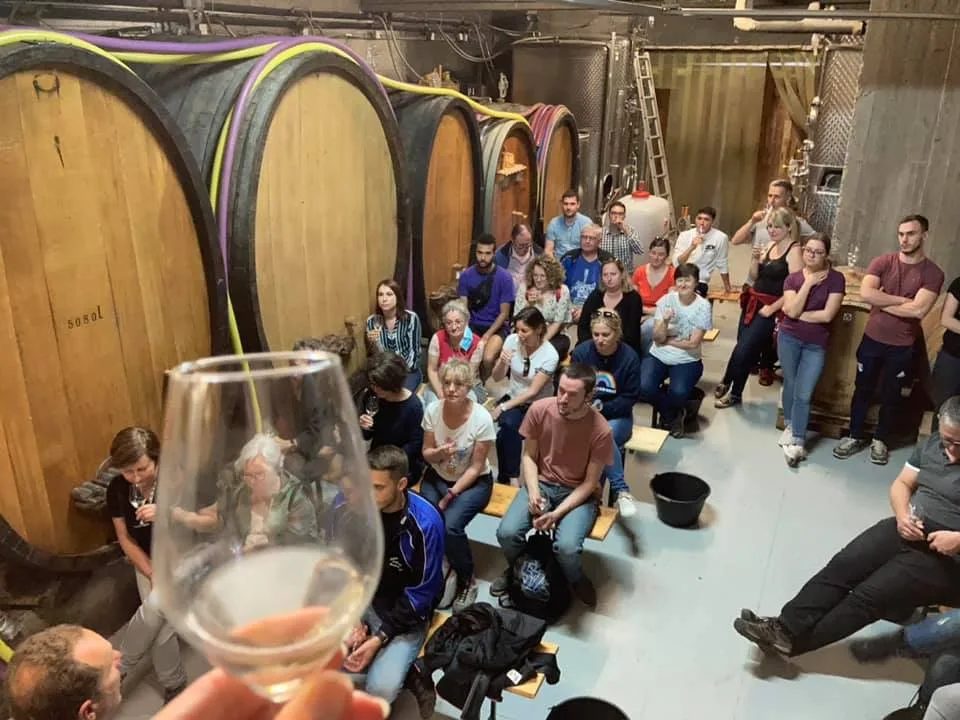
Blind tasting with decision rounds: small groups evaluate ingredients or pairings, then compare results with a chef. This works well for executive offsites because it mirrors decision-making under incomplete information.
Local sourcing briefing: a short, factual segment on Quebec suppliers and seasonality, integrated between courses to avoid “presentation fatigue.” Useful for ESG narratives without turning the event into a seminar.
Timed plating relay: a fast, controlled activity (often 12–18 minutes) that creates energy without requiring a stage show, ideal when you have mixed comfort levels.
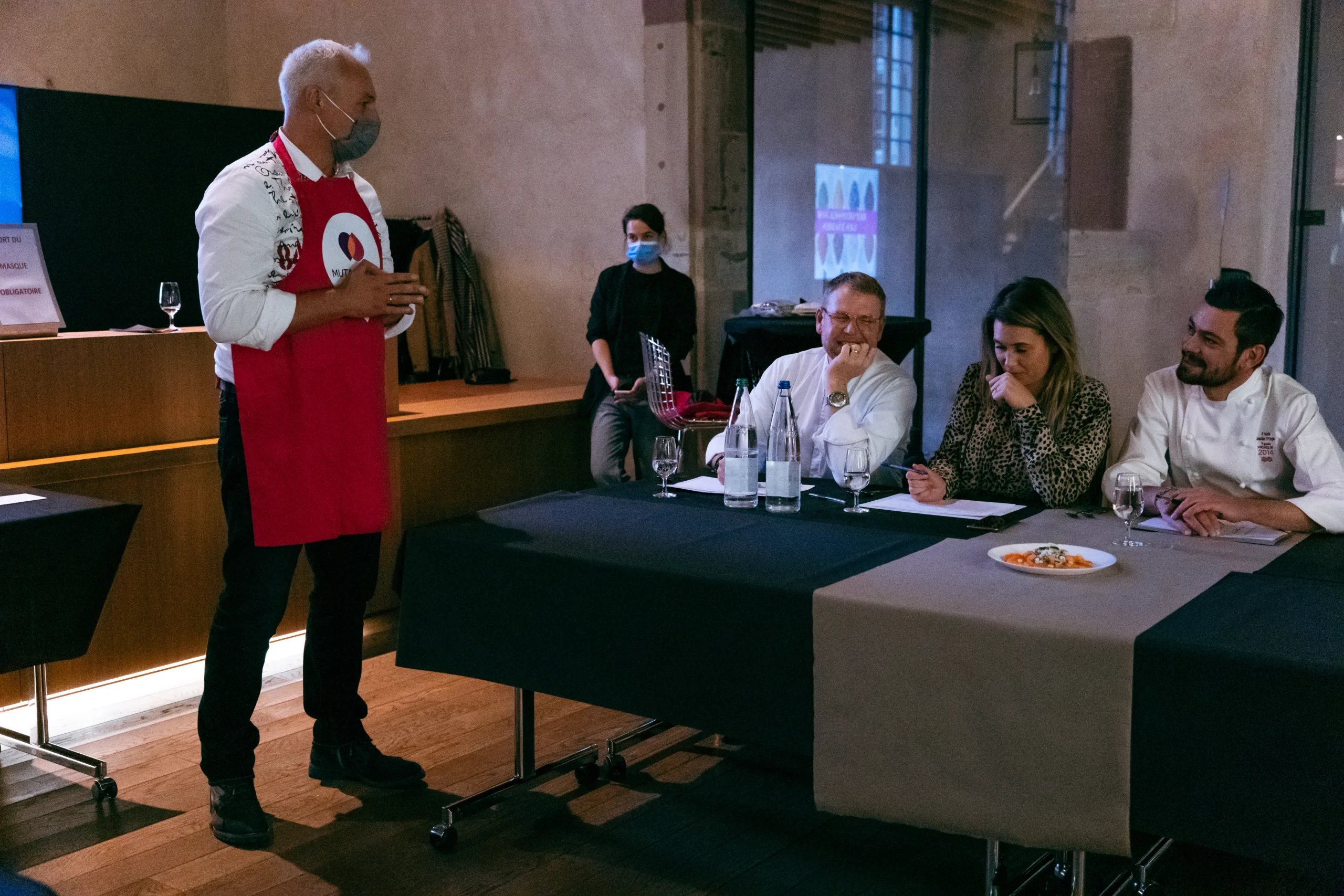
Chef-hosted storytelling: a chef explains technique and origin in short segments (2–4 minutes) between stations. This keeps attention high while respecting executives’ time.
Sound design that supports conversation: we plan background music levels by zone and moment (arrival vs. cooking vs. speeches). In corporate environments, “good ambiance” means people can still hear each other.
Visual identity integration: branded recipe cards, discreet signage, and a consistent look for staff uniforms/aprons so the experience feels corporate-appropriate without looking like a trade show.
Chef’s table micro-moments: instead of one large sit-down, we create short seated “tasting windows” so executives can host targeted conversations (clients, high potentials, new managers).
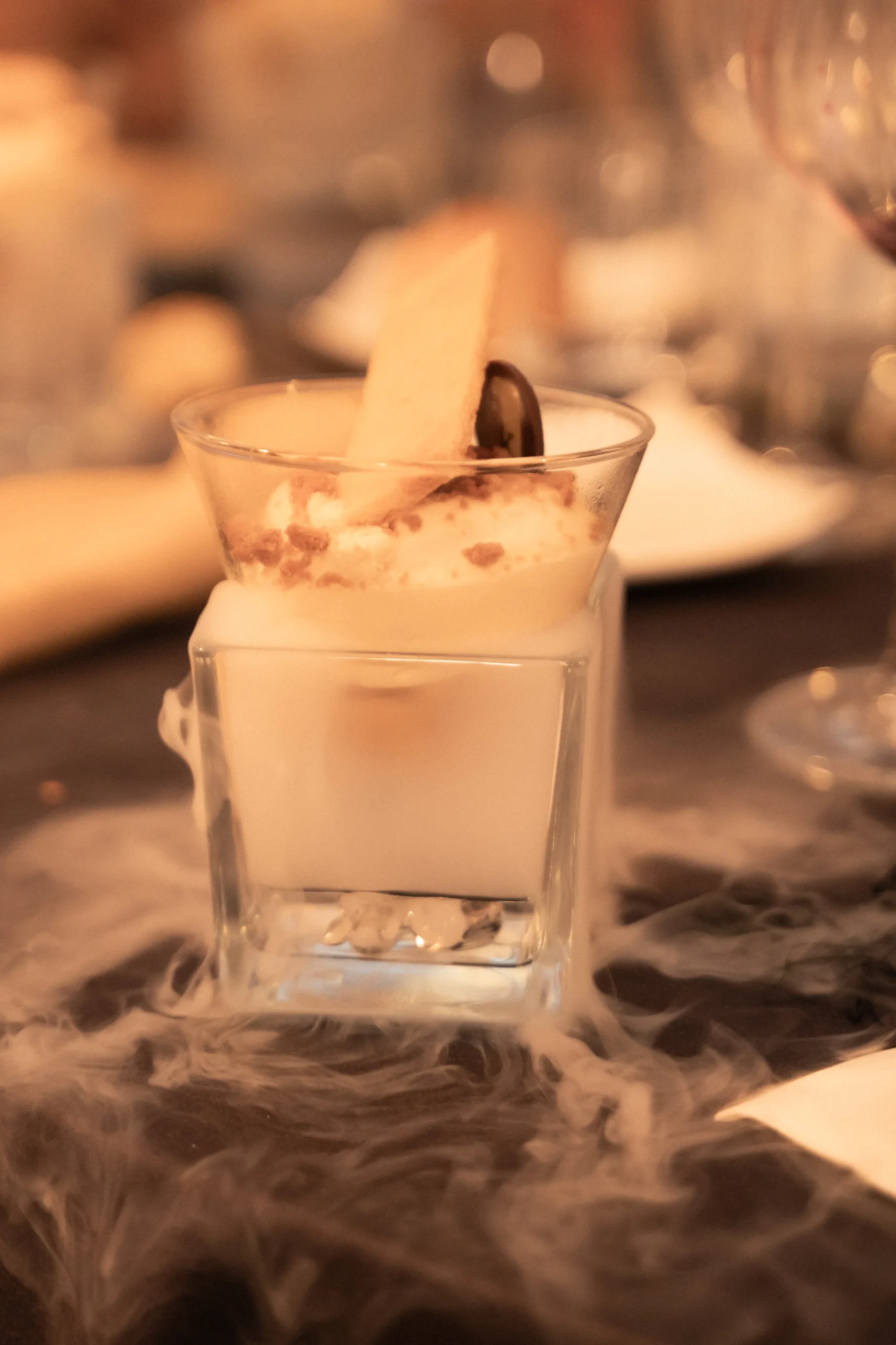
Mocktail and low-ABV pairing bar: increasingly requested by HR. We offer alcohol-equivalent experience while supporting wellness and inclusivity policies.
Allergen-managed menu architecture: parallel prep paths and explicit labeling; we brief staff to avoid the common mistake of “we can adjust on the spot,” which is risky at scale.
Real-time team scoring: digital or manual scoring with clear criteria (taste, teamwork, presentation). Done well, it’s engaging; done poorly, it feels childish—so we keep it professional and time-efficient.
Content capture workflow: a shot list aligned to your comms needs (intranet, LinkedIn, recruitment). We coordinate lighting and backdrops so photos are usable without heavy retouching.
Hybrid-friendly add-ons: when part of the team can’t attend, we can produce a short live segment (chef demo + leader message) with a post-event recipe pack, so remote employees aren’t forgotten.
Whatever the format, we align it with your brand and internal culture. A financial institution’s corporate event entertainment in Laval won’t be staged the same way as a manufacturing leadership day. We adapt tone, pacing, alcohol policy, and visuals so the experience supports—not competes with—your reputation.
The venue shapes guest perception before the first bite. For an immersive culinary program, the room must support production realities: ventilation, power, prep space, dish flow, and enough square footage to avoid lines. Choosing the wrong room forces compromises that executives notice—crowding, noise, slow service, or inconsistent food quality.
| Venue type | For which objective? | Main strengths | Possible constraints |
|---|---|---|---|
Hotel ballroom or conference center in Laval | All-hands, awards + culinary stations, predictable execution | Strong service infrastructure, staffing availability, built-in AV options, reliable climate control | Less flexibility on outside catering, set union/house rules, load-in windows can be strict |
Industrial-chic event space (loft/warehouse style) | Brand-forward employee event, product launch with culinary activation | Visual impact for comms, flexible layouts for stations, good for content capture | Power distribution and ventilation must be verified, may require extra rentals (washrooms, coat check, heating) |
Restaurant buyout with chef collaboration | Executive dinner, client loyalty evening, smaller leadership retreat | High culinary credibility, controlled kitchen, easy pacing for speeches | Capacity limits, less brand customization, noise levels and exclusivity conditions vary |
We strongly recommend a site visit (or at minimum a technical walkthrough) before confirming. In the 450 area, two venues can look similar online but behave very differently on event day—especially for load-in access, kitchen adjacency, and sound control.
Pricing depends on format complexity and on-site realities more than on “creativity.” A structured Immersive Culinary Experience requires culinary talent, equipment, staffing, and production time. We build budgets that are transparent, with optional tiers, so you can defend the spend internally.
Headcount and service model: 30–60 guests can be intimate and chef-led; 150–300 requires station replication, additional culinary captains, and more flow control.
Menu complexity: number of stations, hot vs. cold items, plating style, and ingredient premium (seafood, specialty proteins) directly impact labor and equipment.
Venue limitations: if the venue lacks prep space, power, or dishwashing capacity, we add rentals and additional staff to keep service smooth.
Timing and run-of-show: shorter programs (e.g., 2.5–3 hours) require more precision and staffing to avoid delays; longer events can spread labor but may increase venue time and bar costs.
Dietary and allergen management: separate prep paths, labeling, and dedicated staff reduce risk but add real cost—worth it to avoid HR incidents.
Production elements: AV for speeches, lighting for content capture, photographer/videographer, bilingual MC, and branding (menus, recipe cards, signage).
Compliance and insurance: permits, alcohol service requirements, and supplier insurance documentation can affect timelines and partner selection.
We position the budget as a return on outcomes: fewer no-shows, higher participation, better leadership visibility, and usable internal content. For HR and communications, the ROI is often measured in engagement signals and retention impact—not only in cost per head.
For culinary immersion, local presence is not a slogan; it’s operational risk management. When the producer knows the venues, loading docks, parking patterns, and supplier reliability in Laval, you avoid the common event-day surprises that create delays and reputational stress.
As your partner, we coordinate stakeholders and vendors under one accountable plan. If you need a broader overview of our local capabilities, see our page for event agency in Laval—it outlines how we structure mandates and manage supplier performance locally.
We position the budget as a return on outcomes: fewer no-shows, higher participation, better leadership visibility, and usable internal content. For HR and communications, the ROI is often measured in engagement signals and retention impact—not only in cost per head.
We deliver a range of culinary immersion projects because corporate needs vary. For an HR team integrating two departments after a reorg, we’ve used station rotations to mix groups deliberately, with a seating plan that placed new managers as “station leads” to create safe introductions. The result wasn’t accidental: we timed leadership remarks between rotations so the room stayed focused, and we built a clear participation structure so quieter employees weren’t sidelined.
For a communications team preparing an employer-brand push, we’ve designed a visually clean setup (consistent lighting, branded recipe cards, controlled backgrounds) so content could be published quickly and credibly. The comms win comes from planning: a shot list, scheduled “quiet” windows for photos, and pre-approved brand elements to avoid last-minute approvals.
For executive and client evenings, we often reduce “activity noise” and increase culinary depth: fewer stations, more chef interaction, stronger pairing narrative, and tighter timekeeping. In those contexts, the primary success metric is not how loud the room gets—it’s how easily leaders can host meaningful conversations without operational friction.
Underestimating guest flow: beautiful stations that create lines and frustration. We model circulation and replicate stations when needed.
Allergen handling done informally: “we’ll figure it out on site” is a liability. We implement intake, labeling, and briefing protocols.
Over-programming: too many speeches or too many steps in the activity. We protect the run-of-show so the experience stays energetic and respectful of time.
Venue mismatch: selecting a room without checking ventilation, power, or prep areas. We confirm technical requirements before locking the concept.
Unclear decision ownership: multiple internal stakeholders giving direction on site. We set a single client approver and escalation path.
Content capture as an afterthought: poor lighting and cluttered backgrounds lead to unusable photos. We plan capture like a deliverable.
Our role is to make these risks boring—handled early, documented, and assigned. That’s what protects your brand and your internal teams when the pressure is highest.
Repeat business happens when an agency reduces workload for internal teams over time. Executives and HR leaders don’t want to re-explain policies, brand constraints, or operational preferences every quarter. We document what works and we reuse proven structures while still evolving the experience.
Standard practice: a structured debrief within 5 business days including what to keep, what to change, and quantified observations (timing variances, participation, bottlenecks).
Operational continuity: the same producer remains accountable from planning through on-site execution, reducing handoff errors.
Scalable formats: we can keep a consistent concept while adapting to headcount changes (e.g., 60 to 220) without diluting quality.
Loyalty is not about habit; it’s proof that the experience delivered outcomes without creating internal friction. When teams in Laval come back, it’s usually because the event was calm to run and easy to justify.
We clarify objectives, audience profile, internal constraints (alcohol policy, inclusion expectations, union rules if applicable), and success metrics. We also confirm practical parameters: date, preferred area in Laval, timing window, and any sensitivity around messaging (reorgs, performance cycles, public announcements).
We propose 2–3 formats with clear differences: station count, pacing, culinary focus, and staffing model. Each option includes operational notes (space required, noise level, allergy approach) so you can select based on risk and outcomes—not only aesthetics.
We confirm floor plan, power distribution, ventilation, prep zones, storage, load-in schedule, and service pathways. If rentals are required (induction burners, refrigeration, back-of-house tables), we list them transparently and validate with the venue to avoid day-of conflicts.
We finalize chefs and station leads, then build a menu that balances speed, quality, and dietary realities. We produce allergen mapping and station labels, and we validate what can be executed safely at your scale within the time allotted.
You receive a clear schedule (minute-by-minute for key cues), staffing grid (who does what), and comms assets (signage text, recipe card copy, optional talking points). This reduces last-minute internal back-and-forth and keeps your approvals clean.
We run load-in, setup, vendor coordination, guest flow, and timing. A dedicated lead manages issues discreetly (dietary requests, late arrivals, technical glitches) while your team focuses on hosting. We close with a controlled load-out to respect venue rules and avoid overtime surprises.
We provide a concise report: what worked, what to improve, and options for the next edition (seasonal menu shifts, new station types, different pacing). If content capture is included, we align delivery formats to your internal channels.
Most formats work best for 30 to 300 attendees. Above that, we replicate stations and increase culinary captains to protect flow and food quality. The real limiter is venue space, ventilation, and back-of-house capacity—not the concept itself.
Plan 6 to 10 weeks for venue selection, chef availability, approvals, and dietary intake. For a simpler restaurant buyout, 4 to 6 weeks can work. If your date is in peak season (September–December), earlier is safer.
Yes. We use a structured intake process, allergen mapping, station labeling, and staff briefing. In practice, we plan separate prep paths for high-risk allergens and maintain a clear escalation point on site. This is one of the first items we validate with your HR team.
Not always. We can run stations with induction and controlled prep in venues without a full kitchen, but we must validate power, ventilation, and dish flow. When a venue has strong back-of-house infrastructure, quality and pacing are easier to maintain—especially for 150+ attendees.
Budgets vary widely by headcount and complexity. As a planning reference, corporate culinary immersion programs commonly land between CAD $150 to $350 per person for many mid-scale formats (venue and AV can shift this). We can propose tiered options so you can choose where to invest: culinary depth, production value, or content capture.
If you’re comparing agencies, we can make the decision easier: share your date range, approximate headcount, and your top 2 objectives (HR, comms, client). We’ll come back with structured options, operational assumptions, and a transparent budget—so you can validate internally without chasing details.
For the best venue and chef availability in Laval, start planning early. A short alignment call is usually enough for us to outline a workable format and identify any technical or policy constraints before they become expensive on event day.
Thierry GRAMMER is the manager of the INNOV'events Laval office. Reach out directly by email at canada@innov-events.ca or via the contact form.
Contact the Laval agency