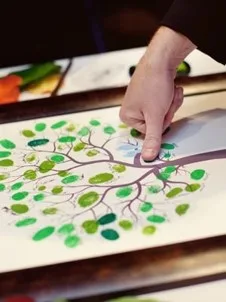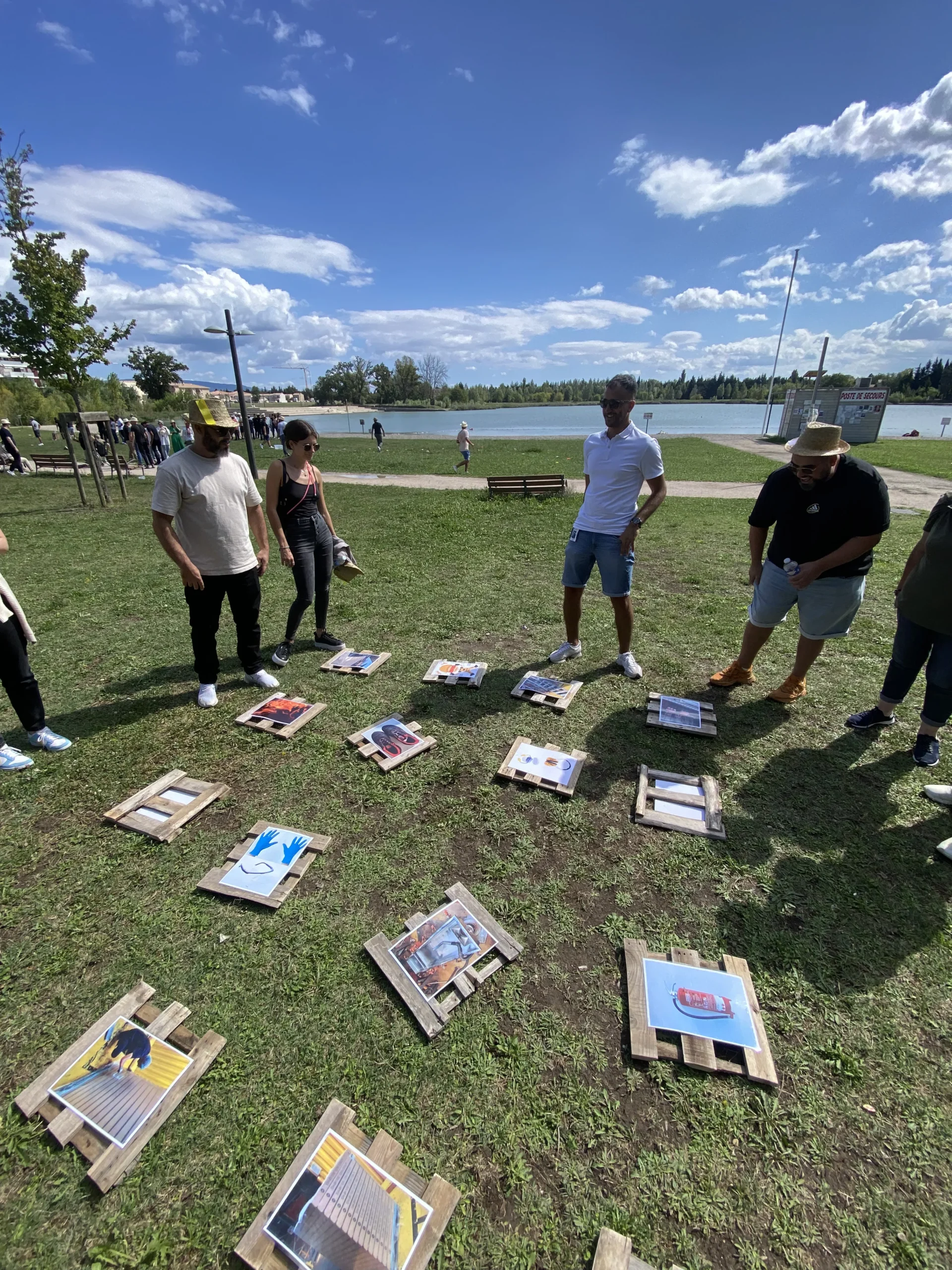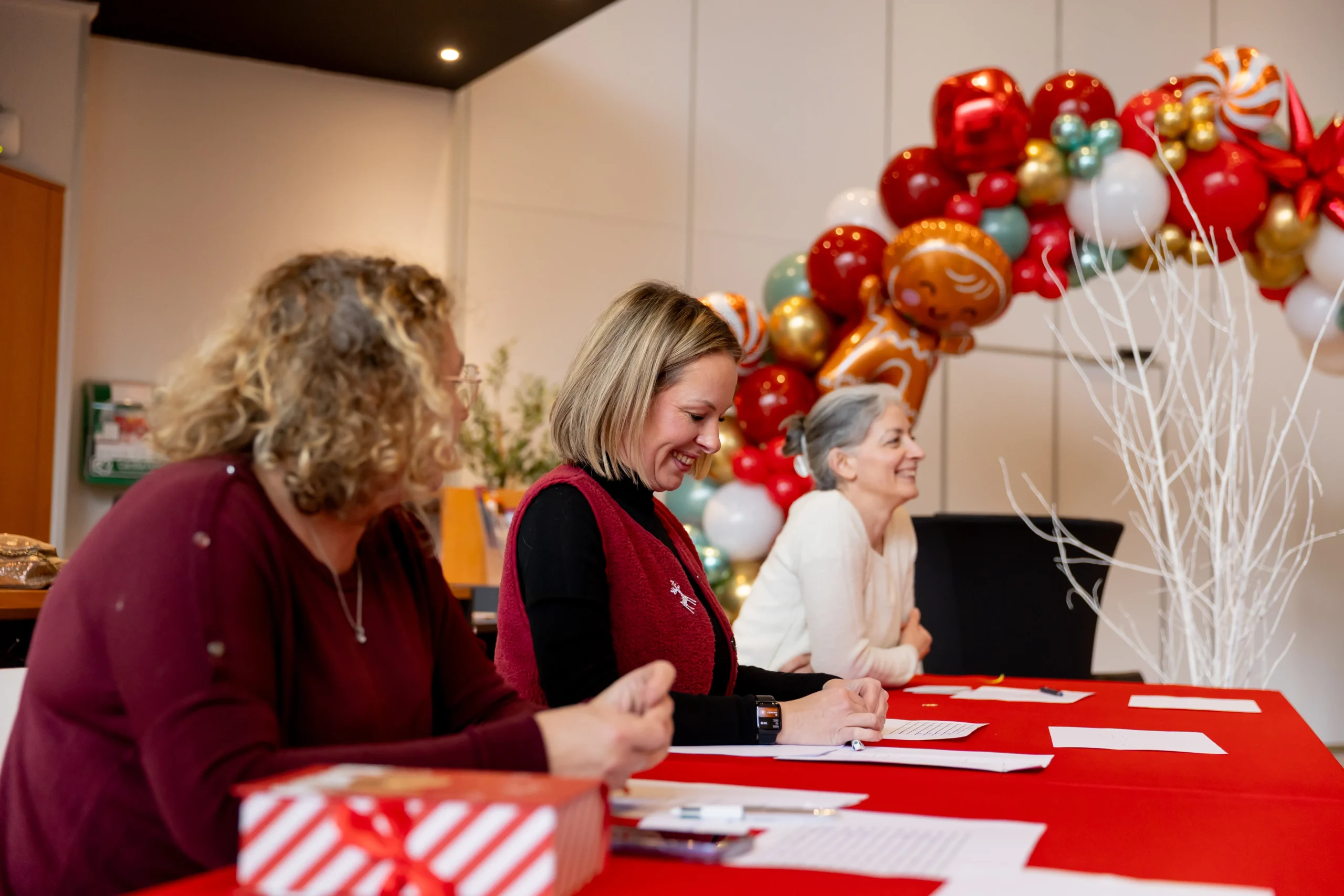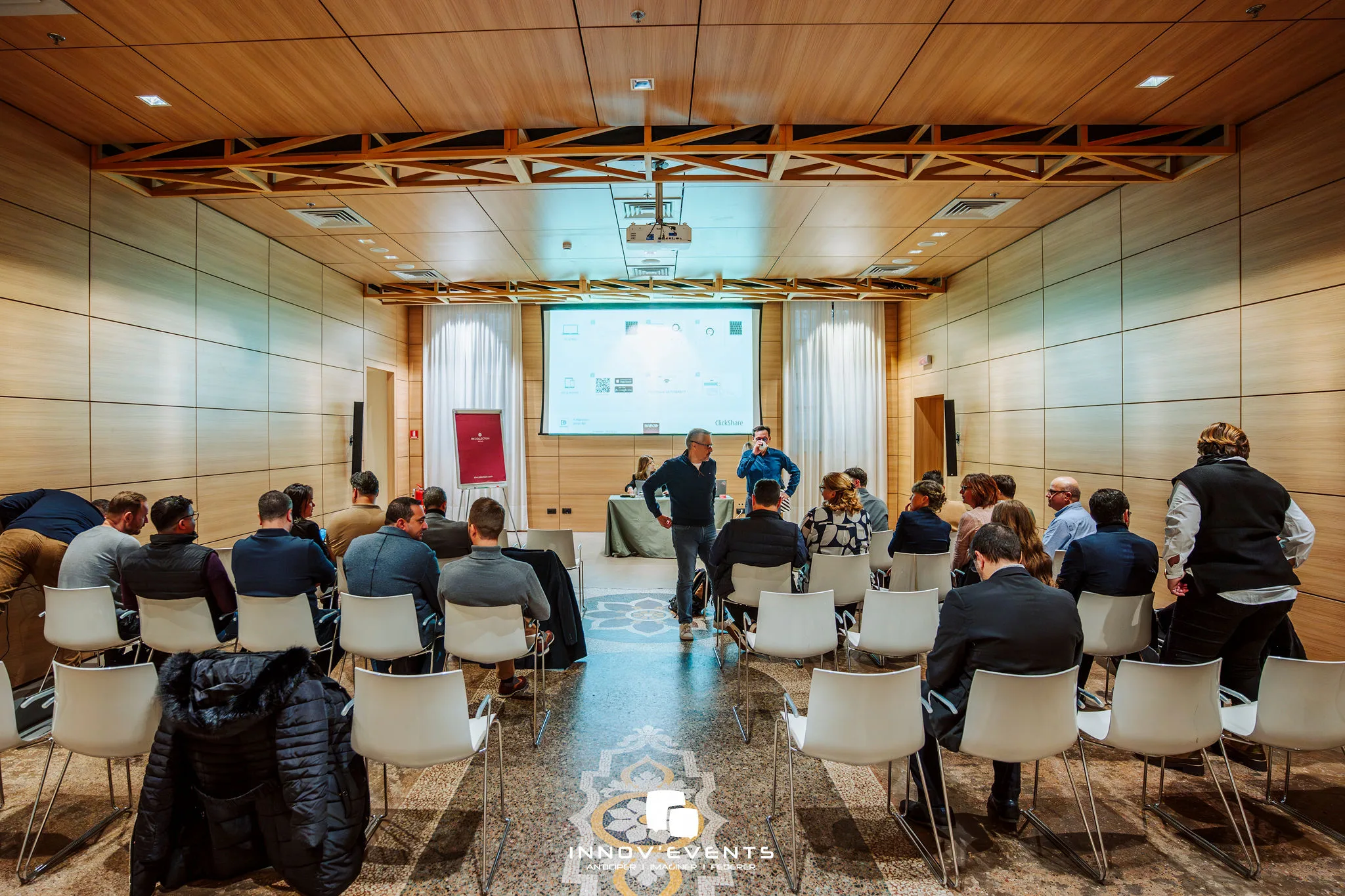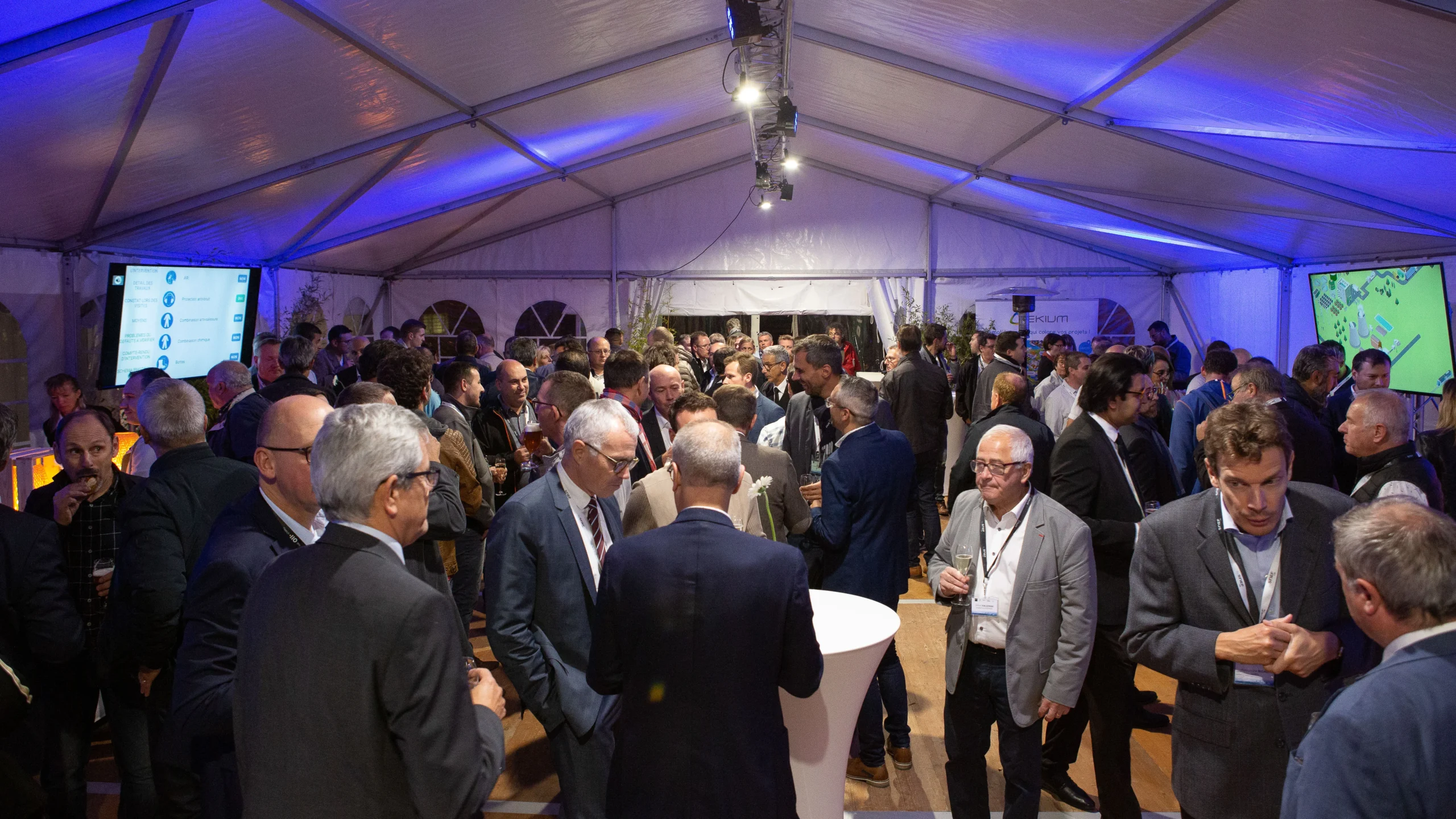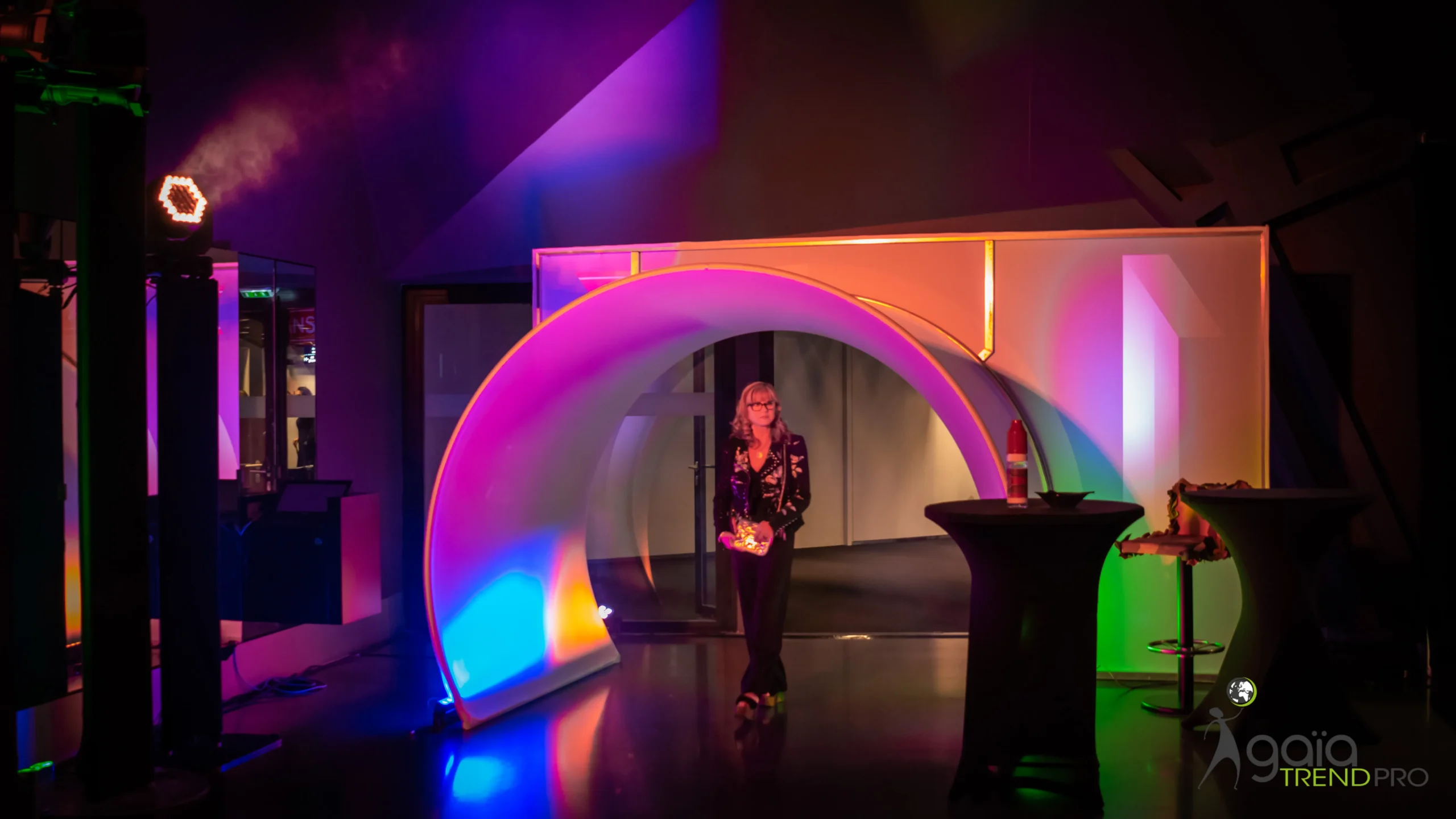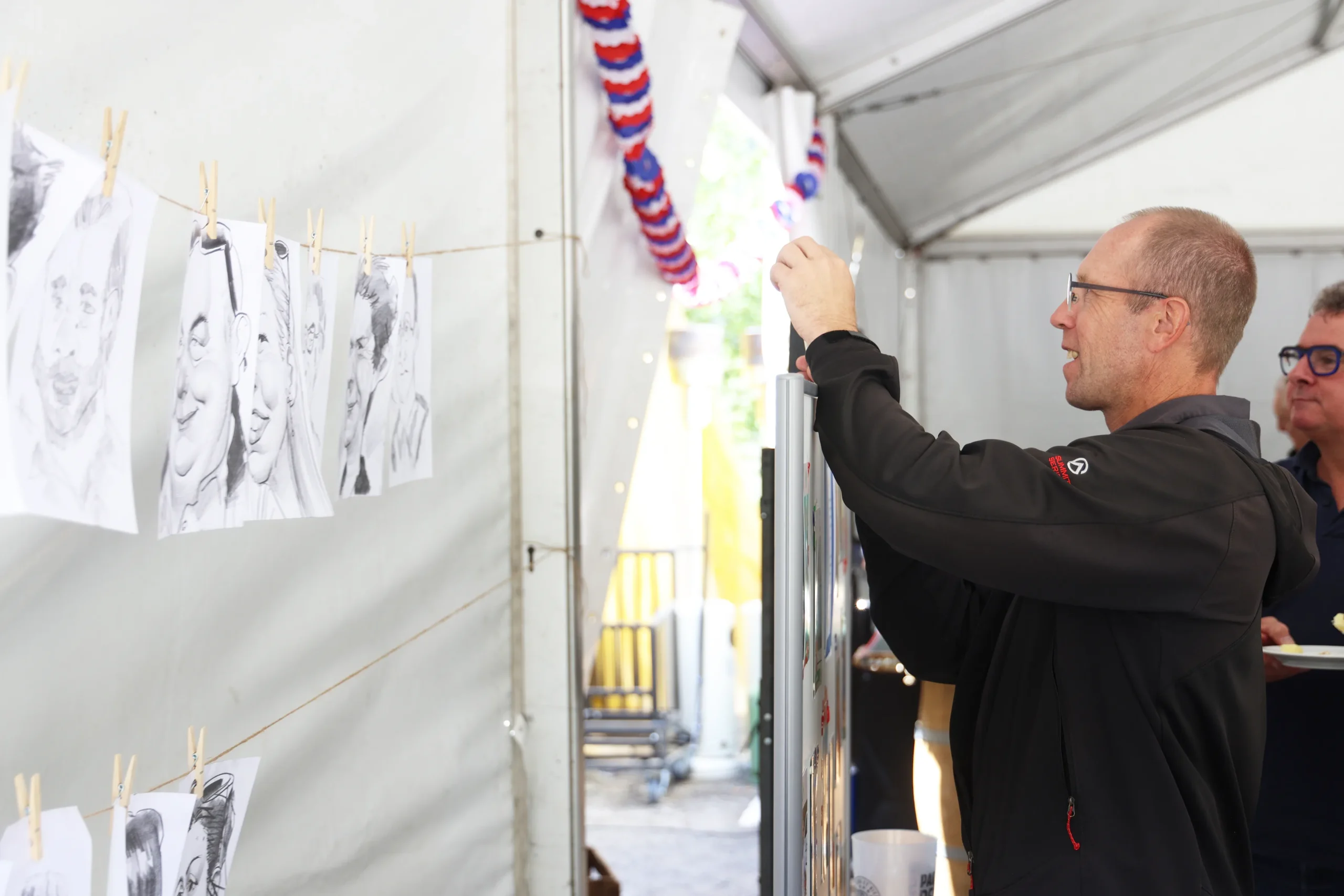
INNOV'events is a Montréal-based agency delivering a Color Analysis Workshop designed for corporate groups in Laval, typically 12 to 80 participants depending on the format. We manage the facilitator, materials, scheduling, and on-site flow so your leaders can stay focused on culture, engagement, and brand standards.
This is not a “fun activity” added at the last minute: it’s a structured workshop that supports executive presence, cross-team alignment, and communication clarity—while staying respectful of HR realities, inclusion policies, and event-day constraints.
In a corporate agenda, “entertainment” has to earn its place. A Color Analysis Workshop creates immediate, measurable engagement because participants see a concrete result (a palette and guidelines) and can apply it the next day in client meetings, headshots, or internal communications.
Organizations in Laval expect a workshop that is punctual, bilingual-ready when needed, and compatible with diverse comfort levels. HR and comms teams also want a predictable experience: clear timing, respectful facilitation, and no awkward “put-on-the-spot” moments.
INNOV'events operates weekly between Montréal and Laval. We know the territory, the typical venue constraints, and what executives look for: a clean deliverable, controlled brand risk, and flawless execution under event-day pressure.
10+ years of corporate event production across Greater Montréal, with repeat programs delivered for HR and communications teams.
Facilitator network covering French/English delivery, with standardized briefing documents and rehearsal protocols to protect your brand tone.
Formats proven from 12–20 (executive cohort) to 60–80 (departmental engagement) with controlled time-on-task and rotation planning.
Event-day management built around checklists, run-of-show, and on-site contingency plans (lighting, delays, room noise, late arrivals).
In Laval, our work is often recurrent: annual leadership offsites, quarterly recognition moments, employer-brand activations, and internal communication days where consistency matters. We are frequently re-mandated because teams want the same level of control every time—clear production, reliable partners, and content that matches corporate standards.
We support organizations with different realities: head offices managing hybrid teams, industrial and logistics players with shift constraints, and professional services teams under client pressure. In practice, this means we plan around real calendars (month-end, peak periods, board meetings), we adapt to internal policies (photo consent, privacy, inclusivity), and we communicate in a way that makes your internal stakeholders look good.
If you share the company names you’d like us to reference, we will integrate them precisely and responsibly (industry context, program scope, and outcome) while staying compliant with confidentiality expectations.
Nous vous envoyons une première proposition sous 24h.
A Color Analysis Workshop is strategic when it’s positioned as a capability-building moment, not a “makeover”. Executives, HR, and communications teams use it to reinforce professional presence, reduce decision fatigue (what to wear for key moments), and align visual signals with the organization’s brand—especially when employees represent the company in public-facing roles.
Sharper executive presence: participants learn which colors support authority, approachability, or credibility on-camera—useful for town halls, media, panels, and client negotiations.
Better consistency in brand-facing roles: sales, recruitment, and leadership teams reduce the mismatch between personal styling and corporate brand tone (without forcing uniformity).
More effective photo and video days: when paired with headshots, the workshop reduces wardrobe mistakes that create retakes, editing costs, or inconsistent imagery across departments.
Higher engagement without forced vulnerability: the format encourages participation through observation and testing, not personal disclosure—important for psychologically safe environments.
Practical takeaways: each attendee leaves with a concise palette and usage rules (neutrals, accents, contrast level), which translates into immediate action rather than “nice inspiration”.
Inclusive approach: we design the workshop to avoid stereotypes and to respect different gender expressions, cultural norms, and accessibility needs (lighting sensitivity, sensory considerations, etc.).
Laval combines corporate offices, public-sector style governance, and fast-moving commercial sectors. In that environment, professional image is not vanity—it is operational: it affects credibility, recruitment, and client trust.
In Laval, the bar is high for anything branded as a “workshop.” Teams expect structure, predictability, and respect for time. Many of our corporate contacts are balancing multiple priorities: a leadership message to deliver, an HR initiative to support, and a comms calendar already planned weeks ahead.
Local constraints are real and must be planned, not “handled on the day of.” Parking and arrival flow matter (especially when participants come from different sites). Room layouts vary widely: some venues look great but have inconsistent lighting, which is a direct risk for color analysis accuracy. We plan with lighting checks and positioning so the experience remains credible.
We also see a frequent Laval reality: mixed audiences. Example: an executive team attends alongside managers and client-facing specialists. The workshop must remain executive-appropriate (no infantilizing tone), while staying accessible for participants who are not used to “personal development” formats. This is where facilitation quality and framing make the difference.
Engagement happens when participants can see progress, not when they are asked to “have fun.” A Color Analysis Workshop in Laval works well because it creates a clear before/after understanding: why certain colors support someone’s presence, and how to apply that in real business contexts (presentations, client meetings, recruitment events).
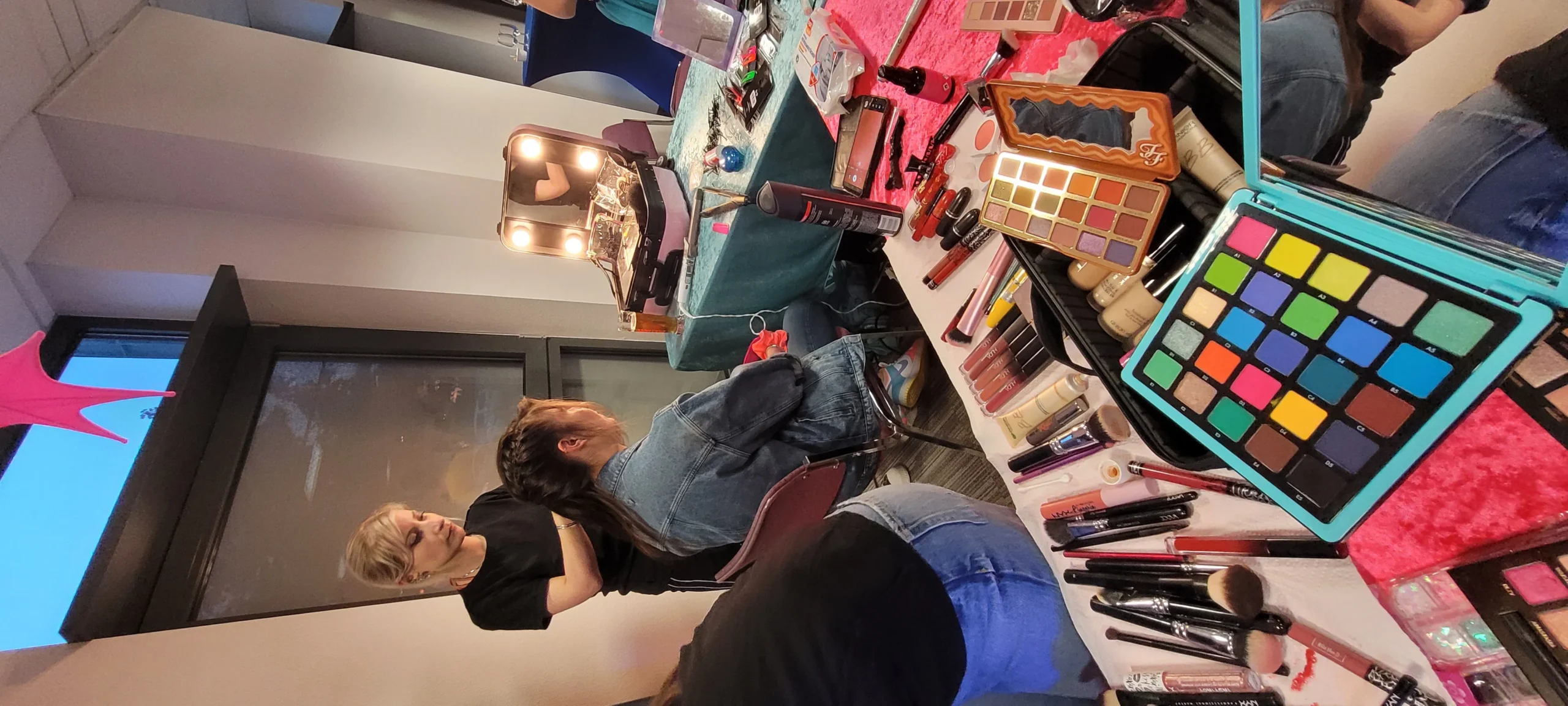
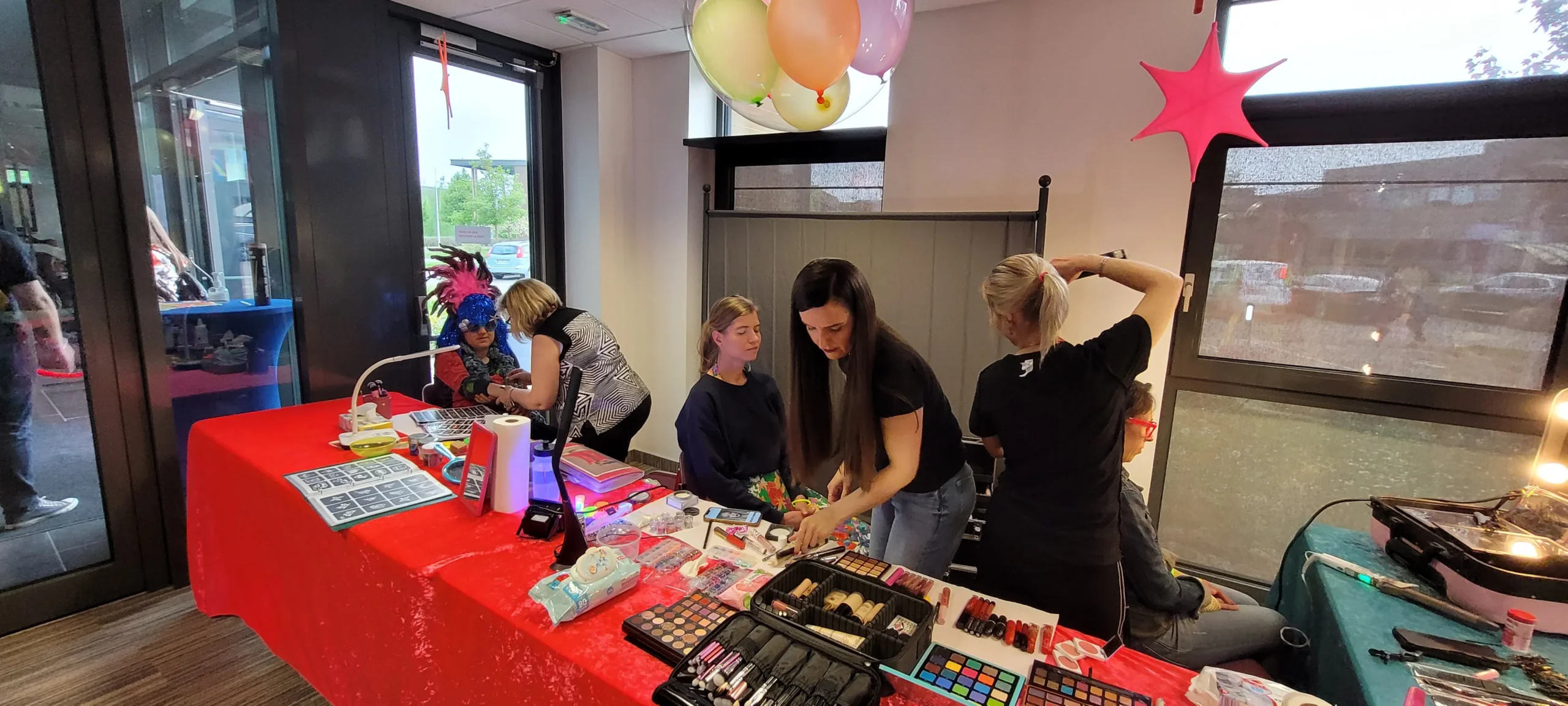
Palette discovery in small rotations (12–20 per facilitator): participants cycle through quick testing stations, keeping the energy high while maintaining quality and privacy.
Executive presence module: a structured segment on contrast, saturation, and camera-readiness—particularly useful for leadership teams doing town halls or public speaking.
Wardrobe decision framework: practical rules for building professional outfits with fewer items (neutral base, accent strategy, “safe meeting colors”), reducing decision fatigue.
Headshot alignment: if your event includes photography, we coordinate a palette-based wardrobe checklist to reduce retakes and editing inconsistency.
Color storytelling for leadership messaging: a short guided exercise connecting color choices to the tone of a leadership message (confidence, calm authority, approachability) without becoming theatrical.
Brand-to-person bridge: a facilitated discussion where comms teams translate brand guidelines into real clothing/accessory examples, helping employees embody the brand in a realistic way.
Palette-inspired refreshment station: we can coordinate catering visuals (not gimmicks) so the environment supports the workshop theme—useful in conferences where the comms team wants cohesive staging.
Timing integration with breaks: in Laval venues, we often use a coffee break as a buffer for rotations and late arrivals, protecting the schedule without rushing participants.
On-camera test setup: a simple lighting and camera station where participants see how colors render on common video-call setups, supporting remote/hybrid realities.
Digital takeaways: a concise PDF per participant (palette + rules) and an HR/comms summary deck, designed for internal distribution without oversharing personal data.
The best results come when the workshop is aligned with your brand image and internal culture. We calibrate tone and content: a financial services audience in Laval will not expect the same delivery as a creative or tech team, but both require precision and professionalism.
The venue directly affects the credibility of a Color Analysis Workshop. Lighting quality, wall colors, window placement, and room noise can either support accurate testing or distort results. In Laval, we often see beautiful spaces that are challenging for color fidelity because of mixed lighting (warm overhead + strong daylight). We plan around that before your participants walk in.
| Venue type | For which objective? | Main strengths | Possible constraints |
|---|---|---|---|
Hotel conference room in Laval | Deliver a structured workshop during a leadership day or annual meeting | Predictable service standards, AV options, controlled access, easy run-of-show management | Lighting can be warm and uneven; needs a pre-check to avoid color distortion |
Corporate training room (on-site) | HR-led development program with minimal travel and strong attendance control | Familiar environment, lower logistics cost, easier alignment with internal schedules | Often limited daylight control; room layout may restrict rotation stations |
Studio or photo-ready space | Combine workshop with headshots or employer brand content capture | Best lighting control, consistent results on camera, efficient photo workflow | Higher rental cost; requires tighter scheduling to avoid bottlenecks |
We strongly recommend a site visit or at minimum a technical validation (photos, lighting details, room dimensions). In Laval, small differences—window orientation, ceiling color, bulb temperature—can change the quality of the analysis and the perceived seriousness of the workshop.
Budget for a Color Analysis Workshop in Laval depends on the format, the number of participants, and the level of deliverables expected by HR and communications. To keep your planning realistic, we price based on facilitator capacity, session length, rotation design, and production requirements (especially lighting control and materials).
Group size and pacing: a credible analysis typically requires a facilitator-to-participant ratio that protects quality. For corporate standards, plan for 12–20 participants per facilitator for rotation-based testing.
Duration: common formats are 60–90 minutes (intro + demos), 2–3 hours (rotations + takeaways), or half-day when combined with executive presence coaching.
Depth of deliverables: basic palette guidance vs. individualized rules (contrast, neutrals, accent strategy) and a structured recap for HR/comms.
Venue constraints: if the space has mixed lighting, we may recommend additional controls or layout changes to maintain accuracy.
Bilingual delivery: if your audience in Laval is mixed, bilingual facilitation may affect staffing and prep.
Integration with other program elements: headshots, employer branding content, or a leadership day run-of-show increases coordination needs.
From an ROI perspective, leaders typically justify this workshop through improved on-camera consistency, better first impressions in client-facing roles, and reduced friction for comms/HR when preparing events, panels, and photo days. We can help you frame expected outcomes before committing to production.
On paper, a Color Analysis Workshop looks simple. In reality, the risk is operational: lighting issues, schedule drift, and facilitation that doesn’t match executive expectations. Choosing a partner who works regularly in Laval reduces these risks because the logistics and vendor coordination are familiar—not theoretical.
As a Montréal agency with frequent deployments on the North Shore, we plan with real constraints in mind: arrival flow, parking, venue loading rules, and the time buffers needed when you have senior leaders with tight calendars. When something changes on the day-of (a room switch, a delayed lunch, a late speaker), you need an operator who can adjust without compromising the credibility of the workshop.
For readers comparing options: if you want a single accountable team for planning and on-site execution, our event agency in Laval coverage is built precisely for that type of requirement.
From an ROI perspective, leaders typically justify this workshop through improved on-camera consistency, better first impressions in client-facing roles, and reduced friction for comms/HR when preparing events, panels, and photo days. We can help you frame expected outcomes before committing to production.
We deliver workshops in multiple contexts that matter to executives and HR teams in Laval. One common scenario is a leadership offsite where the organization wants a practical module between strategic sessions: the workshop provides a “hands-on” segment that re-energizes the room while staying professional. Another scenario is employer branding: recruitment teams preparing for career fairs or campaign photos use the workshop to align on camera-ready choices and reduce last-minute wardrobe stress.
We also see internal comms needs: rebranding initiatives, new leadership announcements, or a push for stronger client experience. In those cases, the workshop is framed as a tool that helps employees represent the brand consistently—not as a personal makeover. The difference in framing is critical for acceptance and for avoiding HR pushback.
Finally, there are practical operational deployments: sales kickoffs and service teams that are often in front of customers. The workshop becomes part of a broader professionalism standard, alongside etiquette, presentation skills, and on-camera guidance. Our role is to integrate seamlessly into your program so the workshop feels like a business decision, not an add-on.
Underestimating lighting impact: mixed warm/cool lighting can undermine credibility. We validate the room and adapt placement and tools to maintain accurate results.
Overcrowding one facilitator: large groups without rotation planning lead to rushed testing and dissatisfaction. We design the pace and staffing so every participant gets value.
Wrong tone for executives: overly casual facilitation can reduce buy-in. We brief facilitators to keep it professional, respectful, and outcome-driven.
No privacy boundaries: participants may not want comments in front of peers. We set clear interaction rules and offer discreet feedback options.
Ignoring inclusion and policy: image-based topics can be sensitive. We align with HR guidelines, avoid stereotypes, and keep language neutral and inclusive.
No deliverable: without a clear takeaway, the workshop feels ephemeral. We provide practical outputs that support ongoing use.
Our role is to anticipate these risks early and build a controlled experience in Laval—with the same rigor you apply to any leadership or HR initiative.
Repeat business rarely comes from a “nice moment.” It comes from predictability, stakeholder comfort, and outcomes that can be defended internally. In Laval, we often work with the same HR and communications teams across multiple initiatives because they want a partner who reduces workload, not one who creates additional coordination.
High repeat rate in corporate programs: clients frequently rebook for new cohorts (leaders, managers, client-facing teams) once the format is validated internally.
Planning lead time typically 3–8 weeks: we see better results when stakeholders have time for venue validation and internal alignment.
Participant satisfaction drivers: clarity of guidance, respectful delivery, and practical takeaways consistently rank above “novelty”.
Loyalty is the most credible indicator of quality in corporate events: teams in Laval come back when the workshop is easy to justify, easy to run, and safe for the organization’s image.
We start with a working session with HR, comms, and the executive sponsor. We clarify the business intent (presence, brand alignment, on-camera readiness), the audience makeup, and any boundaries (privacy, inclusion, photo policy). We also confirm the event context: stand-alone workshop, leadership day, conference, or recruitment initiative.
We propose the structure (intro, demos, rotations, Q&A, deliverables) and define a realistic schedule with buffers. We validate how many facilitators are needed and how we will manage flow. At this stage, we identify technical risks specific to the venue (lighting, room color, sound bleed, space for stations).
We brief the facilitator(s) with your organization’s context: audience seniority, vocabulary expectations, brand personality, and any internal sensitivities. We align on what is in-scope (color theory basics, contrast guidance) and out-of-scope (personal judgment, stereotypes, any language that could create discomfort).
On the day-of, we manage setup, check lighting conditions, confirm station flow, and keep the run-of-show on track. We handle small issues before they escalate: late arrivals, room switches, schedule compression, and participant questions that need tact. The goal is a workshop that feels controlled and executive-appropriate.
We can provide a short recap package: what was delivered, what participants received, and recommended next steps (headshot day alignment, on-camera guidelines, internal comms reinforcement). This helps you document value and plan next cohorts without restarting from zero.
For credible results, plan 12–20 participants per facilitator for rotation-based testing. For larger groups (up to 60–80), we add facilitators or split into time blocks so quality doesn’t drop.
Most corporate formats in Laval run 90 minutes to 3 hours. If you want individual guidance and documented takeaways, 2–3 hours is usually the most operationally comfortable.
Yes. We often pair the workshop with a photo session. The key is scheduling: we set rotations and buffers so photography doesn’t create lineups. This combination typically improves consistency in final images and reduces retakes.
Yes, when framed correctly. We position it as executive presence and brand representation, with practical rules for on-camera and in-person impact. The facilitation remains professional and avoids “makeover” language.
We need date range, participant count, venue or venue type, preferred language(s), and your objective (presence, brand alignment, headshots, engagement). With that, we can give a clear range and staffing plan within a few business days.
If you’re evaluating agencies for a Color Analysis Workshop in Laval, we suggest starting with a short alignment call. We’ll confirm the right format, the facilitator ratio, venue requirements (especially lighting), and a run-of-show that respects executive time constraints.
Send us your target date(s), estimated headcount, and the context (leadership day, HR program, comms initiative). We’ll return a structured proposal with options—so you can choose based on outcomes and operational fit, not guesswork.
Thierry GRAMMER is the manager of the INNOV'events Laval office. Reach out directly by email at canada@innov-events.ca or via the contact form.
Contact the Laval agency