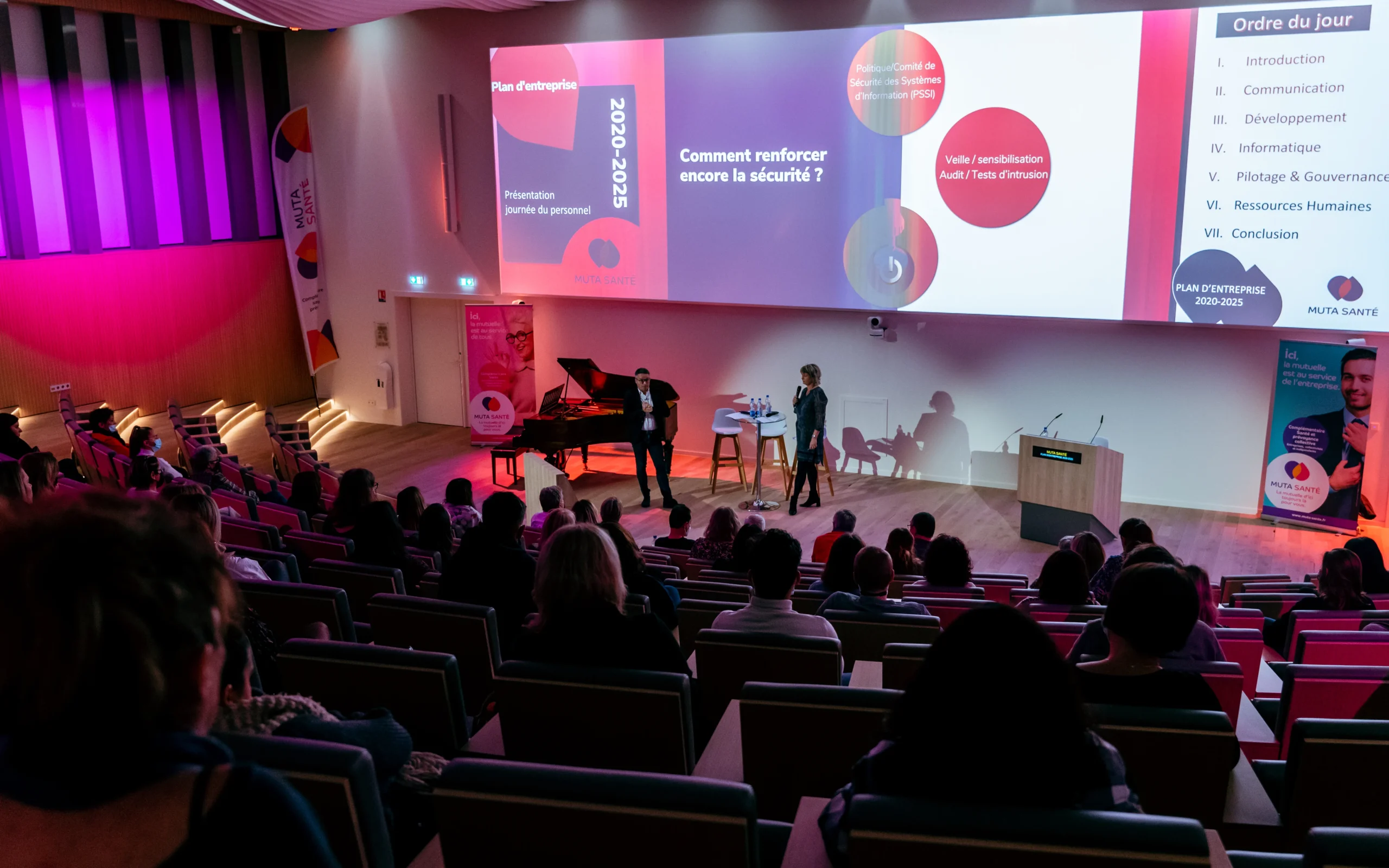
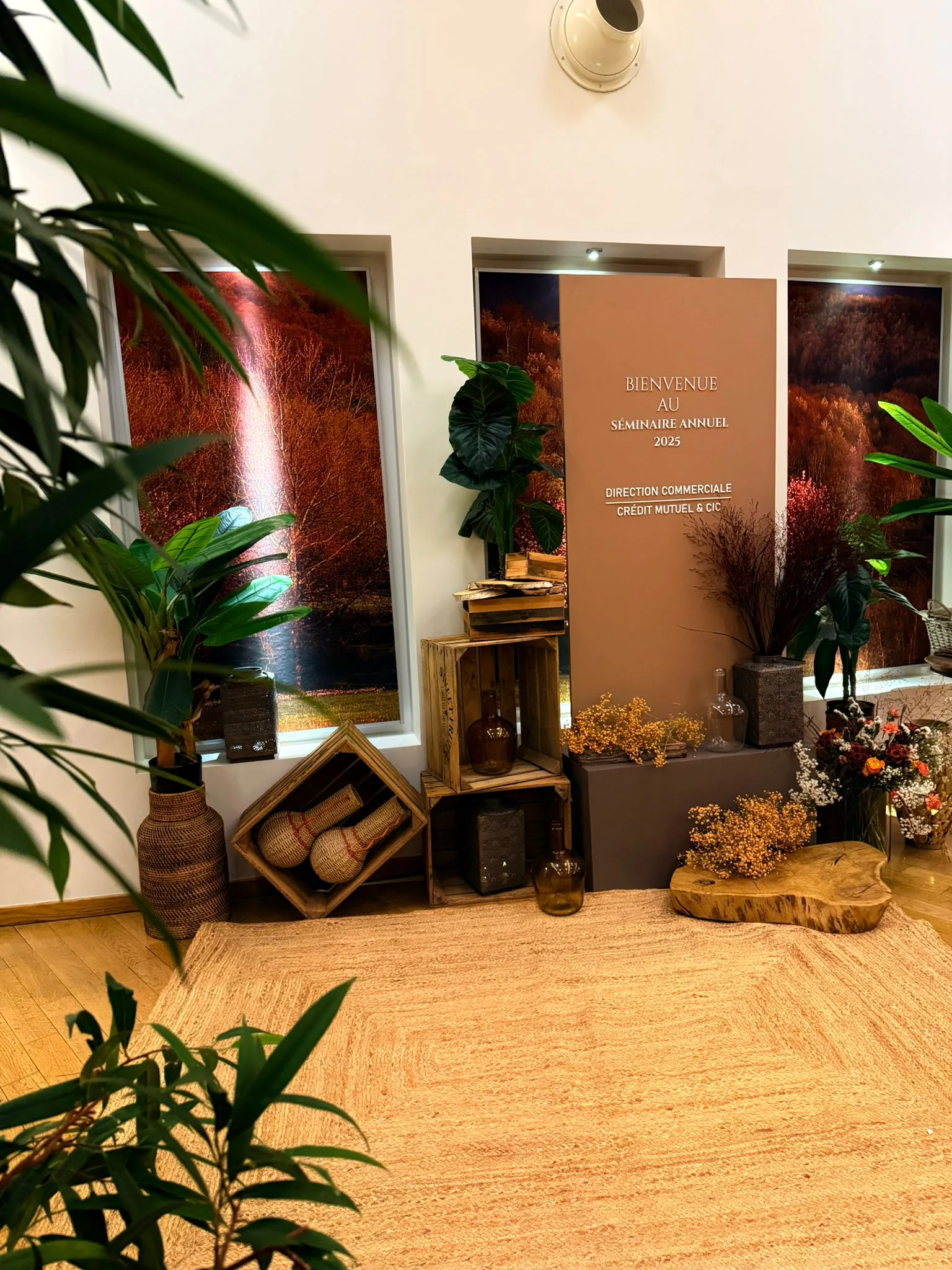
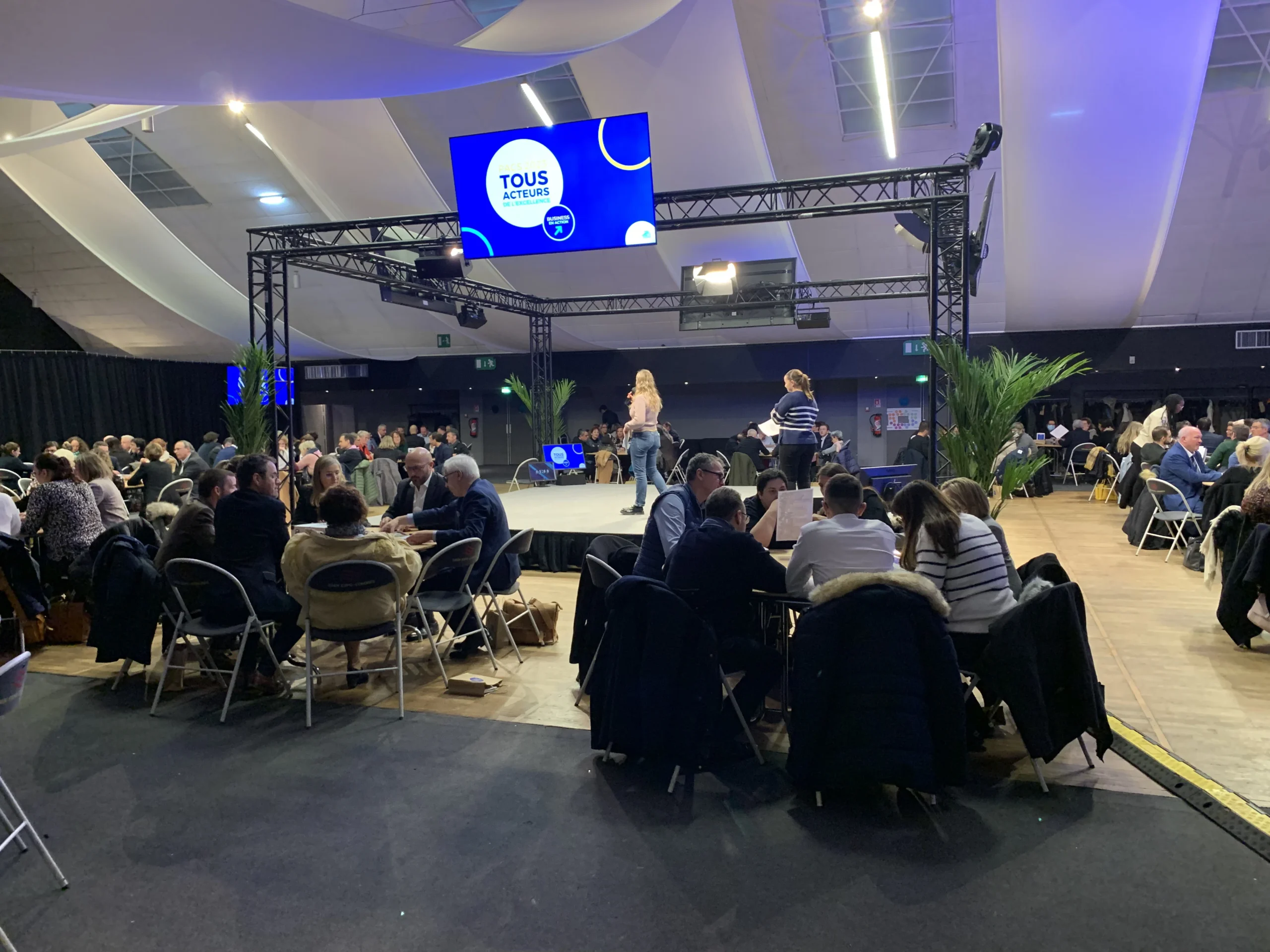
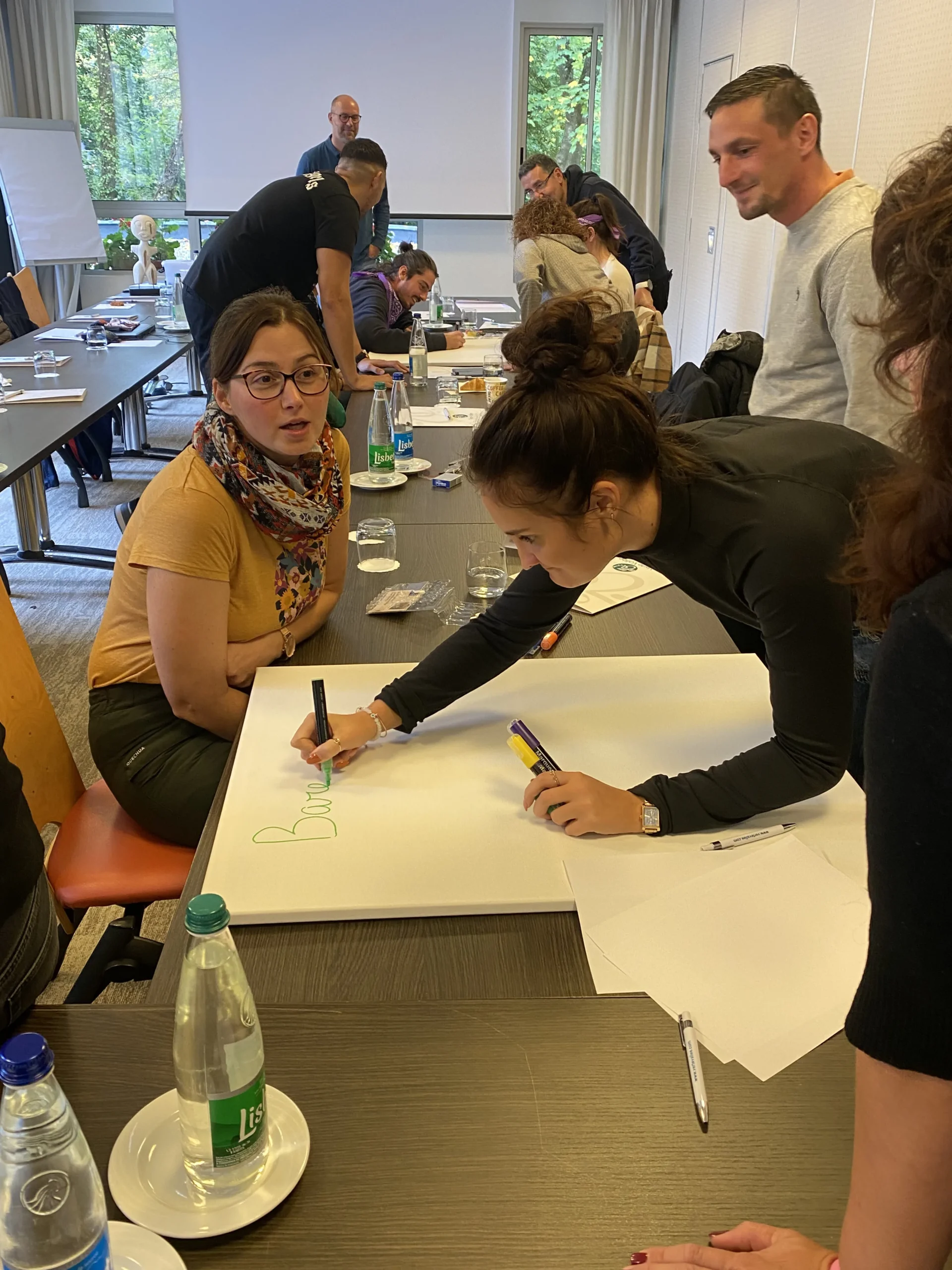
INNOV'events is an event agency based in Montréal, supporting executives, HR and communications teams for Seminar delivery across Quebec, from 30 to 1,200 participants. We manage the program architecture, venue and supplier coordination, AV, facilitation, and risk control—so your leaders can focus on decisions and people, not logistics.
Whether it’s an annual strategy seminar, a management offsite, or a culture-and-change day, we run the operational playbook: schedules that hold, rooms that work, and content that lands with the right audiences.
In a corporate Seminar, “entertainment” is not filler—it’s a lever to keep attention high, reduce cognitive load between dense segments, and create shared reference points leaders can reuse after the event. In Quebec organizations, we often see the same challenge: strong content, but a day that loses energy at 2:00 p.m. unless the rhythm is engineered.
Local teams expect tight timing, bilingual execution when required, and suppliers who understand venue constraints in Montréal, Québec City and regional hubs (load-in rules, union AV crews, parking limits, winter travel buffers). They also expect discretion: leadership messages, HR topics, and change initiatives must be handled with professional confidentiality.
Our Montréal producers work on the ground across Quebec every week, with a practical approach: run-of-show discipline, speaker coaching, AV redundancy and on-site decision-making. You get one accountable team that can interface with your VP office, HR partners, and internal communications without creating friction.
12+ years delivering corporate events and seminars across Quebec, with repeat accounts in finance, manufacturing, public sector and technology.
200+ corporate projects produced via our network (seminars, conferences, leadership offsites, town halls, incentive events).
30–1,200 participants managed with the same operational standard: registration flow, room management, AV coordination and on-site escalation.
1 accountable producer + 1 on-site lead + dedicated stage manager when needed, to keep decision paths short on event day.
We support organizations across Quebec that run seminars year after year because they need a dependable operating partner—not a one-off supplier. In practice, recurring clients come back for three reasons: our ability to protect the agenda, our control of the room (sound, screens, lighting, seating dynamics), and our calm on event day when priorities shift.
Examples of situations we manage regularly for Quebec-based teams:
If you want references aligned to your sector and format in Quebec, we can share comparable cases during a brief call (scope, constraints, and what we controlled on-site).
We send you a first proposal within 24h.
A Seminar in Quebec is often the only moment in the year where leadership can move from “information” to “alignment.” Emails and Teams updates spread messages; they rarely create commitment. A well-built seminar creates clarity on priorities, reduces interpretation drift between sites, and gives managers the language to execute consistently.
Speed up decision execution: when you bring business units together, you surface contradictions early (targets, roles, KPIs) and resolve them in the room instead of through weeks of back-and-forth.
Stabilize change management: in Quebec organizations, especially multi-site operations, people need concrete “what changes Monday morning” answers. A seminar can translate strategy into operational behaviours and manager scripts.
Reduce silo cost: cross-functional workshops (Ops/HR/IT/Sales) create shared constraints—what IT can truly deliver, what HR can support, what Sales needs—so planning becomes realistic.
Strengthen management culture: seminars are where leaders model how the company behaves (feedback, accountability, recognition). The format lets you practise the culture, not just describe it.
Protect employer brand: for HR and communications, a seminar is a high-signal event. Consistency, pacing, and production quality directly impact credibility—especially when you ask teams to absorb difficult messages.
The economic culture in Quebec is relationship-driven and pragmatic: leaders want straight talk, operational detail, and respect for people’s time. A seminar that is structured, punctual and well-produced reads as competent leadership—and that perception matters when you’re asking teams to deliver through uncertainty.
In Quebec, seminar expectations tend to be less about spectacle and more about control: the room must work, the program must hold, and the supplier team must be self-sufficient. We routinely work with directors who have limited tolerance for “we’ll figure it out on-site,” because their credibility is on the line in front of their VPs and managers.
Here are the local realities we plan for:
Our role is to turn these expectations into a workable plan that your internal team can defend—upward to leadership and sideways to operations.
Engagement in a Seminar in Quebec is earned through relevance and pacing. The goal is not to “add activities,” but to create moments that reset attention, increase participation, and make key messages stick. We choose formats based on audience profile (frontline managers vs. directors), sensitivity of topics, and the outputs you need by end of day.
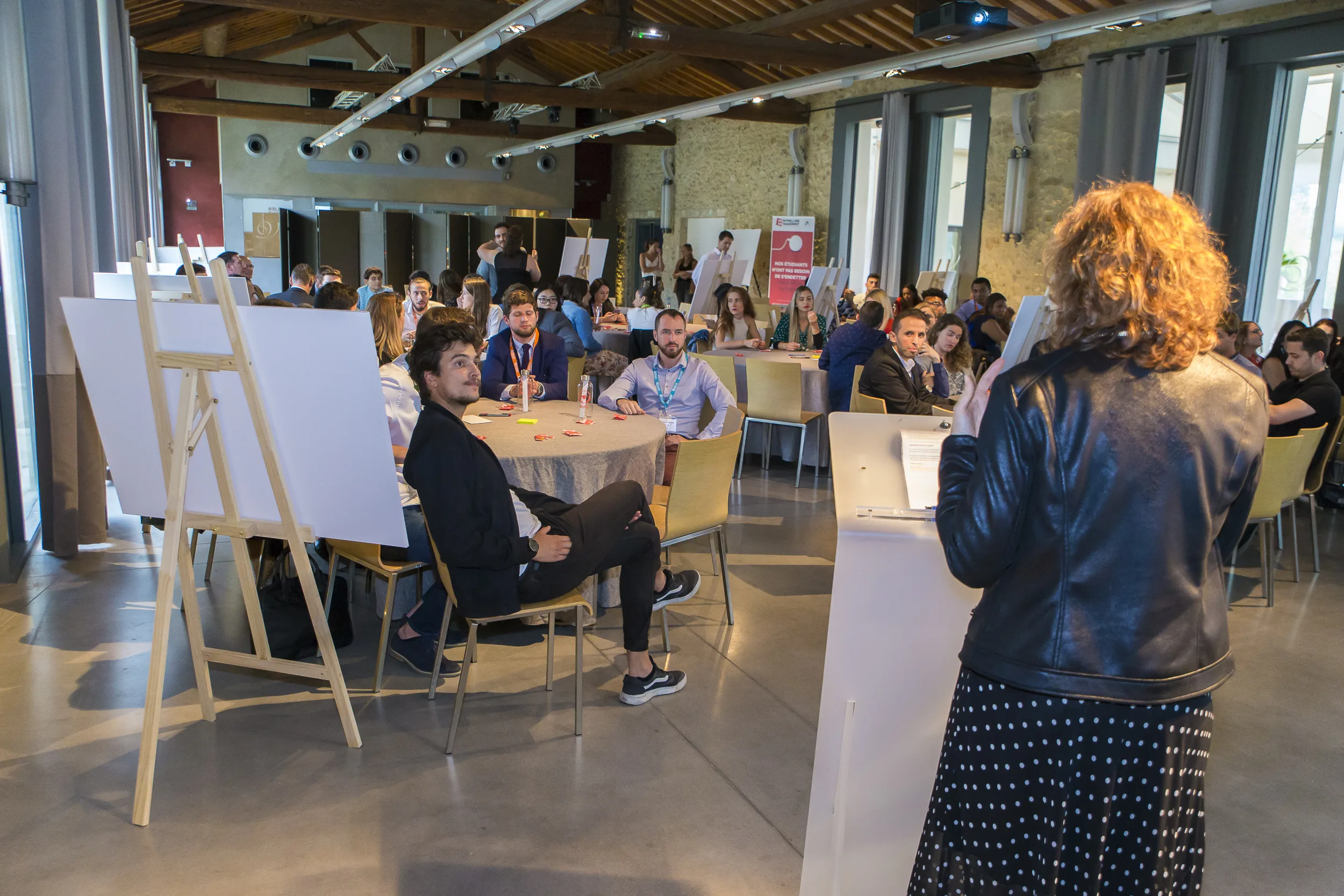
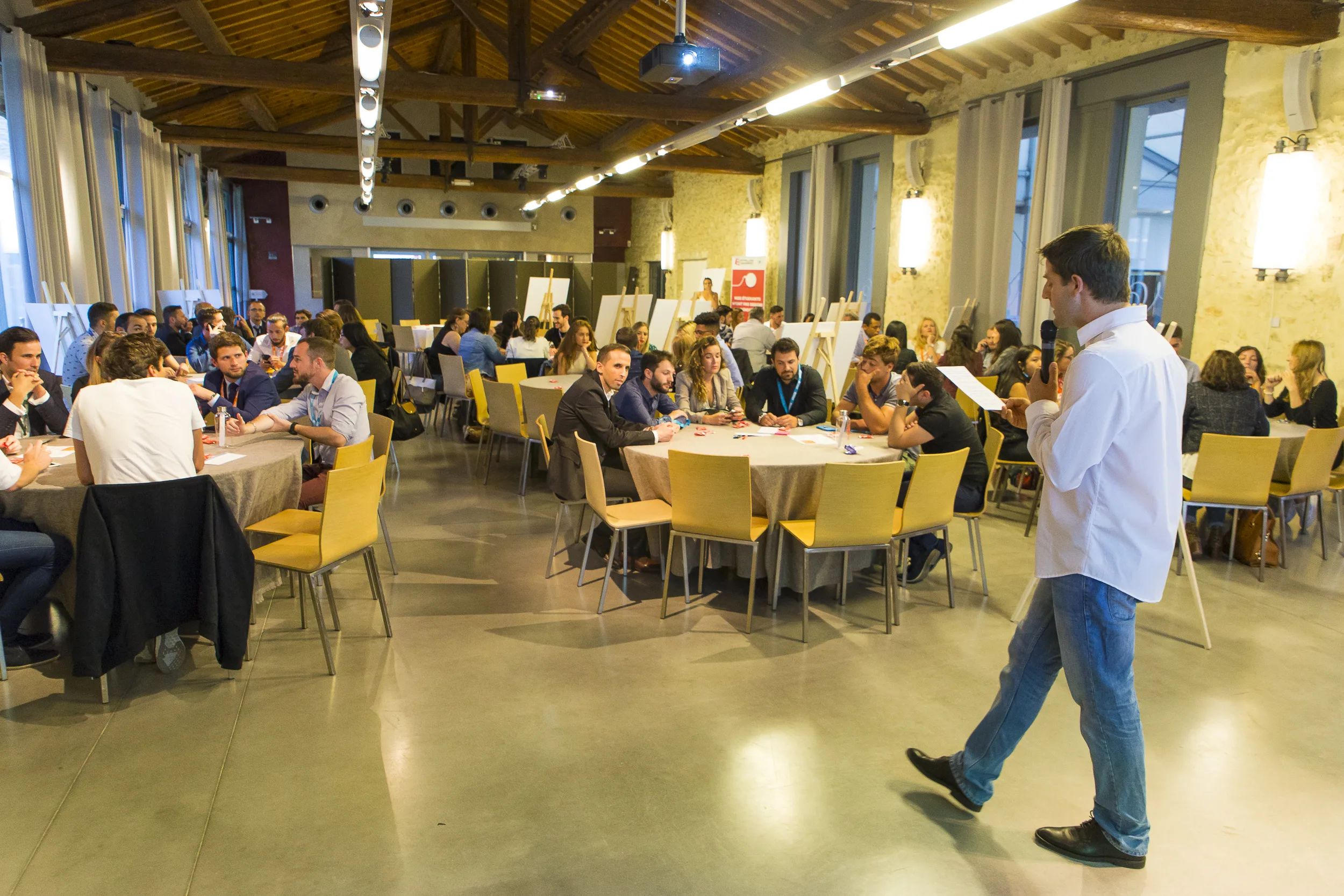
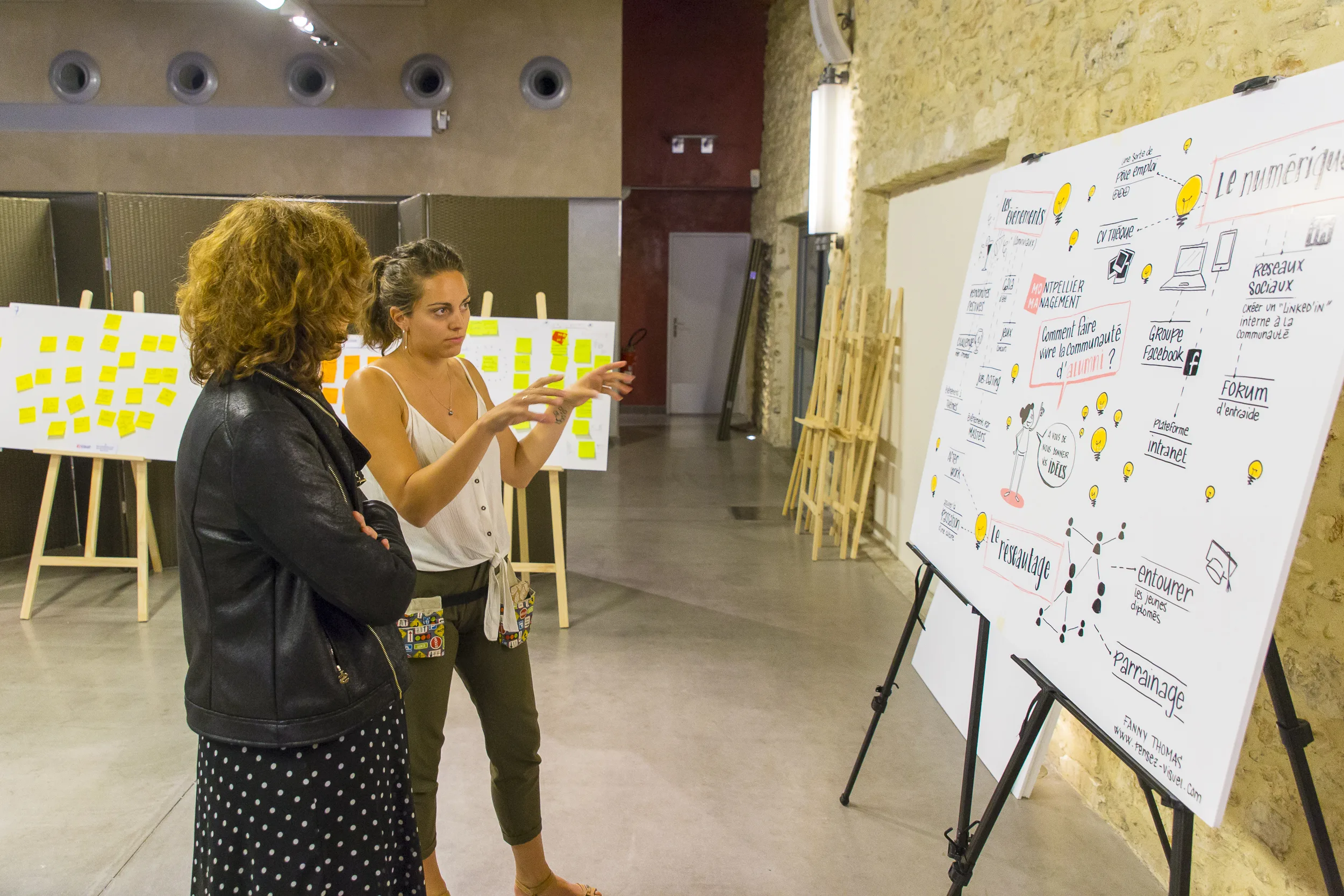
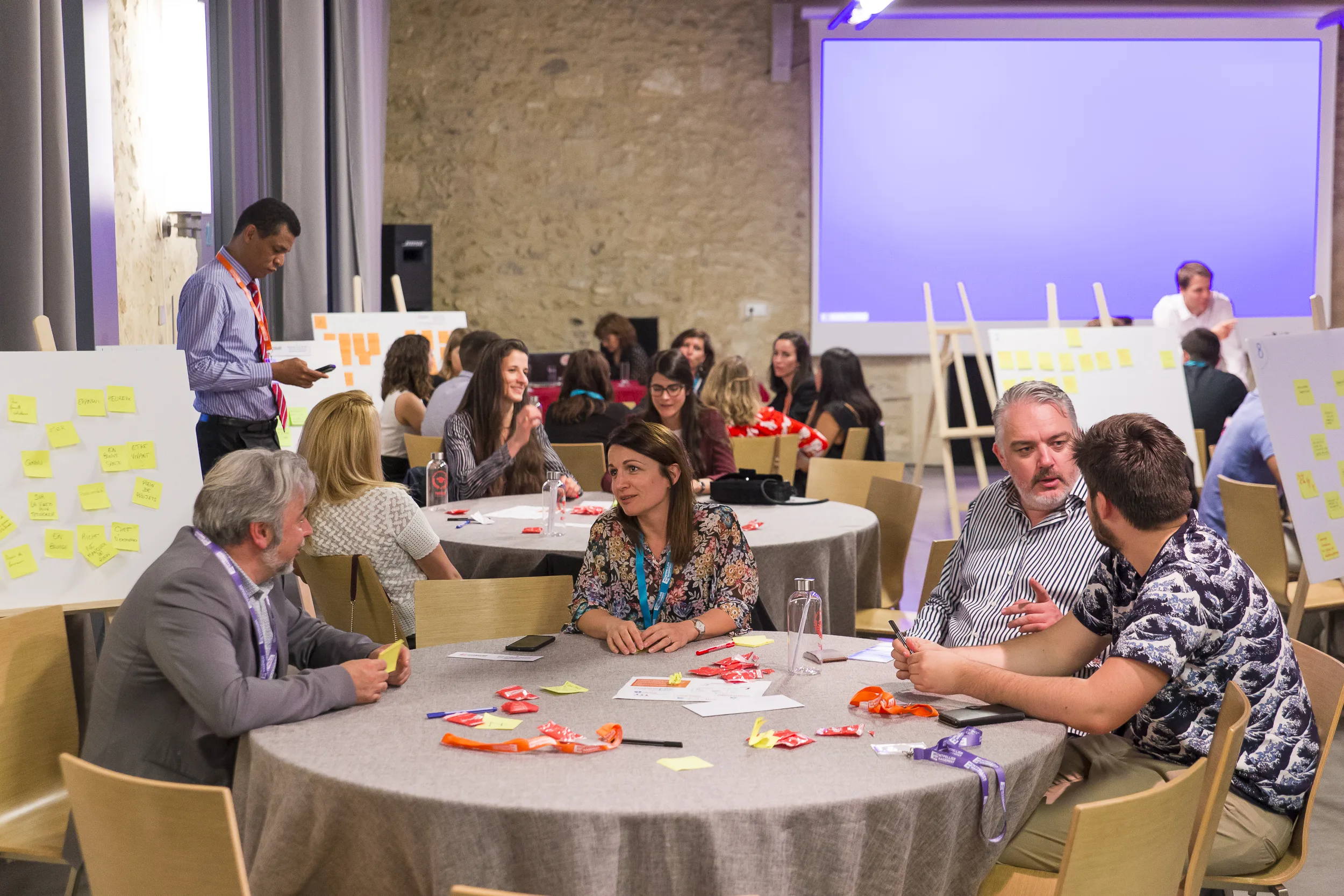
Facilitated decision labs: small-group breakouts with a clear decision to reach (e.g., top 3 priorities per region), then a structured report-back. We use capture boards and a synthesis slide on the spot so results are visible immediately.
Executive AMA with controlled intake: questions collected via QR code or cards, then clustered by theme to avoid repetitive or risky questions. This protects executives while still showing openness.
Scenario table-top exercises: ideal for risk, cybersecurity, or operational disruptions. Teams work through a realistic scenario with timed injects; leadership sees decision patterns and bottlenecks.
Pulse polling and sentiment checks: quick, anonymous polls at key points (before/after strategy session). We use results to adjust facilitation live and to create a post-event summary for leadership.
Moderated storytelling segments: instead of a generic keynote, we stage a structured conversation with an internal leader + external perspective relevant to Quebec markets (supply chain realities, labour availability, regional growth). This keeps it grounded and on message.
Light staging elements that improve focus: professional lighting for speakers, clean walk-on music cues, and deliberate transitions. These are “artistic” choices with operational purpose: attention and authority.
Quebec-forward breaks designed for flow: we work with catering to prevent line congestion (two-sided buffets, staggered releases, coffee station placement). The objective is not luxury; it’s keeping your schedule intact.
Networking lunches with assigned prompts: table cards tied to seminar themes (customer experience, safety, transformation). This turns lunch into a productive, low-pressure working moment.
Content capture studio: a quiet corner where key leaders record 2–3 minute messages during breaks. Communications can reuse these clips internally within 48–72 hours to reinforce decisions.
Workshop kits with real deliverables: pre-printed canvases, KPI trees, stakeholder maps and action registers. Teams leave with photos, owners and deadlines—useful for HR follow-up and PMO tracking.
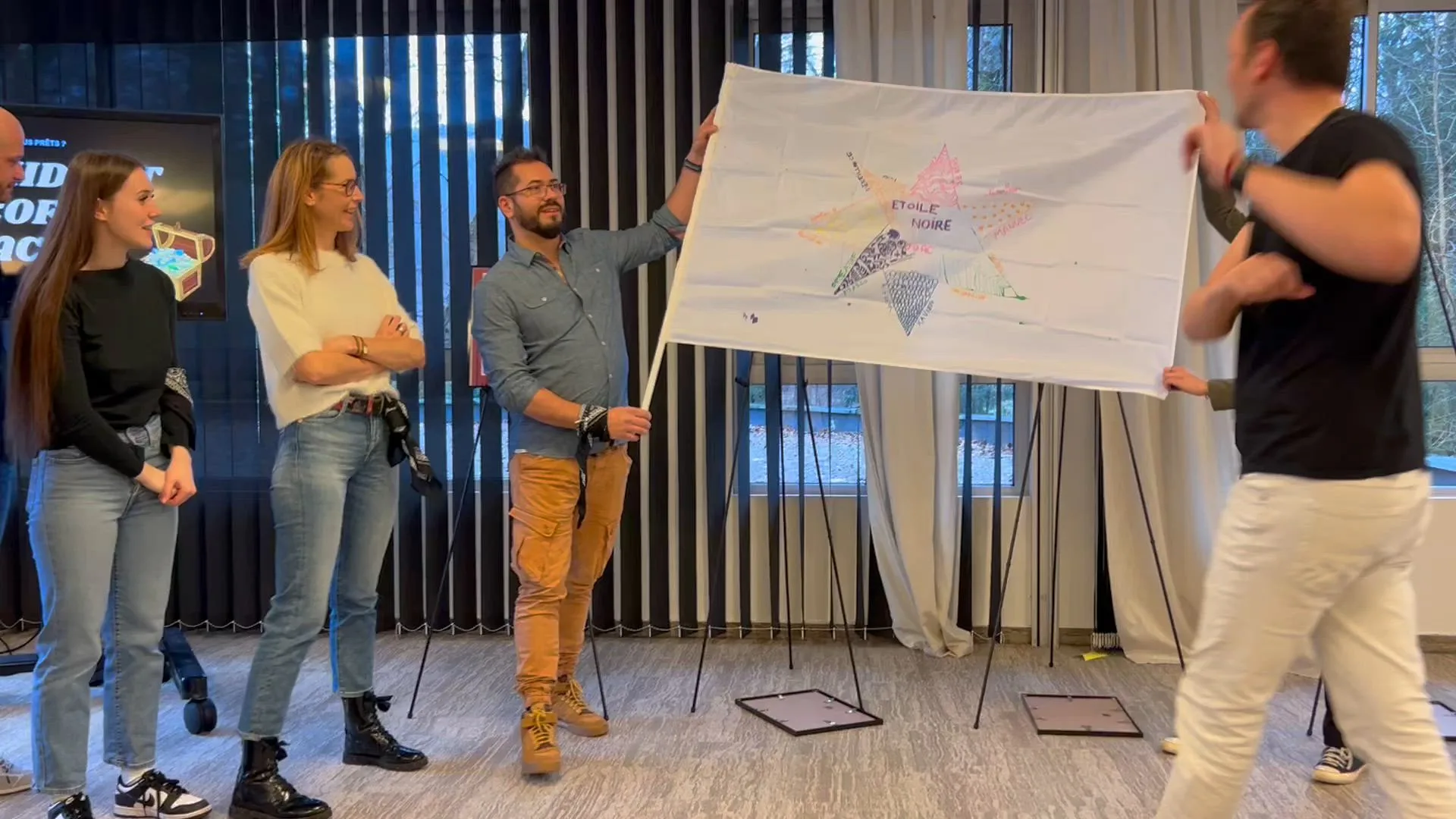
Corporate event entertainment in Quebec that supports objectives: for example, a short, facilitated team challenge designed to mirror your operating model (handoffs, prioritization, escalation), followed by a debrief linked to real work behaviours.
Every format must align with your brand image and governance. A financial institution seminar in Quebec needs different facilitation rules than a creative tech scale-up. Our job is to recommend engagement tools that reinforce credibility—never distract from it.
The venue shapes how your seminar is perceived before a single word is spoken. For executives and communications teams, the room is a credibility signal: acoustics, sightlines, temperature control, and service quality affect attention and message retention. For HR, the venue also affects psychological safety—people speak up more when the environment feels controlled and respectful.
| Venue type | For which objective? | Main strengths | Possible constraints |
|---|---|---|---|
Downtown hotel conference floor (Montréal / Québec City) | Leadership seminar with tight agenda, multi-room breakouts, out-of-town attendees | On-site catering, proven conference ops, multiple breakout rooms, accommodation integration | Union/house AV policies, limited load-in windows, higher F&B minimums |
Corporate training centre or campus in Quebec | Skills-based seminars, internal culture days, recurring programs | Brand-controlled environment, familiar logistics, easier confidentiality, lower venue costs | AV upgrades sometimes required, less “offsite” mindset, limited accommodation nearby |
Resort / lodge-style venue (regional Quebec) | Executive offsite focused on alignment and deeper discussions | High retreat effect, fewer distractions, strong bonding conditions, outdoor space for breaks | Transport/shuttle complexity, weather risk, variable AV inventory |
We strongly recommend a pre-event site visit (or a technical walk-through for repeat venues). It’s where we validate power distribution, sound bleed between rooms, storage space, and stage sightlines—details that decide whether your Seminar in Quebec feels controlled or improvised.
Seminar pricing in Quebec depends on format, duration, the number of rooms, and production requirements—not just headcount. Two events with 200 attendees can have very different budgets if one is a simple plenary and the other is a multi-track day with workshops, recordings and complex AV.
As a practical reference, many corporate seminars fall within these working ranges (excluding taxes), depending on venue category and production level:
These ranges commonly include venue rental and/or F&B commitments, basic AV and labour, and agency production fees. They can shift materially with location, seasonality, and procurement constraints.
Venue and catering structure: minimum spends, service charges, and what is mandatory vs. optional (coffee breaks, lunch style, reception).
AV complexity: number of microphones, screens, confidence monitors, recording, live streaming, interpretation, and the labour model (in-house vs. external).
Room count and turnover: plenary + 3 breakouts is a different staffing plan than plenary only. Turnovers require time buffers and crew.
Content support: speaker coaching, slide production, scripting, facilitation and workshop design can represent a meaningful portion of value—especially for executive teams.
Participant logistics: registration system, badges, security, transport, hotels, and accessibility measures.
Risk and contingency: winter buffers, backup gear, additional technicians, and schedule protection—often invisible until you need it.
The ROI lens we use with directors is simple: what is the cost of misalignment? If a seminar prevents even a few weeks of execution drift across sites—or accelerates one strategic initiative—its value can exceed the event budget. Our job is to give you a budget you can defend, with clear line items and trade-offs.
For a high-stakes Seminar, local presence is not a “nice to have.” It affects supplier reliability, response time, and the quality of on-site control. In Quebec, venues and technical partners often have specific ways of working (house AV rules, loading docks, union labour, language requirements). A local team anticipates these constraints and integrates them into your plan early—before they become last-minute costs or compromises.
When your seminar is in Québec City or you need support outside Montréal, our network can also mobilize quickly. If you’re comparing options, you can see how we position our operational coverage as an event agency in Quebec with the right local partners and production standards.
The ROI lens we use with directors is simple: what is the cost of misalignment? If a seminar prevents even a few weeks of execution drift across sites—or accelerates one strategic initiative—its value can exceed the event budget. Our job is to give you a budget you can defend, with clear line items and trade-offs.
Our seminar projects in Quebec vary by sector, but the execution pressures are consistent: tight leadership schedules, sensitive messaging, and no tolerance for technical failures. We are built for that reality.
Examples of mandates we frequently deliver:
Across these formats, we protect the same essentials: clarity of message, schedule integrity, and a participant experience that supports attention and trust.
Overloading the agenda: trying to fit “everything” into one day leads to rushed speakers and poor retention. We rebuild the program around decision points and realistic transitions.
Choosing a room that looks good but sounds bad: echo, low ceilings, columns and poor speaker placement kill attention. We validate acoustics, speaker positioning and mic plan.
Underestimating bilingual requirements: adding translation late impacts slides, timing and AV. We plan language delivery early so it doesn’t compromise flow.
Weak Q&A control: open-floor questions without structure can derail sensitive topics. We implement intake, moderation and clear escalation rules.
AV planned as an afterthought: insufficient screens, lack of confidence monitors, or no backup playback creates visible failures. We spec systems based on room dimensions and content types.
No real owner for on-site decisions: when everyone is “helping,” nobody is accountable. We establish a decision chain and keep your internal lead out of operational fire drills.
Our role is to remove avoidable risk so your leaders can show up at their best. A seminar is judged in real time; we plan so you’re not making costly choices under pressure.
In seminar work, loyalty is earned by consistency: the second and third event must be smoother than the first. Our returning clients value that we document what worked, what didn’t, and how to improve—then we apply it with discipline the next time.
60–70% of our seminar and corporate event mandates typically come from repeat clients or referrals within Quebec networks.
48–72 hours is our usual timeline to deliver post-event operational notes and recommended improvements for the next edition (venue, AV, agenda rhythm, and participant flow).
Repeat business is a practical signal: the client has already tested our on-site control. In seminar production, that’s the difference between a pleasant plan and a defensible outcome.
We start with a structured call with the executive sponsor, HR lead and communications owner. We confirm the business objective, sensitive topics, audience segments, and what “success” looks like (decisions made, behaviours adopted, sentiment shift). We also map stakeholders: who approves content, who approves budget, and who must be kept informed.
We translate objectives into a program architecture: session types, timing, transitions and facilitation plan. You receive a detailed run-of-show (minute-by-minute), including stage cues, speaker call times, and planned energy resets. This is where we protect your agenda from scope creep and keep executive time realistic.
We shortlist venues based on logistics and outcomes: room geometry, breakout capacity, accessibility, loading, and service reliability. On the technical side, we build an AV plan sized to the room: audio coverage, screen formats, lighting, recording needs, and redundancy. We coordinate with in-house teams and external suppliers to avoid policy surprises.
We manage contracts, schedules, and deliverables for catering, AV, décor, staffing, transport and content capture. We also set up registration flow (as needed), signage logic, and arrival timing to prevent bottlenecks. For HR-led seminars, we include a privacy and confidentiality check where appropriate.
We run technical rehearsals, verify playback, and coach speakers on timing and stage movement. If multiple executives present, we standardize slide templates and transition cues to keep the day coherent. This stage reduces on-site stress more than any other investment.
On-site, we manage load-in, room checks, and crew briefings. Our stage manager runs the show, our producer manages client communication, and we keep a live issues log so decisions are tracked. If something shifts (speaker delayed, agenda change), we update cues and keep the room steady without exposing internal turbulence.
After the seminar, we provide an operational debrief: what impacted timing, which segments delivered the best engagement, and what to adjust next time (room layout, AV configuration, catering flow, facilitation rules). For recurring seminars in Quebec, this is how we improve year over year.
For Quebec seminar venues, plan 3–6 months ahead for standard dates, and 6–10 months for peak periods (fall and late spring) or if you need multiple breakout rooms. If your seminar requires bilingual AV or recording, earlier booking reduces cost and vendor constraints.
For 150 attendees in Quebec, a full-day seminar with plenary + 2–3 breakouts often lands around $45,000–$110,000 excluding taxes, depending on venue, catering commitments, and AV complexity. Add costs if you need interpretation, filming, or extensive scenic elements.
Yes. We coordinate interpretation (simultaneous or consecutive), headset distribution, interpreter booths when required, and bilingual slide workflows. The key is planning: interpretation typically adds 10–25% to AV-related costs and requires earlier technical alignment to protect timing and sound quality.
In Montréal, executive seminars often work best with a 60–90 minute strategic plenary, followed by facilitated decision workshops in small groups, then a structured synthesis session with clear owners and next steps. The format keeps discussions productive and creates outputs leadership can use immediately.
The main risks are agenda slippage (late starts, long Q&A), audio issues (insufficient mic plan, poor acoustics), and unclear decision authority on-site. We reduce these through a detailed run-of-show, technical redundancy (backup playback and critical spares), and a defined escalation chain so decisions are made in minutes—not meetings.
If you’re comparing agencies for a Seminar in Quebec, we suggest starting with a short working session: objectives, audience, venue constraints, and the real decision points you need the day to produce. From there, we can propose a program structure, a realistic budget range, and a production approach you can defend internally.
Contact INNOV'events to request a quote and a first draft run-of-show. The earlier we are involved, the easier it is to secure the right venue, lock AV resources, and build an agenda that holds—especially during busy seasons.
Thierry GRAMMER is the manager of the INNOV'events Quebec office. Reach out directly by email at canada@innov-events.ca or via the contact form.
Contact the Quebec agency