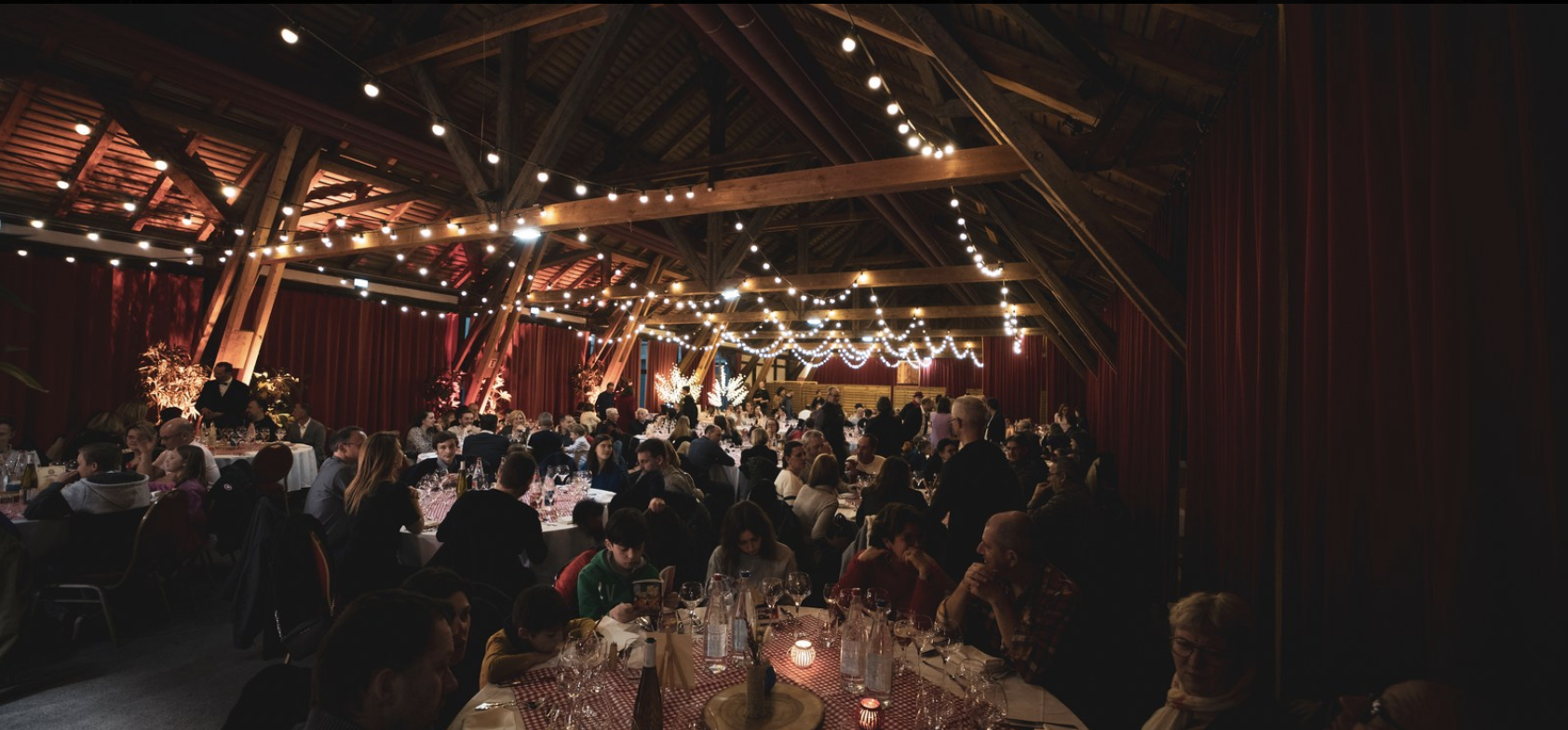
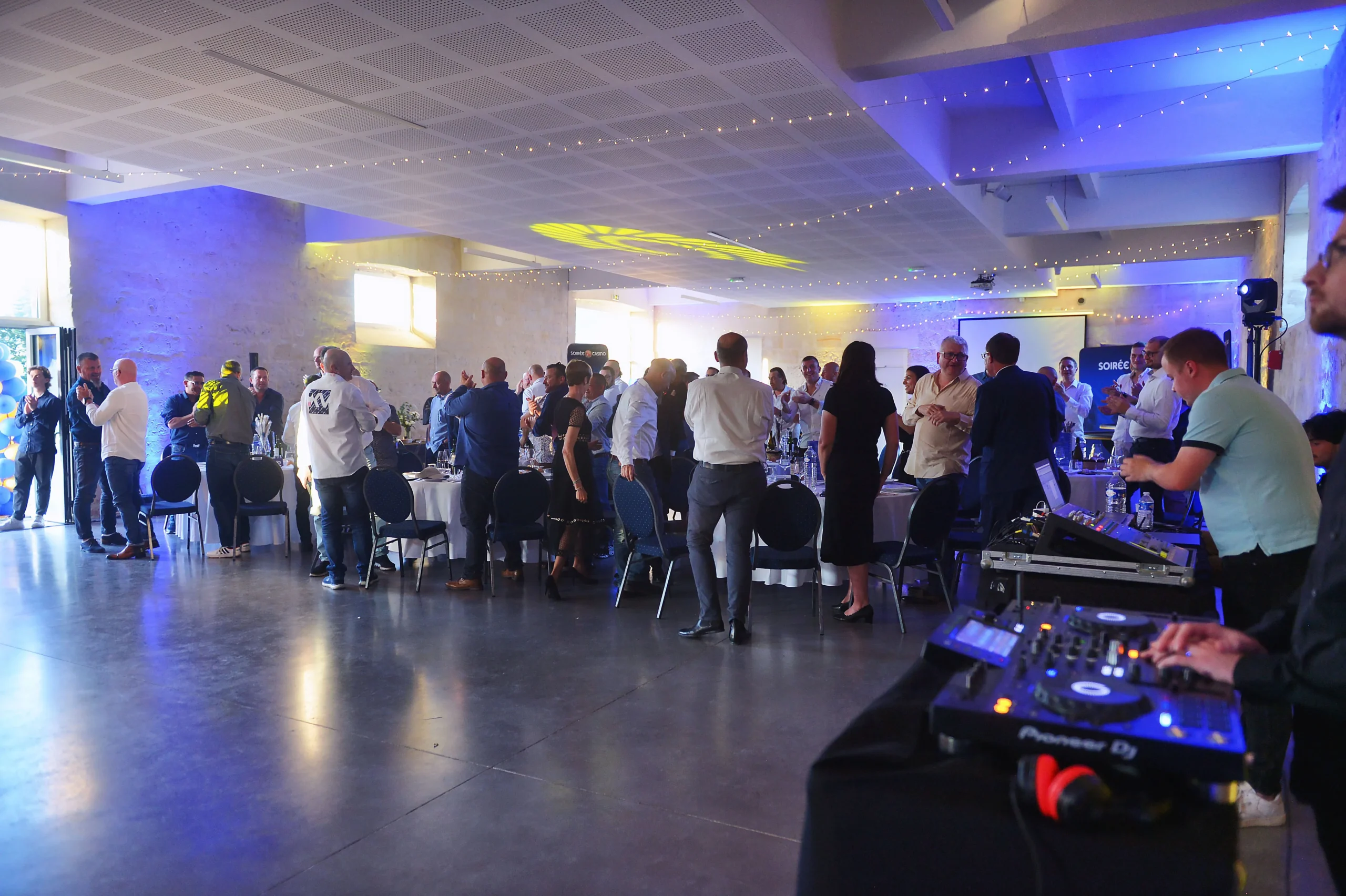
INNOV'events is a Montréal-based team designing and producing Employee Party programs across Quebec, typically from 40 to 1,500+ attendees. We handle venue sourcing, vendor contracting, entertainment direction, run-of-show, on-site management, and post-event reporting—so HR and executives can stay focused on people and outcomes.
Whether your priority is retention, internal communications, or celebrating performance without operational risk, we build a plan that holds up under real-world constraints: union schedules, winter weather, bilingual audiences, and leadership visibility.
In a corporate setting, entertainment is not “nice-to-have”: it’s the lever that determines whether your Employee Party becomes a real internal communications moment or just a meal with background noise. The right format creates shared reference points, supports recognition, and reduces the “I should have left after dessert” effect.
Organizations in Quebec expect tight logistics, respectful pacing, and bilingual clarity. Executives want controlled speaking moments, HR wants inclusion and psychological safety, and comms teams want a coherent brand presence—without the event feeling staged.
From our Montréal operations, we work with proven local suppliers and venues across the province. We anticipate Quebec-specific realities (transport, liquor service rules, seasonal constraints, labour availability) and we build contingencies early—before they become day-of issues.
10+ years supporting corporate events in Quebec, with repeat annual programs for multi-site employers.
Operational capacity for 40 to 1,500+ guests, including staged programming, multiple rooms, and rolling arrivals.
One production lead accountable end-to-end (budget, vendors, schedule, compliance), plus an on-site team sized to traffic and programming.
Vendor network covering A/V, lighting, staging, décor, catering partners, photographers, security and transport—benchmarked on delivery, not on promises.
We deliver Employee Party in Quebec mandates for head offices in Montréal as well as regional sites where travel, accommodation, and supplier reach matter. Many clients renew year after year because the pressure points stay the same: leadership visibility, tight timelines, budget scrutiny, and the expectation that “nothing can go wrong” even when the guest list changes last minute.
If you want references, we can share comparable case examples (sector, headcount, objectives) and explain what was done on the ground: how we handled arrivals and coat check in winter, what we built for bilingual hosting, and how we protected the run-of-show when speeches run long.
We also coordinate seamlessly with your internal stakeholders—HR, communications, facilities, IT and the executive office—so approvals are fast, documentation is clean, and decision-makers are not pulled into vendor back-and-forth.
We send you a first proposal within 24h.
In Quebec companies, an employee event is often one of the few moments when leadership, managers, and frontline teams share the same room. That makes it a high-impact touchpoint—especially after restructures, growth phases, or labour market tension. Done properly, it’s a controlled environment to reinforce culture, recognize performance, and reduce friction between sites or departments.
Retention and engagement: a well-structured Employee Party supports recognition in a way that managers alone can’t replicate. We build formats that make recognition visible without putting individuals on the spot.
Internal communications you can measure: we align key messages with pacing (welcome, mid-evening moment, closing) and create simple post-event feedback loops, so you can report outcomes to leadership with more than anecdotes.
Cross-team cohesion: for multi-site organizations in Quebec, we design seating, activities and timing that reduce “department silos”—without forcing awkward networking.
Employer brand reinforcement: the event experience is often shared on internal channels and personal social media. We control the optics (lighting, signage, photo backdrops, messaging) so your brand shows up consistently.
Manager enablement: we provide briefing notes, speaking prompts, and a run-of-show that helps leaders feel prepared and concise—critical when executives have limited time or are uncomfortable with microphones.
Risk management: alcohol service, accessibility, harassment prevention and crowd flow are operational realities. We integrate practical safeguards (clear policies, staffing ratios, safe-ride options) so HR isn’t left exposed.
Quebec has a pragmatic business culture: people appreciate sincerity and good execution more than showmanship. A well-run event signals respect for employees’ time and contribution—and that message lands.
In Quebec, we routinely see the same non-negotiables from executives, HR, and communications teams. First: bilingual delivery that feels natural, not translated. That means the host, signage, cue sheets, and key announcements must be prepared for both French and English audiences—without doubling the length of the evening.
Second: seasonality. Winter events require coat check capacity, slip-safe entrances, and realistic arrival windows because traffic and weather can disrupt schedules. Summer events often compete with vacation calendars; attendance can swing fast, so the catering model and room layout must be adaptable.
Third: supplier reliability and compliance. Venues and caterers in the province can have strict rules around external vendors, sound levels, alcohol service, and overtime. We plan around curfews, union or building rules, and A/V load-in restrictions—because the best concept is worthless if the room can’t support it.
Finally: the politics of internal equity. In many Quebec employers, the event must feel fair across roles and sites. We help you make clear decisions on travel support, ticketing, guest policies, and what “recognition” looks like—so you avoid backlash the Monday after.
Entertainment should serve a purpose: create conversation, reinforce culture, and manage the room’s energy. In Quebec, the strongest programs are usually those that respect people’s choice to participate—while still creating shared moments. We recommend formats that scale to mixed groups (office + operations, bilingual, different age brackets) and that don’t rely on insider humour.
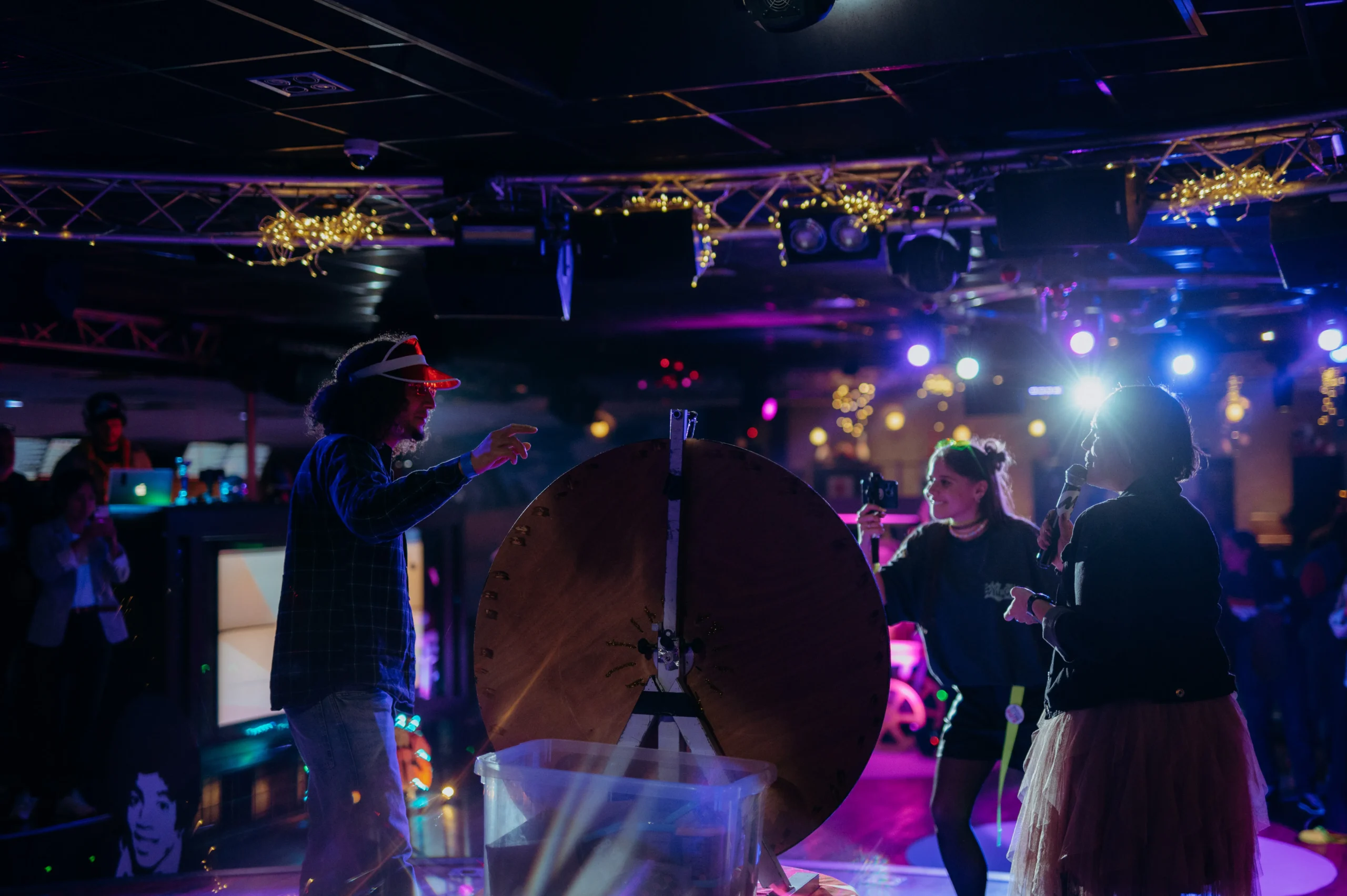
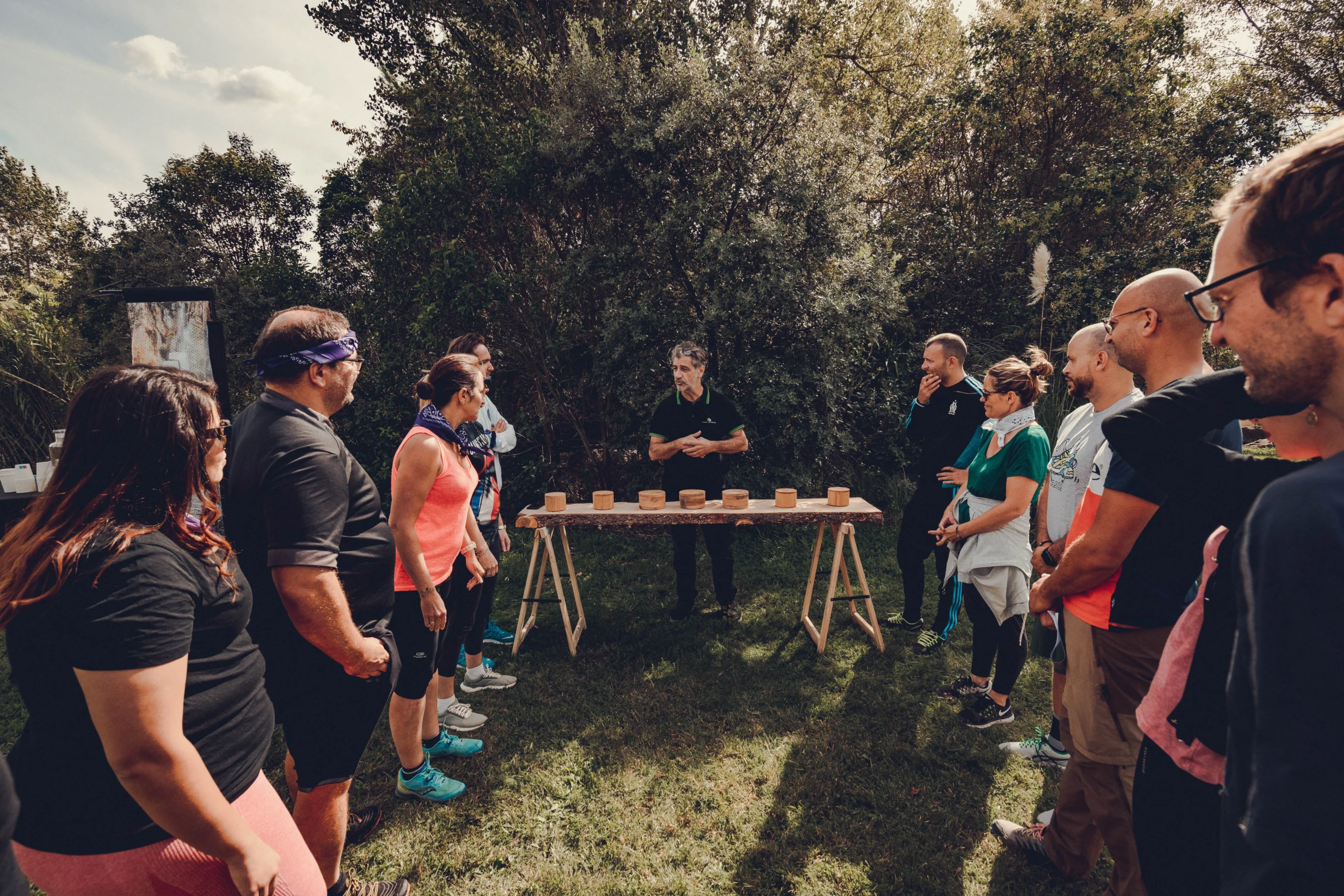
Facilitated team challenges: short, modular activities (8–12 minutes each) that rotate groups without forcing strangers into deep collaboration. Works well for 100 to 600 guests with multiple stations.
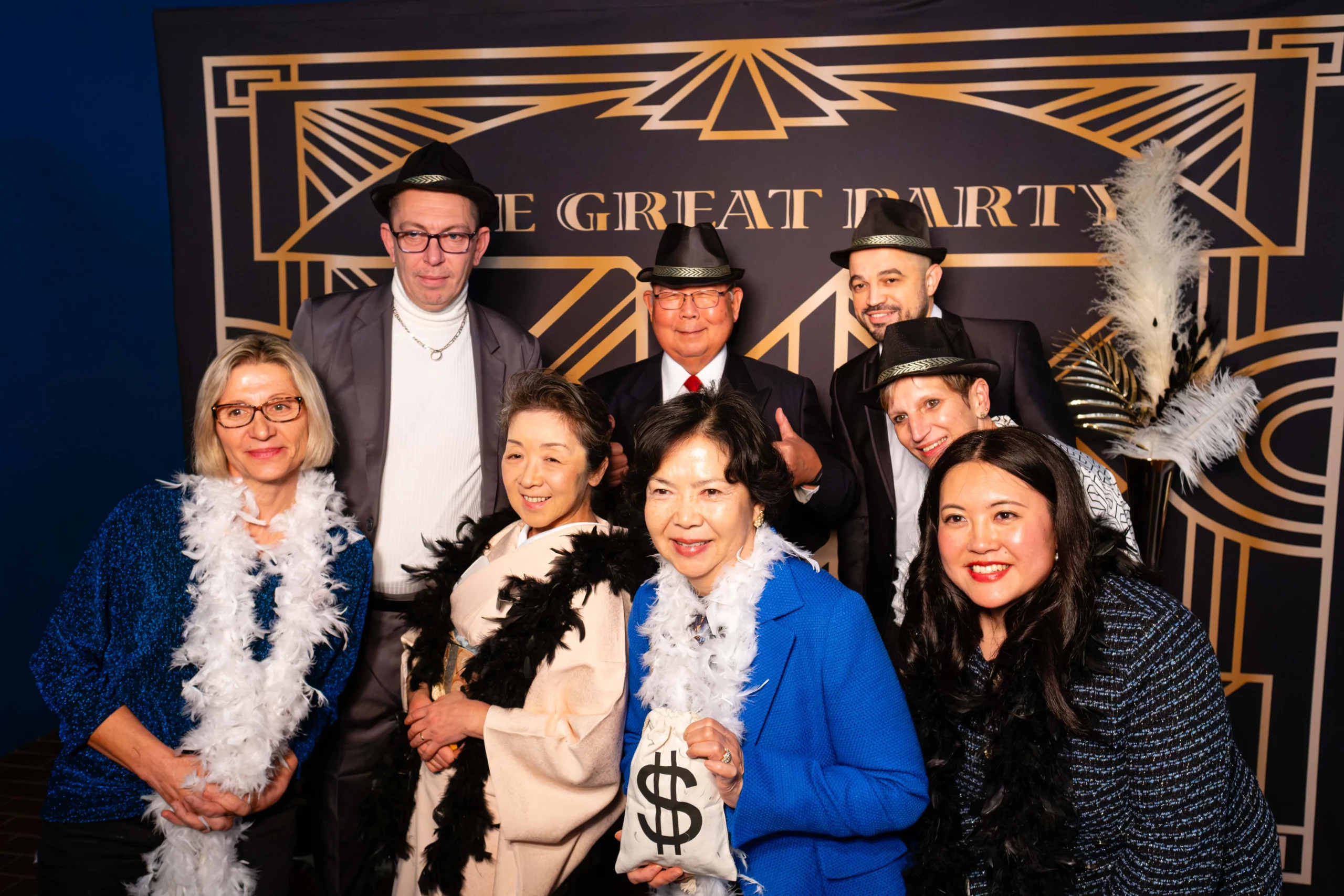
Photo and video activations with purpose: instead of a generic booth, we build a branded capture zone tied to your internal theme (values, milestones, safety culture). Output can feed internal comms within 48–72 hours.
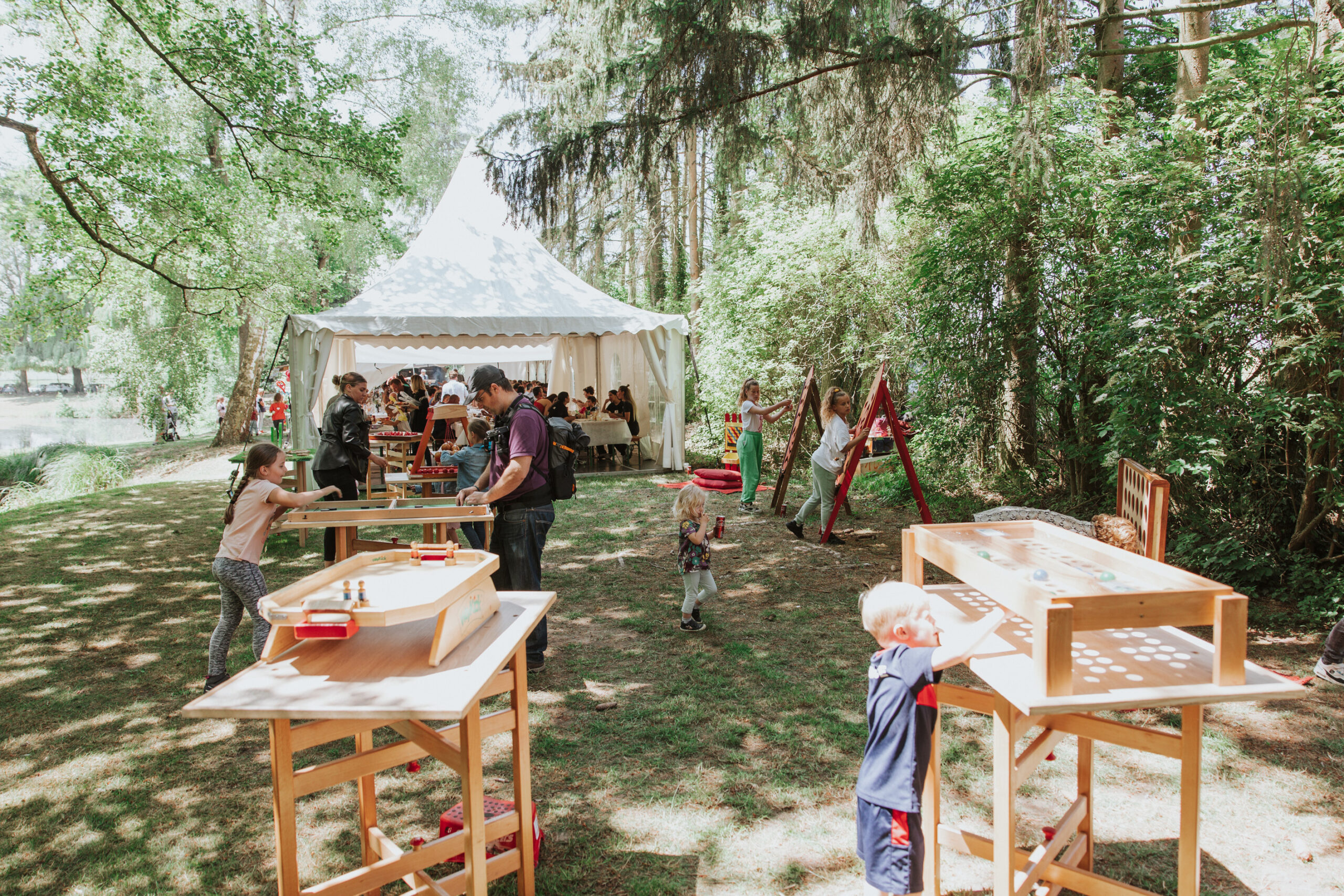
Low-pressure social games: curated tabletop or lounge games that support conversation and reduce the need for “icebreakers.” Ideal when you have a wide range of comfort levels.
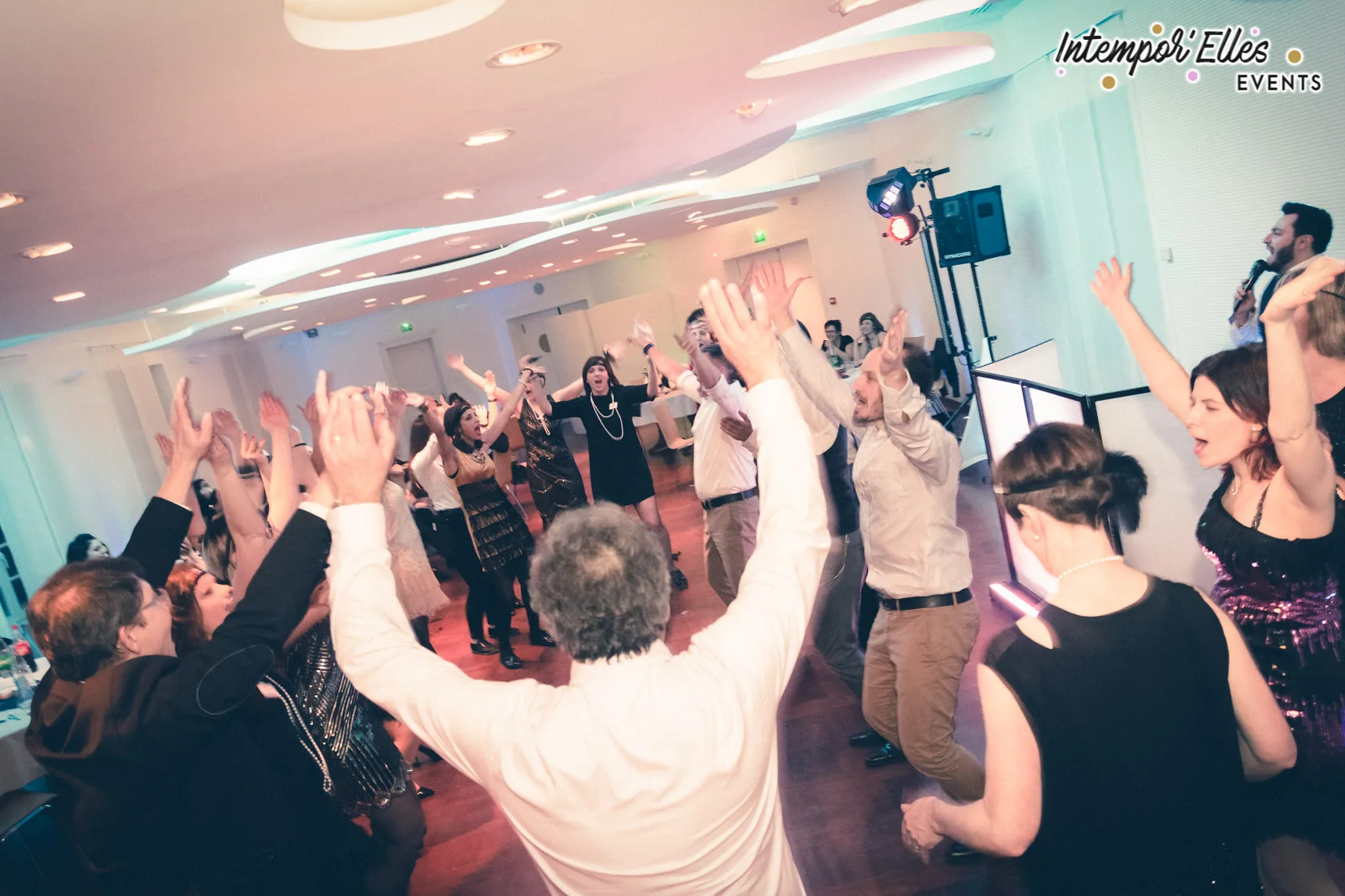
Host-led program flow: bilingual hosting that keeps the evening on time, introduces leaders, and bridges transitions (dinner to speeches to dance floor) without awkward dead air.
Live music formats that match the room: jazz trio for cocktail networking, then a band or DJ set for later. The key is managing sound levels for different zones so the event doesn’t force everyone into one volume.
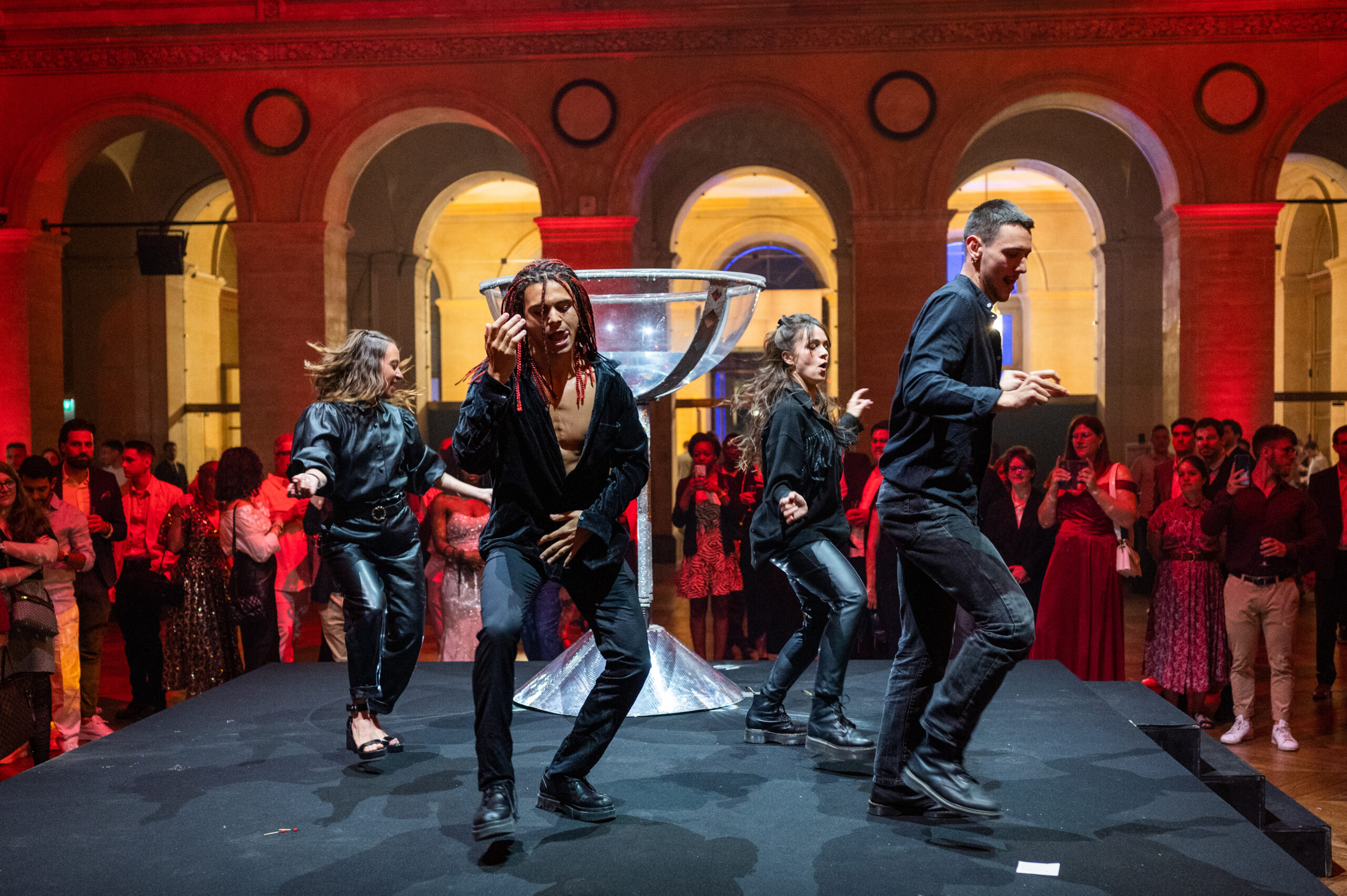
Micro-performances: short sets between courses or during transitions (5–8 minutes). This keeps momentum without turning the night into a theatre show that competes with socializing.
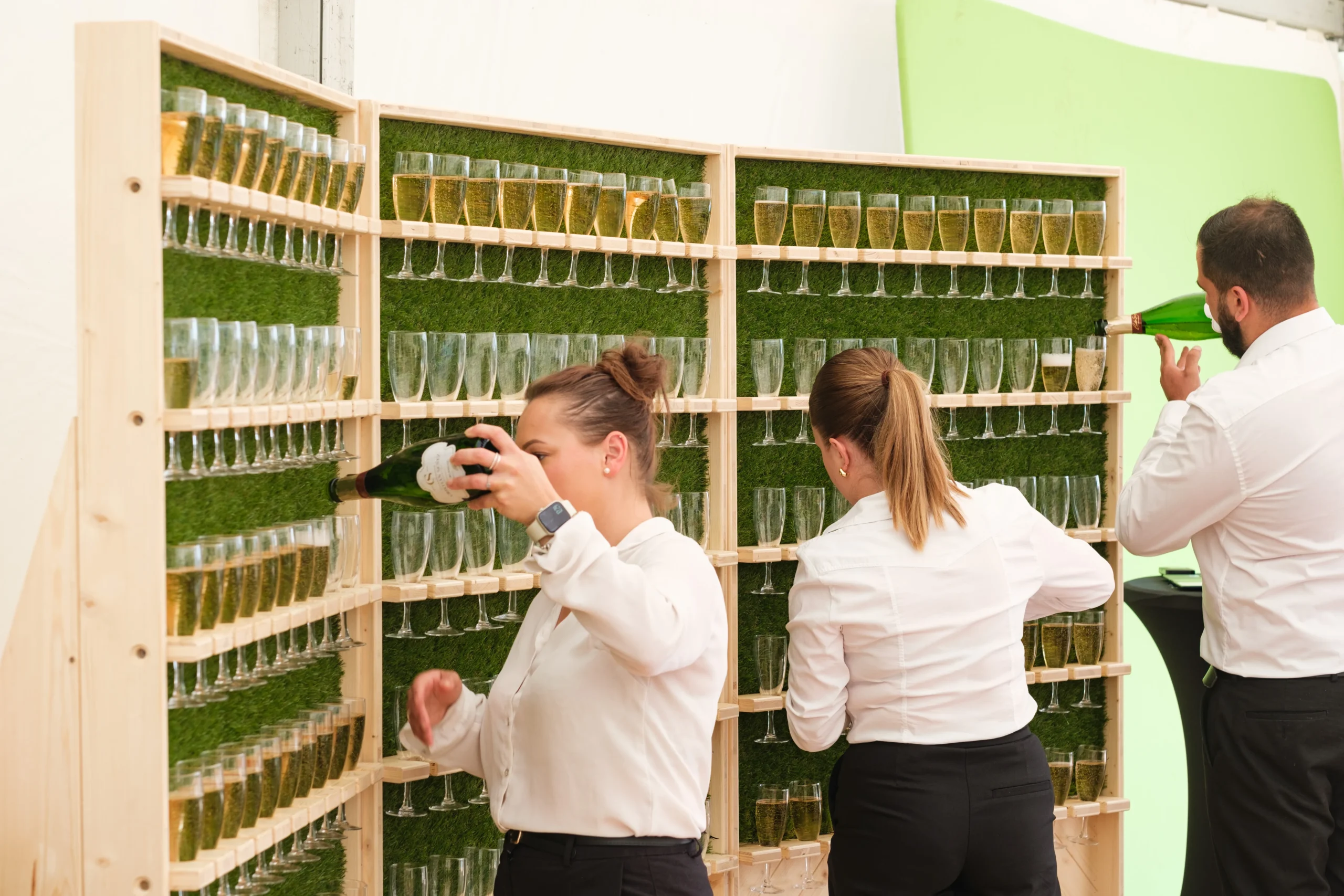
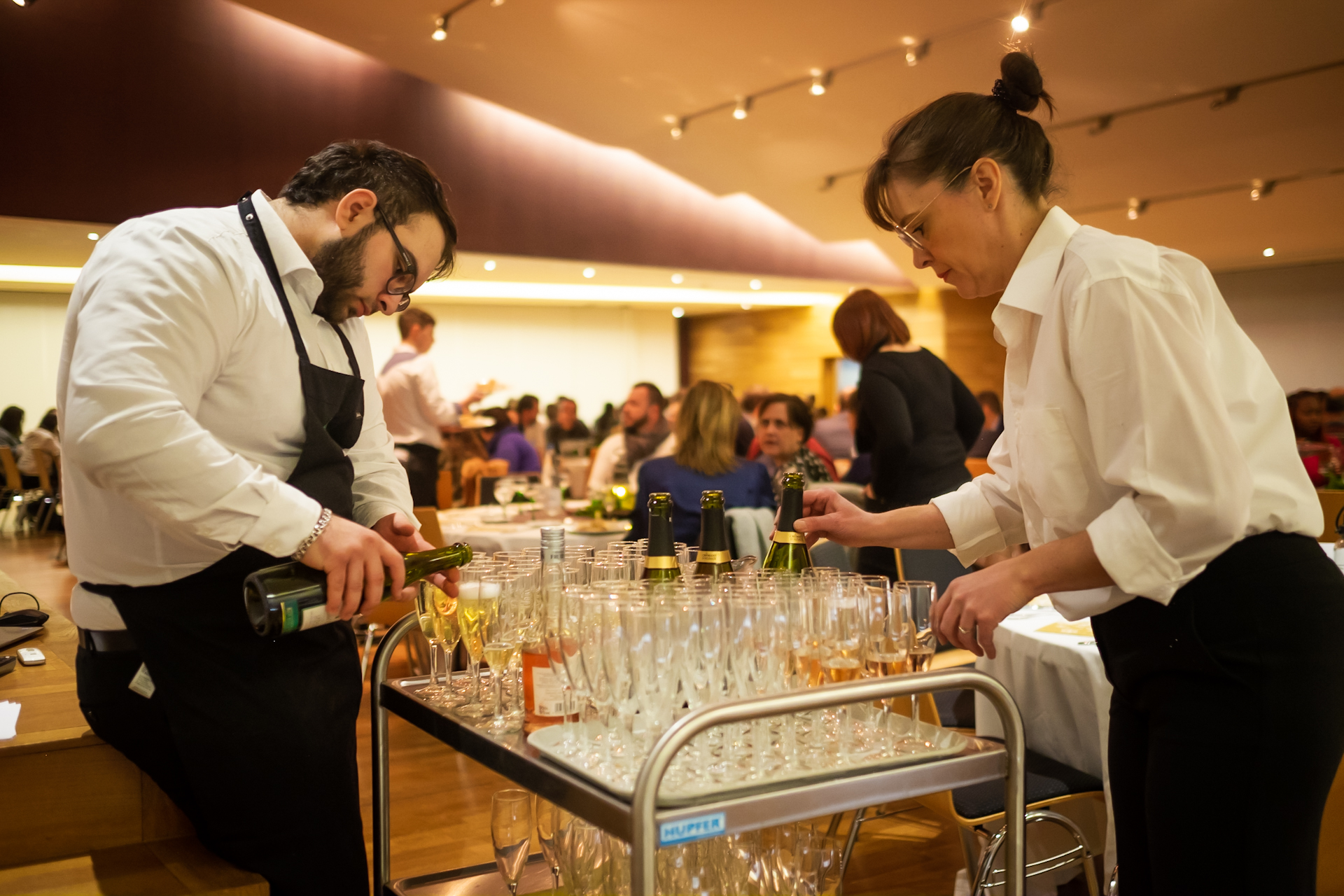
Québec-focused tasting bars: structured tastings (mocktail/cocktail, local non-alcoholic options, or dessert stations) with clear service pacing to prevent long lines.
Interactive culinary stations: chef action stations that double as conversation points. We plan queue flow, allergen signage, and replenishment timing to avoid the “empty station” problem.
Late-night service strategy: when alcohol is present, we often recommend a planned late-night bite and water stations. It supports guest well-being and reduces end-of-night incidents.
Data-light engagement tech: simple participation tools that do not require employees to install apps on personal phones. This is often critical in unionized or privacy-sensitive environments.
Content capture for internal comms: a production plan for photos, short interviews, and leadership messages recorded on-site—so comms teams get usable assets, not just random images.
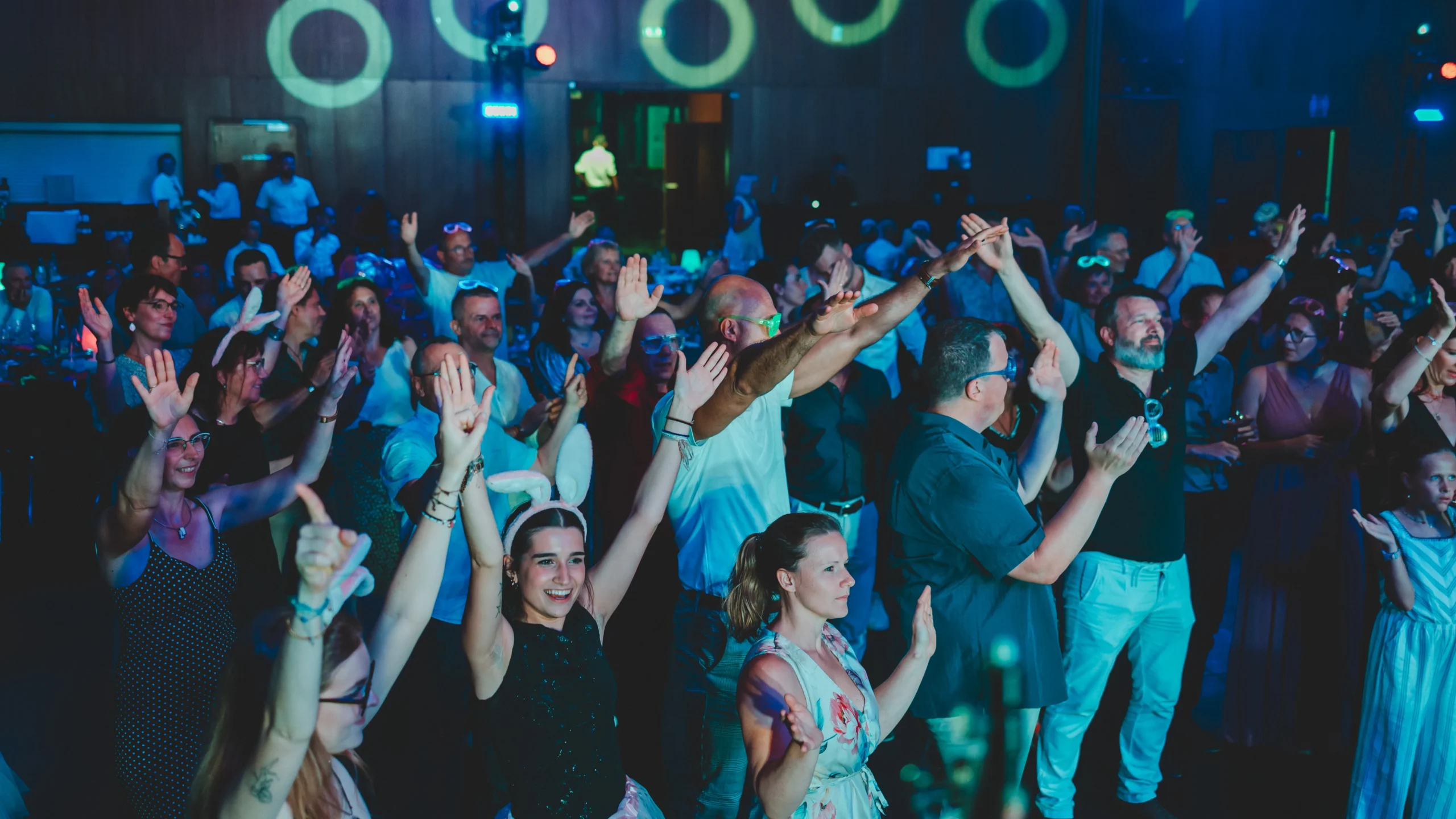
Multi-zone programming: a dance floor for those who want it, plus quieter lounges for networking. This is one of the best ways to increase satisfaction across diverse employee groups.
Whatever the concept, we align entertainment with brand and culture. If your organization is safety-driven, quality-focused, or highly regulated, the program must feel respectful and controlled. A strong corporate event entertainment in Quebec plan supports your image without creating reputational risk.
The venue determines everything your team will live on event day: arrivals, acoustics, food service speed, technical possibilities, and how “premium” the night feels without overspending. In Quebec, we start by mapping your guest journey (parking/transit, coat check, accessibility, washrooms, exits) before we get excited about décor.
| Venue type | For which objective? | Main strengths | Possible constraints |
|---|---|---|---|
Downtown hotel ballroom (Montréal or Québec City) | Formal recognition, awards, leadership speeches, reliable dinner service | Strong logistics, built-in A/V options, predictable staffing, coat check capacity | Union rules and overtime, limited external suppliers, strict timelines for load-in/out |
Converted industrial / loft event space | Modern brand image, multi-zone programming, cocktail-style Employee Party | High design impact, flexible layouts, strong photo/video environment | Need careful sound management, potential limitations on catering and staging, weather-dependent entrances |
Restaurant buyout with private rooms | Smaller teams (40–150), leadership proximity, high food focus | Service quality, warm atmosphere, simpler production needs | Limited stage/speeches capability, constraints on music volume and timing |
Cultural venue (museum, gallery, heritage site) | Employer brand, meaningful guest experience, strong storytelling | Instant “wow” without heavy décor spend, great for guided moments | Strict rules (food, liquids, hanging), early curfews, complex approvals |
We strongly recommend site visits (or detailed technical walkthroughs) before signing. Many event issues in Quebec come from overlooked realities: elevator access for cases, insufficient power, bottlenecks at coat check, or a room that looks great but sounds terrible once it’s full of people.
Budgets for an Employee Party in Quebec vary because the cost drivers are operational: venue, food and beverage structure, technical production level, and staffing. We prefer to build a transparent budget model early, with “must-haves” separated from options, so you can adjust without losing control of the experience.
Headcount and format: cocktail vs plated dinner, single-room vs multi-zone, and whether you need staged programming. These choices influence staffing, rentals, and service timing.
Venue rules and inclusions: some venues include basics; others require full rentals (tables, chairs, linens, bars). Load-in restrictions can add labour hours.
Food and beverage strategy: open bar vs tickets, premium vs standard options, mocktails, and late-night service. In Quebec, bar structure is also a risk-management decision.
A/V and lighting: speeches and music require more than a microphone. Room coverage, monitors, and lighting for faces (not just the stage) are what make the night feel professional.
Entertainment and talent fees: host, DJ/band, performers, and rehearsal time. Costs change significantly based on time on site and technical needs.
Staffing and supervision: event management, stage manager, vendor coordinator, coat check staff, security, and a clear escalation chain. Understaffing is one of the fastest ways to burn budget later.
Transportation and accommodation: especially for regional teams, late-night safe-ride solutions and room blocks can be a practical requirement.
When leadership asks about ROI, we connect spend to outcomes you can defend: attendance rate, retention signals, internal survey feedback, content assets for comms, and reduced operational risk. A well-planned Employee Party protects reputation while supporting engagement—two levers that are expensive to fix after they slip.
With employee events, the complexity is rarely creative—it’s operational. A local team understands venue habits, supplier reliability, and provincial realities (seasonality, bilingual delivery, service rules). That translates directly into fewer surprises and faster problem-solving.
As an event agency in Quebec with a Montréal base, we can visit sites quickly, coordinate vendor walkthroughs, and staff events with people who know how Quebec venues actually run on show day. If your event is in the Québec City area, you can also consult our dedicated page for an event agency in Quebec context and local execution approach.
When leadership asks about ROI, we connect spend to outcomes you can defend: attendance rate, retention signals, internal survey feedback, content assets for comms, and reduced operational risk. A well-planned Employee Party protects reputation while supporting engagement—two levers that are expensive to fix after they slip.
We support a wide range of Employee Party formats depending on the organization’s reality. For a fast-growing tech employer in Montréal, the mandate may be multi-zone programming to accommodate different social styles: a structured recognition moment early, then optional activities, a lounge for quieter conversations, and a controlled dance area. The success metric is often retention sentiment and leadership visibility without forcing a single “party mode.”
For an industrial or logistics employer with shift work across Quebec, the approach changes: staggered arrival windows, higher attention to transport and safe-ride options, and programming that respects different schedules. We frequently build shorter, repeatable segments so employees on different shifts still feel they received a full experience.
For professional services firms, the risk tends to be brand perception and guest comfort. We manage pacing so networking is easy, speeches are concise, and the room never feels overcrowded. We also plan content capture that supports internal comms without turning the night into a photo shoot.
Across these contexts, the constant is discipline: clear objectives, a realistic schedule, and an on-site team empowered to make decisions quickly.
Run-of-show drift: speeches that start late, dinner service delays, and entertainment that doesn’t match the room’s energy. We time-box key moments and build buffers that don’t feel like dead time.
Underestimating coat check and arrivals: common in winter across Quebec. We plan staffing and flow so the first impression isn’t a lineup.
Audio that fails in a full room: a system that sounded fine during setup can collapse once the room fills. We plan for coverage, not just equipment lists.
Alcohol-related exposure: unclear bar rules, no water/food pacing, and no safe-ride plan. We coordinate service structures and practical safeguards with your HR policies.
Accessibility gaps: stage access, washroom distances, or seating plans that unintentionally exclude people. We integrate accessibility into the venue and floor plan decisions early.
Last-minute headcount swings: causing food waste or shortages. We set a clear RSVP cadence and negotiate reasonable adjustment terms with vendors.
Our role is to remove preventable risks, protect your internal stakeholders, and make sure the night runs on a plan—not on improvisation.
Repeat business in corporate events is earned in the unglamorous moments: when an executive changes a speech at 4:30 p.m., when a delivery arrives late, or when a room setup needs to pivot because attendance is higher than expected. Clients come back when they feel their agency is protecting them—operationally and reputationally.
High repeat mandate rate among organizations that run annual or semi-annual employee programs (holiday, summer, recognition, milestone events).
Typical planning windows range from 6 to 16 weeks depending on venue availability and production level; recurring clients often secure dates earlier to control costs.
For many events, we deliver post-event reporting within 5 to 10 business days (budget reconciliation, vendor notes, and improvement points for next year).
Loyalty is not about habit—it’s proof that the event held up under pressure, that communication was clear, and that leadership felt confident walking into the room.
We start with a working session with HR, communications, and a business sponsor. We confirm objectives (recognition, retention, culture, integration), define audience segments, and document constraints: bilingual needs, accessibility, union considerations, alcohol policy, brand guidelines, leadership participation, and approval timelines. Output: a clear brief and a decision log you can circulate internally.
We propose venue options based on guest flow, acoustics, service capacity, and production potential—not just aesthetics. We validate what’s included, the rules for external vendors, and realistic load-in/out schedules. Output: a comparison grid with costs, constraints, and recommendation tied to your objectives.
We build the run-of-show, entertainment plan, and staffing model. Then we contract vendors with clear scopes: who provides what, timelines, insurance, cancellation terms, and day-of responsibilities. Output: a consolidated production plan and a budget that separates core spend from options.
We support RSVP cadence, guest information (arrival, parking, dress code, accessibility), and on-site signage needs. If you want content capture, we plan it so it doesn’t disrupt the night. Output: guest journey map, signage plan, and comms checklist for your team.
On event day, we manage vendor load-in, sound checks, lighting focus, rehearsals for key speakers, and floor readiness. We run cueing and transitions, handle issues discreetly, and protect leadership time. Output: a controlled, on-schedule event where your internal team can participate instead of troubleshooting.
We close vendor payments, reconcile budget lines, and deliver a concise debrief: what worked, what to adjust, and what to book earlier next year. Output: documented learnings that make the next Employee Party easier to justify and smoother to deliver.
For 80–250 guests, plan 8–12 weeks if you want strong venue choice. For 300+ guests, or if you need a premium date (holiday season), plan 12–24 weeks. Québec City and Montréal venues can sell out early in November–December.
Most corporate events land between $150 and $350 per person all-in, depending on venue, food/beverage structure, A/V, and entertainment. Cocktail formats can be efficient; plated dinners with stage production and live music increase costs quickly.
We plan bilingual hosting, cue sheets, and signage from the start. Practically, we avoid doubling every segment; we structure concise bilingual moments for key messages and keep social programming language-neutral (music, visuals, activity design) so the evening stays fluid.
Yes. Common measures include drink ticket systems, strong mocktail options, planned food pacing (including late-night service), visible water stations, clear behaviour expectations, and safe-ride options. We align the bar plan with your HR policies and venue rules.
Ask who is on-site and in what roles, how they handle contingencies, what is included in production management, and how budgets are reconciled. Also ask for a sample run-of-show and staffing plan for your headcount—these documents show whether the agency can execute, not just propose ideas.
If you’re comparing agencies, we can quickly scope your Employee Party in Quebec with a practical approach: objectives, risk level, venue constraints, and a budget model you can defend internally. Share your headcount range, target date(s), city, and any non-negotiables (bilingual needs, alcohol policy, accessibility), and we’ll propose a clear plan with options and trade-offs.
Reach out early—especially for year-end dates—so you control venue availability, supplier choice, and costs instead of accepting whatever is left.
Thierry GRAMMER is the manager of the INNOV'events Quebec office. Reach out directly by email at canada@innov-events.ca or via the contact form.
Contact the Quebec agency