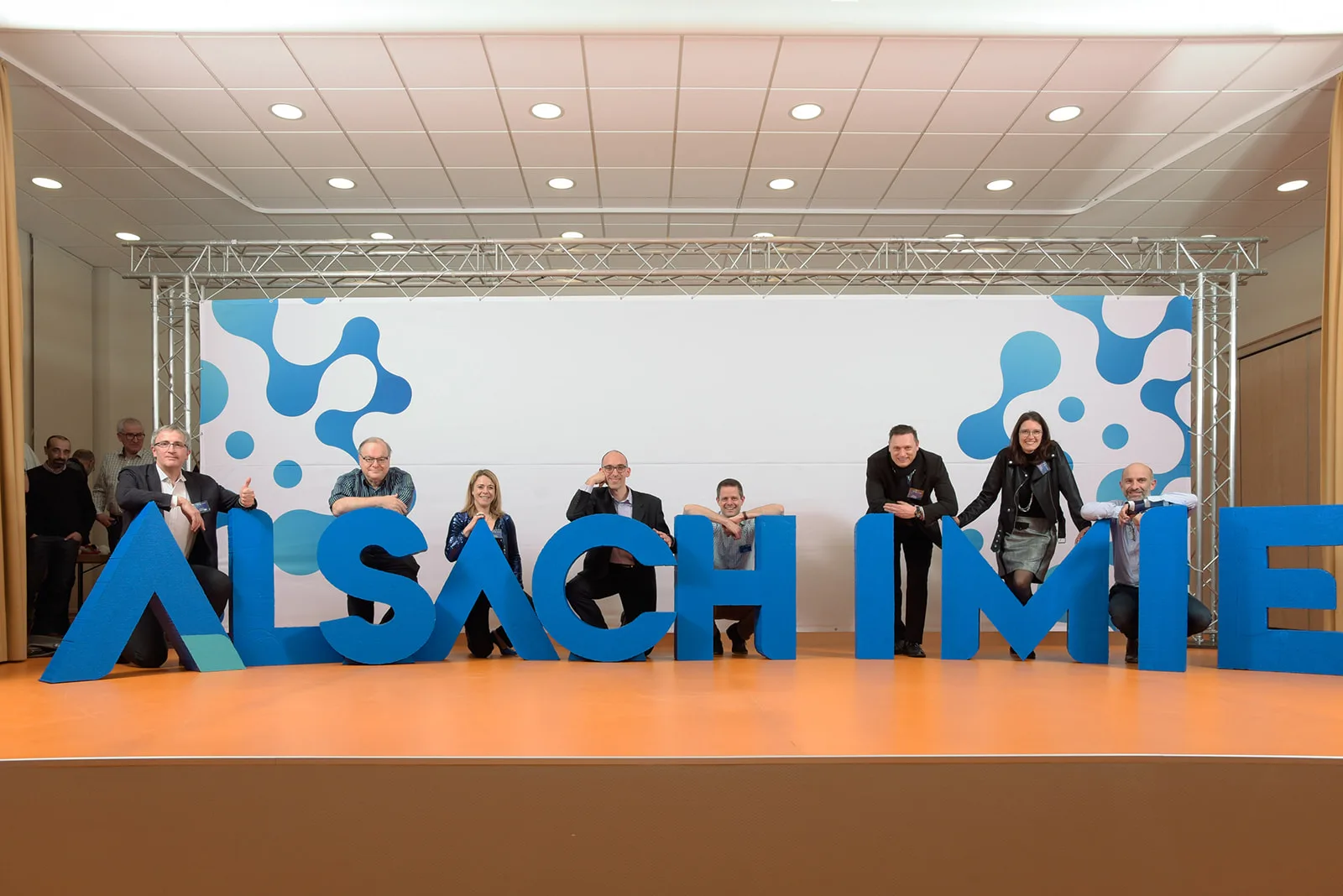
INNOV'events is a Montréal-based team supporting HR, Communications, and Executive leaders across Quebec for internal and external events from 50 to 2,000+ attendees. We manage the strategy, the content, the production, and the event-day communications so your message lands—and your team isn’t stuck in firefighting mode.
Whether you’re launching an initiative, running a leadership offsite, or hosting a stakeholder event, we build the plan backwards from business outcomes, then execute with tight operational control (vendors, timelines, run-of-show, risk management, bilingual delivery).
In Event Marketing & Communications, entertainment isn’t a “nice-to-have”; it’s a lever for attention, retention, and behaviour change. In practice, the right format increases session participation, improves message recall, and reduces the dead time where people check out and start scrolling.
Organizations in Quebec typically expect a bilingual experience, a clear respect for brand standards, and messaging that feels local—not imported. Executives also expect hard proof: attendance rate, engagement signals, lead quality for external events, and a credible post-event report they can take to the boardroom.
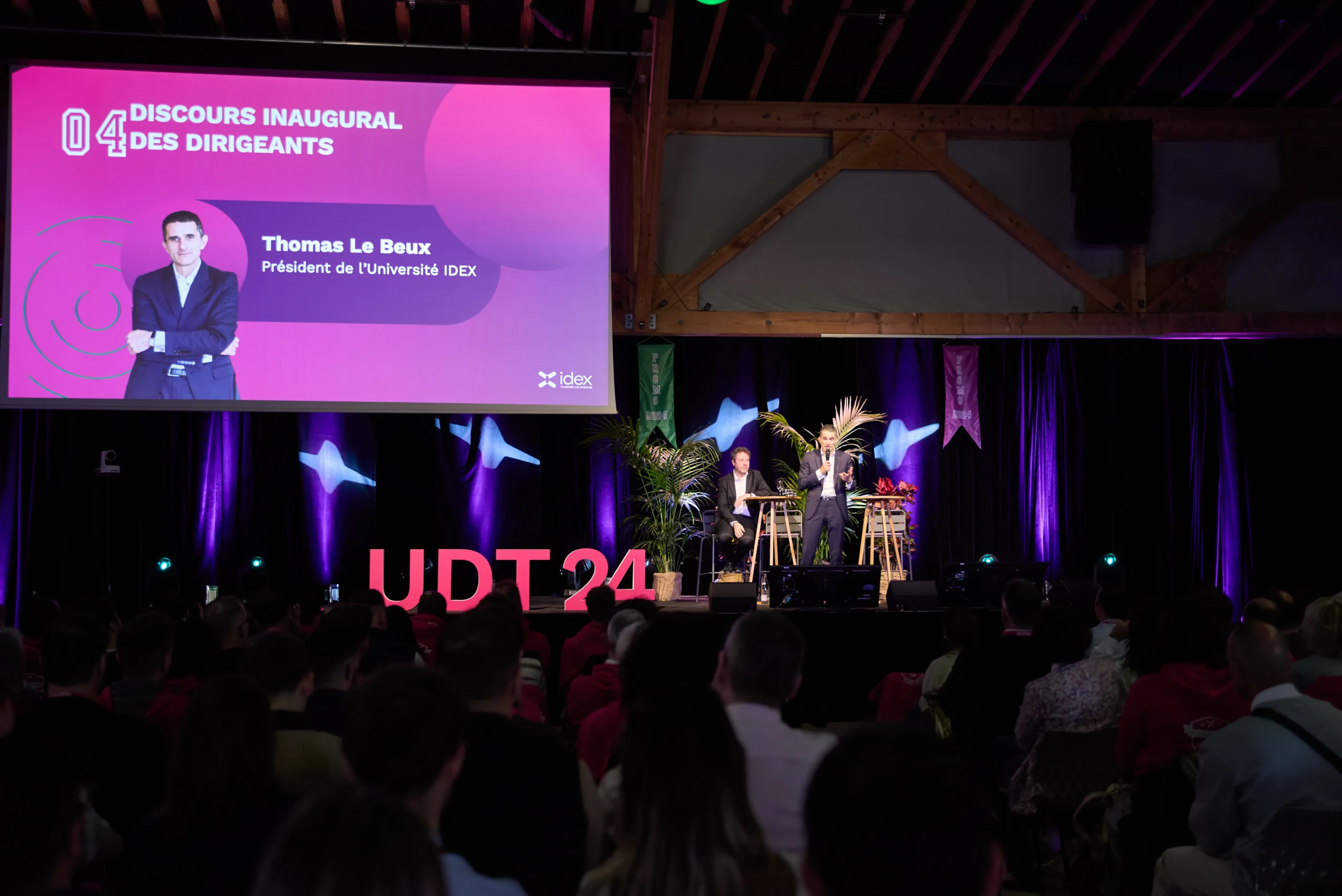
We’re on the ground in Montréal and deliver across Quebec. Our edge is field realism: tight production schedules, union and venue constraints, last-minute speaker changes, and the pressure of “doors open at 6:00 p.m.”—with no second takes.
10+ years supporting corporate events and brand activations across Quebec and Canada, with repeat clients who rely on consistent delivery.
150+ events/year planned or produced through our team and partner network (internal meetings, leadership summits, conferences, employee recognition, client events).
Operational range from 50-person executive offsites to 2,000+ attendee multi-room productions, including bilingual staging and event-day comms.
Vendor network across Quebec (AV, scenic, photo/video, catering, security, interpretation, registration platforms) vetted through real event-day performance—not just quotes.
In Quebec, the best indicator of reliability is whether teams bring you back when the stakes get higher—annual kickoffs, employer brand moments, leadership events, and high-visibility client evenings. At INNOV'events, we’re used to working with organizations that have real internal constraints: procurement rules, brand compliance, security requirements, and leadership schedules that shift weekly.
Many of our projects are “year 2” and “year 3” mandates because the internal teams want predictability: the same level of rigour on budgeting, run-of-show control, and executive readiness. When HR or Comms tells us, “We can’t miss this one—our CEO is on stage,” we know exactly what that means operationally: speaker prep, teleprompter/comfort monitors, mic discipline, walk-on cues, and contingency plans.
If you share your sector and audience (employees, clients, partners, public stakeholders), we’ll propose reference-style examples that match your reality in Quebec: formats, constraints, and outcomes—without forcing a one-size approach.
We send you a first proposal within 24h.
When budgets tighten, leadership wants fewer events that do more. Strong Event Marketing & Communications in Quebec turns one moment into a measurable communication campaign: pre-event alignment, event-day experience, and post-event activation that keeps the message alive.
We often get called when internal teams are stuck between competing priorities: HR wants engagement, Comms wants message discipline, Sales wants leads, and the executive sponsor wants a confident, controlled experience. A well-built plan makes those objectives compatible instead of competing.
Executive alignment without endless meetings: we translate goals into a decision-ready brief (audience, message hierarchy, success metrics, risks), so leaders can approve quickly and confidently.
Change adoption and culture reinforcement: for internal events, we structure content so people understand “what changes Monday morning,” not just “why leadership is excited.”
Employer brand impact you can feel on site: smart pacing, human storytelling, and a credible experience reduce cynicism and increase participation—especially in hybrid and multi-site realities common in Quebec.
External credibility with clients and partners: disciplined staging, clear signage, bilingual moderation, and reliable hospitality protect your brand in front of decision-makers.
Better data for post-event decisions: registration sources, attendance curves, session dwell time, Q&A volume, lead capture quality, and post-event survey design that avoids vanity metrics.
Quebec has a relationship-driven business culture: people remember how you made it easy for them to attend, understand, and connect. That’s why we treat communications and production as one integrated system—not separate silos.
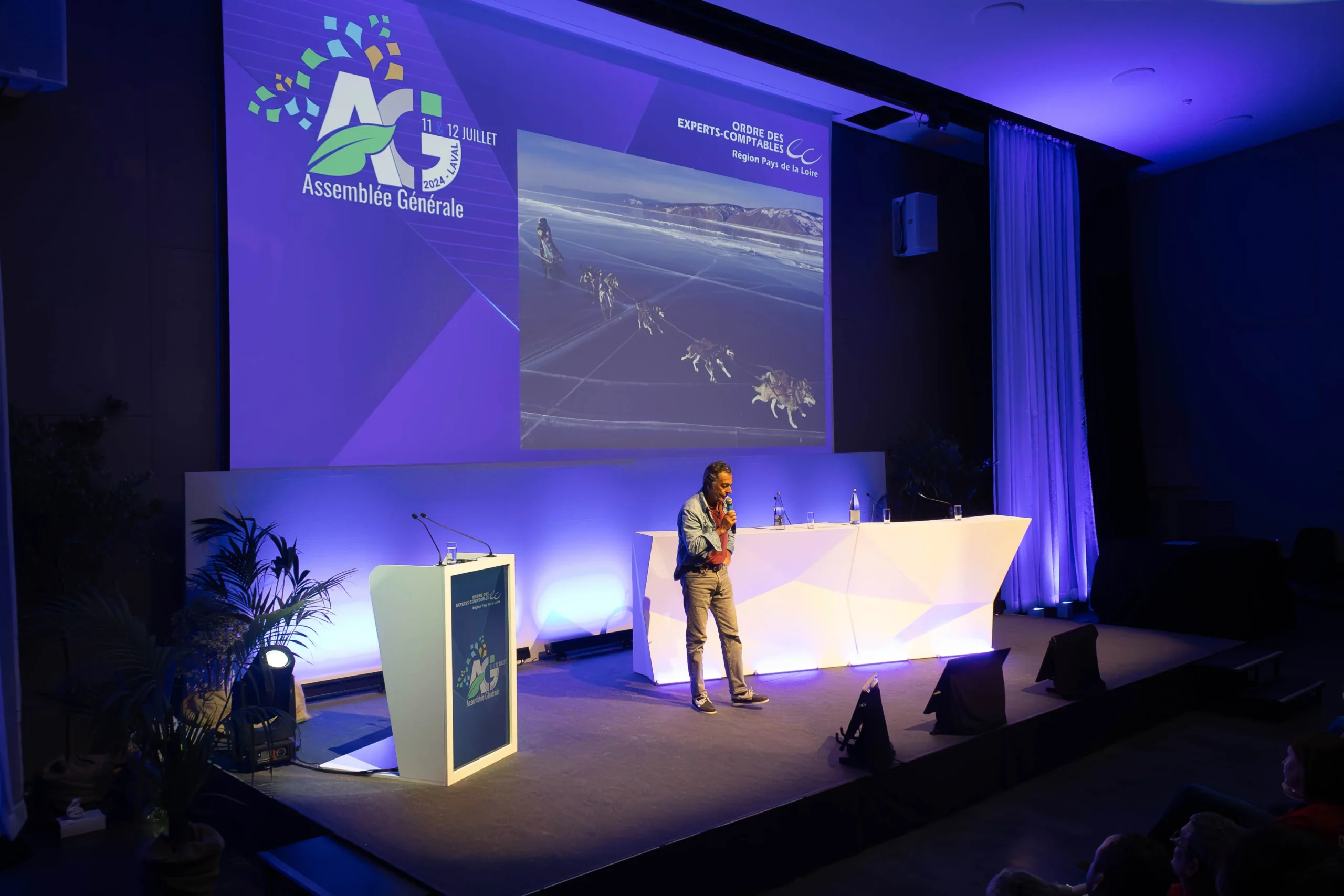
Working across Quebec means respecting local realities that directly affect event outcomes. Bilingual delivery is rarely optional: even when the room is mostly francophone or anglophone, leadership often wants inclusive communications, and stakeholders may include out-of-province guests. We plan language at the system level—registration flows, signage, stage slides, scripts, MC transitions, and on-site staff—so it feels natural rather than patched on the day before.
We also see higher expectations around authenticity. Quebec audiences can detect overly polished corporate messaging quickly. That doesn’t mean “informal”; it means credible. We coach leadership teams to move from generic statements to concrete proof points: timelines, commitments, and examples that match what employees or partners live every day.
Operationally, there are local constraints that matter: venue access windows in downtown Montréal, union rules for certain setups, winter travel risk, and the reality that many executives need the schedule to run within 5 minutes of plan. We build run-of-show documents that include buffer logic, cue sheets, and defined responsibilities so you’re not relying on one person’s memory.
Finally, procurement and risk are increasingly central. We’re used to vendor insurance certificates, safety plans for build days, data privacy checks for registration platforms, and clear cancellation terms. These aren’t “nice paperwork”—they’re what protects your organization when something changes.
Engagement isn’t about adding noise; it’s about creating the right moments of participation so the message sticks. In Event Marketing & Communications in Quebec, we use “animations” (engagement formats) to support business goals: listening, interaction, recognition, networking, or lead capture—always aligned with brand tone and audience maturity.
Live pulse polling with decision framing: not “fun questions,” but prompts that help leaders understand sentiment (confidence in strategy, readiness for change). Results can be shared live with context, then used in post-event reporting.
Facilitated roundtables with output: small-group discussions designed to produce usable deliverables (top 5 risks, quick wins, client pain points). We provide templates, facilitators, and a synthesis method so it doesn’t become “nice conversation, no action.”
Structured networking: curated introductions, timed rotations, or topic-based stations. This works well in Montréal when you have mixed groups (head office, regional teams, partners) and want real cross-pollination.
Opening moments that support the brand: short performances or staged moments used as a narrative tool (values, milestones, community impact). We keep it tight—typically 2–6 minutes—so it elevates attention without hijacking the agenda.
Story-driven MC and stage direction: the right host does more than “announce speakers.” They protect pacing, create smooth bilingual transitions, and keep energy consistent while respecting corporate tone.
Local tasting stations in Quebec with purpose: pairing stations or chef-led moments used to create movement and conversation. We plan flow to prevent line-ups, and we align with dietary requirements and corporate policies (including alcohol service rules).
Interactive coffee and dessert bars for retention: strategically placed to keep people in the room during key transitions (post-keynote, before awards). This is a simple operational lever that often improves attendance after breaks.
Content capture booth for internal comms: a small set where leaders and employees record short clips (30–60 seconds) tied to key messages. It creates authentic post-event content without asking people to “be influencers.”
Hybrid-ready engagement design: when part of your audience is remote in Quebec regions, we plan dedicated remote moderators, camera blocking, and a participation channel that’s not an afterthought.
Whatever the format, the test is simple: does it reinforce your brand image and reduce risk on the day? We align engagement choices with tone (institutional vs. tech), audience (executives vs. frontline), and the realities of your venue and schedule.
The venue isn’t just a backdrop; it changes how your message is received. In Quebec, we often see organizations underestimate acoustics, load-in rules, and guest flow—then wonder why engagement drops. For Event Marketing & Communications, we select venues based on sightlines, audio control, backstage logistics, and brand fit, not just capacity.
| Venue type | For which objective? | Main strengths | Possible constraints |
|---|---|---|---|
Downtown Montréal hotel ballroom | Leadership announcements, awards, client dinners, multi-city attendance | On-site catering, predictable operations, AV-friendly infrastructure, accommodation for out-of-town guests | Union rules and rigging limits, strict load-in windows, higher F&B minimums |
Conference centre / dedicated meeting venue | Multi-track content, training days, stakeholder forums | Breakout rooms, registration flow, professional acoustics, scalable staging | Branding restrictions, limited “wow” unless you invest in scenic and lighting |
Industrial-chic or cultural venue in Quebec | Brand positioning, product storytelling, partner experiences | Strong identity, flexible layouts, great for content capture and social assets | AV must be built from scratch, permit and noise constraints, weather considerations for arrivals |
We strongly recommend a site visit (or a technical walk-through) before you lock your plan. It’s where you catch the real issues early: ceiling height, speaker holding area, camera positions, power distribution, and the exact guest path from street to registration.
Pricing depends on scope, complexity, and risk—not just headcount. In Montréal, two events with the same number of guests can vary widely based on staging, content support, bilingual requirements, capture needs, and the number of vendors involved.
To help you plan, we typically see corporate projects fall into these ranges (excluding venue rental if billed separately): $25,000–$60,000 for a structured internal event (200–400 people) with solid AV and basic content support; $60,000–$150,000 for a higher-stakes experience with scenic, multi-cam capture, stronger guest experience and multiple touchpoints; and $150,000+ for multi-room, multi-day, hybrid, or heavy branding builds.
Content and executive readiness: scriptwriting, slide storyboarding, speaker coaching, rehearsal time, teleprompter, and translation all affect effort and cost.
Technical production: audio complexity (panels vs. keynote), lighting design, video playback redundancy, live streaming, recording, and show calling.
Guest experience logistics: registration technology, staffing, signage, accessibility needs, security, coat check, and traffic management.
Branding and scenic: stage set pieces, LED walls, custom builds, and print/digital assets. In Quebec, lead times and venue restrictions can drive cost more than materials.
Risk management: winter contingencies, backup suppliers, additional rehearsal windows, and insurance requirements.
We frame budget as an ROI question: what outcome are you buying—alignment, adoption, lead quality, retention, reputation protection—and what is the cost of a miss? Our job is to allocate dollars where they reduce risk and increase impact, then document the results after.
In theory, any agency can pitch a concept. In practice, delivery in Quebec depends on local operational knowledge: which venues are strict on load-in, which suppliers are truly reliable under pressure, how to structure bilingual stage flow, and how to navigate last-minute changes without blowing up the schedule.
Being local also means speed. When a keynote speaker changes the day before, or when weather impacts arrivals, you need people who can be on site quickly and who have backup options already lined up. That’s where a local team prevents small issues from turning into executive-facing problems.
If your event is in the Capitale-Nationale region, our network includes partners and venues there as well—see our page for event agency in Quebec to understand how we operate outside Montréal with the same discipline.
We frame budget as an ROI question: what outcome are you buying—alignment, adoption, lead quality, retention, reputation protection—and what is the cost of a miss? Our job is to allocate dollars where they reduce risk and increase impact, then document the results after.
Our mandates in Quebec typically fall into a few real business situations. For HR-led internal events: annual kickoffs where leadership must rebuild confidence, recognition evenings where fairness and credibility matter, and change-communication moments where teams need clarity, not hype. We’ve supported scenarios where a company had just completed a reorg and needed a tight narrative, with manager toolkits ready for the next day.
For Communications and brand teams: stakeholder events where reputational risk is high, and every detail (arrival, signage, spokesperson prep, media-ready visuals) contributes to trust. We’ve delivered formats where executives needed controlled Q&A, with pre-briefed moderators and escalation protocols for sensitive topics.
For sales and partnerships: client events where the goal isn’t volume, but quality conversations. In those cases, we design the flow to maximize meeting density—short stage moments, strong hospitality, and structured networking—then we help the team capture follow-up actions immediately.
The common thread is adaptability under pressure: supplier delays, speaker cancellations, or agenda shifts. We build plans that can flex without looking like they’re flexing.
Starting with the venue or the theme instead of the message: this leads to beautiful production with weak outcomes because there’s no clear communication architecture.
Underestimating bilingual flow: last-minute translation creates awkward stage pacing, inconsistent signage, and guest frustration. We plan language early across every touchpoint.
No real run-of-show ownership: when nobody is assigned as show caller, timing drifts, speakers improvise, and the audience disengages.
Too many speakers, not enough rehearsal: executives want to look confident; without rehearsal and technical checks, even great leaders can appear unprepared.
Forgetting post-event activation: no recap strategy means the organization spends the budget but loses the long-tail value (internal comms, recruiting content, sales follow-up).
Our role is to prevent these risks with operational discipline: clear ownership, pre-approved messaging, technical redundancies, and an event-day command structure that keeps your internal team out of the weeds.
Repeat business is earned on the hard parts: budgeting accuracy, transparent trade-offs, and calm delivery when something changes. Many clients stay with us because we make their internal teams look good—especially when senior leadership is watching every detail.
We operate like an extension of your HR and Communications function: we document decisions, protect approvals, and keep vendor conversations aligned with your brand and procurement rules. The goal is simple: fewer surprises, clearer accountability, and a post-event debrief that gives you actionable next steps.
70–80% of our annual work is with returning clients or direct referrals within Quebec networks (internal mobility and executive word-of-mouth are real here).
15–30% of project effort is typically dedicated to prevention work (rehearsals, contingency planning, technical checks). That’s where reliability comes from.
Loyalty isn’t about comfort—it’s proof that delivery holds up under pressure, year after year.
We start with a working session with the sponsor, HR, and Comms to define audience segments, message hierarchy, constraints (brand, legal, union, budget), and measurable targets. Output: a decision-ready brief, a draft agenda, and a first risk register so leadership can approve the direction early.
We convert strategy into experience: stage flow, engagement moments, narrative arc, and content needs (scripts, slides, video, signage). We also plan bilingual delivery at the system level and confirm who approves what—so you don’t get stuck in last-minute stakeholder loops.
We build the production plan: AV specs, staffing plan, registration operations, guest flow, safety requirements, and vendor contracts. This is where we protect budget with clear line items and identify where spending reduces risk (audio, show calling, rehearsal time) versus where it’s purely cosmetic.
We schedule technical checks, speaker run-throughs, and finalize cue sheets. We coordinate content deadlines so videos and slides are locked in time to test properly. For executive-heavy agendas, we provide speaker coaching on timing, transitions, and Q&A handling.
On site, we run a clear command structure: show caller, producer, vendor leads, and escalation routes. We manage stage cues, audience movement, stakeholder handling, and real-time updates. Your internal team stays focused on people and priorities, not headset problems.
Within agreed timelines, we deliver a post-event report: attendance, engagement signals, content assets, and recommendations. If you’re using the event as part of an ongoing campaign, we also provide a content rollout plan for internal channels and stakeholder follow-up.
For 50–200 attendees, plan 6–10 weeks ahead. For 200–800 with staging and content capture, 10–16 weeks. For multi-day or hybrid productions, 4–6 months is realistic in Quebec, especially when venues and key suppliers are in high demand.
Yes. We plan bilingual delivery end-to-end: registration emails, signage, slide templates, scripts, MC transitions, and on-site staffing. If interpretation is required, we manage interpreter booking, technical setup, headset distribution, and rehearsal so language doesn’t slow the show.
For a 300-guest corporate event in Quebec, many projects land between $30,000 and $90,000 depending on venue and AV needs. Add costs if you need scenic design, multi-cam recording, live streaming, heavy branding, or significant content support for executives.
We use a mix of operational and outcome metrics: attendance rate vs. registrations, arrival timing, session dwell time, Q&A volume, networking participation, content views post-event, survey results tied to specific messages, and—when relevant—lead capture and meeting follow-up quality. We agree on targets before the event so reporting is meaningful.
Yes. We often step in when HR or Comms is stretched. We can own the production plan, vendor coordination, run-of-show, and event-day management while keeping your team in control of approvals. Typical transition time is 1–2 weeks to stabilize scope, budget, and timelines.
If you’re comparing agencies, we can make your decision easier with a practical approach: a structured brief, a realistic budget with options, and a delivery plan that protects your leaders on stage and your brand in the room.
Send us your date window, city, estimated attendance, and objectives. We’ll come back with a first recommendation and an initial budget range, then refine it with you into a production-ready plan for Event Marketing & Communications in Quebec.
Thierry GRAMMER is the manager of the INNOV'events Quebec office. Reach out directly by email at canada@innov-events.ca or via the contact form.
Contact the Quebec agency