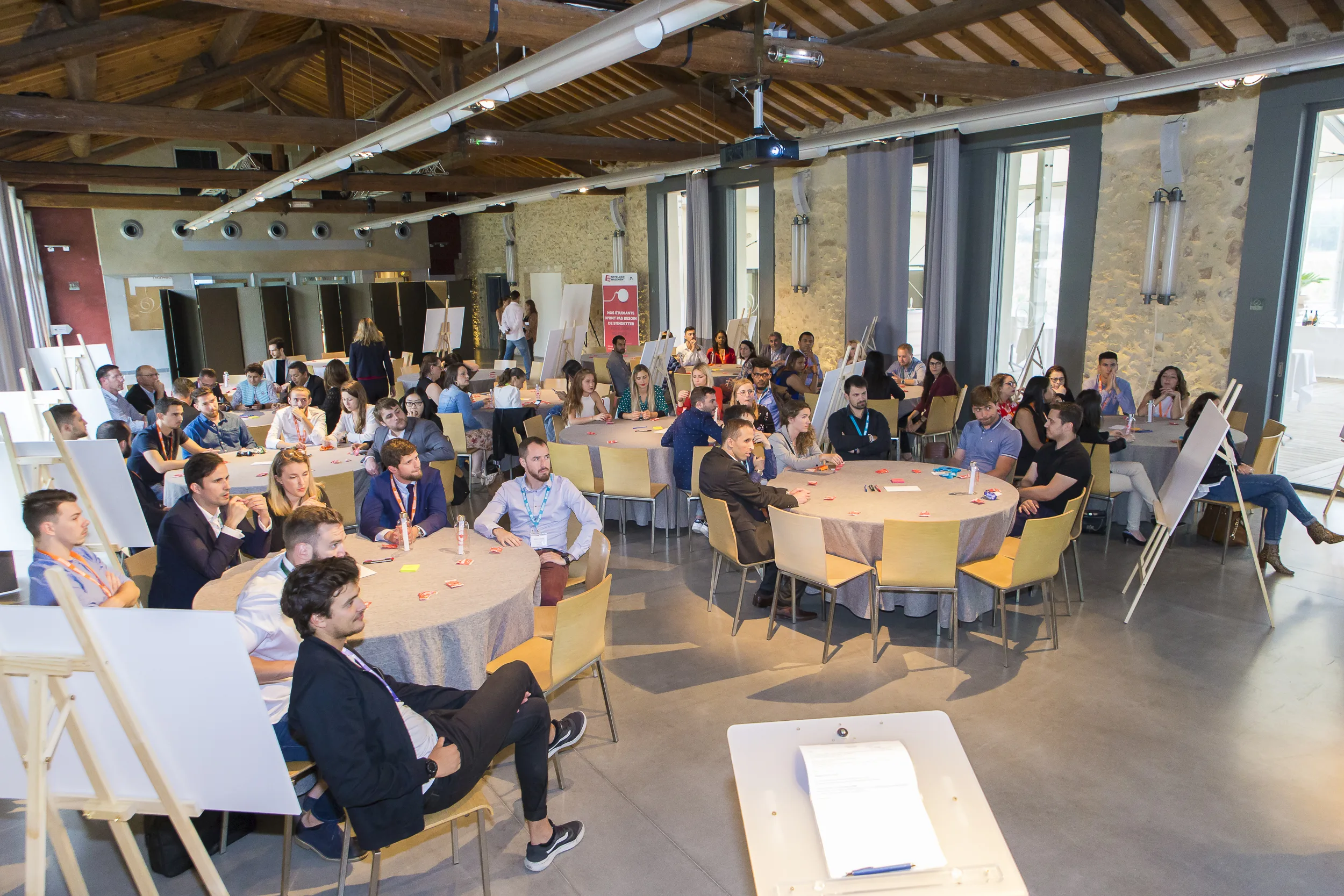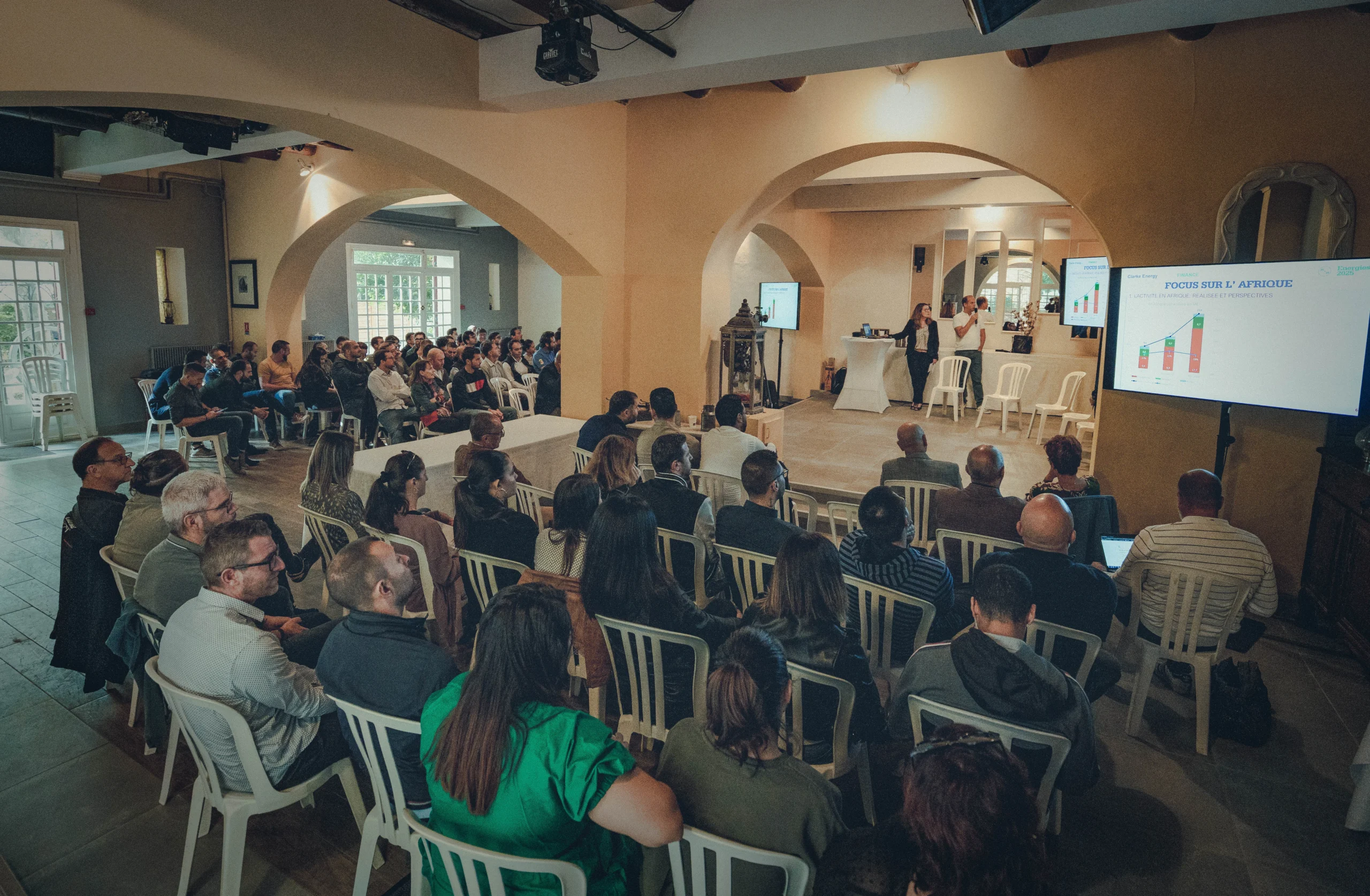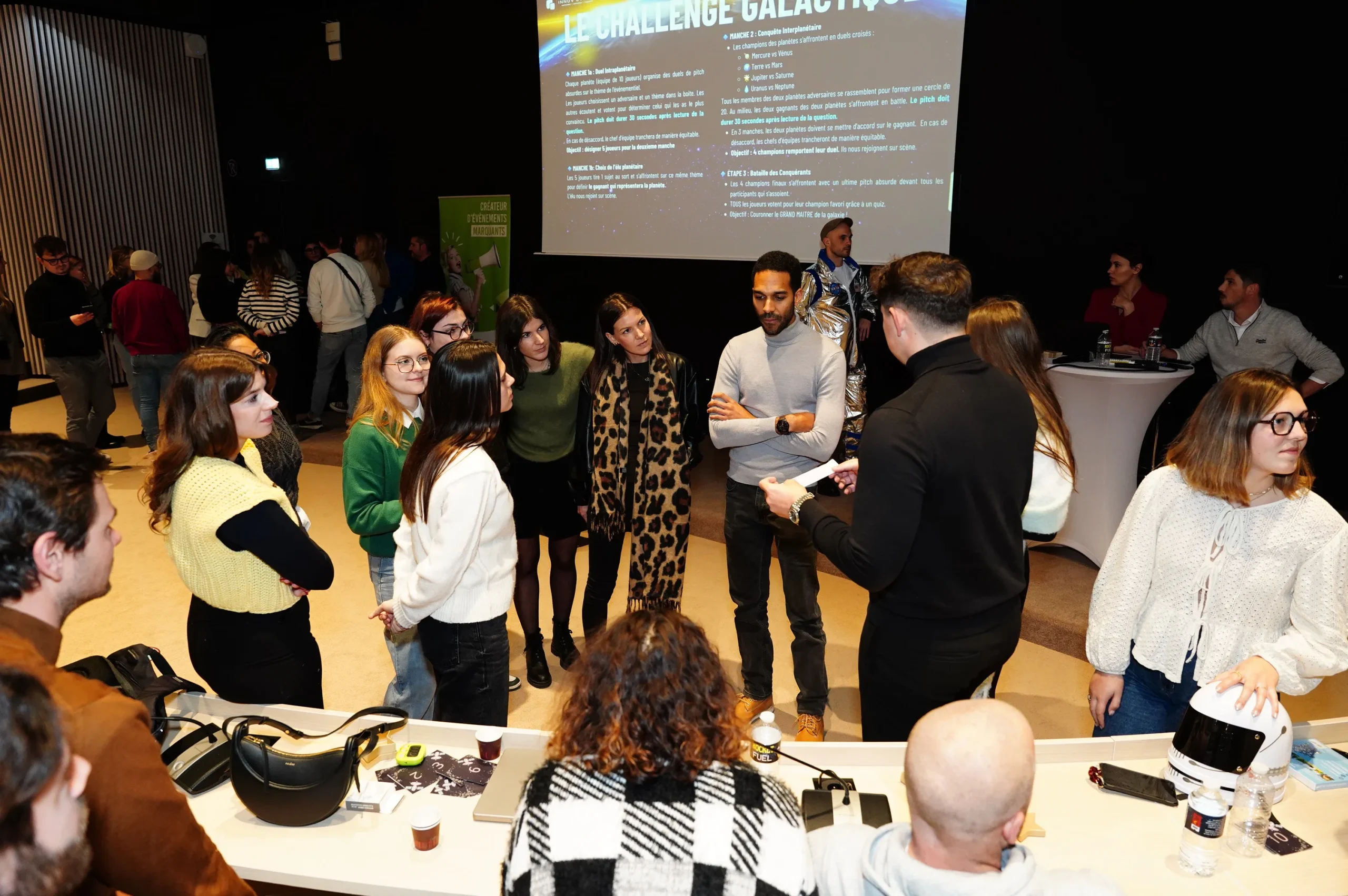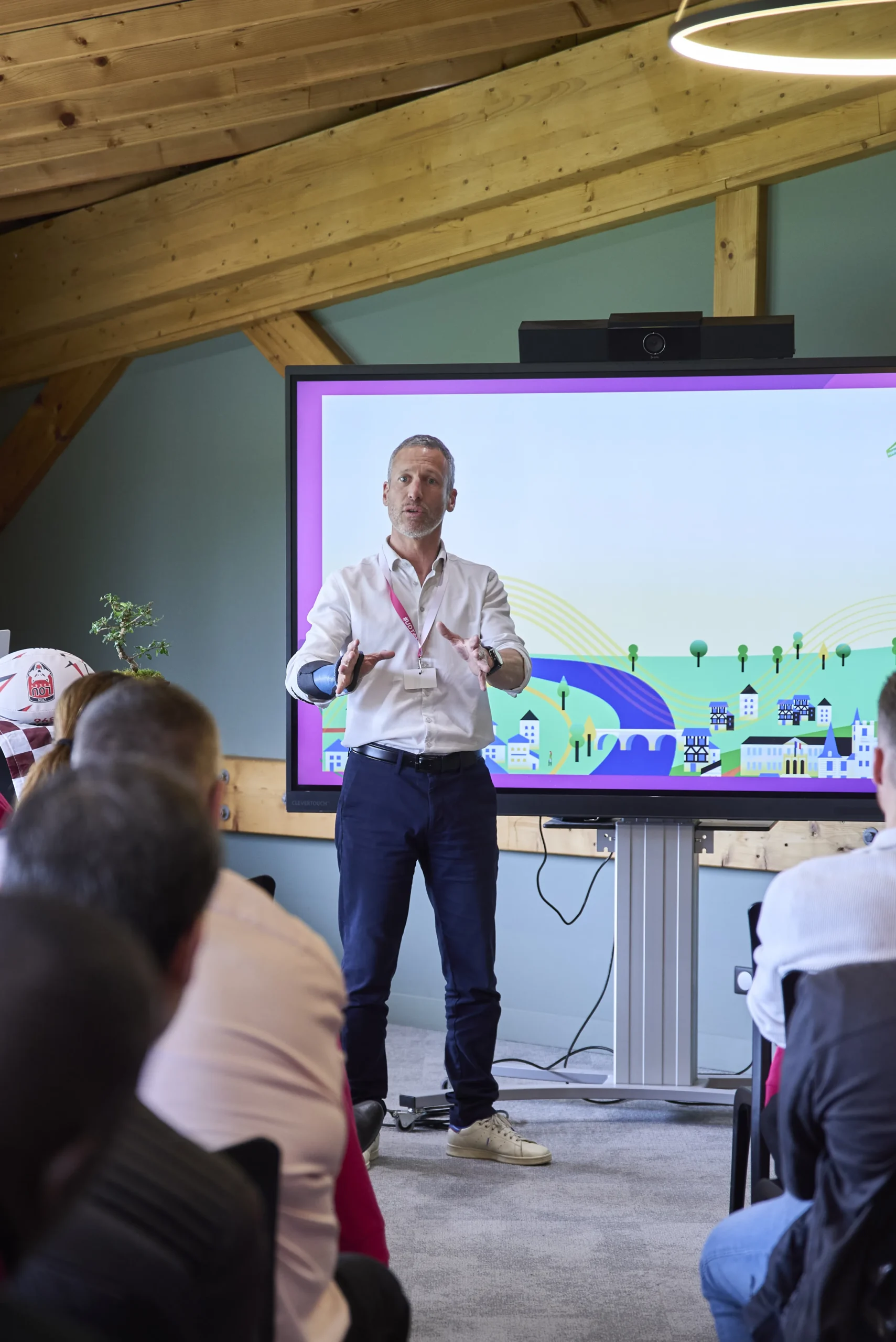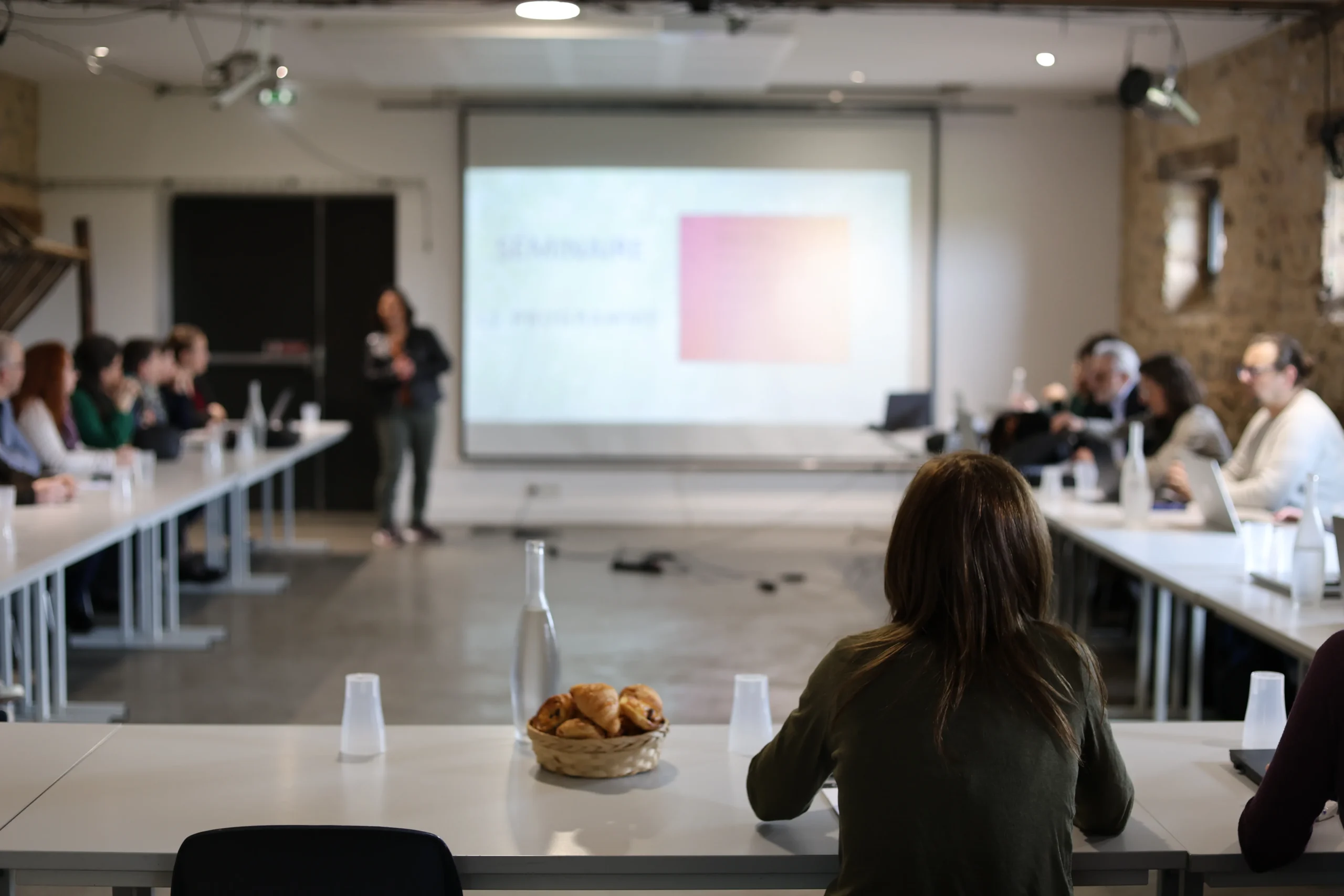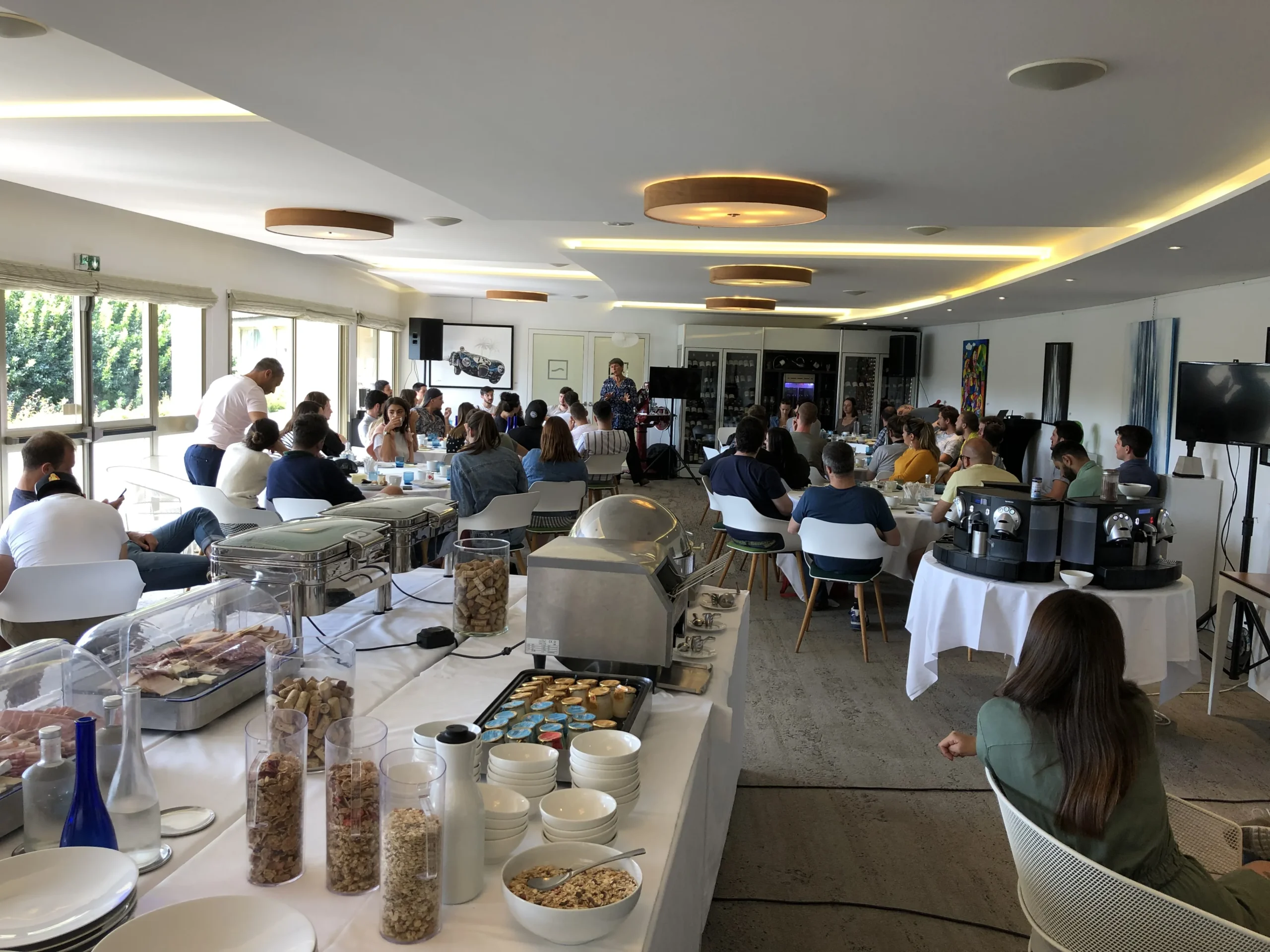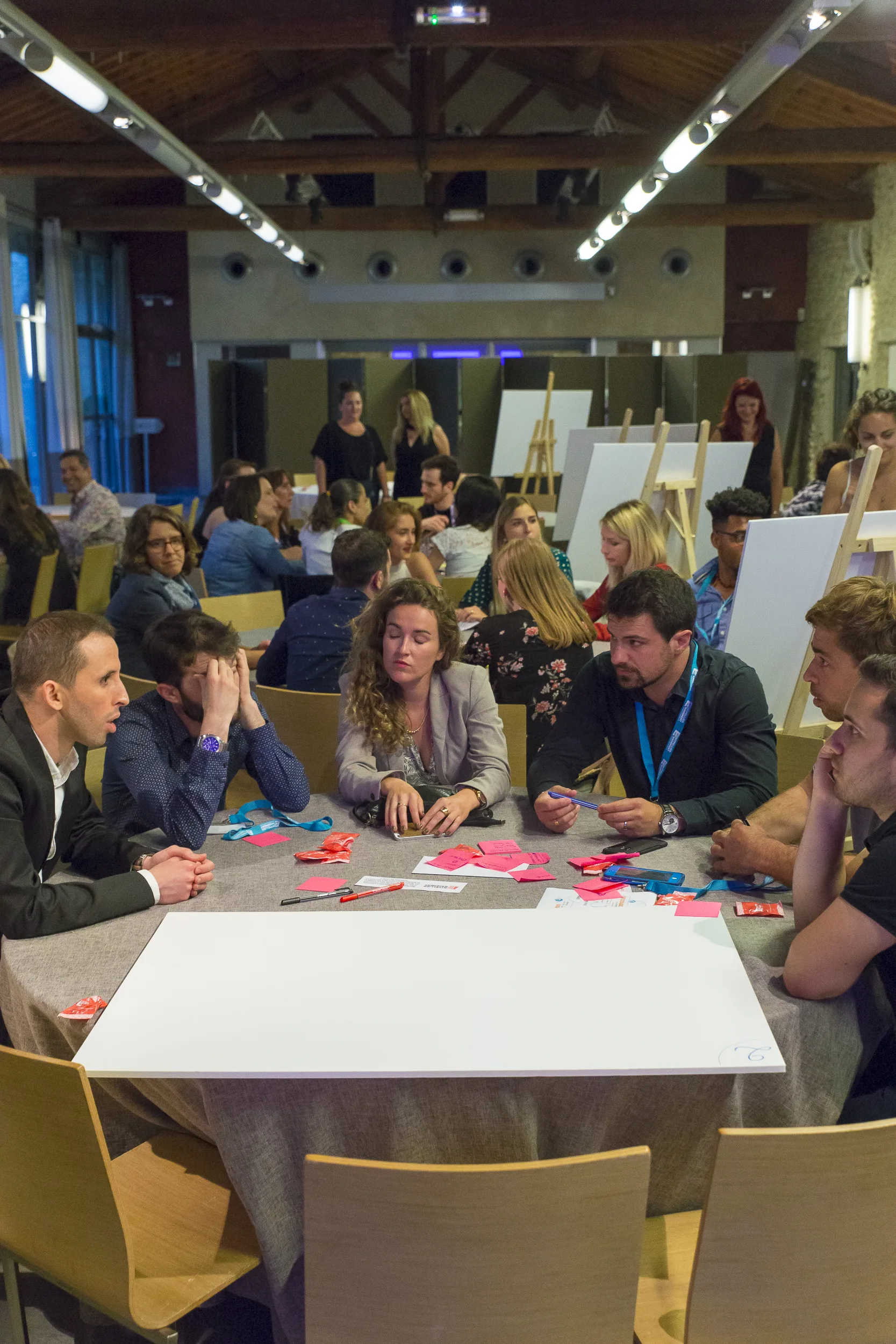
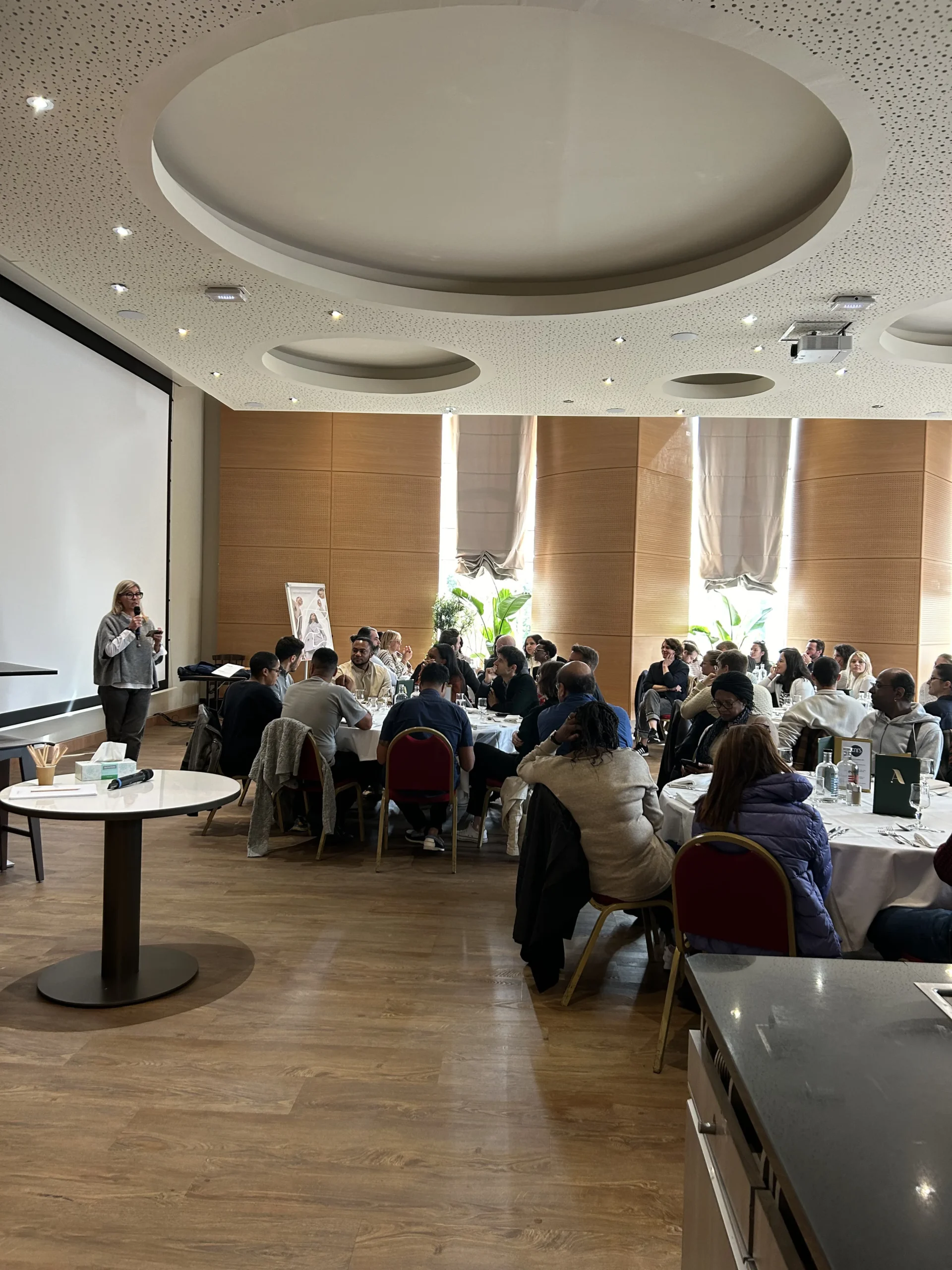
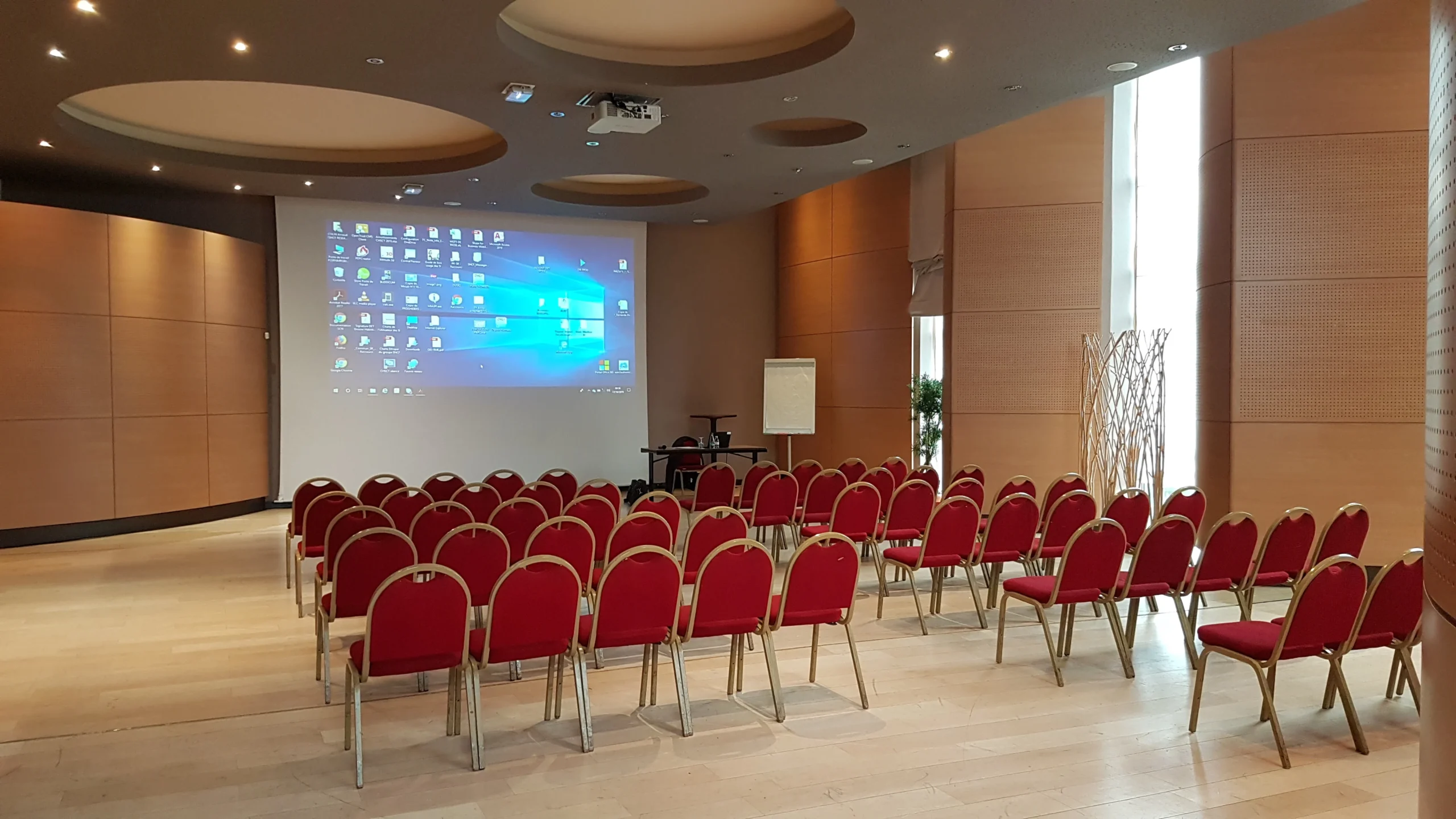
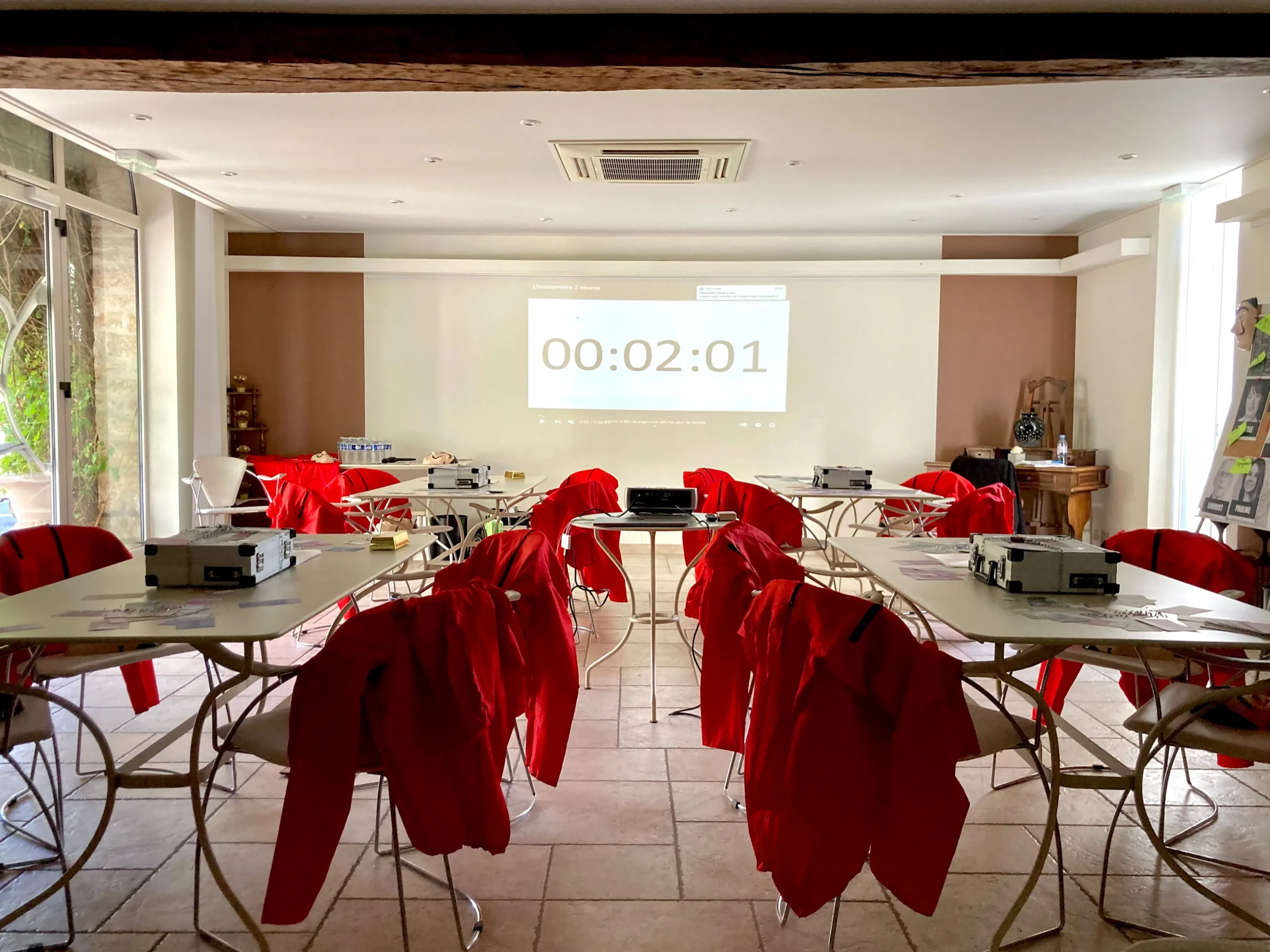
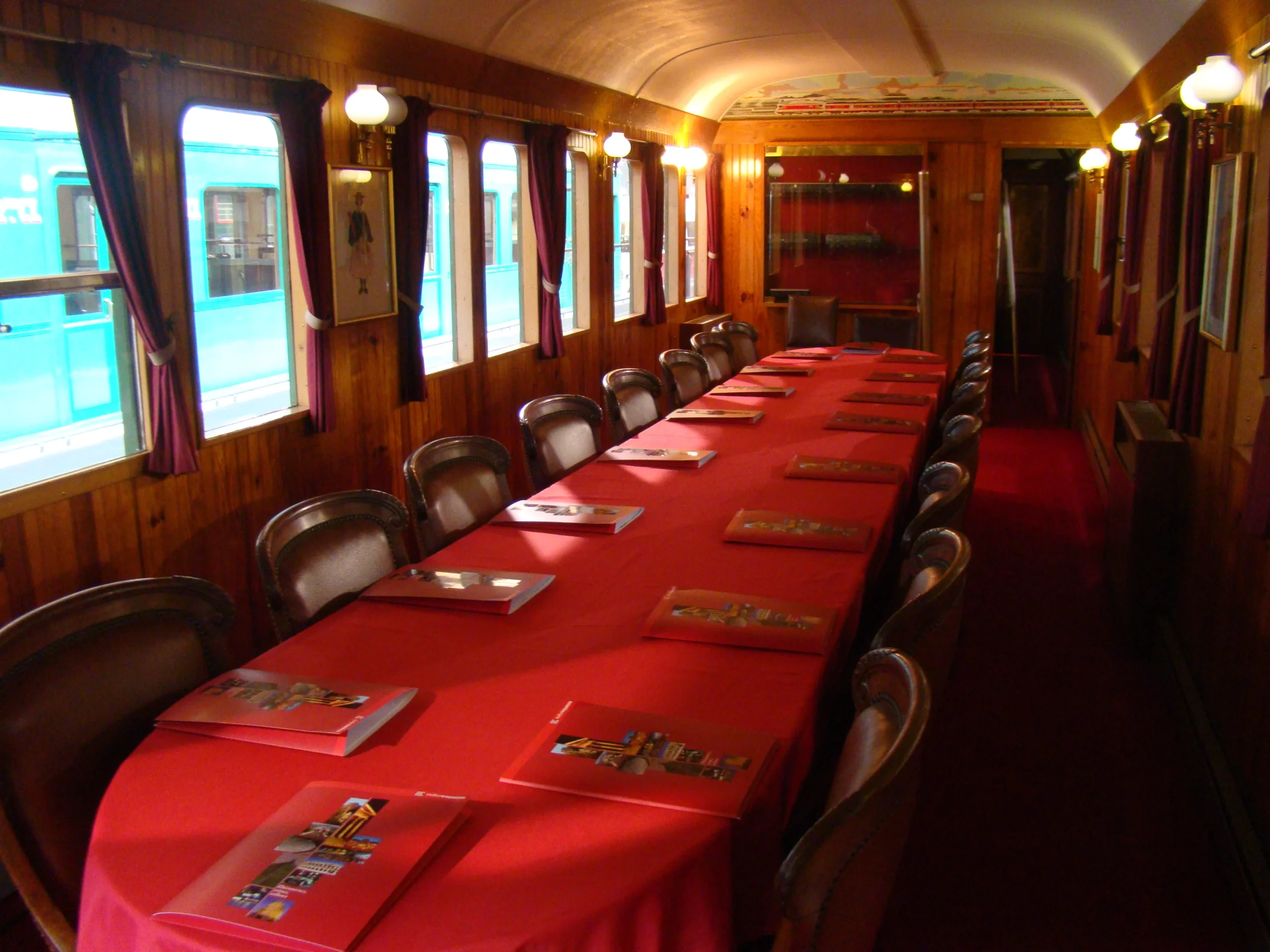
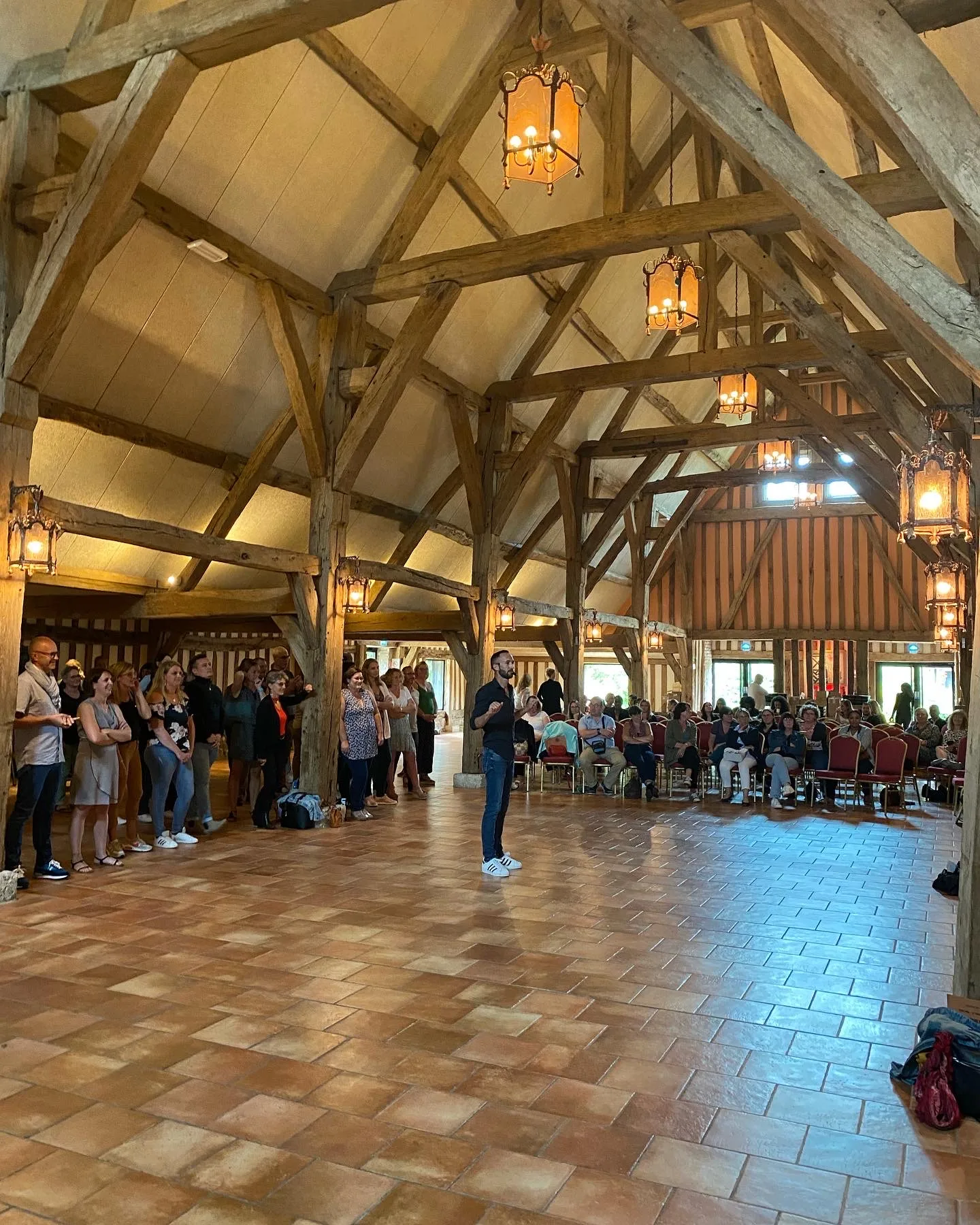
INNOV'events is a Montréal-based team supporting executives, HR and communications with Meeting Room Rental for leadership offsites, training, board meetings and client sessions across Quebec. Typical formats range from 8 to 250 participants, with logistics scaled accordingly.
We secure the room, align the setup to your agenda, manage A/V and catering, and stay accountable on-site so your team can focus on decisions, not vendor follow-ups.
In a corporate context, “room rental” is never just square footage. The room’s acoustics, layout, privacy, and technical reliability directly affect decision quality, attention, and the pace of your agenda—especially when leadership is under time pressure.
In Quebec, organizations expect practical rigour: clear schedules, bilingual signage when needed, predictable access for attendees coming from different regions, and vendors who understand local compliance and unionized venue rules.
As an event agency rooted in Montréal, we handle Meeting Room Rental in Quebec with a field-driven approach: site checks, risk management, tight supplier coordination, and a single accountable point of contact from brief to breakdown.
10+ years supporting corporate meetings and internal communications events across Quebec (Montréal, Québec City, Laval, Montérégie, Estrie).
300+ corporate projects delivered through our partner network: venues, A/V, catering, staffing, and on-site coordination.
24–72 hours typical turnaround to present a first short-list of meeting rooms once the brief is complete (date, headcount, neighbourhood, budget, and must-haves).
1 accountable producer assigned per mandate, with an escalation path on event day (venue manager + A/V lead + INNOV'events coordinator).
We support organizations that need consistency more than spectacle: recurring quarterly business reviews, leadership retreats, compliance training, and sensitive negotiations. In Quebec, many teams rebook the same room once it proves reliable—provided the setup is managed properly and the attendee experience stays smooth.
We routinely collaborate with local venues, hotel conference teams, independent meeting centres, and trusted A/V technicians who know the realities of the territory: seasonal traffic patterns, winter access, and the operational constraints of heritage buildings downtown. Our approach is built for repeatability—because most corporate teams don’t have time to “relearn” a venue every quarter.
If you share your sector, internal constraints (union rules, privacy needs, brand standards), and the cadence of your meetings, we will recommend spaces that fit both your agenda and your governance requirements—not just what looks good in photos.
We send you a first proposal within 24h.
When teams meet in the office, the meeting often inherits office noise: interruptions, hybrid technical issues, and short attention spans. Renting a dedicated room is a governance decision—it protects time, creates a neutral environment, and signals that the agenda matters.
Sharper decisions in less time: the right room layout (U-shape vs. classroom vs. boardroom) supports the type of discussion you need—alignment, arbitration, or learning—so the meeting doesn’t drift into updates without outcomes.
Better participation from multi-site teams: reliable microphones, camera angles, and speaker placement reduce the “remote attendee penalty” that HR and internal comms teams fight in hybrid formats.
Confidentiality and reputational control: for executive committees, labour relations, M&A-related briefings, or sensitive HR topics, we validate sound bleed, corridor traffic, room access control, and where catering is staged.
Predictable timing for leaders: clear load-in rules, elevator access, and pre-set room turns prevent the classic 20-minute delay that cascades into missed trains, overtime, or a compromised agenda.
Employer brand consistency: the room, signage, welcome, and service level reflect how your organization works—especially when clients, candidates, or board members are in the room.
Quebec organizations tend to be pragmatic: they value operational reliability, clear cost control, and respectful service. A well-chosen meeting room supports that culture by eliminating friction and keeping the focus on decisions.
Local expectations are specific, and they show up in day-to-day constraints. Many leadership teams arrive from multiple regions (Montréal, Québec City, Saguenay–Lac-Saint-Jean, Outaouais), which makes arrival windows and parking/transit access a real variable. We confirm check-in flow, elevator access, and realistic load-in times, especially in older downtown buildings where service corridors can bottleneck.
Bilingual realities are another operational point. Even when a meeting is primarily in English, materials, on-site directional signage, and front-desk coordination may need to be bilingual depending on attendee mix and venue staffing. We plan for that early so it doesn’t become a last-minute scramble.
Finally, the market is seasonal. In winter, coat check, entry mats, and wet-boot floor safety are not optional. During summer peak tourism in Québec City, hotel availability can tighten and rates can move quickly. Our role is to anticipate these patterns and protect your agenda and budget with earlier holds, realistic cutoff dates, and backup options.
Not every corporate meeting needs “entertainment,” but most meetings need engineered engagement—especially in training days, town halls, and leadership offsites. The goal is to protect attention and participation while respecting time, tone, and governance.
Facilitated working sessions: structured breakouts with timed prompts, a visible decision log, and a clear synthesis method. Practical for strategic planning and cross-functional alignment.
Live polling and Q&A moderation: reduces hesitation in mixed seniority rooms, and gives communications teams clean data for follow-up.
Hybrid-friendly participation design: dedicated remote moderator, chat-to-floor escalation rules, and “remote-first” turn-taking so distributed teams aren’t sidelined.
Short-format musical cueing (30–90 seconds): used to manage transitions (breaks, awards, speaker changeovers) without turning a meeting into a show. We confirm volume limits and venue policies.
Visual facilitation: a graphic recorder capturing key decisions and themes in real time—useful for leadership offsites where the output needs to live beyond the day.
Quebec-forward breaks: locally sourced coffee service, seasonal snack stations, and dietary-verified options (gluten-free, halal, vegan). This is less about indulgence and more about maintaining energy and punctuality.
Working lunch designed for productivity: plated or boxed formats that minimize lineups, with clear labelling and a service plan that keeps the room reset on schedule.
Micro-learning stations: rotating 8–10 minute modules for HR training days (policy refreshers, safety, leadership behaviours), designed to increase retention without extending the day.
Content capture corner: a small, quiet setup for recording executive messages or internal comms clips while attendees are on break—efficient when leaders are only available in short windows.
Any engagement element must align with your brand and governance: tone, risk tolerance, accessibility, and how the content may be reused internally. In corporate event entertainment in Quebec, the strongest choices are the ones that support outcomes—participation, clarity, and accountability—without adding operational complexity.
The venue affects how your meeting is perceived and how efficiently it runs. A board meeting needs privacy, controlled access, and quiet. A training day needs sightlines, comfort, and a catering plan that keeps people on time. We match venue type to objective, not to trends.
| Venue type | For which objective? | Main strengths | Possible constraints |
|---|---|---|---|
| Hotel conference floor (downtown or near airport) | Leadership meetings, multi-day training, sessions with out-of-town attendees | One-stop logistics (rooms + meeting space), experienced banquets team, reliable A/V options, predictable service standards | Pricing can rise during peak tourism; some packages include mandatory catering minimums; limited flexibility for outside suppliers |
| Dedicated meeting centre / business hub | Workshops, planning days, hybrid meetings needing stable technical setup | Designed for meetings (acoustics, furniture, power), strong Wi-Fi, faster room turns, often simpler billing | Less on-site catering infrastructure; fewer adjacent breakout areas in some locations; parking may be limited downtown |
| Private boardroom in a professional services building | Board meetings, confidential HR/legal sessions, small executive committees | High privacy, controlled access, professional environment, minimal distractions | Strict security procedures; limited branding/signage; restrictions on deliveries and setup times |
| University or institutional conference space | Large training days, stakeholder consultations, budget-controlled conferences | Large-capacity rooms, multiple breakouts, often good accessibility features | Calendar constraints (academic schedules), union rules, fixed A/V providers, more rigid access windows |
We strongly recommend a site visit (or a structured remote validation when timelines are tight). Photos rarely show HVAC noise, hallway traffic, screen glare, or where catering lines will form. Those factors directly impact punctuality and the perceived professionalism of your meeting.
Budgeting is easier when you separate venue cost from the operational costs that make the day run properly. In Quebec, meeting room pricing can be packaged (room + catering minimum) or à la carte (room rental plus per-item services). Your true cost is driven by headcount, duration, technical complexity, and service level.
Room rental model: half-day vs. full-day rates, multi-day discounts, and whether the venue requires a food and beverage minimum instead of (or in addition to) a room fee.
Headcount and layout: boardroom for 12 costs differently than classroom for 60; larger rooms may require additional staffing and A/V even when the agenda is simple.
A/V requirements: basic screen + clicker vs. multi-mic panel, hybrid camera, recording, and confidence monitors. Hybrid can add meaningful cost, but it often protects executive time by avoiding follow-up meetings.
Catering and timing: coffee breaks, working lunches, dietary verification, and service style (buffet vs. plated) affect staffing and room reset time.
Branding and comms: signage, name badges, printed materials, interpretation needs, and content capture.
Labour and access windows: unionized venues, limited load-in, overtime policies, and security procedures can affect both cost and scheduling.
We build budgets that reflect ROI in executive terms: fewer delays, fewer technical failures, and higher decision quality. The goal is not to spend more—it’s to spend where it prevents real operational risk on the day.
Even for a “simple” meeting, local execution matters. A venue can be perfect on paper and still fail in practice if the A/V team isn’t aligned, if deliveries are constrained, or if the room setup doesn’t match the agenda’s rhythm. Working with an event agency in Quebec reduces friction because we know how local venues operate, who responds quickly, and which constraints show up only once you’re on-site.
When your internal team is already managing business priorities—reorg communications, talent retention, quarterly results—outsourcing the operational layer protects your time and limits reputational exposure. We also help you avoid the common trap: choosing a room solely on rate, then paying more in last-minute add-ons and overtime.
If your meeting is in the Québec City area, our team can coordinate with local partners through our network, including this resource for an event agency in Quebec ecosystem that supports regional execution.
We build budgets that reflect ROI in executive terms: fewer delays, fewer technical failures, and higher decision quality. The goal is not to spend more—it’s to spend where it prevents real operational risk on the day.
Our mandates cover the full range of meeting realities: executive offsites where confidentiality is paramount; HR training days with high attendance and tight timing; client sessions requiring brand alignment; and hybrid town halls where remote employees must feel equally included.
A common situation: a leadership team asks for a “simple boardroom,” but the agenda includes sensitive discussions, hybrid participation, and multiple presenters. We will recommend a room with proper acoustic separation, validate camera angles, and schedule a technical rehearsal. Another frequent scenario: a training day that looks straightforward until you factor in dietary needs, staggered arrivals, and the need to reset the room for breakouts. We plan the service flow so the day stays on schedule.
We also support recurring series—quarterly meetings or manager bootcamps—where consistency matters. We document what worked (layout, supplier contacts, timing, and attendee flow) so the next session is smoother and faster to plan.
Choosing a room by capacity only: a “50-person room” can be uncomfortable in classroom format, and sightlines may block the screen for half the participants.
Underestimating hybrid complexity: laptop speakers and one tabletop mic rarely work beyond 8–10 people; you need a plan for audio pickup, echo control, and remote moderation.
Skipping venue rules review: load-in constraints, exclusive A/V providers, and catering minimums can change your budget and schedule after you think you’ve booked.
Ignoring breaks and room turns: if catering lines form in the wrong place, your 15-minute break becomes 30, and the rest of the day never recovers.
No clear on-site authority: when changes happen (they will), delays occur if no one is empowered to approve quick decisions.
Assuming Wi-Fi is “good enough”: a room can have Wi-Fi but not the capacity for 80 devices plus video calls; we validate bandwidth and provide a backup plan when needed.
Our role is to prevent these risks before they touch your agenda. We translate your objectives into operational requirements, then verify them with the venue and suppliers so you’re not managing surprises in front of your attendees.
Repeat business in corporate meetings is earned through reliability. When a leadership team has one smooth day—on time, no technical embarrassment, clear service flow—they want the same standard next quarter. That’s where we focus: predictable execution and transparent coordination.
Recurring formats supported: quarterly business reviews, annual planning, manager training cycles, and multi-site hybrid updates.
Documentation after each meeting: room setup notes, updated run-of-show, supplier performance feedback, and improvement actions for the next session.
Operational continuity: we keep your preferences on file (coffee timing, seating style, signage tone, accessibility needs) to reduce planning time.
Loyalty is a by-product of reduced risk and saved internal time. For executives and HR leaders in Quebec, that proof matters more than promises.
We start with a short working session to capture what your team truly needs: decision type (alignment vs. arbitration), confidentiality level, hybrid requirements, start/end immovables, accessibility needs, and budget guardrails. We also confirm “non-negotiables” such as proximity to transit, parking, or hotel blocks.
Deliverable: a clear brief that prevents the common back-and-forth and ensures venues are quoted on the same basis.
We present a targeted selection rather than a long catalogue: 2–5 options with trade-offs clearly stated (cost drivers, constraints, and what to watch). For each viable option, we verify layout capacity, natural light control, noise risk, and load-in rules. If hybrid is required, we confirm technical feasibility and recommend a setup level (basic, standard, or advanced).
Deliverable: a recommendation with a practical rationale, not just venue marketing information.
Once the room is booked, we align venue, A/V, and catering around a single schedule: call times, setup sequence, speaker mic plan, break timing, and signage placement. We also create a contingency plan (spare adapters, backup laptop, alternate Wi-Fi approach, and escalation contacts).
Deliverable: a consolidated run-of-show and responsibility matrix that your internal team can trust.
On the day, we manage arrivals, room readiness, A/V checks, and timing. We keep presenters on schedule, coordinate with the venue for service flow, and address issues before they reach your attendees. For hybrid, we ensure remote participants can hear, speak, and be heard without friction.
Deliverable: a calm, controlled meeting environment where your leaders can focus on content and decisions.
We close with a debrief: what worked, what caused friction, and what to adjust next time. If you run recurring sessions, we standardize the setup and vendor plan so each meeting becomes easier to execute and easier to budget.
Deliverable: documented improvements and a reusable blueprint for future dates.
For 10–40 people, plan 4–8 weeks ahead for good choice and pricing. For 50–150 people or multi-day meetings, plan 8–16 weeks. During peak periods in Québec City (summer and major conference weeks), earlier is safer—especially if you need hotel room blocks.
For decision-making, a boardroom or U-shape usually performs best because it supports eye contact and structured discussion. For training, classroom or pods reduce distraction and improve note-taking. We confirm layout based on your agenda: number of speakers, breakout needs, and whether laptops will be open throughout.
Often, yes—especially hotels. Minimums commonly start around $1,000–$3,000 for smaller rooms and can rise with prime dates and larger spaces. Some meeting centres offer a flat room rental with optional catering. We flag the model early so your budget doesn’t get surprised after the contract arrives.
For 10–20 people, a basic setup may work (screen, camera, 1–2 mics) if the room acoustics are controlled. For 20–80+, plan for multiple microphones, proper speakers, a camera with better framing, and a dedicated tech. Typical A/V ranges are wide, but many corporate hybrid setups land between $1,500 and $6,000 depending on complexity and recording needs.
Yes, when availability exists. If you’re inside 5–10 business days, the key is speed and flexibility: alternative neighbourhoods, different start times, or slightly adjusted layouts. We can usually produce a realistic short-list within 24–48 hours once we have your date, headcount, agenda, and must-haves.
If you’re comparing options, we can help you make a decision that holds up on event day. Send us your date(s), city or region in Quebec, headcount, agenda outline, and any constraints (hybrid, confidentiality, accessibility, branding). We’ll come back with a short-list of realistic venues, a clear budget range, and the operational plan to keep your meeting on time.
For best availability and pricing, start the process as soon as dates are being discussed—especially for multi-day sessions or peak periods in Québec City. INNOV'events will manage Meeting Room Rental end-to-end so your leadership team can focus on outcomes.
Thierry GRAMMER is the manager of the INNOV'events Quebec office. Reach out directly by email at canada@innov-events.ca or via the contact form.
Contact the Quebec agency