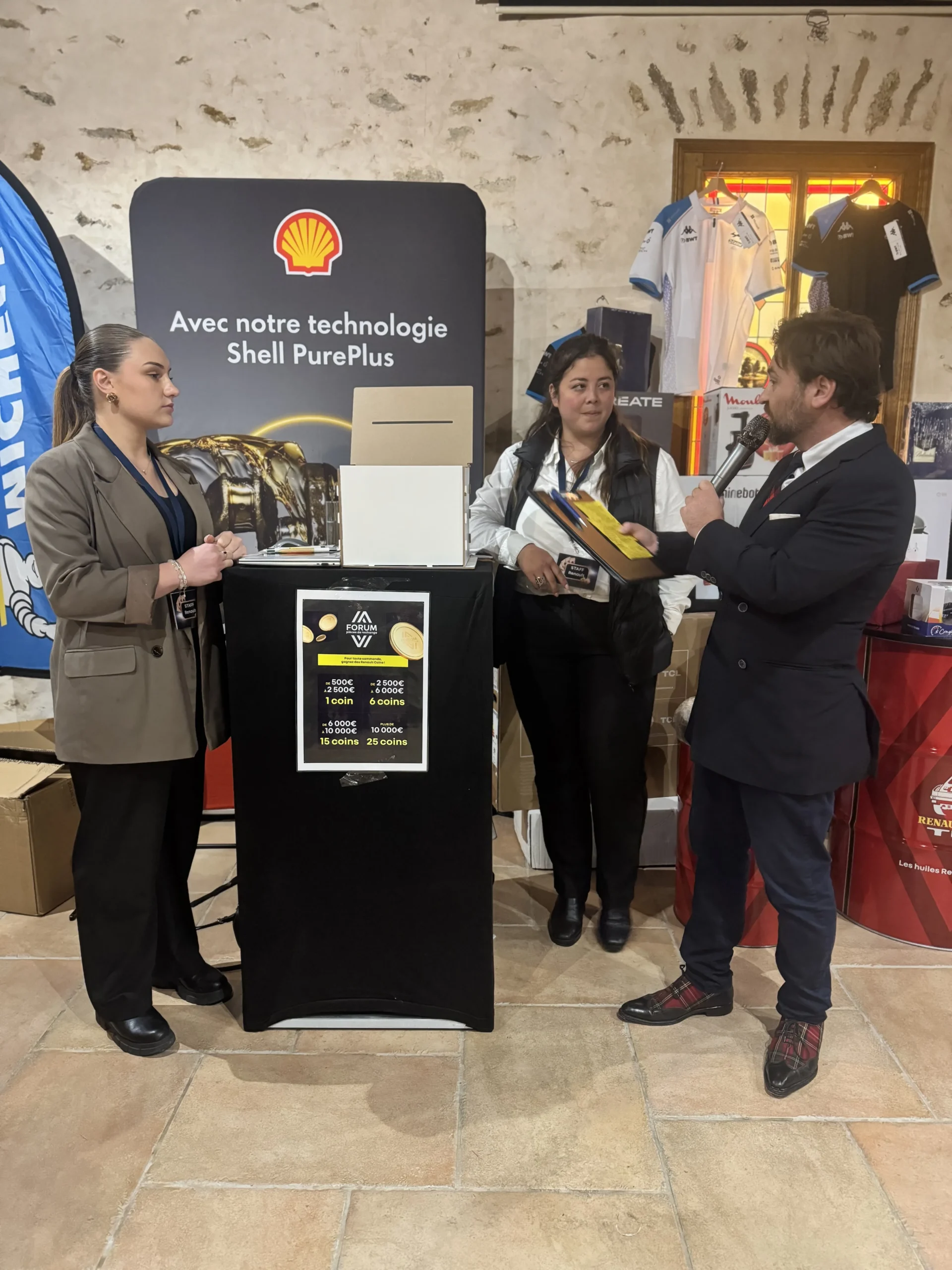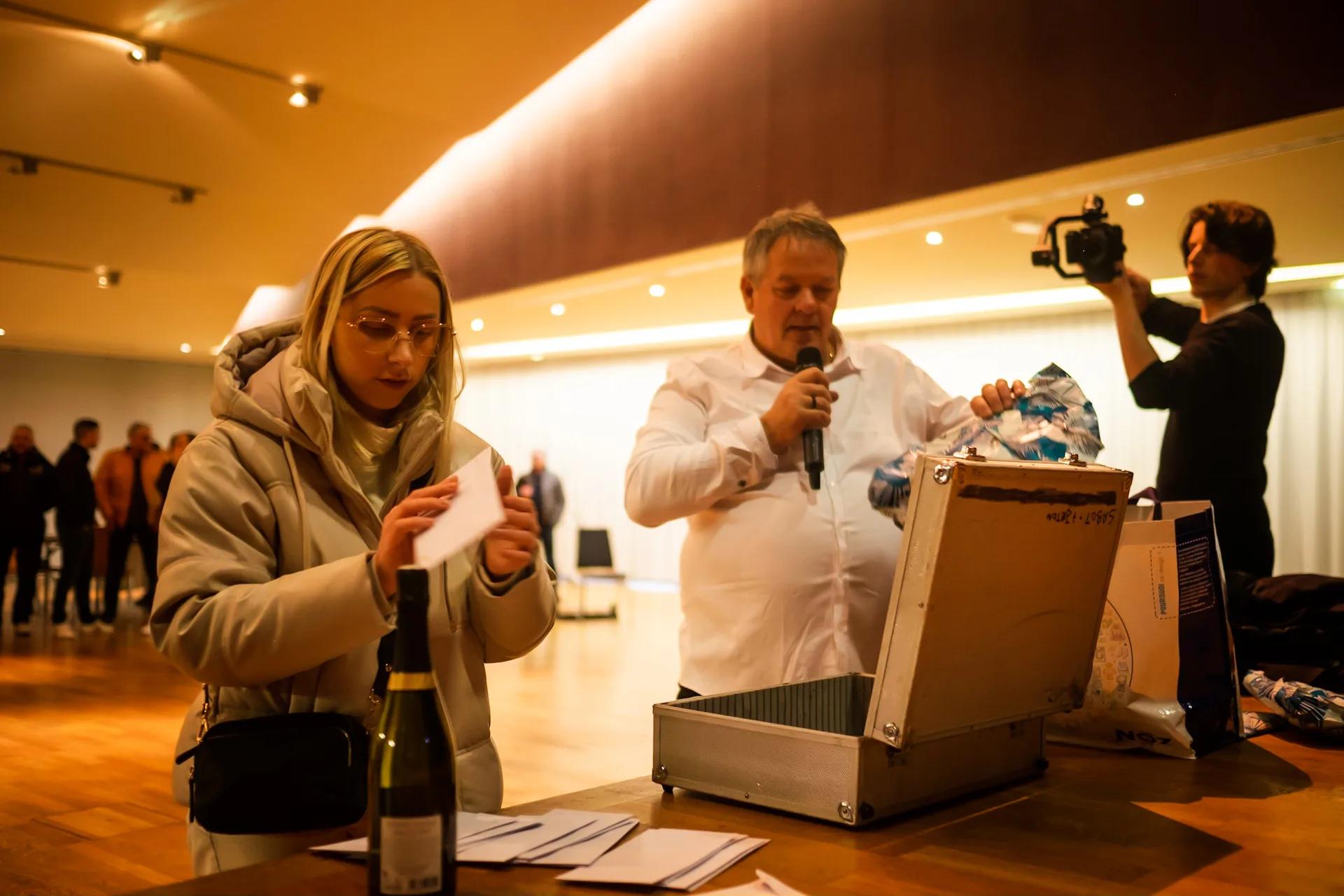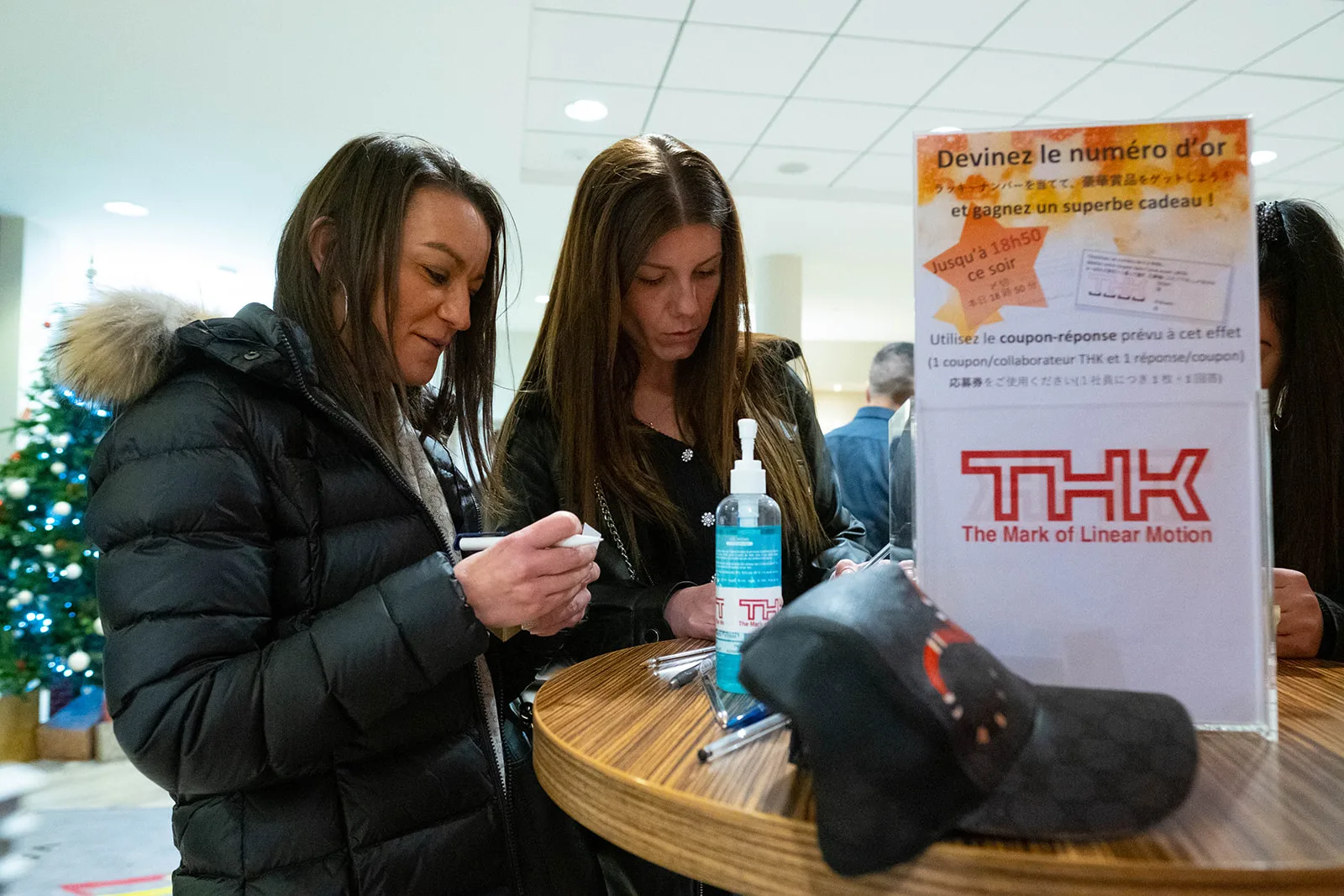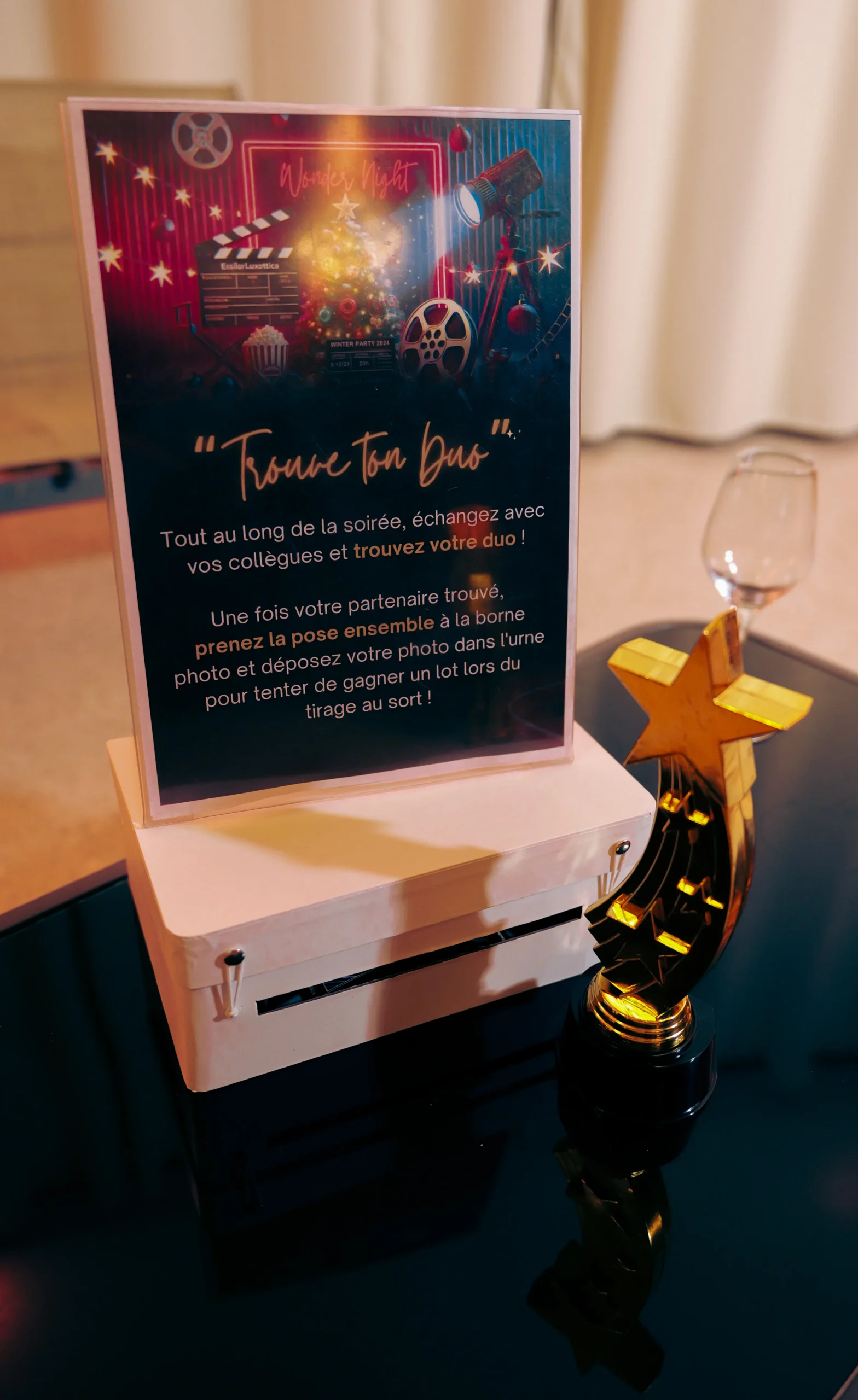
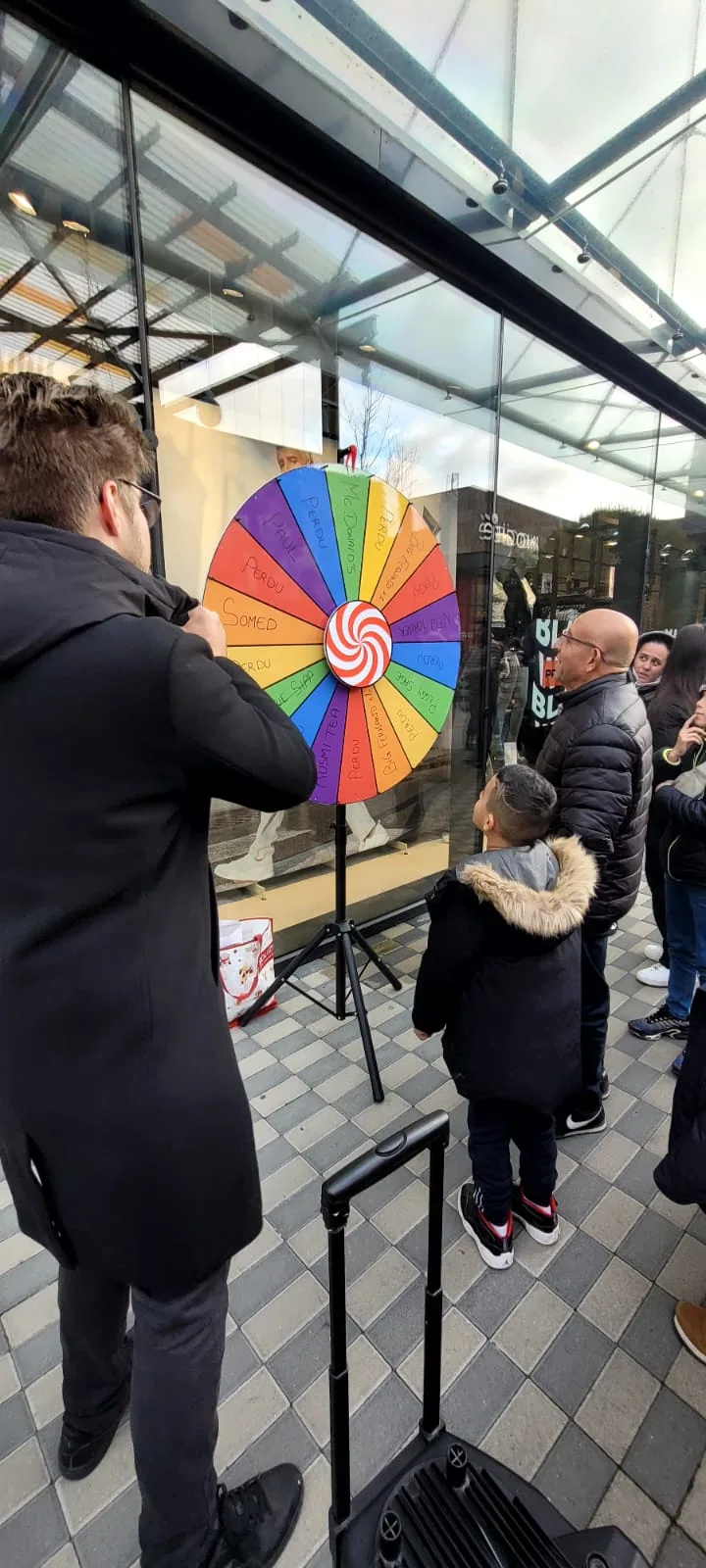
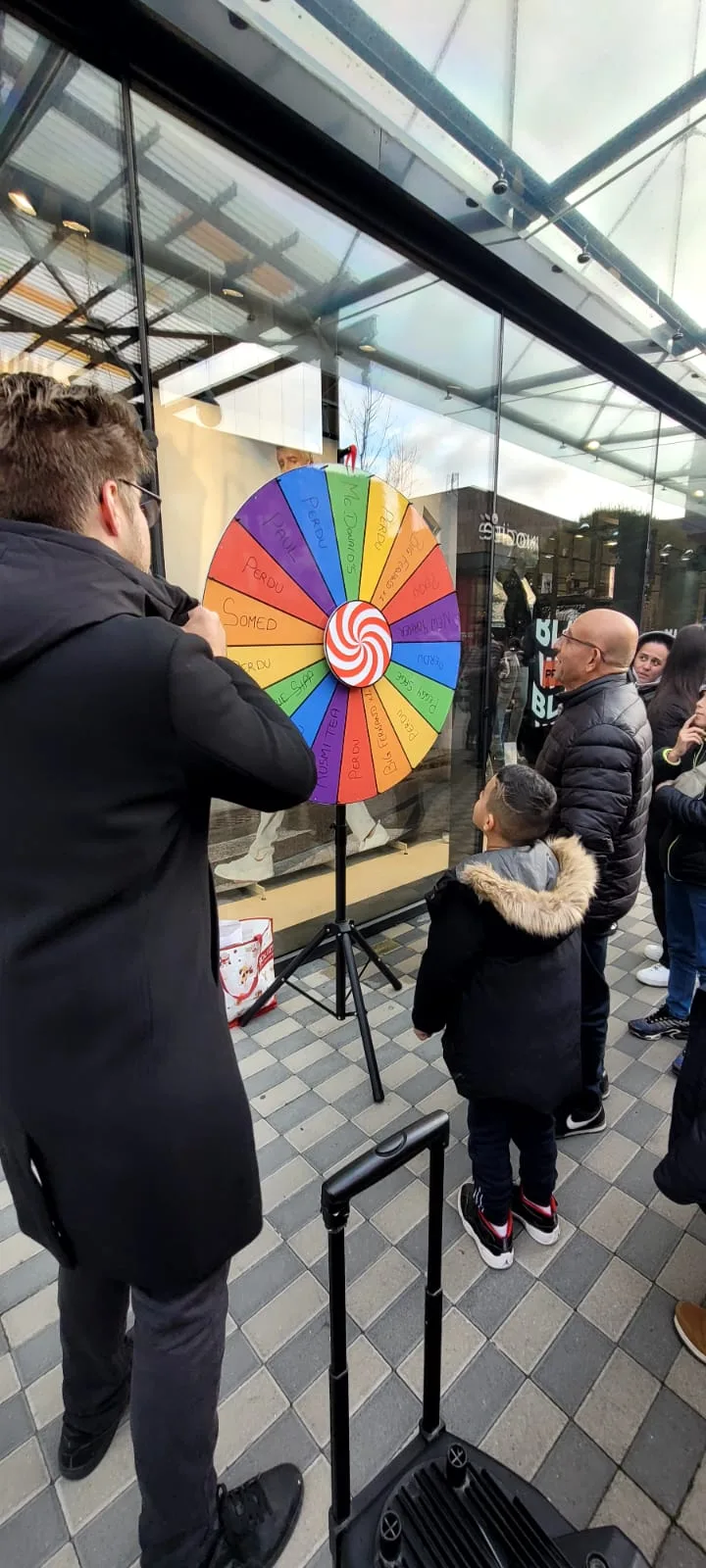
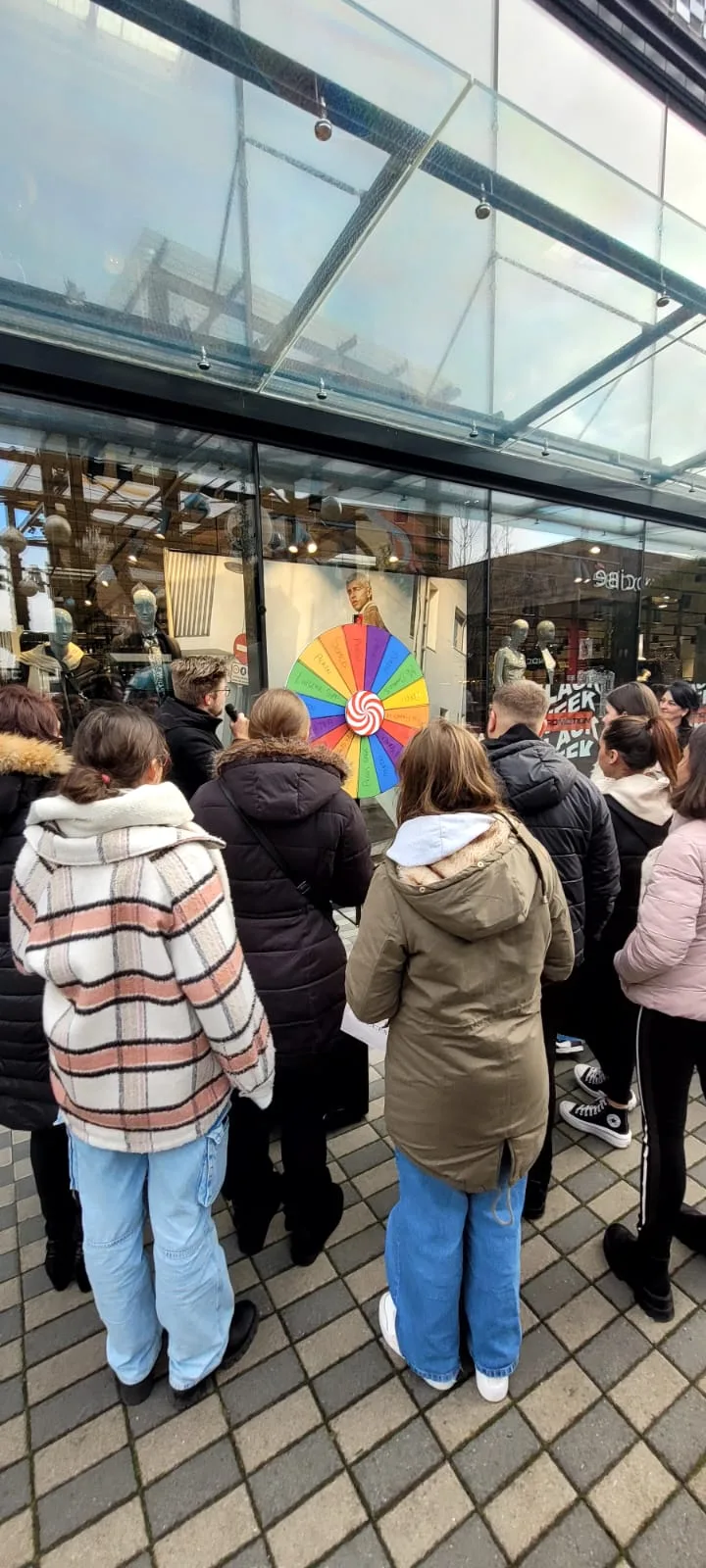
INNOV'events is a Montréal-based event agency designing and running Promotional Contest activations across Quebec, from internal employee campaigns to public-facing brand operations. We typically manage formats for 50 to 2,000+ participants, depending on whether the contest is on-site, hybrid, or multi-location.
We handle the operational plan: eligibility rules, prize inventory and fulfillment, draw mechanics, data capture, hosting, on-site flow, and vendor coordination—so your HR, Communications, and Legal aren’t forced into event-day firefighting.
In a corporate context, entertainment is not “extra”: it’s the lever that moves participation. A well-built Promotional Contest increases foot traffic, accelerates opt-ins, and gives your teams a reason to engage—without turning your event into a sales pitch.
Organizations in Quebec expect clarity and fairness: transparent rules, bilingual touchpoints when needed, prizes that can actually be delivered, and a draw process that won’t expose the brand to complaints or social backlash.
From our Montréal operations, we deploy experienced hosts, registration workflows, and on-site logistics adapted to local venues and corporate realities. You get a contest that is measurable, compliant, and easy to run on event day.
10+ years coordinating corporate activations and event operations across Quebec (Montréal, Laval, Montérégie, Capitale-Nationale and beyond).
Operational capacity for 50 to 2,000+ participants with scalable check-in, queue management, and on-site staffing ratios adapted to your risk profile.
Standardized production documents: run-of-show, vendor call sheets, prize inventory logs, draw scripts, incident logs—so the contest doesn’t rely on “tribal knowledge”.
Network of trusted suppliers in Quebec: AV, staging, print/signage, photo/video, security, catering—coordinated under one timeline.
INNOV'events supports organizations that operate in real-world conditions: head offices in Montréal, multi-site operations on the South Shore, manufacturing teams in Montérégie, and service networks across Quebec. Many clients repeat annually because a Promotional Contest in Quebec becomes a recurring lever (recruitment, retention, brand visibility, internal culture) and they want the same level of operational control every time.
We often step in after a first attempt managed internally: the intent was good, but the contest created bottlenecks (long line-ups, unclear eligibility, last-minute prize issues, inconsistent messaging between locations). Our role is to professionalize the mechanics and reduce the load on HR and Communications while keeping the tone aligned with your culture.
If you want, we can share comparable case studies (industry, headcount, contest format, KPI targets) and explain what we changed operationally to stabilize results from one edition to the next—without turning the project into a heavy “campaign machine”.
Nous vous envoyons une première proposition sous 24h.
A contest is a structured reason to participate. For executives, it’s a tool to influence behavior in a predictable window: show up, register, complete a task, attend a session, refer a colleague, fill a survey, or test a product—then measure the lift. In Quebec, where audiences are quick to judge “gimmicks,” the difference is in the execution: clear rules, credible prizes, and a process people trust.
Higher participation with less pressure on managers: when the mechanic is simple (scan, answer, complete), supervisors don’t have to “sell” the activity; the contest does the prompting.
Measurable conversion to your business objective: we design the action to match the KPI—registrations, attendance to a town hall, demo completions, safety training completion, employee referrals, or post-event survey completion.
Better data quality (and fewer headaches): field reality: paper ballots get messy, names are unreadable, and duplicates happen. We structure capture to reduce bad entries and provide a clean export for your team.
Controlled brand risk: we script the draw moment, define escalation rules, and keep proof of process. That matters when a winner disputes, when someone claims unfairness, or when an employee asks how eligibility was applied.
Stronger internal culture signals: for HR, a contest can reinforce values (health & safety, recognition, continuous improvement) through the tasks required to enter—without forcing employees into awkward participation.
Operational discipline on event day: the contest becomes a predictable flow at registration, at a booth, or during a plenary—rather than an improvisation that steals attention from core programming.
Quebec has a pragmatic business culture: people want to know what they need to do, what they can win, and when the draw happens. A well-run contest respects that expectation and protects leadership from avoidable reputational noise.
In Quebec, the “details” are what determine whether a contest is perceived as credible. We routinely see three expectations from executives and communications teams.
1) Transparency and fairness: participants want to understand eligibility, entry limits, deadlines, and the exact draw method. If the mechanic is unclear, your team will spend the event answering the same questions instead of hosting. We write rules that are understandable on the floor, then mirror them on signage and digital entry pages so there’s no mismatch.
2) Bilingual readiness (when relevant): many workplaces in Montréal and in mixed-audience environments require bilingual touchpoints. That doesn’t mean duplicating everything blindly; it means identifying the moments where language becomes operational (registration, contest rules, on-stage draw script, winner notification, claim forms) and ensuring consistency.
3) Realistic prize logistics: field reality: the prize is often selected by committee, then delivery becomes an afterthought. We validate availability, lead times, restrictions, and claiming steps. For example, if you offer travel or high-value items, you need a clear claim window, identity verification steps, and a backup plan if the winner is ineligible or unreachable.
Finally, organizations here care about timing. If the contest is tied to a quarterly meeting, a plant shutdown, or a recruitment push, the draw cannot drift. We plan backward from decision dates and communicate a calendar you can stand behind.
A contest works when the action to enter is aligned with your event purpose. In Quebec corporate settings, engagement increases when the mechanic is immediate (people understand it in 10 seconds), when the prize is credible, and when the draw moment is managed like a production cue.
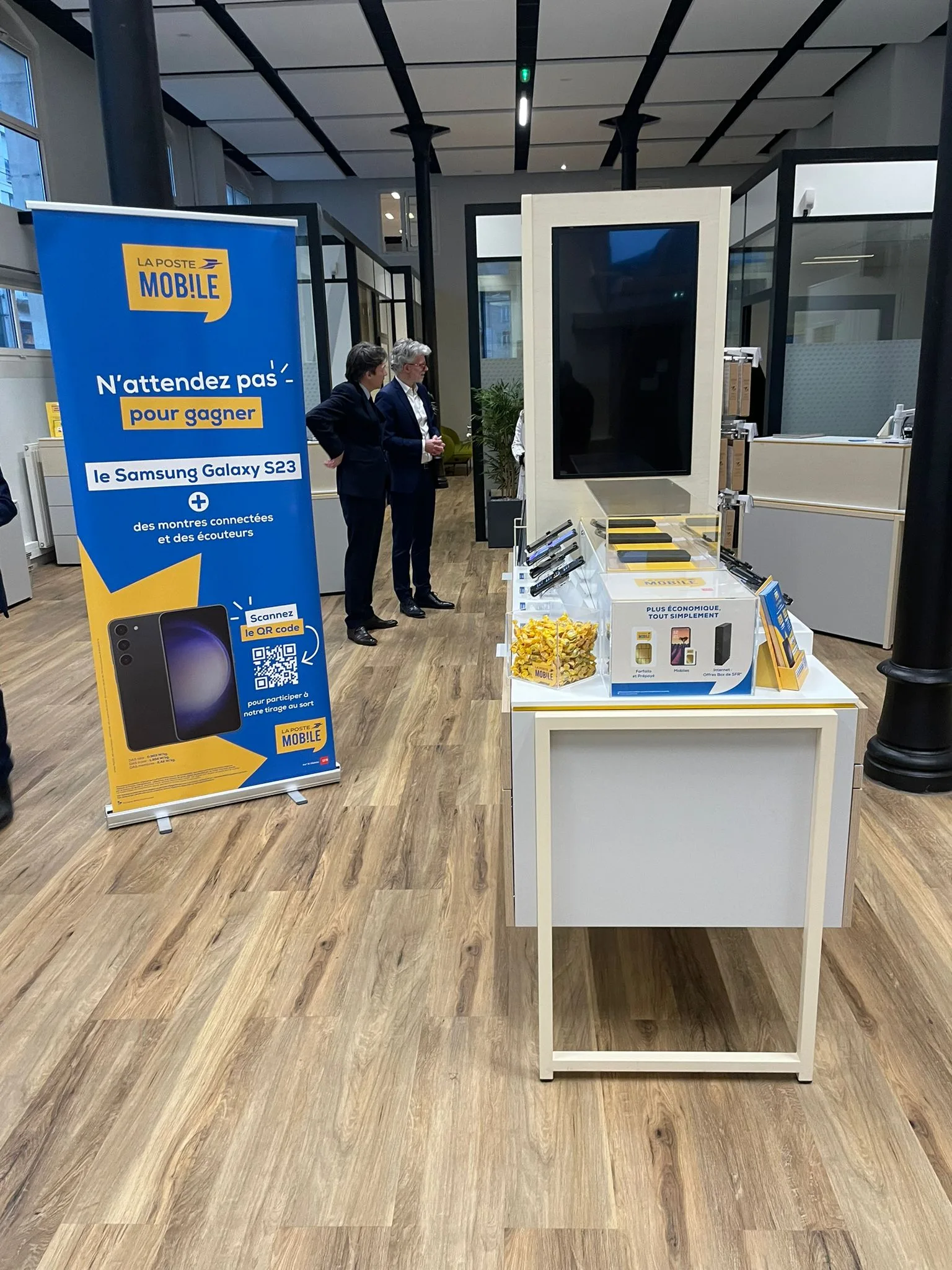
QR-based instant entry with verification: ideal for conferences and town halls. We set up QR codes by zone (registration, sponsor booths, training kiosks) to attribute participation without making people fill long forms.
Scavenger hunt across departments or stations: effective for large offices or multi-room events. Each station delivers a micro-message (safety, benefits, product features). We track completion digitally to avoid manual stamp cards that get lost.
Team-based challenges with leaderboard: good for leadership offsites and transformation programs. You control competitiveness with rules (caps per team, tie-breakers) to keep it inclusive.
Knowledge quiz tied to key messages: used when Communications needs message retention (strategy rollout, policy updates). We keep questions short and validate timing so it doesn’t slow the agenda.
Hosted draw moment integrated into a show call: instead of “and now the draw,” we script it with lighting/audio cues and a tight pace. This protects leadership presence and keeps the room attentive.
Live illustration or caricature as a prize mechanic: participants enter to receive a timed slot; it reduces crowding because people come back when called.
Photo activation with consent capture: entries tied to a branded photo moment can work, but we set clear consent language so your team can actually reuse content after the event.
Tasting passport contest: partners with local caterers or stations (non-alcoholic included). Participants collect entries by visiting stations, which increases circulation and reduces clustering at one bar.
Chef demo + draw: best for client evenings. We align the draw timing with service so it doesn’t compete with speeches or disrupt the dining rhythm.
“Local basket” fulfillment-ready prizes: practical in Quebec because delivery is straightforward and winners can receive it quickly (less administrative chasing).
Hybrid contest for distributed teams: on-site attendees enter via QR; remote employees enter through a controlled landing page. We synchronize cut-off times and publish clear time zones to avoid disputes.
Badge scan mechanics: when the venue supports it, scanning reduces manual entry and improves data quality. We plan redundancy (offline mode) to prevent IT issues from killing participation.
CSR-linked contest: each participation triggers a donation amount capped at a defined ceiling (e.g., $1 to $3 per action up to $2,000–$5,000). This resonates with internal audiences when positioned as a collective goal rather than a corporate “stunt.”
Whatever the format, we align the Promotional Contest with your brand image: tone of voice, level of formality, and the reality of your workforce. A contest for a unionized operations team won’t be built the same way as a client cocktail in downtown Montréal—and that’s exactly where execution quality shows.
The venue determines traffic patterns: where people queue, where they linger, and how easy it is to stage a draw moment. For a Promotional Contest, we look at entry points, Wi‑Fi reliability, noise levels, and sightlines—because a contest is often lost in the logistics, not the idea.
| Venue type | For which objective? | Main strengths | Possible constraints |
|---|---|---|---|
Hotel ballroom / conference center (Montréal core) | High attendance town hall, client conference, awards night with on-stage draw | Built-in AV options, controlled entrances, easier crowd management, professional staging | Union rules at some venues, fixed load-in windows, Wi‑Fi costs can be significant |
Corporate office / HQ atrium (Montréal or Laval) | Employee engagement week, recruitment open house, internal culture campaign | Lower venue cost, familiar environment, easier internal comms, quick reactivation over multiple days | Security/access control, noise impact on work areas, limited storage for prizes and staging |
Industrial site / warehouse common area (Montérégie, Lanaudière, etc.) | Operations recognition, safety campaign, shift-based contest participation | Direct access to frontline teams, authentic engagement, high participation when designed around shifts | Health & safety constraints, limited power/AV, need for clear traffic zoning and supervisor alignment |
We recommend a site visit (or at minimum a detailed floor plan review) before locking the mechanic. In Montréal especially, small venue constraints—pillars, narrow corridors, limited storage, elevator access—can change staffing, signage, and even the draw timing.
Budget depends on mechanics, staffing, production level, and prize strategy. The main cost drivers are rarely the “idea”; they’re the operational requirements that ensure fairness, speed, and brand protection. We build budgets that executives can validate: clear line items, options, and what changes when participation goes from hundreds to thousands.
Contest format and tooling: paper ballots vs. QR entry vs. badge scans. Digital reduces errors, but it requires setup, testing, and a support plan on-site.
Number of participants and peak moments: the same contest can require 1 host or 4–6 staff depending on the entry window and queue risk.
Prizes and fulfillment: local baskets and gift cards are easy; high-value prizes require tighter rules, verification, and more admin time. We also plan backup winners and unclaimed prize scenarios.
Production level for the draw: on-stage draw during a gala needs show calling, AV cues, and rehearsal time. A quiet draw for an internal campaign can be lighter.
Multi-location rollout across Quebec: consistency costs money (training, shipping, standardized signage), but it prevents uneven employee experience and internal complaints.
Compliance and documentation: rules drafting, bilingual assets, draw records, winner communication templates—this is the “invisible” work that protects the company.
We frame ROI in operational and engagement terms: fewer staff hours wasted on manual entry cleanup, higher participation rates, cleaner data, and lower reputational risk. For many organizations, the avoided internal time and the stability on event day justify the professional setup.
Running a Promotional Contest in Quebec is less about creative and more about execution under pressure: venue constraints, bilingual realities, supply chain timing, and the way audiences react when something feels unclear. A local team reduces friction because we know the venues, the vendor rhythm, and the operational expectations executives have in this market.
We also coordinate easily with your internal stakeholders and your other partners. If part of your activation happens outside Montréal, our network across Quebec helps keep delivery consistent. When your team needs additional support in Capitale-Nationale, we can mobilize through our network and resources, including our event agency in Quebec presence for projects that require local ground support.
We frame ROI in operational and engagement terms: fewer staff hours wasted on manual entry cleanup, higher participation rates, cleaner data, and lower reputational risk. For many organizations, the avoided internal time and the stability on event day justify the professional setup.
Across Quebec, we deliver contest formats that match corporate constraints rather than forcing a “campaign” approach. Examples of situations we regularly handle:
Internal engagement during a strategy rollout: a leadership team needed employees to attend short info sessions across a week. We used a station-based mechanic with QR entry per session, a controlled daily draw, and a final grand prize. Result: higher attendance without managers chasing sign-ups; communications got clean participation data by department.
Client event with on-stage draw: a B2B company wanted to generate qualified conversations without turning the evening into a sales booth. We tied entry to a short interaction at key stations (demo, product roadmap, service desk). We scripted the draw, verified entries, and prepared winner communications to avoid awkward on-stage delays.
Multi-shift operations recognition: a site with day/evening/night shifts required fairness across time slots. We designed entry windows per shift, validated employee eligibility, and scheduled draws so no shift felt disadvantaged. The operational detail (staffing, signage, supervisor briefing) mattered more than the prize value.
Hybrid workforce contest: remote employees often feel excluded. We created a parallel entry path with the same rules, synchronized deadlines, and a clear verification method. This reduced internal noise and made the program feel equitable.
In each case, the goal was the same: protect the brand, deliver participation, and keep your internal teams focused on leadership presence—not on troubleshooting.
Unclear eligibility rules: contractors vs. employees, family members, residents vs. non-residents. We define it upfront and reflect it consistently across all touchpoints.
Draw mechanics that can’t be defended: “We’ll pick someone randomly” is not a protocol. We set a repeatable method, document it, and assign roles (who validates, who witnesses, who announces).
Underestimating line-ups: contest stations placed at registration without staffing create immediate congestion. We model peak times and distribute entry points.
Prize fulfillment gaps: no backup winners, no claim deadlines, no identity verification, or prizes ordered too late. We manage inventory, timelines, and communications.
Data capture that creates rework: incomplete forms, duplicates, unreadable handwriting. We design capture to minimize errors and provide a clean export.
Inconsistent bilingual assets: rules in English, signage in French, and a host improvising. We standardize wording and provide an on-stage script.
Our role is to anticipate these failure points before they show up on event day. Executives should not be pulled into operational decisions when the room is full; the contest must run as a controlled process.
Recurring clients don’t come back for “ideas.” They come back because their internal workload goes down and their results become predictable. A Promotional Contest looks simple, but running it reliably year after year requires documentation, vendor consistency, and operational learning.
Year-over-year improvements are common when we keep the same contest backbone and optimize friction points (entry time, staffing, messaging, and prize claim process).
Shorter approval cycles on subsequent editions: once legal, HR, and communications agree on a proven template, decision-making is faster and risk tolerance increases.
Reduced internal coordination cost: we reuse production documents, floor plans, scripts, and vendor setups, while adjusting only what changed (venue, headcount, objective).
Loyalty is practical proof: when the same company repeats a contest, it’s because the execution held under real pressure and the brand avoided preventable issues.
We start with a working discussion (not a vague briefing): audience type, target participation, event format, languages required, prize philosophy, and the KPIs you must report to leadership. We also identify internal stakeholders (HR, Comms, Legal, Operations, IT) and confirm who owns approvals.
We define eligibility, entry limits, cut-off times, and the draw method. We also plan exceptions: duplicates, incomplete entries, ineligible winners, unclaimed prizes, and tie-breakers if applicable. You receive a written rules document plus simplified “floor language” used by hosts and signage.
We map where entries happen, how long they take, what staff say, and what materials are needed. We validate Wi‑Fi and power requirements, plan queue management, and ensure the contest does not conflict with key agenda moments (open bar rush, plenary entry, meal service).
We produce the run-of-show, call sheets, staffing plan, and vendor schedule. We manage signage specs, QR codes, entry devices if used, and prize inventory. We also set the winner notification workflow (on-site announcement, email follow-up, claim steps).
On site, we assign a contest owner, brief staff, test entry points, and run the draw as scripted. We document outcomes (winner details, validation, backup winners, time of draw) and provide a post-event package so your team can close the loop quickly.
We deliver participation metrics, operational notes (what created friction, what improved flow), and recommendations for the next edition. This is where recurring clients gain value: each edition gets smoother, faster, and easier to approve internally.
For a corporate Promotional Contest in Quebec, plan 2 to 6 weeks depending on complexity. A simple on-site QR entry with one draw can be ready in 2–3 weeks. Multi-location or hybrid formats typically need 4–6 weeks to align stakeholders, test the flow, and secure prize logistics.
We commonly manage 50 to 2,000+ participants. The key variable is peak entry time: if everyone enters during a 15-minute break, we increase entry points and staffing. If entries are distributed across the event, we can run lighter while keeping the process reliable.
Often yes, especially in Montréal or mixed-audience events. Practically, we recommend bilingual versions of: rules summary, entry page, winner notification, and the on-stage script. We keep wording consistent across languages so staff don’t improvise explanations on the floor.
We define a documented protocol: entry validation rules, duplicate handling, random selection method, witness role, backup winners, and a clear claim window. We also keep a simple record (date/time, method, winner contact, validation steps) so your organization can respond confidently if questioned.
It varies by staffing, tooling, and production level. As a working range, many corporate activations land between $2,500 and $15,000 excluding prize value; larger staged draws, multi-location rollouts, or hybrid systems can exceed that. We provide options (light/standard/extended) with clear trade-offs so you can choose based on risk and KPI needs.
If you’re comparing agencies, we suggest starting with a short scoping call: objective, audience, venue(s), and timing. We’ll tell you quickly what is realistic, what introduces risk, and what budget level matches your participation targets in Quebec.
Contact INNOV'events to receive a practical proposal: contest mechanics, staffing plan, draw protocol, and a production schedule you can circulate internally with confidence.
Thierry GRAMMER is the manager of the INNOV'events Quebec office. Reach out directly by email at canada@innov-events.ca or via the contact form.
Contact the Quebec agency