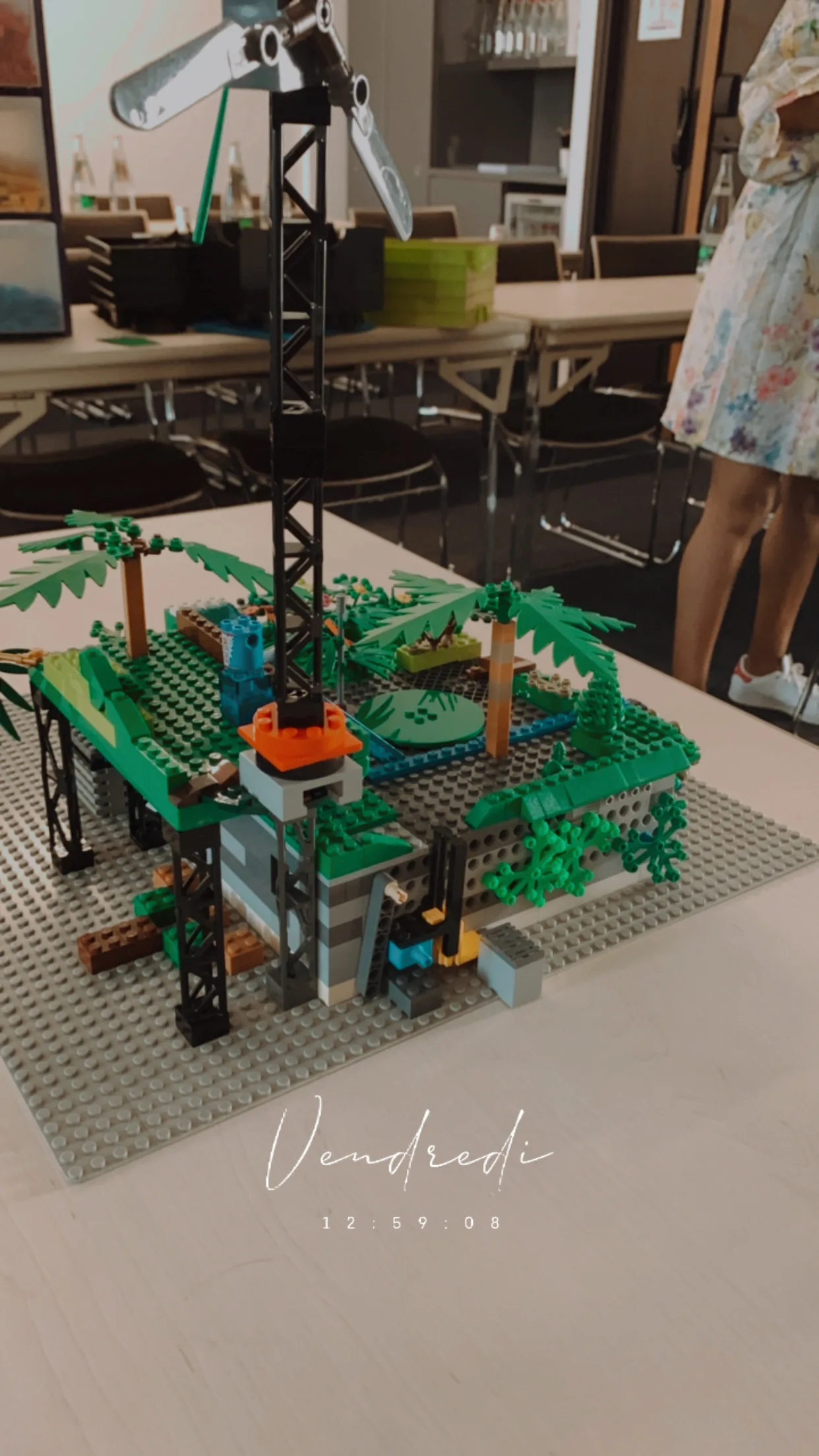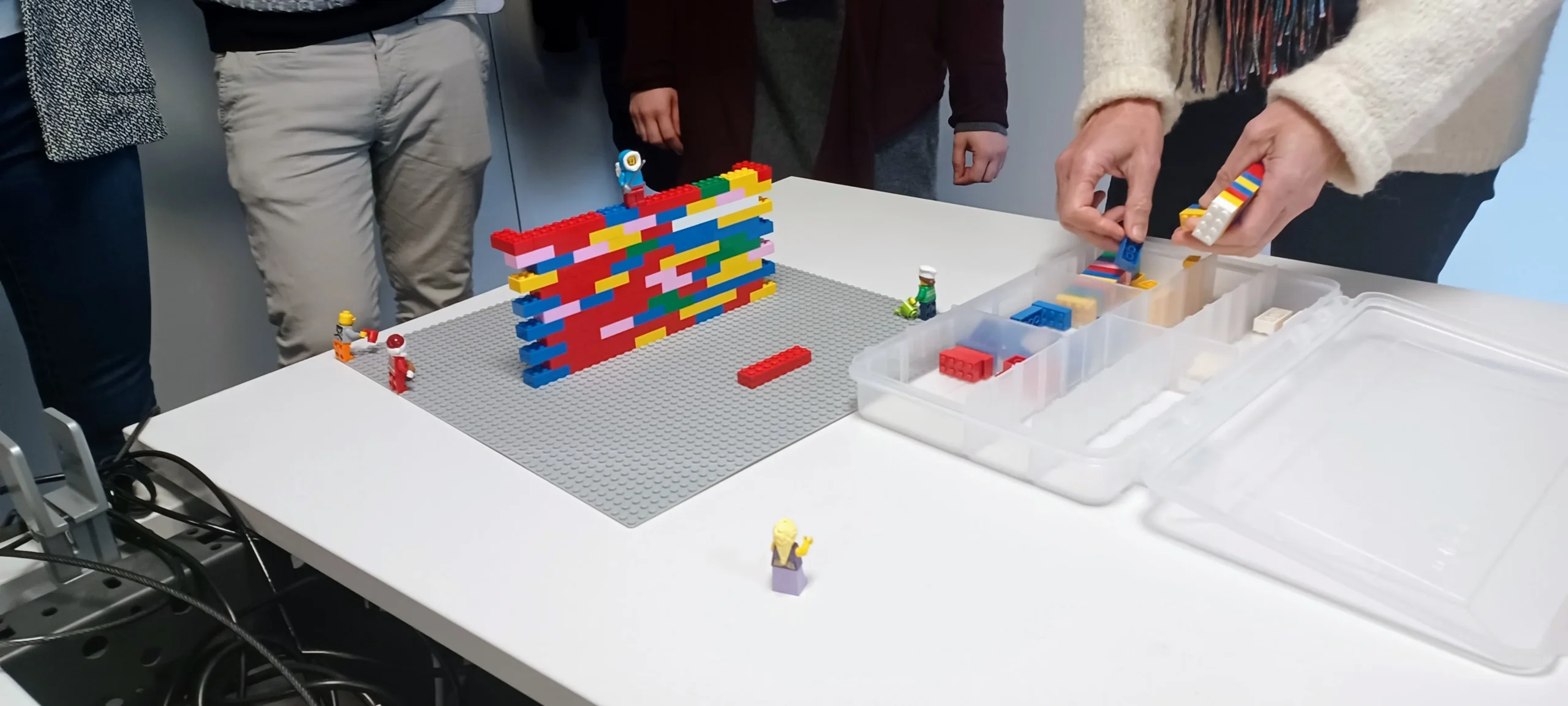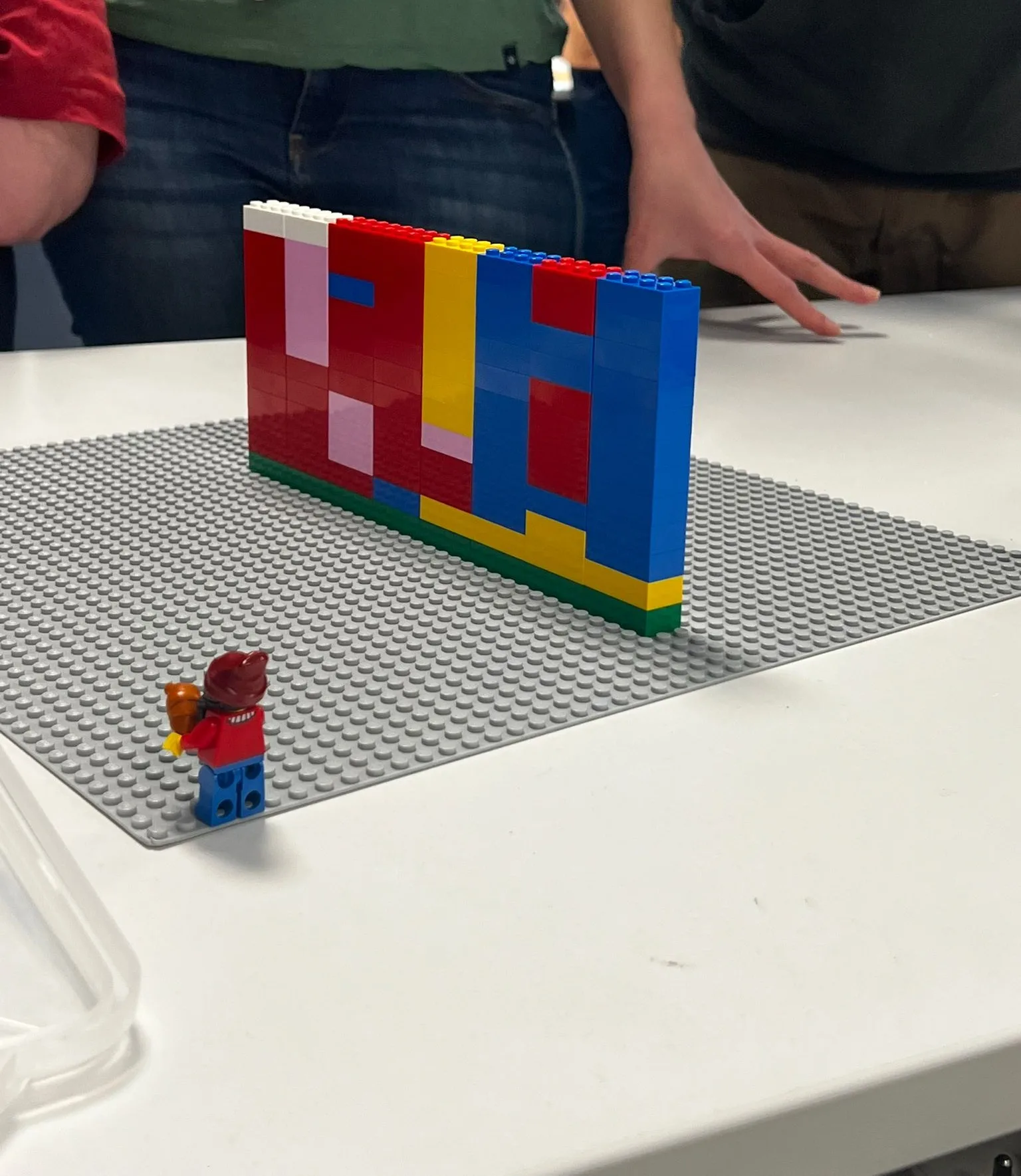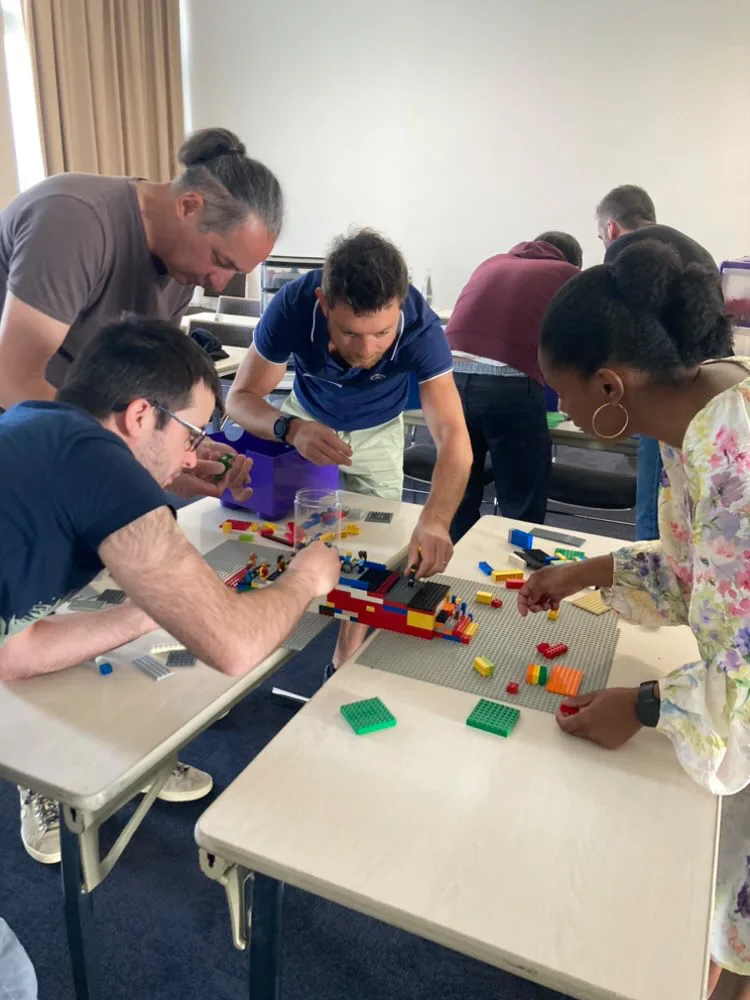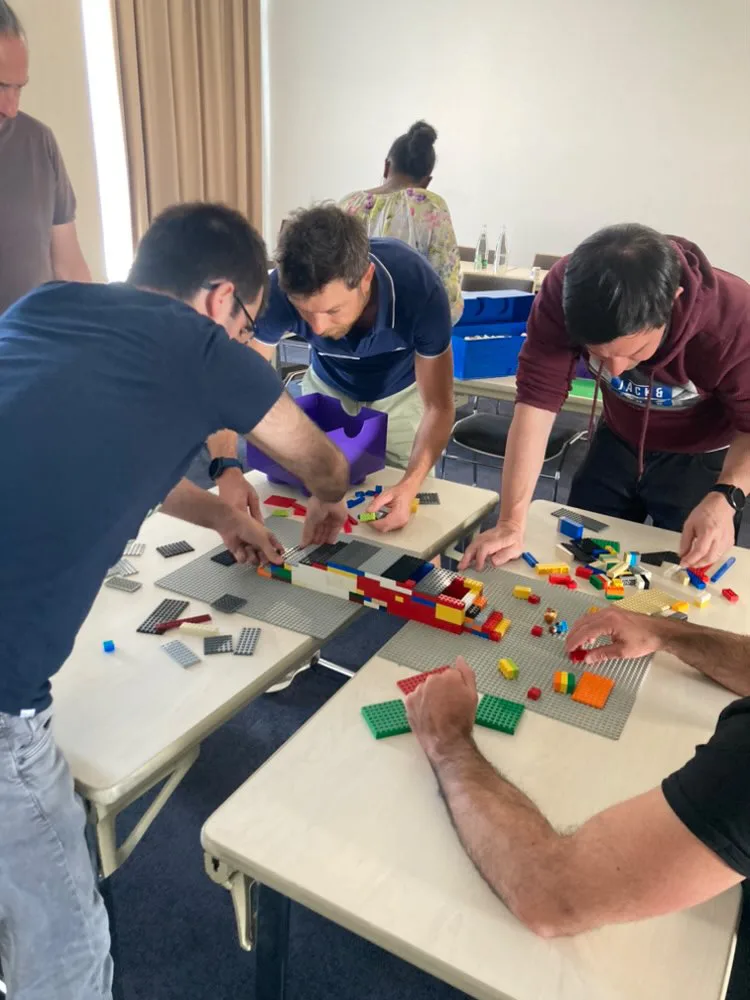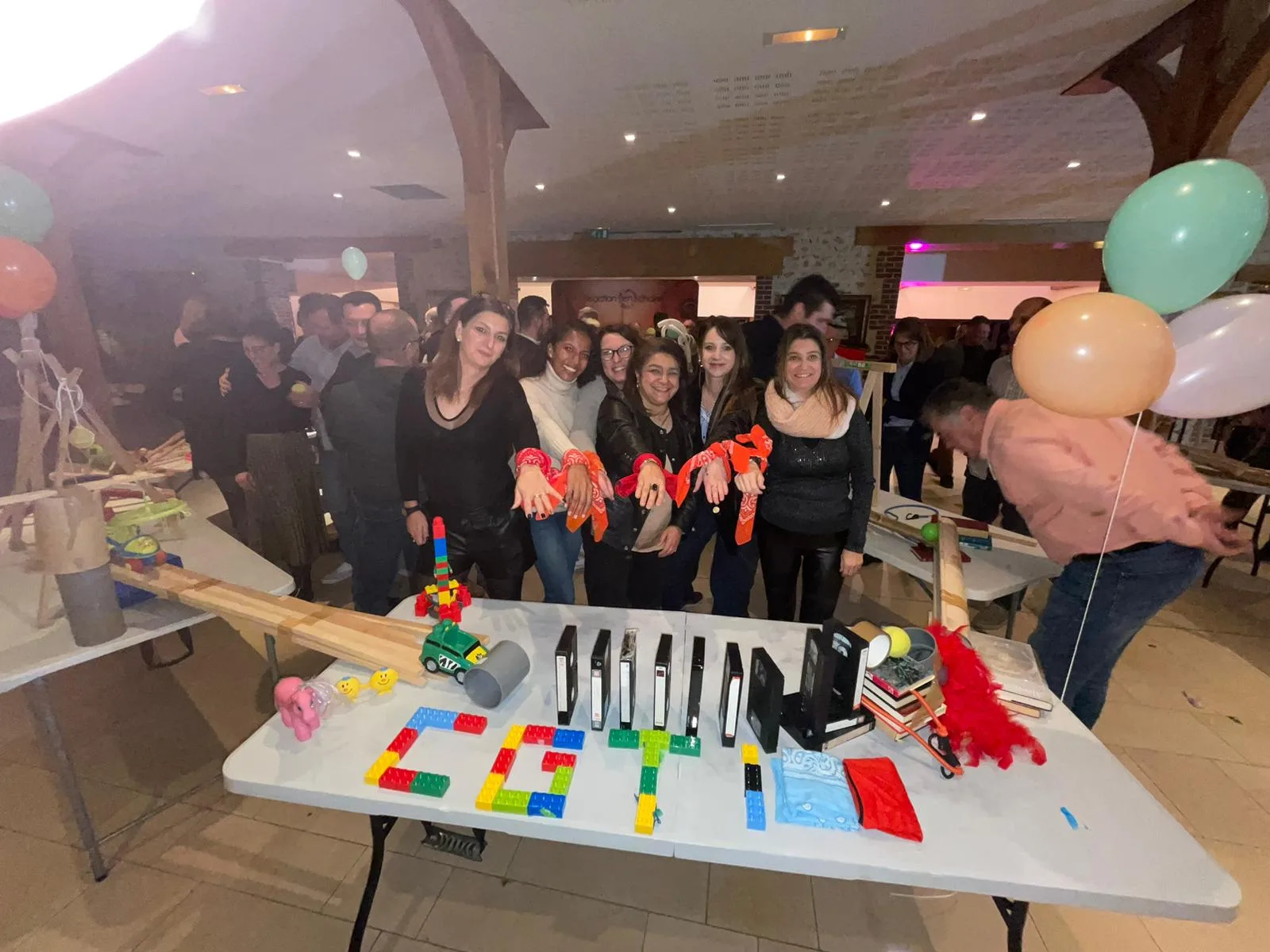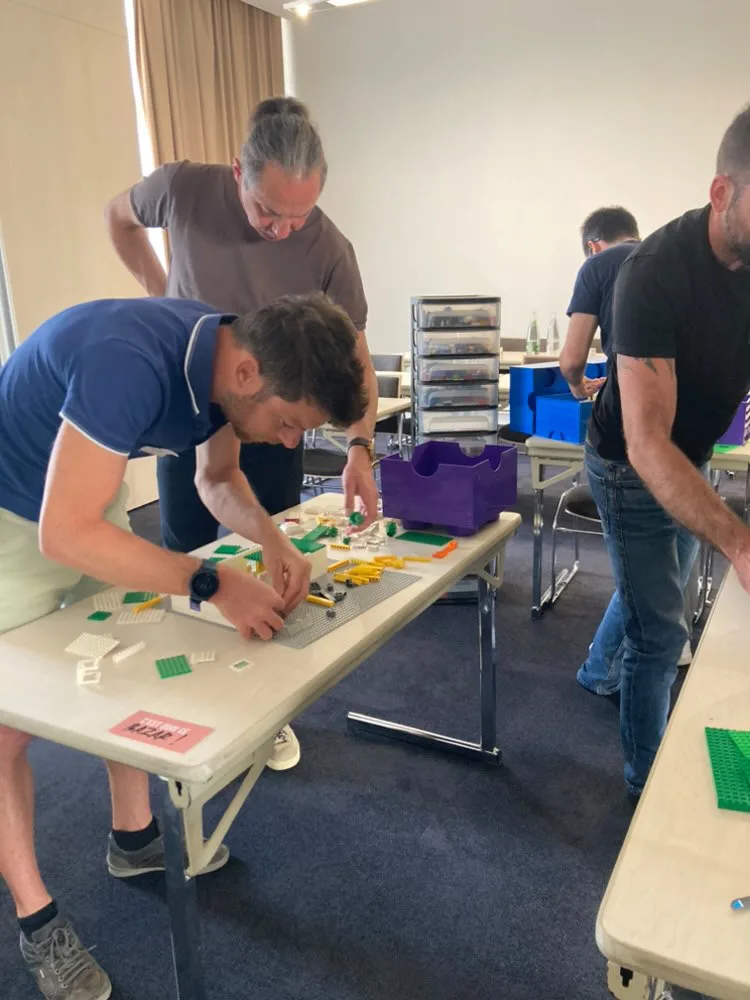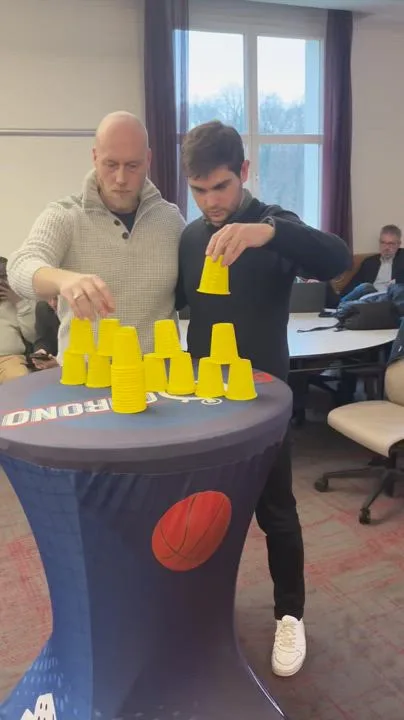
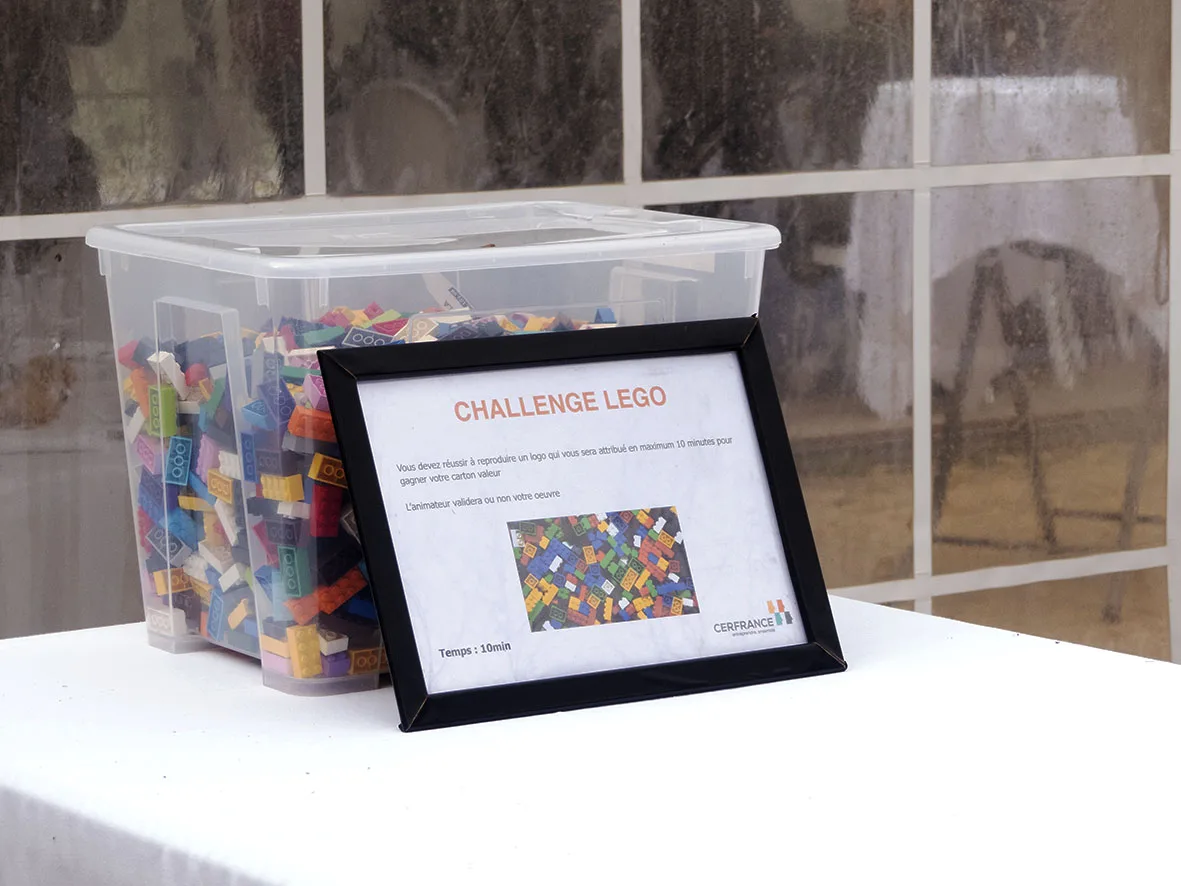
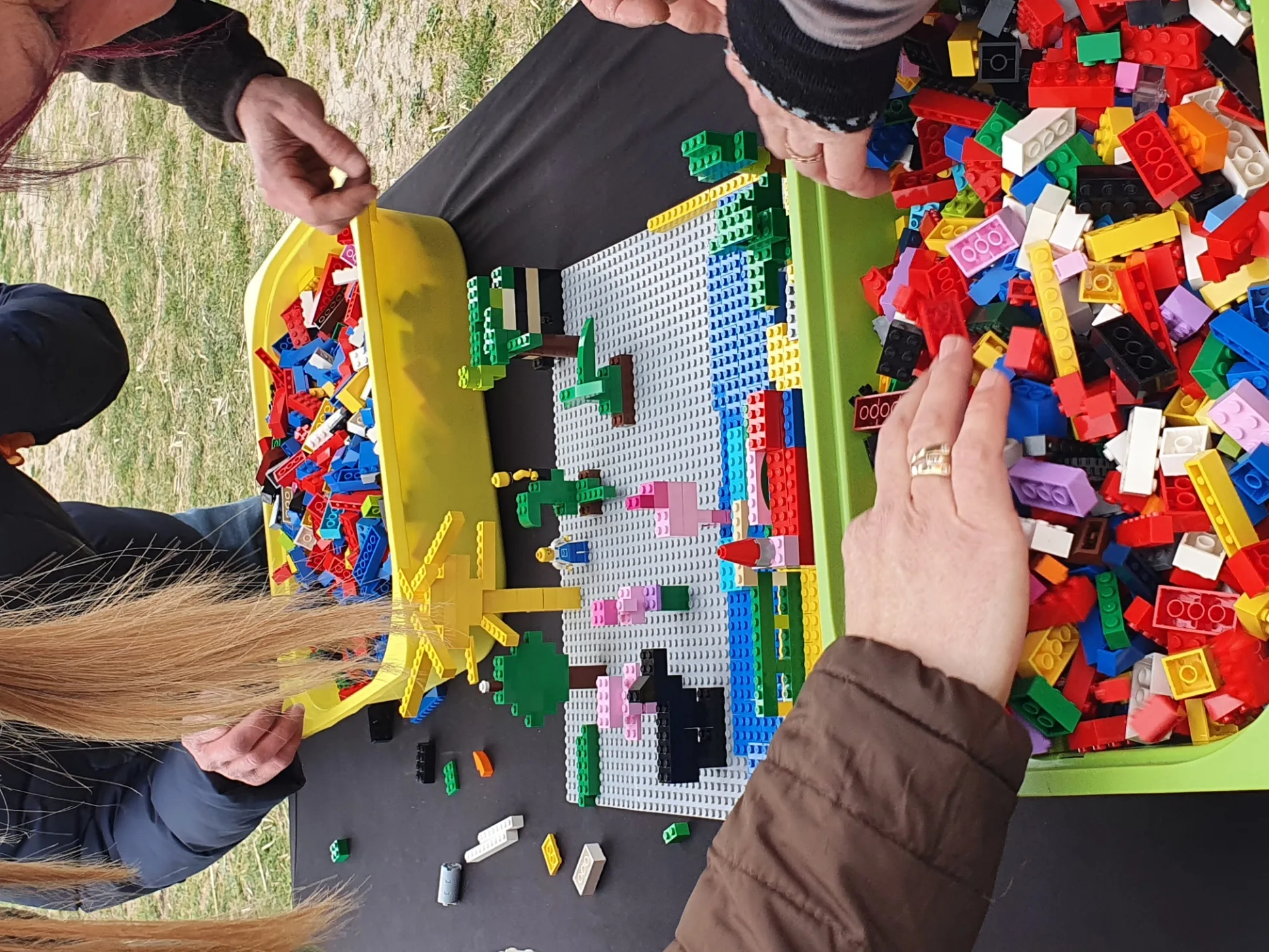
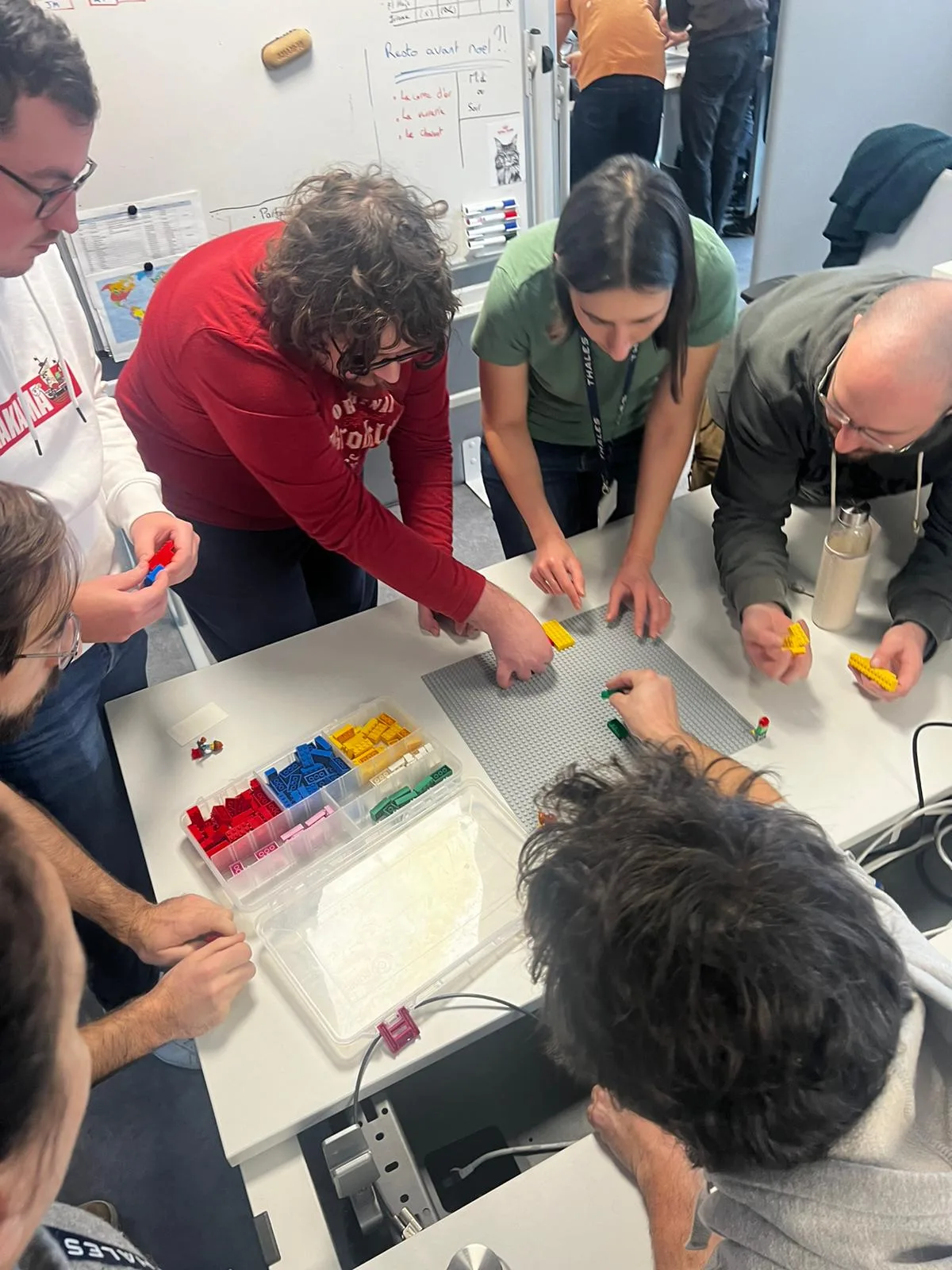
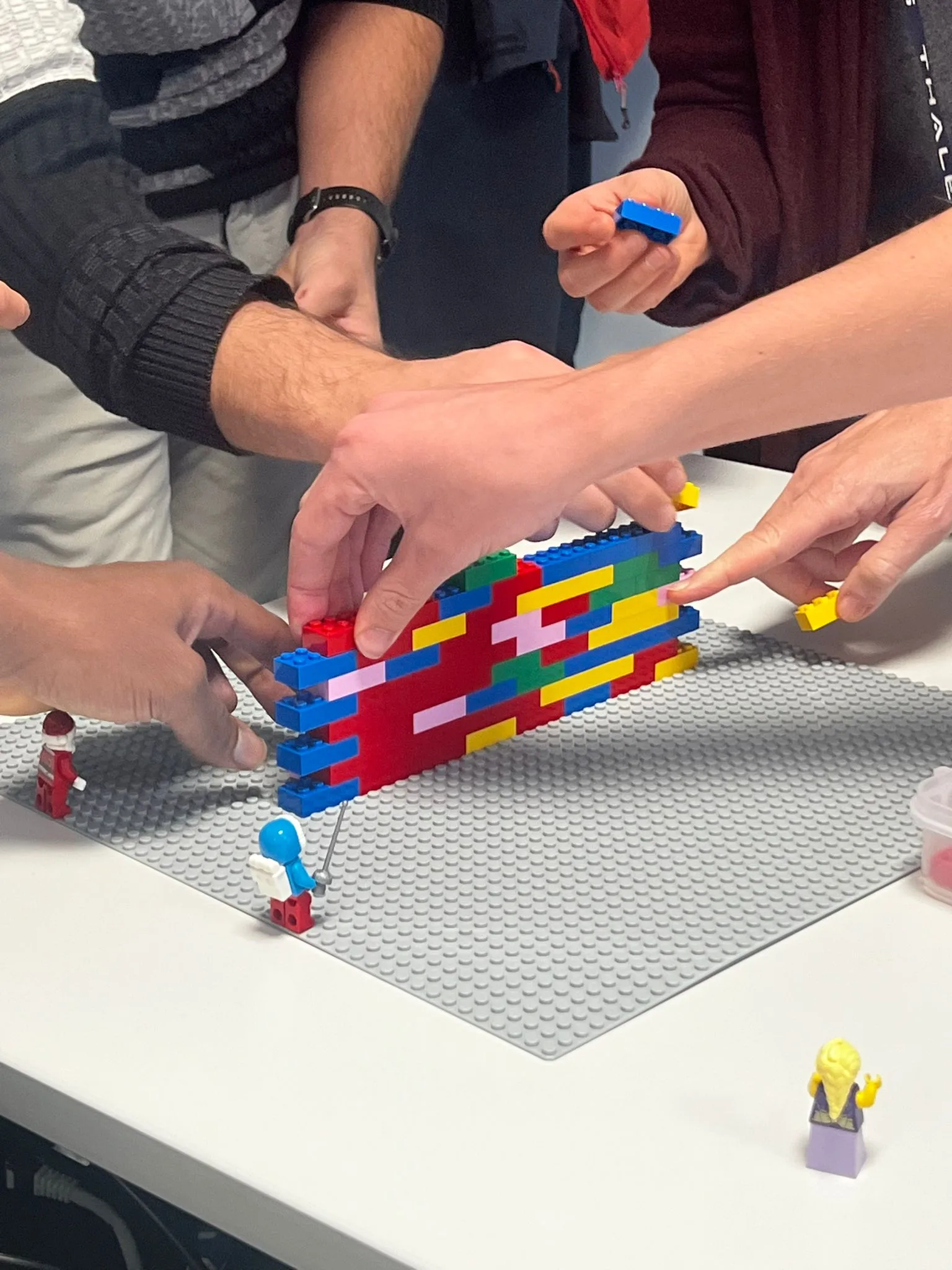
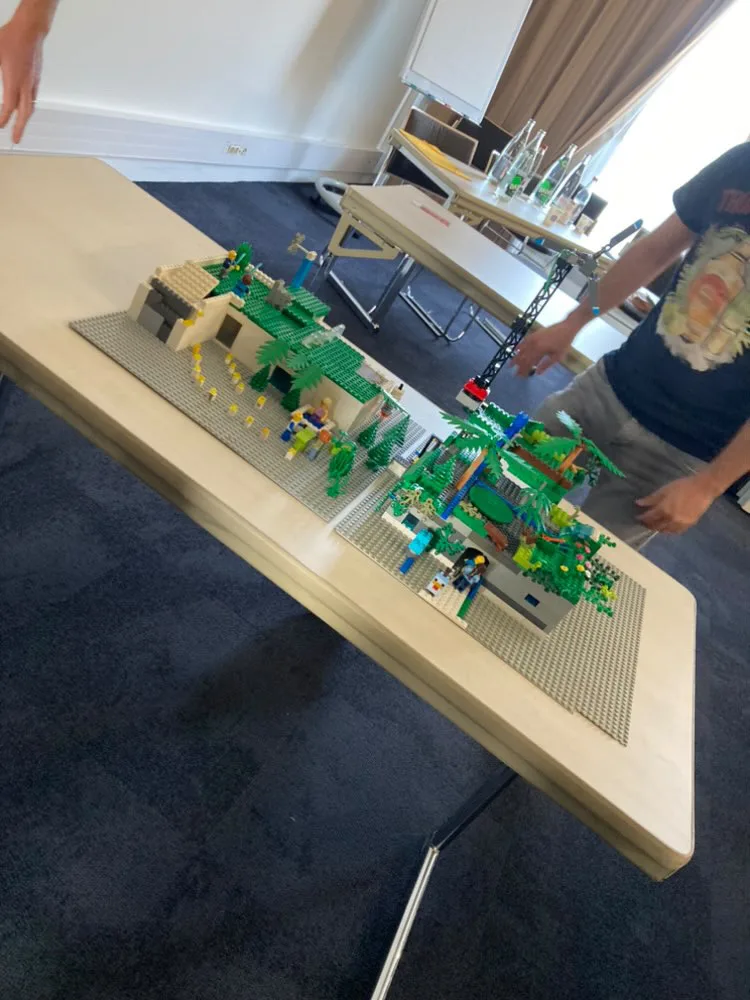
INNOV'events delivers LEGO Challenge programs across Quebec for corporate groups typically ranging from 20 to 400 participants. We design the rules, provide all LEGO material, facilitate the activity in English or bilingual formats, and manage scoring, timing, and room logistics so your leaders can stay focused on outcomes.
Whether it’s a leadership offsite, HR engagement day, or a communications-driven brand moment, we make the activity run like a real operational project: clear objectives, controlled risks, and a debrief that ties back to your reality.
In a corporate event, entertainment is not “extra”; it’s the mechanism that creates real interaction. A well-run LEGO Challenge turns passive attendance into observable behaviors: decision-making, delegation, conflict resolution, and execution under time pressure—exactly what executives want to see when aligning teams.
Organizations in Quebec expect pacing, professionalism, and respect for people’s time. If the activity feels improvised, it reflects on leadership and internal comms. Your teams want clear instructions, fair scoring, inclusive dynamics (not only the loudest voices), and a result they can be proud to share internally.
INNOV'events is based in Montréal and operates across the province. We know how Québec venues run (load-in rules, union considerations, bilingual signage expectations) and we bring facilitators who can manage a room with the same rigor you’d expect from a project lead.
10+ years delivering corporate events and team programs in Quebec, with repeat mandates from HR and communications teams that need consistency year over year.
Capability to deploy 2 to 12 facilitators depending on group size, with structured run-of-show documents, timing cues, and escalation paths (what happens when a team is late, rules are contested, or the AV fails).
Inventory management designed for corporate constraints: pre-sorted LEGO kits, rapid reset processes between rounds, and contingency stock to cover last-minute headcount increases of 5–15%.
On-site governance: one lead producer accountable for venue coordination, plus a dedicated activity lead accountable for the game mechanics, scoring integrity, and debrief quality.
We support companies across Quebec—from Montréal headquarters to regional operations—where teams come together only a few times per year and the event must “work” without draining internal resources. Many of our clients collaborate with us repeatedly because the constraint is always the same: a high bar for brand image, limited time on-site, and real pressure on the day-of (executives arriving late, agenda shifts, live announcements).
When you share your internal context (reorg, integration, growth, retention pressure, new leadership), we translate it into an activity structure that fits. The difference is not the bricks; it’s the operational discipline: room flow, instructions that land in under 3 minutes, scoring that doesn’t get debated, and a debrief that doesn’t feel like HR theatre.
If you’d like, we can provide concrete examples of how we’ve adapted the LEGO Challenge in Quebec for leadership teams, unionized environments, and multi-site organizations—without overloading the agenda.
Nous vous envoyons une première proposition sous 24h.
A LEGO Challenge is a practical team simulation that creates observable collaboration quickly. In Quebec organizations, where hybrid work and operational silos are common, it’s one of the most efficient ways to surface how teams actually work together—without putting anyone on the spot in a purely verbal workshop.
Executive alignment without long speeches: teams experience the cost of unclear priorities, scope creep, and last-minute changes—then you connect that to real business execution.
HR value you can document: you can tie observations to competency frameworks (communication, leadership, accountability) and capture structured feedback without turning the day into an assessment center.
Cross-functional trust: Finance, Ops, Sales, IT, and HR collaborate in a neutral space; the activity makes interdependencies visible in a low-risk way.
Communication teams get content that isn’t staged: photos and short clips of real teamwork, plus tangible builds for internal platforms (intranet, town hall recap, recruitment storytelling).
Inclusion by design: with the right mechanics (roles, time-boxing, rotation), the activity does not reward only extroverts; it rewards clarity and coordination.
Fast energy reset in a long agenda: used as a mid-day reset, it improves attention for the strategic sessions that follow—especially in offsites where people are already “meeting fatigued”.
Quebec has a pragmatic business culture: people expect concrete takeaways. A LEGO Challenge works here because it respects time, produces visible output, and creates a shared reference leaders can reuse later (“remember how we lost time when requirements changed?”).
In Quebec, the tolerance for vague facilitation is low—especially with executive audiences. Leaders want to know: What is the objective? How long does it take? What happens if people arrive late? How do we avoid a noisy room where nothing is learned? That’s why we start with constraints, not with “concepts”.
Common realities we design for:
Bottom line: entertainment in Quebec is judged like operations—on clarity, safety, timing, and the ability to deliver what was promised.
Engagement comes from meaningful constraints, not from noise. The best LEGO Challenge in Quebec formats are the ones that create shared problem-solving and give leaders something concrete to observe—and reuse later in management conversations.
Build-to-brief (strategy translation): teams receive a one-page “strategy” and must translate it into a build plus a 60-second pitch. We evaluate alignment, clarity, and execution. This works well for town halls where leadership wants to see how messages land.
Client-spec sprint (requirements management): teams receive evolving requirements (like real-life scope changes). We measure how they manage trade-offs, communicate changes, and protect quality. Strong for PMOs, IT, and operations groups.
Cross-table dependency build (silo breaking): each table builds a component of a shared “city” and must align interface standards. The learning is immediate: without coordination, nothing fits.
Lean flow challenge (process and waste): we add a simple workflow (procurement tokens, quality gates, rework penalties). It’s a practical way to discuss bottlenecks and handoffs without lecturing.
Brand sculpture (values made visible): teams interpret your values or EVP into a build, then present it. This can support employer branding or culture refresh initiatives, provided facilitation keeps it grounded (no abstract “art talk”).
Storytelling gallery walk: we stage the builds as an exhibit with concise placards. Communications teams appreciate the structure because it’s easy to capture and share internally.
Build & break with culinary timing: we sync short build rounds with service flow (cocktail stations or plated service) so the activity never blocks catering. It’s a practical approach in Montréal venues where kitchen timing is non-negotiable.
Table challenge with “menu constraints”: teams get constraints inspired by the meal flow (e.g., “no red pieces” as an analogy to ingredient limits). Light-touch, but it keeps the room engaged between courses without competing with speeches.
Data-driven scoring (QR + live dashboard): judges input scores via QR forms; results display on screen in real time. This reduces disputes and keeps the pacing tight for larger groups.
Leadership observation layer: for executive offsites, we add an optional observation grid for leaders (communication, decision-making, inclusion). This is not HR evaluation; it’s structured insight for post-event conversations.
CSR tie-in (build for donation): where appropriate, we can align the activity with a community initiative in Quebec (e.g., partnering with local organizations). We only recommend this when logistics and recipient needs are clear—otherwise it can look performative.
Whatever the format, the activity must align with your brand image and internal culture. A financial institution will not run the same tone as a tech scale-up; our role is to calibrate complexity, messaging, and facilitation so the corporate event entertainment in Quebec feels credible in your environment.
The venue affects how the activity feels: controlled and premium, or improvised and noisy. For a LEGO Challenge, we prioritize room acoustics, table layout flexibility, load-in rules, and the ability to manage transitions (plenary to challenge to meal) without losing time.
| Venue type | For which objective? | Main strengths | Possible constraints |
|---|---|---|---|
Hotel ballroom / conference center (Montréal, Québec City) | Large groups, tight agenda, executive presence | Predictable AV, staff used to corporate timing, easy staging for scoring screens | Union/load-in rules, fixed meal schedules, strict turnaround times |
Loft-style event space / converted industrial venue | Culture or innovation days, brand-forward internal comms | Flexible layout, strong visual impact for builds and photos | Acoustics can be challenging; may require extra microphones and sound control |
Corporate office / head office multipurpose space | Budget control, internal engagement, minimal travel | Easy access for teams, aligns with operational culture, no venue rental surprises | Security procedures, elevator access for material, limited storage and staging areas |
We strongly recommend a site visit (or at minimum a detailed venue tech sheet review) because small details matter: where kits are staged, where waste is handled, what time we can load in, and how we keep executive sightlines clean. This is where an experienced event agency in Quebec prevents day-of friction.
Pricing for a LEGO Challenge in Quebec depends on scale and the level of production you want. A 30-person session with one facilitator is a different operation than a 250-person multi-round challenge with live scoring and judges. We price based on the real drivers: material volume, staffing, complexity, and time on-site.
Group size and room layout: number of tables, kits, reset time, and facilitator-to-participant ratio (typical range: 1 facilitator per 25–40 participants, adjusted for complexity).
Program duration: common formats are 45–60 minutes (high energy), 90 minutes (best balance), or 2 hours (multi-round with a stronger debrief).
Level of customization: standard challenge vs. integrating your strategic themes, values, or operating model into briefs, scoring, and debrief prompts.
Production elements: microphones, timers on screen, live leaderboard, signage, table numbers, and photo moments (especially if internal comms needs polished content).
Logistics in Quebec: travel time, load-in constraints, parking access, venue restrictions, and schedule windows (early morning setups can require additional staffing).
Bilingual facilitation: bilingual slides, dual-language cues, and staffing profile depending on your audience composition.
From an ROI perspective, a well-run LEGO Challenge often replaces a half-day workshop that people don’t remember. The value is not the bricks—it’s the accelerated trust, the shared vocabulary for execution, and the ability to anchor leadership messages in something teams experienced together.
When your audience is executives and managers, the risk is not that the activity is “less fun”; it’s that it runs poorly and undermines credibility. Working with an agency established in Quebec reduces operational risk because we know the venues, suppliers, and cultural expectations—and we can react quickly if something changes.
Real examples we plan for: a keynote runs 20 minutes late and you need to compress the activity without breaking it; the venue changes your load-in door at the last minute; a VP wants to add a judging criterion on the spot; or the headcount jumps because another department decides to join. These are normal in corporate life. Our job is to absorb them.
From an ROI perspective, a well-run LEGO Challenge often replaces a half-day workshop that people don’t remember. The value is not the bricks—it’s the accelerated trust, the shared vocabulary for execution, and the ability to anchor leadership messages in something teams experienced together.
Across Quebec, we deploy LEGO Challenge programs in contexts where leaders need more than a “team-building moment”. Typical use cases include:
Our focus is always the same: run a clean operation, protect your agenda, and deliver a debrief your executives will consider credible.
Instructions that are too long: people tune out, then rules get repeated at each table. We script instructions to land in under 3 minutes, supported by visual prompts.
Unbalanced participation: one person builds while others watch. We use roles, rotations, and constraint design to make contribution unavoidable and fair.
Noise and loss of control: in hard-surface venues, the room becomes unreadable. We plan sound reinforcement, facilitator positioning, and strict time-boxing.
Scoring disputes: if criteria are subjective, executives lose patience. We use clear scoring sheets, consistent judges, and tie-breaker rules.
Logistics friction: missing pieces, slow kit distribution, or messy resets. We pre-sort kits, stage by zone, and carry contingency stock.
Debrief that feels disconnected: the activity ends and people shrug. We connect behaviors to your operating context with targeted prompts and concrete examples observed in the room.
Our role is to eliminate these predictable risks so your leadership team experiences a controlled, professional program—one that reflects well on HR and communications and protects executive time.
Repeat mandates happen when the agency is reliable under pressure. In Quebec, many internal teams are lean; they don’t have time to micromanage vendors. Clients come back when they know the day-of will run without drama and the activity will match the tone of their organization.
High repeat-rate behavior: many clients rebook within 12–24 months for new cohorts (new managers, graduate programs, annual leadership meetings).
Scalable delivery: same core methodology, adapted to different group sizes and venues across Quebec, with consistent facilitation standards.
Decision-maker confidence: HR and comms teams appreciate having clear documents: run-of-show, room layout, facilitator plan, and contingency scenarios.
Loyalty is the most practical proof: when the stakes are high and executive expectations are strict, teams choose the partner that reduces risk and protects their credibility.
We confirm the business objective (integration, leadership alignment, engagement, comms content), audience profile (executives, managers, mixed teams), and constraints (timing, bilingual needs, venue limits, security). We also identify decision-makers: who signs off on rules, who owns brand, who owns agenda, and who will be on-site to validate adjustments.
We propose 1–2 formats with a clear schedule (minute-by-minute), roles per table, scoring criteria, and debrief prompts tied to your reality. If your leadership wants specific themes (customer focus, safety, innovation, accountability), we embed them into the brief and scoring—not as slogans, but as measurable constraints.
We plan room layout, kit staging, signage, microphone needs, screen content (timers/leaderboards), and staffing ratios. We align with venue rules for load-in/load-out and coordinate with catering and AV so the activity never collides with service or speeches.
We run the activity with clear cues, table checks, and consistent scoring. If the agenda shifts, we compress intelligently (reduce a round, simplify scoring, shorten presentations) without making it feel rushed. We keep a single point of contact for your team while our crew executes in the background.
We close with a structured debrief and, if requested, a short written recap of observations: what helped performance, what caused delays, and which collaboration patterns were most visible. This gives leaders and HR a clean way to reference the experience after the event.
Most corporate groups in Quebec choose 60 to 90 minutes including a short debrief. For leadership offsites with deeper learning, 120 minutes works well. For town halls with a tight agenda, we can run a high-energy module in 45 minutes.
Common group sizes are 20 to 400 participants. Above 120, we recommend multi-zone facilitation, microphone support, and a simplified scoring model to keep timing tight and instructions consistent.
Yes. We can deliver in English, French, or bilingual formats. For bilingual rooms, we use concise dual-language instructions and on-screen prompts so the activity doesn’t slow down or create uneven understanding across tables.
Plan for one table per team (typically 6–8 people), plus circulation space for facilitators and judging. As a rule, a ballroom-style setup works best. We also plan a staging area for kits and resets so distribution stays clean and fast.
Budgets vary based on headcount, duration, customization, and production level. As a practical reference, many corporate programs in Quebec land between $2,500 and $15,000+. Larger groups, multi-round formats, live scoring, and higher staffing ratios can increase the range. We provide a clear quote with line items tied to your constraints.
If you’re comparing agencies, we suggest a quick working session (20–30 minutes) to confirm objectives, group size, venue, and agenda constraints. From there, INNOV'events can recommend the right LEGO Challenge format, staffing ratio, and production level for Quebec—with a clear run-of-show and a quote you can defend internally.
Send us your event date window, city, estimated headcount, and the purpose of the day (leadership alignment, integration, engagement, communications). We’ll come back with a practical proposal and the operational details that matter on event day.
Thierry GRAMMER is the manager of the INNOV'events Quebec office. Reach out directly by email at canada@innov-events.ca or via the contact form.
Contact the Quebec agency