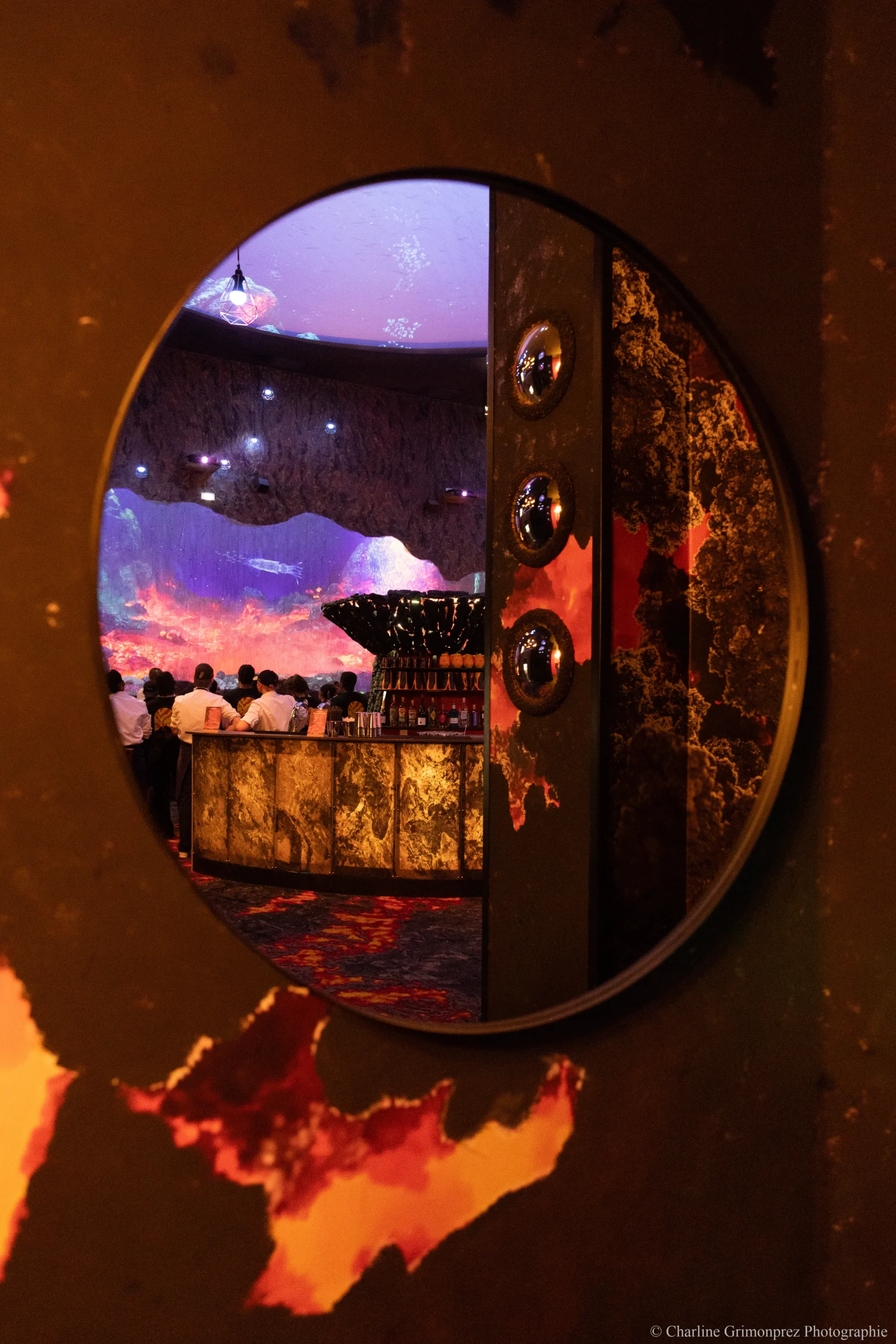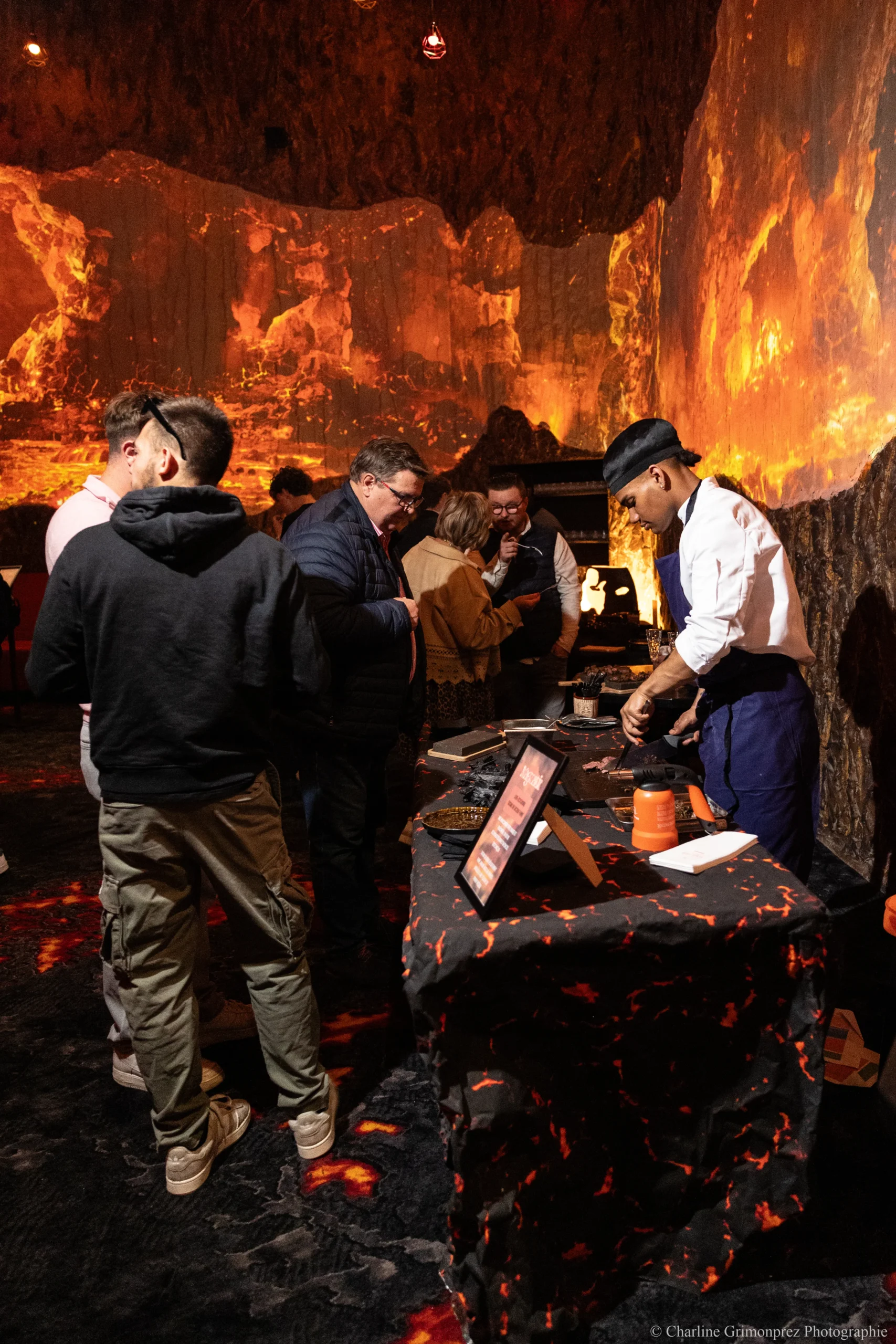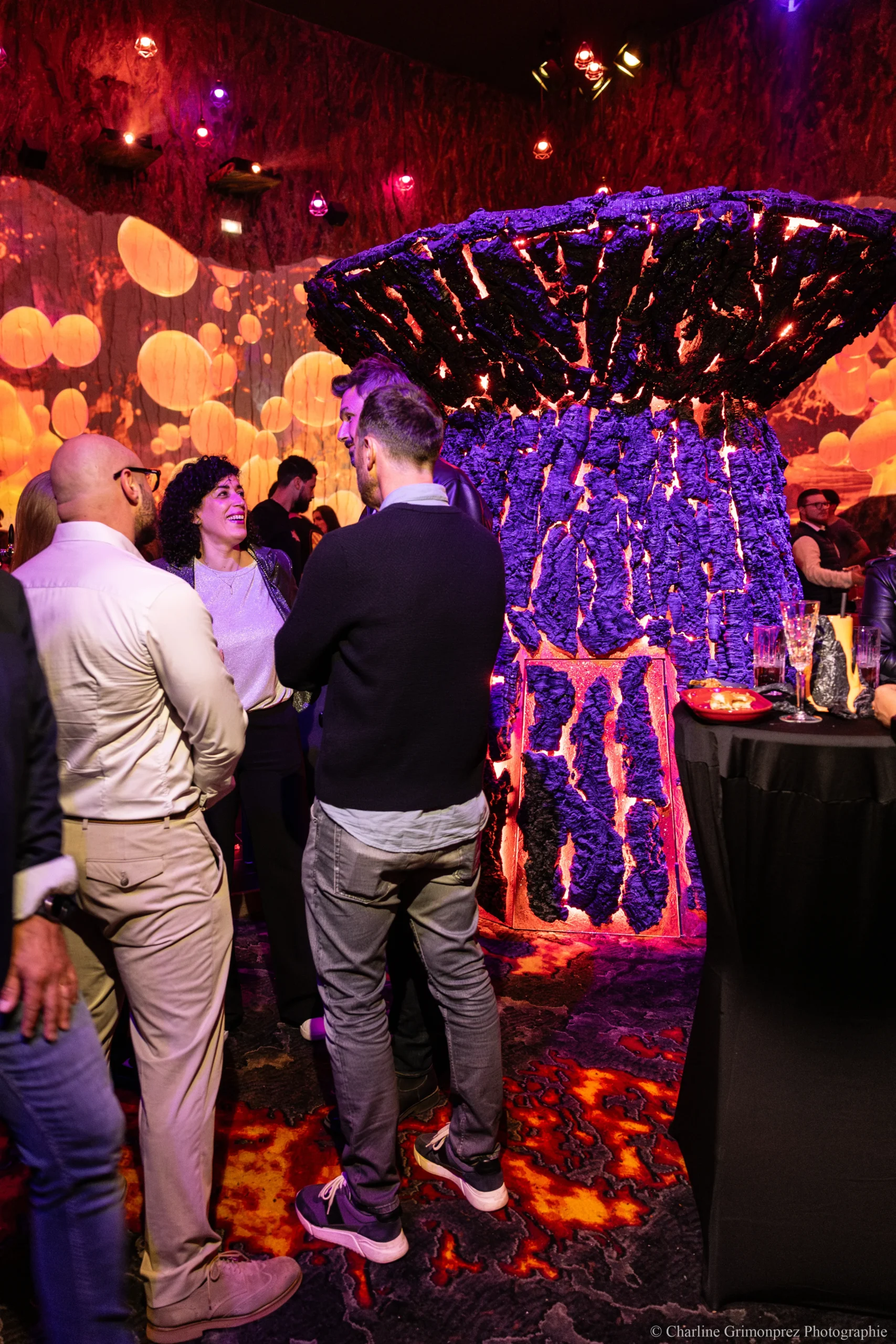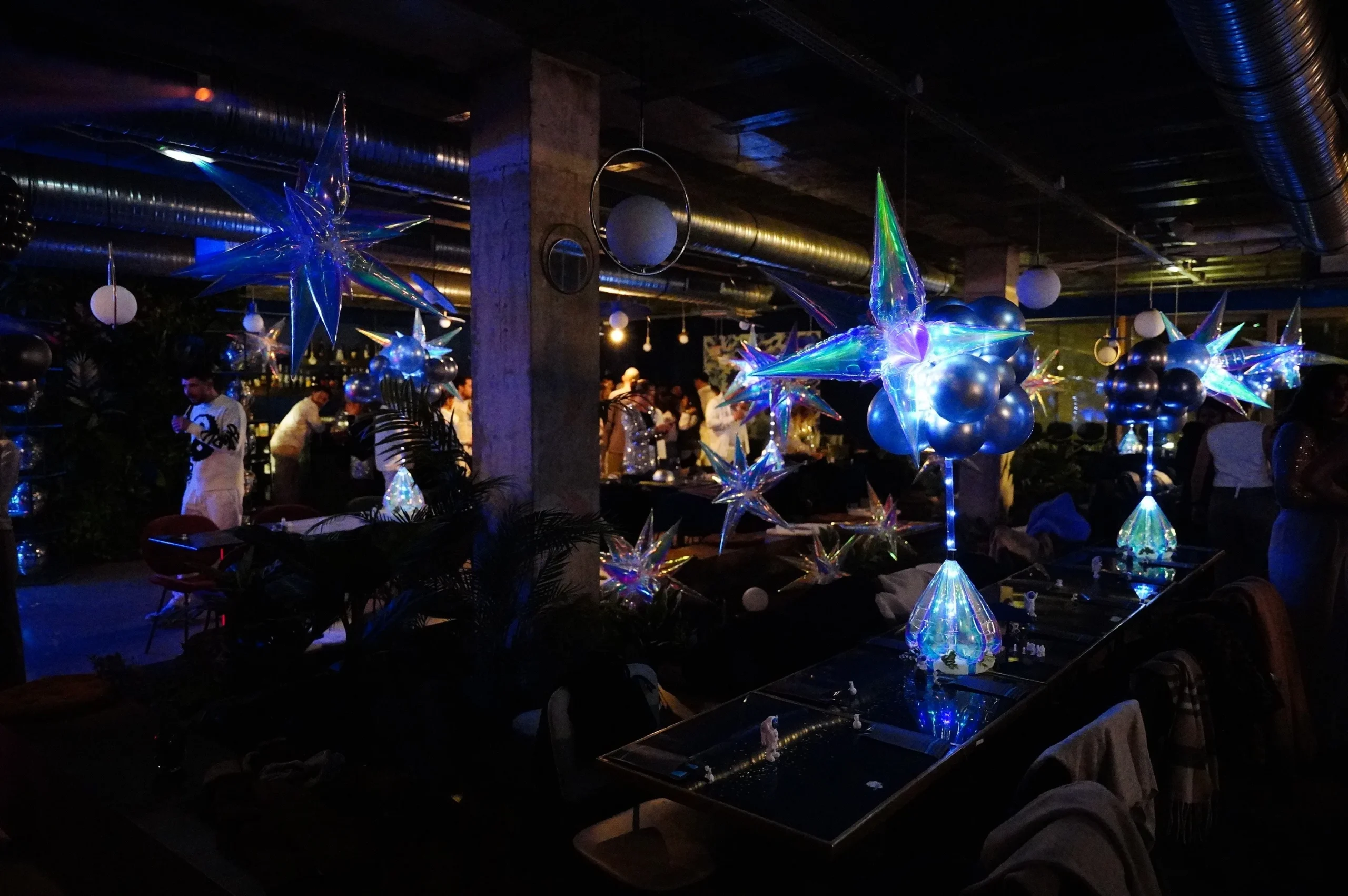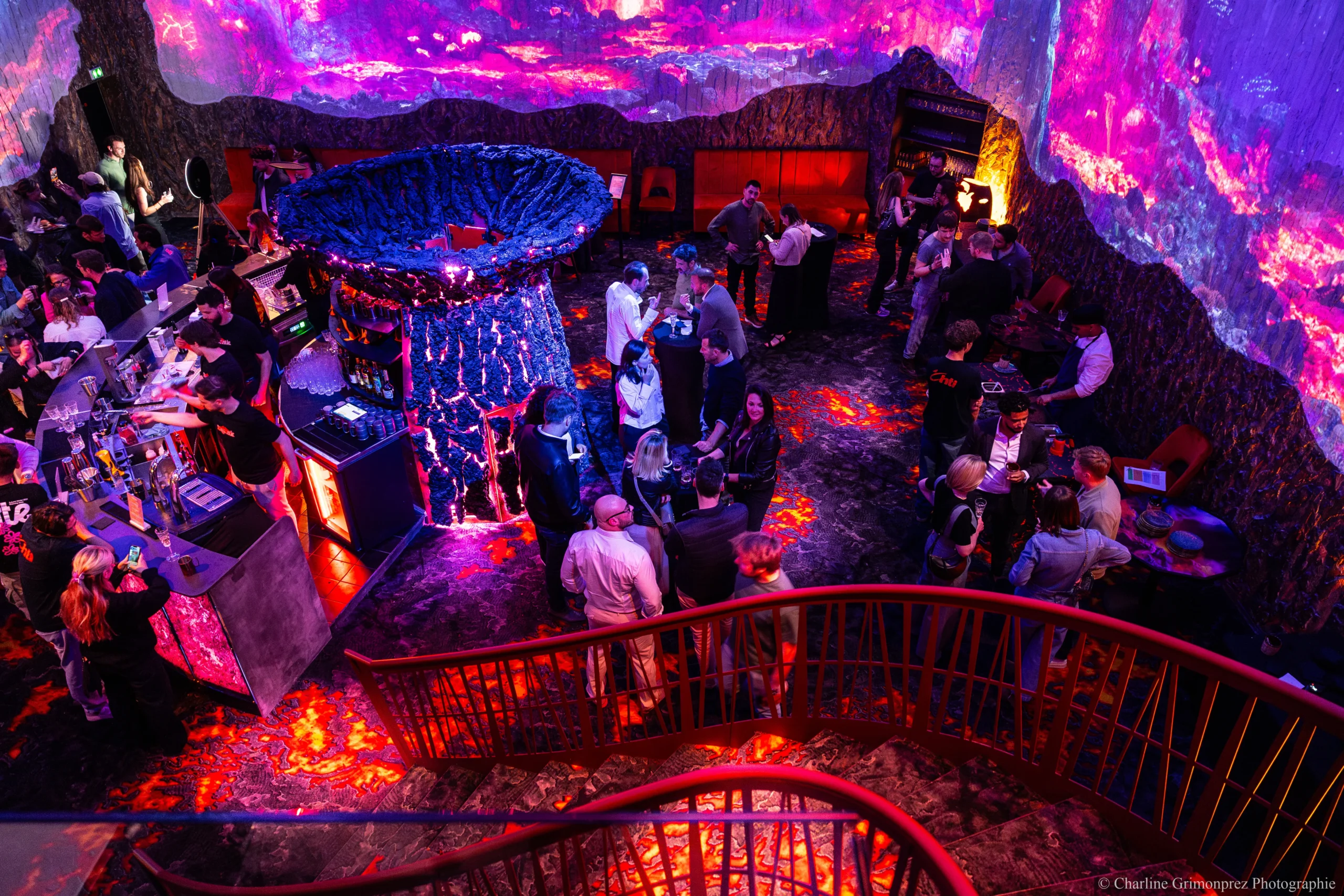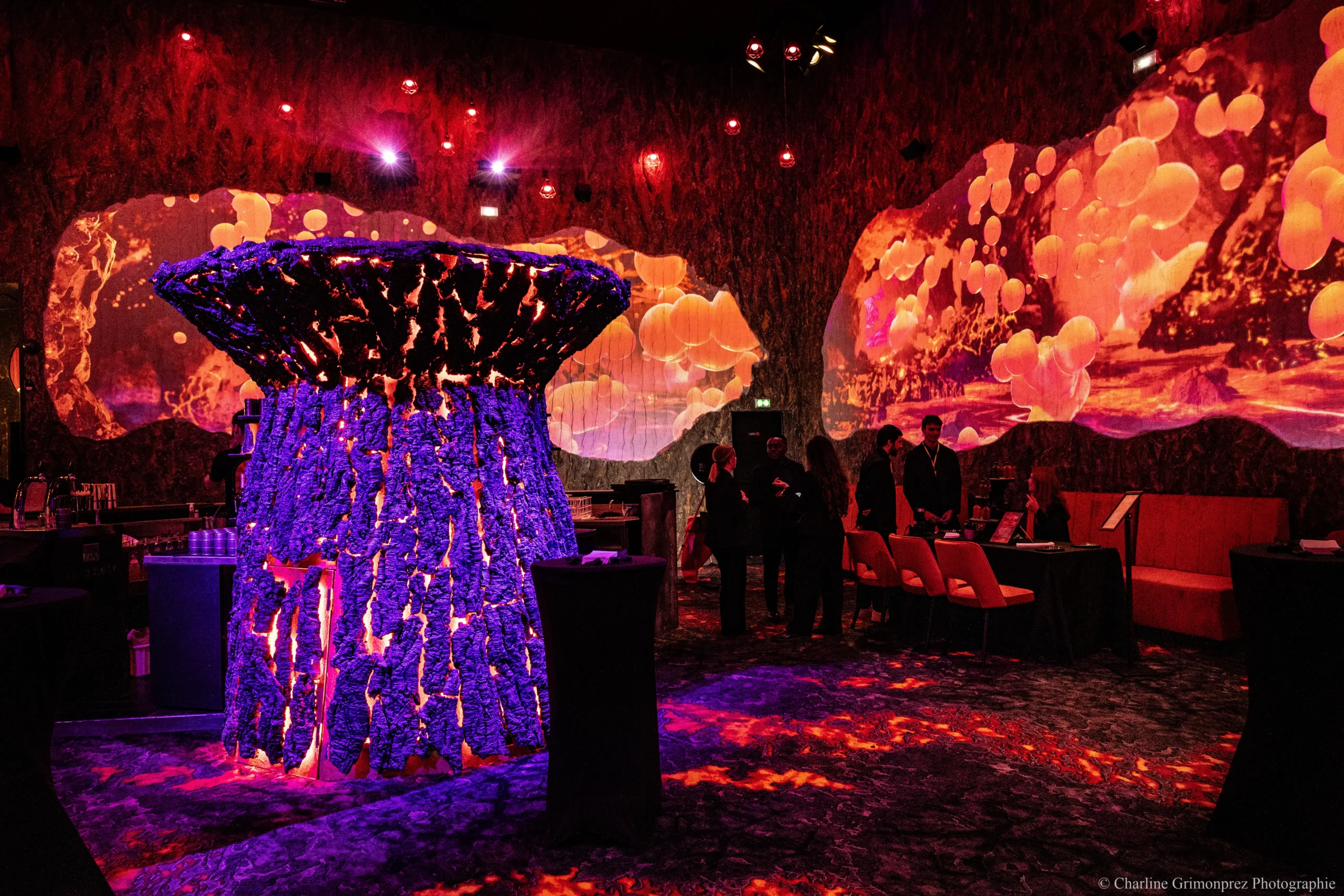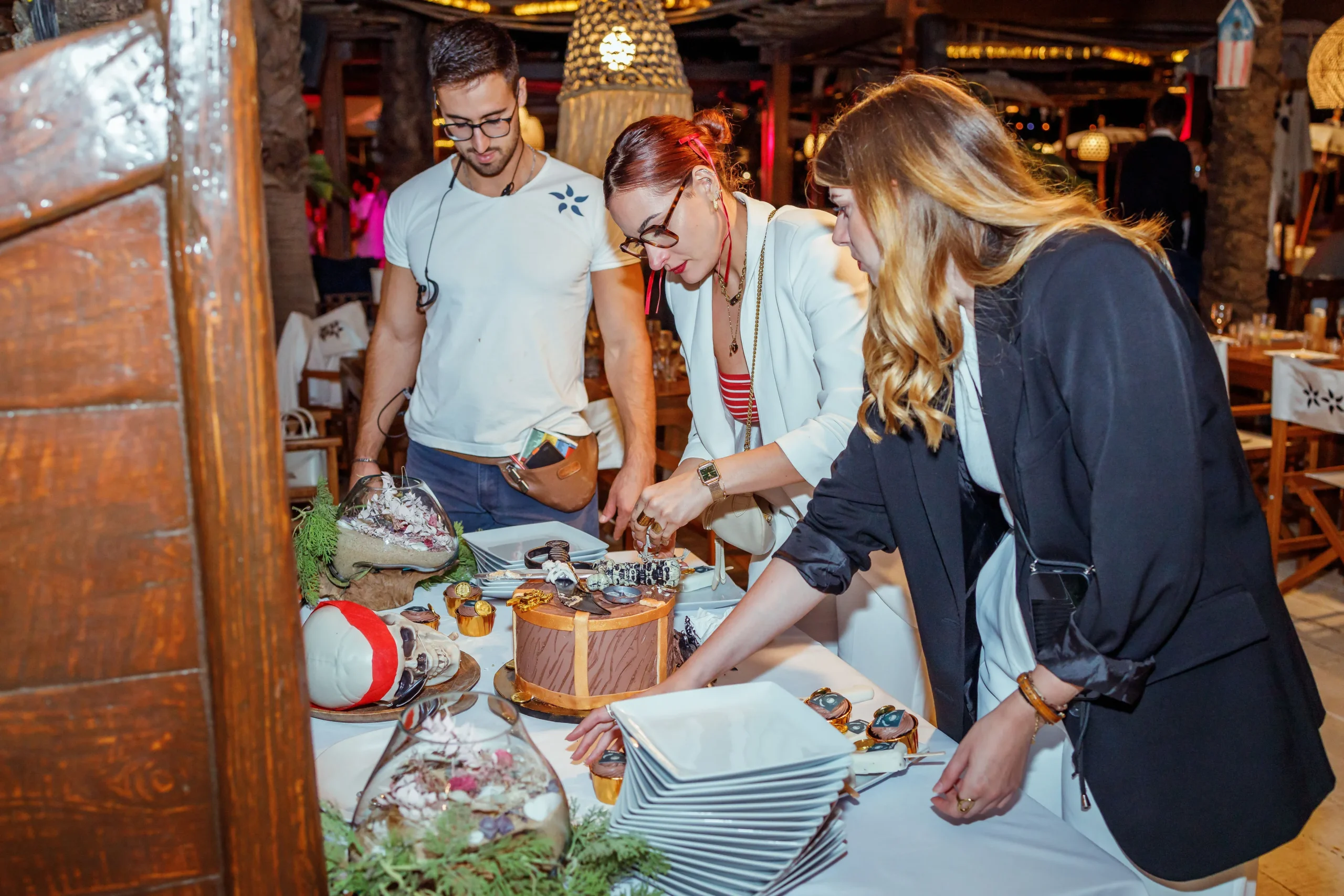
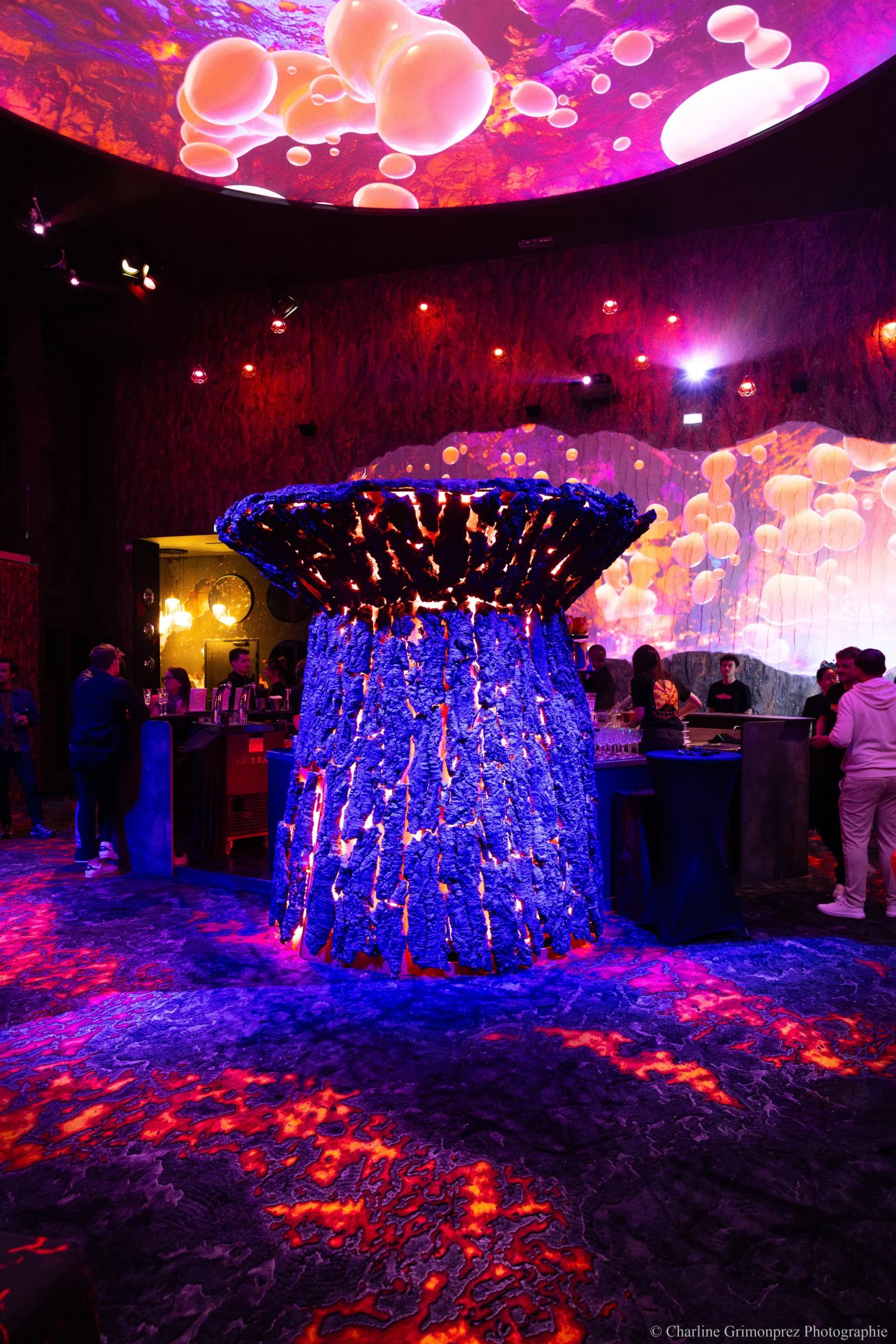
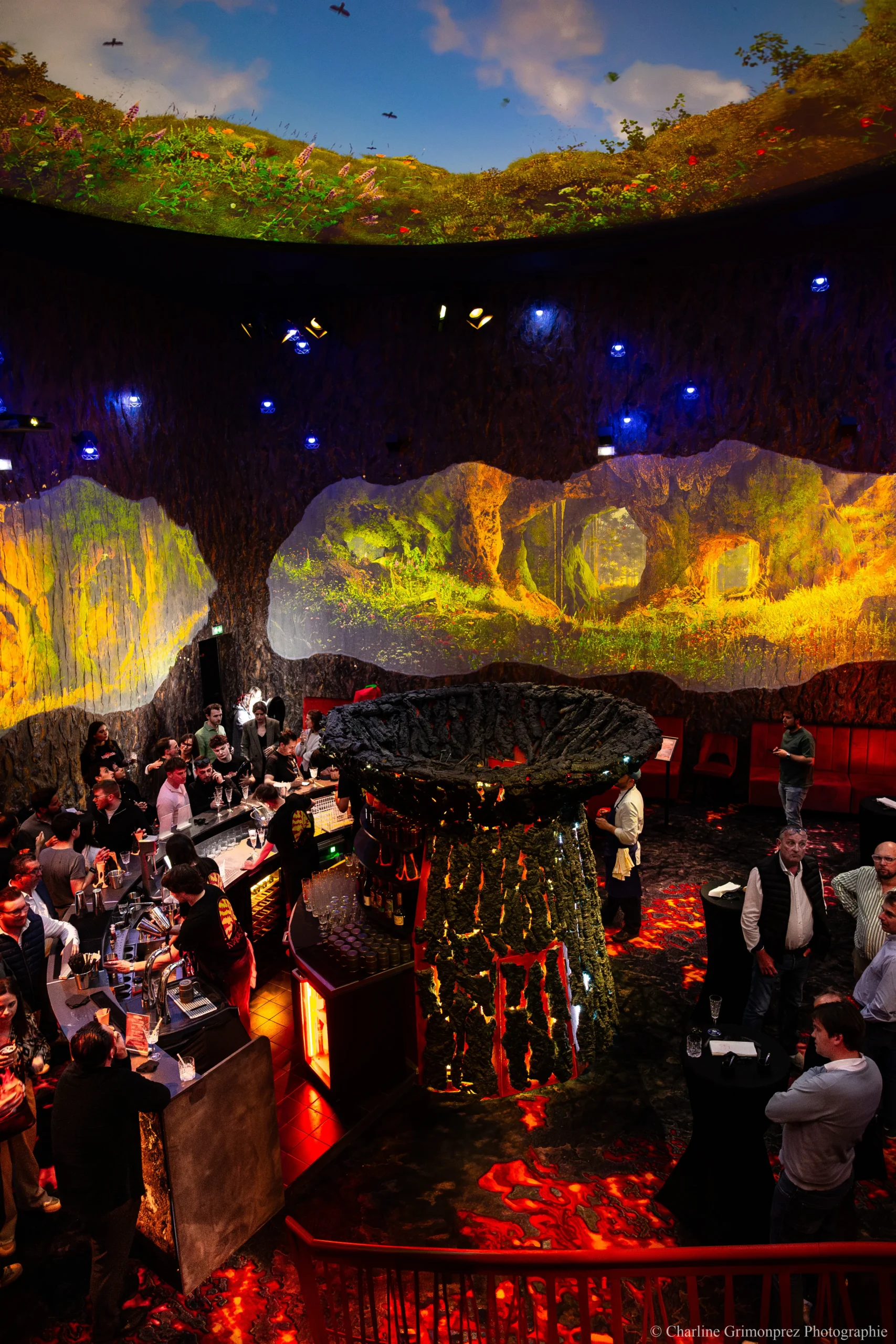
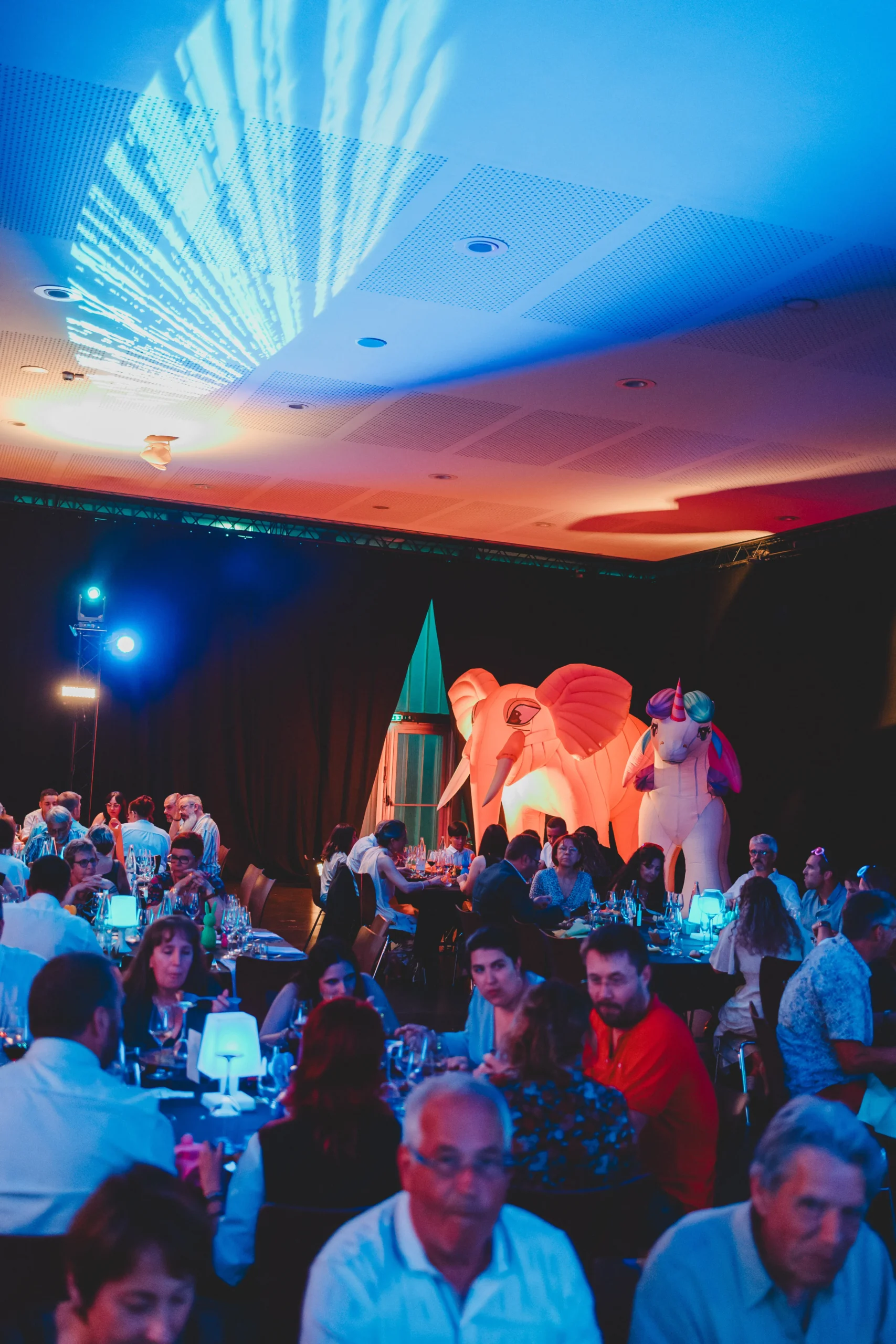
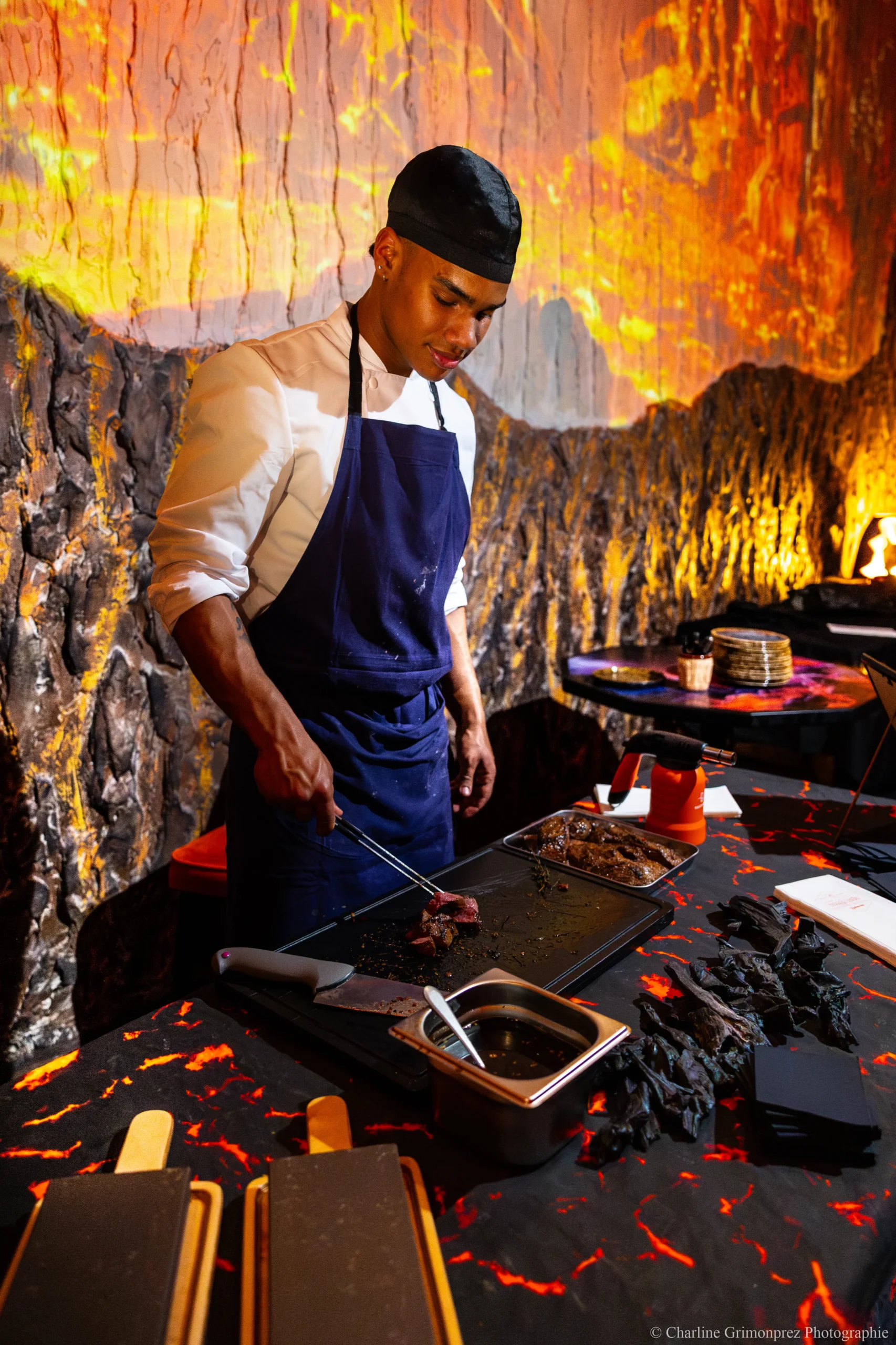
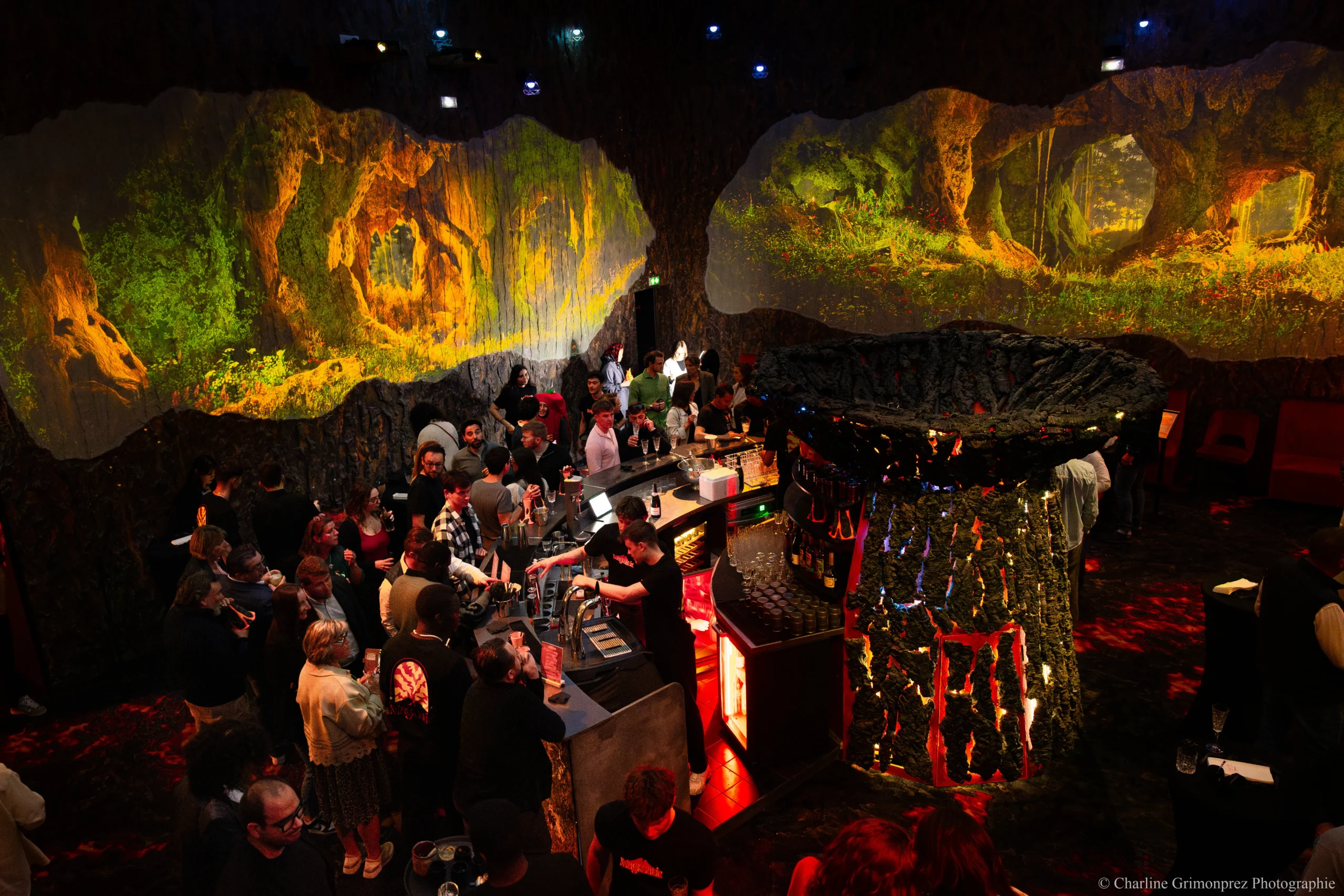
INNOV'events is a Montréal-based event agency that designs and produces Immersive Culinary Experience formats across Quebec for leadership teams, HR and communications. We typically deliver programs for 20 to 500 attendees, from executive retreats to large internal events.
We handle the full operational chain: concept and scenario, chef and supplier selection, venue coordination, guest flow and timing, health & safety, bilingual facilitation, and on-site production so your teams can focus on hosting—not troubleshooting.
In a corporate context, entertainment is not “extra”—it is the lever that drives attention, participation and message retention. A well-run Immersive Culinary Experience in Quebec helps executives reduce silos, create real cross-team exchanges and anchor strategic priorities in a lived moment rather than another slide deck.
Organizations here expect operational discipline: precise timing, bilingual facilitation, respect for dietary constraints, and a guest experience that feels premium without looking wasteful. In Quebec, people notice quickly when logistics are improvised—especially in food-led formats.
INNOV'events operates locally with production partners in Montréal, Québec City and surrounding regions. Our advantage is simple: we design with the realities of Quebec venues, staffing and supplier lead times in mind, and we stay accountable on event day with an on-site team.
10+ years producing corporate experiences, including culinary activations with complex service and timing constraints.
Operational capacity for 20–500 participants with scalable staffing plans (producer, stage manager, floor captains, culinary coordination).
Multi-city coverage in Quebec: Montréal, Québec City, Estrie, Lanaudière, Laurentides—useful when your teams are distributed.
Vendor-network approach: chefs, caterers, mixologists, venues, AV, décor and insurance partners aligned to corporate compliance expectations.
Documented run-of-show discipline: briefing notes, cue sheets, signage plans, and contingency scenarios designed for executive-level scrutiny.
We regularly support organizations across Quebec that need reliability more than hype: leadership teams planning annual kick-offs, HR departments running recognition programs, and communications teams protecting brand standards in front of employees, clients or partners.
Many of our mandates come from repeat collaborations—because once an internal team has lived through a high-stakes event day, they tend to keep the same production partner if the execution was clean. We often re-engage with the same clients for quarterly moments (executive offsites, team celebrations, employer brand initiatives) and scale the format depending on business cycles and headcount changes.
If you shared specific company names you want us to mention as references, send them and we will integrate them in this section in a compliant, professional way (and only with your approval for publication).
Nous vous envoyons une première proposition sous 24h.
Food is one of the rare corporate levers that reaches everyone—regardless of role, seniority or language. A Immersive Culinary Experience becomes strategically useful when it is designed like a leadership tool: structured interactions, facilitated sequences, and clear moments to reinforce culture, values and business priorities.
Accelerate cross-functional trust: cooking stations and curated tasting sequences create natural micro-collaborations between departments that rarely work together (IT with Sales, Ops with Finance), without forcing “team-building games.”
Support change management: when you’re asking teams to adopt new processes, the event can mirror the desired behaviours (shared decisions, iteration, feedback loops) through culinary challenges with defined constraints and debriefs.
Make employer brand tangible: instead of generic speeches, you demonstrate care through details employees actually feel—dietary inclusions, pacing, quality of service, and respectful bilingual communication.
Create a controlled networking environment: for partner or client events, culinary immersion offers structured conversation points and a clear flow, helping your executives avoid awkward “cocktail drift.”
Recognize performance without theatrics: a premium culinary storyline (chef-led courses, pairing education, local producers) signals recognition while staying aligned with corporate governance and cost-control expectations.
In Montréal’s business culture—fast-moving, bilingual, and relationship-driven—events are evaluated on execution quality and operational respect. A strong culinary concept only works if it is delivered with the discipline expected in Quebec corporate environments.
Decision-makers in Quebec are typically pragmatic: they want creativity, but they judge you on risk control and on-site leadership. For an Immersive Culinary Experience in Quebec, the expectations are even higher because food introduces compliance and reputational exposure.
Here are the constraints we plan for upfront because they come up in real mandates:
In practice, our role is to remove uncertainty for HR and communications teams: the experience must be engaging, but it must also be predictable in outcomes—especially when your brand is on the line.
Engagement happens when guests are invited to participate in a way that feels adult, relevant and well paced. In Quebec, the best culinary formats combine local product credibility with a production rhythm that respects corporate time constraints.
Chef-led team stations (45–75 minutes): small groups rotate through stations (seasonal starters, plating, finishing sauces). We add light facilitation so the activity supports your leadership goals, not just cooking for cooking’s sake.
Blind tasting with guided scoring: ideal for sales or management groups because it introduces decision-making under ambiguity. We provide scorecards, reveal moments, and structured debrief prompts.
Mixology with compliance-friendly service: we can include zero-proof pairings and clear consumption controls. Useful when you want sophistication without creating HR concerns.
Live culinary performance with narrative: not “a chef cooking,” but a scripted demonstration tied to your theme (innovation, craftsmanship, collaboration) with bilingual cues and AV planning.
Sound and lighting that supports appetite and attention: subtle lighting zones for stations, focus light for demos, and audio tuned to conversation levels—especially important in heritage venues common in Montréal and Québec City.
Quebec terroir tasting route: curated producers (cheeses, charcuteries, maple, cider, micro-distilleries) with real educational content and clear service pacing. Works well for client events because it feels rooted and credible.
Seated multi-course with interactive moments: a structured dinner with one or two touchpoints (plating a course element, aroma kit, pairing vote) to keep engagement without turning the evening into a “workshop.”
Dietary-inclusive dessert lab: a controlled station for gluten-free / dairy-free variations that feels premium rather than “accommodations on the side.”
Data-driven flavour profiling: guests answer a short palate questionnaire; we route them to pairing recommendations. This creates conversation while keeping the experience organized.
Brand-led ingredient storytelling: for organizations with ESG or local procurement goals, we integrate traceability and supplier stories in a way that feels authentic (not corporate theatre).
Whatever the format, alignment with brand image is non-negotiable. A conservative financial institution will not want the same tone as a creative studio, and a public-sector organization may need additional compliance and accessibility considerations. We design the corporate event entertainment in Quebec to match your brand voice, stakeholder sensitivity and risk tolerance.
The venue shapes the experience more than most teams expect: ceiling height affects acoustics, kitchen access affects menu ambition, and load-in rules affect production complexity. For leadership and HR teams, the right venue is one that protects the schedule and reduces operational risk.
| Venue type | For which objective? | Main strengths | Possible constraints |
|---|---|---|---|
Hotel ballroom with banquet kitchen | Large headcounts (150–500), predictable service, speeches/awards integrated | Strong back-of-house capacity, experienced staff, easier weather contingency | More standardized aesthetics; requires tighter creative direction to feel premium |
Restaurant buyout with chef’s brigade | Executive groups (20–120), client dinners, leadership offsites | High culinary credibility, built-in ambiance, smoother service pacing | Limited AV options; exclusivity costs; strict timelines for full buyouts |
Loft/industrial space with mobile kitchen setup | Brand-forward events, interactive stations, product launches | Creative freedom, strong experiential potential, flexible layouts | Requires more production (power, permits, rentals); higher logistics exposure |
We strongly recommend a site visit (with kitchen and load-in review) before locking the concept. In Quebec, two venues can look similar online and behave very differently on event day—especially for food, sound, and service logistics.
Budgeting is often where internal alignment breaks down: HR wants impact, Finance wants control, and executives want a result that reflects leadership standards. For an Immersive Culinary Experience in Quebec, pricing depends on service level, venue constraints, culinary ambition and production intensity.
To be useful, here are realistic planning ranges we see in the field (excluding taxes, and assuming professional staffing and compliant food service): $175 to $450 per person for most corporate formats. High-end experiences with premium menus, high production and limited-access venues can go beyond that, especially for smaller groups where fixed costs are spread across fewer attendees.
Headcount and format: 40 guests in a restaurant buyout is not the same cost structure as 300 guests in a ballroom with multiple stations.
Menu and beverage strategy: local producer tasting, premium pairings, zero-proof alternatives, and allergy-safe prep processes all impact labour and procurement.
Venue infrastructure: kitchen access, power, refrigeration, and load-in constraints can add rentals, additional labour or longer setup windows.
Production scope: AV for chef demos, lighting zones, staging, décor, signage, and bilingual content all add tangible line items.
Staffing ratios: service staff, culinary assistants, floor captains and security are not optional when you want a smooth executive-grade experience.
Risk and compliance: insurance certificates, permits (if required), and food safety protocols are part of professional delivery.
We build budgets so you can defend them internally: clear line items, options at different investment levels, and a focus on return (participation, message retention, executive visibility, and reduced planning load on internal teams). A well-managed experience also reduces the “hidden cost” of last-minute crisis management.
When culinary is involved, local execution matters. A remote partner can produce beautiful decks, but day-of success depends on local relationships, realistic scheduling and supplier accountability. As a Montréal-based team, we work in the real conditions of Quebec: winter logistics, venue access rules, bilingual staffing, and supplier lead times that fluctuate during peak seasons.
When your mandate spans multiple regions, we can also support you beyond Montréal. If your next activation is in the Capitale-Nationale, our network and operational approach transfers directly—see our dedicated page: event agency in Quebec.
We build budgets so you can defend them internally: clear line items, options at different investment levels, and a focus on return (participation, message retention, executive visibility, and reduced planning load on internal teams). A well-managed experience also reduces the “hidden cost” of last-minute crisis management.
Our culinary mandates rarely look identical, because the business objective changes the structure. We’ve delivered formats such as:
The common thread is control: the experience must be enjoyable, but it must also be defensible to leadership—timing, inclusivity, brand fit and risk management.
Underestimating service timing: when speeches, awards and food service compete, the evening drags and executives disengage. We lock a realistic run-of-show and enforce it on the floor.
Choosing a venue without validating kitchen realities: a beautiful space without refrigeration, prep surfaces or proper load-in can turn into expensive workarounds and compromised menus.
Ignoring allergy process: “we’ll handle it on-site” is not a plan. We implement intake, labels, and dedicated handling steps to reduce exposure.
Overcrowded stations: queues kill the experience. We size stations, staff, and layouts for actual guest behaviour—not optimistic assumptions.
AV as an afterthought: chef demos, pairing education and executive remarks need clean sound. Bad audio makes even strong content feel amateur.
No clear chain of command: when a last-minute change happens (speaker late, supplier delay), someone must decide immediately. We bring defined roles and escalation paths.
Our job is to prevent these issues before they hit your internal team. In Quebec, reputations travel quickly—especially among venues and suppliers—so we protect your brand by producing with discipline.
In corporate events, loyalty is earned on the hard parts: clarity of budgets, calm on-site leadership, and the ability to protect internal stakeholders when pressure rises. Many of our clients come back because we make their jobs easier—not because we promise the loudest concept.
Typical planning cycle: 6–12 weeks for a solid culinary experience; 12–20 weeks if you need a high-demand venue, complex staging, or multi-site logistics.
Typical staffing on event day: 1 producer, 1 stage manager, 2–6 floor captains depending on headcount, plus culinary and service teams sized to the format.
Decision comfort: we provide options at 2–3 budget levels so executives can approve without reopening the scope every week.
When clients renew, it’s because the experience delivered and the process was predictable. In Quebec, that predictability is the strongest proof of quality.
We start with a working session with HR, communications and an executive sponsor. We clarify the non-negotiables: business objective, brand tone, bilingual needs, audience profile, dietary realities, and your internal approval process. You leave with a written summary that prevents scope drift and protects your timeline.
We design the experience as a sequence: arrival, engagement triggers, culinary chapters, speaking moments, and closing. We define the guest flow, station sizing, and the “why” behind each interaction so it supports your leadership goals (not just aesthetics). We also propose 2–3 concepts with clear differences in production complexity.
We validate venues based on kitchen capacity, load-in rules, noise constraints, and accessibility. We then lock chefs/caterers and key suppliers with written deliverables: menu specs, staffing, insurance, equipment lists, and timing commitments. This is where we prevent the common “beautiful idea, impossible venue” scenario.
We build a transparent budget with options and explain trade-offs. We implement dietary intake and labelling plans, confirm permits if needed, and coordinate any corporate compliance requirements (alcohol service rules, security, privacy considerations for content capture). Communications teams receive a clear plan for signage and messaging touchpoints.
We produce the run-of-show, cue sheets, floor plans, staffing schedules, and supplier call times. We coordinate AV so chef demos and executive remarks are audible and timed. If there are speeches, we rehearse transitions and ensure the culinary team can service without conflict.
On-site, we run a tight command structure: checklists, radio communication, and floor captains managing guest flow. After the event, we debrief with your stakeholders: what worked, what to refine, and how to reuse the format for another business cycle in Quebec.
Plan 6–12 weeks for most corporate formats. If you want a peak-season venue, a high-profile chef, or a complex multi-station build, aim for 12–20 weeks. For December dates in Montréal or Québec City, earlier is safer due to venue and staffing demand.
Most formats work well from 20 to 500 guests. Under 60, you can do high-touch chef interaction and seated storytelling. Between 80–250, stations plus a short seated segment often gives the best flow. Over 250, we engineer queue management and service staffing carefully to keep wait times reasonable.
Yes. We implement a pre-event collection process, station labelling, and service protocols (separate utensils/handling where required). We also recommend designing at least 1–2 core options that cover common restrictions (vegetarian, gluten-free, dairy-free) so accommodations feel integrated, not “special plates at the end.”
Most corporate projects land between $175 and $450 per person (excluding taxes), depending on venue, menu, beverage approach, and production. Smaller premium groups can cost more per person due to fixed costs; large groups require more staff and infrastructure to maintain quality.
Yes. We plan bilingual delivery end-to-end: guest communications, signage, chef scripting, MC facilitation, and staff briefing. The goal is not just translation—it’s a coherent tone that feels natural for mixed Francophone/Anglophone audiences.
If you’re comparing agencies, we can make your decision easier: share your date range, city, estimated headcount, and the business outcome you want (recognition, leadership alignment, client relationship, culture). We’ll come back with a practical concept, a realistic run-of-show, and 2–3 budget options you can defend internally.
For culinary formats in Quebec, earlier planning protects you from venue limitations and staffing scarcity—especially in peak periods. Contact INNOV'events to schedule a short discovery call and get a proposal built for executive approval.
Thierry GRAMMER is the manager of the INNOV'events Quebec office. Reach out directly by email at canada@innov-events.ca or via the contact form.
Contact the Quebec agency