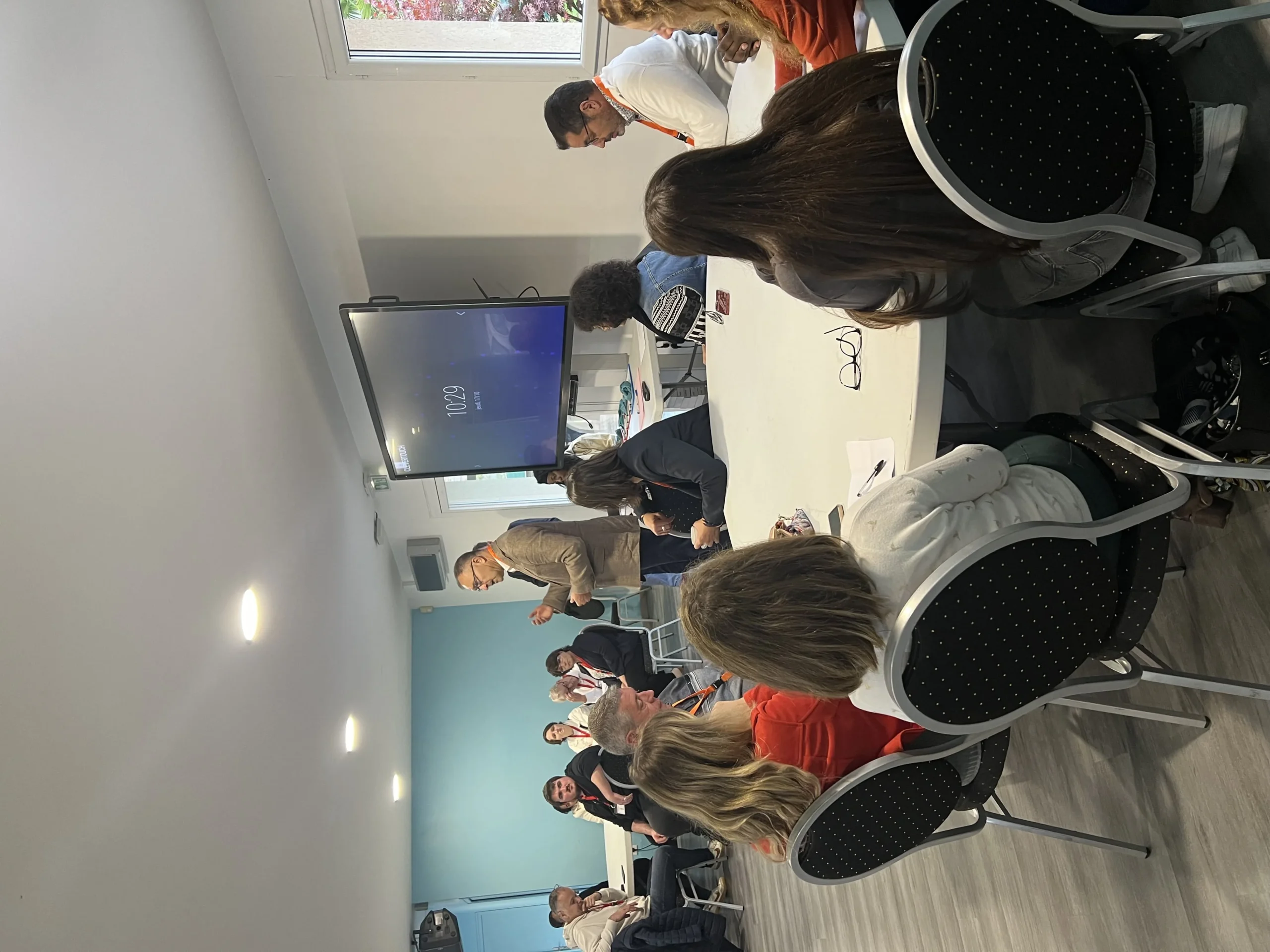
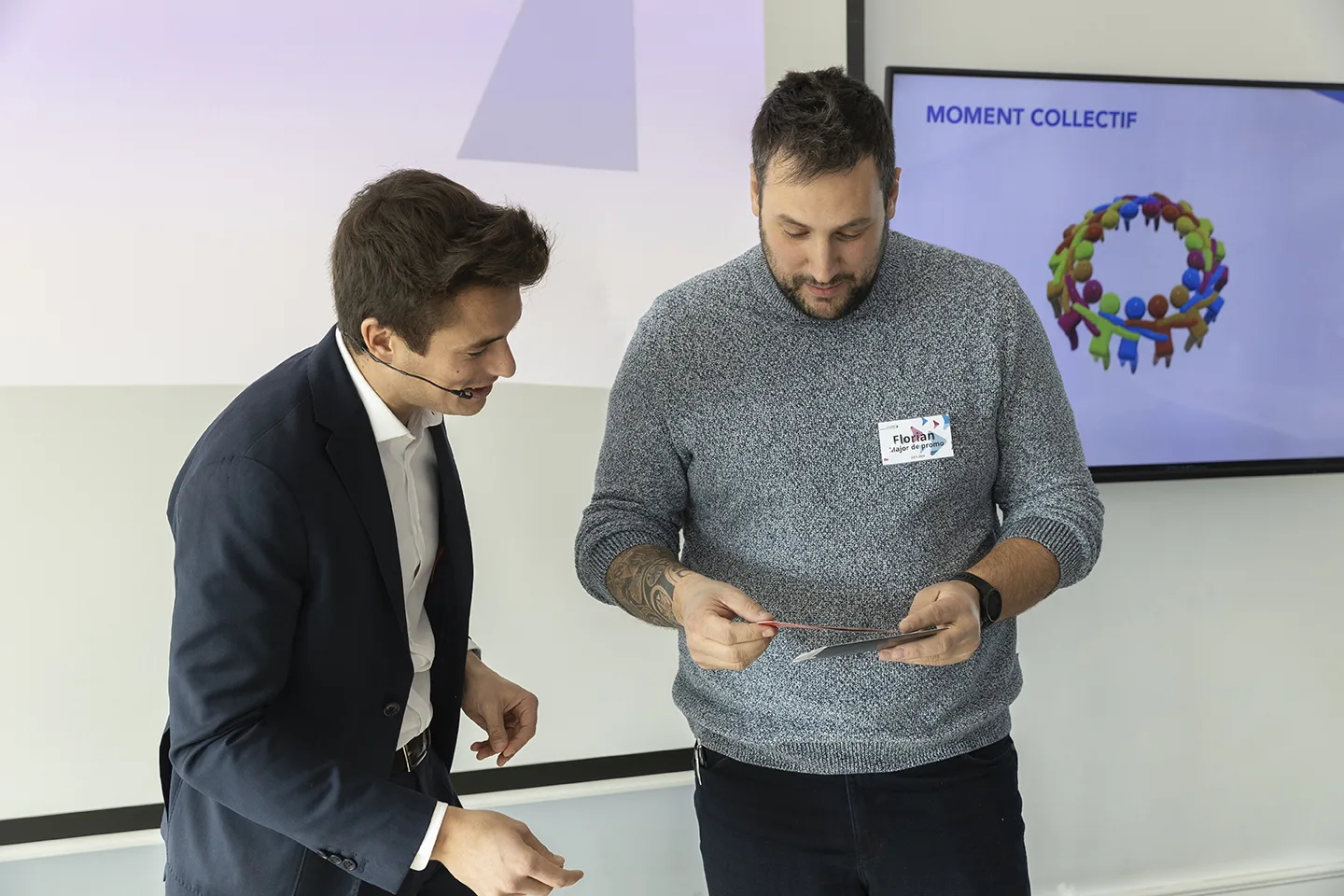
In Quebec, a negotiation failure rarely stays “internal”: employee relations, client trust, and brand reputation can turn in hours. A Crisis Negotiation Workshop gives your leadership team a controlled environment to practice decisions under pressure—before a real incident forces improvisation.
Organizations here expect practicality: bilingual realities, union considerations, multi-site operations, and a strict approach to confidentiality. They also expect facilitation that respects seniority and time—clear objectives, disciplined pacing, and debriefs that translate into protocols.
From our Montréal base, INNOV'events supports teams across Quebec with field-tested scenarios (workplace threats, activist pressure, extortion attempts, executive-level social media crises) and a methodology that aligns HR, Legal, Security, and Communications around one playbook.
10+ years supporting corporate training and high-stakes facilitation across Canada, with a strong footprint in Quebec.
150+ corporate workshops and simulation-based events delivered (leadership, crisis response, media pressure, stakeholder alignment), with repeat mandates driven by measurable improvement in decision speed and coordination.
Capacity to run parallel sessions (2–4 rooms) for large cohorts, with standardized scoring grids and consolidated debrief for executive committees.
Operational reliability: pre-reads, facilitation guides, contingency plans, and on-site producer support so the day stays on schedule—even with VIP delays.
We work with organizations that operate under the same pressures you face in Quebec: talent retention, public scrutiny, unionized environments, multi-site logistics, and strict compliance expectations. Many of our clients rebook because they want continuity—same facilitation standards, updated scenarios based on their evolving risk landscape, and a team that already understands their internal stakeholders.
If you have a list of company names you’d like us to include as references, send it and we will integrate them precisely (without over-claiming and while respecting confidentiality constraints). In practice, we often support executive teams, HR leadership, and communications units that need to train together—because crisis negotiation fails most often at the handoffs between functions.
Nous vous envoyons une première proposition sous 24h.
A negotiation crisis is rarely a single conversation. It’s a sequence of decisions: who speaks, what is promised, what is documented, how safety is managed, and how internal and external messages stay consistent. Running a Crisis Negotiation Workshop in Quebec is a practical way to rehearse those decisions with the people who will actually carry them—before the pressure of a real incident compresses timelines and increases risk.
Executive decision discipline under pressure: practice setting a clear negotiation mandate (what we can concede, what we cannot, who approves) so front-line leads are not left “negotiating policy” in real time.
HR and Labour Relations alignment: test responses to threats, walkouts, harassment escalations, or termination-related incidents while maintaining procedural fairness and documentation standards expected in Quebec.
Communications control: rehearse message coordination when internal Slack screenshots, media calls, or a viral post changes the negotiation environment. We build “information leakage” into scenarios to reflect real conditions.
Safety and duty of care: clarify when and how to engage Security, EAP resources, building management, and emergency services—without compromising the negotiation channel.
Reduced organizational friction: identify where your current crisis plan creates delays (unclear authority, too many approvers, missing templates) and convert that into concrete updates within 30 days.
Credible governance artifacts: you leave with a negotiation checklist, an escalation map, and a decision log template that can be integrated into your crisis management framework.
In the Quebec business environment, reputation and employee trust are strategic assets. Teams that train together respond faster, document better, and avoid decisions that create long-term legal or brand damage.
Leaders in Quebec don’t want a theoretical seminar—they want a safe but realistic rehearsal with clear business relevance. The expectation is that the workshop reflects how organizations actually function here: bilingual communications, complex stakeholder ecosystems, and a strong emphasis on fairness, privacy, and process.
In the field, we see the same friction points repeatedly. Executives want speed; HR needs defensible documentation; Communications wants to protect the narrative; Security wants risk containment. A good Crisis Negotiation Workshop makes those tensions visible and then resolves them through agreed roles, escalation thresholds, and a shared vocabulary.
There are also practical constraints: senior leaders can rarely block a full day without justification, so the workshop must be tightly designed. That means pre-work (20–30 minutes), clear objectives, scenario timing that respects calendars, and a debrief that lands on decisions—not feelings. Finally, confidentiality is non-negotiable. We can run the session under internal privacy rules, with anonymized scenario material when required, and we avoid recording unless your governance explicitly authorizes it.
This is not “entertainment” in the casual sense. In a Crisis Negotiation Workshop, engagement comes from realism and consequence: timed decisions, incomplete information, and the pressure of stakeholder reactions. Done properly, it keeps senior leaders involved because it mirrors their real constraints—brand risk, legal exposure, employee safety, and operational continuity across Quebec.
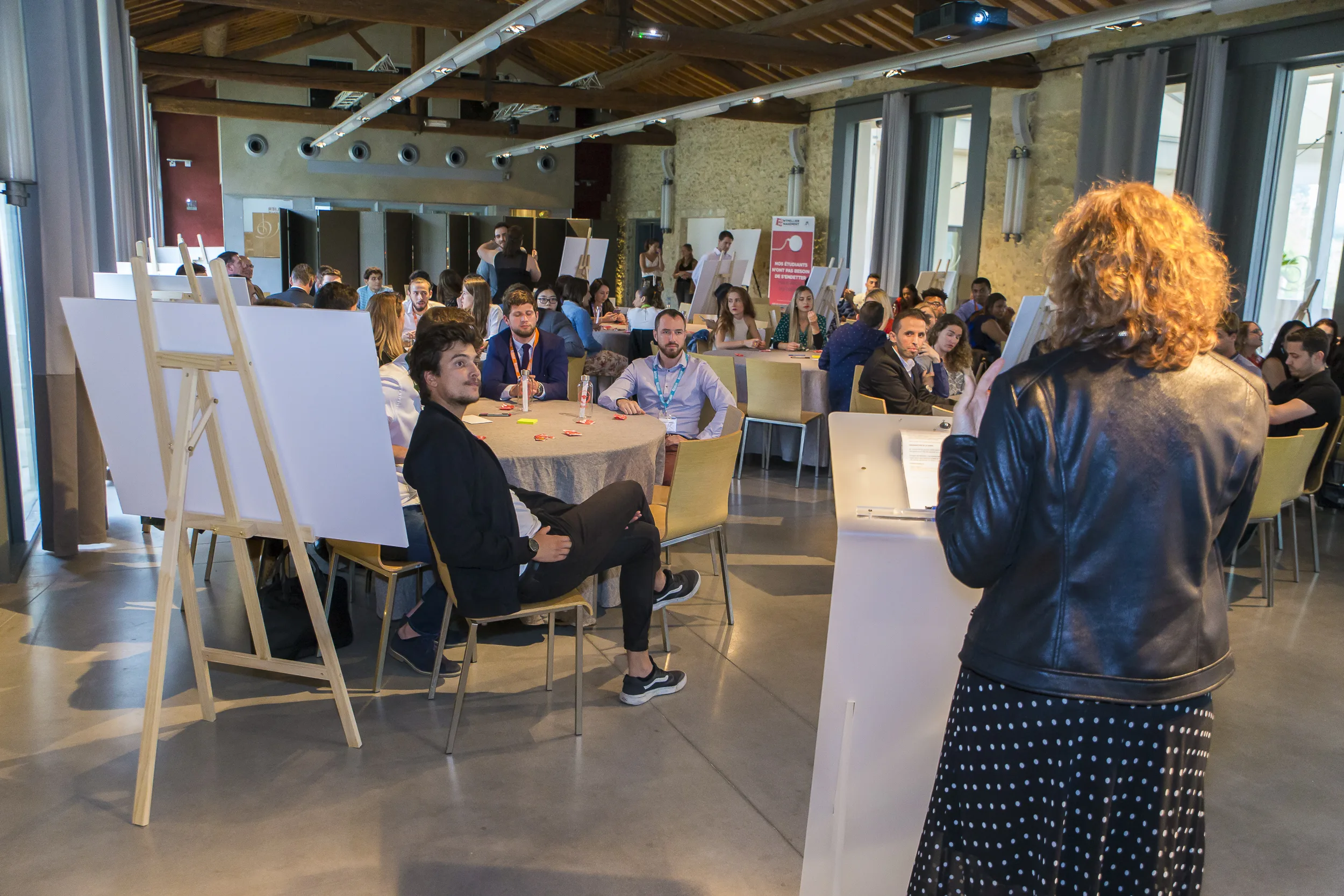
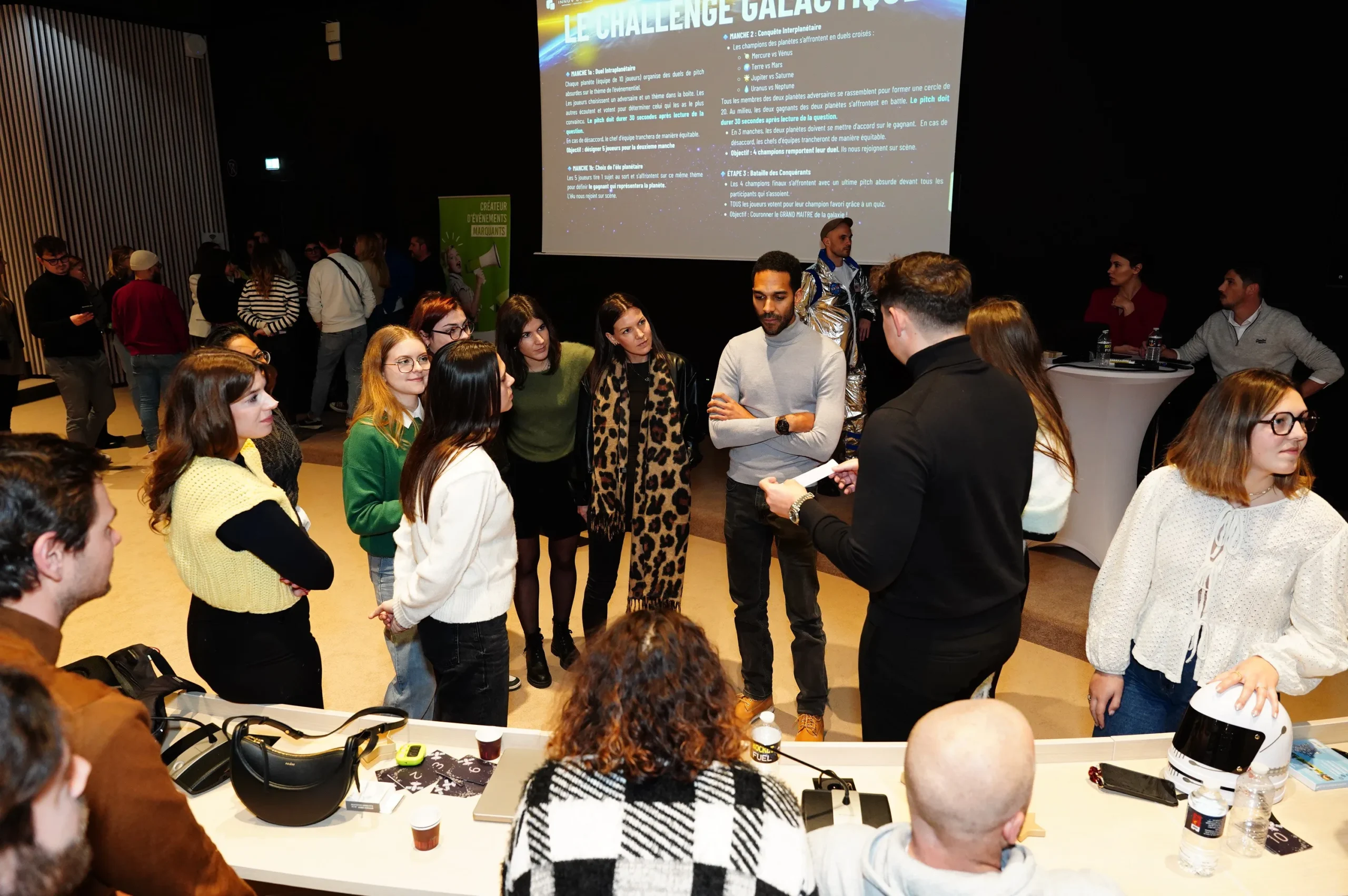
Live negotiation role-play with rotating lead negotiator: each round forces different leaders (HR, Ops, Comms) to take the lead while the rest of the team manages approvals and documentation.
“Inject” timeline simulation: we introduce new facts every 6–10 minutes (media inquiry, police update, employee post, legal constraint) to test adaptability without derailing the process.
Decision checkpoint gates: the team must formalize a mandate, red lines, and concessions before continuing—this prevents the common real-life drift where promises are made without authority.
Observer scoring grid: structured observation for executive committees: clarity of roles, tone control, documentation, stakeholder management, and escalation discipline.
Professional actor facilitation (optional): trained role-players can represent an agitated employee, a supplier threatening legal action, or an activist spokesperson. It raises realism while keeping the environment controlled and respectful.
Voice-only negotiation channel: using audio (without visual cues) reproduces many real situations (phone, Teams calls) and forces the team to manage tone, pacing, and silence—often underestimated in corporate contexts.
Working lunch debrief: for Montréal-based cohorts, we often run a structured lunch with a facilitator-led recap and action assignment. It keeps senior participants present and turns informal discussion into documented decisions.
Low-disruption catering approach: we plan service windows that don’t interrupt scenario timing (no clattering service during key negotiation rounds). It seems minor, but it protects workshop intensity.
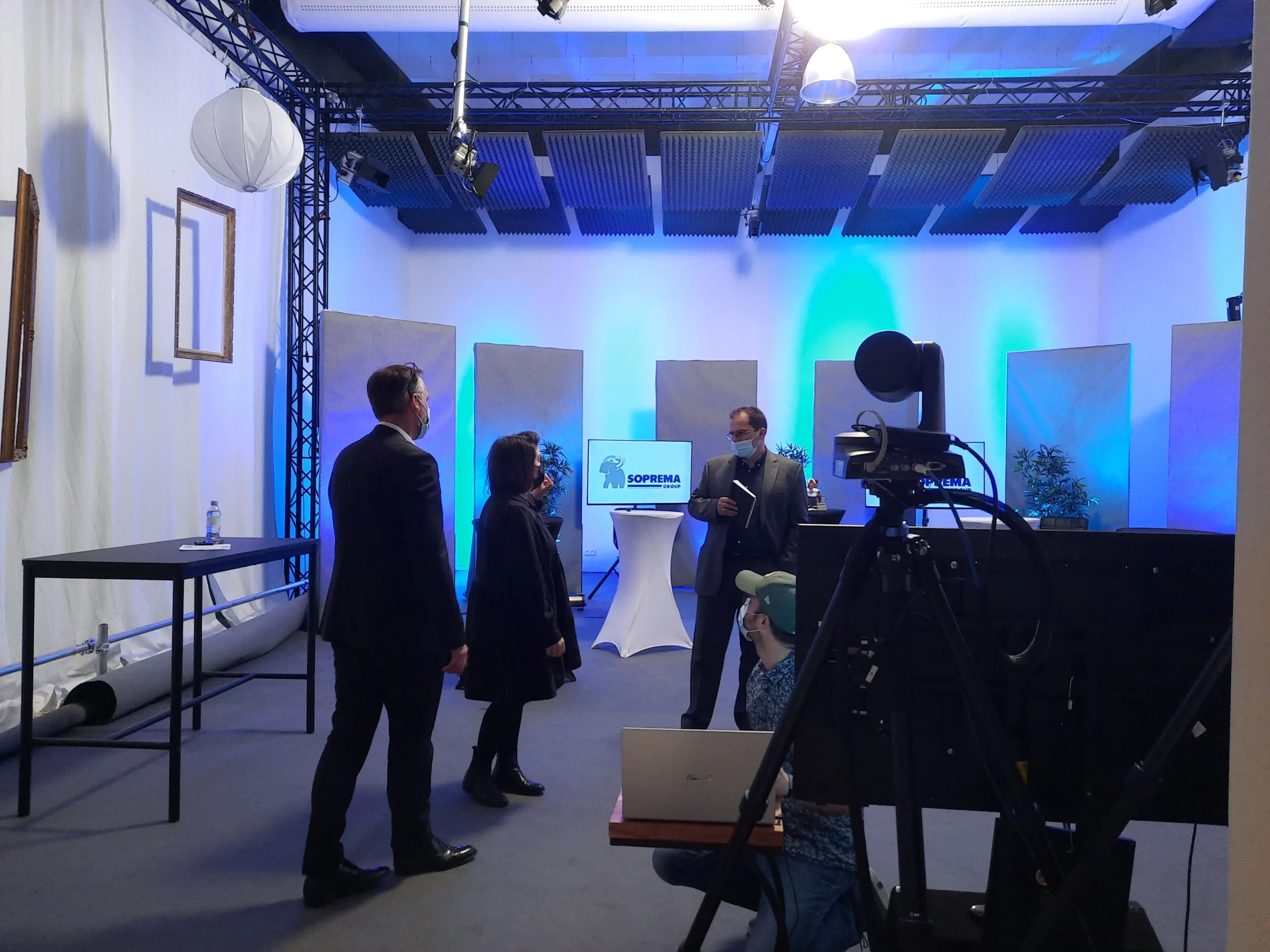
Hybrid stakeholder simulation: one part of the team is “remote leadership” (video call), reflecting the reality of multi-site operations in Quebec. This tests decision latency and message consistency.
Comms dark-site sprint: Communications builds a holding statement and internal memo in 20 minutes while negotiations continue, then we stress-test it against evolving facts.
After-action “board slide” deliverable: we end with a one-page executive summary formatted like a board update: situation, decisions, exposures, next steps, and required policy changes.
The best format is the one that matches your brand and governance. A public company or regulated organization in Quebec needs tighter documentation and approval chains; a fast-growth tech company may prioritize speed and internal alignment. We design the workshop so the behaviours practiced are the behaviours you can defend afterward.
The venue directly impacts psychological safety, confidentiality, and the realism of the simulation. In Quebec, we usually recommend settings that allow separation between the negotiating team and observers, controlled entry, and stable AV for timed injects. If you are comparing partners, ask who is responsible for room flow, signage discretion, and last-minute changes—those details determine whether the day runs like an executive exercise or a chaotic meeting.
| Venue type | For which objective? | Main strengths | Possible constraints |
|---|---|---|---|
| Confidential hotel meeting suites (downtown Montréal / Québec City) | Executive-level simulation with privacy and strict timing | Multiple rooms, controlled service, reliable AV, easy access for participants | Cost can rise quickly; must manage corridor privacy and room signage |
| Client site boardroom + breakout rooms | Train in your real environment and test your internal coordination | Highest realism; easier access to internal resources and policies; no travel friction | Harder to isolate observers; interruptions from day-to-day operations; security approvals |
| External training centre in Quebec | Neutral space for cross-functional alignment (HR/Legal/Ops/Comms) | Less internal distraction; flexible room configurations; good for repeat cohorts | Less realistic context; requires stronger scenario immersion and stricter access control |
We strongly recommend a short site visit (or at minimum a virtual walk-through) to validate room adjacencies, noise levels, and entry control. In a Crisis Negotiation Workshop, a venue detail like thin walls or uncontrolled hallway traffic can undermine confidentiality and participant focus.
Pricing for a Crisis Negotiation Workshop depends on complexity, participant count, realism level, and deliverables. In Montréal and across Quebec, budgets typically reflect the difference between a facilitated discussion and a full simulation with role-players, scoring, and executive-ready outputs.
Format length: half-day vs full-day vs two-part program (training + later simulation). A common structure is 3.5–4.5 hours plus debrief.
Number of participants and rooms: 12–20 supports deep practice; 25–60 often requires parallel groups and a consolidated executive debrief.
Scenario design level: generic scenario adaptation vs bespoke scenarios based on your policies, escalation paths, and sector risks in Quebec.
Role-player involvement: professional actors increase realism and emotional control but add cost; they are most valuable for workplace threats, harassment escalation, or media-pressure scenarios.
Deliverables: decision log templates, escalation map, comms holding statements, after-action report, and a 30-day action plan for governance updates.
Language requirements: bilingual facilitation and materials (English/French) when needed, including bilingual role-play.
Confidentiality and security: controlled access, NDAs, restricted attendee lists, and constraints around recording or note-taking.
ROI is measured in avoided costs and faster containment: fewer inconsistent messages, reduced decision delays, and better documentation if an incident triggers HR actions, regulatory scrutiny, or legal proceedings. A well-run workshop often identifies 3–7 concrete process fixes that materially reduce exposure in the next real event.
When the subject is crisis negotiation, local execution matters. An agency established in Quebec understands the practical constraints of bilingual leadership teams, union realities, and the pace at which information circulates in local ecosystems. We also know how to keep discretion: neutral signage, controlled participant flow, and vendors who are used to corporate confidentiality.
INNOV'events operates from Montréal and supports mandates across the province. If your team is split between Montréal and Québec City, we can run consistent cohorts and consolidate learnings at the executive level. For clients who also need broader corporate event support in the Capitale-Nationale, you can see our profile as an event agency in Quebec and how we manage logistics with the same operational discipline.
ROI is measured in avoided costs and faster containment: fewer inconsistent messages, reduced decision delays, and better documentation if an incident triggers HR actions, regulatory scrutiny, or legal proceedings. A well-run workshop often identifies 3–7 concrete process fixes that materially reduce exposure in the next real event.
Across Quebec, we are often asked to simulate situations that sit between HR, Security, and Communications—exactly where governance gaps usually appear. A typical mandate starts with leadership saying: “We have a crisis plan, but we’ve never tested the negotiation part under time pressure.”
Examples of scenarios we build and facilitate (always adapted to your context and approved in advance):
Workplace threat escalation: an employee under disciplinary action makes a credible threat and demands a meeting with an executive. The team must balance duty of care, documentation, safety controls, and a negotiation channel that doesn’t inflame the situation.
Supplier pressure with operational impact: a critical vendor threatens to halt deliveries unless terms are changed within hours. Operations wants continuity, Finance wants control, Legal wants defensible commitments. The scenario tests mandate clarity and concession governance.
Reputational escalation on social media: a misinterpreted internal email leaks and triggers public backlash. A third party offers to “help resolve” the situation for a fee. The team must negotiate while Communications manages a holding line and internal messaging.
Activist or stakeholder disruption: planned disruption at a corporate site or event. The negotiation is with organizers, building management, and potentially public authorities—while protecting employee safety and brand posture.
In each case, the value is not the drama; it’s the operational learning: who approves what, how quickly decisions can be made, what evidence is required, and how to keep one narrative across internal and external channels.
No clear negotiation authority: participants talk in circles because no one owns the mandate. We force an early “authority check” and document who can approve concessions.
Over-sharing information: teams reveal facts too quickly to “calm things down,” creating legal or reputational exposure. We train controlled disclosure and consistent messaging.
HR and Communications operating in parallel: HR drafts internal notes while Comms prepares external lines, but the facts and tone don’t match. We build coordination checkpoints into the simulation.
Unmanaged emotional escalation: a role-play becomes personal, or a participant feels targeted. We set boundaries, use safe words if needed, and debrief with respect and clarity.
Too many observers, not enough practice: leadership invites everyone, and nobody gets hands-on time. We design rotations so each function practices, not just watches.
Debrief without deliverables: teams leave with “good discussions” but no changes. We capture decisions and convert them into a short action plan with owners and deadlines.
Our role is to make the day demanding but controlled—so you discover weaknesses in governance and coordination in a safe room, not during a real incident in Quebec where the costs are immediate.
Renewal happens when the workshop creates usable change: updated decision paths, clearer roles, and leadership confidence that holds under pressure. In Quebec, repeat clients typically schedule an annual or semi-annual cycle—one session for executives and one for operational leaders—so the playbook stays current as teams and risks evolve.
Most repeat mandates are driven by leadership turnover, new sites, or new exposure (growth, public scrutiny, new labour context).
Organizations that repeat the workshop typically reduce “decision latency” in simulations by 20–40% between cycles because authority and escalation rules become explicit.
When we run parallel cohorts, we consolidate patterns into 5–10 priority fixes that executives can sponsor without launching a multi-month project.
Loyalty is not about habit; it is proof that the approach respects executive time and produces operational outputs that teams actually adopt.
We start with a 30–45 minute call with an executive sponsor (HR, Security, Legal, or Comms) to define the risk type, participants, and what “success” means. We clarify constraints: confidentiality rules, union environment, ongoing files we must avoid, language requirements, and whether the organization wants coaching, assessment, or both.
We build a scenario arc with inject timing, stakeholder profiles, and decision checkpoints. We validate it with your internal stakeholders (often HR + Legal + Comms) to ensure realism without touching sensitive active cases. We also agree on what will be documented: decision logs, escalation triggers, and message templates.
We confirm venue layout (separate rooms, controlled entry), AV needs, and timing. We implement discretion measures: neutral naming, limited attendee lists, and NDAs if required. We also plan participant materials (role cards, templates) and define whether observers are silent, scored, or participating in rotation.
We run the workshop with a disciplined cadence: brief, simulation rounds, structured pauses, and a final executive debrief. We keep the negotiation realistic but bounded, ensuring psychological safety while still testing leadership behaviours. If you request it, we can include role-players and a comms “dark-site” sprint.
Within 5–10 business days, we deliver a concise after-action report: what worked, what failed, and prioritized fixes with owners. Many clients in Quebec also request a short follow-up meeting to confirm which policy updates, templates, and escalation maps will be adopted and by when.
Most organizations in Quebec choose 3.5–4.5 hours for a first session (brief + 2–3 simulation rounds + debrief). For mature teams, a full day (6–7 hours) allows deeper rotations, observer scoring, and stronger deliverables.
For hands-on practice, 12–20 participants is ideal. For 25–60, we recommend parallel groups with standardized scenarios and a consolidated executive debrief so you still get consistent learning and comparable outcomes.
Yes. We can facilitate in English or French and run bilingual materials. For mixed teams, we often keep one negotiation channel per language to avoid confusion, then align decisions and key messages in a bilingual debrief.
Common scenarios include workplace threat escalation, executive harassment, union-sensitive incidents, supplier or client disputes with time pressure, activist disruptions, and reputation-driven negotiation where communications constraints shape what can be said. We confirm the scenario scope in advance to avoid sensitive active cases.
We typically need: participant list and roles, your existing crisis or escalation framework (even if incomplete), any comms approval chain, and constraints (confidentiality, language, union context, security rules). With that, we can propose a plan and budget within 5–7 business days.
If you are comparing providers, we suggest starting with a short scoping call. We will confirm the scenario type, participant profile (executives, HR, communications, security), language requirements, and the deliverables you want afterward (templates, escalation map, after-action report). From there, we can propose a clear format, timeline, and budget that fits your operational reality in Quebec.
Contact INNOV'events to plan your Crisis Negotiation Workshop in Quebec early—venues and senior calendars fill quickly, and the best results come when we have time to validate governance details before the simulation day.
Thierry GRAMMER is the manager of the INNOV'events Quebec office. Reach out directly by email at canada@innov-events.ca or via the contact form.
Contact the Quebec agency