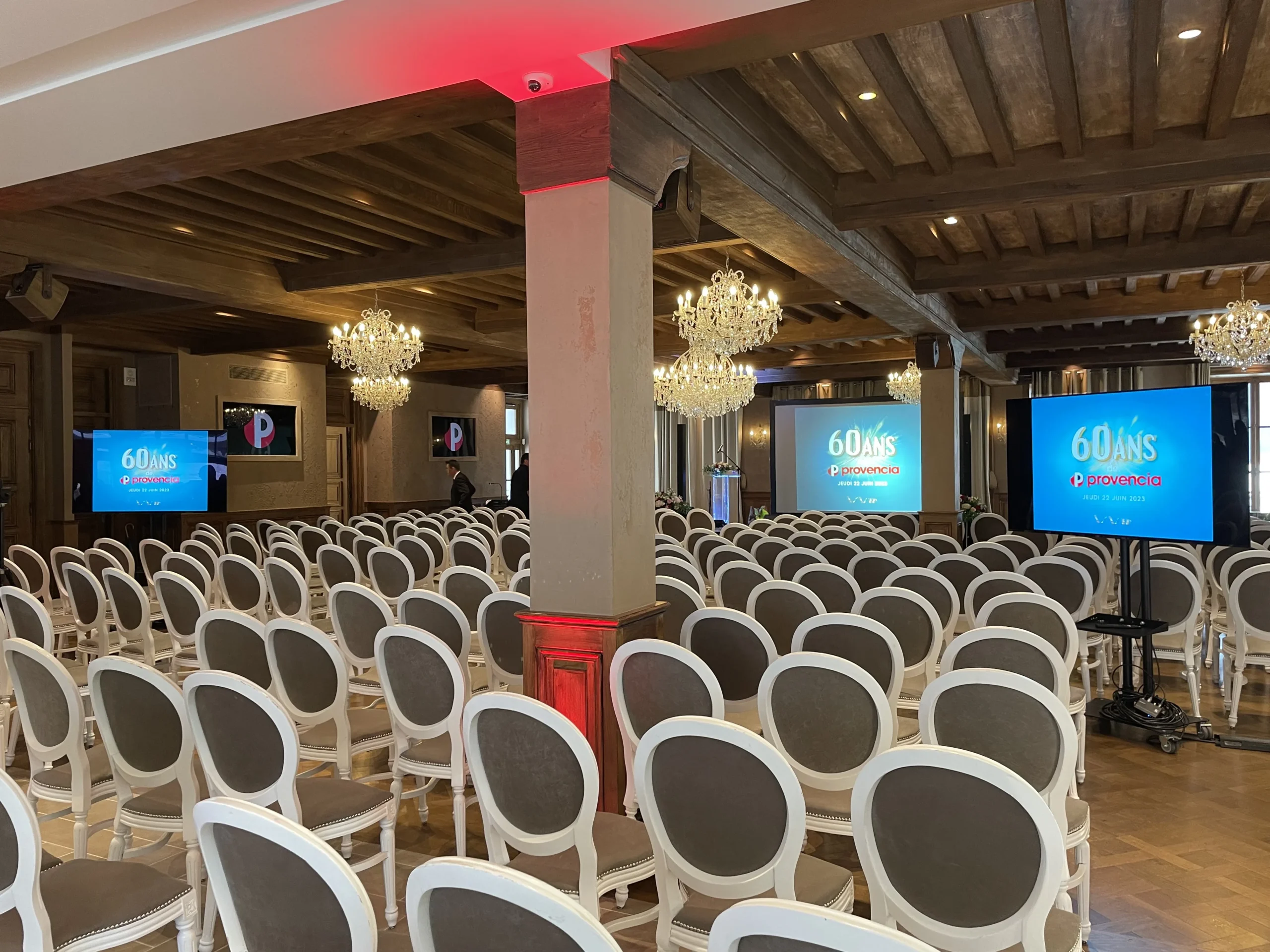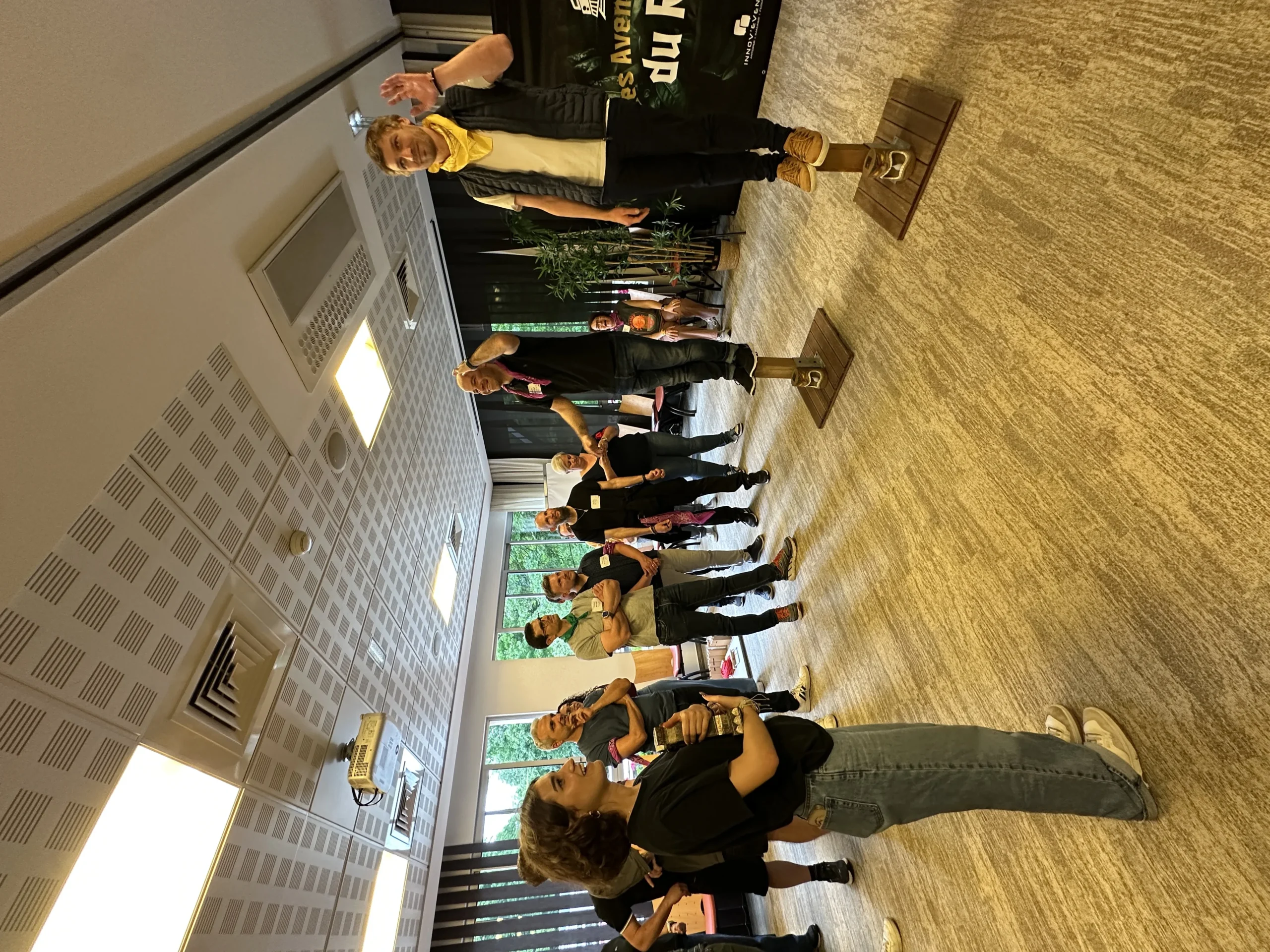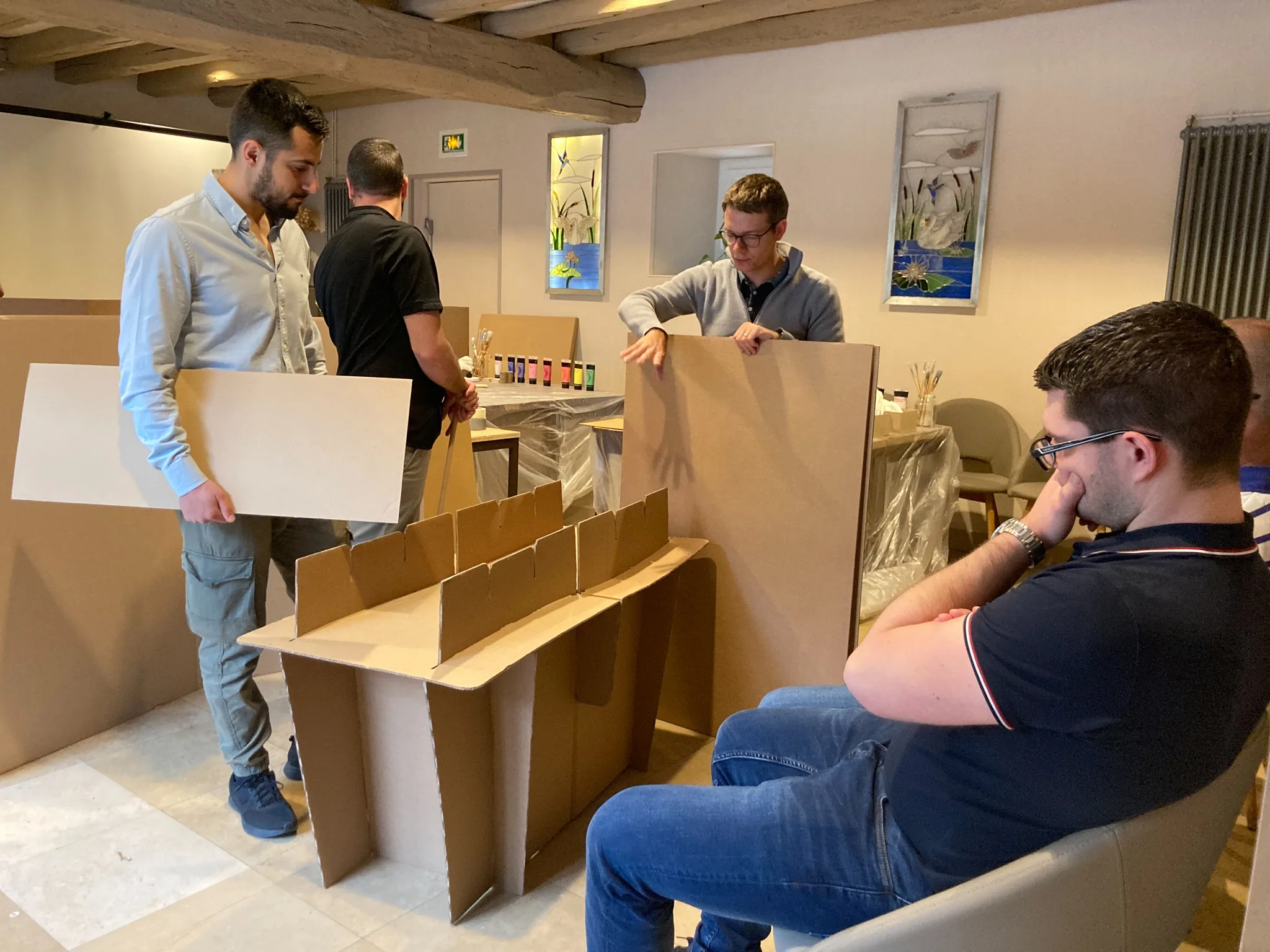
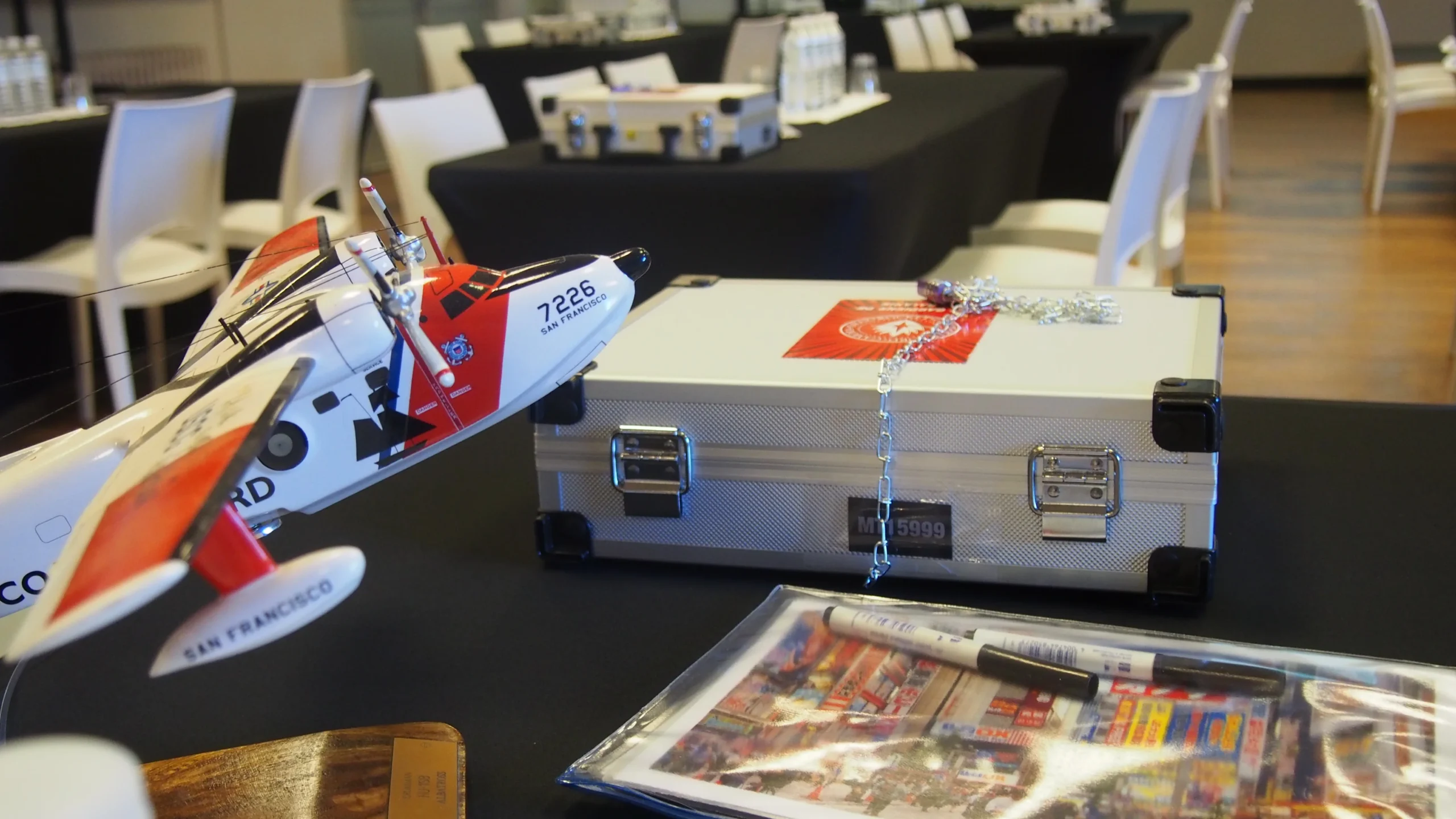
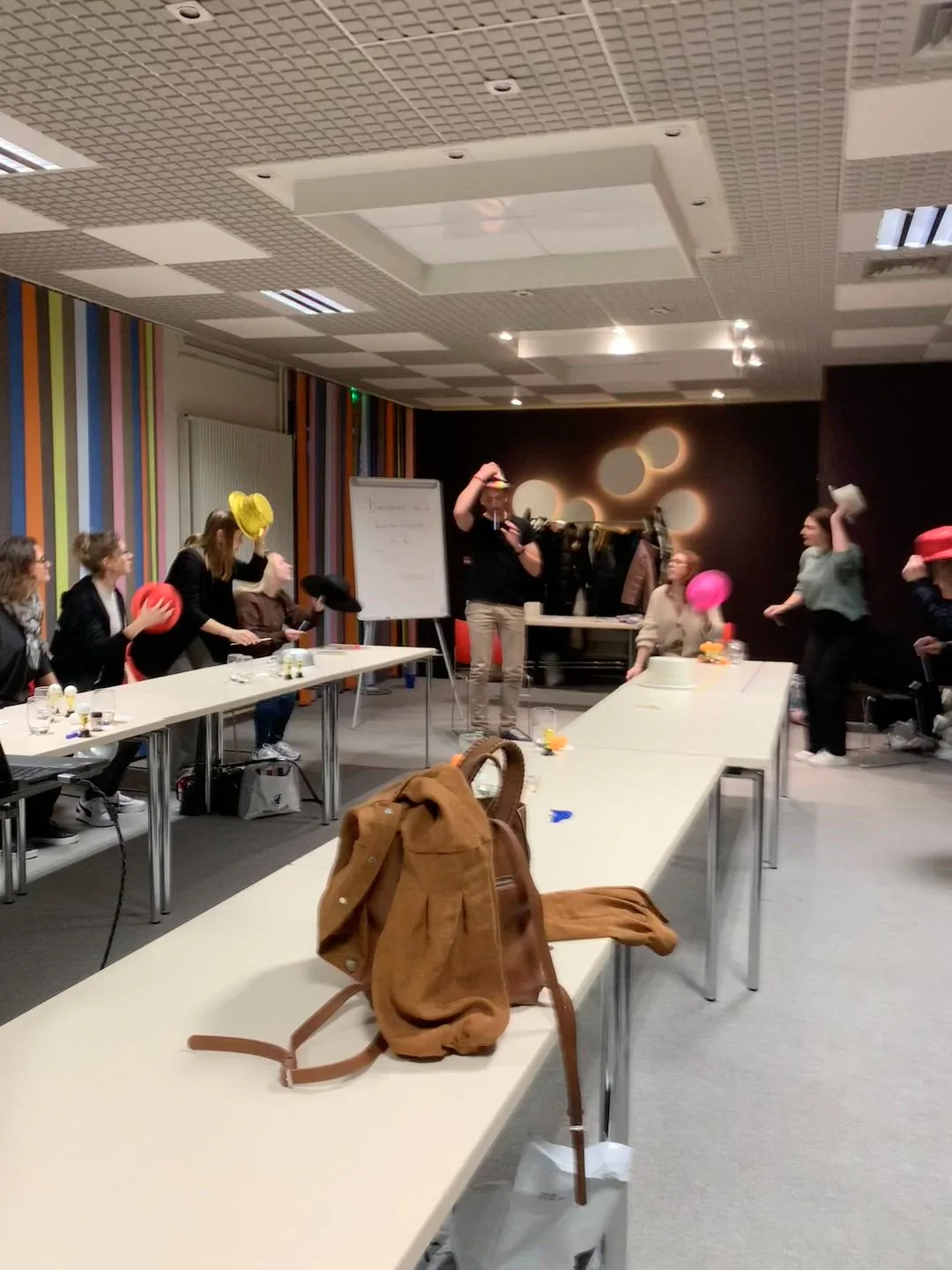
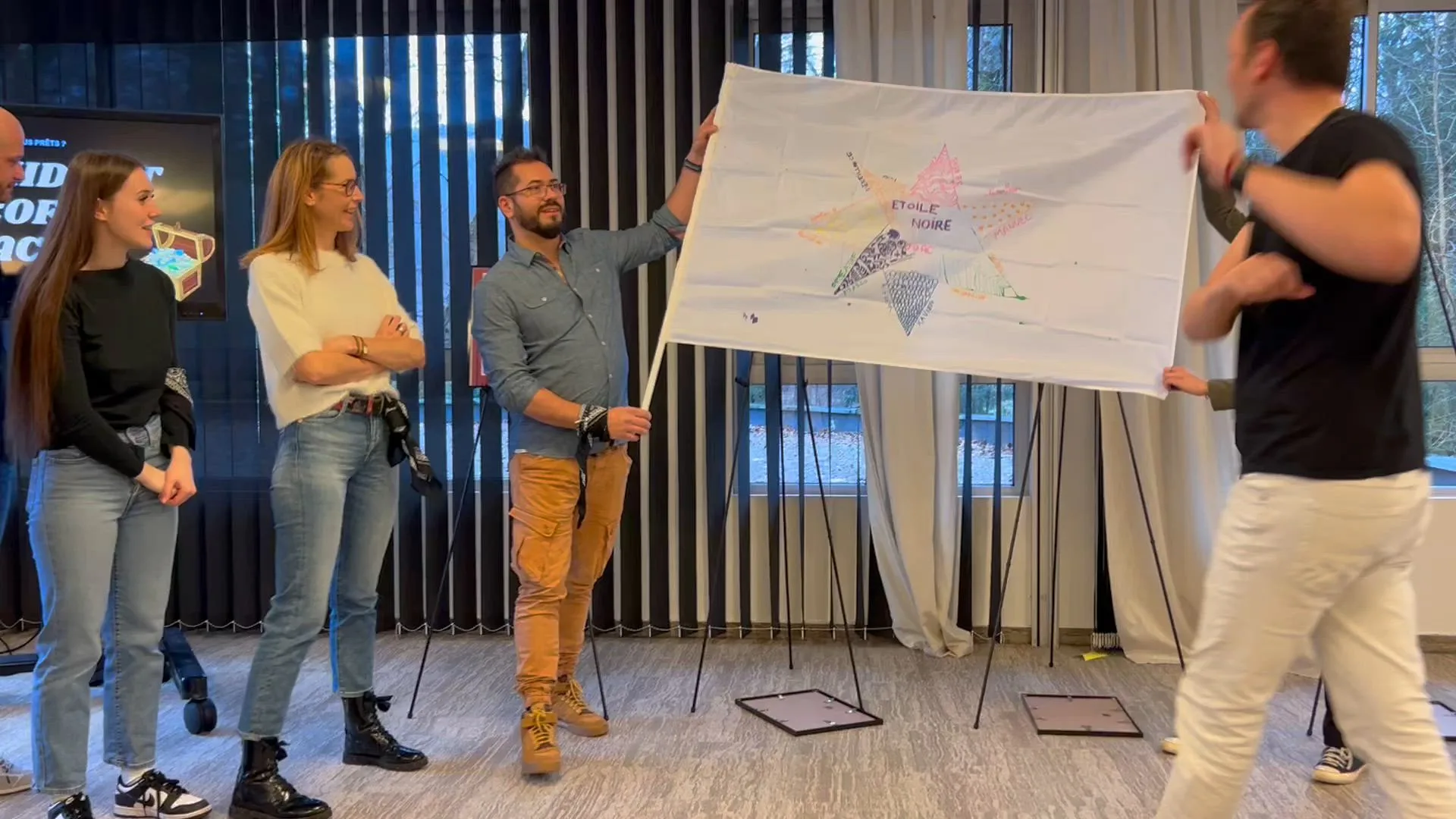

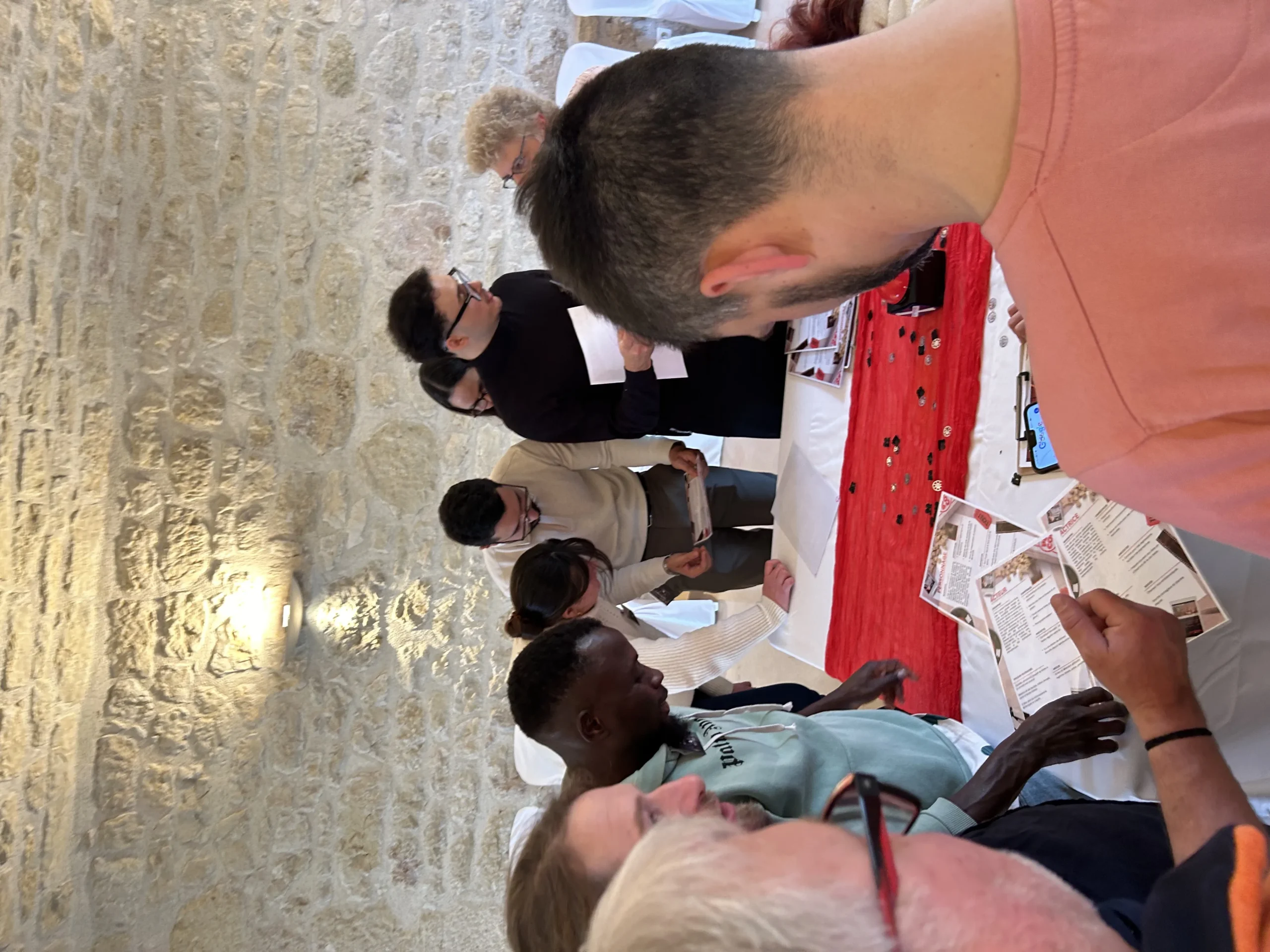
Crisis Management Workshop in Quebec: train leaders to decide under pressure
location_on Crisis Management Workshop · Quebec

Crisis Management Workshop in Quebec: train leaders to decide under pressure

INNOV'events (Montréal) designs and delivers Crisis Management Workshop formats for executives, HR and communication teams across Quebec, from 12 to 250 participants. We run realistic simulations, facilitate decision-making, and set up the operational conditions (briefing, roles, comms flow, debrief) so your team leaves with usable reflexes—not theory.

Typical outcomes: a clarified chain of command, faster decisions, fewer reputational missteps, and a practical crisis playbook you can adapt the next day.

10+ Ans d'exp.
500+ Événements réalisés
4.9 / 5 Note clients
updateMis à jour le 17/04/2026 par Thierry GRAMMER.
Sommaire expand_more

In a corporate event setting, a crisis workshop is not “training as a perk”; it’s risk reduction. When the room is well designed—timed injects, stakeholder pressure, media noise—leaders practice making defensible decisions with incomplete information, exactly like a real incident in Quebec.

Organizations here expect realism and discretion: bilingual realities, unions, strong regulatory oversight (CNESST, MAPAQ, environment), and fast local media cycles. Your executives want a workshop that respects their time, protects sensitive information, and produces concrete next steps.

Based in Montréal, we build Crisis Management Workshop in Quebec experiences with operational discipline: pre-reads, role allocation, facilitation, documentation, and executive debriefs. You get a team that has run sessions for head offices, plants, distribution networks and public-facing organizations across the province.

Organiser Crisis Management Workshop in Quebec: train leaders to decide under pressure
Crisis Management Workshop https://innov-events.ca/en/event-agency-in-quebec-city/

Proven delivery capacity across Quebec (realistic numbers, not slogans)

10–25 minutes: typical response-time gap we help teams reduce between first alert and first executive decision (measured during simulations).

6–12 crisis roles mapped in a standard session (Incident Lead, Ops, HR, Legal, Comms, IT, HSE, Finance, Liaison, etc.), with clear handoffs and escalation rules.

3 simulation intensity levels (tabletop / hybrid tabletop + live comms / full-paced war-room) to match maturity and risk exposure.

2 languages: English or bilingual delivery, with Québec-specific terminology (CNESST, SST, syndicats, municipal stakeholders) integrated naturally.

Quebec-based delivery for Montréal, Québec City and regional sites

INNOV'events supports organizations operating across Quebec: head offices in Montréal, distribution hubs on the South Shore and North Shore, industrial sites in Montérégie and Lanaudière, and multi-site service networks that must coordinate decisions quickly. Many of our clients repeat annually because the risks evolve: new executives, new systems, new suppliers, and new reputational exposure.

We often work with HR and communications teams who need a format that is credible for executives and safe for employees. That means: controlled scenarios, clear boundaries on confidentiality, and a debrief that produces decisions (not just “lessons learned”). If you have sensitive constraints (union context, regulated product, ongoing litigation, an active incident), we design around them and keep your internal dynamics protected.

⚡ Besoin d’un devis rapide ?

Nous vous envoyons une première proposition sous 24h.

Votre devis sous 24h

Why run a crisis workshop in Quebec before the next incident

A crisis does not fail because people “don’t care.” It fails because decisions are made with partial facts, unclear authority, and competing priorities—operations, people safety, legal risk, and reputation. A Crisis Management Workshop in Quebec gives your leadership team a rehearsal space where mistakes are allowed, documented, and corrected before the real world watches.

For executives, HR and comms, the workshop is also a governance tool: it surfaces who owns what, which approvals slow you down, and where your messages could conflict with operational reality.

  • Executive decision velocity: practice making a first “defensible decision” within 15–30 minutes of the initial alert, even when facts are evolving.

  • Role clarity and escalation: confirm who is Incident Lead, what triggers a CEO briefing, when Legal must be in the loop, and what HR can communicate internally without creating risk.

  • Communication discipline under pressure: build message maps that align operations + comms; avoid contradictory statements (a common failure in public-facing incidents in Quebec).

  • Stakeholder management: simulate the realities of local actors—municipal officials, local media, CNESST inspectors, client procurement teams, union reps, and impacted families.

  • Operational continuity: decide what you keep running, what you shut down, and how you document that decision for regulators and insurers.

  • HR readiness: handle employee safety, psychological support, scheduling, and discipline processes without inflaming tensions or breaching privacy obligations.

  • Actionable deliverables: a short post-session package (decision log, comms timelines, gaps, and prioritized corrective actions) that your team can implement within 30–60 days.

Quebec organizations operate in a high-trust, high-accountability environment. When things go wrong, stakeholders expect competence and transparency—fast. Training that reality, with your own constraints, is a strategic investment in governance and brand protection.

What Quebec organizations expect from a credible crisis simulation

In Quebec, “crisis management” is rarely limited to media relations. The most demanding directors we work with ask for a workshop that mirrors real pressure points: a plant stop that impacts delivery commitments, a data incident with privacy implications, or a health and safety event where employee families are involved before the press is.

Here are the expectations we see consistently from executives, HR and communications teams:

  • Operational realism: scenarios must respect how your business actually runs—shift changes, approvals, vendor dependencies, and the fact that the right person is not always available at the right moment.
  • Regulatory and institutional context: whether you’re dealing with CNESST, municipal authorities, MAPAQ, the Ministry of the Environment, or sector regulators, teams need to practice “who calls whom” and what to document.
  • Bilingual and cultural nuance: even in primarily English workplaces, a public incident in Montréal or Québec City can flip to French-first within minutes. We plan for message control and translation without losing time.
  • Union and workforce realities: HR must anticipate how an incident affects schedules, investigations, and employee trust—especially if there’s already tension in labour relations.
  • Discretion: leaders want to test weaknesses without creating internal blame. We structure sessions with clear rules, safe facilitation, and a fact-based debrief.

The result is a workshop that feels like a controlled operational rehearsal—not an academic exercise—and that produces decisions you can defend.

Organize your corporate event with INNOV\'events!

Which crisis workshop formats work best in Quebec corporate settings

In a Crisis Management Workshop, “animation” is not entertainment for its own sake. It’s the facilitation mechanism that creates engagement, stress inoculation, and learning transfer. In Quebec organizations, the formats that work best are those that simulate real constraints: time pressure, incomplete data, stakeholder tension, and reputational exposure.

Interactive animations in Quebec

Tabletop simulation with timed injects: a structured scenario run in 90–180 minutes, where we introduce new facts every 10–15 minutes. Ideal for executive committees who need clarity on roles and escalation.

Live communications drill: your comms team drafts holding statements, internal messages, and Q&A while executives approve under time pressure. We can simulate a journalist call, a client escalation, and employee social media chatter.

Decision-making under uncertainty: a facilitated sequence where leaders must choose between imperfect options (shutdown vs keep running, disclose now vs wait, discipline vs support). We highlight cognitive traps we see in real incidents: “wait for more info,” conflicting approvals, and over-reliance on one expert.

Cross-functional negotiation: HR, operations, legal and comms solve a conflict (e.g., safety investigation vs business continuity vs confidentiality). This mirrors what happens in many Quebec workplaces where labour relations and public expectations collide.

gesture

Art animations in Quebec

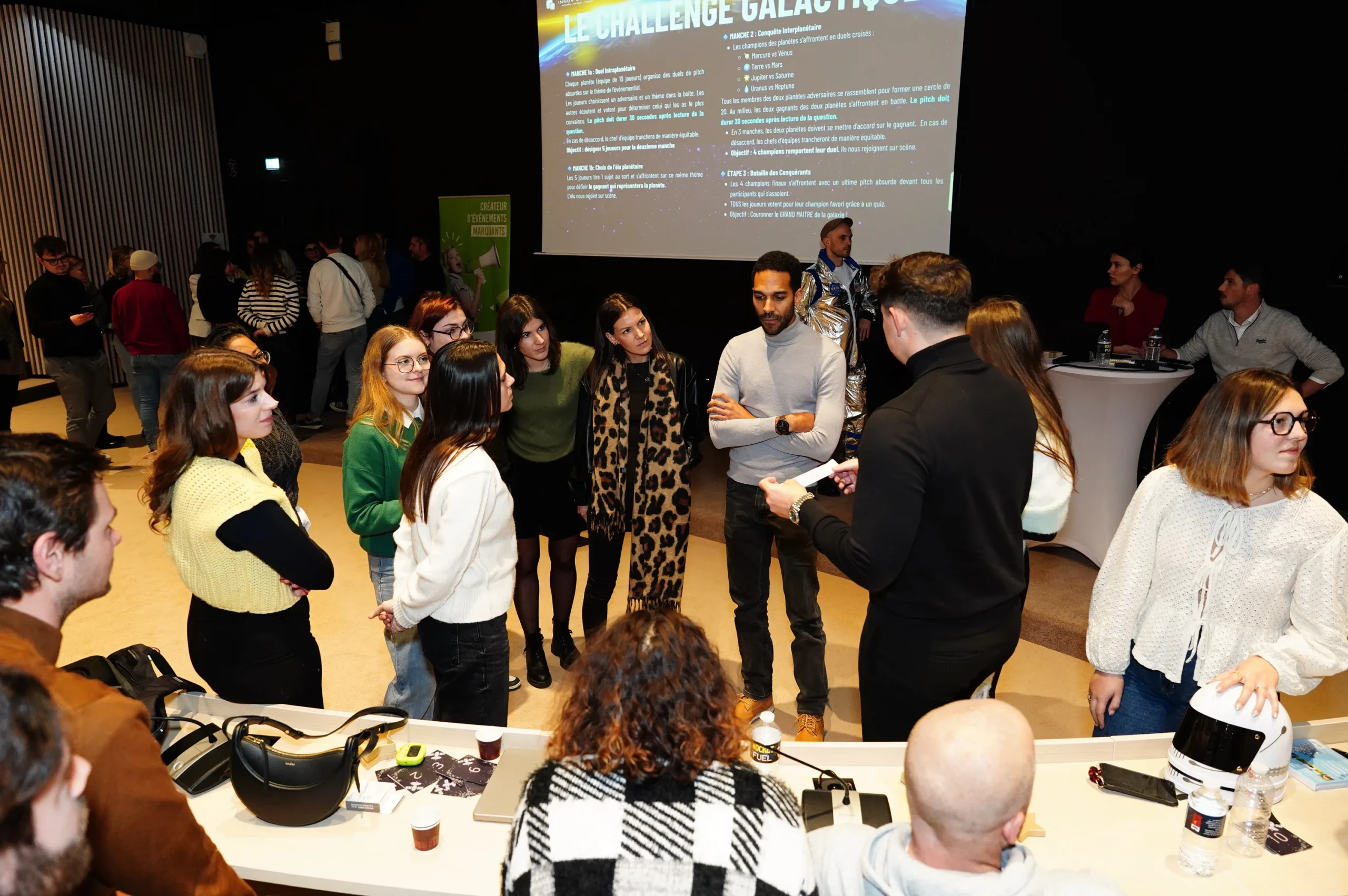
Actor-based stakeholder pressure: trained role-players simulate a worried family member, an angry customer, a union representative, or a municipal official. It’s highly effective to test tone, empathy and boundaries without exposing your organization publicly.

Media scrum simulation: a controlled “press moment” where a spokesperson must deliver a short statement and answer hostile questions. We focus on message discipline and avoiding legal/operational contradictions—not theatrics.

palette

Innovative animations in Quebec

Working lunch with structured debrief: practical for full-day sessions in Montréal or Québec City. We keep the rhythm: a short lunch, then an after-action review while decisions are fresh, so the team leaves with commitments and owners.

Stakeholder roundtable over coffee: for leadership offsites, we facilitate a quieter format to align executives on risk appetite and “what we will never do” during a crisis (e.g., blaming employees publicly, delaying a safety shutdown).

lunch_dining

Gourmand animations in Quebec

Hybrid war-room with digital inject platform: participants receive emails, chat messages and “screenshots” as the scenario evolves. This reflects modern incidents where internal comms and public narratives move at the same time.

Cyber + operations crossover scenario: we often see Quebec companies underestimate how a cyber incident quickly becomes an operational and reputational crisis. The workshop can simulate ransom pressure, system outages, and client contract impacts.

Two-site coordination drill: for organizations with a Montréal head office and regional sites, we simulate coordination failures: who speaks, who decides, and how information travels when the incident is outside the HQ.

tips_and_updates

Whatever the format, alignment with brand and governance matters. A public institution, a unionized industrial site, and a consumer brand in Quebec do not communicate—or decide—the same way. We design the workshop to reflect your operating model, your risk tolerance, and the reputation you must protect.

Where to host a crisis management workshop in Quebec City

The venue shapes behaviour. A crisis workshop needs a setting that supports focus, confidentiality, and fast collaboration—especially when executives must make decisions while comms and HR run parallel tracks. In Québec City, we look for spaces that allow a main “war-room” plus breakouts for HR/comms/legal, with reliable connectivity and discreet access.

Venue typeFor which objective?Main strengthsPossible constraints

Boardroom in your office (HQ or regional)

Test your real chain of command and internal tools

Realistic environment, access to internal documents, easier attendance for executives

Interruptions, confidentiality management, limited breakout rooms

Hotel meeting floor (Québec City / Montréal)

Full-day workshop + debrief with fewer distractions

Neutral setting, multiple rooms, catering, easier confidentiality control

Cost, strict schedules for room turnover, Wi‑Fi dependencies

Offsite training centre / business hub

Run a war-room layout with parallel workstreams

Flexible set-up, whiteboards, AV support, good for hybrid participants

Availability, travel time, need to secure the space for privacy

We recommend a quick site visit (or virtual walk-through) to confirm acoustics, breakout flow, Wi‑Fi resilience, and where sensitive documents will sit. Those practical checks prevent the “event-day friction” that can undermine a serious workshop.

What does a crisis management workshop cost in Quebec

Budget for a Crisis Management Workshop in Quebec depends on scope and realism. A simple tabletop for a small leadership team is not priced like a multi-track simulation with actor pressure, bilingual deliverables, and a documented improvement plan. The right question is: what level of readiness do you need, and what risks are you trying to reduce?

Duration and format: 2–3 hours (executive tabletop) vs 1 full day (simulation + comms drill + debrief) vs 2 days (multi-scenario, multi-site).

Number of participants: 12–20 in a single war-room vs 30–80 with parallel breakouts and observers; larger groups require more facilitation and room management.

Scenario complexity: a single incident (e.g., HSE event) vs cascading crises (HSE + cyber + supply disruption) with stakeholder pressure and multiple decision points.

Bilingual delivery: facilitation in English with French stakeholder injects, or fully bilingual outputs. Translation speed matters in Quebec; we plan for it operationally.

Deliverables: decision log, after-action report, updated escalation matrix, spokesperson Q&A, internal comms templates, and a 30–60 day action plan.

Confidentiality and risk constraints: if Legal requires a controlled approach, we adjust documentation and data handling (often worth it to protect the organization).

Travel and multi-site coordination: Montréal + Québec City + regional sites changes logistics and facilitation coverage.

ROI is usually visible in two ways: fewer costly delays (the “we waited too long to decide” pattern) and fewer reputational errors (mixed messages, wrong spokesperson, premature statements). Most teams also gain a clear, prioritized improvement plan—so future investments go to the right gaps instead of generic training.

Why choose a crisis workshop partner based in Montreal

In crisis readiness, local execution matters. A partner established in Montréal understands the pace of Quebec stakeholders, the bilingual public narrative, and how quickly an issue can move from an internal incident to a province-wide reputational problem. It also means we can do quick in-person alignment sessions, site walkthroughs, and last-minute adjustments without turning your workshop into a remote, generic training day.

When you work with INNOV'events, you also get the operational reliability of a local events team: room flow, timing, participant management, and the logistics that keep executives focused. If you need support beyond Montréal, our network extends across the province—including Québec City—through our reference as an event agency in Quebec for corporate and institutional clients.

  • Faster discovery: we can meet in person and map your real decision chain, not a theoretical one.
  • Quebec-specific stakeholder realism: regulators, municipalities, unions, media patterns, and community expectations reflected in the scenario.
  • Reliable event-day execution: tight schedules, secure documents, controlled access to the room, and facilitation that protects leadership time.
  • Better adoption: when the workshop language and examples match your Quebec context, teams keep and use the tools.

ROI is usually visible in two ways: fewer costly delays (the “we waited too long to decide” pattern) and fewer reputational errors (mixed messages, wrong spokesperson, premature statements). Most teams also gain a clear, prioritized improvement plan—so future investments go to the right gaps instead of generic training.

+3000 clients referencesThey trust us

Examples of crisis scenarios we run in Quebec organizations

Across Quebec, we see recurring crisis patterns—different industries, same decision challenges. Our workshops are built from field realities executives recognize:

  • Health & safety incident at a site: a serious injury during a shift change, with CNESST involvement, employee families seeking information, and operations under pressure to restart. HR and comms must coordinate empathy, privacy and facts.
  • Product or food safety recall: a supplier issue becomes a brand crisis. The team must decide timing of disclosure, retailer communications, customer service scripts, and internal workforce messaging—without contradicting Legal.
  • Cyber incident with operational impact: ransomware disrupts distribution and payroll. Executives face ransom pressure, client penalties, and employee frustration. Communications must avoid promises operations can’t keep.
  • Harassment or misconduct allegation: an internal HR case leaks externally. The crisis becomes governance + reputation. Leaders must manage investigation integrity, employee trust, and public messaging without damaging due process.
  • Environmental event: spill or emission complaint, municipal attention, community groups, and media escalation. Operations must document actions; comms must maintain credibility; executives must set a transparent posture.

In each case, our goal is not to “win the simulation.” It’s to surface friction points—approvals, missing contacts, unclear thresholds, and message contradictions—then translate them into concrete corrections your team can implement.

Organize your corporate event with INNOV\'events!

Common mistakes we prevent during crisis workshops in Quebec

close

Overloading the scenario with theatrics: too much noise reduces learning. We calibrate pressure to your maturity and objectives.

close

No single decision owner: committees debate; nobody decides. We force clarity on Incident Lead and escalation rules.

close

Comms working in isolation: messages drift from operations. We run parallel tracks and reconcile decisions in real time.

close

Ignoring HR realities: scheduling, employee support, union dynamics, and privacy issues become the real crisis. We integrate HR decision points early.

close

Unrealistic timing: in the real world, you do not get “one hour to think.” We build time pressure with defensible decision standards.

close

No after-action ownership: workshops end with “good discussion” and no change. We produce a prioritized action plan with owners and deadlines.

Your leadership team does not need another meeting. They need a controlled rehearsal that reveals risks and produces decisions. Our role is to design the exercise, manage the day with discipline, and prevent the typical failure modes that waste executive time.

Why Quebec clients repeat crisis simulations year after year

Repeat engagement is common because crisis readiness is not a one-time checkbox. Teams change, systems evolve, and new risks appear (cyber exposure, supplier fragility, social media amplification). Organizations in Quebec come back when the workshop genuinely helps them operate better under pressure.

1

12–18 months: typical cadence we see for repeating a simulation with the same leadership group, often alternating scenario types (HSE one year, cyber the next).

2

30–60 days: practical window to implement quick wins after the workshop (contact lists, escalation thresholds, comms templates, decision logs).

3

3–5 priority fixes: the usual number of high-impact changes we help teams identify rather than spreading efforts across dozens of minor items.

INNOV'events Quebec, Crisis Management Workshop in Quebec: train leaders to decide under pressure

Loyalty happens when the workshop produces operational change: clearer governance, faster decisions, and fewer communication errors. That’s the standard we hold ourselves to at INNOV'events.

Our delivery process for a crisis management workshop in Quebec

👉 Step 1 — Confidential scoping call (Quebec context)

We start with a structured call with an executive sponsor plus HR and communications leads. We confirm objectives (decision speed, spokesperson readiness, escalation, cross-site coordination), constraints (union dynamics, ongoing investigations, regulatory sensitivity), and what “success” looks like in measurable terms (e.g., first executive decision in 20 minutes, one approved holding statement, clear escalation matrix).

👉 Step 2 — Scenario design and stakeholder map (Montreal-ready realism)

We build the scenario around your actual operating model: sites, vendors, customer contracts, and governance. We create a stakeholder map (internal + external) and inject schedule. If bilingual outputs are required, we define the translation workflow so comms is not blocked mid-simulation.

👉 Step 3 — Logistics, roles and war-room setup

We lock the venue requirements (main room + breakouts), participant list, and roles (Incident Lead, Ops, HR, Legal, Comms, IT, Liaison). We define rules: confidentiality, no recording (unless explicitly agreed), and how observers can participate without disrupting decisions.

👉 Step 4 — Live facilitation and controlled pressure

During the session, we manage timing, deliver injects, simulate stakeholder calls if applicable, and keep the team on decisions—not endless debate. We capture a decision log in real time: what was decided, by whom, and why. This becomes your operational traceability.

👉 Step 5 — After-action review and deliverables

We end with a structured debrief: what happened, what worked, what failed, and what to change. Within an agreed timeline, we deliver a practical package: key decisions, gaps, recommended fixes, and a prioritized 30–60 day action plan aligned with your governance and budget reality.

FAQ sur l'organisation Crisis Management Workshop à Quebec

How long should a Crisis Management Workshop in Quebec last?

Most executive teams choose 2–3 hours for a first tabletop. If you want a comms drill + full debrief with action planning, plan 1 full day. Multi-site or cyber-operational scenarios often require 1.5–2 days.

How many participants is ideal in Montreal for realism?

For a true crisis committee, 8–16 is ideal. You can add 5–20 observers if the room setup supports it. Beyond that, we recommend breakouts (HR/comms/legal) to keep decisions fast and accountable.

Can you run a bilingual crisis simulation in Quebec?

Yes. We can facilitate in English, French, or bilingual. A common setup in Quebec is English facilitation with French-facing stakeholder injects and public statements, so teams practice real translation and approval pressure without losing time.

What deliverables do we get after a Quebec workshop?

Typically: a decision log, a timeline of actions and communications, a gap list, and a prioritized action plan for the next 30–60 days. If requested, we also deliver message maps, spokesperson Q&A, and an updated escalation/contact matrix.

How far in advance should we book in Quebec City?

For a standard workshop, 3–6 weeks is usually enough. If you need actor-based stakeholder pressure, multiple rooms, or a multi-site drill, plan 6–10 weeks to secure availability and complete scenario validation.

question_mark

Request a quote for your Crisis Management Workshop in Quebec

If you’re comparing partners, we suggest a short scoping call with your executive sponsor, HR lead and communications lead. We’ll confirm the scenario type, participant profile, and the level of pressure you want to test—then we’ll propose a clear format, timeline and budget range.

To protect confidentiality, we can start with a sanitized brief and refine once we have an NDA in place. Contact INNOV'events to schedule your Crisis Management Workshop in Quebec and secure dates early—executive calendars and suitable rooms fill quickly, especially in Montréal and Québec City.

Event agency Quebec
4.80
2,688 reviews
At INNOV'events Quebec, every moment matters, every smile does too.

INNOV'events Quebec Agency

Thierry GRAMMER is the manager of the INNOV'events Quebec office. Reach out directly by email at canada@innov-events.ca or via the contact form.

mailContact the Quebec agency

Toutes nos prestations & animations Quebec, Quebec

celebrationAnimez votre événement !

Découvrez nos animations événementielles disponibles au Quebec