
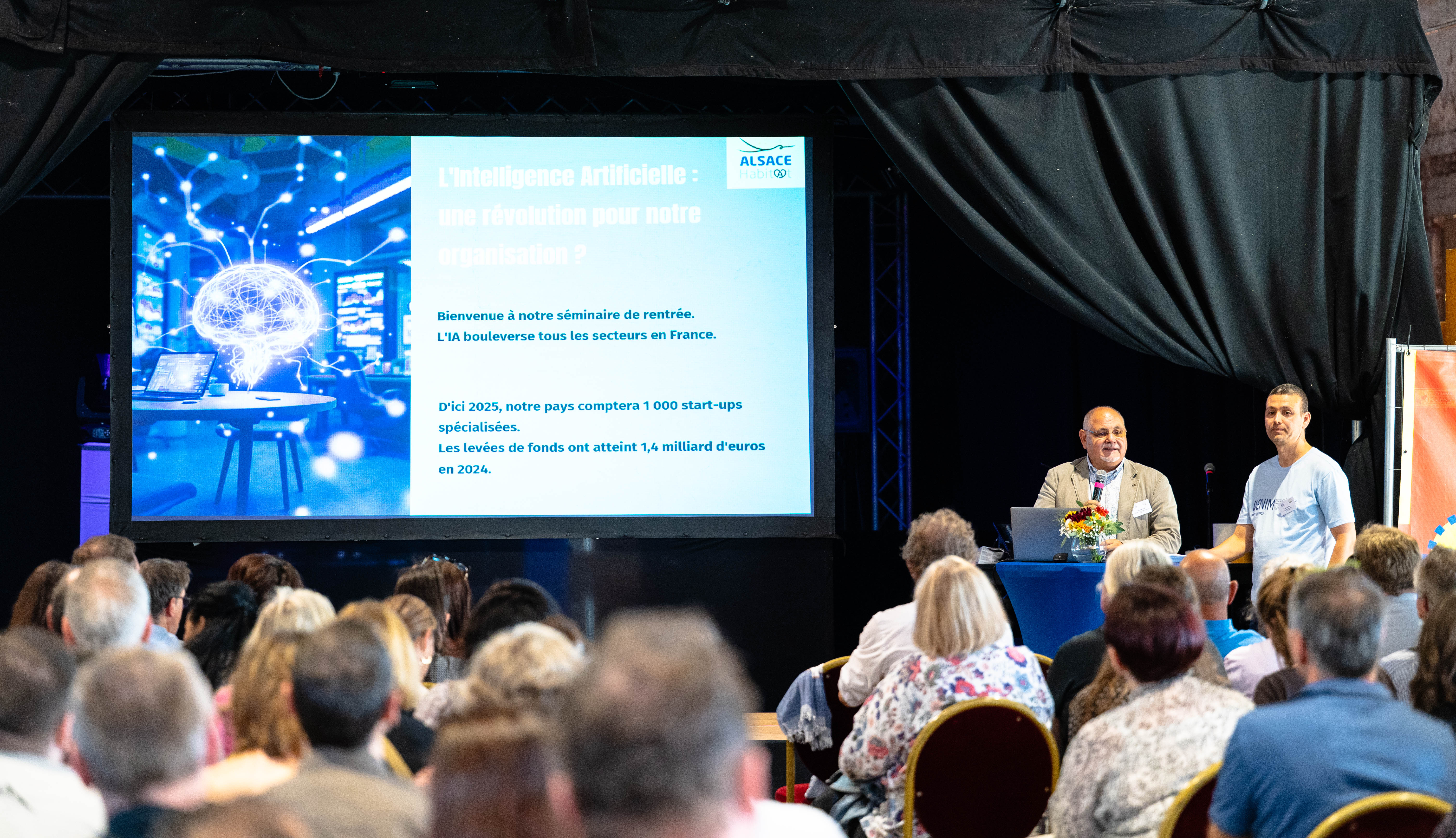
Seminar organisation that aligns leaders and moves teams forward
INNOV'events is a Canadian event agency helping executives, HR, and communications teams deliver high-performing seminar programmes for 30 to 1,500+ participants. We handle planning, content flow, venues, speakers, AV, registration, run-of-show, and on-site delivery.
Whether you’re running a leadership offsite, a quarterly business review, a sales kick-off, or a change-management roadshow, we build a structure that keeps people engaged and outcomes measurable.
Sommaire
A well-run seminar is not “just a day away from the office.” It’s a controlled environment where you can clarify priorities, accelerate decisions, and land messages that are hard to deliver in the noise of day-to-day operations.
When the agenda, staging, and facilitation are designed properly, the event becomes a productivity tool: leaders align faster, teams leave with clear next steps, and communications are consistent across regions and business units.
Organisations typically expect three things: a programme that respects executives’ time, flawless logistics that don’t distract from content, and a participant experience that feels professional and on-brand—from registration emails to the last breakout recap.
They also need risk management: tight timelines, contingency planning for speakers and travel, accessibility considerations, and predictable budgeting with transparent supplier costs.
As an event management company, we bring operational discipline (critical path, vendor SLAs, run-of-show control) and content expertise (session formats, engagement design, internal comms alignment). We deliver across Canada with partner networks for AV, staging, catering, and venues, and we report outcomes your leadership team can actually use.
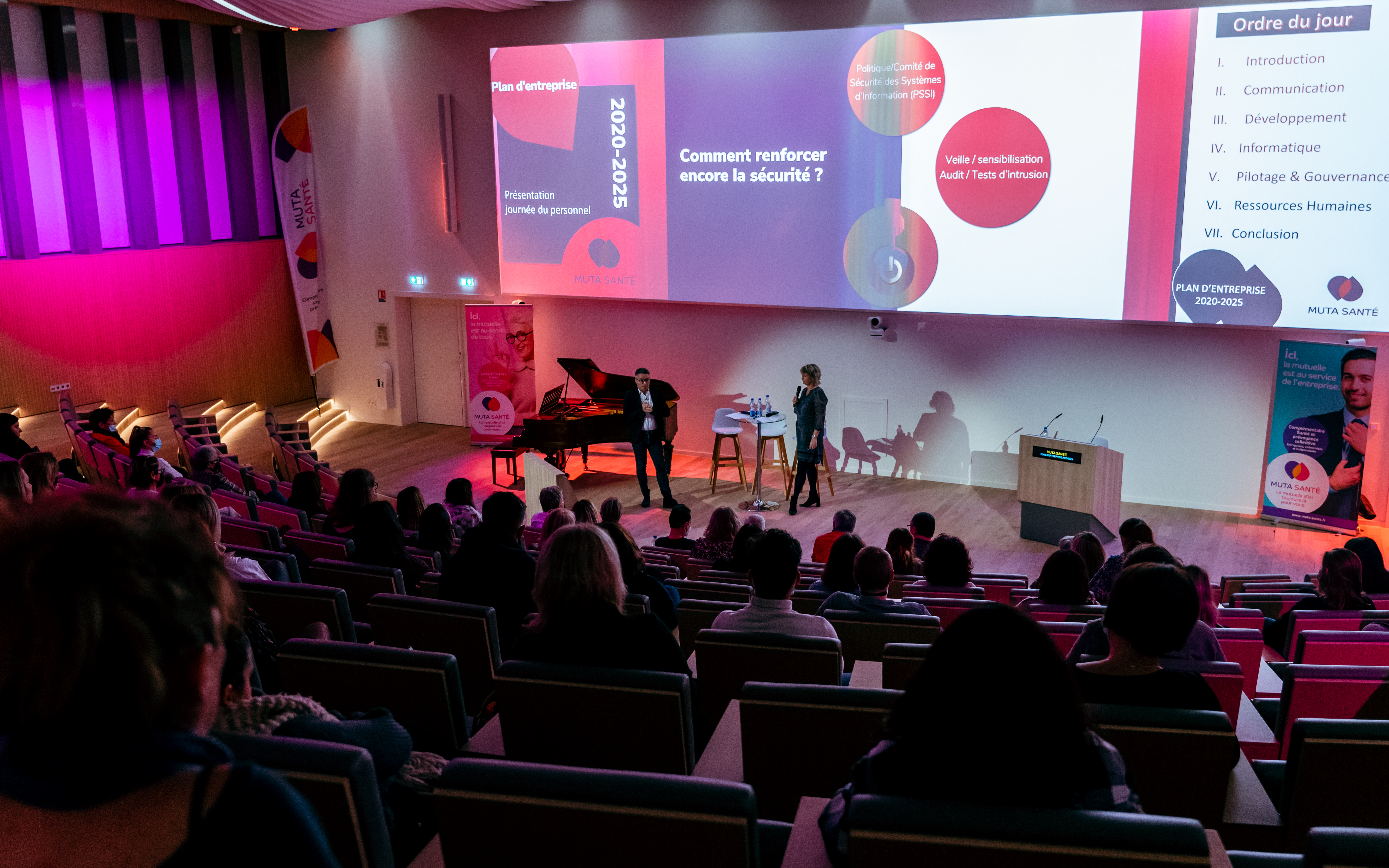
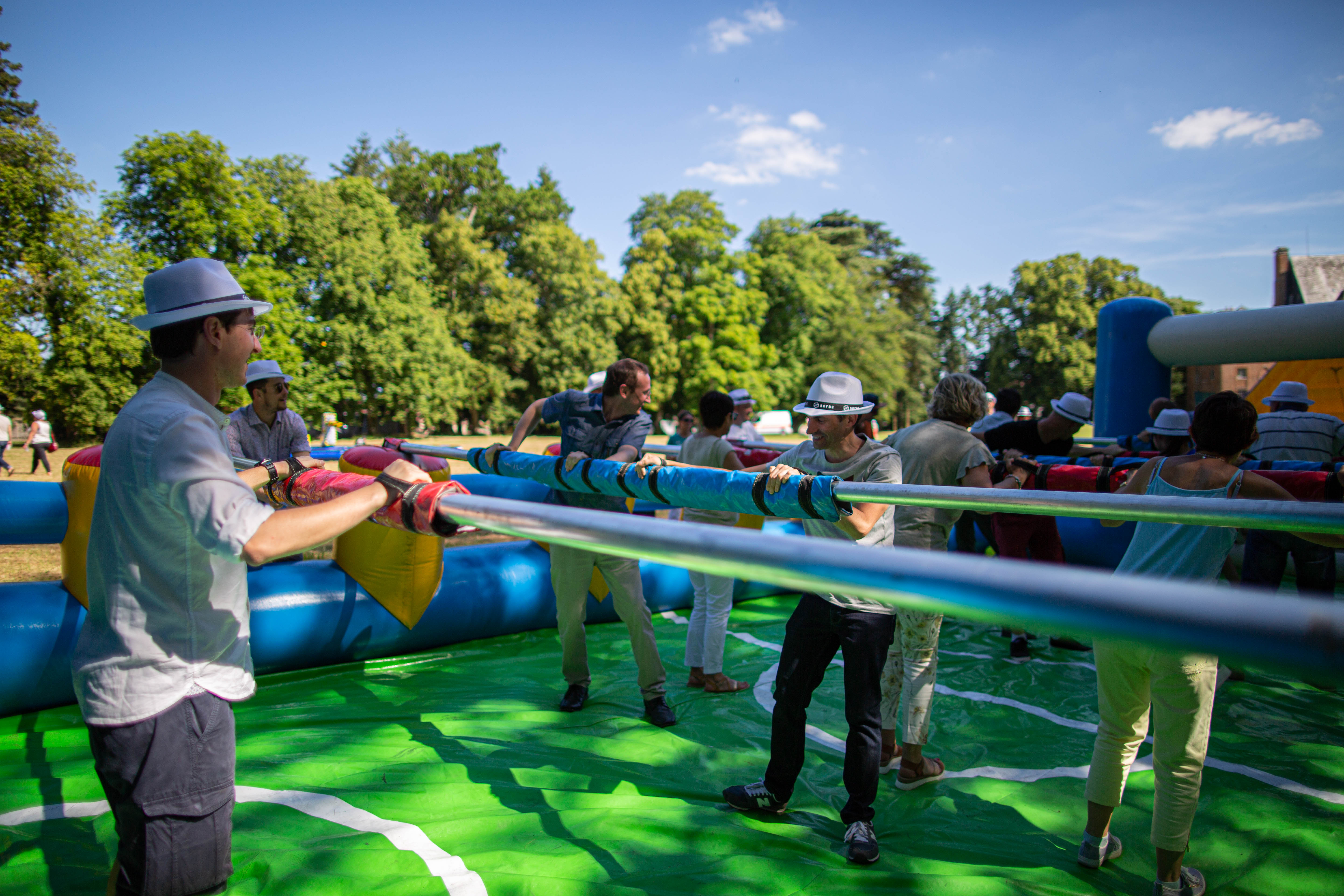
INNOV'events in numbers: reliable seminar delivery across Canada
Pan-Canadian delivery supported by a vetted supplier network (venues, AV, staging, catering, security, transportation) in major business centres.
30–1,500+ attendees: from executive leadership sessions to multi-city internal roadshows and national corporate learning events.
End-to-end seminar organisation: programme design, registration, speaker handling, show-calling, on-site staffing, and post-event reporting.
Operational readiness: documented run-of-show, rehearsal process, and contingency planning for travel disruptions, speaker changes, and technical risks.
How to organize a professional event in ?
- Define the objective (cohesion, announcement, fidelity, performance).
- Set date, format and size (20–1 000 people).
- Secure the venue and accommodation according to seasonality.
- Lock down technical, suppliers and logistics.
- Drive the day J (timing, scene, entrance, flow).
We send you a first proposal within 24h.
Why organise a corporate seminar now (and what leaders gain)
In many Canadian organisations, the real constraint isn’t budget—it’s attention. Competing priorities, distributed teams, and hybrid work make alignment harder. A structured seminar creates a short, high-focus window where leaders can align decisions, reduce ambiguity, and reset execution standards.
When done properly, it replaces weeks of fragmented meetings with one well-designed programme that produces clarity and measurable actions.
Executive alignment in a controlled setting: Use facilitated sessions to move from “opinions” to decisions—priorities, resourcing, timelines, and ownership. We often see leadership teams leave with a single-page decision log and a shared narrative for the rest of the company.
Change management that actually lands: For restructures, new operating models, or major systems rollouts, a business seminar planning approach lets you combine narrative (why), operations (how), and practice (what to do Monday). We build Q&A structures that surface concerns early rather than letting rumours fill the gap.
Cross-functional execution: Breakouts designed around real business friction—handoffs, service-level expectations, customer experience gaps—help teams leave with joint commitments. This is especially effective when multiple regions or product lines interpret strategy differently.
Leadership visibility without performative theatre: Executives can show up with clear messaging and still feel human and accessible. We coach formats that avoid the “endless slide deck” and create structured moments for meaningful dialogue.
Skills and capability building: For HR and L&D teams, a company seminar management programme can deliver training at scale while keeping it relevant—case-based workshops, role-play for managers, and scenario planning tied to your operating reality.
Culture and retention: Especially after mergers, restructures, or rapid growth, bringing people together with a clear purpose improves belonging. The key is connecting culture to operating behaviours—how you decide, collaborate, and hold accountability—not generic values statements.
Sharper employer brand and external credibility: For partner or client-facing seminars, professionalism matters: registration flow, speaker handling, AV reliability, and on-time programming directly influence how your organisation is perceived.
In today’s economic climate, leaders need initiatives that are defensible: clear purpose, controlled cost, and measurable outcomes. A properly designed corporate seminar organization initiative is a practical lever for productivity—when it is run with the same discipline you apply to major projects.
Seminar activities that increase engagement without feeling gimmicky
Activities are not filler—they’re an operational tool to keep energy up, create peer learning, and move groups from “listening” to “doing.” The best seminar activities are directly linked to your objectives and your brand tone (professional, technical, people-first, or innovation-driven).
Below are formats we use frequently for Canadian corporate seminars, with a focus on practicality and executive comfort.
Interactive animations
Facilitated decision sprints: 60–90 minute working blocks where cross-functional leaders produce a decision log (priority, owner, due date, dependencies). Ideal for strategy refreshes and QBRs.
Scenario planning workshops: Teams work through “what if” situations (supply chain disruption, regulatory change, cyber incident, labour constraints) and build response playbooks. Strong for risk, operations, and finance audiences.
Manager toolkits in breakouts: Practical sessions where managers practise difficult conversations, performance coaching, or hybrid team routines. Includes scripts, checklists, and real case discussions.
Live Q&A with guardrails: Moderated Q&A that allows candid questions while protecting time and tone. We set intake rules, escalation handling, and pathways for unanswered questions post-event.
Art animations
Soundscaped openings and transitions: Subtle music and lighting cues to keep pacing crisp and prevent the “conference drift” between sessions—effective without feeling like a show.
Illustrative graphic recording: Visual capture of key themes on digital boards or large-format prints. It improves recall and gives communications teams assets for post-event messaging.
Storytelling coaching for leaders: Not a stage performance—practical coaching so executives land messages clearly, handle questions calmly, and stay within time.
Innovative animations
Timed networking breaks with purpose: Food service designed around agenda flow and traffic patterns (multiple stations, dietary labelling, coffee replenishment plan). This prevents long lines that derail the schedule.
Local supplier tasting stations: A Canadian touch that supports community vendors while keeping the tone professional. Works well for client seminars and partner events.
Healthy energy management: Mid-afternoon boosts (fruit, protein options) that reduce fatigue and improve participation in late-day working sessions.
Gourmand animations
Hybrid-ready interaction design: If some attendees are remote, we plan camera positions, room audio, and facilitator practices so virtual participants are not an afterthought.
Event app or lightweight digital hub: Agenda, speaker bios, live polls, Q&A, and session materials in one place. We also plan adoption tactics so it’s actually used.
Micro-learning capture: Short video clips or “key takeaway cards” created on-site for internal comms follow-up. Helps sustain momentum beyond the event.
Every activity must fit your organisation’s brand image and risk tolerance. A regulated financial institution will not use the same engagement mechanics as a high-growth tech firm—and that’s fine. Our job as an event agency is to recommend formats that feel natural for your culture while still delivering participation and outcomes.
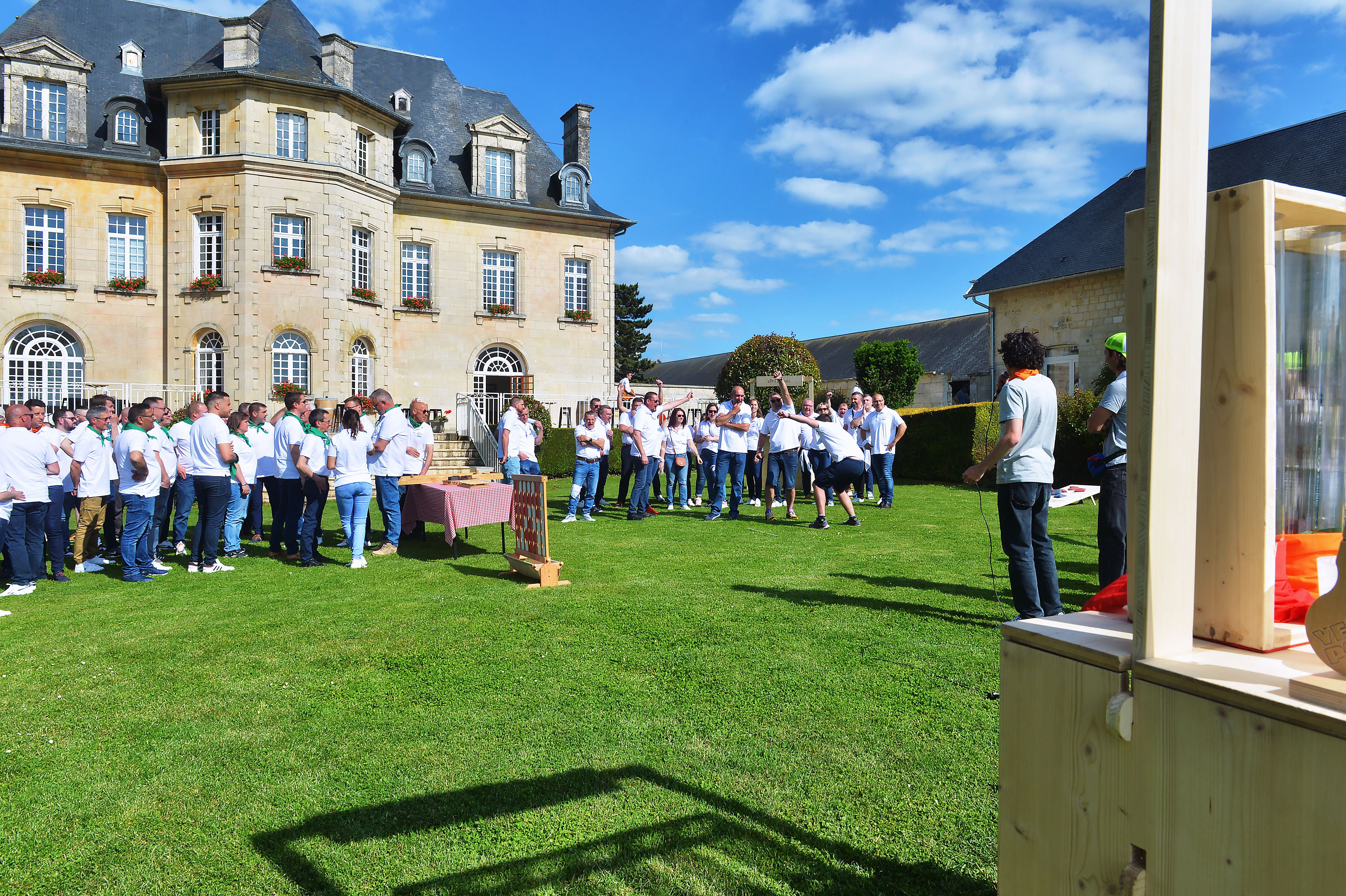
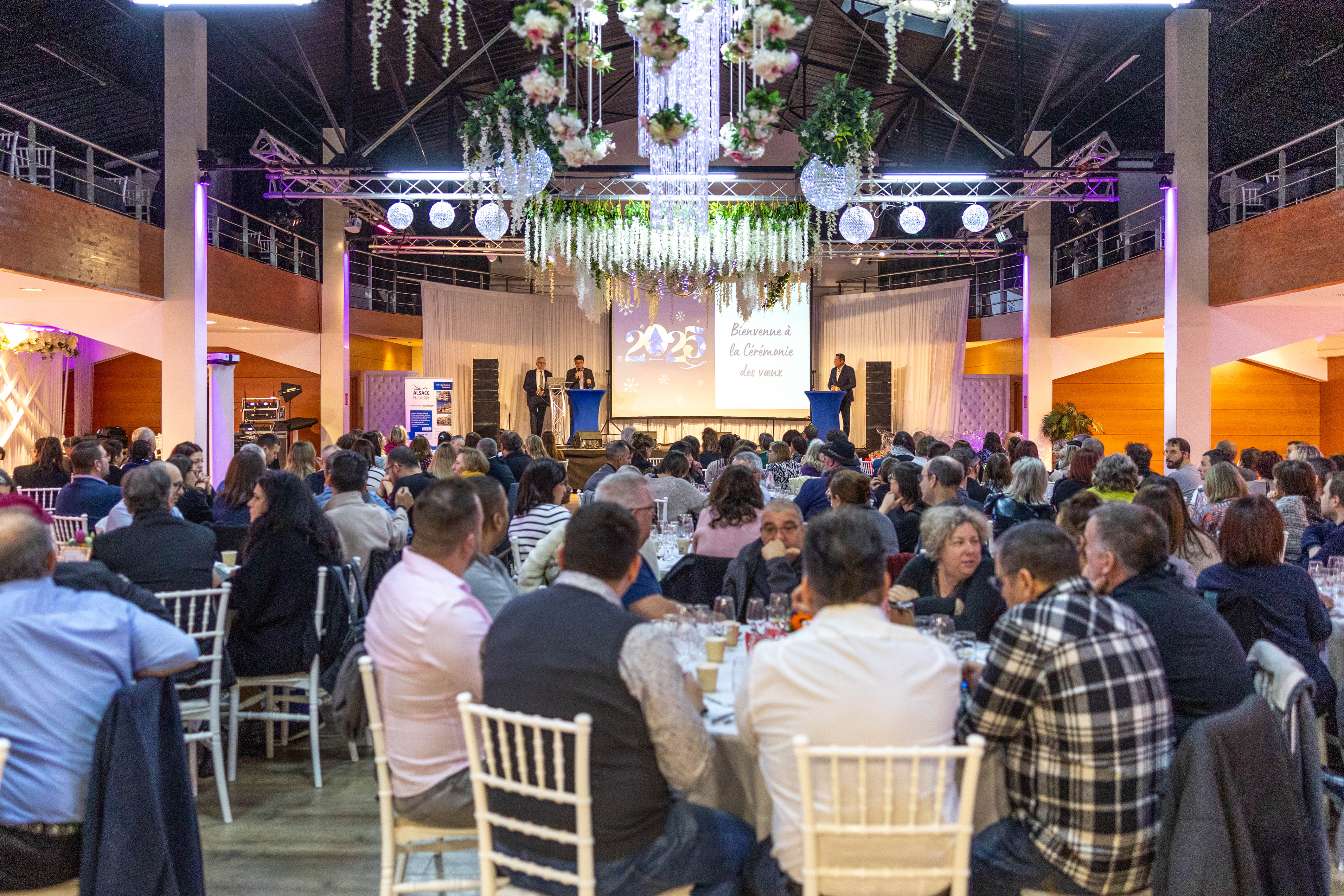
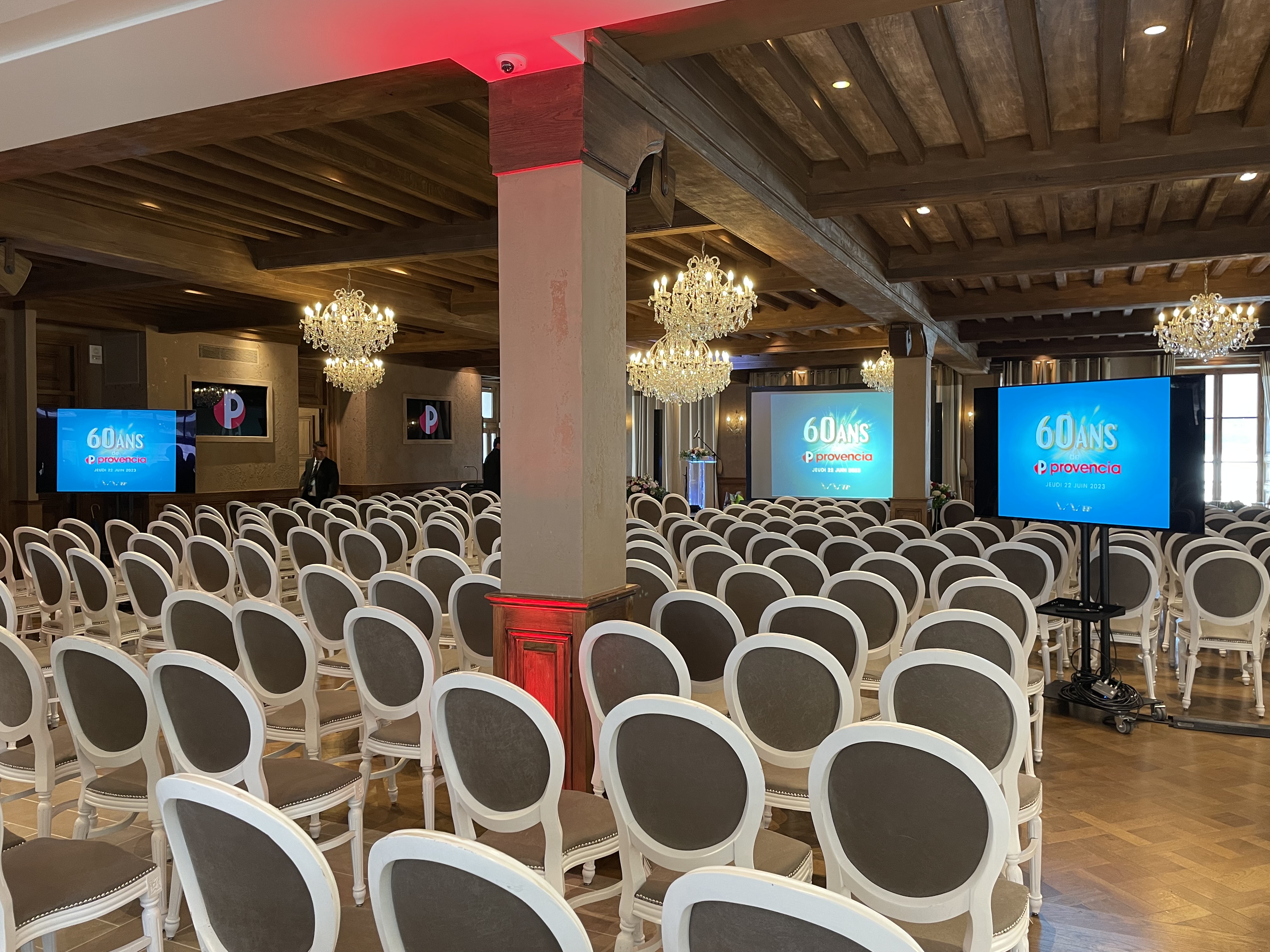
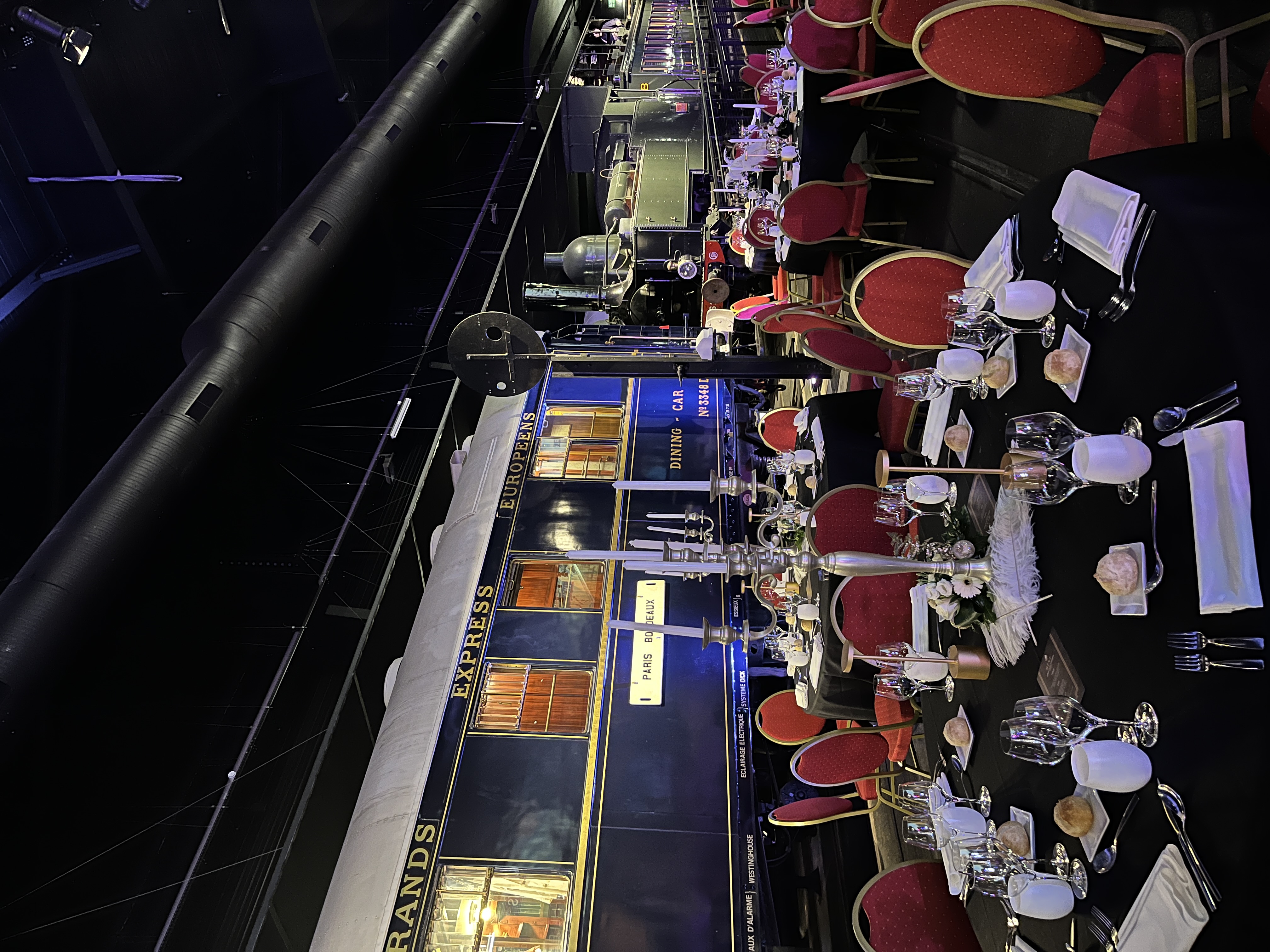
How to choose the right seminar venue in Canada
Venue selection is one of the biggest drivers of budget, attendance satisfaction, and operational risk. The right space supports your programme (room sizes, flow, acoustics), your brand (professional feel), and your logistics (travel time, parking, accessibility, loading).
For most organisations, the best venue is not the most impressive one—it’s the one that reduces friction on the day and protects your agenda.
Venue type: Downtown conference hotel
Best for: Multi-region attendance, tight agendas, easy transit
Watch-outs: Ballroom acoustics, union rules for AV, elevator capacity at peak times
Venue type: Airport hotel/conference centre
Best for: National teams flying in/out within 24–48 hours
Watch-outs: Lower perceived “specialness,” limited offsite options, noise if near runways
Venue type: Dedicated retreat property
Best for: Leadership alignment, deep work, a true corporate retreat seminar
Watch-outs: Travel complexity, Wi-Fi reliability, fewer supplier redundancies if something fails
Venue type: University/college executive centre
Best for: Learning-focused programmes, multi-room breakouts, value for money
Watch-outs: Parking, campus navigation, AV standards vary by building
Venue type: Corporate office or innovation hub
Best for: Cost control, brand immersion, short-format seminars
Watch-outs: Security access, limited catering infrastructure, room resets and signage constraints
As part of our seminar organisation scope, we evaluate venues against your agenda (not the other way around), confirm technical feasibility with AV, and negotiate terms that reduce risk: attrition clauses, cut-off dates, labour rules, and cancellation language. This is where an experienced event management company protects both budget and reputation.
Seminar budget: what drives cost and where to invest
Seminar pricing depends on format, location, and service level. Two seminars with the same headcount can vary widely based on AV complexity, room configuration, food and beverage standards, travel, and content production. We build budgets that are transparent, supplier-backed, and easy to defend internally.
Below are the factors that most affect total cost for corporate seminar organization in Canada.
Headcount and attendance pattern: Single-day vs. multi-day, local vs. national travel, and peak registration flows all change staffing, room needs, and catering volumes.
Venue and seasonality: Major centres and peak dates (common for Q2/Q4 planning cycles) increase space and room rates. Flexible dates can materially reduce spend.
Food and beverage expectations: Continuous coffee service, dietary coverage, hosted receptions, and plated meals raise costs quickly. We right-size service to your programme and brand standards.
AV and staging: Screens, confidence monitors, audio reinforcement, recording, livestream, translation, and lighting design can be modest or significant. Technical rehearsal time is also a real cost driver.
Content and speaker support: External keynote fees, moderation, speaker coaching, slide support, video production, and event app licensing. These elements often improve outcomes more than adding “extras.”
On-site staffing and show-calling: Registration staff, floor managers, speaker liaison, technical director, and security requirements vary by risk profile and venue rules.
Travel and accommodation: Airfare volatility, per diems, ground transportation, and room blocks. We manage rooming lists and communicate cut-off dates to reduce attrition penalties.
Branding and signage: From directional signage (a real operational necessity) to stage branding and environmental graphics. The goal is clarity first, then polish.
Contingency and insurance: Sensible contingency (often 5%–10% depending on complexity), event insurance, and backup plans for key suppliers.
We treat budget as a performance tool. The right spend is the one that protects your agenda, reduces operational risk, and improves message retention. If you need to justify investment, we define ROI in practical terms: decisions made, actions assigned, adoption improved, and time saved compared with fragmented meetings.
They trust us


Seminar delivery experience across industries and formats
Our seminar work spans leadership offsites, national sales meetings, learning programmes, and client-facing thought leadership sessions. We routinely manage agendas with plenaries and 6–20 concurrent breakouts, balancing executive visibility with practical working time.
We’ve supported organisations through real-world constraints: last-minute speaker changes, hybrid participation requirements, sensitive internal announcements, and tight procurement timelines. In those situations, what matters is operational calm—clear run-of-show control, proactive communications, and a supplier network that can solve problems quickly.
Whether the need is a formal auditorium-style seminar or a smaller strategic working session, we scale our approach. The fundamentals stay the same: measurable objectives, programme design, robust logistics, and professional on-site management.
Common seminar planning mistakes (and how we prevent them)
Starting with a venue before defining outcomes: This often forces a programme into the wrong room shapes and time blocks. We lock objectives and session architecture first, then pick a venue that supports them.
Overloading the agenda: When every leader wants stage time, sessions run late and breaks disappear. We design a realistic timing model and protect breaks because they’re operationally necessary.
Underestimating AV complexity: Simple on paper becomes complex with hybrid audio, panel mics, video playback, and room acoustics. We do technical advance work and rehearsals in the actual setup.
Weak breakout facilitation: Breakouts fail when instructions are vague and outputs aren’t defined. We provide facilitator guides, templates, and a reporting mechanism so work turns into action.
Registration and communications gaps: If attendees don’t know where to go, what to bring, or how to access materials, you lose time and credibility. We run a clear comms cadence and build participant-facing information hubs.
No contingency planning: Travel delays and speaker issues are common in Canada, especially in winter. We plan buffers, backups, and escalation paths so the show continues.
Skipping post-event follow-through: Without an action log and ownership, momentum fades in a week. We capture outputs and help package next steps for internal distribution.
Our role as an event management company is to reduce these risks before they become visible to your attendees or executives. The goal is simple: your people should remember the decisions and learning—not the logistics.
Why clients stay with INNOV'events for seminar management
Repeat business in corporate events is earned through consistency. Clients return when an agency is easy to work with, realistic about timelines, transparent on budget, and calm on-site. For HR and communications teams, a dependable partner also reduces internal workload and decision fatigue.
We build long-term relationships by documenting your preferences (venue standards, brand guidelines, stakeholder approvals, accessibility requirements) so each new seminar gets easier—not harder.
Multi-year planning support: many clients move from a single seminar to an annual cycle of leadership meetings and learning programmes.
Standardised toolkits: reusable run-of-show formats, vendor briefing templates, and registration workflows that improve speed and reduce errors over time.
Consistency across regions: same service level and brand execution whether your team meets in Vancouver, Calgary, Toronto, Ottawa, Montreal area, or Halifax.

Loyalty is a practical indicator: clients come back because we protect their time, their budget, and their internal reputation. In seminar delivery, that’s the standard that matters.
Our seminar organisation process from brief to post-event reporting
👉 Discovery and stakeholder alignment
We start with a working session to confirm objectives, audience, constraints, and decision-makers. We identify the “must-land” messages, required decisions, and any sensitivities (reorgs, performance messaging, labour topics). We also confirm success metrics and what data you’ll need post-event.
👉 Programme architecture and content flow
We design the agenda structure: plenaries, breakouts, working sessions, and networking windows. We build a timing model that is realistic for room turnover and executive movement. For breakouts, we define outputs (templates, action logs) so results are comparable and reportable.
👉 Venue sourcing and supplier procurement
We source and compare venues based on your programme needs (room sizes, adjacency, acoustics, loading, accessibility, hotel blocks). We request and review AV and production proposals, confirm labour rules, and negotiate terms that protect your budget. We keep all costs transparent with line-item detail.
👉 Participant journey: registration to on-site experience
We build the registration flow, confirmation emails, calendar holds, and attendee information pages. We plan signage, wayfinding, and check-in staffing so arrival is fast and calm. For executives and speakers, we manage logistics, schedules, and green room needs to keep them on time and supported.
👉 Production planning, rehearsal, and run-of-show control
We deliver a full production plan: staging, room layouts, cue sheets, show-calls, and an escalation matrix. We schedule technical rehearsals and presenter checks, validate all media, and ensure backups are in place. On event day, we show-call and coordinate suppliers so your team can focus on people and content.
👉 Post-event reporting and follow-through
We compile attendance data, session engagement notes, and key outputs (decision logs, action items, breakout summaries). If you need it, we package communications-ready assets and recommendations for next steps. This closes the loop and improves the next seminar’s performance.
FAQ sur l'organisation seminar
How far in advance should we plan a seminar?
For 30–150 attendees, plan 6–10 weeks when dates are flexible. For 150–500, plan 10–16 weeks to secure venues, AV, and room blocks. For 500+ or multi-city programmes, plan 4–8 months, especially in peak seasons.
What’s a realistic budget range for a corporate seminar?
Budgets vary by city and service level, but a common planning range is $350–$900 per person per day for venue, catering, and standard AV. Add travel and accommodation if the audience is national. Complex production, hybrid broadcast, or premium venues can push higher; focused local seminars can be lower.
How do you keep a seminar engaging for busy leaders?
We limit lecture time and design for decisions and application: short plenaries (15–25 minutes), moderated panels, structured Q&A, and breakouts with defined outputs. We also build pacing with real breaks and clear transitions so the agenda stays on time and attention stays high.
Can you run a hybrid seminar with remote participants?
Yes. Hybrid works when you plan it as a production, not an add-on: dedicated room audio, camera positions, a virtual facilitator, and interaction tools (polls/Q&A). We also design moments where remote attendees contribute equally, such as facilitated breakouts with shared templates and timed reporting.
What do you need from our internal team to start?
We typically need: objectives and audience profile, proposed dates and cities, an estimate of attendance, decision-makers/approvers, brand guidelines, and any constraints (procurement rules, preferred vendors, accessibility requirements, security protocols). From there, we can propose a programme approach and a working budget.
Request a free quote for your next seminar
If you’re planning a seminar and need a partner who can protect the agenda, the budget, and your leadership team’s time, INNOV'events can help. We’ll respond with a clear plan: recommended format, venue approach, production needs, timeline, and a transparent budget framework.
Reach out early—venue availability and AV resources tighten quickly during peak corporate seasons. Share your target city, dates, and approximate headcount, and we’ll prepare a free quote with practical options.