
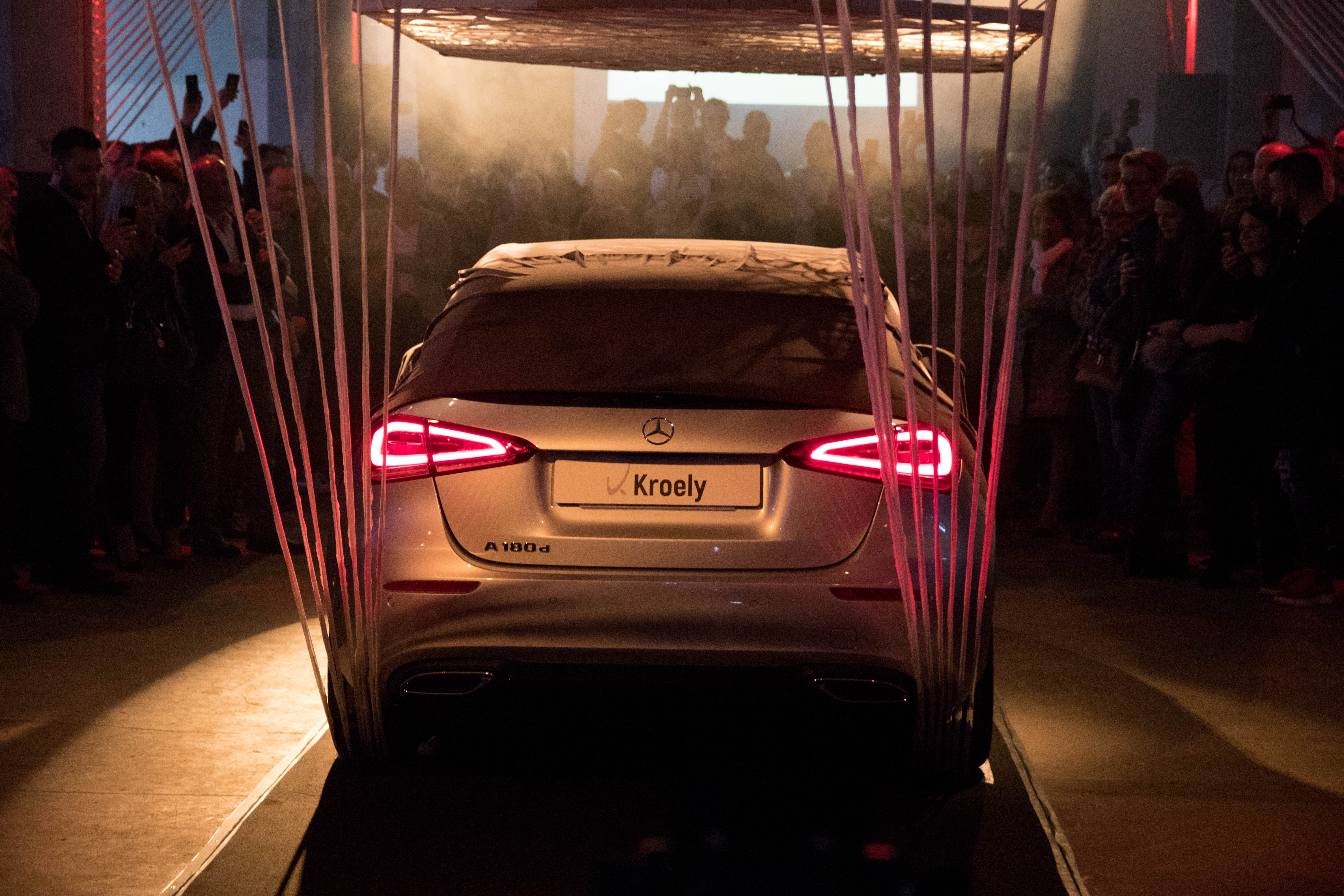
Product Launch Event organisation that protects your brand and drives adoption
INNOV’events is a Canadian event agency delivering Product Launch Event programmes for 30 to 3,000+ attendees, from executive reveals to customer roadshows.
We handle concept, venue sourcing, vendor contracting, staging/AV, registration, run-of-show, rehearsals, staffing, and day-of operations—so your teams stay focused on the product story and stakeholder conversations.
Sommaire
A Product Launch Event is a commercial milestone: it sets the first narrative your market will repeat, it aligns internal teams on positioning, and it creates proof points your sales force can use immediately.
Done well, it compresses months of stakeholder education into one controlled moment—where the product, message, demo flow, and executive presence all land with clarity.
Executives and communications leaders typically want three things: a message that’s consistent across media, customers, and employees; a production that’s flawless (no dead air, no tech surprises); and measurable outcomes such as qualified leads, partner commitments, or internal readiness.
HR and people teams also expect inclusion and safety—accessible venues, clear conduct policies, and a guest experience that reflects company culture without creating operational risk.
INNOV’events operates with the discipline of an event management company: detailed run-of-show, cue-to-cue rehearsals, vendor redundancy, and stakeholder-ready briefing packs for executives.
We plan across Canada with a reliable supplier network, bilingual-capable staffing when required (without mixing languages in your content), and a calm, accountable on-site command structure.
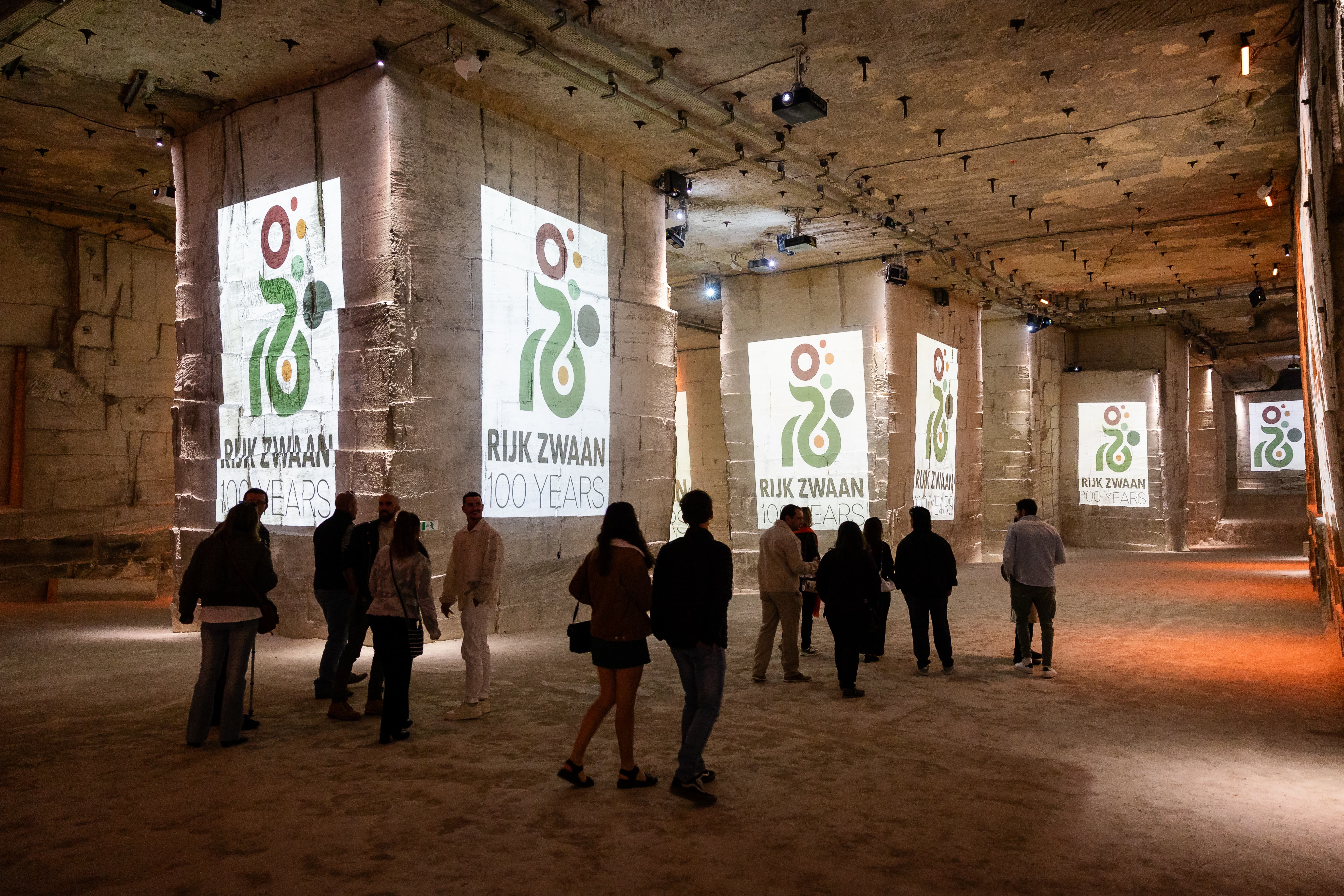
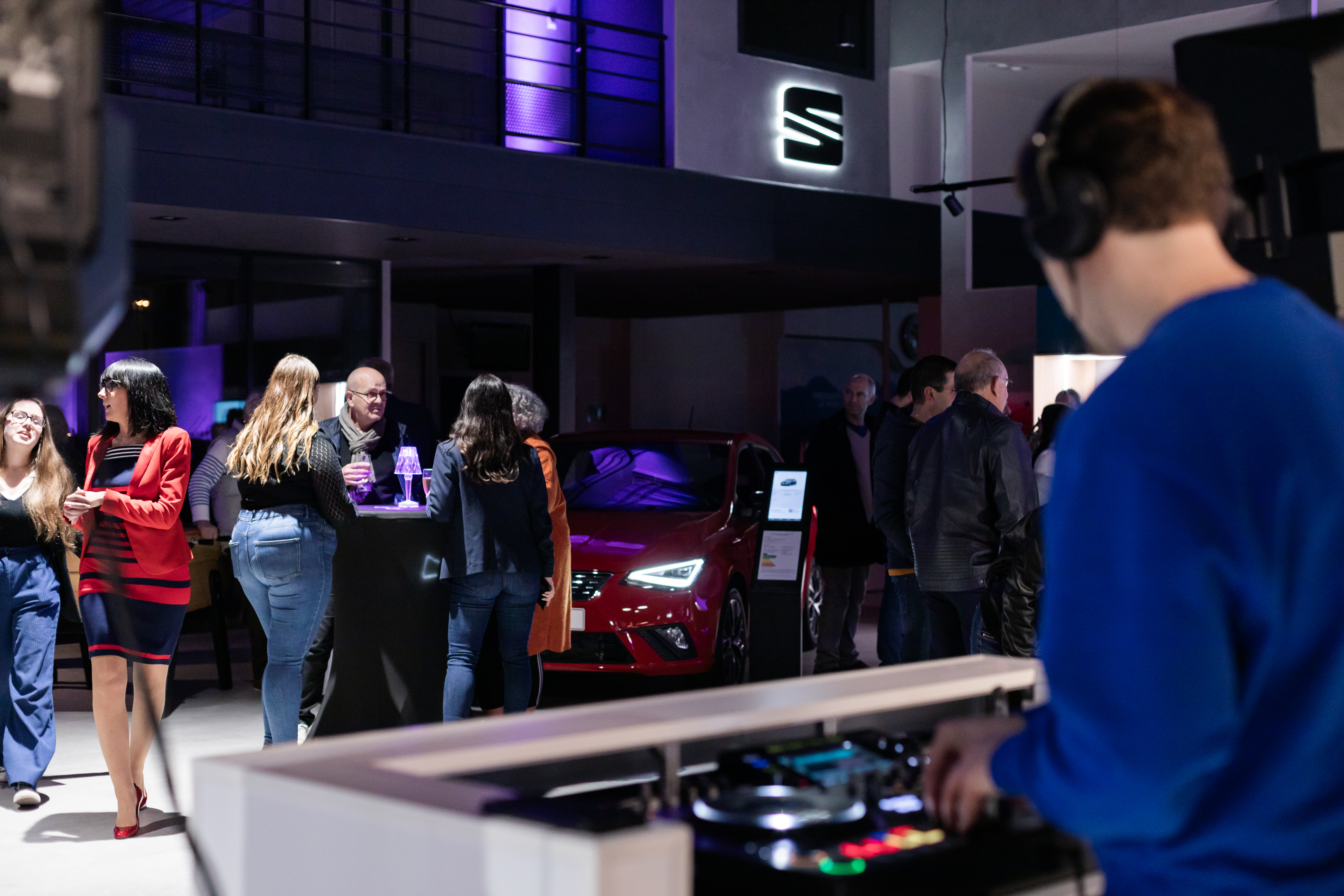
Operational credibility you can verify
Canada-wide delivery with vetted venue and supplier partners in major markets (GTA, Montréal area, Ottawa, Calgary, Edmonton, Vancouver) and regional hubs.
Multi-format launch capability: in-person, hybrid, livestream, and roadshow series—built with show-calling, camera plans, and contingency routing.
Executive-ready governance: budget controls, approval gates, and audit-friendly documentation (quotes, change orders, insurance certificates, and post-event reconciliation).
Day-of reliability: dedicated show caller, floor manager, and technical lead—so decisions are made in seconds, not in Slack threads.
How to organize a professional event in ?
- Define the objective (cohesion, announcement, fidelity, performance).
- Set date, format and size (20–1 000 people).
- Secure the venue and accommodation according to seasonality.
- Lock down technical, suppliers and logistics.
- Drive the day J (timing, scene, entrance, flow).
We send you a first proposal within 24h.
Why organise a Product Launch Event instead of “just marketing”
In many companies, a launch fails for one simple reason: the market hears about it, but doesn’t understand it. A new product launch event creates a controlled environment where your product narrative, demonstration, and proof points are delivered in the right order—backed by leadership, customer stories, and hands-on time.
It also forces internal alignment. When the product team, sales, customer success, HR, and communications all participate in the same moment, inconsistencies surface early—before they become expensive in-market corrections.
Accelerate stakeholder confidence: customers and partners see a working product, a credible roadmap, and a team that can support adoption—reducing “wait and see” behaviour.
Equip sales and channel teams: a well-structured launch produces reusable assets (demo scripts, objection-handling, FAQs, video clips, testimonial quotes) within days.
Clarify positioning under pressure: live Q&A, structured roundtables, and controlled media moments stress-test the message quickly and constructively.
Drive internal readiness: employee briefings and leadership messaging reduce confusion and protect morale when priorities shift around a launch.
Create measurable pipeline: with the right registration flows and CRM handoff, you can tie attendance to MQL/SQL outcomes, partner sign-ups, or pilot commitments.
De-risk reputation: a professionally managed launch prevents common failures—technical issues, unclear stage direction, overcrowding, inaccessible layouts, and brand-inconsistent visuals.
In Canadian corporate culture, credibility is earned through execution. A launch that runs on time, respects guests, and communicates clearly becomes a proof point of operational maturity—not just a one-off celebration.
Product launch animation ideas that support your message
Activities should never compete with the product. The best product launch animation choices create structured engagement: they guide guests to the right conversations, encourage hands-on time, and generate content your teams can reuse.
Interactive animations
Guided demo stations with timed rotations: we build “demo pods” with a facilitator script and a capacity plan (e.g., 8–12 guests per pod every 10 minutes) so everyone actually gets product time.
Roundtables hosted by leadership: 20–30 minute sessions for priority accounts or partners, with a prepared discussion guide and note capture for follow-up.
Live polling tied to the storyline: short polls at key moments to validate pain points and show market consensus—useful for sales enablement afterwards.
Customer journey wall: a structured, branded walkthrough of the problem, the old workaround, and the new solution—staffed by product and customer success.
Art animations
Precision MC + tight stage direction: an experienced corporate host keeps pace, bridges transitions, and protects timing—especially valuable when executives are nervous or agenda changes occur.
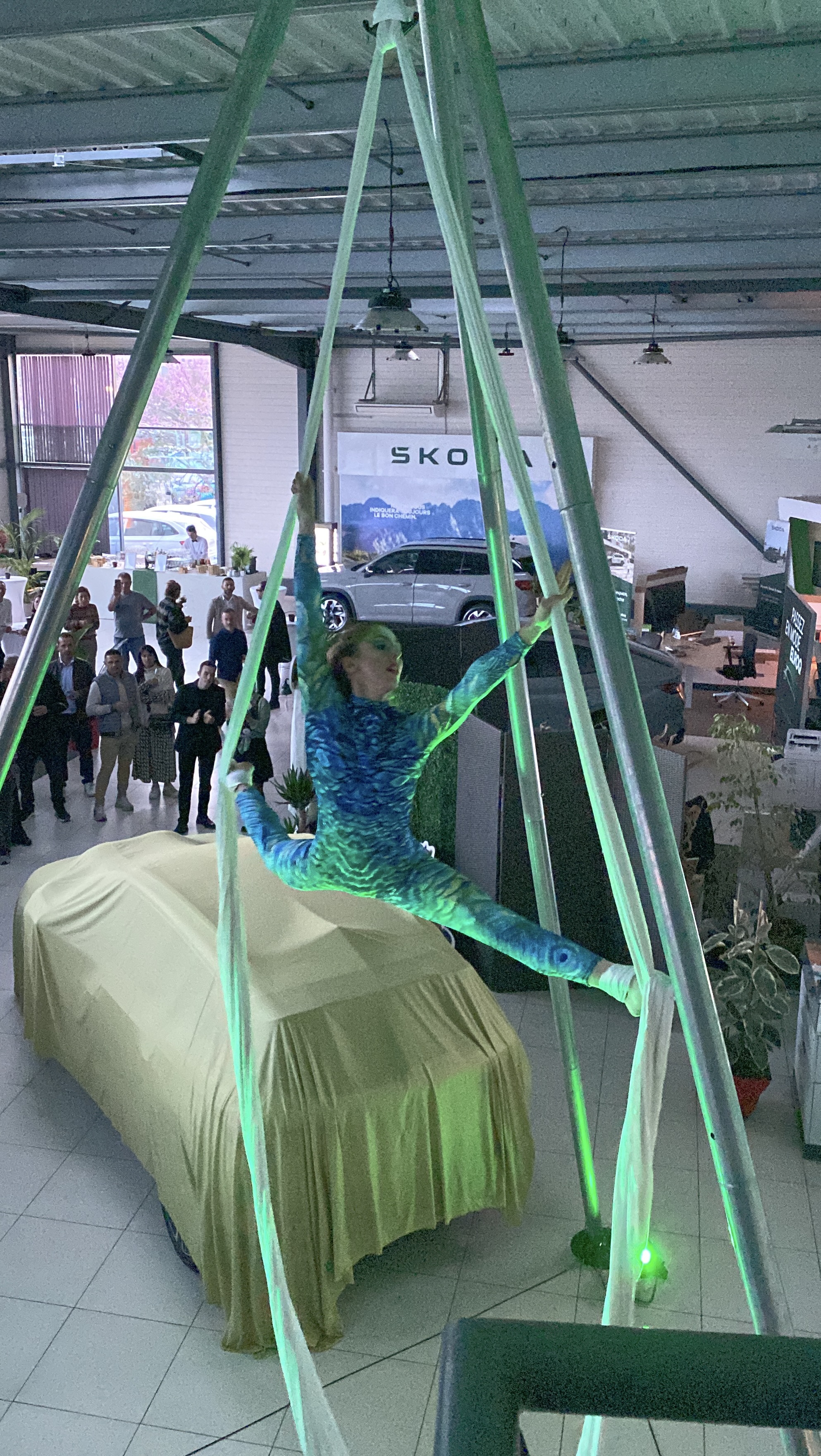
Sound design and reveal moment: a short, intentional reveal (lighting, music sting, on-screen motion) creates clarity and focus without turning the event into a concert.
Content capture set: a controlled interview corner for leadership and customer quotes—clean audio, good lighting, and a production schedule so it doesn’t disrupt the floor.
Innovative animations
Menu engineered for networking: passed items and stations designed for one-hand eating, fast replenishment, and low mess—so guests can keep conversations going.
Brand-aligned tasting notes: subtle tie-ins (colours, naming, story cards) that reinforce the launch theme without feeling gimmicky.
Dietary planning at registration: we capture restrictions in advance and build a service plan so guests don’t need to self-advocate in a crowded room.
Gourmand animations
Hybrid product reveal with broadcast discipline: multi-camera, confidence monitors, and a streaming run-of-show so remote stakeholders get the same narrative and energy.
AR-assisted product exploration: used sparingly, AR can help explain features that are hard to show physically (internals, data flows, before/after states).
Appointment-based meeting scheduler: for B2B launches, we set up pre-booked 1:1 meetings on-site (or virtual) and track conversions.
The rule is consistency: every activity must reinforce the product promise and your brand standards. If it doesn’t help guests understand, trust, or adopt the product, it’s noise—and we’ll recommend cutting it.
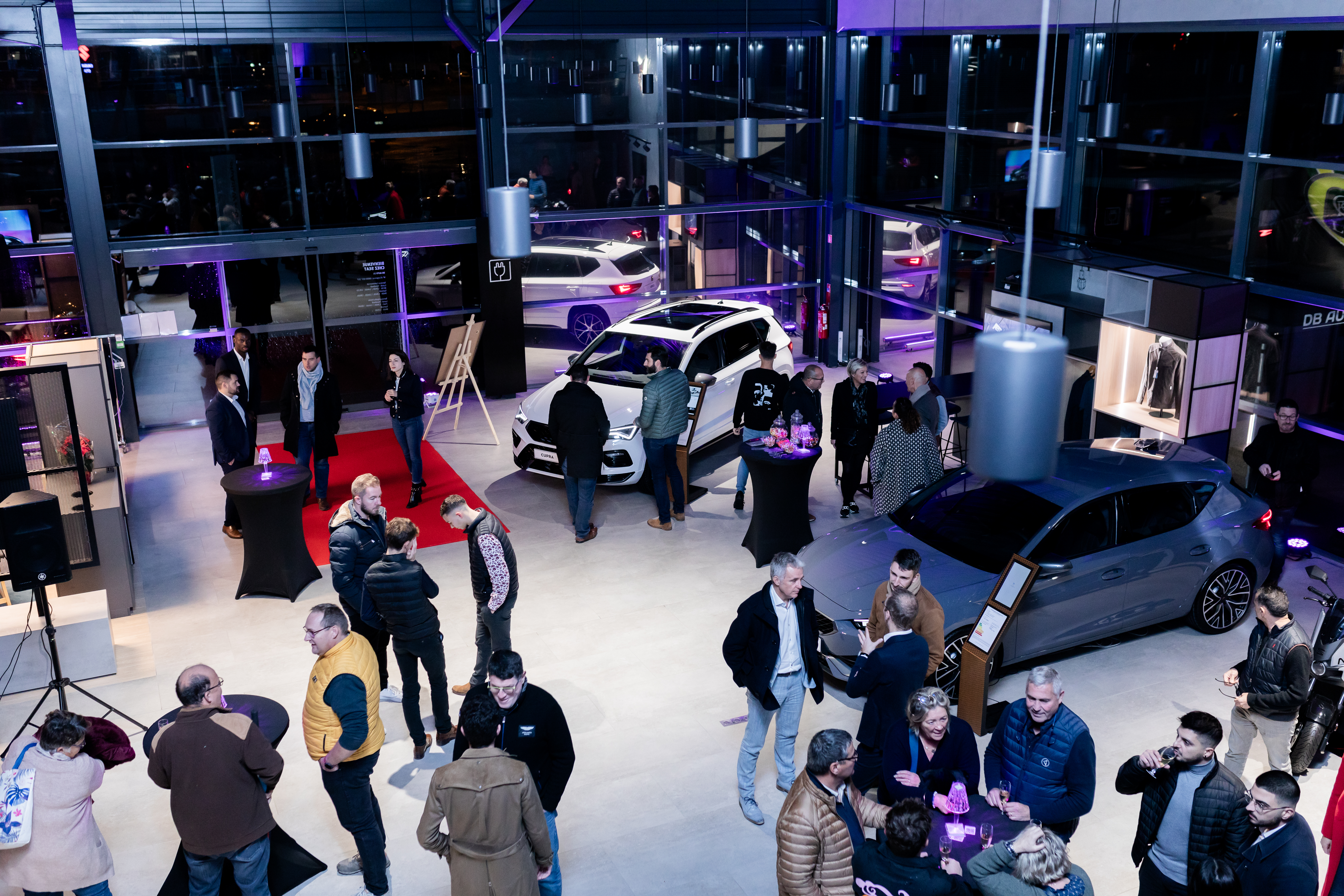
How to choose the right venue for a product launch party
Venue choice is a strategic decision, not a backdrop. The right space supports your demo flow, your audiovisual needs, your guest profile, and your risk controls (security, access, loading, union rules, and noise limits).
We start with a practical question executives appreciate: “What must be true for this launch to succeed?” If the answer includes live demo reliability, content capture, and lead-quality conversations, the venue must support power, connectivity, acoustics, and zoning—not just aesthetics.
Venue type: Hotel ballroom or conference centre
Best for: 150–1,000 guests, formal reveal + breakout sessions, predictable service levels.
Watch for: union and rigging rules, ceiling height for screens/lighting, in-house AV constraints, minimum food & beverage spend.
Venue type: Industrial loft / gallery / warehouse
Best for: modern brand tone, flexible floor plan, immersive demo zones.
Watch for: load-in access, power distribution, HVAC, acoustic treatment, permits, and higher production costs to “build the room.”
Venue type: Theatre or performing arts venue
Best for: high-impact reveal, strong sightlines, professional stage infrastructure.
Watch for: limited networking space, strict schedules, back-of-house rules, and the need for an adjacent reception area.
Venue type: Corporate office or innovation hub
Best for: authenticity, product teams on hand, budget control, smaller VIP showcases.
Watch for: security, elevators and circulation, washroom capacity, fire code, and the need to protect confidential areas.
Venue type: Outdoor or tented site
Best for: seasonal showcases, large product displays, experiential components.
Watch for: weather contingency, noise bylaws, power generation, ground conditions, and higher insurance requirements.
We’ll recommend venues based on your audience, show flow, and production risk—not based on what’s trendy. That’s how you avoid paying for a beautiful room that can’t support your demo, your screens, or your timeline.
Product Launch Event budget ranges and what drives cost
Budgeting is where many corporate launches get tense: leadership wants impact, procurement wants comparables, and teams want certainty. The cost of a Product Launch Event depends on scale, production complexity, and the level of risk you need to remove.
As a practical reference in Canada, many professional launches land between $35,000 to $250,000+. A small executive reveal can be below that; a national roadshow or broadcast-grade hybrid can exceed it.
Format and attendee count: 50 VIP guests with high-touch demos is different from 800 attendees with theatre staging. Guest volume also drives security, registration, staffing, and catering.
Venue and contracted minimums: room rental, food & beverage minimums, service charges, and required in-house suppliers can materially change the total.
AV and production level: screens, projection vs LED wall, camera package, livestream, show calling, stage management, and rehearsal time are major cost drivers—especially for hybrid.
Scenic and branding: step-and-repeat, wayfinding, stage фасcias, demo pod buildouts, and print/digital signage. The key is designing reusable assets if you’re doing multiple stops.
Content creation: launch video, motion graphics, speaker coaching, deck design, photography, and edited recap deliverables.
Guest journey infrastructure: registration platform, badge printing, access control, privacy-compliant data handling, and on-site check-in hardware.
Labour, logistics, and overtime: load-in/load-out windows, union labour, trucking, storage, and contingency staffing.
Risk and compliance: insurance, security assessment, medical plan where appropriate, accessibility requirements, and any required permits.
We build budgets around return: what will generate pipeline, adoption, or readiness—and what will simply look expensive. If you need leadership confidence, we can also provide options (good/better/best) with clear trade-offs, so approvals are faster and change orders are controlled.





Examples of launch formats we deliver across Canada
Our work covers different realities: confidential B2B reveals, consumer-facing product showcases, partner enablement events, and internal launches that need to rally employees without overpromising externally.
- Executive reveal + media capture: a tight 60–90 minute programme with a rehearsed keynote, controlled press moments, and a capture plan for usable clips and quotes.
- Customer demo day: timed rotations through demo pods, structured Q&A, and meeting scheduling for sales follow-up—designed to convert interest into next steps.
- Hybrid new product launch event: broadcast-quality staging with a run-of-show that works for the room and remote audiences, including moderated chat and virtual breakout sessions.
- Multi-city roadshow: consistent branding and programme design with local venue adaptations, freight planning, and repeatable staffing models to protect quality across stops.
- Internal launch for workforce readiness: leadership messaging, manager toolkits, and employee engagement modules that align teams before customer-facing rollout.
In each case, we build the event around the decision you need your audience to make—book a meeting, sign a pilot, adopt a new tool, recommend internally, or support the launch publicly.
Common product launch risks we plan out early
Building the event before the message is final: this leads to last-minute changes, reprints, video edits, and rehearsals that don’t match the final story.
Demos that rely on perfect conditions: weak Wi-Fi, software updates, or one fragile device can derail credibility. We design demo redundancy and a fail-soft script.
No real run-of-show: “We’ll just keep it moving” becomes dead air, awkward transitions, and overtime charges. A launch needs cueing and ownership.
Underestimating guest flow: bottlenecks at check-in, coat check, bars, or demo stations reduce engagement and shorten dwell time where it matters.
Vendor scope gaps: unclear responsibilities (who supplies cabling, who manages rigging approvals, who prints signage) create day-of scrambling and change orders.
Ignoring accessibility and inclusion: inaccessible staging, poor sightlines, or missing dietary planning creates reputational risk and avoidable guest complaints.
Measuring the wrong outcomes: counting heads without tracking lead quality, meeting requests, or adoption actions makes it hard to justify spend next quarter.
Our role is to remove these risks before you’re on stage. That means documented plans, rehearsals, clear vendor scopes, and a calm chain of command on the floor.
Why clients stay with INNOV’events for launches and beyond
Repeat business comes from operational trust: leaders know the event will represent the brand properly, budgets won’t drift without warning, and problems will be handled discreetly and quickly.
We’re often asked back because we can scale with you—from a single product launch party to an annual programme of launches, customer forums, and internal enablement events—without reinventing the wheel each time.
Stable delivery team: consistent project leadership so decisions and lessons learned carry forward.
Documented playbooks: reusable run-of-show templates, vendor lists, and brand production standards that reduce planning time on the next event.
Budget predictability: real-time tracking and clear approval gates to prevent “surprise” invoices.

Loyalty is earned in the moments you can’t fake: when an executive is late, a demo fails, a shipment is delayed, or a venue changes the rules. We build systems that keep the event credible anyway.
Our Product Launch Event planning process
👉 Step 1: Launch objectives, audience, and success metrics
We start with a working session with product, comms, sales, and an executive sponsor. We define audience segments, the single most important outcome (pipeline, adoption, readiness, partner enablement), and 5–8 measurable indicators (attendance mix, meeting requests, demo completion, content capture targets, post-event actions).
Deliverables: decision brief, audience map, preliminary agenda, and a measurement plan aligned to your CRM and comms reporting.
👉 Step 2: Concept, show flow, and demo architecture
We translate your product story into a timed programme: reveal, proof, demo, customer voice, and next steps. We design the demo environment (pods, staffing, scripts, backups) and confirm what must be rehearsed vs what can be flexible.
Deliverables: run-of-show draft, demo station plan, content needs list (video, graphics, slides), and initial production notes.
👉 Step 3: Venue sourcing and supplier contracting
We propose venue options that match your production and guest-flow requirements, then run site visits with a technical lens (rigging points, power, acoustics, loading, back-of-house). We tender key suppliers and lock scopes that eliminate gaps.
Deliverables: venue comparison matrix, vendor quotes, production budget, and contracting schedule.
👉 Step 4: Budget control, approvals, and detailed planning
We set approval gates and manage change requests with clear impacts on cost, timing, and risk. We build the detailed operations plan: staffing, registration, security posture, accessibility, F&B timing, signage, and contingency scenarios.
Deliverables: master budget tracker, operational plan, floor plans, staffing schedule, and risk register.
👉 Step 5: Production build, rehearsals, and show calling
We confirm technical specs, build show files, and run rehearsals that fit executive availability. On event day, our show caller runs cues; floor management handles guest flow; the technical lead manages AV; and a central command point tracks issues and resolutions.
Deliverables: final run-of-show, cue sheet, contact list, rehearsal notes, and on-site command structure.
👉 Step 6: Post-event reporting and asset handoff
Within an agreed timeline (often 5–10 business days depending on video edits), we deliver reconciled budgets, attendance data, and a practical outcomes report. We also hand off content assets and a follow-up recommendation plan for sales and comms.
Deliverables: post-event report, reconciled invoices, photo/video assets, and next-step action list.
FAQ sur l'organisation Product Launch Event
How far in advance should we plan a product launch event?
Plan 8–12 weeks for a standard in-person launch (100–300 guests). For hybrid or larger-scale production, allow 12–20 weeks. If you need a premium venue, complex staging, or national travel coordination, earlier is safer.
What budget should we expect for a Canadian product launch?
Many corporate launches fall between $35,000 and $250,000+. The biggest drivers are attendee count, venue minimums, AV (especially LED wall and cameras), content creation, and staffing. We can build tiered options with clear trade-offs to match procurement and leadership expectations.
How do you prevent live demo failures on launch day?
We treat demos like production: backup devices, offline mode or recorded fallback, duplicate click paths, dedicated demo operators, and a rehearsed “fail-soft” script. We also validate venue connectivity and power distribution during the technical advance, not on event morning.
Can you run a hybrid product launch with reliable streaming?
Yes. We build a broadcast-style plan: multi-camera coverage, encoder redundancy, audio mixing, confidence monitors, and a show caller running cues. Typical hybrid add-ons include moderated chat, remote Q&A, and a separate virtual run-of-show so the online audience isn’t an afterthought.
What should we measure to prove launch event ROI?
Beyond attendance, track lead quality (MQL/SQL), meeting requests booked, demo completion rates, partner commitments, post-event product trials, and internal readiness indicators (training completion, enablement usage). We align tracking to your registration fields and CRM handoff so reporting is defensible.
Request a free quote for your Product Launch Event
If you’re planning a Product Launch Event and need a partner who can protect the message, control the budget, and run day-of operations with discipline, we’re ready to help.
Share your target date, city (or cities), expected attendance, and launch goals. We’ll respond with a practical approach, initial budget ranges, and the key decisions required to lock your venue and production plan on time.