
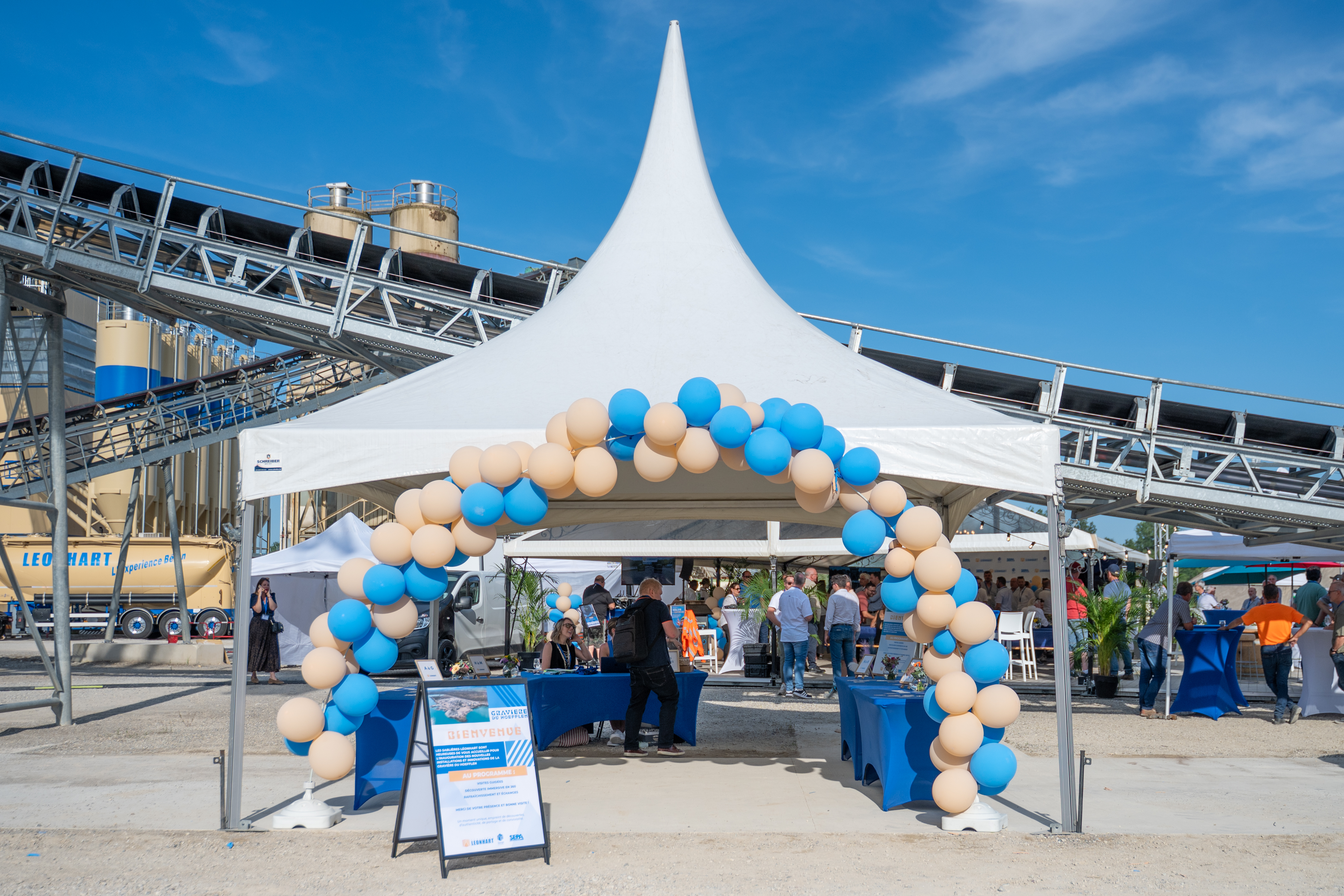
Open house event organisation that supports recruitment, trust, and growth
INNOV'events is a Canadian event agency that plans and delivers Open house event organisation for 50 to 2,500+ guests, from a controlled site tour to a full brand experience. We manage logistics, guest flow, programming, vendors, permits, and day-of operations so your leaders can focus on relationships.
Sommaire
An Open house event is one of the fastest ways to turn “who are you?” into “we trust you.” It creates a structured, in-person proof point: your people, your standards, your culture, and your operational reality—seen first-hand by candidates, clients, partners, or the community.
Organisations typically need three things at once: a professional welcome that reflects brand standards, a safe and efficient flow through spaces that weren’t designed for public traffic, and a programme that keeps guests engaged without disrupting operations.
INNOV'events plans open houses for corporate offices, plants, labs, warehouses, and mixed-use sites. We bring production discipline (run-of-show, risk controls, staffing plans) and communications rigour (messaging, stakeholder alignment) to deliver an event your executive team is comfortable signing off on.
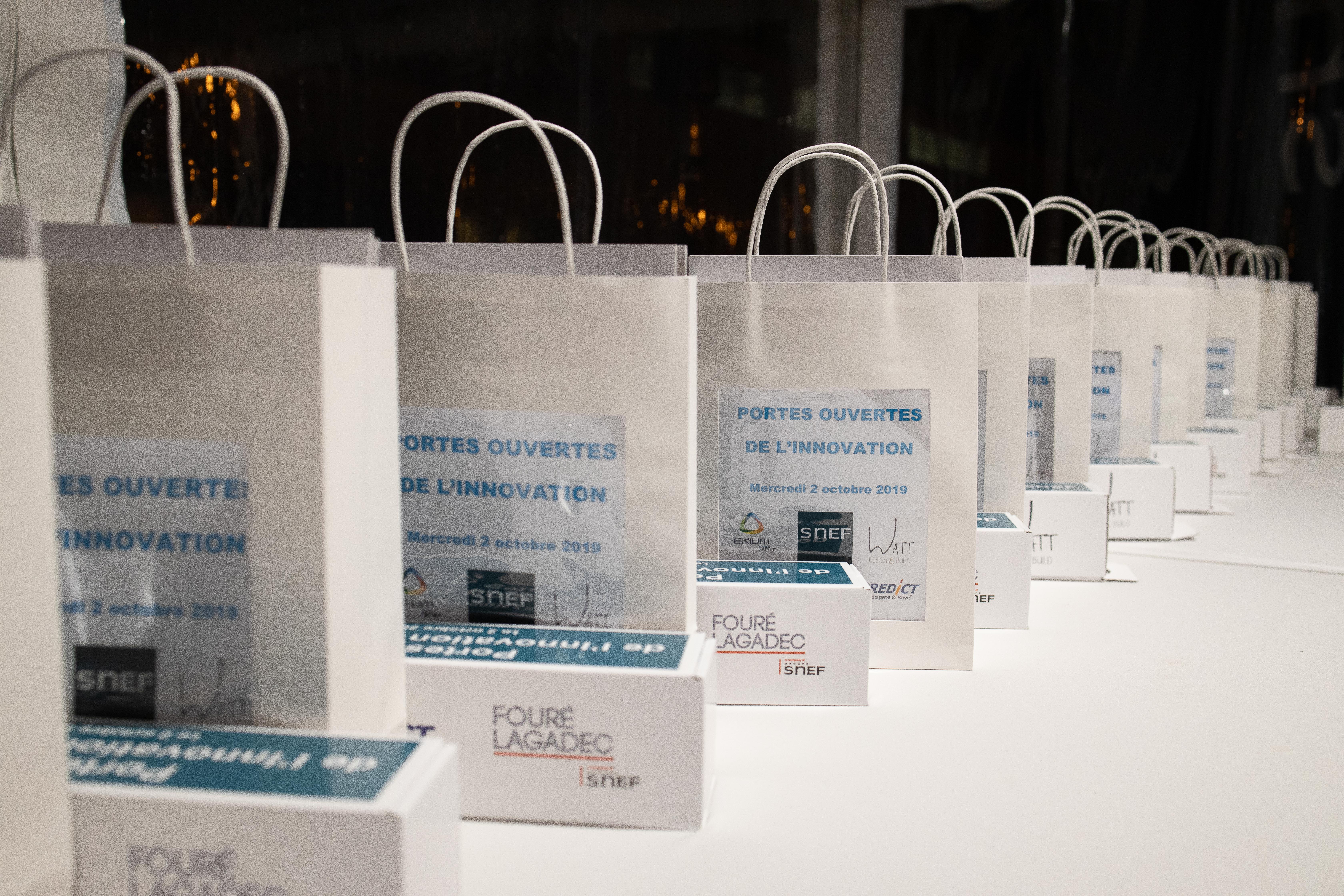
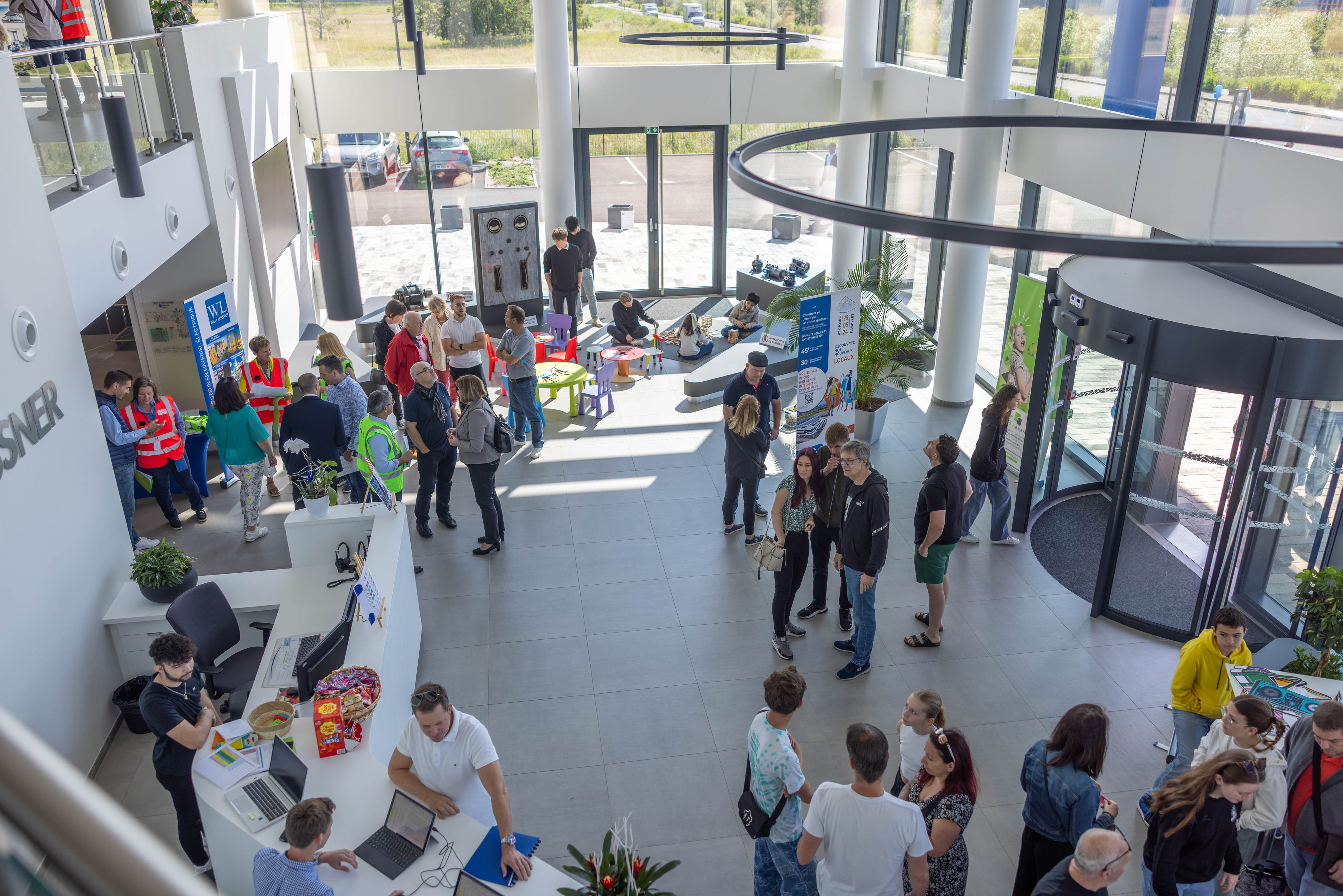
What decision-makers want to know upfront
Canada-wide coverage through a vetted supplier network (AV, staging, security, catering, staffing), enabling consistent standards across multi-site programmes.
Operational capacity for 50 to 2,500+ attendees, including timed-entry models, group rotations, and multi-language signage when required.
Governance-friendly delivery: documented site walks, safety checklists, vendor insurance collection, and a day-of command structure that reduces executive risk exposure.
Measured outcomes: registration-to-attendance tracking, on-site QR lead capture, and post-event reporting that ties attendance to recruiting, pipeline, or stakeholder goals.
How to organize a professional event in ?
- Define the objective (cohesion, announcement, fidelity, performance).
- Set date, format and size (20–1 000 people).
- Secure the venue and accommodation according to seasonality.
- Lock down technical, suppliers and logistics.
- Drive the day J (timing, scene, entrance, flow).
We send you a first proposal within 24h.
Why organise a corporate open house event now
A corporate open house event is not a “nice-to-have.” For executives, HR leaders, and communications teams, it is a controlled environment to build confidence in your organisation—especially when the market is crowded, talent is selective, and stakeholders expect transparency.
Accelerate recruitment without overpromising: candidates see the workplace, meet supervisors, understand schedules, and self-select faster. This reduces early attrition because expectations are set honestly and in person.
Move procurement and partnership conversations forward: a guided walk-through with proof of quality systems, safety culture, and capacity can shorten sales cycles—particularly for regulated industries and large accounts.
Strengthen employer brand with evidence: instead of generic career messaging, guests experience real teams, real workstations, and real leadership presence—backed by a clear narrative and consistent signage.
De-risk community and stakeholder relations: for sites with noise, traffic, or expansion plans, an open house can address concerns proactively through structured Q&A, traffic plans, and transparent communication.
Align leaders internally: preparing an open house forces clarity—what we do, why it matters, how we do it safely, and what we want guests to remember. That alignment improves communications well beyond the event.
Create usable content: planned photo/video moments, testimonials, and behind-the-scenes stories become year-round assets for recruiting, sales enablement, investor relations, and internal communications.
In practice, the best open houses support economic culture: they make the organisation understandable to outsiders and coherent to insiders. When done with discipline, they protect operations while opening doors—literally and strategically.
Open house event ideas that feel modern and credible
Activities aren’t decoration—they’re a tool to manage attention, pace the visit, and help guests remember what matters. The best open house event ideas reduce passive standing around and increase purposeful interactions with your people and your product.
Interactive animations
Guided micro-tours with timed entry: 20–30 guests per guide, repeated every 15 minutes. Works well for offices, labs, and production spaces where capacity is limited.
“Ask Me Anything” stations: HR, operations, and a front-line ambassador each host a station with pre-approved Q&A themes (benefits, schedules, training, career paths). Keeps messaging consistent and reduces off-script risk.
Skill or role simulators: short, safe task demos (quality check, packing standard, customer scenario, software workflow). Ideal for recruitment open houses to clarify expectations.
Live demo schedule board: a visible programme board so guests can choose what to see next without asking staff repeatedly—especially useful in larger footprints.
Art animations
Acoustic welcome set: low-volume live music at reception to set tone without disrupting conversation (a common issue with DJs in corporate environments).
Brand-aligned photo moment: a professional backdrop that reflects your work (not a generic step-and-repeat), designed for LinkedIn-ready photos.
Ambient lighting and projection: subtle colour treatments that guide flow and create defined zones in large open areas (warehouses, atriums, showrooms).
Innovative animations
Staggered catering service: multiple small points of service to prevent long lines—coffee at entry, snack station mid-route, refreshments at the closing zone.
Local supplier tasting: supports community positioning and creates natural conversation starters without adding operational complexity.
Dietary planning that avoids last-minute stress: clear labelling, separate prep where possible, and a controlled approach to allergens—especially important for public-facing events.
Gourmand animations
QR-based self-guided content: guests scan zone markers for short videos, safety explanations, or product specs—useful where noise or confidentiality limits live explanations.
Lead capture with consent: QR forms tailored by audience (candidate vs. prospect vs. stakeholder) to keep data clean and follow-up compliant.
Real-time capacity monitoring: simple clicker counts or dashboard tracking at key zones to prevent crowding and keep the experience comfortable.
Every animation choice should match your brand and risk profile. If you’re a regulated manufacturer, “fun” must never look careless. If you’re a high-growth tech employer, the experience should feel efficient, people-forward, and well-organised—not like a trade show dropped into your office.
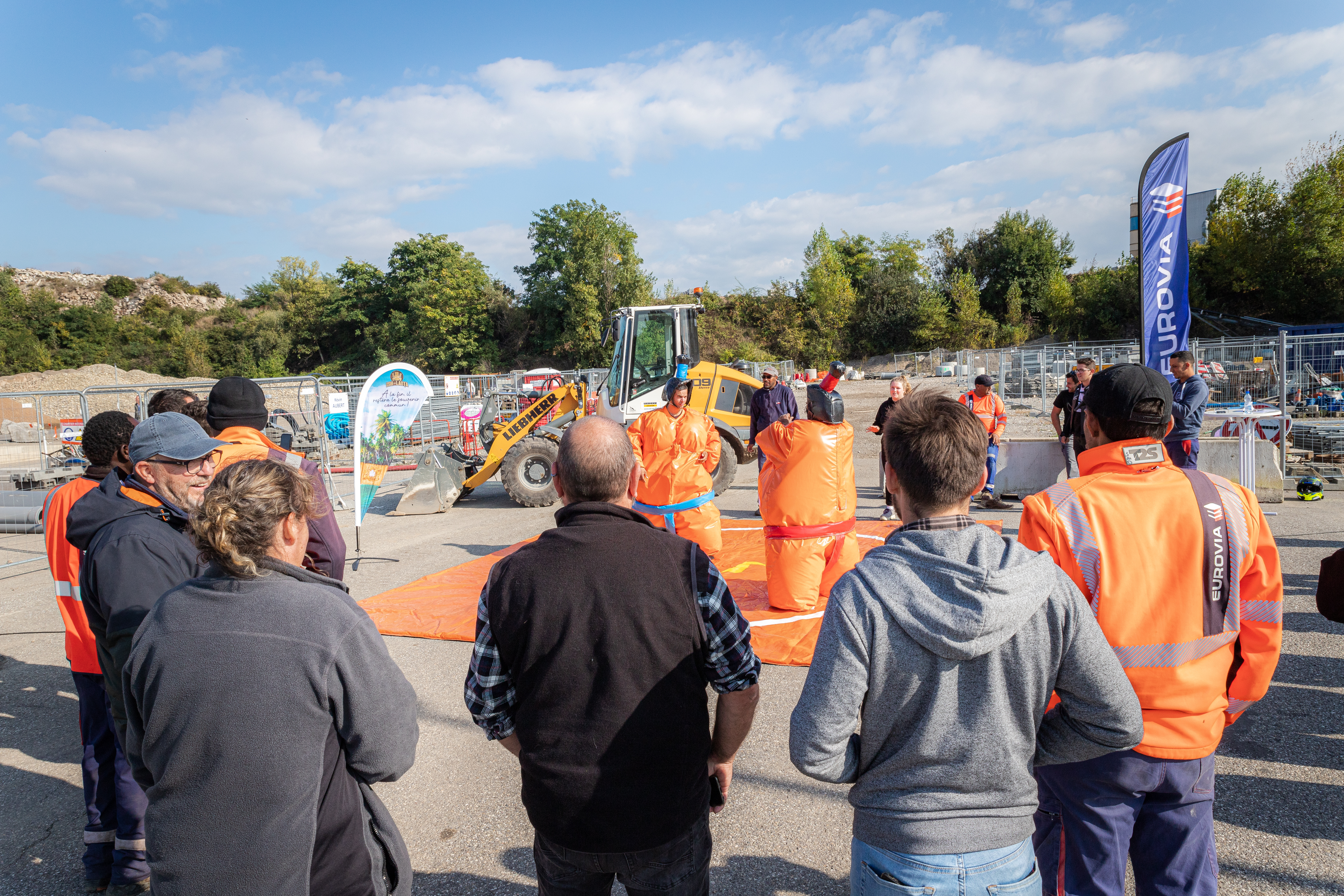
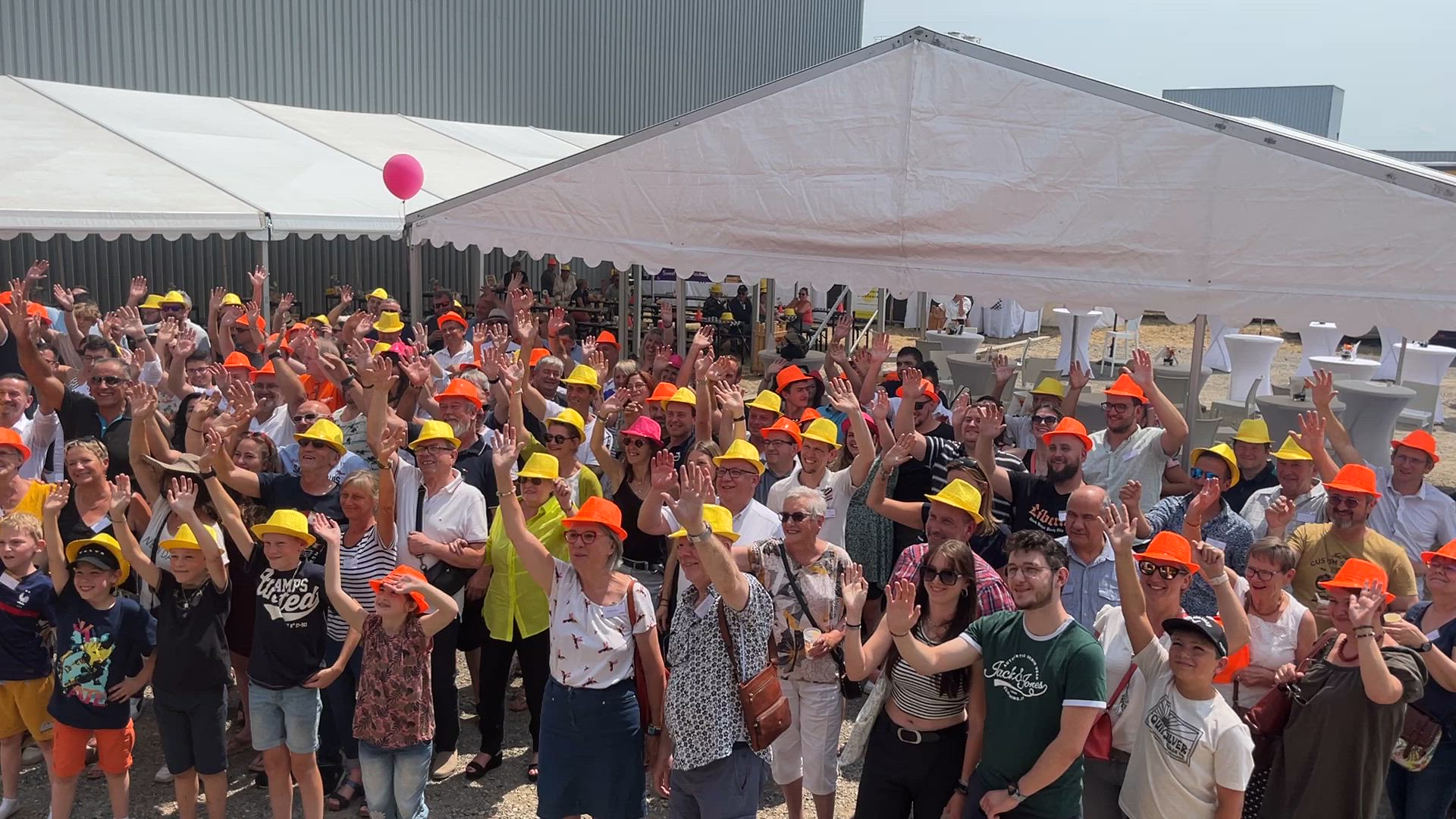
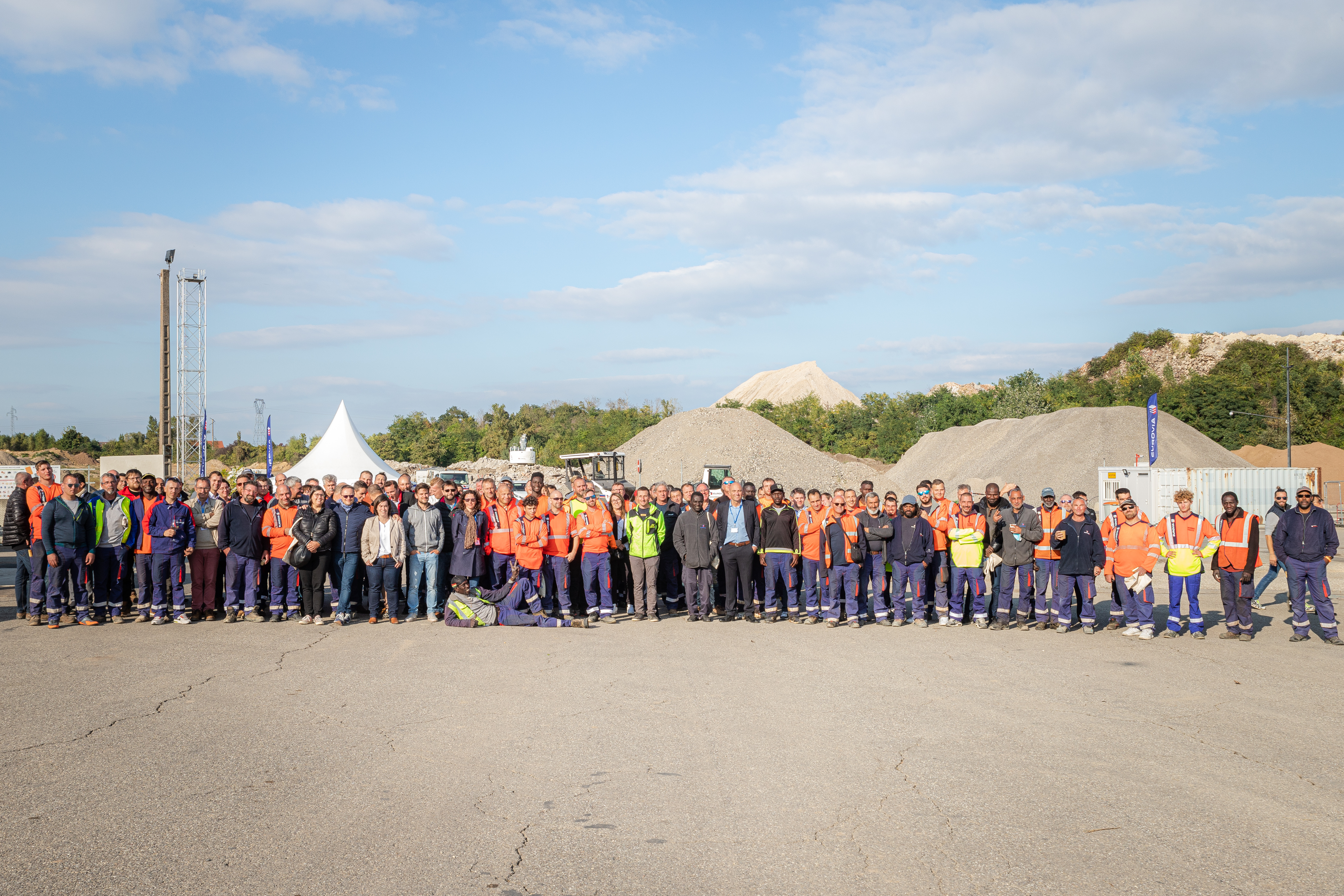
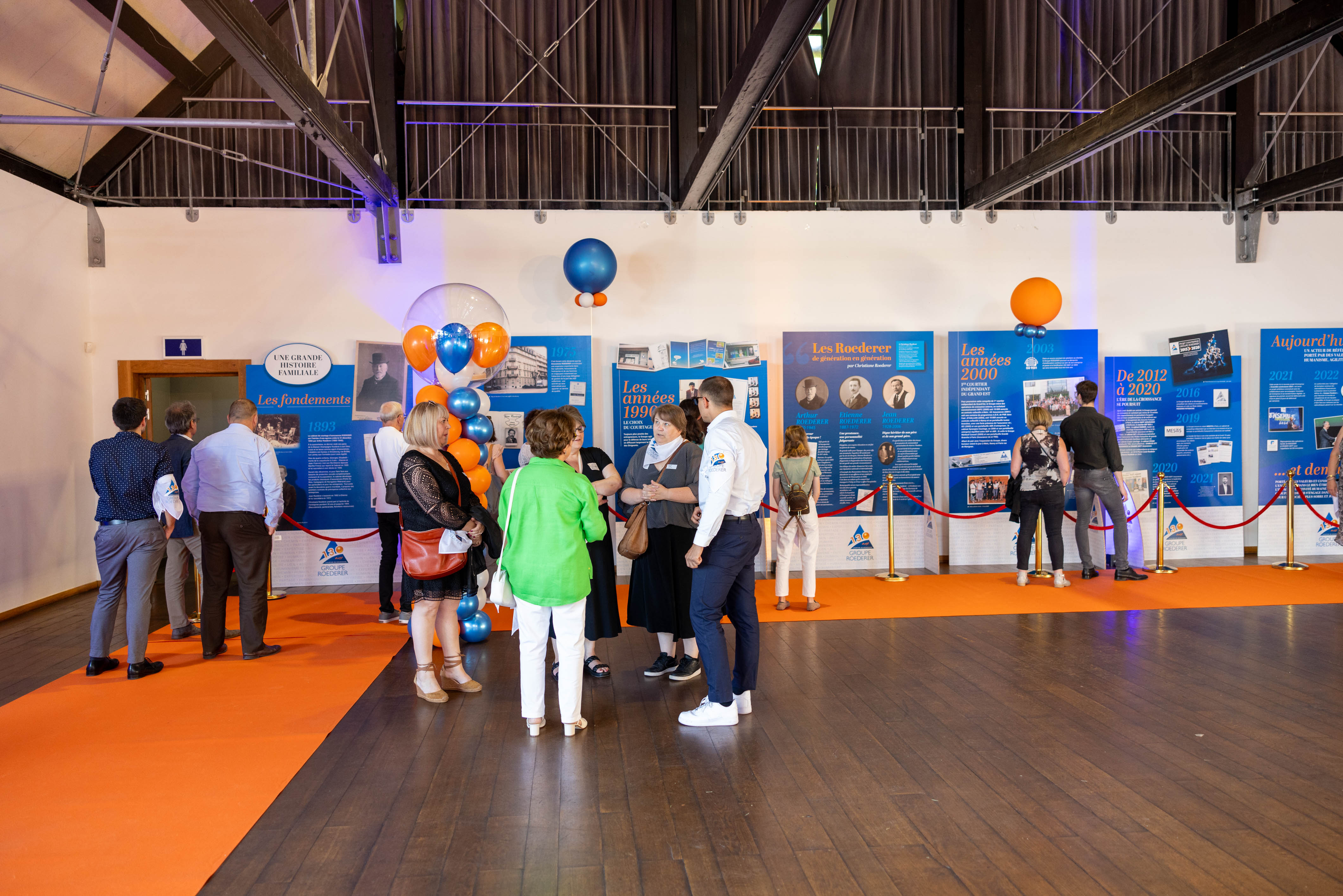
Which venues work best for an open house organisation plan
The “best” location depends on what you need guests to believe after the visit. Some organisations should host on-site for credibility. Others should use an off-site venue to control flow, then offer scheduled site tours for qualified groups. We advise based on operational risk, capacity, confidentiality, and the quality of the guest journey.
On-site (office, plant, warehouse, lab): Highest credibility and strongest recruitment impact. Requires robust safety, signage, and escort planning. Best for stakeholders who need proof of capability.
Showroom or demo centre: Strong product storytelling with controlled access. Good balance of brand experience and operational protection. Ideal when production areas are sensitive.
Off-site event venue: Best for high attendance, press, or multi-stakeholder events where you need audio/visual control and comfortable networking. Works well when the site is remote or not visitor-ready.
Hybrid model (off-site welcome + scheduled site tours): Excellent for regulated or complex sites. You can deliver a polished programme first, then host smaller, escorted tour waves for qualified guests.
Multi-site open house programme: Useful for national employers or organisations with multiple branches. Requires consistent brand standards, replicated signage, and a central registration/reporting approach.
Venue choice is also a communications decision: it signals what you want guests to focus on—culture, capability, safety, innovation, or community impact. We align the location strategy with your executive risk tolerance and your operational reality.
Open house event budget ranges and what drives cost
Budget for a Open house event depends on guest count, venue type, safety requirements, and the level of production and staffing needed to keep operations stable. We typically build transparent line items so your leadership team can make trade-offs confidently instead of approving a lump sum.
Attendance model: open door vs. timed entry. Timed entry often reduces staffing pressure and improves experience, but requires a stronger registration and check-in set-up.
Site constraints and safety: PPE, security screening, escort ratios, restricted zones, barricades, and traffic management can be major drivers for industrial and logistics sites.
Production needs: audio (speeches, paging), lighting, power distribution, staging, signage, wayfinding, and content displays. A simple office open house might need minimal AV; a multi-zone facility tour often needs more.
Staffing and guest services: hosts, check-in staff, floor managers, tour guides, accessibility support, and bilingual staffing if required for your audience.
Catering approach: coffee-and-pastry reception vs. stations vs. plated meal. We often recommend “distributed stations” to protect flow and reduce lineups.
Creative and content: branded environmental graphics, printed materials, video loops, photography, and post-event recaps. These costs can be justified when assets will be reused for recruiting and sales.
Compliance and vendor management: insurance certificates, safety documentation, permits, and union or venue labour rules where applicable.
From an ROI standpoint, the right question is rarely “What’s the cheapest open house?” It’s “What’s the lowest investment that still protects our brand and achieves the outcome?” We help you connect spend to measurable results: number of qualified applicants, booked sales meetings, stakeholder sentiment, or conversion to next steps.








What we’ve delivered across industries and site types
Our open house work spans corporate head offices, regional hubs, industrial operations, and high-security environments. The common thread is operational realism: we plan around what the site can safely support, not around an idealised guest journey that collapses under real attendance.
We’ve delivered recruitment-focused open houses with timed entry and role demonstrations; partner and client open houses with executive-led tours and controlled networking; and community-facing open houses where traffic, accessibility, and stakeholder Q&A required extra planning. We also support multi-date programmes (e.g., several open house days over a quarter) with consistent branding, repeatable checklists, and reporting that lets leadership compare performance across dates or locations.
When constraints are high—confidential areas, noise, contamination control, or union/venue labour rules—we design the experience to protect the operation first, then build engagement through well-placed demos, curated talking points, and controlled content capture.
Common open house risks—and how we prevent them
Underestimating check-in and entry queues: we size check-in by arrival waves, pre-print badges where needed, and create overflow plans so the first impression stays calm.
No clear guest flow: we build one-way routes, zone capacities, and visible wayfinding so guests don’t wander into restricted or awkward areas.
Too much talking, not enough showing: we convert long presentations into short “proof points” in the space—demos, boards, and repeatable host scripts.
Leadership pulled into operations: we assign floor managers and a show caller so executives can focus on stakeholder conversations.
Safety and confidentiality gaps: we implement PPE rules, escort ratios, photography policies, and incident protocols appropriate to the site.
Weak follow-up: we plan post-event outreach in advance so leads don’t go cold and HR doesn’t lose candidates to faster employers.
Our role is to make sure the open house achieves its purpose without creating new risks for your organisation. That means anticipating pressure points early—then managing them with simple, enforceable systems on event day.
Why clients keep INNOV'events as their long-term event partner
Open houses often become annual or semi-annual because they work—especially for hiring and stakeholder trust. Clients return when the agency reduces internal workload, protects brand standards, and improves outcomes over time through better data and smoother operations.
Repeatable frameworks: we keep your floor plans, signage templates, run-of-show formats, and vendor lists organised so each edition gets easier, not harder.
Consistent executive experience: leaders know what to expect—briefings are short, the programme stays on time, and issues are handled discreetly.
Post-event reporting discipline: attendance, lead quality, conversion to next steps, and lessons learned captured while it’s fresh.

Loyalty is a practical indicator: it means the event delivered measurable value and was manageable for the internal team. That’s the standard we work to meet on every Open house event we organise.
Our process for open house event organisation
👉 Discovery and outcome definition
We confirm the audience (candidates, clients, partners, community), target attendance, and the specific action you want after the event (apply, book a meeting, request a proposal, join a tour). We also identify internal stakeholders and approval paths early—HR, HSE, facilities, security, legal, communications—so decisions don’t stall in the final week.
👉 Site walk, safety review, and flow design
We conduct a detailed site walk to map entry/exit, tour zones, restricted areas, accessibility routes, washrooms, power, and staging possibilities. For operational sites, we define PPE, escort ratios, photo rules, and a guest movement plan that protects production, inventory, and sensitive IP.
👉 Programme build and content planning
We create a practical run-of-show with timed rotations, demo moments, and leadership touchpoints. We write host briefs and talking points so messaging is consistent across guides and departments. If needed, we plan content capture (photo/video) with a shot list and approved locations.
👉 Supplier sourcing, budgeting, and compliance
We source and manage vendors (AV, rentals, signage, catering, security, staffing), negotiate scopes, and confirm insurance and safety requirements. You receive a clear budget with optional upgrades and recommended trade-offs, so approvals are straightforward.
👉 Registration, invitations, and attendee communications
We set up registration (including timed entry if used), confirmation emails, reminder messages, and on-site signage. For recruitment events, we can align registration questions with HR screening needs. For client/partner events, we can support segmented invites and VIP handling.
👉 Rehearsal, day-of management, and follow-up
We run a final briefing with key hosts, test the flow, and confirm contingency plans (weather, overflow, technical issues). On event day, we manage check-in, crowd flow, programme timing, and vendor coordination. Afterward, we deliver a debrief and reporting, plus an organised handoff of leads and insights for HR or sales follow-up.
FAQ sur l'organisation Open house event
How far in advance should we plan an open house?
Plan for 6–10 weeks for a standard office open house and 10–16 weeks for an operational site (plant/warehouse/lab) where safety, escorts, and route approvals are required. Shorter timelines are possible, but vendor availability and internal approvals become the main constraints.
What’s a realistic attendance size for an open house event?
For on-site tours, we typically recommend 100–400 guests over a few hours using timed entry and rotations. For off-site venues, 300–1,500+ can be comfortable with proper check-in and staffing. The limiting factors are check-in throughput, washroom capacity, and how many guests can safely be in tour zones at once.
How do we run an open house in a secure facility?
Use pre-registration, ID checks if required, clear badge categories (general/VIP/staff), defined no-go zones, and escorted routes. We also implement a photography policy, controlled content capture, and a documented incident plan. The goal is welcoming hospitality without compromising security or IP.
How do we measure ROI from a corporate open house event?
Set outcomes before launch and track them: registration-to-attendance rate, number of qualified applicants, interviews booked, sales meetings scheduled, demos requested, or stakeholder commitments. We use QR lead capture and segmented follow-up so HR and sales can attribute outcomes within 2–6 weeks, depending on your cycle.
What are the biggest causes of open house event failure?
The top issues are poor crowd flow, unclear messaging, under-sized check-in/catering, and weak follow-up. Operationally, the biggest risk is treating the event like a drop-in gathering instead of a controlled programme. A structured route, staffing plan, and run-of-show prevent most failures.
Request a free quote for your open house event
If you’re planning an Open house event and need a clear, credible plan that protects operations and delivers measurable outcomes, INNOV'events can help. Share your date range, site type, target audience, and estimated attendance—we’ll respond with practical recommendations, a draft flow approach, and a free quote built for executive approval. The earlier we’re involved, the more we can optimise safety, guest experience, and budget trade-offs.