
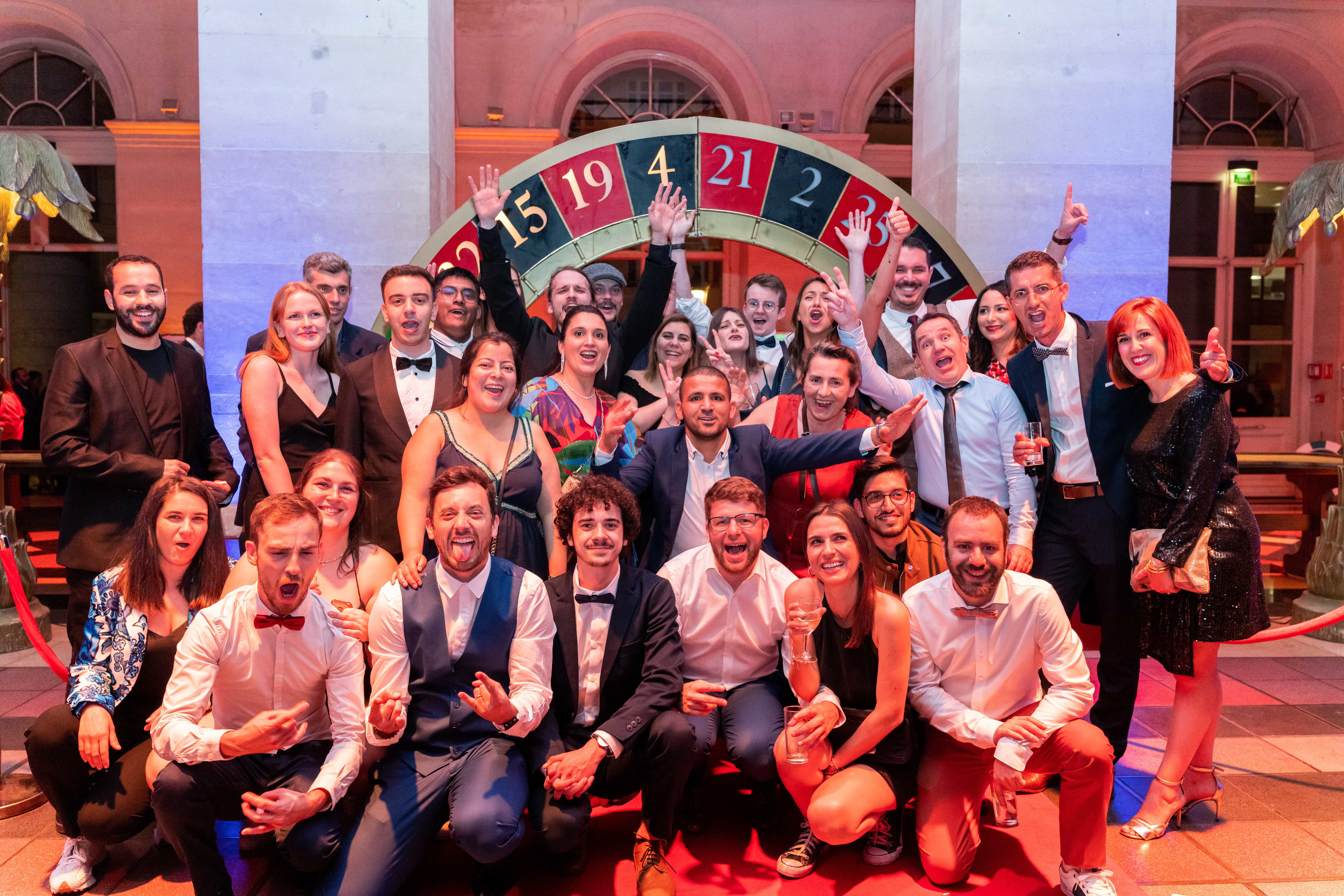
Networking Cocktail organisation that helps people actually connect
INNOV'events is a Canadian event agency that plans and delivers Networking Cocktail events for 40 to 800+ guests, across major Canadian markets. We handle the full scope: venue sourcing, run of show, catering and bar strategy, registration, staffing, AV, brand integration, and day-of operations.
If your goal is business connections (not just drinks), we design the room, timing, and facilitation so executives, clients, and teams leave with measurable new conversations and clear next steps.
Sommaire
A Networking Cocktail is one of the fastest ways to create high-value touchpoints in a short time window—ideal for after-work corporate events where calendars are tight and expectations are high. Done right, it accelerates relationships with prospects, partners, alumni, and internal stakeholders without the formality (and cost) of a seated gala.
Organisations typically expect three things: a professional atmosphere that protects brand image, a format that drives introductions beyond existing cliques, and an operationally smooth evening (arrival, coat check, bar flow, dietary needs, and sound levels) that doesn’t pull leaders into troubleshooting.
As an experienced event management company, we translate your objectives into practical choices: the right venue layout, realistic guest journey, and staffing plan. Our producers run the logistics so your hosts can focus on welcoming, connecting, and representing the business.
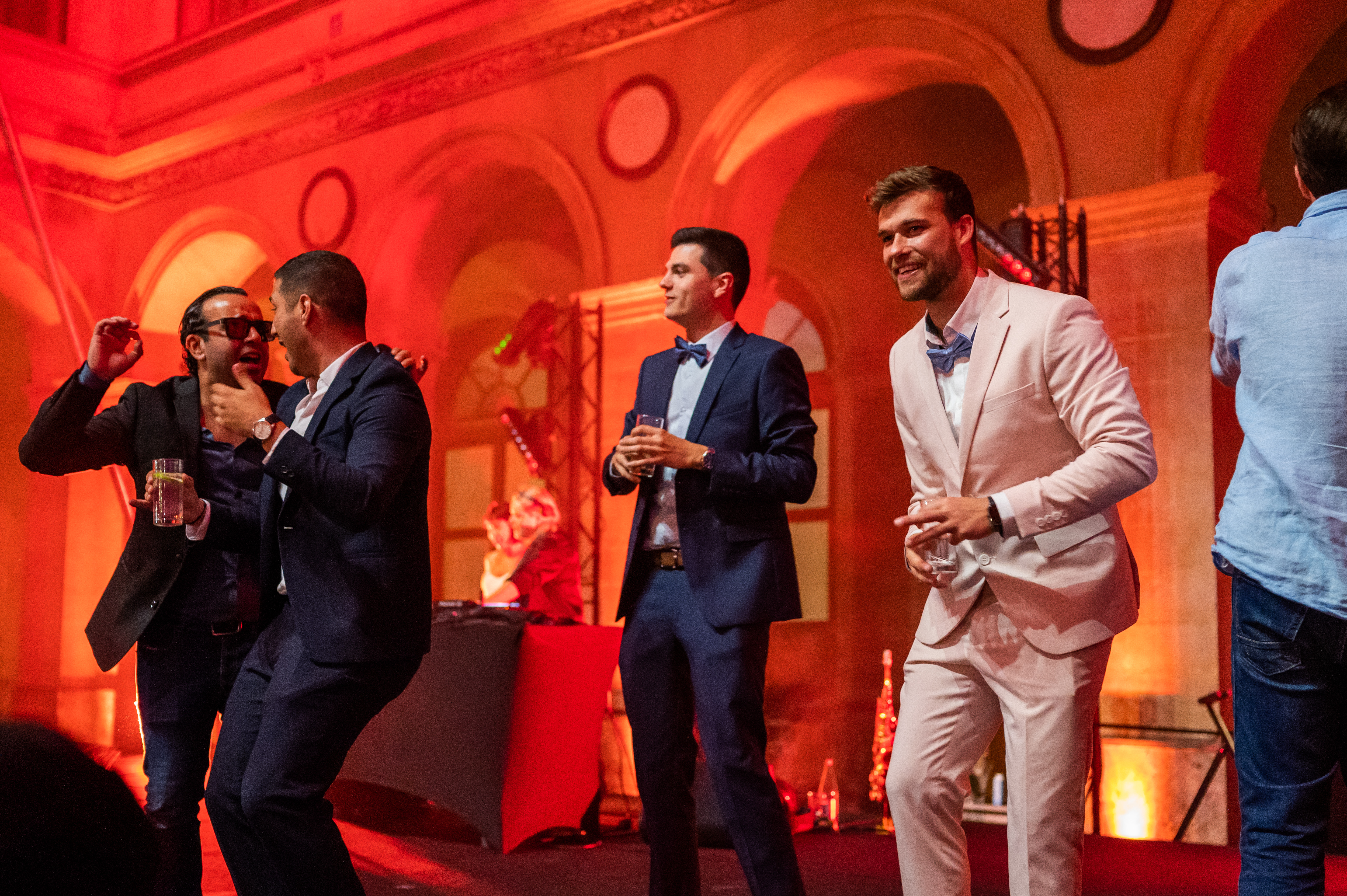
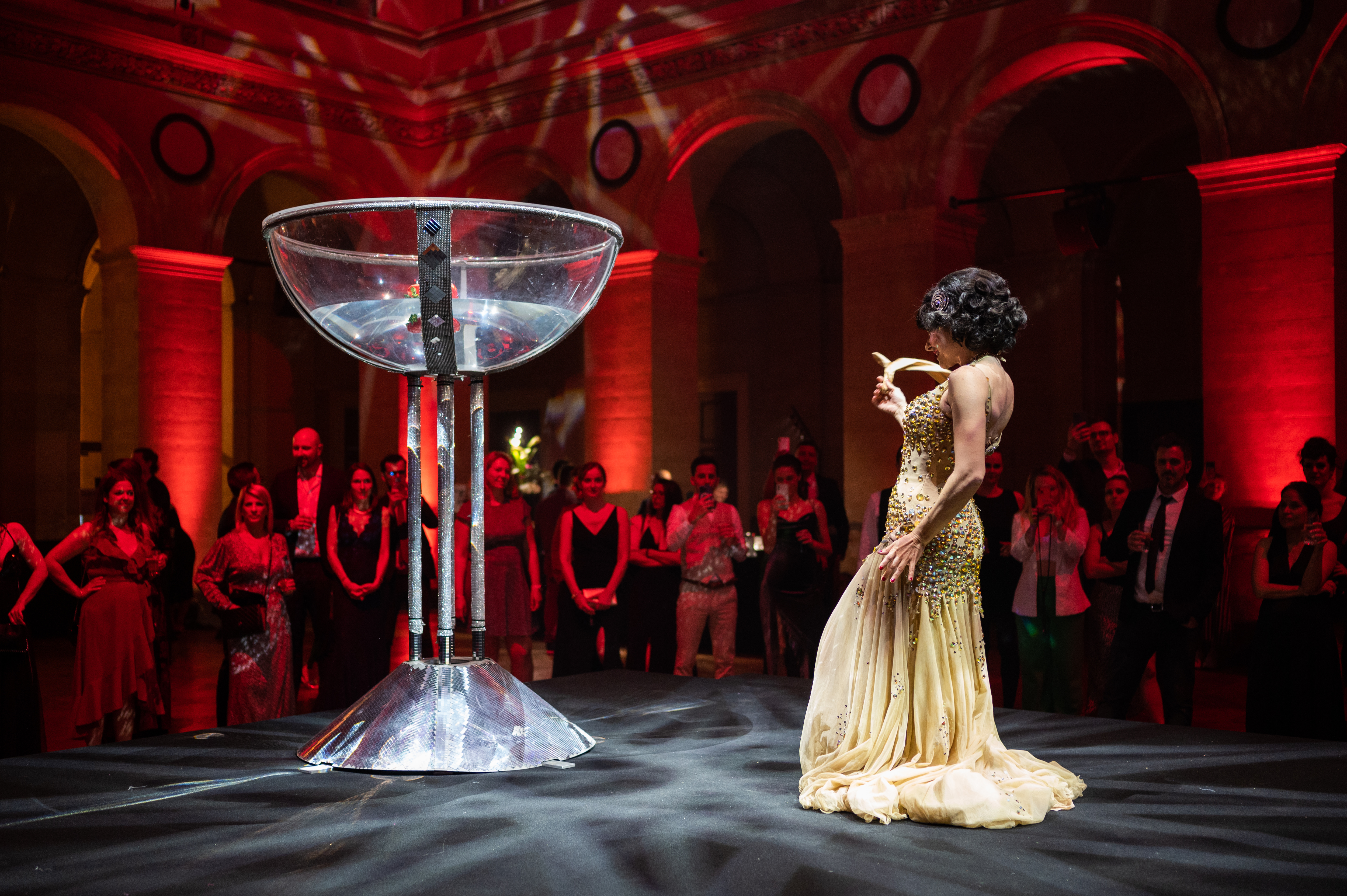
A delivery model built for corporate standards
Pan-Canadian delivery: proven vendor networks in major Canadian cities, with consistent service standards and local compliance knowledge.
Operational coverage: dedicated producer + on-site lead + floor team sized to guest count and venue complexity, so issues are handled before they reach your executives.
Event risk controls: documented run of show, supplier SLAs, contingency planning for staffing, weather, and AV—aligned with corporate procurement and brand requirements.
Stakeholder-ready reporting: post-event recap including attendance, flow observations, and actionable recommendations for the next professional networking event.
How to organize a professional event in ?
- Define the objective (cohesion, announcement, fidelity, performance).
- Set date, format and size (20–1 000 people).
- Secure the venue and accommodation according to seasonality.
- Lock down technical, suppliers and logistics.
- Drive the day J (timing, scene, entrance, flow).
We send you a first proposal within 24h.
Why organise a Networking Cocktail instead of a formal dinner?
For executives, HR leaders, and communications teams, a networking cocktail event is a pragmatic format: time-efficient, easier to host, and flexible enough to support business development, employer brand, or partner relations. The key is to treat it as a designed interaction system—not simply a bar and canapés.
Faster relationship-building per hour: guests can meet 8–15 people in one evening when the space and flow are designed for movement and small-group conversations.
Lower friction for attendance: an after work corporate event typically increases acceptance rates versus a full dinner, especially for senior and client-facing roles.
More control over messaging: a short welcome, a timed spotlight moment, or a product/initiative reveal can be integrated without dominating the evening.
Cross-silo connections internally: for HR and leadership teams, it’s a proven way to connect departments after reorganisations, acquisitions, or rapid growth—without forcing structured workshops.
Client and partner retention: hosting creates a reason to reconnect with key accounts outside transactional meetings, particularly useful in complex sales cycles.
Employer brand in a realistic setting: the tone, venue, and hospitality standards communicate your culture more credibly than a brochure.
In Canada’s current economic environment, organisations are expected to be disciplined with spend while still nurturing relationships that drive revenue and retention. A well-run Networking Cocktail supports that balance when it’s planned with intention and measured outcomes.
What business networking cocktail animation actually works in corporate settings?
Activities are not there to “entertain” in the abstract—they are tools to break inertia, create new conversation starters, and give guests a reason to move. The best business networking cocktail animation options are light-touch, inclusive, and aligned with your brand tone (banking, tech, professional services, public sector all have different comfort levels).
Interactive animations
Structured introductions (opt-in): discreet colour-coded name badges, industry tags, or conversation prompts that feel professional (e.g., “Ask me about: AI governance / procurement / sustainability”).
Hosted connection moments: a skilled MC circulates and introduces people with purpose (client-to-expert, partner-to-sponsor) based on a short pre-brief and your priority list.
Speed networking blocks: 2 rounds of 6–8 minutes each, positioned early before groups harden. Works well for internal leadership mixers or industry association evenings.
Mini demo stations: small, staffed touchpoints for a product, initiative, or programme—designed for 2–3 minute interactions, not long presentations.
Art animations
Acoustic trio or jazz duo: provides energy without drowning conversations; we set decibel targets and placement to maintain comfort.
Live illustrator: captures insights or key themes on a board; useful when the cocktail supports a strategic narrative (innovation, culture, transformation).
Close-up magic (corporate-safe): works when the performer is briefed to keep it subtle and professional, ideally roaming during natural lulls.
Innovative animations
Chef-led canapés with pacing: timed releases avoid a rush that creates service bottlenecks; we plan vegetarian/halal/gluten-free options as equivalents, not afterthoughts.
Signature drink tied to brand: one featured cocktail + a zero-proof version to support inclusion; we plan batching and bar stations to manage throughput.
Local tasting bar: Ontario craft, BC wines, or regional non-alcoholic pairings—positioned as a conversation zone rather than a queue.
Gourmand animations
Smart matchmaking: optional pre-event form and on-site prompts to encourage specific introductions (useful for partner ecosystems and B2B communities).
QR-based contact exchange: reduces awkward “can I get your card?” moments; we can integrate privacy-friendly opt-in and post-event follow-ups.
Photo headshot corner: a short-value add for guests (especially emerging leaders) while keeping the main room focused on conversation.
Whatever you choose, consistency matters. The venue, music, signage, host script, and activity design must reinforce your brand image—especially when clients and senior leaders are in the room. We’ll recommend options that your people will actually use, not concepts that look good on paper.
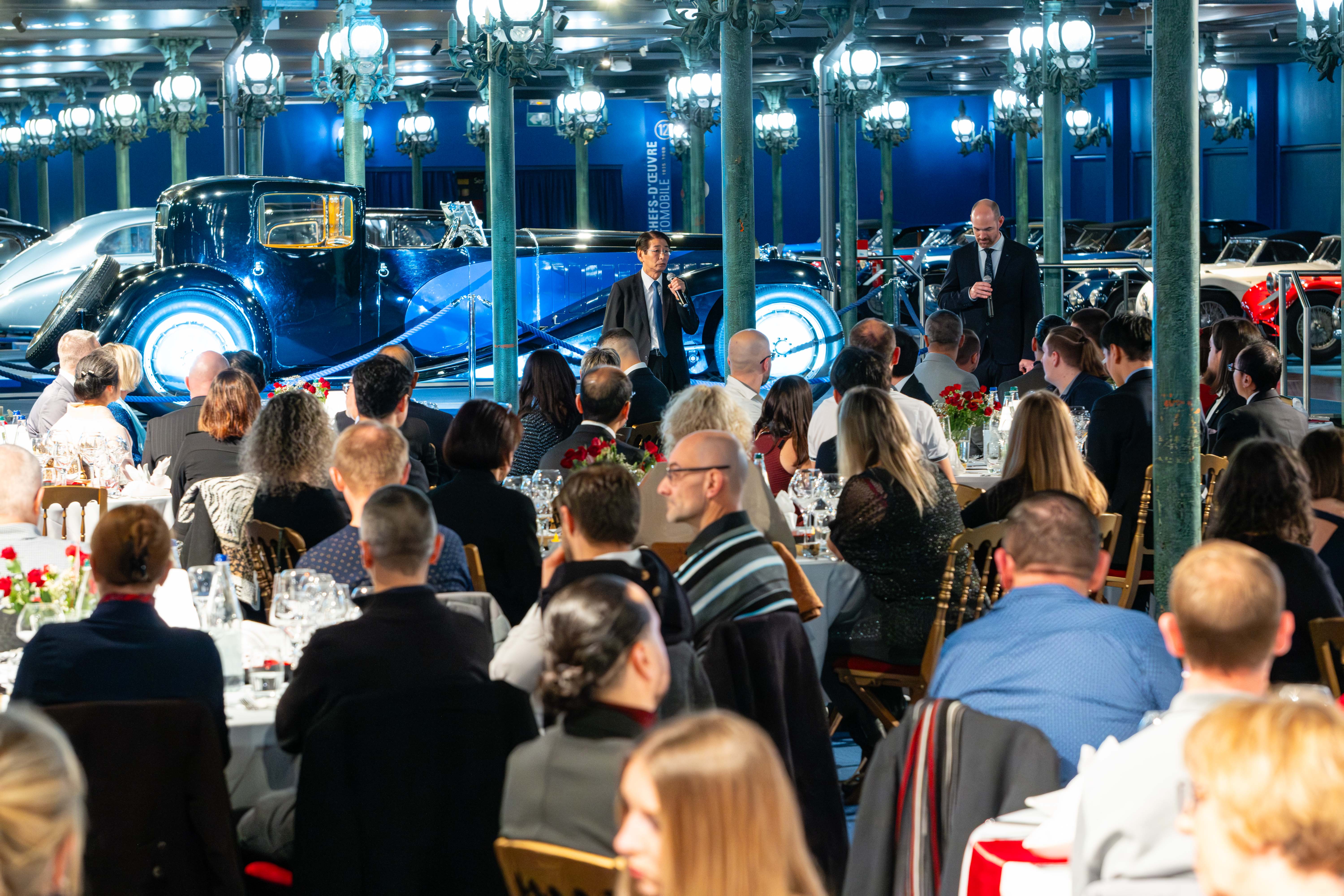
How to choose the right venue for a corporate cocktail
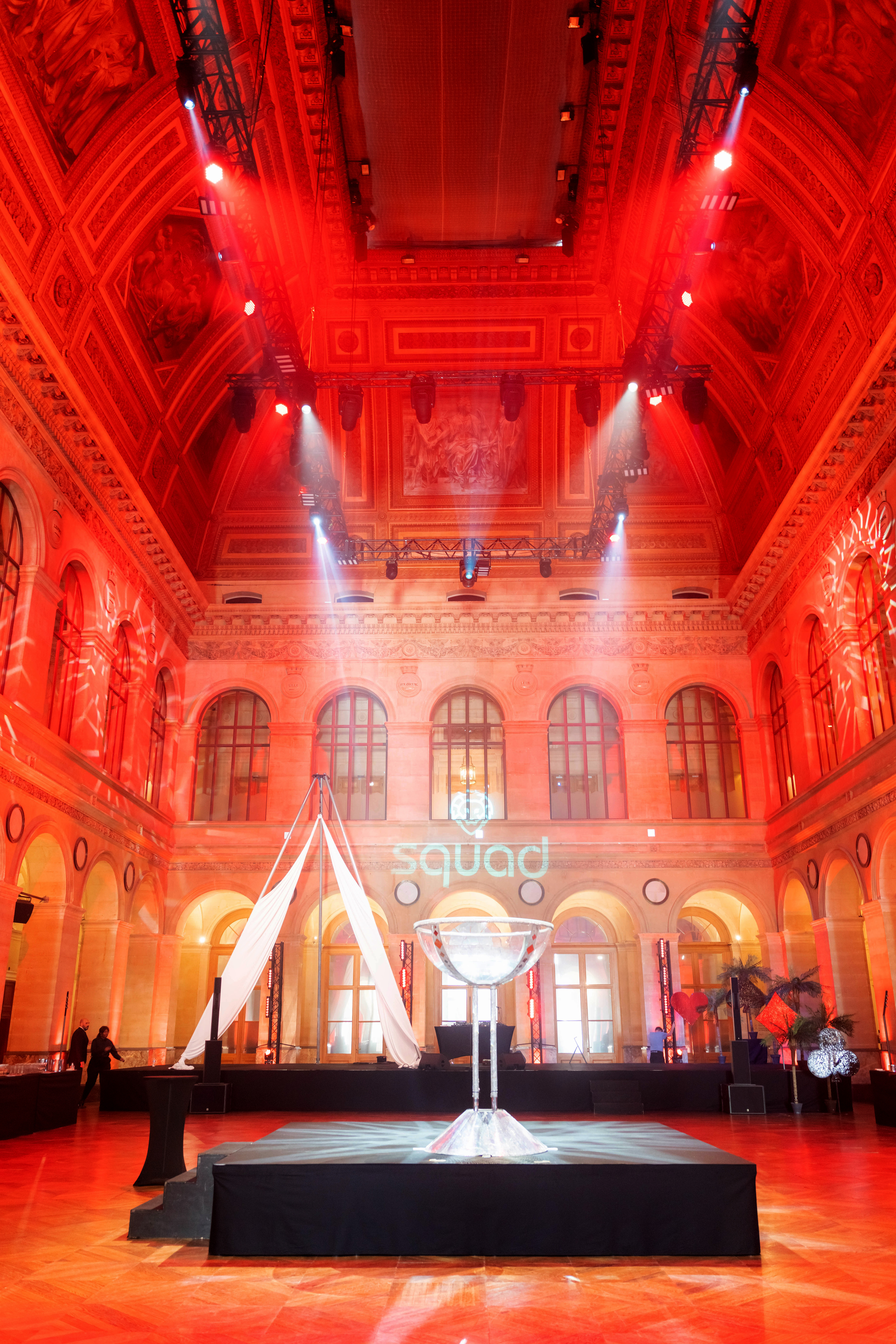
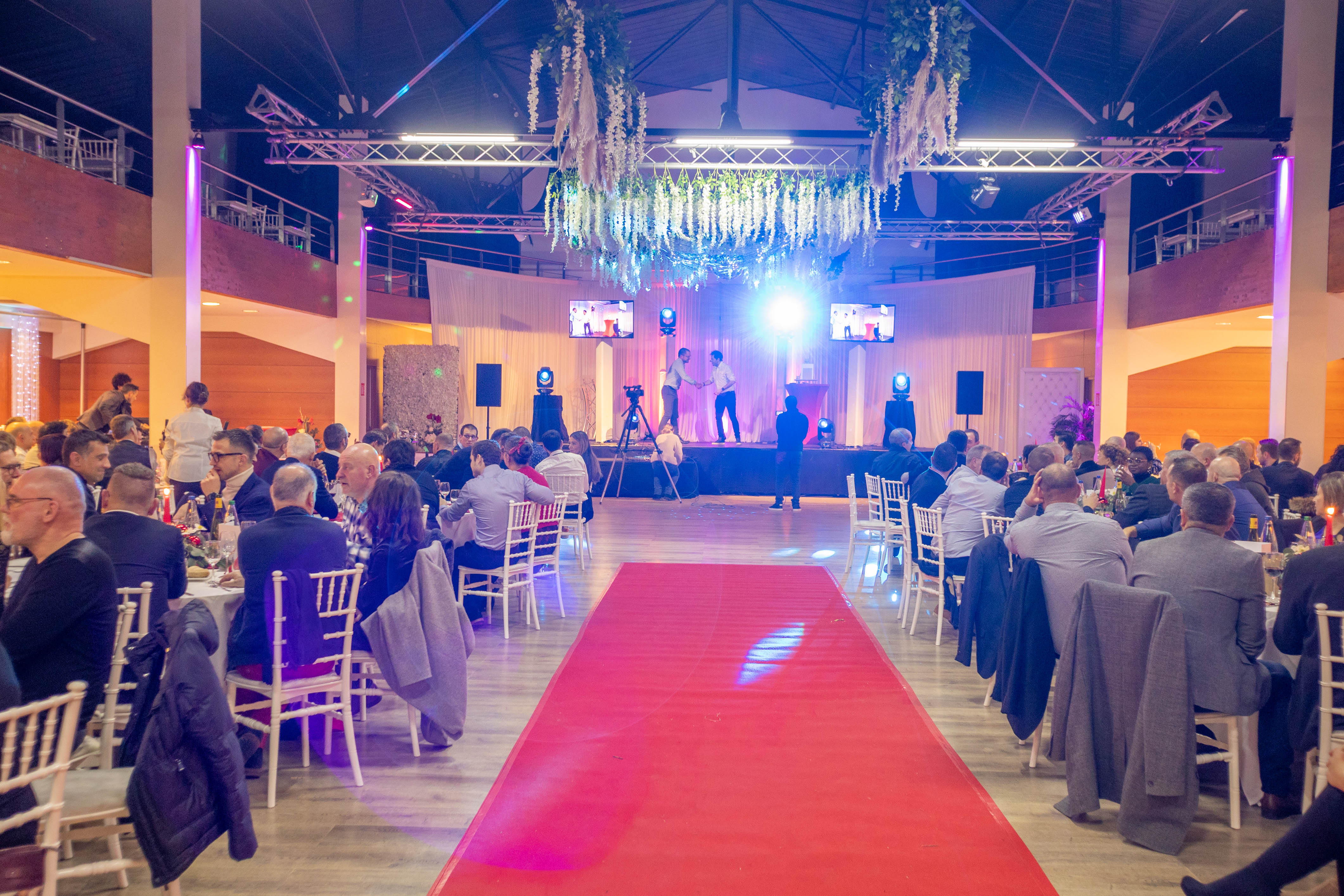
Venue selection can make or break a professional networking event. The best spaces are not always the most impressive visually—they’re the ones that support flow, acoustics, service, and accessibility. We shortlist venues based on guest journey, brand fit, and operational feasibility, then validate the details that typically cause day-of friction.
Venue criterion: Capacity and layout
What we verify: usable mingling space (not just fire code), number of cocktail tables, circulation paths, and whether there are natural networking zones.
Why it matters: prevents crowding, bottlenecks, and isolated groups.
Venue criterion: Acoustics and sound control
What we verify: ceiling height, hard surfaces, available sound zoning, and where speakers can be placed.
Why it matters: conversation is the product of a cocktail; poor acoustics reduce connection quality.
Venue criterion: Bar and catering infrastructure
What we verify: number of bar stations, speed rail capacity, back-of-house space, kitchen access, and service routes.
Why it matters: long lines kill momentum and pull guests out of the room.
Venue criterion: Accessibility and arrival experience
What we verify: elevator access, washrooms, coat check capacity, signage points, and nearby transit/parking.
Why it matters: first impressions and inclusion; reduces stress for VIPs and guests with mobility needs.
Venue criterion: Brand and privacy requirements
What we verify: branding rules, ability to secure a private space, photography permissions, and sightlines from public areas.
Why it matters: protects reputation and supports confidential conversations.
Venue criterion: Contract terms and risk
What we verify: cancellation clauses, minimum spend, insurance requirements, security staffing, and overtime policies.
Why it matters: avoids budget surprises and ensures compliance with corporate policies.
We also factor in the type of networking you want. A partner ecosystem mixer benefits from visible zones and movement; an executive client evening often needs quieter corners and a more controlled arrival sequence. The venue should serve the objective—not the other way around.
What does a networking cocktail cost in Canada?
Pricing for a Networking Cocktail depends on guest count, city, venue model (rental vs minimum spend), service level, and the operational complexity you need. We build budgets that procurement can approve and that operations can actually deliver—no hidden “nice-to-have” line items that become mandatory on-site.
Guest count and service ratio: Staffing, bar stations, security, coat check, and hosts scale with volume. A 60-person cocktail and a 250-person cocktail are different operations.
Venue fees and minimum spend: Some venues charge a flat rental plus catering; others require a food-and-beverage minimum. We model both to avoid overcommitting or under-delivering.
Food and beverage strategy: Passed canapés vs stations, premium vs standard bar, timing (90 minutes vs 3 hours), and zero-proof options. We plan for pacing and throughput, not just menu design.
AV and production: Microphones, music zoning, lighting tweaks, screens for sponsor loops, and technician hours. For networking, the goal is controlled sound—not maximum volume.
Branding and signage: Simple, high-impact pieces (entry, step-and-repeat if appropriate, directional signage) that prevent confusion and support professional photos.
Guest management: Registration tools, QR check-in, privacy requirements for guest lists, and post-event reporting. This often matters more for executive and client events.
Risk and compliance: Insurance, permits (where applicable), security planning, and responsible service measures. Corporate hosts increasingly require documented controls.
Return on investment comes from outcomes you can name in advance: number of target introductions, partner conversations, reactivation of dormant accounts, internal cross-team connections, or recruitment referrals. We’ll help you define what “success” looks like, then align the format and spend accordingly.








Examples of networking cocktail formats we deliver
Our projects range from compact leadership mixers to large-scale partner events with multiple stakeholder groups. We regularly deliver corporate cocktail organization mandates such as:
Client appreciation after-work cocktail: designed around a tight 2-hour window with a controlled welcome, premium but efficient bar service, and quiet zones for deeper conversations.
Partner ecosystem networking evening: structured introductions and a light programme so sponsors meet the right people without turning the event into a sales pitch.
Internal culture and recognition cocktail: leadership visibility, employee milestones, and cross-functional mixing—often tied to a strategic update or quarterly milestone.
Recruitment and employer brand cocktail: a guided guest journey where candidates meet hiring managers and future teammates, supported by clear messaging and privacy-aware registration.
Across all formats, the operational baseline stays the same: sound designed for conversation, service that doesn’t create lines, and a floor plan that encourages movement without feeling forced.
Common mistakes that weaken corporate networking cocktails
Underestimating arrival flow: inadequate coat check, unclear entry points, and slow first-drink access create early friction that’s hard to recover from.
Bar bottlenecks: one bar for 200 people guarantees lineups. We plan bar stations, batching, and staffing based on service math, not guesswork.
Music too loud: guests shout, leave early, or retreat to corners. Networking outcomes drop even when the room looks lively.
No facilitation: without light structure, people stay with their own group. We introduce opt-in tools that don’t feel awkward.
Over-programming: long speeches turn a networking event into a captive audience. We keep speaking moments short and strategically timed.
Inconsistent brand cues: generic signage, mismatched décor, or unclear host roles can undermine a premium brand image.
Ignoring dietary and inclusion needs: limited non-alcoholic choices or poor allergen labelling reflects badly on the host organisation.
No contingency plan: vendor delays, AV glitches, or a sudden attendance surge require a plan and authority on-site.
Our role as an event management company is to remove these risks with a documented plan, realistic staffing, and active floor management—so your team isn’t forced into reactive mode during a high-visibility evening.
Why corporate clients rebook INNOV'events
Repeat business in corporate events is rarely about novelty—it’s about trust under pressure. Clients come back when an agency consistently protects timelines, budgets, and brand reputation, and when stakeholders feel supported rather than managed.
Operational transparency: clear budgets, run-of-show documentation, and decision logs so approvals are simple and audit-ready.
Predictable delivery: the same planning discipline whether it’s 50 guests or 500, including rehearsals where needed.
Senior stakeholder confidence: executive-ready briefings, VIP hosting plans, and discreet issue escalation paths.
Continuous improvement: post-event debriefs that translate observations into specific upgrades for the next cocktail.

Loyalty is the clearest proof point in this industry: teams rebook when they know the event will reflect well on them internally and externally—and when their leaders can attend without operational distraction.
Our step-by-step approach to Networking Cocktail organisation
👉 Step 1: Define objectives, audience, and success metrics
We start with a working session to clarify the business purpose (client retention, partner development, employer brand, leadership visibility) and identify priority guests. We set measurable targets such as number of strategic introductions, sponsor touchpoints, or internal cross-team connections, then align the format to those outcomes.
👉 Step 2: Build the concept and the guest journey
We map the evening from arrival to departure: welcome sequence, first-drink access, food pacing, networking zones, and any planned moments. This includes practical decisions—coat check placement, signage points, sound levels, and where leadership should spend time for maximum impact.
👉 Step 3: Venue sourcing and supplier contracting
We present venue options with clear comparisons (layout, acoustics, service capacity, accessibility, contract terms). Once selected, we manage supplier contracting for catering, bar, AV, décor, entertainment, photography, security, and staffing—ensuring responsibilities and timing are explicit.
👉 Step 4: Budget control and approval-ready documentation
We structure budgets in a way that works for corporate approvals: transparent line items, options by priority, and clear assumptions (guest count, consumption, staffing). We flag cost drivers early and propose alternatives that protect the networking outcome.
👉 Step 5: Production planning and risk management
We produce the run of show, floor plan, staffing plan, vendor load-in schedules, and contingency measures. If you have VIPs or sensitive guest lists, we add privacy controls and a discreet protocol for arrival, seating zones (if any), and photography permissions.
👉 Step 6: On-site delivery and executive support
Our team runs check-in, manages suppliers, monitors service flow, and adjusts timing live. We keep leadership informed without overwhelming them, and we handle issues on the floor so your hosts can focus on people.
👉 Step 7: Post-event debrief and next-step follow-up
Within days, we provide a recap: attendance, what worked, what slowed flow, and specific improvements. When relevant, we support your team with practical follow-up tools (contact exchange outputs, sponsor deliverables checklist, and next-event recommendations).
FAQ sur l'organisation Networking Cocktail
How long should a corporate networking cocktail be?
Most corporate cocktails perform best at 2 to 2.5 hours. Under 90 minutes feels rushed (connections don’t deepen); over 3 hours tends to dilute energy and increases bar and staffing costs. If you need a speaking moment, we plan it within the first 30–45 minutes while attention is high.
How many guests can one bar station serve efficiently?
As a planning range, assume 1 bar station per 75–100 guests for standard service, depending on menu complexity and whether drinks are batched. For premium cocktails, multiple spirit options, or heavy early arrivals, we recommend closer to 1 per 60–75 to avoid lineups that disrupt networking.
What food format works best for networking flow?
A combination works best: passed canapés to keep guests moving plus 1–2 small stations for those who prefer a short pause. We avoid one large buffet line unless the venue can support multiple access points; long lines reduce conversation time and create crowding.
Do we need entertainment at a professional networking event?
Not always. If the guest list is strong and the room is designed for conversation, you may only need controlled music and light facilitation. If you want an activation, choose something that supports introductions—like a host-led connection plan or a subtle roaming performer—rather than a stage show that turns networking into spectatorship.
How far ahead should we book a networking cocktail venue?
In major Canadian cities, plan for 6–10 weeks for standard venues and 3–6 months for premium spaces or peak seasons (late spring and early December). If VIP schedules and procurement approvals are involved, earlier is safer—especially when you need specific layouts or privacy requirements.
Request a free quote for your Networking Cocktail
If you’re planning a Networking Cocktail and want it to deliver real business connections—without putting operational pressure on your team—INNOV'events can help. Share your city, date range, estimated guest count, and objectives, and we’ll come back with a practical plan and budget options that fit corporate approval realities.
Contact us to request your free quote and secure venue holds early, especially for peak after-work dates.