
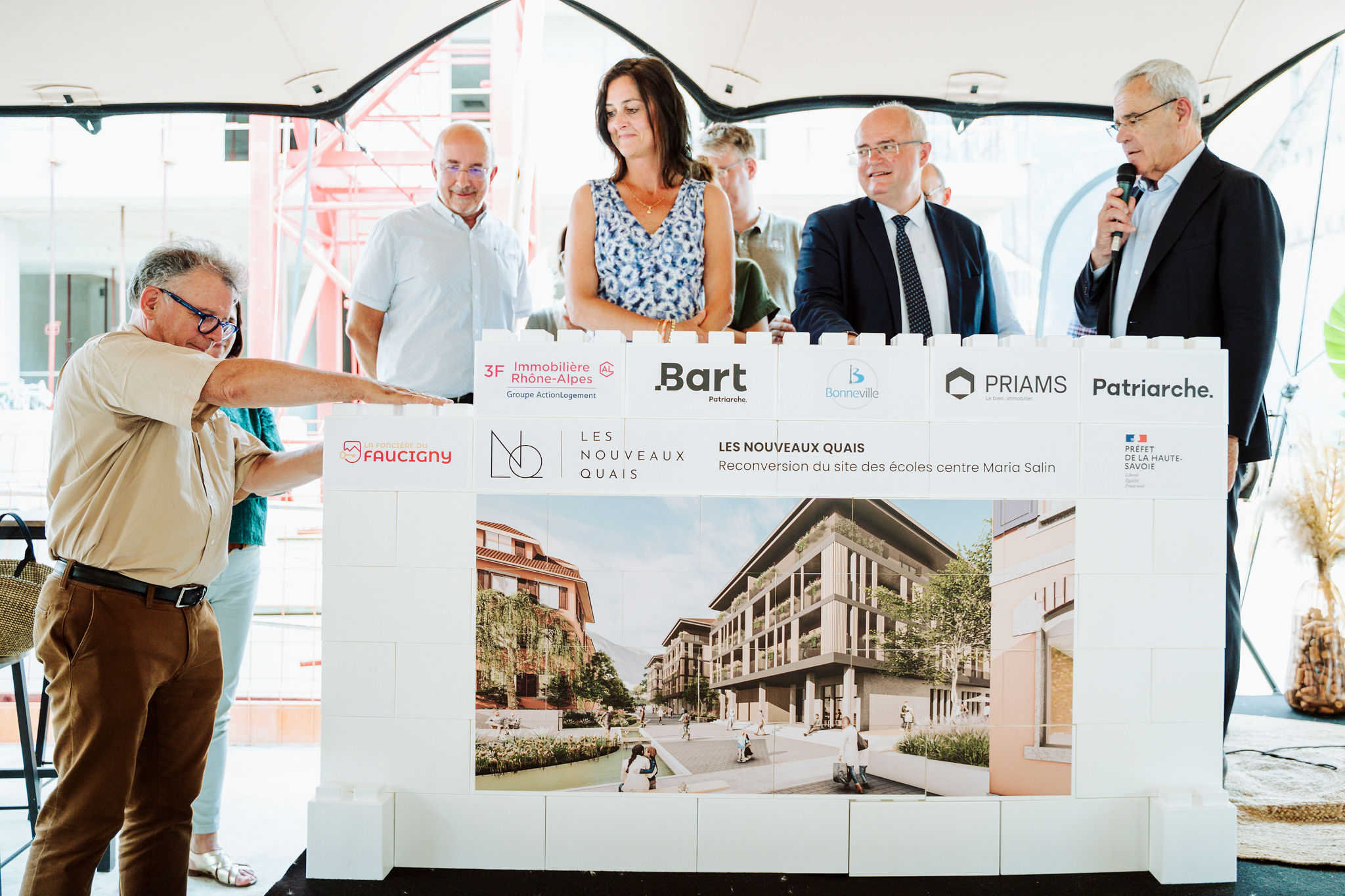
Event Planning and Management that protects your brand and your time
INNOV'events is a Canadian event management company that plans and delivers corporate events from 30 to 3,000+ participants, across major Canadian markets. We handle venue sourcing, vendor contracting, production, guest experience, on-site operations, and post-event reporting. You get a single accountable team, clear governance, and a run-of-show that holds under pressure.
Sommaire
A corporate event is a leadership tool: it aligns teams, accelerates change, reinforces culture, and creates a controlled moment for your message to land. When it’s planned with rigour, it reduces internal noise, shortens decision cycles, and gives executives a reliable platform to recognise performance, launch initiatives, or build trust with clients and partners.
Organisations don’t need “creative” first; they need predictability: budget control, legal-compliant contracts, stakeholder sign-off, accessible venues, flawless AV, and a guest journey that doesn’t break at registration, catering, or transitions. HR and Communications teams also need event communication planning that avoids last-minute changes, protects the employer brand, and keeps executives on message.
Our strength is field execution: detailed production schedules, vendor management, contingency planning, and calm on-site leadership. As an event agency, we integrate planning, production, and event communication management so your internal teams stay focused on outcomes—not firefighting logistics.
Operational credibility, not promises
Canada-wide delivery with venue and supplier networks in major business centres (Toronto/GTA, Montréal, Ottawa, Calgary, Edmonton, Vancouver), plus regional hubs as needed.
Multi-format capability: executive offsites, leadership conferences, town halls, awards, sales kick-offs, client forums, product launches, and hybrid events with broadcast-level production.
Governance-ready planning: stakeholder maps, approval gates, procurement-aligned quotes, and documentation your Finance and Legal teams can work with.
Risk-first operations: site inspections, safety briefings, vendor COIs, accessibility considerations, and contingency plans for speakers, weather, shipping, and AV redundancy.
How to organize a professional event in ?
- Define the objective (cohesion, announcement, fidelity, performance).
- Set date, format and size (20–1 000 people).
- Secure the venue and accommodation according to seasonality.
- Lock down technical, suppliers and logistics.
- Drive the day J (timing, scene, entrance, flow).
We send you a first proposal within 24h.
Why organise corporate Event Planning and Management now?
In a Canadian business context—distributed teams, tight calendars, and competing priorities—an event is one of the few moments where leadership can create alignment quickly. The value comes from disciplined planning: clear objectives, measurable outcomes, and a controlled environment where your message is experienced, not just read.
Accelerate alignment on strategy: a well-structured agenda with the right sequencing (context → decision → commitment) reduces rework after the event and speeds up execution across departments.
Support change management: town halls and leadership roadshows work when they include intentional Q&A design, consistent messaging, and feedback capture that HR can action within 2–4 weeks.
Improve retention and engagement: recognition moments, manager toolkits, and peer-to-peer interactions matter most when the event experience is inclusive, accessible, and operationally smooth.
Strengthen client relationships: client forums and partner summits create a structured environment for executive access, account expansion conversations, and product education—without sales pressure dominating the programme.
De-risk high-visibility moments: when a CEO is on stage, the cost of AV failure or agenda drift is reputational. Strong Event Planning and Management protects your brand under real conditions.
Create usable content: planned capture (photos, short video clips, speaker soundbites) can fuel your internal comms and employer brand—when consent, messaging, and shot lists are set before show day.
In practice, the best corporate events reflect the organisation’s economic culture: how decisions get made, what gets measured, and how leaders communicate. We design the experience to match that reality, so the event supports performance—not just attendance.
Which activities create real engagement at corporate events?
Engagement is not entertainment for its own sake. The right activities support your business objective: collaboration, recognition, learning, or relationship-building. We recommend options based on audience profile, time of day, venue constraints, and the tone your leadership wants to set.
Interactive animations
Facilitated roundtables with outputs: small-group discussions with a structured prompt and a clear deliverable (top 3 blockers, top 3 ideas). We capture outputs live for leadership review.
Town hall Q&A design: moderated Q&A with pre-submitted and live questions, clear ground rules, and a mechanism to follow up on unanswered items within 5–10 business days.
Workshop stations: rotating stations (process improvement, customer scenarios, manager toolkit practice) that make learning tangible and reduce passive listening.
Live polling that informs decisions: quick, controlled questions that validate assumptions and keep executives connected to the room’s reality.
Art animations
Purpose-led performances: short musical or spoken-word interludes used as transitions (opening energy, awards pacing) with clear timeboxing and technical requirements.
Professional MC and stage direction: an experienced host can protect time, keep tone consistent, and prevent awkward gaps—especially in bilingual or multi-region audiences (without forcing language mixing in content).
Brand-aligned staging: lighting, scenic elements, and content templates that look consistent on-site and on camera, supporting your corporate identity standards.
Innovative animations
Reception flows that reduce bottlenecks: multiple bar points, passed options, and food station placement that matches the room layout (not just the menu).
Dietary planning that avoids on-site escalation: pre-tagged meals, clear ingredient labelling, and a dedicated point person for allergies and special requests.
Timing that respects content: coffee and snack service scheduled to support attention, not interrupt keynote transitions.
Gourmand animations
Hybrid-ready content capture: intentional filming and editing plans for internal comms, recruitment, and training, with consent management and shot lists.
Digital check-in and access control: QR-based registration, badge printing, and controlled access for VIP or restricted sessions.
Experience mapping for multi-site events: consistent standards across multiple locations (signage, scripts, timing, content) for roadshows and distributed team events.
Every activity must be consistent with your brand image and internal culture. If your organisation values precision and efficiency, we design engagement that feels purposeful and well-managed—not gimmicky.
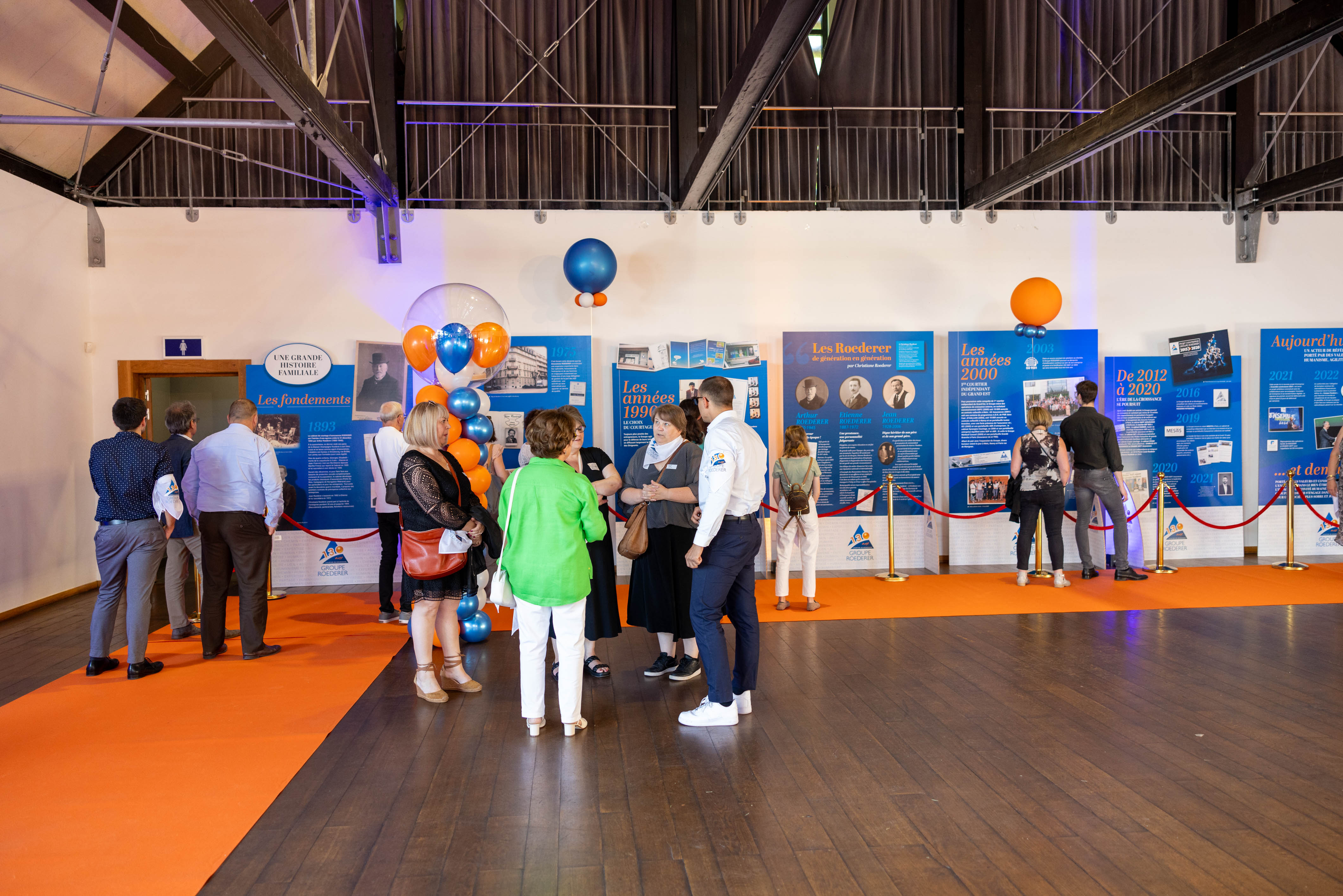
How to choose the right venue for Event Planning and Management
Venue selection is a risk and cost decision as much as a style decision. We shortlist venues using operational criteria: load-in access, union and labour rules, AV infrastructure, room adjacency for breakouts, ceiling height for rigging, back-of-house space, noise bleed, and accessibility. We also consider where your people are travelling from and how the schedule interacts with flights, weather, and rush-hour patterns.
Venue type: Downtown hotel conference centre
Best for: National meetings, leadership offsites, multi-day conferences
Operational watch-outs: Service charges, minimum spends, union restrictions, limited load-in windows
Venue type: Dedicated convention centre
Best for: Large conferences, trade-show components, complex staging
Operational watch-outs: Labour requirements, higher production scope, longer planning lead times
Venue type: Corporate office / headquarters
Best for: Town halls, leadership updates, client briefings with controlled access
Operational watch-outs: Security, limited staging/rigging, noise constraints, capacity and egress limits
Venue type: Restaurant buyout / private dining
Best for: Client dinners, partner appreciation, executive hosting
Operational watch-outs: Acoustics, speeches without proper AV, tight timing between courses and programmeming
Venue type: Unique venues (museums, galleries, industrial spaces)
Best for: Brand storytelling, launches, donor or partner events
Operational watch-outs: Permits, limited built-in AV, catering restrictions, insurance requirements
We bring venue comparisons in a format procurement teams can use: line-item estimates, inclusions/exclusions, and practical notes from site inspections. The goal is to choose a venue that will deliver reliably on show day—not just photograph well.
What drives the cost of Event Planning and Management in Canada?
Budgeting is easiest when you separate fixed planning costs from variable production and guest costs. Price depends on your event format, the technical requirements, the venue model (all-inclusive vs. blank canvas), and the level of content production.
Headcount and format: 80-person leadership offsite is a different cost structure than a 800-person conference. Hybrid adds streaming, recording, and additional tech staffing.
Venue and catering model: hotel packages may simplify costs but add service charges and minimum spends. Blank-canvas spaces can be flexible but often require rentals, power, and additional labour.
AV and production scope: screens, switching, stage lighting, sound reinforcement, show caller, rehearsal time, and redundancy for executive-level reliability.
Content development: speaker coaching, slide templates, scripting, video production, and rehearsal planning. This is often underestimated and shows up as last-minute pressure on Communications teams.
Event communication management: registration journeys, invitation strategy, reminder cadence, internal stakeholder updates, and day-of comms (push notifications, signage, scripts).
Travel and accommodation: negotiated room blocks, attrition clauses, transportation coordination, and VIP handling.
Risk and compliance: insurance, permits, security, medical support (where required), and accessibility accommodations.
Timing: short lead times can increase cost due to limited venue availability, rush production, and fewer vendor options.
We budget with ROI in mind: where spending increases reliability (AV, staffing, rehearsals) and where it can be reduced without harming outcomes (overbuilt decor, unnecessary add-ons). For client events, we can also structure tracking for pipeline influence and follow-up actions so the investment is defensible.










What kinds of corporate events do we manage?
Our work spans the corporate lifecycle—from internal alignment to external market moments. We support executive offices that need a controlled environment, HR teams managing engagement and recognition, and Communications teams responsible for message discipline and brand standards.
Examples of projects we regularly deliver include:
- Leadership conferences with multi-track breakouts, speaker management, and high-stakes AV reliability.
- Company town halls with structured Q&A, hybrid delivery, and clear follow-up plans for questions and commitments.
- Sales kick-offs that combine training, recognition, and practical enablement (assets, talk tracks, and manager toolkits).
- Client forums and partner summits built around executive access, agenda value, and measurable follow-up actions.
- Awards and recognition programmes with tight stage management, pacing, and brand-aligned presentation standards.
- Product launches where story, demos, and technical rehearsals protect the credibility of the message.
Across all formats, we adapt to your internal realities—procurement cycles, brand approvals, stakeholder inputs, and the pace of executive calendars.
Common corporate event risks (and how we prevent them)
Undefined ownership: multiple stakeholders give direction, nobody makes final calls. We establish governance, approval gates, and a decision owner.
Budget drift from unclear scope: add-ons appear late (recording, extra rooms, extended hours). We lock scope early and track change requests with documented impacts.
Underestimating AV and rehearsals: executives assume the room “has a mic”. We plan production properly and rehearse the moments that carry risk.
Registration and check-in bottlenecks: lineups create a poor first impression. We design peak-flow staffing, QR check-in, and contingency stations.
Programme timing that collapses: sessions run long, catering collides, speakers get bumped. We build buffers, timeboxing, and stage management controls.
Vendor misunderstandings: what’s included vs. billable isn’t clear. We document scopes, service levels, and onsite responsibilities.
Missing accessibility and inclusion needs: ramps, seating, dietary constraints, hearing support are caught late. We include accessibility checks in planning and site inspections.
No measurement plan: feedback is anecdotal and hard to defend. We set measurable outcomes and deliver a debrief with actionable next steps.
Your internal reputation is on the line when an event goes sideways. Our role in Event Planning and Management is to reduce preventable risk through strong planning, clear documentation, and experienced on-site leadership.
Why corporate teams stay with the same event management company
Repeat business is earned through operational consistency: predictable budgeting, fewer escalations, and a partner who learns your brand standards and stakeholder dynamics. Many organisations don’t want a new learning curve every year; they want a dependable system that improves each edition.
Standardised playbooks: venue checklists, show-day staffing models, and run-of-show templates that reduce planning time while keeping quality high.
Institutional memory: we track what worked, what didn’t, and why—so your next event starts from a stronger baseline.
Vendor continuity: consistent technical teams and supplier relationships reduce show-day risk and speed up decision-making.
Transparent post-event debriefs: clear reporting on spend, performance, and improvement priorities for the next cycle.

Client loyalty is one of the clearest indicators of quality in this industry. When teams come back, it’s because delivery was reliable and internal stakeholders felt supported from planning through teardown.
Our Event Planning and Management process from brief to debrief
👉 Step 1: Discovery and success metrics
We run a focused briefing with the event owner and key stakeholders (HR, Comms, executive sponsor). We confirm objectives, audience, non-negotiables, timing constraints, and what success will be measured by (3–6 metrics). Output: written brief, stakeholder map, and preliminary scope.
👉 Step 2: Concept, programme architecture, and communication plan
We propose a programme flow (plenary/breakouts/transitions), engagement approach, and a practical corporate event communication strategy including invitation timing, registration fields, reminder cadence, and stakeholder updates. Output: agenda framework, comms plan, and decision points.
👉 Step 3: Venue sourcing and budget validation
We source and compare venues with operational notes (load-in, acoustics, adjacency, union rules, catering constraints). We build a budget that separates fixed planning from variable guest and production costs. Output: venue comparison, budget ranges, and recommended option with rationale.
👉 Step 4: Vendor contracting and production design
We secure AV/production, staging, catering (if external), decor, entertainment, photo/video, transportation, and any specialty vendors. We confirm scopes, COIs, and payment schedules. Output: vendor matrix, production plan, preliminary run-of-show.
👉 Step 5: Build, rehearsals, and show calling
We finalise scripts, speaker management, slide templates, cueing, and staffing plans. We run technical checks and rehearsals appropriate to the risk level (keynotes, panels, hybrid connections). Output: final run-of-show, staffing grid, show caller book, contingency plans.
👉 Step 6: On-site delivery and issue management
We lead load-in, vendor coordination, registration, speaker prep, and live issue resolution. We manage timing, transitions, and stakeholder communications so leaders can focus on hosting and outcomes. Output: smooth execution, documented incidents/changes if any.
👉 Step 7: Post-event reporting and improvements
Within an agreed timeline, we deliver a debrief: attendance, engagement, budget reconciliation, vendor performance notes, and recommendations. Output: report you can share internally, plus a plan to improve the next edition.
FAQ sur l'organisation Event Planning and Management
How far in advance should we book a corporate venue?
For 200–800 guests in major Canadian cities, plan 6–12 months ahead for prime dates. For 30–150 guests, 8–16 weeks can work, but AV crews, keynote speakers, and room blocks may still be tight. If you’re targeting peak periods (spring and fall), earlier is safer.
What budget range is typical for a 300-person event?
In Canada, a 300-person corporate event commonly lands between $75,000 and $250,000+ depending on venue model, catering level, production (screens, switching, lighting), and whether it’s hybrid. The biggest drivers are AV scope, food and beverage, and labour hours (including rehearsal and load-in/out).
What does an event management company actually handle?
A professional event management company typically manages: venue sourcing, vendor procurement and contracts, production/AV planning, registration, staffing, run-of-show, speaker support, signage, on-site operations, safety/risk items (insurance, permits where required), and post-event reporting. You retain final approvals; we run execution.
How do you prevent AV failures during executive presentations?
We reduce risk with rehearsals, redundant playback (primary laptop + backup), tested clickers, proper audio coverage (including lav and handheld backups), and a timed cue sheet. For hybrid, we add remote speaker tests, stable connectivity planning, and dedicated technical roles (show caller, audio, video, streaming).
Can you support event communication planning and invitations?
Yes. As an event communications agency partner, we can manage invitation strategy, registration journeys, reminder cadence, executive scripts, day-of signage and announcements, and post-event follow-ups. We align messaging with HR and Corporate Communications standards and build a practical calendar your stakeholders can approve.
Request a free quote for Event Planning and Management
If you’re planning a leadership meeting, conference, town hall, or client event, let’s scope it properly before calendars and venue inventory tighten. Share your date range, city, estimated headcount, and goals, and we’ll come back with a practical approach, budget range, and next steps.
INNOV'events supports corporate teams that need reliable delivery, clear governance, and day-of execution that protects reputations. Contact us to request your free quote and schedule a short discovery call.