
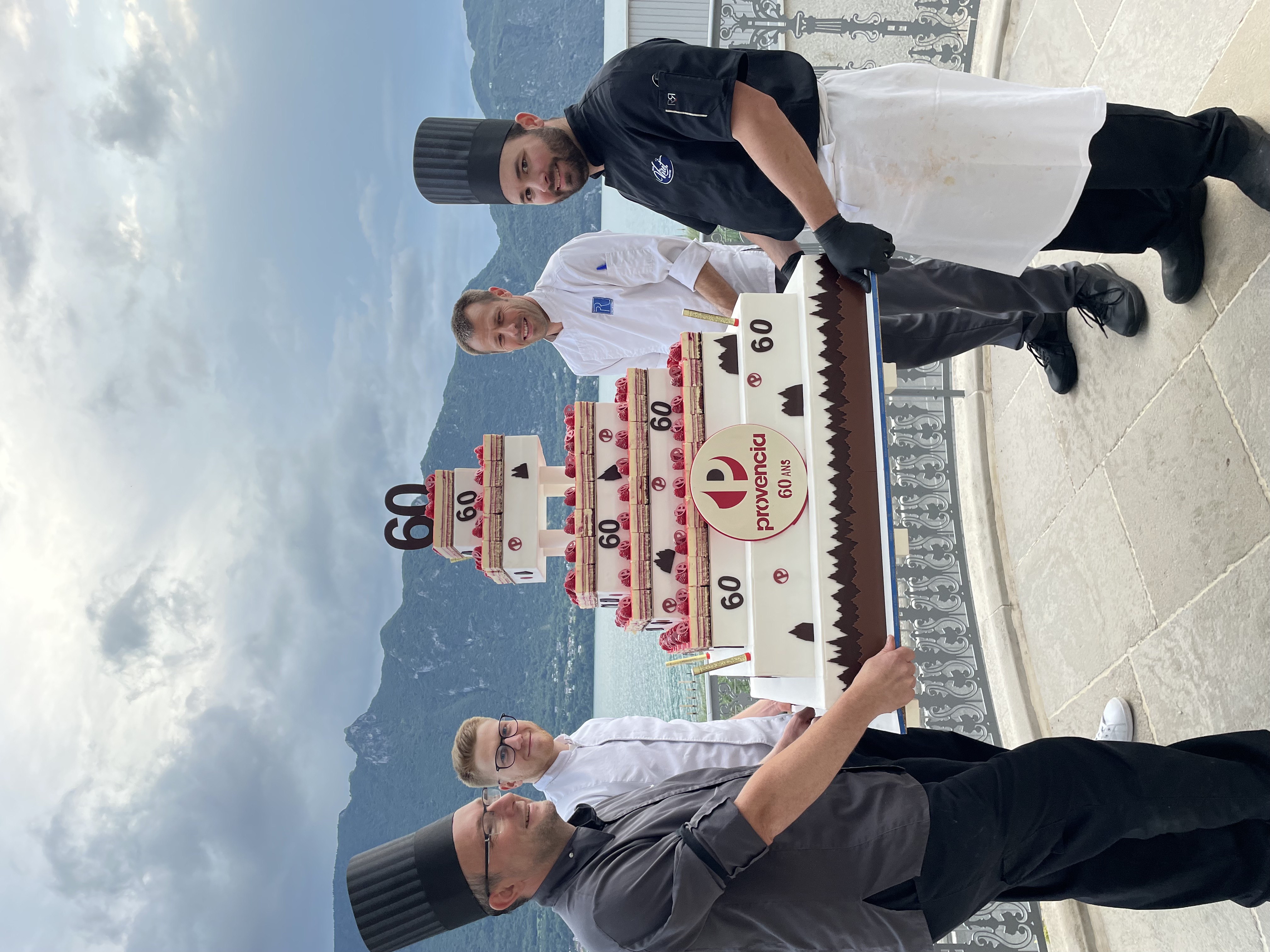
Event catering that protects your brand and keeps your agenda on time
INNOV'events is a Canadian event agency specialising in event catering for corporate meetings, town halls, conferences, client events, and holiday functions—from 30 to 3,000+ guests. We manage menus, service style, staffing, rentals, bar strategy, timing, and on-site coordination so your leaders can stay focused on the business.
Sommaire
In corporate settings, event catering is never “just food.” It’s a live operational system that affects attendance, energy levels, networking quality, and how your organisation is perceived—especially by clients, candidates, and executives.
Teams expect fast lines, accurate dietary handling, and service that matches the room (board-level meeting vs. high-volume conference). Communications and HR need consistency with brand values, inclusive options, and a guest experience that doesn’t create complaints or delays.
As an event management company, INNOV'events builds catering plans that work in real venues, with real constraints: freight elevators, union rules, limited prep space, tight run-of-show, and Canada-wide supplier coordination.
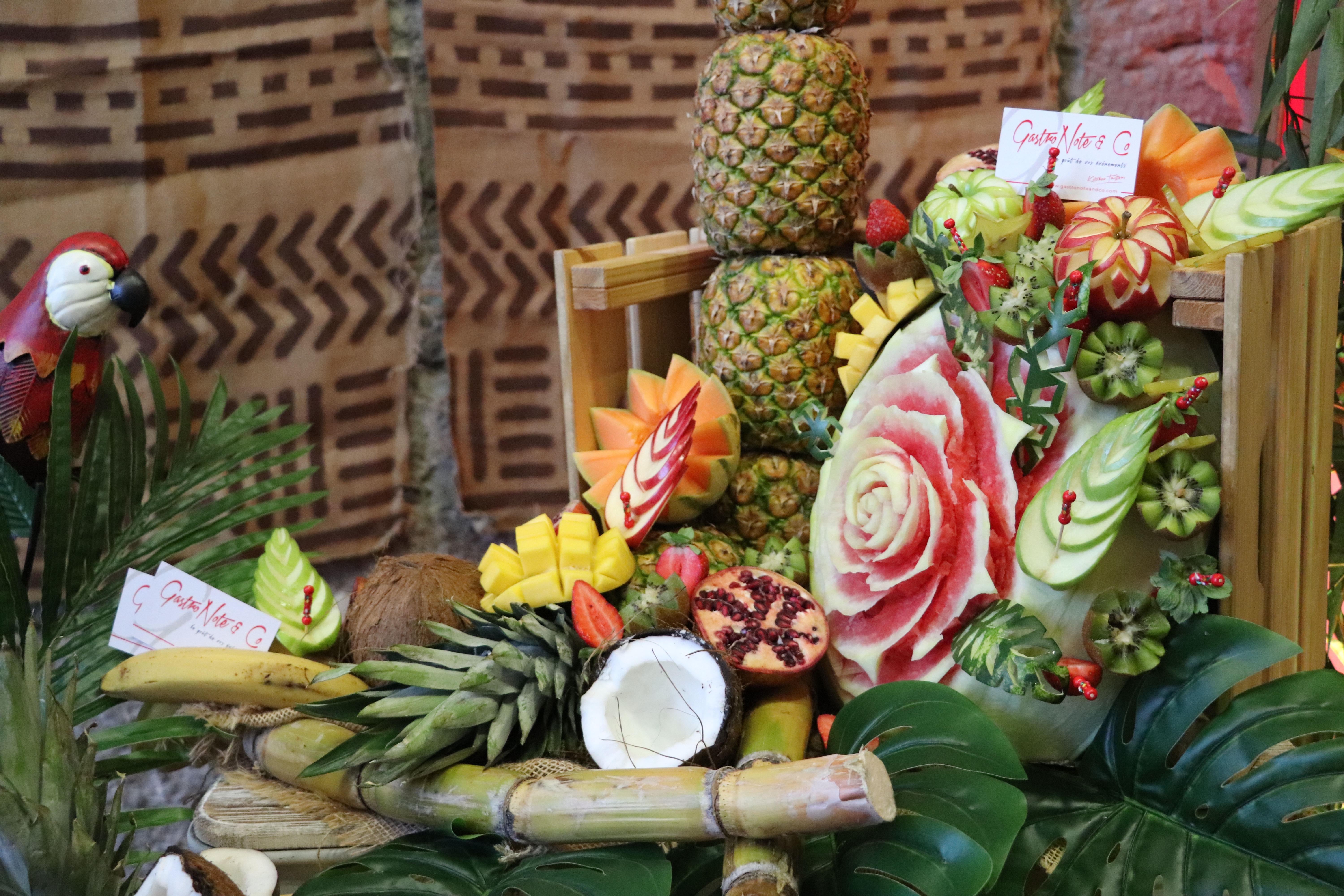
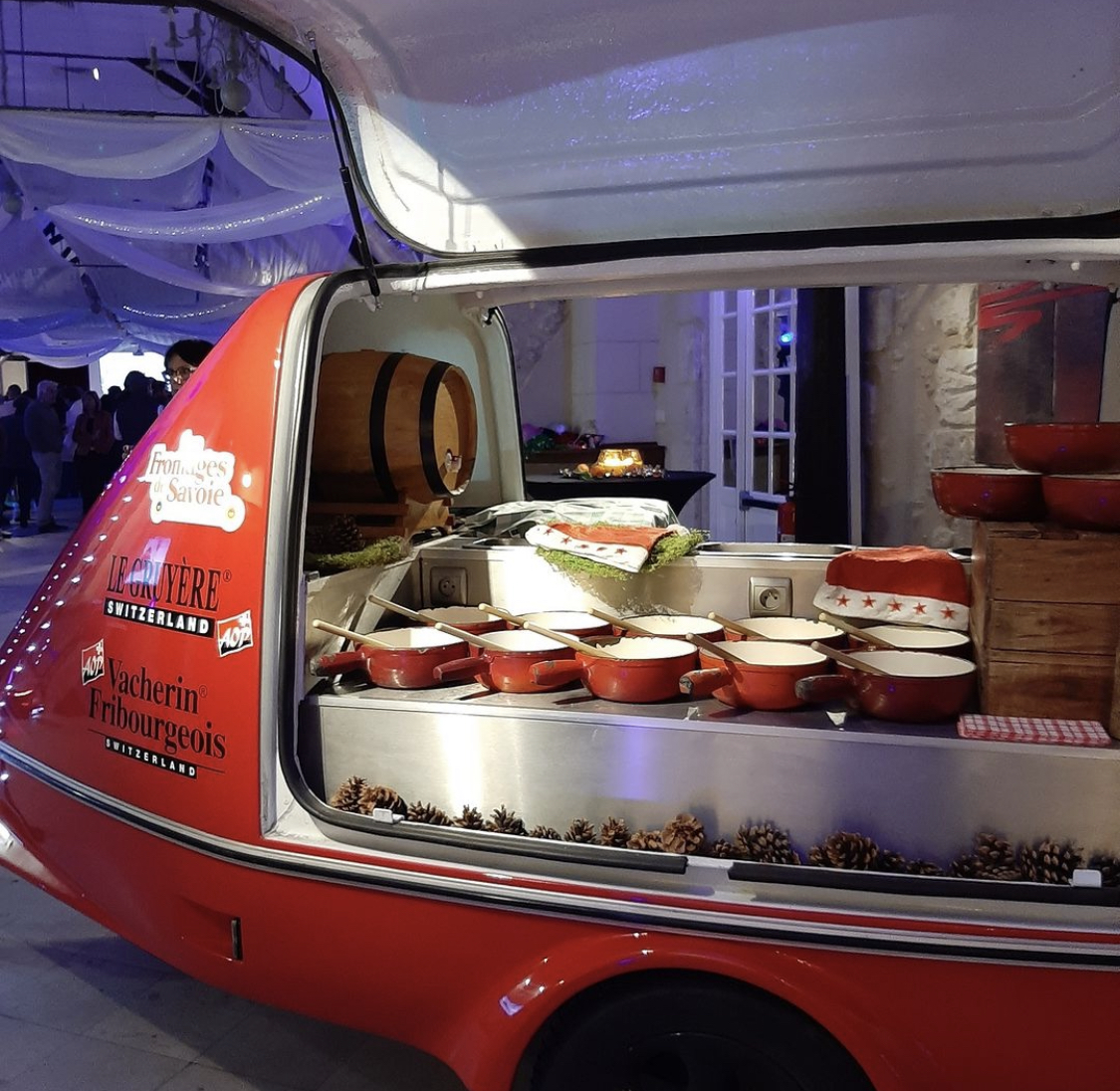
Operational proof, not promises
Canada-wide delivery: supplier and venue coordination across major metro areas and regional hubs, with the same service standards.
High-volume capable: programmes designed for 30–3,000+ attendees, including staggered breaks, multi-station service, and queue control.
Dietary readiness: structured processes for vegetarian, vegan, halal, kosher-style, gluten-free, lactose-free, and allergen-aware requests—with labelled service and back-of-house controls.
Service reliability: defined staffing ratios, load-in/load-out plans, and contingency inventories (extra place settings, backup beverages, late-add meals) to reduce day-of risk.
How to organize a professional event in ?
- Define the objective (cohesion, announcement, fidelity, performance).
- Set date, format and size (20–1 000 people).
- Secure the venue and accommodation according to seasonality.
- Lock down technical, suppliers and logistics.
- Drive the day J (timing, scene, entrance, flow).
We send you a first proposal within 24h.
What corporate event catering actually solves for leadership
Food service is one of the few elements every attendee experiences at the same time. Done well, it supports your agenda. Done poorly, it becomes the agenda—through delays, complaints, or preventable safety and accessibility issues. The strategic goal is not “impressing people”; it’s creating the conditions for productive conversations and confident decision-making.
Protects meeting objectives: Break timing, coffee placement, and lunch flow directly influence whether sessions restart on time and whether speakers keep credibility.
Improves engagement and retention: A well-paced catering service corporate event plan reduces energy dips and keeps participants present through afternoon content.
Supports culture and inclusion: Clear dietary handling and thoughtful menu design signal respect—especially for multi-faith teams, neurodiverse employees (noise/queue stress), and guests with allergies.
Strengthens employer brand: For recruiting events, town halls, and recognition programmes, catering quality and service professionalism reflect internal standards and care.
Enables relationship-building: Cocktail formats with the right food density (and enough non-alcoholic options) create better networking and fewer awkward “hunting for food” moments.
Reduces reputational risk: Allergen incidents, under-staffed bars, and long lineups are memorable for the wrong reasons—especially when clients or media are present.
In a cost-conscious environment, the most valuable catering decisions are the ones that reduce operational friction. When service is engineered around your run-of-show, your people spend their time on outcomes—not logistics.
Which catering experiences increase networking without slowing service
Activities work when they support your objectives and don’t create operational drag. In catering-led engagement, the best ideas are the ones that improve flow, spark conversation, and respect time constraints—especially for executives moving between stakeholders.
Interactive animations
Guided tasting stations (5–7 minutes each): A chef-led “micro story” at one or two stations (not every station) to create a focal point without forming a single long queue.
Structured networking prompts at cocktail tables: Simple table cards tied to the business theme (innovation, safety, customer experience) to help people connect quickly—useful for cross-functional town halls.
Build-your-own bowls with a steward: Faster than fully custom ordering, still feels personal. We pre-set base options and use staff to keep the line moving.
Art animations
Low-volume live music zones: Keep music in one area so conversation-friendly zones remain quiet. This matters for client receptions where deal discussions happen in the room.
Live sketching or graphic recording near the reception: Creates a professional “content moment” without interrupting the run-of-show; works well for conferences and partner summits.
Innovative animations
Premium coffee or tea bar: A high-impact upgrade for early starts. We plan throughput (two baristas for 200–300 guests per break as a baseline) and add drip coffee to prevent bottlenecks.
Canadian-forward tasting elements: Locally sourced cheeses, seasonal produce, and regionally inspired bites. We keep it authentic and practical for service at scale.
Zero-proof feature station: A signature non-alcoholic drink (not just pop and water) supports inclusion and reduces over-reliance on alcohol at catering corporate cocktail events.
Gourmand animations
Smart labelling and QR menus: Useful for dietary transparency and line speed. We still recommend visible signage so guests aren’t forced onto their phones.
Staggered delivery “waves”: For large plenaries, we schedule breaks by section or badge colour to reduce crush points and keep sessions on time.
Packaged premium lunch options: When the agenda is tight, high-quality boxed meals (with real culinary standards) can outperform buffets—if we manage waste, recycling, and distribution points.
Every catering enhancement should fit your brand and the room. A high-energy sales event can carry bold stations and social moments; an executive or investor setting demands discretion, precise timing, and service that never competes with the conversation.
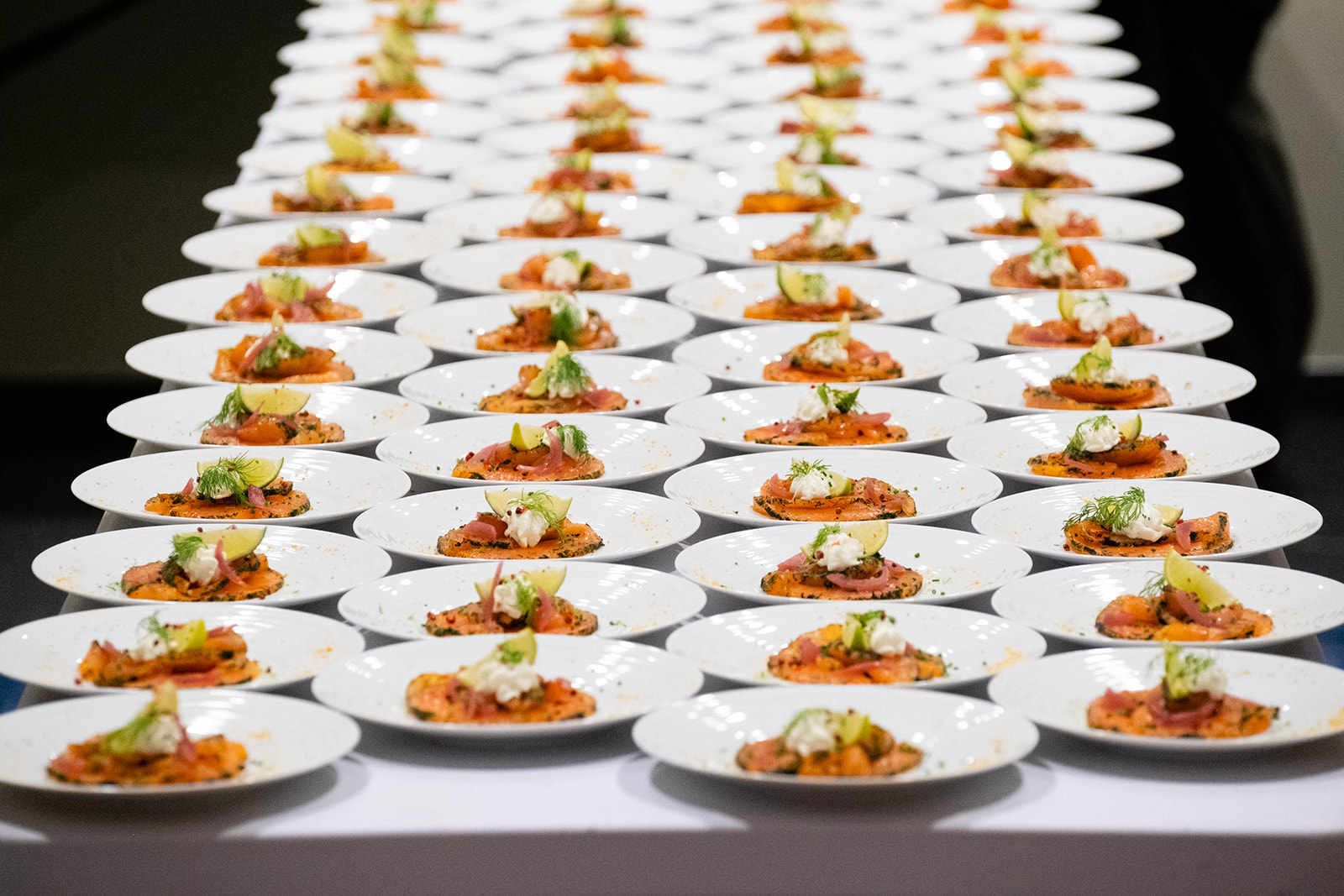
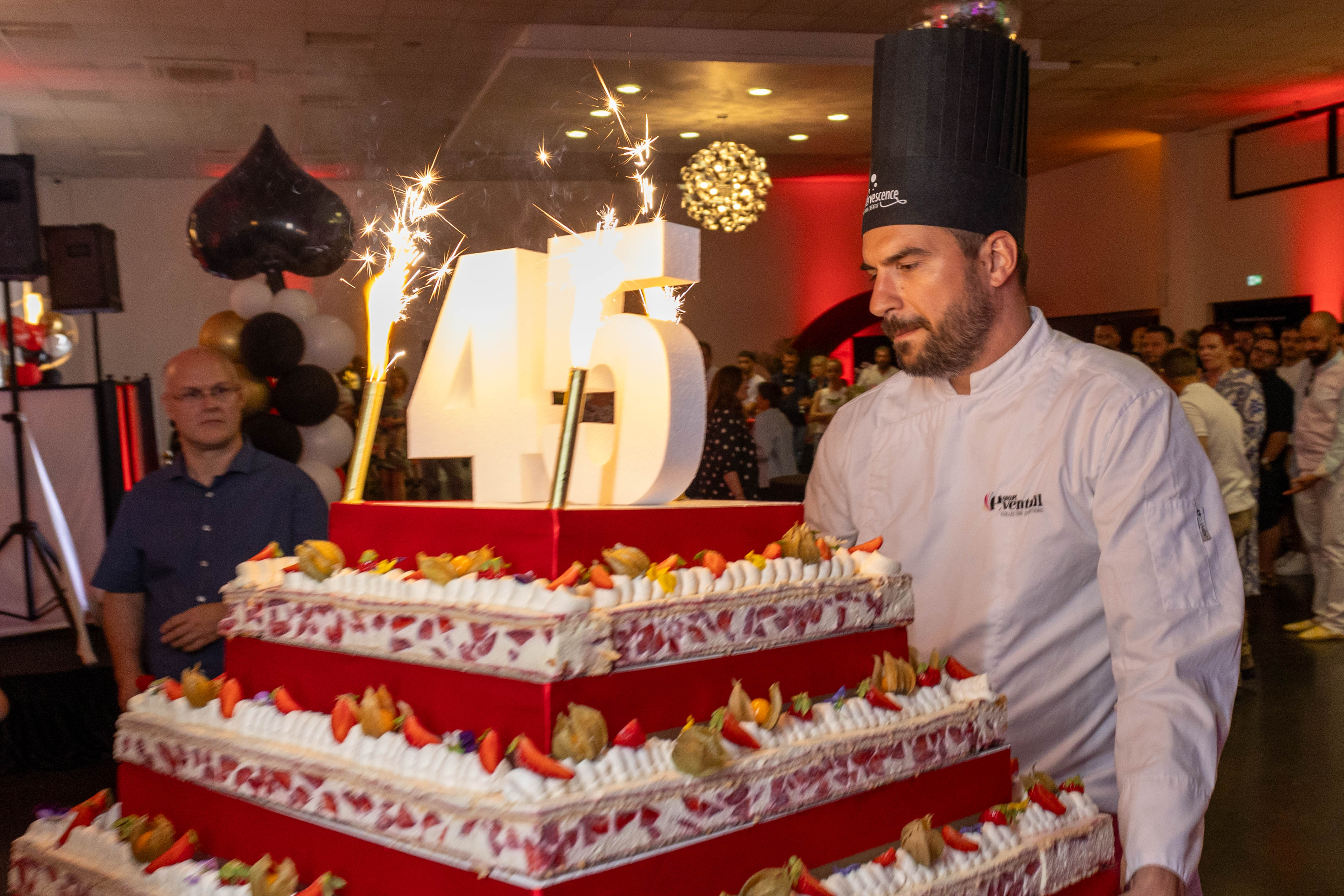
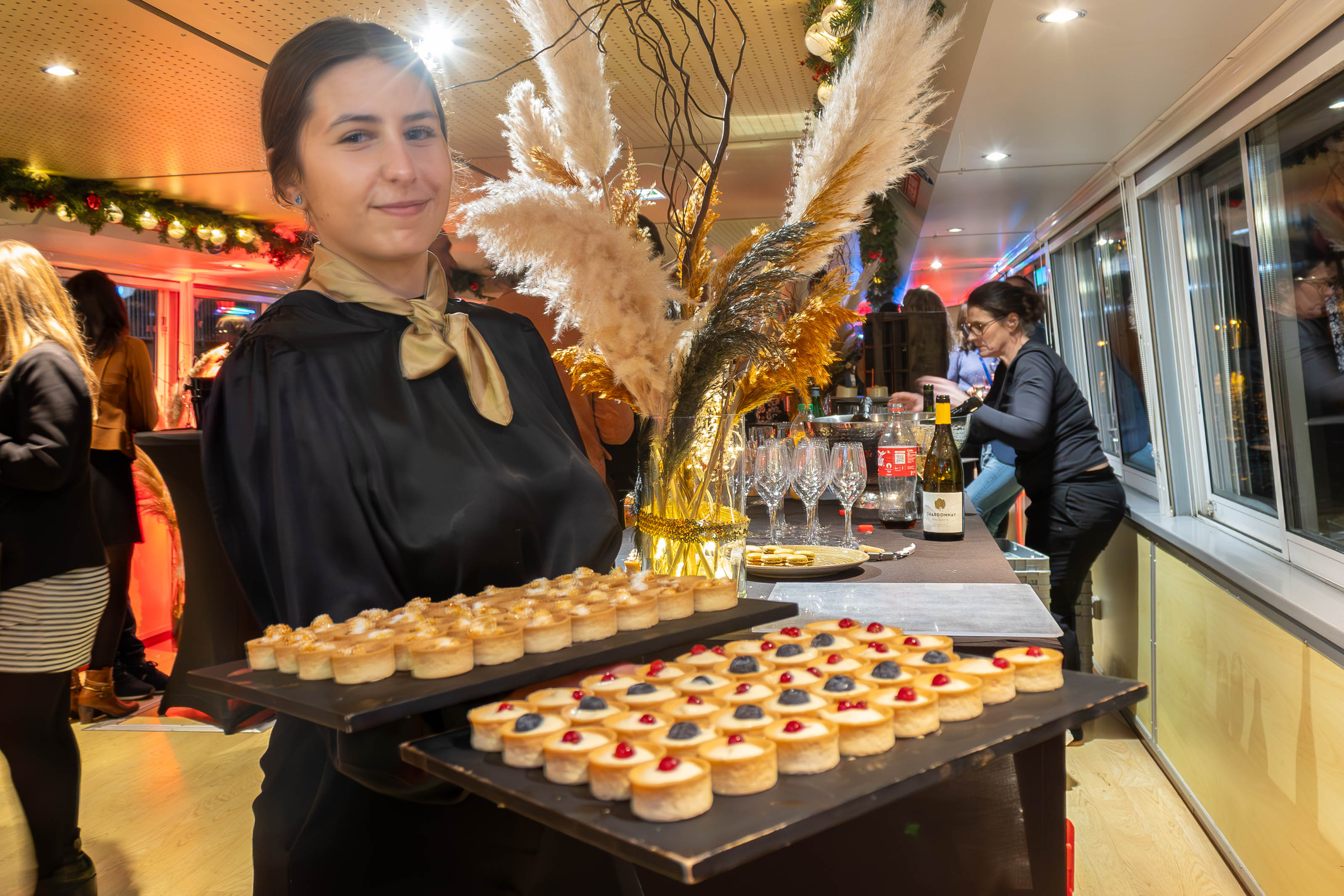
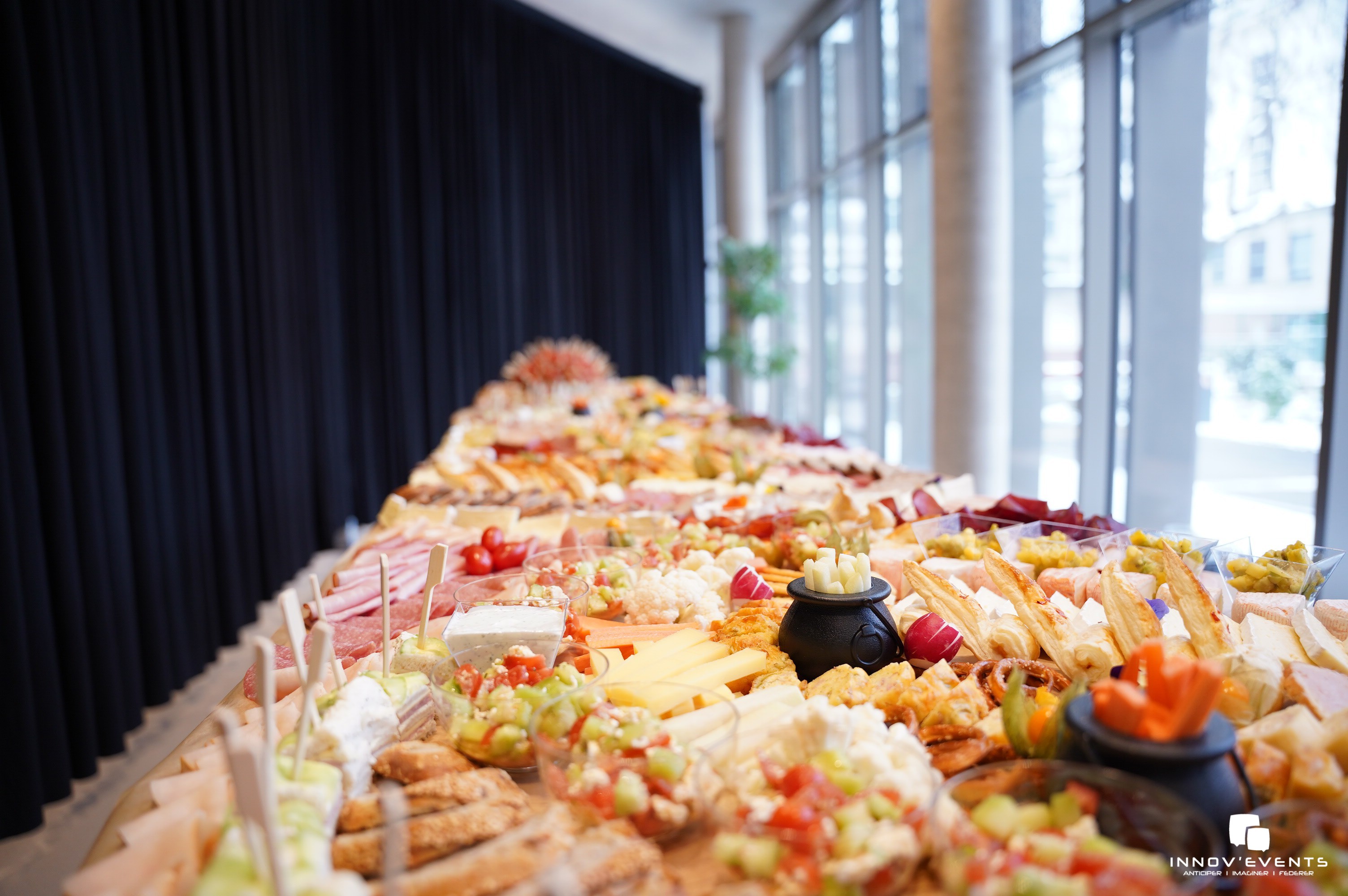
How venue constraints change your catering plan
Venue selection and catering design are inseparable. The same menu can succeed in a convention centre and fail in a heritage building if load-in, prep space, or power is limited. As an event management company, we map venue realities to service style so you’re not forced into day-of compromises.
Office and workplace venues: Best for town halls, training days, leadership meetings. Key watch-outs: elevator access, building security, limited kitchen facilities, HVAC (odours), waste management, and timing around peak lobby traffic.
Hotels: Strong for conferences and multi-day programmes. Key watch-outs: service charges, minimum spends, union labour, corkage, and limited flexibility on outside vendors. Great for predictable execution when negotiated properly.
Conference and convention centres: Built for scale and throughput. Key watch-outs: dock scheduling, long push distances (hot holding becomes critical), and strict labour rules. Ideal for large catering business event formats with multiple breaks.
Restaurants and private dining rooms: Strong for client dinners and leadership offsites. Key watch-outs: acoustics, AV integration, privacy, and pacing when speeches are involved.
Galleries, museums, and heritage spaces: High brand impact for receptions. Key watch-outs: restrictions on open flame, red wine, glassware, and waste; limited back-of-house space; tight load-in windows.
Outdoor and tented venues: Great for summer celebrations. Key watch-outs: weather contingencies, flooring, lighting, power distribution, refrigeration, insects, and permit requirements.
We recommend confirming venue rules and logistics before finalising menus. It protects budget and avoids the common trap of choosing food first, then learning the venue can’t support it.
What event catering costs in Canada and why it varies
Event catering pricing depends on service level, volume, venue rules, and the operational complexity behind the scenes. Two events with the same headcount can differ materially based on staffing, rentals, timing, and dietary requirements. We provide transparent estimates and show where the budget is going so approvals are straightforward.
Service style: Plated service requires more front-of-house staff and tighter kitchen control; stations and buffets require more equipment and line management; passed canapés need skilled servers and accurate piece counts.
Headcount and attendance variability: A 10% swing can change food quantities, staffing, and bar inventory. We plan buffers based on RSVP quality, event type, and your audience (internal vs. external).
Time on site: A two-hour reception is very different from a full-day seminar with breakfast, two breaks, lunch, and a closing cocktail. Labour is often the largest driver after food cost.
Dietary and allergen needs: Higher complexity can require separate meals, dedicated handling, or additional labelling and staffing. We design inclusive menus that reduce “special meal” volume without compromising safety.
Venue fees and policies: Many venues apply service charges, minimum spends, or exclusive caterer requirements. Load-in restrictions and union rules can add labour and time.
Rentals and infrastructure: Glassware, china, linens, bar builds, heating/cooling, tenting, generators, and water stations can be significant—especially in non-traditional venues or outdoors.
Beverage strategy: Hosted bar vs. consumption bar, drink ticket systems, and strong non-alcoholic programming all influence cost and risk management.
We approach budget with an ROI lens: spend where it prevents failure (staffing, service flow, dietary controls), and avoid upgrades that don’t move outcomes. The goal is a programme that your executives can stand behind and your attendees can move through efficiently.










Examples of corporate catering programmes we deliver
Our catering work spans high-control executive environments and high-volume conference operations. The common thread is precision: timing, service flow, and guest experience aligned to business outcomes.
Leadership offsite (40–80 guests): Quiet breakfast setup, continuous refreshments, plated lunch to protect schedule, and an evening dinner with seating plan support. Typical challenge: last-minute agenda shifts; we design service that can flex without disrupting the room.
All-hands town hall (300–1,200 guests): Rapid entry, staged coffee service, and lunch designed around throughput (multiple mirrored lines, duplicate popular items, clear signage). Typical challenge: restarting on time; we plan queue control and staggered service triggers.
Client reception (150–500 guests): Passed canapés paired with two high-capacity stations to reduce clustering. Bar strategy includes zero-proof feature drinks and measured replenishment. Typical challenge: balancing networking with speeches; we time food density around speaking segments.
Training and seminar days (80–400 guests): Brain-friendly breaks, individually identified dietary meals, and lunch formats that limit crumbs, noise, and cleanup. Typical challenge: maintaining focus; we structure timing to avoid energy crashes.
Multi-city programme: Standardised menu framework with local sourcing, consistent labelling, and repeatable service specs. Typical challenge: consistency across vendors; we use shared briefs, checklists, and coordinated procurement.
Common corporate catering mistakes and how we prevent them
Underestimating lineups: One buffet line for 400 people will break your schedule. We model service throughput and design mirrored stations, staggered breaks, and smart placement.
Dietary requests treated as an afterthought: “We’ll handle it on site” leads to risk and reputational damage. We set an intake process, labelling, and controlled special-meal distribution.
Menu chosen without venue validation: A menu that requires heavy prep can fail in a venue with no back-of-house. We confirm power, refrigeration, and prep limitations before locking options.
Not budgeting for rentals and staffing: The food cost is only one line. We forecast rentals, labour, service charges, and timing-related costs to avoid approval surprises.
Bar service that creates congestion: A single bar point becomes a choke point. We plan bar quantity, drink ticket systems where appropriate, and strong non-alcoholic offerings.
No contingency plan: Late speakers, weather, or attendance variance can derail service. We build buffers, backup quantities, and a day-of decision tree.
Our job is to keep catering from becoming your risk surface. With structured planning and on-site coordination, we prevent predictable failures and protect the experience your organisation is accountable for.
Why corporate clients keep INNOV'events on their supplier list
Repeat business comes from consistency under pressure. Corporate teams return when they see that catering is controlled: timelines are respected, stakeholders are updated proactively, and problems are solved before they reach executives or VIPs.
Multi-event partnerships: Many clients engage us across multiple event types each year (town halls, leadership meetings, client receptions, holiday events), allowing standardisation and faster approvals.
Operational continuity: We maintain event briefs, venue learnings, and vendor performance notes so the second event is smoother than the first.
Stakeholder confidence: Clear communication to HR, Comms, Facilities, and executives reduces internal friction and supports on-time delivery.

Loyalty is a practical outcome: fewer escalations, fewer surprises, and an event experience that reflects how your organisation operates.
Our event catering organisation process from brief to breakdown
👉 Step 1: Define objectives, audience, and service constraints
We confirm the event purpose, attendee profile, seniority mix, and venue realities. We also lock the non-negotiables: timing, dietary requirements, brand standards, and any security or privacy considerations.
👉 Step 2: Build a catering strategy aligned to the run-of-show
We recommend the right format (plated, stations, buffet, grab-and-go, passed) based on your schedule and space. We outline throughput assumptions, staffing ratios, and how breaks will reset the room.
👉 Step 3: Menu design and dietary/allergen plan
We design a menu that scales and stays high quality through service. We implement dietary intake, labelling standards, and a special-meal distribution plan your team can defend if questioned.
👉 Step 4: Vendor sourcing, tastings (when useful), and contracting
We select vendors based on operational capability, not just presentation. When a tasting adds value (VIP dinner, brand showcase), we run it with clear scoring criteria. We finalise contracts, insurance requirements, and venue compliance.
👉 Step 5: Floorplan, rentals, staffing, and production schedule
We produce a detailed service map: station placement, bar locations, water points, signage, and back-of-house needs. We confirm rentals, staffing call times, load-in routes, and power requirements.
👉 Step 6: Day-of coordination and quality control
On site, we manage vendor check-in, service cues, and timing to keep sessions on schedule. We oversee VIP needs, resolve issues discreetly, and confirm replenishment so the last guest gets the same standard as the first.
👉 Step 7: Post-event wrap-up and continuous improvement
We capture learnings: attendance variance, popular items, bottlenecks, and vendor performance. For recurring programmes, we update standards so future events become faster to approve and easier to deliver.
FAQ sur l'organisation Event catering
How far in advance should we book event catering?
For most corporate events, book 4–8 weeks out. For peak periods (June, September–December) or large conferences, plan 3–6 months ahead, especially if you need specific venues, premium staffing, or complex dietary handling.
What is a realistic per-person budget for corporate catering?
Ranges vary by city and service level, but planning guidance is: breakfast/coffee $10–$25 per person, lunch $25–$60, and cocktail reception food $20–$55. Plated dinners often start around $75–$150+ per person. Rentals, staffing, and venue service charges may be additional.
How do you handle allergies and dietary restrictions safely?
We use a three-part system: (1) collect dietary needs at registration with clear categories, (2) implement visible labelling plus controlled back-of-house handling, and (3) manage special meals via a dedicated distribution process (named meals or staffed pickup). For high-risk allergens, we recommend individually packaged items or a dedicated station when venue conditions require it.
Should we choose plated, buffet, or stations for lunch?
Choose plated when schedule control and formality matter most (executive or VIP groups). Choose buffet/stations when networking and flexibility matter, but only if the room can support multiple lines. For catering seminar event agendas with tight transitions, a premium boxed lunch can be the fastest option if distribution points are planned properly.
Can you provide catering for 500+ guests without long lineups?
Yes—by designing throughput. We typically use mirrored stations, duplicate high-demand items, add beverage points, and stagger break releases where possible. The goal is to keep most guests served within 8–15 minutes depending on service style and room layout.
Request a free quote for event catering
If you’re comparing options for event catering, we’ll give you a clear plan you can approve internally: recommended service style, menu direction, staffing and rental requirements, and a realistic timeline built around your run-of-show.
Share your date, city, venue (if known), guest count, and event format (meeting, seminar, cocktail, conference). INNOV'events will come back with a practical proposal that prioritises flow, dietary compliance, and brand consistency—so your team can focus on the content and stakeholders.