
Shopping Mall Activation in Quebec that drives measurable foot traffic
Table of contents
In a retail environment, entertainment isn’t “extra”; it’s a conversion lever. A well-built Shopping Mall Activation in Quebec increases dwell time, creates high-quality brand interactions, and supports tenant sales without disrupting circulation or operations.
Organizations in Quebec expect an activation that respects the centre’s standards (security, fire code, noise limits), bilingual visitor experience, and tight turnaround times tied to campaigns and product drops. They also expect hard numbers: footfall lift, leads captured, and operational incident-free delivery.
From Montreal to regional centres, our team works with mall management, security, and maintenance the same way we work with executive sponsors: clear scope, documented risk controls, and on-time delivery. You get a single accountable partner, with the field discipline needed for live public environments.
INNOV'events in Quebec: operational credibility in numbers
10+ years delivering public-facing activations and corporate experiences across Quebec, with repeat programs in high-traffic venues.
150+ activations and pop-ups executed in malls, atriums, outdoor plazas, and mixed-use properties, including multi-day deployments with rotating staffing.
30 to 120 staff/shift scalable teams (hosts, brand ambassadors, supervisors, techs) with structured briefings, call times, and escalation paths.
0-compromise compliance: documented plans for crowd flow, electrical load, anchoring, and incident logs aligned with mall SOPs and insurer expectations.
How to organize a professional event in Quebec?
- Define the objective (cohesion, announcement, fidelity, performance).
- Set date, format and size (20–1 000 people).
- Secure the venue and accommodation according to seasonality.
- Lock down technical, suppliers and logistics.
- Drive the day J (timing, scene, entrance, flow).
Who we support in Montreal: teams that need results, not noise
In Montreal, we work with executive sponsors, HR leaders, and communications teams who are accountable for brand risk and public perception. Many of our clients renew year after year because they’ve seen what matters in a mall environment: approvals secured early, realistic floorplans, staffing that can handle peak hours, and a production team that can troubleshoot without escalating issues to your office.
If you have internal references you want us to align with (previous campaigns, brand standards, tone of voice, or existing vendor lists), we integrate them into the activation plan from day one. For clients with multiple locations in Quebec, we also standardize the experience across centres while adapting to each mall’s operating rules and physical constraints.
Note: if you share the company names you want featured as references, we’ll integrate them precisely and responsibly (scope, objective, and what was delivered) to keep the page accurate and credible.
We send you a first proposal within 24h.
Why run a Shopping Mall Activation in Quebec instead of a standard campaign?
A mall activation is one of the few channels where you can combine awareness, engagement, and measurable action in the same visit. In Quebec, where shopping centres are community hubs (especially in winter and during back-to-school), a strong activation can outperform media-only tactics by creating tangible interactions that move people from interest to intent.
Shorten the path to conversion: live demos, samples, or guided experiences reduce hesitation and answer objections on the spot—useful for product launches, services with education needs, and subscription models.
Control brand environment: unlike street marketing, malls offer predictable foot traffic patterns, security presence, and controlled sound/lighting standards—critical for risk-sensitive brands.
Capture first-party data ethically: contests, QR flows, and opt-in lead capture can be designed with clear consent language and practical staffing to avoid bottlenecks.
Support tenant and property relationships: when done properly, an activation increases flow without blocking storefronts, reducing friction with tenants and mall operations.
Create internal alignment: for HR and communications, a public activation can reinforce employer brand and community presence, provided messaging is consistent and staffing is trained.
Across Quebec, decision-makers tend to value operational rigour and respectful public engagement. A mall activation that is clean, safe, bilingual, and well-reported aligns with the province’s pragmatic business culture and the expectations of property managers.
What decision-makers in Quebec expect from mall activations
When your brand shows up in a shopping centre, you are operating inside someone else’s “live building.” In Quebec, the operational expectations are high, and approvals are rarely casual. We plan around the real constraints that directors care about: the mall’s insurance requirements, the security team’s incident thresholds, and the fact that a single safety issue can become a reputational issue.
Concretely, we see four recurring expectations from local organizations:
- Bilingual execution that feels natural: not just bilingual signage, but staff who can switch comfortably during peak hours and keep scripts consistent.
- Respect for circulation and accessibility: atriums are not “empty spaces”; they are fire routes, sightlines, and queueing zones. We design footprints that leave clear paths and accommodate strollers and mobility devices.
- Predictable scheduling: mall load-in/load-out windows can be tight (often early morning). We plan labour, dock use, and staging so your team isn’t negotiating timelines on-site.
- Measurable outcomes: executives want reporting that goes beyond “we had a lot of people.” We structure KPIs such as interactions/hour, conversion-to-lead rate, sample-to-purchase indicators, and qualitative feedback themes.
Finally, the Quebec calendar matters. Back-to-school, holiday peaks, spring break, and construction seasons impact visitor profiles, traffic patterns, and logistics. We adjust the operational plan accordingly rather than forcing a static concept into every timeframe.
Which Shopping Mall Activation formats work best in Quebec today?
Entertainment in a mall needs a purpose: drive traffic to a zone, create a reason to stop, and translate that pause into action (trial, sign-up, purchase, or brand lift). The formats below are the ones we deploy most often in Quebec because they respect operational constraints while producing measurable engagement.
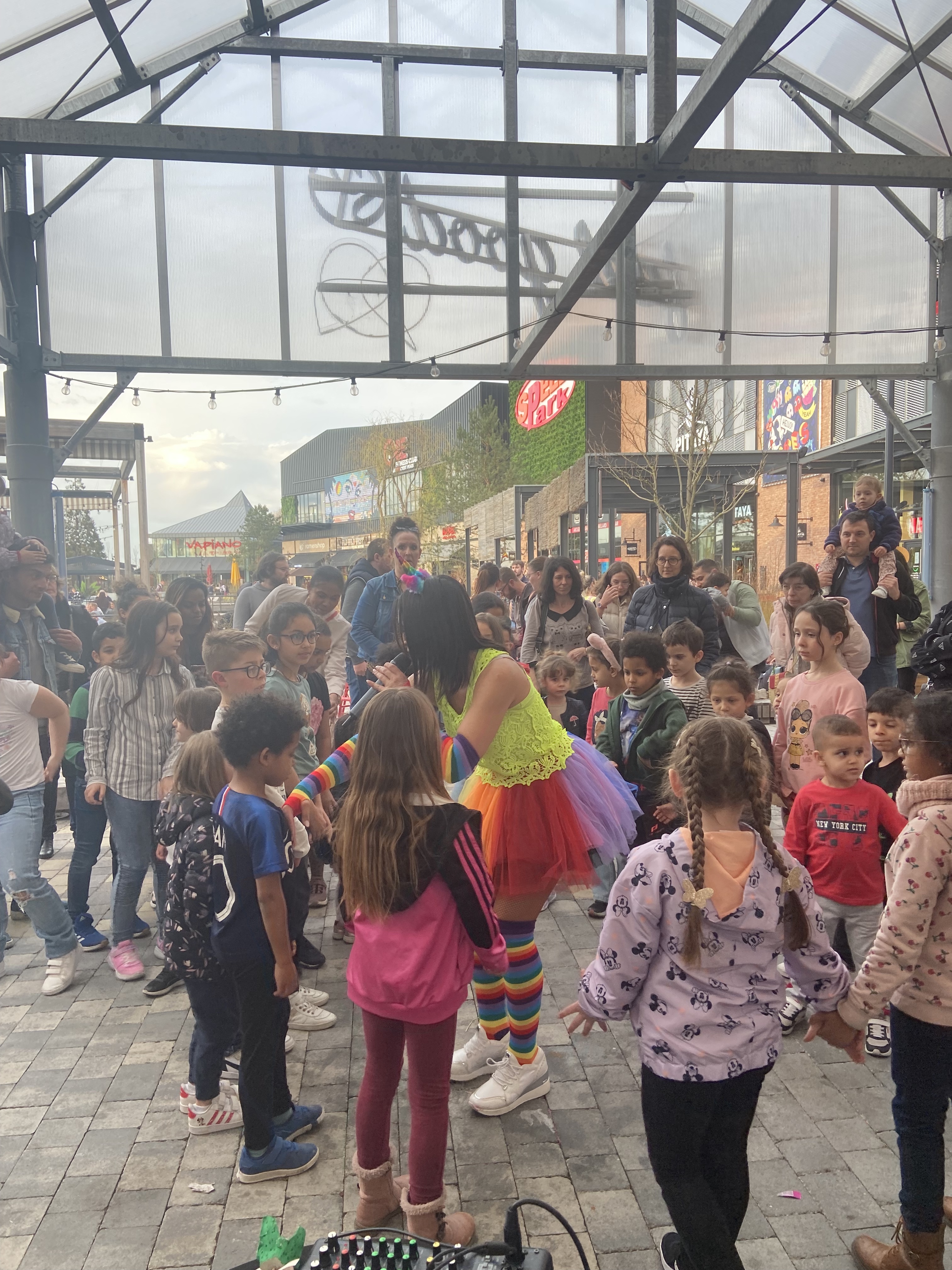
Interactive animations in Quebec
Guided product trials with timed slots: Ideal for tech, wellness, home services, and membership products. We schedule 3–7 minute micro-demos to keep lines moving, with a simple booking flow (QR + host) that doesn’t overwhelm the space.
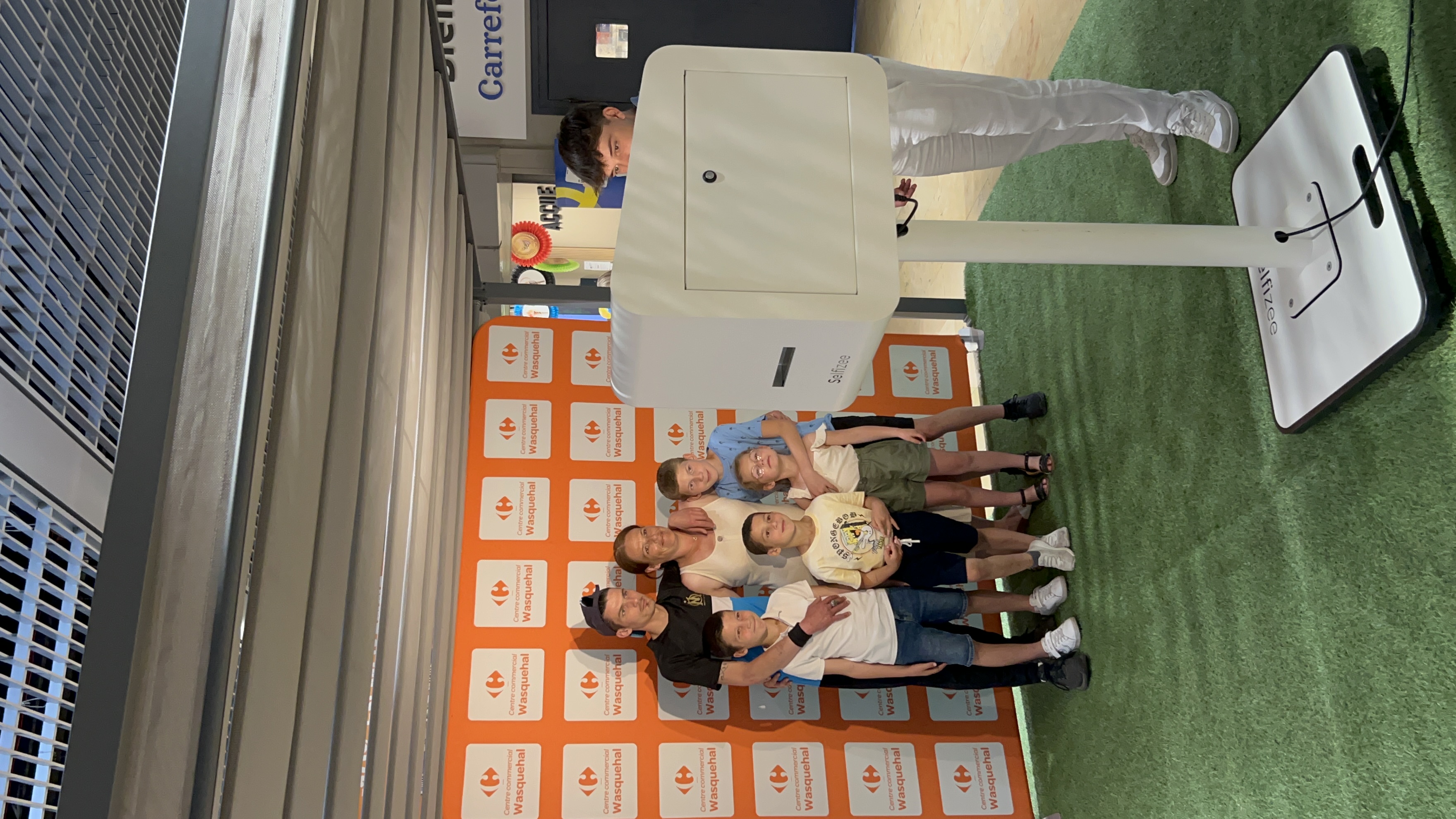
Photo and content station with moderation: Works when brand safety is managed. We include clear prompts, lighting that doesn’t spill into storefronts, and a staff moderator who prevents queue issues and maintains brand tone.
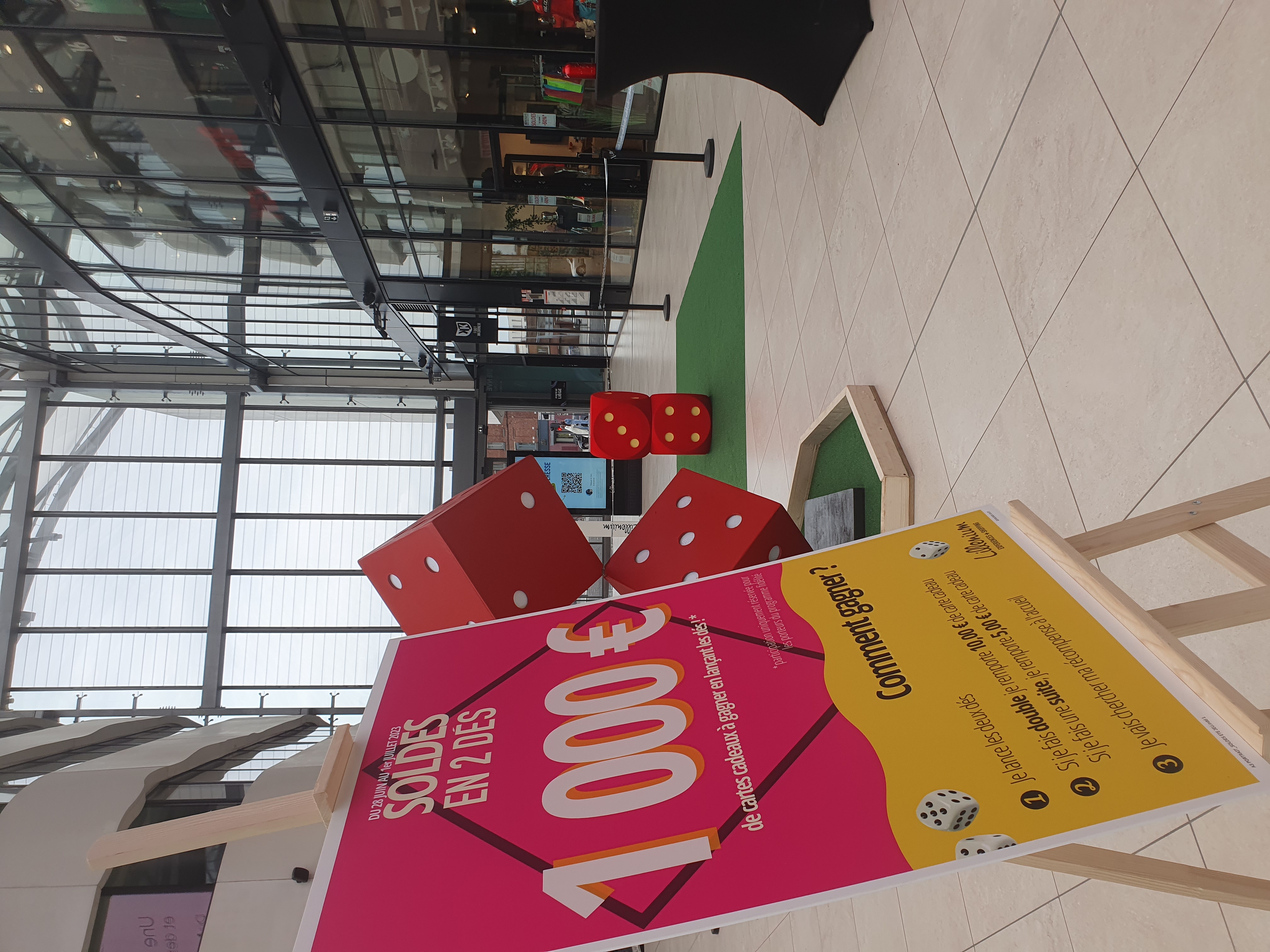
Gamified lead capture: Spin wheel, scratch-to-win, or digital quiz—only when prize strategy is aligned with objectives. We structure prize tiers to protect margin and avoid “freebie hunters,” and we implement clear opt-in language.
Art animations in Quebec
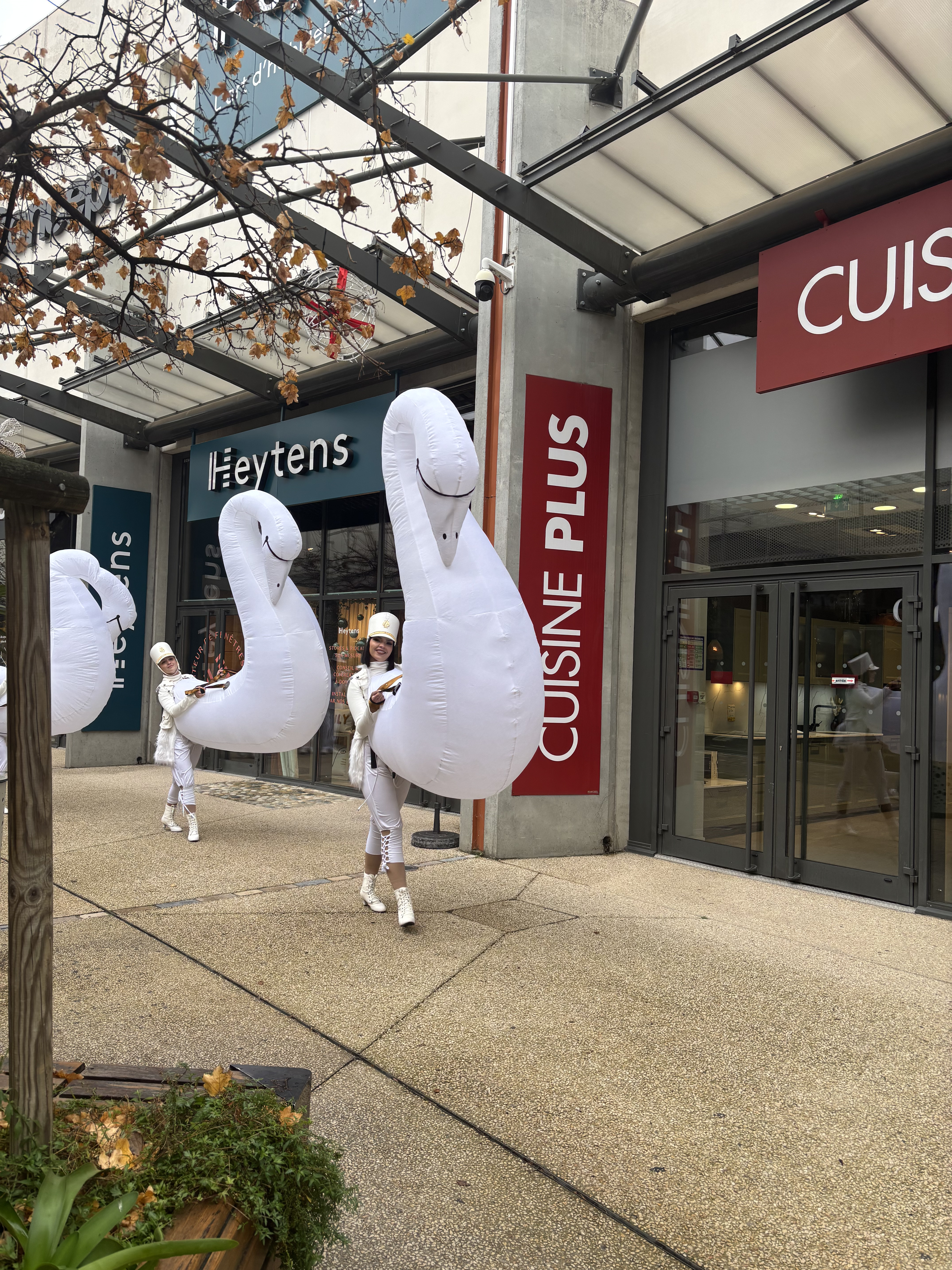
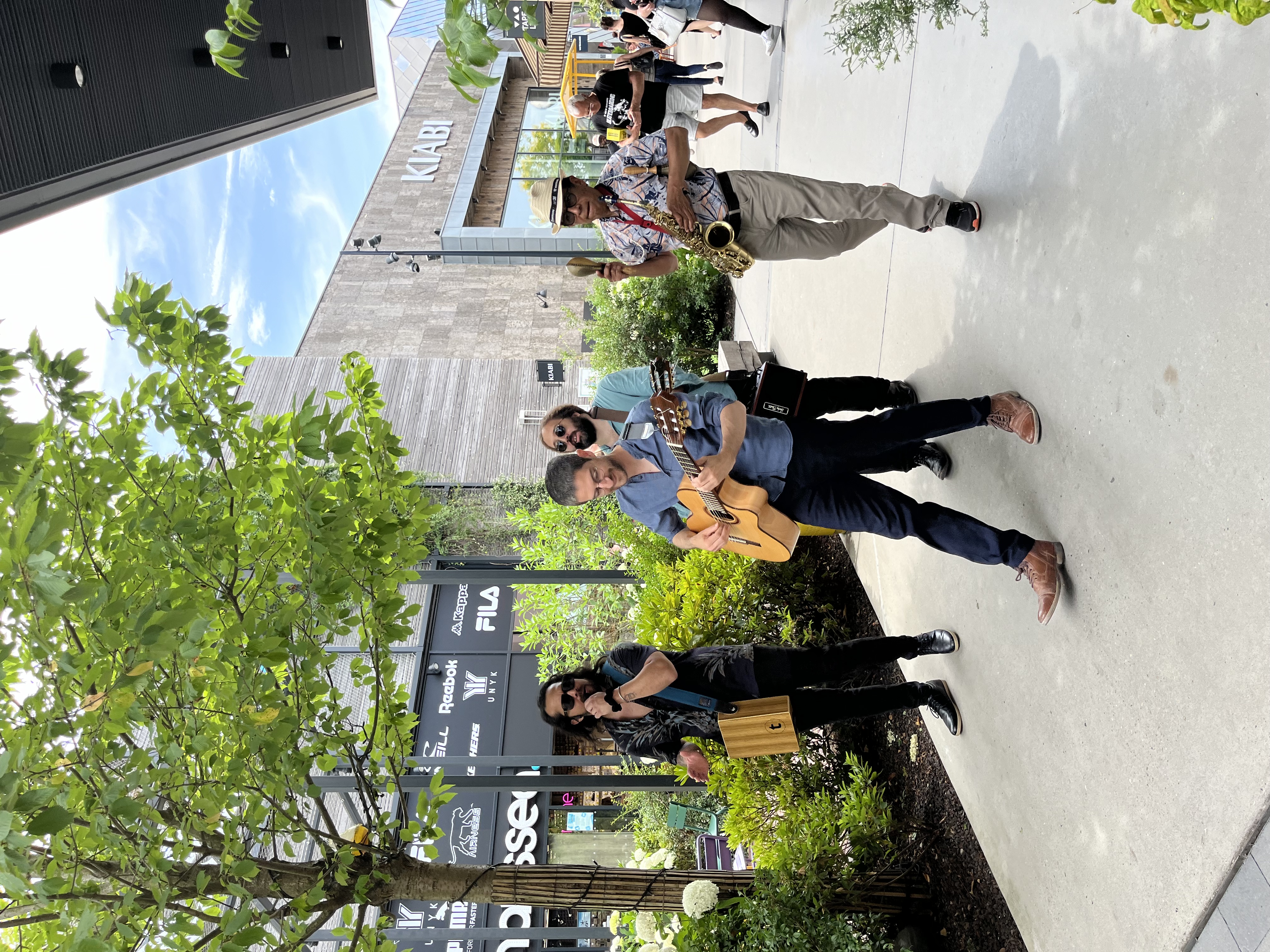
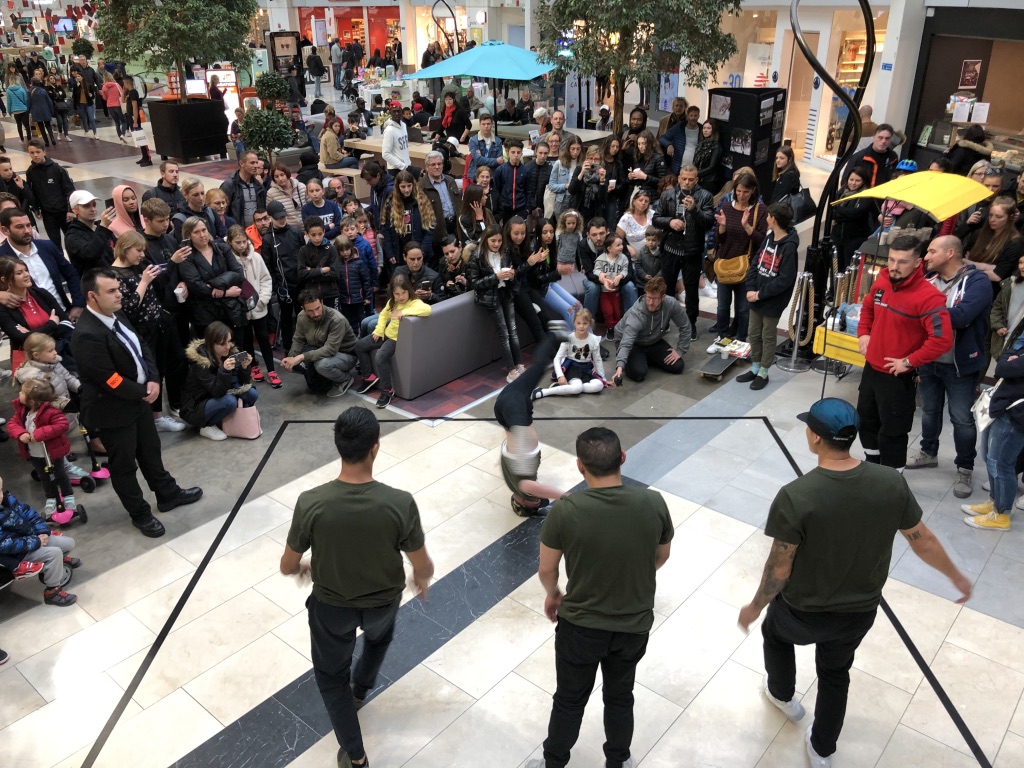
Short-form performances with strict show calls: Instead of roaming acts that can disrupt flow, we schedule 5–12 minute sets at fixed times, with sound levels pre-cleared. This supports predictable crowd management and minimal complaints from adjacent tenants.
Live illustration or customization bar: A strong fit for fashion, cosmetics, gifting, and premium retail. It creates visible “work in progress,” draws attention naturally, and provides a tangible takeaway without high noise.
Innovative animations in Quebec
Sampling with controlled hygiene and replenishment: In Quebec, mall management will expect a clean prep approach (gloves, covered stock, waste plan). We design sampling to avoid litter and manage peak rushes with pre-portioned units.
Partnered tasting with a tenant: When the mall supports it, we collaborate with an on-site food tenant for supply and compliance. This can reduce risk and improve acceptance with property management.
Gourmand animations in Quebec
RFID or QR journey across zones: Useful when you want to distribute traffic and avoid a single bottleneck. Visitors complete 2–4 steps (learn, try, scan, redeem), and you track completion rates by hour and by zone.
Augmented reality product discovery: Works when the digital layer is light and fast. We keep interaction time under 90 seconds and ensure a “no-download” option when possible to reduce drop-off.
Quiet-hour programming: Some centres prefer lower sensory impact times. We can schedule lower-noise interactions (workshops, consultations) during those windows while keeping higher-energy moments for permitted periods.
Whatever the format, alignment with brand image is operational, not just creative. We translate brand standards into scripts, uniforms, signage hierarchy, and on-site behaviours—because in a public venue, your staff and ambassadors are the brand.
How to choose the right venue zone in Montreal shopping centres
In a mall, “location” isn’t a single decision; it’s a set of trade-offs: visibility vs. congestion, proximity to anchor tenants vs. noise sensitivity, and easy load-in vs. public disruption. The best outcomes come from selecting a zone that supports your KPI (reach, leads, trial, or sales) while respecting the centre’s operational rules.
| Venue type | For which objective? | Main strengths | Possible constraints |
|---|---|---|---|
| Atrium / central court | Maximum awareness, high interaction volume | Highest visibility; natural footfall; easy to create a “destination” | Stricter approvals; noise limits; crowd-flow management required |
| Anchor-adjacent corridor | Intercept traffic and drive to quick actions | Consistent traffic; easy to build short interactions; good for sampling | Less space for queues; tenant sensitivity if traffic blocks storefronts |
| Pop-up retail unit / vacant store | Deeper trial, higher conversion, premium positioning | Controlled environment; better data capture; weather-proof and quieter | Lease terms; fit-up requirements; longer lead time for access and utilities |
We strongly recommend a site visit (or at minimum a technical walk-through with photos and measurements). In Montreal, small details—dock access, elevator size, ceiling rigging restrictions, and nearest electrical panels—can determine whether the activation runs smoothly or becomes a day-of scramble.
What does a Quebec mall activation budget really depend on?
Pricing for a Shopping Mall Activation in Quebec depends less on “the idea” and more on execution variables: duration, footprint, staffing intensity, technical complexity, and the mall’s own requirements. We build budgets that reflect real operating conditions so you don’t get surprised by hidden labour, overtime, or last-minute rentals.
Duration and schedule: a 1-day activation vs. a 3–14 day run changes staffing, storage, replenishment, and maintenance needs. Weekend-heavy schedules typically require more staff and stronger supervision.
Footprint and build: simple kiosk setup vs. semi-custom build with branded walls, lighting, and durable flooring. Malls often require finishes that look clean and professional from all angles.
Staffing model: number of ambassadors, supervisors, bilingual requirements, and whether you need specialists (makeup artists, tech demonstrators, certified handlers for certain products).
Technical requirements: power distribution, screens, sound, connectivity redundancy, and the cost of making everything safe (cable ramps, anchoring, stanchions).
Compliance and administration: permits (when applicable), insurance certificates, mall fees, security coverage, and any required training or documentation.
Content and giveaways: sampling volumes, prize strategy, printing, and replenishment logistics. A poorly planned giveaway strategy can double on-site workload without improving results.
From an ROI standpoint, we encourage directors to set 2–3 primary KPIs and budget for measurement (counts, leads, conversion proxy). A smaller activation that is properly staffed and tracked will often outperform a larger build that can’t be operated cleanly during peak traffic.
Why use an event agency in Quebec for shopping centre activations?
Shopping centres are relationship-driven environments. Working with an agency established in Quebec means faster approvals, better anticipation of mall standards, and teams that can mobilize on short notice when the centre requests changes. It also means cultural fluency: bilingual execution, local calendar awareness, and a practical approach to operational constraints.
For organizations managing multi-city rollouts, we also provide consistency: one playbook, one set of quality controls, and one reporting format—while still adapting to each centre’s rules. If your program extends beyond Montreal, our network supports regional execution and coordination with property stakeholders through a single point of contact.
When relevant for your deployment outside Montreal, our sister resources can also support other regions through this page: event agency in Quebec.
- Faster operational problem-solving: local suppliers, rapid dispatch, and realistic load-in planning based on how centres actually run.
- Better risk control: familiarity with mall security expectations, crowd management norms, and what triggers operational shutdowns.
- On-the-ground supervision: a true production lead on-site, not just a remote coordinator, with authority to adjust staffing and flow in real time.
- Credible reporting for executives: clean KPI definitions, documented incidents (if any), and recommendations for scaling to other Quebec locations.
From an ROI standpoint, we encourage directors to set 2–3 primary KPIs and budget for measurement (counts, leads, conversion proxy). A smaller activation that is properly staffed and tracked will often outperform a larger build that can’t be operated cleanly during peak traffic.
They trust us


What we’ve delivered in Quebec: real-world activation scenarios
Our mall activation work in Quebec spans brand launches, seasonal pop-ups, employer-brand kiosks, and community-driven campaigns. The common thread is operational discipline: we plan for peak traffic, we keep the footprint clean, and we protect the centre’s day-to-day operations.
Examples of scenarios we routinely execute:
- Multi-week rotating teams: same activation concept across multiple weekends, with staff rotation, consistent scripts, and a supervisor ensuring quality doesn’t degrade on week three.
- Product education with compliance: activations where staff must deliver approved claims only. We provide briefing documents, role-play training, and a simple escalation process for “off-script” questions.
- Lead capture with high throughput: we design queue flow and device management so staff can capture leads quickly without compromising consent language or data quality.
- Tenant-friendly deployments: footprints designed to avoid storefront obstruction, including scheduled “quiet moments” during sensitive retail periods.
We can share anonymized run-of-show examples, staffing grids, and reporting templates during a call. Directors often find this more useful than a photo gallery because it shows how the activation is actually managed.
Common mistakes we prevent on Quebec mall activation days
Underestimating approvals and timelines: leaving floorplans, insurance, or technical specs too late often forces last-minute compromises that weaken the activation.
Designing for aesthetics, not flow: beautiful setups that create bottlenecks will attract complaints from security and tenants—and can be shut down.
Weak staffing ratios during peak hours: the activation looks fine at 11 a.m. and collapses at 2 p.m. We model staffing by traffic curves, not averages.
Overreliance on Wi‑Fi: unstable connectivity leads to lost leads and frustrated visitors. We plan redundancy and offline capture options.
Inconsistent bilingual delivery: if scripts and signage don’t match, visitors notice, and brand trust takes a hit. We standardize language and train delivery.
Missing operational hygiene: visible boxes, unmanaged waste, tangled cables, or unclear storage will quickly attract mall scrutiny.
Our role is to remove uncertainty: we plan the operational details that protect your brand and your relationship with the shopping centre, while giving your internal stakeholders a clear view of what will happen hour by hour.
Why Quebec clients renew mall activations with INNOV'events
Renewal happens when the activation is easier to run the second time than the first—and when results are clearly documented. Many organizations in Quebec come back because we treat activations as programs, not one-off stunts: we build a playbook, we improve it after every run, and we keep the experience consistent across sites.
Repeat-program structure: standardized briefing packs, staffing guides, and reporting dashboards that support rollout to multiple centres.
Operational continuity: whenever possible, we keep the same field leadership for the full run, which reduces retraining and maintains quality.
Post-event improvements: we track what caused friction (queues, noise, replenishment, consent drop-off) and implement changes before the next weekend.

Loyalty is a practical proof point. In mall environments, if you cause operational problems, you don’t get invited back easily. Renewals reflect trust from both brand teams and venue stakeholders.
Our Quebec delivery process for Shopping Mall Activation programs
👉 Step 1 (Montreal): define KPIs, risks, and success conditions
We start with a short working session with marketing/communications and, when relevant, HR and legal. We define 2–3 primary KPIs (e.g., interactions/hour, opt-in leads, trial completions), identify brand and compliance constraints, and confirm what would make the program a “yes” for renewal.
👉 Step 2 (Quebec): concept, footprint, and approval pack
We produce a concept that is operationally realistic in a shopping centre: footprint options, queue strategy, signage hierarchy, staff roles, and technical needs. Then we assemble an approval pack for mall stakeholders (floorplans, power, load-in, safety measures) to speed up sign-off and reduce last-minute changes.
👉 Step 3 (Montreal): sourcing, fabrication, and staffing plan
We book vendors, confirm fabrication specs, and build a staffing grid by daypart. We prepare scripts (EN/FR), consent language for data capture, escalation contacts, and a run-of-show. This is where we protect your team from scope creep and hidden operational costs.
👉 Step 4 (Quebec): on-site execution with active supervision
On event day, a field lead manages load-in, mall check-ins, safety checks, staff briefing, and real-time adjustments. We manage queue flow, device readiness, replenishment, and incident logging. If something changes (traffic spike, power constraint, mall request), we resolve it on-site and keep you informed with concise updates.
👉 Step 5 (Montreal): reporting, debrief, and next-run recommendations
We deliver a report with KPIs, qualitative insights, and recommendations. For multi-site programs, we also provide a revised playbook so the next activation is faster to approve and smoother to operate—especially important when rolling out across Quebec locations.
FAQ sur l'organisation Shopping Mall Activation à Quebec
How long does mall approval take in Quebec?
Plan for 2 to 6 weeks depending on the centre, complexity (power, sound, build), and whether security and property management require separate reviews. For multi-day builds or pop-up units, 6 to 10 weeks is safer.
What budget range is typical for Montreal mall activations?
For a staffed kiosk with light branding and simple interaction, many programs land around $8,000 to $25,000 for a day. Multi-day runs with custom fabrication, heavier staffing, and reporting often range from $30,000 to $120,000+. Mall fees, staffing intensity, and build quality are major drivers.
Can we capture leads legally during a Quebec activation?
Yes, if you use clear opt-in language and collect only what you need. We design consent scripts and signage for bilingual delivery, and we recommend separating “contest entry” from “marketing opt-in” so consent is explicit and defensible.
How do you manage crowds during Quebec peak hours?
We use a flow plan: defined entry/exit points, stanchions when required, timed micro-demos, and staffing ratios adjusted by hour. For high-traffic centres, we often add a supervisor plus 1 host per queue to keep circulation clear and maintain mall relations.
What KPIs should executives track for Quebec mall activations?
Most leadership teams track interactions/hour, opt-in leads, and a conversion proxy (trial completions, coupon redemptions, or store visits). We also recommend tracking cost per qualified lead and peak-hour performance to compare centres and optimize staffing.
Plan your Montreal activation early to secure the best mall dates
If you’re comparing agencies, we suggest starting with a working call focused on constraints: your KPIs, the centres you’re targeting, the campaign calendar, and any compliance requirements. We’ll come back with a realistic footprint, staffing model, and a budget built for mall conditions in Quebec.
Contact INNOV'events to request a quote and lock in approvals early—especially for back-to-school and holiday periods, when prime atrium space and reliable staffing get booked fast.
INNOV'events Quebec Agency
Thierry GRAMMER is the manager of the INNOV'events Quebec office. Reach out directly by email at canada@innov-events.ca or via the contact form.
Contact the Quebec agencyAll our services & entertainment Quebec, Quebec
Discover our event services
Discover our event entertainment available in the Quebec
- Event Hostess in Quebec
- Escape Game in Quebec
- MasterChef-Style Cooking Workshop in Quebec
- Corporate Magician in Quebec
- Tent Rental in Quebec
- Color Analysis Workshop in Quebec
- Inflatable Games in Quebec
- Valet Service in Quebec
- Soccer Simulator in Quebec
- LED Furniture Rental in Quebec
- LED Branding Activation in Quebec
- Immersive Culinary Experience in Quebec
- Light Painting Activity in Quebec
- Immersive Mystery Night in Quebec
- Promotional Contest in Quebec
- Promotional Materials (POS) in Quebec
- Virtual Reality Experience in Quebec
- Molecular Gastronomy Workshop in Quebec
- Halloween Event in Quebec
- Fireworks Show in Quebec
- Sports Challenge – Giant Games in Quebec
- Professional Event Host in Quebec
- Photo Booth Animation in Quebec
- Santa Claus Appearance in Quebec
- Kids Entertainment in Quebec
- Guided Tour in Quebec
- Urban Rally in Quebec
- Ball Pit Activity in Quebec
- Flight Simulator in Quebec
- Food Truck Rental in Quebec
- World Record Attempt in Quebec
- Surf Simulator in Quebec
- Soccer Simulator in Quebec
- Wine Casino in Quebec
- Makeover Workshop in Quebec
- Perfume Creation Workshop in Quebec
- Acting Workshop in Quebec
- CSR Activities in Quebec
- Archery Activity in Quebec
- Event Security Guard in Quebec
- Wine Tasting Workshop in Quebec
- Mime Performance in Quebec
- TV Game Show Animation in Quebec
- Funfair Event in Quebec
- Crisis Management Workshop in Quebec
- Crisis Negotiation Workshop in Quebec
- Arcade Games in Quebec
- Indoor Skydiving Simulator in Quebec
- Ski Simulator in Quebec
- Racetrack Driving Experience in Quebec
- Introductory Flight Experience in Quebec
- Tasting Experience in Quebec
- Build Your Own Foosball Workshop in Quebec
- 2CV Rally in Quebec
- LEGO Challenge in Quebec
- Casino Night in Quebec
- Interpreter / Translator in Quebec
- Promotional Merchandise in Quebec
- Shuttle / Transportation Service in Quebec