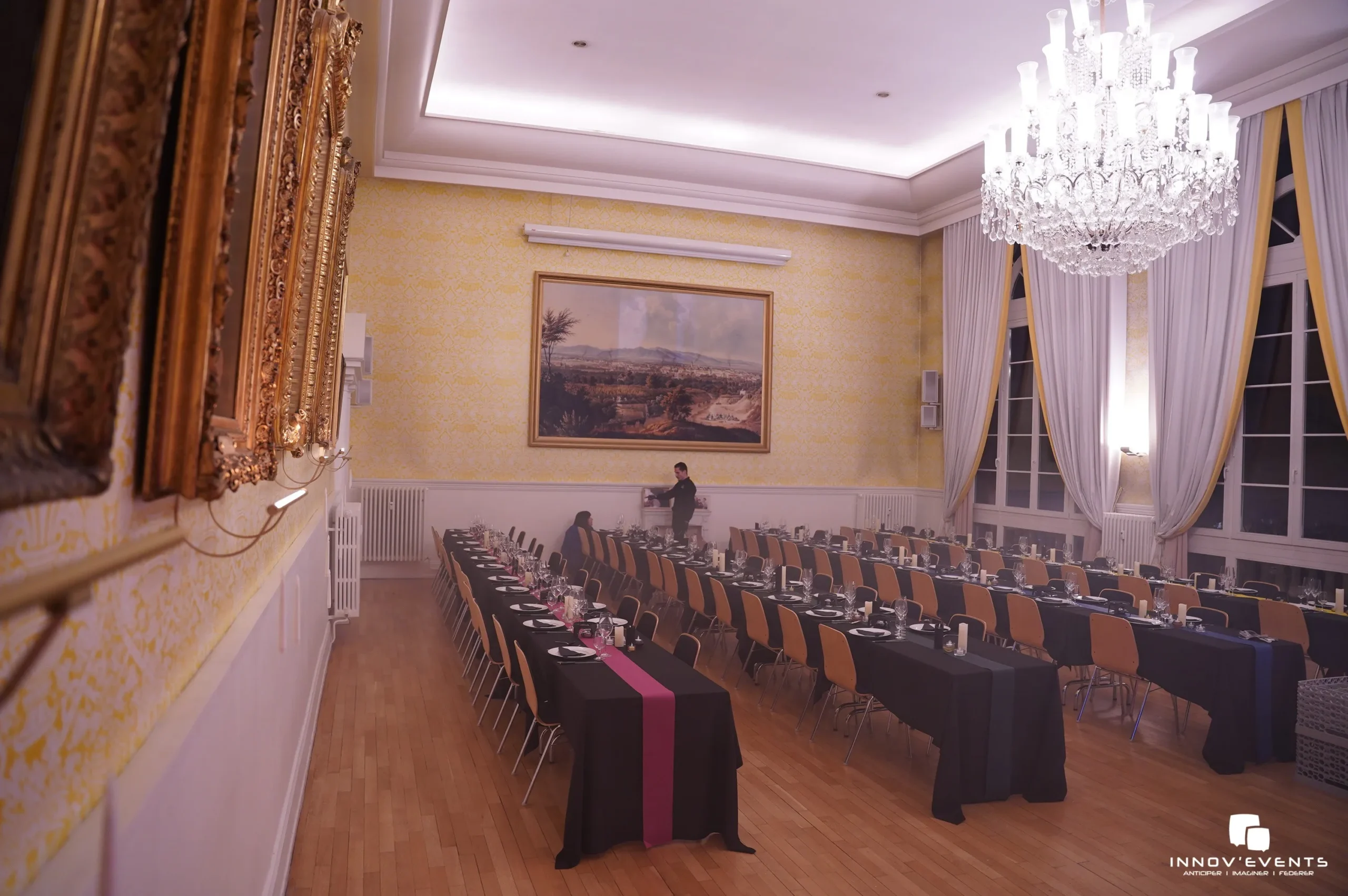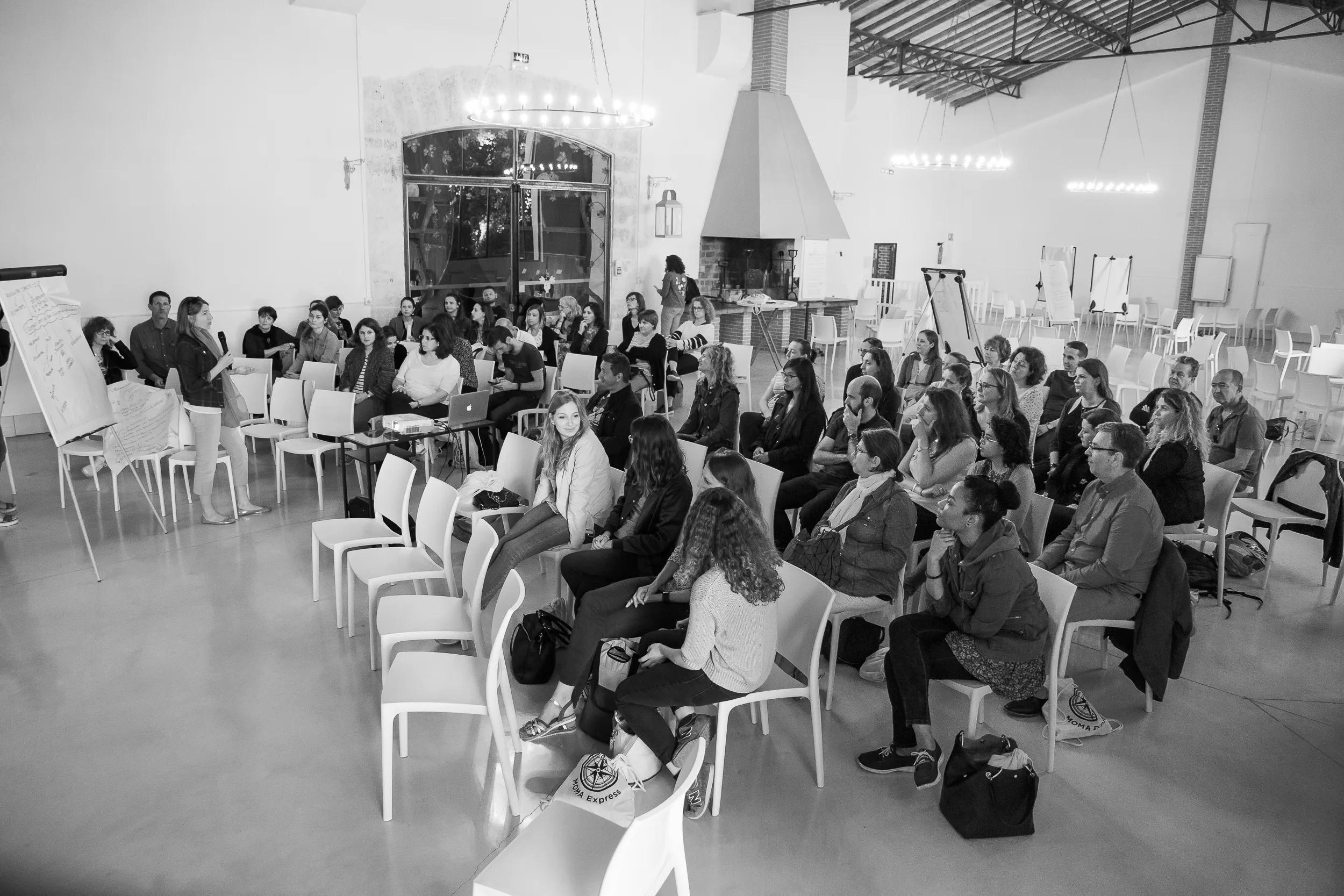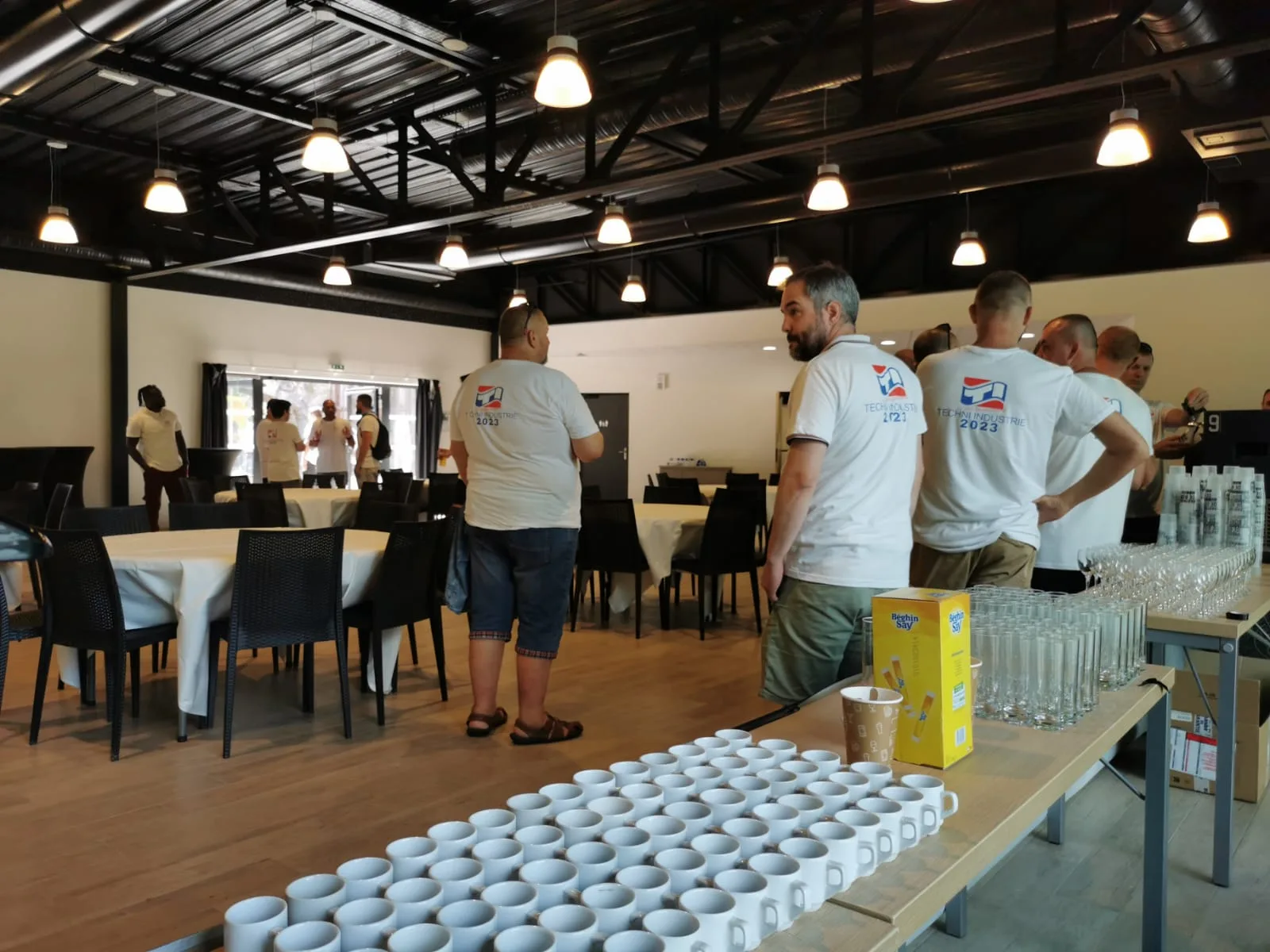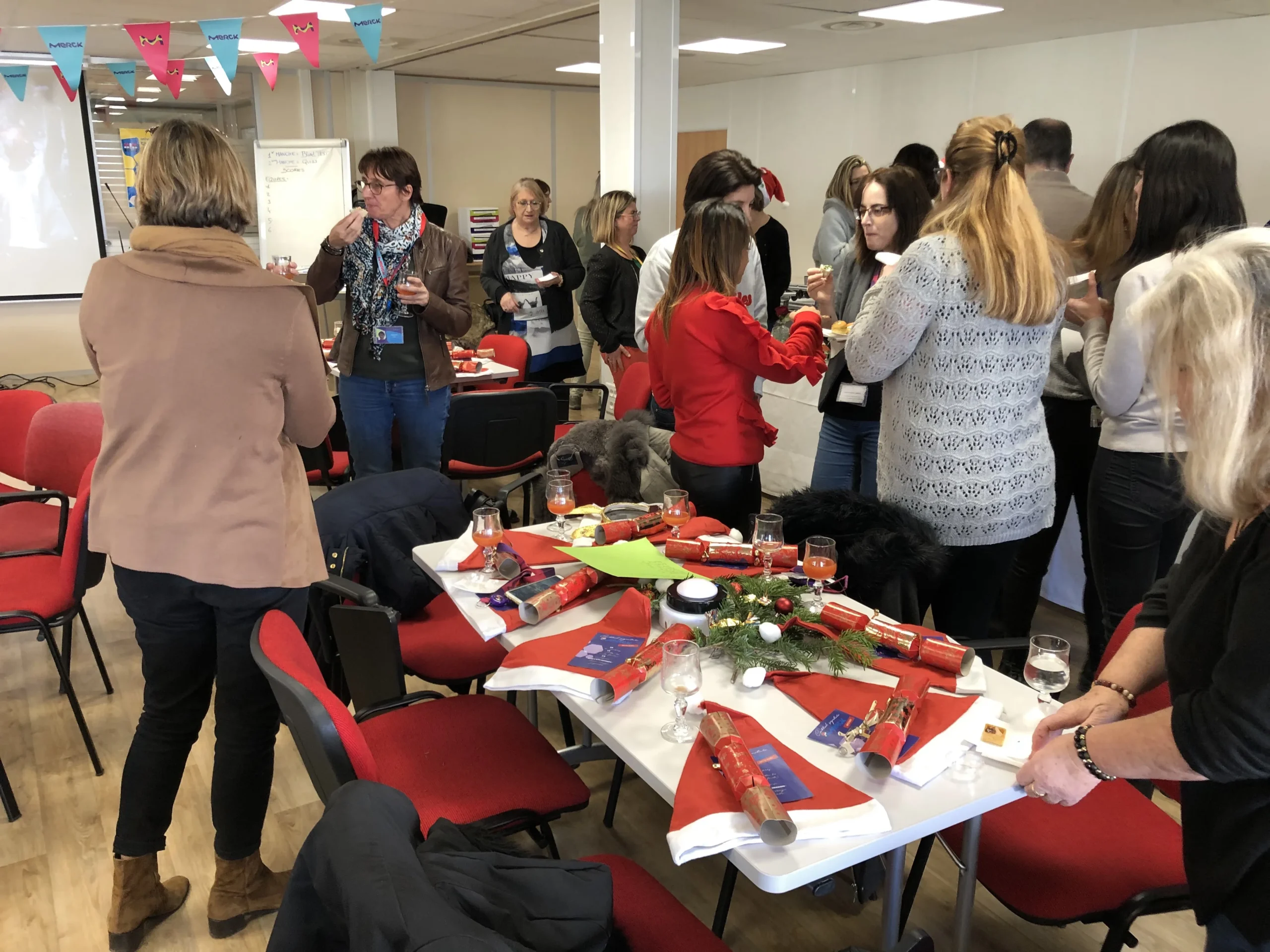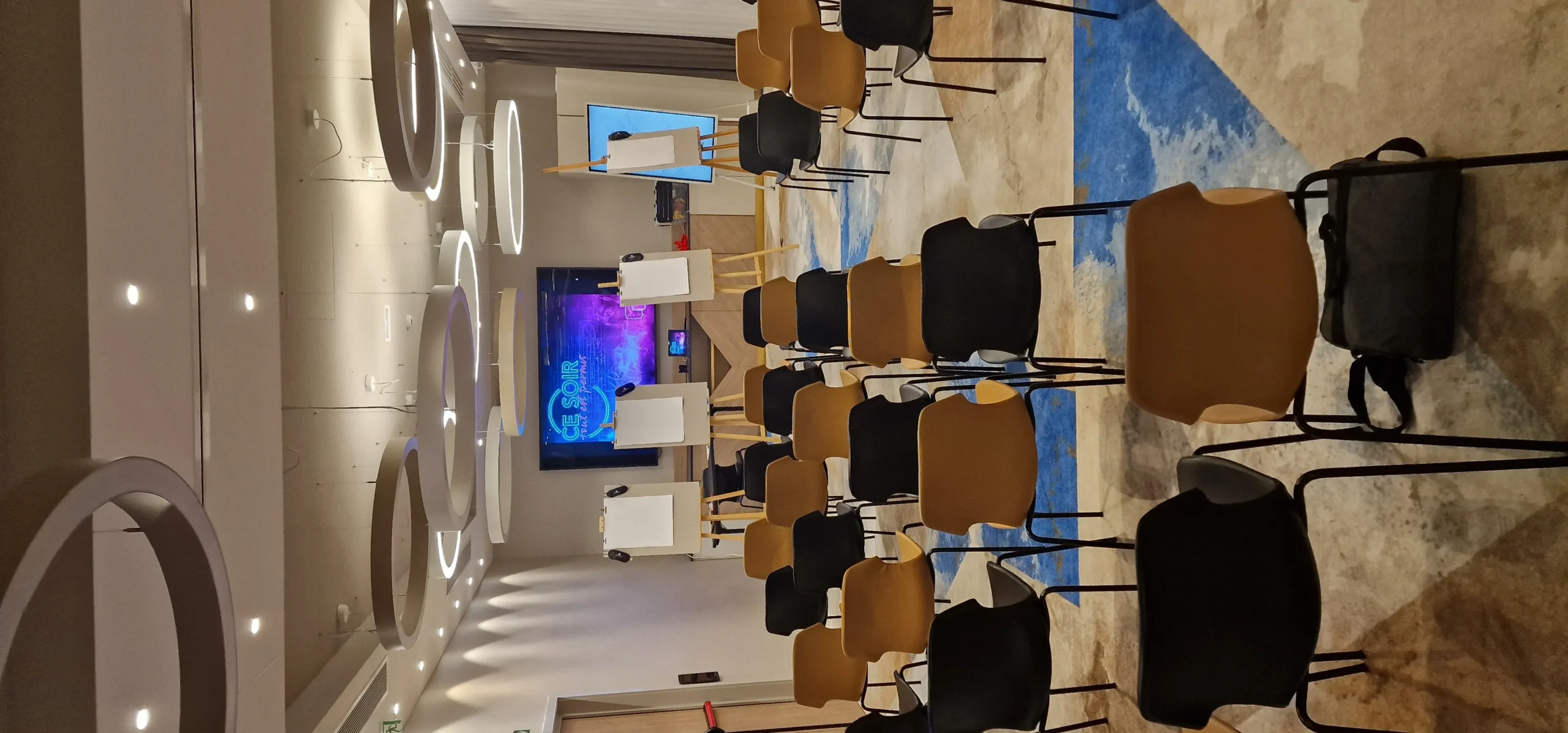
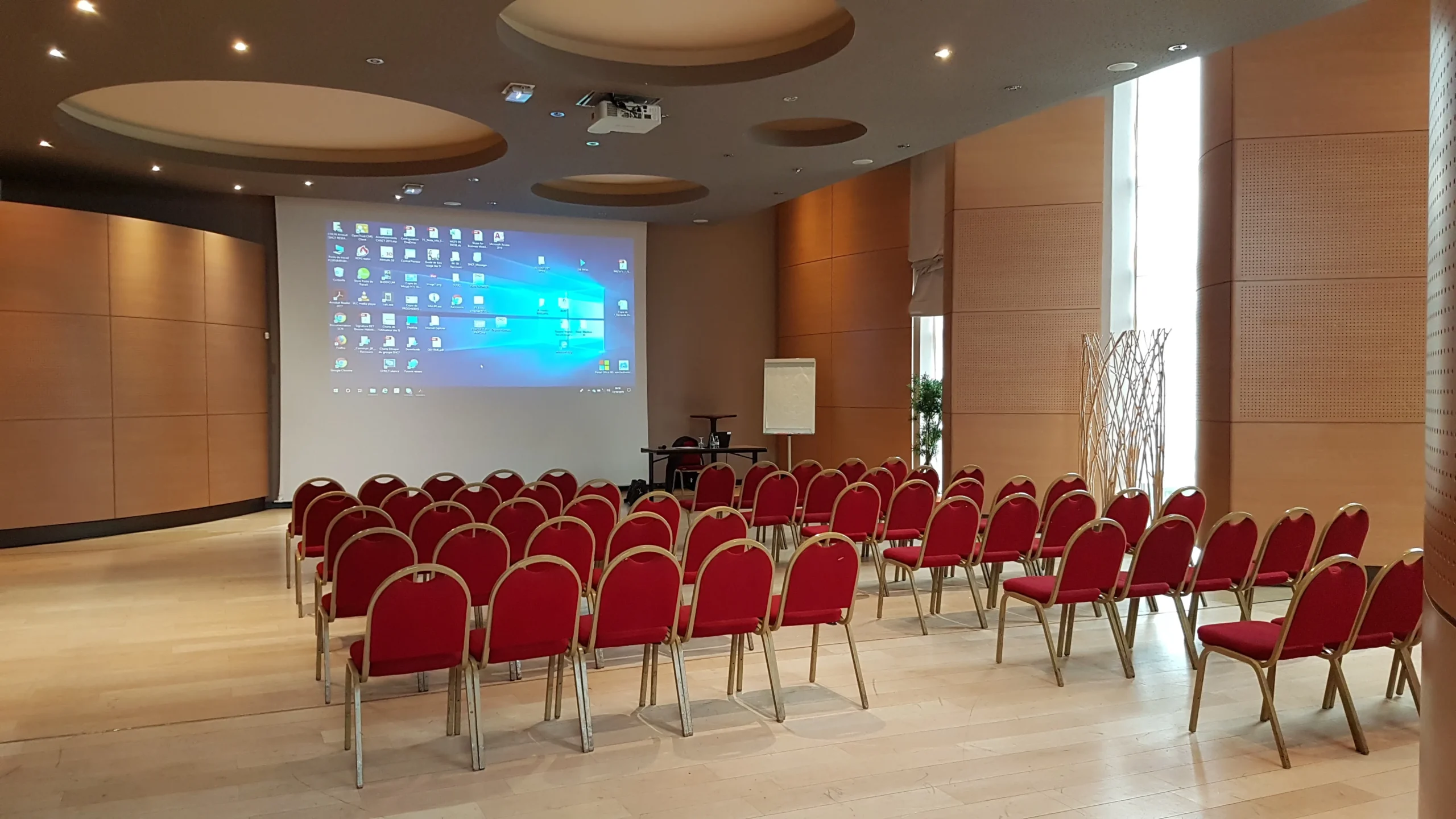
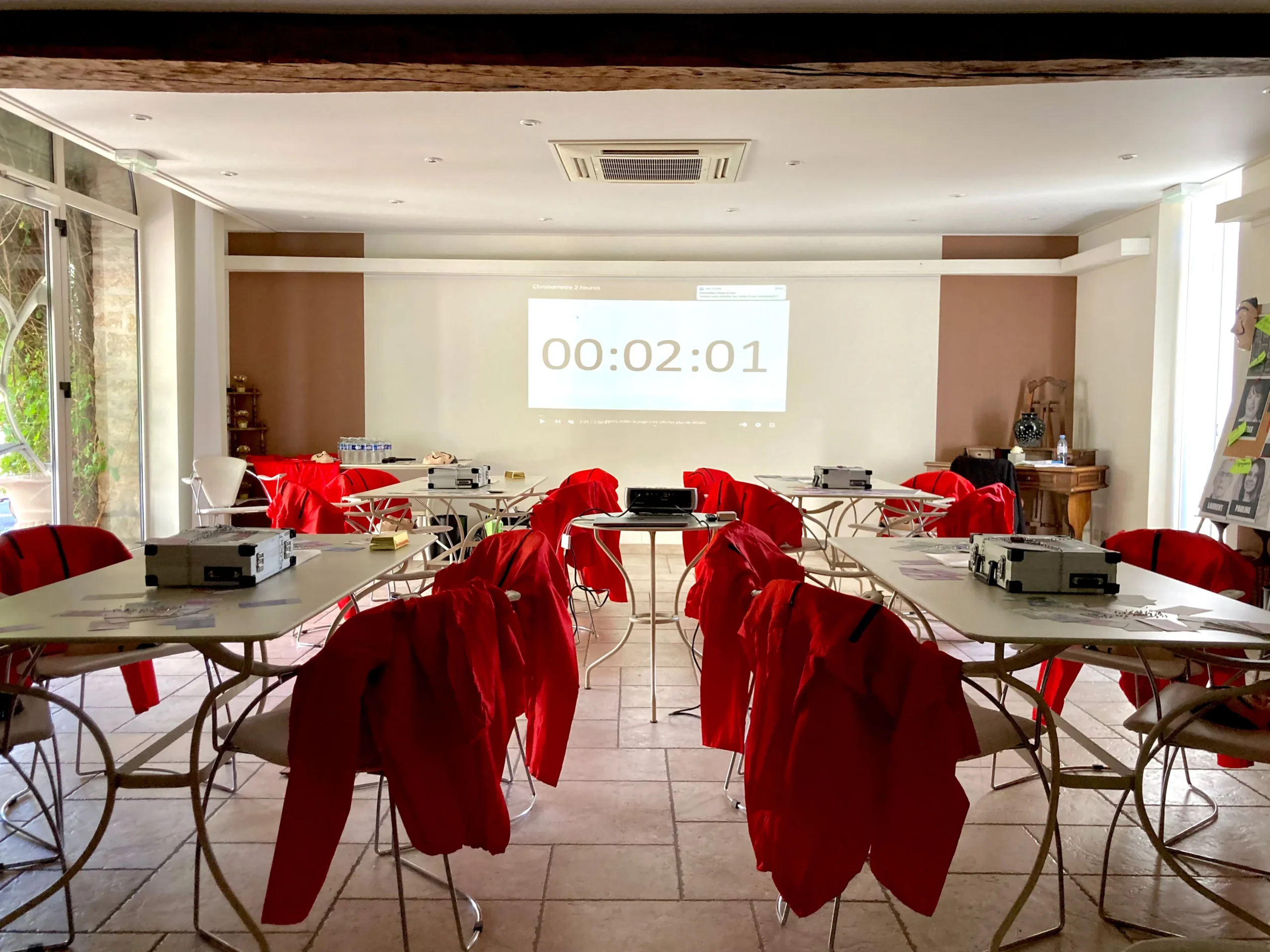
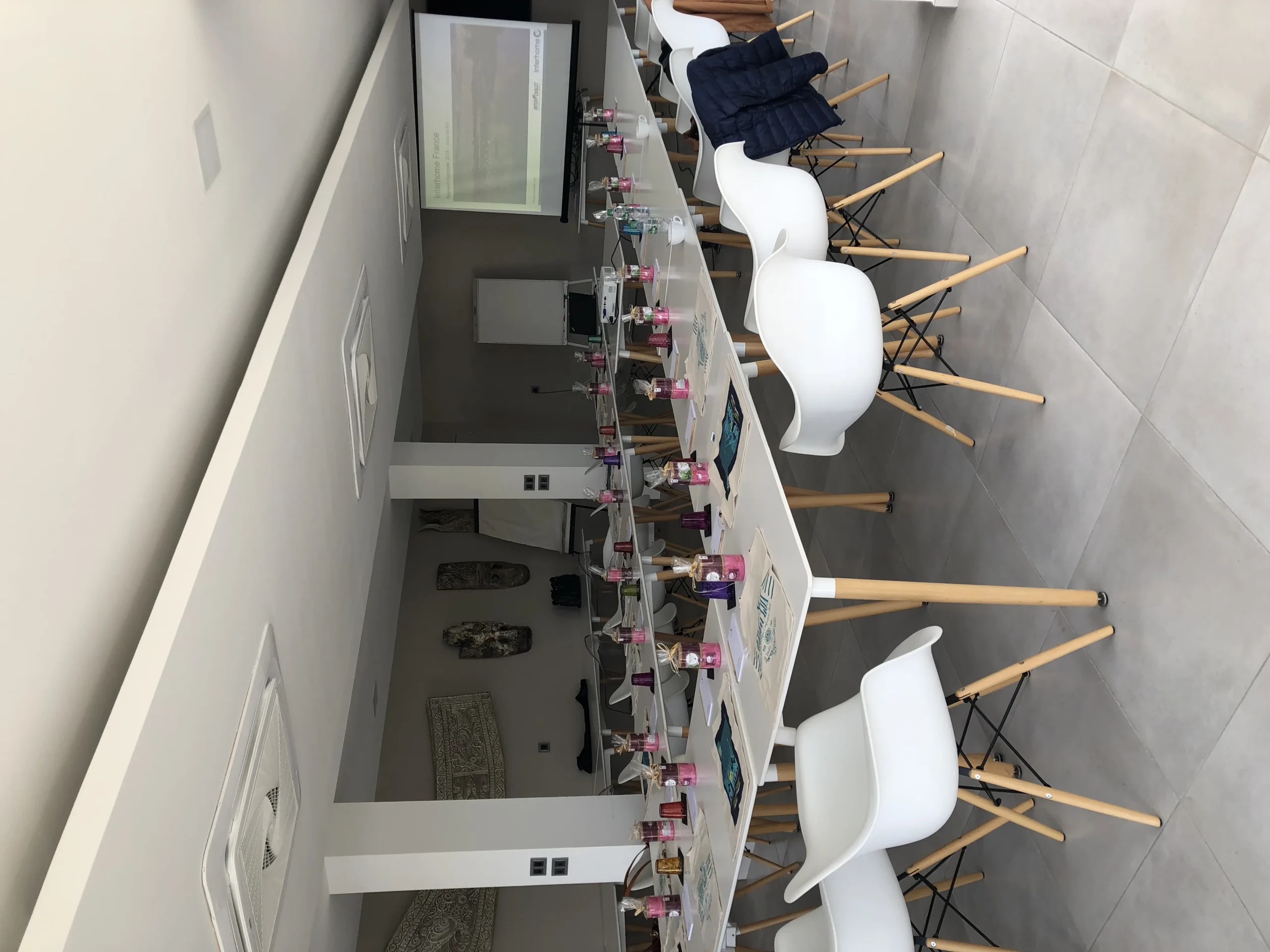
INNOV'events supports executives, HR and communications teams with Meeting Room Rental solutions in Laval, from a 6-person leadership offsite to a 120-person town hall. We secure the venue, coordinate AV and room setup, and manage the on-site flow so your agenda stays intact and your message lands.
Typical timelines range from 5 business days (simple meeting room + AV) to 3–6 weeks (multi-room, catering, registration, hybrid). We work in a practical, calm way—because the day of the meeting, you don’t have time for surprises.
In a corporate context, the “room” is never just a room: it sets authority, reinforces alignment, and protects decision-making time. A properly managed Meeting Room Rental in Laval reduces friction (late starts, AV issues, noise, poor seating) and improves outcomes when you’re asking leaders to decide, approve, or commit.
Organizations in Laval typically expect three non-negotiables: fast access and parking for busy calendars, predictable technical performance (sound, screens, hybrid), and a setting that reflects the company’s standards without overspending. They also want clear operational answers: load-in times, signage, catering timing, and who owns issues on-site.
INNOV'events is a Montréal-based team with hands-on delivery across the North Shore, including Laval. We don’t “sell concepts”; we lock down room specs, site constraints, AV redundancy, and service standards with venues and suppliers—so your meeting starts on time and stays on track.
10+ years delivering corporate meetings and internal events across Québec, including recurring mandates on the North Shore.
Capacity range managed: from 6 to 500 participants depending on format (board meeting, training, town hall, hybrid briefing).
48-hour quoting for standard Meeting Room Rental requests when dates and headcount are confirmed.
1 accountable project lead + on-site coordinator option to protect your team’s bandwidth the day of.
We regularly support operations, HR and communications teams working in and around Laval—particularly organizations managing multi-site staff, shift schedules, and leaders commuting between Montréal and the North Shore. Many of our mandates come from clients who rebook because they need consistency: same expectations, same rigour, and a vendor who remembers what went wrong last time and fixes it before it happens again.
If you have internal references you’d like us to match (a board format your Chair prefers, a training setup your HR team uses, or an AV standard your IT team requires), we integrate those into the room brief and supplier checklist from day one. That’s how repeat collaboration becomes frictionless: fewer explanations, faster approvals, and fewer last-minute escalations.
We send you a first proposal within 24h.
Most leaders don’t book an external room because they want “a nicer setting.” They book because internal spaces create avoidable constraints: interruptions, limited AV, poor acoustics, no privacy, or a layout that undermines the conversation. A professional Meeting Room Rental creates a controlled environment where time is protected and outcomes are measurable.
Time protection for executives: a dedicated room with planned arrivals, registration flow (if needed), and a controlled start time reduces the “15-minute drift” that kills agendas.
Better message retention: correct sightlines, consistent sound coverage, and lighting that works for both the room and camera (hybrid) improve understanding—especially for complex updates (reorg, strategy shift, compliance).
Real confidentiality: board discussions, labour relations, and sensitive HR topics benefit from a venue that can guarantee private access, controlled entry points, and no “hallway audience.”
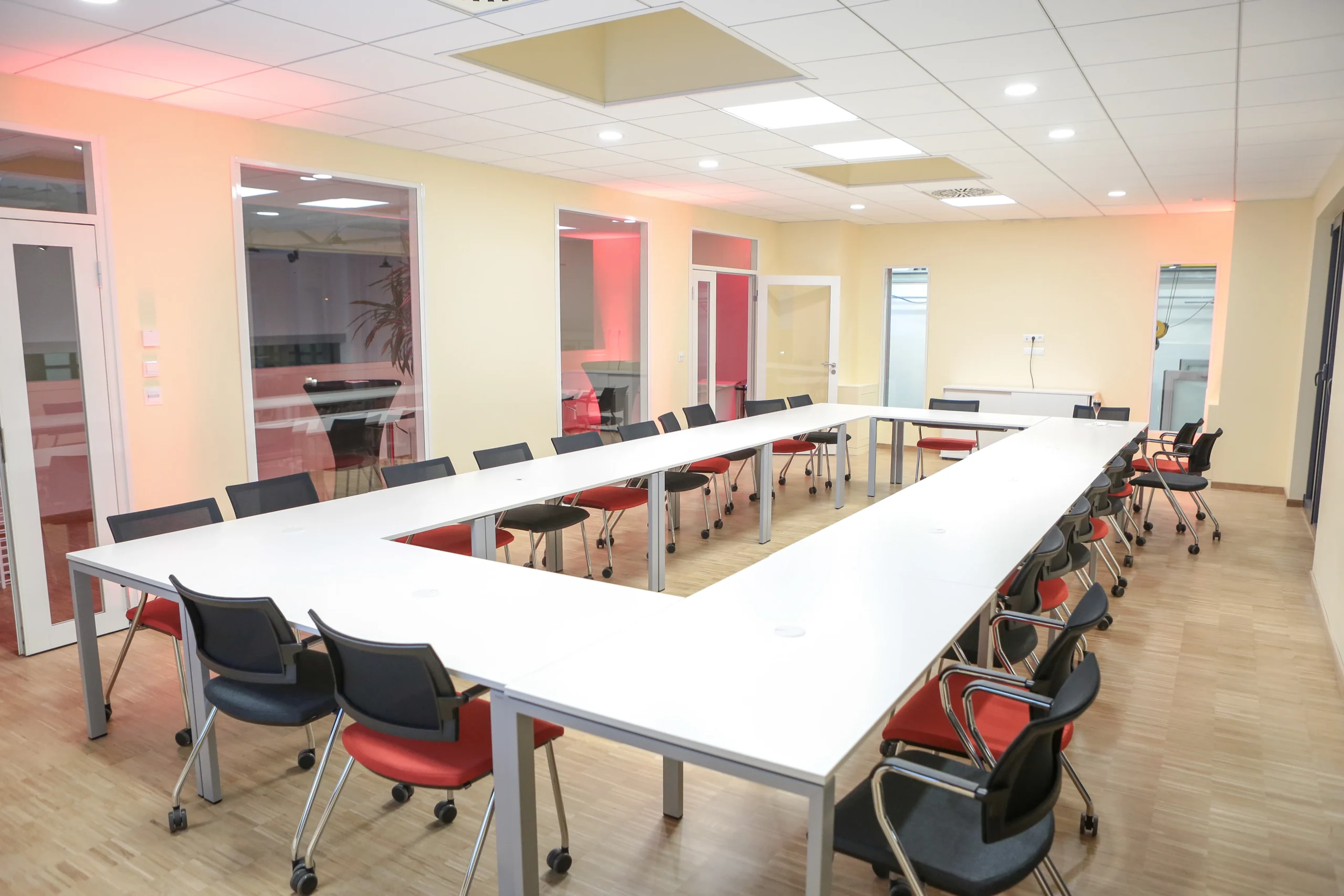
Facilitation-friendly layouts: U-shape, classroom, pods, or boardroom with proper clearances. This is critical for training days where the facilitator needs movement space and participants need surfaces for laptops.
Reduced internal burden: your team stops managing coffee runs, chair moves, and AV troubleshooting, and focuses on content and stakeholder management.
Stronger employer brand: for onboarding, leadership forums, and recognition moments, a well-run setting signals professionalism and respect for staff time—without resorting to unnecessary extravagance.
Laval is a pragmatic business environment: leaders expect efficiency, predictable logistics, and smart spending. A properly chosen room and an operations-first approach align well with that culture—especially when your agenda is tight and your stakeholders are demanding.
In Laval, many corporate meetings involve participants arriving from multiple points: industrial parks, head office, client sites, and Montréal. That translates into concrete operational needs: reliable parking capacity, clear wayfinding from the lot to the room, and a reception flow that doesn’t create bottlenecks at the top of the hour.
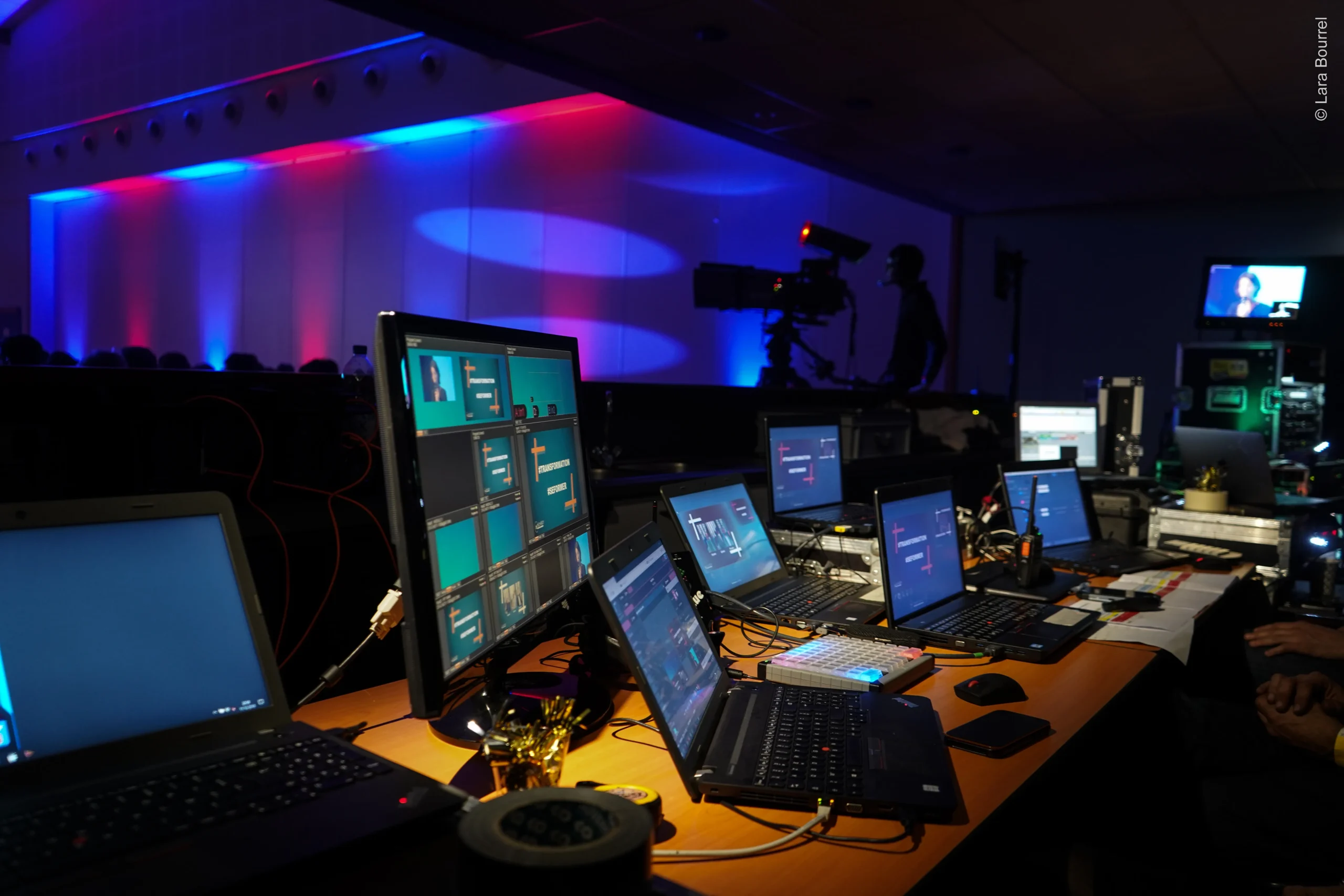
We also see strong expectations around hybrid readiness. Even when a meeting is “mostly in person,” someone is often dialling in: a regional VP travelling, a subject-matter expert in another province, or a legal stakeholder joining for one agenda item. A room that can’t deliver stable audio capture (not just “a speakerphone on the table”) will cost you in repeated questions, lost nuance, and longer decision cycles.
Finally, Laval organizations tend to be cost-conscious but not cheap. Decision-makers will invest when the rationale is clear: fewer hours wasted, lower risk of failure, and a smoother experience for employees. That’s why we present options with trade-offs—what you gain (and what you risk) at each price point—so approvals are faster and defensible.
Even when the objective is serious—strategy, performance, labour relations—thoughtful engagement techniques can increase participation and retention without turning the meeting into “entertainment.” In practice, we use simple, professional mechanisms that keep senior groups focused, reduce side conversations, and help facilitators land decisions.
Live pulse checks (2–4 questions): useful for leadership forums where you need to surface alignment gaps quickly without forcing people to speak publicly.
Structured Q&A capture: a moderated queue (in-room and online) with a visible log prevents repetition and helps communications teams track what needs follow-up.
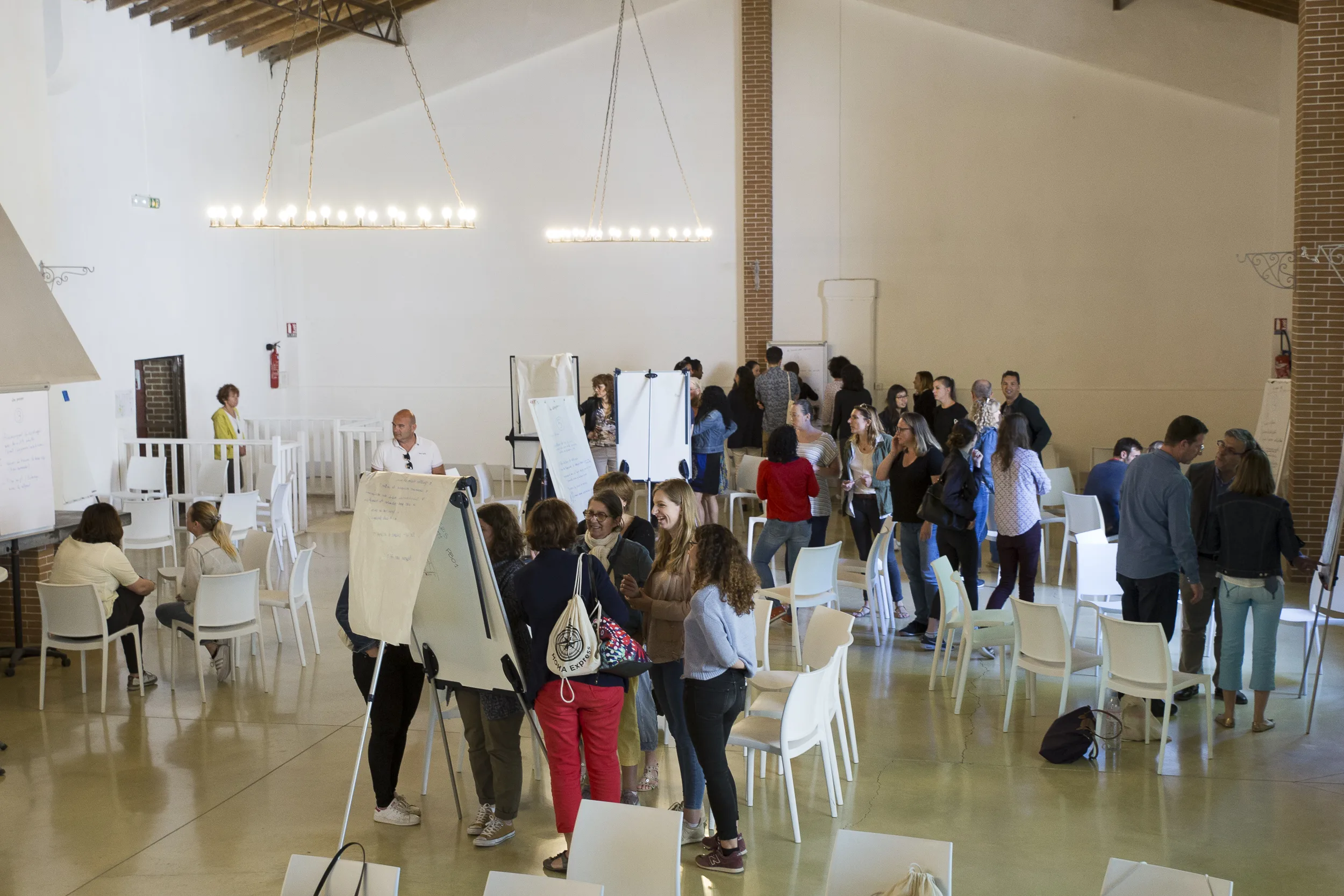
Breakout decision tables: for 30–80 people, small-group decision worksheets with timed report-backs keep the meeting outcome-oriented instead of discussion-heavy.
Professional moderator for executive town halls: keeps timing disciplined, bridges tough transitions, and protects the speaker from getting stuck in one topic.
Voice-of-customer segment (recorded video): when used sparingly, it grounds strategy in reality and supports change management messaging.
Staggered coffee service timed to agenda blocks: reduces hallway lineups and late returns after breaks—small detail, big impact.
Working lunch with quiet service: for leadership offsites, we plan service that doesn’t compete with discussion (no loud setups, no constant interruptions).
Hybrid-ready room kits: camera at eye line, proper mic coverage, and a confidence monitor so presenters know what remote attendees see.
Real-time action log: a visible, shared decisions-and-owners document projected at the end of each block so outcomes are captured live and not lost in post-meeting notes.
Whatever the format, we align the experience to your brand and internal culture. A regulated environment, a unionized context, or a high-discretion leadership group in Laval won’t respond to the same mechanics as a high-growth tech team—so we propose engagement tools that fit the room, not a trend.
The venue is part of your message. A boardroom that feels cramped signals poor planning; a room that’s too grand can feel tone-deaf. We shortlist venues in Laval based on access, acoustic separation, AV ceiling height and rigging limits, and the service culture on-site (how they handle last-minute changes, dietary needs, and timing discipline).
| Venue type | For which objective? | Main strengths | Possible constraints |
|---|---|---|---|
Hotel meeting rooms (mid-size to large) | Executive offsites, training days, town halls with catering |
|
|
Business centres and serviced offices | Board meetings, interviews, confidential HR meetings |
|
|
Conference spaces in institutional venues | Large internal briefings, multi-department sessions |
|
|
We recommend a site visit (or at minimum a detailed virtual walk-through) before you commit—especially if you need hybrid, multiple breakouts, or strict confidentiality. In Laval, two rooms with the same capacity can behave very differently depending on acoustics, corridor layout, and load-in access.
Pricing for Meeting Room Rental in Laval depends less on the room itself than on what must happen reliably inside it: timing, AV, catering cadence, staffing, and whether the meeting is hybrid. We build budgets that are approval-ready: clear line items, options with trade-offs, and a realistic contingency so you’re not forced into last-minute purchase orders.
Room rental duration: half-day vs full-day vs evening setup; some venues price on minimum blocks and charge overtime after a set hour.
Capacity and layout: boardroom (space per person) costs differently than theatre style; classroom requires more tables and often more square footage.
AV scope: screen size, number of wireless mics, audio reinforcement, recording, and confidence monitors; hybrid adds camera, capture, and testing time.
Internet requirements: dedicated bandwidth or wired connections for hybrid sessions; this is a common hidden cost.
Catering and service style: continuous coffee, plated vs buffet, dietary needs, and timing constraints that require extra staff.
On-site coordination: one coordinator can protect your internal team, especially when execs arrive close to start time and changes happen in real time.
Branding and signage: simple directional signage vs full environment branding; some venues require approved mounting methods.
We frame budget in terms executives recognize: cost of employee time, risk of a failed hybrid session, and reputational impact. Spending an extra $800–$2,500 on the right AV and coordination often saves more than that in lost meeting time and post-meeting remediation.
When your calendar is tight, the value of a local partner is operational. A team that works regularly in Laval knows which venues manage parallel events well, which loading zones are painless, and which rooms look fine on paper but fail acoustically once the room is full. That knowledge is built from real deliveries—not from venue brochures.
As your partner, we also reduce stakeholder noise. HR wants a comfortable training environment, IT wants technical certainty, communications wants brand consistency, and the executive sponsor wants a meeting that ends with decisions. We translate those needs into a single room and run-of-show plan, then we manage vendors to it.
For broader mandates, you can also leverage our local network via our event agency in Laval resource to align meeting logistics with other corporate moments (recognition, employer branding, leadership communications).
We frame budget in terms executives recognize: cost of employee time, risk of a failed hybrid session, and reputational impact. Spending an extra $800–$2,500 on the right AV and coordination often saves more than that in lost meeting time and post-meeting remediation.
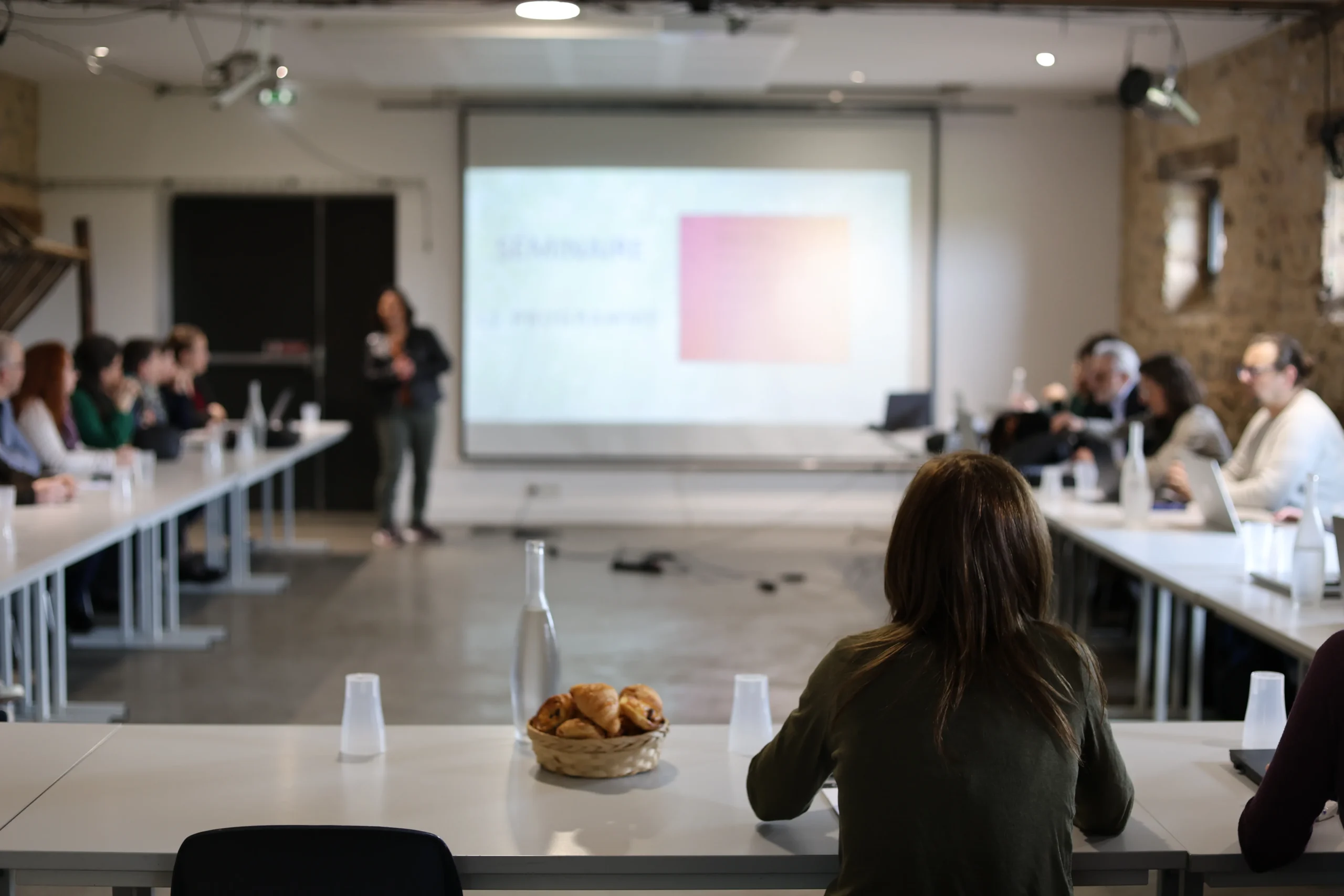
We support a range of meeting types that look simple until you run them in real life. For example, leadership offsites where half the group arrives from different sites and the CEO needs a hard start: we plan arrival buffers, coffee service placement, and a room layout that prevents latecomers from crossing the presenter line of sight. Another frequent case is HR training with compliance content: we ensure classroom spacing, power access for laptops, and a facilitator zone that works with both flipcharts and screens, while keeping breaks timed so the room doesn’t “restart” every hour.
On the communications side, we often manage executive briefings with a hybrid component: remote participants joining for specific agenda blocks, pre-recorded video playback, and Q&A capture that must be documented. In those situations, we plan technical rehearsals, confirm audio capture coverage (not just volume), and establish clear roles: who advances slides, who monitors chat, who calls time. The result is less stress for your communications lead and fewer credibility hits in front of senior audiences.
Across projects, our focus stays consistent: operational predictability, executive-level polish, and decisions achieved within the allotted time.
Booking by capacity only: a “40-person room” may be unusable for classroom training once tables, aisles and facilitator space are added.
Underestimating audio needs: rooms with poor acoustics make people tune out; hybrid without proper microphones leads to repetition and frustration.
No clear ownership on the day: when AV, venue staff and internal teams assume someone else is handling timing, breaks slip and the agenda collapses.
Ignoring parallel events: noise bleed, shared parking, and lobby congestion are common when multiple groups are booked at the same venue.
Over-complicating catering: service that’s too slow or too intrusive breaks momentum and shortens working time.
Skipping contingency: no spare adapter, no backup laptop, no plan for a late speaker—small issues become executive distractions.
Our role is to remove these risks before they become visible. That means asking the operational questions early, documenting decisions, and being present (physically or by clear escalation paths) when it counts.
Repeat business usually comes from one thing: your internal team feels protected. When executives are in the room, HR and communications shouldn’t be troubleshooting cables or negotiating with venue staff. They should be focused on people, messaging and outcomes.
Single-point accountability: one project lead from brief to wrap-up, so decisions don’t get lost between suppliers.
Meeting-ready documentation: rooming plan, AV list, run-of-show, contact sheet—shared in advance to reduce day-of questions.
Post-meeting debrief within 3–5 business days: what worked, what didn’t, and concrete fixes for the next session.
Loyalty is not about habit—it’s the result of predictable delivery under pressure. When a client rebooks in Laval, it’s usually because the last meeting started on time, sounded clear, and ended with decisions.
We confirm objectives, audience, confidentiality level, and the decision points that must be achieved. Then we map constraints: arrival patterns, parking needs, accessibility, union or compliance considerations, hybrid requirements, and internal stakeholders (IT, HR, comms, exec sponsor). The output is a practical requirements sheet that makes venue selection and budgeting faster.
We propose a shortlist in Laval with clear pros/cons: room dimensions and layouts, acoustic separation, restrictions, catering options, and AV realities. We validate what matters: sightlines, screen placement, mic needs, power distribution, and whether the venue can support your schedule (early access, load-in, rehearsal time).
We produce a budget with line items and two to three options (for example: standard AV vs hybrid-ready; coffee service styles; on-site coordinator vs venue-only staffing). We flag the items that typically create surprise costs—dedicated internet, overtime, or additional microphones—so approvals are clean and defensible.
We lock schedules with the venue and suppliers, then build the run-of-show and rooming plan. We confirm who does what: who advances slides, who manages Q&A, who monitors remote attendees, and who has authority for on-the-spot decisions. This stage is where we remove ambiguity—because ambiguity shows up as delays on the day.
We supervise setup, test AV, and run the day to the timing plan (including breaks, catering cues, and room flips if required). After the meeting, we manage teardown and capture any operational learnings. If you’re running recurring sessions in Laval, we store your preferences and standardize the setup so the next booking is faster.
For a standard meeting (10–40 people), plan 2–4 weeks ahead. For multi-room training, peak dates (September–November) or hybrid town halls, plan 4–8 weeks. If you’re under 10 business days, we can still help, but venue choice becomes the main constraint.
Room-only rentals commonly start around $400–$1,200 for a half-day depending on venue type and day of week. Full-day with basic AV and coffee often lands in the $1,500–$4,000 range. Hybrid or larger formats add AV and staffing; we scope it based on your agenda and risk tolerance.
If remote attendees must hear and participate reliably, yes—dedicated or validated wired internet is strongly recommended. Relying on public Wi‑Fi is a common failure point. We confirm bandwidth needs based on platform, number of streams, and whether you’re sharing video content.
For 8–18 executives, a boardroom or hollow square supports decision-making and eye contact. For 20–50 with work sessions, pods of 5–7 people with a central screen usually work better than classroom. We choose based on the number of speakers, degree of debate, and whether laptops are required.
Yes. We collect dietary requirements in advance and coordinate labelling and service timing with the venue or caterer. As a rule, we recommend keeping menus simple and timing precise—breakfast, two breaks, and lunch—so food supports the agenda instead of competing with it.
Send us your date(s), estimated headcount, meeting format (in-person or hybrid), and any non-negotiables (privacy, parking, catering, IT requirements). We’ll come back with a practical shortlist and an approval-ready budget—so you can confirm a Meeting Room Rental in Laval without losing time in internal back-and-forth.
If your meeting is high-stakes (executive decisions, sensitive HR topics, or a leadership town hall), involve us early. The earlier we validate the room and AV realities, the fewer risks you carry on the day of the event.
Thierry GRAMMER is the manager of the INNOV'events Laval office. Reach out directly by email at canada@innov-events.ca or via the contact form.
Contact the Laval agency