
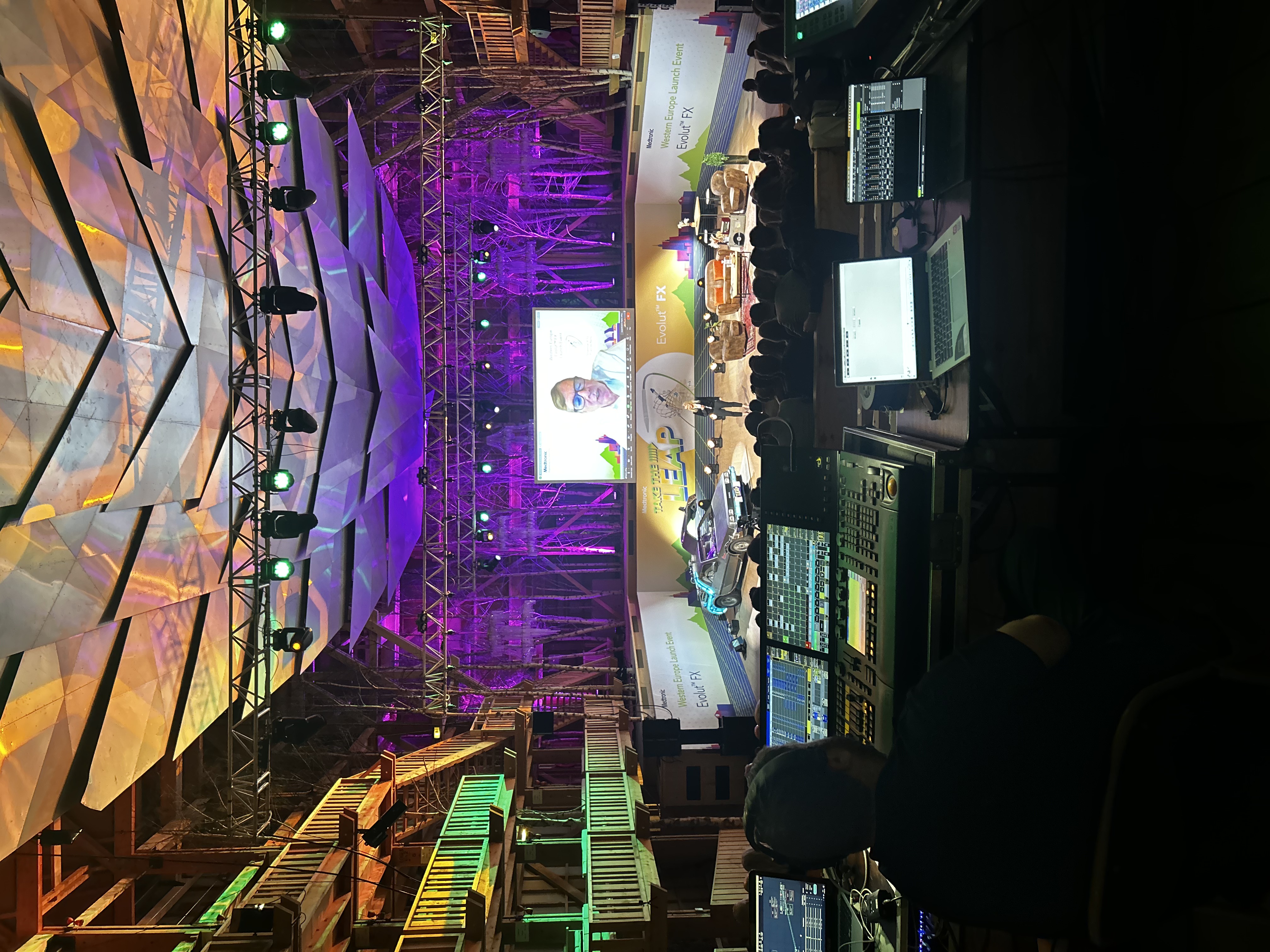
Corporate convention organisation that aligns leaders, teams, and results
INNOV'events is a Canadian event management company specialising in corporate convention delivery for executive teams, HR, and corporate communications. We plan and run conventions from 100 to 5,000+ participants, in single-site or multi-city formats.
We handle strategy, programme design, speaker management, venues, staging, registration, vendor sourcing, and day-of operations—so your leaders can focus on content and outcomes.
Sommaire
A corporate convention is one of the few moments where you can align priorities, reinforce culture, and accelerate execution across functions—without the distortion that happens in day-to-day channels.
Done well, it becomes a decision-making and commitment engine: clear direction, shared language, and measurable next steps that survive the return to business.
Most organisations need the same things: a credible agenda that respects leaders’ time, a production level that protects brand image, and logistics that don’t create friction for attendees.
They also need predictability—clear budgets, risk controls, and a partner who can manage last-minute changes without letting the programme slip.
Our team brings field experience from real corporate environments: tight approval cycles, multiple stakeholders, and high visibility moments. As your event agency, we build a plan that’s operationally sound, financially controlled, and designed to deliver the outcomes your leadership team expects.
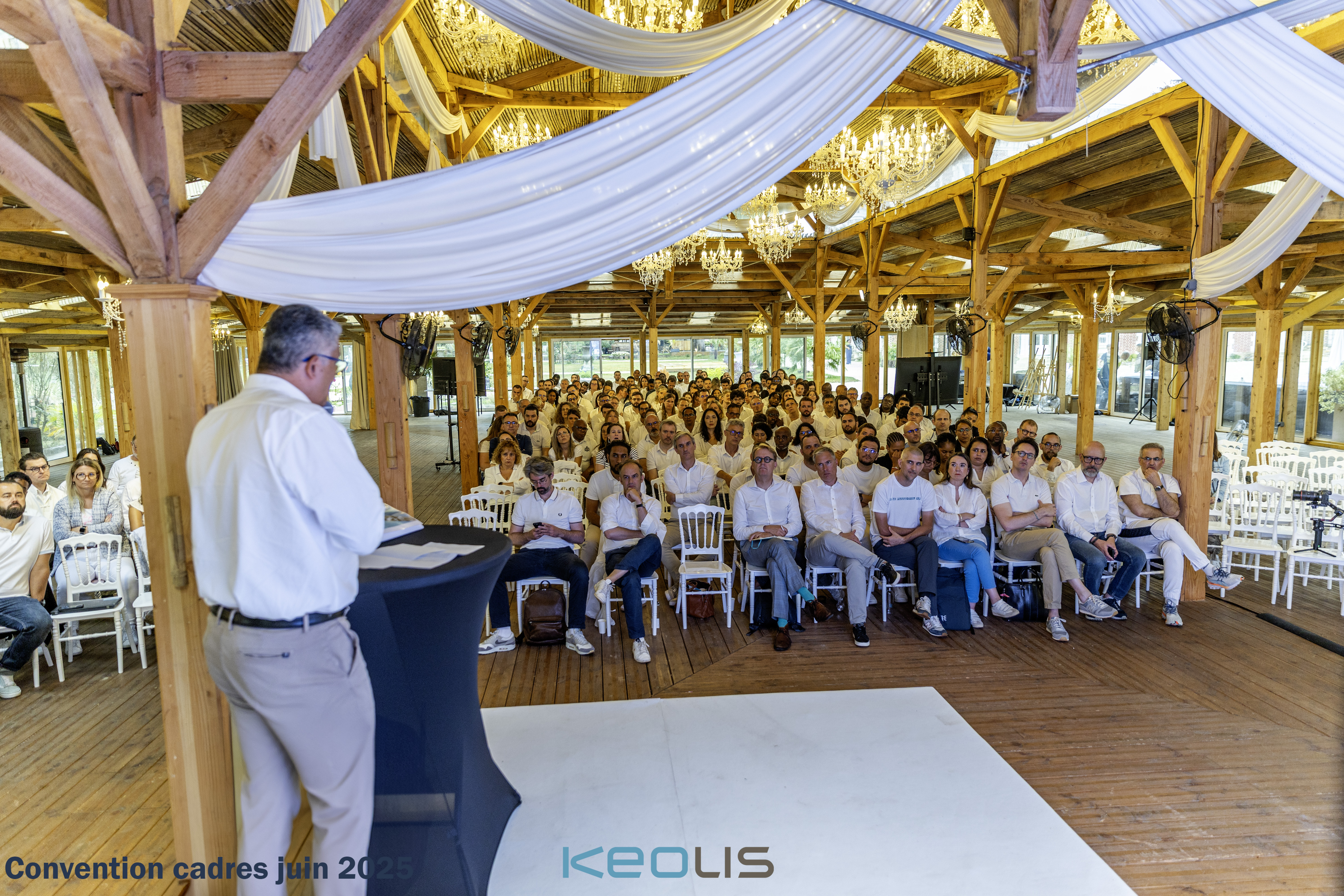
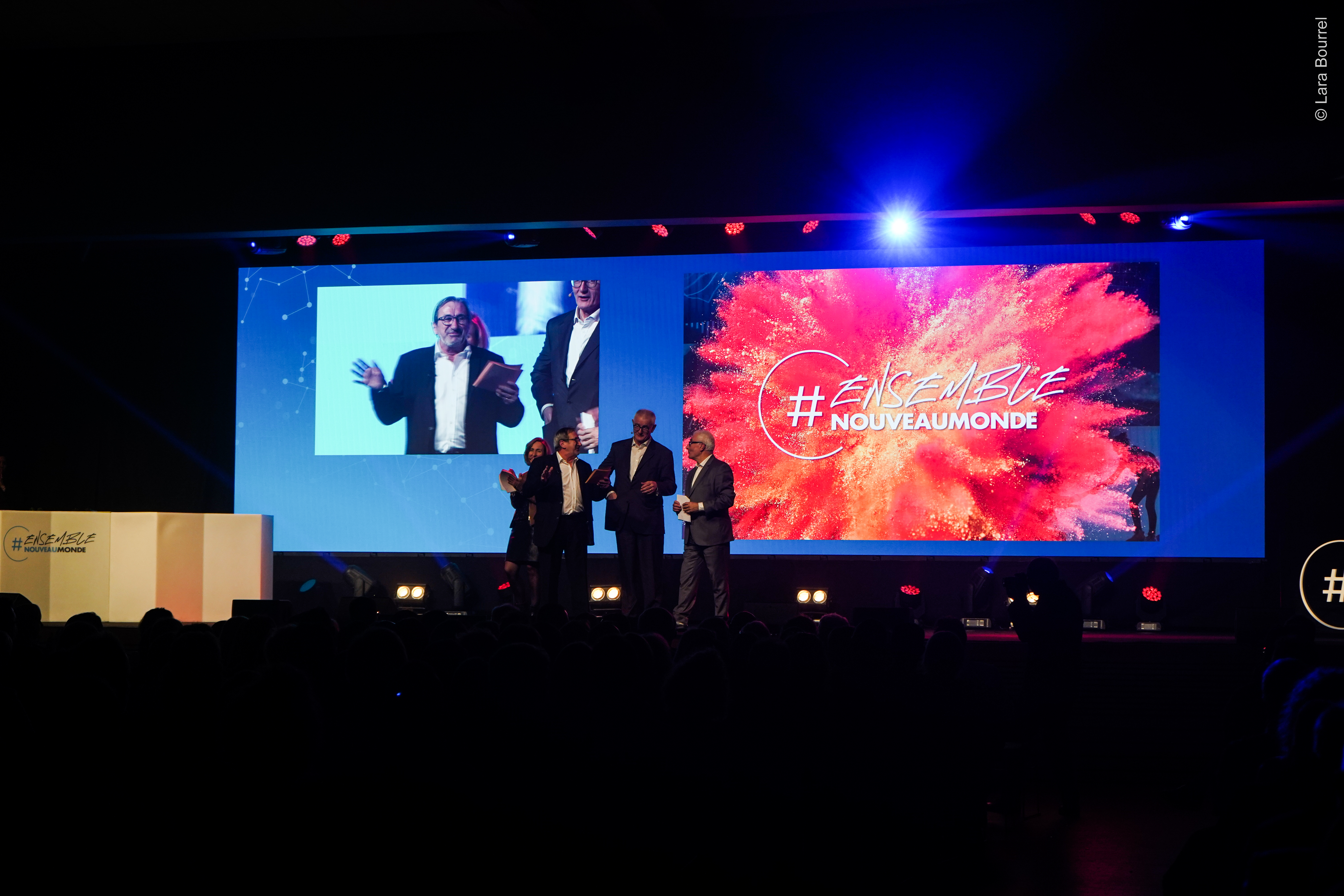
INNOV'events in numbers (Canada-wide delivery)
Pan-Canadian vendor network across major metros and regional hubs (AV, staging, décor, security, transportation, interpreters, and accessibility partners).
Conventions delivered for 100 to 5,000+ attendees, including plenaries, breakouts, executive offsites, partner expos, and multi-room programmes.
Single point of accountability: one lead producer plus a show-caller and ops lead on-site to keep decisions fast and communications clear.
Operational standards built around run-of-show discipline, risk registers, contingency planning, and stakeholder-ready reporting.
How to organize a professional event in ?
- Define the objective (cohesion, announcement, fidelity, performance).
- Set date, format and size (20–1 000 people).
- Secure the venue and accommodation according to seasonality.
- Lock down technical, suppliers and logistics.
- Drive the day J (timing, scene, entrance, flow).
We send you a first proposal within 24h.
Why organise an annual corporate convention in the first place?
When budgets are under scrutiny, leadership teams need a clear rationale for any large gathering. The strongest conventions are built around business needs: alignment, capability, and momentum—not attendance for attendance’s sake.
A well-structured annual corporate convention also reduces organisational drag: fewer conflicting priorities, faster adoption of changes, and clearer accountability after the event.
Alignment that survives the next quarter: We design agendas that translate strategy into concrete priorities, with breakout tracks that convert messaging into departmental actions and owners.
Leadership visibility without chaos: Executives get controlled touchpoints (plenary, fireside chats, Q&A) supported by coaching, teleprompter options, and timing discipline so the programme stays credible.
Faster change adoption: For restructures, new tools, or updated operating models, conventions create the “why + how” in one place—then reinforce it through demos and hands-on sessions.
Culture and retention impact: HR teams use the convention to recognise contributions, showcase career pathways, and build cross-site connections—especially for hybrid workforces that feel fragmented.
Commercial acceleration: Sales or partner conventions can combine enablement, competitive positioning, and pipeline focus—supported by an expo or demo zone that’s built to drive conversations, not just look nice.
Governance and compliance messaging: When you need consistency (health and safety, privacy, conduct), a convention allows controlled, recorded delivery and measurable completion through attendance tracking.
In Canadian corporate environments, the best conventions reflect economic reality: they’re designed to create clarity, reduce rework, and support execution. If it can’t be linked to priorities, behaviours, or performance, it doesn’t belong on the agenda.
Corporate convention animation ideas that drive participation
Engagement is not about forcing fun. It’s about designing moments that make it easier for people to contribute, learn, and commit—especially when the room includes mixed seniority, multiple business units, and different comfort levels.
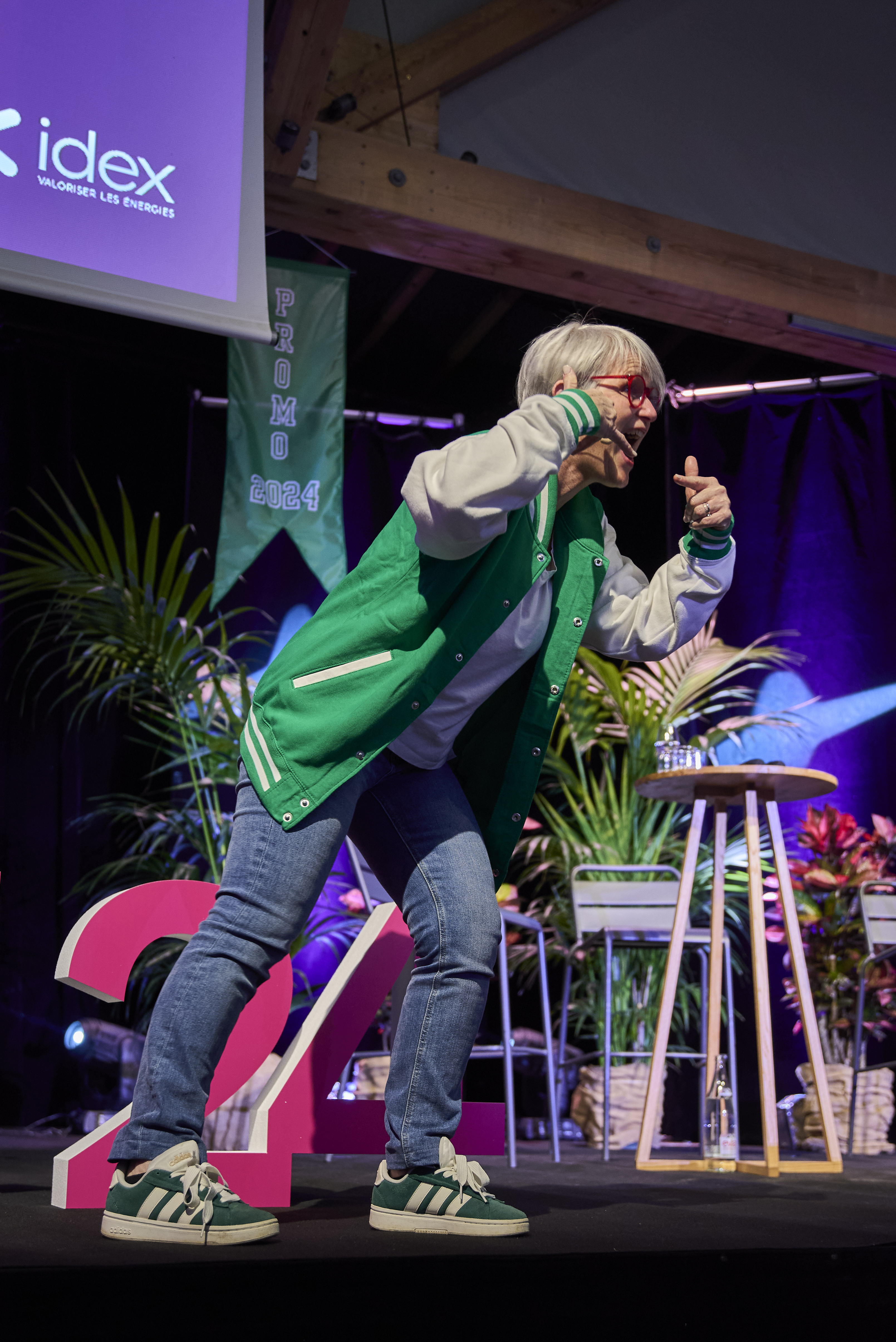
Effective corporate convention animation supports the agenda: it keeps energy stable, improves retention of key messages, and creates structured networking so people don’t default to staying with their own team.
Interactive animations
Structured executive Q&A with real moderation: We collect questions in advance, triage by theme, and run live mics with a firm cadence. This protects leaders while keeping credibility high.
Breakout “decision labs”: For cross-functional priorities (customer experience, operating model, safety), we use facilitated tables with outputs captured live and summarised back to the plenary.
Live pulse checks: Short, timed polls during plenary to confirm understanding of priorities. Useful when leadership wants proof that messaging landed beyond applause.
Peer-to-peer lightning talks: Three to five frontline leaders share practical wins in 7 minutes each. It’s one of the fastest ways to make strategy feel real without overproducing.
Art animations
Branded opening sequence with disciplined staging: Short, high-quality content (under 90 seconds) that sets tone, explains the theme, and avoids the “trailer” feel that drags on.
Ambient performance for transitions: Light instrumental sets or curated DJs during room resets can maintain energy without competing with conversation.
Visual facilitation: Graphic recorders summarise key messages live. Executives often like this because it becomes a usable asset for post-event comms.
Innovative animations
Regional tasting stations: A Canada-themed culinary programme can support culture and inclusion when it’s organised with clear dietary labelling and traffic management.
Timed networking breaks with food as a tool: Instead of long buffet lines, we use dispersed stations to reduce congestion and keep delegates on schedule.
Hosted coffee chats: Short, topic-based tables (HR, innovation, customer) with a host and clear start/end times—practical for large groups.
Gourmand animations
Expo or demo zone built for conversations: We design booth flow, staffing schedules, and lead capture so it supports business outcomes, not just sponsor visibility.
Hybrid-ready production: If remote attendance matters, we treat streaming as a production stream with dedicated cameras, audio mix, and a virtual moderator—not an afterthought.
Content capture that’s actually usable: Short post-event recap videos by theme, plus leader soundbites recorded in a controlled environment to support internal comms.
The key is consistency: activities, staging, and tone must match your organisation’s brand image and risk posture. A regulated industry convention won’t be programmed like a tech summit—and we plan accordingly so the experience feels credible to your audience.
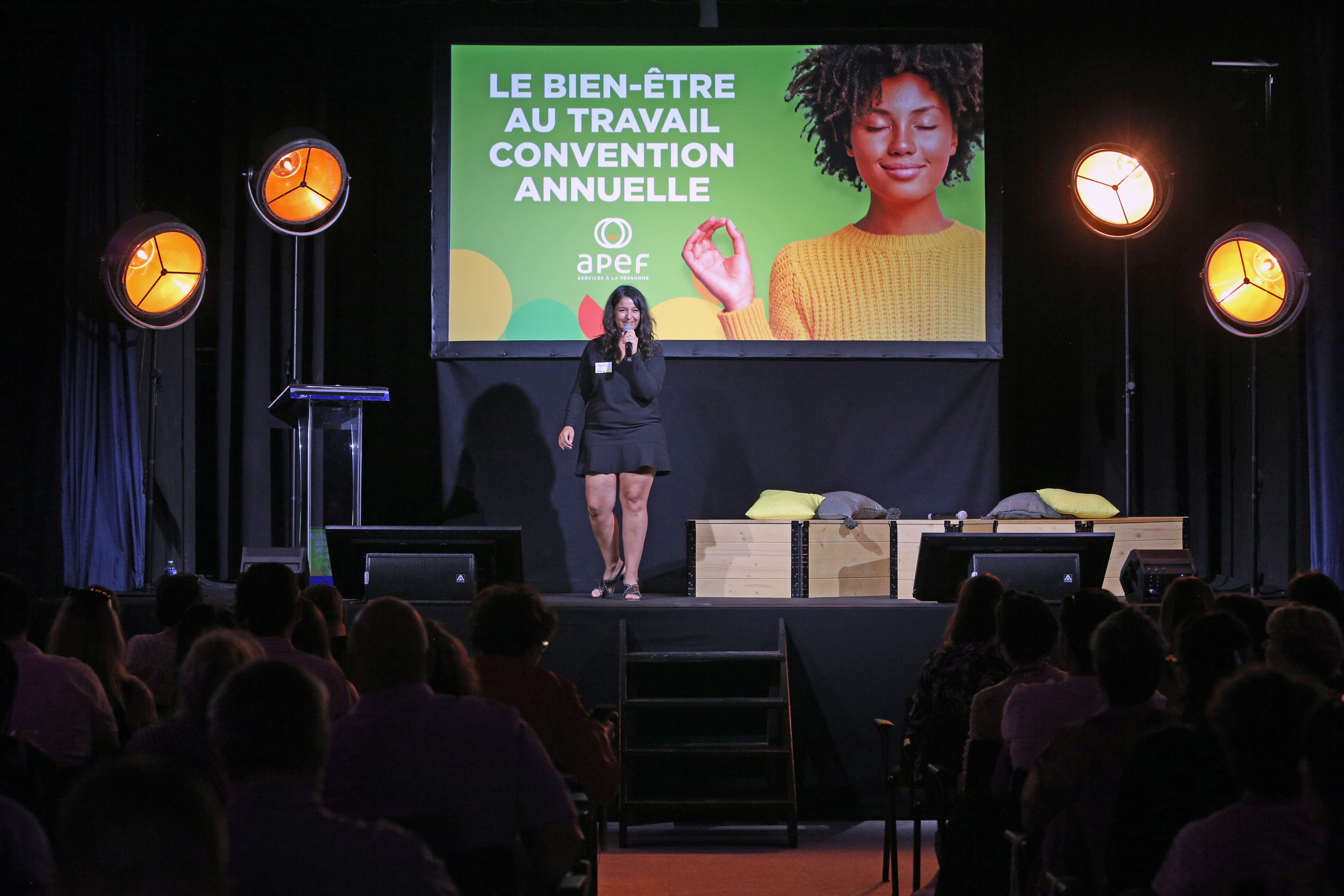
How to choose a venue for a company convention event in Canada
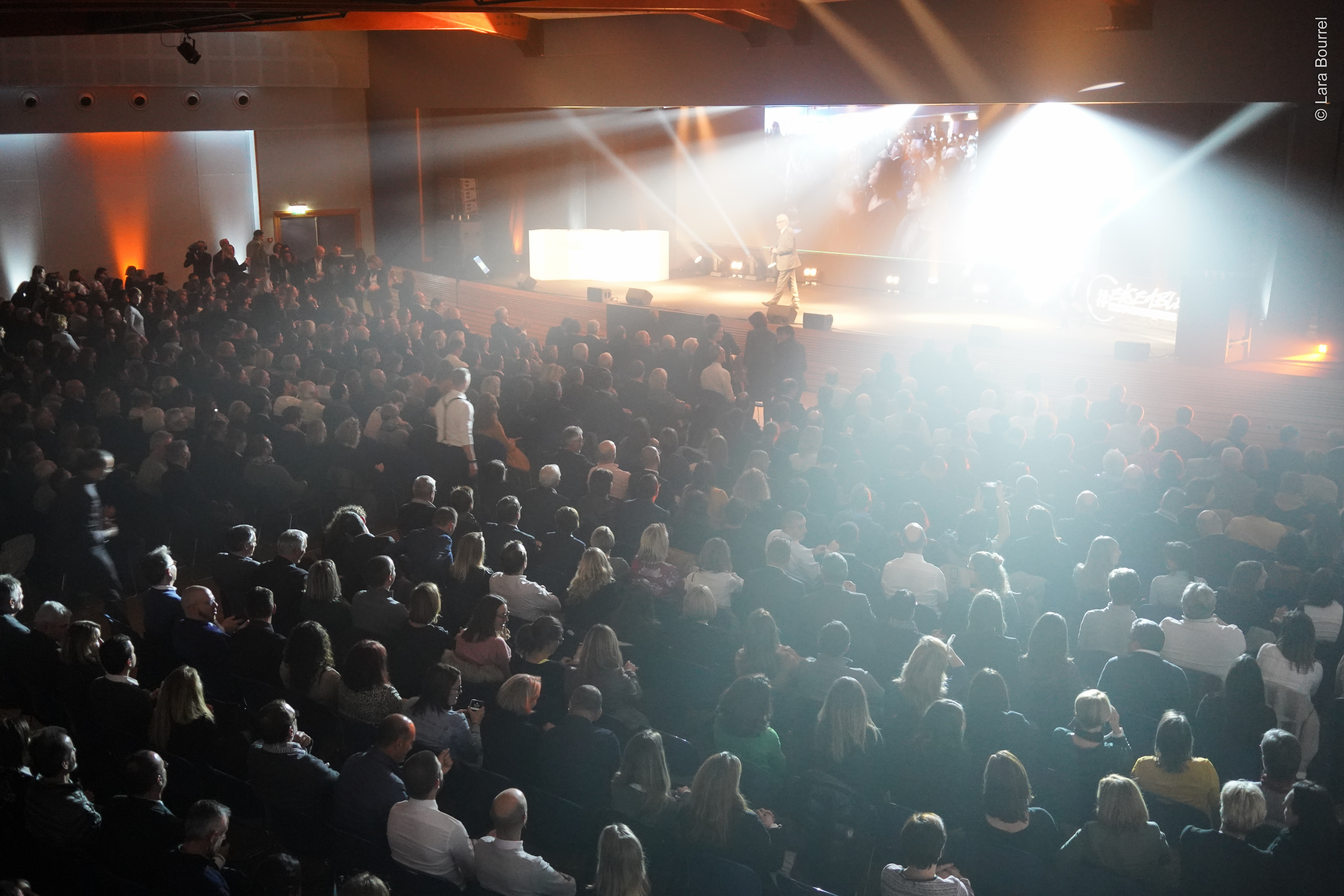
Venue selection is where many convention budgets and timelines are won or lost. The right venue is not just about capacity—it’s about loading access, rigging rules, union requirements, room adjacency for breakouts, and whether the space supports your programme without expensive workarounds.
For a company convention event, we typically shortlist venues only after we validate your programme grid, peak room counts, and technical requirements (LED walls, projection, in-room audio, translation, recording).
- Downtown convention centres: Best for large plenaries and multiple concurrent breakouts. Watch for labour rules, move-in windows, and catering minimums.
- Major hotels with conference floors: Strong for convenience and room blocks. Validate ceiling heights, pillar obstructions, and whether the ballroom supports your stage sightlines.
- Campus or innovation hubs: Great for modern brand positioning and workshop formats. Often require extra production to meet corporate staging expectations.
- Resorts (Banff, Muskoka, Whistler-style settings): Strong for leadership offsites and culture-building. Plan transportation carefully and assume weather-related contingencies.
- Industrial/converted venues: Strong visual impact. Validate acoustics, power, HVAC, and accessibility—costs can rise quickly without early technical surveys.
We recommend a site visit (or virtual technical walk-through) with your AV lead before signing. It prevents common surprises: limited dock time, insufficient power for your stage design, or breakout rooms that force delegates into long travel times and reduce session attendance.
Corporate convention budget ranges and what drives costs
Pricing for corporate convention organisation depends on format, production level, and how much is already defined. Two conventions with the same headcount can have very different budgets based on staging expectations, room counts, and content capture.
As a working reference in Canada, a professionally produced convention often lands anywhere from $450 to $1,500+ per attendee all-in, depending on venue, market, and complexity. Leadership offsites or high-production plenaries can move beyond that range, while simpler internal conventions can sit below it.
Venue and catering: Room rental, F&B minimums, service charges, bar packages, and overtime rules. Buffets vs plated meals can shift both experience and labour.
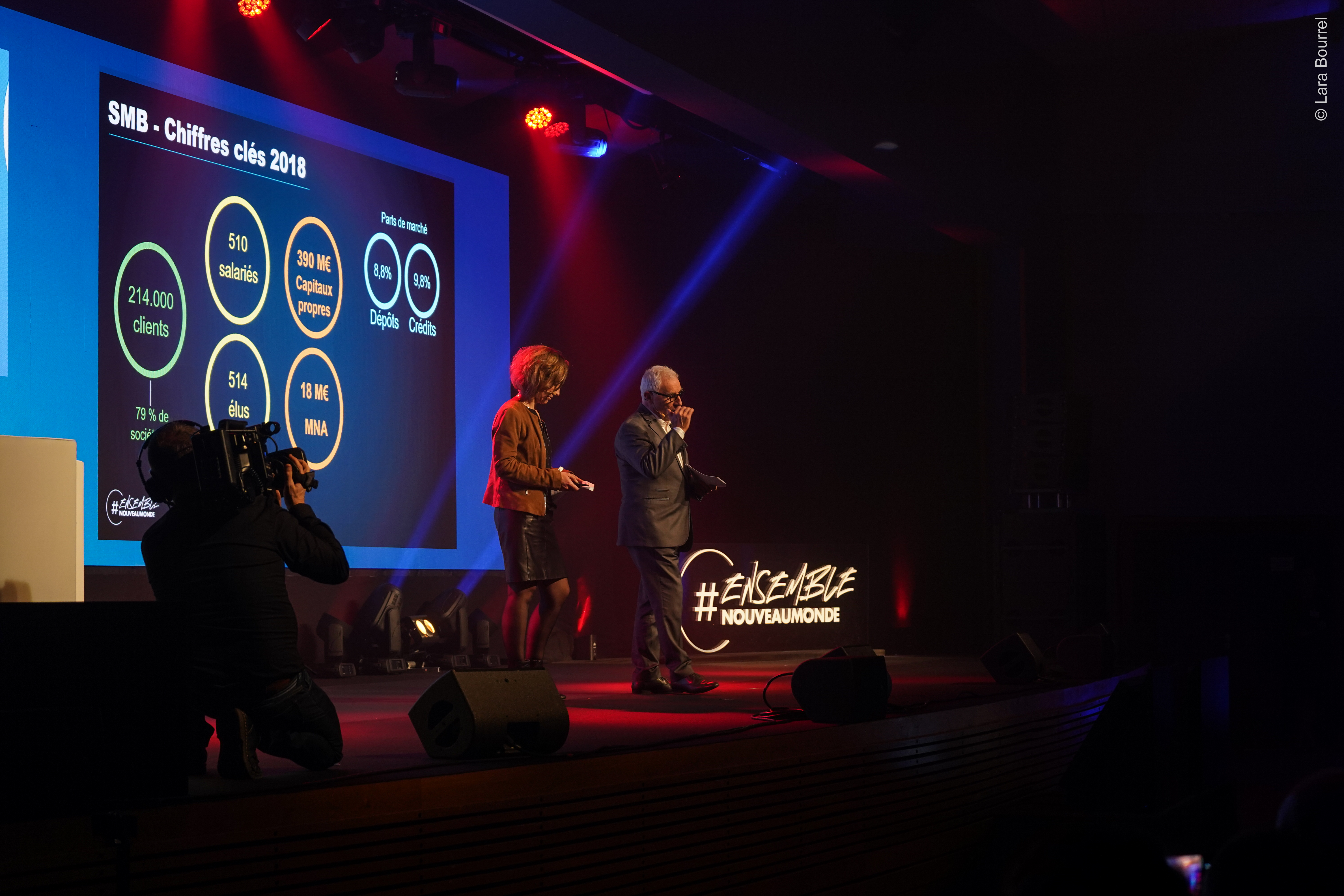
AV and staging: Sound clarity, screens/LED, cameras, lighting, IMAG, teleprompters, and show calling. This is often the largest controllable cost after venue.
Programme structure: Number of breakout rooms, room flips, rehearsal days, and whether you need simultaneous sessions that require duplicate tech teams.
Speaker and talent: External keynote fees, travel, green room requirements, and contract management. Also include internal speaker coaching and rehearsal time.
Registration and comms: Platform fees, badge printing, check-in staffing, help desk coverage, and attendee comms workflows (including reminder cadence and policy messaging).
Branding and environment: Signage systems, wayfinding, stage scenic, sponsor/expo build, and on-site printing contingencies.
Travel and transport: Flights, shuttles, VIP cars, luggage handling, and contingency for weather disruptions.
Risk, security, and compliance: Security staffing, access control, medical coverage, insurance certificates, and privacy requirements for filming/photography.
ROI comes from planning the spend around outcomes: if the convention exists to drive adoption, then budget for facilitation, content capture, and measurement. If it exists to accelerate sales, budget for expo flow, lead capture, and structured networking. We help you allocate dollars to the drivers that move your KPIs—not just to what looks impressive.





What we deliver: real-world corporate convention formats
Our work spans internal conventions, sales kickoffs, partner forums, and leadership assemblies. We adapt the production model to your environment: regulated, public-facing, or fast-growth. The common denominator is operational clarity.
Examples of formats we routinely produce:
- Two-day annual corporate convention with plenary + 6–12 breakout rooms, awards, and an evening reception, including full registration comms and on-site staffing.
- Leadership and people-manager conventions where the focus is facilitation, decision capture, and post-event action plans, supported by structured workshops and reporting.
- Sales conventions with product reveals, competitive training tracks, and demo zones designed for pipeline conversations and measurable follow-up.
- Hybrid conventions where remote audiences are treated as first-class participants with dedicated moderation, separate chat support, and content repackaging.
- Multi-city roadshow conventions using a repeatable stage kit and consistent run-of-show, allowing brand consistency while adjusting for local constraints.
We’re often brought in after an organisation has experienced a “close call” year: speaker timing drift, poor audio, registration bottlenecks, or budget surprises. Our approach is built to prevent those issues through upfront design, clear ownership, and disciplined production.
Common corporate convention risks—and how we prevent them
Agenda overload: Too many sessions, not enough transition time. We build a programme grid that respects human pace and venue realities, then lock timing with a show caller.
Audio and sightline failures: If people can’t hear or see, you lose trust fast. We validate room geometry, speaker support, mic plans, and rehearsals early.
Uncontrolled scope creep: “Just one more video” becomes a budget and timeline issue. We manage change requests with documented impacts and approvals.
Registration congestion: Long queues create immediate dissatisfaction. We design check-in flow, staffing ratios, badge layouts, and contingency lanes for VIPs and last-minute changes.
Vendor silos: When AV, venue, and décor don’t coordinate, you pay in overtime and delays. We run integrated production schedules and a clear command structure.
Weak speaker readiness: Great leaders can still struggle on stage without support. We provide briefing, rehearsal planning, and on-site speaker management.
Inadequate contingency planning: Weather, illness, or travel delays happen. We build backups for key moments and define decision triggers in advance.
Our role as your event management company is to reduce operational risk while protecting the leadership narrative. The best compliment we get is when executives say the convention felt “easy”—because the hard work happened behind the scenes.
Why clients keep INNOV'events as their corporate convention partner
Repeat conventions are where agencies prove their value. The first year is about stabilising delivery; the second and third years are about improving efficiency, deepening brand consistency, and building a reusable production system that saves time for internal teams.
Clients stay when they see predictable delivery, transparent budgeting, and a partner who can challenge ideas respectfully when something introduces risk or unnecessary cost.
Year-over-year programme optimisation: We track what worked (session attendance, engagement, timing) and adjust the next edition based on evidence, not opinions.
Reusable assets: signage templates, registration comms frameworks, stage branding systems, and vendor playbooks reduce reinvention each year.
Institutional knowledge: we document decisions and preferences so your team doesn’t have to re-explain brand rules, exec expectations, or stakeholder sensitivities.

Loyalty is proof of quality in corporate events. When an organisation renews with the same partner, it’s usually because leadership trusts the delivery and internal teams know they won’t be left managing production issues alone.
Our corporate convention planning process (from brief to show day)
👉 Step 1: Discovery, objectives, and constraints
We start with a structured working session with your executive sponsor, HR, and communications leads. We confirm objectives, audience segments, success metrics, tone, sensitive topics, and decision rights. Output: a written event brief, stakeholder map, initial programme assumptions, and a high-level budget range.
👉 Step 2: Programme architecture and event design
We build the programme grid (plenary/breakouts/networking), identify key moments, and propose a staging approach aligned with your brand standards. Output: draft agenda, rooming plan, preliminary production design, and a project timeline with approvals.
👉 Step 3: Venue sourcing and supplier procurement
We shortlist venues based on operational fit, not photos. We manage RFPs for AV/staging and other vendors, compare apples-to-apples quotes, and highlight trade-offs. Output: venue recommendation, vendor selection summary, and confirmed budget with line items.
👉 Step 4: Speaker management and content operations
We build speaker schedules, briefing packs, slide deadlines, rehearsal plans, and day-of call times. For leadership teams, we can support stage coaching and teleprompter workflows. Output: speaker run sheet, content intake tracker, and rehearsal schedule.
👉 Step 5: Registration, communications, and attendee journey
We set up registration fields, confirmations, reminders, policies (dietary, accessibility, photo/video consent), and on-site help desk workflows. Output: comms calendar, registration dashboard, badge plan, and check-in staffing model.
👉 Step 6: Production, rehearsals, and show calling
We finalise the run-of-show and cue-to-cue, coordinate load-in, manage rehearsals, and run the show on-site with a clear command structure. Output: final production book, contact tree, contingency plans, and post-event debrief with metrics and recommendations.
FAQ sur l'organisation corporate convention
How far in advance should we plan a corporate convention?
Plan for 4–8 months for a straightforward internal convention and 8–12 months for larger or higher-production events (1,000+ attendees, multiple breakout tracks, or peak-season dates). Venue availability and AV supplier calendars are usually the limiting factors.
What is a realistic budget per attendee in Canada?
Common all-in ranges are $450–$1,500+ per attendee, depending on city, venue category, food and beverage, AV/staging level, number of breakout rooms, and whether you’re filming/streaming. After we confirm your programme grid, we can give a tighter range and show where costs move.
How do you keep the agenda on time with executives?
We use a detailed run-of-show, speaker call times, rehearsals for key segments, and an on-site show caller with cueing tools. We also build buffer where it matters (transitions, Q&A) and define who can make real-time decisions if something needs to be cut or moved.
Can you handle hybrid or multi-location corporate conventions?
Yes. For hybrid, we plan a separate production stream (cameras, audio mix, virtual moderation, remote engagement). For multi-location formats, we create a repeatable stage kit and operating playbook so the experience stays consistent while adapting to each venue’s constraints.
What information do you need to build a quote?
At minimum: target dates/city, estimated headcount, audience type (internal/partners), number of days, breakout count, desired production level, and any must-haves (streaming, awards, expo). If you’re unsure, we can start with assumptions and refine after a short discovery call.
Request a free quote for your corporate convention
If you’re planning a corporate convention and need a partner who can protect the programme, the budget, and the brand, INNOV'events can help. We’ll confirm your objectives, pressure-test feasibility, and propose a clear plan with practical options—not guesswork.
Request a free quote and tell us your target city, dates, and estimated attendance. The earlier we connect, the more leverage you have on venue availability, supplier selection, and overall cost control.