
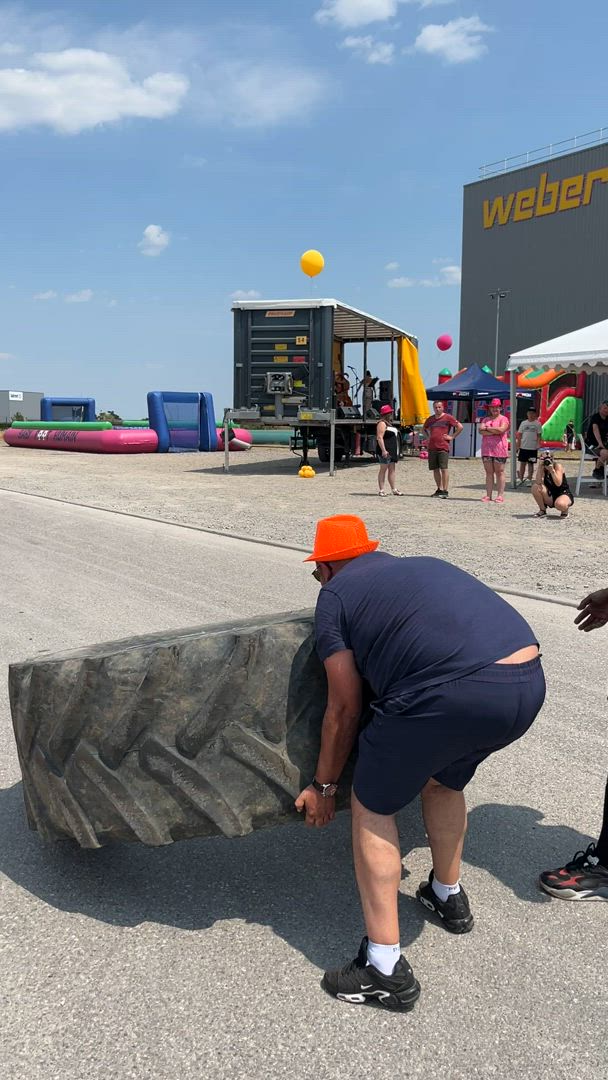
World Record Attempt in Montréal that mobilizes teams and protects your brand
INNOV'events is a Montréal-based event agency that designs and produces World Record Attempt formats for corporate teams, from 50 to 5,000+ attendees. We manage the full operational chain: rules and validation, site logistics, crowd flow, safety, media moments, and day-of showcalling—so your leadership team stays focused on people and outcomes.
For executives, HR and communications, a record attempt is not “a gimmick”: it’s a measurable collective challenge with a clear finish line, strong internal narrative, and real external visibility—when it is engineered correctly.
Sommaire
In a corporate event, entertainment becomes strategic when it produces measurable outcomes: participation rate, cross-team collaboration, and a story that employees actually repeat. A World Record Attempt in Montréal works because it turns “team building” into a single operational objective with a shared deadline—ideal for organizations managing hybrid teams and change initiatives.
Montréal organizations expect precision: bilingual communications, tight run-of-show, venues with strict union and security requirements, and a plan that holds even when weather or transit disrupts arrivals. Leaders also want predictable reputational risk: what can be claimed publicly, what can’t, and how validation will be handled.
INNOV'events operates on the ground in Montréal with producers, stage managers and supplier partners who know local venues, permitting rhythms, and the realities of corporate approvals. We deliver a documented method: ruleset, safety plan, staffing model, rehearsal schedule, and a clean proof package for record validation and communications.
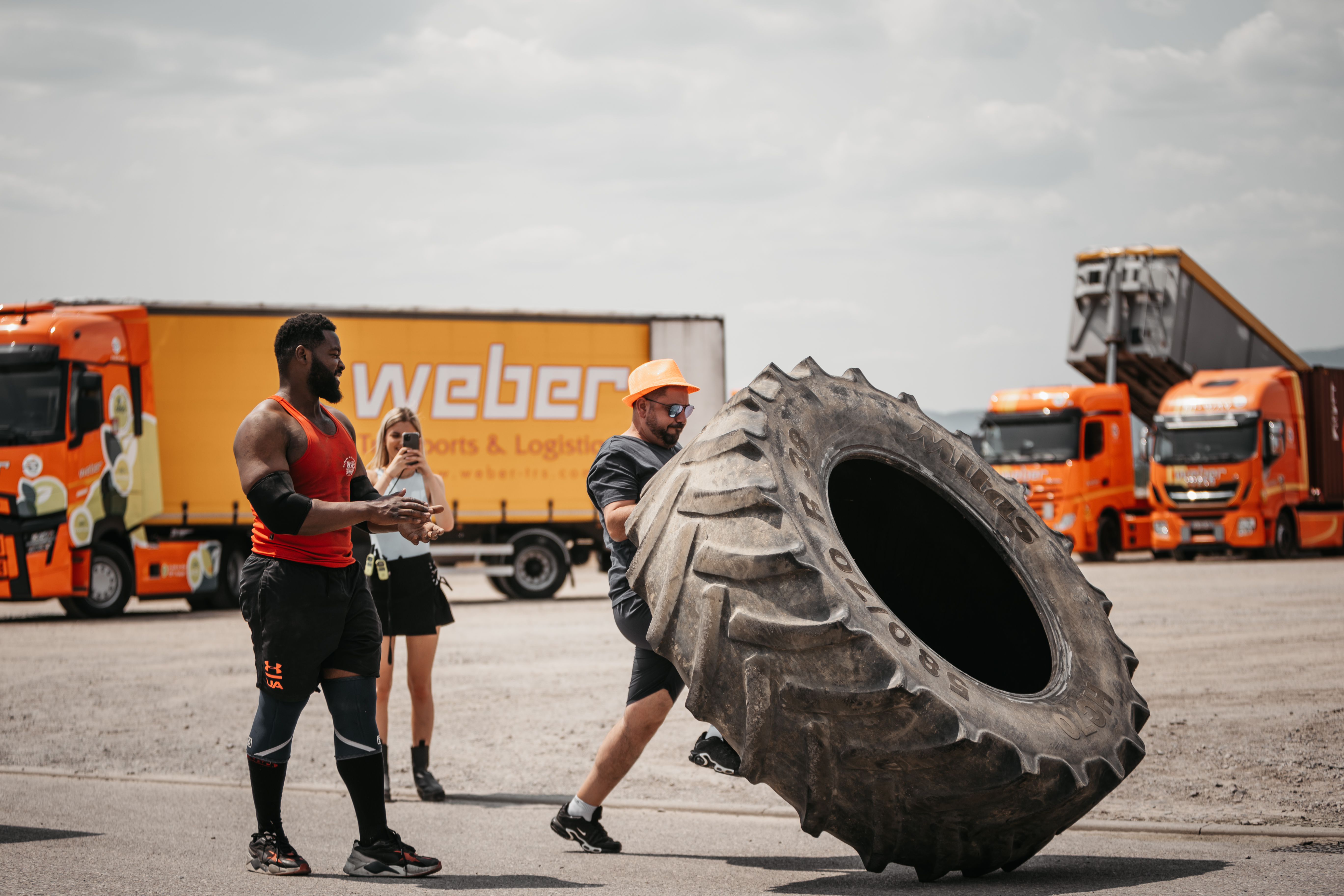
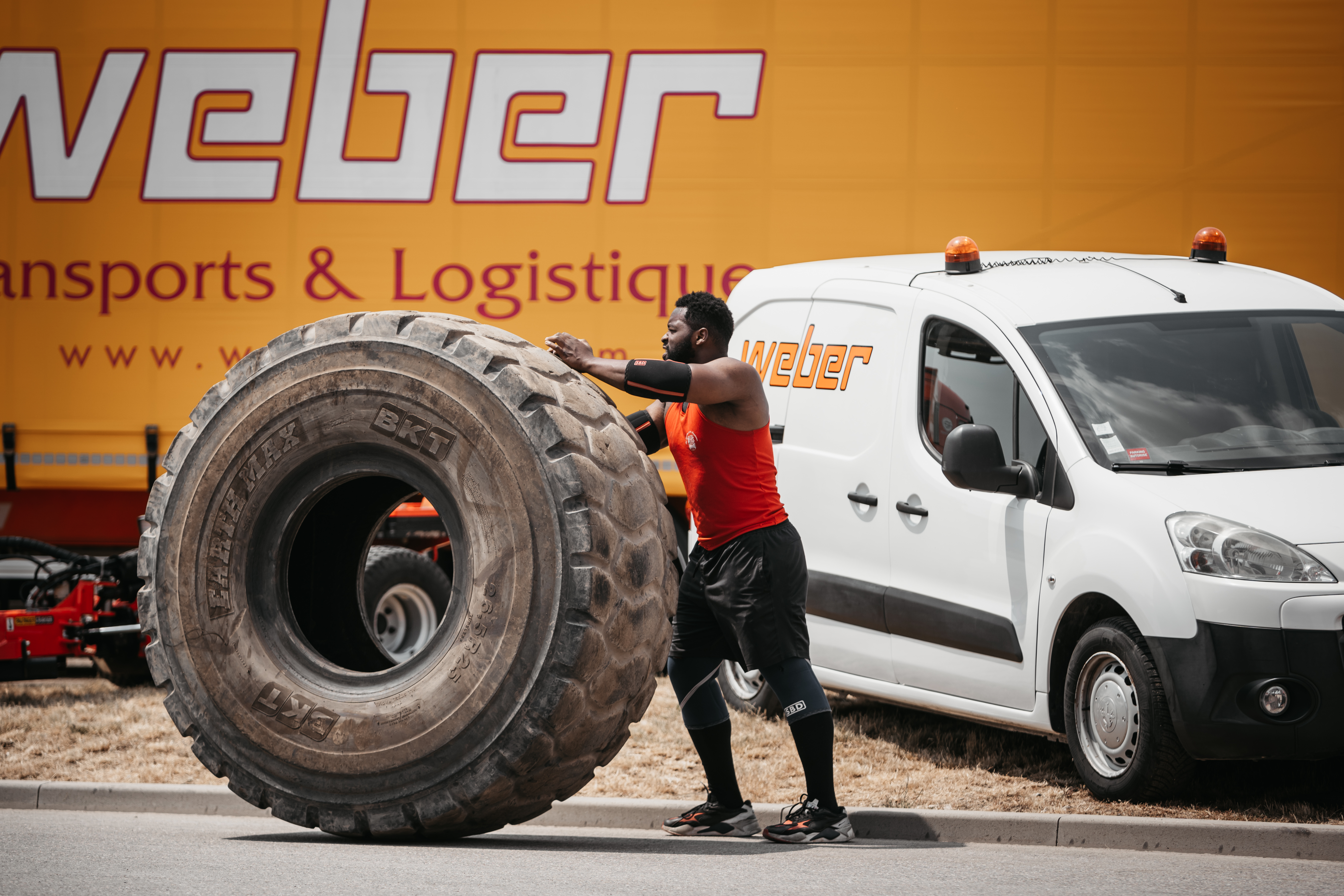
Numbers Montréal leaders ask for before approving a record attempt
10+ years producing corporate events across Québec and Canada, with repeat mandates from HR and Communications teams.
50–5,000+ participants managed on-site with structured check-in, zone captains, and controlled timing windows.
15–60 days typical lead time depending on complexity, validation method, and venue constraints in Montréal.
2–6 dedicated production roles on event day (producer, stage manager, crowd manager, AV lead, safety lead, record steward), scaled to attendance.
0 surprise claims: we validate what can be stated (internal/external) before launch and provide a proof dossier aligned with your brand and legal comfort level.
Montréal references and recurring corporate collaborations
INNOV'events supports organizations that operate in and around Montréal, including head offices, regional hubs, and multi-site employers that bring teams together a few times per year. In practice, we’re often brought in by HR to solve participation and engagement, and by Communications to ensure the “big moment” is credible and safe to publish.
You’ll see clients come back year after year when the agency understands internal approval cycles and stakeholder pressure. The pattern is consistent: the first mandate is about de-risking an ambitious idea; the second is about scaling it; the third is about making it repeatable across sites while keeping the Montréal flagship strong.
If you share your industry and internal constraints (unionized venue, hybrid workforce, strict brand governance, privacy requirements), we will provide comparable Montréal case references we can ethically disclose and the specific operational lessons learned.
 Besoin d’un devis rapide ?
Nous vous envoyons une première proposition sous 24h.
Why run a World Record Attempt in Montréal for your organization
A record attempt is a leadership tool disguised as entertainment. Done properly, it creates a shared objective that cuts across hierarchy, departments and tenure—while giving Communications a structured narrative with real proof points (participation, training, safety, inclusion, community impact).
Higher participation than classic activities: a single, simple goal with a defined finish line reduces decision fatigue. We design rules that let both extroverts and quieter employees contribute meaningfully.
Concrete culture signal: a record attempt shows how your organization executes—planning, discipline, and mutual support. That message lands especially well after reorgs, mergers, or major system changes.
Employer brand content with governance: instead of chasing “viral”, we build a content plan with pre-approved claims, bilingual messaging, and a clear visual moment for internal channels and external PR.
Cross-functional collaboration: we structure roles (captains, marshals, counters, timekeepers) so employees meet outside their usual silos—useful for onboarding, high-growth teams, and matrix organizations.
Measurable outcomes HR can report: participation rate by site, volunteer engagement, inclusion measures (accessibility adaptations), and post-event pulse survey design.
In Montréal, where talent markets are competitive and organizations are compared publicly, a credible collective challenge can reinforce pride internally while staying aligned with the city’s pragmatic, execution-focused business culture.
What Montréal executives expect from an agency on record day
Montréal is a sophisticated event market: venues are experienced, suppliers are strong, and audiences are not impressed by “big promises.” Decision-makers expect operational clarity and early risk identification.
In the field, the expectations that matter most are:
- Bilingual readiness: signage, stage script, MC cues, staff briefing and on-site comms must function in English and French without slowing the run-of-show.
- Venue and union realities: load-in windows, rigging approvals, noise restrictions, and venue staffing rules can affect the record timing. We plan the attempt window around what the building can actually support.
- Transit and arrival patterns: downtown traffic, metro disruptions, winter weather, and staggered arrivals affect check-in and participant briefing time. We build buffer and design a ruleset that remains valid even with late arrivals.
- Health and safety expectations: beyond “having first aid,” leaders want documented crowd flow, egress protection, and a prevention plan when participants are moving, lifting, chanting, or coordinating gestures.
- Brand and legal comfort: what exactly can be called a “record”? Who validates it? What is the evidence chain? We settle these points before anyone invites media.
Our job is to translate these constraints into a simple participant experience—because the smoother it feels, the more professional your organization appears.
Which record attempt formats work best in Montréal corporate events
Entertainment creates engagement when it reduces friction: clear instructions, low barrier to entry, and a credible payoff. A World Record Attempt becomes a platform that can include multiple micro-animations—warming up the room, feeding energy, and keeping attention during verification.
Interactive animations in Montréal
Zone captain challenge: employees are assigned to color-coded zones with captains trained in advance. This reduces chaos and improves proof quality (captain sign-off per zone, timed cues, controlled movement).
Real-time participation dashboard: screens show progress by zone (check-ins completed, briefing confirmed, attempt readiness). Useful when leadership wants transparency and employees want to see momentum.
Two-phase attempt: a rehearsal attempt at 70% speed to confirm understanding, followed by the official run. This is one of the most effective ways to protect the result without adding heavy production.
Art animations in Montréal
MC + stage script built for governance: we write a bilingual script with approved claims and safe phrasing (“attempt”, “validation in progress”) so Communications is comfortable with what’s said on stage and later clipped for social.
Percussion or rhythm facilitation: for record attempts based on timing (claps, beats, synchronized actions), a rhythm lead helps participants stay aligned and reduces invalid sequences.
Visual staging designed for proof: lighting and camera angles are chosen to show compliance, not only ambiance. This matters when evidence is reviewed after the fact.
Innovative animations in Montréal
Staggered service planning: for attempts happening during cocktail or gala formats, we coordinate F&B timing (bar lines, plate service, allergen signage) so the room is seated and ready during the counting window.
Montréal-friendly flow: if you’re in a venue with limited foyer space, we design pre-function stations that prevent bottlenecks and keep participants near their zones before the attempt.
Gourmand animations in Montréal
QR-based role assignment: participants scan a QR at entry to receive a zone, a simple instruction card, and the exact countdown time. This is practical for large Montréal conferences where people arrive in waves.
Proof-first video plan: we build a shot list and a timecode plan (wide shot continuity + zone close-ups) so validation is not dependent on a single camera operator’s intuition.
Hybrid inclusion layer: for organizations with remote staff, we can create a parallel “remote record” (e.g., synchronized action on a defined timestamp) that supports internal culture without weakening the on-site proof.
The strongest formats are those that align with your brand and risk profile: a finance or pharma organization will prefer a controlled, compliance-friendly record; a tech employer may accept more spectacle. We recommend options that look coherent with your leadership style, not “louder for the sake of it.”
Where to host a World Record Attempt in Montréal
The venue determines whether your record attempt feels disciplined or chaotic. Ceiling height affects camera angles, foyer size affects check-in, and room geometry affects counting integrity. In Montréal, venue operating rules (load-in hours, security staffing, union labor) also shape what is realistic in your timeline and budget.
| Venue type | For which objective? | Main strengths | Possible constraints |
|---|---|---|---|
| Convention center / large ballroom | High participation (500–5,000+) with controlled zones and strong AV | Clear sightlines, scalable staging, professional rigging, space for zone captains and proof cameras | Higher rental/AV costs, strict load-in schedules, approval process for rigging and signage |
| Corporate HQ atrium or campus space | Internal culture moment with leadership visibility and minimal transport friction | Brand ownership, easier employee mobilization, flexible rehearsal windows, strong internal narrative | Need for temporary permits/safety plan, acoustics and lighting limitations, contingency if space is multi-use |
| Indoor sports venue | Stadium-scale record attempt with strong “mass participation” visuals | Built-in seating and circulation, strong crowd management infrastructure, compelling wide-shot proof | Union crews, complex security requirements, limited customization time, potential restrictions on floor use |
| Museum or iconic cultural venue | Executive or client-facing record attempt with prestige and PR framing | High perceived value, strong brand association, natural storytelling for Communications | Strict protection rules, limited capacity, noise and time restrictions, careful vendor access |
We strongly recommend a site visit with your internal stakeholders (HR, Comms, Security, Facilities) before finalizing the record concept. Small details—door widths, queue space, camera riser placement—are often what determines whether the attempt is valid and stress-free.
How to budget a World Record Attempt in Montréal realistically
Budgeting a record attempt is not only about “entertainment.” You are paying for engineering: verification, staffing, AV readiness, and risk control. In Montréal, venue rules and labor structures can also influence costs more than the concept itself.
Validation level: internal corporate record (lighter proof) vs. independent validation (more documentation, witnesses, stricter evidence handling). This choice affects staffing and filming requirements.
Attendance and crowd management: 100 people can be managed with a small floor team; 1,000+ requires zone captains, dedicated check-in lanes, radios/headsets, and a more formal safety plan.
Venue and technical package: screens for instruction, audio coverage, lighting for proof footage, and camera positions. In many Montréal venues, AV is a major budget driver because it determines comprehension and evidence quality.
Rehearsal and briefing time: short agendas (e.g., during a conference break) require heavier prep and stronger on-site staffing to avoid rule confusion.
Content capture and post-production: a simple proof dossier is different from a full internal/external video package. We can separate “proof filming” from “brand filming” to control cost and governance.
Risk and safety requirements: depending on the record mechanics (movement, lifting, synchronized actions), you may need additional safety staff, barriers, or medical presence.
As a working range in Montréal, many corporate record attempts land between $15,000 and $85,000 depending on scale and validation expectations, with large public-facing formats exceeding that. The ROI is strongest when you plan the record as a communications asset and an HR engagement tool—with metrics defined upfront and captured cleanly on the day.
Why choose a Montréal agency for a record attempt
A record attempt has a high “event-day pressure index”: many moving parts converge in a short time window, and small misunderstandings can invalidate the result. Working with an agency established in Montréal reduces operational friction because we know local supplier performance, venue constraints, and how to navigate last-minute changes.
It also accelerates approvals. When your stakeholders ask practical questions—“Can we load in at 6 a.m. at this venue?”, “Who provides barricades?”, “How do we keep elevator access for guests?”—we can answer quickly and accurately because we’ve managed similar days locally.
When you want a partner who can mobilize on short notice, visit the site, and take accountability for the full production, you want a team that is physically close and operationally invested.
- Faster site visits and technical walk-throughs with your internal teams and the venue’s operations manager.
- Reliable local staffing (stage management, crowd marshals, bilingual floor leads) with clear role definitions.
- Supplier accountability: AV, staging, printing, barriers, security—managed with local relationships and backup options.
- Realistic contingency planning for Montréal realities (winter logistics, traffic, simultaneous city events).
- One point of contact who can brief your executives in business terms: risk, timing, reputational exposure, and decision gates.
As a working range in Montréal, many corporate record attempts land between $15,000 and $85,000 depending on scale and validation expectations, with large public-facing formats exceeding that. The ROI is strongest when you plan the record as a communications asset and an HR engagement tool—with metrics defined upfront and captured cleanly on the day.













What we’ve delivered in Montréal-style corporate environments
Our experience translates across industries because the mechanics are consistent: align stakeholders, build a ruleset that holds up, and run the day with discipline. We’ve produced high-stakes moments where leadership needs certainty: employee town halls with a “big reveal,” client events where claims must be verified, and internal culture activations where the CEO’s credibility is on the line.
In real corporate settings, the challenges are rarely creative—they are operational. We’ve worked with organizations where:
- HR needed a participatory activity that didn’t exclude frontline or shift workers, so we built staggered participation windows and a counting method that remained valid.
- Communications required pre-approved language because the brand had strict governance; we delivered a script, claim matrix, and post-event proof kit to match.
- A venue imposed tight load-in rules; we redesigned staging to reduce rigging time while keeping camera proof intact.
- Executives wanted a short, powerful moment inside a packed agenda; we created a two-phase run to protect success without extending the program.
If you tell us your constraints (agenda length, union rules, bilingual requirements, privacy), we will propose a record structure that is realistic for your Montréal venue and your internal decision-making pace.
Common Montréal pitfalls that jeopardize a record attempt
Choosing a record concept before checking the venue geometry: sightlines, exits, and camera positions can make a ruleset impossible to verify.
Underestimating briefing time: if participants do not understand the rule in under 2 minutes, compliance drops and verification becomes fragile.
No defined evidence chain: “We’ll film it” is not a plan. Proof requires continuity, timestamps, and a clear method for counts.
Letting the agenda squeeze the attempt window: record attempts need a protected time block for setup, briefing, execution, and verification. Compressing it increases stress and error rate.
Over-promising in communications: claiming an “official world record” without confirmed validation creates reputational risk and uncomfortable corrections post-event.
Ignoring accessibility and inclusion: not adapting roles for mobility limitations or neurodiversity can reduce participation and create avoidable internal backlash.
No contingency for arrivals: Montréal traffic and weather can shift attendance patterns; the counting model must be resilient.
Our role is to prevent these risks through documented design choices, rehearsed execution, and clear stakeholder decision gates. That’s how you protect both the record result and the credibility of the leaders sponsoring it.
Why Montréal clients renew with INNOV'events
Recurring mandates happen when the agency reduces executive stress, not when it adds complexity. Our clients come back because we provide a structured process that makes approvals easier, budgets clearer, and event-day outcomes predictable.
Single accountability: one producer owns the master plan (run-of-show, vendors, staffing, safety, evidence) and reports in a format leadership can read quickly.
Decision gates: we schedule clear moments where you approve the ruleset, validation method, and communications claims—before spending on production.
Repeatable templates: once your organization has a proven record format, we can scale it to other sites or annual cycles with less effort and more consistency.
Post-event debrief: we document what worked, what didn’t, and what to change—useful for HR and Comms planning the next quarter.

Loyalty is not about “habit.” It’s proof that the agency consistently delivers under pressure and that internal stakeholders feel protected when they attach their names to the project.
Our Montréal production process for a World Record Attempt
👉 Step 1: Executive alignment and risk framing (Montréal context)
We start with a working session with HR, Communications and an executive sponsor. We confirm the objective (culture, employer brand, fundraising, client visibility), the audience profile, and non-negotiables (privacy, safety, brand tone, bilingual requirements). We also identify reputational risk triggers: what happens if the record is not validated, and what is your acceptable claim language.
Deliverable: a one-page brief that leadership can approve, including success metrics and a proposed attempt window inside your agenda.
👉 Step 2: Record concept design and validation method
We propose 2–3 record concepts adapted to your venue and attendance, each with a defined ruleset and verification approach. We clarify whether you need third-party validation or a corporate record with documented proof. We then lock the concept that best balances impact and operational reliability.
Deliverable: ruleset document (bilingual), verification plan (counting method, roles, evidence), and draft stage script outline.
👉 Step 3: Venue integration and technical planning in Montréal
We conduct a site visit and integrate venue operations: load-in/load-out, security, fire code, accessibility, and staging constraints. We design crowd flow (check-in, zoning, holding areas) and confirm AV needs (audio coverage, screens, lighting for proof footage). This is where most “record attempt failures” are prevented.
Deliverable: floor plan with zones, staffing plan, and a technical summary that your venue can validate.
👉 Step 4: Communications, participant readiness, and governance
We align messaging with your Communications team: what you will announce before, during and after the attempt, and what language is safe. We create participant materials: signage, on-screen instructions, captain briefs, and MC script in English and French. If relevant, we coordinate internal registration to estimate attendance and manage zone assignments.
In this phase, we integrate one key resource for decision-makers comparing agencies: our Montréal operational capability as an event agency in Montréal that can quickly mobilize on-site and coordinate local suppliers.
Deliverable: comms toolkit (claim matrix, key messages), participant briefing assets, and rehearsal plan.
👉 Step 5: Event-day production, evidence capture, and debrief
On the day, we run a showcall structure: check-in lead, zone captains, stage management, AV lead, safety lead, and record steward. We protect the timing window, ensure participants are briefed, execute rehearsal if planned, and run the official attempt with controlled start/stop cues. Evidence capture follows a shot list and continuity plan so the proof dossier is clean.
Deliverable: post-event proof package (counts, footage references, witness statements if required), plus a debrief with recommendations for scaling or repeating in Montréal.
FAQ sur l'organisation World Record Attempt à Montréal
How long to plan a World Record Attempt in Montréal?
Plan 4–8 weeks for most corporate formats. If you need third-party validation, complex staging, or a high-capacity venue, plan 8–12 weeks to secure approvals, build the evidence plan, and coordinate venue operations.
What group size works for a record attempt in Montréal?
The sweet spot is typically 150–1,500 participants because it creates strong visuals while staying manageable for briefing and verification. We can design formats for 50 (executive retreat) up to 5,000+ (conference or large internal rally) with the right zoning and staffing.
Do we need an official judge in Montréal?
Not always. You have three common options: internal corporate record (fastest), independent local validation (credible witnesses + documented method), or international record body (strict requirements and longer lead time). We recommend the level that matches your PR goals and risk tolerance.
What budget range for a Montréal record attempt?
Many corporate projects land between $15,000 and $85,000 depending on attendance, venue AV requirements, and validation rigor. Large, public-facing attempts with heavy technical needs can exceed that. We provide a line-item budget with options so you can choose the right level of proof and production.
How do you keep claims safe for Montréal communications teams?
We use a “claim matrix” approved in advance: what can be said on stage, in internal comms, and externally, plus the conditions (validated vs. pending). We also design the run-of-show so you can announce results responsibly (including a near-miss scenario) without damaging trust.
Request a Montréal proposal with a clear validation and risk plan
If you’re considering a World Record Attempt in Montréal, the fastest way to de-risk the project is a short working call. We’ll confirm your objective, attendance range, venue shortlist, and the level of validation you need—then come back with 2–3 realistic record concepts, a staffing and proof model, and a budget range you can defend internally.
Contact INNOV'events early, especially if your date is in peak season or your venue has strict operational rules. A record attempt succeeds when the method is locked before invitations go out.
INNOV'events Montréal Agency
Thierry GRAMMER is the manager of the INNOV'events Montréal office. Reach out directly by email at canada@innov-events.ca or via the contact form.
Contact the Montréal agencyToutes nos prestations & animations Montréal, Quebec
Découvrez nos prestations événementielles
- Employee Party in Montréal
- Corporate Christmas Party in Montréal
- Networking Cocktail Event in Montréal
- Shopping Mall Activation in Montréal
- Grand Opening Event in Montréal
- Product Launch Event in Montréal
- Open House Event in Montréal
- Field Brand Activation in Montréal
- Event Catering Service in Montréal
Découvrez nos animations événementielles disponibles au Quebec
- Event Hostess in Montréal
- Escape Game in Montréal
- MasterChef-Style Cooking Workshop in Montréal
- Corporate Magician in Montréal
- Tent Rental in Montréal
- Color Analysis Workshop in Montréal
- Inflatable Games in Montréal
- Valet Service in Montréal
- Soccer Simulator in Montréal
- LED Furniture Rental in Montréal
- LED Branding Activation in Montréal
- Immersive Culinary Experience in Montréal
- Light Painting Activity in Montréal
- Immersive Mystery Night in Montréal
- Promotional Contest in Montréal
- Promotional Materials (POS) in Montréal
- Virtual Reality Experience in Montréal
- Molecular Gastronomy Workshop in Montréal
- Halloween Event in Montréal
- Fireworks Show in Montréal
- Sports Challenge – Giant Games in Montréal
- Professional Event Host in Montréal
- Photo Booth Animation in Montréal
- Santa Claus Appearance in Montréal
- Kids Entertainment in Montréal
- Guided Tour in Montréal
- Urban Rally in Montréal
- Ball Pit Activity in Montréal
- Flight Simulator in Montréal
- Food Truck Rental in Montréal
- World Record Attempt in Montréal
- Surf Simulator in Montréal
- Soccer Simulator in Montréal
- Wine Casino in Montréal
- Makeover Workshop in Montréal
- Perfume Creation Workshop in Montréal
- Acting Workshop in Montréal
- CSR Activities in Montréal
- Archery Activity in Montréal
- Event Security Guard in Montréal
- Wine Tasting Workshop in Montréal
- Mime Performance in Montréal
- TV Game Show Animation in Montréal
- Funfair Event in Montréal
- Crisis Management Workshop in Montréal
- Crisis Negotiation Workshop in Montréal
- Arcade Games in Montréal
- Indoor Skydiving Simulator in Montréal
- Ski Simulator in Montréal
- Racetrack Driving Experience in Montréal
- Introductory Flight Experience in Montréal
- Tasting Experience in Montréal
- Build Your Own Foosball Workshop in Montréal
- 2CV Rally in Montréal
- LEGO Challenge in Montréal
- Casino Night in Montréal
- Interpreter / Translator in Montréal
- Promotional Merchandise in Montréal
- Shuttle / Transportation Service in Montréal