
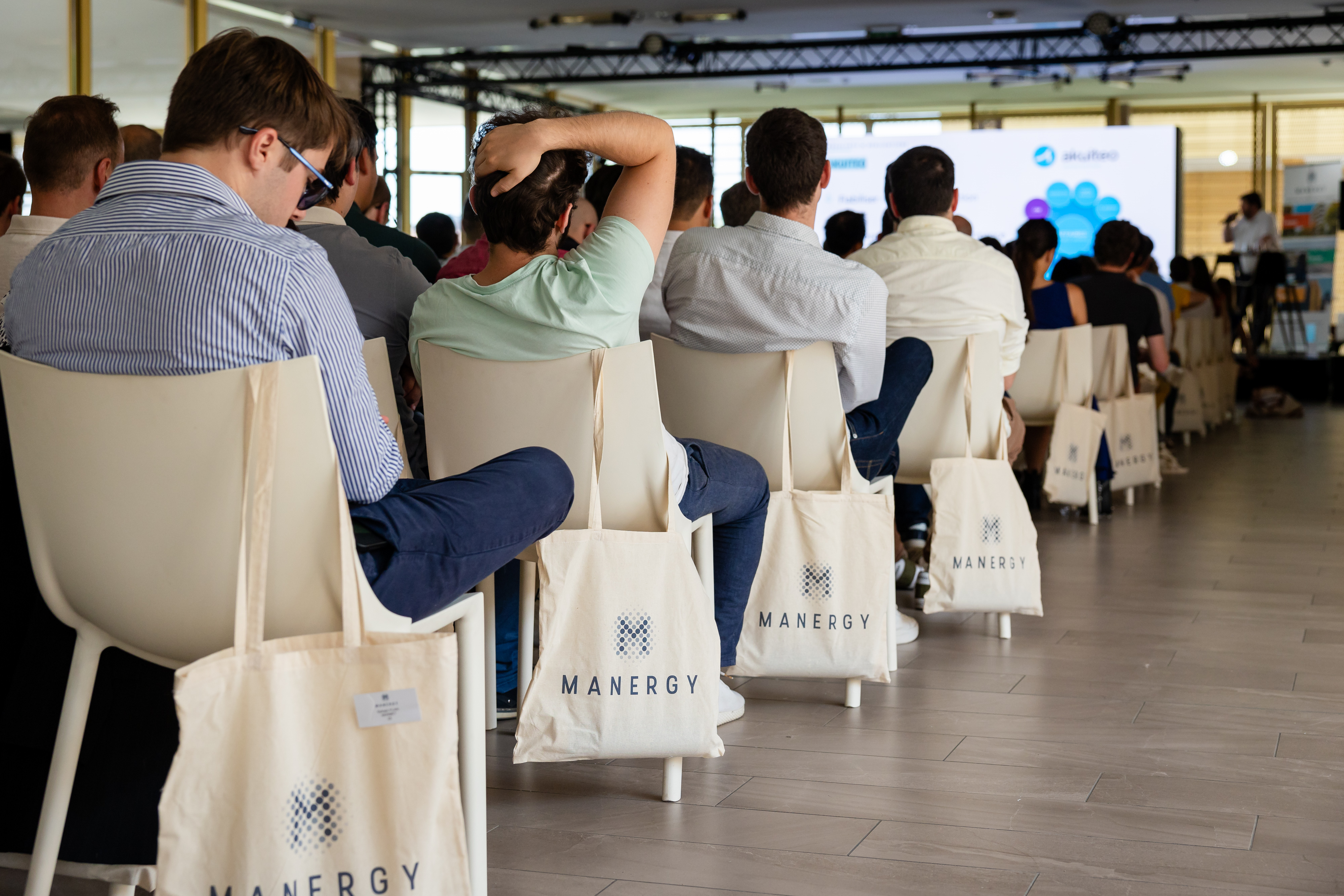
Promotional Merchandise in Montréal that actually supports your event goals
At INNOV'events, we manage Promotional Merchandise in Montréal for corporate events from 50 to 5,000+ attendees. We handle sourcing, branding, production tracking, delivery, and on-site distribution so your teams stay focused on the event—not boxes, backorders, and last‑minute substitutions.
Whether you’re planning an internal milestone, a client summit, a recruitment push or a trade-show activation, we make sure your merchandise is coherent with brand standards, compliant, delivered on time, and deployed with a distribution plan that avoids waste.
Sommaire
In a corporate event, merchandise is not a “nice-to-have”: it is a measurable lever for recall, employee pride, and lead nurturing—if the item is relevant, the branding is clean, and the distribution is controlled.
In Montréal, organizations expect bilingual execution, predictable timelines despite supplier volatility, and products that align with ESG policies and public-facing brand risk constraints.
INNOV'events is on the ground in Montréal. We coordinate local pickup/delivery, last-mile logistics to venues, and real-time adjustments when attendance or venue constraints shift.
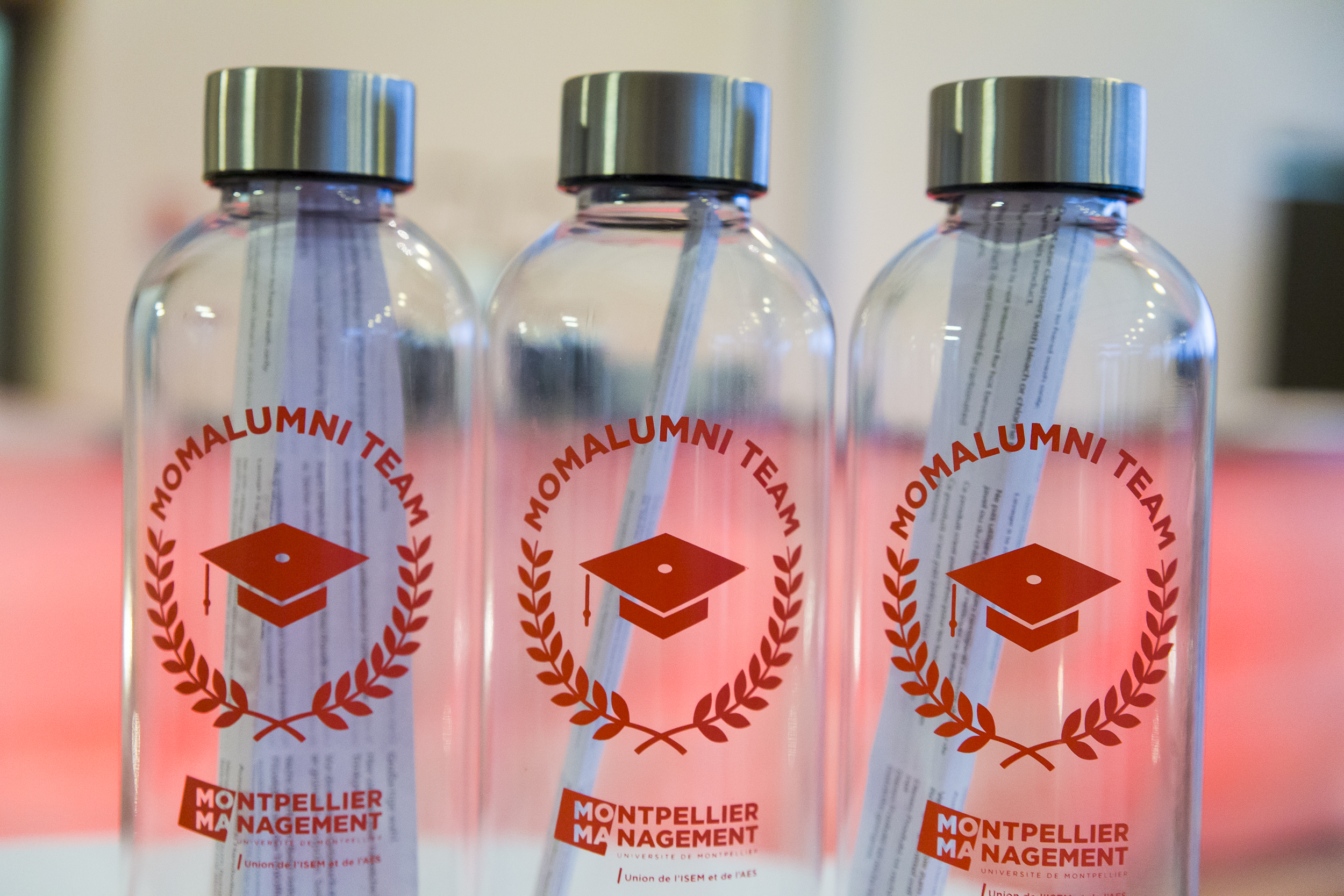
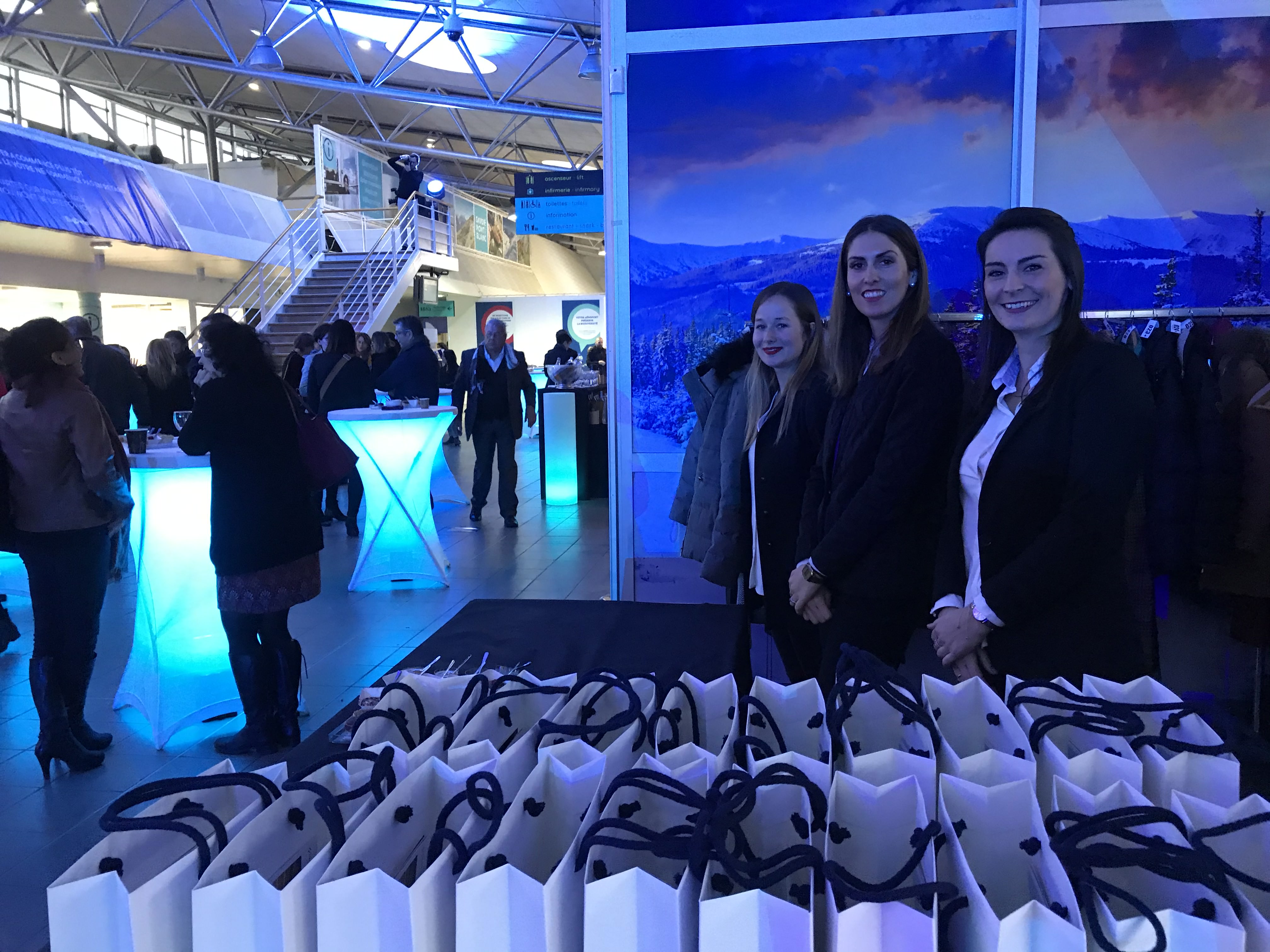
INNOV'events benchmarks used by Montréal decision-makers
10+ years coordinating corporate event operations and vendor networks across Canada, with recurring programs in Montréal.
Typical merchandise programs: 50 to 5,000+ units, from executive gifts (low volume, high scrutiny) to employee kits and on-site giveaways (high volume, logistics heavy).
Operational coverage: bilingual artwork validation, proof approvals, production follow-ups, delivery scheduling, and on-site distribution support with contingency stock.
We routinely manage multi-vendor bundles (e.g., apparel + drinkware + printed inserts) with a single delivery plan, a single labeling standard, and one accountable project owner.
Promotional Merchandise programs delivered across Montréal business hubs
We support corporate teams across Montréal—downtown head offices, Griffintown tech spaces, Ville Saint-Laurent industrial parks, and campuses around the Quartier des spectacles and the Olympic district. Many clients renew year after year because they want consistency: same level of brand control, the same delivery discipline, and the same ability to react when an RSVP curve surprises everyone.
Typical repeat scenarios we see locally: HR teams who run quarterly onboarding cohorts and need a reliable welcome kit; communications teams coordinating an annual internal town hall with stage, signage and merch drop; sales leaders who need a clean, premium gifting moment for key accounts without the “trade show swag” feel. In all cases, our role is to protect your brand and your schedule—especially when multiple stakeholders must approve every detail.
 Besoin d’un devis rapide ?
Nous vous envoyons une première proposition sous 24h.
Why Montréal executives invest in Promotional Merchandise for events
In the boardroom, merchandise is only defensible when it supports a clear objective: retention, recruitment, pipeline, partner loyalty, or culture. The best programs start with the question, “What behavior are we trying to drive after the event?” Then we choose items, branding, and distribution mechanics that reinforce that behavior—without inflating cost or creating storage headaches.
Improve post-event recall: a useful item (not a gimmick) keeps your message present for weeks. We aim for “daily use” categories—drinkware, desk items, apparel—because they naturally extend visibility.
Support employer brand: a consistent kit for onboarding, recognition, or leadership offsites signals operational maturity. HR leaders often tell us the kit is the first tangible proof of culture a new hire experiences.
Enable structured lead follow-up: for client events, we can build tiered gifting (standard vs VIP) tied to CRM segmentation, so your sales team isn’t improvising who gets what at the door.
Reduce waste with controlled distribution: instead of ordering “just in case,” we build a sizing and pickup flow (pre-selection, scan, or voucher model) to cut overage and storage.
Strengthen partner relationships: thoughtful co-branding guidelines and packaging standards help you avoid conflicts between brand books—common when sponsors are involved.
Protect brand and compliance: we validate bilingual text, correct logos, color matching, and any claims (eco, recycled content) so you don’t risk public corrections or internal governance issues.
Montréal is a relationship-driven market with strong communities (finance, aerospace, life sciences, creative industries). Merchandise that is well executed signals seriousness: you run tight operations and respect people’s time—two things local stakeholders notice immediately.
What Montréal organizations expect from a merchandise partner
Local expectations are specific, and they’re rarely written in the brief. In Montréal, we often navigate bilingual requirements (English/French), multi-stakeholder approvals (brand, legal, HR, procurement), and venue constraints that directly impact how merchandise can be delivered and distributed.
Concrete realities we plan for:
- Bilingual validation: even when the product itself is language-neutral, inserts, care labels, packaging, and any messaging card may require French-first compliance depending on context.
- Union or venue rules: some venues restrict loading dock times, require specific elevator bookings, or impose handling rules. This changes how we pack cartons and schedule deliveries.
- Winter logistics: snowy curbside unloads, salt exposure, wet outer cartons—small details that can ruin presentation. We use protective overpacking when needed and plan buffer time.
- Hybrid attendance patterns: Montréal events often include a remote component. We plan split shipments: venue delivery + direct-to-employee shipping with tracking and address validation.
- Procurement discipline: many organizations require vendor insurance, purchase order workflow, and itemized quotes. We structure budgets so approvals are smoother and surprises are minimized.
When these constraints are respected upfront, the merchandise becomes an asset. When they’re ignored, you end up with rushed reprints, mismatched colors, or cartons stuck at the dock while your VIPs arrive.
Which Promotional Merchandise ideas work best in Montréal corporate events?
Merchandise performs best when it is tied to an interaction. In Montréal, guests are exposed to many events; what stands out is a well-designed moment: personalization, usefulness, and a distribution mechanic that feels intentional. Below are categories we deploy often, with practical implications for executives, HR, and communications teams.
Interactive animations in Montréal
On-site personalization bar: initials on drinkware, laser engraving on notebooks, or patch application on caps. It increases pickup rates and reduces leftovers because people wait for “their” item. Requires power, queue management, and clear brand rules.
Tiered gifting tied to badges: standard attendee item at registration, premium item for VIP badges, and a speaker kit backstage. This keeps cost under control and prevents awkward “who gets what” situations.
QR-based claim system: guests scan a code, choose apparel size/color, and pick up later. Useful when you have limited storage or want to prevent size shortages at peak arrival times.
Art animations in Montréal
Local creative collaborations: commissioning Montréal illustrators for limited-edition prints or tote designs can elevate the perceived value without exploding unit cost. We set usage rights and ensure brand compatibility.
Premium executive gifts: curated sets (not off-the-shelf baskets) with consistent packaging, a bilingual note, and restrained branding. This is often used for board members, keynote speakers, or strategic partners.
Innovative animations in Montréal
Branded gourmet kits: think Montréal-roasted coffee with a subtle branded sleeve, or chocolate with a custom insert card. Food requires attention to allergens, temperature, and shelf life—details we validate in advance.
Hospitality upgrades: instead of more objects, we sometimes allocate budget to a “comfort item” (quality water bottle + refill stations, or warm welcome kit in winter). It improves guest experience and brand perception.
Gourmand animations in Montréal
Sustainable merchandise with proof: items with traceable recycled content, durability standards, and credible certifications. We avoid vague “eco” claims and document materials when ESG reporting is expected.
Hybrid event shipping kits: for teams split across Québec and beyond, we build a consistent branded unboxing with tracked shipments, timed to arrive 3–5 business days before the event.
Cause-aligned giveback: optional donation card or impact receipt paired with a smaller physical item. This resonates with organizations that want to reduce waste while maintaining a tangible touchpoint.
The best choice is the one that matches your brand posture. A bank, a biotech firm, and a creative studio can all do Promotional Merchandise—but the materials, branding intensity, and distribution model must reflect how you want to be perceived in Montréal.
Where should merchandise be distributed in Montréal venues?
The venue influences how merchandise is perceived and how smoothly it can be deployed. A tight registration area changes your pickup strategy. Limited back-of-house storage changes packaging and carton counts. In Montréal, loading docks and elevator access can make or break setup timelines, especially during busy seasons.
| Venue type | For which objective? | Main strengths | Possible constraints |
|---|---|---|---|
| Downtown hotel conference floors | Client summits, leadership offsites, multi-breakout days | Professional flow, built-in registration areas, storage options, staff support | Loading dock scheduling, strict delivery windows, limited space for large “swag wall” setups |
| Converted industrial / creative spaces | Brand launches, partner events, recruiting activations | Strong brand impact, flexible layouts, photo-friendly merchandising corners | Variable HVAC, limited staging/storage, power constraints for personalization stations |
| Convention and exhibition centres | Trade shows, large internal town halls, sponsor-heavy events | High capacity, structured logistics, easy zoning (VIP, exhibitors, staff) | Material handling rules, union considerations, longer walk distances from dock to booth |
| Corporate office / campus spaces | Onboarding days, recognition events, internal announcements | Controlled environment, easier brand governance, direct employee engagement | Freight elevator booking, security constraints, limited storage for bulky cartons |
We strongly recommend a site visit (or at minimum a detailed venue logistics call) before confirming quantities and packaging. In Montréal, small constraints—dock time, elevator size, corridor width—can dictate whether you need 20 cartons or 40 smaller ones, and whether distribution should happen at registration or in a dedicated pickup zone.
What does Promotional Merchandise cost in Montréal?
Budgeting for Promotional Merchandise in Montréal is not about finding a “price per item” online. Real cost is driven by branding method, quantity breaks, lead times, packaging, and logistics (especially when you split shipments between venue and home delivery). We build budgets that executives can defend because each line ties to a decision.
Quantity and audience segmentation: a 300-person event with 3 tiers (attendees, VIPs, speakers) often costs less than a single-tier plan for 500 if the tiers are designed intelligently.
Branding technique: embroidery costs more than a one-color screen print; laser engraving is clean and durable on metal; full-color UV print is flexible but requires surface compatibility checks.
Lead time: rush production can add 15% to 40% depending on the item and supplier capacity. When possible, we protect budgets by locking specs earlier and reserving production slots.
Packaging and kitting: individual polybagging, inserts, custom boxes, and assembly time add real cost but can be essential for executive gifts or shipping programs.
Freight and last-mile delivery in Montréal: dock appointments, after-hours delivery, or multi-drop routing affect pricing. Winter protection and re-delivery risk can also apply.
Proofing and sampling: physical samples are optional but often wise for premium items or strict brand environments. We plan samples early to avoid compressing production.
Storage and leftovers: if you don’t have internal storage, we plan for right-sizing and controlled distribution to avoid paying for “boxes that live in a closet.”
We frame ROI in practical terms: pickup rate, reduction of leftovers, impact on recruitment or partner follow-up, and brand risk avoided. A disciplined program can cost less overall than a cheap item ordered in panic—especially when you include rush fees, reprints, and staff time.
Why use an event agency in Montréal for merchandise?
Merchandise becomes complex the moment it touches an event schedule: multiple stakeholders, last-mile delivery, venue rules, and on-site setup. Working with an agency established in Montréal means faster decisions, real venue familiarity, and the ability to physically intervene when something changes.
When merchandise is part of a broader event ecosystem (registration, staging, signage, guest flow), it’s often more efficient to centralize coordination with one accountable partner. That’s why many clients ask us to manage both the event operations and the merchandise program through our event agency in Montréal team.
- Local logistics control: dock appointments, courier options, contingency pickups, and rapid redeployment if quantities shift.
- Vendor network with accountability: we know who delivers consistent quality on tight timelines and who tends to substitute materials without warning.
- On-site reality check: we design distribution based on venue footprint, storage, and staffing—not on a spreadsheet assumption.
- Bilingual and brand governance: we anticipate approval paths and provide clean proofs that reduce internal back-and-forth.
We frame ROI in practical terms: pickup rate, reduction of leftovers, impact on recruitment or partner follow-up, and brand risk avoided. A disciplined program can cost less overall than a cheap item ordered in panic—especially when you include rush fees, reprints, and staff time.






What we have delivered in Montréal: real merchandise scenarios
Our Promotional Merchandise work in Montréal covers very different contexts because corporate needs vary widely:
- Employee onboarding kits: apparel sizing captured in advance, bilingual welcome note, and a practical set (bottle, notebook, laptop accessory). Delivered to HQ and shipped to remote hires with tracking, using a single inventory plan.
- Leadership offsite gifting: low-volume, premium items with restrained branding, consistent packaging, and on-site handoff staged in the meeting room (not at reception). The objective is to reinforce leadership narrative and avoid “swag bag” optics.
- Client event tiering: standard item at registration, premium gift for top accounts, speaker kits backstage. Distribution managed with badge identifiers to remove awkwardness and keep the front-of-house flow smooth.
- Trade show operations: high-volume giveaways plus staff uniforms, with cartons labeled by day and by storage location. This prevents the classic problem of opening everything on day one and losing inventory control.
Across these projects, the common thread is operational control: clear specs, approvals, realistic lead times, and a distribution plan that protects your brand under event-day pressure.
Mistakes Montréal teams want to avoid with promotional items
Ordering without a distribution plan: merchandise ends up piled on a table, grabbed in multiples, and you still run out of popular sizes.
Approving mockups without checking imprint limits: fine lines disappear on embroidery; small text becomes unreadable; colors shift on different substrates.
Underestimating lead times: “standard production” can become irrelevant during peak seasons. Without buffer, you pay rush fees or accept substitutions.
Ignoring bilingual and compliance details: packaging cards, care labels, or claims like “recycled” can create internal governance issues if not validated.
Sending everything to the venue: when storage is limited, cartons block emergency exits or get moved by venue staff, increasing loss risk.
Over-ordering ‘just in case’: you save the event but create a months-long storage and distribution problem afterward.
Our role is to prevent these risks with a structured timeline, clear approvals, and logistics designed for the venue reality in Montréal. When something changes, you want a partner who already has a contingency plan—not a vendor who “checks with the factory.”
Why Montréal clients renew their merchandise programs
Repeat business is earned in the operational details: consistency of color and quality across years, documentation that makes approvals faster, and transparency when a supplier flags a risk early. Many clients come back because they don’t want to re-live the hidden costs of switching—new proofs, new exceptions, new mistakes.
2–4 weeks saved in internal approvals when we reuse documented specs (logo placement, color references, packaging templates) from prior editions.
10%–25% reduction in waste when we implement controlled pickup (pre-size capture, QR claim, or tiered distribution) instead of open-access tables.
0 “event morning surprises” is the target: we plan contingency stock and separate cartons by function so staff can execute without guessing.

Loyalty is proof of quality because it reflects what matters most to executives: risk reduction, time saved for internal teams, and predictable outcomes in Montréal venues.
Our Montréal process for Promotional Merchandise, from brief to on-site
👉 1) Define objectives and guardrails in Montréal context
We run a working session with HR/Comms/Exec sponsors to clarify the objective (retention, recruitment, client loyalty), audience tiers, brand constraints, bilingual requirements, ESG considerations, and the venue reality. Output: a short decision document that prevents scope drift and avoids contradictory feedback later.
👉 2) Curate items that match usage, not trends
We propose a small, deliberate selection with clear unit costs, branding method options, and lead times. We explain trade-offs: durability vs cost, perceived value vs risk of leftovers, and what will actually be used in an office, on transit, or at home in Montréal.
👉 3) Artwork, proofs, and approvals managed like a project
We centralize logos, set imprint specs, and manage proof rounds with a single approval path. For higher-risk items, we recommend a physical sample. We document final approvals so procurement and brand teams have a clean audit trail.
👉 4) Production tracking and quality checkpoints
We confirm production start, monitor timelines, and request QC confirmations (photos or checkpoints) when relevant. If a risk appears (material substitution, delay), we present options with cost/time impact—so you can decide, not react.
👉 5) Delivery, kitting, and last-mile logistics in Montréal
We plan deliveries around dock appointments and venue restrictions. Cartons are labeled by function (registration, VIP, staff, speakers) and staged for rapid setup. For hybrid programs, we coordinate home shipping with address validation and tracking.
👉 6) On-site distribution and post-event reconciliation
We deploy the pickup flow (staffing, signage, QR claim if used) and keep contingency stock controlled. After the event, we reconcile leftovers, propose a plan (internal distribution, future use, donation when appropriate), and document learnings for the next edition.
FAQ sur l'organisation Promotional Merchandise à Montréal
How early should we order merchandise in Montréal?
Plan for 4–8 weeks for standard programs. If you need custom items, multiple vendors, or physical samples, aim for 8–12 weeks. Rush is possible, but it can add 15%–40% and reduces your options.
What budget range is typical for Montréal corporate merchandise?
For many corporate events in Montréal, common ranges are $10–$35 per attendee for standard attendee items, and $60–$200+ for VIP/executive gifts depending on brand level, packaging, and quantities. Freight, kitting, and on-site distribution are separate levers that can materially change totals.
Which items work best for Montréal employee events?
Items with daily utility perform best: quality drinkware, notebooks, technical tees or zip hoodies, laptop sleeves, and understated desk accessories. For HR programs, we recommend a consistent kit format with size capture and a replacement policy (typically 2%–5% extra stock for exchanges).
Can you handle bilingual requirements for Montréal merchandise?
Yes. We validate bilingual text for inserts, packaging, care instructions, and any messaging card. We also watch for claims (eco, recycled content) that require accurate wording. If your internal legal/brand team has templates, we integrate them into proof rounds.
How do we avoid leftover boxes after a Montréal event?
We use controlled distribution: pre-collect sizes, tier items by audience, and set a pickup window with a clear flow. We typically target a leftover rate below 5%–10% depending on attendance volatility. For the remainder, we propose a reuse plan (onboarding, internal recognition, future events) before ordering more.
Request a Montréal quote with a realistic timeline and plan
If you’re comparing agencies, we can help you quickly validate what’s realistic: item options that fit your brand, lead times that won’t collapse in the last two weeks, and a distribution plan that avoids waste. Send us your event date, estimated attendance, audience tiers (employees/clients/VIPs), and any brand guidelines. We’ll come back with a clear proposal for Promotional Merchandise in Montréal, including production milestones and logistics assumptions.
The earlier we lock specifications, the more you control cost and quality—and the less your internal teams have to firefight during event week.
INNOV'events Montréal Agency
Thierry GRAMMER is the manager of the INNOV'events Montréal office. Reach out directly by email at canada@innov-events.ca or via the contact form.
Contact the Montréal agencyToutes nos prestations & animations Montréal, Quebec
Découvrez nos prestations événementielles
- Employee Party in Montréal
- Corporate Christmas Party in Montréal
- Networking Cocktail Event in Montréal
- Shopping Mall Activation in Montréal
- Grand Opening Event in Montréal
- Product Launch Event in Montréal
- Open House Event in Montréal
- Field Brand Activation in Montréal
- Event Catering Service in Montréal
Découvrez nos animations événementielles disponibles au Quebec
- Event Hostess in Montréal
- Escape Game in Montréal
- MasterChef-Style Cooking Workshop in Montréal
- Corporate Magician in Montréal
- Tent Rental in Montréal
- Color Analysis Workshop in Montréal
- Inflatable Games in Montréal
- Valet Service in Montréal
- Soccer Simulator in Montréal
- LED Furniture Rental in Montréal
- LED Branding Activation in Montréal
- Immersive Culinary Experience in Montréal
- Light Painting Activity in Montréal
- Immersive Mystery Night in Montréal
- Promotional Contest in Montréal
- Promotional Materials (POS) in Montréal
- Virtual Reality Experience in Montréal
- Molecular Gastronomy Workshop in Montréal
- Halloween Event in Montréal
- Fireworks Show in Montréal
- Sports Challenge – Giant Games in Montréal
- Professional Event Host in Montréal
- Photo Booth Animation in Montréal
- Santa Claus Appearance in Montréal
- Kids Entertainment in Montréal
- Guided Tour in Montréal
- Urban Rally in Montréal
- Ball Pit Activity in Montréal
- Flight Simulator in Montréal
- Food Truck Rental in Montréal
- World Record Attempt in Montréal
- Surf Simulator in Montréal
- Soccer Simulator in Montréal
- Wine Casino in Montréal
- Makeover Workshop in Montréal
- Perfume Creation Workshop in Montréal
- Acting Workshop in Montréal
- CSR Activities in Montréal
- Archery Activity in Montréal
- Event Security Guard in Montréal
- Wine Tasting Workshop in Montréal
- Mime Performance in Montréal
- TV Game Show Animation in Montréal
- Funfair Event in Montréal
- Crisis Management Workshop in Montréal
- Crisis Negotiation Workshop in Montréal
- Arcade Games in Montréal
- Indoor Skydiving Simulator in Montréal
- Ski Simulator in Montréal
- Racetrack Driving Experience in Montréal
- Introductory Flight Experience in Montréal
- Tasting Experience in Montréal
- Build Your Own Foosball Workshop in Montréal
- 2CV Rally in Montréal
- LEGO Challenge in Montréal
- Casino Night in Montréal
- Interpreter / Translator in Montréal
- Promotional Merchandise in Montréal
- Shuttle / Transportation Service in Montréal