
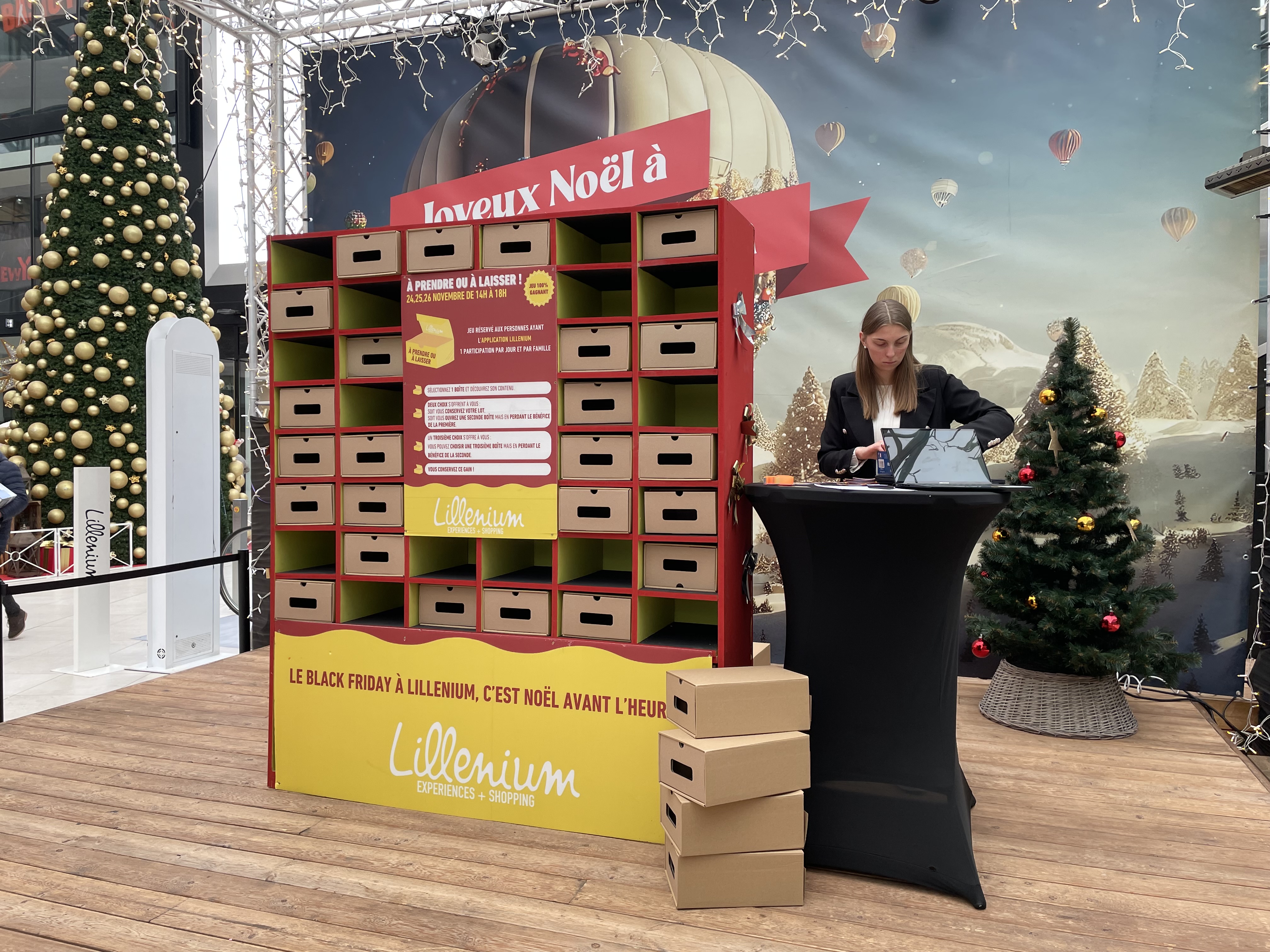
Promotional Contest in Montréal that drives measurable engagement
INNOV'events designs and runs Promotional Contest activations across Montréal for corporate teams, HR leaders, and communications departments—from 50 to 5,000+ participants. We handle the full chain: mechanics, legal/Quebec compliance support, staffing, prize management, on-site operations, and post-campaign reporting. You keep brand control and internal approvals; we keep the experience smooth on the floor and defensible on paper.
Sommaire
In a corporate context, a Promotional Contest is not “just a giveaway”: it’s a controlled mechanism to create attention, collect qualified leads, reinforce employer brand, and move people toward a specific behaviour (subscribe, attend, demo, referral). When it’s planned like an operational project—rules, staffing, traffic flow, data capture, and risk controls—it becomes a reliable lever for communications and HR.
Organizations in Montréal usually expect two things at once: a visible activation that feels simple for the public, and a backend that withstands internal scrutiny (privacy, fairness, fraud prevention, bilingual requirements, union rules in venues, and a clean audit trail). Executives want proof it worked; HR wants a positive employee experience; communications wants zero reputational surprises.
INNOV'events is on the ground in Montréal. We know the constraints of local venues, building security, downtown logistics, and bilingual audience realities. Our team plans with the same discipline you use internally: run-of-show, contingency planning, vendor management, and clear approvals—so your contest is both engaging and professionally controlled.
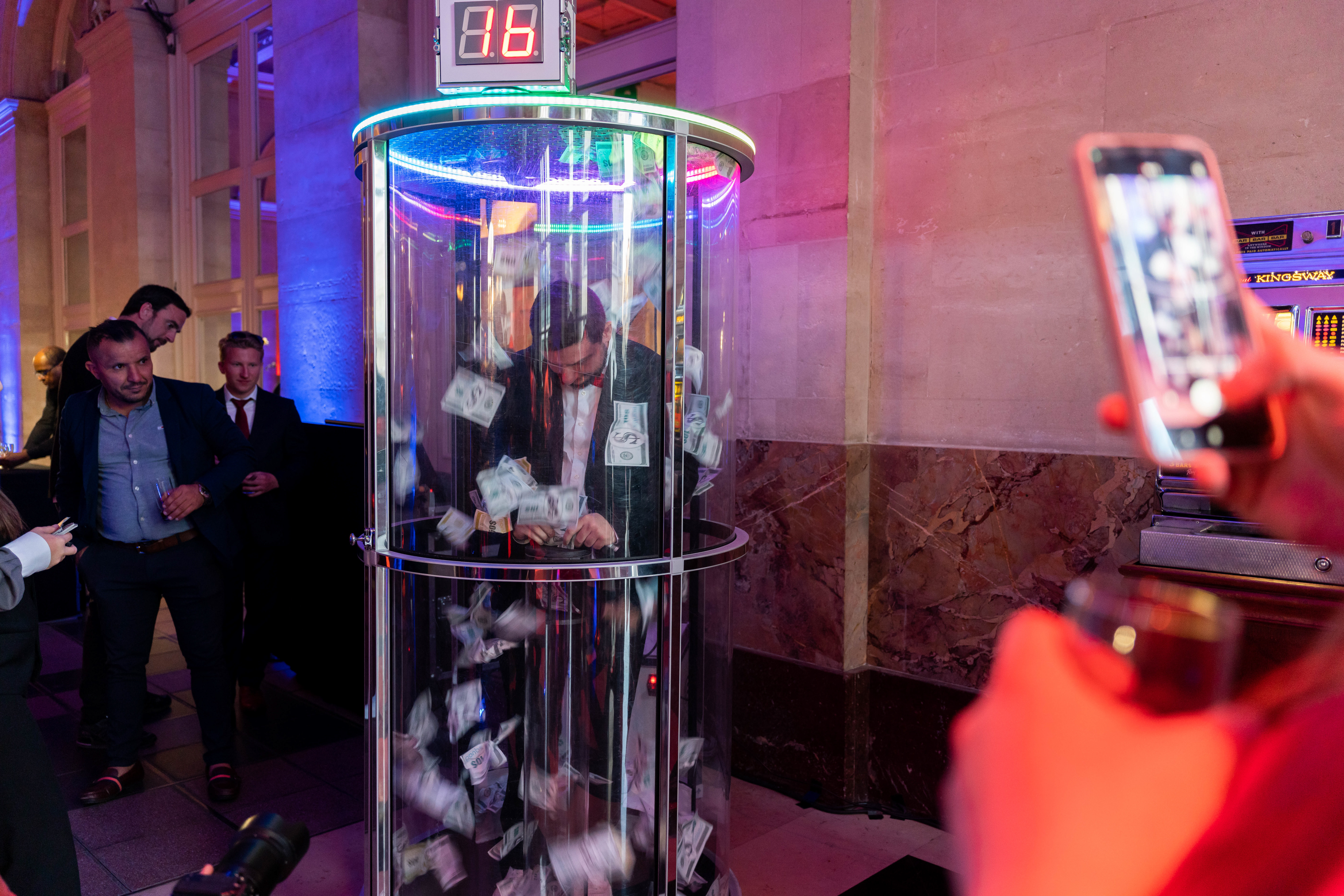
Montréal decision-makers ask for proof—here are our numbers
10+ years supporting corporate activations and events in Quebec and across Canada, with repeat mandates from communications and HR teams.
300+ event days delivered through our network (hosts, brand ambassadors, technicians, coordinators), including high-traffic public environments and controlled corporate sites.
48-hour staffing ramp-up possible in Montréal for standard roles (brand ambassadors, registration teams), when scope and training materials are validated.
2-language operations (FR/EN) as a default for scripts, signage, training, and on-site interactions—aligned with how Montréal audiences actually engage.
Local execution in Montréal that teams renew year after year
In Montréal, what clients value most is consistency: the same level of control whether the contest runs in a head office lobby, a multi-tenant downtown tower, a trade show floor, or a public-facing retail environment. We often collaborate year after year because internal teams don’t want to “re-teach” an agency the basics: stakeholder approvals, brand standards, legal constraints, and the realities of event day.
Typical repeat scenarios we support: HR teams running recruitment contests during campus season; communications teams activating during product launches; sales teams tying a contest to a roadshow; and internal comms using contest mechanics to increase participation in health & wellness or learning programs. The common thread is operational reliability: clear rules, trained staff, controlled data capture, and a reporting package that’s usable for leadership updates.
If you have specific company references you want us to feature, send the list and we will integrate them in this section exactly as provided, in a professional and compliant way.
 Besoin d’un devis rapide ?
Nous vous envoyons une première proposition sous 24h.
Why run a Promotional Contest in Montréal for corporate objectives?
A well-structured Promotional Contest in Montréal solves a practical problem executives face: getting attention is expensive, and attention without conversion is waste. Contest mechanics create a reason to stop, engage, and act—while giving you a measurable funnel (participations, opt-ins, qualified leads, attendance, referrals, employee participation rates).
Accelerate engagement with a controlled call-to-action: instead of “learn more,” you can drive a specific action (book a demo, subscribe, attend an info session, complete a training module). The contest becomes the trigger, not the message.
Collect data you can actually use: when the entry form is designed with purpose (minimal friction + necessary qualifiers), you leave with segmented leads or internal participation data—without drowning your team in unusable fields.
Make the brand visible without over-spending on media: in high-traffic Montréal environments (business districts, trade shows, partner locations), a contest activation can outperform passive signage because staff interaction and prize logic create dwell time.
Support HR and employer branding: contests tied to recruitment events, internal referrals, or employee advocacy can increase participation rates—if the mechanism is transparent and the prizes are appropriate (and not perceived as coercive).
De-risk public execution: documented rules, clear winner selection, fraud prevention measures, and an on-site escalation protocol protect your reputation when a participant challenges a decision.
Montréal is competitive, bilingual, and fast-moving. When your audience is saturated with campaigns, a contest works only if it’s operationally tight and brand-aligned—so the experience feels simple to participants and defensible to your leadership.
What Montréal audiences and venues expect from a contest activation
Montréal audiences are used to being approached—especially in downtown corridors, festivals, and high-density commercial spaces. That means your activation must earn attention quickly and respectfully. In practice, we plan for a 5–10 second first interaction: a one-line pitch, visible prize logic, and a clear “how to enter” that doesn’t create a bottleneck.
On the venue side, Montréal buildings and event sites often have strict rules: loading dock schedules, security screening for staff, insurance certificates, limitations on amplification, and sometimes unionized labour requirements for certain setups. We routinely build a venue checklist that includes access hours, storage options, electrical availability, signage restrictions, and what is allowed for sampling or distribution (if applicable). This avoids the classic failure: a beautiful concept that can’t be executed because the venue refuses key elements on the day-of.
Internally, Québec organizations are also more sensitive to fairness and language quality. A contest that “sounds translated” or has ambiguous rules creates complaints. We insist on bilingual copy that is written for each language, clear winner selection logic, and a participant support plan (who answers questions, in what timeframe, and with what escalation path).
Which Promotional Contest formats work best in Montréal right now?
Entertainment and contest mechanics are effective when they create a clear reason to participate and a visible moment of value—without slowing down operations. In Montréal, we favour formats that are bilingual by design, fast to understand, and easy to staff consistently across multiple shifts.
Interactive animations in Montréal
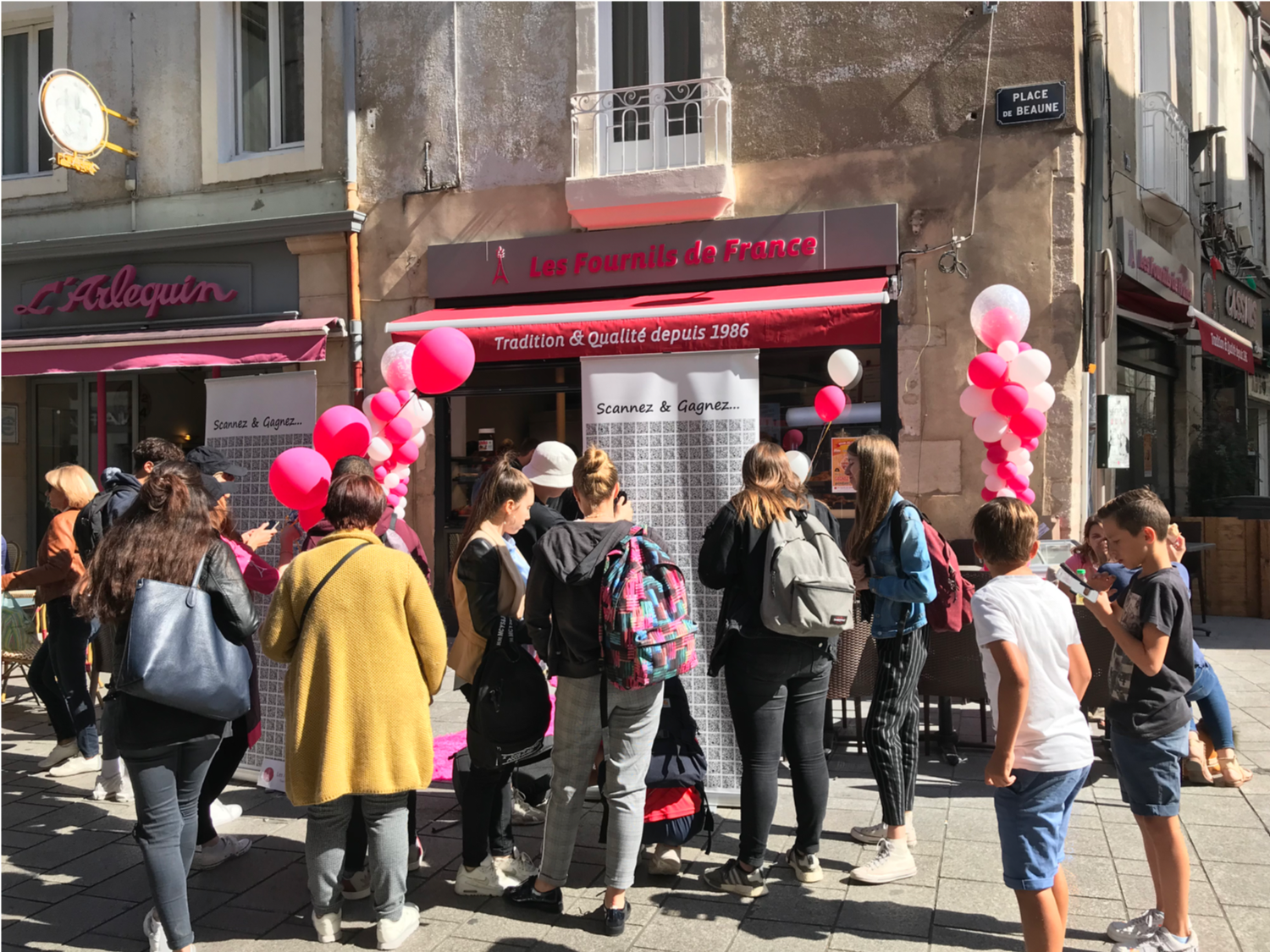
Instant-win digital scratch cards (QR-based): fast entry, high participation, and easy prize inventory control. Practical for lobbies, conferences, and trade shows because the participant can play on their phone while your team captures consent and qualifiers.
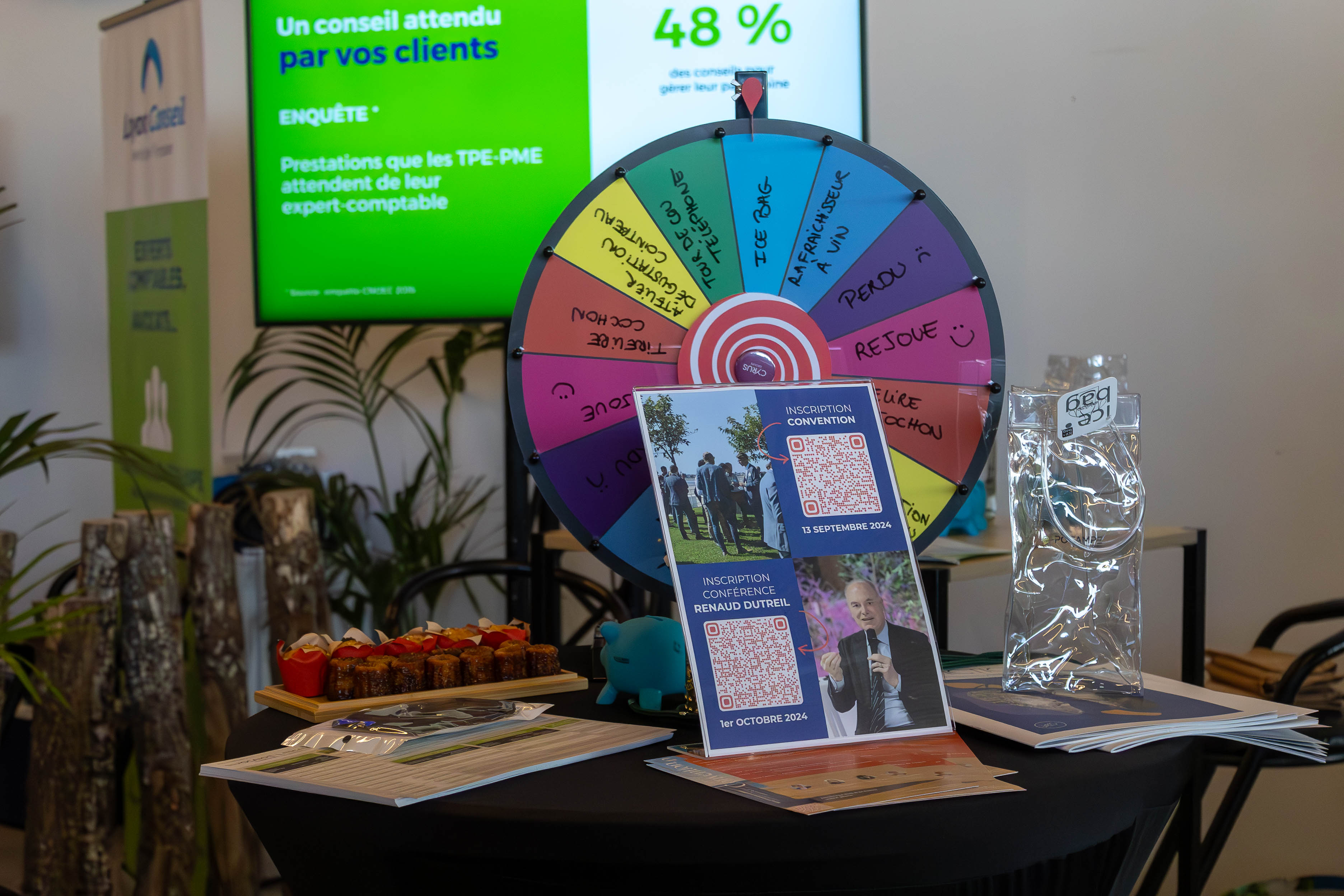
Spin wheel with controlled odds: good for visibility and energy, but must be engineered to avoid “everyone wins” optics or disputes. We use a scripted verification step and a prize matrix aligned with your budget and brand positioning.
Quiz-to-enter (product or employer brand): works when you need message retention (new benefits program, product launch). We keep it to 3–5 questions max to maintain flow and avoid a classroom vibe.
Referral entry mechanics: effective for HR or client acquisition, but only when tracking is clean. We set up unique referral codes and clear eligibility language to prevent internal conflict (“my referral wasn’t counted”).
Art animations in Montréal
Host-led micro-moments: a professional bilingual MC can keep energy high without turning your activation into a stage show. We script 60–90 second “burst” moments to announce winners, explain entry rules, and drive traffic at predictable intervals.
Brand portrait station (photo with compliance controls): powerful for social sharing if you have clear consent. We plan the signage, consent language, and the operational steps to separate “take photo” from “publish photo.”
Live illustration / caricature tied to entry: works in Montréal corporate environments where audiences value craft. We link the experience to a contest entry, not as a distraction—e.g., enter to win a premium prize, receive an illustration as a participation benefit.
Innovative animations in Montréal
Local tasting paired with entry: when the venue allows it, a small-format tasting (non-alcoholic or pre-packaged) can increase dwell time. We coordinate allergen signage, food handling rules, and waste management—details that matter in office towers and conference centres.
Coffee bar activation with timed draws: effective for morning traffic. We schedule mini-draws every 30–45 minutes to create return visits, which is useful for trade shows or multi-session conferences.
Gourmand animations in Montréal
NFC tap-to-enter badges: ideal for conferences where attendees already wear badges. Tap, confirm consent, and enter—reduces friction and improves data integrity.
On-site + remote hybrid entry: common for Montréal organizations with distributed teams. We design a single rule set with two entry channels, then normalize data so reporting remains credible for leadership.
Prize ladder tied to business outcomes: instead of one grand prize only, we structure tiers (instant wins + weekly draw + grand prize) to sustain engagement across multiple days or weeks.
Whatever the format, we align the contest to your brand and risk profile. A luxury brand does not run the same prize strategy as a B2B SaaS firm; an employer branding initiative does not use the same tone as a consumer activation. The mechanics, staff scripting, and prize presentation must match how your organization wants to be perceived in Montréal.
Where to run a Promotional Contest in Montréal for maximum impact
The venue changes everything: traffic profile, security rules, noise tolerance, and the type of participant you attract. For corporate teams, the right choice is the one that supports your objective—lead quality, visibility, employee engagement, or partner activation—without creating operational friction.
| Venue type | For which objective? | Main strengths | Possible constraints |
|---|---|---|---|
Downtown office tower lobby (multi-tenant) | Brand visibility + quick lead capture among professionals | High weekday traffic, strong perception, easy to run short shifts (AM/lunch/PM) | Security approvals, strict load-in, limited noise, signage restrictions |
Conference / trade show floor in Montréal | Qualified B2B leads and product discovery | Audience already in “business mode,” easy to qualify, natural booth integration | Wi-Fi variability, union rules, tight set-up windows, competing activations nearby |
Corporate HQ / cafeteria / common area | Internal engagement (HR, wellness, training, culture) | Controlled environment, easier eligibility validation, strong employer brand impact | Must avoid coercion perception, privacy safeguards, schedule around peak breaks |
Retail partner location (with co-branding) | Traffic + partner relationship building | Immediate conversion opportunities, shared audience, visible merchandising options | Partner approvals, staff training alignment, inventory and storage management |
We strongly recommend a site visit (or at minimum a detailed venue call with photos and measurements) before you lock the activation design. In Montréal, small logistical details—elevator access, queue space, lighting, or nearby noise—often determine whether the contest feels premium or improvised.
How much does a Promotional Contest cost in Montréal?
The cost of a Promotional Contest in Montréal depends on mechanics, staffing, production level, duration, and the compliance layer (rules, winner management, documentation). We budget from the ground up so you can defend the spend internally: what you pay for is not “a prize,” it’s the full operational system that delivers participation reliably and protects your brand.
Contest format and technology: QR entry, instant win, NFC, on-site tablets, or hybrid entry. Technology choices affect speed, reliability, and data quality. We budget for devices, backup devices, connectivity plans, and troubleshooting coverage.
Staffing model: number of brand ambassadors, team leads, bilingual host/MC, and hours (including training and call times). In Montréal, you also need to account for access time in downtown buildings and the real rhythm of traffic (AM/lunch/PM).
Creative and production: signage, booth/structure, prize display, branded backdrops, printed rules, and bilingual scripts. Quality here impacts perceived professionalism immediately.
Prize strategy and fulfilment: prize tiers, inventory, storage, winner verification, and shipping (if prizes aren’t delivered on-site). A well-managed fulfilment plan prevents the “we’ll email you later” scenario that damages trust.
Compliance and documentation: contest rules drafting support, bilingual review, winner selection procedure, record keeping, and privacy-by-design considerations. This is especially important when your legal or compliance team needs traceability.
Venue and operational constraints: permits (if applicable), insurance certificates, security fees, electrical, and load-in limitations. These are often the hidden costs that create surprises if not scoped early.
From an ROI perspective, we encourage clients to set a target cost per meaningful outcome (qualified lead, booked meeting, employee participation, recruitment application). A contest that generates high volume but low-quality outcomes is not a win. We design reporting so leadership can see the full funnel: impressions (estimated), interactions, entries, opt-ins, and downstream conversions where available.
Why choose a Montréal agency for your Promotional Contest?
When a Promotional Contest runs in the real world, local execution is a competitive advantage. In Montréal, operational constraints can change quickly: building security rules, last-minute venue adjustments, weather impacts on foot traffic, or bilingual staffing availability. A local team shortens reaction time and reduces the risk of “out-of-town planning” that doesn’t survive contact with the site.
Working with INNOV'events means you’re supported by an event agency in Montréal that can do pre-visits, coordinate suppliers, and staff shifts reliably. For executives, the real value is governance: fewer surprises, clearer approvals, and a single accountable partner for event-day decisions.
- Faster on-site problem solving: replacement staff, missing equipment, last-minute signage, or layout changes can be handled without compromising brand standards.
- Realistic logistics planning: we account for downtown access, loading docks, parking constraints, and the time needed for security screening—so your schedule is achievable.
- Bilingual delivery that sounds local: we script interactions to feel natural in Montréal, not translated. This reduces friction and increases participation quality.
- Vendor ecosystem: we work with local suppliers for printing, fabrication, AV, and staffing—reducing lead times and improving cost control.
From an ROI perspective, we encourage clients to set a target cost per meaningful outcome (qualified lead, booked meeting, employee participation, recruitment application). A contest that generates high volume but low-quality outcomes is not a win. We design reporting so leadership can see the full funnel: impressions (estimated), interactions, entries, opt-ins, and downstream conversions where available.





Examples of Promotional Contest executions we deliver in Montréal
Our mandates vary because contest mechanics can support very different corporate objectives. We’ve delivered high-traffic public activations focused on quick entry and crowd management; trade show contests focused on lead qualification and CRM-ready data; and internal corporate contests where fairness, eligibility rules, and privacy are more important than volume.
In practice, what changes from one project to another is not our discipline—it’s the calibration. For a B2B brand, we will reduce the “game” element and increase the quality of the conversation, often using a quiz or demo-based entry. For an employer branding activation, we will put the employee experience first: clear rules, accessible prizes, and a tone that supports culture rather than feeling like a sales tactic.
Across projects in Montréal, our team is expected to protect the client internally: we provide concise approval decks, bilingual scripts, a staff briefing package, and a post-activation report that leadership can actually read (what happened, what worked, what to improve, and what we recommend next).
Common mistakes we prevent on Montréal contest days
Overcomplicated entry flows: too many fields, unclear consent, or slow devices create lines and reduce participation. We simplify and test the flow in real conditions.
Rules that don’t match the reality on site: for example, “one entry per person” without a method to enforce it. We build enforceable rules and train staff to apply them consistently.
Underestimating bilingual needs: not just translation—staff comfort, signage readability, and a natural tone. Montréal audiences notice immediately.
Prize inventory surprises: prizes arriving late, unclear tiers, or no plan for out-of-stock scenarios. We manage inventory and define substitution rules in advance.
Weak winner verification: on-site announcements without identity checks can lead to disputes. We define verification steps and document them.
No contingency for connectivity: Wi-Fi drops happen. We plan offline capture options, hotspot backups, and battery management.
Unclear on-site authority: when multiple stakeholders are present, decisions stall. We set a decision chain and escalation protocol before doors open.
Our role is to absorb operational risk so your team can focus on stakeholders and outcomes. In Montréal, where venues and audiences move fast, prevention is what protects brand credibility.
Why Montréal clients renew with INNOV'events
Renewal happens when internal teams feel supported, not sold to. Our clients come back because we document decisions, respect brand governance, and execute with consistency—especially when the pressure is high and leadership is present.
Most renewals are driven by operational reliability: clear staffing, punctual set-up, controlled participant flow, and a calm on-site lead who can make decisions.
Repeatable toolkits: once we build a bilingual script, rule set structure, signage templates, and reporting format, future activations become faster and more cost-efficient.
Actionable reporting: leadership wants more than entry counts. We deliver participation volumes, opt-in rates, peak traffic windows, qualitative observations from staff, and recommendations for next iteration.

Loyalty is proof of quality because it means your internal team is willing to attach their name to the same partner again. In Montréal, where reputational risk travels fast, that trust is earned through disciplined execution.
Our Montréal process for a Promotional Contest that leadership can approve
👉 Montréal scoping call and objective alignment
We start with a working session with communications/HR/sales stakeholders to define the objective, audience, entry channel (on-site, online, hybrid), and success metrics. We confirm constraints early: brand guidelines, legal/compliance expectations, data privacy requirements, bilingual needs, and the internal approval calendar.
👉 Contest mechanics and compliance-ready framework
We propose 1–2 mechanics options with pros/cons: participation speed, data quality, staffing load, and risk profile. We support the build of contest rules and winner selection procedure (and coordinate with your legal counsel when required). We also define the prize matrix and fulfillment plan so the experience remains consistent from entry to winner contact.
👉 Operational planning for Montréal realities
We plan the floor layout, participant flow, and staffing schedule by peak periods. We confirm venue rules (security, load-in, noise, power) and build a production list: signage, devices, backups, uniforms, and bilingual scripts. A run-of-show and escalation contact sheet are produced for your internal stakeholders.
👉 Staff training and rehearsal
We brief staff with a practical kit: talking points, eligibility checks, privacy/consent language, conflict handling, and what to do if technology fails. For higher-stakes activations (executive presence, media, large crowds), we run a rehearsal or tabletop simulation to test the flow and refine scripts.
👉 Event-day delivery and controlled reporting
On-site, our lead manages set-up, staff positions, queue management, and issue resolution. After the activation, we deliver a reporting package: participation counts, opt-in rates, peak times, incidents (if any) and resolutions, plus recommendations for the next run. If the contest continues online, we support the handoff and winner management timeline.
FAQ sur l'organisation Promotional Contest à Montréal
How long does it take to launch a contest in Montréal?
For a standard on-site Promotional Contest in Montréal, plan 3–6 weeks from concept to event day (rules, bilingual copy, production, staffing). If there’s heavy compliance review or complex tech integration, 6–10 weeks is more realistic.
What budget range is typical for a Montréal contest activation?
Most corporate activations land between $7,500 and $35,000 depending on staffing hours, number of days, production level, and technology. Multi-location or multi-week campaigns can run higher, especially when prize fulfillment and reporting are more complex.
Do you provide bilingual staff for Montréal contest operations?
Yes. In Montréal, we plan bilingual delivery as the default: FR/EN staff, bilingual scripts, and bilingual signage. We also brief staff on tone and terminology so interactions feel local and professional—not translated.
How do you prevent fraud or duplicate entries in Montréal?
We apply practical controls based on the format: unique entry validation (email/phone), clear entry limits, on-site verification steps for instant wins, and a documented draw procedure. The goal is to keep participation easy while making abuse difficult and defensible if challenged.
Can a Promotional Contest be integrated into a Montréal conference?
Yes—this is common. We design the contest to fit the conference flow: QR or NFC entry, timed draws between sessions, and lead qualifiers aligned with your booth or session objective. We also plan for conference constraints (Wi-Fi variability, set-up windows, and venue rules) so it runs smoothly on the floor.
Plan your Montréal Promotional Contest with a team that controls the details
If you’re comparing agencies, we suggest starting with a short scoping call: objective, audience, location type, timeline, and any internal constraints (legal, brand, union/venue rules, data privacy). We will come back with a clear contest mechanism proposal, a staffing and logistics plan, and a budget framework you can defend internally.
For Montréal, earlier planning gives you better venues, better staffing availability, and more time for bilingual approvals. Send us your dates, expected attendance, and the action you want participants to take—INNOV'events will build a Promotional Contest that is engaging on the floor and solid behind the scenes.
INNOV'events Montréal Agency
Thierry GRAMMER is the manager of the INNOV'events Montréal office. Reach out directly by email at canada@innov-events.ca or via the contact form.
Contact the Montréal agencyToutes nos prestations & animations Montréal, Quebec
Découvrez nos prestations événementielles
- Employee Party in Montréal
- Corporate Christmas Party in Montréal
- Networking Cocktail Event in Montréal
- Shopping Mall Activation in Montréal
- Grand Opening Event in Montréal
- Product Launch Event in Montréal
- Open House Event in Montréal
- Field Brand Activation in Montréal
- Event Catering Service in Montréal
Découvrez nos animations événementielles disponibles au Quebec
- Event Hostess in Montréal
- Escape Game in Montréal
- MasterChef-Style Cooking Workshop in Montréal
- Corporate Magician in Montréal
- Tent Rental in Montréal
- Color Analysis Workshop in Montréal
- Inflatable Games in Montréal
- Valet Service in Montréal
- Soccer Simulator in Montréal
- LED Furniture Rental in Montréal
- LED Branding Activation in Montréal
- Immersive Culinary Experience in Montréal
- Light Painting Activity in Montréal
- Immersive Mystery Night in Montréal
- Promotional Contest in Montréal
- Promotional Materials (POS) in Montréal
- Virtual Reality Experience in Montréal
- Molecular Gastronomy Workshop in Montréal
- Halloween Event in Montréal
- Fireworks Show in Montréal
- Sports Challenge – Giant Games in Montréal
- Professional Event Host in Montréal
- Photo Booth Animation in Montréal
- Santa Claus Appearance in Montréal
- Kids Entertainment in Montréal
- Guided Tour in Montréal
- Urban Rally in Montréal
- Ball Pit Activity in Montréal
- Flight Simulator in Montréal
- Food Truck Rental in Montréal
- World Record Attempt in Montréal
- Surf Simulator in Montréal
- Soccer Simulator in Montréal
- Wine Casino in Montréal
- Makeover Workshop in Montréal
- Perfume Creation Workshop in Montréal
- Acting Workshop in Montréal
- CSR Activities in Montréal
- Archery Activity in Montréal
- Event Security Guard in Montréal
- Wine Tasting Workshop in Montréal
- Mime Performance in Montréal
- TV Game Show Animation in Montréal
- Funfair Event in Montréal
- Crisis Management Workshop in Montréal
- Crisis Negotiation Workshop in Montréal
- Arcade Games in Montréal
- Indoor Skydiving Simulator in Montréal
- Ski Simulator in Montréal
- Racetrack Driving Experience in Montréal
- Introductory Flight Experience in Montréal
- Tasting Experience in Montréal
- Build Your Own Foosball Workshop in Montréal
- 2CV Rally in Montréal
- LEGO Challenge in Montréal
- Casino Night in Montréal
- Interpreter / Translator in Montréal
- Promotional Merchandise in Montréal
- Shuttle / Transportation Service in Montréal