
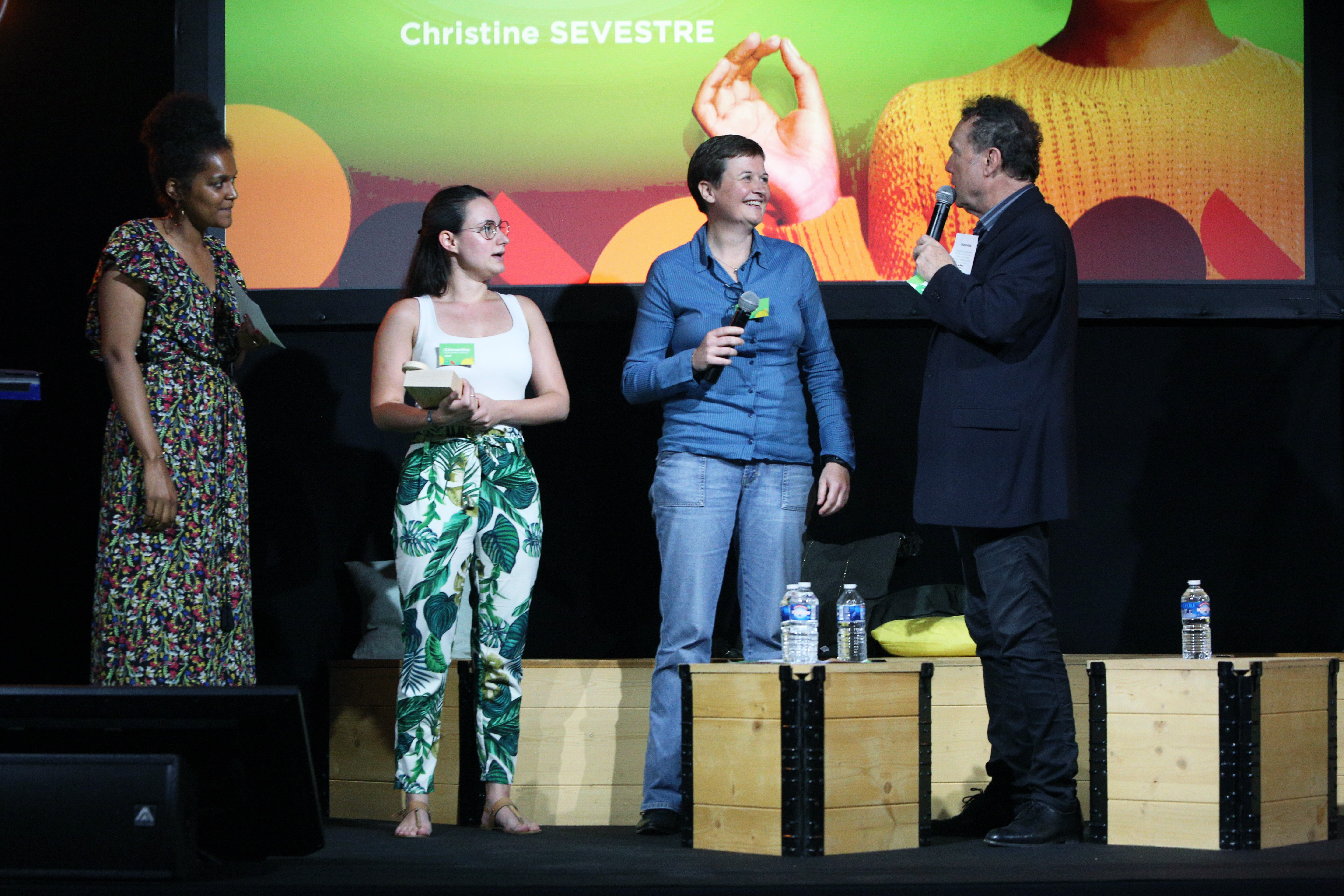
Professional Event Host in Montréal for corporate events that run on time
Sommaire
In a corporate setting, entertainment isn’t a “nice-to-have”; it’s a delivery tool. A strong host keeps attention high, transitions clean, and messages consistent—so executives are heard, sponsors are respected, and every minute of your agenda delivers value.
Montréal organizations expect bilingual ease, a tone aligned with brand standards, and zero improvisation that puts leaders on the spot. They want a host who can manage energy without turning a business moment into a show that doesn’t fit the room.
As an event agency team based in Montréal, we host with field discipline: scripted timing, cue-driven stage management, and real-time decisions with AV, venue, and security. The objective is simple: a calm stage and a controlled experience—even under pressure.
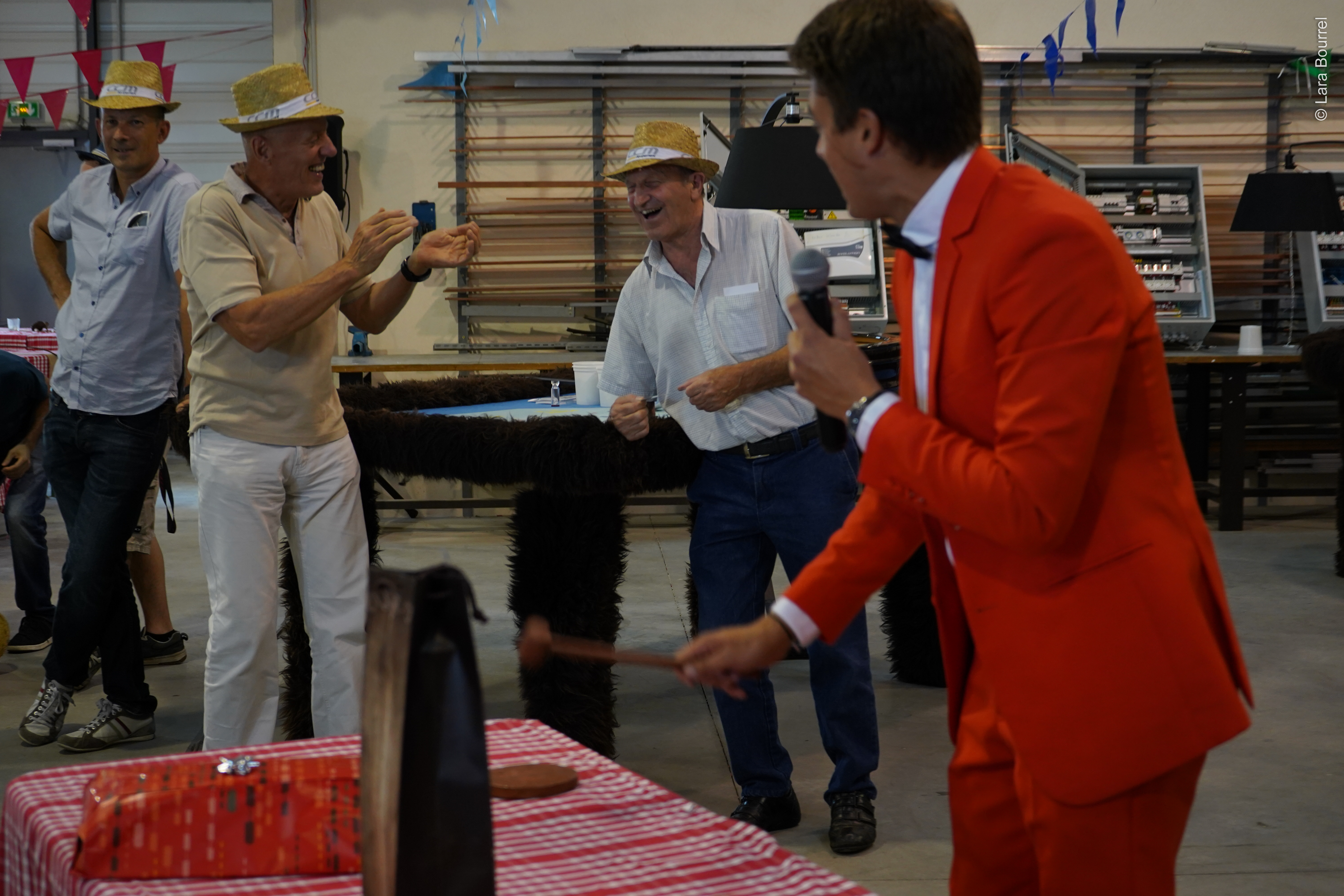
Montréal credibility in numbers: what you can expect operationally
10+ years supporting corporate events in Montréal and across Quebec, with hosting, show-calling, and program direction integrated into production.
150+ hosted segments per year (keynotes, panels, award blocks, fireside chats, product reveals), with repeatable cue structures that reduce stage risk.
French/English bilingual hosting with controlled register: executive formal, internal culture, or client-facing—without tone breaks.
48-hour turnaround for a first hosting proposal (scope, staffing, preparation plan, and budget range) once we have your date, venue shortlist, and agenda draft.
Montréal references and recurring collaborations you can verify
INNOV'events works with Montréal-based organizations and Canadian teams that gather here for leadership meetings, training summits, client events, and recognition evenings. Many partners renew year after year because they need the same thing every time: predictable delivery, reliable stage management, and a host who represents the organization well.
If you’ve provided internal reference names, we integrate them in proposals and debriefs to show continuity (same standards, same tone, same operational expectations). We also coordinate smoothly with the Montréal supplier ecosystem—venue teams, AV crews, caterers, and security—because the host’s success depends on the backstage system being tight.
When you’re comparing agencies, ask for concrete examples: a run-of-show extract, a cue sheet sample, or how we handle bilingual segments when a speaker switches language mid-answer. Those details are where hosting quality shows up.
 Besoin d’un devis rapide ?
Nous vous envoyons une première proposition sous 24h.
Why book a Professional Event Host in Montréal for a corporate agenda
Most corporate events fail quietly: timing slips, speakers go long, Q&A becomes awkward, and the room’s energy drops. A Professional Event Host in Montréal is not there to “fill time”—they protect your business objectives, your leaders’ credibility, and your audience’s attention.
Protect executive time and messaging: We keep openings and transitions tight, introduce speakers with the right context, and prevent off-script detours that dilute key announcements or HR narratives.
Maintain brand and tone discipline: For client-facing events, the host becomes part of your brand. We align vocabulary, humor boundaries, and formality level to your communication standards and industry constraints.
Reduce program risk in real time: Late VIP arrivals, delayed catering, a keynote stuck in traffic—these happen in Montréal. A trained host can compress segments, reshuffle blocks, and communicate calmly without exposing internal issues to the room.
Increase engagement without forcing it: We use purposeful interaction (short polls, structured Q&A, guided applause cues) that supports content, instead of “games” that feel disconnected from corporate reality.
Improve speaker comfort and performance: Many leaders are excellent in meetings but less comfortable on stage. We coach transitions, remind them of time markers, and handle Q&A framing so they can focus on substance.
Make HR and Comms’ job easier: Your internal teams should manage stakeholders, not chase microphones and schedule changes. Hosting combined with show-calling eliminates the constant “who tells the room?” problem.
Montréal’s economic culture values professionalism with warmth: direct, efficient, and human. Good hosting reflects that—structured delivery without stiffness, and energy without exaggeration.
What Montréal audiences and venues expect from corporate hosting
Montréal rooms are diverse: head offices, multinational teams flying in, unionized environments, and bilingual audiences where the language balance is a sensitive operational detail. The host must be comfortable moving between French and English without creating “two events in one room.” That includes practical decisions like: which language first for key instructions, how to repeat safety notes, and how to manage Q&A when the audience languages are mixed.
We also see consistent expectations from Montréal decision-makers:
- Control of stage time: if the agenda says 18:30, the dinner service, awards blocks, and speeches need to land close to that, because transportation, venue curfews, and union call times are real constraints.
- Respect of hierarchy and protocol: in many organizations, the CEO’s entrance, sponsor recognition, or an Indigenous acknowledgment must be handled with care and accuracy. The host needs the discipline to confirm names, titles, and pronunciation—no guessing.
- AV realism: Montréal venues vary widely in acoustics and rigging constraints. Hosting that depends on “walking around with a mic” can fail if the room is long, noisy, or has delays. We host to the room, not to a generic concept.
- Audience comfort: winter arrivals, tight schedules, and mixed attendance types (employees + clients) require a host who can warm the room while keeping the event clearly corporate.
Finally, the Montréal market is small enough that reputations travel fast. Executives and HR leaders often attend each other’s events. A host who can represent your organization with a clean, controlled delivery protects your image beyond the one night.
Which hosting formats work best for Montréal corporate audiences
Entertainment in a corporate context should support a business outcome: reinforce culture, drive participation, reward performance, or strengthen client trust. The host’s role is to connect each animation to that outcome, explain it quickly, and keep the pace respectful of senior stakeholders.
Interactive animations in Montréal
Live moderated Q&A with guardrails: ideal for town halls and leadership updates. We set rules (time per question, topic clustering, bilingual repeats) and protect executives from off-topic spirals while keeping authenticity.
Audience pulse checks (mobile polls): used in HR or strategy events to measure alignment in real time. We write the on-stage prompts so results are interpretable, not gimmicky, and we manage the “what do we do with this result?” moment.
Structured networking prompts: for client events or partner nights. The host gives short, specific instructions (2 minutes, 1 question, switch sides) that actually get people moving—without forcing extroversion.
Panel facilitation: we brief panelists, enforce time, manage bilingual questions, and keep the conversation accessible to non-experts—critical for mixed audiences in Montréal (HQ + field + international guests).
Art animations in Montréal
Corporate-friendly music sets: a short jazz trio for cocktail or a DJ with curated segments can work when volume and timing are controlled. The host coordinates set starts/ends to protect speeches and sponsor moments.
Short-stage performances between agenda blocks: we recommend 3–6 minute interludes when you need energy resets without extending the program. The host frames the purpose (“reset before awards”, “transition to dinner service”).
Story-driven moments: employee recognition can be elevated with scripted interviews (2–4 questions) rather than long speeches. The host keeps it human and concise, which is often what executives want.
Innovative animations in Montréal
Guided tasting moments: in Montréal, local products (micro-roasters, Quebec gin, non-alcoholic pairings) can create interaction without noise. The host works with catering to time the service and keep it inclusive (allergies, non-alcohol options).
Chef-led short demos: useful for client appreciation events. The host ensures the demo doesn’t block service or AV sightlines, and keeps the explanation short enough to fit your agenda.
Gourmand animations in Montréal
Hybrid segments with remote executives: we host the “handoff” between in-room and remote speakers, manage latency expectations, and set clear rules for audience questions so the segment feels controlled rather than fragile.
Branded content reveals: product launches or rebrand moments benefit from a host who can manage suspense without hype—precise wording, clean cues, and controlled timing with video and lighting.
Interactive award formats: instead of calling dozens of names back-to-back, we structure categories, transitions, and photo moments to keep pace while respecting winners and sponsors.
Whatever the format, alignment with your brand image is non-negotiable. We validate tone, vocabulary, and on-stage behaviors with HR/Comms before event day, so the host supports your identity rather than competing with it.
How to choose a Montréal venue that supports professional hosting
The venue determines how well hosting can do its job: sightlines, acoustics, backstage flow, load-in rules, and curfews. A strong host can’t compensate for a room where the audience can’t hear, screens are blocked, or the stage is too tight for award choreography.
| Venue type | For which objective? | Main strengths | Possible constraints |
|---|---|---|---|
| Downtown hotel ballroom | Gala dinner, awards, client appreciation with formal protocol | Built-in banquet flow, experienced staff, predictable AV infrastructure, easy guest logistics | Union rules/call times, limited rigging options, hard curfews, costs can rise quickly with AV and service add-ons |
| Conference center / large meeting venue | Town hall, leadership summit, multi-track internal meetings | Room modularity, strong technical grids, multiple breakout spaces, good backstage circulation for speakers | Can feel “corporate cold” without deliberate design; food service timing must be integrated tightly into the run-of-show |
| Industrial / converted event space | Brand launch, modern client event, culture-forward internal celebration | High visual impact, flexible staging, strong brand customization potential | Acoustics can be challenging; higher production needs (power, drape, staging, heating/cooling), more rehearsal time required |
We strongly recommend a site visit (or at least a technical walkthrough) before locking the final format. In Montréal, one venue’s “standard” can include strict load-in windows, limited backstage areas, or sound restrictions that directly affect how the host runs transitions and how your audience experiences the program.
What does a Professional Event Host cost in Montréal?
Pricing depends on scope, preparation, and the level of responsibility you place on the host. A host who simply reads a script is not the same as a host who manages speakers, timings, bilingual delivery, and real-time coordination with AV and venue teams.
Event duration and agenda complexity: a 60–90 minute conference segment is not priced like a 4–6 hour gala with awards, sponsors, and multiple stage cues.
Preparation workload: script writing, executive briefing calls, pronunciation checks, and rehearsals add time but reduce risk significantly.
Bilingual requirements: true bilingual hosting (not just “some French”) requires deliberate scripting and a timing plan to avoid doubling every segment.
Role split: some events require both a host and a show caller/stage manager. When one person tries to do everything, timing and quality suffer—especially in large Montréal venues.
Technical environment: teleprompter, confidence monitors, live streaming, multiple microphones, walk-around Q&A—each element adds coordination points that affect the hosting scope.
Rehearsal needs: for leadership events, we often recommend at least 45–90 minutes of stage rehearsal (or a virtual run-through) to lock pacing and transitions.
We help you assess ROI in practical terms: fewer program overruns, better content retention, smoother sponsor visibility, and reduced internal workload on event day. For executive teams, the “cost” of a weak stage experience is often reputational—and that’s usually more expensive than proper hosting.
Why choose an event agency in Montréal for your host
Hiring a host through a local agency isn’t about “being nearby”—it’s about operational control and access to the Montréal ecosystem. We know the venues’ realities, we understand local audience expectations, and we can be on-site for technical walkthroughs and rehearsals without turning every adjustment into a travel project.
When you work with INNOV'events as your event agency in Montréal, hosting is integrated with production: we coordinate the script, the AV cues, the speaker handling, and the backstage communication. This prevents the classic gap where the host promises something on stage that the tech team cannot deliver.
- Faster issue resolution: last-minute changes happen (speaker swaps, sponsor updates, compliance edits). Local availability means changes are processed quickly and correctly.
- Supplier fluency: we work in the Montréal supplier environment and can align host requirements with AV and venue constraints early.
- Real rehearsal culture: we push for the right level of rehearsal—not excessive, not improvised—based on your room size and executive risk tolerance.
- Consistency across events: for organizations running multiple internal and client events, we standardize hosting tone, intro formats, and timekeeping so your brand feels coherent.
We help you assess ROI in practical terms: fewer program overruns, better content retention, smoother sponsor visibility, and reduced internal workload on event day. For executive teams, the “cost” of a weak stage experience is often reputational—and that’s usually more expensive than proper hosting.












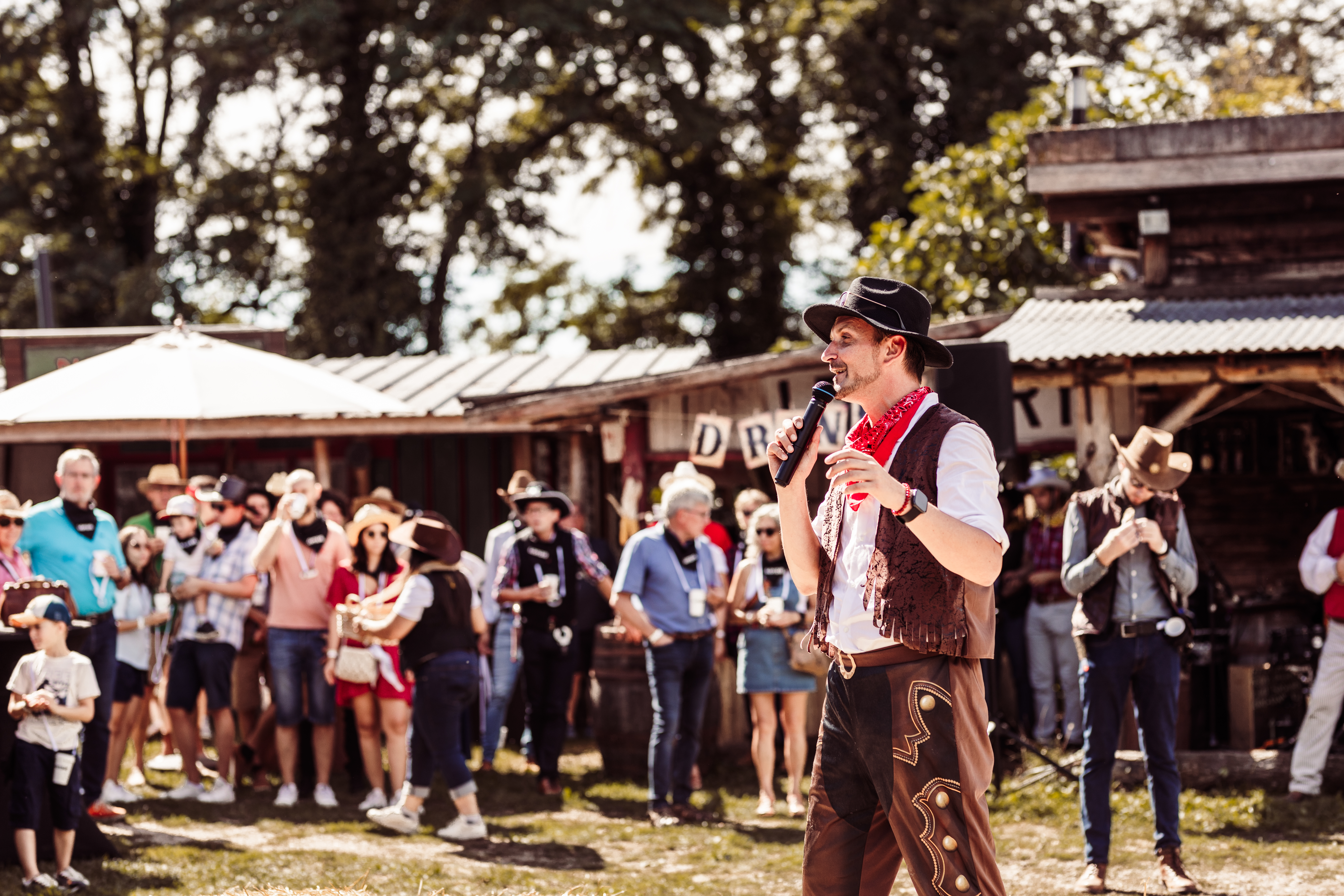
Examples of hosted corporate formats in Montréal we handle
Our hosting experience covers a wide range of corporate realities in Montréal, where the same organization may run very different event types in a single year. We regularly support:
- Leadership town halls: CEO + executive panels, results updates, and strategy rollouts. We manage Q&A structure, bilingual transitions, and time protection for key messages.
- HR and culture events: recognition nights, milestone celebrations, and onboarding summits. We keep the tone warm but controlled, ensuring recognition segments don’t become overly long or inconsistent.
- Client and partner evenings: sponsor mentions, product stories, and networking facilitation. We help your team avoid “salesy” stage moments by framing value, not hype.
- Training and compliance gatherings: structured learning agendas where attention and clarity matter. We keep the room engaged without undermining seriousness.
- Hybrid or multi-site broadcasts: hosting that respects latency, remote speaker constraints, and clear audience instructions.
Across all formats, the common thread is control: a host who knows what’s next, who’s responsible, and how to keep the room confident even when something shifts backstage.
Common hosting mistakes we prevent in Montréal events
Over-scripted or under-scripted delivery: reading word-for-word kills energy, but improvising with executive content creates risk. We build a script with flexible modules and approved ad-libs.
Weak timekeeping: “Just five more minutes” repeated three times breaks the agenda and venue service. We use visible time markers and pre-agreed cut signals with speakers.
Mispronounced names/titles: it damages credibility instantly. We confirm pronunciation and titles in advance and keep a verified speaker sheet backstage.
Ignoring bilingual dynamics: alternating languages without structure confuses the room. We define bilingual rules (what is repeated, what is summarized, what is language-specific) and keep it consistent.
Unmanaged Q&A: open-floor questions can become complaints or off-topic debates. We implement moderation, topic grouping, and time caps while keeping transparency.
Host-AV disconnect: the host calls a video, lighting cue, or mic handoff that isn’t ready. We coordinate cues with a show caller and confirm readiness before any on-stage call.
Awkward award logistics: winners don’t know where to stand, photos take too long, and categories drag. We pre-stage trophies, map traffic, and set photo timing rules.
Our role is risk prevention. When executives, HR, and communications teams are under pressure, the hosting system must be dependable enough that you’re not making stage decisions on the fly.
Why Montréal clients rebook INNOV'events for hosting
Recurring clients don’t come back for “style”; they come back because the event day feels controlled. They know the host will protect leadership, respect timing, and handle the room with professionalism that matches corporate standards.
High repeat usage from corporate teams that run multiple events per year: one hosting approach, adapted across formats, reduces internal workload and keeps brand tone consistent.
Shorter decision cycles over time: once we’ve built your intro templates, bilingual rules, and speaker handling preferences, planning becomes faster and less risky for your team.
Fewer day-of escalations: clients report fewer urgent decisions landing on HR/Comms because the host and stage team can resolve timing and flow issues in real time.

Loyalty is measurable proof: when organizations in Montréal rebook, it’s because the hosting work reduced stress and protected outcomes—not because it looked flashy.
Our Montréal hosting process from brief to show close
👉 Montréal briefing call and objective mapping
We start with a working session with HR/Comms and the event owner: audience profile, executive priorities, risk tolerance, language expectations, and success criteria. We also confirm venue constraints and technical reality (mic setup, screens, stage access, union schedules if applicable).
👉 Agenda engineering and timing plan
We convert your agenda into a timed run-of-show with realistic transitions. We identify high-risk zones (awards blocks, sponsor segments, Q&A) and propose a structure that protects your critical messages while keeping the room energized.
👉 Scriptwriting, approvals, and bilingual rules
We write the host script in the approved tone and create bilingual logic that doesn’t double your duration. Names, titles, sponsor mentions, and compliance lines are validated. We keep an “approved phrasing” list to avoid last-minute edits that introduce errors.
👉 Speaker preparation and stage choreography
We brief speakers on timing, entrances/exits, handoffs, and Q&A format. For executive-level segments, we propose a short rehearsal and confirm where water, clickers, and confidence monitors will be placed to avoid on-stage searching and delays.
👉 Show day: stage management and real-time adjustments
On event day in Montréal, the host works with the stage manager/show caller and AV team on cues, timing, and audience instructions. If something shifts (late VIP, delayed service, technical issue), we implement pre-approved compression options and keep the room informed without exposing operational problems.
👉 Post-event debrief and reuse-ready assets
We close with a short debrief: what worked, timing variance, speaker feedback, and recommendations for the next event. For recurring clients, we maintain reusable assets (intro templates, award pacing structure, bilingual guidelines) to accelerate planning.
FAQ sur l'organisation Professional Event Host à Montréal
How far ahead should I book a host in Montréal?
For peak periods (September–December and May–June), plan 6–10 weeks ahead. For simpler internal events, 2–4 weeks can work if the agenda and speakers are confirmed early.
Do you provide bilingual French-English hosting in Montréal?
Yes. We define a bilingual structure so the event stays efficient: what is repeated word-for-word, what is summarized, and what stays in one language (e.g., technical instructions, safety notes). This avoids adding 30–50% extra time to the program.
What budget range for a Professional Event Host in Montréal?
For corporate hosting, budgets commonly range from $1,500 to $6,000+ depending on duration, preparation, bilingual scope, rehearsals, and whether show calling/stage management is included. We can provide a structured estimate once we have your agenda draft and venue type.
Can you handle executive town halls and sensitive Q&A in Montréal?
Yes. We set clear Q&A rules (time caps, moderation, topic grouping) and align on “no-go” areas with HR/Comms. The goal is a transparent moment that stays respectful, on topic, and safe for leadership messaging.
Do we need a rehearsal with the host in Montréal venues?
For awards nights, multi-speaker programs, or hybrid setups, we recommend at least 45–90 minutes of stage rehearsal or a technical run-through. For short segments (single keynote + intro/outro), a structured briefing may be sufficient.
Request a Montréal hosting proposal with a clear run-of-show plan
If you’re planning a corporate event in Montréal and want a host who protects timing, tone, and executive credibility, contact INNOV'events. Share your date, audience size, venue shortlist (or constraints), and a draft agenda—even a rough one—and we’ll come back with a concrete hosting approach, staffing recommendation, and a budget range you can validate internally.
When the event is high-visibility, earlier planning is the difference between “we’ll make it work” and a program that runs clean. We can also join a venue walkthrough to confirm stage flow, mic strategy, and backstage logistics before you lock decisions.
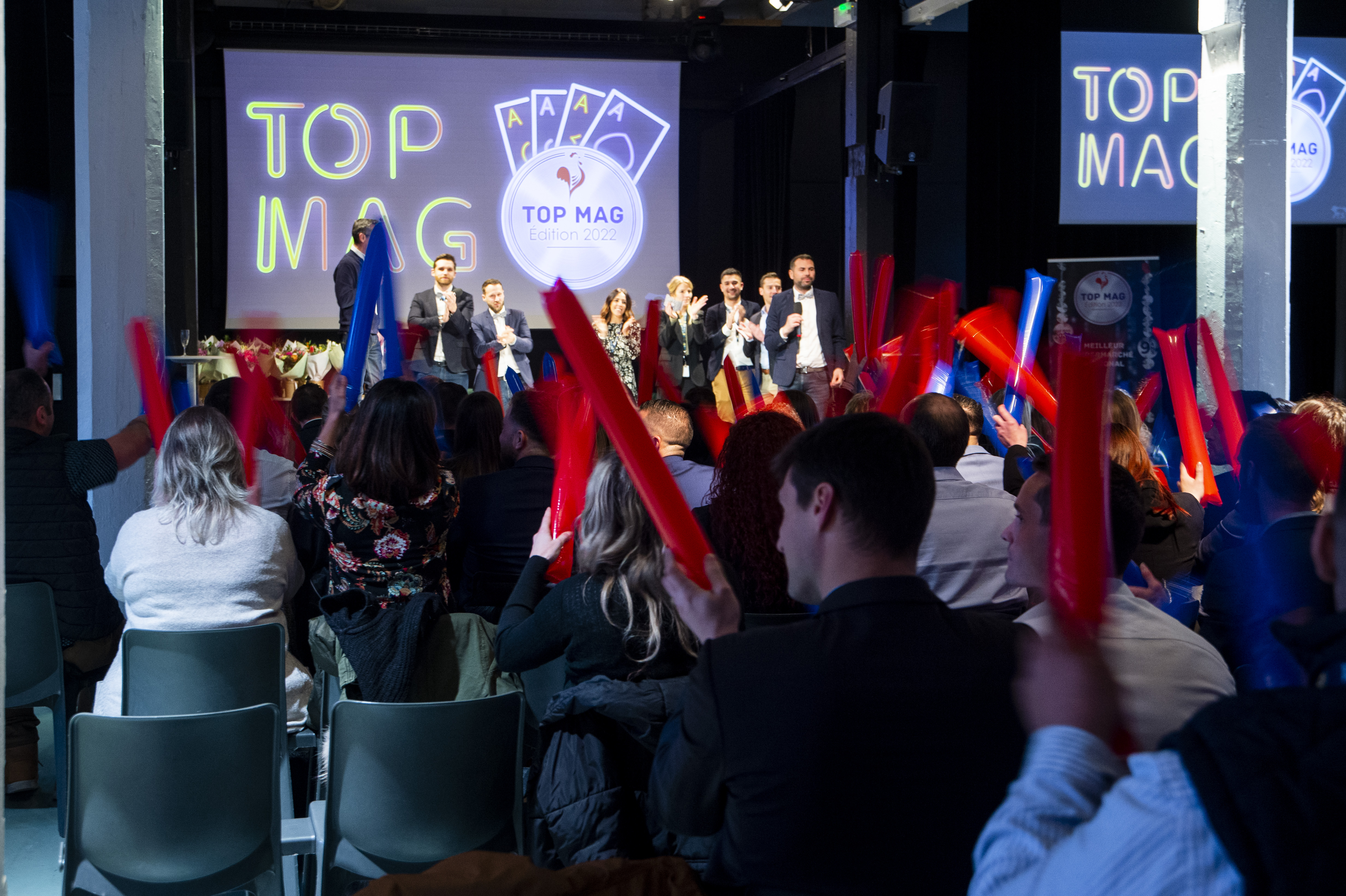
INNOV'events Montréal Agency
Thierry GRAMMER is the manager of the INNOV'events Montréal office. Reach out directly by email at canada@innov-events.ca or via the contact form.
Contact the Montréal agencyToutes nos prestations & animations Montréal, Quebec
Découvrez nos prestations événementielles
- Employee Party in Montréal
- Corporate Christmas Party in Montréal
- Networking Cocktail Event in Montréal
- Shopping Mall Activation in Montréal
- Grand Opening Event in Montréal
- Product Launch Event in Montréal
- Open House Event in Montréal
- Field Brand Activation in Montréal
- Event Catering Service in Montréal
Découvrez nos animations événementielles disponibles au Quebec
- Event Hostess in Montréal
- Escape Game in Montréal
- MasterChef-Style Cooking Workshop in Montréal
- Corporate Magician in Montréal
- Tent Rental in Montréal
- Color Analysis Workshop in Montréal
- Inflatable Games in Montréal
- Valet Service in Montréal
- Soccer Simulator in Montréal
- LED Furniture Rental in Montréal
- LED Branding Activation in Montréal
- Immersive Culinary Experience in Montréal
- Light Painting Activity in Montréal
- Immersive Mystery Night in Montréal
- Promotional Contest in Montréal
- Promotional Materials (POS) in Montréal
- Virtual Reality Experience in Montréal
- Molecular Gastronomy Workshop in Montréal
- Halloween Event in Montréal
- Fireworks Show in Montréal
- Sports Challenge – Giant Games in Montréal
- Professional Event Host in Montréal
- Photo Booth Animation in Montréal
- Santa Claus Appearance in Montréal
- Kids Entertainment in Montréal
- Guided Tour in Montréal
- Urban Rally in Montréal
- Ball Pit Activity in Montréal
- Flight Simulator in Montréal
- Food Truck Rental in Montréal
- World Record Attempt in Montréal
- Surf Simulator in Montréal
- Soccer Simulator in Montréal
- Wine Casino in Montréal
- Makeover Workshop in Montréal
- Perfume Creation Workshop in Montréal
- Acting Workshop in Montréal
- CSR Activities in Montréal
- Archery Activity in Montréal
- Event Security Guard in Montréal
- Wine Tasting Workshop in Montréal
- Mime Performance in Montréal
- TV Game Show Animation in Montréal
- Funfair Event in Montréal
- Crisis Management Workshop in Montréal
- Crisis Negotiation Workshop in Montréal
- Arcade Games in Montréal
- Indoor Skydiving Simulator in Montréal
- Ski Simulator in Montréal
- Racetrack Driving Experience in Montréal
- Introductory Flight Experience in Montréal
- Tasting Experience in Montréal
- Build Your Own Foosball Workshop in Montréal
- 2CV Rally in Montréal
- LEGO Challenge in Montréal
- Casino Night in Montréal
- Interpreter / Translator in Montréal
- Promotional Merchandise in Montréal
- Shuttle / Transportation Service in Montréal