
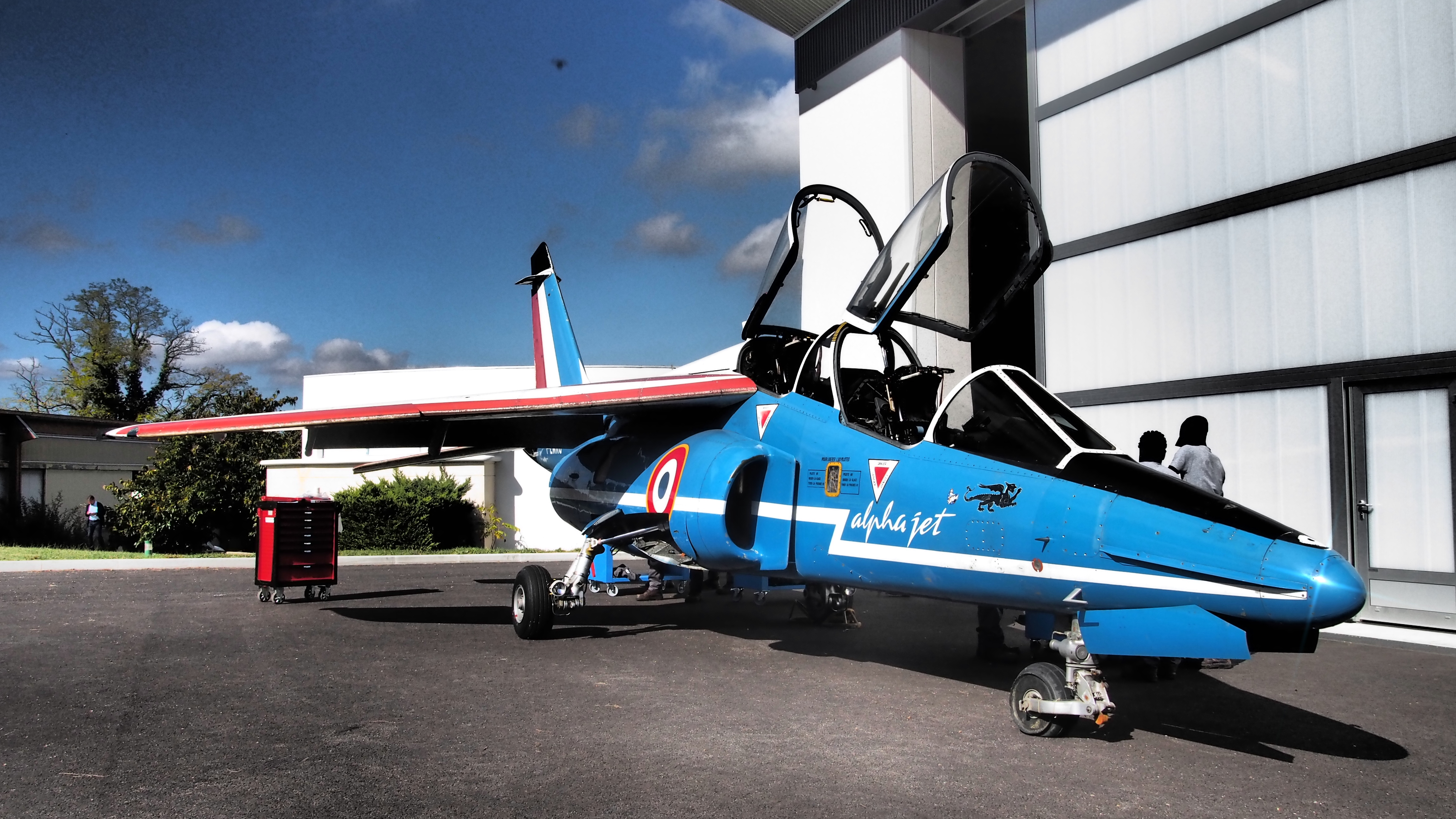
Introductory Flight Experience in Montréal for corporate teams who need flawless execution
Sommaire
For executives, entertainment is rarely “just a perk.” It is a controlled environment to accelerate trust, reward performance, and create a shared reference point that supports retention and cross-team collaboration—especially after reorganizations, acquisitions, or rapid growth.
In Montréal, organizations expect professionalism: punctual schedules, bilingual guest comms, rigorous safety briefings, and a guest journey that respects senior leaders’ time. If the flow is unclear or the risk management looks improvised, it reflects directly on HR and Communications.
As a event agency in Montréal team, we bring field experience with aviation partners, transport timing across the island, and realistic rotation planning. We build a program that feels premium because it is well-run—check-in, briefing, flight rotations, and debrief all under control.
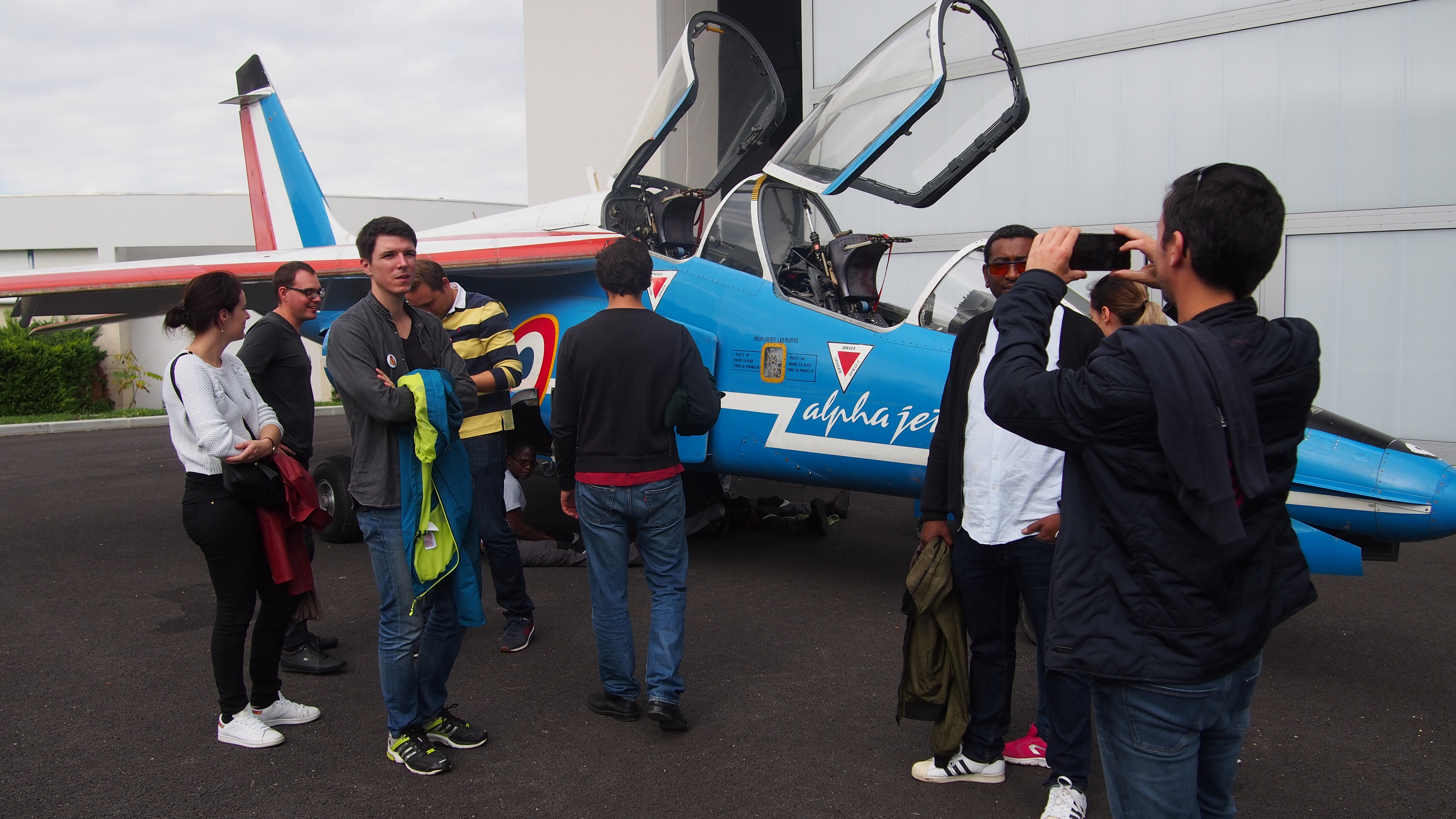
Montréal delivery backed by measurable operating discipline
10+ years coordinating corporate programs and complex guest logistics across Québec and Canada.
Hundreds of vendor activations managed annually (transport, venues, technical, catering, security), with standardized run-of-show and escalation paths.
1 project lead + 1 on-site manager minimum on flight days to protect schedule, safety compliance, and executive experience.
Planning frameworks aligned to corporate realities: procurement checkpoints, brand approval cycles, and legal/compliance validation.
Trusted by repeat corporate teams across Montréal
INNOV'events works with organizations across Montréal—head offices, regional hubs, and Canadian teams flying in for leadership sessions. Several clients come back year after year because they do not want to re-live the same operational learning curve: how long boarding actually takes, what weather thresholds do to the agenda, how to protect VIP time blocks, and how to keep a group energized during rotations.
If you share your sector and constraints (union environment, regulated industry, public-facing brand, or international guests), we will propose an Introductory Flight Experience in Montréal format that fits your internal governance. We routinely coordinate with HR, Communications, Executive Assistants, and Procurement to keep approvals smooth and avoid last-minute surprises.
 Besoin d’un devis rapide ?
Nous vous envoyons une première proposition sous 24h.
Why plan an introductory flight program in Montréal for executives
A flight experience works when it is treated as a structured corporate moment, not a novelty. The value comes from the sequence: anticipation, briefing, the shared challenge of leaving the ground, and a debrief that turns emotions into business conversation (recognition, alignment, or relationship building).
Leadership alignment in a compressed window: a half-day format can replace a full day of “forced networking” because the shared experience lowers barriers quickly. We often see it used after a new leadership team is formed, when trust needs a catalyst.
Recognition that feels earned: for sales teams or project delivery teams, this is a high-perceived-value reward with a clear narrative. Communications can link it to performance criteria without it looking arbitrary.
Client relationship acceleration: in B2B contexts, a controlled VIP activity helps move from transactional meetings to partnership conversations. We manage guest hierarchy discreetly (who flies when, who is hosted by whom) to support account strategy.
Employer brand with substance: a well-managed Introductory Flight Experience signals that the company invests in people—but the credibility is in the safety, briefing quality, and logistics discipline, not in hype.
Cross-functional collaboration: HR gets a retention lever, Communications gets a story with strong visuals, and executives get an environment where conversations happen naturally—without awkward “icebreaker games.”
Montréal has a practical business culture: people appreciate bold ideas, but they judge execution. A flight program earns respect when it runs on time, respects safety, and fits the corporate tone.
What Montréal corporate teams expect from an aviation activity
We plan with the assumptions that are specific to Montréal operations. Traffic and transport time across the island can turn a tight agenda into a problem if you underestimate it—especially with morning congestion, construction season, or simultaneous downtown events. We build conservative buffers, and we formalize meeting points and timing in writing (not “we’ll see on the day”).
Bilingualism is another operational reality. If you are hosting mixed groups (Québec + ROC + international guests), briefing materials and host scripts must be clear in English and French, including safety instructions and waivers. We also plan for brand and reputational requirements: some organizations need a discreet experience (minimal social exposure), while others want controlled content capture for internal comms and recruitment.
Finally, Montréal teams are sensitive to governance and compliance. We regularly encounter internal requirements around insurance certificates, supplier vetting, photo consent, alcohol policies, and accessibility. Our role is to translate those policies into a workable on-site plan—so HR and Communications are protected, and the guest experience remains fluid.
What to pair with an Introductory Flight Experience in Montréal
Entertainment creates engagement when it supports your business objective: recognition, cohesion, client retention, or leadership alignment. With flight rotations, the best approach is to design complementary experiences that maintain momentum, protect VIP time, and give Communications content opportunities without disrupting operations.
Interactive animations in Montréal
Executive-hosted briefing lounge: a structured pre-flight space with a short welcome from leadership and clear agenda cues. This reduces anxiety for first-time flyers and sets a professional tone.
Flight rotation dashboard: a visible, discreet schedule board (or SMS updates) to reduce “when is my turn?” interruptions. It sounds simple, but it protects pilots and ground staff from constant questions.
Mini debrief prompts: short, optional conversation prompts tied to your theme (leadership, safety culture, innovation). This keeps networking purposeful while people wait.
Content capture station: controlled photo/video corner with brand-safe backdrops and clear consent management. We position it so it doesn’t interfere with operational zones.
Art animations in Montréal
Acoustic duo or jazz trio: works well for VIP hosting when you want atmosphere without competing with briefings. Volume management is essential near operations.
Live illustrator: a professional illustrator capturing key moments or portrait-style sketches. This creates a premium takeaway without the logistics of shipping gifts.
Innovative animations in Montréal
Montréal-forward catering: curated local bites (seasonal, dietary-inclusive) with fast service. We prioritize formats that don’t create bottlenecks during rotation calls.
Non-alcoholic pairing bar: a sophisticated alternative that aligns with safety messaging. If alcohol is included, it must be clearly separated from flight times, with policy compliance documented.
Gourmand animations in Montréal
Briefing in micro-learning format: a short, well-produced safety and aircraft intro module delivered on arrival (QR code) to reduce briefing time pressure and improve retention.
Corporate storytelling segment: a 10-minute narrative linking the experience to your strategy (growth, resilience, operational excellence). Done well, it feels like leadership communication, not “rah-rah.”
The best programs feel coherent because every element supports your image. We check alignment with brand tone (discreet vs. bold), internal policies (alcohol, consent, accessibility), and the level of formality expected by your executive audience in Montréal.
Which Montréal-area setting fits an introductory flight event best
The setting determines perception and operational feasibility. For a Introductory Flight Experience, the “right venue” is not only about scenery—it’s about ground access, private space for briefing, room for waiting areas, and the ability to control guest flow without crossing operational zones.
| Venue type | For which objective? | Main strengths | Possible constraints |
|---|---|---|---|
Airport-based partner facility (Montréal area) | Operationally efficient rotations for teams and VIPs | Short transfer to aircraft, professional briefing spaces, easier compliance and security perimeter | Access rules, noise constraints, limited customization; schedule must respect aviation operations |
Private hangar with lounge setup | Executive hosting, client entertainment, premium brand perception | Control of guest journey, strong visual impact, space for catering and content capture | Higher cost, stricter vendor coordination, temperature management depending on season |
Off-site hotel or conference venue + shuttle to airfield | Leadership offsite where flying is one module of a broader agenda | Comfort, meeting rooms, AV support, predictable service levels; easier for all-day programs | More moving parts (shuttles, timing risk), must protect rotation schedule with buffers |
We strongly recommend a site visit before you lock the agenda. In Montréal, small layout details (parking flow, where guests wait, where the briefing happens) decide whether the day feels calm or chaotic.
How to budget an introductory flight experience in Montréal
Pricing depends on aircraft type, flight time, rotations, site setup, staffing, transport, and the level of exclusivity you require. For corporate planning, the most important point is to budget the entire guest journey—not only “minutes in the air.”
Group size and rotation model: 10–30 guests can feel very VIP with minimal waiting; 40–120 requires stronger parallel programming (lounge, catering, structured timing) to keep the experience premium.
Flight duration and aircraft selection: longer rotations increase cost but reduce perceived “rush.” We help choose the best trade-off so executives don’t feel they were moved through a conveyor belt.
Site exclusivity and space build-out: private hangar access, branded lounge furniture, heating/cooling, and AV support can shift the budget significantly.
Transport and timing: shuttles, VIP cars, or coach transport; plus buffers for Montréal traffic patterns and group check-in.
Compliance costs: insurance requirements, vendor vetting, bilingual materials, consent management, and security needs for high-profile guests.
Content production: professional photo/video, interview capture, and post-event edits for internal communications or recruitment.
We frame ROI in operational terms executives recognize: retention impact for key talent, client relationship progression, and internal communication value. A well-run Introductory Flight Experience in Montréal is often justified because it replaces multiple smaller initiatives with one high-credibility moment.
Why a Montréal agency reduces risk on flight day
On aviation-based events, the risk is rarely “will people like it?” The risk is execution under real constraints: weather changes, transport delays, VIP schedule shifts, and strict operational zones. A team established in Montréal brings two advantages: realistic planning assumptions and immediate on-site response capacity.
We know how long it really takes to move a group from downtown to the site, what construction season does to arrival windows, and how to build a Plan B that still feels like a corporate program (not a cancellation). We also know the local vendor ecosystem—who can deliver the right staffing level, who understands bilingual corporate hosting, and who can adapt when the run-of-show tightens.
- Faster vendor coordination: fewer intermediaries, clearer accountability, and local backups if a supplier fails.
- On-site authority: we manage guest flow so pilots and aviation partners can focus on safety and operations.
- Corporate governance fluency: documentation, approvals, and stakeholder communications aligned with Montréal head-office realities.
- Better contingency planning: weather thresholds, alternate schedules, and replacement modules ready to deploy without damaging your brand.
We frame ROI in operational terms executives recognize: retention impact for key talent, client relationship progression, and internal communication value. A well-run Introductory Flight Experience in Montréal is often justified because it replaces multiple smaller initiatives with one high-credibility moment.








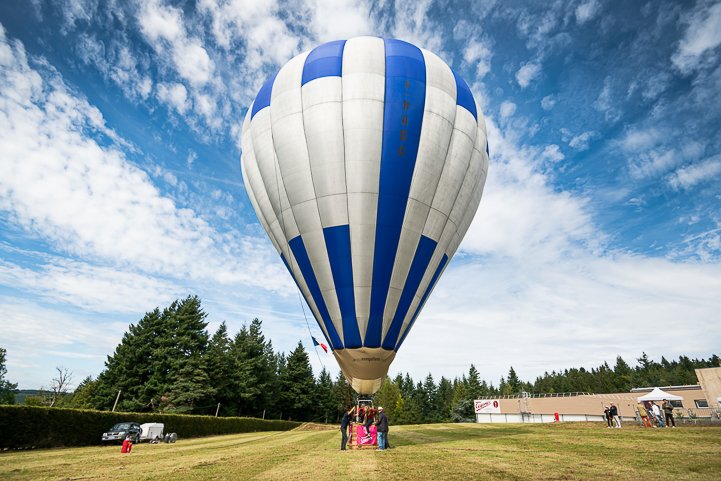
What corporate flight projects look like in Montréal in real life
Our projects vary by objective. For leadership teams, we often build a half-day sequence: executive arrival, concise briefing, flight rotations paired with a strategic workshop module, then a structured debrief and a closing message from the sponsor. The key is protecting executive time: we plan flight order based on roles (who needs to leave early, who must host clients, who is the internal sponsor) and we keep the schedule disciplined.
For sales or client events, the focus is hospitality and discretion. We design a hosting plan: dedicated check-in staff, clear VIP touchpoints, controlled content capture, and a lounge program that supports conversation rather than noise. We also coordinate with Communications to ensure the event is brand-safe—what can be posted, what must remain internal, and how consent is captured.
For recognition programs, we watch for fairness. If only a portion of the group flies, we create a transparent structure so it doesn’t become a morale issue. If everyone flies, we make sure the waiting experience is not a downgrade: comfortable zones, food timing, and a rotation rhythm that keeps people engaged.
Most common mistakes we prevent in Montréal flight events
Underestimating rotations: the air time may be short, but boarding, briefing, and transitions are what break schedules. We build a realistic run-of-show and protect it.
Weak weather contingency: “We’ll reschedule” is not a plan for executives and clients. We pre-approve alternate modules and decision thresholds.
Unclear responsibility split: when it’s not explicit who manages guest flow vs. aircraft operations, the day becomes reactive. We formalize roles and escalation paths.
Invitations that oversell or under-brief: if guests arrive with the wrong expectations (dress code, timing, ID requirements), HR and Communications absorb the backlash. We provide clear, bilingual guest comms.
Content capture without governance: filming near operations, missing consent, or uncontrolled posting can create reputational issues. We set rules, signage, and an approval process.
Alcohol misalignment: even when permitted, timing and optics matter. We separate flight operations from any alcohol service and document the policy.
Our role is to prevent these risks before they show up on event day. That is what corporate teams in Montréal are paying for: predictability, control, and a premium experience that is operationally sound.
Why Montréal clients repeat with INNOV'events
Repeat business happens when internal teams feel protected. HR and Communications want an agency that anticipates questions from Legal, Procurement, and executives—without turning every decision into a meeting. We build trust by documenting decisions, communicating clearly, and delivering on schedule.
High renewal behavior on corporate accounts: many teams rebook because the operational model is already validated internally (supplier vetting, insurance, briefing materials, and reporting templates).
Reduced internal workload from one edition to the next: once your guest comms and approval chain are set, we can iterate quickly on dates, group size, and agenda.
Consistent event-day leadership: the same senior on-site profiles return, which matters when you are hosting executives and key clients.

Loyalty is not about habit—it is proof that the experience stands up to scrutiny after the event, when stakeholders review what worked, what it cost, and what risk was carried.
Our Montréal process to plan an introductory flight experience
👉 Step 1 (Montréal): Define success metrics and non-negotiables
We start with a working session with HR, Communications, and the executive sponsor. We clarify the objective (recognition, client retention, cohesion), the audience profile (seniority, risk tolerance, bilingual needs), and the constraints that can’t move (budget ceilings, timing, brand rules, alcohol policy, accessibility, content governance). We also identify decision-makers early to avoid last-minute approval delays.
👉 Step 2 (QC): Build the operating plan and supplier architecture
We propose the aviation partner setup, rotation model, and site configuration (briefing zone, lounge, catering, content capture). We define roles and responsibilities, produce a draft run-of-show, and list required documentation (insurance, waivers, emergency plan, vendor credentials). If your procurement process is structured, we align deliverables to it from day one.
👉 Step 3 (Montréal): Guest journey design and communications
We draft bilingual invitations and pre-event messages covering arrival timing, dress code, ID requirements, what to expect, and how rotations work. We design on-site signage and a check-in method that fits your data and privacy requirements. If you have VIP guests, we define a discreet hosting plan (arrival window, escorting, private briefing if required).
👉 Step 4 (QC): Risk management and contingency scenarios
We lock weather decision thresholds with aviation partners and pre-approve alternate programming so the day still works if flights pause. We set a real escalation chain (who decides what, by when) and we plan transport buffers based on Montréal realities. This step is where executive confidence is protected.
👉 Step 5 (Montréal): On-site delivery and post-event reporting
On event day, we manage check-in, schedule discipline, guest flow, and supplier coordination so pilots and operational staff are not disrupted. After the event, we provide a short report: attendance, timeline adherence, incidents (if any), recommendations for iteration, and content handoff guidelines if photo/video was produced.
FAQ sur l'organisation Introductory Flight Experience à Montréal
How many guests can fly in one Montréal half-day?
Most corporate formats land between 10 and 60 participants in a half-day, depending on aircraft seating, flight duration, and boarding/briefing time. Larger groups (60–120) are feasible but require a tighter rotation plan and parallel lounge programming to avoid long idle periods.
How early should we book an introductory flight in Montréal?
Plan for 6–10 weeks in most cases. If you need exclusivity, VIP transportation, or a larger group, 10–14 weeks is safer—especially during peak corporate seasons (late spring and early fall) in the Montréal market.
What happens if weather cancels flights in Montréal?
We set decision thresholds with the aviation partner and build a pre-approved Plan B (alternate schedule, indoor module, or rescheduling structure). The goal is that guests still receive a coherent corporate program even if flight operations pause; you are not left improvising on-site.
Is an Introductory Flight Experience in Montréal safe for first-timers?
Yes, when it’s organized with proper briefing, controlled guest flow, and clear roles. We ensure safety communications are bilingual when required, that waivers and documentation are completed before boarding, and that the on-site setup prevents guests from drifting into operational zones.
What budget range should we expect in Montréal?
Budgets vary widely with aircraft type, duration, exclusivity, and hospitality level. As a planning reference, many corporate programs start in the mid four figures for small groups and move into the five figures when you add larger rotations, private spaces, transport, premium catering, and content production. We can provide a scoped estimate once we confirm headcount, timing, and desired level of hosting.
Request a Montréal quote with a realistic rotation plan
If you’re comparing options, we can quickly validate feasibility: group size vs. flight time, the right site configuration, and the level of on-site staffing required to protect your leadership and brand. Share your target date, approximate headcount, and whether it’s an executive, client, or recognition context—we’ll come back with a clear proposal and an operational run-of-show for your Introductory Flight Experience in Montréal.
For best availability and smoother procurement, involve us early: aviation partners, transport, and private spaces book faster than most teams expect in Montréal.
INNOV'events Montréal Agency
Thierry GRAMMER is the manager of the INNOV'events Montréal office. Reach out directly by email at canada@innov-events.ca or via the contact form.
Contact the Montréal agencyToutes nos prestations & animations Montréal, Quebec
Découvrez nos prestations événementielles
- Employee Party in Montréal
- Corporate Christmas Party in Montréal
- Networking Cocktail Event in Montréal
- Shopping Mall Activation in Montréal
- Grand Opening Event in Montréal
- Product Launch Event in Montréal
- Open House Event in Montréal
- Field Brand Activation in Montréal
- Event Catering Service in Montréal
Découvrez nos animations événementielles disponibles au Quebec
- Event Hostess in Montréal
- Escape Game in Montréal
- MasterChef-Style Cooking Workshop in Montréal
- Corporate Magician in Montréal
- Tent Rental in Montréal
- Color Analysis Workshop in Montréal
- Inflatable Games in Montréal
- Valet Service in Montréal
- Soccer Simulator in Montréal
- LED Furniture Rental in Montréal
- LED Branding Activation in Montréal
- Immersive Culinary Experience in Montréal
- Light Painting Activity in Montréal
- Immersive Mystery Night in Montréal
- Promotional Contest in Montréal
- Promotional Materials (POS) in Montréal
- Virtual Reality Experience in Montréal
- Molecular Gastronomy Workshop in Montréal
- Halloween Event in Montréal
- Fireworks Show in Montréal
- Sports Challenge – Giant Games in Montréal
- Professional Event Host in Montréal
- Photo Booth Animation in Montréal
- Santa Claus Appearance in Montréal
- Kids Entertainment in Montréal
- Guided Tour in Montréal
- Urban Rally in Montréal
- Ball Pit Activity in Montréal
- Flight Simulator in Montréal
- Food Truck Rental in Montréal
- World Record Attempt in Montréal
- Surf Simulator in Montréal
- Soccer Simulator in Montréal
- Wine Casino in Montréal
- Makeover Workshop in Montréal
- Perfume Creation Workshop in Montréal
- Acting Workshop in Montréal
- CSR Activities in Montréal
- Archery Activity in Montréal
- Event Security Guard in Montréal
- Wine Tasting Workshop in Montréal
- Mime Performance in Montréal
- TV Game Show Animation in Montréal
- Funfair Event in Montréal
- Crisis Management Workshop in Montréal
- Crisis Negotiation Workshop in Montréal
- Arcade Games in Montréal
- Indoor Skydiving Simulator in Montréal
- Ski Simulator in Montréal
- Racetrack Driving Experience in Montréal
- Introductory Flight Experience in Montréal
- Tasting Experience in Montréal
- Build Your Own Foosball Workshop in Montréal
- 2CV Rally in Montréal
- LEGO Challenge in Montréal
- Casino Night in Montréal
- Interpreter / Translator in Montréal
- Promotional Merchandise in Montréal
- Shuttle / Transportation Service in Montréal