
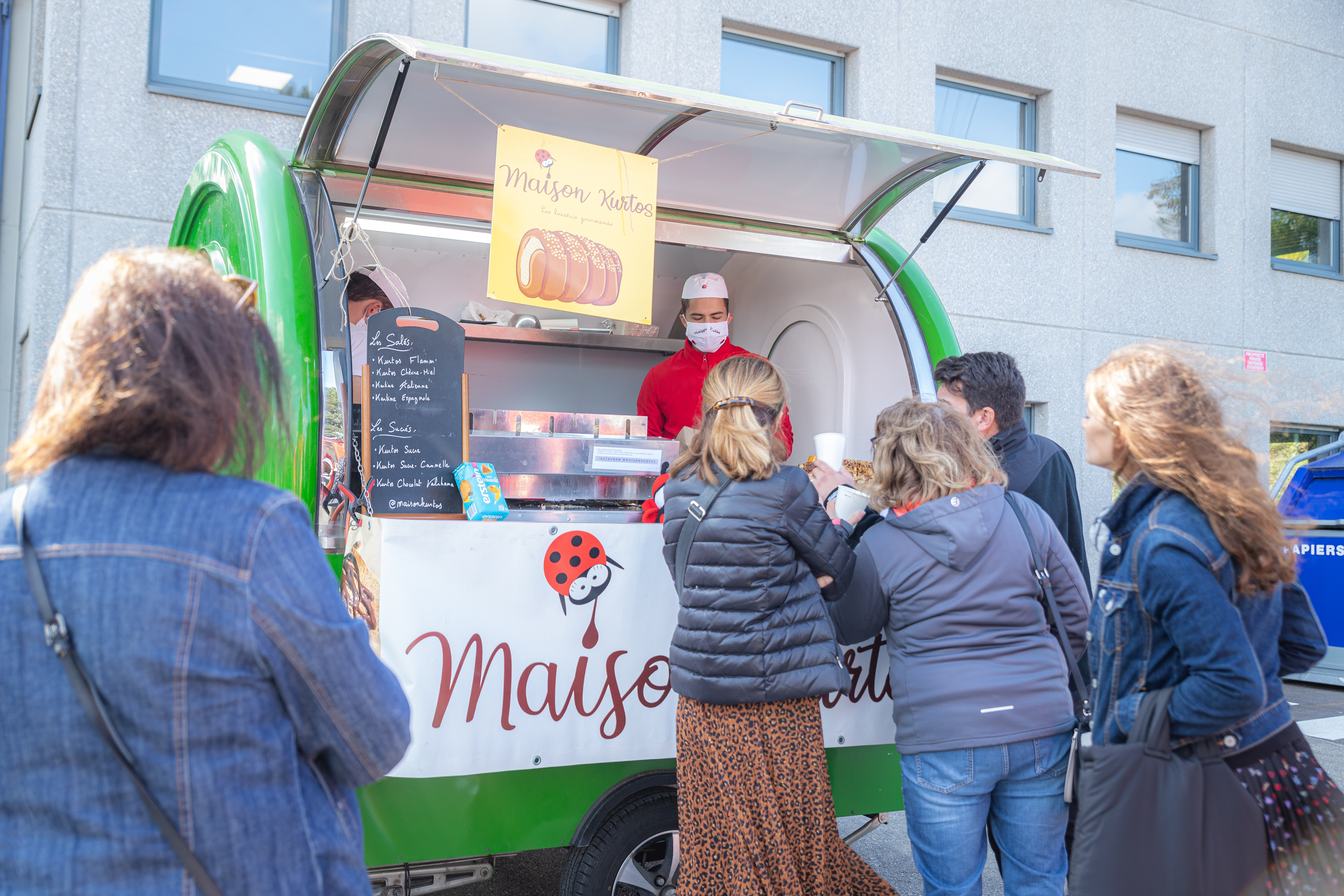
Food Truck Rental in Montréal for corporate events that run on time
Sommaire
In a corporate context, food is not “just catering”: it’s a lever for attendance, networking, and internal engagement. A well-managed Food Truck Rental reduces formality while keeping operational control—ideal when you need energy on site without slowing down the agenda.
Montréal organizations expect speed, clarity and risk control: accurate service pacing between speeches, bilingual signage, compliance on sites with strict rules, and an experience that fits your employer brand. A food-truck setup only works when the flow is engineered, not improvised.
We operate as an event partner on the ground in Montréal: pre-event site checks, vetted truck network, weather contingencies, and a day-of team that speaks operations. Our job is to make the service feel simple for guests—even when the behind-the-scenes is complex.
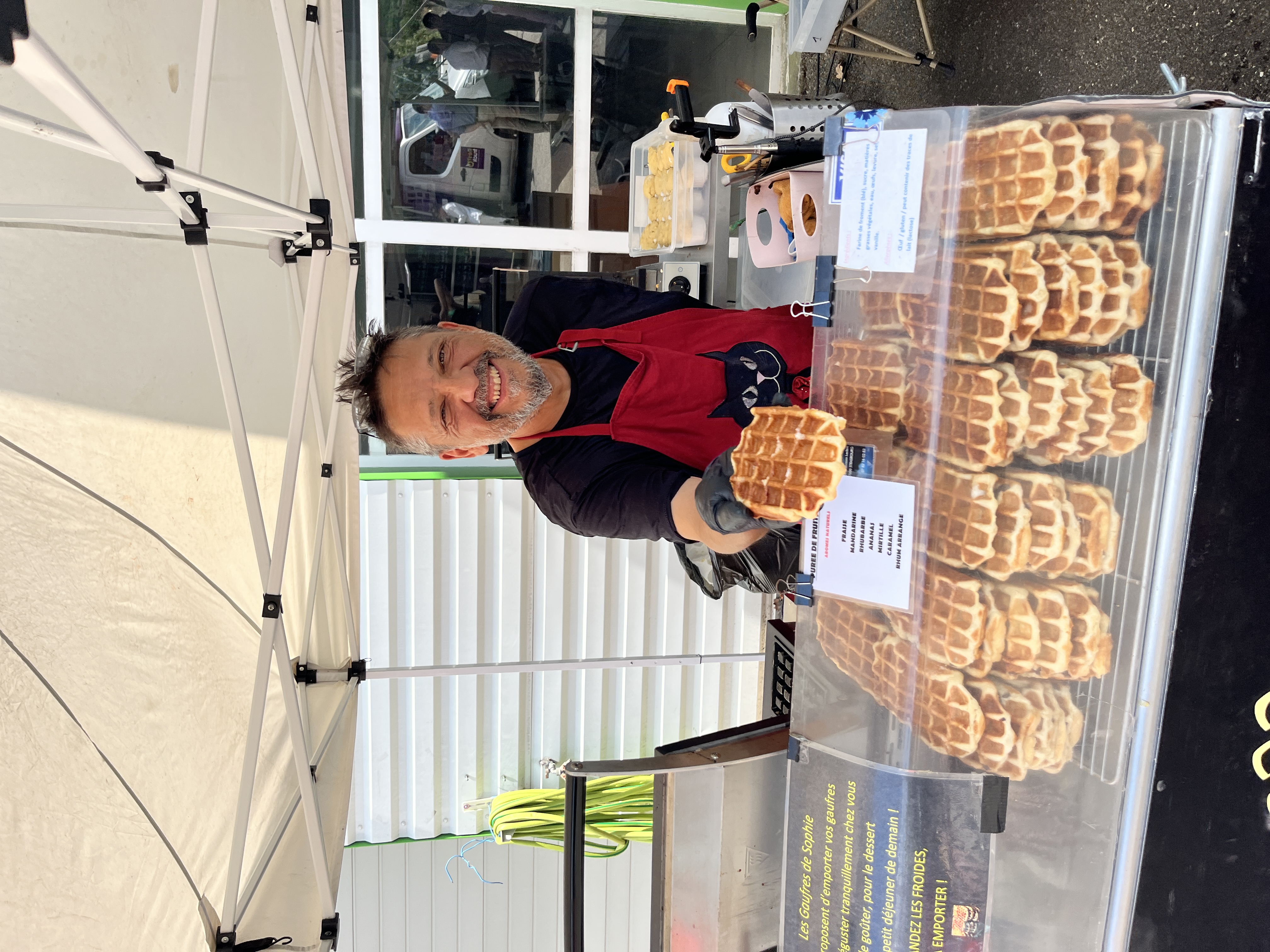
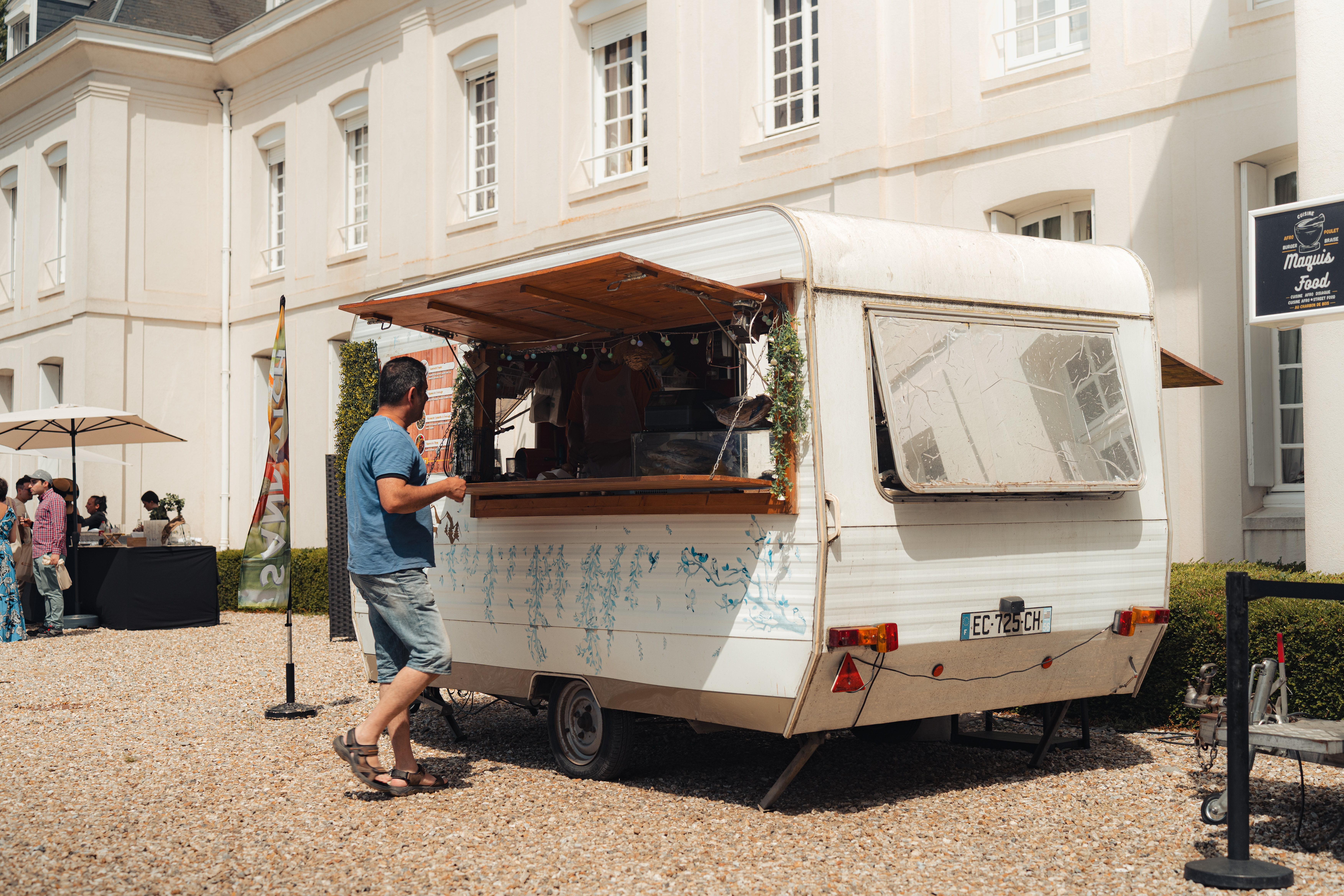
Montréal execution, backed by measurable event discipline
10+ years coordinating corporate events and vendor ecosystems across Québec, including high-traffic service formats (food trucks, stations, mobile bars).
200+ corporate activations delivered through our network: from employee appreciation days to public-facing brand events requiring tight compliance and crowd management.
24–48h typical turnaround for a first proposal when the key inputs are confirmed (date, location, headcount, service window, dietary constraints).
1 point of contact from planning through event day, with documented run-of-show, site plan, and vendor call sheet.
Who we support year after year in Montréal
We support organizations across Montréal that need predictable delivery—especially when internal teams are stretched between operations, HR priorities and communications deadlines. Many clients come back annually for the same reason: they want a partner who remembers their sites, their standards, and what went wrong last time—so it doesn’t happen again.
If you share the company references you want displayed on this page, we can integrate them cleanly (name, event format, approximate headcount, and the operational challenge solved) while staying aligned with your brand and legal guidelines.
In the meantime, we can provide anonymized examples during a call (industry, event goal, service setup, and the logistics plan) so you can assess our fit without relying on vague testimonials.
 Besoin d’un devis rapide ?
Nous vous envoyons une première proposition sous 24h.
Why Montréal teams choose a food truck format for corporate events
A Food Truck Rental in Montréal works when you need a relaxed, high-participation moment without losing control of timing. Executives like it because it drives attendance and conversation; HR likes it because it feels inclusive; communications likes it because it’s visually strong and brand-friendly—if the operational design is sound.
Higher participation with controlled cost: instead of plated service where no-shows waste spend, we right-size the service window, ticketing or consumption caps, and portion strategy to reduce waste while keeping guests satisfied.
Faster networking: queues become interaction points when designed properly (multiple service points, pre-order options, menu rationalization). We plan the flow so leaders can circulate rather than manage bottlenecks.
Better inclusivity: dietary needs are handled transparently (vegetarian/vegan, halal-friendly, gluten-aware, nut-free practices). We ask the right questions early and choose trucks that can execute—not just promise.
Employer-brand alignment: local Montréal trucks support your “buy local” messaging while still delivering professional service standards (uniforms, bilingual menus, clean setup, consistent portions).
Operational flexibility: food trucks can serve indoors-adjacent courtyards, parking lots, terraces, and semi-public spaces where traditional catering becomes expensive or logistically heavy.
Content value without disruption: for communications teams, trucks offer strong visuals and social content. We position trucks, signage, and brand touchpoints to look intentional—without blocking emergency exits or guest circulation.
Montréal’s business culture rewards practical experiences: straightforward, social, locally anchored, and respectful of time. A food-truck format fits that reality—provided the event is engineered like an operation, not treated like a festival.
What Montréal sites and corporate policies typically require
In Montréal, success often depends less on the truck and more on the site. We regularly navigate constraints that corporate teams don’t want to discover on event day: limited electrical capacity, strict fire lanes, building management rules, and neighbor-sensitive noise/smell considerations.
Common Montréal realities we plan for:
- Power and generator rules: many corporate campuses and downtown sites restrict generators or require low-noise models. We confirm amperage, outlets, cable runs, and whether a silent generator is needed.
- Permits and site authorizations: private property approval is not the same as municipal authorization. We clarify what is required based on the exact setup (public sidewalk vs private lot vs semi-public plaza).
- Weather variability: Montréal is not forgiving. We build a plan for rain, wind, heat and early cold snaps—tenting options, flooring for mud-prone lots, and service pacing adjustments when guests cluster indoors.
- Bilingual expectations: signage, menus, and service instructions should be clear in French and English, especially for mixed teams and public-facing activations.
- Unionized / controlled access buildings: loading schedules, freight elevator bookings, security check-ins, and delivery time windows can make or break service. We coordinate these steps with building management and the vendors.
For HR and executives, this is about risk: you want a format that feels simple to guests, while the compliance layer is handled quietly and correctly.
What to pair with food trucks in Montréal to keep people engaged
Food trucks draw people in; the right activation keeps them circulating and talking across departments. For HR and communications, the goal is not “more entertainment”—it’s structured engagement that supports culture, recognition, and brand presence without turning the event into a distraction.
Interactive animations in Montréal
Tokenized tasting route: guests receive a limited set of tasting tokens (physical or QR). This controls cost and encourages movement between trucks, sponsor zones, and team booths.
Live polling wall: short questions aligned with your internal priorities (values, benefits, DEI initiatives). Results display in real time on a screen near the service area—useful for HR without feeling like a survey.
Queue-side micro-activities: simple, fast interactions (spin wheel for charity donation, “choose the next menu item” vote) designed specifically for the 3–7 minutes people may spend waiting.
Art animations in Montréal
Acoustic trio or jazz duo with controlled decibel levels for office-adjacent sites. We position sound to create atmosphere without competing with speeches or neighbor constraints.
MC for agenda transitions: for larger headcounts, a bilingual MC keeps the run-of-show moving (truck opening, raffle timing, recognition moments) so you don’t rely on ad-hoc announcements.
Innovative animations in Montréal
Montréal dessert station as a second wave: soft-serve, churros, mini beignes, or espresso bar. This reduces peak load on the main trucks and extends dwell time after the first service rush.
Zero-alcohol bar with crafted mocktails: increasingly requested by corporate policies. It supports inclusivity while keeping the feel elevated.
Dietary assurance counter: a clearly marked station (or dedicated truck) for allergens and special diets. This removes friction and reduces risk for HR.
Gourmand animations in Montréal
Pre-order windows by team: guests select a 15-minute pickup slot via QR. This works extremely well for shift-based workplaces and reduces the “everyone at noon” spike.
Branded packaging and bilingual menus: we coordinate vendor-approved stickers or sleeves and menu boards that match your brand guidelines without slowing service.
Impact reporting: track meals served, estimated wait time, and waste reduction actions. Useful for internal comms and ESG narratives when done credibly.
The best add-ons respect your brand image and your operational reality. In Montréal, we often succeed by keeping entertainment “light but intentional”: enough structure to guide the crowd, not so much that it feels staged or burdensome.
Which Montréal venues work best for food truck setups
The venue determines what you can safely and legally deliver. For Food Truck Rental in Montréal, we evaluate access routes, turning radius, ground load, proximity to entrances, power options, and where queues can form without blocking operations. This is where many internal teams lose time—because the constraints are physical, not theoretical.
| Venue type | For which objective? | Main strengths | Possible constraints |
|---|---|---|---|
Corporate HQ parking lot or private campus | Employee appreciation, summer BBQ replacement, recruitment events | Controlled access, easy branding, predictable security, close to staff | Power limits, fire lanes, neighbor sensitivity, rain plan needed |
Downtown terrace / semi-private plaza | Client-facing activation, product launch, media moment | High visibility, strong visuals, walkability | Permitting, loading time windows, limited truck maneuverability |
Industrial site / warehouse yard | Shift-based teams, operations sites, high headcount with tight windows | Space for multiple trucks, easy queue lanes, scalable | Surface quality, dust/noise, safety zoning, longer cable runs |
We strongly recommend a site visit (or at minimum a detailed photo/video walk-through) before locking vendors. Small details—an incline, a gate height, a single accessible outlet—can change the whole plan on event day.
What Food Truck Rental costs in Montréal for corporate events
Pricing depends on capacity needs and how you want to control spend (open service vs vouchers vs per-person packages). For decision-makers, the key is to budget based on service throughput and risk mitigation, not just the “truck fee.” We build quotes that separate food, operations, and contingencies so you can defend the spend internally.
Headcount and service window: 100 guests in 90 minutes is a different operation than 300 guests in 90 minutes. The second often requires extra trucks or menu simplification to avoid 30–45 minute lines.
Number of trucks and menu complexity: more trucks increases cost but reduces wait time and improves experience. Complex menus (fresh frying, heavy customization) reduce throughput and may require more staff.
Payment model: open bar-style service is simplest for guests but needs portion controls; voucher/ticket models give budget control but require distribution and a redemption method.
Power and infrastructure: silent generator rental, cable ramps, distribution boxes, tenting, lighting and flooring can add meaningful cost—often the difference between a “nice idea” and a compliant setup.
Permits, security and building constraints: downtown or managed sites may require additional coordination, security presence, or restricted load-in schedules that increase labor.
Dietary coverage: ensuring credible options for vegetarian/vegan and allergen-sensitive guests can require additional vendor selection or a dedicated station.
Weather contingency: if you need guaranteed execution rain-or-shine, you budget for tents, heaters, or an indoor fallback plan.
From an ROI perspective, food trucks work when they reduce friction: better attendance, stronger inter-team connectivity, and less internal coordination time. We aim for a plan where the experience feels generous, while the cost drivers are transparent and controlled.
Why choosing a Montréal agency reduces event-day risk
When you’re accountable to leadership, you don’t want surprises caused by vendor assumptions or site misunderstandings. A local team is an operational advantage: we know how Montréal sites behave, which vendors are reliable at corporate scale, and how to solve issues fast without escalating to your internal stakeholders.
INNOV'events operates as your extension on the ground. When needed, we bring in our broader network resources while keeping local execution tight. If you’re looking for a partner beyond food trucks, you can also leverage our full-service capability as an event agency in Montréal.
- Vendor reliability over vendor novelty: we prioritize trucks that can deliver volume, punctuality, and consistent portions—especially when executives are present or when the event is public-facing.
- Faster site coordination: local relationships and familiarity with venue processes reduce lead time for approvals, access planning, and security coordination.
- Day-of supervision: when a power breaker trips or a truck is delayed, local presence means faster resolution and less escalation to your internal team.
- Reality-based recommendations: we won’t oversell a format that doesn’t fit your location or timeline. Sometimes the right answer is “add a second service point,” not “add more branding.”
From an ROI perspective, food trucks work when they reduce friction: better attendance, stronger inter-team connectivity, and less internal coordination time. We aim for a plan where the experience feels generous, while the cost drivers are transparent and controlled.








Montréal corporate scenarios we handle with food trucks
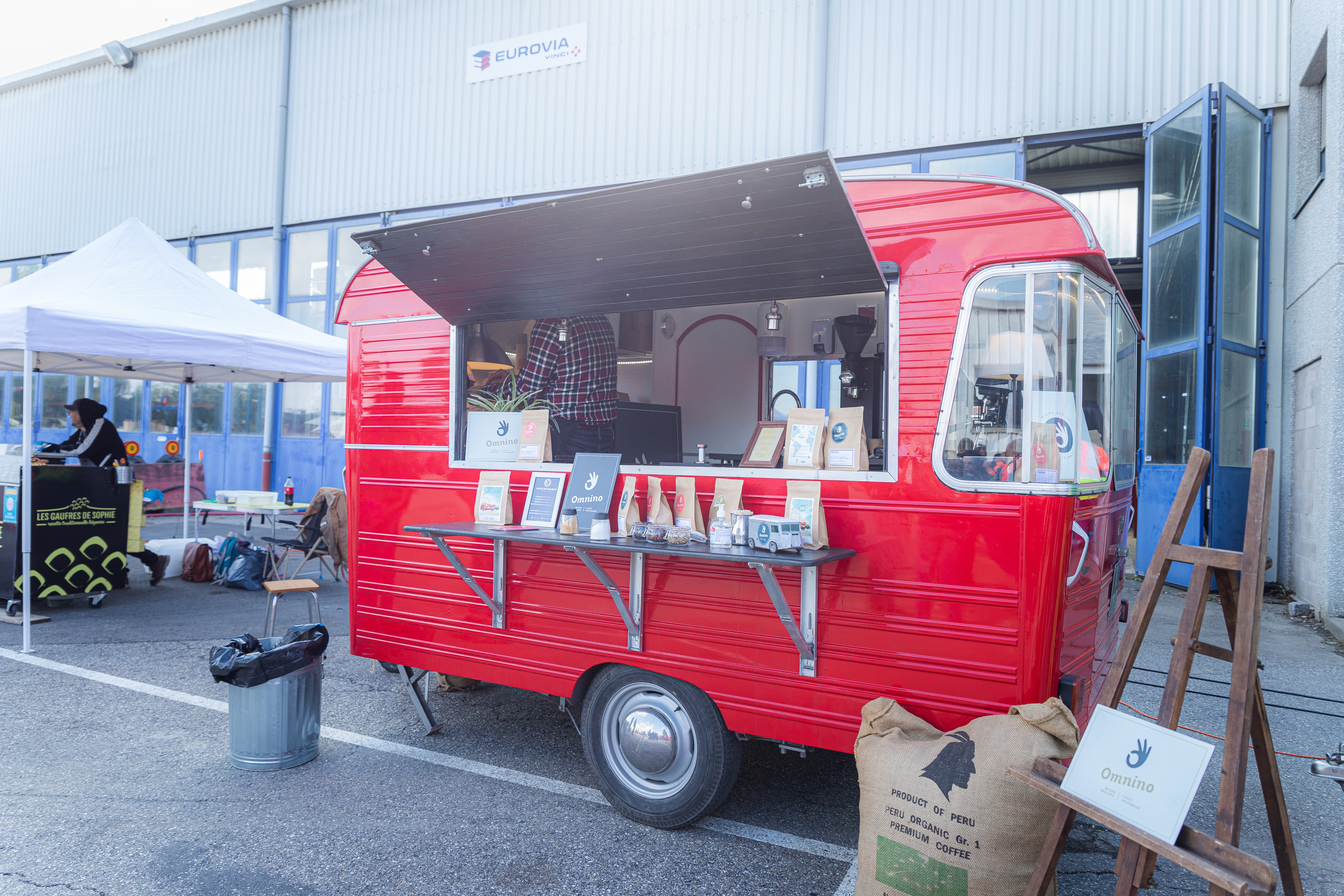
Food trucks can serve very different corporate goals—and the operational plan changes each time. We routinely deliver formats such as:
- Employee appreciation lunch for 150–600 people with a strict 60–90 minute service window, where the primary success metric is wait time and fairness across departments.
- Town hall + outdoor service, where the agenda includes speeches and awards. Here we time truck opening, manage sound bleed, and prevent the “half the room leaves early” problem by sequencing service.
- Recruitment and employer-brand events with branded packaging, bilingual signage, and photo-ready layouts—without blocking access or creating permit issues.
- Shift-based operations sites where service must align with staggered breaks. We plan slotting, pre-order options, and a menu that holds quality under volume.
- Client appreciation where quality perception matters as much as speed. We select trucks with refined execution, consistent plating, and polished staff presentation.
The common thread is adaptability: the same truck that shines at a festival may not be suitable for a corporate site with strict timing, compliance expectations, and leadership visibility. Our value is knowing the difference before you sign.
Common Montréal pitfalls with corporate food truck rentals
Underestimating service capacity: one truck for 250 guests in a short window almost guarantees long lines. We calculate throughput and recommend the right number of trucks or a staggered service plan.
Skipping the power plan: assuming “the truck is self-sufficient” can backfire when generators are restricted, noise is flagged, or cables become a safety hazard.
Choosing menu variety over speed: too many items, too much customization, and you lose time. We help vendors streamline while protecting perceived choice.
No weather contingency: rain shifts crowds, creates mud, and changes queue behavior. Without tents or a clear indoor fallback, the experience collapses quickly.
Weak waste management: insufficient bins and recycling creates a messy site fast—especially downtown. We plan waste stations and pickup timing as part of the service design.
Late vendor arrival risk: Montréal traffic and access constraints are real. We set arrival buffers, define call times, and confirm turning/parking logistics.
Ignoring dietary and allergen realities: vague “we can accommodate” is not a plan. We confirm ingredients, cross-contamination practices, and clearly label options.
Our role is to anticipate these risks and engineer them out of your event. That’s what protects your credibility internally—especially when executives and communications teams are judged on execution, not intention.
Why Montréal clients repeat with INNOV'events
Repeat business in corporate events is rarely about creativity; it’s about reliability under pressure. Clients come back when they trust that the plan will hold on event day, even when the weather changes, attendance spikes, or a venue rule appears late in the process.
Annual recurrence planning: many organizations book seasonal moments (summer appreciation, fall kickoff) and want the logistics to get easier each year, not harder.
Standardized documentation: call sheets, site plans, run-of-show timing, vendor checklists—these reduce internal back-and-forth and protect your stakeholders.
Vendor performance tracking: we keep operational notes (punctuality, speed, guest feedback, site compatibility) so vendor selection improves over time.

Loyalty is earned when your internal teams feel supported and your guests experience smooth service. In Montréal, where venues and conditions vary widely, consistency is a competitive advantage.
Our Montréal process for corporate Food Truck Rental
👉 Step 1 — Operational briefing and constraints mapping (Montréal)
We start with the realities that drive success: date/time, headcount range, service window, venue type, power availability, dietary requirements, brand constraints, and whether the event is internal or public-facing. We also ask about your biggest risk (lines, budget control, executive visibility, or compliance) and build the plan around it.
👉 Step 2 — Vendor shortlisting and capacity plan
We shortlist trucks based on throughput, menu fit, and professional standards (staffing, cleanliness, bilingual service readiness). We propose a capacity model: number of trucks, service duration, and menu structure to hit realistic wait-time targets. If needed, we include a second-wave station (dessert/coffee) to smooth peaks.
👉 Step 3 — Site plan, power plan, and approvals
We confirm access routes, parking and turning, queuing lanes, waste stations, and emergency clearances. We validate power (existing outlets vs generator), cable routing and safety measures. We coordinate with building management or site security for arrival windows, permits/authorizations, and on-site rules.
👉 Step 4 — Guest experience design and comms support
We define how guests will understand the system in under 10 seconds: signage, vouchers/QR, bilingual instructions, dietary labels, and where to line up. For HR/communications, we align brand touchpoints (menus, packaging, banners) without slowing service or creating compliance issues.
👉 Step 5 — Event-day supervision and vendor management
We manage arrivals, setup, timing, and service flow. We troubleshoot operational issues discreetly (power, delays, queue overflow) and adjust pacing with your agenda. Your internal team focuses on hosting and leadership presence, while we run the operational layer.
👉 Step 6 — Post-event wrap and learnings
We debrief what worked and what to improve: estimated throughput, peak-time bottlenecks, menu feedback, waste levels, and site notes. This is what makes the next Montréal activation smoother and more predictable.
FAQ sur l'organisation Food Truck Rental à Montréal
How many food trucks do we need in Montréal?
For corporate service, plan around capacity: a typical truck serves about 80–150 meals per hour depending on menu complexity and payment method. Example: 300 guests in 90 minutes usually requires 3–4 trucks or fewer trucks with staggered release times and a simplified menu.
What is the typical Food Truck Rental budget in Montréal?
Most corporate formats land between $25–$45 per person for food (depending on menu and inclusions), plus operational items that can add $500–$3,500+ (power solutions, tenting, site infrastructure, additional staffing, permits/security). We quote transparently so you can defend the spend internally.
Do we need permits for a food truck in Montréal?
Sometimes. On private property, you primarily need the owner’s authorization and compliance with site rules; on public or semi-public space, additional municipal permissions may apply. We confirm requirements based on the exact address, setup footprint, and whether the truck is serving the public or invited guests only.
Can food trucks handle dietary restrictions for Montréal teams?
Yes, if you select the right vendors and define the rules early. We typically plan at least 1 strong vegetarian/vegan option, plus gluten-aware or allergen-managed choices where feasible. For higher-risk environments, we recommend a dedicated station or clearly separated prep workflows rather than relying on “we can adapt at the window.”
How do you avoid long lines at a Montréal corporate event?
We use a combination of capacity planning (enough trucks), menu engineering (fast builds), and crowd release strategy (staggered team times or pre-order pickup slots). We also design the physical queue with signage and multiple lanes so it moves efficiently and doesn’t block entrances or emergency access.
Request a Montréal quote for corporate Food Truck Rental
If you’re planning an employee event, client moment, or brand activation in Montréal, we recommend locking the food-truck plan early—especially for peak summer dates and high-capacity vendors. Share your date, location, estimated headcount, service window, and any must-have dietary or brand constraints, and we’ll come back with a clear operational recommendation and a budget range.
INNOV'events will help you choose trucks that can truly deliver at corporate scale, build a service plan that protects timing, and supervise execution so your teams stay focused on people—not logistics.
INNOV'events Montréal Agency
Thierry GRAMMER is the manager of the INNOV'events Montréal office. Reach out directly by email at canada@innov-events.ca or via the contact form.
Contact the Montréal agencyToutes nos prestations & animations Montréal, Quebec
Découvrez nos prestations événementielles
- Employee Party in Montréal
- Corporate Christmas Party in Montréal
- Networking Cocktail Event in Montréal
- Shopping Mall Activation in Montréal
- Grand Opening Event in Montréal
- Product Launch Event in Montréal
- Open House Event in Montréal
- Field Brand Activation in Montréal
- Event Catering Service in Montréal
Découvrez nos animations événementielles disponibles au Quebec
- Event Hostess in Montréal
- Escape Game in Montréal
- MasterChef-Style Cooking Workshop in Montréal
- Corporate Magician in Montréal
- Tent Rental in Montréal
- Color Analysis Workshop in Montréal
- Inflatable Games in Montréal
- Valet Service in Montréal
- Soccer Simulator in Montréal
- LED Furniture Rental in Montréal
- LED Branding Activation in Montréal
- Immersive Culinary Experience in Montréal
- Light Painting Activity in Montréal
- Immersive Mystery Night in Montréal
- Promotional Contest in Montréal
- Promotional Materials (POS) in Montréal
- Virtual Reality Experience in Montréal
- Molecular Gastronomy Workshop in Montréal
- Halloween Event in Montréal
- Fireworks Show in Montréal
- Sports Challenge – Giant Games in Montréal
- Professional Event Host in Montréal
- Photo Booth Animation in Montréal
- Santa Claus Appearance in Montréal
- Kids Entertainment in Montréal
- Guided Tour in Montréal
- Urban Rally in Montréal
- Ball Pit Activity in Montréal
- Flight Simulator in Montréal
- Food Truck Rental in Montréal
- World Record Attempt in Montréal
- Surf Simulator in Montréal
- Soccer Simulator in Montréal
- Wine Casino in Montréal
- Makeover Workshop in Montréal
- Perfume Creation Workshop in Montréal
- Acting Workshop in Montréal
- CSR Activities in Montréal
- Archery Activity in Montréal
- Event Security Guard in Montréal
- Wine Tasting Workshop in Montréal
- Mime Performance in Montréal
- TV Game Show Animation in Montréal
- Funfair Event in Montréal
- Crisis Management Workshop in Montréal
- Crisis Negotiation Workshop in Montréal
- Arcade Games in Montréal
- Indoor Skydiving Simulator in Montréal
- Ski Simulator in Montréal
- Racetrack Driving Experience in Montréal
- Introductory Flight Experience in Montréal
- Tasting Experience in Montréal
- Build Your Own Foosball Workshop in Montréal
- 2CV Rally in Montréal
- LEGO Challenge in Montréal
- Casino Night in Montréal
- Interpreter / Translator in Montréal
- Promotional Merchandise in Montréal
- Shuttle / Transportation Service in Montréal