
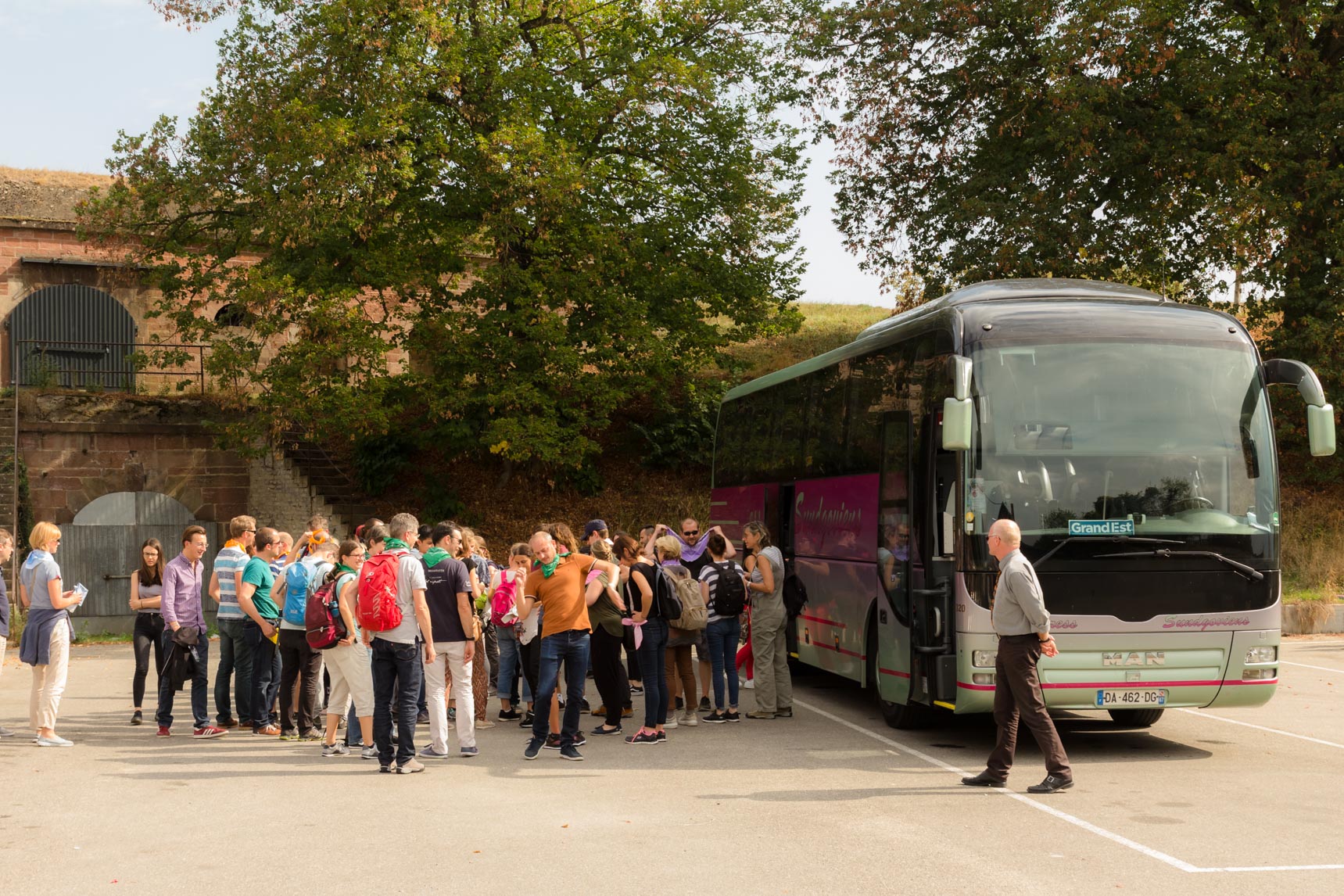
Shuttle / Transportation Service in Montréal that keeps your event on time
INNOV’events supports executives, HR and communication teams with a disciplined Shuttle / Transportation Service built for corporate realities in Montréal: tight schedules, multiple pickup points, VIP expectations, and zero room for improvisation.
From 30 to 1,500+ attendees, we plan the routes, book the right vehicles, manage dispatch, signage, and on-site flow—so your agenda starts on time and your brand looks organized.
Sommaire
Transportation is not a “logistics detail” in a corporate event—it is the first operational proof of your organization’s rigor. A late shuttle can cascade into delayed keynotes, shortened networking, and a leadership team that spends the evening solving problems instead of hosting.
In Montréal, organizations expect punctuality despite construction, winter weather, venue constraints, and bilingual guest flows. They also expect discretion for executives, a smooth guest experience, and clear accountability when something changes at the last minute.
As an event team based in Montréal, INNOV’events manages transportation like an operational project: written run of show, dispatch plan, contingency routes, driver briefings, and on-site supervision. You get one point of contact and a transport plan that holds under pressure.
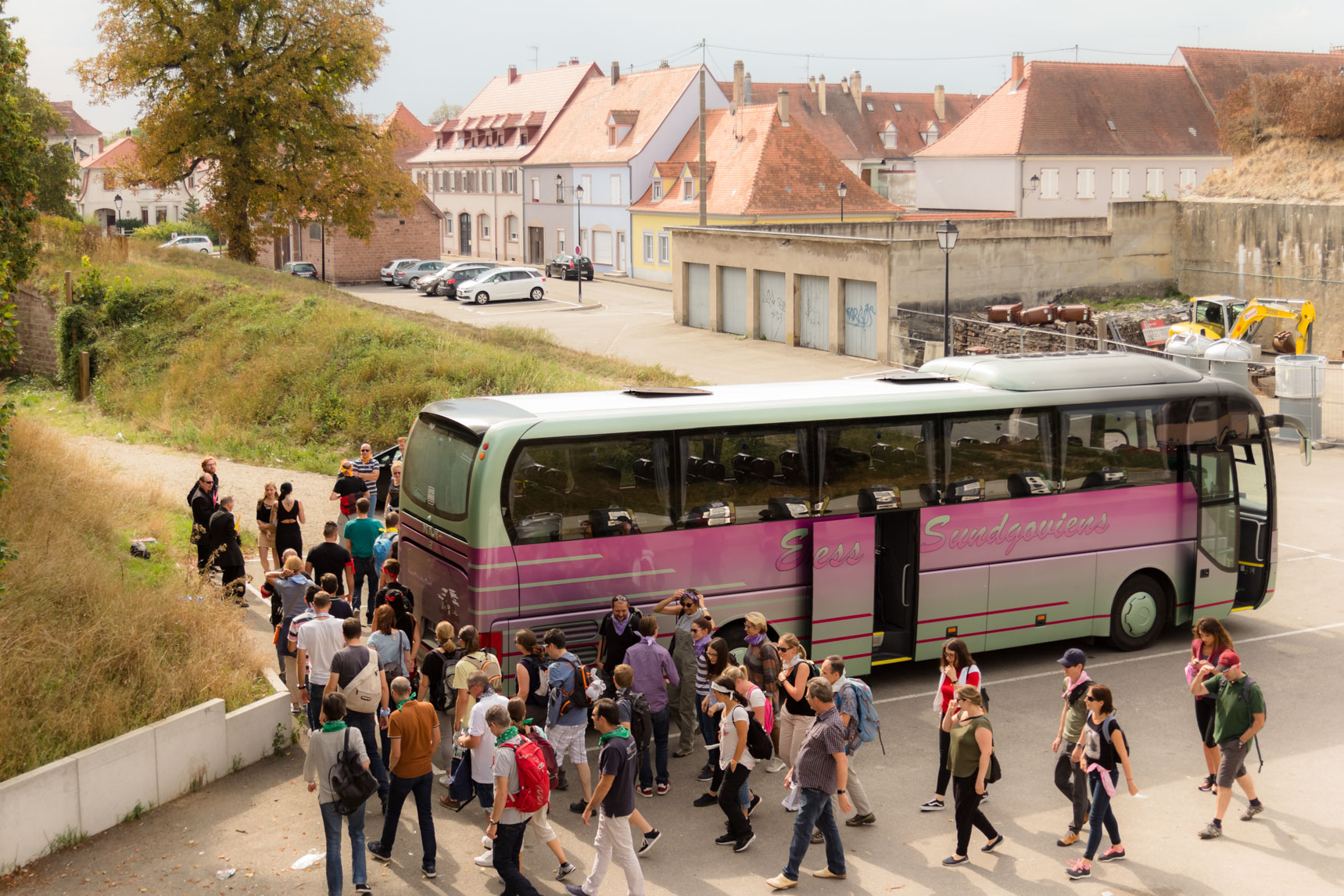
Montréal transportation logistics: the numbers directors ask for
10+ years coordinating corporate event operations in Montréal and across Québec, including complex arrivals/departures and multi-venue agendas.
Capacity management from 1 vehicle to 50+ vehicle movements in a single day (shuttles, executive cars, coaches, accessible vehicles, supplier transfers).
24/7 event-day dispatch coverage for critical programs (early airport pickups, late dinner returns, staggered departures).
Operational documentation delivered in advance: pickup grids, passenger counts, driver instructions, maps, bilingual signage text, and escalation contacts.
Trusted by organizations with teams moving across Montréal
Our Shuttle / Transportation Service in Montréal is built for corporate stakeholders who need reliability more than promises. We support local and visiting teams for executive offsites, annual meetings, conferences, holiday parties, employer branding events, and multi-site activations.
We work with organizations headquartered in the Greater Montréal area as well as national groups that land here for major gatherings. Many of our clients renew year after year because the transportation plan becomes part of their internal “event playbook”: the same rigor, improved with post-event feedback and refined timelines.
If you have internal standards—security protocols, VIP handling, supplier approvals, invoice formats, or sustainability reporting—we integrate them early. The goal is simple: transportation that protects your schedule, your guest experience, and your leadership’s time.
 Besoin d’un devis rapide ?
Nous vous envoyons une première proposition sous 24h.
Why a transportation plan in Montréal protects your executive agenda
Corporate events fail quietly when transportation is treated as an afterthought. A strong transport plan is not about moving people; it is about protecting the program, reducing friction, and keeping decision-makers focused on outcomes—strategy, culture, client relationships, talent retention.
Agenda integrity for leadership: your keynote starts when the invite says it starts. This matters when executives have limited availability or when a guest speaker is between two commitments.
Reduced HR stress and fewer “help desk” requests: clear pickup instructions, visible staff, and reliable departures reduce the volume of messages your team receives on event day.
Better attendee experience: guests judge organization quality from arrival. When shuttles are easy, they show up calmer, on time, and more open to networking and content.
Risk management: controlled passenger flows limit unsafe crossings, overcrowded entrances, and last-minute conflicts with venue security or hotel operations.
Brand and employer reputation: in a market like Montréal where talent competition is real, operational excellence signals respect for people’s time and comfort.
Cost control: structured routing and accurate headcounts prevent paying for half-empty buses, redundant trips, or excessive waiting time billed by the hour.
Montréal has a fast, interconnected business culture: tech, finance, life sciences, universities, creative industries. People move quickly, and expectations are high. Transportation done properly is an operational baseline—one that your attendees will notice mostly when it fails. Our role is to make sure it doesn’t.
What corporate teams expect from a Montréal shuttle service partner
Local decision-makers do not want a vendor who “provides vehicles.” They want a partner who understands how Montréal behaves on a Tuesday at 7:45 a.m. near a downtown hotel, or how long it really takes to load two coaches when half the group is still in the lobby line for coffee.
Here are the expectations we see most often from executives, HR and communications teams:
- Predictable timing: realistic buffers for construction zones, peak traffic, and venue entry procedures. We plan around actual conditions, not map estimates.
- Bilingual communications: signage and instructions in English/French when your audience is mixed, including simple phrasing that works under stress (“Pick-up B / Door Saint-Antoine / 17:10”).
- Hotel and venue diplomacy: loading zones, curbside rules, and do-not-block areas are enforced. We coordinate with front desk, security, and banquets so your buses don’t become a conflict.
- VIP discretion: separate arrival paths, calm waiting areas, and timing that avoids crowding—especially for board members, speakers, or major clients.
- Real accountability: a clear escalation chain, documented changes, and an on-site supervisor who can make decisions quickly.
- Accessibility: planning for reduced mobility, reserved seating, and accessible vehicles when needed (not “we’ll see on the day of”).
We also adapt to the reality of hybrid and flexible schedules. When half the attendees arrive at different times due to remote work patterns, transportation requires tighter segmentation: smaller waves, more precise passenger lists, and clear rules about cut-off times.
How transportation in Montréal can support engagement, not just logistics
Transportation is usually treated as silent background. But for executive events, internal comms, and HR programs, it can actively support your objectives—without becoming “gimmicky.” The right touchpoints reduce friction, reinforce culture, and protect energy levels before guests enter the room.
Interactive animations in Montréal
QR-based boarding lists: for programs with multiple waves, we can deploy a simple scan/check system to confirm passengers by pickup point. This reduces confusion and gives your team real-time visibility (who has arrived, who missed the wave).
Micro-briefings during transit: a 60–90 second “what to expect” message (bilingual if required) can reduce help-desk questions and align guests with the agenda, dress code, or venue rules.
Wayfinding prompts: short, consistent messages in calendar invites and on-site signage (“Return shuttle: same door, lane C”) reduce last-minute crowding after the event.
Art animations in Montréal
Brand-safe audio environment: instead of loud entertainment, we often recommend a controlled ambiance—low-volume curated playlist aligned with your brand tone and demographics, approved in advance.
Host or concierge presence: for VIP arrivals, a calm, professional host at the pickup point creates order and discretion. It is not “show”; it is hospitality with operational impact.
Innovative animations in Montréal
Water and simple snacks at key choke points: when boarding takes time (winter gear, badge checks), a small hydration station at the pickup zone reduces discomfort and improves mood. We keep it practical: sealed water, allergy-aware items, and clean waste management.
Timing coordination with catering: we align shuttle waves so you don’t create a surge that overwhelms coffee service or cocktail stations at arrival.
Gourmand animations in Montréal
Live update channel: a single WhatsApp/Teams/SMS broadcast list (opt-in) for attendees can reduce inbound calls to HR. Messages are short: “Shuttle 2 departing in 5 minutes from Door A.”
Carbon-aware options: when feasible in Montréal, we can prioritize higher-occupancy vehicles, consolidate trips, and provide a simple post-event estimate (methodology stated) to support ESG reporting.
Any add-on must serve a business purpose: reduce friction, protect schedule, or reinforce brand posture. For communications teams, transportation touchpoints are also “brand moments.” We keep them consistent with your tone—premium and discreet for client events, warm and practical for internal culture events.
Which pickup and drop-off setups work best in Montréal venues?
In Montréal, venue choice is only half the story; the other half is curb access, loading zones, and how your guests physically move from bus to registration. A great room with poor access can create a negative first impression and operational delays.
| Venue type | For which objective? | Main strengths | Possible constraints |
|---|---|---|---|
Downtown hotels (group pickup) | Conference days, leadership offsites, visiting teams staying together | Central location, staff support, predictable meeting points, easier morning waves | Curbside restrictions, shared loading zones with other events, valet traffic; requires tight time slots |
Convention / large event centers | High-volume arrivals, multi-session agendas, large exhibitor schedules | Capacity, clear internal circulation, professional security protocols | Long walking distances; bus staging must be coordinated; peak congestion at session changes |
Old Port / heritage venues | Client dinners, brand events, recognition nights | High perceived value, strong “destination” feel close to downtown | Narrow streets, seasonal traffic, limited coach access; needs precise drop-off and short walk management |
Industrial/loft spaces (private buyout) | Product launches, creative town halls, employer brand events | Flexible layouts, strong staging options, controlled experience | Often limited parking/loading; need clear pickup logistics and extra wayfinding |
We strongly recommend a site visit (or at minimum a curbside walk-through) for any program with multiple vehicles or VIP handling. The difference between “it should work” and “it works” is usually a 10-minute conversation with the venue’s security/banquets team and a realistic assessment of where buses can actually stop.
What does a shuttle service in Montréal cost for corporate events?
Pricing for a Shuttle / Transportation Service in Montréal depends on more than vehicle type. Corporate programs are priced on time, complexity, and risk—not only distance. The most cost-effective plans are usually the most disciplined: clean waves, consolidated pickups, and realistic buffers.
Vehicle category and capacity: executive sedans/SUVs, minibuses, coaches, accessible vehicles. The “right size” is a budget decision as much as a comfort decision.
Service duration: a 2-hour window is very different from a 10-hour on-call program. Waiting time and deadhead time (getting vehicles into position) are real cost drivers in Montréal.
Number of pickup points: one hotel pickup is straightforward; three hotels plus an office pickup requires routing, staging, and tighter dispatch.
Waves and headcount distribution: 300 people arriving in one wave is a different fleet than 300 arriving across four staggered windows.
Traffic and seasonal conditions: winter storms, construction detours, and major downtown congestion can require additional buffer vehicles or earlier departures.
On-site coordination: a transport supervisor, signage, check-in staff, and bilingual communication materials add cost but often reduce overtime and last-minute vehicle additions.
Special requirements: VIP protocols, secure handling, luggage (airport transfers), late-night returns, or multi-venue transfers.
From an ROI perspective, transportation is insurance for your agenda and reputation. The cost of a missed start time can be higher than an entire shuttle budget when you consider executive opportunity cost, speaker fees, venue overtime, and the internal credibility of HR/Comms teams delivering the event. We focus on a plan that is financially controlled and operationally resilient.
Why choose a Montréal-based partner for corporate transportation?
When the program is high-stakes, local execution matters. A partner established in Montréal brings more than vendor contacts: they bring field reflexes, realistic timing, and the ability to be physically present when conditions change.
At INNOV’events, transportation is integrated with the rest of your event operations (registration, venue access, run of show, VIP flow). If we manage the program end-to-end, you reduce handoffs and minimize “grey zones” where nobody owns the problem. If you already have an internal team or another production partner, we can also interface cleanly with them through shared documentation and a clear escalation chain.
For organizations comparing agencies, one practical question helps: “Who is standing at the curb when the first shuttle arrives?” If the answer is unclear, risk goes up. Our model keeps accountability local and visible—and it’s why many clients use us as their event agency in Montréal for recurring programs.
- Local routing realism: we plan with knowledge of frequent bottlenecks and typical delays around downtown, the Old Port, and major corridors.
- Venue and hotel coordination: we speak the operational language of Montréal venues—loading doors, security procedures, service elevators, and staging rules.
- Fast on-site decisions: when a curb lane is blocked or weather changes, we can shift pickup points and redeploy staff immediately.
- Consistent bilingual attendee experience: written and spoken communications aligned with your corporate tone.
From an ROI perspective, transportation is insurance for your agenda and reputation. The cost of a missed start time can be higher than an entire shuttle budget when you consider executive opportunity cost, speaker fees, venue overtime, and the internal credibility of HR/Comms teams delivering the event. We focus on a plan that is financially controlled and operationally resilient.












Examples of Montréal transportation scenarios we manage
Our transportation mandates range from straightforward hotel-to-venue shuttles to high-complexity programs with multiple stakeholder groups. The common thread is control: defined waves, accountable supervision, and guest-facing clarity.
Examples of real-world situations we frequently handle in Montréal:
- Executive offsite with staggered arrivals: board members arriving from the airport, leadership team from a downtown hotel, and staff from the office—each with different timing and discretion needs. We run separate flows and keep the main agenda protected.
- Conference day with morning surge: hundreds of attendees moving within a 40-minute window. We manage boarding lanes, departure discipline, and a backup vehicle strategy to prevent late starts.
- Evening event with late returns: after a recognition night, guests depart in waves. We prevent lobby crowding with timed calls, visible signage, and a controlled loading zone, while coordinating with venue security.
- Winter conditions contingency: earlier pickups, safer walking routes from drop-off to entrance, and a communications plan that reduces panic when road conditions shift.
- Multi-venue program: keynote at one location, dinner at another, after-event at a third. We align travel times with service windows (cocktail, seating, speeches) so the night flows.
In each case, we document what happened and refine for the next edition: actual travel times, queue durations, peak boarding moments, and attendee questions. That feedback loop is what makes year-two programs feel effortless.
Most common Montréal shuttle mistakes we prevent on event day
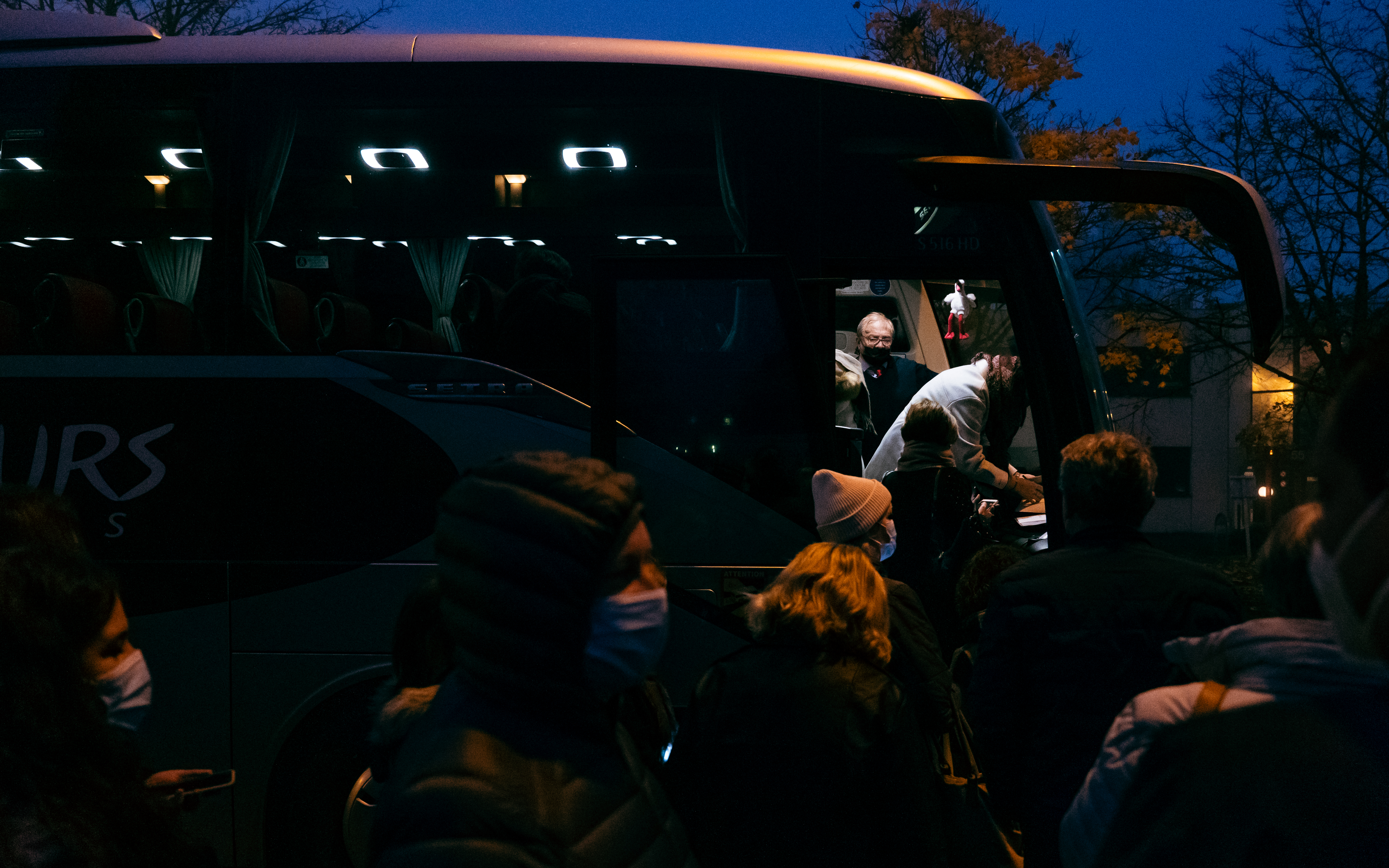
Underestimating boarding time: loading 50–55 people into a coach with winter coats and badges takes longer than people think. We schedule realistic boarding windows and assign staff to manage the line.
Vague pickup instructions: “Front entrance” is not a plan in downtown Montréal. We specify door names, cross streets, lane positions, and visible signage.
No separation between VIP and general flow: mixing VIPs into a crowded curbside line creates stress and reputational risk. We design discreet paths when required.
Too many pickup points: adding “one more stop” often breaks timing. We challenge the routing early and propose consolidation options that protect the schedule.
No contingency for curbside changes: construction or enforcement can eliminate a loading spot. We pre-identify alternate pickup points and communicate them clearly.
Unclear ownership between venue, hotel, and transport provider: when no one owns the loading zone, guests get conflicting instructions. We assign a single on-site transport lead and a clean escalation chain.
Ignoring accessibility until the last minute: accessible transport must be planned, confirmed, and integrated into the wave schedule. We ask early and document it.
Our role is to remove uncertainty. We anticipate the predictable failure points and put control measures in place: written grids, staffing, signage, and decision thresholds. That is what turns transportation into a non-issue—and lets your leadership team focus on people and outcomes.
Why Montréal clients renew their shuttle coordination year after year
Loyalty in corporate events is rarely emotional—it is operational. Clients renew when they know the provider will protect their agenda, communicate clearly with stakeholders, and handle pressure without drama.
Recurring programs: many transportation mandates become annual (leadership meetings, end-of-year events, recurring conferences), where we improve year over year based on measured timing and attendee feedback.
Reduced event-day escalations: clients typically see fewer “urgent” calls to HR/Comms once pickup points, signage, and wave discipline are standardized.
Faster planning cycles: when the playbook exists (routes, pickup maps, supplier expectations), planning time decreases and approvals become smoother.

Repeat business is the most reliable indicator in our industry. It means the plan held up in real conditions—traffic, weather, VIP constraints, and last-minute changes—and the internal team felt supported, not exposed.
Our Montréal process for Shuttle / Transportation Service planning
👉 1) Montréal needs assessment aligned with your agenda
We start with your run of show, stakeholder map, and non-negotiables: start time, speaker readiness, meal service windows, venue constraints, and VIP moments. We confirm attendee sources (hotel(s), office, airport, remote arrivals), accessibility needs, and bilingual communication requirements. The output is a structured transport brief with assumptions clearly stated.
👉 2) Routing and fleet plan built around real conditions
We design waves, pickup points, and vehicle types. We factor in realistic boarding time and curbside constraints typical in Montréal (limited loading zones, shared hotel traffic). We also propose consolidation options to reduce cost without compromising experience. You receive a draft grid: times, capacities, trips, and responsible contacts.
👉 3) Supplier booking, confirmations, and documentation
Once validated, we secure vehicles and confirm service windows. We produce operational documents: pickup maps, signage text, driver instructions, staff call times, and an escalation chain. For multi-stakeholder programs, we share a simplified version for attendees and a detailed version for internal teams and vendors.
👉 4) On-site execution and dispatch control in Montréal
On event day, our transport lead manages staging, boarding discipline, and departure timing. We coordinate with venue/hotel teams, adapt to curbside changes, and communicate updates. If a wave runs late, we apply the pre-agreed decision rules (hold vs. depart vs. deploy backup) to protect your agenda.
👉 5) Post-event debrief and optimization for next edition
We debrief with your team: what worked, where queues formed, actual travel times, and attendee feedback. We update the transport playbook to reduce planning time and risk for the next event—especially valuable for recurring programs in Montréal.
FAQ sur l'organisation Shuttle / Transportation Service à Montréal
How many shuttles do I need for 300 attendees in Montréal?
It depends on arrival window and pickup points. As a working baseline, a coach often carries 45–55 passengers. For 300 people arriving in a single wave, plan roughly 6–7 coaches, plus time buffers for boarding. If arrivals are spread across two waves or multiple pickup points, the fleet can increase even with the same headcount.
How early should shuttles depart in Montréal winter conditions?
For winter (snow/ice), we typically add 15–30 minutes of buffer per wave depending on distance and curb complexity. For critical starts (keynote, media moment), we recommend planning an “arrival deadline” 20 minutes before the program start to absorb variability and keep registration smooth.
Can you manage airport transfers with corporate shuttles in Montréal?
Yes. We can coordinate individual VIP cars and group transfers, including luggage considerations and flight tracking. We structure it with named passenger lists, pickup meeting points, and an escalation contact. For groups, we typically plan a hold time window (often 20–45 minutes) so one delayed flight doesn’t break the entire schedule.
Do we need on-site staff for shuttle boarding in Montréal?
For 80+ attendees, multiple waves, or any downtown curbside pickup, on-site staff is strongly recommended. One supervisor plus 1–3 boarding staff (depending on volume) prevents queues, wrong-bus boarding, and late departures—usually saving more in overtime and last-minute vehicle additions than it costs.
How do you handle bilingual instructions for Montréal attendees?
We provide bilingual pickup details in a simple format: location, door/cross street, time, and rules (“bus departs at 17:10”). On-site, signage and staff scripts are aligned to avoid mixed messages. For mixed audiences, we keep wording short and operational, not promotional.
Request a Montréal shuttle quote with a clear operational plan
If your event schedule matters—and it does—plan transportation early. Share your date, venue(s), approximate headcount, pickup points (hotel/office/airport), and key start times. We will respond with practical options, a realistic wave plan, and budget ranges aligned with corporate expectations in Montréal.
Contact INNOV’events to build a Shuttle / Transportation Service in Montréal that protects your agenda, your guest experience, and your internal team’s credibility on event day.
INNOV'events Montréal Agency
Thierry GRAMMER is the manager of the INNOV'events Montréal office. Reach out directly by email at canada@innov-events.ca or via the contact form.
Contact the Montréal agencyToutes nos prestations & animations Montréal, Quebec
Découvrez nos prestations événementielles
- Employee Party in Montréal
- Corporate Christmas Party in Montréal
- Networking Cocktail Event in Montréal
- Shopping Mall Activation in Montréal
- Grand Opening Event in Montréal
- Product Launch Event in Montréal
- Open House Event in Montréal
- Field Brand Activation in Montréal
- Event Catering Service in Montréal
Découvrez nos animations événementielles disponibles au Quebec
- Event Hostess in Montréal
- Escape Game in Montréal
- MasterChef-Style Cooking Workshop in Montréal
- Corporate Magician in Montréal
- Tent Rental in Montréal
- Color Analysis Workshop in Montréal
- Inflatable Games in Montréal
- Valet Service in Montréal
- Soccer Simulator in Montréal
- LED Furniture Rental in Montréal
- LED Branding Activation in Montréal
- Immersive Culinary Experience in Montréal
- Light Painting Activity in Montréal
- Immersive Mystery Night in Montréal
- Promotional Contest in Montréal
- Promotional Materials (POS) in Montréal
- Virtual Reality Experience in Montréal
- Molecular Gastronomy Workshop in Montréal
- Halloween Event in Montréal
- Fireworks Show in Montréal
- Sports Challenge – Giant Games in Montréal
- Professional Event Host in Montréal
- Photo Booth Animation in Montréal
- Santa Claus Appearance in Montréal
- Kids Entertainment in Montréal
- Guided Tour in Montréal
- Urban Rally in Montréal
- Ball Pit Activity in Montréal
- Flight Simulator in Montréal
- Food Truck Rental in Montréal
- World Record Attempt in Montréal
- Surf Simulator in Montréal
- Soccer Simulator in Montréal
- Wine Casino in Montréal
- Makeover Workshop in Montréal
- Perfume Creation Workshop in Montréal
- Acting Workshop in Montréal
- CSR Activities in Montréal
- Archery Activity in Montréal
- Event Security Guard in Montréal
- Wine Tasting Workshop in Montréal
- Mime Performance in Montréal
- TV Game Show Animation in Montréal
- Funfair Event in Montréal
- Crisis Management Workshop in Montréal
- Crisis Negotiation Workshop in Montréal
- Arcade Games in Montréal
- Indoor Skydiving Simulator in Montréal
- Ski Simulator in Montréal
- Racetrack Driving Experience in Montréal
- Introductory Flight Experience in Montréal
- Tasting Experience in Montréal
- Build Your Own Foosball Workshop in Montréal
- 2CV Rally in Montréal
- LEGO Challenge in Montréal
- Casino Night in Montréal
- Interpreter / Translator in Montréal
- Promotional Merchandise in Montréal
- Shuttle / Transportation Service in Montréal