
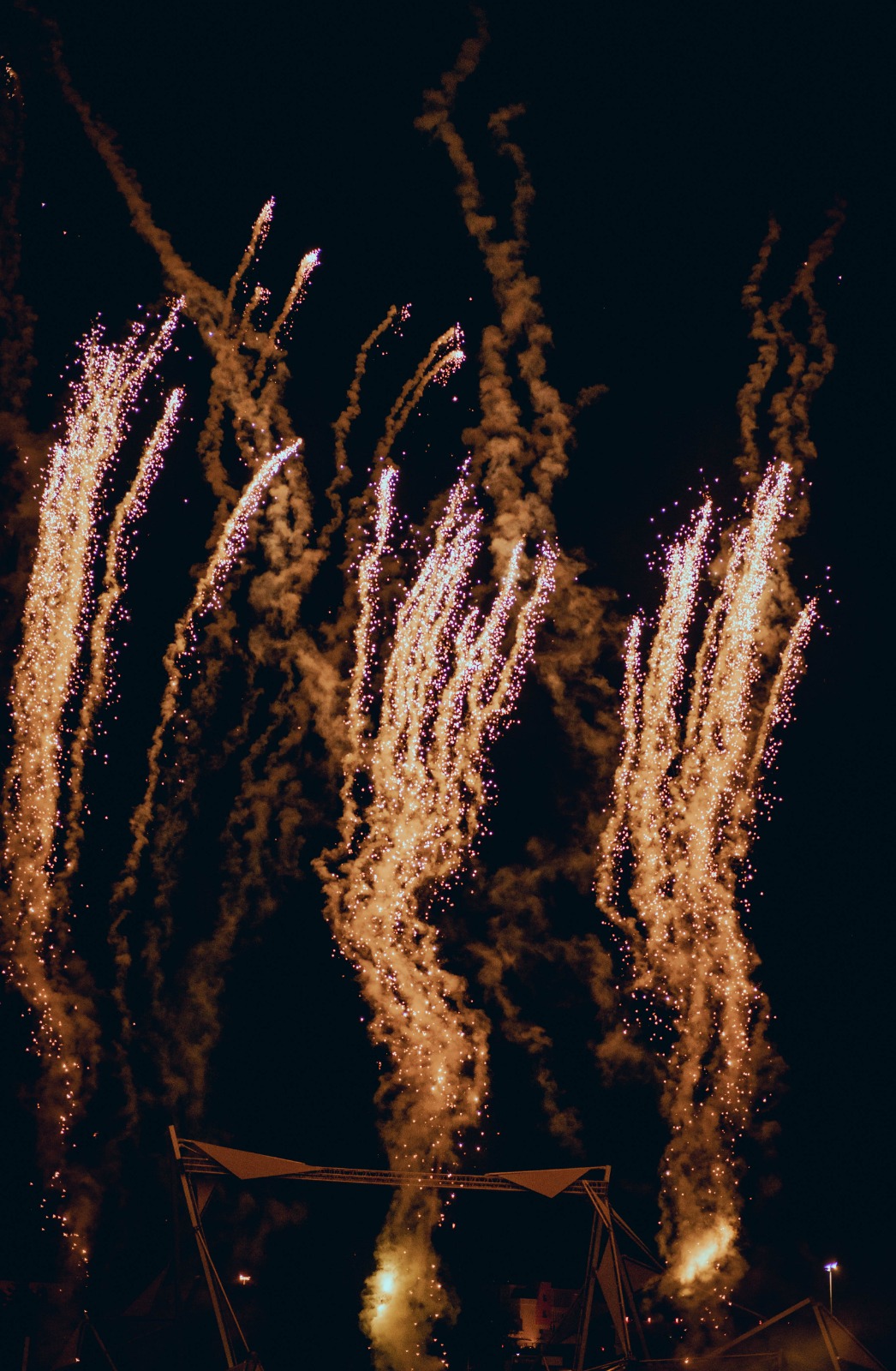
Fireworks Show in Montréal for corporate events that need zero surprises
INNOV'events plans and delivers corporate Fireworks Show activations across Montréal, typically for 80 to 2,500 attendees, with the same operational rigor you expect from any critical business project.
We handle the end-to-end: feasibility, permits and notifications, pyrotechnic vendor sourcing, site safety, timing with speeches and AV, crowd flow, weather contingencies, and on-site command so your leadership team can stay focused on hosting.
Sommaire
In a corporate context, entertainment is not “nice-to-have”; it’s a controlled moment that influences how employees, partners, or clients remember the organization. A well-executed Fireworks Show in Montréal becomes a punctuation mark in your agenda: it boosts attendance, anchors key messages (rebrand, milestone, results), and creates a shared reference point that teams talk about long after the event.
Organizations in Montréal expect more than spectacle: they expect compliance, predictable timing, and respectful integration with the neighbourhood. If your event runs near the Old Port, a downtown hotel, or an industrial campus, constraints vary sharply—noise windows, access routes, security posture, and the reality that executives cannot afford reputational risk tied to safety or complaints.
Our team is on the ground in Montréal and works the territory week after week. We design a production plan that includes a realistic site map, safety perimeters, stakeholder communications, and a run-of-show synchronized to the business program—because the pyrotechnics should elevate the strategy, not compete with it.
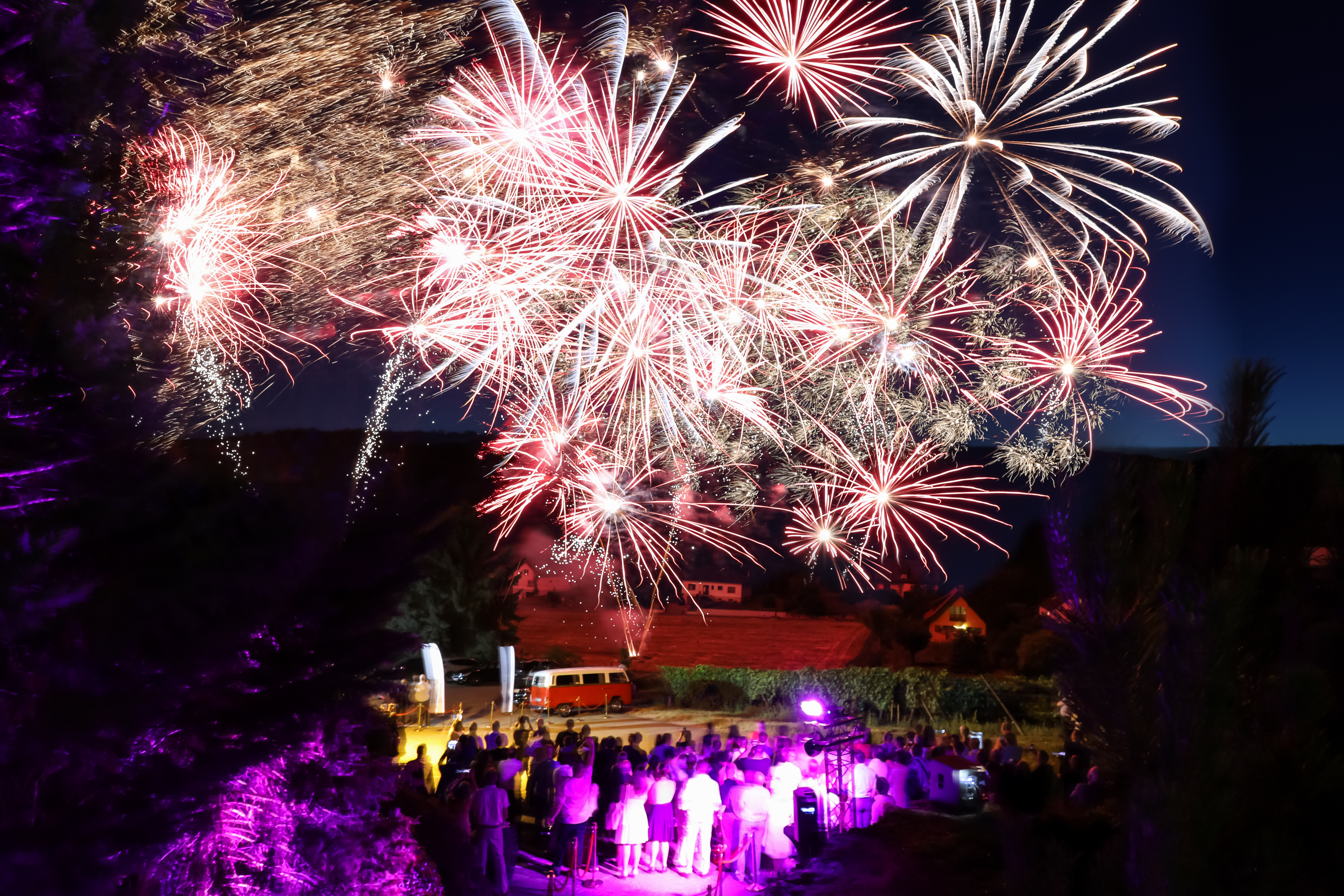
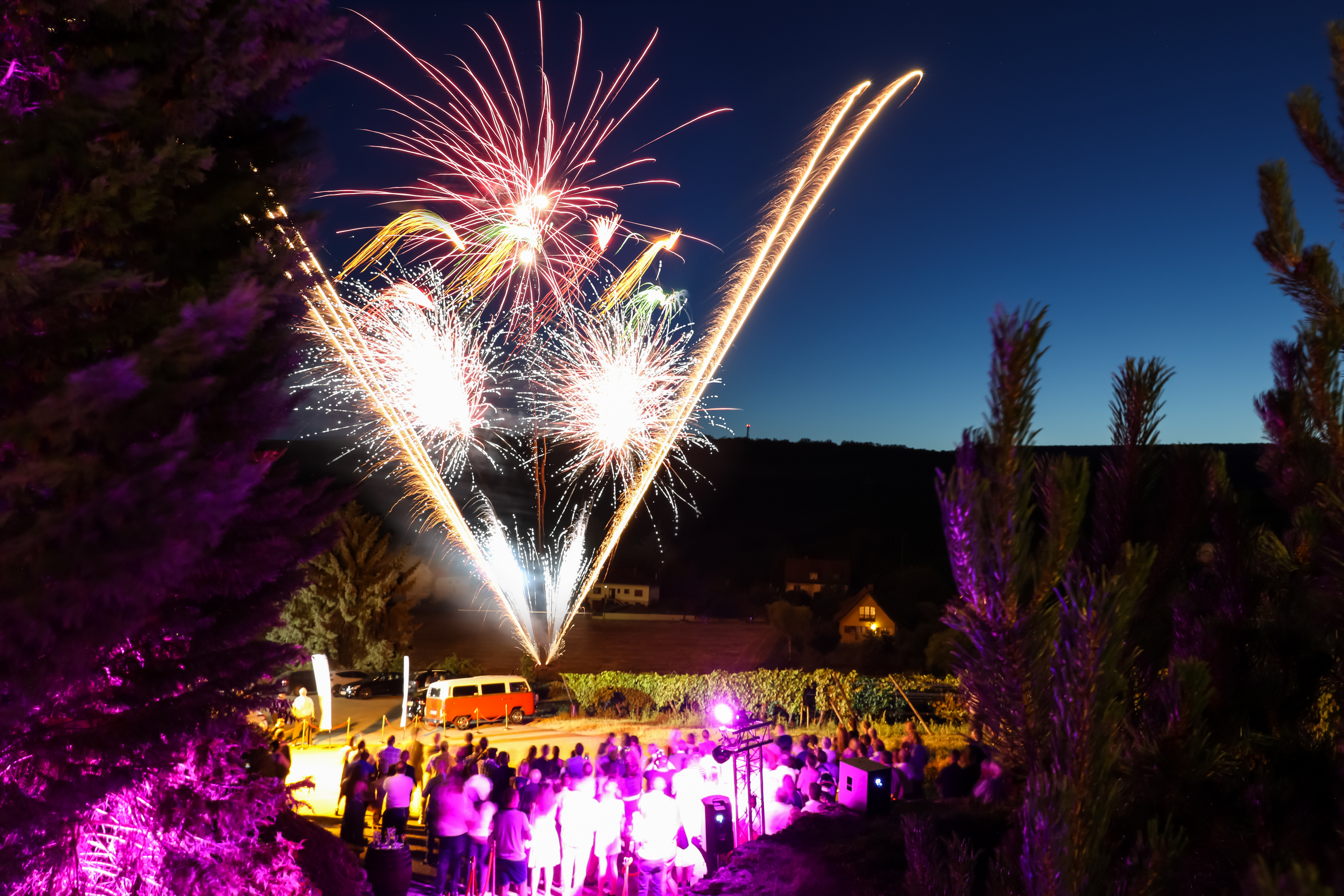
Operational benchmarks we use on Montréal productions
10+ years coordinating corporate event entertainment across Québec and Canada, with repeat clients who require consistent delivery standards.
Typical lead time we recommend for a Fireworks Show in dense zones: 8–12 weeks (faster is sometimes possible, but it narrows venue and permit options).
On-site execution model: 1 show caller + 1 safety lead + 2–8 floor staff depending on access points, crowd size, and perimeter complexity.
Documentation discipline: a written run-of-show, site plan, emergency contacts list, and a decision log (weather, timing, contingencies) shared with your internal stakeholders.
Montréal teams we support year after year
We regularly partner with Montréal-based organizations that operate under tight calendars—end-of-year recognition, plant milestones, client summits, or leadership offsites. Many of our mandates come back annually because once an internal HR or Communications team has lived through an event day, they value an agency that already knows their decision chain, approval rhythm, and brand guardrails.
If you share your sector and location constraints (downtown, West Island, South Shore access, industrial parks, waterfront), we’ll frame the concept around what is feasible on the territory—not around a catalogue promise. The goal is simple: your leadership team gets a high-impact Fireworks Show in Montréal with no operational improvisation on event day.
 Besoin d’un devis rapide ?
Nous vous envoyons une première proposition sous 24h.
Why schedule a Fireworks Show in Montréal for a corporate milestone?
A Fireworks Show is one of the rare formats that can unite different audiences—employees, executives, clients, and families—around a single shared moment without language barriers or complex participation. In Montréal, where events often blend business and lifestyle, it’s also a format that feels culturally “normal” when managed responsibly.
Attendance leverage for HR and internal comms: when employees know there’s a structured highlight at a fixed time, they arrive earlier and stay through the program. This directly improves participation for awards, recognition, or CEO messaging.
Brand signal for executives: a controlled pyrotechnic moment communicates confidence and scale—useful for anniversaries, acquisitions, opening of a new site, or partner appreciation—without requiring a full concert-level production.
Cross-department alignment: we often see a fireworks decision unlock smoother collaboration between Facilities, Security, HR, and Comms because it forces early planning (site mapping, access control, messaging, and timing).
Client and partner retention: for B2B events, a well-timed show at the end of a networking dinner increases post-event recall and can support relationship goals (renewals, multi-year agreements, channel partner motivation).
Predictable production window: unlike a multi-act entertainment program, a show can be locked to 5–12 minutes with a precise cue, which protects your agenda and reduces “runover” risk.
Montréal companies compete for talent and attention in a dense market. When the entertainment is executed with strong governance—permits, safety, neighbourhood respect—it supports business culture: disciplined, creative, and accountable.
What Montréal corporate teams expect before approving pyrotechnics
Decision-makers here are pragmatic. In our experience, executives and HR leads won’t greenlight fireworks on “wow factor” alone; they need a credible answer to operational questions. The first is always feasibility: can we do it at this venue, at this hour, with this crowd layout, without breaking venue rules or municipal constraints?
Second is risk and reputation. A Fireworks Show in Montréal must be designed around public sensitivity: noise, traffic, nearby residences, and the visibility of emergency response. We often build a simple stakeholder map: venue management, security contractor, neighbouring tenants (if applicable), and internal Facilities/Health & Safety. That map determines who needs to be informed, when, and with what level of detail.
Third is predictability on event day. Montréal weather is not theoretical; wind and precipitation can change quickly, especially near the river. Corporate teams expect a decision framework: what happens if wind exceeds thresholds, if rain starts, or if the fire department requests a change? We set that framework in writing and define who has authority to trigger Plan B so the organization doesn’t debate under pressure.
Finally, the show must integrate into the business narrative. For example, if the CEO needs a clean audio window for a closing message, we schedule fireworks after a hard stop, not “whenever the crowd is ready.” If the event includes VIP clients, we plan viewing zones and arrival flow to avoid the usual bottlenecks at doors and elevators.
What to pair with a Fireworks Show in Montréal to keep guests engaged
Fireworks work best when they’re the peak of a well-paced guest journey. In corporate settings, the challenge is avoiding dead time: if people wait 45 minutes with no structure, engagement drops and crowd management becomes harder. We design complementary activations that hold attention, support networking goals, and make transitions smooth.
Interactive animations in Montréal
Live polling and CEO Q&A with a strict clock: used for town halls or annual meetings where you want participation but must end on time for the fireworks cue.
Guided networking stations: short, facilitated prompts by industry topic to help mixed groups (sales, ops, partners) connect quickly before the show.
Photo accreditation corner for VIPs: discreet, well-lit portraits for executives and partners—useful for internal comms and LinkedIn—scheduled before guests move to viewing zones.
Art animations in Montréal
String trio or jazz quartet during cocktail: controlled volume, easy to place indoors or on terraces, supports conversation without competing with speeches.
LED performers timed to the finale: ideal when you need a visual bridge while the pyrotechnic team finalizes safety checks; it keeps attention without adding noise complaints.
Short projection moment: a 60–90 second brand film or milestone timeline before the fireworks can frame the narrative—useful for anniversaries and acquisitions.
Innovative animations in Montréal
Montréal-style late-night bites: mini smoked meat, poutine bar in controlled portions, or local bakery assortments—served after the show to manage exit flow and avoid elevator congestion.
Warm beverage station in shoulder seasons: hot chocolate, coffee, and non-alcoholic mulled options help maintain comfort for outdoor viewing in spring/fall.
Timed dessert reveal: a plated dessert drop aligned with fireworks timing helps keep tables seated until you’re ready to transition.
Gourmand animations in Montréal
Drone-light prelude (where feasible): in some contexts, a drone segment can complement fireworks by adding brand shapes or messages; feasibility depends on site airspace and approvals.
Synchronized music playback: practical when the venue controls audio outdoors; we align music licensing and speaker placement so the soundtrack remains consistent across viewing areas.
Real-time social content desk: one editor on-site producing a same-night recap for internal channels; executives often want immediate assets for leadership communications.
The best result is when the entertainment supports your brand posture. A conservative financial institution won’t stage the same pre-show energy as a tech scale-up, and that’s fine—alignment is what protects credibility. We’ll recommend pairings that fit your culture, your audience mix, and the operational realities of Montréal sites.
Which Montréal venues can realistically host a fireworks moment?
The venue is not a backdrop; it’s the main constraint setter. For a Fireworks Show in Montréal, the site determines safety distances, viewing quality, sound management, and how easily you can secure a perimeter. We evaluate venues with the same lens as Facilities and Security: access routes, crowd density points, and whether the environment tolerates a controlled pyrotechnic activation.
| Venue type | For which objective? | Main strengths | Possible constraints |
|---|---|---|---|
| Waterfront or river-adjacent locations | High-impact closing moment for client or employee celebration | Clear sightlines, strong “Montréal” identity, natural crowd orientation | Wind exposure, access control along public paths, stricter coordination with authorities |
| Private corporate campus / industrial site with open yard | Milestones, plant anniversaries, family days with controlled access | Perimeter control, easier security screening, predictable logistics | Fire safety requirements, surface suitability, neighbourhood notification needs |
| Hotel terrace / rooftop (where permitted) | VIP receptions, leadership retreats, partner events | Premium perception, integrated hospitality, minimal guest travel | Space limitations, strict venue rules, fallback plan required if weather shifts |
| Golf club or large private estate-style venue | Summer corporate parties with broader attendee mix | Open space, comfortable viewing zones, parking capacity | Seasonality, noise considerations, transport planning if outside core areas |
We strongly recommend an early site visit with your key stakeholders (HR/Comms + Facilities/Security). A 45-minute walkthrough in Montréal often prevents weeks of rework—especially when you discover real constraints like limited emergency access, conflicting terrace bookings, or a “nice lawn” that cannot support launch equipment.
What a Montréal Fireworks Show typically costs (and why)
Pricing for a Fireworks Show in Montréal is driven by constraints, not just duration. A short show in a complex environment can cost more than a longer show in a controlled site. For corporate planning purposes, many companies see ranges from $8,000 to $45,000+ depending on scope, with premium concepts exceeding that when conditions require additional staffing, security, or specialized firing systems.
Site complexity and safety perimeter: dense urban sites typically require more planning, more staff, and sometimes alternative effects to respect distances.
Show duration and intensity: a 5–6 minute punctuated show is often sufficient for corporate events; a 10–12 minute show increases product volume and setup time.
Permits, notifications, and authority coordination: timelines and requirements vary by context; we budget realistic admin time so it doesn’t hit as an extra late in the project.
Day-of operational staffing: crowd management, security liaison, and a show caller are not optional if you want a controlled guest experience.
Weather contingencies: if the venue cannot accommodate a delay window, you may need a backup plan (alternative entertainment or rescheduling terms) that impacts costs.
Integration with AV and program timing: synchronized audio, lighting cues, and announcements require coordination with your AV supplier and rehearsal time.
From an ROI standpoint, fireworks are rarely about “cost per minute.” They’re about whether the organization can create a credible peak moment without risking safety, schedule integrity, or brand perception. When planned properly, that peak supports retention, leadership visibility, and partner goodwill—outcomes executives can defend internally.
Why choose a Montréal agency for fireworks coordination?
When the entertainment involves pyrotechnics, local execution knowledge matters. A team established in Montréal understands the practical realities: traffic patterns that affect load-in, the cadence of venue operations, and the importance of neighbour relations in dense zones. It also reduces vendor uncertainty—knowing who shows up on time, who documents properly, and who can adapt when weather shifts.
As your event agency in Montréal, we work as the operational buffer between your internal stakeholders and external suppliers. Your HR or Comms lead shouldn’t be the person negotiating safety perimeters at 8:30 p.m. on a Friday; that’s our job.
- Faster feasibility decisions: we can quickly validate whether a concept fits the site, the calendar, and the risk profile before you invest in internal approvals.
- Vendor accountability: we contract and manage specialized partners with clear deliverables, documentation expectations, and on-site roles.
- Stakeholder management: we coordinate with venue teams, security, and internal Facilities so everyone works from the same plan.
- On-site command: one point of control for timing, safety, and guest flow—reducing executive escalation on event night.
From an ROI standpoint, fireworks are rarely about “cost per minute.” They’re about whether the organization can create a credible peak moment without risking safety, schedule integrity, or brand perception. When planned properly, that peak supports retention, leadership visibility, and partner goodwill—outcomes executives can defend internally.








Montréal corporate contexts where fireworks actually work
We’ve delivered fireworks moments in a range of corporate scenarios—because the value isn’t limited to “summer parties.” For example, for a manufacturing client celebrating a site anniversary, the key was not the show length but the perimeter design: we created clear viewing corridors, staged family arrival times, and positioned staff to keep emergency access lanes open. The result was a smooth flow and a strong safety posture that satisfied internal H&S leadership.
In a different context—an executive client reception tied to a partnership announcement—the priority was timing and brand control. We coordinated a tight closing sequence: final remarks, a 90-second brand film, lights down, then a short high-density show with a controlled exit and post-show dessert service to prevent lobby congestion. Communications received same-night visual assets without disrupting the guest experience.
We also support end-of-year recognition events where the fireworks function as the “hard stop” that protects the schedule. When awards run long (as they often do), the show cue creates a non-negotiable time anchor. That’s the type of pragmatic outcome HR and executives appreciate: the event ends on a peak, not on fatigue.
Common Montréal mistakes that create avoidable risk
Choosing the venue before checking feasibility: we’ve seen teams book a beautiful site only to learn the safety distances cannot be met, forcing a last-minute pivot.
Underestimating crowd flow: moving 400 people to a terrace in 5 minutes without a plan creates bottlenecks, safety issues, and frustration—especially with VIP guests.
No written decision rule for weather: “we’ll see” leads to executive-level stress; we establish thresholds and decision authority ahead of time.
Ignoring neighbour impact: in dense parts of Montréal, complaints can escalate quickly; proactive communications and timing discipline matter.
Overloading the agenda: if the fireworks are scheduled after a long dinner with no transition plan, guests drift, timelines slip, and the show loses impact.
Not integrating security and H&S early: internal approvers often block late requests; involving them from the start prevents rework and last-minute compromises.
Our role is to prevent these issues before they become event-day crises. We don’t rely on luck; we rely on documented planning, clear roles, and realistic timing built for corporate environments.
Why Montréal clients keep INNOV'events on their vendor list
Repeat business in corporate events is rarely about creativity alone. It’s about trust under pressure: executives want to know that the next event will be as controlled as the last—especially when the entertainment involves safety and public visibility. Our clients come back because we operate with consistency: clear documentation, disciplined supplier management, and calm decision-making on site.
High repeat-request pattern: many clients rebook us for annual milestones (recognition, summer party, year-end) because it reduces internal workload and approval friction.
Planning comfort: when HR or Comms changes internally, our files (site plans, run-of-show templates, stakeholder contacts) allow continuity without restarting from zero.
Vendor continuity: we maintain relationships with proven specialists so you’re not testing new partners on your most visible night.

Loyalty is not a slogan; it’s a measurable signal that delivery was reliable. In Montréal, where venues and calendars are competitive, having an agency that can lock a plan early and execute it cleanly is often the difference between “good idea” and “successful event.”
How we scope and deliver a Fireworks Show in Montréal
👉 Montréal feasibility call and objective definition
We start with a structured 30–45 minute call with HR/Comms and one operations contact. We confirm the event purpose (recognition, client retention, announcement), audience profile, target timing, and the non-negotiables (budget ceiling, VIP protocol, noise constraints). We also identify who must approve internally—often HR, Facilities, Security, and sometimes Legal/Risk.
👉 Site validation and preliminary safety concept
We review the venue layout and, when needed, conduct a site visit in Montréal. We map viewing zones, crowd movement routes, and emergency lanes. This step determines if fireworks are feasible as planned, or if we should recommend an alternative effect set that better suits the site constraints.
👉 Supplier sourcing and compliance planning
We engage qualified pyrotechnic partners and validate documentation expectations (insurance, crew plan, setup timeline). We build a compliance checklist: required notifications, venue approvals, and operational requirements. You receive a clear scope with deliverables, timelines, and responsibilities—so your internal teams know what they are (and aren’t) carrying.
👉 Run-of-show integration with your corporate program
We integrate the show into your agenda: speeches, awards, dinner service, and AV cues. We set a realistic transition plan (how guests are moved, how long it takes, who directs them). This is where many corporate events win or lose time—so we treat it as a core production task, not an afterthought.
👉 Event-day execution and command structure
On site, we run a brief with venue management, security, and key client contacts. We operate with a designated show caller and a safety lead, keeping you informed without pulling you into technical decisions. After the show, we coordinate guest flow, transport timing, and any post-show service intended to manage exits smoothly.
👉 Post-event wrap and asset delivery
Within days, we provide a wrap: what worked, what to improve, and any documentation you may need internally. If content capture is part of the mandate, we deliver selected assets sized for internal channels—useful for HR recognition messaging and executive communications.
FAQ sur l'organisation Fireworks Show à Montréal
How far in advance should we book fireworks in Montréal?
Plan for 8–12 weeks in most corporate cases, especially in busy seasons (June–September, December). You can sometimes execute in 3–6 weeks, but venue options and permit timelines get tighter and costs can rise due to schedule compression.
What budget range is realistic for a Montréal corporate fireworks show?
Many corporate projects land between $8,000 and $45,000+. The range depends on site complexity, safety perimeter, show duration (often 5–12 minutes), staffing, and contingency planning. We’ll provide a scoped estimate with line items so Finance can validate assumptions.
Can we do a fireworks show downtown Montréal safely?
Sometimes, but feasibility depends on the specific site: available launch zone, minimum safety distances, crowd positioning, and the surrounding environment. In dense areas, we may recommend a shorter show, different effect types, or a site that offers better control. We validate feasibility before you commit publicly to the idea.
What happens if wind or rain hits on event night in Montréal?
We set a written weather decision rule in advance. Light rain can be manageable, but wind is often the limiting factor; if thresholds are exceeded, we either delay within an agreed window (often 15–60 minutes) or activate Plan B (alternate entertainment, reschedule terms, or a different closing moment). The key is deciding authority in advance so it’s not an executive debate at the last minute.
How long should the fireworks segment be for Montréal employees?
For corporate audiences, 5–8 minutes is frequently the sweet spot: high impact, easy to schedule, and less strain on crowd management. For larger celebrations or public-facing partner events, 8–12 minutes can work if the site supports comfortable viewing and controlled exits.
Ready to validate feasibility for Montréal and secure your date?
If you’re considering a Fireworks Show in Montréal, involve us early—before you finalize the venue or announce the concept internally. A short feasibility review can confirm what’s realistic, what approvals are required, and how to protect your agenda and brand reputation.
Send us your event date range, estimated attendance, venue short list (even if tentative), and the purpose of the event. We’ll come back with a clear recommendation, preliminary budget range, and a planning timeline that your HR, Comms, and Operations teams can act on.
INNOV'events Montréal Agency
Thierry GRAMMER is the manager of the INNOV'events Montréal office. Reach out directly by email at canada@innov-events.ca or via the contact form.
Contact the Montréal agencyToutes nos prestations & animations Montréal, Quebec
Découvrez nos prestations événementielles
- Employee Party in Montréal
- Corporate Christmas Party in Montréal
- Networking Cocktail Event in Montréal
- Shopping Mall Activation in Montréal
- Grand Opening Event in Montréal
- Product Launch Event in Montréal
- Open House Event in Montréal
- Field Brand Activation in Montréal
- Event Catering Service in Montréal
Découvrez nos animations événementielles disponibles au Quebec
- Event Hostess in Montréal
- Escape Game in Montréal
- MasterChef-Style Cooking Workshop in Montréal
- Corporate Magician in Montréal
- Tent Rental in Montréal
- Color Analysis Workshop in Montréal
- Inflatable Games in Montréal
- Valet Service in Montréal
- Soccer Simulator in Montréal
- LED Furniture Rental in Montréal
- LED Branding Activation in Montréal
- Immersive Culinary Experience in Montréal
- Light Painting Activity in Montréal
- Immersive Mystery Night in Montréal
- Promotional Contest in Montréal
- Promotional Materials (POS) in Montréal
- Virtual Reality Experience in Montréal
- Molecular Gastronomy Workshop in Montréal
- Halloween Event in Montréal
- Fireworks Show in Montréal
- Sports Challenge – Giant Games in Montréal
- Professional Event Host in Montréal
- Photo Booth Animation in Montréal
- Santa Claus Appearance in Montréal
- Kids Entertainment in Montréal
- Guided Tour in Montréal
- Urban Rally in Montréal
- Ball Pit Activity in Montréal
- Flight Simulator in Montréal
- Food Truck Rental in Montréal
- World Record Attempt in Montréal
- Surf Simulator in Montréal
- Soccer Simulator in Montréal
- Wine Casino in Montréal
- Makeover Workshop in Montréal
- Perfume Creation Workshop in Montréal
- Acting Workshop in Montréal
- CSR Activities in Montréal
- Archery Activity in Montréal
- Event Security Guard in Montréal
- Wine Tasting Workshop in Montréal
- Mime Performance in Montréal
- TV Game Show Animation in Montréal
- Funfair Event in Montréal
- Crisis Management Workshop in Montréal
- Crisis Negotiation Workshop in Montréal
- Arcade Games in Montréal
- Indoor Skydiving Simulator in Montréal
- Ski Simulator in Montréal
- Racetrack Driving Experience in Montréal
- Introductory Flight Experience in Montréal
- Tasting Experience in Montréal
- Build Your Own Foosball Workshop in Montréal
- 2CV Rally in Montréal
- LEGO Challenge in Montréal
- Casino Night in Montréal
- Interpreter / Translator in Montréal
- Promotional Merchandise in Montréal
- Shuttle / Transportation Service in Montréal