Brand activation event organisation that converts attention into measurable demand
INNOV'events is a Canadian event management company that plans and delivers Brand activation event programmes for 50 to 50,000+ interactions—across retail, public spaces, conferences, campuses, and trade shows.
We handle strategy, creative, permits, fabrication, staffing, on-site operations, and post-event reporting so your teams stay focused on brand and business outcomes.
Sommaire
A Brand activation event is where brand promise meets real people, under real-world constraints—noise, weather, foot traffic, store operations, and tight time windows. When it’s done properly, it doesn’t just “create buzz”; it produces qualified conversations, trial, sign-ups, and sales lift that you can defend in an executive meeting.
Executives, HR leaders, and communications teams typically expect three things at once: flawless brand representation, operational control (safety, compliance, staffing), and proof the spend moved a KPI. The challenge is that activation is live—there’s no “fix it in post”—so the plan must anticipate bottlenecks and decision points before doors open.
Our team brings field-tested discipline: site walks, production schedules, staffing playbooks, contingency planning, and a reporting framework built around your funnel. As your event agency, we deliver a controlled, repeatable activation model that can scale from one flagship market to a multi-city roll-out.
Numbers that matter when you’re accountable for the outcome
Canada-wide delivery with a scalable supplier network (fabrication, AV, staging, security, staffing) to keep quality consistent across provinces.
Multi-site roll-out capability: parallel crews and standardised toolkits to run simultaneous activations while preserving brand standards and messaging.
Operational readiness approach: documented run-of-show, staffing ratios, safety checks, and contingency triggers designed for high-traffic, public-facing environments.
Measurement-first activations: lead capture, redemption tracking, QR/UTM attribution, and post-event reporting aligned to your sales and communications teams.
How to organize a professional event in ?
- Define the objective (cohesion, announcement, fidelity, performance).
- Set date, format and size (20–1 000 people).
- Secure the venue and accommodation according to seasonality.
- Lock down technical, suppliers and logistics.
- Drive the day J (timing, scene, entrance, flow).
We send you a first proposal within 24h.
Why organise a brand activation event instead of another media buy?
Digital performance can drop overnight (platform changes, attribution limits, rising CPMs). A Brand activation event gives you something many channels can’t: controlled, face-to-face time with your audience, where you can demonstrate value, remove objections, and capture intent on the spot.
For corporate leaders, activations are strategic when they’re tied to a specific business moment: a product launch, retail expansion, recruitment push, rebrand, sponsorship, or a shift in category positioning. The event becomes a live proof point—visible to customers, employees, partners, and sometimes regulators.
Accelerate trial and adoption by letting people touch, test, taste, or experience the offer with guided coaching (ideal for new products, premium upgrades, and complex services).
Generate qualified leads in real time through structured conversations and capture tools (tablets, QR flows, consent-based follow-ups) rather than passive awareness.
Increase retail performance by driving foot traffic, improving conversion, and supporting store teams with brand-trained ambassadors during peak periods.
Improve message clarity by listening to objections and questions on the ground—insights that can immediately strengthen sales scripts and creative.
Strengthen employer brand when activation is tied to recruitment or internal advocacy (campus activations, community engagement, conference presence).
Create usable content (not just “event photos”): planned capture for short-form video, testimonials, product demos, and behind-the-scenes assets built into the run-of-show.
Protect brand reputation by using a controlled environment with trained staff, clear escalation paths, and documented compliance (especially in public venues).
In Canadian business culture, credibility is earned through delivery. A well-run activation shows you can execute: safe operations, respectful interactions, and a brand story that holds up outside the boardroom. That’s why the best activations aren’t stunts—they’re disciplined field programmes with measurable outcomes.
What activation formats actually work in Canadian corporate settings?
Activities are not decoration—they’re behavioural design. A strong activation format creates a reason to stop, a reason to engage, and a reason to take the next step (opt-in, purchase, application, appointment). The best formats also respect venue rules, staffing realities, and time-on-task.
Interactive animations
Guided micro-demos (2–4 minutes): ideal for tech, finance, wellness, and B2B services. We script the demo so ambassadors can deliver consistent value, handle common objections, and close to a measurable next step.
Challenge stations with timed throughput: quick interactions (30–90 seconds) designed for high foot traffic. Think skill-based or knowledge-based challenges that teach one key brand message and end with a scan-to-enter.
Consultation bar: bookable 10-minute slots with a structured questionnaire. Works well for benefits providers, SaaS, telecom, and education—especially when the KPI is qualified appointments rather than volume.
Retail partner integration: activation that supports store staff (not competes with them): product education, bundle guidance, and queue management during promotions.
Art animations
Live illustration or customisation: creates a tangible takeaway while keeping brand control. For example, on-site product engraving, tote customisation, or illustrated “persona cards” tied to the product story.
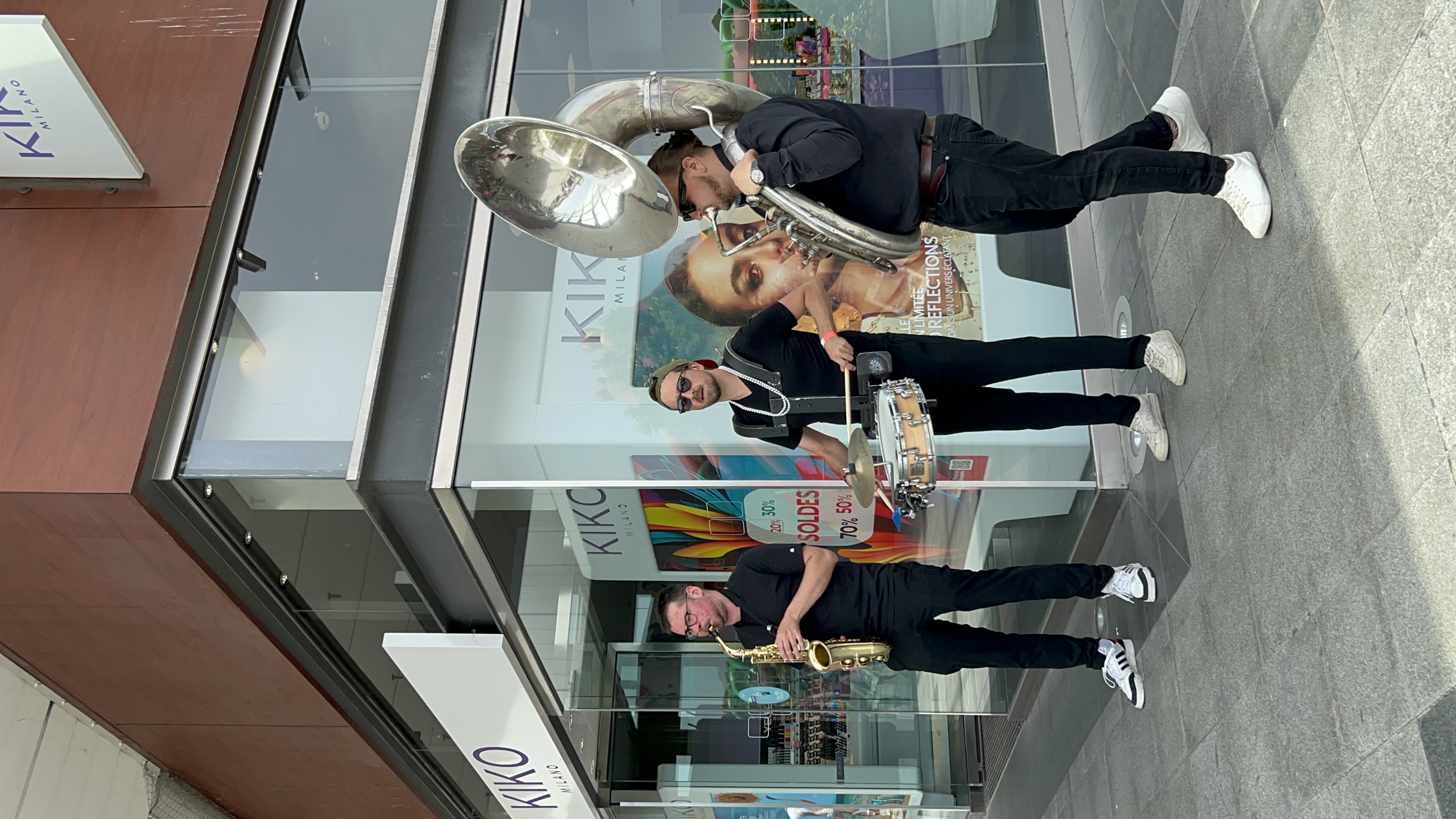
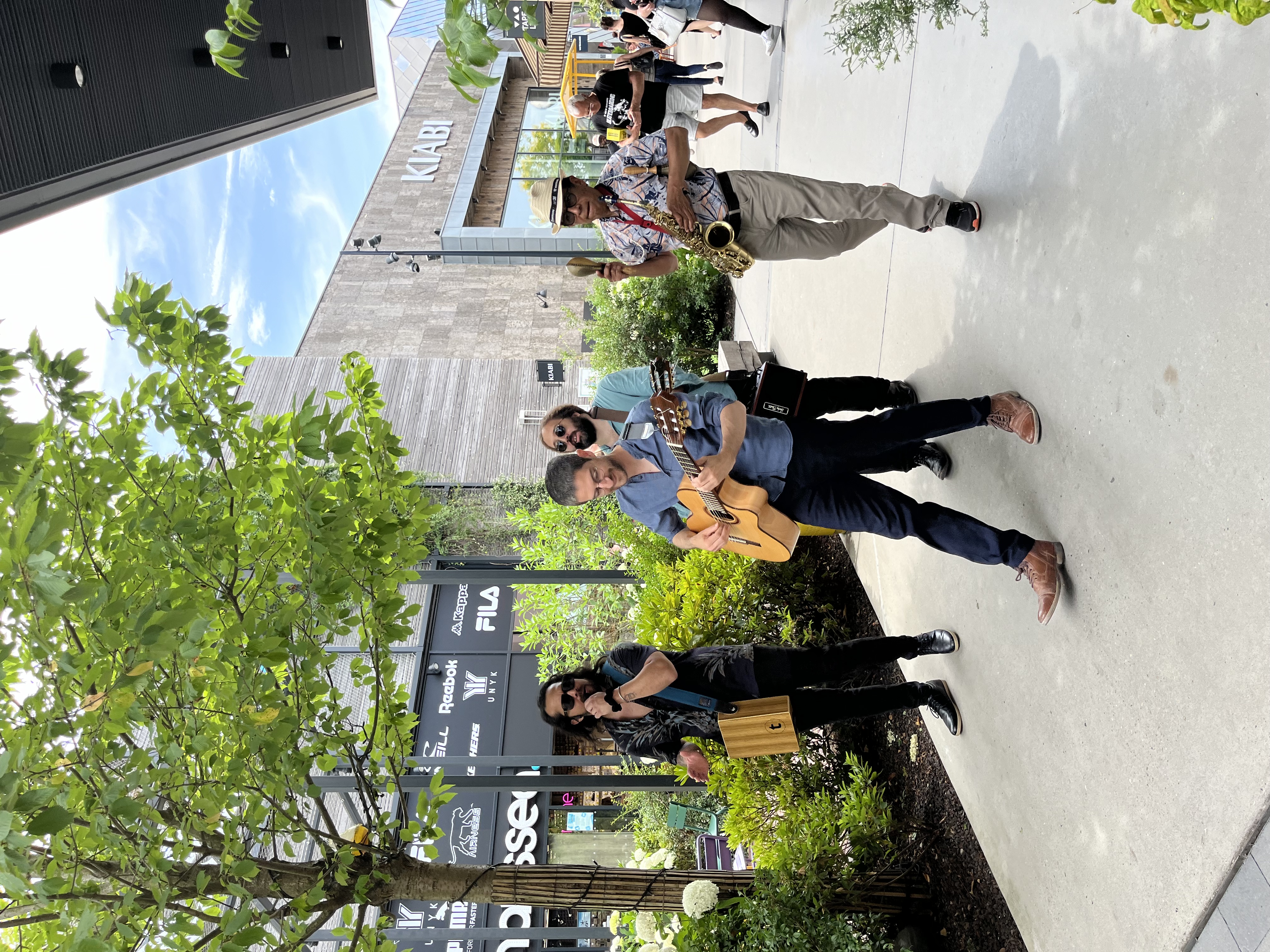
Live performance with messaging guardrails: when using musicians or performers, we lock set times, decibel limits, and brand messaging moments so the activation is venue-compliant and purposeful.
Photo/video capture zones with planned prompts: instead of generic photo ops, we design prompts that reinforce the product benefit and capture consent cleanly for content usage.
Innovative animations
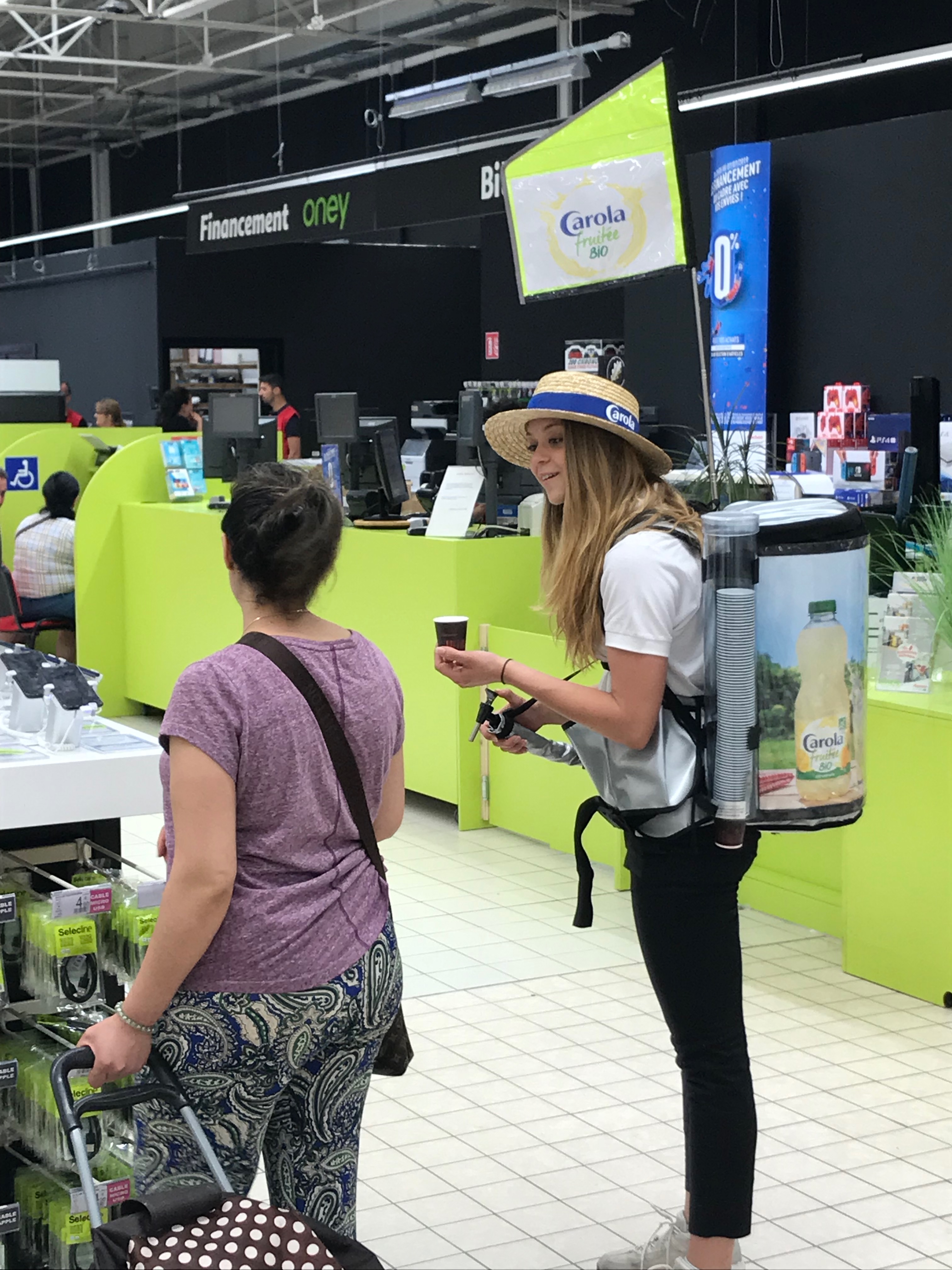
Sampling with redemption tracking: distribution is paired with a measurable action (QR code, coupon, retailer map, or limited-time offer) so the report can show lift beyond “samples handed out.”
Pairing experiences: for premium brands, guided pairings (coffee, chocolate, non-alcoholic options) create a controlled narrative and longer dwell time—useful when the goal is brand preference, not just volume.
Dietary and allergen-safe operations: clear labelling, gloves, safe temperatures, and waste management. These details protect your brand in public-facing environments.
Gourmand animations
RFID/QR journey tracking: track station completion and conversion without slowing down the experience. Useful for experiential marketing event programmes with multiple touchpoints.
AR product visualisation: show features that can’t be displayed physically (internal components, before/after, service coverage). We plan device management and network requirements to avoid dead demos.
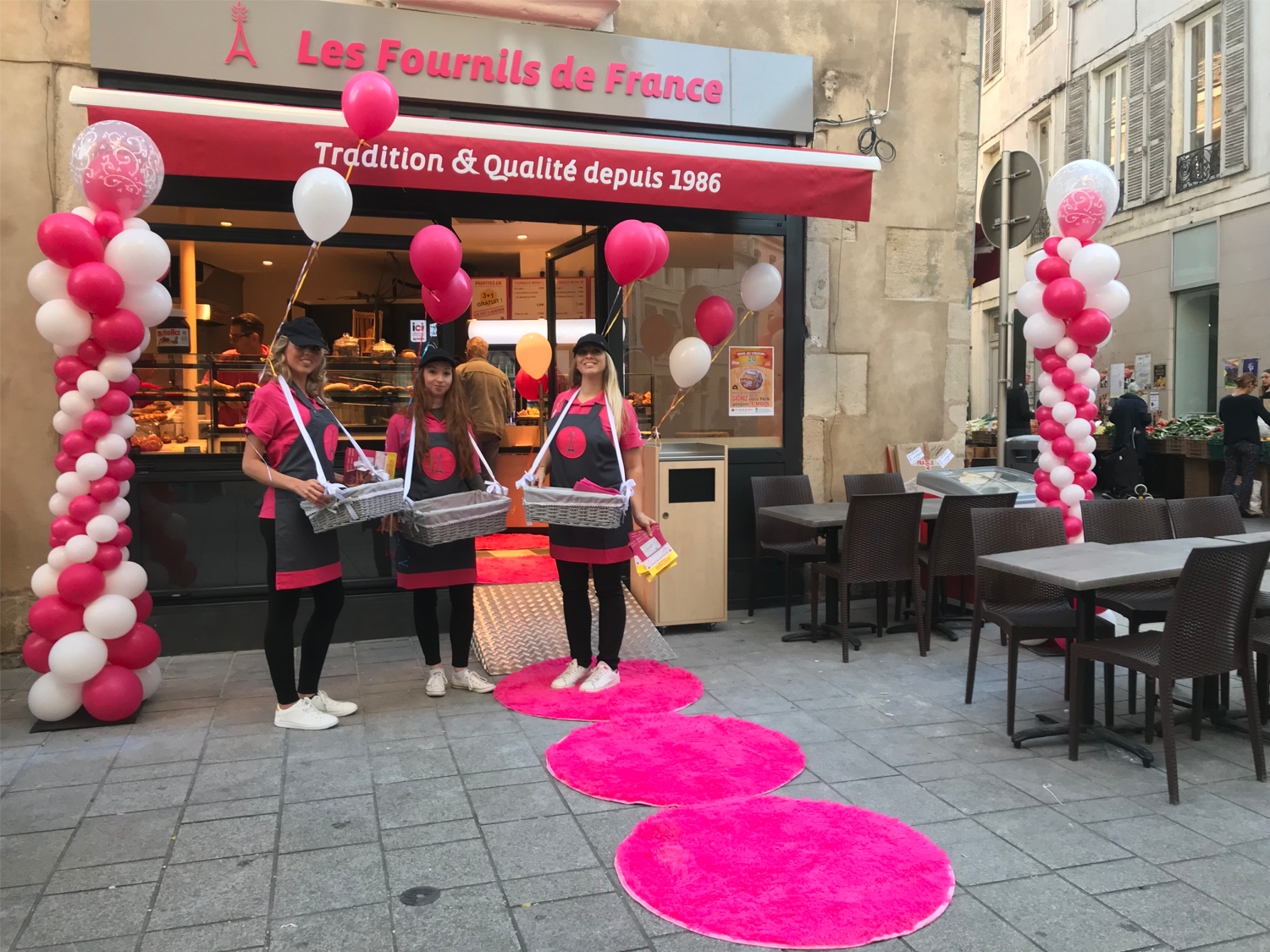
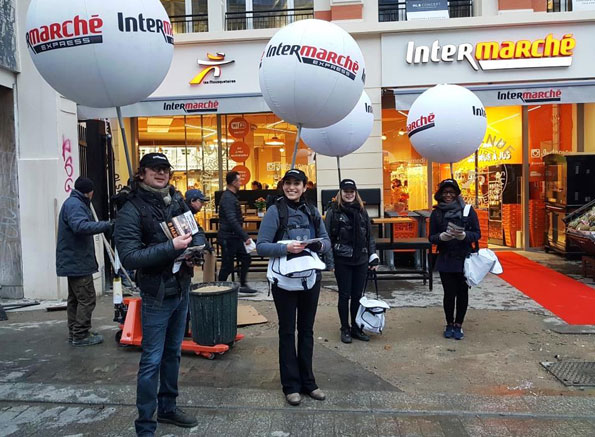
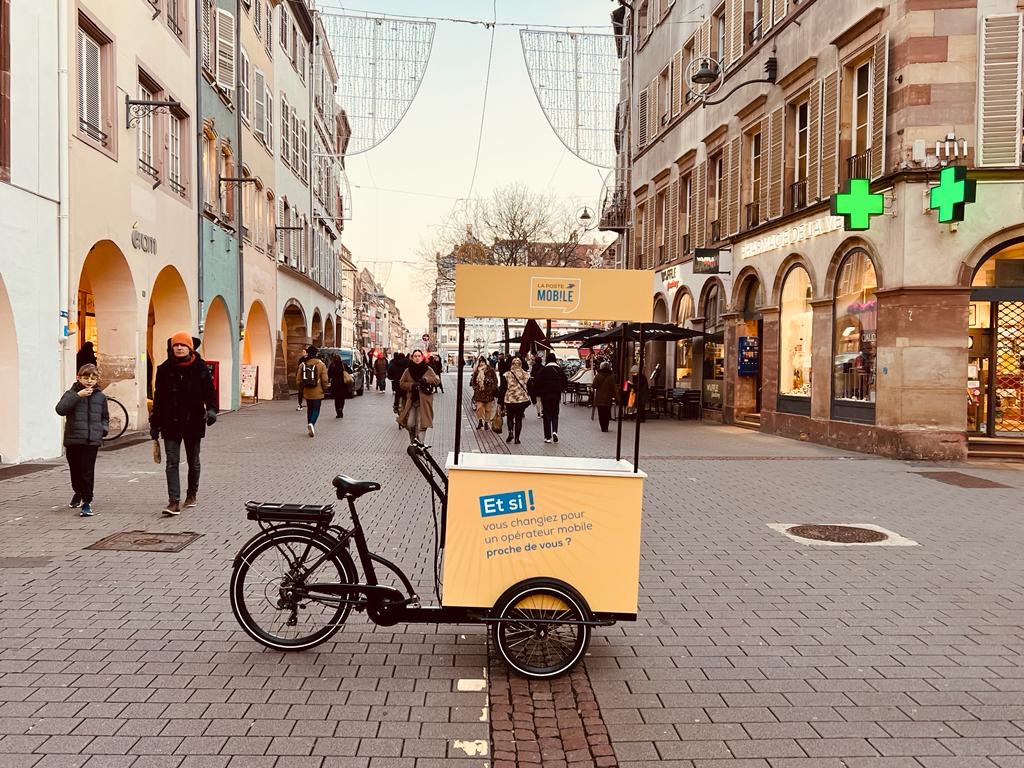
Street-to-store mechanics: a controlled guerilla marketing event approach that stays compliant: roving teams drive traffic to a permitted hub or retail partner, with trackable offers and clear conduct guidelines.
Field marketing event roadshow kits: modular, shippable assets designed for repeat deployments—reducing fabrication costs over a multi-city schedule.
The best idea is the one you can execute consistently. Every activation choice should match your brand image, risk tolerance, venue rules, and measurement plan—so the experience feels credible to the public and defensible to leadership.
Which venues are best for a brand activation event in Canada?
Venue selection shapes everything: permitting timelines, staffing, insurance requirements, noise limits, load-in restrictions, and your ability to capture leads. We guide clients to choose venues that match the audience and the KPI—rather than selecting a location based only on visibility.
Venue type: Shopping centres and retail pop-ups
Best for: trial, sales lift, retailer partnerships
Operational notes: strict hours, brand approvals, storage limits, mall security coordination, power access planning.
Venue type: Conference and trade show floors
Best for: B2B lead gen, partner enablement, demos
Operational notes: union rules (some centres), lead capture compliance, sound limitations, tight move-in schedules.
Venue type: Corporate campuses and internal centres
Best for: employer brand, internal launches, HR initiatives
Operational notes: internal comms alignment, privacy considerations, accessibility, corporate security protocols.
Venue type: Public spaces (permitted urban sites)
Best for: high awareness, community engagement
Operational notes: municipal permits, weather plans, crowd management, public liability insurance, noise bylaws.
Venue type: Universities and colleges
Best for: recruitment, awareness with younger demos
Operational notes: campus approvals, timing around exams, respectful brand presence, consent for filming.
Venue type: Partner locations (gyms, co-working, clinics)
Best for: targeted audiences, higher qualification
Operational notes: shared brand control, scheduling with partner ops, clear division of responsibilities.
We typically recommend shortlisting 2–3 venue options and stress-testing each against: audience fit, cost drivers, permitting lead time, and measurement feasibility. That prevents the common pitfall of choosing a great-looking venue that doesn’t support your KPI.
What does a brand activation event cost in Canada?
The budget for a Brand activation event depends on production complexity, staffing model, footprint, and whether you’re building a one-off or a re-usable roadshow kit. A realistic budget conversation should separate what drives outcomes (staffing, flow, capture tools) from what’s purely aesthetic.
As a reference point, many corporate activations land between $25,000 and $250,000+ depending on scope, number of days, markets, and fabrication. Multi-city programmes can be more cost-efficient per market when assets and playbooks are re-used.
Footprint and build: custom fabrication, modular kiosks, branded vehicles, flooring, tents, weather-proofing, and storage.
Staffing and supervision: brand ambassadors, product specialists, bilingual requirements, security, and on-site management. Longer hours and peak periods increase staffing needs.
Permits, venue fees, and insurance: municipal permits, mall or venue fees, additional insured requirements, and risk assessments.
Technical production: AV, lighting, generators, internet connectivity, device management for demos, and backup equipment.
Creative and content capture: messaging, design, copy, photo/video crew, and post-production that’s planned into the schedule (not treated as an add-on).
Logistics: shipping, trucking, warehousing, union labour (where applicable), and load-in/out constraints that can add labour hours.
Measurement and reporting: lead capture tools, CRM integration support, survey programming, redemption tracking, and analysis.
ROI is strongest when the programme is designed to produce a measurable action: a qualified lead, an appointment, a redemption, or a sales lift with a clear attribution method. We’ll help you build a budget that reflects the KPI—so you’re not paying for complexity that doesn’t move the numbers.
They trust us


What we deliver in the field: adaptable, KPI-driven activations
Our activation work ranges from compact pop-ups to multi-day brand presence programmes. The common thread is operational discipline: we build experiences that can withstand real conditions—variable foot traffic, last-minute venue restrictions, weather changes, and shifting stakeholder expectations.
Examples of the situations we regularly manage include:
- Retail-integrated activations where store operations must remain smooth: we coordinate staff breaks, manage queue flow, and ensure the activation drives purchases rather than blocking aisles.
- Conference activations where brand teams need consistent messaging across multiple presenters and time slots: we align scripts, demo stations, and lead capture so the sales team receives usable data.
- Public-space activations where permitting and safety are non-negotiable: we plan barriers, security, first-aid readiness, and weather-proofing with clear go/no-go criteria.
- Employer brand activations tied to recruitment: we structure the experience to attract the right candidates, not just high traffic, and we plan privacy-respectful capture and follow-up.
Whether it’s a field marketing event roadshow or a single flagship activation, we focus on repeatability—so the next market benefits from what we learned in the first.
Common brand activation risks—and how we prevent them
Undefined KPI: the event “looks busy” but can’t prove impact. We lock success metrics and capture methods before production.
Underestimating staffing needs: long lines, missed leads, poor brand interactions. We model throughput and staff for peaks, not averages.
Permitting and venue restrictions discovered late: forced redesigns, added costs, or cancellation. We start compliance and venue approvals early with documented requirements.
Brand ambassadors improvising: inconsistent messaging and reputational risk. We provide scripts, training, and on-site supervision.
Tech failures: dead tablets, poor connectivity, broken demos. We plan redundancy (offline capture, backup devices, spare components).
No contingency plan: weather, supply delays, staffing no-shows. We build triggers and backup options into the run-of-show.
Post-event data that can’t be used: missing consent, messy lead files, unclear definitions. We set up compliant, structured capture and reporting formats.
Your brand is on display in real time. Our role is to reduce operational risk so your team can focus on the message, the audience, and the business result—while we manage the moving parts behind the scenes.
Why clients stay with INNOV'events for activation programmes
Brand activation is rarely a one-off. Teams come back when they see consistent delivery: the same brand standard across cities, the same quality of staff interactions, and reporting that helps them make the next budget decision with confidence.
Repeatable playbooks: documented staffing roles, scripts, checklists, and run-of-show templates that make each iteration smoother.
Programme optimisation: we track what improves conversion (hooks, incentives, station flow) and apply it to the next deployment.
Operational transparency: clear scopes, itemised estimates, and change control—so budget holders stay in control.
Stable teams: consistent supervision and supplier coordination reduces re-learning and day-of risk.

Loyalty is earned when an agency makes your job easier: fewer escalations, clearer approvals, and results you can present without over-explaining. That’s the standard we aim to meet on every Brand activation event we run.
Our step-by-step method for brand activation event organisation
👉 Step 1: Discovery and KPI alignment
We start with a working session to define the business goal, audience, and the single KPI that will decide success. We confirm constraints (brand standards, legal/compliance, union rules if applicable, accessibility, internal approvals) and identify what data you need post-event (lead fields, consent language, segmentation).
Deliverables typically include a brief, measurement plan, and initial risk register.
👉 Step 2: Concept, journey design, and footprint planning
We design the activation journey for real attention spans: hook, engagement, capture, and exit. We then translate that journey into a footprint that supports flow, line management, and brand visibility—while respecting venue requirements (power, load-in, ceiling heights, fire lanes).
Deliverables include concept routes, a layout plan, and a draft run-of-show.
👉 Step 3: Budgeting, sourcing, and production schedule
We build an itemised budget and recommend where to invest for KPI impact (often staffing, capture tools, and clarity of messaging). We source fabrication, AV, rentals, and logistics, and we build a production schedule with approval checkpoints to prevent last-minute rush fees.
Deliverables include a budget, vendor plan, and production timeline.
👉 Step 4: Permits, insurance, compliance, and approvals
We manage permitting and venue approvals, coordinate insurance certificates, and align on safety requirements. If filming or lead capture is involved, we implement consent-based processes and ensure brand and legal stakeholders sign off before launch.
Deliverables include permit submissions, compliance documentation, and final creative approvals.
👉 Step 5: Staffing, training, and operational readiness
We recruit and schedule ambassadors and supervisors based on the role design (greeter/demo/closer). Training covers product knowledge, tone of voice, objection handling, escalation, and capture procedures. We run tech checks and rehearsals so the team is ready before the first interaction.
Deliverables include staffing schedules, scripts, training notes, and an operational playbook.
👉 Step 6: On-site execution and real-time optimisation
On event days, we manage load-in, set-up, safety checks, and show calling. We monitor throughput, adjust staffing positions during peaks, and fix bottlenecks quickly (line management, demo timing, replenishment). Your internal stakeholders get clear updates without being pulled into operations.
Deliverables include daily summaries and issue logs as needed.
👉 Step 7: Reporting, learnings, and roll-out recommendations
We close with reporting tied to the KPI and the budget: interactions, leads, conversion rates, cost per lead, and qualitative insights from the field. For multi-market programmes, we provide recommendations to improve performance in the next city (layout tweaks, staffing ratios, messaging refinements).
Deliverables include a final report and a roll-out optimisation plan.
FAQ sur l'organisation Brand activation event
How far in advance should we plan a brand activation?
Plan 6–10 weeks for a typical activation and 10–16+ weeks for public-space activations or custom builds. Permits, fabrication, staffing, and venue approvals are the usual critical path items.
What KPI should we use for a brand activation event?
Choose one primary KPI tied to the funnel stage: qualified leads captured, appointments booked, redemptions, or sales lift. We recommend defining conversion (e.g., “lead = opt-in + required fields”) before creative is finalised.
What’s a realistic budget range for Canadian activations?
Most programmes fall between $25,000 and $250,000+. Costs move based on number of markets/days, staffing levels, custom fabrication, venue fees, and technical requirements (AV, connectivity, devices).
How do you capture leads while staying privacy-compliant?
We use clear opt-in language, purpose-specific consent, and secure capture tools (tablet forms/QR flows). We collect only what’s needed, define retention expectations with your team, and deliver clean exports formatted for your CRM or sales workflow.
Can you run multi-city field marketing event roadshows?
Yes. We build modular assets, standardised staffing playbooks, and a roll-out schedule so the experience stays consistent across markets. Roadshows typically reduce cost per market after the first build because fabrication and creative are re-used.
Request a free quote for your brand activation event
If you’re planning a Brand activation event and need an agency that can deliver reliably under real-world conditions, let’s talk. We’ll help you clarify the KPI, identify the right format and venue, and build a budget that matches your operational reality.
Share your target audience, preferred dates, city (or cities), and what success needs to look like internally. We’ll come back with practical options, timelines, and a clear scope so you can make a confident decision.