
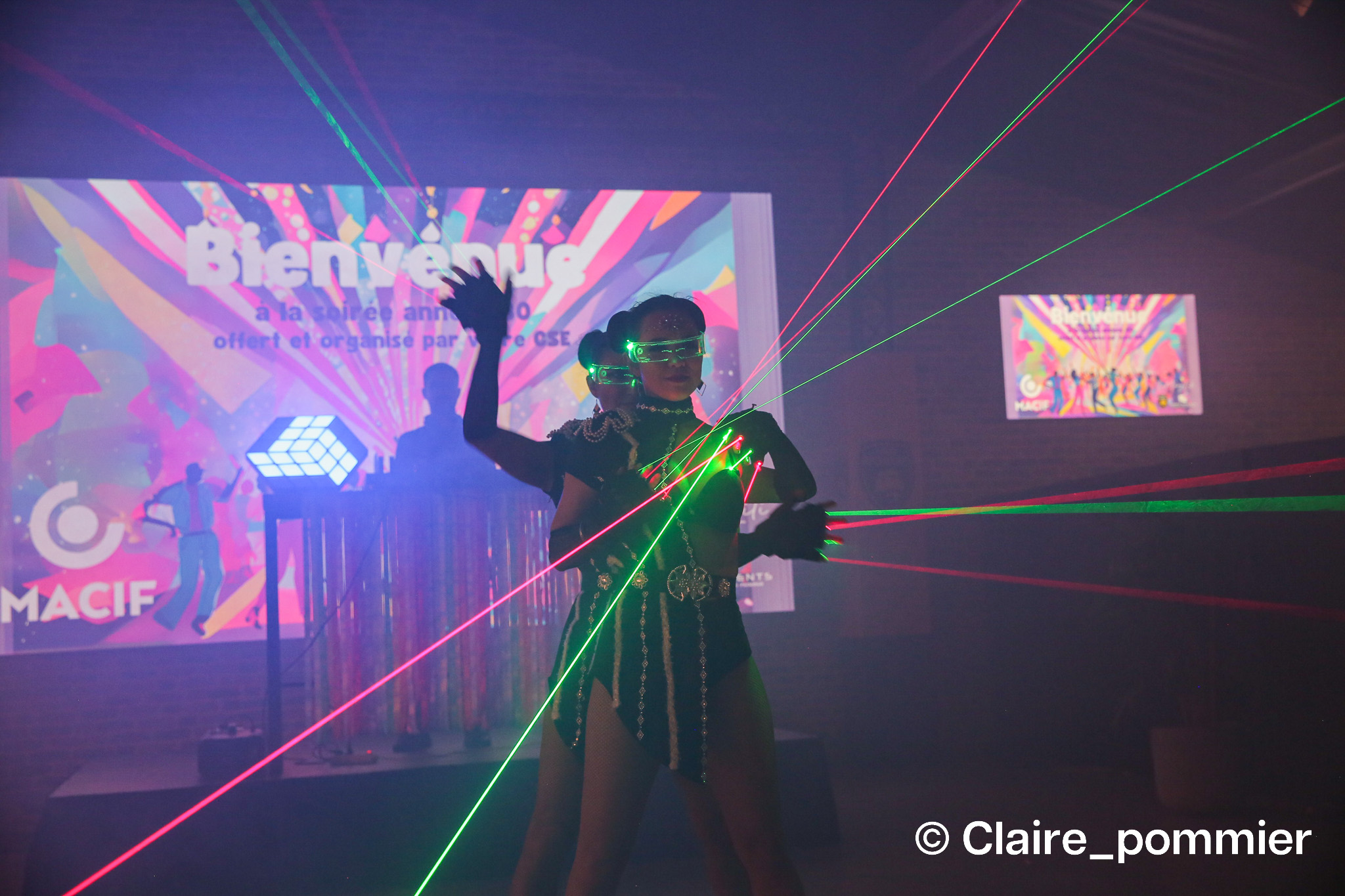
Audiovisual Production Event organisation that protects your message and your timeline
INNOV'events is a Canadian event management company specialising in Audiovisual Production Event delivery for corporate audiences from 50 to 5,000+ participants, in-person, hybrid, or fully virtual.
We handle technical design, vendor coordination, run-of-show, rehearsals, on-site crew management, and contingency planning—so your executives can focus on content, stakeholders, and outcomes.
Sommaire
A corporate AV programme is not “just tech”—it is how your strategy lands with employees, clients, regulators, and partners. When sound is uneven, slides fail, or cameras miss key moments, credibility takes a hit in real time and the room loses confidence.
Organisations expect clean audio for every seat, reliable playback, brand-consistent lighting, and a show flow that stays on time. HR and Communications also need accessible delivery (captions, mic discipline, camera framing) and accurate recordings for post-event comms.
INNOV'events brings field-tested production leadership: pre-production planning, equipment specifications, crew briefings, and tight show-calling. We work with corporate stakeholders who need predictable outcomes, clear reporting, and a partner who can operate calmly under pressure.
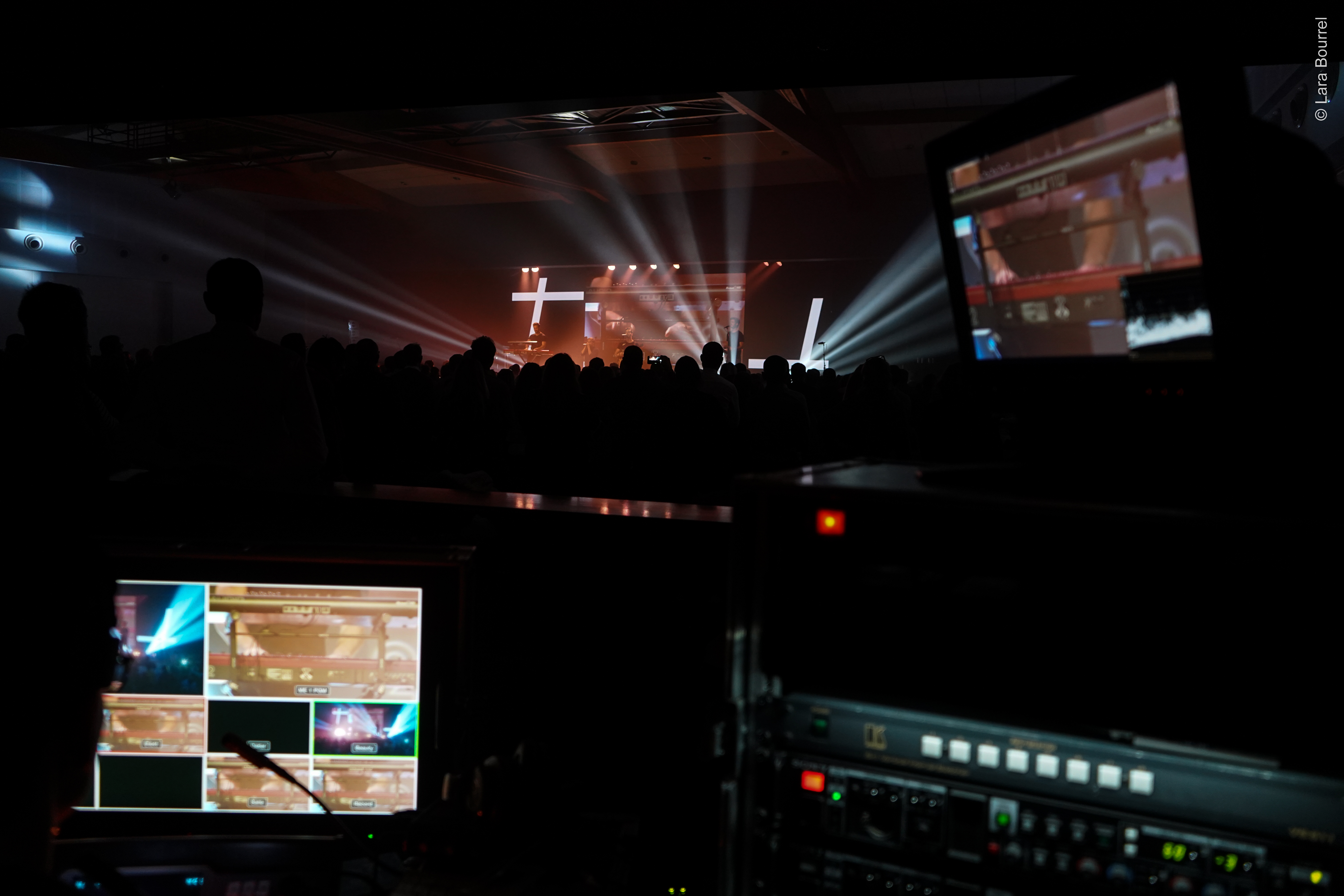
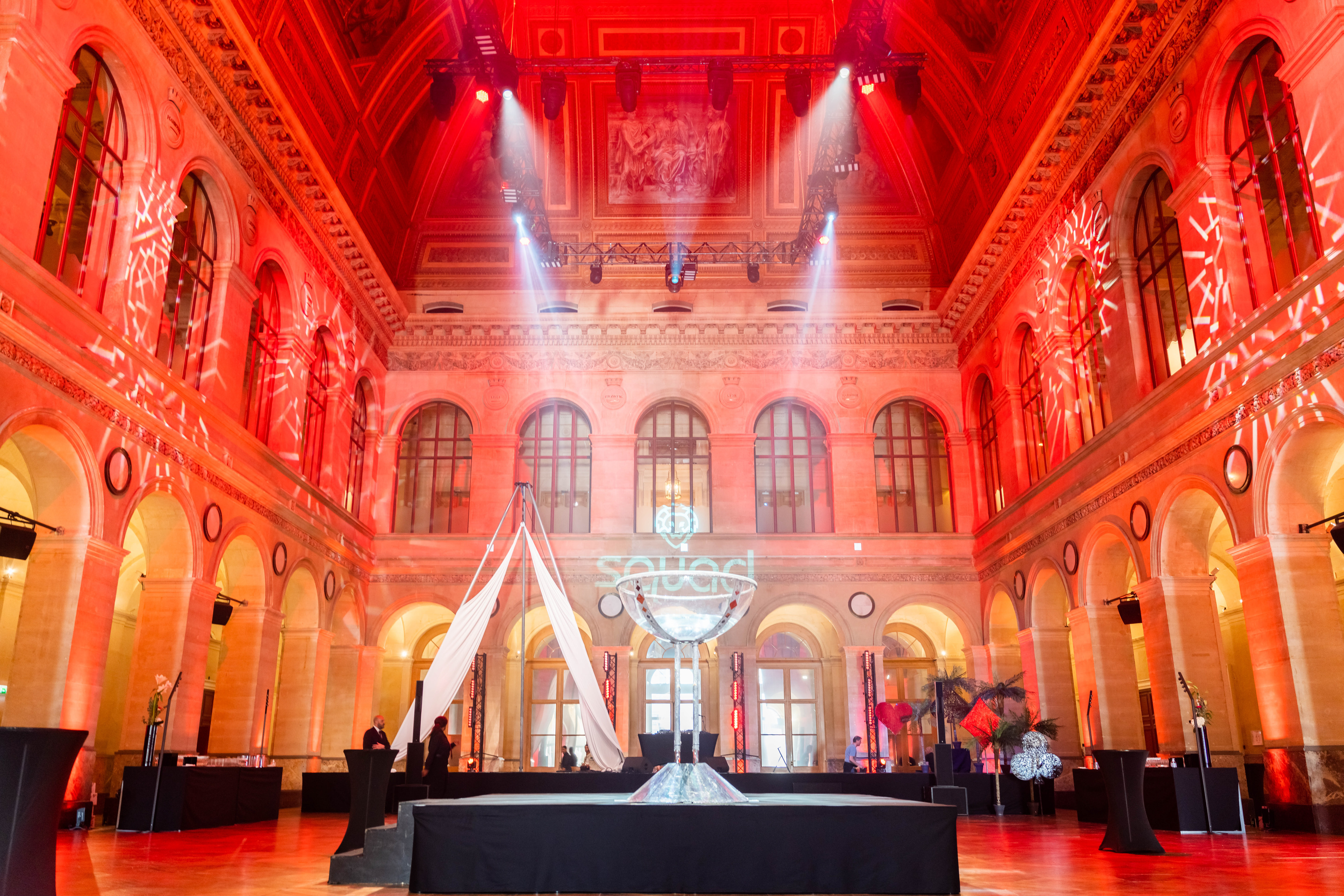
Operational credibility you can validate quickly
Canada-wide delivery with scalable crews and vendor partners in major markets, reducing last-minute travel costs and availability risks.
Production-ready documentation standards: run-of-show, technical rider, stage plots, power plans, comms plans, and rehearsal schedules—shared early to de-risk approvals.
Proven capability across formats: town halls, leadership kick-offs, award galas, product launches, investor-style updates, and multi-room conferences.
Risk management built in: redundancy planning for critical signal paths (audio, video playback, network), and escalation protocols for venue, union, or security constraints.
How to organize a professional event in ?
- Define the objective (cohesion, announcement, fidelity, performance).
- Set date, format and size (20–1 000 people).
- Secure the venue and accommodation according to seasonality.
- Lock down technical, suppliers and logistics.
- Drive the day J (timing, scene, entrance, flow).
We send you a first proposal within 24h.
Why invest in an Audiovisual Production Event for corporate outcomes?
A strong Audiovisual Production Event is one of the few moments where leadership can align a large audience quickly and measurably. Done properly, AV production reduces ambiguity: everyone hears the same message, sees the same proof points, and leaves with consistent next steps.
Executive message control: consistent audio, lighting, and camera framing protect leadership presence—critical for Q&A, sensitive announcements, or change management updates.
Faster alignment at scale: a well-produced town hall can replace weeks of cascading meetings by clarifying priorities, timelines, and accountability.
Better engagement and retention: clear sound, readable screens, and a disciplined run-of-show keep attention high—especially in hybrid settings where distraction is a real competitor.
Brand and employer reputation: stage design, motion graphics, and lighting colour temperature influence how professional (and trustworthy) your organisation appears to employees and external guests.
Re-usable content: multi-camera recording, clean audio capture, and planned cut-downs generate assets for onboarding, internal comms, recruiting, and leadership updates.
Risk reduction: redundancy, rehearsals, and an experienced show caller minimise the “single point of failure” that can derail a critical moment.
In practical terms, good AV production is part of organisational hygiene: it supports a culture where information is shared clearly, decisions are explained, and people feel included—without stretching leadership time across dozens of smaller sessions.
Which activities actually work with corporate AV (without slowing the programme)?
Activities only add value when they serve a business purpose: reinforce messaging, gather insight, or create structured recognition. The best AV-supported activities are easy to explain, fast to run, and technically simple to execute reliably.
Interactive animations
Live polling with on-screen results: ideal for leadership town halls and culture surveys. We plan question pacing, moderation, and how results are displayed (bar chart, word cloud) so it feels professional—not improvised.
Moderated audience Q&A (in-room + remote): a single intake channel reduces chaos. We route questions through a moderator, keep mic runners briefed, and manage screen overlays for clarity.
Employee recognition moments with short media packages: 30–60 second videos plus clean walk-on cues keep energy up while staying on schedule.
Art animations
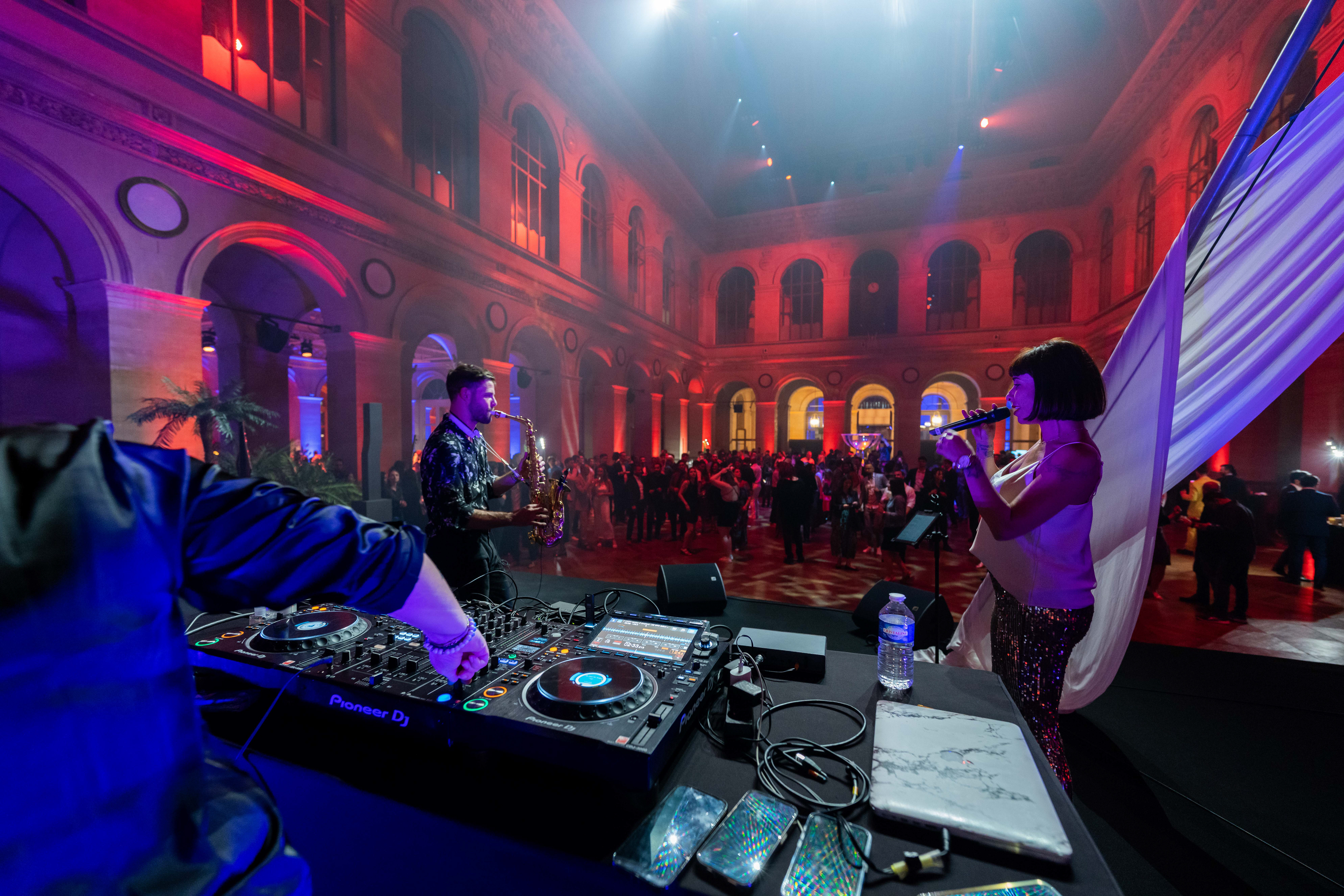
Short-format music cues and stings: simple but effective for transitions, award walk-ons, and segment resets. We pre-clear tracks and test levels to avoid the “too loud for speech” problem.
Projection-mapped brand moments (selectively): best for product launches or milestone celebrations where you can justify the extra programming and rehearsal time.
Innovative animations
Timed service tied to programme beats: we coordinate catering cues with show-calling so service doesn’t collide with key speaking moments (clattering cutlery during an executive message is a common, avoidable issue).
Dietary and accessibility signalling: clear labels and announcements (when needed) reduce HR and Duty of Care risk and prevent on-site escalations.
Gourmand animations
Hybrid speaker inserts: pre-record remote leaders with consistent framing and audio, then play back as “live-style” segments with a controlled Q&A follow-up.
On-site content capture studio: a small, well-lit interview corner for leadership and employees produces usable internal comms assets in one day—if you plan approvals and prompts in advance.
Captioning and bilingual-ready workflows (English-first delivery): we can integrate live captions and ensure recordings are set up for later translation workflows, without complicating the live show.
Every activity should reinforce your brand image: the tone of music, the pace of transitions, the screen design, and even the mic technique coaching should match how your organisation wants to be perceived—clear, credible, and in control.
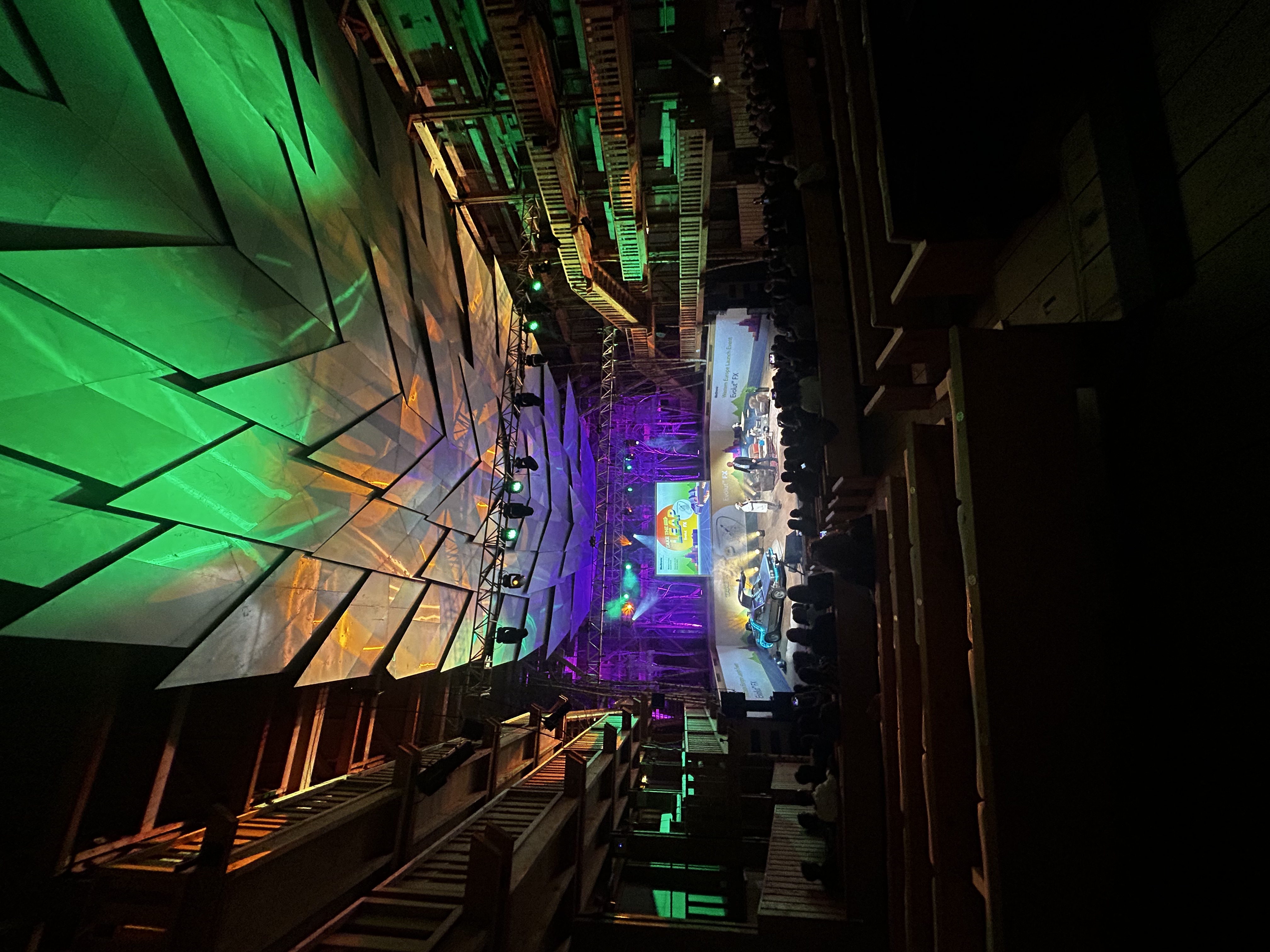
How to choose a venue that won’t fight your AV plan
Venue selection is often where budgets and timelines are won or lost. A space can look perfect and still be a technical headache: low ceilings, limited rigging points, poor acoustics, strict load-in rules, or insufficient power. We assess venues through an AV lens before you sign, or we help you mitigate constraints when the venue is already locked.
Venue type: Hotel ballroom
Best for: Town halls, awards, dinners
Watch-outs: Low trim height, audio reflections, limited backstage space, union labour rules
Venue type: Convention centre
Best for: Multi-room conferences, expos
Watch-outs: Rigging and electrical costs, long cable runs, complex move-in schedules
Venue type: Theatre / performing arts centre
Best for: High-impact keynotes, launches
Watch-outs: House crew requirements, limited branding flexibility, strict rehearsal windows
Venue type: Corporate head office / atrium
Best for: Executive updates, internal culture moments
Watch-outs: Power distribution, network constraints, security access, noise spill to operations
Venue type: Industrial / unique space
Best for: Brand moments, product reveals
Watch-outs: Permits, HVAC noise, load-bearing/rigging limitations, washroom capacity, safety compliance
Before committing, we recommend a technical walk-through focused on: ceiling height and rigging, speaker sightlines, screen placement, backstage flow, loading dock access, power availability, and network options. These details determine whether your sound and light event plan will be efficient—or expensive.
What does an Audiovisual Production Event cost in Canada?
Pricing depends on format (in-person vs hybrid), room size, content complexity, and how much production leadership you need. A reliable budget is built from a technical scope, not from a generic per-person estimate.
As a practical reference for corporate programmes, AV production can range from $15,000 to $250,000+ depending on staging, screens, lighting design, recording, livestream, and labour days. We help you right-size the technical solution so you’re paying for outcomes—not excess gear.
Audience size and room acoustics: larger or challenging rooms require more speakers, delays, and tuning time to keep speech intelligible.
Screen strategy: single large screen vs IMAG (image magnification) with side screens; LED walls vs projection; content resolution requirements for product visuals.
Stage and rigging: staging height, safety rail needs, scenic elements, rigging points, and venue limitations that add labour or engineering.
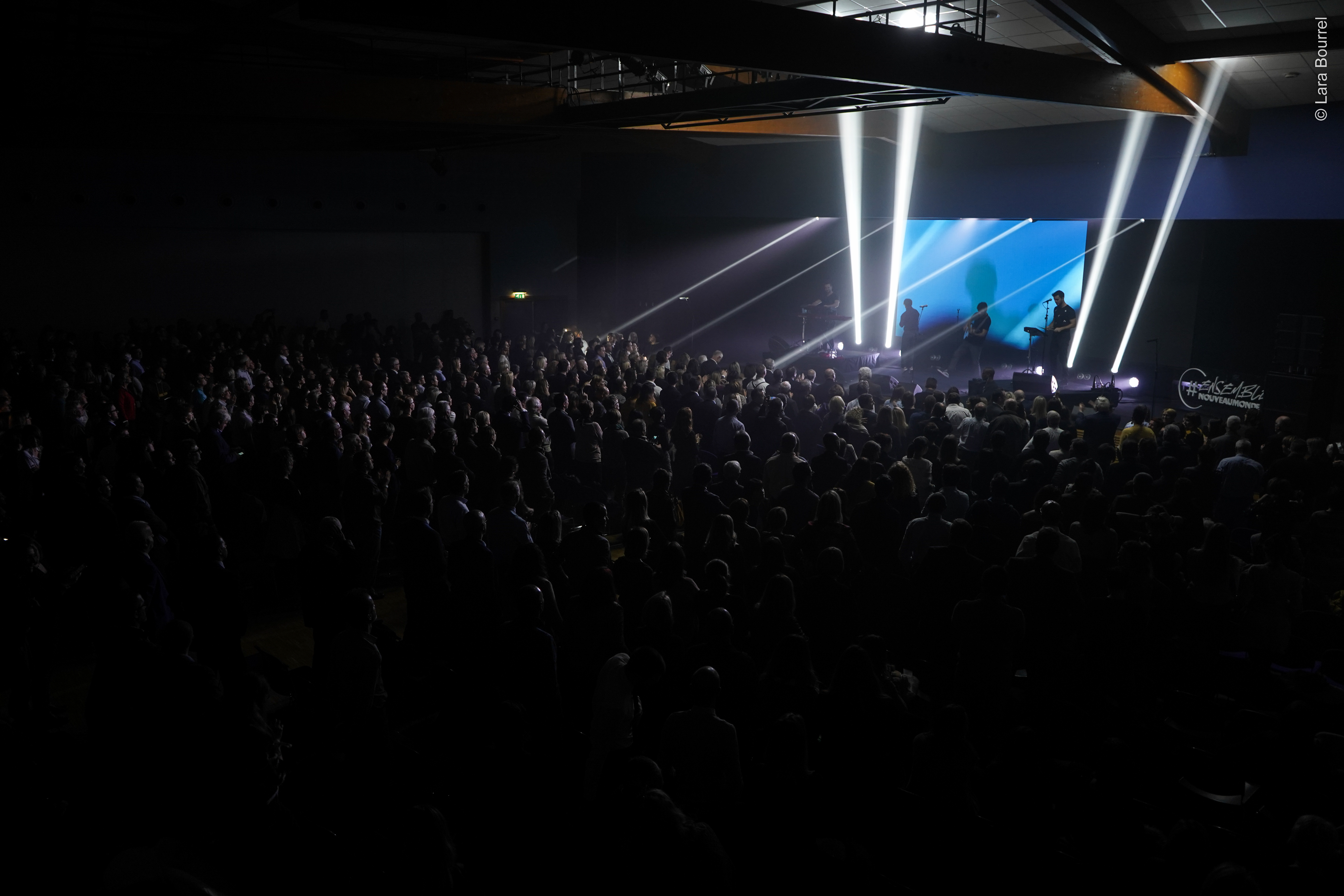
Lighting design: basic stage wash vs camera-ready key light; corporate colour matching; moving fixtures for reveals; haze policies and fire regulations.
Audio capture and recording: multitrack recording for clean post-production, lectern mic plus handheld backups, comms systems, and IFB for presenters.
Hybrid requirements: platform licensing, dedicated broadcast mix, additional cameras, encoder redundancy, captioning, and network provisioning.
Labour and scheduling: number of load-in days, overnight rules, union labour requirements, rehearsal time, and strike time constraints.
Vendor model: using a single audiovisual provider event partner vs multiple suppliers; consolidation can reduce risk but must be managed carefully.
Equipment sourcing: local event sound system rental availability impacts cost and substitution choices, especially in peak seasons.
Return on investment shows up as reduced risk, tighter timing, higher audience comprehension, and usable content assets after the event. When a leadership message is mission-critical, the cost of a failure (lost trust, rework, employee confusion) is typically higher than the incremental spend on proper redundancy and rehearsals.










Examples of AV production scopes we deliver
We support a wide range of corporate formats because the constraints vary by organisation: some prioritise speed and internal approvals; others prioritise broadcast polish or multi-city consistency. Typical mandates include:
- Leadership town halls (200–2,000): speech-first audio design, multi-camera IMAG, live polling, moderated Q&A, captioning-ready recordings, and tight run-of-show management.
- Sales kick-offs and conferences (500–5,000+): multi-room agendas, breakout AV standards, speaker-ready rooms, rehearsals, and a central production office for issue resolution.
- Awards and recognition evenings: walk-on music programming, clean award pickup audio, controlled lighting looks, and a stage flow that keeps the show moving.
- Product launches and partner events: colour-accurate screens, precise cueing for demos, lighting designed for cameras, and contingency planning for live demo risk.
- Hybrid and virtual events: dedicated broadcast mix, remote speaker management, pre-recorded inserts, network planning, and platform moderation protocols.
Across all formats, our focus is the same: clarity, timing, and accountability—supported by documentation and experienced crews who know corporate pressure.
Common AV mistakes that create real business risk
Designing for the room, not for speech intelligibility: impressive visuals cannot compensate for muddy audio. We prioritise PA coverage, mic choice, and tuning.
Underestimating rehearsal needs: “We’ll run it quickly on the day” often becomes a missed cue or a delayed start. We schedule realistic rehearsal blocks for high-risk segments.
Last-minute content chaos: multiple versions of slides and videos create playback failures. We implement a controlled content check-in and approval path.
No redundancy on critical paths: a single laptop for playback or a single network path for streaming is a predictable failure point. We plan backups where it matters.
Unclear show leadership: when no one is calling the show, departments improvise and timing collapses. We establish show-calling authority and comms.
Choosing equipment without understanding labour and venue rules: the “cheapest gear” can be the most expensive once rigging, union calls, and load-in constraints appear.
Ignoring accessibility: lack of captions, poor sightlines, or inadequate mic discipline can create inclusion issues and reputational impact.
Our role is to remove these risks before they show up in front of your audience. A professional Audiovisual Production Event is engineered to be predictable—even when the day-of throws curveballs.
Why corporate teams keep INNOV'events year after year
Repeat business happens when an agency makes life easier for internal teams: fewer surprises, clearer decision points, and a production approach that respects executive time. We build long-term relationships by documenting standards, improving each edition, and being transparent about trade-offs.
Standardised playbooks for recurring events: consistent tech specs, templates for run-of-show, and repeatable room setups that reduce planning time.
Measurable reliability: fewer last-minute change orders, smoother rehearsals, and consistent on-time starts because the fundamentals are handled early.
Continuous improvement: post-event debriefs that translate into action items (content deadlines, cue refinement, signage and wayfinding, hybrid moderation upgrades).

Loyalty is earned by operational performance. When clients return, it’s because the programme ran on time, the message landed clearly, and internal stakeholders weren’t forced into day-of firefighting.
Our Audiovisual Production Event delivery process
👉 Discovery and success criteria (Week 1)
We confirm business objectives, audience profile, format (in-person/hybrid/virtual), and non-negotiables. We identify stakeholders (Executive sponsor, HR, Comms, IT, Procurement) and set decision timelines. Output: a concise production brief and an initial technical direction.
👉 Technical design and venue validation (Weeks 1–3)
We design audio, video, lighting, staging, and network needs to fit the room and the agenda. If the venue is not final, we review options through an AV lens (rigging, power, acoustics, load-in). Output: draft equipment spec, staffing plan, and risk register with mitigations.
👉 Vendor sourcing and scope lock (Weeks 2–6)
We request and compare quotes, validate labour assumptions, and ensure responsibilities are unambiguous (who supplies what, who installs, who operates). Output: consolidated budget, statement of work, and a clear change-control process.
👉 Content workflow and show build (Weeks 4–8)
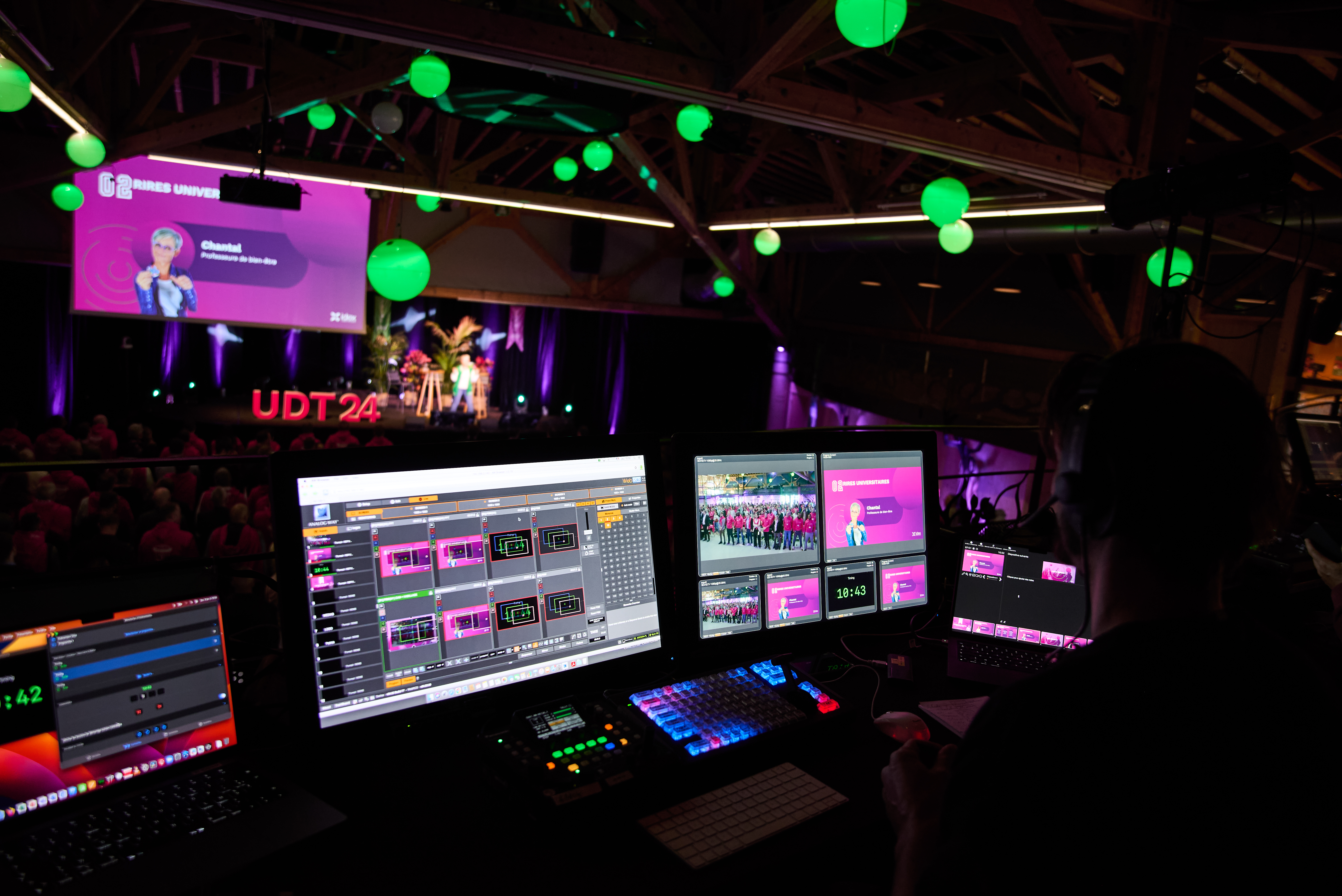
We set file standards for slides and videos, confirm deadlines, and organise speaker support (mic selection, stage movement guidance, confidence monitor needs). Output: run-of-show with cues, stage management plan, and rehearsal schedule.
👉 Rehearsals and technical run-throughs (Final 7–2 days)
We conduct tech checks for playback, remote connections, microphones, comms, and lighting looks. We rehearse the highest-risk moments first: walk-ons, demos, award sequences, and Q&A routing. Output: final cue sheet, updated run-of-show, and confirmed contingency actions.
👉 Show day execution and escalation control (Event day)
We manage call times, crew briefings, show-calling, and on-the-fly adjustments while protecting the schedule. We keep stakeholders informed without pulling them into technical details. Output: a smooth programme, professional audience experience, and secure capture of key content.
👉 Post-event deliverables and debrief (Within 2–10 business days)
We deliver recordings as agreed, provide notes on what to improve, and document updated standards for next time. Output: debrief summary, updated tech baseline, and budget guidance for the next edition.
FAQ sur l'organisation Audiovisual Production Event
How far in advance should we book AV production?
For a 200–500 person corporate event, plan 6–10 weeks. For a conference or multi-room programme, plan 3–6 months. Peak dates (spring and fall) can require earlier holds, especially if you need specific venues, union time windows, or hybrid streaming crews.
What’s included in Audiovisual Production Event organisation?
Typically: technical design (audio/video/lighting/staging), vendor coordination, equipment specification, content playback planning, run-of-show and cueing, rehearsals, show-calling, stage management, and on-site crew leadership. If hybrid: platform workflow, encoder setup, broadcast mix, remote speaker management, and recording delivery.
How do you prevent audio issues in large rooms?
We start with speech intelligibility: correct mic choice (often handhelds for Q&A, lavs for keynotes), tuned PA coverage (including front fills/delays as required), disciplined gain structure, and a dedicated A1 mixing for speech. We also reduce risk with backup mics, spare batteries, and a comms plan to manage mic handoffs.
Do we need LED walls or is projection enough?
Projection is often sufficient for town halls and standard presentations when sightlines are good. LED walls become valuable when you need high brightness (rooms with ambient light), wide viewing angles, tight cue visuals, or strong brand colour consistency. We’ll recommend based on room size, content type, and budget—often with two or three options.
What budget range should we expect for hybrid events?
Hybrid typically adds 15% to 60% over a comparable in-person setup, depending on camera count, broadcast mix needs, captioning, and network provisioning. A modest hybrid town hall might start around $25,000–$60,000, while high-polish multi-camera programmes can exceed $100,000+.
Request a free quote for your Audiovisual Production Event
If you’re planning a leadership town hall, conference, awards night, or hybrid broadcast, we’ll help you scope the right level of production—without overbuilding. Share your date, city, audience size, venue (if known), and programme goals, and we’ll come back with a clear technical approach, budget ranges, and the key decisions needed to lock the plan.
Contact INNOV'events to request your free quote and secure production availability early—especially for peak-season dates and multi-room programmes.