
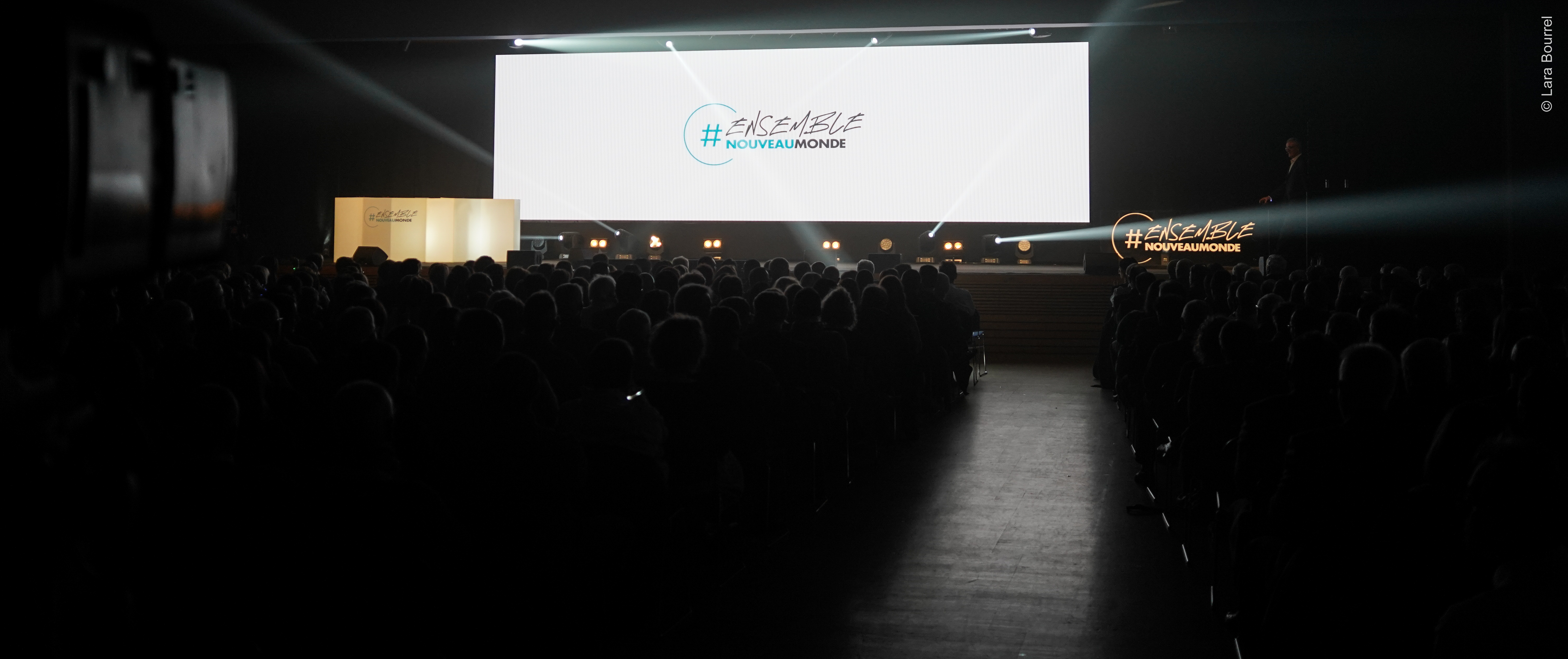
Annual General Meeting planning that protects governance and reputation
INNOV'events is a Canadian event agency supporting organisations across Canada with Annual General Meeting delivery for 50 to 2,000+ participants, in-person, hybrid, or virtual. We handle agenda engineering, registration, AV, livestream, voting readiness, speaker support, and day-of operations so your meeting runs on time and on record.
Sommaire
An Annual General Meeting is not “just another corporate event” — it’s a governance milestone where trust is built (or lost) in a single morning. Shareholders or members expect clarity, procedural rigour, and a controlled environment where every decision can be defended afterward.
Executives, HR, and communications teams usually need the same outcomes: accurate attendance and credentialing, smooth transitions between financials and motions, reliable audio for questions, and a professional tone that reflects the organisation’s stability — especially when results are mixed or change is on the table.
As an event management company, INNOV'events brings field-tested Annual General Meeting organisation processes: run-of-show discipline, contingency planning, stakeholder coordination (legal, finance, IR/Comms), and technical production that’s designed for governance, not entertainment.
Operational credibility you can measure
Pan-Canadian delivery: teams and supplier partners across major Canadian markets, with consistent standards for production, registration, and venue operations.
Hybrid-capable production: livestream, recording, slide management, and redundant audio paths designed to reduce single points of failure.
Governance-first planning: agendas, speaker cues, and floor-mic workflows built to support motions, Q&A, and clear minutes.
Stakeholder coordination: we routinely align executives, Board support, finance, legal, HR, IT, security, and venue union rules into one executable plan.
How to organize a professional event in ?
- Define the objective (cohesion, announcement, fidelity, performance).
- Set date, format and size (20–1 000 people).
- Secure the venue and accommodation according to seasonality.
- Lock down technical, suppliers and logistics.
- Drive the day J (timing, scene, entrance, flow).
We send you a first proposal within 24h.
Why invest in a well-run Annual General Meeting?
Leaders often underestimate how much an Annual General Meeting influences confidence. The meeting is where your organisation demonstrates competence: not through slogans, but through structure, fairness, and clear communication under scrutiny.
Protect the organisation’s credibility: a controlled stage, clear audio, reliable slides, and professional facilitation reduce the perception of chaos — especially when performance is being questioned.
Enable better decision-making: a well-structured agenda and Q&A flow help participants focus on substance instead of process (and keeps the Chair from firefighting).
Reduce governance and reputational risk: clean registration/credentialing, documented procedures, and rehearsed transitions lower the odds of disputes about who could vote, what was presented, and when.
Support internal alignment: the AGM is a forcing function for finance, legal, HR, and communications to align on messaging, numbers, and commitments.
Improve participation: hybrid access and accessible formats make it easier for members/shareholders across Canada to engage, which can strengthen legitimacy.
Make change easier to land: leadership transitions, bylaw updates, and strategic pivots are received better when the meeting feels fair, calm, and well-managed.
In practical terms, the AGM is a reflection of your economic culture: how you handle questions, how you report results, and how you respect participants’ time. A strong meeting signals maturity and operational excellence.
AGM engagement ideas that stay appropriate for governance
“Annual general meeting animation” should never undermine seriousness. The right engagement tools keep attention high, reduce side conversations, and make your message easier to follow — without turning the meeting into a show.
Interactive animations
Structured live Q&A: moderated question queues (in-room mics + online submission) with clear rules displayed on screen; helps the Chair maintain fairness and time control.
Real-time sentiment checks: non-binding pulse questions (for hybrid attendees as well) to understand what’s landing; useful for communications teams without confusing formal votes.
Digital agenda and timing bar: a visible “where we are” and “what’s next” display reduces anxiety and keeps the room with you.
Member/shareholder journey prompts: short on-screen prompts that explain procedure (quorum, motions, speaking order) so first-time attendees don’t feel lost.
Art animations
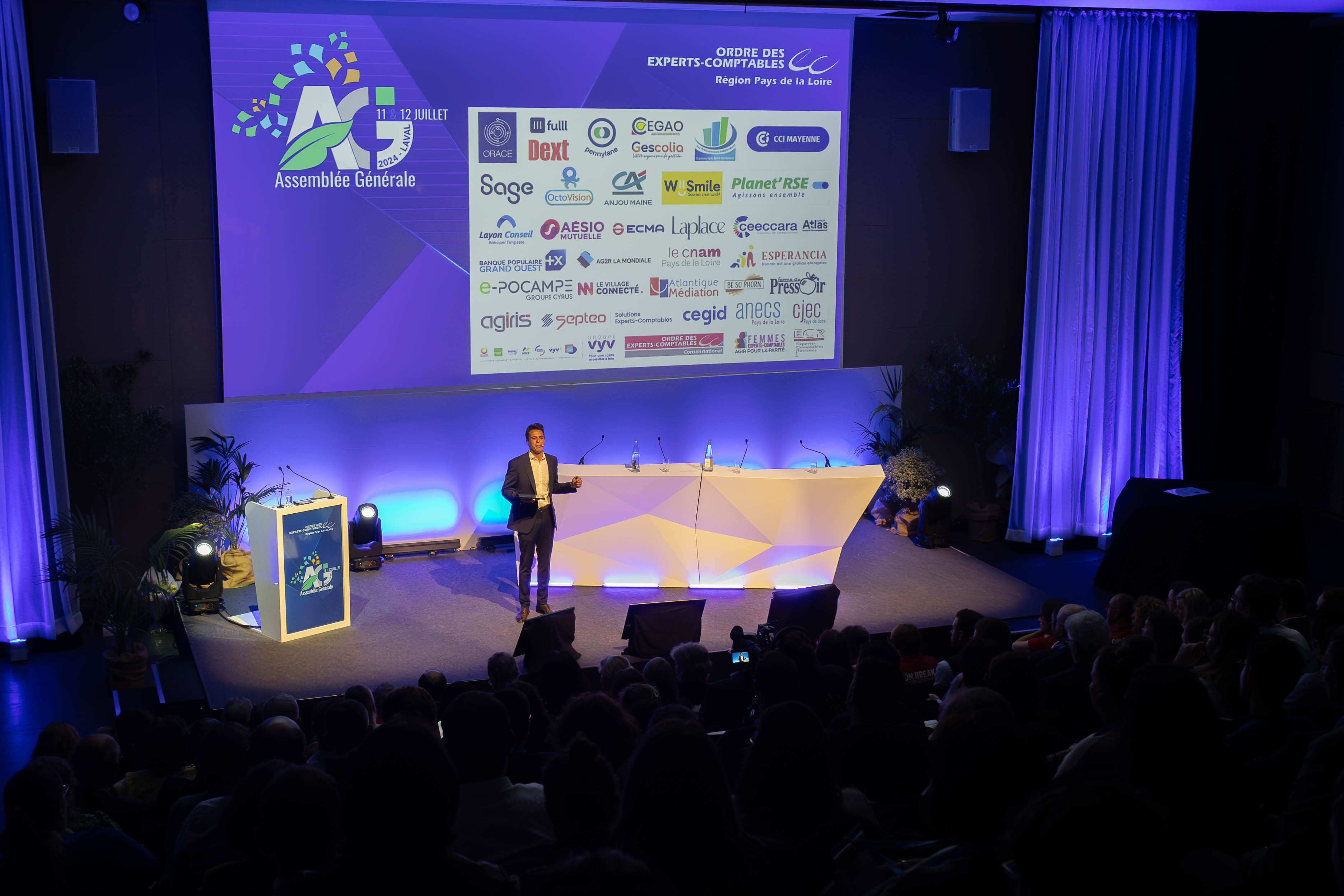
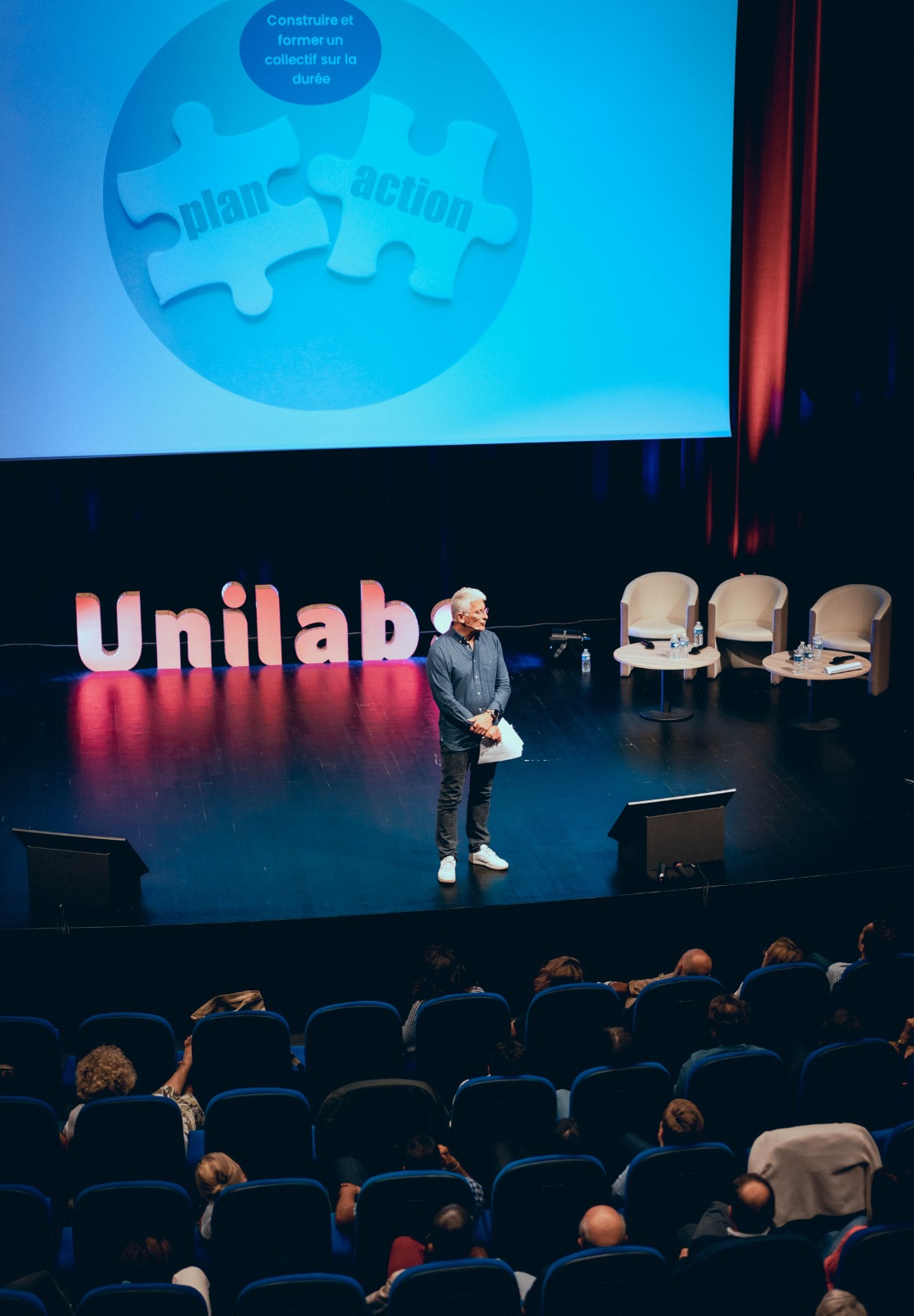
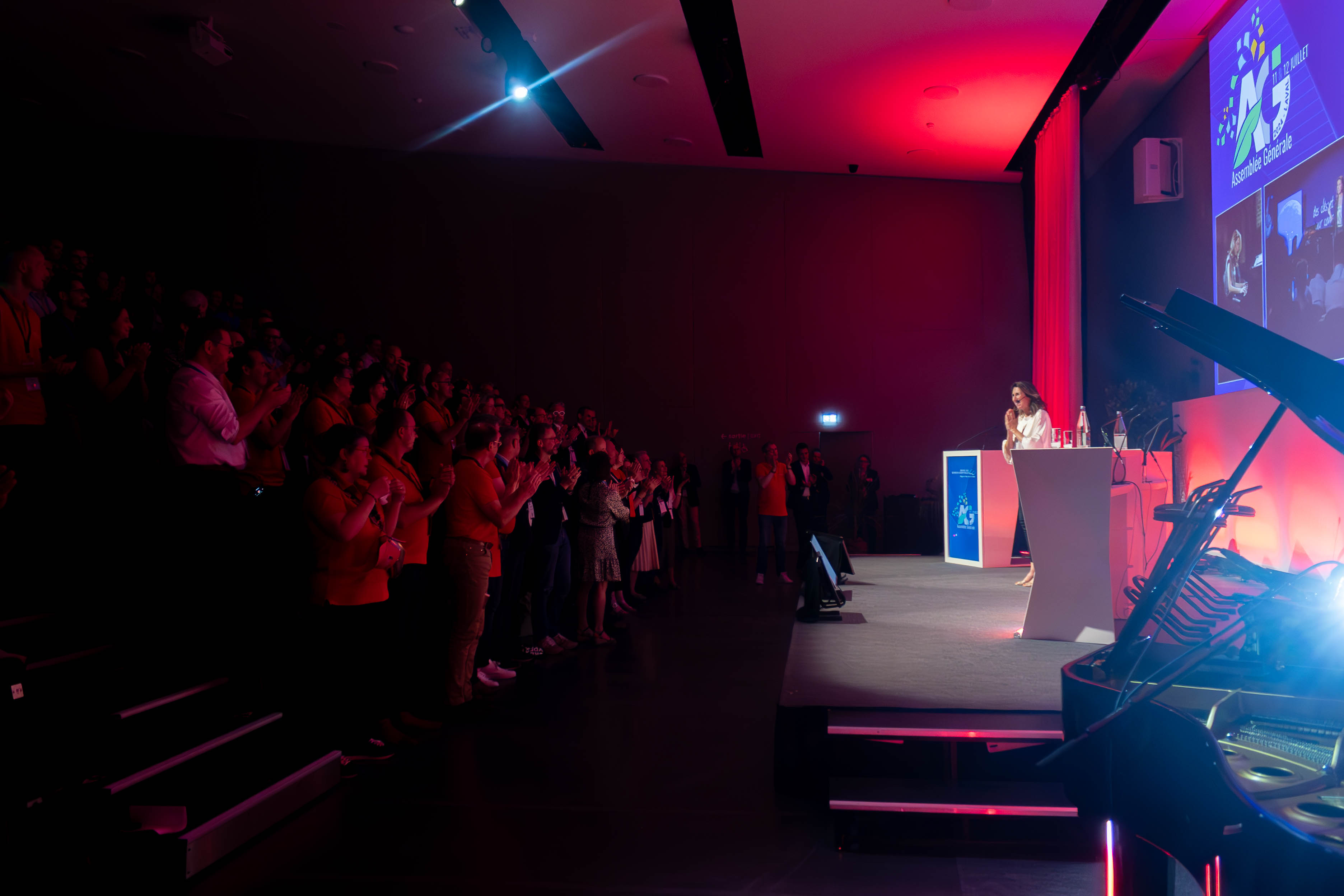
Subtle stage design: branded scenic elements, disciplined lighting, and clean sightlines; this improves camera output for a hybrid annual general meeting without looking theatrical.
Short opener sting: a 20–40 second branded video bumper that signals “we’re starting” and helps you begin on time, especially with late arrivals.
Innovative animations
Pre-meeting coffee service with timed cut-off: encourages early arrival while protecting start time; we coordinate service flow so it doesn’t create noise during call to order.
Post-meeting networking coffee: practical for HR and comms when you want leadership accessible after formal proceedings without extending the governance portion.
Gourmand animations
Hybrid-ready studio corner: a controlled area for recorded messages (e.g., Chair statement, audit committee summary) captured in advance as a contingency if a speaker is delayed.
Accessibility-first AV: live captioning, large-font slide templates, and listening assistance integration; reduces complaints and supports inclusive participation.
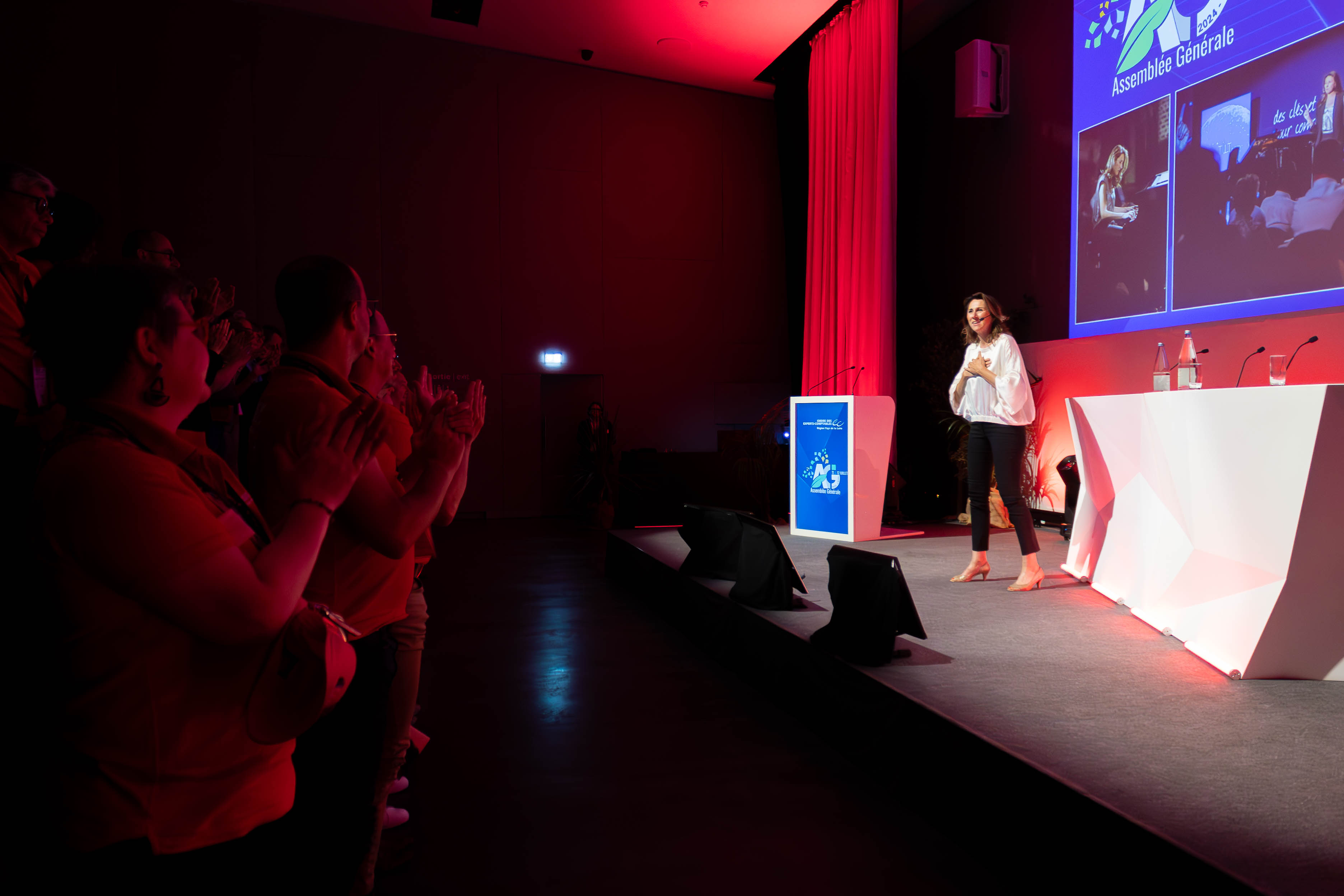
AGM host corporate support: a professional stage host can manage transitions and housekeeping while the Chair stays focused on governance; this is especially helpful when the Chair is also managing sensitive Q&A.
The test is consistency: every engagement element must reinforce your brand image and credibility. If it risks distracting from motions, financials, or member trust, it doesn’t belong in the programme.
How to choose an AGM venue that won’t create day-of surprises
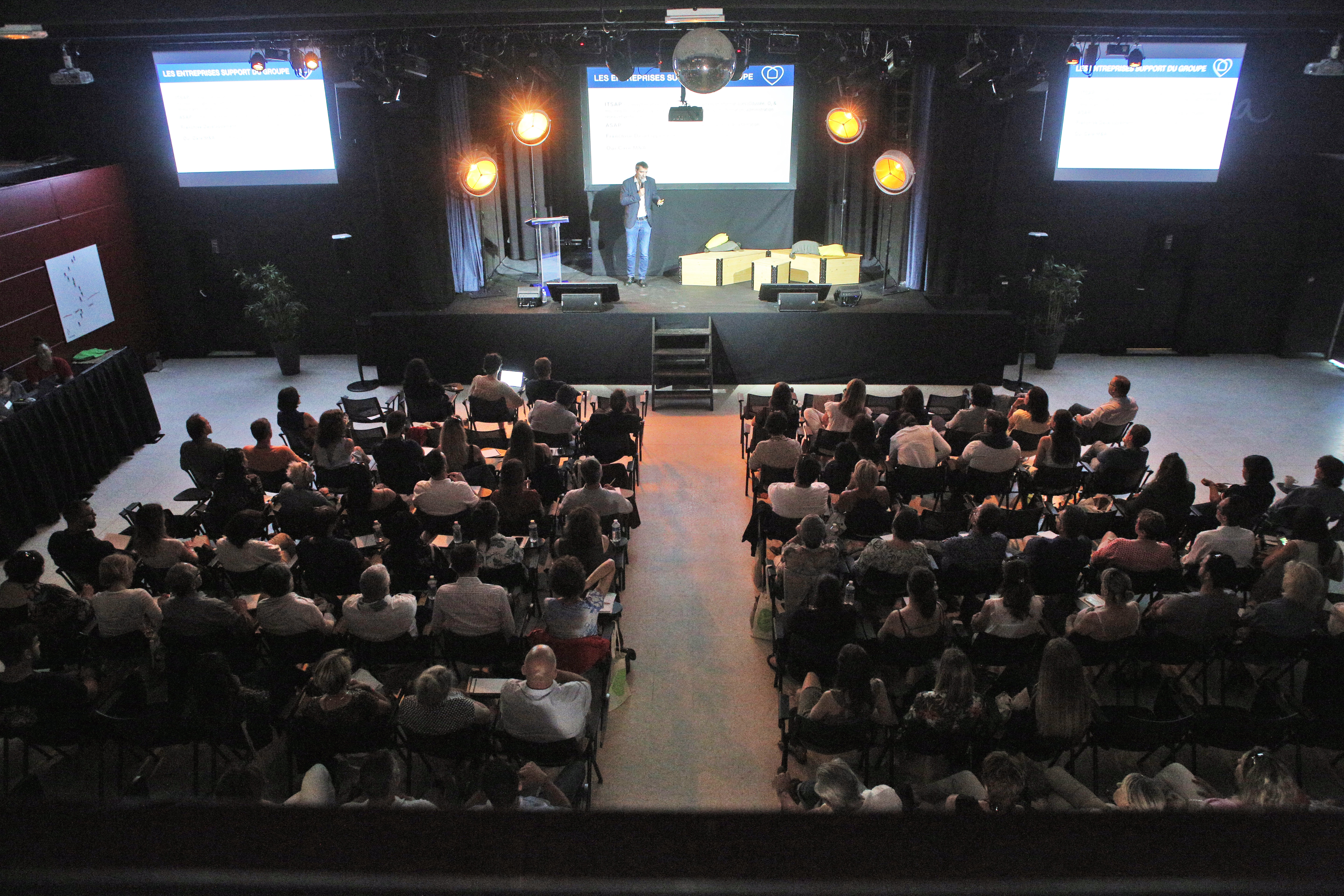
Venue choice affects more than ambience — it affects governance flow, accessibility, security, union rules, and how well a company general meeting event performs on camera. We shortlist venues based on sightlines, acoustics, backstage logistics, connectivity, and the venue’s tolerance for registration volumes and line management.
Venue factor: Room acoustics and echo
What we verify: ceiling height, wall materials, built-in PA quality, noise bleed from adjacent rooms
Why it matters: Q&A becomes unintelligible, recordings are unusable, and livestream quality drops.
Venue factor: Sightlines and stage height
What we verify: column placement, riser options, screen positioning, camera angles for hybrid
Why it matters: Attendees miss slides or can’t see who is speaking, increasing complaints and disengagement.
Venue factor: Load-in, union, and labour rules
What we verify: dock access, time windows, mandatory house technicians, overtime triggers
Why it matters: Budget and schedule blow-ups happen here if not scoped early.
Venue factor: Registration footprint and queue control
What we verify: foyer size, stanchion placement, multiple entry points, security screening options
Why it matters: Late starts and quorum stress often originate at the front door.
Venue factor: Internet reliability for hybrid
What we verify: dedicated hardline, bandwidth, failover (LTE/5G), network isolation from guest Wi‑Fi
Why it matters: A hybrid AGM needs business-grade connectivity, not “hotel Wi‑Fi.”
Venue factor: Accessibility and privacy
What we verify: barrier-free routes, elevators, seating plans, backstage privacy, media holding areas
Why it matters: Supports inclusive participation and protects leadership and Board logistics.
If you’re considering a multi-city rotation, we standardise the venue checklist so your meeting experience remains consistent across Canada — even when local constraints differ.
What an Annual General Meeting typically costs in Canada
Annual General Meeting pricing depends on format (in-person, virtual, hybrid), governance complexity, and production expectations. We price transparently, with line items that executives and procurement teams can validate. The goal is to avoid last-minute “mandatory” costs (house AV, labour minimums, connectivity upgrades) that appear after contracts are signed.
Format and scale: 50 vs. 500 vs. 2,000+ participants changes room size, staffing, registration tech, and security needs.
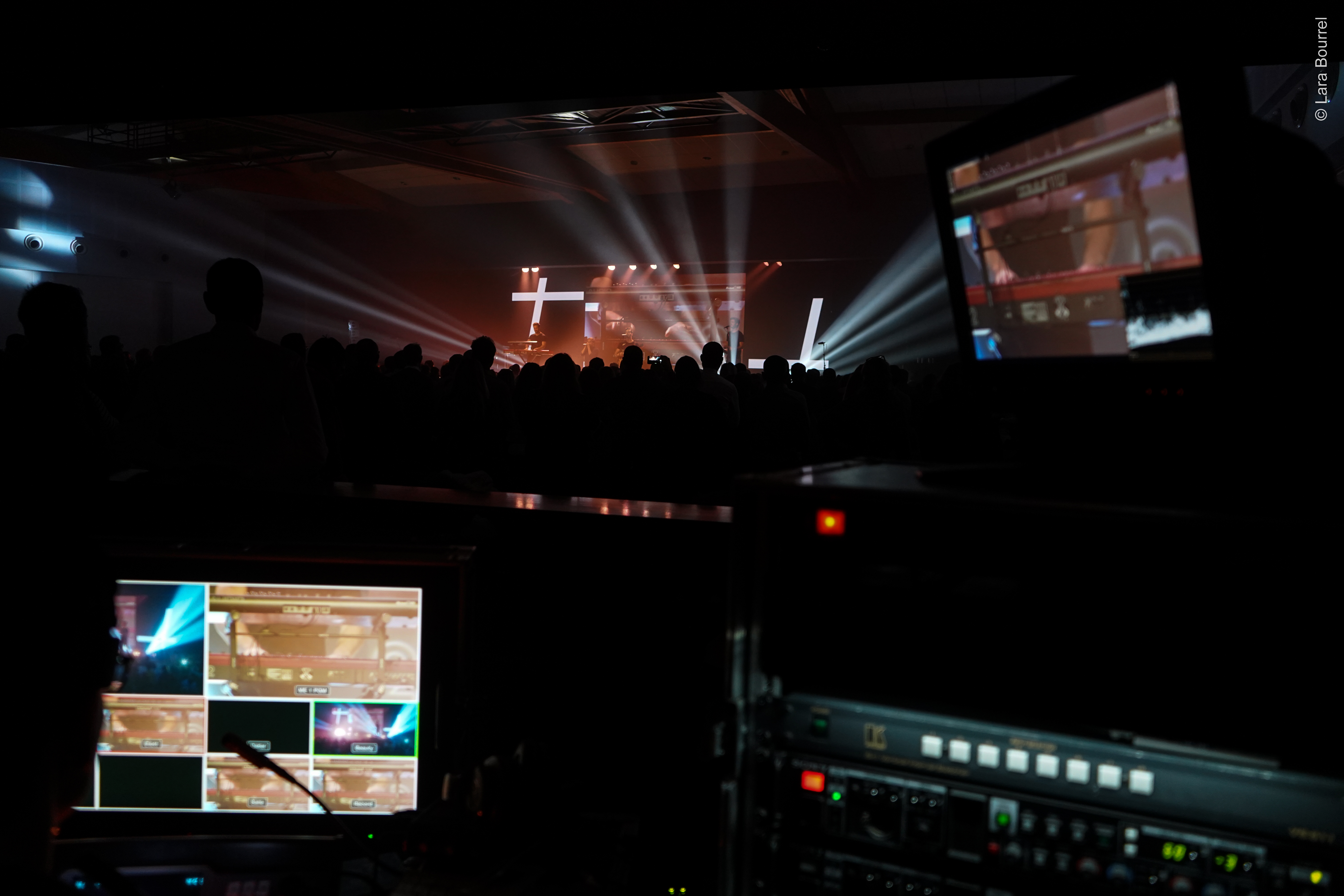
Hybrid annual general meeting production: cameras, switching, encoding, livestream platform, recording, captioning, and technical rehearsal time.
Audio design for Q&A: floor mics, roaming mics, audio mixing, and a plan for online questions; this is often where “cheap” setups fail.
Venue and labour rules: unionised venues, mandatory in-house technicians, overtime, and load-in windows can materially change costs.
Registration and credentialing: badge types, check-in devices, on-site printers, membership verification workflows, and data privacy requirements.
Content support: scriptwriting, slide template rebuilds, speaker coaching, video bumpers, and French/English captioning if required by your organisation (delivered as separate language assets, not mixed on-screen).
Risk and security: access control, VIP movement, protest risk planning (where relevant), and media management zones.
ROI is measured in avoided risk and protected time: fewer executive hours spent troubleshooting, fewer reputational issues, and fewer governance disputes. A controlled AGM also reduces the hidden cost of follow-up communications and stakeholder reassurance after a poorly executed meeting.









AGM and governance meeting delivery: what we’ve handled in the field
Our AGM work spans different governance models and risk profiles: member associations with credential checks, corporate shareholder meetings with tightly managed messaging, and organisations transitioning to hybrid to improve participation across Canada.
Examples of real operational situations we plan for:
- Late-breaking slide changes from finance after the audit committee review: we use version control and a single playback machine to prevent the “wrong deck” going live.
- Contentious Q&A where multiple participants line up at once: we implement a moderated queue, clear speaking rules, and an audio plan that keeps the room intelligible on recording.
- Hybrid participation spikes at the start of meeting: we stage a controlled “holding slide” and time the stream start so online attendees aren’t watching an unstructured room.
- Venue-imposed labour constraints that limit setup time: we redesign load-in schedules and reduce unnecessary equipment while protecting mission-critical audio and recording.
- Executive time scarcity: we compress rehearsal to what matters (timing, cues, mic technique), while ensuring the show caller and AV team can execute independently.
This breadth is why clients rely on us for corporate AGM organization that stays stable even when the agenda isn’t.
Common AGM mistakes that create governance and reputational risk
Starting without controlling registration flow: long lines delay quorum confirmation and push the agenda off schedule.
Under-scoping audio for Q&A: if the room can’t hear questions, the meeting loses fairness, and recordings become hard to defend.
Relying on venue Wi‑Fi for hybrid: it may work in a test and fail at showtime when guest traffic spikes.
No change-control process: last-minute edits to slides or motion wording create contradictions between what’s said, what’s shown, and what’s recorded.
Unclear roles on the day: when everyone can “approve” changes, decisions slow down and stress shows on stage.
Skipping a technical rehearsal: even 60–90 minutes of structured rehearsal can prevent most failures.
Our role is to remove these risks with planning discipline, technical redundancy where it matters, and day-of leadership that keeps governance proceedings clean and on time.
Why organisations keep the same AGM partner
AGMs repeat yearly, but the context changes: market conditions, leadership priorities, sensitive topics, and participation levels. Clients come back when the agency reduces internal workload while improving control and predictability.
Year-over-year continuity: recurring teams reduce onboarding time, vendor re-quoting, and repeated venue learning curves.
Process assets that compound: run-of-show templates, cue sheets, room plans, and risk registers refined each year.
Fewer surprises: after the first cycle, we already know your approval cadence, stakeholders, and non-negotiables.

Loyalty is rarely about novelty. It’s proof that the meeting ran cleanly, stakeholders felt respected, and leadership didn’t have to micromanage production to get there.
Our AGM planning process from kickoff to close-out
👉 Discovery and governance mapping
We start with a working session with your Executive Office/Board support, finance, legal, HR, and communications. We confirm meeting type (shareholder/member), expected attendance, voting requirements (if applicable), accessibility needs, and reputational sensitivities. Output: a scoped delivery plan with responsibilities, critical dates, and early risk flags.
👉 Venue and technical architecture
We assess venue fit (acoustics, sightlines, registration footprint, backstage, labour rules) and design the production accordingly. For hybrid, we specify connectivity and redundancy, camera coverage, and audio strategy for Q&A. Output: floor plans, technical spec, and a production schedule aligned to venue constraints.
👉 Agenda, scripts, and content control
We build the detailed run-of-show, speaker cue sheets, and slide management plan (single source of truth, naming conventions, lock times). We coordinate approval gates so leadership isn’t reviewing the same document five times. Output: final show book that the Chair, show caller, and AV team can execute.
👉 Registration and participant experience
We design the check-in workflow, credentialing logic, badge types, and staffing. We plan signage, queues, accessibility seating, and late-arrival procedures. Output: registration playbook and on-site desk scripts to keep the front door calm and fast.
👉 Rehearsal and day-of delivery
We run a structured rehearsal focused on timing, cues, mic technique, and transitions. On the day, a show caller leads execution while FOH, registration, and AV teams work from the same plan. Output: a meeting that starts on time, stays intelligible, and remains controlled even under pressure.
👉 Post-event wrap and next-year recommendations
We deliver recordings (as contracted), attendance/registration reports, and an operational debrief: what worked, what didn’t, and what to change next year. Output: fewer planning hours and lower risk for the next Annual General Meeting.
FAQ sur l'organisation Annual General Meeting
How far in advance should we plan an AGM?
Plan 10–16 weeks in advance for an in-person AGM, and 12–20 weeks for a hybrid annual general meeting with livestream, captioning, and formal rehearsals. If you need a large venue, unionised labour, or a multi-city leadership schedule, earlier is safer.
What’s the biggest technical risk in a hybrid AGM?
Audio quality and stability. Viewers will tolerate average video, but not broken sound. We prioritise proper mic deployment (including Q&A), clean audio routing for recording/livestream, and reliable internet with a dedicated hardline plus failover where needed.
Do we need a host for a corporate AGM?
Not always. An AGM host corporate approach helps when the Chair needs to stay strictly on governance and you want a professional to handle housekeeping, transitions, and time cues. It’s most useful for larger rooms (300+) or agendas with sensitive Q&A.
How do you keep Q&A fair and on time?
We set rules in advance (time limits, one question at a time, no speeches), use a moderated queue (in-room mic lines plus online submissions), and give the Chair a visible timer. The show caller coordinates mics so the room and livestream can hear every question clearly.
What budget range should we expect for an AGM?
Ranges vary by city, venue, and format. As a practical guide in Canada: a modest in-person AGM with professional AV often starts in the $25,000–$60,000 range; a hybrid AGM with multi-camera livestream, recording, and captioning commonly lands around $60,000–$150,000+. Venue labour rules, audience size, and technical redundancy are the biggest drivers.
Request a free quote for your Annual General Meeting
If your next Annual General Meeting has higher visibility, a hybrid component, or a sensitive agenda, the safest move is to lock the plan early. INNOV'events will scope your meeting, identify hidden risks (venue, labour, connectivity, audio), and provide a clear, auditable budget and delivery plan.
Send us your meeting date(s), estimated attendance, city, and whether you need in-person, virtual, or hybrid annual general meeting delivery. We’ll respond with next steps and a free quote built for executive review.