
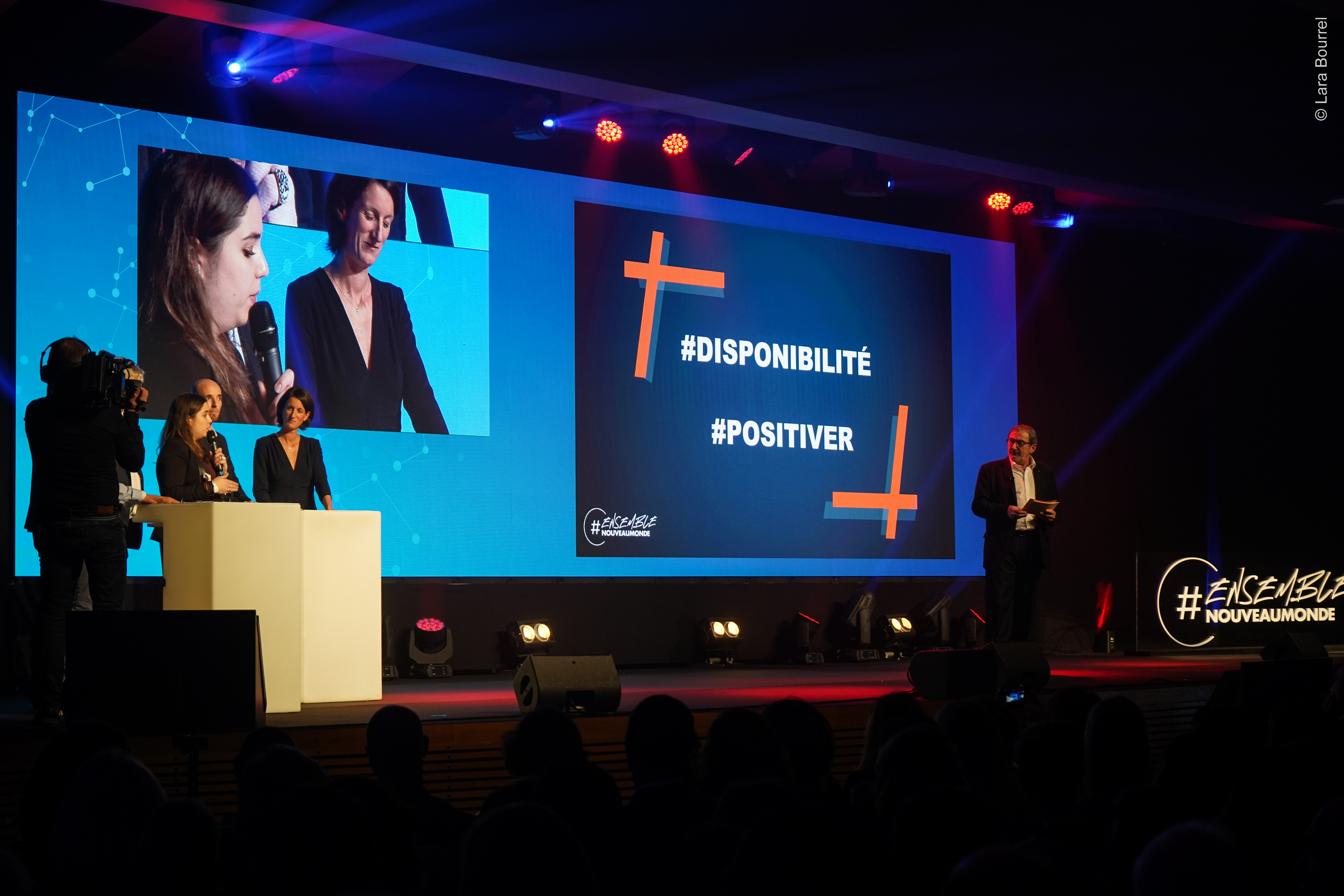
Interpreter / Translator in Montréal for executive-grade corporate events
INNOV'events provides Interpreter / Translator services for corporate meetings in Montréal, from board-level briefings to multi-room conferences and hybrid town halls. Typical deployments range from 20 to 1,500+ attendees, with one goal: your message lands clearly, in the right tone, with no operational surprises.
We manage the full chain: selecting the right interpreters and translators, terminology prep, run-of-show alignment, onsite coordination, and the technical setup (booths, headsets, audio routing, remote interpreting when needed).
Sommaire
In a corporate event, interpretation is not a “nice-to-have”: it directly impacts comprehension, employee alignment, stakeholder confidence, and even legal exposure when communications touch HR, safety, or policy. A single mistranslation during a CEO Q&A can distort intent and fuel unnecessary internal noise.
Organizations in Montréal expect bilingual delivery that feels natural, fast, and consistent with brand voice—especially in front of unions, global HQs, public partners, or investors. They also expect strict confidentiality, punctual cueing, and a plan B when a keynote runs long or slides change at the last minute.
Our team is based in Montréal and works in real venues, with real timelines: soundchecks, rehearsals, badge pick-up, and last-minute executive edits. We approach Interpreter / Translator in Montréal as an operational discipline, not a vendor add-on.
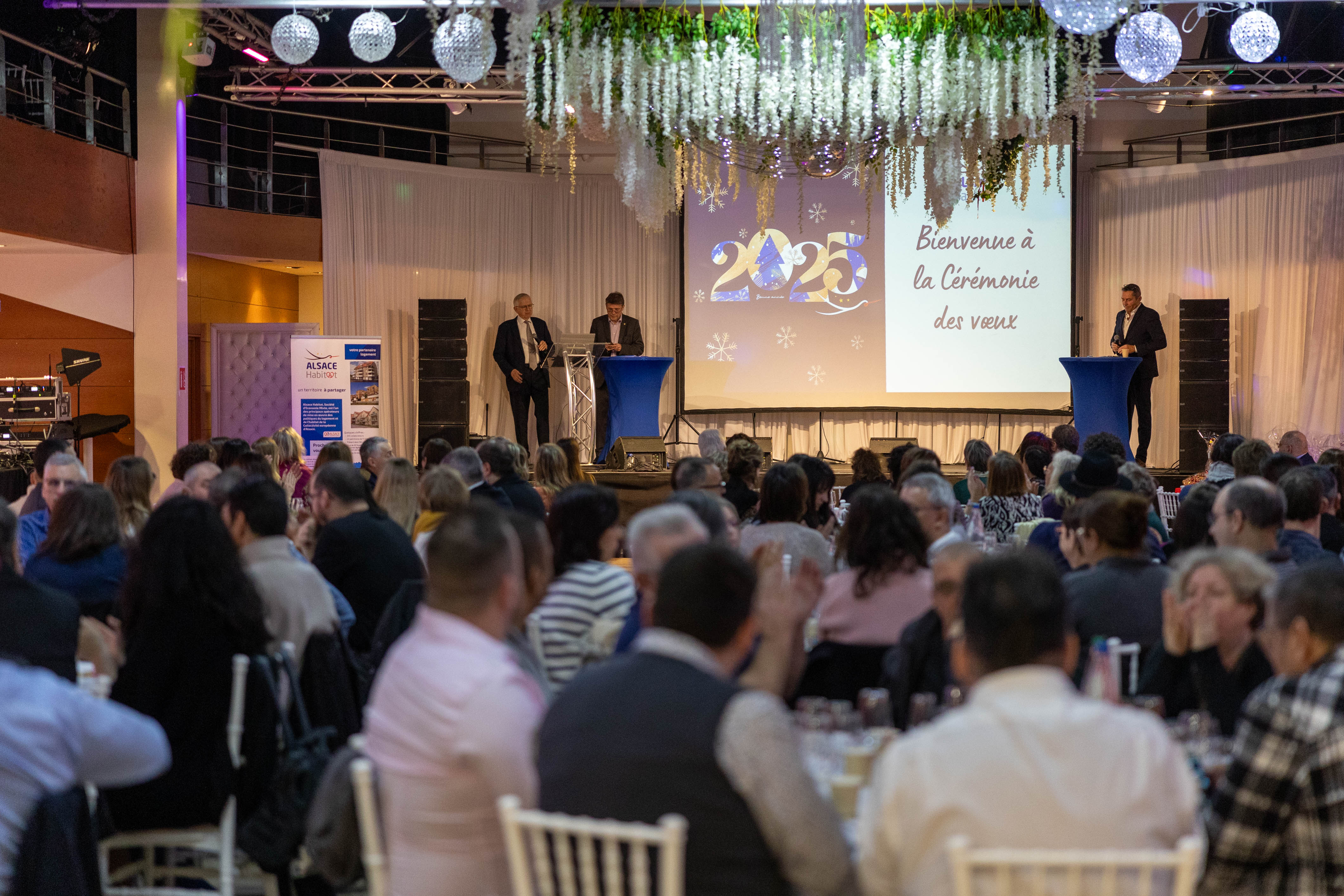
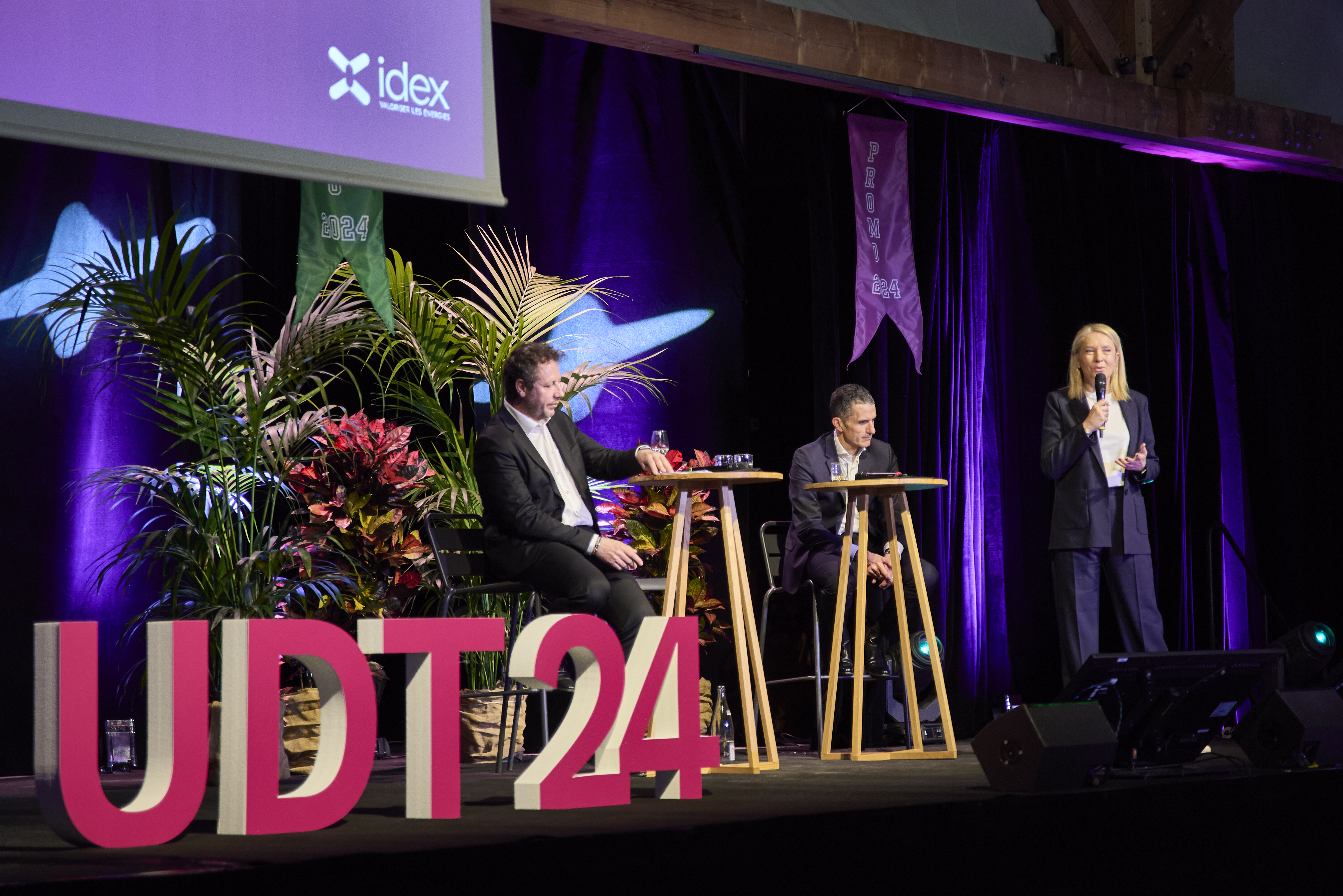
Montréal-ready interpretation support backed by measurable delivery
10+ years supporting corporate events across Québec and Canada, including bilingual executive communications and multi-stakeholder conferences.
200+ events/year delivered through our production network (corporate meetings, conferences, launches, town halls, training programs).
Access to a vetted pool of Interpreter / Translator resources (simultaneous, consecutive, whispering, written translation) with sector experience: finance, aerospace, public sector, tech, manufacturing, healthcare.
24–48h turnaround options for urgent translation needs (subject to volume and complexity) with structured QA and terminology control.
Event-grade technical readiness: interpreter booths, IR/RF headset distribution, audio routing, stage management coordination, and hybrid workflows with platform audio governance.
Companies in Montréal that need interpretation done right
In Montréal, bilingual communication is operational reality—not a checkbox. We support HR and communications teams who have to deliver messages that are simultaneously human, precise, and defensible: policy updates, restructuring announcements, leadership roadshows, compliance training, and stakeholder events where the audience is mixed by language and culture.
Our clients typically return year after year because once you’ve lived the pressure of event day—late slide updates, executive tone changes, last-minute legal notes—you want a partner who can stabilize the process. When communications are high-stakes, our role is to protect clarity and flow so leadership can focus on the room.
If you want us to reference comparable mandates (industry, scale, format) during a call, we can share anonymized examples and the operational choices behind them (type of interpreting, equipment, staffing ratios, rehearsal approach, and risk controls).
 Besoin d’un devis rapide ?
Nous vous envoyons une première proposition sous 24h.
Why hire an Interpreter / Translator in Montréal for leadership events
Executives rarely need “more content” at an event—they need alignment. Interpretation and translation are what make that alignment possible when the room is bilingual, when teams are distributed, or when the message must be consistent across departments and regions.
Protect executive intent: we preserve tone (firm, empathetic, urgent) and avoid the typical traps—false friends, anglicisms, or overly literal wording that changes meaning in French or English.
Increase adoption of HR and change messages: employees act on what they understood. Clear bilingual delivery reduces follow-up tickets, repeated FAQs, and “telephone-game” distortions after the town hall.
Reduce reputational risk: in front of partners, boards, or media-adjacent audiences, bilingual accuracy signals professionalism and respect. In Montréal, audiences notice immediately when French is treated as secondary.
Enable better Q&A: when Q&A is interpreted smoothly, you get more participation from the whole room—especially frontline teams who would otherwise stay silent.
Support hybrid and multi-site formats: interpretation becomes the glue between in-room audio, remote attendees, recording, and post-event content (transcripts, recaps, compliance proof).
Montréal is a bilingual business hub with global ties; many organizations are simultaneously speaking to local teams, national leadership, and international stakeholders. Professional interpretation is how you keep one message, one narrative, and one level of credibility across all of them.
What Montréal audiences expect from bilingual event delivery
Local audiences in Montréal are sophisticated about language. They don’t just expect “translation”; they expect accurate register and a delivery that sounds like a native executive. A French version that feels like a direct calque from English can undermine trust instantly—especially during sensitive moments like performance programs, policy enforcement, or workplace conduct topics.
From an operational standpoint, the expectations are also practical: fast transitions between languages, zero feedback in the headsets, and a moderator who knows how to pace. We frequently see issues when a speaker reads dense text at speed, when videos are not subtitled, or when the event platform defaults to a single audio channel. These are avoidable, but only if language is integrated into the technical plan early.
Another local reality: many corporate environments combine Québec French, international French, and global English in the same day (think visiting executives, multinational teams, and local management). We plan for that by setting terminology rules upfront (product names, job titles, legal terms), defining what stays in English, and ensuring consistency across spoken and written deliverables.
How to add language services into Montréal event programming
Interpretation and translation are often categorized as “support,” but they can actively improve engagement when integrated into programming. In Montréal, bilingual facilitation can turn a passive audience into a participating one—without slowing down the agenda.
Interactive animations in Montréal
Bilingual moderated Q&A: we brief the moderator on pacing and mic discipline, and we set clear rules (one question at a time, avoid nested questions). Interpreters receive a clean mic feed and the room hears a coherent, respectful exchange.
Live polling in both languages: we align question wording in English and French so results are comparable, and we verify character limits to avoid truncated statements on screens.
Breakout “language lanes”: for workshops, we can run two parallel breakout rooms or one bilingual room with whisper interpreting. The choice depends on group size, sensitivity of content, and desired interaction level.
Art animations in Montréal
Bilingual MC support: a host can set tone and transitions, but only if they can properly bridge between languages. We coordinate scripts, pronunciation of names, and timing so the event remains fluid.
Storytelling segments with interpreted speaker: for client case studies or leadership narratives, interpretation preserves emotion and credibility—especially when the speaker is not comfortable in the audience’s primary language.
Innovative animations in Montréal
Bilingual culinary stations: when food is part of the experience (tastings, sponsor booths), we provide translated signage and a terminology cheat sheet for staff (allergens, ingredients, preparation methods). This avoids awkward moments and supports accessibility.
Gourmand animations in Montréal
Hybrid with remote simultaneous interpreting: useful when interpreters are traveling between Montréal and other hubs or when agendas shift. We design audio governance so remote participants can select the correct language channel without affecting recordings.
Real-time captions and post-event transcripts: for internal comms and compliance needs, we can combine interpretation with captioning and deliver clean bilingual transcripts for recap emails, intranet posts, and leadership toolkits.
Whatever the format, we align language choices with your brand image: formal vs. conversational register, approved terminology, and consistent treatment of French and English. This is where a professional Interpreter / Translator approach supports trust, not just understanding.
Which Montréal venues work best for interpretation logistics
The venue changes everything: interpreter sightlines, booth placement, RF/IR coverage for headsets, backstage access, and the ability to run a clean audio feed. In Montréal, many beautiful spaces were not designed for conferences, which means you need to anticipate acoustic reflections, limited rigging points, or strict load-in rules.
| Venue type | For which objective? | Main strengths | Possible constraints |
|---|---|---|---|
| Convention center / large conference venue | Multi-track conferences, plenaries with 300–2,000+ attendees, simultaneous interpretation | Built-in AV infrastructure, dedicated control rooms, space for interpreter booths and headset distribution | Fixed vendor lists, longer lead times, unionized labor rules and strict scheduling for load-in/out |
| Hotel ballroom in Montréal | Leadership summits, sales meetings, awards nights requiring bilingual stage program | One-stop logistics (rooms, catering), easier guest flow, breakout rooms nearby | Acoustics can vary, limited backstage, careful planning needed for booth placement and audio isolation |
| Corporate HQ / training center | Town halls, strategy offsites, HR sessions with sensitive content | Confidential environment, brand control, simpler attendee travel for local teams | Often lacks event-grade audio routing; may require temporary booth setup, headset management, and security coordination |
| Industrial or atypical space (loft, gallery, heritage site) | Product launches or stakeholder receptions where image matters | Strong brand impact, memorable staging opportunities | Power limits, sound reflections, restricted rigging; interpretation requires careful technical design to avoid poor intelligibility |
We strongly recommend a site visit (or at minimum a technical walk-through) before confirming interpretation mode. Booth placement, cable paths, and headset distribution points are small details that decide whether your bilingual delivery feels effortless—or visibly improvised.
How much does an Interpreter / Translator cost in Montréal
Pricing for Interpreter / Translator in Montréal depends on the format (simultaneous vs. consecutive), the number of rooms, event duration, technical requirements, and preparation time. If someone quotes you a flat number without asking about your run-of-show and audio setup, expect gaps later.
Interpreting mode: simultaneous interpretation typically requires 2 interpreters per language per room for sessions beyond short durations, plus booth and audio distribution. Consecutive can be lighter technically but often doubles speaking time.
Number of language pairs: English↔French is common in Montréal, but adding a third language (e.g., Spanish) changes staffing, channel routing, and headset planning.
Duration and scheduling: half-day vs. full-day, split sessions, evening programs, rehearsals, and standby time all affect cost. We structure schedules to protect interpreter performance and accuracy.
Technical package: interpreter booths (when required), IR/RF transmission, headsets, receivers, spare units, sanitation, and onsite tech. Hybrid events also add platform configuration and audio governance.
Preparation and terminology: translating slide decks, building glossaries, pre-brief calls with speakers, and reviewing scripts reduce risk and improve quality—especially for regulated or technical content.
Onsite coordination: a language lead or stage manager interface is often the difference between smooth handoffs and chaotic last-minute changes.
From an ROI standpoint, interpretation is an insurance policy for comprehension and credibility. When you calculate the cost of misunderstanding—follow-up meetings, internal confusion, reduced adoption of initiatives, reputational friction—the investment is usually modest compared to the stakes of the message.
Why use a Montréal-based partner for interpreters and translation
Language services are not isolated from event production. In Montréal, the best results come when interpretation is designed into the run-of-show, the technical plan, and the speaker preparation—not bolted on the week before.
As an event agency in Montréal, INNOV'events coordinates interpreters, AV, and on-site operations under one timeline. That means fewer gaps between “what was promised” and “what is actually possible” in the room: booth placement, clean audio feeds, moderator pacing, headset distribution, and contingency planning for schedule drift.
We also know the practical realities: downtown load-in restrictions, venue-specific policies, and how to run rehearsals when executives have limited availability. Local presence is not a slogan; it’s what allows us to validate technical assumptions early and to be on the ground when something changes.
- Single point of accountability for language + technical delivery (no finger-pointing between interpreter vendor and AV vendor).
- Faster troubleshooting onsite (audio routing, channel assignment, headset gaps, last-minute script edits).
- Better speaker readiness through structured briefings and terminology alignment with your communications team.
- Consistency across channels: spoken interpretation, translated slides, signage, captions, and post-event recap content.
From an ROI standpoint, interpretation is an insurance policy for comprehension and credibility. When you calculate the cost of misunderstanding—follow-up meetings, internal confusion, reduced adoption of initiatives, reputational friction—the investment is usually modest compared to the stakes of the message.






Examples of interpretation mandates delivered in Montréal
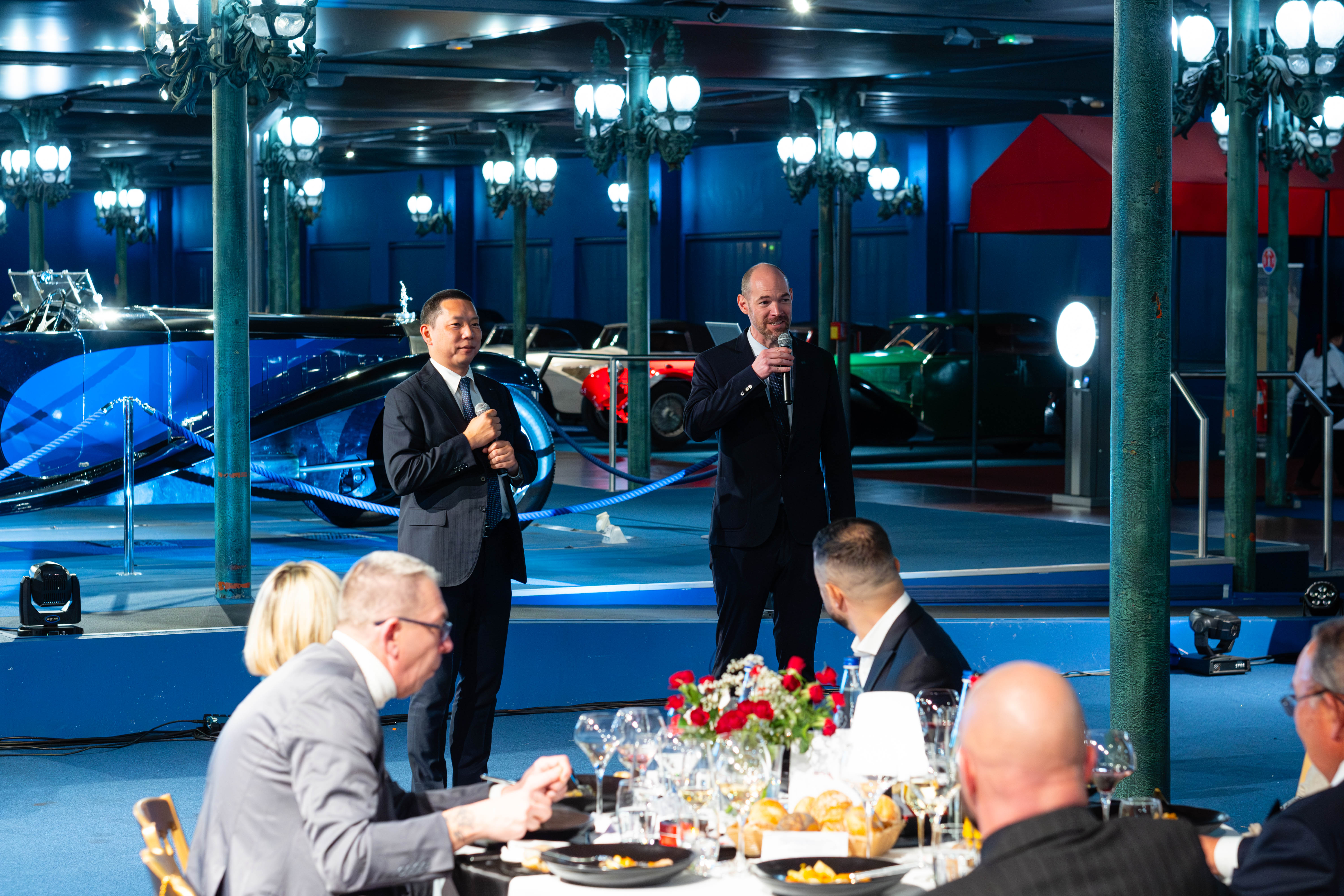
We support a range of corporate realities in Montréal, from fast-moving internal communications to highly formal stakeholder events. A typical mandate might involve a bilingual CEO town hall with sensitive HR topics: we set a clear prep workflow (script review, glossary, speaker notes), define Q&A mechanics, configure two language channels, and ensure the recording captures the correct audio for replay.
Another frequent scenario is the multi-room leadership summit: plenary sessions with simultaneous interpretation, breakout rooms with either bilingual facilitation or consecutive support, plus last-minute deck updates. Here, success depends on operational discipline—version control for slides, interpreter briefings before each block, and stage management coordination to avoid overlapping mics or video audio that bypasses the interpretation feed.
We also handle written translation that is directly tied to event performance: executive memos released the morning of the event, bilingual signage and wayfinding, sponsor assets, and post-event toolkits. The throughline is the same: accuracy, tone, and delivery under real constraints.
Montréal pitfalls to avoid when booking interpretation
Choosing consecutive interpretation for a tight agenda: it can add significant time. If you have a packed leadership schedule, simultaneous is often the only way to keep timing intact.
No clean audio feed for interpreters: when interpreters rely on room sound, accuracy drops. We plan direct feeds from microphones and video playback to the interpreter position.
Late or missing materials: acronyms, product names, and internal terminology must be shared early. We set a minimum viable package (agenda + deck + speaker list) and a deadline for final changes.
Underestimating headset logistics: distribution points, spare units, battery checks, sanitation, and retrieval need staffing. Otherwise, you get lines at the door and frustrated attendees.
Hybrid events with unclear language channels: remote attendees need simple instructions and tested channel switching. We run a tech rehearsal that includes language selection and recording behavior.
Ignoring confidentiality: executive strategy, labor relations, and M&A-sensitive messaging require NDAs and controlled document access. We formalize this from day one.
Our role is to prevent these risks before they become visible. In practice, that means integrating language into the production schedule, validating the technical path, and maintaining a clear chain of communication between your comms lead, speakers, AV, and interpreters.
Why Montréal clients keep the same interpretation partner
When bilingual delivery works, it disappears—because the event simply flows. That level of reliability is built through repeat collaboration: we learn your terminology, your leadership style, your approval process, and your risk tolerance.
Many corporate teams we support in Montréal rebook for recurring moments: quarterly town halls, annual leadership meetings, client conferences, and compliance programs.
On recurring mandates, preparation time typically decreases after the first cycle because glossaries, speaker preferences, and technical templates are already established—while quality and consistency increase.
Fewer day-of surprises: repeat clients usually have a clearer run-of-show discipline (mic rules, Q&A pacing, slide deadlines), which directly improves interpreter performance.

Loyalty is proof of quality because it reflects what matters most to directors: predictable outcomes under pressure, and a partner who protects leadership communication when the stakes are high.
Our Montréal workflow for Interpreter / Translator services
👉 Step 1 (Montréal): Discovery call focused on risk and format
We start with a targeted discussion with HR, communications, or the executive office: audience mix, languages, agenda pressure points, sensitivity of content, and the desired audience experience. We confirm whether you need simultaneous, consecutive, whispered interpreting, written translation, captions, or a combination. We also identify compliance constraints (confidentiality, recordings, accessibility).
👉 Step 2 (Montréal): Build the language plan and staffing model
We propose the right interpreter team based on subject matter and event tempo (not just availability). We define staffing ratios, interpreter rotation, and the roles required onsite (language lead, headset distribution, technical operator). If written translation is included, we define scope, turnaround, and approval workflow to avoid last-minute rework.
👉 Step 3 (Montréal): Terminology and materials preparation
We collect source materials (decks, scripts, prior speeches, internal glossaries), then build a working glossary and confirm sensitive phrasing with your communications lead. For executive sessions, we often run a short pre-brief with the speaker to confirm intended tone and “must-say” formulations in both languages.
👉 Step 4 (Montréal): Technical validation and rehearsal
We validate booth placement, audio routing, channel assignment, and headset logistics. For hybrid, we test language channels end-to-end: platform settings, in-room audio capture, remote participant UX, and recording outputs. We run a rehearsal or at minimum a mic and video playback test with interpreters on the correct feed.
👉 Step 5 (Montréal): Onsite delivery and live adjustments
On event day, we coordinate with stage management and AV: cueing, mic handoffs, video rolls, and Q&A rules. If speakers deviate from the script or timing shifts, we adjust rotations and ensure interpreters remain supported. Our focus is continuity: attendees should never feel the language layer is “slowing things down.”
👉 Step 6 (Montréal): Post-event deliverables and debrief
If you need translated recaps, transcripts, or captions for internal redistribution, we deliver them with terminology consistency. We debrief quickly: what worked, what to tighten, and what to template for the next edition (glossary updates, technical settings, speaker guidance). This is where long-term quality is built.
FAQ sur l'organisation Interpreter / Translator à Montréal
Do I need simultaneous interpretation for a Montréal town hall?
If you have a fixed agenda and want to keep momentum, yes—simultaneous is usually the best fit. Consecutive interpretation can add significant time because each segment is repeated. For leadership town halls with Q&A, simultaneous also preserves a natural rhythm and encourages participation from both language groups.
How many interpreters are needed in Montréal for a full day?
For simultaneous interpretation, plan for 2 interpreters per language per room for a typical half-day to full-day program, with rotations to maintain accuracy. For multiple concurrent rooms, staffing scales accordingly. We confirm exact numbers based on session length, technical complexity, and how dense the content is.
What is the typical lead time to book interpreters in Montréal?
For common English↔French corporate events, 2–4 weeks is comfortable, especially if you need booths and headset logistics. For peak seasons (fall conferences, year-end meetings), booking earlier is safer. Rush options exist, but you may have fewer choices on sector-specialized interpreters.
Can you translate slides and also interpret on stage in Montréal?
Yes, and it’s often the smartest approach. Translating the deck (and key speaker notes) improves interpreter accuracy and protects terminology consistency. It also reduces the risk of a disconnect between what the audience reads and what they hear—one of the most common credibility issues in bilingual events.
What should we provide to interpreters before our Montréal event?
Minimum: agenda, speaker list, slide deck, and a list of acronyms/product names. Best practice: speaker notes or script, prior versions of similar presentations, and any sensitive HR/legal phrasing that must be consistent. Sending materials 5–7 business days ahead materially improves quality; last-minute updates can still be managed, but with higher risk.
Request a Montréal quote for interpretation and translation
If you’re planning a bilingual meeting, town hall, conference, or hybrid event in Montréal, we can give you a clear recommendation and a disciplined quote—based on your agenda, audience, and technical reality (not assumptions).
Send us your date(s), venue (if known), estimated attendance, languages required, and whether you need slides translated. We’ll come back with a practical plan (interpreting mode, staffing, equipment, timelines) and the key decisions to lock early to protect event-day performance.
INNOV'events Montréal Agency
Thierry GRAMMER is the manager of the INNOV'events Montréal office. Reach out directly by email at canada@innov-events.ca or via the contact form.
Contact the Montréal agencyToutes nos prestations & animations Montréal, Quebec
Découvrez nos prestations événementielles
- Employee Party in Montréal
- Corporate Christmas Party in Montréal
- Networking Cocktail Event in Montréal
- Shopping Mall Activation in Montréal
- Grand Opening Event in Montréal
- Product Launch Event in Montréal
- Open House Event in Montréal
- Field Brand Activation in Montréal
- Event Catering Service in Montréal
Découvrez nos animations événementielles disponibles au Quebec
- Event Hostess in Montréal
- Escape Game in Montréal
- MasterChef-Style Cooking Workshop in Montréal
- Corporate Magician in Montréal
- Tent Rental in Montréal
- Color Analysis Workshop in Montréal
- Inflatable Games in Montréal
- Valet Service in Montréal
- Soccer Simulator in Montréal
- LED Furniture Rental in Montréal
- LED Branding Activation in Montréal
- Immersive Culinary Experience in Montréal
- Light Painting Activity in Montréal
- Immersive Mystery Night in Montréal
- Promotional Contest in Montréal
- Promotional Materials (POS) in Montréal
- Virtual Reality Experience in Montréal
- Molecular Gastronomy Workshop in Montréal
- Halloween Event in Montréal
- Fireworks Show in Montréal
- Sports Challenge – Giant Games in Montréal
- Professional Event Host in Montréal
- Photo Booth Animation in Montréal
- Santa Claus Appearance in Montréal
- Kids Entertainment in Montréal
- Guided Tour in Montréal
- Urban Rally in Montréal
- Ball Pit Activity in Montréal
- Flight Simulator in Montréal
- Food Truck Rental in Montréal
- World Record Attempt in Montréal
- Surf Simulator in Montréal
- Soccer Simulator in Montréal
- Wine Casino in Montréal
- Makeover Workshop in Montréal
- Perfume Creation Workshop in Montréal
- Acting Workshop in Montréal
- CSR Activities in Montréal
- Archery Activity in Montréal
- Event Security Guard in Montréal
- Wine Tasting Workshop in Montréal
- Mime Performance in Montréal
- TV Game Show Animation in Montréal
- Funfair Event in Montréal
- Crisis Management Workshop in Montréal
- Crisis Negotiation Workshop in Montréal
- Arcade Games in Montréal
- Indoor Skydiving Simulator in Montréal
- Ski Simulator in Montréal
- Racetrack Driving Experience in Montréal
- Introductory Flight Experience in Montréal
- Tasting Experience in Montréal
- Build Your Own Foosball Workshop in Montréal
- 2CV Rally in Montréal
- LEGO Challenge in Montréal
- Casino Night in Montréal
- Interpreter / Translator in Montréal
- Promotional Merchandise in Montréal
- Shuttle / Transportation Service in Montréal