
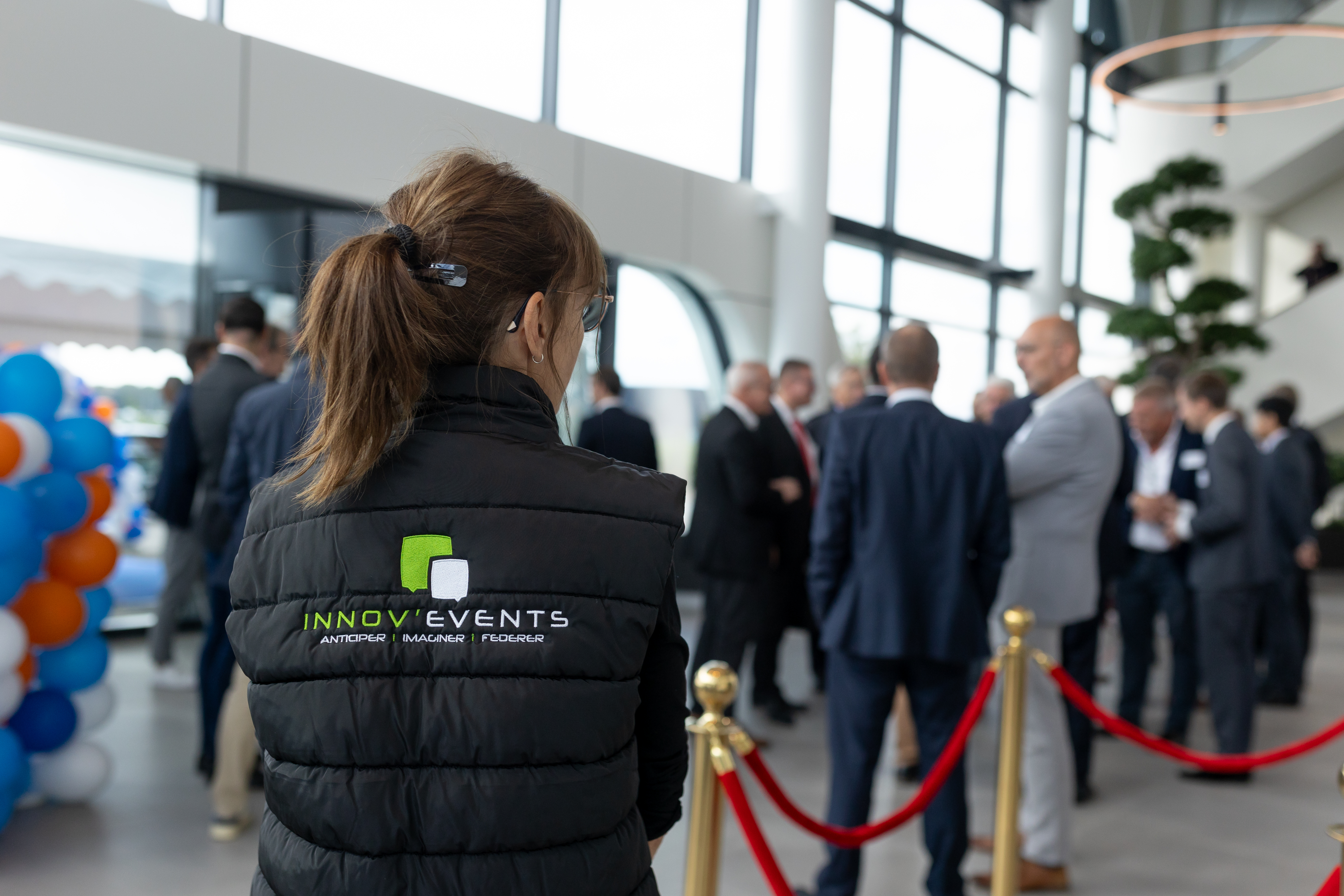
Event Hostess in Quebec to protect your brand on event day
INNOV'events provides Event Hostess teams across Quebec for corporate events from 40 to 2,500+ attendees. We handle the operational front line: reception, registration, wayfinding, VIP care, on-stage support, and incident escalation—so your executives can focus on stakeholders, not logistics.
Whether it’s a head-office town hall, a product launch, or a multi-room conference, we deploy trained profiles with a clear chain of command, bilingual coverage, and measurable service standards.
Sommaire
In a corporate event, “entertainment” isn’t only about ambiance—your Event Hostess team is part of your risk management. A slow check-in, unclear wayfinding, or a VIP left waiting at the entrance can undo months of internal comms and executive preparation in Quebec.
Organizations here expect punctuality, bilingual service, and discretion. In Quebec, stakeholders notice the details: badge accuracy, coat-check efficiency, protocol around elected officials, and the ability to manage a line without looking “security-driven.”
INNOV'events is a Montréal-based team working across the province, with field leads who know local venues, union rules when applicable, and what HR and Comms need on event day: calm execution, clear reporting, and no surprises.
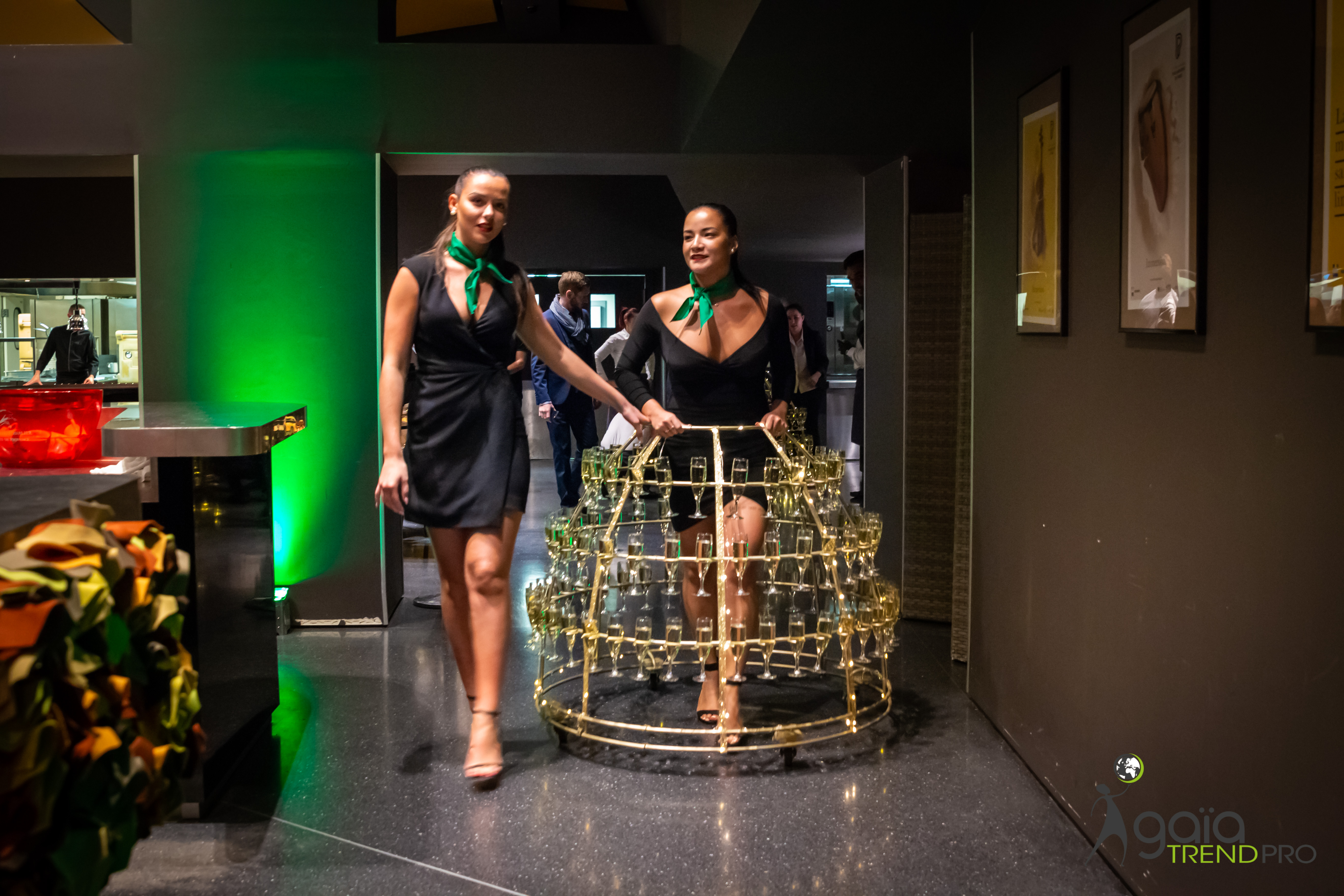
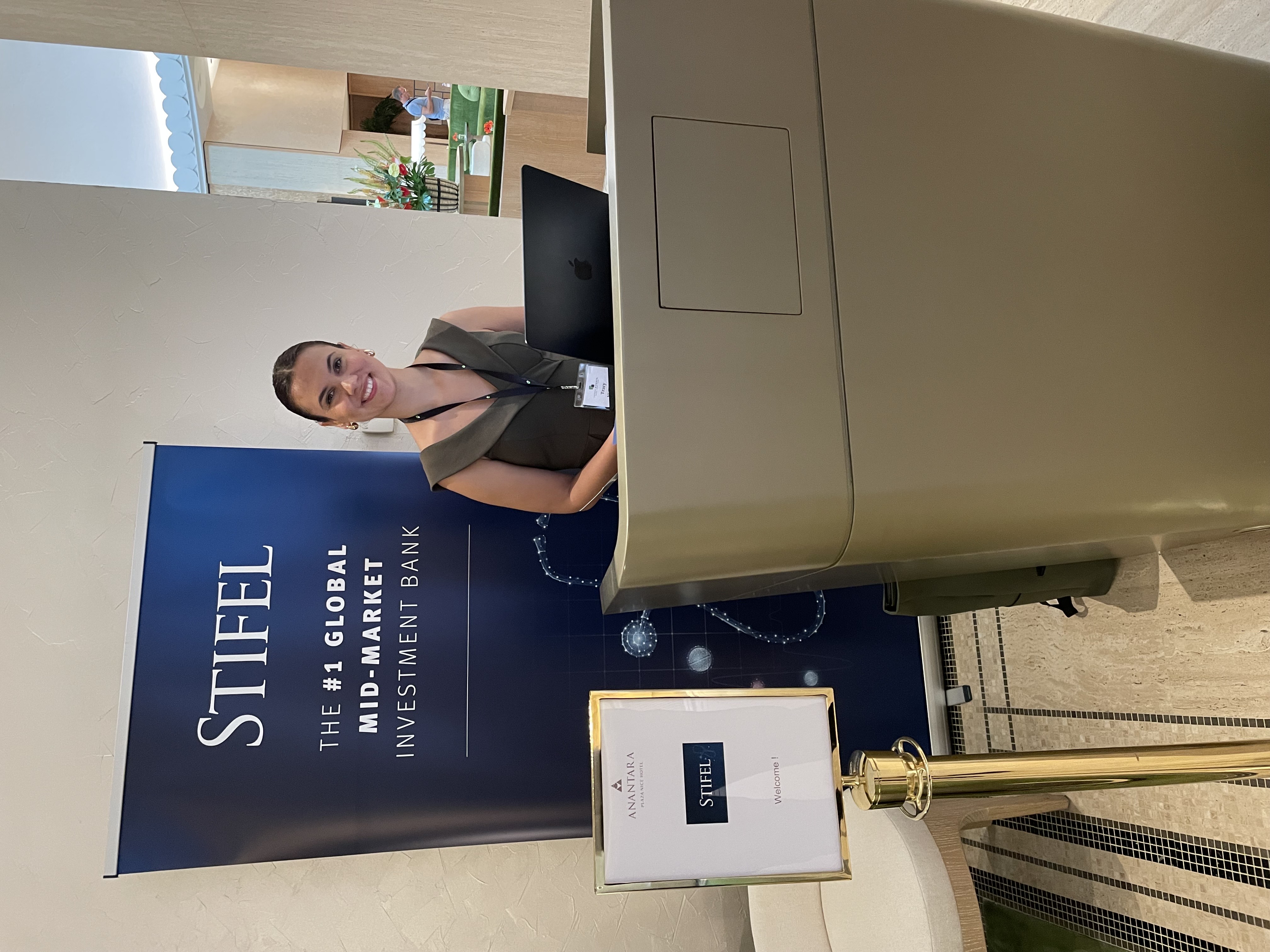
Operational benchmarks our Quebec clients ask for
10+ years of corporate staffing and event operations delivered through INNOV'events and partner networks across Canada.
150+ trained host/hostess profiles in our active roster (bilingual, VIP protocol, registration systems, floor coordination).
24–72h staffing capability for urgent needs in major hubs (Montréal, Québec City, Laval, Longueuil), depending on role complexity and hours.
1 field lead per 6–10 staff on most corporate deployments to keep service consistent and prevent “freelance drift.”
95%+ show-up rate observed on staffed events via confirmations, reminder calls, and day-of check-in controls (contingency profiles available).
Who we support year after year in Quebec
INNOV'events supports organizations operating in Quebec—from head offices and manufacturing groups to professional associations and public institutions. Our work is often recurring because it sits at the intersection of brand image and operational reliability: annual conferences, recognition evenings, internal town halls, recruitment campaigns, and VIP receptions.
Many teams come back to us for one reason: consistency. HR wants respectful, inclusive reception and a smooth coat-check; Comms wants brand language respected; executives want a front-of-house that can read the room and adjust without escalation. That’s exactly where a trained Event Hostess in Quebec team makes a measurable difference—less noise at the front desk, fewer interruptions to speakers, and faster guest flow between sessions.
If you share a few details (venue, run-of-show, number of entry points, bilingual ratio, and dress code), we will propose profiles and a staffing plan that matches your reality in Quebec—not a generic “hostess count.”
 Besoin d’un devis rapide ?
Nous vous envoyons une première proposition sous 24h.
What a Quebec Event Hostess team changes for executives
On paper, hosting staff “welcomes guests.” In practice, they protect schedule integrity, manage first impressions, and absorb operational friction so your leadership can stay present. In Quebec, where stakeholders often include community partners, suppliers, and institutional guests, the front-of-house is part of your credibility.
Faster entry and less queue stress: planned check-in lanes, pre-sorted badge kits, and a troubleshooting station reduce bottlenecks (late arrivals, name mismatches, VIP walk-ins).
Better executive availability: host/hostess teams filter ad-hoc requests, direct media/partners appropriately, and keep decision-makers from being pulled into logistics.
Controlled brand presentation: consistent greetings, dress code compliance, and tone—especially important for launches, investor events, and employer branding in Quebec.
VIP and protocol management: discreet escorting, reserved seating control, and “no-conflict” handling when last-minute guests arrive (common with partners and public stakeholders).
Operational safety and inclusivity: clear accessibility support (elevators, seating zones, mobility needs), plus escalation paths for intoxication, harassment, or medical concerns without creating a scene.
Clean data capture: accurate attendance lists, badge scan logs, session counts, and post-event reporting that HR and Comms can actually reuse.
In the economic culture of Quebec, relationships matter and reputations travel fast. When the welcome is professional, bilingual, and calm, it reinforces trust—internally with employees and externally with partners.
What Quebec organizations expect beyond a smile
In the field, we see the same expectations from executive assistants, HR directors, and communications managers across Quebec: precision, discretion, and autonomy. A host/hostess should not “ask what to do” every 10 minutes—your internal team is already managing speakers, AV, catering, and last-minute approvals.
Common local realities we plan for:
- Bilingual service: many events require both French and English at reception. We staff accordingly by role (front desk bilingual, floor bilingual, backstage French-dominant, etc.), not by a blanket assumption.
- Weather and coat-check pressure: in Montréal and Québec City, winter arrivals can create a wave effect. Coat-check staffing is not a minor add-on; it is often the difference between a smooth start and a delayed program.
- Multiple stakeholder types: employees, unions, suppliers, elected officials, donors, and media may share the same entrance. We design scripts and routing so each category is guided appropriately without visible segregation.
- Privacy and discretion: executive arrivals, sensitive restructuring town halls, or HR investigations require staff who understand confidentiality and can manage questions without improvising.
- Venue constraints: narrow foyers, shared hotel lobbies, limited signage permissions, or restricted loading docks require practical solutions (staggered check-in, mobile scanners, pre-event signage approvals).
Our role is to anticipate these constraints and brief the team with clear scenarios, so your event does not rely on luck or “good personalities.”
Which corporate event entertainment fits Quebec audiences today
Entertainment works when it supports your objective: networking, recognition, recruitment, product adoption, or fundraising. In Quebec, we see higher engagement when activities are structured, time-bound, and aligned with the professional tone of the room—not when they compete with speeches or meal service.
Interactive animations in Quebec
Guided networking formats (hosted rotations, curated introductions): ideal for partner events where leaders want meaningful conversations in Quebec’s close-knit business circles.
Live polling and moderated Q&A: reduces “microphone anxiety” and gives executives usable feedback (employee sentiment, product reaction) without losing control of timing.
Interactive brand stations: demo counters, test-and-learn booths, recruitment kiosks with structured scripts—supported by Event Hostess staff to keep traffic flowing and capture leads.
Art animations in Quebec
Ambient musicians with volume management: trio/jazz/strings placed to support conversation (not overwhelm it). We coordinate set times with speeches and service.
Short-format performances (5–12 minutes): a controlled “beat” between program blocks, often used at awards nights or donor receptions in Quebec.
Professional MC bilingual: when the room is mixed, a bilingual host keeps pace, reduces translation fatigue, and maintains respect for both language groups.
Innovative animations in Quebec
Tasting bars with throughput planning: local spirit/cider/coffee tasting works well when the service line is engineered (two-sided stations, timed tickets) and managed by staff.
Chef-led mini demonstrations: effective during cocktail formats when you want guests to gather briefly, then return to networking—without delaying the agenda.
Dietary and allergen control: we label clearly and brief staff on escalation for allergies; this is increasingly expected at corporate events in Quebec.
Gourmand animations in Quebec
Content capture corner (executive video booth): structured prompts, brand-approved messaging, and quick takes for internal comms—supported by hosts to keep queue time reasonable.
Interactive installations (data wall, live illustration, AI photo station with brand guardrails): effective when privacy rules and consent are handled properly, especially for employee events.
Gamified learning: short challenges tied to compliance, safety, or product training; hosts manage teams, scoring, and pacing so it doesn’t become chaotic.
Whatever the format, entertainment must match your brand posture. A conservative financial institution, a fast-growing SaaS, and a public-facing organization in Quebec will not use the same tone. Our job is to align the activity, staffing, and scripting so the experience supports your message rather than distracting from it.
Where to stage Event Hostess operations in Quebec venues
The venue dictates guest flow, acoustics, and the “felt” level of professionalism. A strong Event Hostess team can compensate for some constraints, but not for poor layout choices—especially at peak arrival and coat-check moments common in Quebec.
| Venue type | For which objective? | Main strengths | Possible constraints |
|---|---|---|---|
| Convention centers & large conference venues | High-volume registration, multi-track conferences, sponsor zones | Built-in flow, scalable check-in areas, technical infrastructure | Long walking distances; staffing needed for wayfinding and room control |
| Hotels with ballroom + breakout rooms | Executive offsites, annual meetings, trainings with lodging | All-in-one logistics; easy catering coordination; predictable timing | Shared public lobbies; limited branding; arrival waves can congest elevators |
| Museums & cultural venues | VIP receptions, donor evenings, brand prestige moments | Strong perceived value; natural conversation starters | Strict rules (food, sound, installations); limited back-of-house space |
| Industrial lofts & converted spaces | Product launches, creative employer branding, media previews | Flexible layout; strong visual identity | More variables (acoustics, HVAC, loading); requires tighter operational planning |
We strongly recommend a site visit (or at minimum, a technical walk-through with photos and dimensions). In Quebec, small layout issues—like a single doorway feeding both coat-check and check-in—can create a visible line in under 8 minutes at 250 guests. We map the guest journey and staff accordingly.
What does an Event Hostess cost in Quebec
Pricing depends on the operational reality, not just the number of people. In Quebec, the same headcount can require very different staffing levels depending on arrival pattern, bilingual needs, and access control.
Number of entry points and peak arrival wave: a single entrance for 400 people at 5:30–6:00 pm is a different plan than staggered arrivals over 90 minutes.
Role complexity: basic greeting vs. registration software, badge printing, cashless ticket scanning, VIP protocol, backstage support, or session room management.
Bilingual ratio: for mixed audiences in Quebec, we often staff reception and troubleshooting with bilingual profiles and assign language-specific roles in rooms when needed.
Hours and premium timing: early call times, late teardown, or statutory holiday scheduling impact cost.
Uniform requirements: black suit standards, branded attire, winter outerwear coordination, or specific grooming standards for luxury brand environments.
On-site supervision: adding a field lead is a cost line, but it typically saves time and prevents service drift—especially for 8+ staff teams.
Tools and systems: scanners, tablets, lanyards, signage support, on-site label printing, and reporting deliverables.
From an ROI perspective, staffing is often cheaper than the hidden cost of executive interruptions, delayed agendas, and reputational damage. If you tell us your objectives and constraints, we’ll propose a staffing plan with clear assumptions—so Finance can validate it and HR/Comms can trust it.
Why choosing a Quebec event agency reduces day-of risk
For directors comparing agencies, “local” only matters if it translates into fewer variables. In Quebec, a locally established team brings practical advantages: knowledge of venues, quick replacement capacity, and realistic planning around weather, transport, and bilingual expectations.
When staffing is managed remotely, what we see most often is gap risk: unclear call times, no real on-site lead, and inconsistent quality between profiles. INNOV'events operates with field supervision and standardized briefings so your front-of-house behaves like a team—not a group of individuals.
If your event is in the Québec City corridor, you can also review our broader planning approach as an event agency in Quebec with on-the-ground logistics and staffing expertise.
- Venue familiarity: we plan check-in placement, coat-check flow, and signage positioning based on real constraints we encounter in Quebec venues.
- Faster contingency response: last-minute no-show, speaker timing changes, or an extra breakout room can be handled without destabilizing the program.
- Better cultural fluency: bilingual service, protocol expectations, and the practical tone that resonates with local audiences.
- Clear accountability: one agency lead responsible for staffing quality, not a chain of subcontractors.
From an ROI perspective, staffing is often cheaper than the hidden cost of executive interruptions, delayed agendas, and reputational damage. If you tell us your objectives and constraints, we’ll propose a staffing plan with clear assumptions—so Finance can validate it and HR/Comms can trust it.










Examples of Event Hostess deployments delivered in Quebec
Our Event Hostess in Quebec assignments cover a wide range of corporate realities:
- Annual general meetings: controlled access, shareholder check-in, microphone runners, and strict timing—often with sensitive questions and a need for calm, consistent room management.
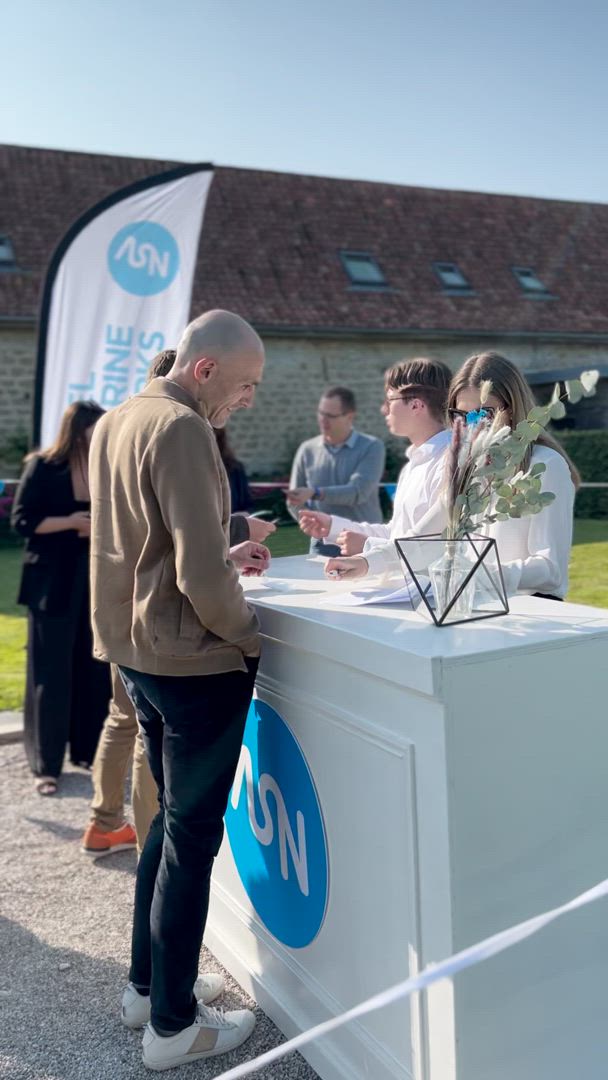
- Internal town halls: badge verification, seating flow, backstage speaker escorting, and employee support (accessibility, lost items, incident escalation) without creating a “security” atmosphere.
- Product launches: VIP entry, media/partner routing, demo station queue management, and lead capture discipline so Sales can follow up with clean data.
- Recruitment events: candidate flow, time-slot management, employer brand tone, and respectful handling of late arrivals (very common in Montréal traffic).
- Multi-room conferences: room captains, session counts, sponsor zone guidance, speaker water/notes support, and rapid communication between rooms to keep schedule intact.
Across these formats, the common thread is operational control. A strong front-of-house prevents small issues from reaching executives, and it keeps the event’s perceived quality consistent from entrance to closing remarks.
Common Event Hostess mistakes we prevent in Quebec
Understaffing reception: the event starts with the line. If guests wait 12–20 minutes, they arrive frustrated and disengaged; executives feel it immediately.
No troubleshooting station: missing badges, name errors, ticket issues, and VIP walk-ins must be separated from the main line or your entire entrance collapses.
Unclear authority for exceptions: “Can we let this person in?” becomes a constant interruption. We set rules and escalation contacts before doors open.
Weak bilingual planning: it’s not enough to say “bilingual event.” You need bilingual roles at the right touchpoints (front desk, VIP, Q&A lines) in Quebec.
Ignoring coat-check math: winter arrivals can double handling time. We staff, label, and lay out coat-check like a process—not an afterthought.
No comms channel: staff without radios/WhatsApp groups operate blind. We set a simple communication structure so the field lead can adjust live.
Mismatch between dress code and brand: luxury, institutional, tech, or manufacturing culture—each requires a different presentation standard to feel credible in Quebec.
Our job is to remove these risks before they show up on event day. That’s why we plan staffing with scenarios, not assumptions, and why we assign a field lead when scale or complexity requires it.
Why Quebec clients keep the same hostess team
Repeat business is common in staffing because consistency matters more than novelty. HR and Communications teams in Quebec prefer a partner who remembers the venue constraints, the internal stakeholders, and the brand tone—so each new edition becomes easier to run.
Year-over-year continuity: we prioritize rebooking the same key profiles for recurring events when schedules allow (reception lead, VIP lead, coat-check lead).
Standardized briefing templates: client preferences, scripts, and dress code notes are documented to avoid re-explaining basics each time.
Post-event operational notes: we keep practical learnings (arrival peak timing, signage effectiveness, friction points) to optimize future editions in Quebec.

Loyalty is not about habit; it’s about risk reduction. When the same trained people show up with the same standards, your event becomes predictable—in the best possible way.
How we scope and staff Event Hostess teams in Quebec
👉 Quebec intake call focused on constraints, not just headcount
We start with a 20–30 minute operational intake: venue type, number of entrances, run-of-show, arrival pattern, bilingual ratio, VIPs, coat-check needs, access control, registration tools, and any sensitivity (media presence, internal change management, unions, confidentiality). This prevents the common mistake of quoting “per person” without understanding the real workload.
👉 Staffing plan and role map for Quebec guest flow
We convert your information into a role map: reception lanes, troubleshooting, wayfinding points, room captains, VIP escort, backstage support, and floaters. We specify call times, breaks, and the minimum supervision level. You receive a plan you can validate internally with HR/Comms and the venue.
👉 Profile selection and confirmation
We assign profiles based on role fit: bilingual fluency where it matters, experienced leads for high-pressure entrances, and discreet profiles for executive/VIP areas. Confirmations are managed with a structured process (availability lock, reminders, call time validation) to protect show-up rate in Quebec.
👉 Briefing package and day-of command structure
We prepare a briefing sheet: scripts, dress code, venue rules, maps, emergency exits, accessibility routes, escalation contacts, and do/don’t scenarios. On event day, the field lead runs check-in, sets positions, monitors the entrance wave, and adjusts staffing live (for example, moving a floater to coat-check at peak).
👉 Post-event debrief and actionable reporting
After the event, we can deliver attendance counts, incident notes, and operational learnings: what caused delays, where signage helped, which session rooms needed more control, and what to change next time. For HR and Comms teams in Quebec, this closes the loop and supports continuous improvement.
FAQ sur l'organisation Event Hostess à Quebec
How many event hostesses do I need in Quebec?
As a practical baseline in Quebec, plan 2 staff per active entrance (one scanning/check-in, one flow control) plus 1 troubleshooting for name issues once you exceed 150–200 guests. Add 1 coat-check staff per 150–200 coats during winter peaks, and a field lead once you reach 8+ staff or multiple rooms.
Do you provide bilingual Event Hostess teams in Quebec?
Yes. We staff bilingual coverage by touchpoint: reception and troubleshooting are typically fully bilingual, while floor roles can be balanced depending on audience mix. If your event is 60/40 language-wise, we’ll reflect that in the staffing plan so service feels natural in Quebec.
What is the typical hourly rate in Quebec for hostesses?
Rates vary by role and complexity. In Quebec, corporate event staffing commonly falls in the range of $25–$45/hour per staff member, with premiums for supervision, last-minute calls, extended hours, holidays, or specialized duties (VIP protocol, registration systems, backstage support). We quote based on a role map and call times.
How early should we book an Event Hostess in Quebec?
For standard corporate evenings in Quebec, booking 3–6 weeks ahead is usually comfortable. For peak seasons (September–December, May–June) or large conferences, plan 8–12 weeks. For urgent needs, we can sometimes staff within 24–72 hours depending on volume and role requirements.
Can your Quebec hostesses handle registration scanners and badges?
Yes. We regularly staff QR scanning, attendee list management, on-site badge distribution, and, when required, label printing. We also set up a dedicated troubleshooting station to keep the main line moving—typically the single biggest factor in a smooth arrival experience in Quebec.
Request a Quebec staffing plan and quote
If you’re planning a conference, internal town hall, launch, or VIP reception in Quebec, send us your date, venue, estimated attendance, and run-of-show. INNOV'events will respond with a clear staffing plan (roles + call times + bilingual coverage) and a transparent quote.
The earlier we align on flow, access control, and service standards, the more predictable your event day becomes—for your leadership team, your HR stakeholders, and your communications objectives.
INNOV'events Quebec Agency
Thierry GRAMMER is the manager of the INNOV'events Quebec office. Reach out directly by email at canada@innov-events.ca or via the contact form.
Contact the Quebec agencyToutes nos prestations & animations Quebec, Quebec
Découvrez nos prestations événementielles
Découvrez nos animations événementielles disponibles au Quebec
- Event Hostess in Quebec
- Escape Game in Quebec
- MasterChef-Style Cooking Workshop in Quebec
- Corporate Magician in Quebec
- Tent Rental in Quebec
- Color Analysis Workshop in Quebec
- Inflatable Games in Quebec
- Valet Service in Quebec
- Soccer Simulator in Quebec
- LED Furniture Rental in Quebec
- LED Branding Activation in Quebec
- Immersive Culinary Experience in Quebec
- Light Painting Activity in Quebec
- Immersive Mystery Night in Quebec
- Promotional Contest in Quebec
- Promotional Materials (POS) in Quebec
- Virtual Reality Experience in Quebec
- Molecular Gastronomy Workshop in Quebec
- Halloween Event in Quebec
- Fireworks Show in Quebec
- Sports Challenge – Giant Games in Quebec
- Professional Event Host in Quebec
- Photo Booth Animation in Quebec
- Santa Claus Appearance in Quebec
- Kids Entertainment in Quebec
- Guided Tour in Quebec
- Urban Rally in Quebec
- Ball Pit Activity in Quebec
- Flight Simulator in Quebec
- Food Truck Rental in Quebec
- World Record Attempt in Quebec
- Surf Simulator in Quebec
- Soccer Simulator in Quebec
- Wine Casino in Quebec
- Makeover Workshop in Quebec
- Perfume Creation Workshop in Quebec
- Acting Workshop in Quebec
- CSR Activities in Quebec
- Archery Activity in Quebec
- Event Security Guard in Quebec
- Wine Tasting Workshop in Quebec
- Mime Performance in Quebec
- TV Game Show Animation in Quebec
- Funfair Event in Quebec
- Crisis Management Workshop in Quebec
- Crisis Negotiation Workshop in Quebec
- Arcade Games in Quebec
- Indoor Skydiving Simulator in Quebec
- Ski Simulator in Quebec
- Racetrack Driving Experience in Quebec
- Introductory Flight Experience in Quebec
- Tasting Experience in Quebec
- Build Your Own Foosball Workshop in Quebec
- 2CV Rally in Quebec
- LEGO Challenge in Quebec
- Casino Night in Quebec
- Interpreter / Translator in Quebec
- Promotional Merchandise in Quebec
- Shuttle / Transportation Service in Quebec