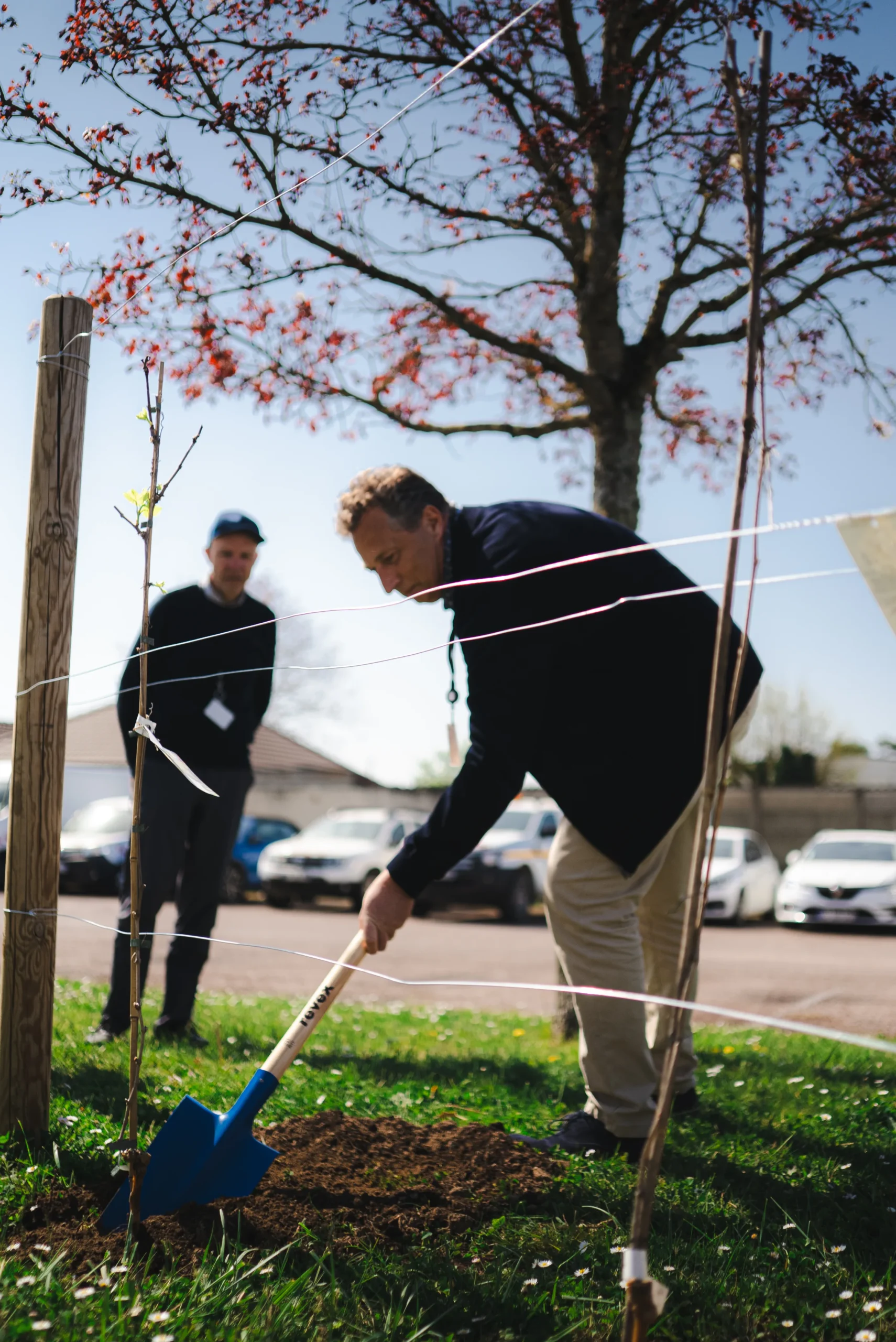
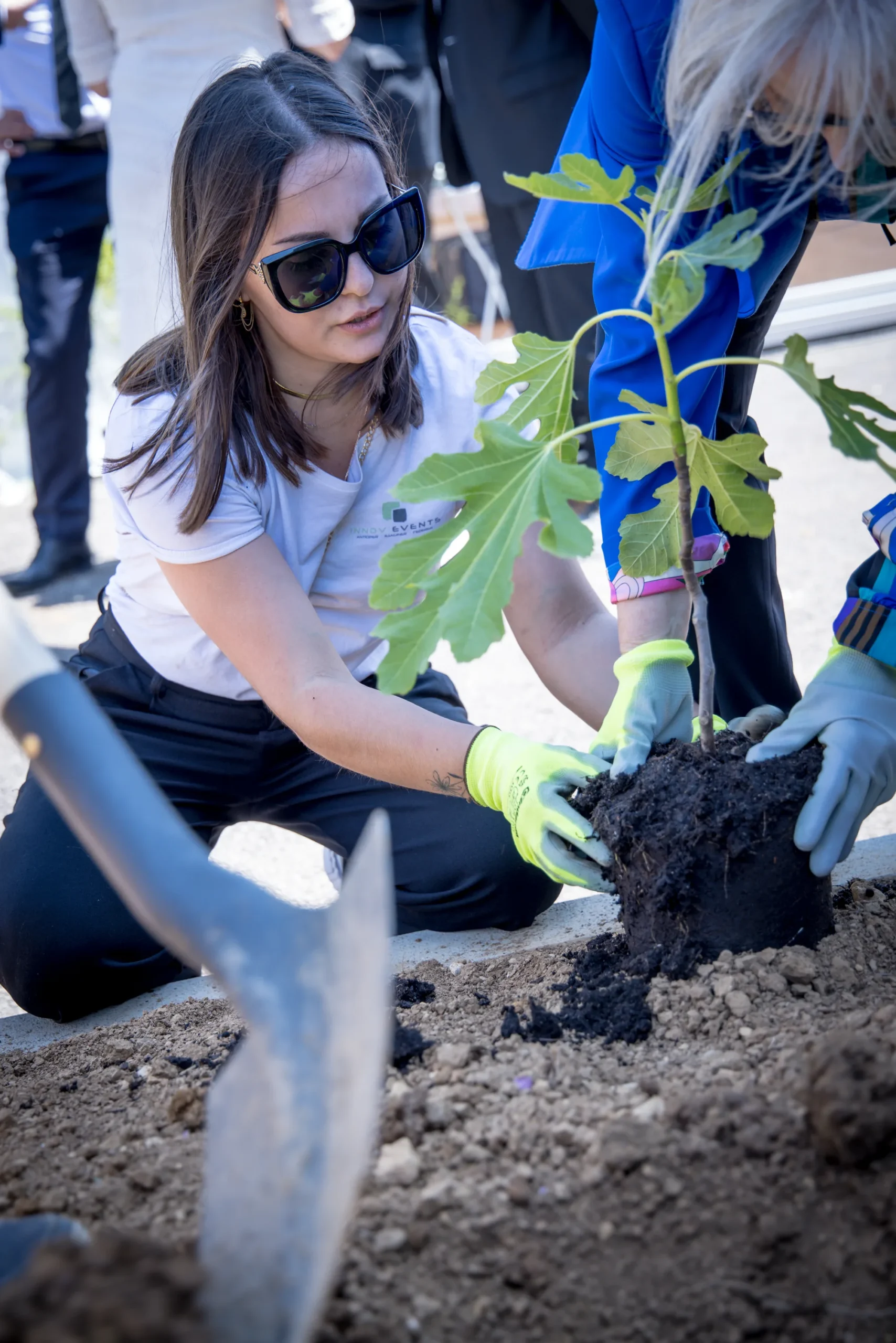
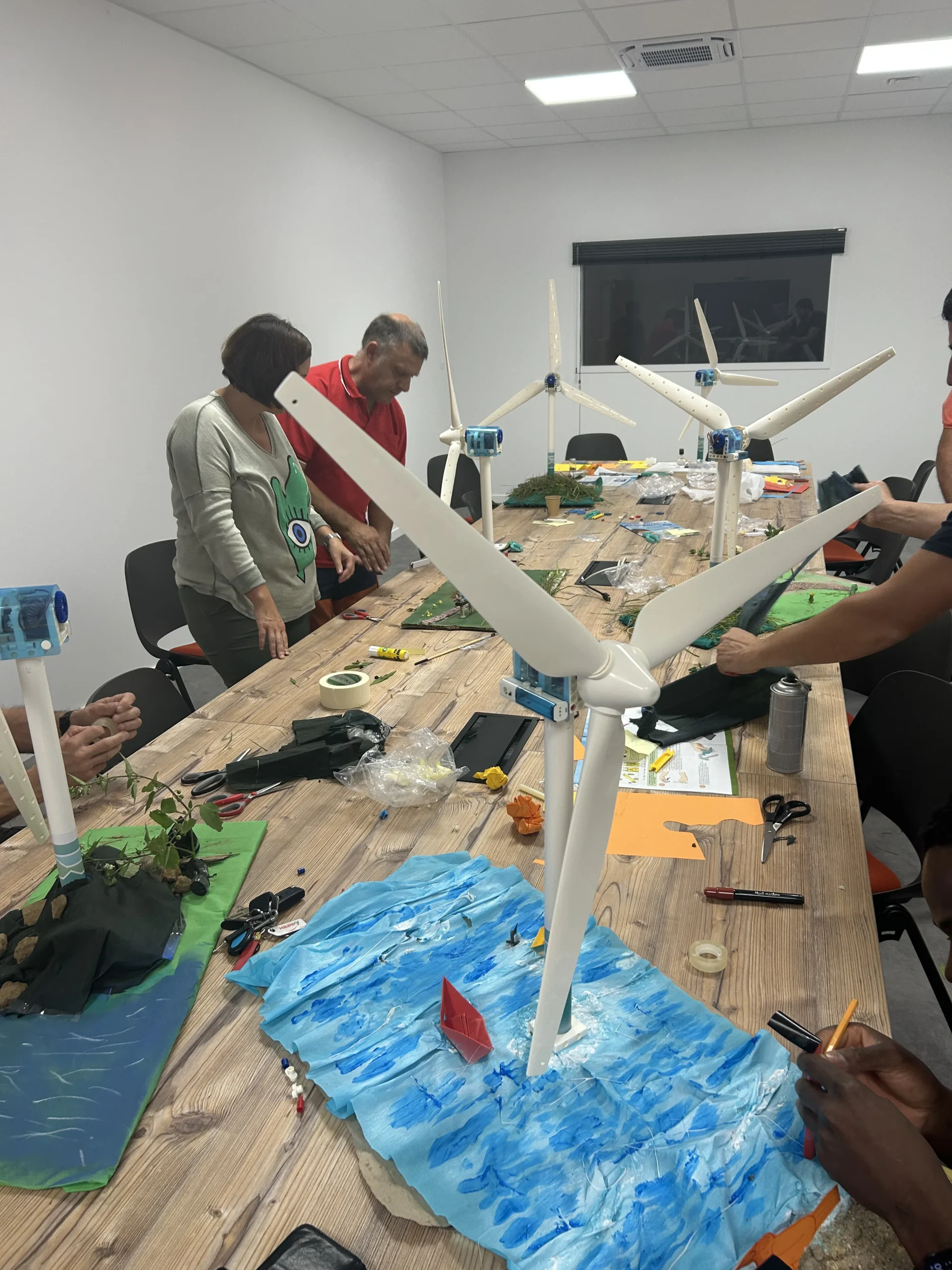
INNOV'events designs and delivers CSR Activities for executive teams, HR and communications in Montréal, from 30 to 1,500+ attendees. We manage partner sourcing, risk control, on-site production, and measurement—so your event creates visible impact without operational surprises.
Whether it’s a leadership offsite, annual meeting, or team mobilization day, we build CSR programs that fit your culture, your constraints (union rules, safety, brand), and your calendar.
In a corporate event, CSR is not “extra programming”: it’s a strategic lever for retention, trust, and reputation. Done properly, it creates a shared story employees can repeat credibly—without putting your brand at risk.
Montréal organizations expect rigorous logistics (permits, schedules, bilingual facilitation), concrete outcomes (quantities, beneficiaries, traceability), and a format that respects diverse teams—remote staff, shifts, and multicultural realities.
As a local team, we work with Montréal venues, suppliers, and community partners weekly. We anticipate what will slow you down (access, loading docks, winter constraints, safety briefings) and we build a plan that holds on event day.
10+ years delivering corporate event programs across Québec and Canada, with recurring CSR mandates in Montréal.
30–1,500+ participants managed on CSR days, including multi-site and hybrid coordination with a single project lead.
48-hour turnaround for an initial CSR concept + budget range when constraints are clearly defined (date, headcount, objectives, location).
1 point of accountability (producer + backup) and documented run-of-show, vendor SLAs, and safety plan for each activation.
INNOV'events supports Montréal-based organizations that need CSR initiatives to be both meaningful and operationally clean—especially when the event sits inside a larger moment (town hall, kickoff, leadership summit, client hospitality). A significant part of our work comes from teams who rebook because they cannot afford “good intentions with bad execution” the second time.
We often collaborate year after year with the same HR and communications leads, which means we build institutional memory: what your legal team approved last year, which suppliers respected your brand guidelines, how your executives prefer to speak about impact, and what your workforce actually engages with (not what looks good in a deck).
If you want, we can share Montréal-specific case examples and references during a call, adapted to your sector and sensitivity (public visibility, union environment, regulated industries, confidentiality).
Nous vous envoyons une première proposition sous 24h.
For leadership teams, CSR is increasingly evaluated the same way as any corporate initiative: clarity of purpose, risk control, and measurable return. In Montréal, where employer competition is intense and public expectations are high, a CSR event can strengthen your employer brand—provided it’s credible, safe, and aligned with your values.
Employer brand that stands up to scrutiny: employees are quick to detect “performative” CSR. We design actions with a clear beneficiary, a documented output (items built, meals prepared, hours served), and a communications narrative that avoids overclaiming.
Cross-team cohesion beyond the usual circles: CSR formats are effective when they mix departments that don’t naturally collaborate (IT + finance + ops). We structure teams, roles, and a rhythm that prevents the “social loafing” you see in poorly framed volunteer days.
Leadership visibility without awkwardness: executives can participate in a way that feels authentic—short welcome, hands-on involvement, and a closing that connects the day to business priorities (people, safety, community footprint) without turning it into a marketing speech.
Inclusion for diverse workforces: Montréal companies often include bilingual teams, newcomers, and shift-based staff. We plan facilitation, task variety (physical/light, standing/seated), and timing options so participation is real—not only for office-based employees.
Risk-managed community engagement: we build the safety plan (PPE where needed), site rules, background constraints (working with vulnerable populations), and a clear code of conduct—protecting both participants and partner organizations.
Useful internal communications content: the result is not just photos. We produce “proof points” your communications team can reuse: numbers, partner quotes, and employee testimonials captured responsibly (consent, brand guidelines).
Montréal’s economic culture values pragmatism: people respond to tangible results and local relevance. When your CSR action clearly helps a local organization and is executed professionally, it strengthens trust internally and externally.
In Montréal, CSR events succeed when they respect how companies actually operate. We regularly see excellent intentions fail because the format ignores field constraints: start times that clash with shift change, venues without proper loading access for materials, or volunteer tasks that don’t scale to the final headcount.
Here are the realities we plan for from the start:
Our role is to translate these local constraints into an experience that feels effortless for participants and defensible for leadership.
Engagement comes from clarity: people want to know who they are helping and what success looks like. We prioritize formats where participants can see progress, where tasks are adapted to mixed abilities, and where the beneficiary outcome is concrete.
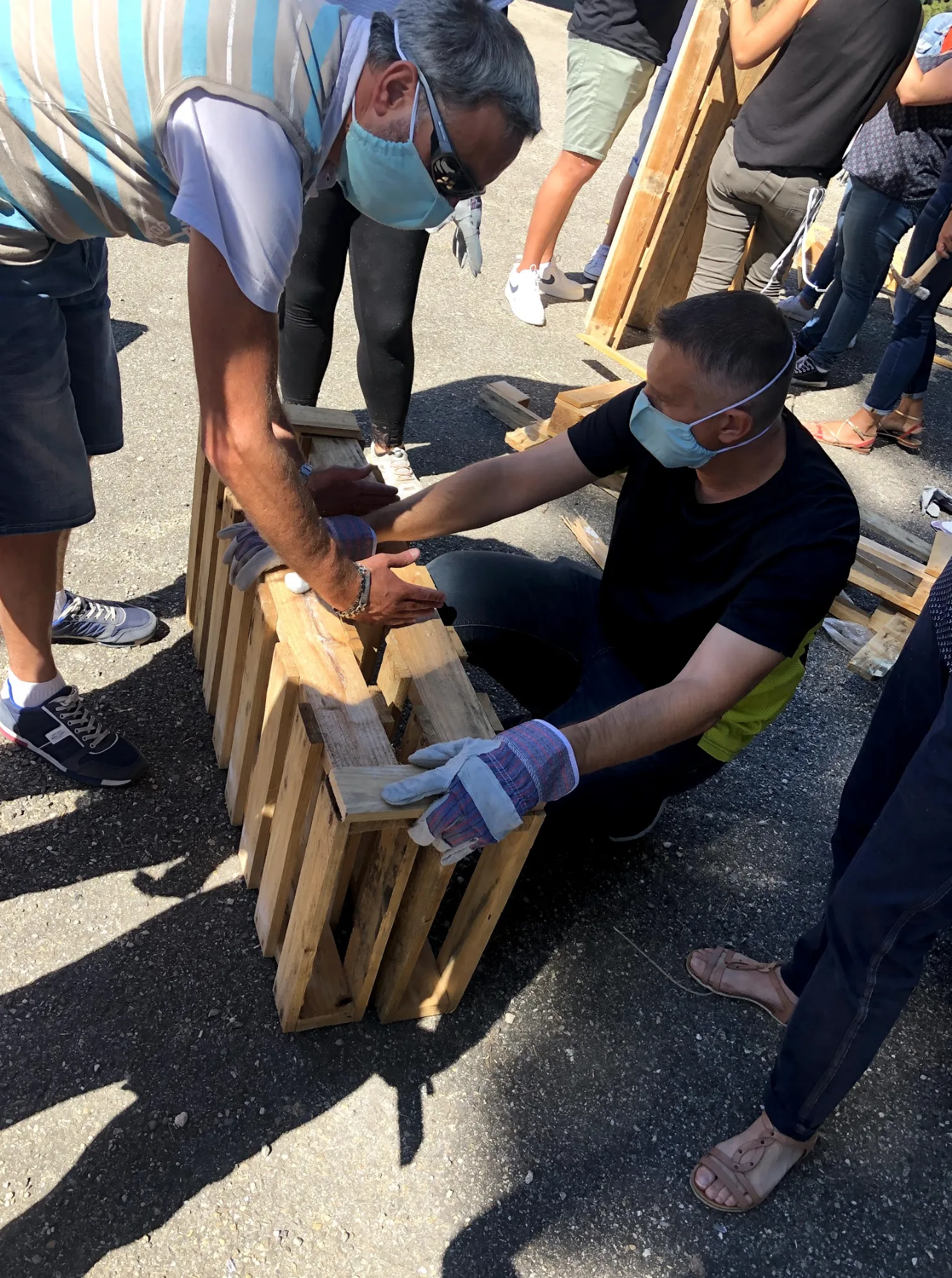
Impact build stations (kits, hygiene, school supplies): highly scalable for 50 to 800 participants. We design assembly lines, quality control, and packing standards so the receiving organization can distribute immediately. Ideal when you have limited time on a conference agenda.
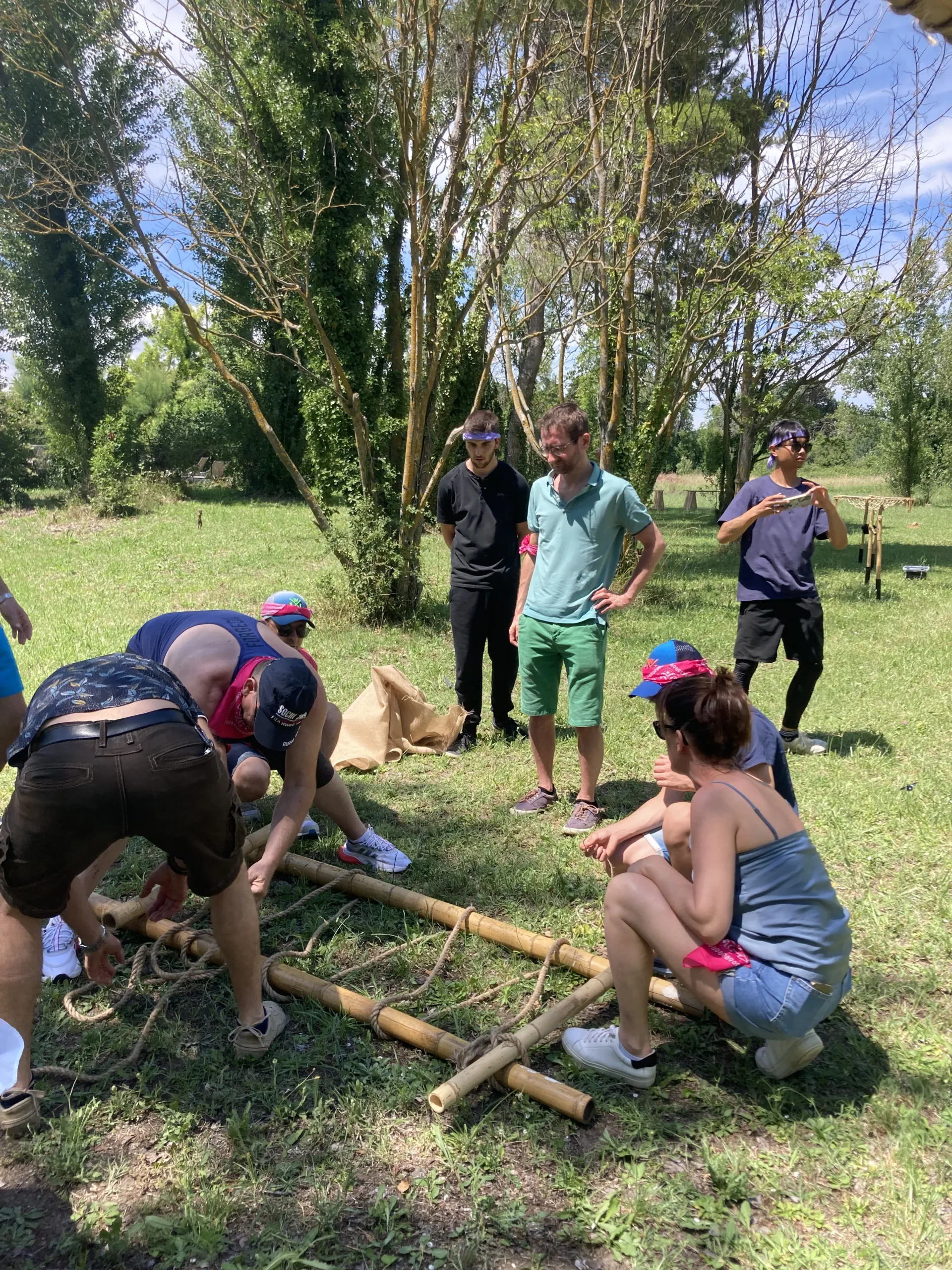
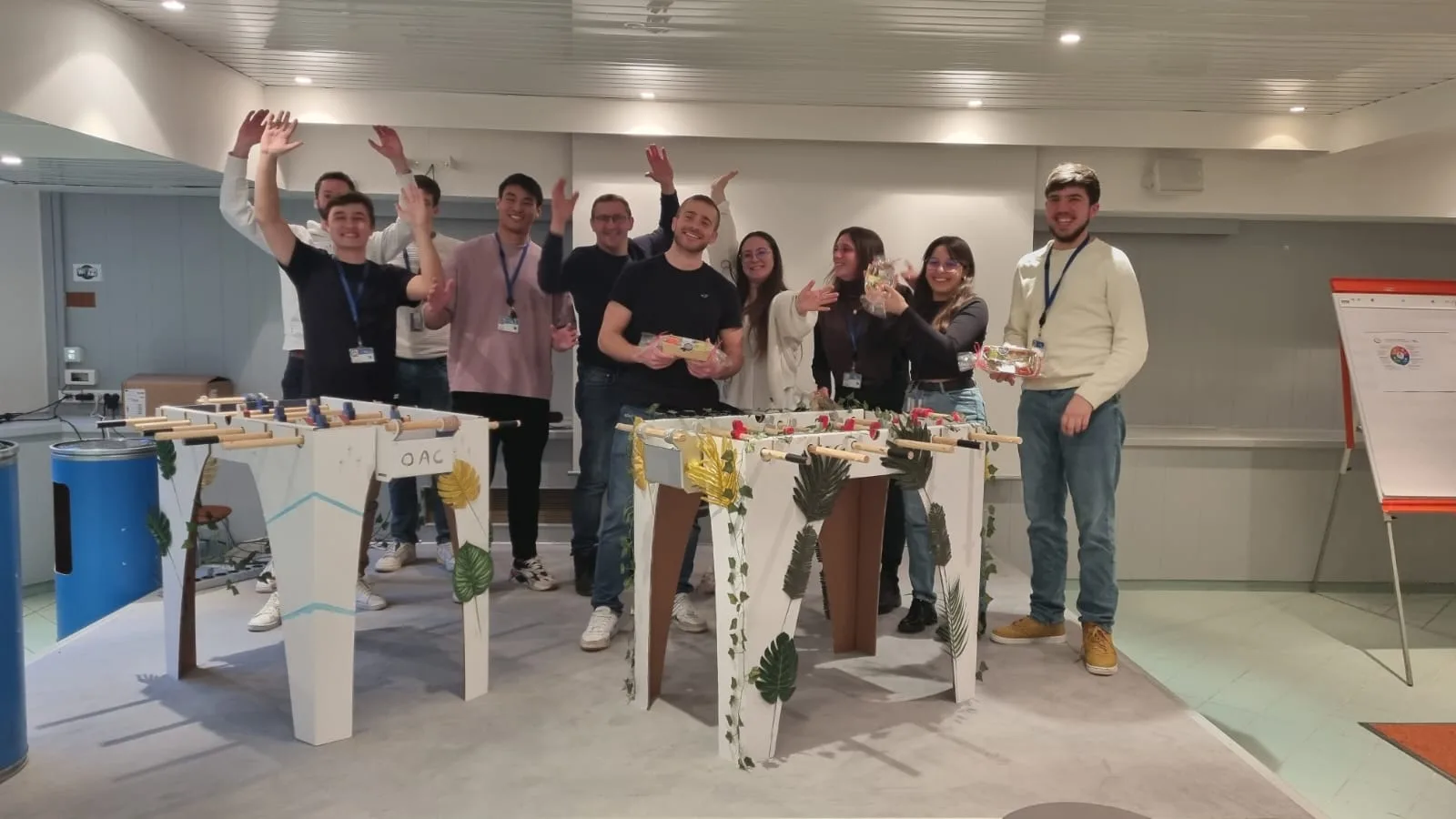
CSR challenge with measurable targets: teams compete on speed/quality while respecting partner standards (no “game” that compromises usefulness). We use scoring based on verified outputs, not hype.
Skills-based micro-consulting: short, structured sessions where employees contribute expertise (CV clinics, digital literacy, budgeting help). Works well for professional services firms—requires careful screening, confidentiality rules, and timeboxing.
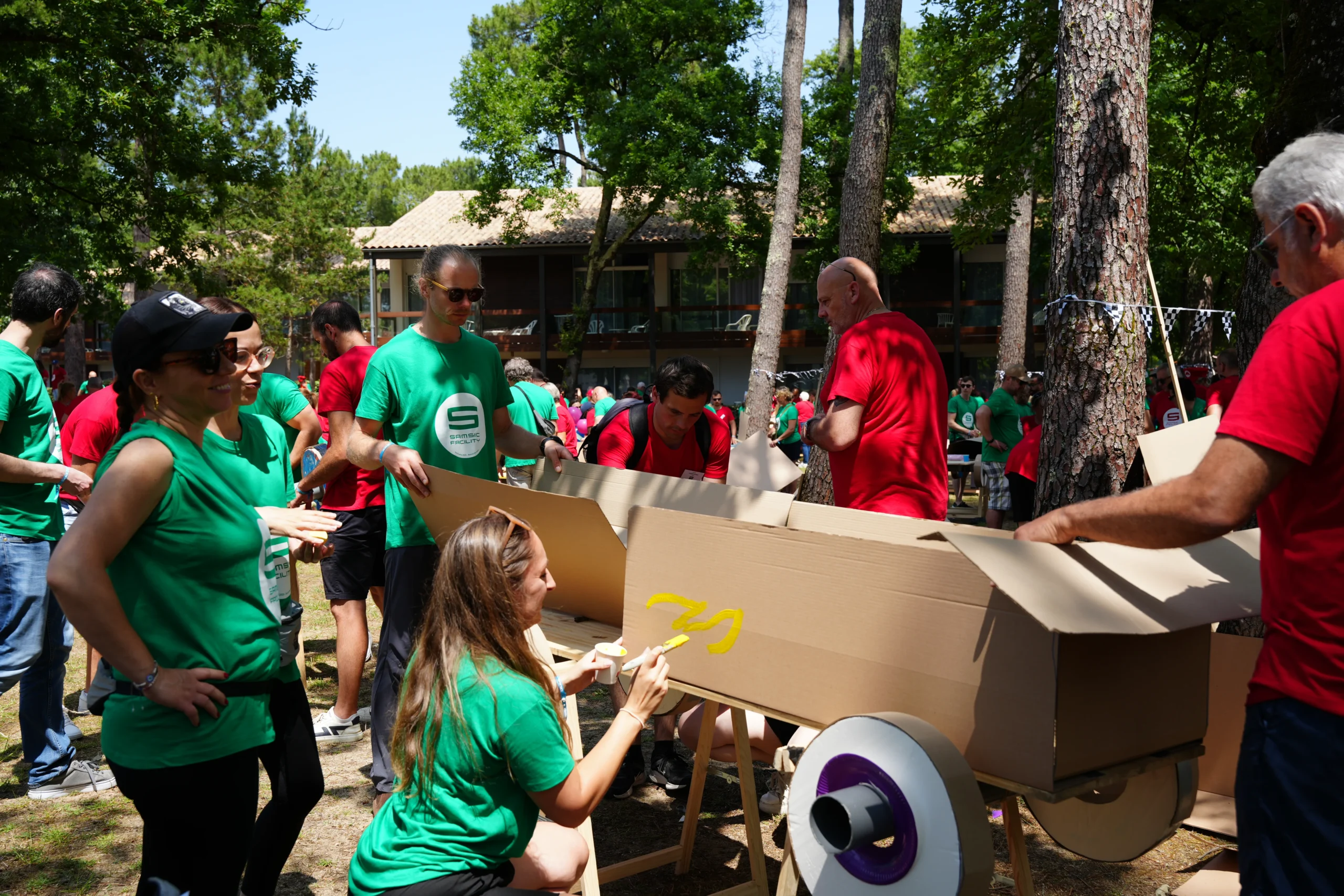
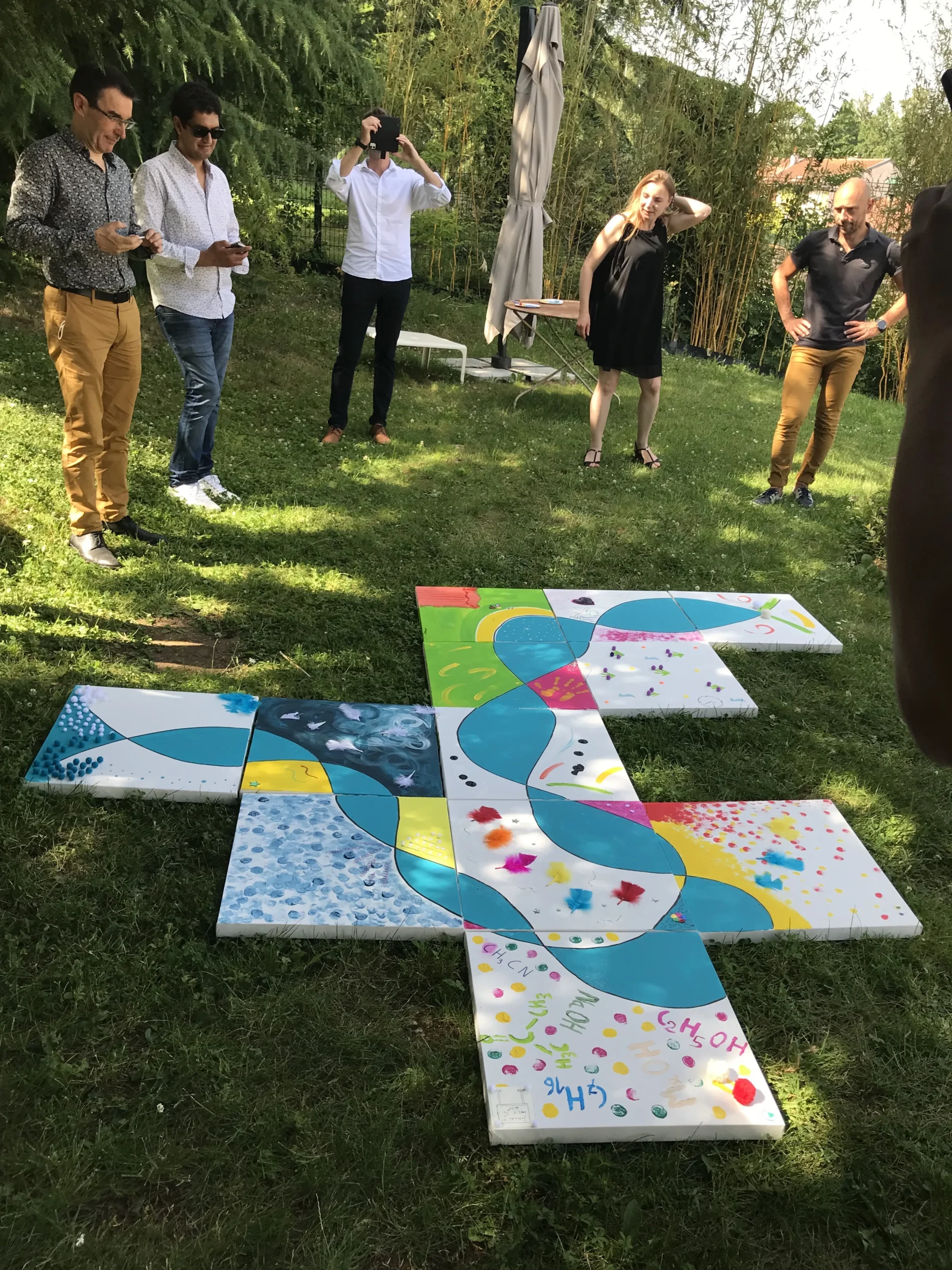
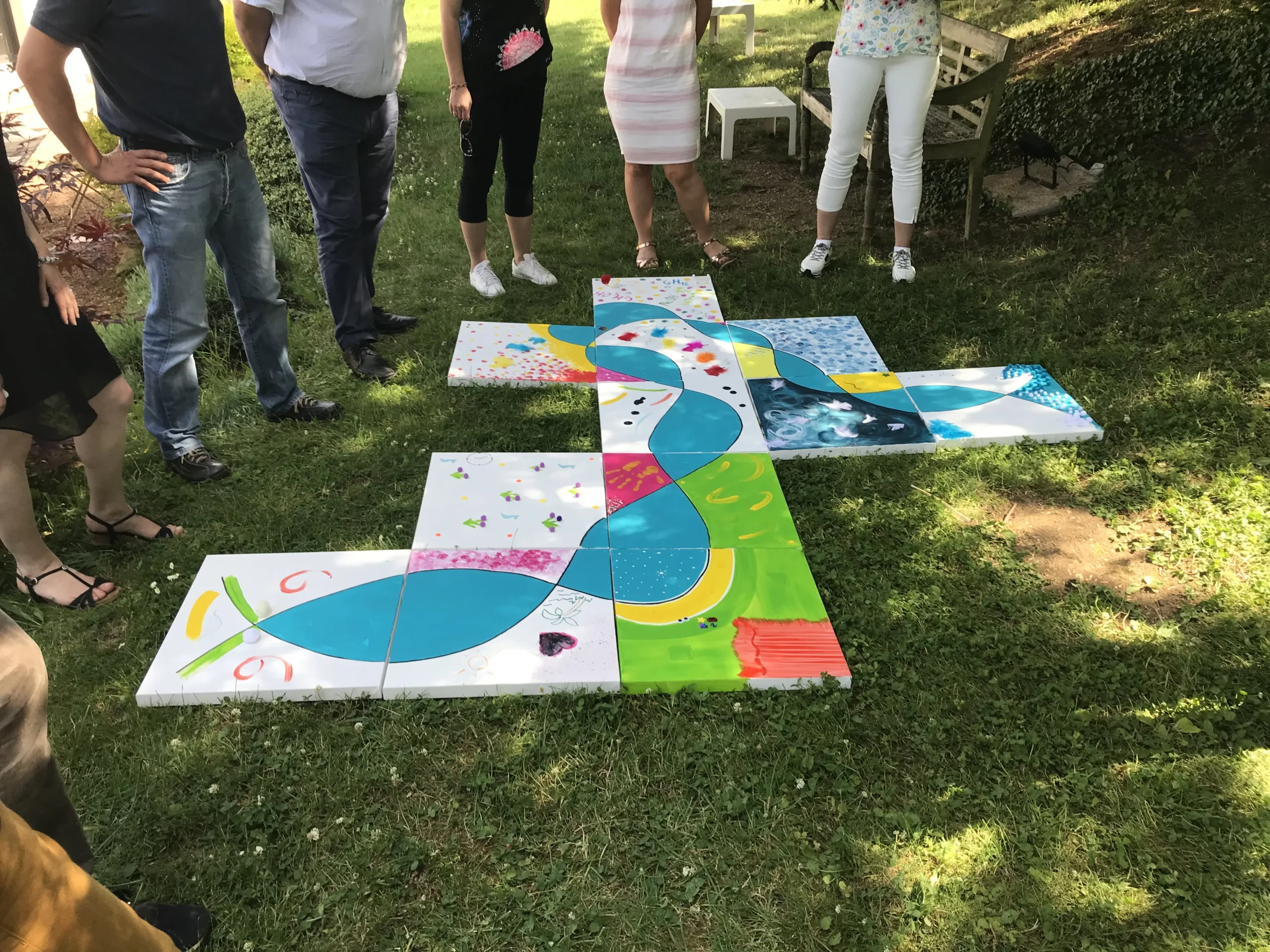
Community art for local spaces: murals or modular art pieces created with a community partner. We coordinate permissions, materials, and artist facilitation. This format is powerful when your organization cares about neighbourhood presence—provided approvals are secured well in advance.
Music or storytelling for fundraising moments: tasteful artistic segments can support a donation drive, but we keep it aligned with the cause and avoid turning beneficiaries into “content.” We brief speakers and manage consent protocols.
Meal assembly for food security partners: efficient, high-impact, and easy to report (meals prepared). Requires strict hygiene plan, allergen management, and cold-chain considerations when applicable.
Zero-waste culinary workshops with donation: teams learn practical techniques (portioning, preservation) while producing items for a partner. Works well for organizations with sustainability priorities and a communications angle rooted in education.
Carbon-smart team day: we design an activity plan that reduces event footprint (mobility choices, waste, local sourcing), and we quantify it. This suits ESG-driven companies that want the event itself to be consistent with commitments.
Multi-site CSR in Montréal plus remote participation: ideal for distributed teams. We synchronize deliveries, facilitation, and measurement across offices and remote kits, so the experience feels shared rather than fragmented.
Procurement-friendly donation matching model: when your organization prefers to donate rather than produce physical goods, we structure a transparent matching mechanism tied to employee participation and partner receipts—clean for finance and communications.
The best CSR format is the one that fits your brand posture and your internal reality. We’ll challenge choices that look good on paper but create reputational risk (overclaiming, poor partner fit, low employee buy-in). Alignment is what makes the impact credible—and repeatable.
The venue influences perceived seriousness. A CSR activity in a space that supports logistics—loading, storage, accessible washrooms, breakout areas—will feel professional and safe. The opposite creates stress and undermines the intent.
| Venue type | For which objective? | Main strengths | Possible constraints |
|---|---|---|---|
| Corporate office / HQ in Montréal | Mobilize teams with minimal travel; integrate with a town hall | Fast setup, familiar environment, strong internal participation, easier schedule control | Freight elevator access, limited storage, building security rules, noise constraints |
| Conference venue or hotel meeting space | Combine CSR with leadership offsite, kickoff, or annual meeting | Professional AV, catering options, structured agenda flow, weather-proof | Material delivery windows, union/vendor restrictions, room protection fees |
| Community partner site (warehouse, community centre) | Create direct connection to beneficiaries and local needs | High authenticity, partner storytelling, immediate distribution potential | Capacity limits, accessibility, insurance requirements, strict conduct and privacy rules |
| Outdoor public space (seasonal) | Environmental cleanups, greening, neighbourhood actions | Visible local impact, strong team energy, photo-friendly with purpose | Permits, weather contingencies, safety supervision, waste removal logistics |
We strongly recommend site visits or a technical walk-through—especially in Montréal where loading constraints and winter realities change the plan quickly. A 30-minute validation can prevent hours of event-day delays.
Pricing depends on the activity type, the level of production, and what you want to measure and communicate afterward. In Montréal, the biggest budget swings come from material costs, venue constraints, and staffing ratios for safety and facilitation.
As a planning reference, many corporate CSR activations land between $75 and $250 per participant for a professionally produced program. More complex builds, multi-site formats, or high-touch facilitation can exceed that range.
Headcount and throughput: 60 people assembling kits is different from 600 people rotating stations. We budget for realistic production lines, quality control, and additional supervisors.
Materials and partner specifications: standardized kits (hygiene, school) are predictable; custom items or specialized equipment increases cost and lead time.
Venue and access constraints in Montréal: downtown load-in rules, elevator bookings, and restricted delivery times often require extra crew or earlier access windows.
Food safety and compliance: meal-based CSR includes hygiene protocols, PPE, refrigeration, and sometimes certified handlers—these are non-negotiables.
Documentation and reporting: if you need ESG-ready reporting, partner confirmation letters, and internal comms assets with consent management, we scope it clearly.
Optional add-ons: bilingual facilitation, branded signage, professional photo/video with releases, transportation coordination, and donation matching mechanisms.
We budget with a return lens: reduced internal load for your team, risk prevention, and a result you can credibly report. The cheapest CSR day is rarely the least expensive once rework, reputational risk, and staff time are counted.
CSR events fail most often on logistics: the partner cancels, the venue blocks deliveries, materials arrive incomplete, or facilitation doesn’t fit the audience. A team established in Montréal reduces those risks because we know the venues, the supplier ecosystem, and the real timelines to secure resources.
As your event agency in Montréal, we also understand how Montréal stakeholders react: employees, unions, community partners, and local media expectations. That helps you choose a format that is both effective and defensible.
We budget with a return lens: reduced internal load for your team, risk prevention, and a result you can credibly report. The cheapest CSR day is rarely the least expensive once rework, reputational risk, and staff time are counted.
Our CSR mandates vary by sector and internal context. Some clients need a discreet program tied to an internal leadership summit; others require a public-facing activation that must withstand scrutiny. The constant is operational discipline and clear measurement.
Examples of situations we regularly handle:
On a call, we can map these patterns to your organization’s reality and propose formats that fit your headcount, timing, and brand posture.
Choosing a cause that doesn’t match your footprint: employees notice when the theme feels imported or disconnected from what the company does locally.
Under-scoping logistics: no storage, no loading plan, no buffer time. This is how CSR days become stressful and noisy instead of purposeful.
Overclaiming impact: unclear numbers, no partner confirmation, or inflated language. This creates reputational risk and internal cynicism.
Partner overload: sending 300 volunteers to an organization that can only supervise 30 effectively. The result is wasted time and frustration on both sides.
Ignoring safety and accessibility: tasks that exclude people, lack PPE, or involve avoidable risk. Safety incidents erase the intended message instantly.
Weak facilitation: when participants don’t understand the “why” and the “how,” engagement drops and output quality suffers.
Our role is to prevent these risks with a production plan, partner validation, and measurable outputs—so your CSR moment supports your people and your reputation, instead of creating new problems for HR and communications.
Repeat business is rarely about creativity; it’s about reliability under pressure. Clients come back when the agency documents decisions, protects the brand, and delivers an event day that runs on time—even when variables move.
High repeat rate on CSR formats that become annual rituals (kickoffs, community days, leadership summits), because we keep the documentation and improve each edition.
Stable supplier teams in Montréal: consistent crews reduce learning curves and improve on-site behaviour and timing.
Post-event reporting within 5–10 business days for most CSR activations (depending on partner confirmation timelines), enabling fast internal comms and ESG reporting cycles.
Loyalty is proof of quality when the same client is willing to attach their internal reputation to your team, year after year.
We start with a working session with HR/communications and an executive sponsor. We clarify: purpose (retention, leadership alignment, ESG reporting), audience profile, headcount range, time available, sensitivity level (public vs internal), and constraints (union, safety, venue rules, bilingual needs). This is where we prevent misalignment that would later show up as “this doesn’t feel like us.”
We propose 2–4 CSR formats with partner options, each with: required space, staffing ratio, safety requirements, output math, and a conservative impact statement. We also flag what procurement/legal may need (insurance, permits, consent forms, privacy considerations) so approvals don’t become last-minute blockers.
We build a line-item budget with options (good/better/best) and confirm suppliers and materials. We create a run-of-show, floor plan, staffing plan, and logistics schedule (deliveries, load-in/out, storage, waste removal). For meal-based or sensitive activities, we formalize hygiene and risk controls.
We align internal messaging: what leaders will say, what employees need to know, and what you will report afterward. We design signage, briefing scripts, and facilitation so participants understand the beneficiary and the standards (quality, safety, respectful behaviour). If photography is planned, we manage consent and brand guidelines.
On-site, we run the production: setup, check-in, facilitation, quality control, and timing. We use a single command structure with clear escalation rules so your internal team can host—not manage vendors. We coordinate with the partner organization for handover and confirmation of outputs.
We deliver an impact recap with verified numbers, partner confirmation where applicable, and communication-ready assets. We also debrief operational lessons (timing, flow, staffing, engagement points) so the next edition improves instead of restarting from zero.
Most corporate formats work best in 60 to 120 minutes for a conference agenda, or 3 to 5 hours for a dedicated CSR half-day. Under 60 minutes, output and engagement often drop unless the activity is highly standardized (e.g., kit assembly).
Plan $75 to $250 per participant for a professionally produced CSR activation in Montréal. The main drivers are materials, staffing ratios, venue access constraints, and whether you need ESG-ready reporting and bilingual facilitation.
High-throughput builds (kits, meals, sorting/packing) scale well when designed as stations with quality control and supervisors. For 500+ participants, we typically plan 8 to 20 stations depending on time and complexity, plus dedicated logistics crew for materials flow.
We measure verified outputs (items built, meals prepared, kilograms sorted, volunteer hours) and confirm with the partner organization. We provide conservative impact statements you can defend internally and externally—no inflated equivalencies unless the partner validates methodology.
For a simple kit build in an existing venue, 4 to 6 weeks can work. For partner-site activations, outdoor permits, or multi-site programs, plan 8 to 12+ weeks. Peak periods (September–December) often require earlier booking to secure suppliers and venues.
If you’re comparing agencies, we suggest starting with a short scoping call: date window, headcount range, venue situation, and the message leadership wants employees to take away. From there, we’ll propose CSR options that are measurable, safe, and realistic for your schedule—along with a transparent budget range.
Contact INNOV'events to receive a Montréal-focused concept and production plan. The earlier we lock partner capacity and logistics, the more impact you can create with less risk and less internal workload.
Thierry GRAMMER is the manager of the INNOV'events Montréal office. Reach out directly by email at canada@innov-events.ca or via the contact form.
Contact the Montréal agency