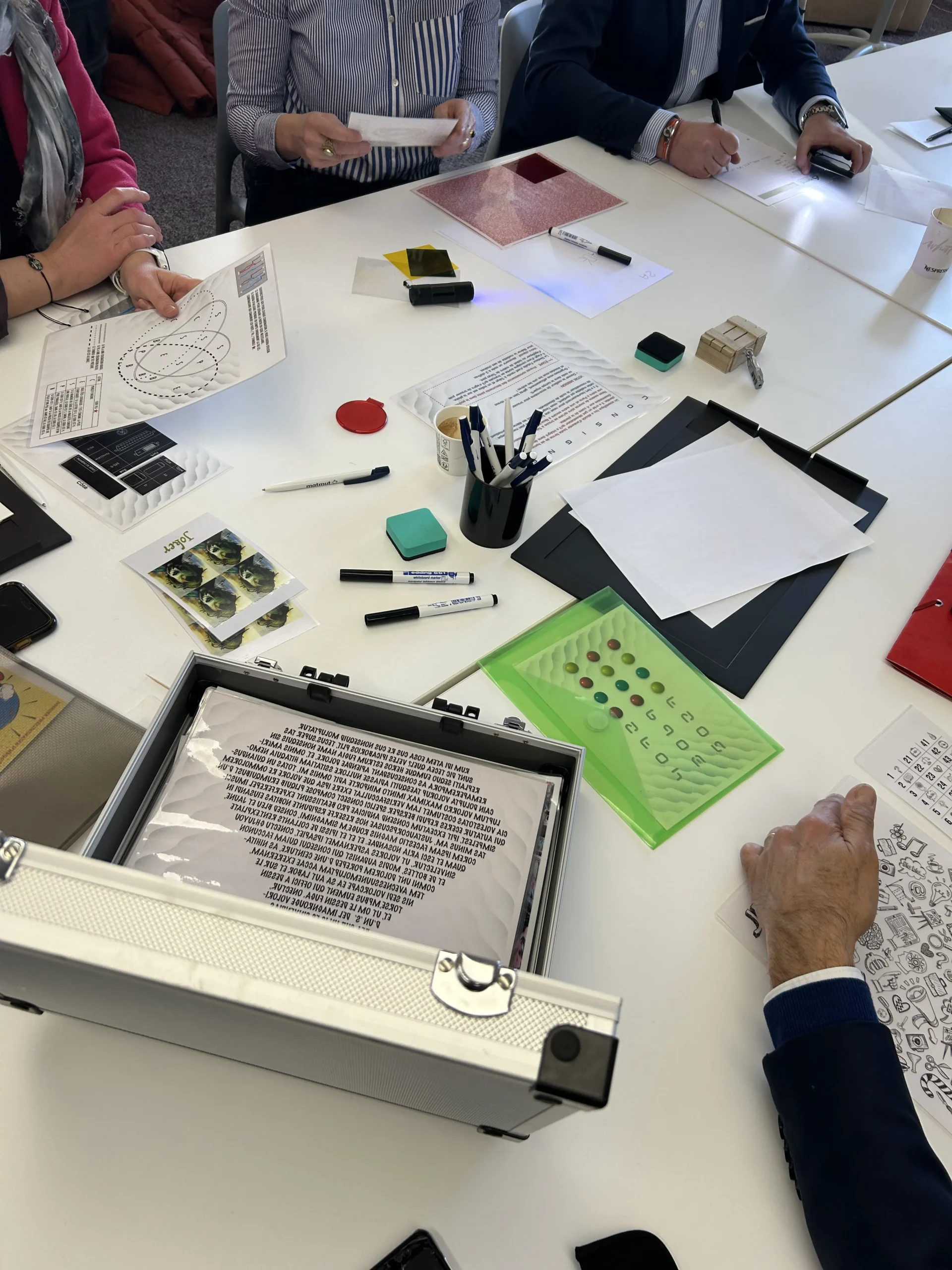
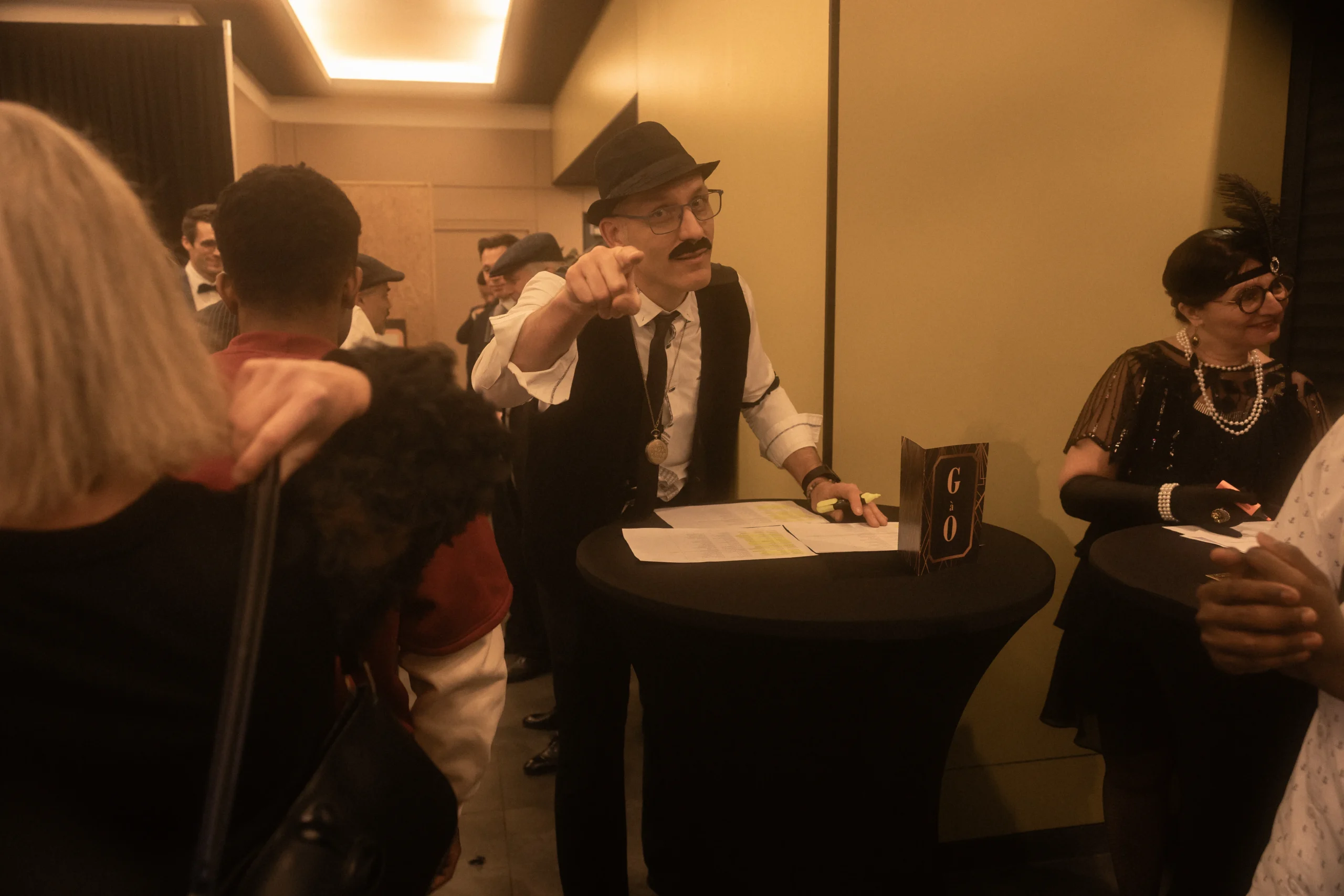
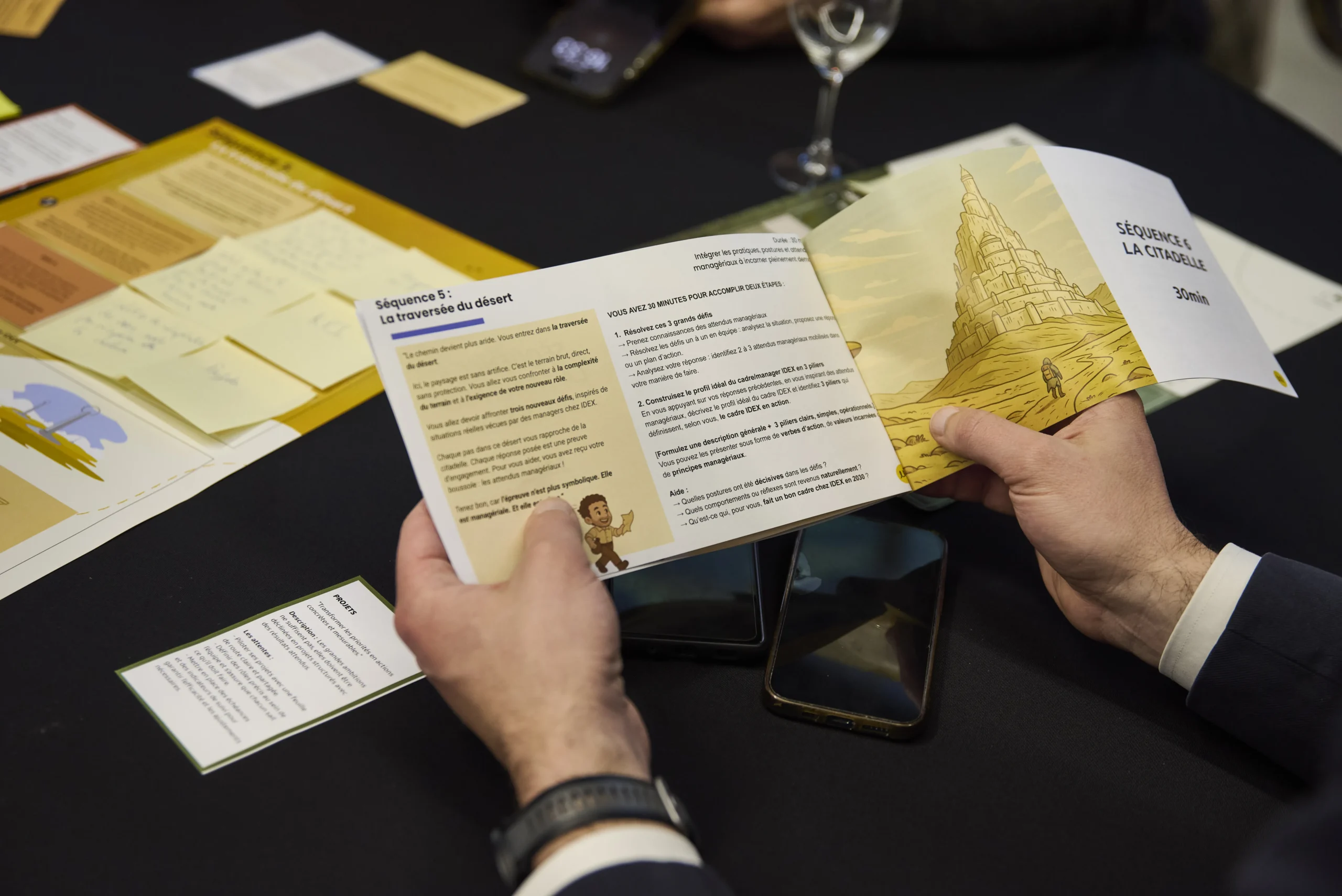
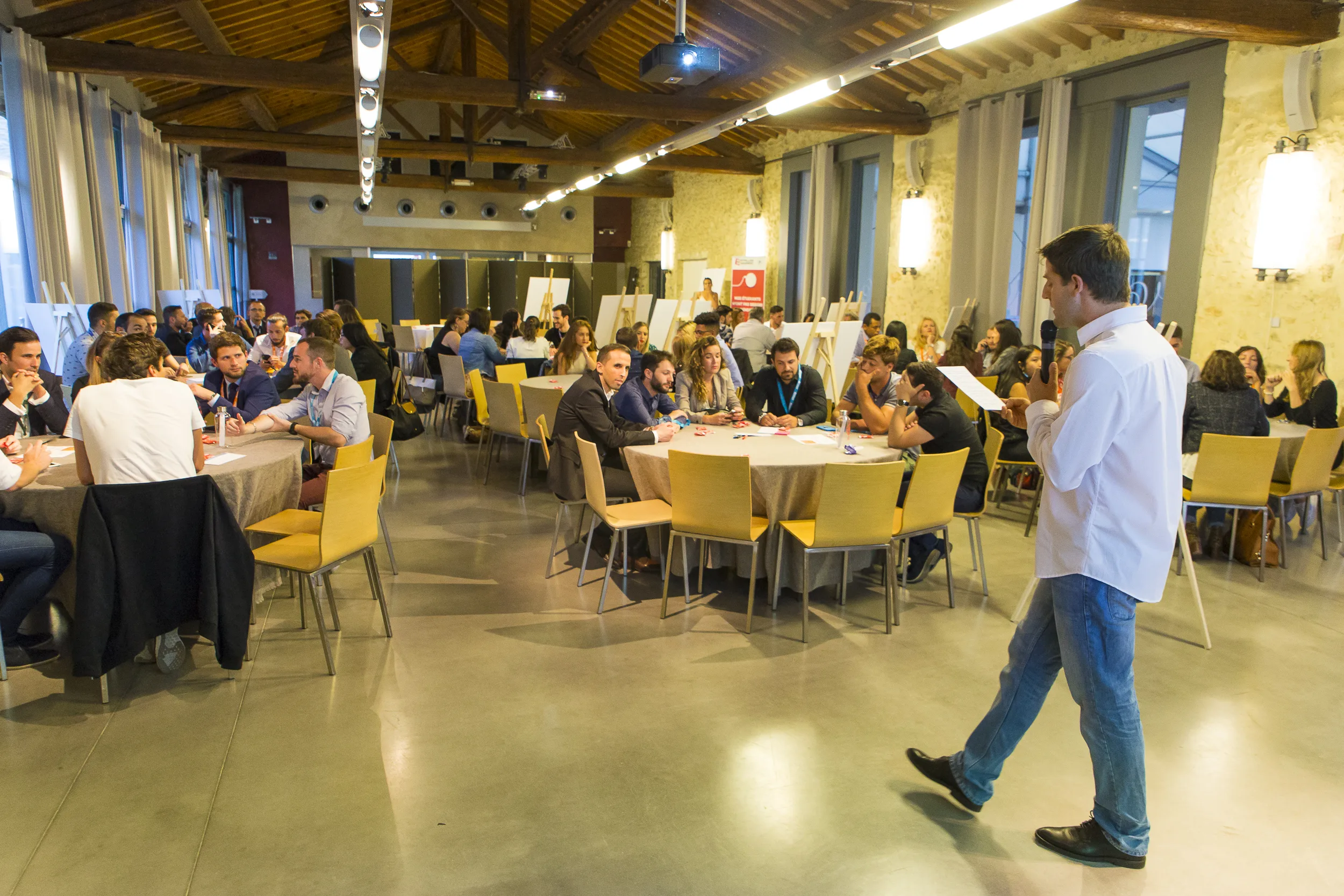
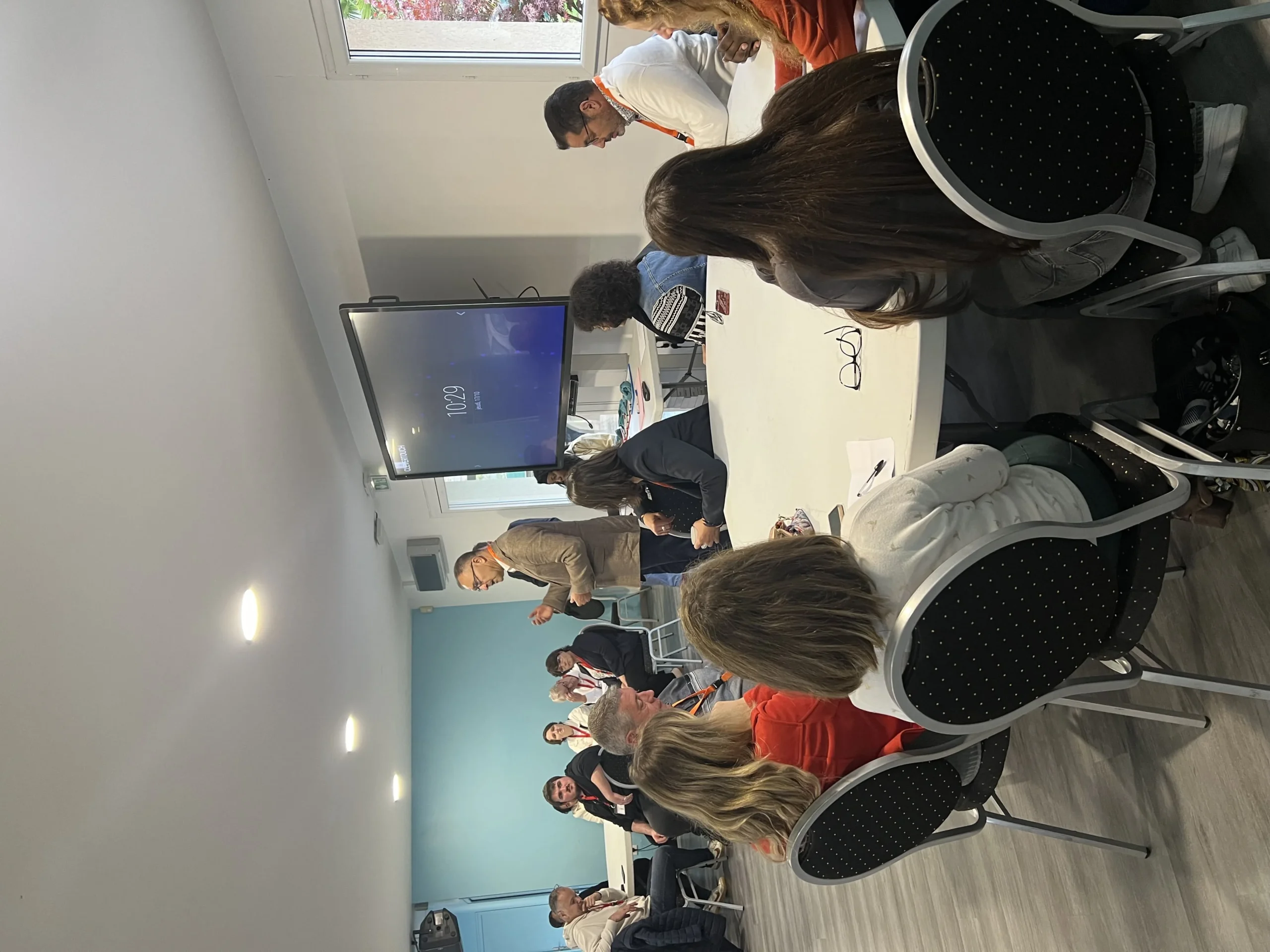
INNOV’events designs and runs Crisis Negotiation Workshop formats in Montréal for executive committees, HR leaders, and communication teams—typically 12 to 60 participants in one half-day to two days. We handle the full delivery: scenario design, facilitator selection, participant briefing, room setup, and a post-workshop debrief you can actually operationalize.
This is not a “motivational” session. It’s an applied, pressure-tested workshop where your leaders practice what to say, what not to say, and how to coordinate decisions when time, facts, and emotions are against you.
In a corporate event, the “workshop” portion is where credibility is earned: it converts a budget line into a visible capability—stronger decision-making, faster alignment, fewer avoidable escalations. In Montréal, where teams are often cross-functional and bilingual, that capability has to be trained, not assumed.
Local organizations expect realism: scenarios that look like their reality (unionized environments, public-facing operations, regulated sectors, complex stakeholder ecosystems), and facilitation that respects both legal constraints and brand tone. They also expect disciplined logistics—on time, secure, and confidential.
INNOV’events is an event agency in Montréal with hands-on field experience coordinating high-stakes corporate sessions. We work with your HR and Comms leadership to ensure the workshop is aligned with policies, internal escalation paths, and the communications posture you want leaders to adopt under pressure.
10+ years coordinating corporate workshops and executive sessions across Canada, with consistent delivery standards in Montréal.
150+ corporate events/year supported through our network (workshops, offsites, crisis simulations, training days), with dedicated project management.
48–72 hours typical turnaround for a first proposal and high-level scenario outline after a structured discovery call.
0 reliance on “improvised facilitation”: every Crisis Negotiation Workshop includes a written run-of-show, roles, decision points, and a debrief framework.
We regularly support organizations operating in Montréal with events that sit at the intersection of people, risk, and reputation: leadership offsites, HR training days, crisis communication rehearsals, and stakeholder-management exercises. Several teams come back year after year because they need continuity—new leaders onboarded, new risks introduced, and lessons translated into updated playbooks.
If you have internal references you want us to align with (industry constraints, internal policies, legal counsel expectations, union relations, or communications guidelines), we integrate them directly into the workshop design so the session reinforces your existing governance rather than contradicting it.
Confidentiality is treated as a deliverable: participant lists, scenario content, and recordings (if any) are managed with controlled access, clear retention rules, and explicit approval steps—particularly important when working with executive groups in Montréal where internal information circulates fast across business units.
Nous vous envoyons une première proposition sous 24h.
Because in real crises, the first 15 minutes often set the tone for the next 15 days. Executives and managers are asked to negotiate under stress: with an upset employee, an anxious client, a regulator, an activist group, a journalist, or even within the leadership team when facts are incomplete. A Crisis Negotiation Workshop makes those moments trainable and repeatable—so you reduce improvisation and protect both people and brand.
We see the same pattern in Montréal: strong technical leaders, strong values, but uneven crisis language. HR and Comms end up “patching” situations after the fact. This workshop shifts the organization from reactive to coordinated.
Executive alignment under pressure: practice how to reach a decision when legal risk, employee safety, and media exposure conflict. We build decision gates (what triggers legal counsel, what triggers police/security, what triggers public statements).
De-escalation skills leaders can use the next day: structured listening, calibrated questions, “labeling” emotion, time-buying techniques, and boundary setting without provoking confrontation—applied to workplace contexts, not hostage clichés.
Cleaner HR case handling: reduce statements that later become liabilities (admissions, threats, promises you can’t keep). We work through how to communicate process and limits while maintaining dignity and control.
Better coordination with Communications: leaders learn what information Comms needs, when, and in what format. This prevents contradictory messages and “rogue” calls to stakeholders.
Reduced operational disruption: negotiation is not only external. Many crises are internal (strike tension, harassment allegations, cyber incident response). We train leaders to keep teams functioning while the situation is being resolved.
Measurable outputs: updated escalation map, a common vocabulary, and scenario-based “do/don’t” statements aligned with your brand and policies.
Montréal moves fast: dense stakeholder ecosystems, active media landscape, and industries where reputational damage converts quickly into recruitment and retention costs. A well-run workshop respects that economic culture—pragmatic, accountable, and focused on execution.
In Montréal, we often work with leadership teams managing a mix of head office decisions and on-the-ground realities: unionized sites, distributed locations, public-facing services, and bilingual communications. Executives don’t want theory—they want a workshop that mirrors their risk profile and the constraints they actually have: collective agreements, privacy rules, workplace violence prevention obligations, brand guidelines, and sometimes strict regulatory reporting windows.
We also see a strong expectation for psychological safety without lowering the bar. Participants need to practice tough conversations—terminations, threats, harassment disclosures, a client escalation going viral—without the session turning into a “performance.” That’s why we structure interactions: who speaks first, what information is available, when new facts are injected, and how the group is scored. The goal is not to “win” the scenario; it’s to practice disciplined behaviors.
Finally, there is a local expectation for operational precision. If you ask senior leaders to attend for half a day in downtown Montréal, they will judge the entire initiative on logistics: start/end times, room acoustics, confidentiality, and the quality of the debrief. We plan those details with the same seriousness as the content.
Engagement in a crisis workshop doesn’t come from entertainment gimmicks—it comes from relevance and realism. The “animation” is the facilitation design: decision pressure, role realism, and a debrief that turns behavior into policy. Below are formats we use in Montréal depending on your audience, risk level, and available time.
Tabletop negotiation simulation (12–30 people): participants work in teams (Leadership, HR, Comms, Operations). We run a timed scenario with injects (employee threat, media inquiry, regulator request). Ideal for executive alignment and cross-functional coordination.
Role-play with coached stop-and-rewind (8–20 people): a facilitator pauses key moments to correct phrasing and tone. Effective for managers who need practical language for de-escalation, boundaries, and difficult HR conversations.
Stakeholder call drills (10–40 people): short “calls” with scripted stakeholders (angry client, journalist, union rep, family member, board member). Participants practice opening statements, time-buying, and escalation protocols.
Decision-gate workshops (15–60 people): groups build and test escalation thresholds (what triggers site lockdown, legal counsel, public statement, or external support). Excellent when you’re updating crisis governance.
Professional actor role-players (optional): when realism matters (threatening caller, distressed employee, aggressive customer), trained role-players create consistent pressure while staying within psychological safety rules.
Voice-of-the-media simulation: a facilitator plays “media” or “social” with escalating tone and time pressure. This is not performance theater; it’s controlled rehearsal of message discipline.
Working lunch debrief (Montréal venues): we often schedule a structured debrief over lunch to keep executives engaged while preserving the agenda. The goal is practical: capture decisions, agree on changes, and assign owners before people leave.
Quiet break stations: in high-intensity scenarios, properly timed breaks reduce cognitive overload and help participants re-enter with focus—especially for longer half-day sessions.
Hybrid pressure injects (email/SMS style): participants receive timed messages (customer complaint, internal leak, regulator request) to mimic the multi-channel reality leaders face in Montréal.
Recorded “message discipline” review (with explicit approval): short recorded statements are reviewed against brand/legal constraints. Useful for spokesperson training; optional and always controlled for confidentiality.
Two-scenario progression: Scenario A (internal incident) followed by Scenario B (reputational escalation). Participants see how early negotiation choices shape later outcomes.
Whichever format you choose, we align it with your brand posture: how firm you want leaders to be, what empathy sounds like in your culture, and how decisions are communicated internally and externally. That alignment is what keeps a Crisis Negotiation Workshop from becoming a one-off exercise.
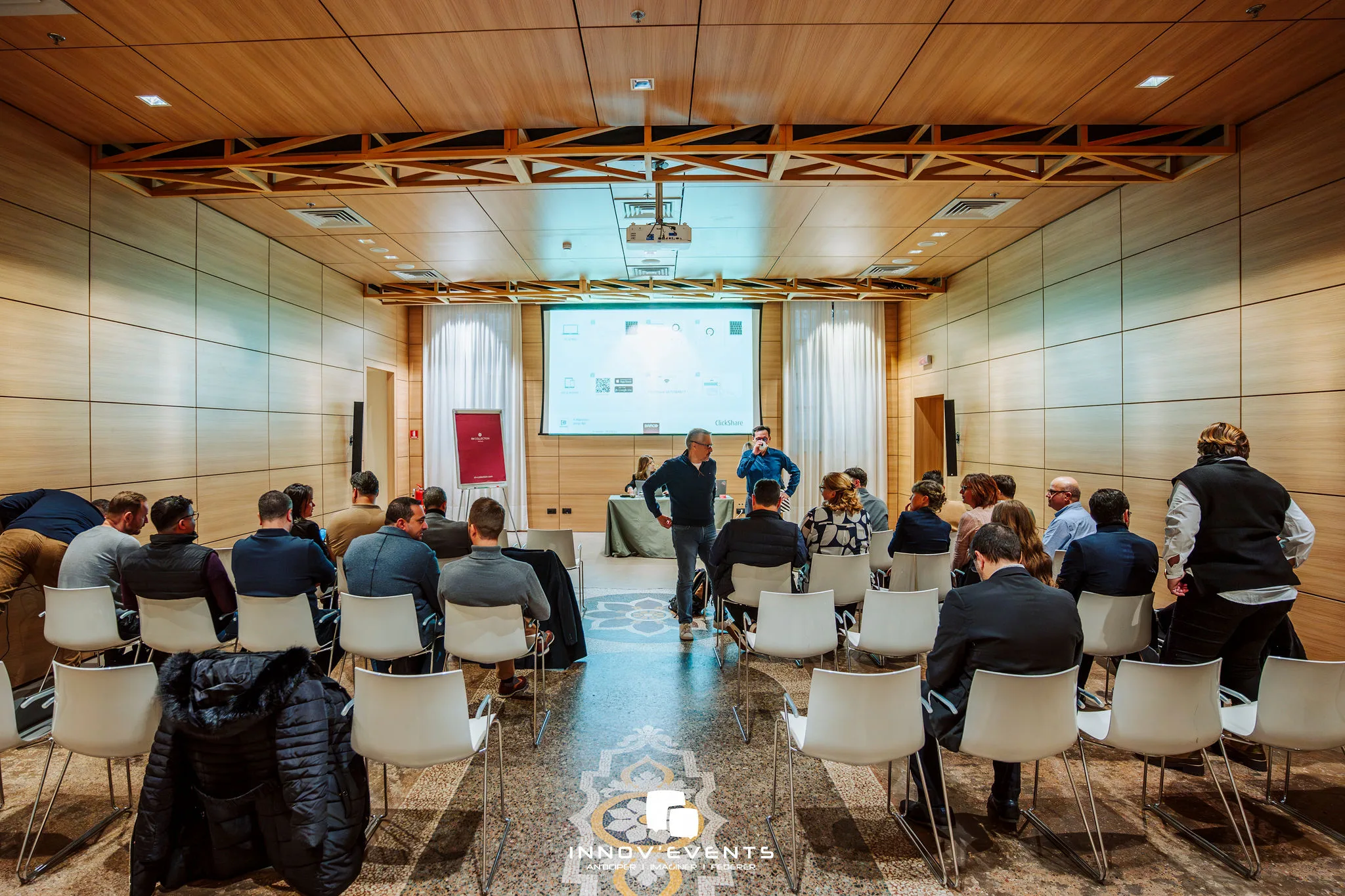
The venue influences more than comfort—it affects confidentiality, attention, and authority. For a Crisis Negotiation Workshop in Montréal, we prioritize: acoustic privacy (no sound bleed), stable AV for timed injects, and a room layout that supports both plenary decisions and breakouts. We also evaluate access control when scenarios involve sensitive internal information.
| Venue type | For which objective? | Main strengths | Possible constraints |
|---|---|---|---|
Private meeting room in a downtown business hotel (Montréal core) | Executive committee alignment; cross-functional tabletop simulation | Discreet service, reliable AV, easy access for leaders between meetings, breakout rooms often available | Higher cost per day; must confirm sound isolation and control of corridor traffic |
Client’s head office boardroom (Montréal / Greater Montréal) | Policy-aligned rehearsal; practical integration with internal crisis resources | Maximum realism (people know the environment), easier access to internal documents and SMEs, lower venue cost | Confidentiality risks if other teams are nearby; boardroom layouts can limit breakout work; AV variability |
Dedicated training center with modular rooms (Montréal area) | Manager training cohorts; repeatable sessions across multiple groups | Flexible room configurations, consistent logistics, good for running the same scenario multiple times | May feel less “executive”; location/parking considerations; ensure secure handling of materials |
Offsite retreat venue within 30–60 minutes of Montréal | Leadership offsite with deeper practice and governance work | Reduced interruptions, stronger focus, space for multi-phase simulations and longer debriefs | Travel time; higher total cost; must plan accessibility and backup connectivity |
We recommend a site visit (or at minimum a technical walk-through) before confirming. In crisis simulation work, small details—door placement, hallway noise, Wi‑Fi stability—can derail attention and undermine credibility with executives.
Budget depends on the level of realism, the duration, and the number of participants—not on vague “packages.” In Montréal, most corporate groups choose a half-day or full-day format with a structured scenario and a formal debrief deliverable. The more your workshop resembles a true simulation (multiple roles, injects, actor role-players, bilingual facilitation), the more preparation time is required.
As a reference point, organizations typically invest from $4,500 to $18,000 CAD for a well-designed and well-facilitated session, with higher ranges for multi-day leadership programs or repeated cohorts. We will always separate facilitation from logistics so you can scale up or down without losing the integrity of the workshop.
Duration and intensity: 3 hours vs. full day vs. two-day (more rehearsal cycles and deeper debriefs).
Participant count: 12–20 enables deep practice; 30–60 often requires additional facilitation and more breakout rooms.
Scenario complexity: single-thread (one negotiation) vs. multi-thread (HR incident + media + regulator + internal leak).
Bilingual delivery: English-only, French-only, or bilingual facilitation and materials for Montréal teams.
Role-players: professional actor role-players increase realism and consistency, especially for difficult conversations.
Deliverables: debrief report, updated escalation map, draft holding statements, negotiation language guidelines, or a manager cheat-sheet.
Venue and AV: breakout requirements, microphones, recording (if approved), and secure handling of materials.
ROI is usually seen in avoided costs: faster containment of incidents, fewer escalation mistakes, reduced reputational exposure, and less internal time spent “cleaning up” communications missteps. For HR and Comms leaders, the value is also cultural: leaders learn to respond with discipline and empathy without creating legal or brand liabilities.
In crisis negotiation training, local presence is not a convenience—it’s risk control. A workshop can’t be “almost ready” on the morning of delivery. An agency established in Montréal reduces the probability of last-minute gaps: venue access issues, AV mismatches, facilitator delays, or confidentiality oversights.
We also understand how crises play out locally: the speed of internal rumor in dense business networks, the expectations of employees and communities, and the way bilingual communications can amplify inconsistency. When a company’s leadership team is comparing agencies, the difference is often in the operational details: who owns the run-of-show, who handles the difficult participants, how the debrief is captured, and how action items are handed to owners.
ROI is usually seen in avoided costs: faster containment of incidents, fewer escalation mistakes, reduced reputational exposure, and less internal time spent “cleaning up” communications missteps. For HR and Comms leaders, the value is also cultural: leaders learn to respond with discipline and empathy without creating legal or brand liabilities.
Our projects vary by sector, but the mechanics are consistent: incomplete information, emotional stakeholders, time pressure, and reputational risk. In Montréal, we commonly build scenarios inspired by real workplace and market conditions—always anonymized and adapted to your governance.
Workplace conflict escalation: a supervisor reports a threatening message from an employee after a disciplinary meeting. HR must assess risk, leadership must decide on site measures, and Comms must prepare for a potential leak. The negotiation element is the first contact: what to say to reduce risk while keeping the organization’s options open.
Customer incident with viral potential: a service disruption triggers a heated confrontation filmed on a phone. The team must coordinate apology language, operational fixes, and internal guidance to frontline managers. The negotiation element is managing the customer’s demands and setting boundaries while protecting brand credibility.
Cyber incident + internal panic: a suspected data breach creates uncertainty. Leaders must negotiate internally—aligning IT, Legal, HR, and Comms on what can be stated, what must be verified, and what must be escalated. The scenario trains disciplined language (“known vs. assumed”) and prevents premature admissions.
Union/operations tension: high-friction negotiation moments with a union representative or a group of employees. The workshop focuses on de-escalation, respectful firmness, and adherence to process—without inflammatory statements that later damage labor relations.
In each case, we end with concrete outputs: the phrases leaders should use, the decisions that must be made earlier, and the handoffs that prevent HR and Comms from being blindsided.
Running a scenario that doesn’t match your reality: participants disengage when the story is implausible. We base scenarios on your operational footprint, stakeholder environment, and governance.
Confusing negotiation skills with “hostage tactics”: corporate crises require tone control, boundary setting, and process clarity. We keep the focus on workplace and stakeholder realities.
No decision authority mapping: workshops fail when everyone can “decide” anything. We define who can commit resources, who speaks publicly, and when to escalate.
Overloading executives with role-play without structure: stress without learning is a waste. We use stop-and-rewind coaching, timed phases, and a scoring rubric tied to objectives.
Skipping the debrief deliverable: without a documented output, the learning evaporates. We capture decisions, phrases, and gaps, then convert them into checklists and action items.
Underestimating logistics in Montréal: room acoustics, AV reliability, and confidentiality can make or break credibility. We do technical checks and plan for backups.
Our role is to remove these risks so your executives can focus on what matters: negotiating effectively, coordinating decisions, and protecting people and brand when stakes are high.
Organizations don’t repeat crisis training because it was “nice.” They repeat it because it changes behavior and makes coordination easier during real events. In Montréal, renewals often happen for three reasons: leadership turnover, new risk exposure (new sites, new products, new public scrutiny), and the need to standardize language across departments.
2–4 cohorts/year is common when a company wants consistent negotiation language across managers.
12–24 months is a typical cycle for rerunning an executive simulation after governance or personnel changes.
1-page quick reference (per leader) is the most requested post-workshop tool for day-to-day use.
Loyalty is a by-product of reliability: consistent facilitation, disciplined logistics, and debriefs that translate into operational changes—not just a good discussion in the room.
We clarify your objective (skill-building, governance alignment, spokesperson discipline), the participant profile, and constraints (legal sensitivity, union environment, media exposure). We confirm language needs (English/French) and success criteria: what would make you say “this was worth executives’ time.”
We collect inputs (recent incidents, near misses, policies, escalation paths) and build a scenario with clear phases and decision gates. You validate realism and sensitivity. We define the roles, authority limits, and what information is revealed at each stage.
We confirm room layout (plenary + breakouts), AV requirements, timing, confidentiality rules, and contingency plans. We produce the run-of-show and a facilitator script so delivery is consistent and controlled.
We run the session with active facilitation: timed injects, structured negotiation moments, and stop-and-rewind coaching when language or tone creates unnecessary risk. We keep executives focused on the decisions that matter and the behaviors you want repeated.
Within agreed timelines (often 5–10 business days), we deliver a debrief summary: key decisions, observed gaps, recommended changes to escalation maps, and practical language guidelines. If requested, we also provide a short leadership checklist and next-step training plan.
Most teams choose 3–4 hours (half-day) or 6–7 hours (full day). Executive committees often prefer half-day with a high-intensity tabletop; manager cohorts benefit from a full day with multiple practice cycles and coaching.
For deep practice, 12–20 is ideal. For cross-functional alignment, 20–40 works with breakouts and at least one additional facilitator. Beyond 60, we recommend splitting cohorts to keep negotiation practice meaningful.
Yes. We can deliver in English, French, or bilingual. The key is consistency: we align terminology (roles, escalation steps, “holding statements”) so decisions don’t change meaning between languages.
At minimum: a structured debrief with observed strengths/gaps and prioritized actions. Common add-ons include an updated escalation map, draft holding statements, and a 1-page leader checklist. Delivery is typically within 5–10 business days, depending on approvals.
Typical investment is $4,500–$18,000 CAD, depending on duration, participant count, scenario complexity, bilingual delivery, and whether you include role-players and formal written deliverables. We separate facilitation and logistics so you can control cost without lowering workshop quality.
If you’re planning a Crisis Negotiation Workshop in Montréal, the best time to engage is early—so we can ground the scenario in your real risk map, secure the right venue, and align HR/Comms/legal expectations before the session. Share your participant profile, preferred dates, and the type of situations you want leaders to be ready for.
Contact INNOV’events for a proposal that includes: recommended format (half-day/full-day), facilitation plan, logistics requirements, and a transparent budget range. We’ll tell you what to prioritize—and what to avoid—so the workshop stands up to executive scrutiny.
Thierry GRAMMER is the manager of the INNOV'events Montréal office. Reach out directly by email at canada@innov-events.ca or via the contact form.
Contact the Montréal agency