
Transportation is not a “logistics detail”: for executives, it’s a direct lever on attendance, punctuality, and the first impression of the day. When guests arrive late or confused, the agenda slips, speakers get squeezed, and the energy drops before the opening remarks.
Well-managed Shuttle / Transportation Service prevents that. It reduces no-shows, de-risks weather and traffic, and supports duty-of-care—especially when alcohol is served, when multiple sites are involved, or when schedules are tight.
In Montréal, organizations expect a plan that respects real constraints: downtown congestion, construction detours, winter conditions, bilingual signage, and mixed attendee profiles (employees, clients, VIPs, unionized staff, international guests).
HR and Communications also expect clear instructions: “where exactly do I stand?”, “who do I call?”, “what if I miss the shuttle?”—answered before people start emailing your team at 6:30 a.m.
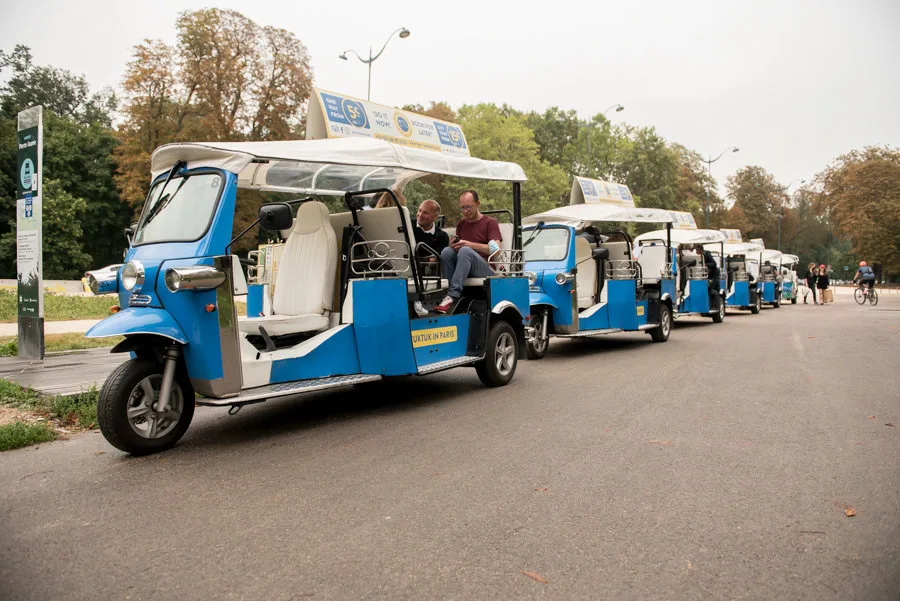
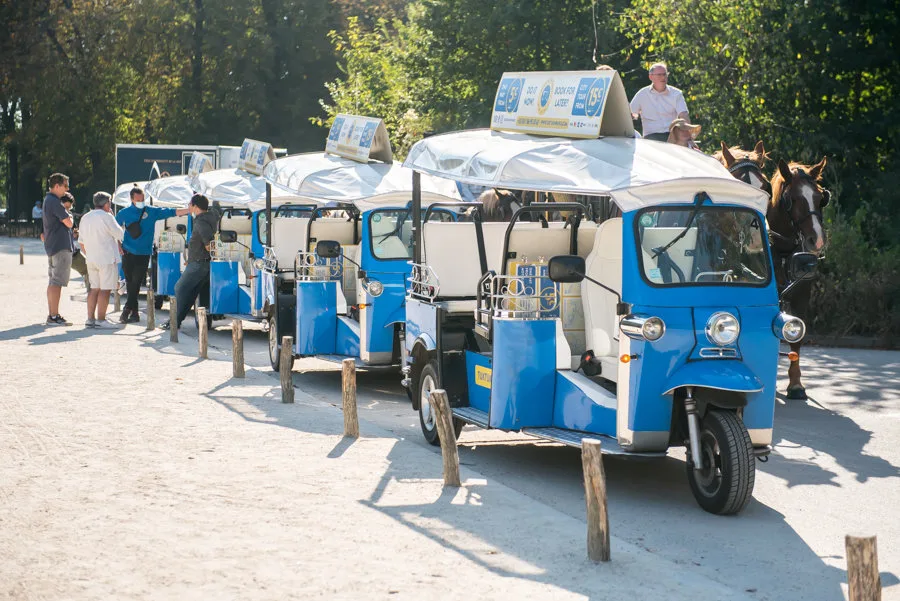
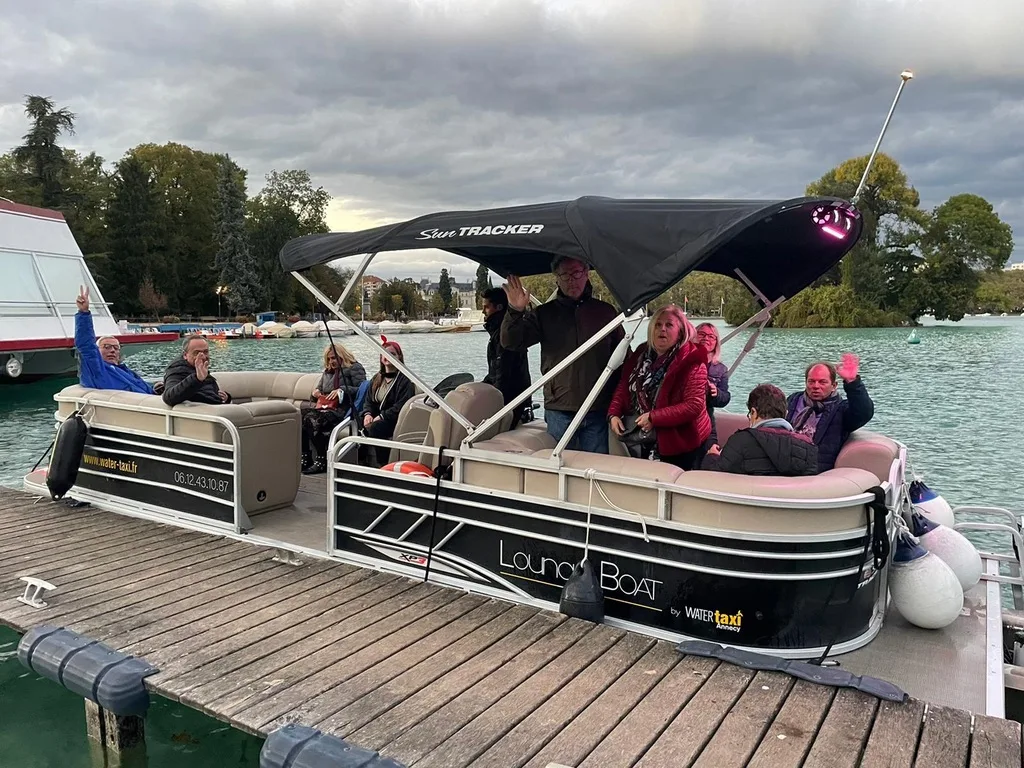
INNOV'events is on the ground in Montréal. We work with vetted carriers (coaches, minibuses, sprinters, accessible vehicles, executive sedans) and we dispatch on site with real-time adjustments.
Our job is to protect your run-of-show: controlled arrivals, clean staging areas, predictable loading times, and a contingency plan you can actually execute.
10+ years coordinating corporate logistics in Québec, with recurring annual programs.
Scalable fleet access: from 1 VIP vehicle to 40+ coaches/minibuses dispatched on the same day through carrier partners.
24/7 event-day coordination line for organizers and on-site leads (bilingual).
Typical routing readiness: first version of the shuttle plan delivered within 3–5 business days after collecting addresses, schedules, and constraints.
We support organizations that operate in Montréal and need a transportation partner who understands corporate realities: executive time constraints, confidentiality, brand standards, and the pressure of “doors open at 8:00.” Many clients renew year after year because the shuttle plan becomes part of their internal rhythm—annual town halls, leadership offsites, client appreciation evenings, or multi-site training days.
If you shared specific company names to use as references, we will integrate them exactly as approved (and only with your authorization). In practice, our recurring relationships often start with one high-stakes event and turn into a standard operating process: standardized pickup points, a repeatable briefing format for drivers, and a proven dispatching method that your HR and Comms teams can reuse with minimal effort.
Nous vous envoyons une première proposition sous 24h.
Executives don’t fund transportation for comfort; they fund it for control. A structured Shuttle / Transportation Service in Montréal gives you predictability—attendance, timing, and risk management—when the event’s success depends on a tight agenda and a consistent guest experience.
Agenda protection: controlled arrivals mean your keynote starts on time. For a 300-person town hall, shaving even 10 minutes of late arrivals can save an entire Q&A block.
Attendance uplift: when the site is outside downtown (Laval, West Island, South Shore, Laurentians) or parking is limited, a shuttle typically reduces last-minute cancellations and “I couldn’t find parking” delays.
Duty-of-care and HR risk reduction: if alcohol is served, a planned return shuttle is a practical mitigation measure that HR can document and communicate.
Brand consistency: coordinated vehicles, signage, and a staffed loading zone look deliberate—important for client events, investor days, recruitment events, and board-adjacent gatherings.
Lower organizer workload: fewer “where are you?” calls and fewer last-minute reimbursements. Your team focuses on the program, not on solving transport issues in real time.
Accessibility and inclusion: integrating accessible vehicles and clear wayfinding supports participants with mobility constraints—without making them feel like an exception.
Montréal runs on tight windows: construction seasons, unpredictable traffic patterns, and weather swings. A shuttle plan is simply aligned with how the city operates—if you want professional-level predictability, you plan transportation like you plan A/V.
In Montréal, the best shuttle plans are built around constraints, not assumptions. Downtown hotels and venues can look close on a map but still take 25–45 minutes at peak times due to congestion, detours, and loading restrictions. We plan with buffer time, controlled pickup windows, and clear boarding rules that reduce dwell time.
Executives typically want three things: (1) on-time arrivals; (2) no surprises; (3) a contingency plan that doesn’t rely on “we’ll figure it out.” HR wants duty-of-care, safe returns, and an experience that doesn’t create complaints or inequities. Communications wants clean, bilingual instructions that can be pasted into an email, an event app, or a calendar invite—plus a single escalation contact on event day.
We also account for venue realities that are very local: limited curb access downtown, noise bylaws near certain hotels, and the need to avoid blocking entrances during peak guest flows. On winter days, we plan for slower boarding, longer braking distance, and the fact that a late snow removal can change where a bus can safely stop. None of this is theoretical; it’s what causes disruptions if it’s not planned.
Transportation is “dead time” unless you use it strategically. For corporate groups, the shuttle ride can support adoption, culture, and communications—without turning the bus into a marketing channel. The goal is to reduce friction and reinforce the event narrative before people even walk into the venue.
We only add onboard elements when they serve a purpose: orientation, safety, excitement for the agenda, or a controlled transition between program moments. This is where corporate event entertainment in Montréal can be practical rather than flashy—light touches that improve the experience and reduce confusion.
Onboard orientation (5 minutes, scripted): a short bilingual briefing on the schedule, site rules, and what to expect on arrival. This reduces bottlenecks at registration and prevents repeated questions to staff.
QR-based pulse check: a one-question survey on the shuttle (“What do you most want from today?”). HR and Comms get immediate insight to adjust messaging.
Team routing by color: simple color-coded wristbands or stickers distributed at pickup to pre-sort groups (departments, cohorts, languages). It saves time at seating, breakouts, and catering lines.
Discreet host/MC for multi-bus operations: when you have several departures, a host at the pickup point (not inside the bus) keeps the tone professional, guides boarding, and prevents the “wrong bus” problem.
Ambient playlists matched to brand: controlled volume, pre-approved content, and timing that supports a calm arrival rather than a nightclub vibe.
Grab-and-go distribution at pickup: coffee and pastries at the staging area (not on the bus) to avoid spills and delays. We design it to keep lines moving and to respect venue cleanliness requirements.
Hydration strategy for summer events: water distribution coordinated with boarding so it doesn’t slow down load times; important for outdoor sites and longer transfers.
Real-time shuttle tracking link: a simple mobile link for attendees showing “next departure” and pickup map. It reduces calls to HR and improves punctuality.
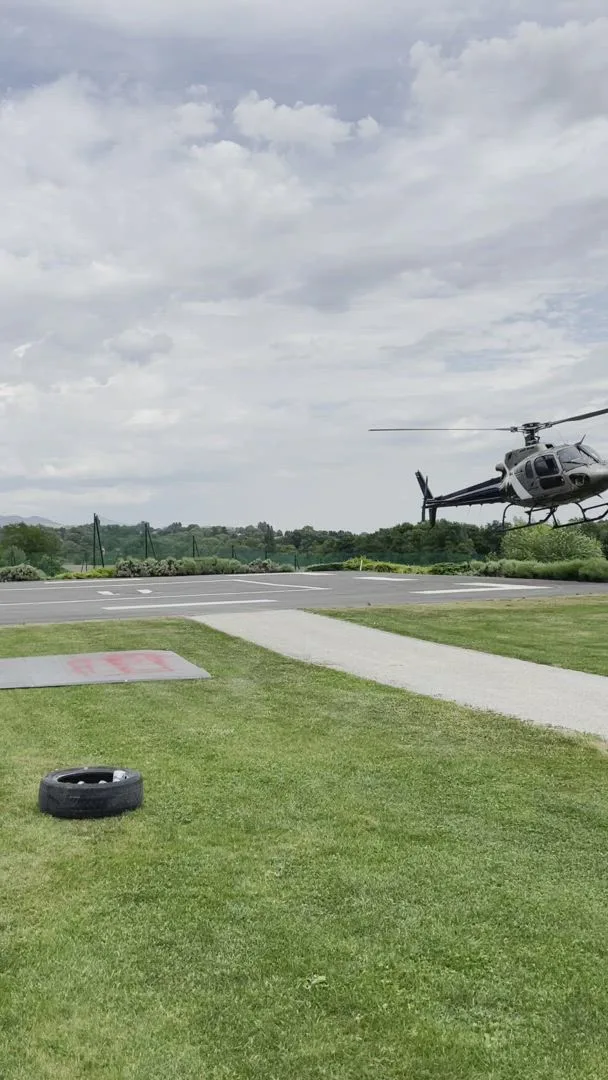
VIP micro-mobility split: executive sedans for speakers/leadership combined with group shuttles for attendees—keeps the main operation stable while protecting VIP timing.
Any onboard engagement must align with your brand image and internal culture. For a financial institution, that may mean a calm, controlled experience with precise information. For a tech employer brand event, the same shuttle time can be used for light interaction and community building—always without compromising safety, timing, or professionalism.
The “venue” for transportation is not only the event location—it’s also the pickup curb, the staging area, and the drop-off flow. In Montréal, the right setup reduces crowding, avoids conflicts with hotel operations, and keeps buses moving without blocking traffic.
| Venue type | For which objective? | Main strengths | Possible constraints |
|---|---|---|---|
| Downtown hotel frontage (scheduled curbside pickup) | Centralize departures for out-of-town attendees and simplify comms | Easy for guests; concierge support; strong perception for clients | Limited curb time; must coordinate exact windows; congestion and construction can force last-minute adjustments |
| Office campus or head office parking area | Move a large employee group efficiently with controlled headcounts | Known location; easier line management; clear authority on site | Requires internal traffic plan; may need security coordination; peak-hour exit timing can impact schedule |
| Remote parking lot with shuttle loop (park-and-ride) | Manage limited venue parking and reduce traffic near the event site | Scales well for 300+; reduces parking stress; predictable boarding flow | Needs strong signage and staffing; must account for lighting/weather; requires discipline on departure windows |
| Multi-stop “neighborhood loop” (2–5 stops) | Increase attendance by reducing commute friction across the island | Convenient for employees; can reduce late arrivals if designed correctly | Complex routing; higher risk of delays if stops aren’t chosen carefully; requires precise communication |
We strongly recommend a site visit (or at minimum a curbside walkthrough) when the event is high-stakes or high-volume. Seeing the actual curb geometry, traffic patterns, and bottlenecks in Montréal often changes the plan—and prevents the classic “the bus can’t stop there” surprise on event day.
Transportation pricing depends on variables that are easy to underestimate: vehicle type, hours on duty, distance, timing, waiting time, and the complexity of pickup/drop-off. In Montréal, the same number of passengers can cost very differently depending on whether you’re doing a simple A-to-B transfer or a multi-window shuttle loop with dispatching.
To give you realistic planning ranges (subject to date, availability, and routing):
These ranges reflect typical corporate market conditions; exact quotes depend on your route, dwell time, and date (peak season matters).
Service model: point-to-point, loop shuttle, or multiple time windows (arrival + return waves).
Minimum hours and deadhead: carriers bill minimums and travel time to/from the depot. Downtown starts can price differently than West Island starts.
Peak times: rush hour and major city events can increase travel time buffers and vehicle scarcity.
On-site staffing: adding dispatchers, bilingual hosts, or security coordination improves control and reduces risk.
Accessibility needs: accessible vehicles may require early booking and specific staging considerations.
Contingency coverage: standby vehicles or flexible reallocation plans for weather or delays.
From an ROI perspective, the cost is justified when it protects executive time, reduces schedule slippage, and prevents reputational issues. One missed keynote start time or one unsafe end-of-night situation can cost more—in internal trust and external perception—than the full transportation line item.
Booking buses is easy; running a shuttle operation is not. The difference is coordination: staging, timing, crowd flow, and real-time decisions. When you work with an agency established in Montréal, you gain local judgment that’s hard to replicate from a spreadsheet—what curb is usable, what street becomes a bottleneck, what time buffer is realistic, and how to reroute when the city changes the rules overnight.
At INNOV'events, transportation is integrated into the event plan, not handled as a separate vendor email thread. As an event agency in Montréal, we align transportation with registration times, speaker call times, security check-in, catering waves, and the venue’s loading restrictions.
From an ROI perspective, the cost is justified when it protects executive time, reduces schedule slippage, and prevents reputational issues. One missed keynote start time or one unsafe end-of-night situation can cost more—in internal trust and external perception—than the full transportation line item.
Our shuttle work covers a range of corporate realities—because transportation needs change depending on who’s attending and what’s at stake.
Across these scenarios, the constant is execution discipline: the best plan is the one that works at 7:15 a.m. in the rain, with a last-minute speaker change and a detour on the planned route.
Choosing a pickup point because it’s “central,” not because it’s workable: a location can be central but impossible for a coach to safely stop or stage.
Underestimating boarding time: coats, bags, badges, and small delays compound—especially with multiple buses.
No clear rule for late arrivals: if people don’t know whether the shuttle waits, they either panic-call HR or arrive late to everything.
Mixing VIP and general boarding without a protocol: it creates frustration, perception issues, and schedule risks.
Not staffing the curb: without a dispatcher, drivers become the default information desk and departures become inconsistent.
Return shuttles treated as an afterthought: the end of the night is when safety and duty-of-care matter most, and when guests are less patient.
Our role is to prevent these risks with a written plan, clear responsibilities, and on-site control. When something changes—which it always does—we adjust without exposing your leadership team to operational noise.
Transportation is one of those services where consistency matters more than novelty. Clients come back when their teams can trust the process: fewer complaints, fewer surprises, and an event-day experience that feels controlled.
Repeatable tools: standardized pickup maps, bilingual templates, and driver briefs that can be reused across quarterly or annual events.
Operational continuity: we keep route history and post-event notes (what worked, what didn’t, where congestion hit) so each edition improves.
Stakeholder alignment: HR, Comms, Security, and Venue Ops work from one shared run sheet rather than parallel versions.
Loyalty is proof of quality in this category because shuttle operations are unforgiving: if it’s not solid, people change providers quickly. Clients stay when the buses simply show up, the line moves, and the schedule holds.
We start with your run-of-show, not with vehicles. We confirm attendee profile (employees/clients/VIPs), required arrival windows, return waves, alcohol service, accessibility needs, and the realities of your venues (curb access, loading rules, security screening). We also identify internal constraints: who approves comms, who can make event-day decisions, and what “success” means (on-time start, controlled arrivals, safety, experience).
We propose pickup points that are physically workable and easy to communicate. For each route, we build time buffers based on traffic patterns, seasonality, and boarding time—not optimistic GPS estimates. When needed, we recommend a park-and-ride model, a multi-stop loop, or a split fleet (VIP + general). You receive a clear routing plan: departure times, estimated travel times, staging notes, and capacity logic.
We secure the right fleet type (coach/minibus/sprinter/sedan) and confirm service hours, minimums, and standby rules. We produce the practical documents your team needs: attendee instructions (bilingual if needed), pickup maps with landmarks, a dispatcher run sheet, vehicle numbering, and a driver brief with routes and expectations. This is the step that prevents event-day improvisation.
On event day, we manage the curb: signage placement, line formation, headcount checks, timing calls, and communication with drivers. If traffic or weather impacts timing, we execute pre-agreed contingencies (hold/release rules, re-sequencing departures, reroutes). Your internal team gets one point of contact and clear updates, not a stream of problems to solve.
Within days, we provide a short debrief: what worked, where delays occurred, and how to optimize the next edition (adjust pickup window, change curb, add a dispatcher, modify return waves). For recurring events in Montréal, this turns transportation into a stable, repeatable module rather than a yearly reinvention.
For standard corporate dates, plan 4–8 weeks ahead. For peak periods (June, September, December) or large groups (300+), book 8–12 weeks ahead to secure fleet availability and the best departure windows.
As a rule of thumb: a coach fits 40–56 passengers, a minibus 20–28, a sprinter 8–14. We size fleet with a 10–15% buffer when arrivals must be guaranteed (keynote start, client event), and we factor boarding time—not just seat count.
Yes. We typically recommend 2–5 stops max per loop to keep timing predictable. If you need broader coverage, we split into parallel routes or use a park-and-ride model to avoid one late stop delaying everyone.
For groups under 50 with a simple point-to-point transfer, sometimes no. For 50+, multiple buses, or any downtown curb constraints, we strongly recommend at least 1 dispatcher. It reduces late departures, prevents missed passengers, and keeps drivers focused on driving.
We plan return waves aligned with your program (e.g., 2–4 departure windows over 60–120 minutes) and we staff the loading zone so guests know where to go. We also set clear “last shuttle” communication and a contingency for early departures (VIP car option or an earlier wave) to support duty-of-care.
If transportation impacts your start time, your guest experience, or your duty-of-care, it should be planned with the same rigor as production. Send us your event date, approximate headcount, venue(s), and preferred pickup areas in Montréal. We’ll come back with a clear routing approach, fleet options, and a quote you can defend internally.
For complex programs (multiple stops, tight agendas, winter dates), contact us early—availability and curb access decisions are often what make or break the day.
Thierry GRAMMER is the manager of the INNOV'events Montréal office. Reach out directly by email at canada@innov-events.ca or via the contact form.
Contact the Montréal agency