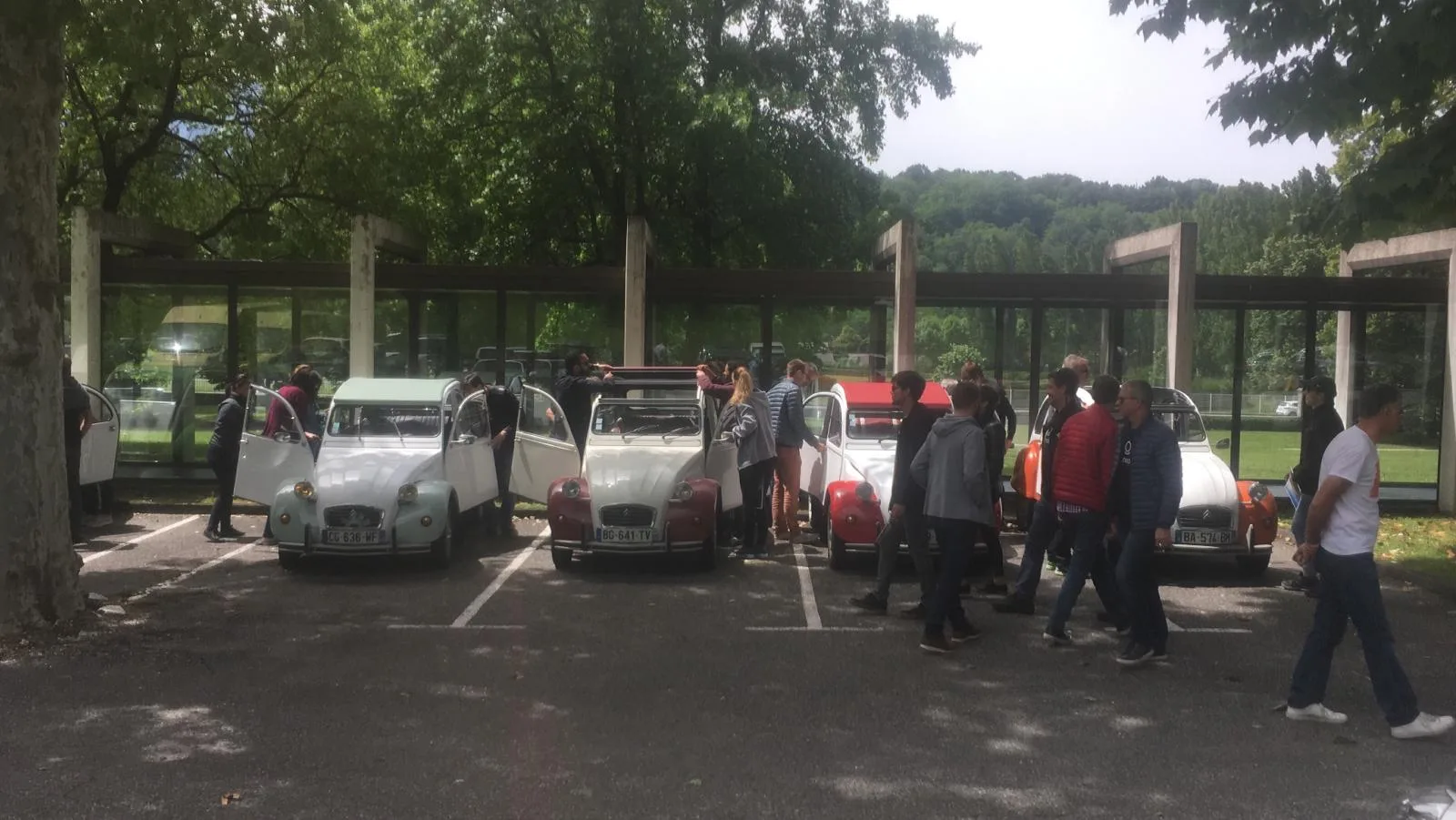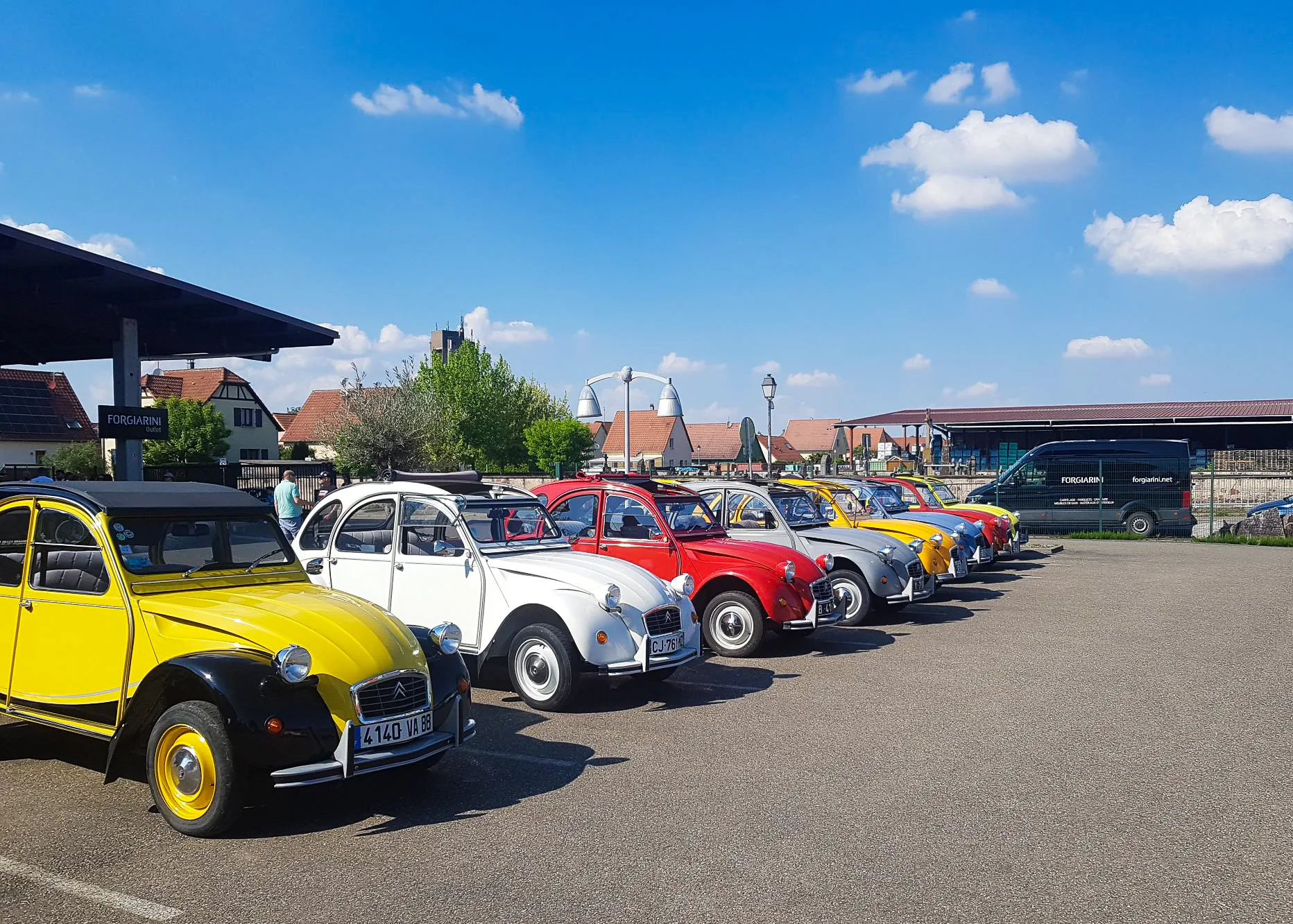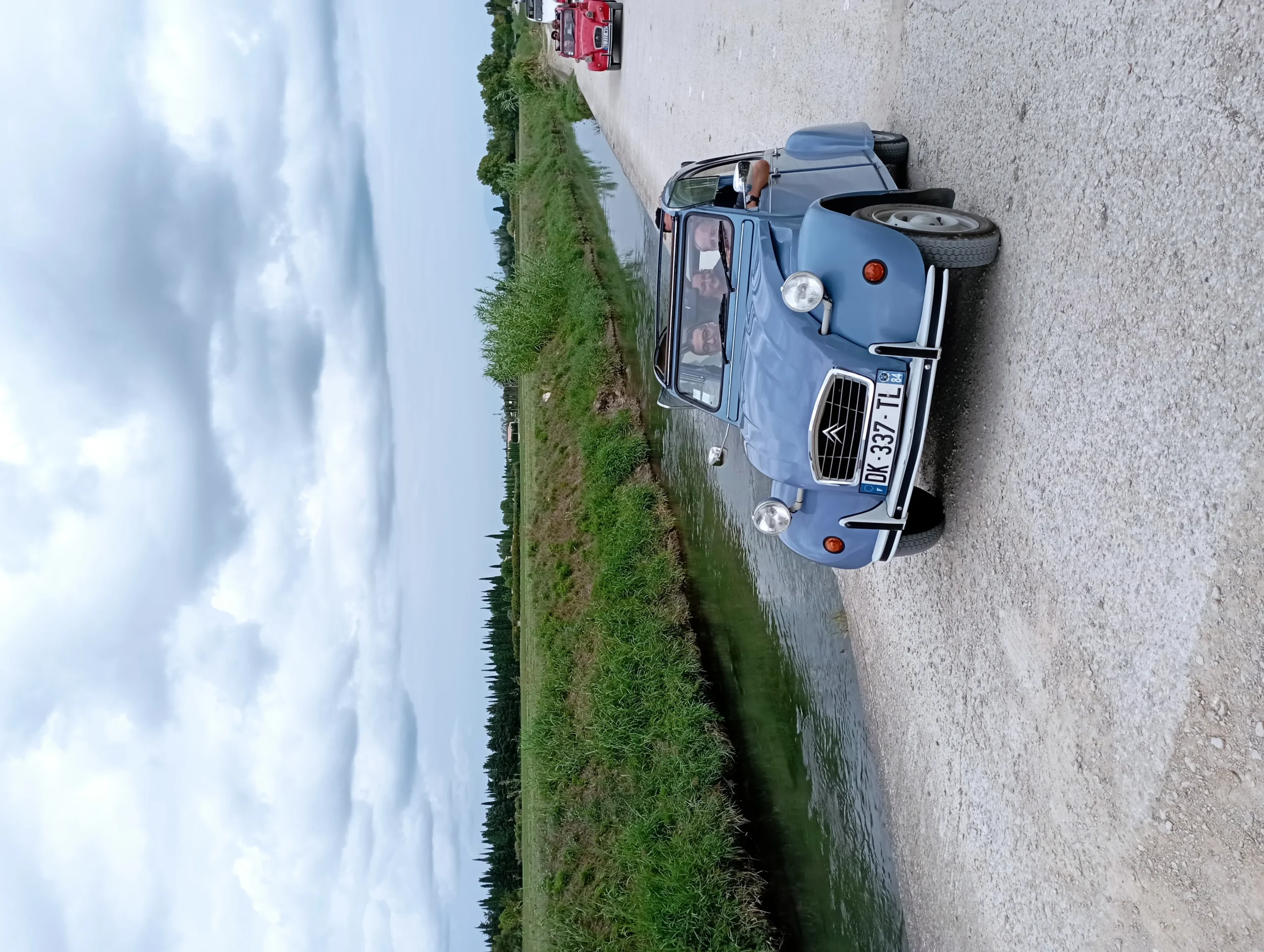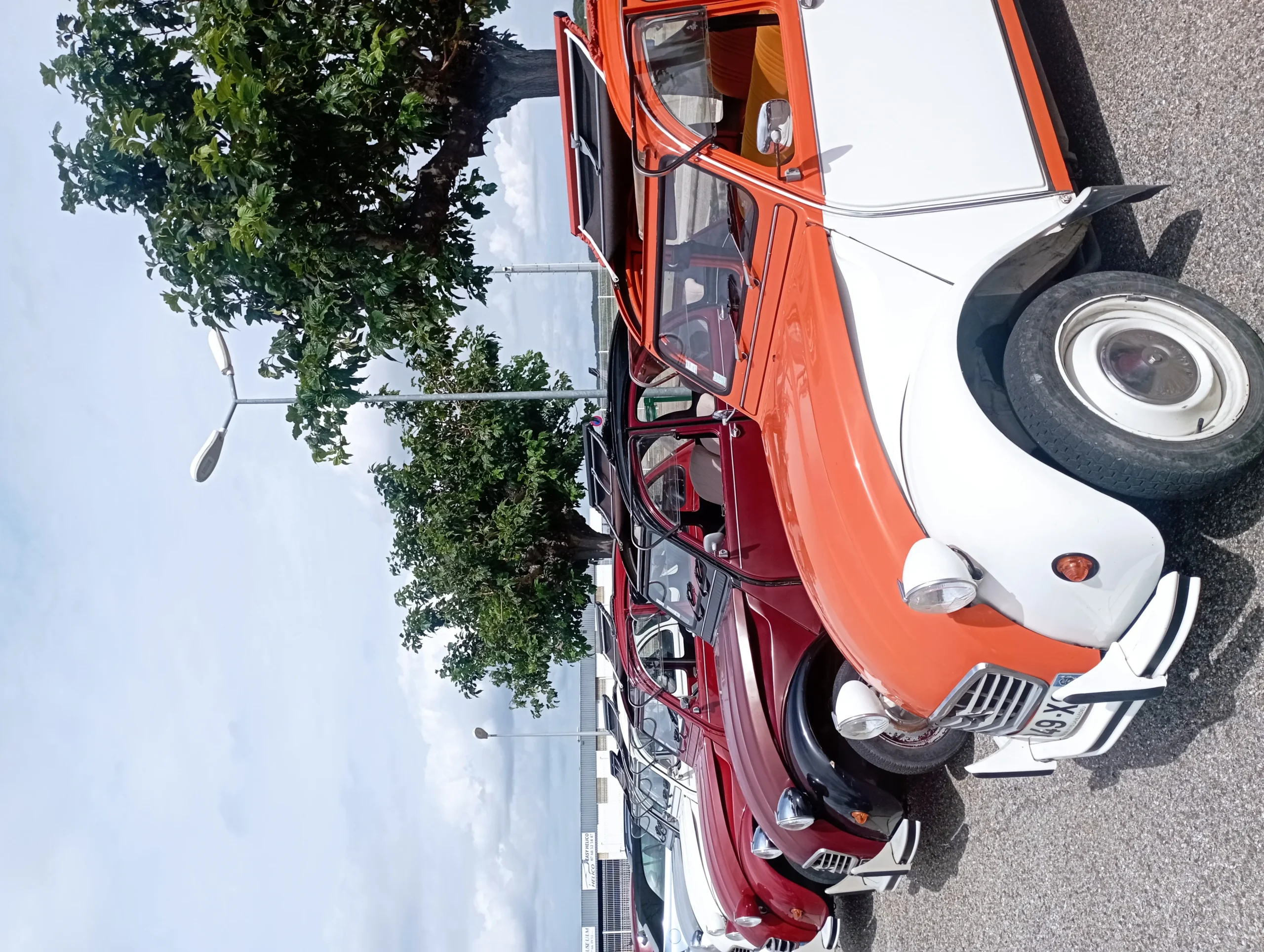
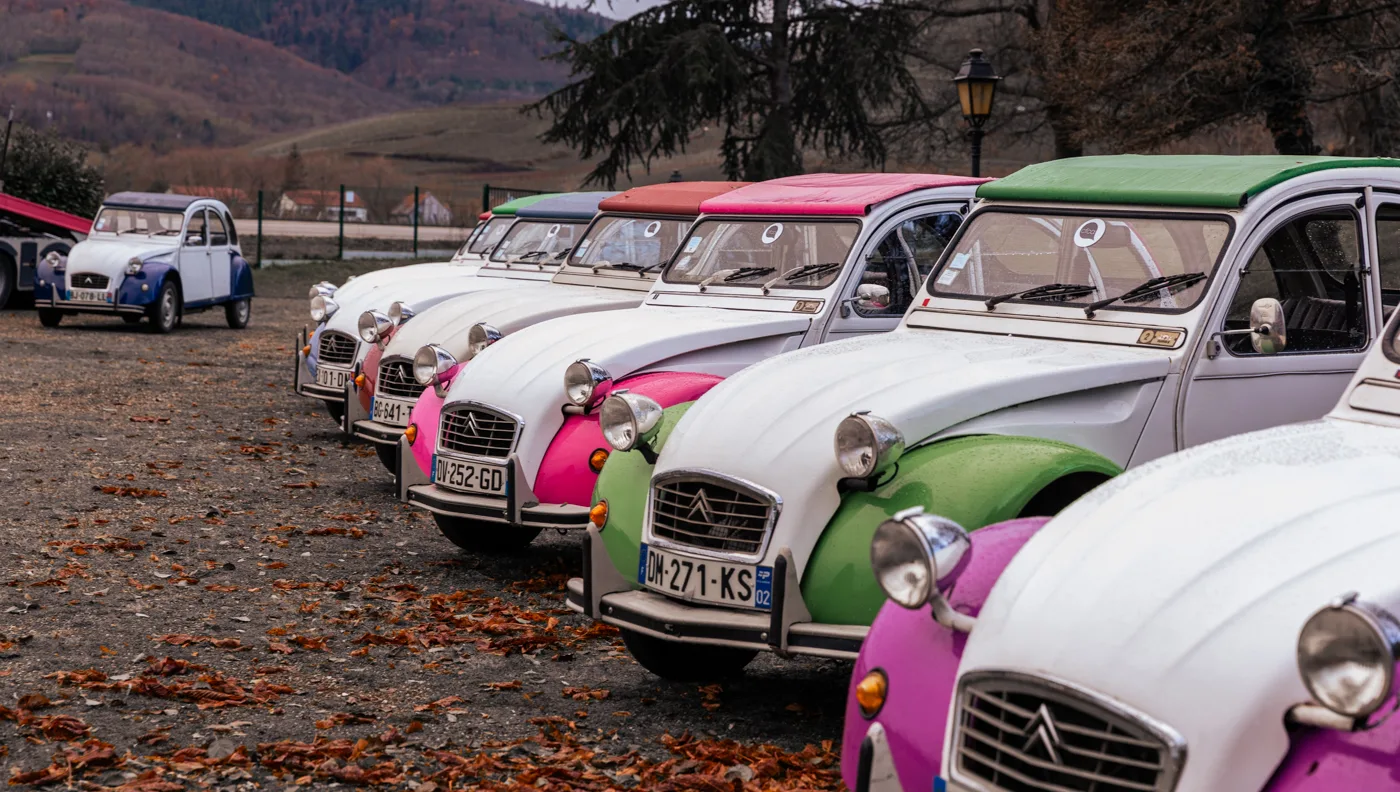
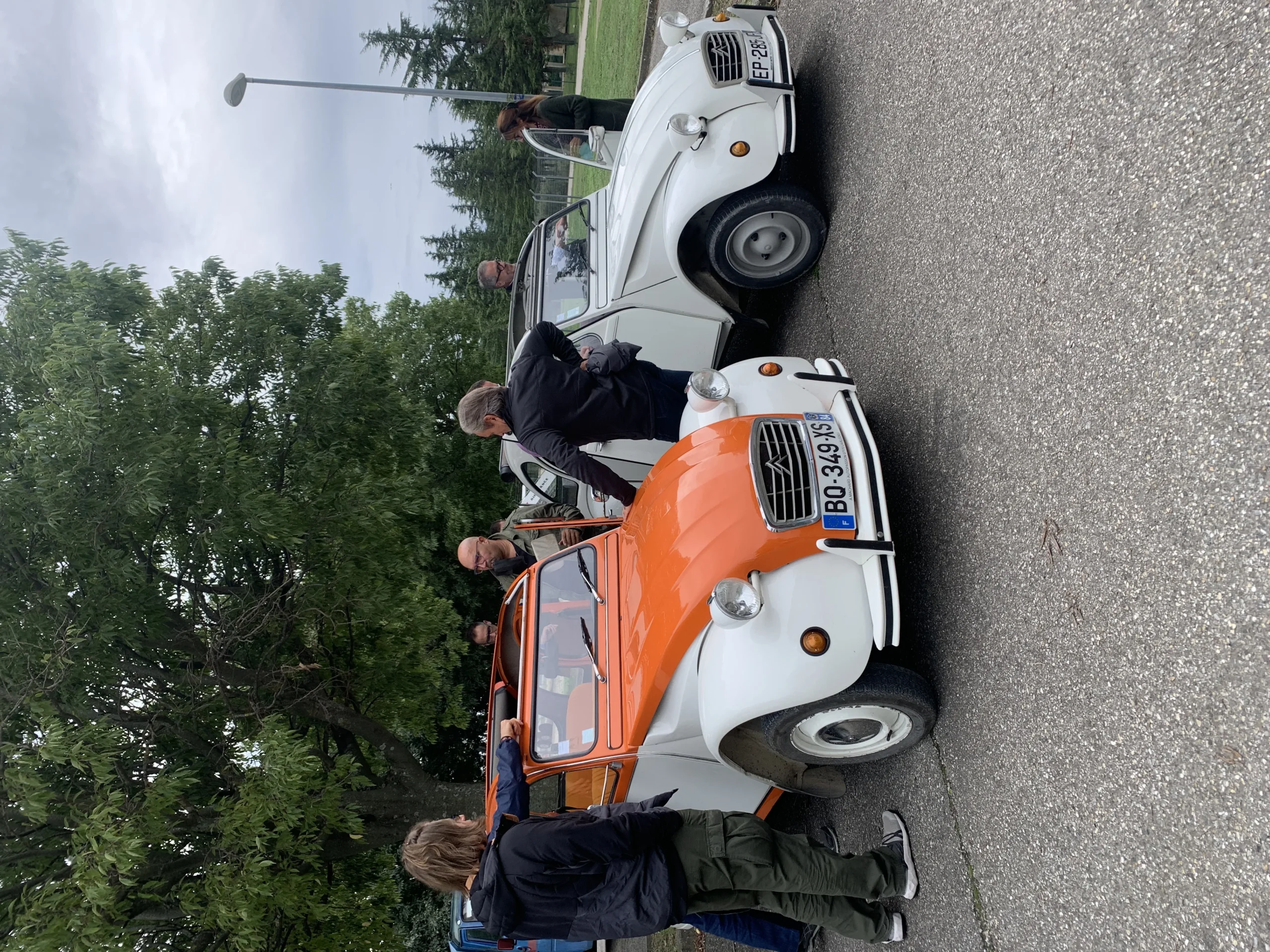
For a corporate audience, “entertainment” is rarely the real goal. The goal is to create a shared experience that accelerates trust, makes internal messages stick, and gives leaders a credible moment to recognize performance—without risking delays, complaints, or reputational issues. A well-run 2CV Rally gives you a structured framework (teams, time checkpoints, briefings, debrief) that managers can use to reinforce collaboration and decision-making.
Organizations in Montréal expect operational rigor: clear timing for executives, bilingual communications, predictable transportation, and a plan that respects neighbourhood constraints. They also expect a high standard of safety and governance (waivers, alcohol policy, incident reporting) because a rally involves vehicles, road exposure, and multiple moving parts.
INNOV'events is on the ground locally. We know the city’s traffic patterns, seasonal realities, and the practical steps to secure access points, staging areas, and partners. Our role is simple: protect your agenda, protect your brand, and deliver a rally your leadership team can stand behind.
10+ years delivering corporate activations and team experiences across Quebec and Canada (planning, production, facilitation).
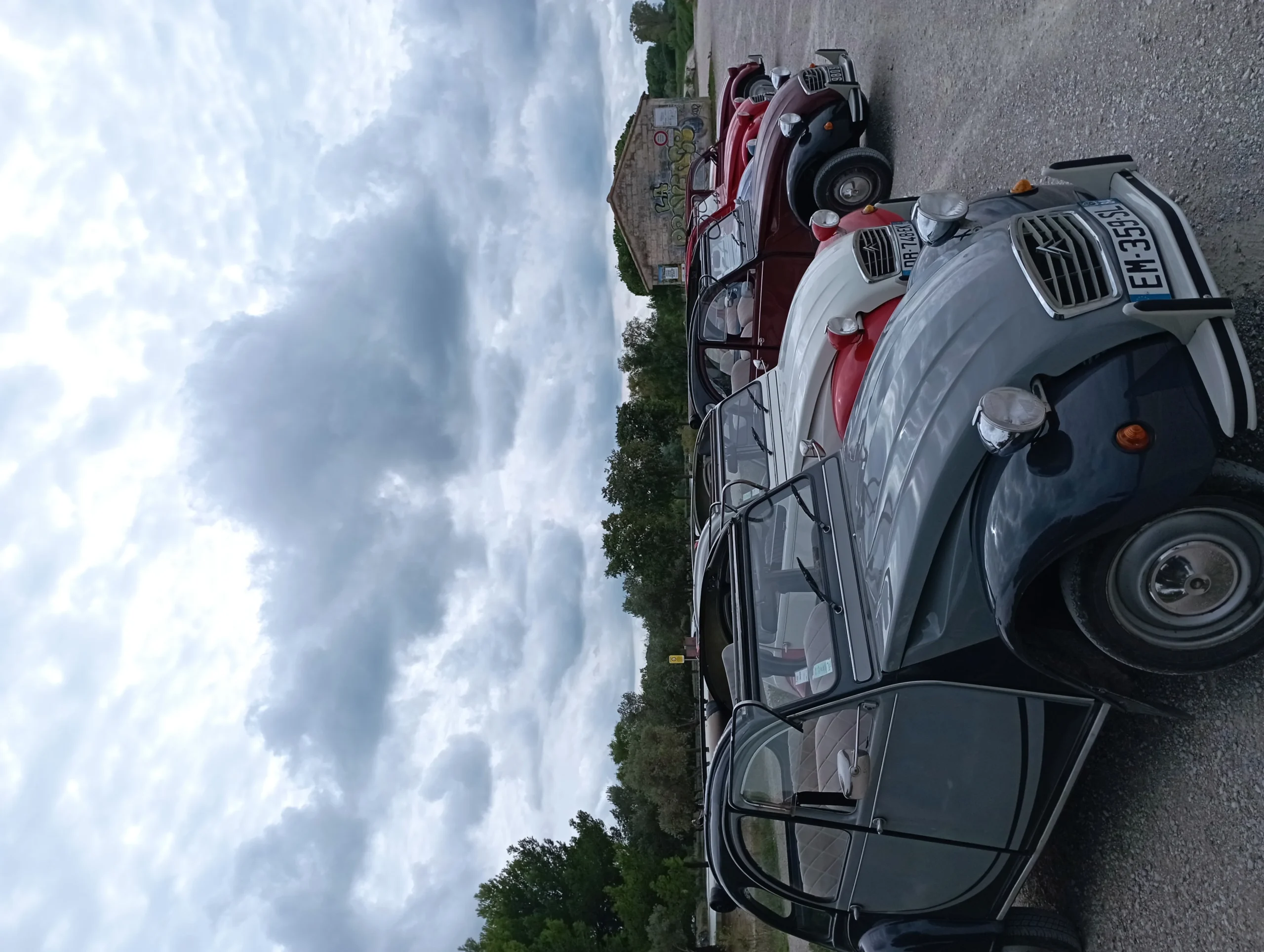
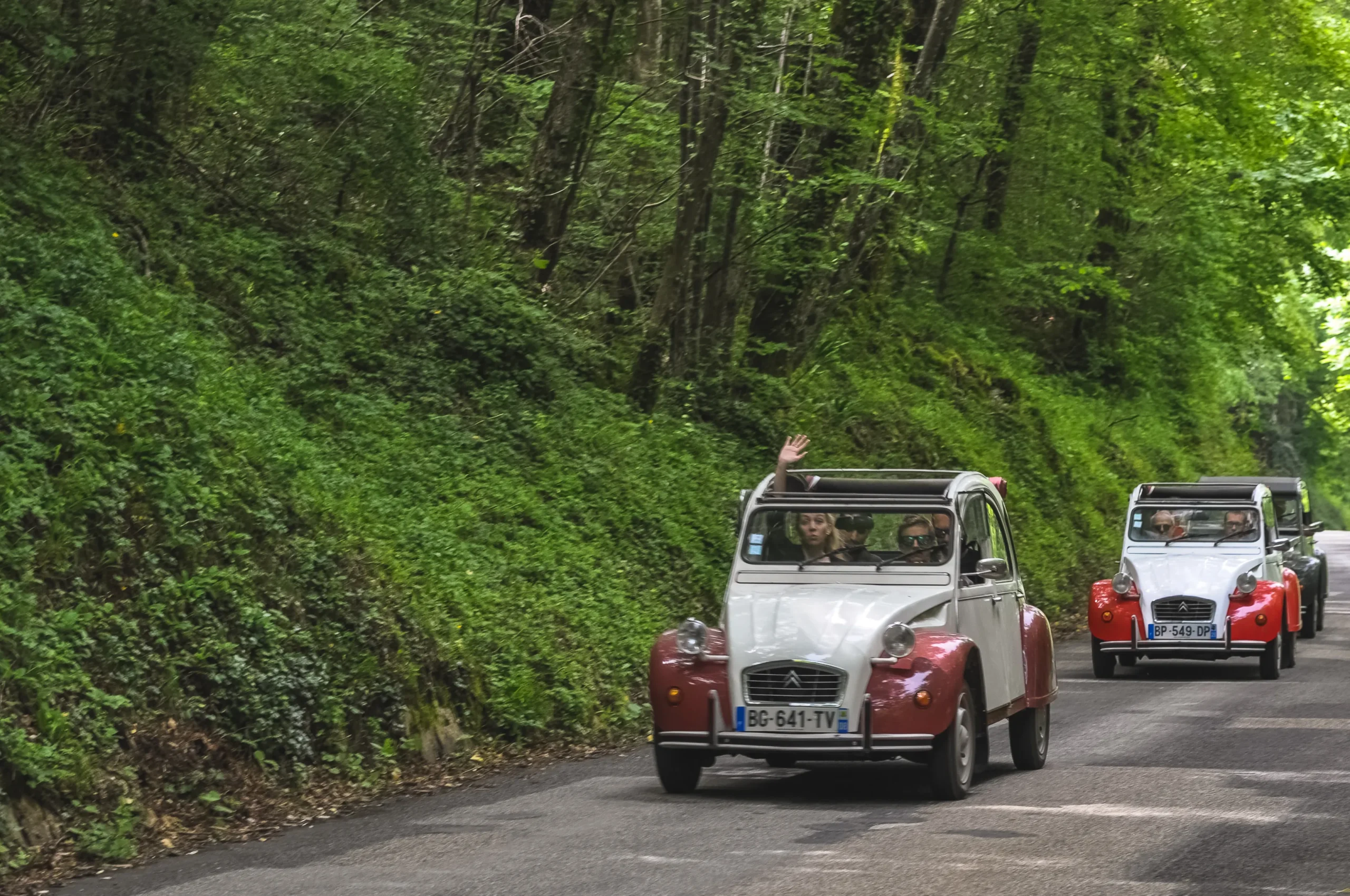
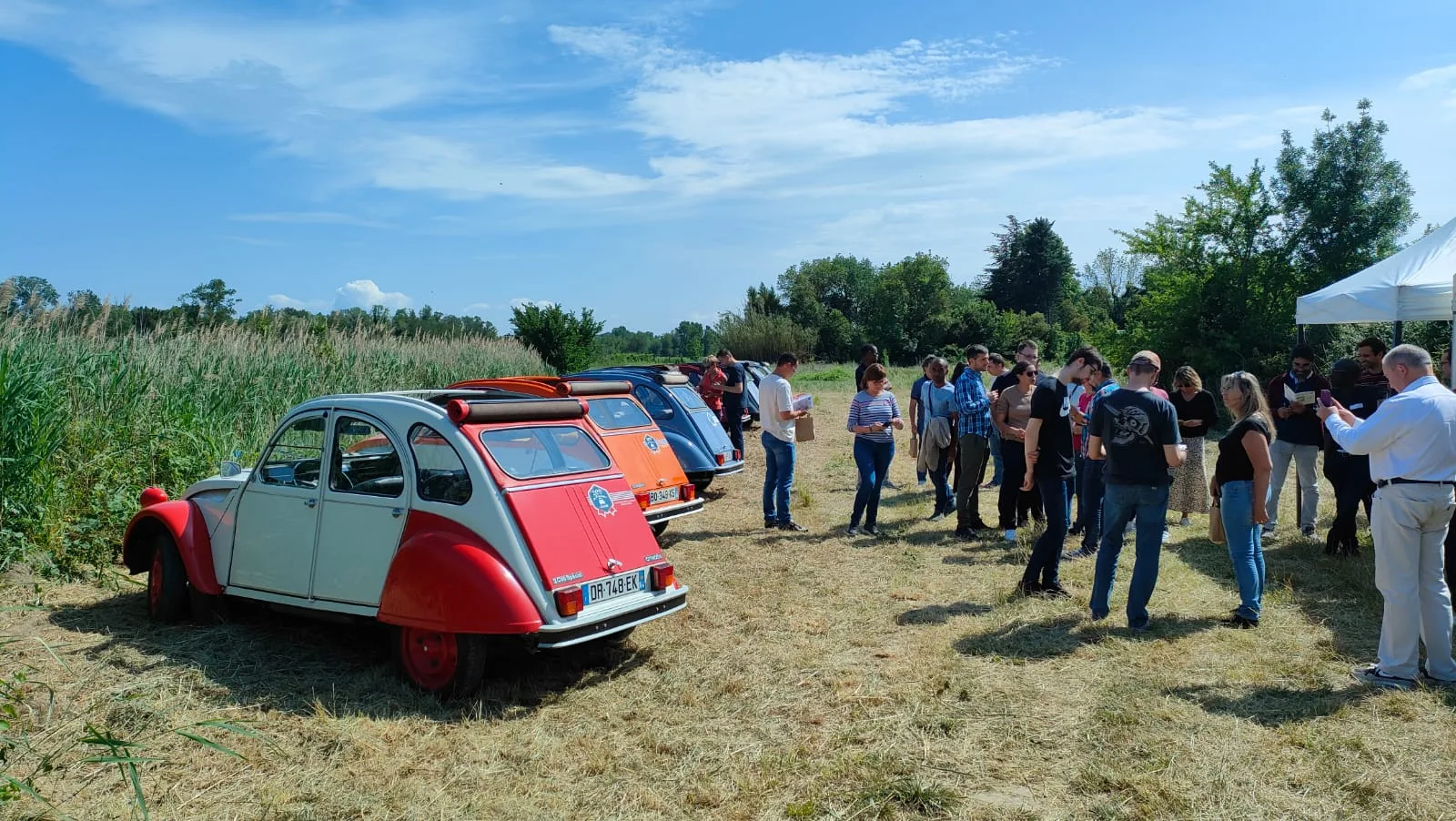
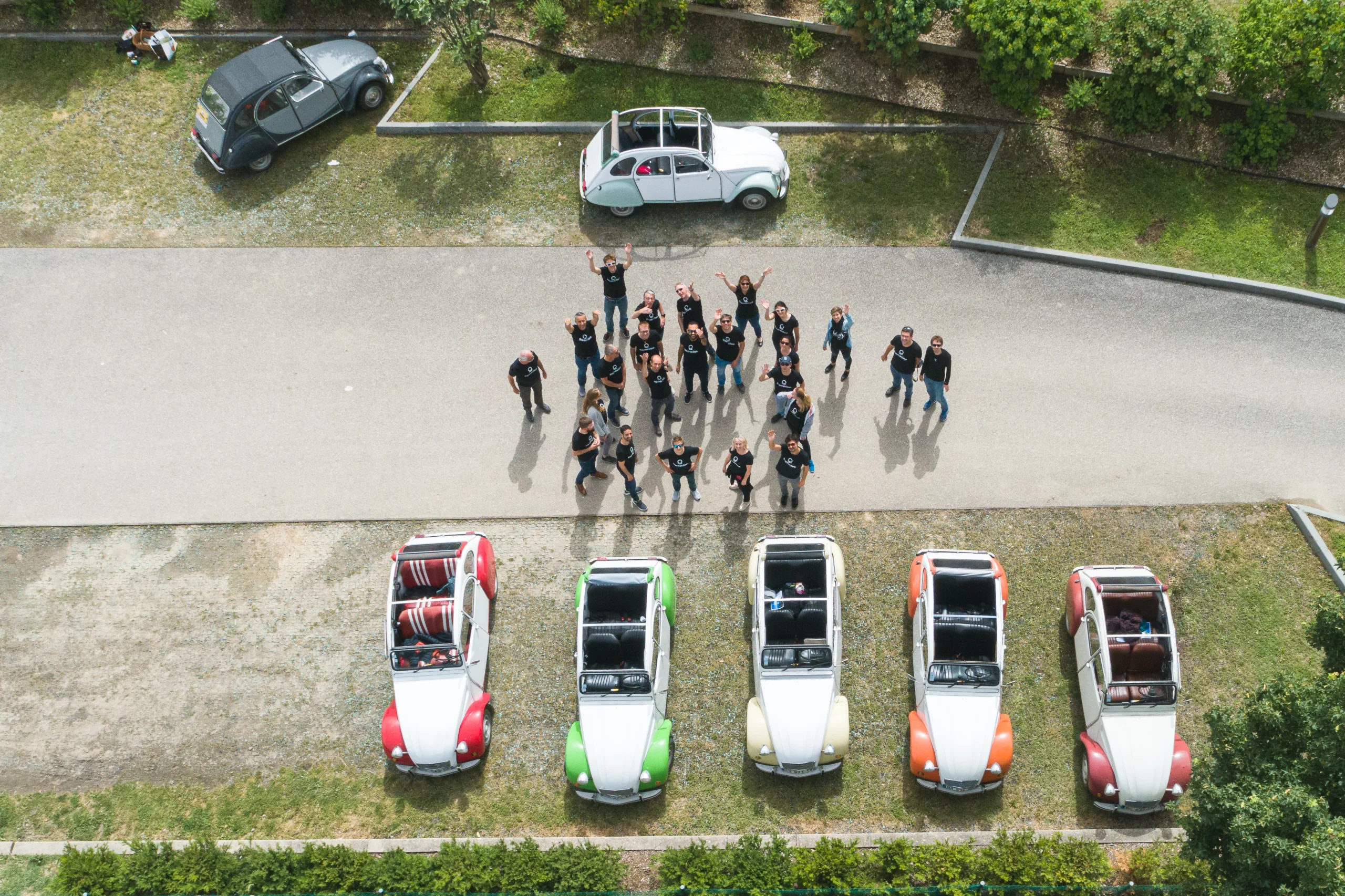
Typical rally formats from 4 to 24 Citroën 2CV (depending on supply, season, and lead time), with controlled dispatch waves to keep the experience fluid.
1 run-of-show and 1 risk register delivered for every project, with named owners, timing, and mitigation measures (not “best effort” planning).
0-surprise budget approach: line-by-line estimates (vehicles, insurance, permits, staffing, branding, meals, contingency) validated before signature.
Our work is built around repeatable delivery, which is why several Montréal organizations collaborate with INNOV'events year after year for moments where “the vibe” is not enough: leadership offsites, sales kickoffs, client appreciation days, and employer-brand activations with real visibility.
On rally-style days, we often support internal stakeholders who have a lot on their plate: HR managing participation and accommodations, Communications protecting brand coherence, and executives who want the experience to be fun but also purposeful. The common thread is that our clients need a partner who can coordinate multiple suppliers, make decisions quickly on-site, and document everything in a way that stands up to internal scrutiny (procurement, legal, HSE).
If you share the list of companies you want referenced, we can integrate them explicitly. In the meantime, our approach remains the same: local execution, bilingual facilitation, and operational discipline that matches the standards of established corporate event entertainment in Montréal.
Nous vous envoyons une première proposition sous 24h.
A 2CV Rally in Montréal is not “a car activity.” It’s a structured field exercise where teams manage time, share information under mild pressure, make trade-offs, and represent the organization in public settings. When you design it properly, it becomes a management tool—one that feels light for participants, but delivers measurable outcomes for leaders.
Accelerate cross-silo relationships in one day: We build teams intentionally (mixing departments, seniority, or locations) and design checkpoints that require role rotation—driver, navigator, clue lead, photo lead—so no single personality dominates. This is especially useful after reorganizations, M&A integrations, or when new leaders need quick social capital.
Create a leadership “observation window” without making it feel like an assessment: Managers can observe how people communicate, resolve disagreements, and handle ambiguity. We provide an optional observation grid to capture positives (initiative, inclusion, calm under pressure) while avoiding a “test” vibe.
Give Communications a real storytelling asset: A rally naturally generates content, but only if you control it. We set up brand-safe photo prompts, define what can be posted publicly, and create a post-event asset package (caption-ready highlights, approved hashtags, image selection rules, consent management).
Reinforce culture and internal messages: We integrate your priorities into the game mechanics: customer experience, quality, safety, innovation, sustainability. Instead of speeches, participants “earn” clues by solving micro-cases based on your reality (e.g., service recovery, ethical decision, operational trade-off).
Deliver recognition that feels earned: Awards are tied to behaviours you care about (collaboration, accuracy, respect of rules), not only speed. This matters when executives want to celebrate performance without encouraging risky driving or cutting corners.
Control risk better than most outdoor team activities: With the right briefing, dispatch strategy, and safety rules, a 2CV Rally is safer and more predictable than many “adventure” formats. We design for compliance, not adrenaline.
Montréal is a city where business is fast-paced and reputations travel quickly. Running a rally with clear governance signals professionalism: you can create energy without losing control, and you can build culture without compromising safety or brand standards.
Decision-makers here tend to be pragmatic. They’ll enjoy a playful format, but they won’t forgive operational gaps. In Montréal, you typically have a mix of local and out-of-town participants, bilingual expectations, and a calendar influenced by construction season, Grand Prix week, major festivals, and the reality that travel time can double unexpectedly.
On the ground, that translates into concrete requirements we build into the plan:
When these expectations are met, the rally becomes an asset. When they’re ignored, it becomes an internal distraction that executives end up managing on the day of the event. Our job is to keep your leadership team out of firefighting mode.
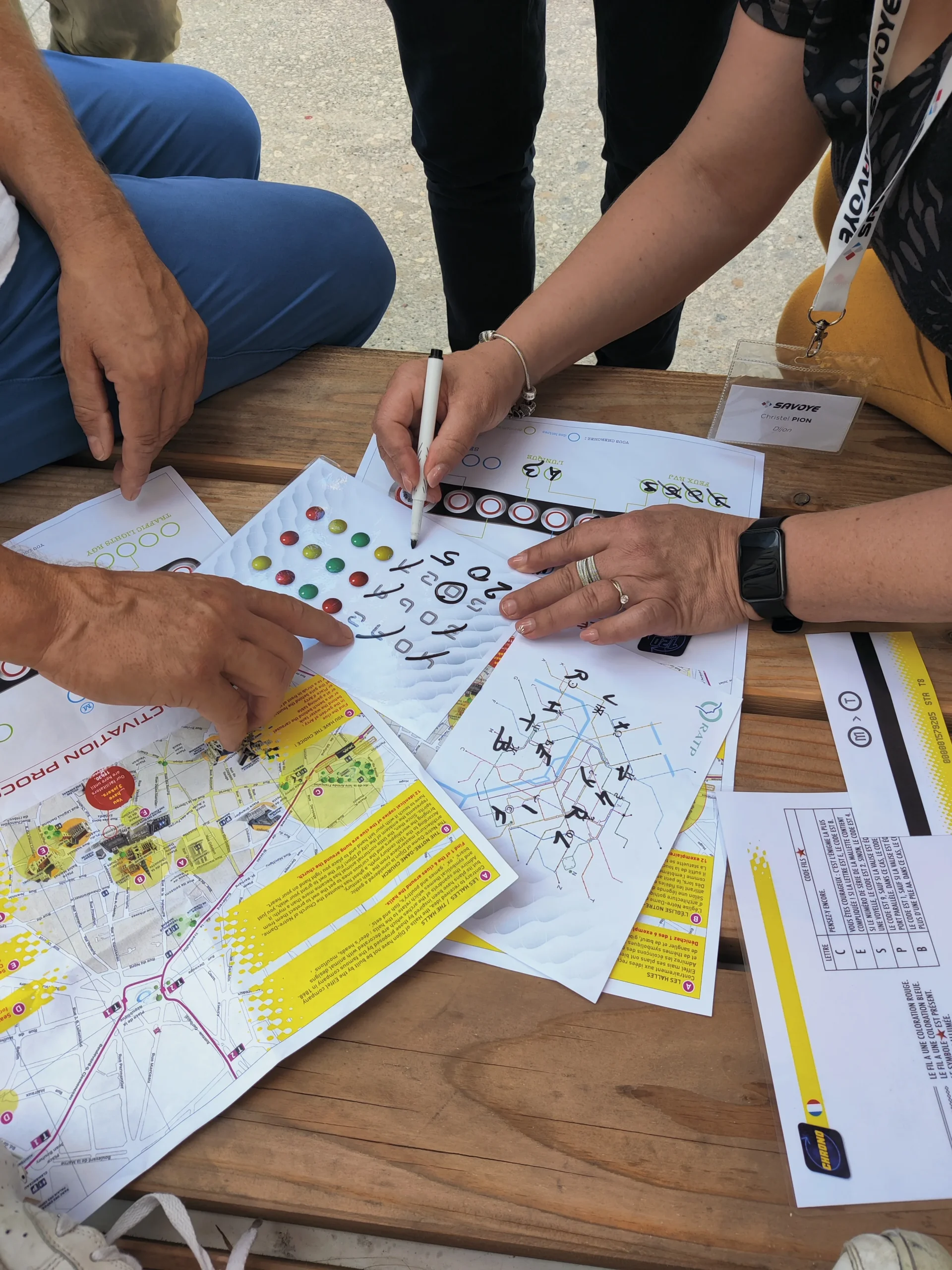
Engagement comes from two things: clarity and relevance. If participants understand the rules and see why the challenges matter, they commit quickly—even if they were skeptical at first. In a 2CV Rally, we modernize the experience by combining tactile, on-the-ground tasks with lightweight digital support (without turning it into a phone game).
Timed checkpoint challenges with role rotation: At each stop, teams must switch roles and complete a short task (logic puzzle, route correction, photo prompt with constraints). This prevents the “one strong driver does everything” dynamic and makes participation fair.
Operations mini-cases based on real corporate life: We can include scenario cards: a client escalates, a supplier misses a delivery, a safety incident occurs. Teams choose a response, justify it, and earn points for alignment with your values.
Scorekeeping that rewards behaviours: Points for collaboration, rule compliance, and accuracy. Penalties for unsafe conduct. This is important for HR and leadership credibility.
Brand-consistent photo direction: Instead of random selfies, we set defined “frames” and prompts that produce usable content (e.g., “team + vehicle + landmark + company colour element”). Communications gets assets that can be published without a long review cycle.
On-site host and bilingual facilitation: A strong MC keeps timing sharp, explains rules cleanly, and prevents confusion at awards. For executive audiences, clarity is what creates comfort.
Checkpoint tastings with controlled timing: A short tasting works well if it’s designed to avoid long lines: pre-portioned formats, fixed time windows, and a plan for dietary restrictions. It can be coffee-focused in the morning, or a structured snack stop to keep energy stable.
Lunch designed around mobility: For rallies, plated service often creates schedule risk. We usually recommend pre-selected menus, efficient service formats, and seating plans that support networking rather than isolate teams.
Light digital layer (optional): QR codes for clue validation, simple photo uploads to a private gallery, and real-time leaderboard display at the finish line. This keeps the rally modern without forcing everyone to use an app all day.
CSR integration that is logistically sound: Instead of a symbolic gesture, we build a task that fits rally pacing (e.g., assembling a small kit at a checkpoint, or completing a structured donation-related challenge). We ensure transport and handoff are planned so it doesn’t become a last-minute burden.
The best rallies feel coherent because the activities match the organization’s identity. We align tone, difficulty, and scoring with your brand standards—whether you are conservative and governance-driven, or more entrepreneurial and fast-paced. The rally should reflect how you operate in Montréal, not contradict it.
The venue is not just a backdrop; it dictates timing, traffic exposure, participant comfort, and how “corporate” the day feels. For a 2CV Rally in Montréal, the right setting is one that supports a clean start-line briefing, safe vehicle staging, and an efficient finish-line debrief with food and awards.
| Venue type | For which objective? | Main strengths | Possible constraints |
|---|---|---|---|
Hotel with conference facilities in Montréal | Leadership offsite or multi-day meeting with a rally “in the middle” | Single contract for rooms + meeting space, reliable AV for briefings, easy executive logistics | Vehicle staging may be limited; downtown traffic can impact dispatch timing; loading rules to respect |
Private event venue with large parking/staging area | Team-building day where the rally is the core activity | Clean start/finish flow, easy checkpoint signage, controlled regroup, better participant comfort | Availability during peak season; need to validate access for support vehicles and catering |
Corporate campus or client site with secured parking | Internal culture day or anniversary tied to company premises | Strong employer-brand signal, minimal transfers, easier security and check-in control | Neighbour impact to manage (noise, traffic); requires internal approvals and clear safety perimeter |
We insist on a practical site visit (or a detailed technical walkthrough) before finalizing. It’s the only way to confirm staging capacity, participant flow, washrooms, signage placement, and the real-world travel time between segments in Montréal.
Budgeting a 2CV Rally in Montréal is mainly about controlling variables. Two rallies with the same number of guests can differ significantly in cost depending on vehicle availability, route complexity, staffing ratios, and the level of branding and content production you require. We quote transparently so Procurement and Finance can validate assumptions.
Group size and vehicle ratio: Typically 2 people per 2CV (sometimes 3 if you accept tighter comfort). Your participant count drives the number of vehicles, staffing, and checkpoint capacity.
Duration and format: Half-day vs full-day, and whether you include a formal start briefing, mid-point meal, and structured debrief. A tight 3-hour format needs more precision (and staffing) than a relaxed full day.
Season and lead time: Summer and early fall book quickly. Short lead times reduce options and can increase costs because suppliers prioritize confirmed commitments.
Route and permits/logistics: Some start/finish zones require more planning (staging constraints, traffic control, security). Longer routes increase support needs (floater vehicles, recovery plan).
Insurance and governance requirements: Some organizations require higher coverage, specific contractual clauses, or additional documentation (risk assessments, incident protocols). We plan for this upfront.
Branding and content: Door magnets, roadbooks, checkpoint signage, on-site photo/video, and post-event editing. Communications teams often want deliverables within 48–72 hours, which impacts production planning.
Catering and venue: Food service style, dietary management, and whether you need an indoor backup space in case of weather.
We always bring the discussion back to ROI: if the rally supports retention, cross-team collaboration, leadership alignment, or client relationships, the right question is not “cheapest possible,” but “what level of production protects the agenda and the brand.” In executive terms, you are buying risk reduction and message effectiveness as much as you are buying vehicles.
A rally is a moving event. The biggest risks are not creative—they’re operational: delays, traffic surprises, checkpoint congestion, unclear instructions, and supplier coordination under pressure. An agency established in Montréal gives you faster response time, stronger supplier leverage, and teams who know how the city behaves in real life, not on Google Maps.
At INNOV'events, we also function as your internal extension: we speak the language of HR, Communications, and executives, and we produce the documents that make your stakeholders comfortable—clear scope, run-of-show, participant comms, and on-site responsibility mapping. If you want to see how we operate beyond the rally format, visit our page as an event agency in Montréal.
We always bring the discussion back to ROI: if the rally supports retention, cross-team collaboration, leadership alignment, or client relationships, the right question is not “cheapest possible,” but “what level of production protects the agenda and the brand.” In executive terms, you are buying risk reduction and message effectiveness as much as you are buying vehicles.
Most clients who book a 2CV Rally are not looking for a one-off activity; they’re looking for a partner who can hold an entire event day together. In Montréal, that often means combining a rally with leadership content, recognition, client moments, and production requirements that must look polished.
We regularly support:
Our value shows when the plan meets reality: late arrivals, a last-minute executive change, unexpected weather, or a venue constraint. We build with buffers and decision points so you can keep control without looking rigid.
Underestimating dispatch and regroup logistics: Without staggered departures and checkpoint capacity planning, you create traffic jams, late lunches, and a frustrated executive group.
Making scoring encourage risky behaviour: If speed is rewarded, someone will take chances. We design scoring around accuracy, collaboration, and rule compliance.
Weak participant communications: Vague instructions lead to late arrivals and confusion. We provide clear pre-event emails (where to park, what to wear, ID requirements, timing, what happens if you’re late).
Ignoring bilingual facilitation needs: Translating a booklet is not enough. Briefings, on-site decisions, and debriefs must be equally strong in English and French.
No plan for vehicle issues: With classic cars, you plan support by design. We include a recovery protocol and a way to keep teams engaged if a car needs attention.
Overloading the route: Too many checkpoints or an overly ambitious distance kills pacing. We prefer fewer, better-designed moments that deliver real participation.
Forgetting brand governance in public spaces: Employees in branded vehicles are visible. We align behaviour guidelines, photo rules, and public interaction expectations with your corporate standards.
Our role is to remove these risks before they show up on event day. That’s why we invest time in route validation, staffing plans, and a tight run-of-show—so your leaders can participate instead of managing issues in the field.
Repeat business in corporate events is rarely about creativity; it’s about reliability under pressure. When a Director of HR or Communications brings the same agency back, it’s because the agency protected internal credibility: budgets were respected, stakeholders were informed, and the day ran smoothly.
Multi-year planning support: Many clients ask us to map a 12–24 month rhythm (team moments, client moments, internal milestones) so each activation has a clear purpose.
Operational documentation that survives turnover: We provide structured files (timelines, supplier lists, decision logs) so if your internal event lead changes, you don’t lose control.
Consistent on-site leadership: We assign a responsible producer who stays accountable from kickoff to strike, not a handoff between departments.
Loyalty is a proof point because it’s earned in the hard moments: last-minute agenda changes, weather shifts, or VIP constraints. That is where a local event agency in Montréal is either helpful—or not. Our clients come back because we keep their leadership team protected and their participants well taken care of.
We start with a working call (30–60 minutes) with HR, Communications, and an executive sponsor if possible. We clarify: audience profile, internal objectives, non-negotiables (timing, brand, safety), and operational constraints (accessibility, alcohol policy, union venue rules, procurement process). You receive a summary that can be forwarded internally to align stakeholders quickly.
We propose a rally structure: team size, vehicle count, dispatch rhythm, checkpoint count, game mechanics, and debrief format. This is where we translate your theme into challenges that make sense for adults and for your culture. We also confirm bilingual requirements and the level of content capture needed for internal/external communications.
We engineer the route with realism: start/finish staging, safe stops, washrooms, meal timing, and traffic buffers. We validate feasibility with venue partners and confirm whether permits or special access requirements apply. If your audience includes VIPs, we add a parallel comfort plan (priority parking, quieter briefing area, dedicated host support).
We finalize documentation: run-of-show, safety briefing script, waivers/consents, incident escalation protocol, and participant emails. We also define how scoring works to avoid unsafe incentives. For HR, we build a clean registration flow and handle dietary/accessibility needs in a structured way.
We confirm vehicles, staffing ratios, radios, signage, roadbooks, and checkpoint materials. We schedule supplier arrivals and define who approves what on-site. This is the step that prevents “everyone is waiting for someone” on event day. Communications can also review brand placements and content prompts here.
We run the rally with a clear command structure: start-line control, checkpoint leads, floaters, and a finish-line production team. We track timing, manage late teams without disrupting the experience, and protect your debrief window. After awards, we deliver a short operational recap (what worked, what to adjust) and, if included, your content package timeline.
Most corporate formats work well for 20–250 participants. Practically, the sweet spot is often 40–120 because it keeps dispatch smooth and checkpoints manageable. Larger groups are possible with multiple waves, added staffing, and a venue that can handle staging.
Common formats are 3–4 hours (half-day) or 6–8 hours (full day with meal and debrief). If you have executives on a tight agenda, we recommend a half-day rally with a strict dispatch plan and a 15–25 minute structured debrief.
It depends on your start/finish locations and whether you need reserved space, amplified sound, or special access. Driving on public roads typically doesn’t require event permits by itself, but staging, parking control, and certain venues can. We validate requirements during route and site planning and document responsibilities clearly.
We plan for rain as a normal scenario: waterproof clue materials, adjusted checkpoint tasks, and an indoor option for briefing/debrief when possible. If weather becomes unsafe, we can shorten the route and shift to more venue-based challenges while keeping the scoring fair.
Budgets vary mainly with vehicle count, staffing, and venue/catering. For many corporate groups, a realistic planning range is CAD $15,000–$60,000. Smaller formats with fewer cars and simpler logistics sit at the lower end; premium venues, content production, and larger fleets push toward the upper end. We provide a line-by-line estimate for internal approval.
If you’re comparing agencies, we can make your decision easier: share your date window, estimated headcount, and the goal (team cohesion, leadership alignment, client experience, employer brand). We’ll come back with a clear rally architecture, a practical route approach, staffing plan, and budget structure—so you can validate feasibility internally without guessing.
Montréal calendars fill quickly during peak season, and vehicle availability is not infinite. Contact INNOV'events early to lock the right conditions for your 2CV Rally in Montréal and avoid last-minute compromises that create risk on the day of the event.
Thierry GRAMMER is the manager of the INNOV'events Montréal office. Reach out directly by email at canada@innov-events.ca or via the contact form.
Contact the Montréal agency